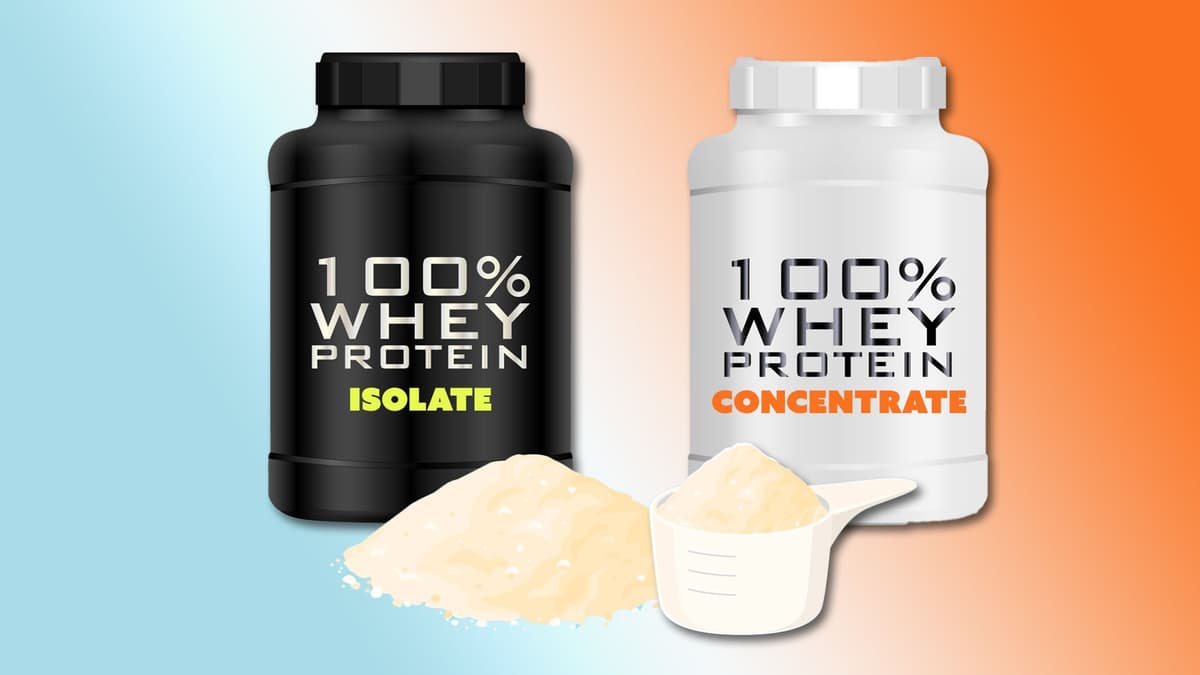
Whey Protein Isolate Vs. Concentrate: Which One Is Better?
Whey protein isolate and concentrate are the two primary forms of milk‑derived protein powder, each with distinct processing levels and nutrient profiles. Isolate is 90‑95% pure protein, delivering roughly 27‑28 g per 30 g scoop, low in carbs, fat, and lactose, but commands a premium price and lacks some bioactive compounds. Concentrate retains 70‑80% protein along with modest carbs, fat, and lactose, offering more immunoglobulins and growth factors at a lower cost. Research shows both forms support similar muscle gains when total protein intake is equal, making choice a matter of budget, tolerance, and specific health goals.
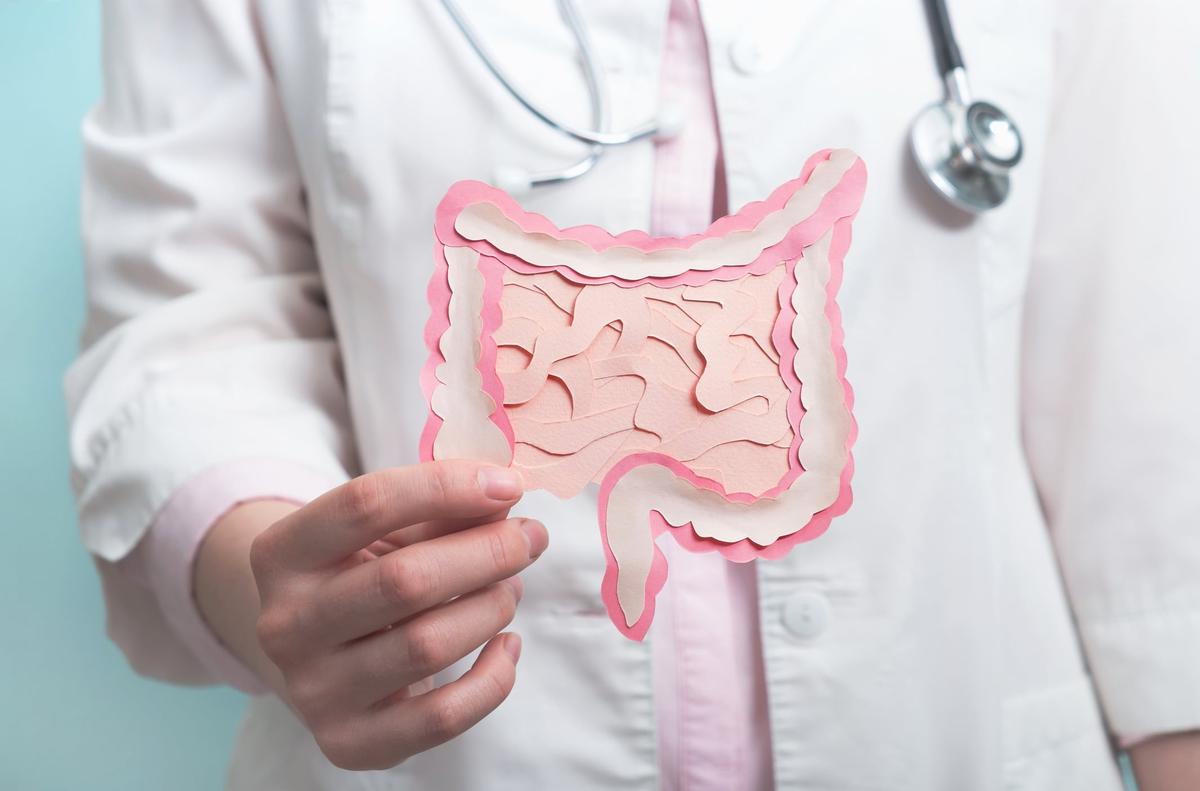
ADM’s Probiotic Shows Promise for Constipation: Study
Researchers at Archer Daniels Midland (ADM) reported that their probiotic BPL1, containing Bifidobacterium animalis subsp. lactis, significantly improved stool frequency, weight and moisture in loperamide‑induced constipated rats. A higher dose (3 × 10⁹ CFU) produced stronger laxative effects than a lower dose (1.5 × 10⁸ CFU)...

New Research Highlights 10 Peptides You Shouldn’t Be Using
A new review in *Sports Medicine* examined ten peptides that are circulating on social media as performance‑enhancers. The authors found that most of these compounds have only animal or in‑vitro data, with little or no convincing human research. All but...

Vitamin D May Prevent Diabetes in People with Certain Genes
A new analysis of the D2d trial shows that a daily 4,000 IU vitamin D supplement reduces the risk of developing type 2 diabetes by 19 % in prediabetic adults who carry the AC or CC variants of the vitamin D receptor gene, while those...

Supplements for Menopause: Here’s What the Evidence Actually Says
Supplements such as magnesium, lion’s mane, creatine and collagen are heavily marketed for menopause relief, but scientific support varies. Clinical trials show magnesium can aid sleep and reduce anxiety, while lion’s mane’s mood benefits are inconclusive and lack menopause‑specific data....
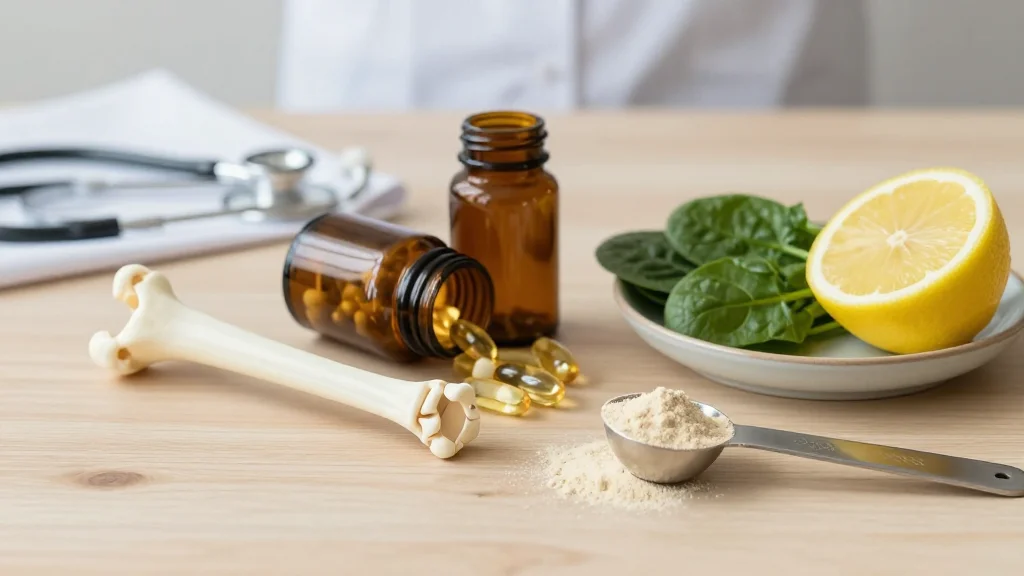
Effects of Macro- and Micronutrient Intake on Bone Mineral Density, Osteoporotic Fracture Risk, Inflammation, and Functional Rehabilitation Outcomes in Orthopedic...
A systematic review of 95 studies examined macro‑ and micronutrient interventions in orthopedic patients, finding moderate improvements in bone mineral density (SMD 0.47) and large reductions in bone turnover markers (SMD ‑0.69) and inflammatory markers (SMD ‑1.34). Post‑operative recovery outcomes showed a strong...

Risk of Gastrointestinal Intolerance and Complications Associated with Homemade versus Commercial Enteral Nutrition in Critically Ill Patients: A Single-Center Retrospective...
A retrospective cohort of 605 ICU patients compared commercial enteral nutrition (CEN) with hospital‑compounded individualized commercial formulation (ICF). ICF patients experienced markedly lower diarrhea (13.6% vs 41.5%), fewer feeding interruptions, higher mean daily calories (951 kcal vs 893 kcal), and dramatically reduced...
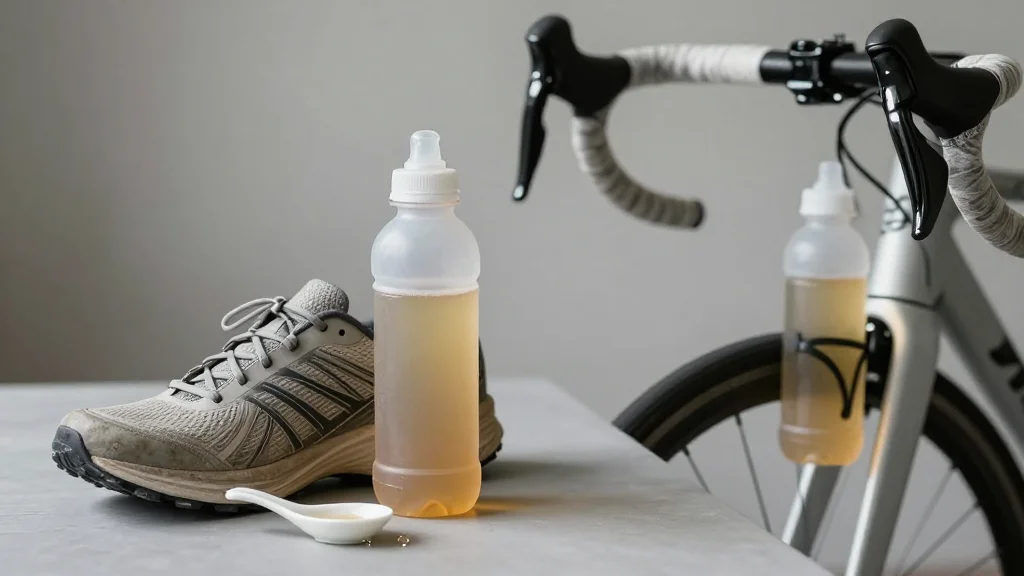
Gastrointestinal Tolerance to a Standardized Milk-Based Hydration Strategy Is Similar Across Exercise Modalities
A randomized crossover trial compared gastrointestinal (GI) tolerance of low‑fat, lactose‑free A2 milk during treadmill running and stationary cycling, matching intensity, duration, and fluid volume. Overall GI symptom burden was statistically equivalent between the two modalities, despite cycling showing higher...

Male Sex and Iron Deficiency Risk at 6 Months: The Mediating Role of Rapid Weight Gain
A retrospective cohort of 355 term infants in Chengdu found that male infants had a significantly higher prevalence of iron deficiency (ID) at six months (27.9% vs 15.8% in females). Rapid weight gain during the first six months was independently...
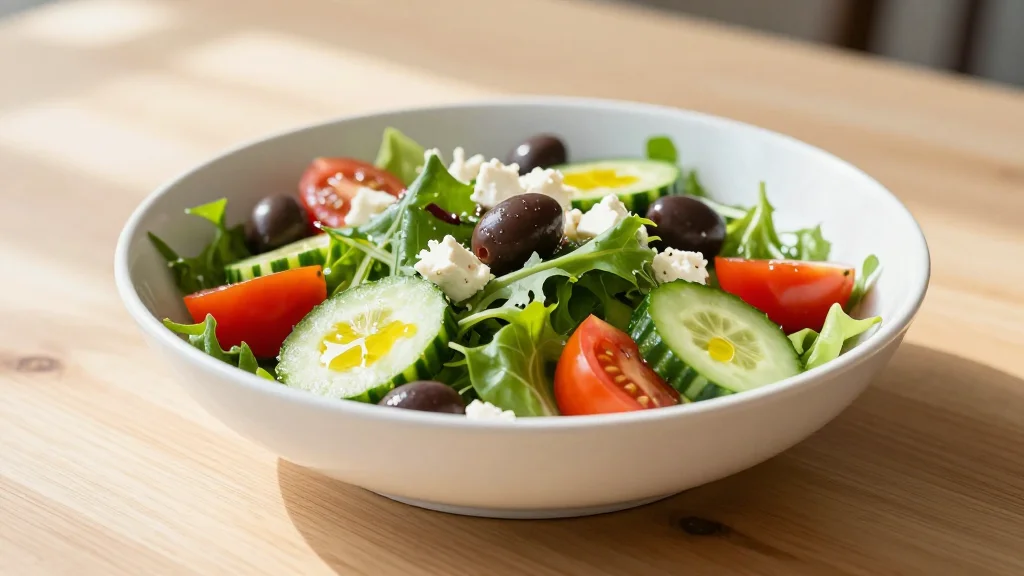
Researchers Analyzed 450k Diets — This Eating Habit Stood Out For Cancer Prevention
A new JAMA Network Open study of over 450,000 participants found that strict adherence to the Mediterranean diet significantly lowers the risk of obesity‑related cancers. The protective effect was observed even after accounting for body weight and fat distribution, suggesting...

Nearly 70% Of Americans Are Deficient In This Mineral & Blood Tests Miss It
New analysis of NHANES data shows that 67.8% of U.S. adults may have chronic latent magnesium deficiency, a condition where serum levels appear normal but body stores are depleted. The deficiency is especially prevalent among people with diabetes (78.3%), hypertension...
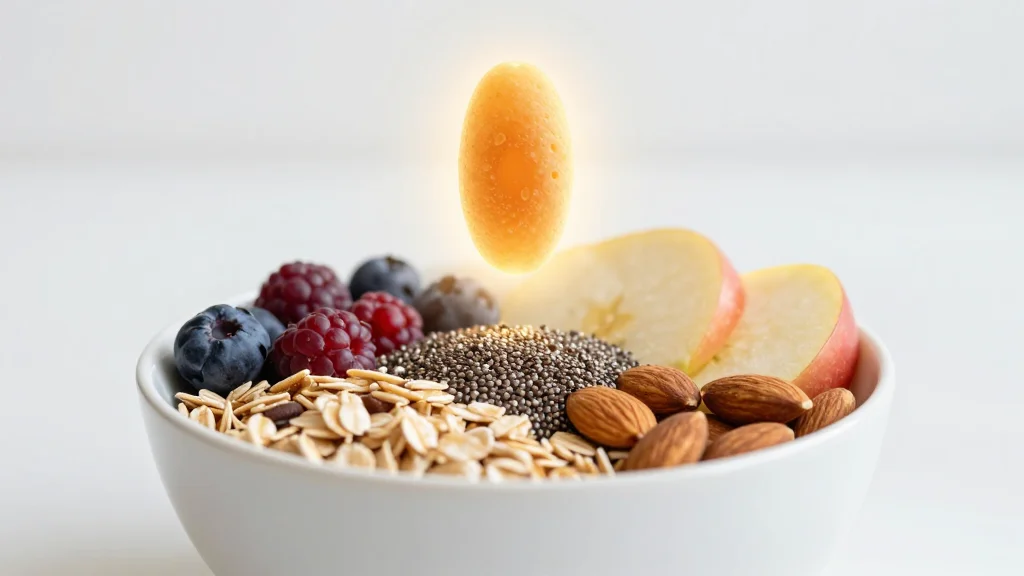
Tired All The Time? This Simple Diet Tweak Could Boost Your Energy
Stanford protein chemist Daria Mochly‑Rosen explains that dietary fiber fuels the gut microbiome, which produces butyrate—a short‑chain fatty acid that directly nourishes intestinal mitochondria. Adequate butyrate improves mitochondrial efficiency, strengthens the gut barrier, and reduces inflammation, translating into higher energy...
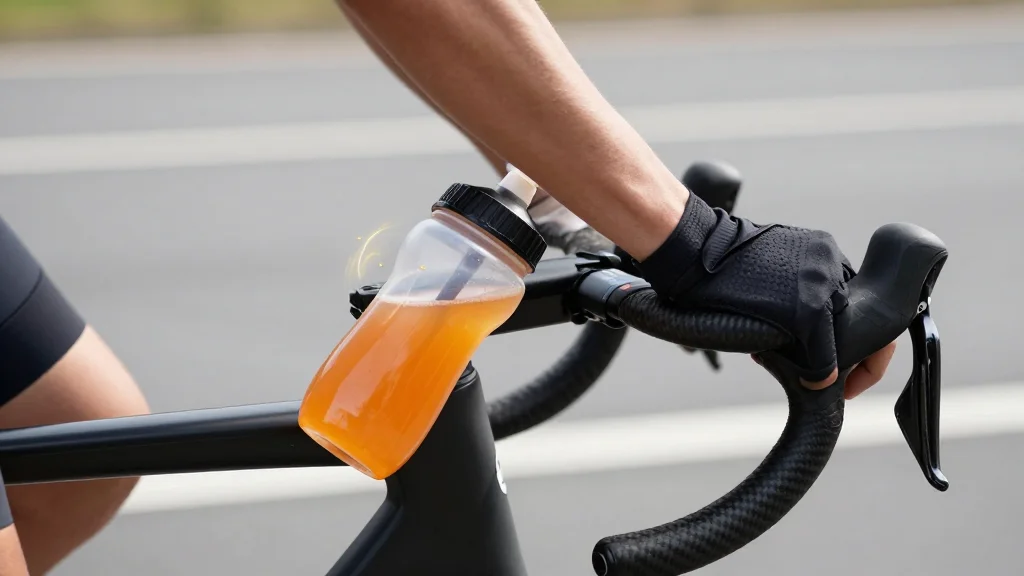
UCI Sports Nutrition Project: Nutrition in Road Cycling
The UCI Sports Nutrition Project paper delivers the most comprehensive review of race nutrition for professional road cycling. It highlights that modern races start at higher intensities, causing earlier glycogen depletion and a greater reliance on exogenous carbohydrates. Energy expenditure...
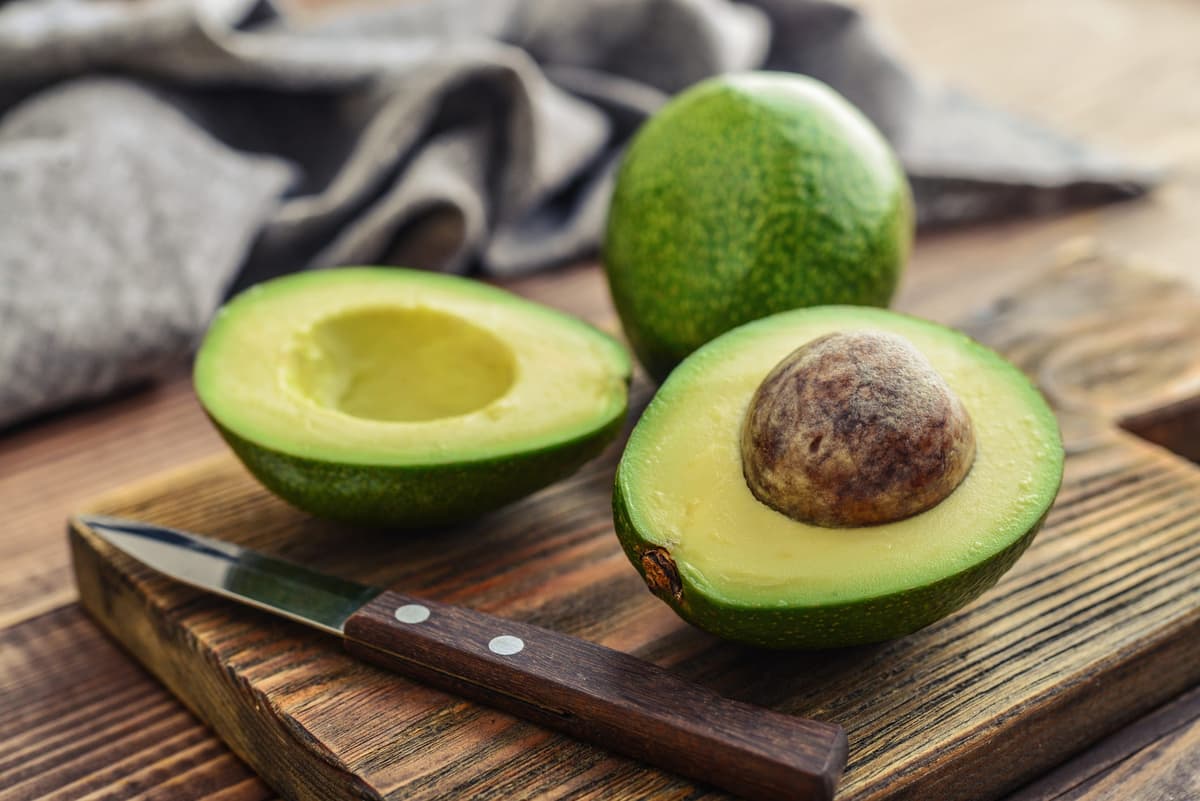
The 44 Best High-Protein, Low-Carb Foods, According To Nutritionists
The article compiles 44 high‑protein, low‑carb foods recommended by nutritionists, defining the category as foods where protein equals or exceeds net carbs. It provides detailed nutrition facts for each item, ranging from animal proteins like shrimp and venison to plant‑based...

CoQ10 Boosts Exercise Performance, Recovery: Thailand Crossover Study
Researchers at Mahidol University conducted a crossover trial in Thailand examining post‑workout supplementation with 300 mg CoQ10, a lemon‑flavored Gatorade, or placebo in normal‑weight and overweight men aged 18‑30. The study found that CoQ10 significantly increased resistance‑exercise volume and reduced urinary...

Can You Slow Ageing with Your Diet? A New Book Gives It a Go
Freelance health journalist David Cox discovered his biological age was older than his chronological age and turned that shock into a mission to reverse it. In his new book, *The Age Code*, he chronicles how specific dietary changes can lower...

Your Pint Could Come with a Surprising Health Benefit
A recent study published in a peer‑reviewed journal measured vitamin B6 levels in 65 German beers and found that a typical pint can deliver a meaningful share of the daily requirement. Average lagers supplied about 20% of the recommended intake,...

This Is Exactly How Much Creatine You Should Be Taking Every Day
Creatine remains the most researched dietary supplement, prized for boosting short‑burst power, muscle mass, and emerging cognitive benefits. Experts agree a daily dose of 3–5 grams safely saturates muscle stores, while exceeding 10 grams can cause gastrointestinal discomfort and dehydration. The long‑debunked...

The Easiest Blood Sugar Upgrade You Can Make During The Workday
A new study in Cell Metabolism found that natural daylight exposure at work improves blood‑sugar stability for people with type 2 diabetes. In a crossover trial, participants who sat near windows spent more time within the normal glucose range than when...
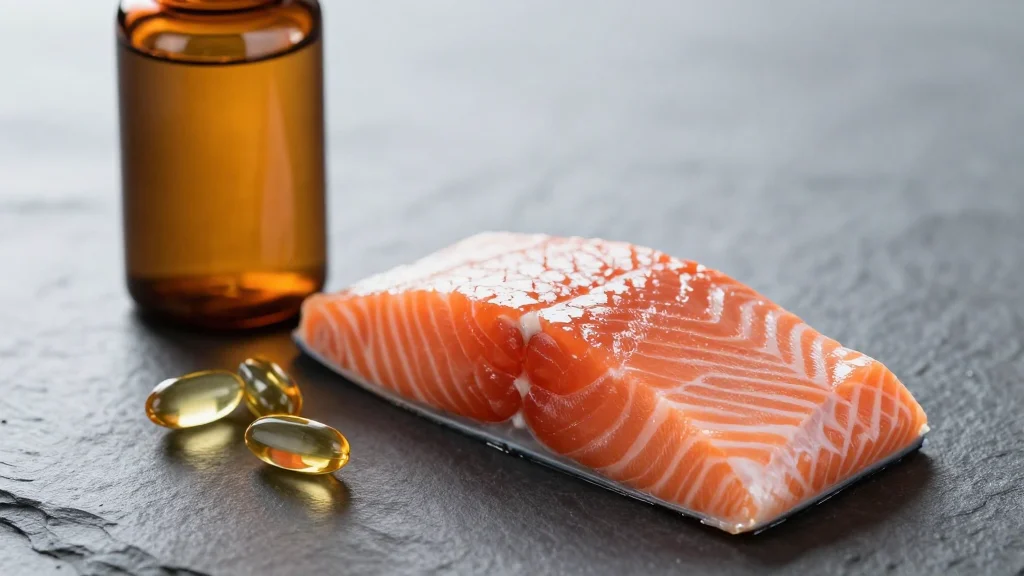
Training Hard? 7 Ways Omega-3s Improve Your Fitness & Overall Health
The International Society of Sports Nutrition (ISSN) released a position paper confirming that omega‑3 fatty acids, especially EPA and DHA, can enhance cardiovascular efficiency, muscle quality, and recovery in athletes. Studies cited show improvements in running economy, heart‑rate recovery, and...

Fermented Dairy Alternatives Show Enhanced Biofunctionality
Researchers in Greece and Ireland found that fermenting oat‑ and soy‑based dairy alternatives markedly boosts their biofunctional properties. Fermented soy yogurt‑type products displayed stronger antiplatelet and anti‑inflammatory effects, while fermented oat yogurt‑type products showed superior antioxidant activity. The study also...

How 1 Fast Casual Founder Aims to Build AI Bridge Between Wearables, Wellness
Summits Technologies has launched StarAI, an AI platform that translates wearable fitness data into personalized fast‑casual meals prepared in a 350‑square‑foot ghost kitchen in Venice Beach. The kitchen operates limited hours, offering dishes priced $13‑$30, and plans to boost output...

Re: Intermittent Fasting Strategies and Their Effects on Body Weight and Other Cardiometabolic Risk Factors: Systematic Review and Network Meta-Analysis...
A recent systematic review and network meta‑analysis suggested alternate‑day fasting could outperform continuous energy restriction (CER) for weight loss and some cardiometabolic markers. In a rapid response, Dr. Moeez Ahmad cautions that the CER arms in the analysis were highly...
Effects of Exogenous Fibrolytic Enzymes on Growth Performance, Nutrient Digestibility, Haematological and Serum Biochemical Indices, and Manure Output of Kano...
Researchers evaluated four diets—control, Bovizyme®, Betafin®, and Astrax®—in twelve Kano Brown bucks over 12 weeks to assess exogenous fibrolytic enzymes. While feed intake and weight gain were unchanged, Bovizyme® markedly improved digestibility of dry matter, protein, fiber, and fat, reaching...
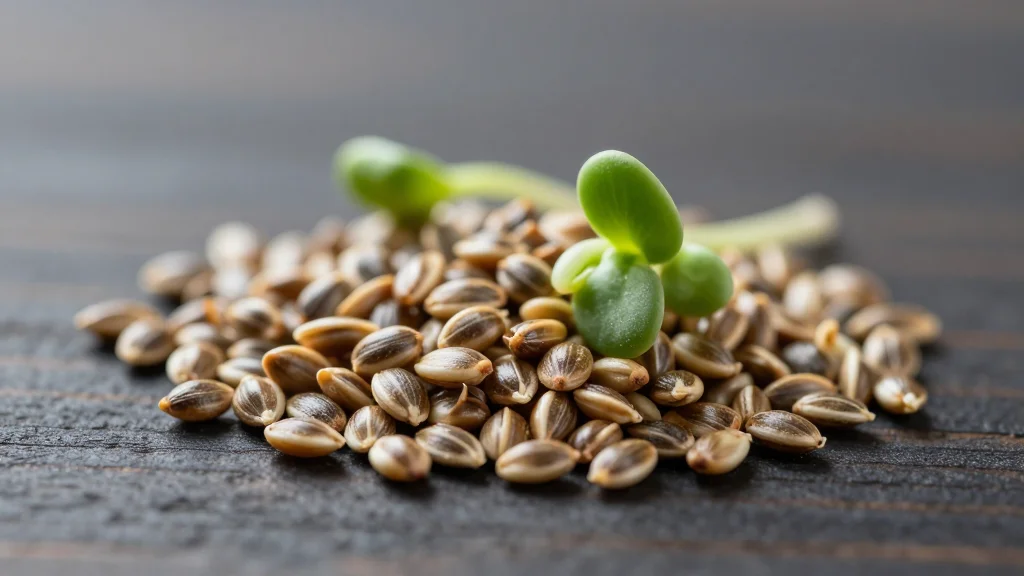
Assessment of Nutritional and Functional Profile of Whole, Hulled and Germinated Hemp (Cannabis Sativa L.) Seeds
Researchers evaluated whole, dehulled and germinated hemp seeds (Cannabis sativa L.) from Romania, measuring proximate composition, antinutrients, amino acids, fatty acids, tocopherols and antioxidant capacity. Dehulling increased crude protein to 33.8 % and ether extract to 48.1 %, raising metabolizable energy to...
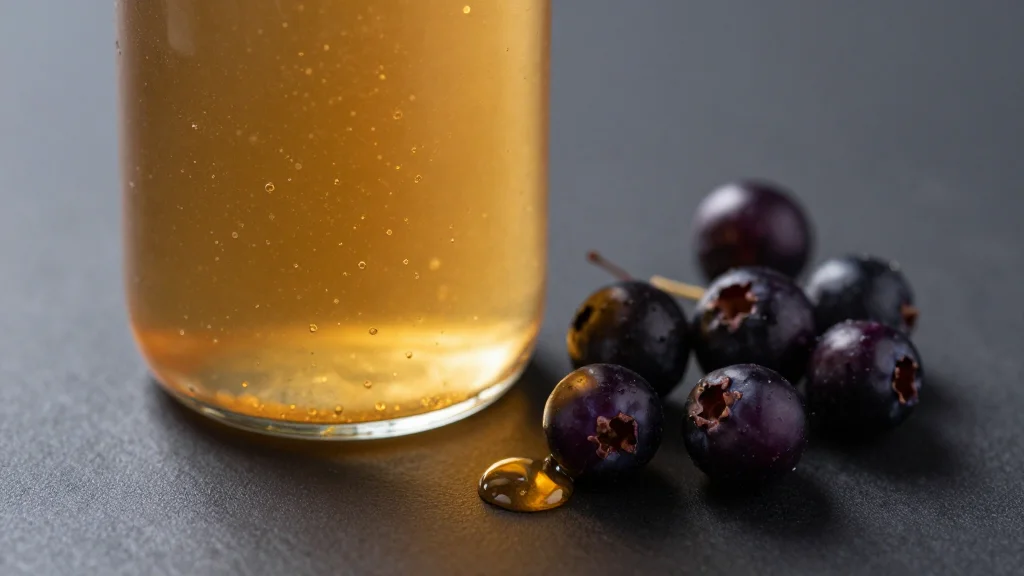
Evaluation of the Antidiabetic Potential and Bioaccessibility of Propolis-Enriched Aronia Kombucha: An in Vitro Study
Researchers evaluated a propolis‑enriched aronia kombucha (PAK) against a standard aronia kombucha (AK) to assess bioactive content, in‑vitro bioaccessibility, and antidiabetic activity. Using response surface methodology, the optimal blend was identified as 11.09 g L⁻¹ aronia tea with 1.42 % propolis, yielding higher...

The Effect of Breast Massage Combined with Co-Parenting Interventions on Breastfeeding in Mother-Infant Separated Mothers: A Quasi-Experimental Study
A quasi‑experimental trial involving 120 mother‑infant dyads separated after birth tested a co‑parenting protocol where fathers performed structured breast massage. The intervention group achieved exclusive breastfeeding rates of 64.9% at one month and 64.3% at three months, far surpassing the...
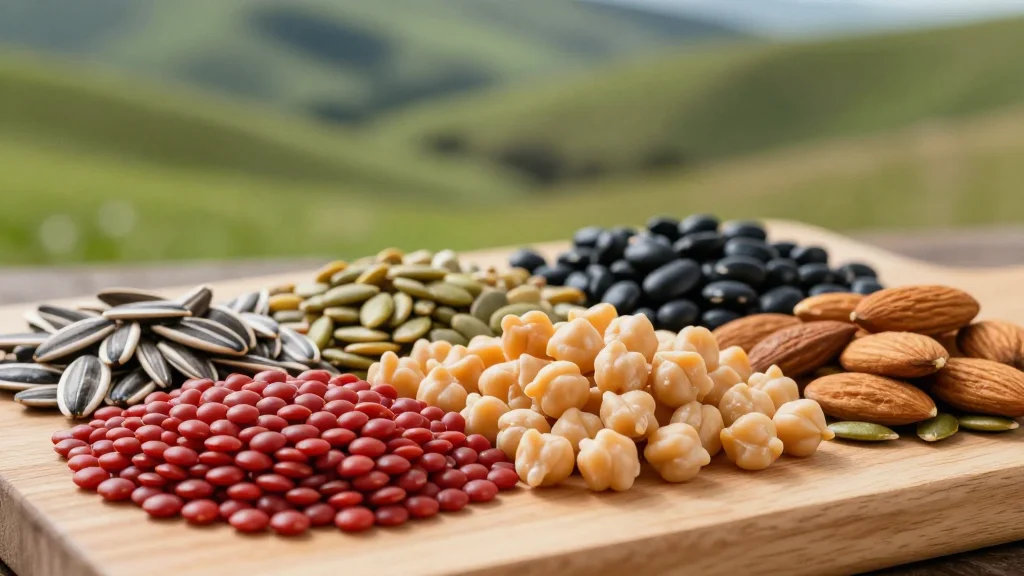
Improving the Protein Quality of New Zealand Vegan Diets: An Optimisation Modelling Approach Incorporating Energy Constraints and Diet Acceptability
Researchers applied linear‑programming optimisation to 502 daily vegan diets in New Zealand, adding only foods already consumed to meet individual protein and indispensable amino‑acid (IAA) requirements within personal energy limits. The model resolved shortfalls in 90 % of diets, primarily by increasing...

What a Dietitian Would Eat in a Day to Help with ADHD
A preventive cardiology dietitian recommends a plant‑forward, Mediterranean‑style diet to help adults with ADHD manage focus, anxiety, and energy levels. She emphasizes stable blood‑sugar through balanced carbs, protein, fiber, and healthy fats, while warning against ultra‑processed foods and low‑carb keto...

Precommitment Can Lead to Healthier Food Choices Under Stress, Study Finds
A recent Psychoneuroendocrinology study shows that stress drives psychology students to favor tastier, less‑healthy foods, but a precommitment step—removing the unhealthy option in advance—significantly raises the share of healthy selections. Participants chose the healthier item in only 21% of unrestricted...
CMS Announces Hospital Food Pledge
The Centers for Medicare & Medicaid Services (CMS) unveiled a voluntary pledge for hospitals to align patient food services with the 2025‑2030 Dietary Guidelines for Americans. The pledge calls for meals that meet individual nutritional needs, support healing and recovery,...
Ask the RD: Should You Supplement With Collagen?
The MyFitnessPal article reviews the growing hype around collagen supplements, summarizing early research that suggests benefits for joint pain, skin elasticity, and exercise recovery while highlighting the lack of definitive dosage guidelines. It explains that collagen naturally declines with age...

Sustained Release Ashwagandha Supplement May Reduce Stress and Improve Sleep Quality: RCT
A three‑arm, placebo‑controlled trial found that sustained‑release ashwagandha (AshwaSR) at 150 mg and 300 mg daily reduced stress and improved sleep in healthy adults over 60 days. The high dose cut Perceived Stress Scale scores by 41.6% and lowered cortisol, while the...
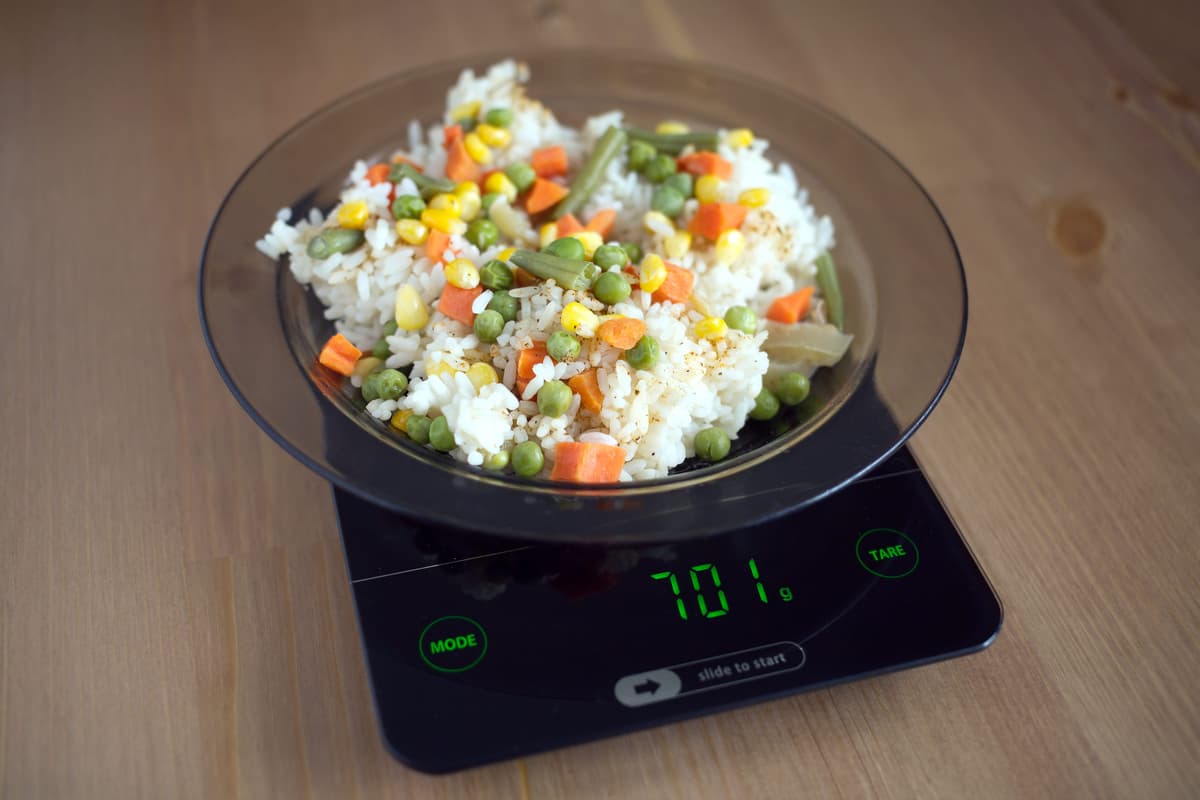
What Should My Macros Be? Your Nutrition Questions Answered
The article breaks down how to calculate personal macronutrient ratios, citing USDA guidelines of 45‑65% carbs, 10‑35% protein, and 10‑35% fat. It illustrates a sample 1,600‑calorie plan that translates to 160 g carbs, 120 g protein, and 53 g fat, and explains how...

Single-Dose Creatine May Support Cognition in Sleep Deprivation: Study
Researchers found that a single 0.2 g/kg dose of creatine monohydrate mitigates cognitive decline during 21 hours of sleep deprivation, improving performance by up to 12% compared with placebo. The effect, though smaller than the previously studied 0.35 g/kg dose, was most pronounced...

Acute Citrulline Malate Shows Promise for Male Sprinters Going for Gold
Researchers gave elite male sprinters an 8 g acute dose of citrulline malate (CM) before a second 100 m sprint and found modest speed improvements, higher lactate rise, and reduced perceived fatigue compared with placebo. The double‑blind crossover study involved 11 collegiate...

Understanding Type I and Type III Collagen: How Different Collagen Types Support Joint and Skin Health
Collagen, the body’s most abundant protein, exists in 28 types, with Types I and III dominating connective tissue. Type I delivers tensile strength to bone, tendon, ligament and cartilage, while Type III provides elasticity for skin, arterial walls, and wound‑healing matrices. Production drops roughly...

Probiotics Shown to Relieve Constipation in Kids: Vietnam RCT
A Vietnam‑based randomized, double‑blind trial found that two Bacillus spore probiotic liquids, LiveSpo Kids and LiveSpo Preg‑Mom, significantly eased functional constipation in preschool children. Over four weeks, the probiotic groups experienced a 3.6‑ to 4‑fold reduction in low‑frequency bowel movements,...

The Ulcerative Colitis Diet: What To Eat and Avoid
Gastroenterologist Suresh Pola outlines dietary strategies for ulcerative colitis, distinguishing recommendations for flare‑ups versus remission. During flares, patients should focus on easily digestible proteins, low‑fiber cooked vegetables, skinless fruits, simple grains, and stay hydrated with water or oral rehydration solutions,...

Why You Should Add Eggs to Your Protein Rotation
Eggs remain a versatile, nutrient‑dense protein source, offering high‑quality amino acids, leucine for muscle synthesis, and essential micronutrients like choline, vitamin A, and selenium. A typical egg provides about 12.6 g of protein per 100 g, though other animal proteins often deliver more...

Probiotic-Fortified Functional Foods: Integrating Nutrient Delivery and Gut Health Benefits
Probiotic‑fortified functional foods are rapidly emerging at the intersection of food technology, microbiome science, and nutrition. By embedding live, strain‑specific microbes into everyday matrices, manufacturers achieve higher stability, bioavailability, and synergistic nutrient delivery compared with traditional supplements. Clinical evidence links...
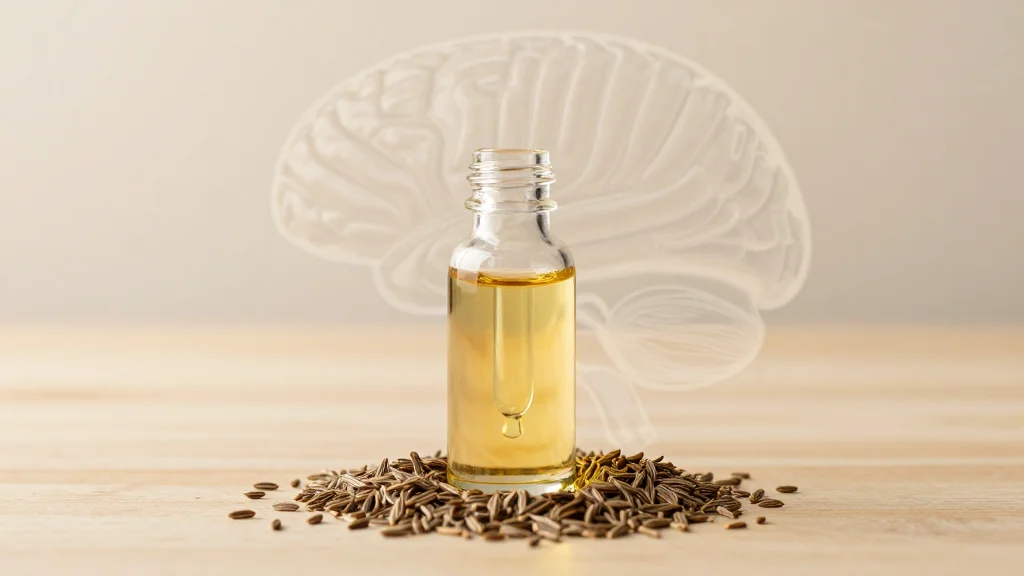
Daily Intake of Cuminaldehyde-Rich Cumin Essential Oil Improves Cognitive Function in Healthy Elderly Japanese Adults: A Randomized, Double-Blind, Placebo-Controlled Pilot...
A 12‑week, double‑blind pilot trial in 38 healthy Japanese seniors found that daily ingestion of a cumin essential oil capsule containing 25 mg cuminaldehyde significantly enhanced psychomotor speed and reaction time compared with placebo. Cognitive gains were measured using the Cognitrax...
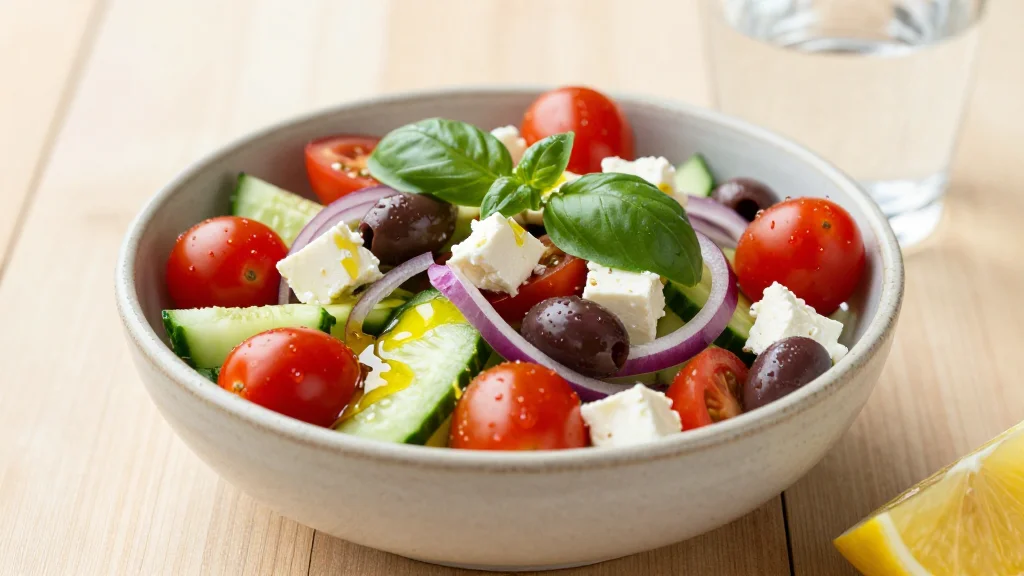
Gastrointestinal Symptoms and the Mediterranean Dietary Pattern: Secondary Analysis of a Randomized Controlled Trial in a Population with Increased Cardiometabolic...
A secondary analysis of a 12‑week randomized trial in 200 New Zealand adults at elevated cardiometabolic risk found that a locally adapted Mediterranean diet (NZMedDiet) modestly reduced gastrointestinal symptom severity. Women and Māori participants reported higher baseline symptoms, but the diet...

Saskatoon Berry Intake Linked to Improved Heart and Gut Health
A Canadian pilot study gave 20 healthy adults 40 g of freeze‑dried Saskatoon berries daily for 10 weeks. Participants experienced significant drops in fasting glucose, total and LDL cholesterol, systolic blood pressure, and inflammatory markers, while calorie intake stayed stable. Gut analysis...
New Research Says Men Should Limit This To Protect Their Brain Health
A new study published in Neurobiology of Aging links high sodium intake to poorer episodic memory in men, while women showed no such association. Researchers followed more than 1,200 participants for six years and observed that men consuming excess salt...
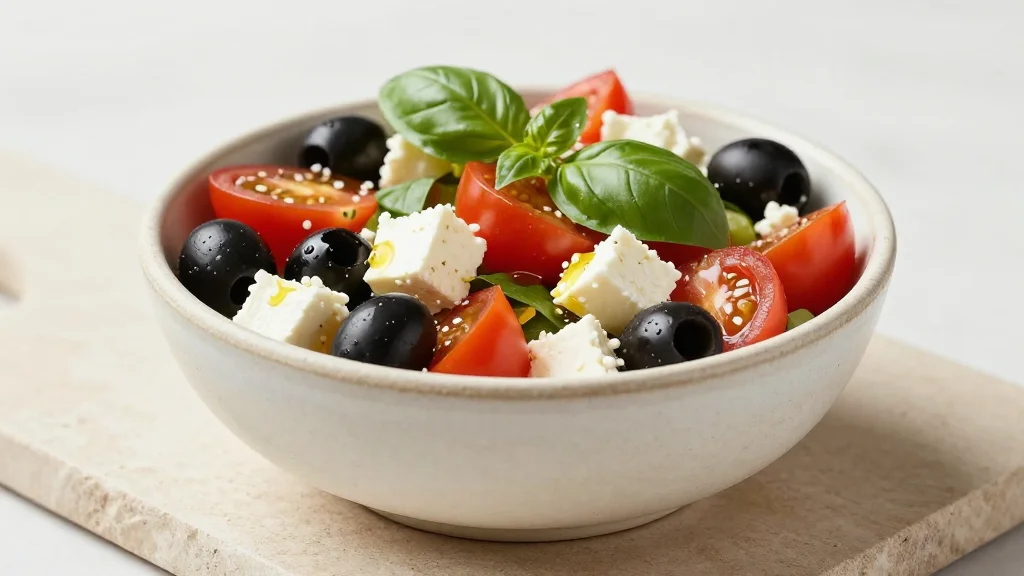
What It Actually Means To “Live Mediterranean,” According To A Large Study
A new international study of 4,010 adults across ten countries used the MedLife Index to measure adherence to a Mediterranean‑style lifestyle, not just diet. Spain emerged as the top performer, scoring high on diet, sleep quality, physical activity, and social...
Gut Health, Clean Label Foods Surge in China Market
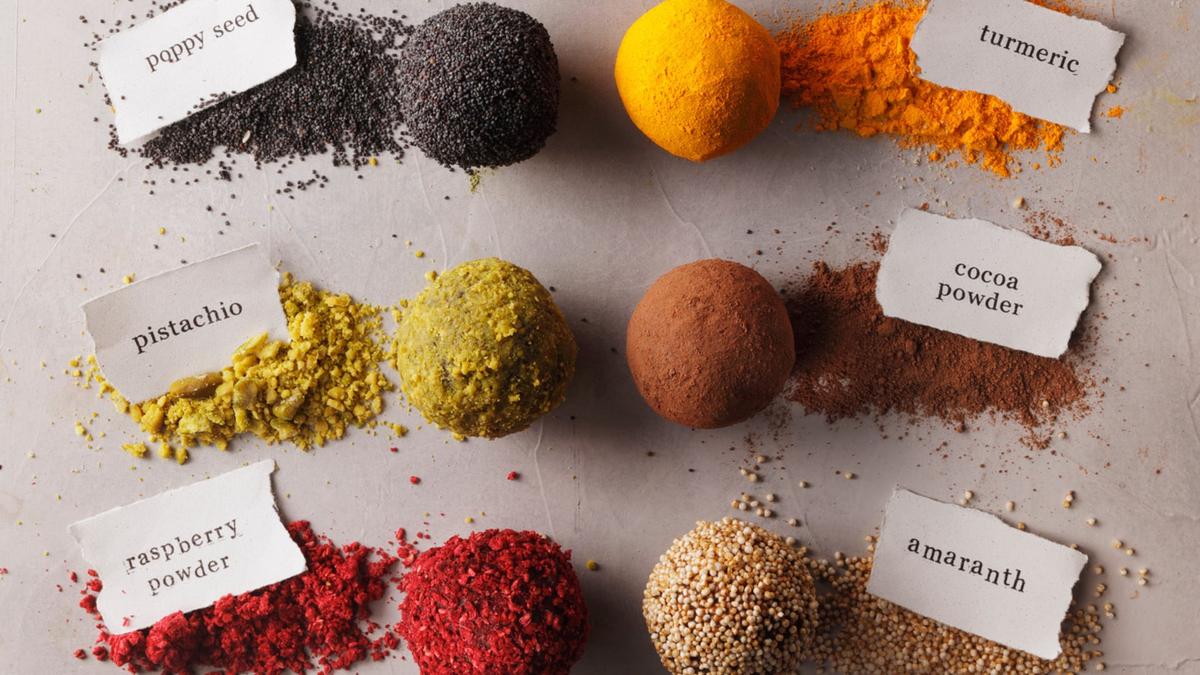
Chinese ingredient firms are racing to meet a booming demand for gut‑health and clean‑label foods. Joywin Natural Products is scaling inulin fiber from Jerusalem artichoke, touting low‑GI and satiety benefits, while ZNatural expands natural plant pigments for colour‑cleaning. Consumers increasingly...

These Four Marathon Hydration Mistakes Could Wreck Your Race – and the Expert Fix Serious Runners Swear By
The London Marathon this April saw temperatures near 22.2°C, highlighting how hydration can make or break a race. Experts identify four recurring mistakes: starting under‑hydrated, relying solely on water, following rigid fluid‑intake rules, and mistiming gels. Sports scientist Dr. Sam...
Diet Tips During Cancer Treatment
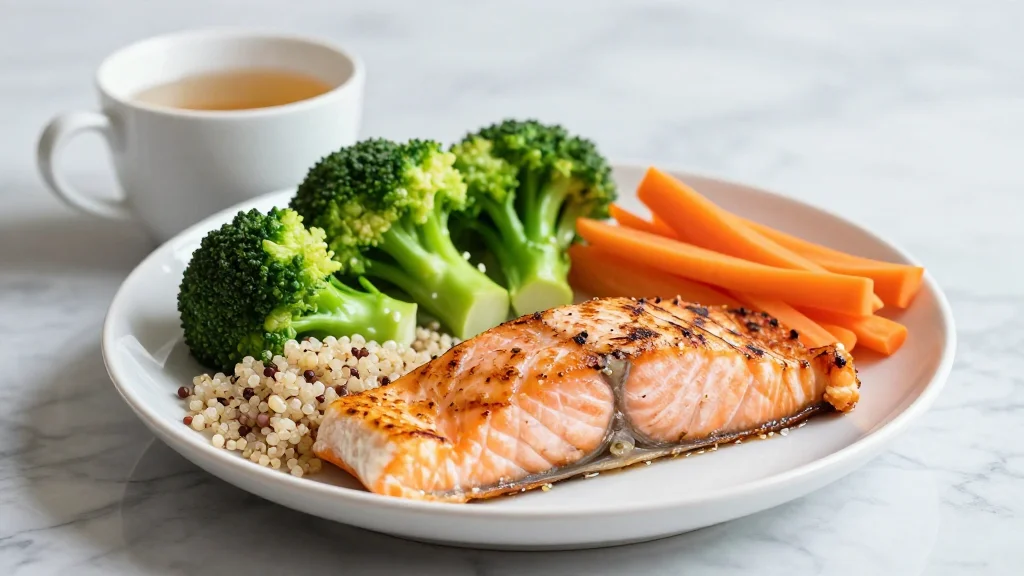
Mayo Clinic outlines practical diet strategies to help cancer patients cope with treatment‑induced side effects such as nausea, altered taste, weight swings, and digestive issues. The guide recommends small, frequent meals, high‑calorie snacks, flavor‑enhancing spices, and tailored texture choices to...

How to Get Lean
The article defines “getting lean” as losing fat while preserving or adding muscle, emphasizing body recomposition over traditional bulking‑and‑cutting cycles. It highlights resistance training as the cornerstone of lean gains, supported by adequate protein intake and a modest daily calorie...