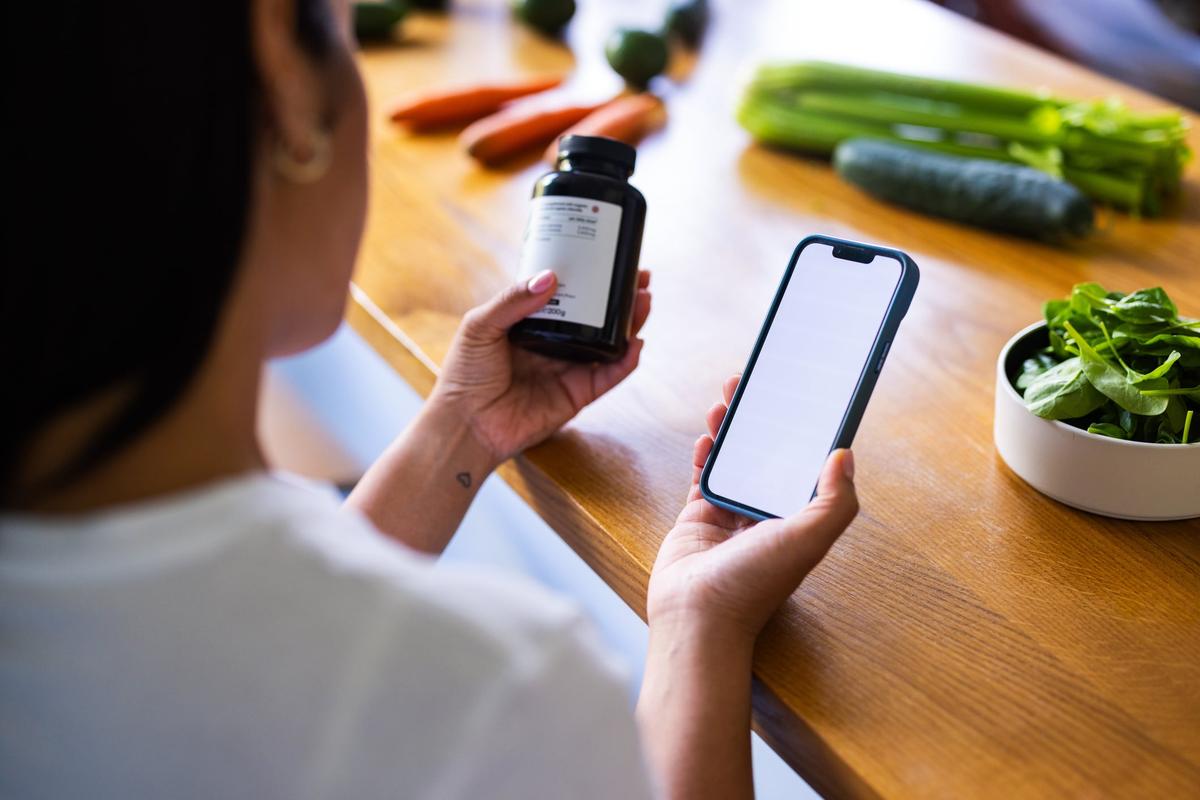
Transparency Tech: New App Reveals Supplement Ingredient Credibility
Supplemate by Remedy released a new app that matches dietary supplements to users' specific health goals and rates ingredient credibility on a ten‑point scale. The platform scans scientific literature, clinical trial data, regulatory status, dosage levels and potential ingredient interactions, then flags issues and suggests optimal timing. Launched publicly in April 2026 after a January beta, the service is marketed B2B to nutraceutical manufacturers, offering three free credits followed by a pay‑per‑use model. The tool aims to reduce reliance on EFSA‑approved claims by highlighting clinically backed ingredients.
A Gastro Said Her Colon Looked “Pristine” After She Made This Change
Assistant professor Cynthia Thurlow, NP, credited a dramatic improvement in her colonoscopy results to a deliberate increase in dietary fiber, moving from the typical 10 g per day to the recommended 25‑30 g. Her gastroenterologist, reviewing two decades of scans, noted the...

These 2 Brain-Supporting Nutrients May Help Slow Cognitive Decline As You Age
Researchers tracking 6,610 middle‑aged adults with metabolic syndrome found that higher dietary intakes of choline and its metabolite betaine were linked to modest but statistically significant preservation of attention, language, and executive function over a two‑year period. Average choline consumption...

Fisheries Body Launches Consumer Nutrition Campaign Promoting Seafood
The Fisheries Research and Development Corporation (FRDC) has launched the Two4Life nutrition campaign to persuade Australians to eat two servings of seafood each week. The initiative is grounded in a meta‑analysis of 281 peer‑reviewed studies that links this intake to...
Gut Microbiota-Liver-Kidney Axis in Diabetic Kidney Disease: Mechanistic Insights Into Amino Acid Metabolism and Nutritional Intervention Strategies Targeting Natural Bioactive...
Diabetic kidney disease (DKD) is accelerating as diabetes prevalence climbs, now affecting up to 40% of diabetics and driving a surge in end‑stage renal disease. Recent research highlights a gut‑microbiota‑liver‑kidney axis that links dietary nutrients to kidney injury through metabolites...

Early Combined Parenteral and Enteral Nutrition Support for Patients over 80 Years Old with Non-Operative Intestinal Obstruction
A retrospective study of 191 patients over 80 with non‑operative intestinal obstruction compared early combined parenteral and enteral nutrition (ECPEN) to delayed combined nutrition (DCPEN). After 1:1 propensity score matching, 79 pairs showed that ECPEN led to shorter total parenteral...
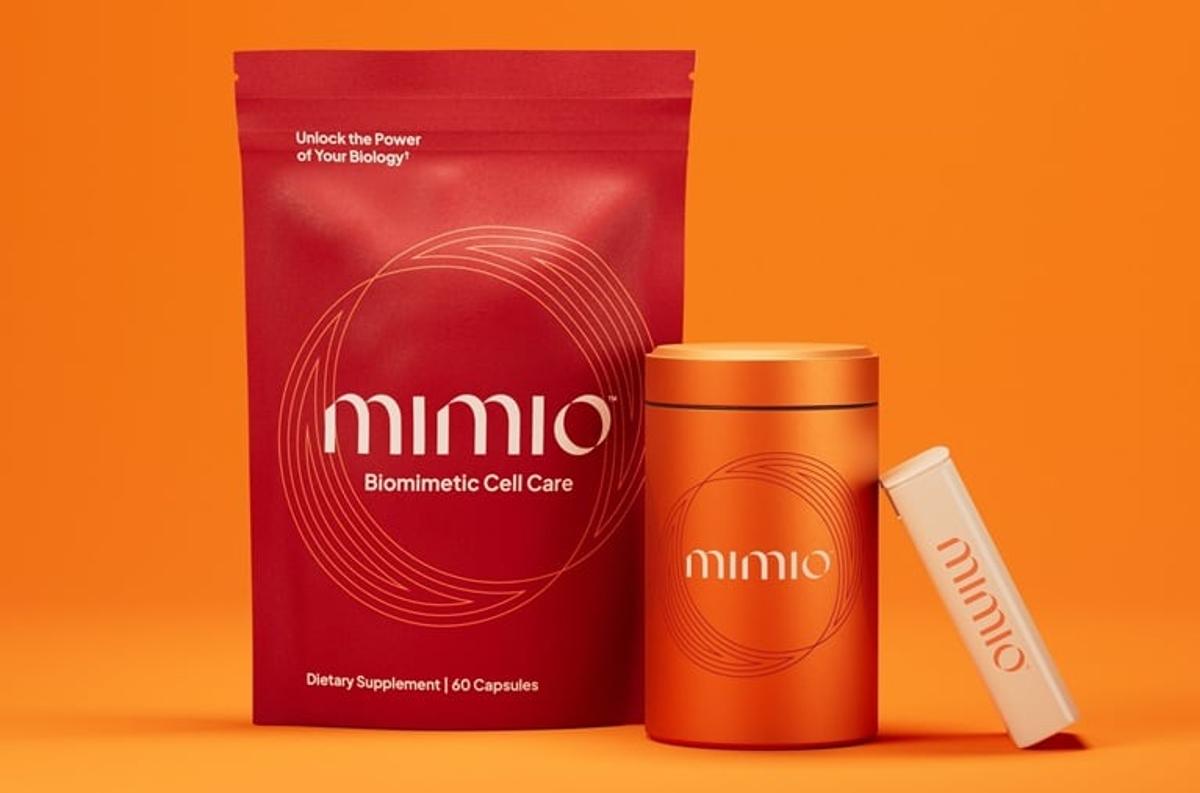
Fasting Mimetic May Improve Cardiometabolic Health Markers: RCT
A randomized, double‑blind, placebo‑controlled trial found that an eight‑week regimen of Mimio, a fasting‑mimetic supplement, significantly improved cholesterol fractions, oxidized LDL, and fasting glucose in older adults with elevated BMI and HbA1c. The formulation delivers nicotinamide, PEA, OEA and spermidine...

Peeling Back the Onion Claims
Randomized controlled trials reveal that onions do not increase testosterone in men, but they may modestly improve bone density in older women and lower insulin resistance in breast‑cancer patients undergoing doxorubicin chemotherapy. Antioxidant‑rich outer layers are often discarded, yet clinical...

Whey Protein and Resistance Exercise May Improve Hepatic Steatosis
A 4‑week randomized trial in 30 patients with metabolic dysfunction‑associated steatotic liver disease (MASLD) found that calorie restriction combined with resistance exercise raised plasma irisin, and adding whey protein amplified the increase. Elevated irisin levels were significantly linked to larger...
Reprogram Your Gut Microbiome For Better Health With These Carbs
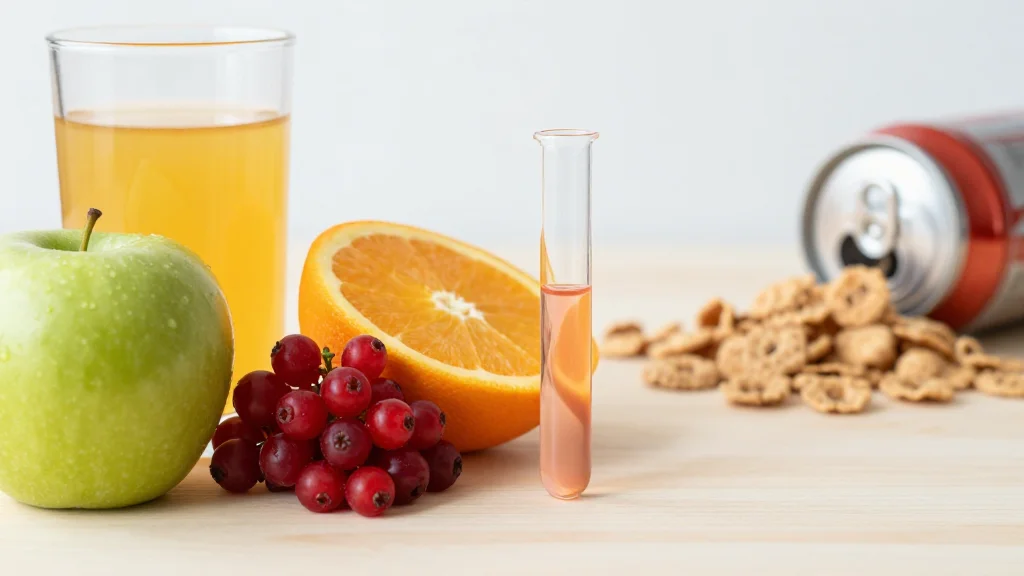
Researchers discovered that the common gut bacterium Bacteroides thetaiotaomicron rewires its immune interactions depending on the specific carbohydrates it consumes. Testing 190 carbs in vitro, plus human diet analyses and mouse studies, showed that natural fruit sugars promote anti‑inflammatory activity...

I’m a Registered Dietitian. These Are the Best Protein-Enhanced Foods That Are Worth Buying.
Registered dietitian Ruth Hoffman warns that the protein‑maxxing trend, fueled by social media, new USDA guidelines and GLP‑1 weight‑loss drugs, has flooded shelves with fortified snacks that often sacrifice overall nutrition for a protein claim. While the updated Dietary Guidelines now suggest...

Doctors Say These Are the Best and Worst Foods to Eat Before Bed
Doctors Danbee Kim and Barbara Sparacino identify specific foods that can either enhance or sabotage sleep quality. They cite research showing that two kiwis, tart cherries, and a handful of almonds or walnuts improve sleep onset, duration, and efficiency by...

8 Best Electrolyte Tablets, Chews, and Powders for Runners
Electrolyte supplementation is essential for runners who lose significant sodium and potassium through sweat. The article reviews eight top products—including tablets, chews, and powders—highlighting their sodium content, carbohydrate load, and convenience factors. Expert dietitian Matthew Kadey evaluates each option based...
Reading Food Labels: How to Tell if What You're Eating Is Healthy
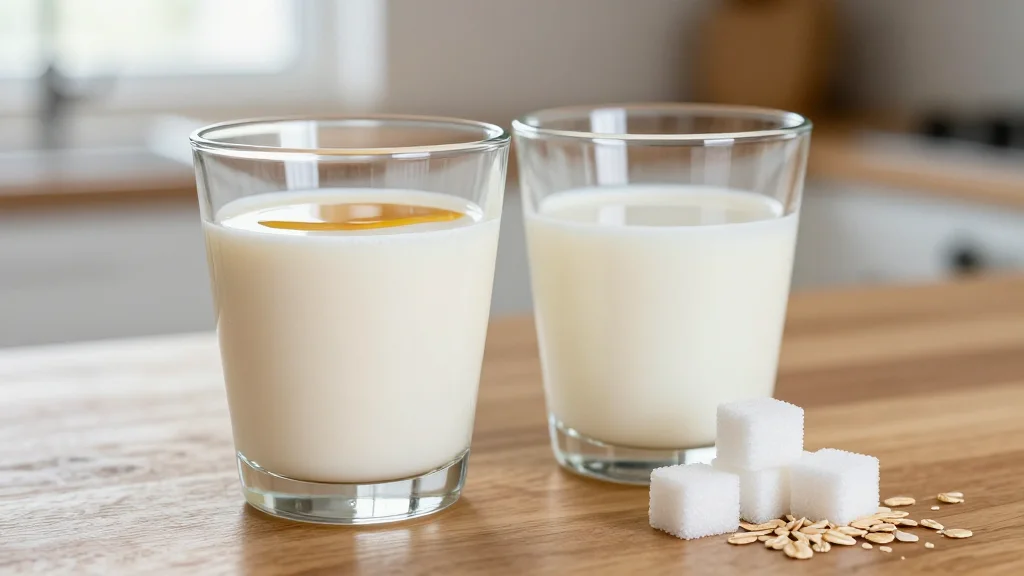
An article from a nutrition outlet highlights 14 seemingly healthy foods that can cause rapid blood‑sugar spikes due to high glycemic indexes or hidden sugars. It details the glycemic scores of items such as oat milk, instant oatmeal, sushi rice,...

GLP-1s and Menopause: What Women Over 40 Need to Know About Nutrition
Women aged 40‑64 now constitute the largest segment of GLP‑1 medication users, with nearly one‑in‑five prescriptions written for this group, according to a 2025 FAIR Health analysis. The surge is linked to menopause‑related metabolic changes that make weight management harder,...
How to Build a Fueling Strategy Around the Glycemic Index
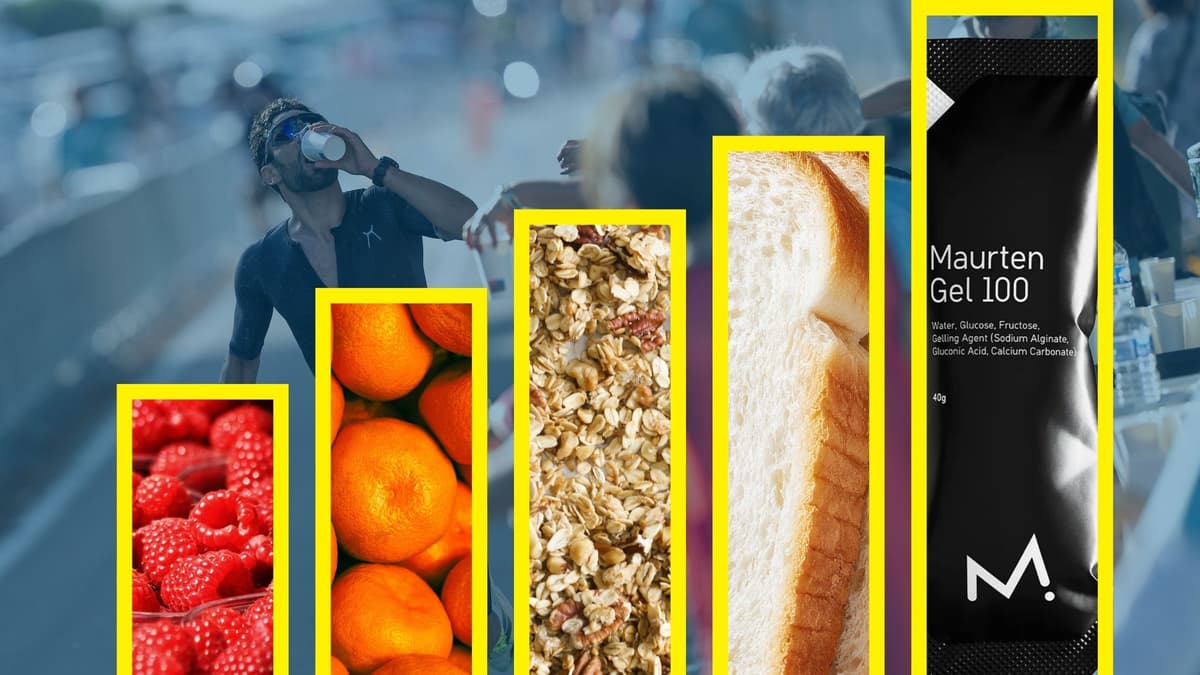
The glycemic index (GI) measures how quickly carbs raise blood sugar and has evolved from a diabetic tool to a performance‑focused nutrition metric. Low‑GI foods such as whole grains, legumes, and vegetables provide steady energy and support long‑term metabolic health,...
Cracking the Latest Dietary Guidance with Walnuts
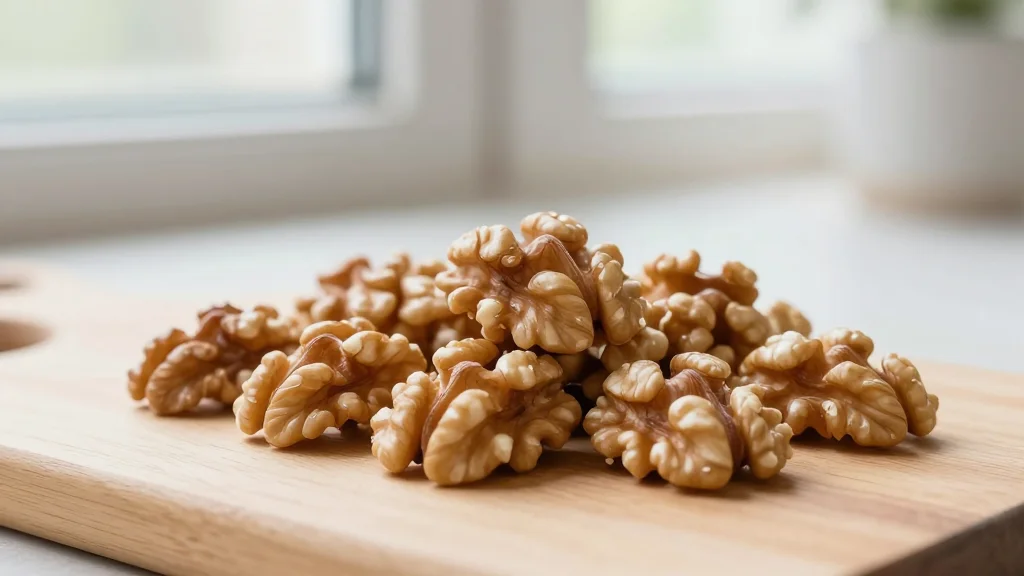
The latest Dietary Guidelines for Americans place walnuts at the top of the inverted food pyramid, recognizing them as a nutrient‑dense, minimally processed option. A one‑ounce serving delivers 18 g of total fat, including 2.5 g of plant‑based omega‑3 ALA, 4 g of...
:max_bytes(150000):strip_icc()/Chili-peppers-longer-life-FT-DGTL0426-aca8fe274c4a4fdebe677073bf8c3e9b.jpg)
This Heat-Packed Flavor Booster May Be Linked to Living Longer, Studies Suggest
Multiple large‑scale studies across China, the United States and Europe suggest that eating chili peppers at least once a week is associated with lower cardiovascular disease risk and reduced all‑cause mortality. The 2025 Chinese Medical Journal analysis of 486,000 adults...

Exclusive Human Milk Diet Benefits Very Low Birth Weight Infants
A phase III randomized controlled trial in Japan demonstrated that an exclusive human milk diet markedly improves growth velocity and reduces serious complications in very low birth weight (VLBW) infants compared with mixed feeding regimens. The study eliminated bovine‑based protein fortifiers,...
:max_bytes(150000):strip_icc():format(jpeg)/health-benefits-of-ghee-GettyImages-957816562-579a44a080714cbfb8537ec20d67b940.jpg)
5 Impressive Health Benefits of Ghee—And How to Use It, According to Dietitians
Ghee, a clarified butter prized for its nutty flavor and high smoke point, is gaining traction among health‑conscious consumers. Dietitian Jennifer Scherer highlights five key benefits: anti‑inflammatory and immunity support from butyrate and fat‑soluble vitamins, gut‑lining protection, HDL‑boosting medium‑chain fatty...
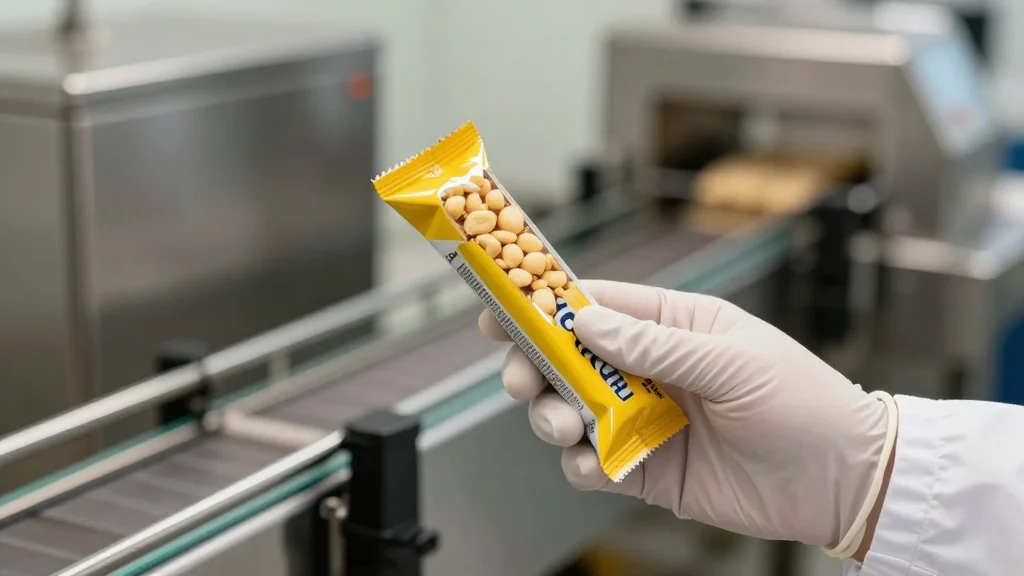
Scientists Will Probe Whether Processing Itself Makes Ultra-Processed Foods Harmful
Researchers have outlined a randomized controlled trial to test whether the industrial processing of ultra‑processed foods (UPFs) or their nutrient composition drives cardiometabolic risk. The 2 × 2 factorial study will assign healthy adults to one of four six‑week, isocaloric diets that...
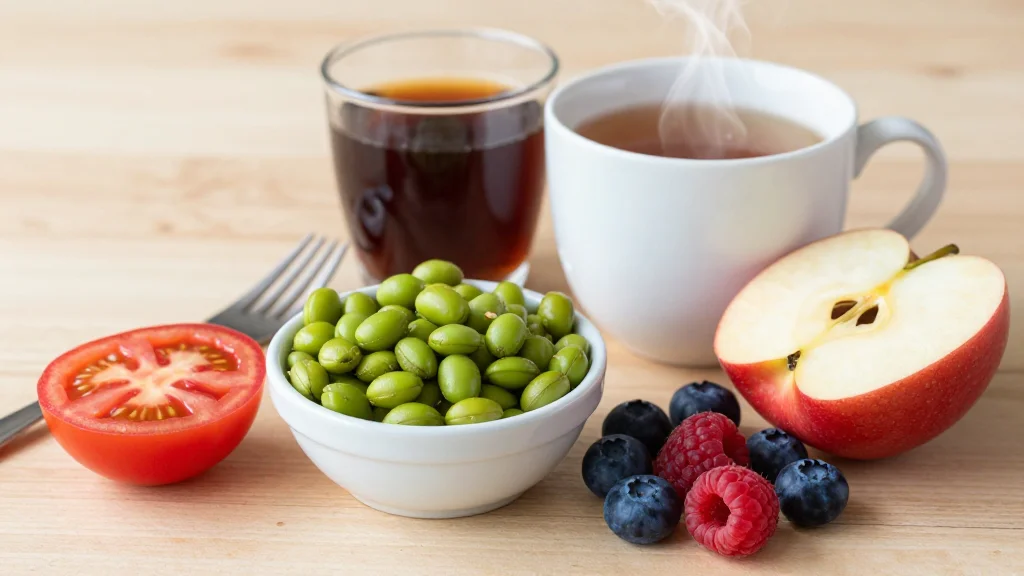
World-Renowned Doctor Reveals These 5 Everyday Foods that Help Your Body Fight Cancer and Cut Death Risk
World-renowned physician Dr. William Li identifies five everyday foods—soy, cooked tomatoes, apples, berries, and tea or coffee—that research links to lower cancer mortality and incidence. A Shanghai breast‑cancer cohort found daily soy consumption reduced death risk by about 30%, while...
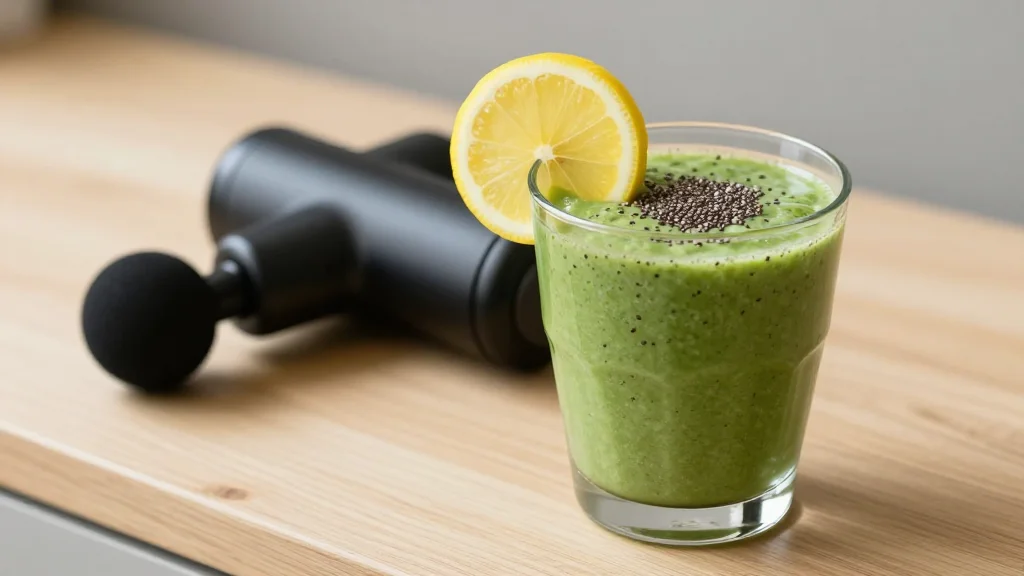
These Four Supplements Can Help You Recover From A Hot Workout
Exercising in hot conditions diverts blood away from the gut, compromising intestinal barrier integrity and increasing inflammation and GI distress. Recent studies tested four supplements— a two‑strain probiotic, berberine, curcumin, and New Zealand blackcurrant extract—on trained runners in a heat chamber....
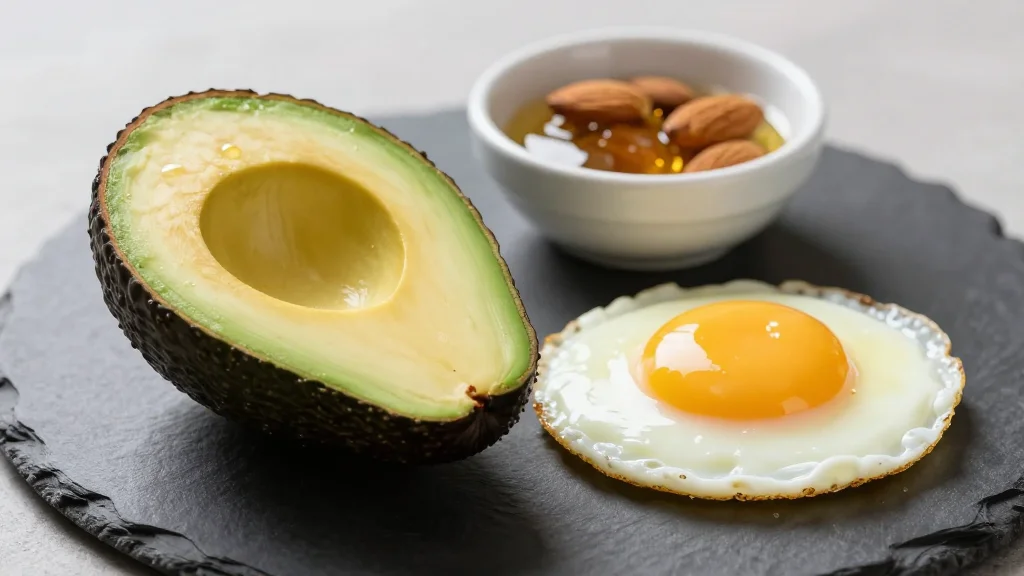
These Are The 6 Best Foods To Boost Testosterone Levels In Men
A recent article outlines six foods that can help men maintain healthier testosterone levels, emphasizing nutrients like omega‑3 fats, zinc, magnesium, and antioxidants. It explains how dietary fats support hormone synthesis and cites research linking fatty fish, olive oil, shellfish,...
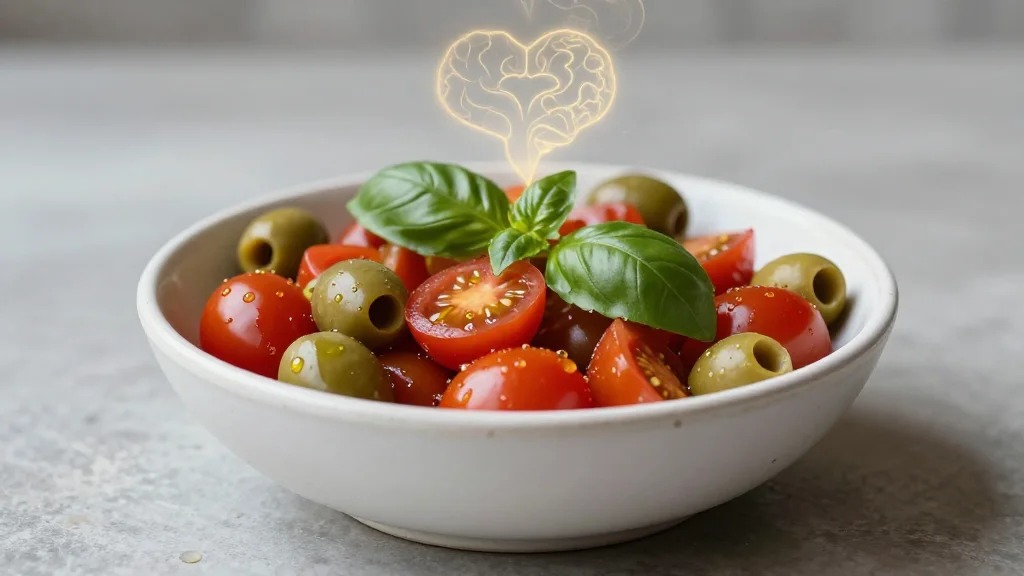
Tiny Mitochondrial Proteins May Explain the Health Benefits of the Mediterranean Diet
A study in Frontiers in Nutrition found that older adults who closely follow the Mediterranean diet have higher circulating levels of the mitochondrial microproteins Humanin and SHMOOSE, both linked to protection against heart disease and cognitive decline. The research compared...
:max_bytes(150000):strip_icc():format(jpeg)/superfoods-to-live-longer-GettyImages-1486688903-ec259806e74140fb8f1984d70edf6cb3.jpg)
Experts Say These 9 Superfoods Can Help You Live a Longer, Healthier Life
A team of registered dietitians identifies nine superfoods—kimchi, turmeric, blueberries, avocado, spinach, kale, lentils, chia seeds, and tempeh—that contain antioxidants, fiber, healthy fats, and micronutrients linked to reduced inflammation and chronic disease risk. The experts explain how each food supports...

Ultra-Processed Foods Linked to Measurable Drops in Human Attention Span
A new cross‑sectional study of over 2,100 Australian adults links higher consumption of ultra‑processed foods (UPFs) to measurable declines in attention span, even among those following otherwise healthy diets. Researchers found that a 10 percent increase in UPF intake—roughly one extra...

This Everyday Nutrient Could Influence Alzheimer’s Before It Begins (M)
A new longitudinal study finds that higher blood concentrations of vitamin D during midlife are linked to a reduced risk of developing Alzheimer’s disease and other dementias later in life. Researchers tracked over 5,000 participants for two decades, measuring vitamin...
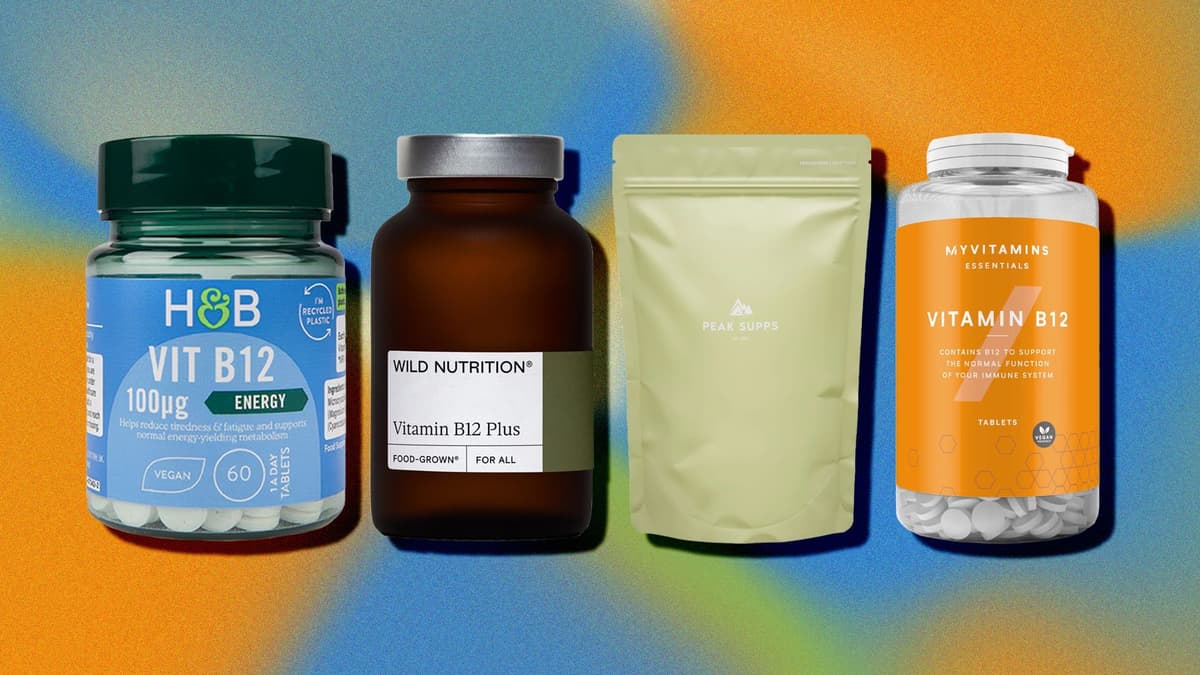
How to Know If You Have a Vitamin B12 Deficiency—And What to Do About It
Vitamin B12 (cobalamin) is essential for nerve health, red‑blood‑cell formation and DNA synthesis. Deficiency affects roughly one in ten people over age 75 and presents with fatigue, neurological signs and skin changes. High‑risk groups include seniors, vegans, those with gastrointestinal...

Here’s How to Reduce Your Sugar Intake (Including Six Foods to Avoid)
Dietitians Fareeha Jay and nutritionist Sas Parsad stress that added sugar isn’t needed and should be limited to roughly 33 g (about eight teaspoons) per day. They recommend sourcing natural sugars from fruits, vegetables, dairy, and whole foods while cutting back...

The Best Time to Eat Breakfast? It’s Not Right When You Wake Up
Nutrition experts argue that the optimal breakfast isn’t eaten immediately after waking but delayed until mid‑morning. Waiting extends the overnight fast, supports time‑restricted eating, and encourages the body to burn fat rather than carbs. They recommend rehydrating with salted water...

Nonlinear and Sex-Specific Associations of Maternal Vitamin D in Early- and Mid-Pregnancy with Childhood Growth Trajectories From Birth to 6 Years...
A prospective cohort of 1,100 Chinese mother‑child pairs found nonlinear, sex‑specific associations between maternal vitamin D levels in early and mid‑pregnancy and offspring growth trajectories from birth to age six. Low early‑pregnancy vitamin D increased odds of rising height‑for‑age and BMI‑for‑age Z‑scores,...
The Relationship Between Nutrition Status Indicators and Vitamin D Deficiency in Patients with Type 2 Diabetes Mellitus
A cross‑sectional analysis of 285 hospitalized type 2 diabetes patients in Hebei found that 62% were vitamin D deficient (25‑hydroxyvitamin D < 20 ng/mL). Lower total protein levels were significantly linked to higher odds of deficiency, with an adjusted odds ratio of 0.933 per gram‑per‑liter increase....

Maternal Serum Ferritin Across Gestation and Risk of Small-for-Gestational-Age: A Longitudinal Cohort Study
A longitudinal cohort of 17,451 Chinese pregnancies found that elevated maternal serum ferritin in the third trimester is linked to a higher incidence of small‑for‑gestational‑age (SGA) infants. Women with ferritin ≥18.1 ng/mL at 29‑31 weeks had a 42% greater adjusted odds of...

Socioeconomic Stratification in the Association Between Tea Consumption and Skeletal Muscle Mass Among Oilfield Workers
A cross‑sectional study of 2,574 Chinese oilfield workers found that habitual tea consumption is linked to higher appendicular skeletal muscle mass (ASM). In fully adjusted models, low‑level tea intake raised the skeletal muscle index by 0.105 units and high‑level intake...

Vitamin D Status and Site-Specific Fracture Pattern Associations in Older Adults with Fragility Fractures: A Cross-Sectional Analysis of 2543 Patients
Researchers analyzed 2,543 patients aged 60 and older hospitalized for fragility fractures in China. They found that 35.9% were vitamin D deficient and 44.2% insufficient, with deficiency linked to older age, female sex, winter admission, and prior cerebral infarction. Serum 25(OH)D...
:max_bytes(150000):strip_icc():format(jpeg)/orange-juice-benefits-GettyImages-1475879314-5bfdffeaf07b479d8f93d80803c0571a.jpg)
Is Orange Juice Actually Good for You? Here’s What Dietitians Want You to Know
Orange juice delivers a dense micronutrient package—vitamin C, potassium, magnesium, folate and flavonoids—often meeting or exceeding 100% of the daily vitamin C recommendation in an 8‑ounce serving. Store‑bought varieties are pasteurized, shelf‑stable and may be fortified with calcium and vitamin D, but many...
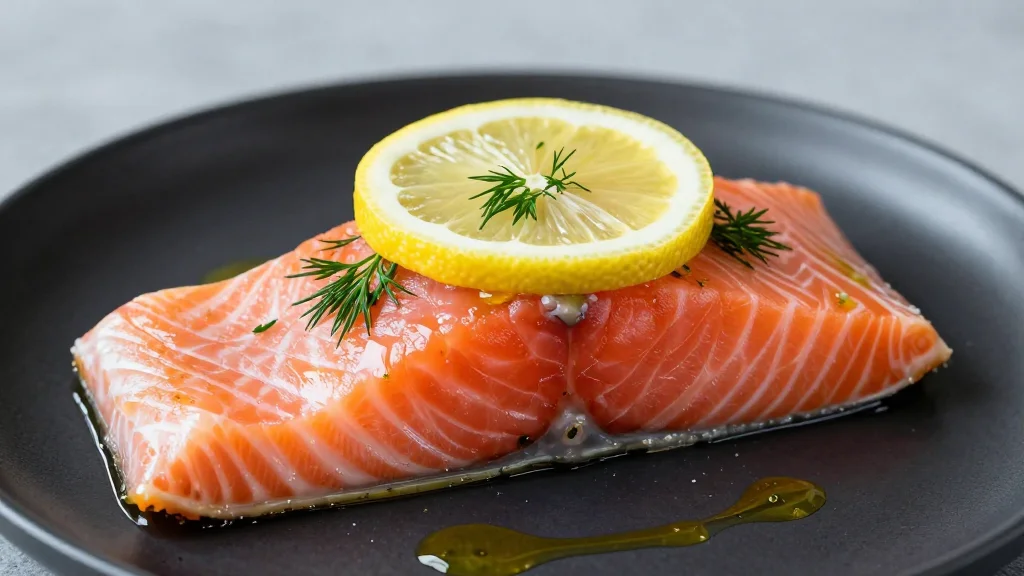
Research Finds This Sustainable Food Source May Help Prevent Diabetes
A recent Clinical Nutrition study examined 152 pre‑diabetic adults who added 200 grams of sardines per week to their diet. Over 12 months, the sardine group’s high‑risk rate fell from 37% to 8%, while a control group saw only a slight...
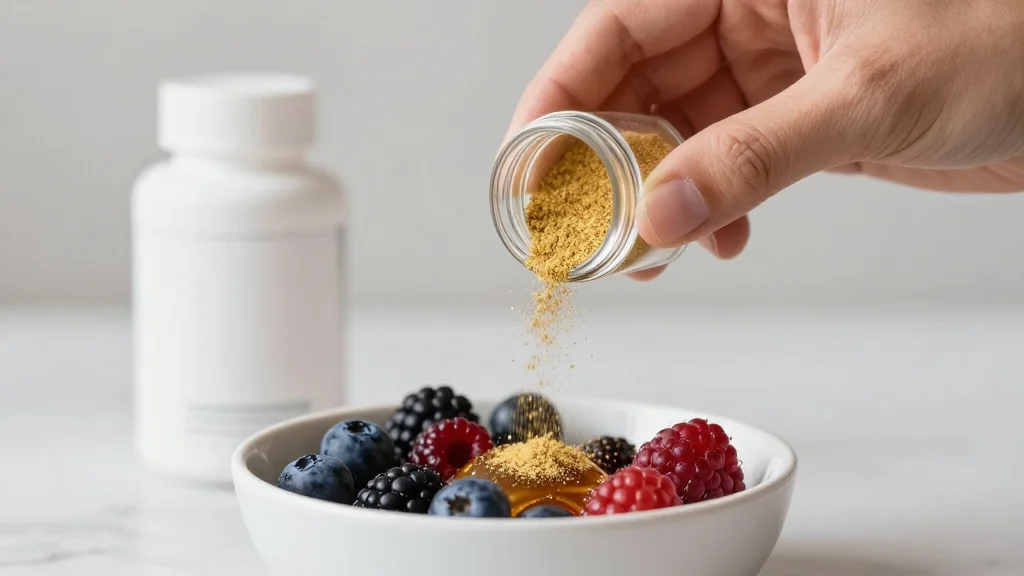
This Anti-Inflammatory Spice May Be The Key To Better Brain Health
A new research review highlights turmeric’s curcumin as a potent anti‑inflammatory agent that may protect brain health. Clinical data suggest ½–1 teaspoon of culinary turmeric or 500‑1000 mg of standardized extract can improve inflammatory markers and support neurogenesis. Bioavailability remains the...

Research Shows This Underconsumed Fat Improves Inflammation
A recent review in *Nutrients* confirms that increasing omega‑3 fatty acids can markedly reduce systemic inflammation, a condition affecting roughly 34.6% of Americans. Meta‑analyses across 45 studies show improvements in insulin sensitivity, cholesterol, triglycerides and HbA1c, while higher‑dose EPA/DHA (over...

This Food Gets An A++ For Making Your Metabolism More Efficient
The article explains that protein has a markedly higher thermic effect than carbs or fats, causing the body to expend 20‑30% of protein calories during digestion. Substituting protein for fat can therefore increase daily calorie burn and support weight maintenance...
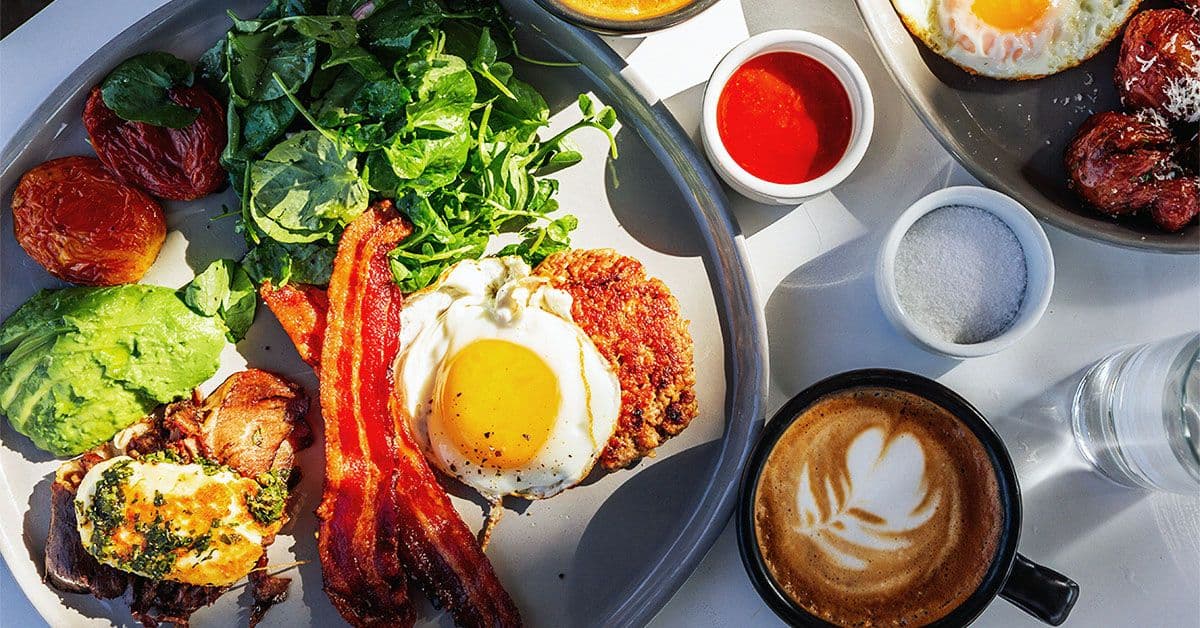
Keto May Work Best for Sending Diabetes Into Remission: Here's Why
A recent 12‑week study published in the Journal of the Endocrine Society compared a ketogenic (high‑fat, low‑carb) diet with a low‑fat diet in 51 adults aged 55‑62 with type 2 diabetes. Both groups lost weight, but the keto group exhibited a...
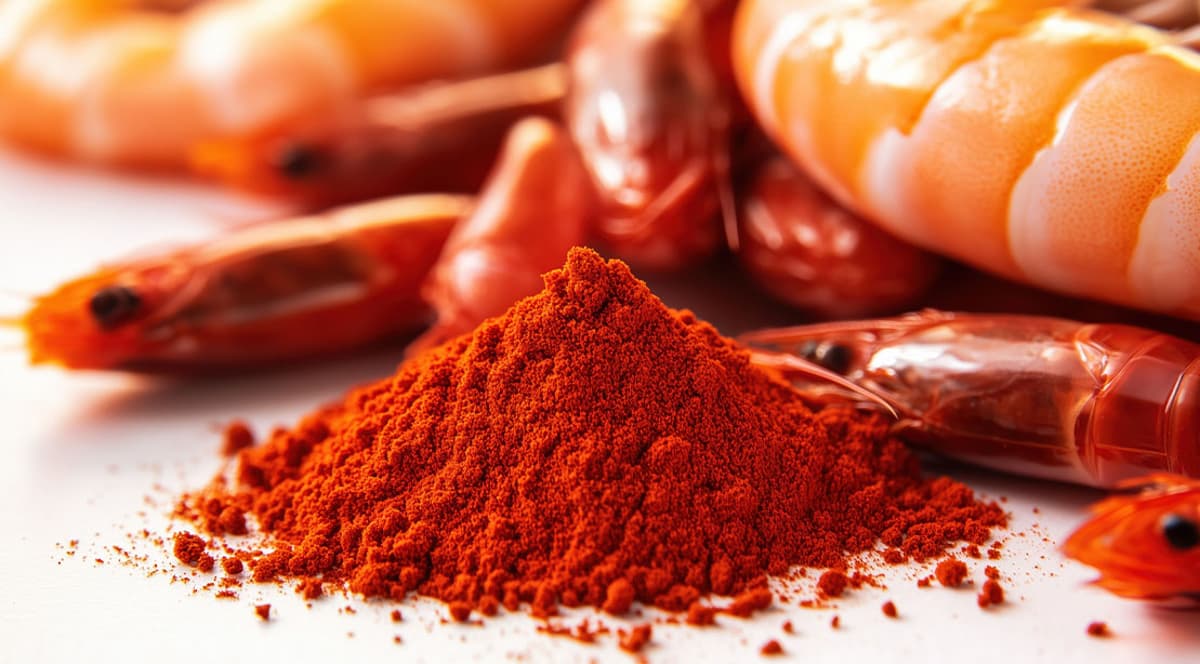
Have You Heard of Astaxanthin? You Will Soon
Astaxanthin, a red carotenoid antioxidant produced by microalgae, is gaining attention for its unique ability to span cell membranes and protect cellular structures. AstaReal, the flagship brand owned by Fuji Chemical Industries, supplies the most studied natural astaxanthin, with dosages...

Research Supports OmniActive’s Capsimax as a GLP-1 ‘Booster’
OmniActive’s Capsimax, a 2% capsaicinoid chili extract, boosted plasma GLP‑1 levels by 13% after a seven‑day regimen in a randomized, double‑blind, placebo‑controlled crossover study of 40 resistance‑trained men. The same trial reported significant improvements in peak force, power output, muscular...

Vitamin K2 May Influence Neuromuscular Signaling: RCT
A 12‑week randomized controlled trial examined vitamin K2 MK‑7 (Balchem’s K2VITAL) in healthy adults 18‑40 and 65 plus following muscle‑damaging resistance exercise. Across the full cohort, supplementation did not improve strength, soreness, or inflammation. However, participants aged 65 and older showed a shorter electromechanical...
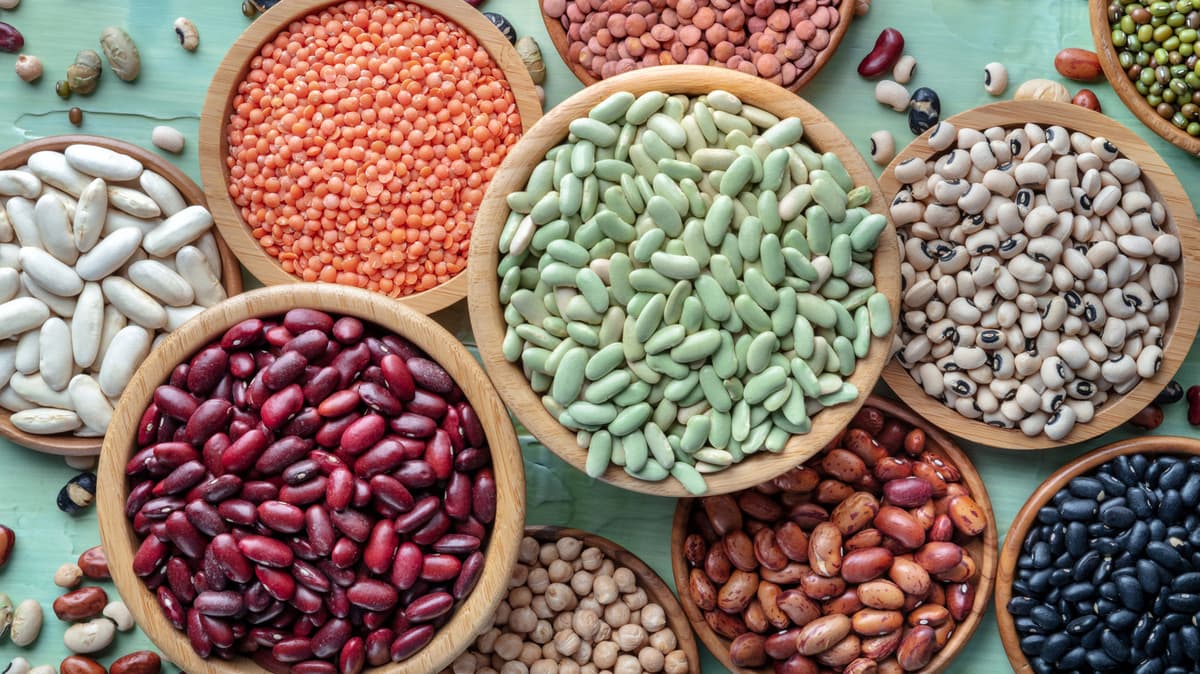
Can 2 Cups Of Beans A Day Really Change Your Life? An Expert Weighs In
A social‑media trend dubbed "BeanTok" promotes eating two cups of beans daily for health benefits. Registered dietitian Angel Luk explains that beans are rich in fiber, protein, iron, and low in saturated fat, which can support heart health and digestion....
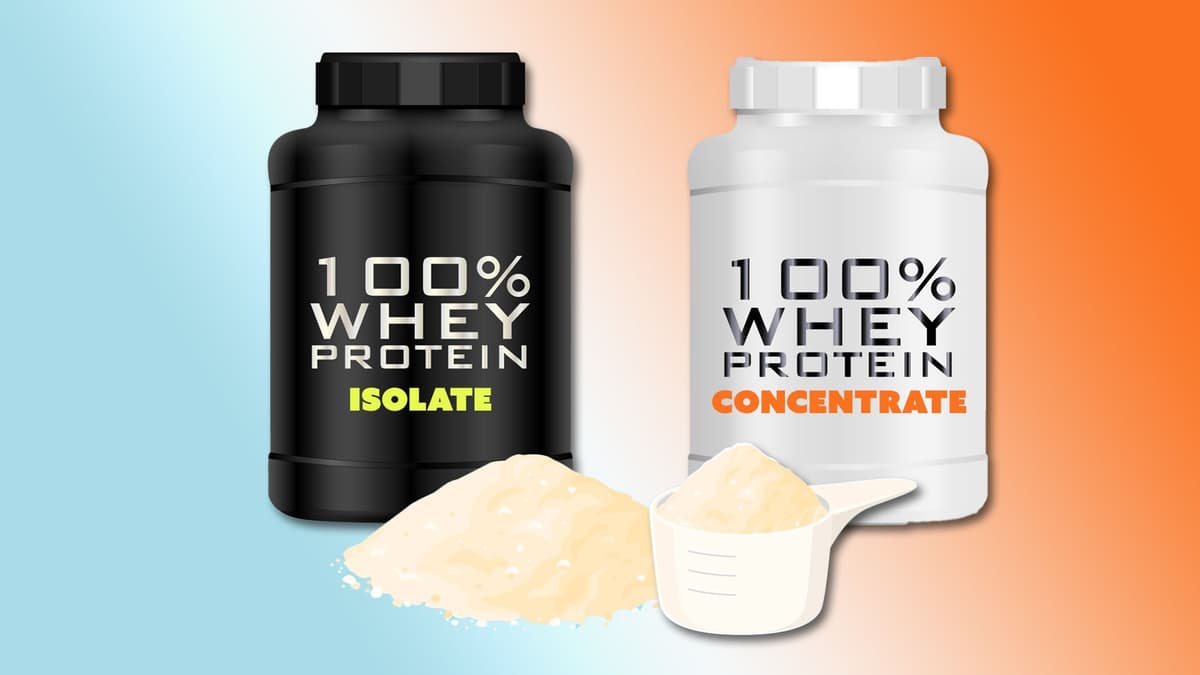
Whey Protein Isolate Vs. Concentrate: Which One Is Better?
Whey protein isolate and concentrate are the two primary forms of milk‑derived protein powder, each with distinct processing levels and nutrient profiles. Isolate is 90‑95% pure protein, delivering roughly 27‑28 g per 30 g scoop, low in carbs, fat, and lactose, but...
ADM’s Probiotic Shows Promise for Constipation: Study
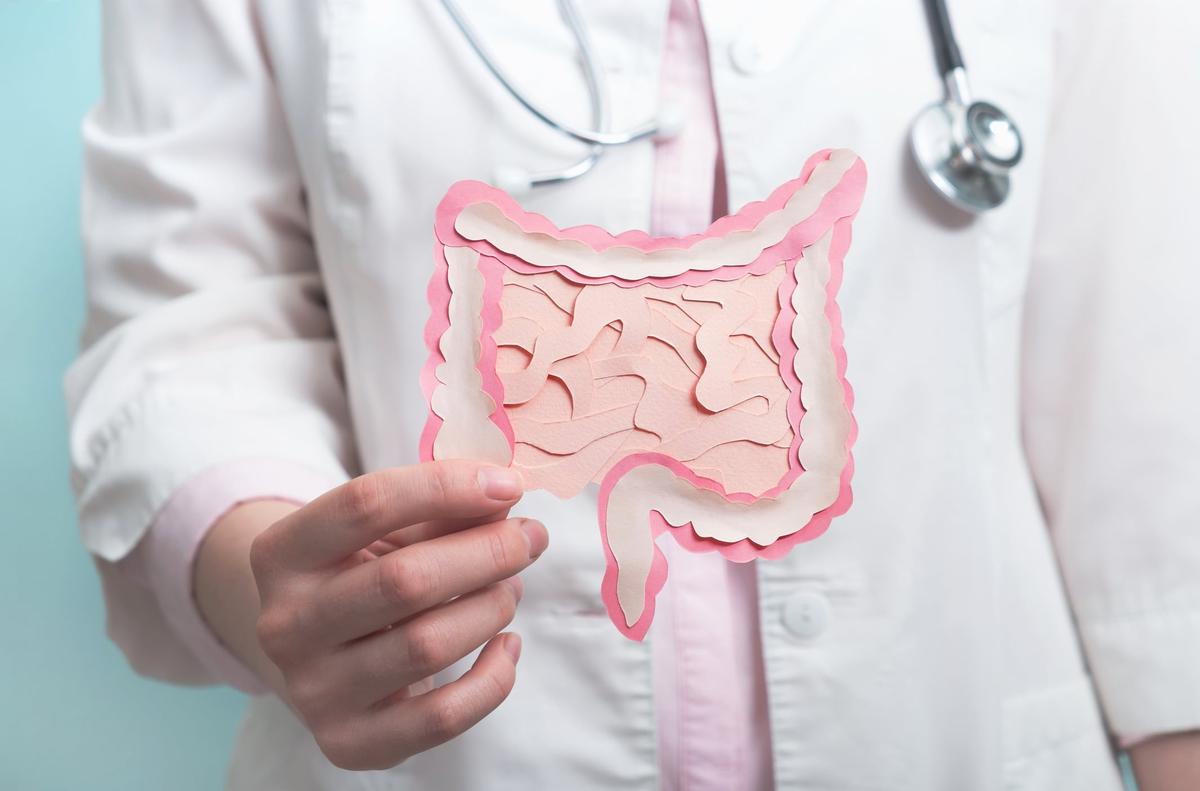
Researchers at Archer Daniels Midland (ADM) reported that their probiotic BPL1, containing Bifidobacterium animalis subsp. lactis, significantly improved stool frequency, weight and moisture in loperamide‑induced constipated rats. A higher dose (3 × 10⁹ CFU) produced stronger laxative effects than a lower dose (1.5 × 10⁸ CFU)...

New Research Highlights 10 Peptides You Shouldn’t Be Using
A new review in *Sports Medicine* examined ten peptides that are circulating on social media as performance‑enhancers. The authors found that most of these compounds have only animal or in‑vitro data, with little or no convincing human research. All but...

Vitamin D May Prevent Diabetes in People with Certain Genes
A new analysis of the D2d trial shows that a daily 4,000 IU vitamin D supplement reduces the risk of developing type 2 diabetes by 19 % in prediabetic adults who carry the AC or CC variants of the vitamin D receptor gene, while those...