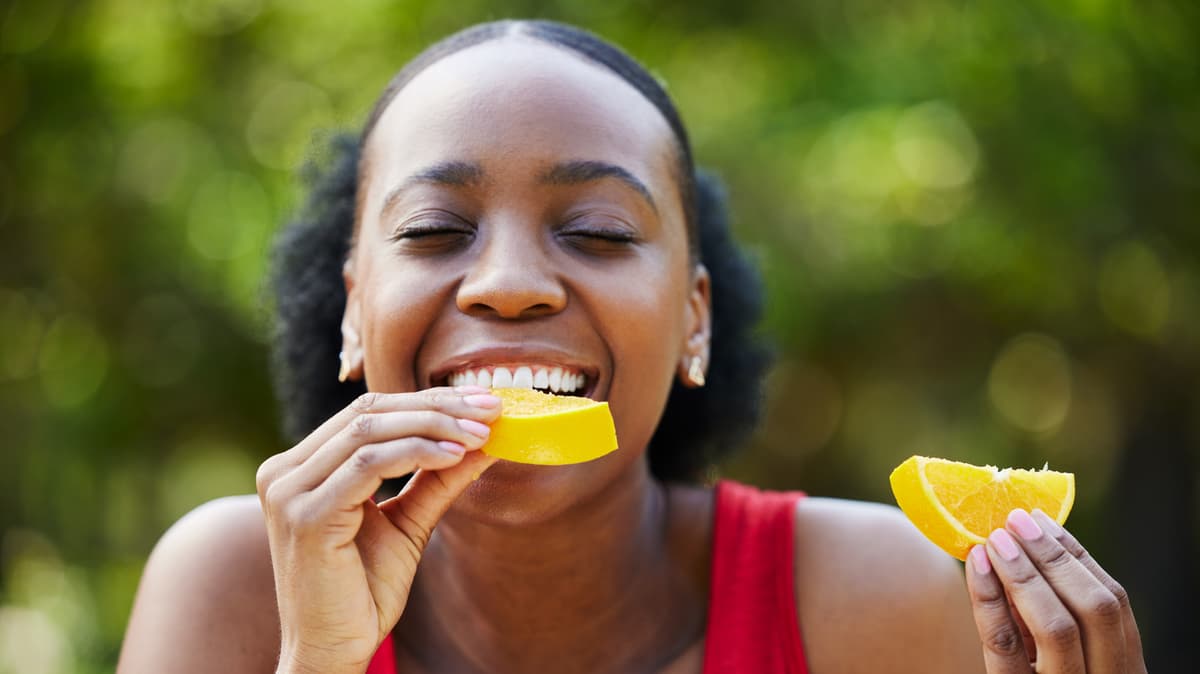
What Happens If You Eat Oranges Everyday
Eating a medium orange each day delivers roughly 70‑90 mg of vitamin C and 3 g of fiber, providing antioxidant protection and supporting immune function. The fruit’s vitamin C aids collagen synthesis, which benefits skin elasticity, bone density, and joint health. Fresh oranges preserve more of these nutrients than canned versions, while seasonal varieties such as sumo oranges offer enhanced flavor and texture. Incorporating oranges into snacks or meals also improves iron absorption from plant‑based foods.

Weaning Your Baby? Discover the 'Super 6' Foods that Could Help Their Gut Health
Dr. Megan Rossi, a gut‑health scientist, explains that the foods introduced during weaning can steer an infant’s microbiome. She groups plant‑based foods into six categories—vegetables, fruits, wholegrains, legumes, nuts/seeds, and herbs/spices—calling them the “Super Six.” Small, fiber‑rich portions of legumes...
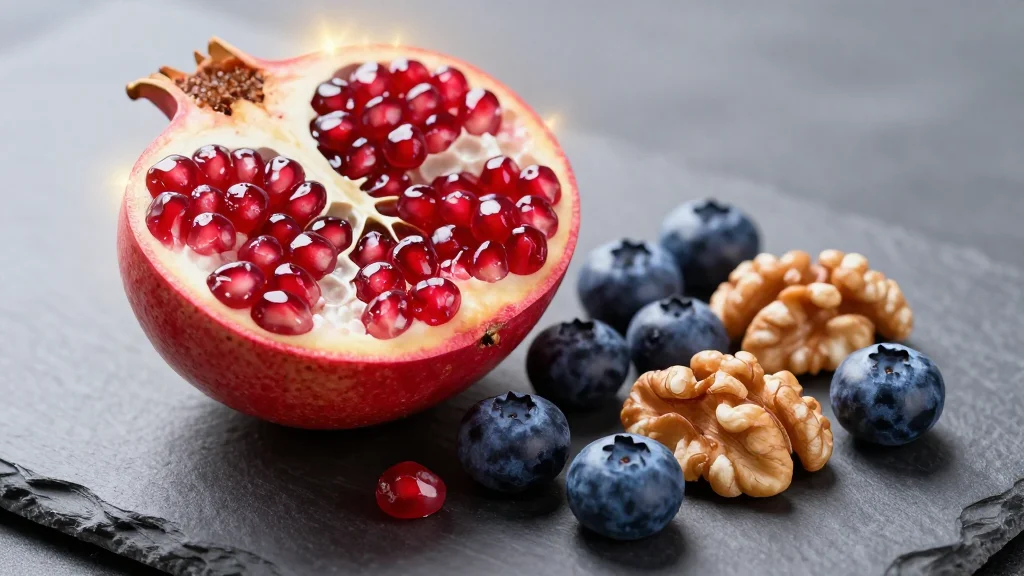
Why Neuroscientists Are Suddenly Interested In Strawberries & Walnuts
A recent scientific review highlights urolithins—metabolites produced by gut bacteria from ellagitannin‑rich foods such as pomegranates, berries and walnuts—as potential neuroprotective agents. Laboratory and animal studies show these compounds can cross the blood‑brain barrier, protect neurons from tau toxicity, reduce...

One Type Of Olive Oil Could Help Protect Your Brain (M)
A recent peer‑reviewed study shows that high‑phenol extra‑virgin olive oil (EVOO) can markedly protect brain tissue, outperforming standard olive oil in reducing oxidative stress and inflammation in rodents. The researchers fed the oil at roughly 20% of daily calories for...

9 Tasty High-Protein Snacks That Aren't Eggs
GQ highlights nine high‑protein snack alternatives that don’t rely on eggs, ranging from Icelandic dried fish and biltong to plant‑based options like seitan, edamame, and hemp seeds. The featured foods deliver protein densities from 11 g to 80 g per 100 g, often...

How Much Creatine Should You Take for Brain Health?
Recent studies suggest that taking creatine at doses far above the traditional 3–5 grams—often 10 to 30 grams daily—can increase brain phosphocreatine, potentially enhancing cognition, mood, and resilience to sleep loss. The brain’s blood‑brain barrier limits creatine uptake, so higher circulating levels...

Effects of Dietary Energy and Protein Levels on Growth Performance and Immune Competence of CARI-Nirbheek Chickens in Tropical Environments
The study examined how varying metabolizable energy (ME) and crude protein (CP) levels affect growth, serum biochemistry, and immunity in CARI‑Nirbheek chickens raised in tropical conditions. Nine diets (ME 2,900, 2,700, 2,500 kcal/kg; CP 20, 18, 16 %) were tested on 288...
Does Creatine Affect Lipid Profile? A Systematic Review and Meta-Analysis of Randomized Placebo-Controlled Trials
A systematic review and meta‑analysis of eight randomized, placebo‑controlled trials examined creatine supplementation’s effect on blood lipid profiles. The pooled data showed no statistically significant changes in total cholesterol, LDL‑C, HDL‑C, or triglycerides, with mean differences close to zero and...
Combined Effects of Blood Flow Restriction Training and Nutritional Intervention on Muscle Adaptations: A Systematic Review and Meta-Analysis
A systematic review and meta‑analysis of nine randomized trials (181 healthy adults) examined whether adding nutritional supplements to blood‑flow restriction (BFR) training improves strength, hypertrophy, or endurance. The pooled data showed no significant additional gains in maximal strength (SMD = ‑0.09) or...
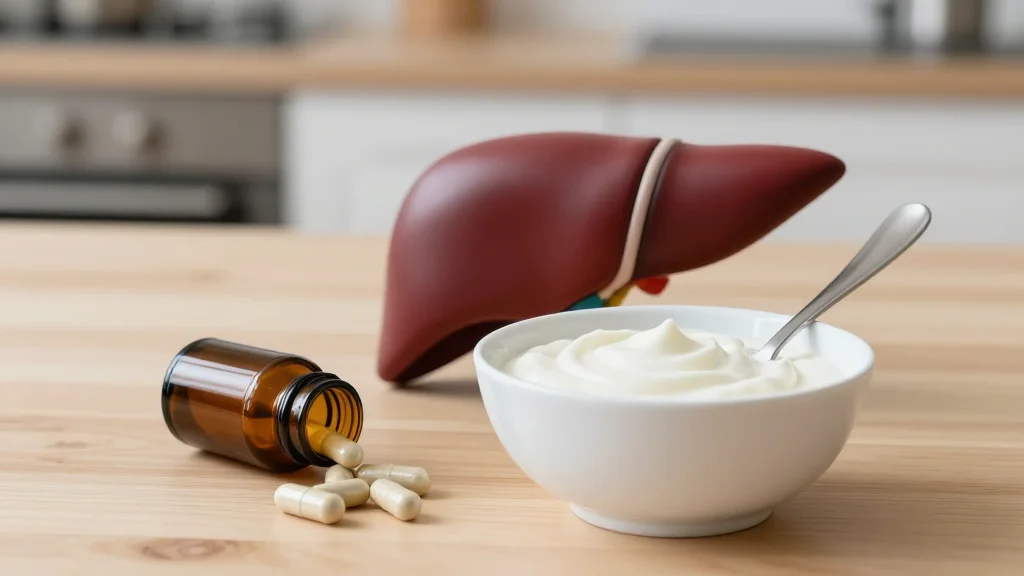
Impact of Probiotics and Prebiotics on Glucose/Lipid Metabolism in Metabolic Dysfunction-Associated Steatotic Liver Disease: Mechanisms and Implications
The perspective article reviews how probiotics, prebiotics and their combination (synbiotics) influence glucose and lipid metabolism in metabolic dysfunction‑associated steatotic liver disease (MASLD). Recent meta‑analyses show probiotic supplementation reduces ALT by about 8 IU/L and improves cholesterol, while prebiotics cut triglycerides...

Want to Ride Strong While Using GLP-1s? Experts Explain How to Strike the Right Balance.
The article outlines how cyclists using GLP‑1 weight‑loss drugs like Ozempic or Wegovy can maintain performance by prioritizing intentional fueling, hydration, and strength training. It stresses that appetite suppression from these medications requires pre‑ride carbohydrate snacks and post‑ride protein‑carb meals...

‘They Won’t Eat Anything’: What to Do when Weaning Doesn’t Go to Plan
Health visitor Tracey Stone explains that weaning typically begins around six months, when babies can sit up, coordinate feeding movements, and swallow solids. She emphasizes that rejecting foods, needing multiple exposures, and fluctuating appetite are normal parts of learning new...
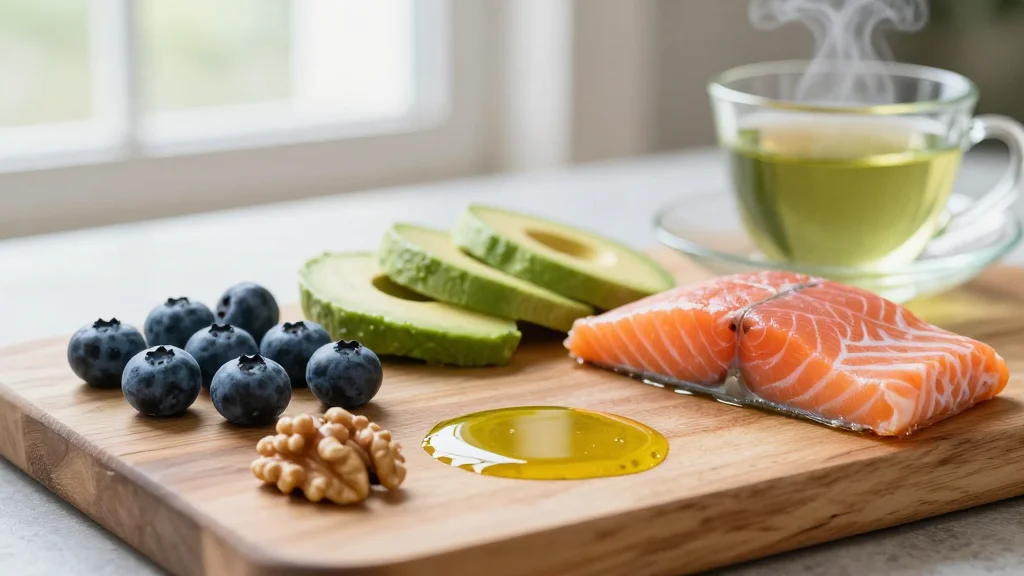
How to Eat for a Healthy Brain
U.S. psychiatrist Tracey Marks highlights a clear link between diet and brain health, emphasizing that nutrition directly influences energy, mood, and overall wellbeing. She outlines a "brain‑healthy" eating pattern rich in omega‑3s, antioxidants, B‑vitamins, and fiber while noting common gaps...
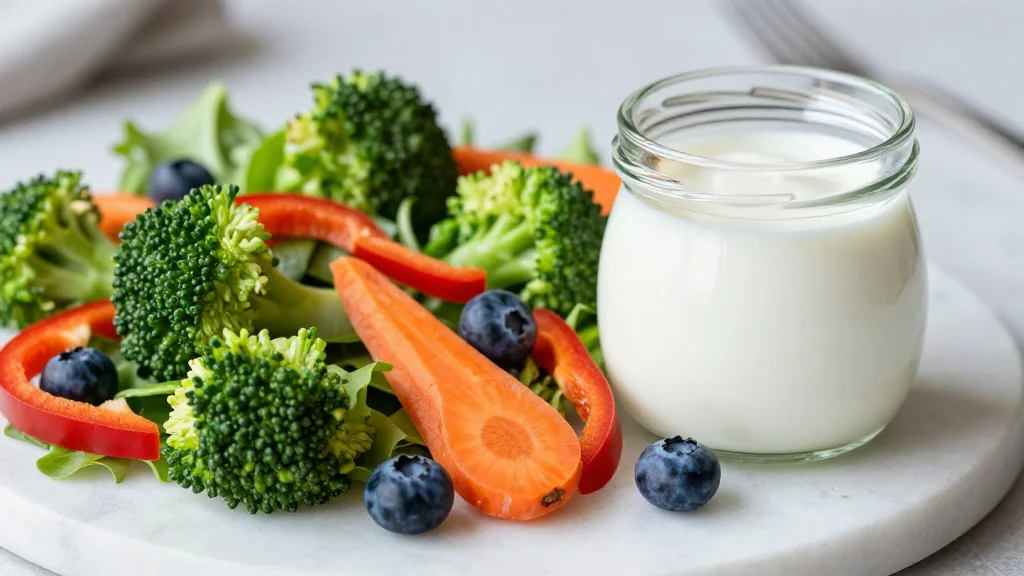
The Ultimate Gut-Health Grocery List To Boost GLP-1 Naturally
Microbiologist Colleen Cutcliffe explains that a healthy gut microbiome can naturally stimulate GLP‑1, the hormone that curbs appetite and stabilizes blood sugar. She highlights two key strains—Akkermansia muciniphila and Clostridium butyricum—as central to GLP‑1 production. By prioritizing fiber‑rich vegetables, polyphenol‑dense fruits,...

This “Bad” Fat In Dairy Is Not Linked To Heart Disease, Study Shows
A new systematic review and meta‑analysis found that naturally occurring trans fats in dairy do not worsen blood lipid markers or increase cardiovascular disease risk. The analysis covered ten randomized trials comparing high‑trans‑fat dairy to conventional products and twelve long‑term...

This Vitamin May Help “Retrain” The Immune System In Gut Inflammation
Researchers conducted a 12‑week trial in inflammatory bowel disease patients with low vitamin D, supplementing them daily. Multi‑omics analysis showed vitamin D boosted IgA activity while suppressing IgG, shifting the immune system toward tolerance of gut microbes. The supplement also redirected immune...

New Study Suggests Bonking Is (Mostly) All in Your Head
A 2026 review in *Endocrine Reviews* re‑examines more than 160 studies and argues that endurance fatigue, traditionally called "bonking," is driven primarily by exercise‑induced hypoglycemia rather than muscle glycogen depletion. The authors propose that the brain detects falling blood‑glucose levels...

Prospects for Algae Nutritional Supplementation of Beef Cattle: Your Questions Answered
A commercial trial in Central Queensland tested AlgaeFeed, a chlorella‑based liquid supplement, on 200 steers during the winter dry season. Supplemented cattle gained an average of +0.1 kg per head per day, while the control group lost –0.7 kg, creating a 0.8 kg/day...

Doctors Warn This Popular Vitamin May Quietly Disrupt Cancer Care
Biotin supplements have become a popular self‑treatment for hair loss among cancer patients, despite limited scientific proof of benefit. Oncologists warn that biotin can skew blood‑test results used to monitor prostate, thyroid, ovarian and breast cancers, potentially delaying or altering...
Nutrition and Body Image Program Improves Recovery for Women with Substance Use Disorders
A new study in the Journal of Nutrition Education and Behavior evaluated the Healthy Steps to Freedom (HSF‑10) program, a 10‑week group intervention for women in substance‑use treatment. Among 607 participants, the program led to measurable gains in nutrition habits,...
:max_bytes(150000):strip_icc():format(jpeg)/sulfites-red-wine-GettyImages-14204362191-9e31c124ade747efbcd2ac8ec62d52c0.jpg)
What Are Sulfites—And Should You Avoid Sulfite-Rich Foods?
Registered dietitians clarify that sulfites are widely used preservatives that appear naturally in foods like wine and fermented vegetables and are added to many processed products. For the majority of consumers they pose no health risk, but individuals with asthma...
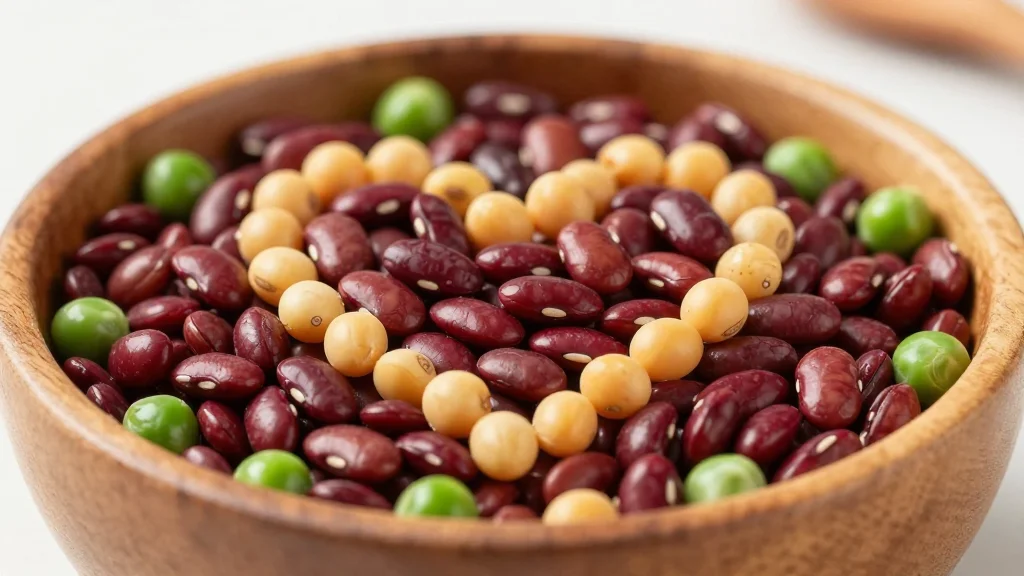
Elevated Consumption of Soy and Legumes Associated with Reduced Risk of Hypertension
A new meta‑analysis of 12 prospective cohorts covering over 150,000 people finds that high consumption of legumes and soy foods is linked to substantially lower hypertension risk. Participants eating large amounts of legumes experienced a 16% risk reduction, while soy...

Eating Eggs Could Cut Alzheimer’s Risk by 27%
Researchers at Loma Linda University analyzed data from about 40,000 older adults over a 15‑year span and found that eating at least one egg per day was linked to a 27% lower risk of Alzheimer’s disease. Even modest consumption—1‑3 eggs...
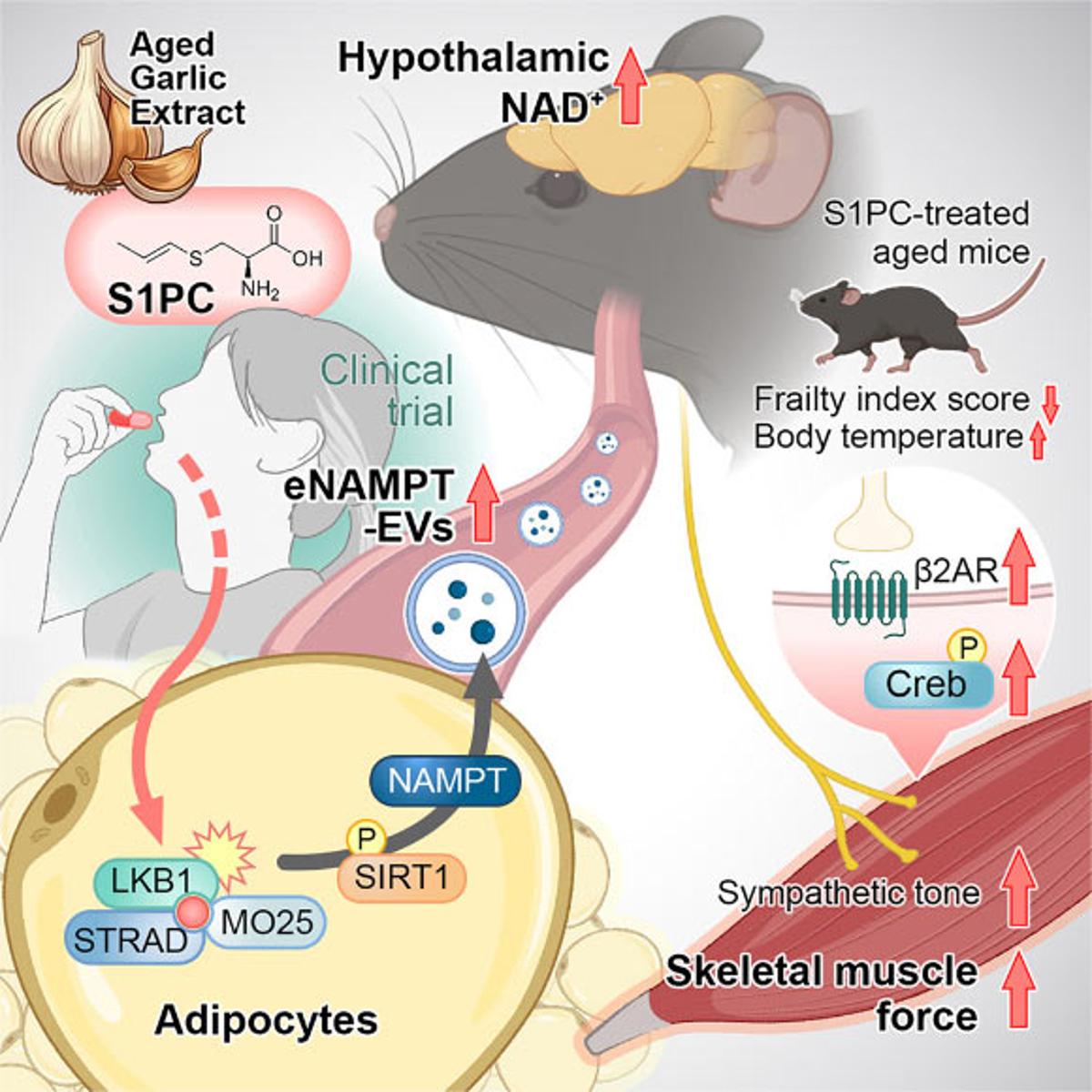
Garlic Compound May Hold Clue to Slowing Muscle Aging
Japanese researchers identified S‑1‑propenyl‑L‑cysteine (S1PC), a compound in aged garlic extract, as a potent activator of the LKB1 enzyme that boosts eNAMPT secretion and NAD+ production. In aged mice, long‑term S1PC supplementation lowered frailty scores, increased muscle force, and restored...

Effects of Caffeine Intake on Exercise Performance in Basketball Players: A Systematic Review and Meta-Analysis
A new systematic review and meta‑analysis of 18 blinded crossover studies examined how acute caffeine affects basketball performance. Low‑to‑moderate doses (≈2.3‑3 mg·kg⁻¹) modestly improved general physical metrics such as sprint speed, jump height and agility, and raised perceived muscle endurance and...
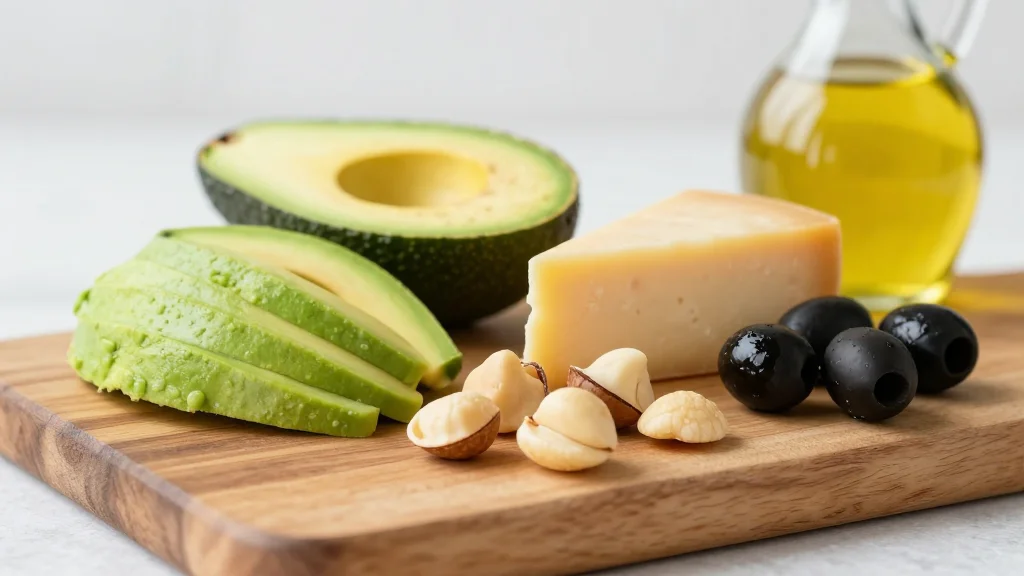
Micronutrient Intake in Adults with Drug-Resistant Epilepsy Treated with the Modified Atkins Diet Needs Monitoring
A prospective study of 56 adults with drug‑resistant epilepsy on a modified Atkins diet (MAD) found that while fat‑soluble vitamins A, D and E were higher than in a normal‑diet reference, intake of several water‑soluble vitamins, electrolytes and minerals fell...

Nutritional Timing and Stress Biology: Intermittent Fasting as a Hormetic Signal for Adaptation
Intermittent fasting (IF) and time‑restricted eating (TRE) are examined as controlled metabolic stressors that invoke hormetic adaptations. The review outlines how nutrient‑sensing pathways—including AMPK, SIRT1, mTOR and Nrf2—are modulated, driving autophagy, mitochondrial renewal and redox balance. Pre‑clinical and clinical evidence...

Genetic Testing May Unlock Vitamin D's Potential for Diabetes Prevention
A JAMA Network Open analysis of the D2d trial shows that daily 4,000 IU vitamin D₃ reduced type 2 diabetes incidence by 19% among prediabetic adults carrying the ApaI AC or CC variants of the vitamin D receptor gene. The same high‑dose regimen had...

Caffeine Won't Give You All-Day Energy — But This Eating Habit Will
Caffeine provides only a short‑term boost, and repeated use can lead to energy crashes. Registered dietitian Alexander LeRitz explains that stable blood‑sugar levels, achieved by pairing carbohydrates with fiber, protein, or fat, sustain energy throughout the day. He promotes a...

Could Melatonin and Caffeine Work Together for Performance?
A double‑blind, placebo‑controlled crossover trial examined 14 trained men who received caffeine (3 mg·kg⁻¹), melatonin (6 mg), or both, with performance measured in a 5‑m shuttle run. Caffeine alone improved distance, while the melatonin‑caffeine combination matched or exceeded that boost and lowered...
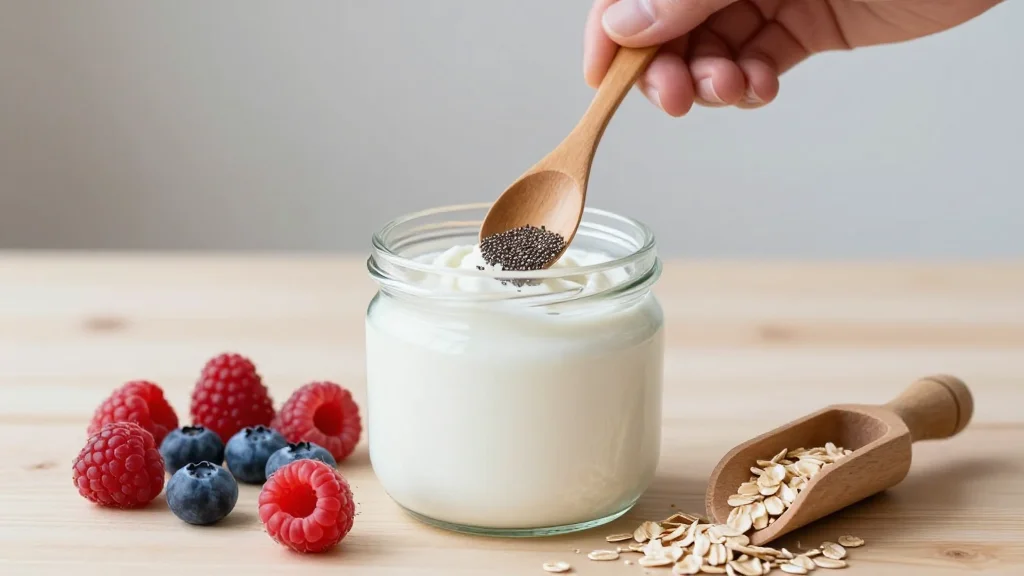
Can This Antioxidant-Rich Food Speed Up Recovery? Here’s What 28 Studies Found
A new scoping review examined 28 randomized controlled trials on tart cherry supplementation, focusing on performance, muscle‑strength recovery, and delayed‑onset muscle soreness. The analysis found the most consistent benefit was faster muscle‑strength recovery, likely due to the anti‑inflammatory anthocyanins in...

Want To Build Muscle? Most Women Are Missing This Nutrient (It’s Not Protein)
Women who lift weights often focus on protein, but many overlook carbohydrates, a critical fuel for muscle growth. Dr. Ana Kausel notes that over 80% of her female patients have tried low‑carb diets, leading to fatigue, cortisol spikes, and stalled...

Beta-Glucan Oligosaccharides Could Lower Cholesterol Levels - Thai Study
A Thai‑led, randomised, placebo‑controlled trial of 96 healthy adults examined daily 2 g supplementation of β‑glucan oligosaccharides versus polysaccharides over 12 weeks. Both forms lowered total cholesterol, but only the oligosaccharide group maintained a significant reduction two weeks after stopping the supplement...
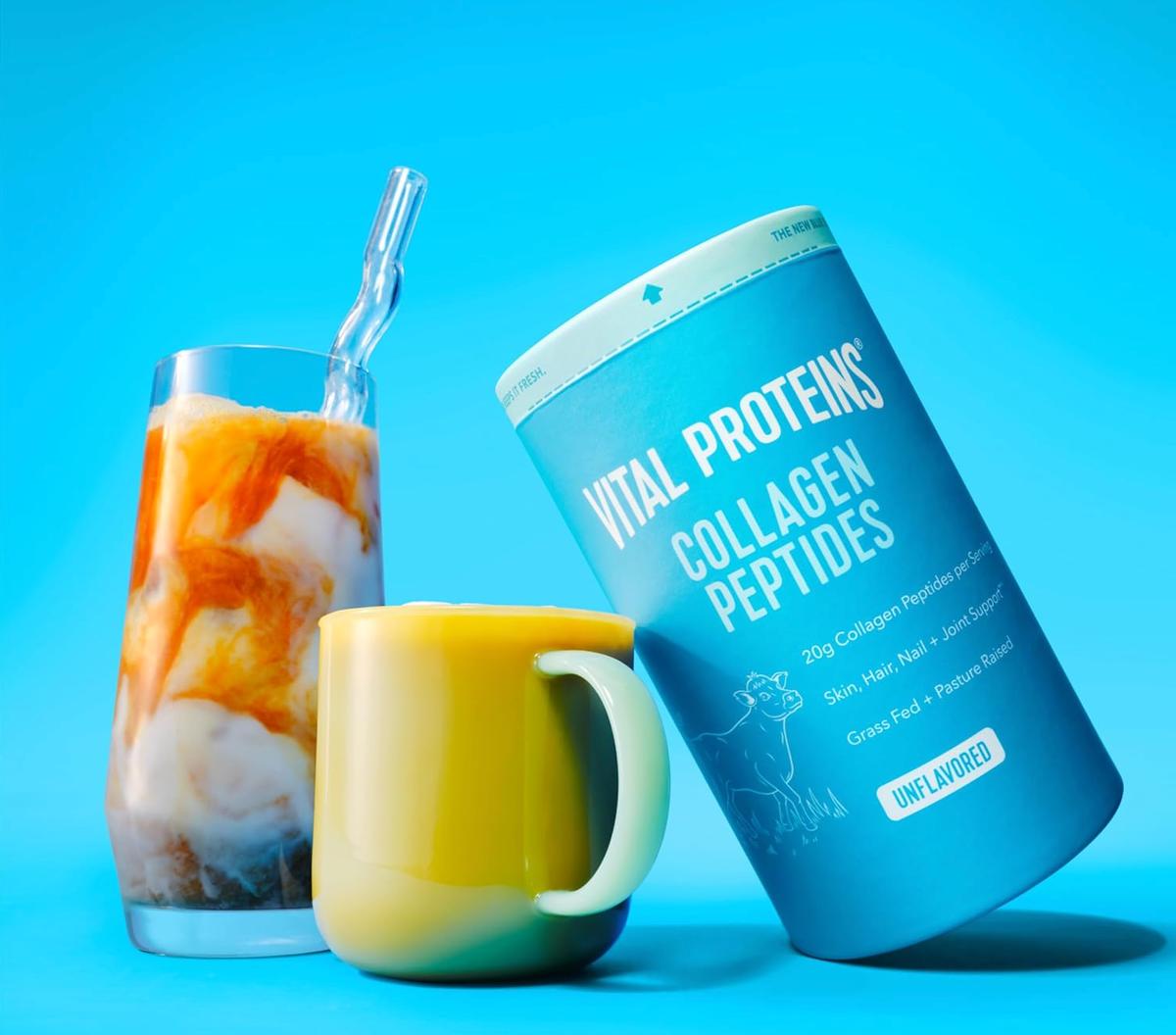
Want to Feel Fuller Longer? Start With These 6 Protein Powders
The article reviews six top‑rated protein powders that can help consumers feel fuller longer and support weight‑loss goals. It highlights Optimum Nutrition’s Gold Standard whey as the overall winner, alongside standout options for whey, casein‑whey blends, plant‑based, snack‑shake, and collagen...

Bacon Or Pork Sausage: Which Packs More Protein Per Serving?
Bacon and pork sausage are common breakfast protein sources, but they differ markedly in protein content. A typical two‑slice serving of standard pork bacon supplies about 6 grams of protein, whereas three pork sausage links provide roughly 11 grams. Variations exist across...

RTC: 5-MTHF Matches Folic Acid While Lowering Unmetabolized Folic Acid in Prenatal Vitamins
A 24‑week U.S. randomized trial found that prenatal multivitamins containing 6S‑5‑methyltetrahydrofolate (5‑MTHF) achieved maternal and fetal folate levels comparable to those using synthetic folic acid, while markedly reducing circulating unmetabolized folic acid (UMFA). The 5‑MTHF formulation delivered about 30% less...

Intermittent Fasting Can Help You Lose Weight, But Science Says Not For the Reason You Might Think
Intermittent fasting (IF) does produce weight loss, but not because it flips a metabolic switch. A meta‑analysis by the College of Family Physicians of Canada shows the effect stems from an inadvertent calorie reduction when eating windows are narrowed. A...
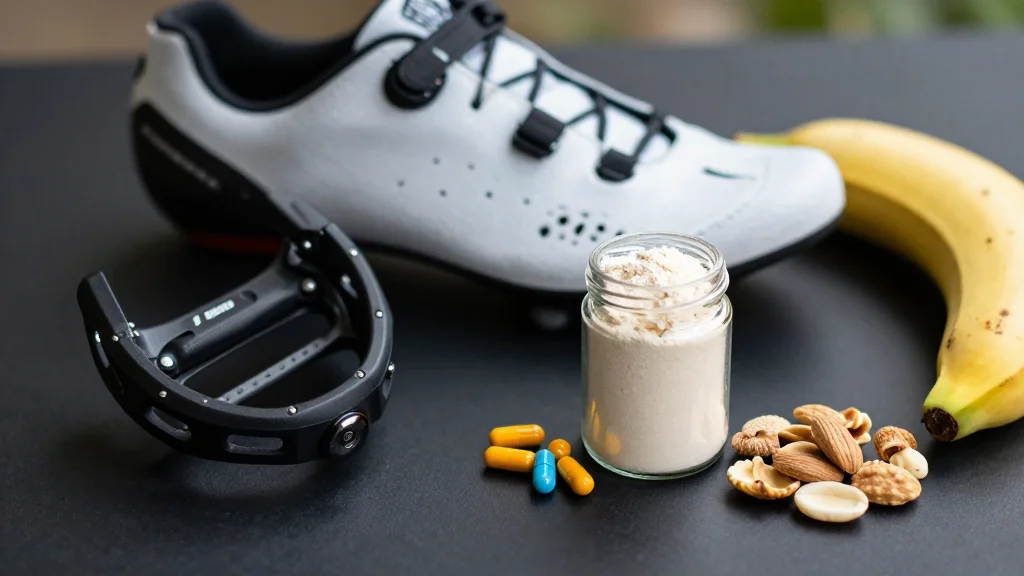
Getting Into Spinning Or Cycling? Research Says These Supplements Are Best
A recent systematic review led by Australian Olympian Sophie Edwards identified the top supplements that enhance cycling performance and accelerate recovery. The researchers highlighted beta‑alanine, caffeine, carbohydrates, creatine, electrolytes and several others for on‑bike fuel and fatigue resistance. For post‑ride...
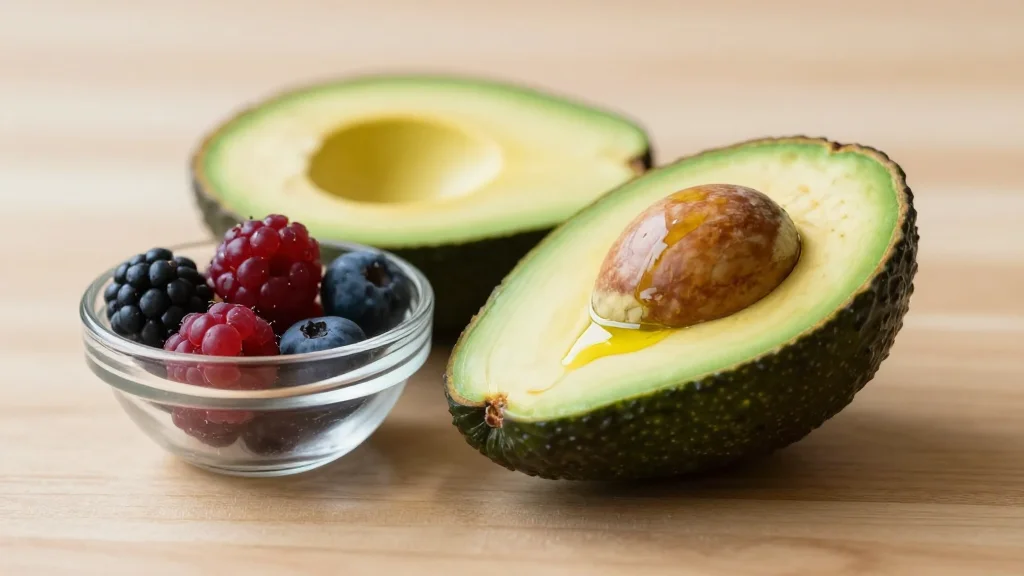
Eating This Fruit Daily May Help Stabilize Blood Sugar, Study Finds
A randomized trial of more than 1,000 adults with elevated waist circumference found that eating one large avocado each day for six months lowered dietary glycemic load by roughly 14 points compared with a control group limited to two avocados...
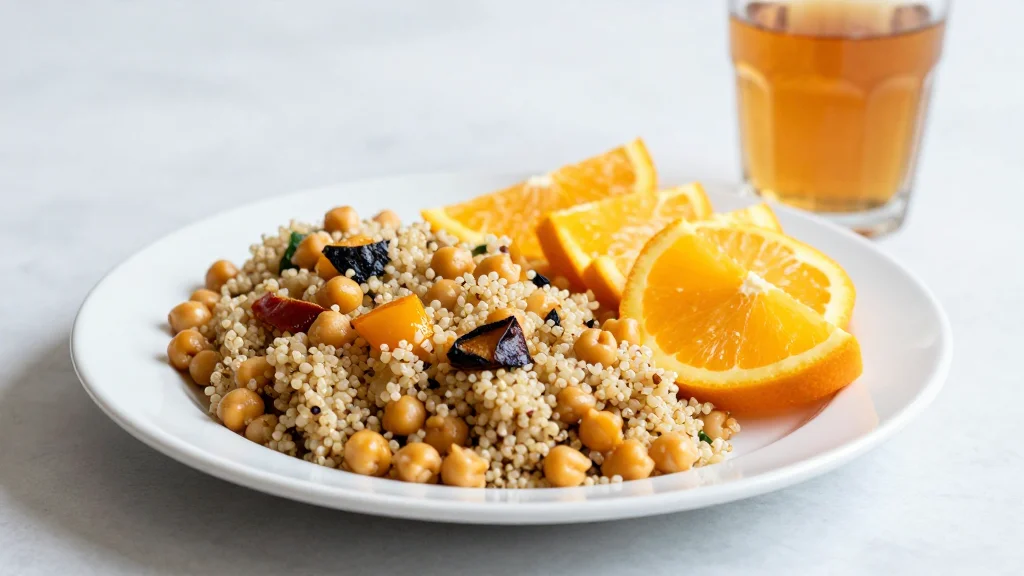
One Month Of These Simple Diet Shifts Can Reduce Your Biological Age
A recent study of 104 adults aged 65 to 75 found that four weeks of high‑carbohydrate or semi‑vegetarian diets can noticeably lower KDM‑derived biological‑age scores. Participants on an omnivorous high‑carb plan outperformed those on a high‑fat regimen, while semi‑vegetarian groups...

The Effects of Ketogenic Diet and Calorie-Restricted Diet on Metabolic Dysfunction-Associated Steatotic Liver Disease: A Retrospective Study
A retrospective cohort of 102 MASLD patients compared a 12‑week ketogenic diet (KD) with a calorie‑restricted diet (CRD). The KD produced a markedly larger drop in hepatic steatosis, with median CAP reduction of 62 dB/m versus 36 dB/m for CRD, and 84%...
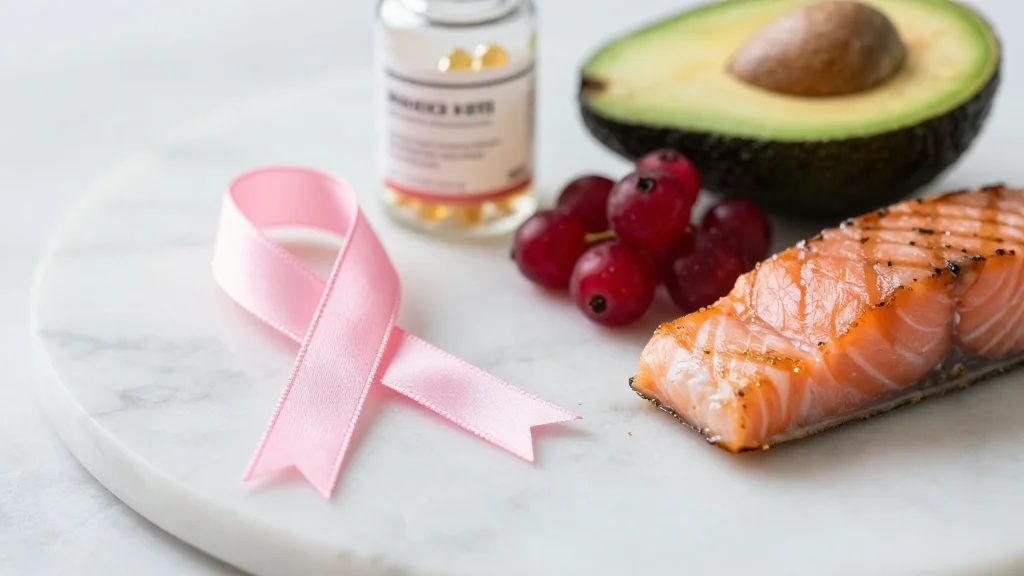
Role of Micronutrients, Phytochemicals, and Lipid Metabolism in Mammary Gland Development, Lactation Efficiency, and Breast Cancer Risk
A retrospective cohort of 800 women linked micronutrient deficiencies, low dietary phytochemical intake, and dyslipidemia to higher breast‑cancer incidence and more aggressive tumor features. Vitamin D deficiency was present in 48.5% of participants and raised cancer odds by 68 %. A high...
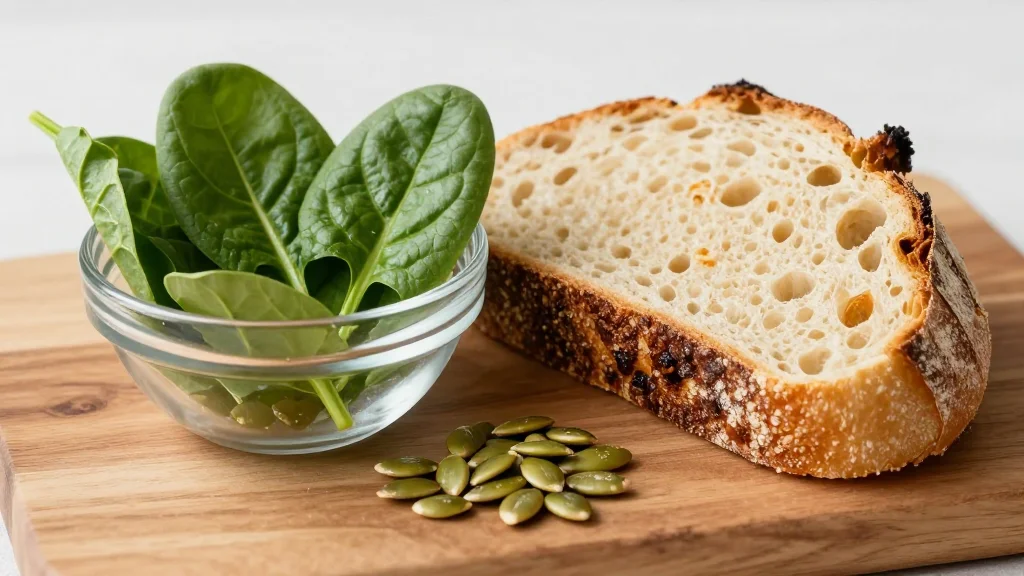
Effects of Sourdough- or Regular-Bread Fermentation, and Phytate Reduction on Iron Bioavailability, Absorption, and Iron Status in Humans: A Systematic...
The Frontiers in Nutrition systematic review examined eight human intervention studies to determine whether sourdough or regular‑yeast bread fermentation improves iron bioavailability, absorption, and status. Acute post‑prandial trials consistently showed higher serum iron and increased fractional absorption when phytate levels...

Regulation of Inflammation by Omega-3 and Omega-6 Fatty Acids: A Meta-Analysis of Randomized Trials
A meta‑analysis of nine randomized controlled trials involving 504 participants compared the anti‑inflammatory effects of omega‑3 and omega‑6 polyunsaturated fatty acids. The pooled data showed no significant impact on IL‑6, C‑reactive protein or TNF‑α levels. However, omega‑6 supplementation produced a...
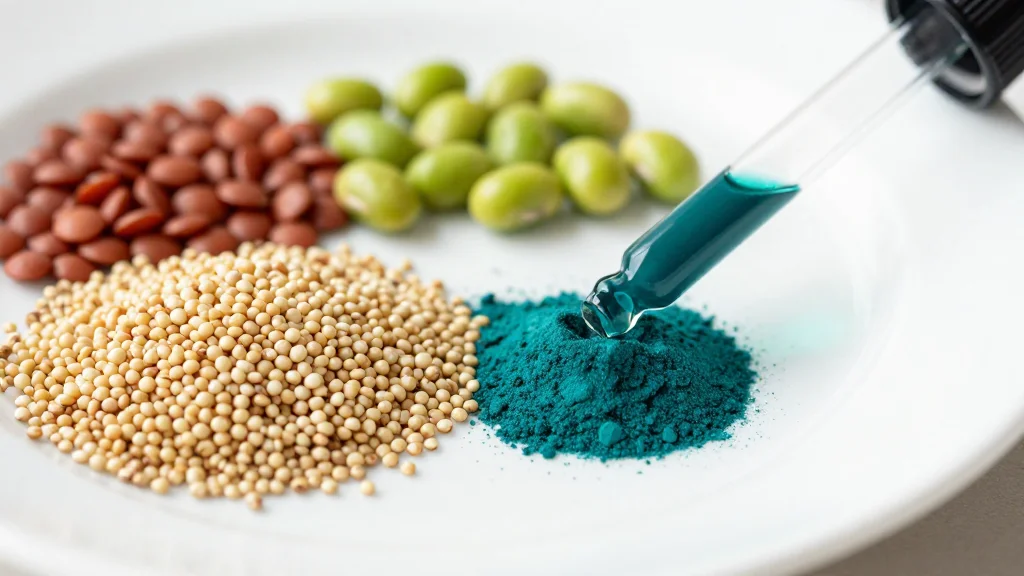
Branched-Chain Amino Acids From Plants and the Metabolic Syndrome: Pathways and Pharmacological Applications
Metabolic syndrome affects roughly 1.54 billion adults and is driven by chronic inflammation. Recent research reviews how plant‑derived branched‑chain amino acids (BCAAs) from legumes, whole grains and microalgae can modulate inflammatory pathways and improve glycemic, lipid and body‑composition outcomes. Processing methods...

Can You Support Bone Density Through Diet?
Dietitians Skylar Weir and Christina Manian stress that bone density hinges on consistent, adequate nutrition as much as strength training. They warn that chronic under‑fueling can divert essential minerals from bone, increasing fracture risk, especially in conditions like anorexia. Key...

A Cycling Coach Says You’re Probably Not Eating Enough. Here’s the Fueling Strategy That Works.
Cycling coach Marissa Axell warns that many riders over 40 underfuel, compromising performance and health. She cites a 50‑plus athlete who won her age group at the 2025 TransRockies Gravel Royale by prioritizing a structured fueling plan. The article outlines...
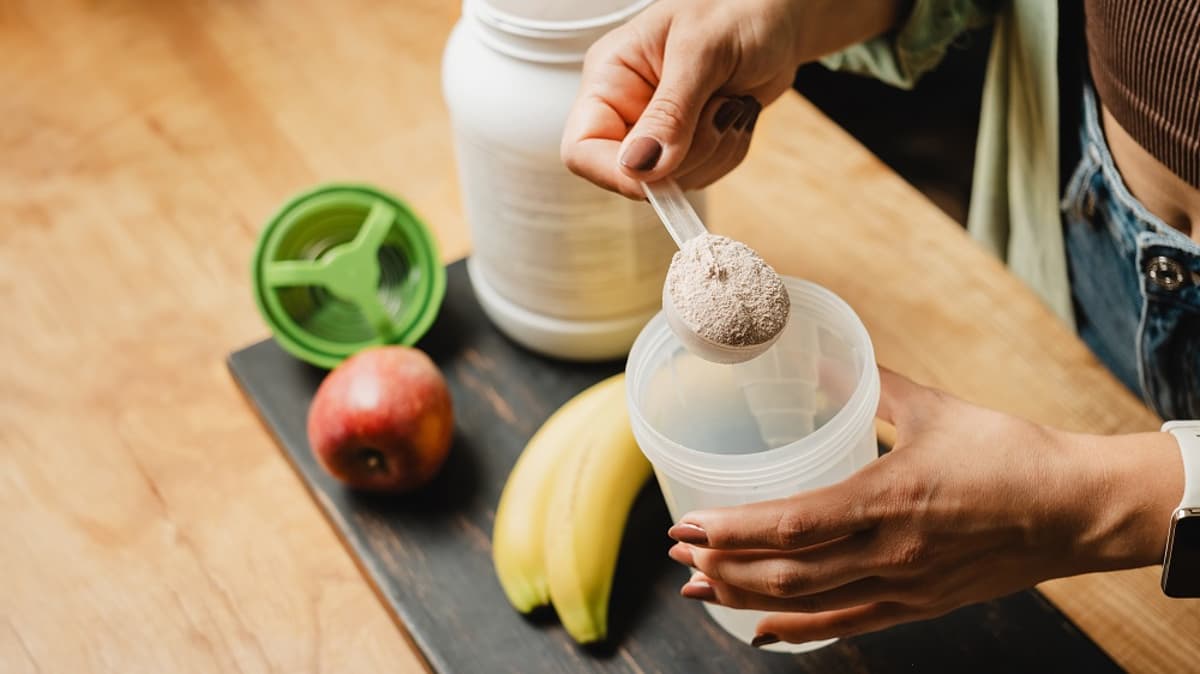
Creatine Shows Synergy With Exercise in Older Adults
Researchers in Spain examined whether creatine supplementation enhances high‑load, velocity‑intentional resistance training (HL‑VIRT) in adults around age 68. Over 16 weeks, participants who combined creatine with either elastic‑band or aquatic power training showed larger increases in brain‑derived neurotrophic factor, greater...

Netherlands Updates National Food Guidelines to Cut Meat and Dairy, Boost Legumes
The Netherlands Nutrition Centre has revised its national food guide, the Schijf van Vijf, boosting the weekly legume target to 250 g and cutting meat limits to 300 g per week (red meat capped at 100 g) while halving the daily cheese recommendation...
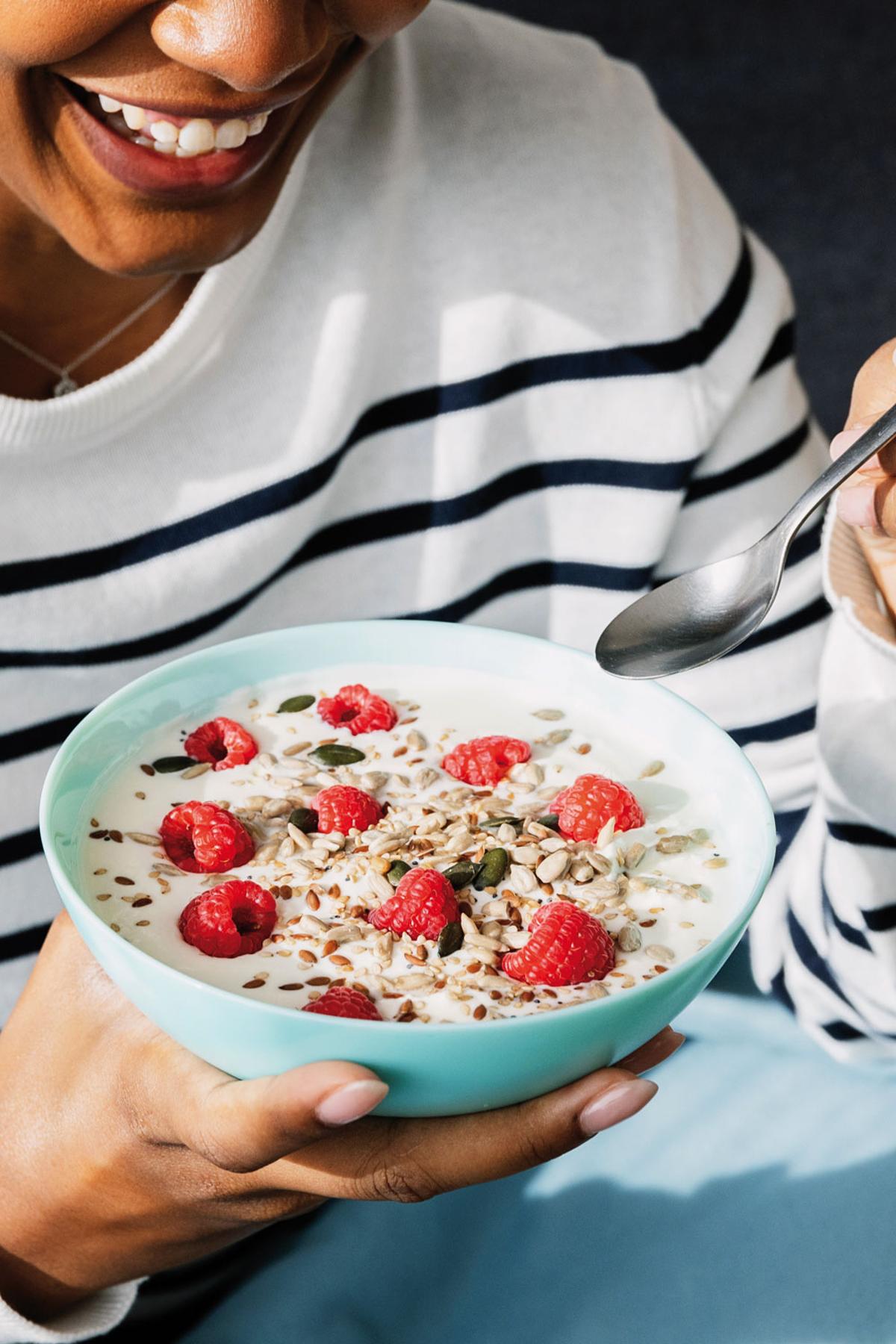
How To Reset Your Appetite: A Nutritionist’s Guide
Nutritionist Dr. Federica Amati explains that appetite is governed by satiety signals linking the gut, brain, hormones and microbiome. Whole, fiber‑rich plant foods trigger hormones like GLP‑1 and short‑chain fatty acids that tell the brain you’re full. Modern processed meals...