
Is Milk Good or Bad for Kids? And How Much Dairy Do They Actually Need?
Recent analysis clarifies the role of dairy in children’s diets, highlighting its contributions to bone strength, heart health, and weight management. While cow’s milk allergy and lactose intolerance affect a minority, most kids benefit from calcium, protein, and iodine found in milk. Australian dietary guidelines recommend age‑specific daily servings, shifting to reduced‑fat options after age two, though emerging research questions the need to limit saturated fat. Plant‑based milks generally lack comparable nutrients, making fortified soy the closest dairy substitute.

A Structured Clinical Nutrition Pathway for Enteral Nutrition Management in Patients with Intracerebral Hemorrhage: A Non-Randomized Controlled Study
A non‑randomized controlled study at a Chinese tertiary hospital evaluated a SAPIM‑based structured clinical nutrition pathway for enteral feeding in intracerebral hemorrhage (ICH) patients. The pathway, emphasizing systematic assessment, personalized targets, and multidisciplinary coordination, reduced nutrition‑related complications from 56.7% to...

New Peer-Reviewed Study by Over 20 Protein Experts Urges Rethinking Dietary Protein Recommendations Beyond Simply “Eat More Protein” – Reported...
A new peer‑reviewed study authored by more than 20 protein nutrition experts, highlighted by the National Pork Board, challenges the simplistic "eat more protein" mantra. The researchers argue that recommendations should consider protein quality, distribution across meals, and individual factors...

Effects of Liquid Diet Administration Routes and Types of Dietary Fiber Pectin on Fecal Characteristics and Gut Microbiota in Rats
A rat study compared oral, gastrostomy and duodenostomy delivery of liquid diets with either low‑methoxyl pectin (LMP), high‑methoxyl pectin (HMP) or no pectin. Duodenostomy feeding raised cecal content weight, lowered gut‑microbiota alpha diversity and shifted the community toward more Proteobacteria...

Top Five-a-Day Foods New Study Says Your Heart Needs
A new study of 30,000 adults in the US and UK finds that not all five‑a‑day diets deliver enough flavanols, a class of antioxidants linked to heart health. Researchers identified a handful of foods—plums, blackberries, broad beans, cherries and green...

Eating Through the Noise
Dr. Anoop Misra’s new book *Smart Calories and Common Sense* cuts through India’s nutrition hype by urging readers to eat simple, balanced meals rather than chase trendy super‑foods or supplements. Drawing on decades of clinical research, he debunks myths about protein...
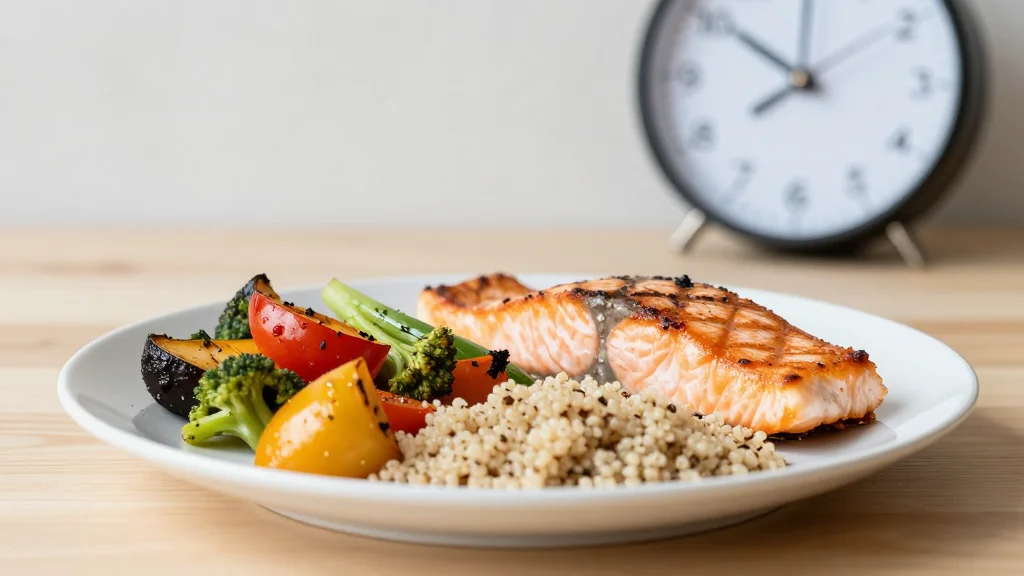
What Being A Late Eater Means For Your Blood Sugar, According To Research
A new narrative review in Frontiers in Nutrition examines chrononutrition, focusing on how eating after 5 p.m. affects blood‑sugar control and long‑term cardiometabolic health. The analysis of observational and clinical studies finds that late eaters—those consuming at least 45% of daily...

Colostrum Has Been Taking Over Social Media—But What Does The Science Say?
Colostrum has exploded on TikTok and YouTube, with influencers touting it as a cure‑all for immunity, gut health, and skin. While bovine colostrum is rich in antibodies and protein, scientific studies on adult users are small and focus on niche...

The Supplements Older Adults Actually Need and the Ones They Don't
Use of dietary supplements has surged, but benefits depend on actual deficiencies, especially in older adults. Age‑related factors such as reduced appetite, medication interactions, and malabsorption increase risk of shortfalls in vitamin B12, D, folate, calcium, magnesium, and protein. Targeted...
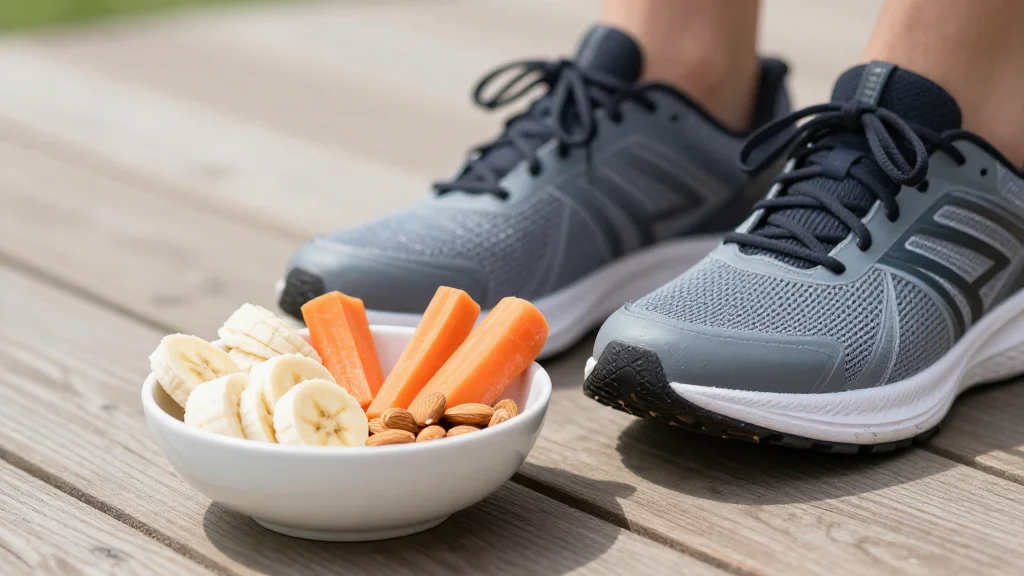
Upping Your Training? Make Sure You’re Getting Enough Of This
A new systematic review of nearly 6,000 adult distance runners found that lower daily intake of calories, fat, and fiber is linked to a higher risk of running‑related injuries, especially among women. Injured female runners consumed about 300‑450 fewer calories,...
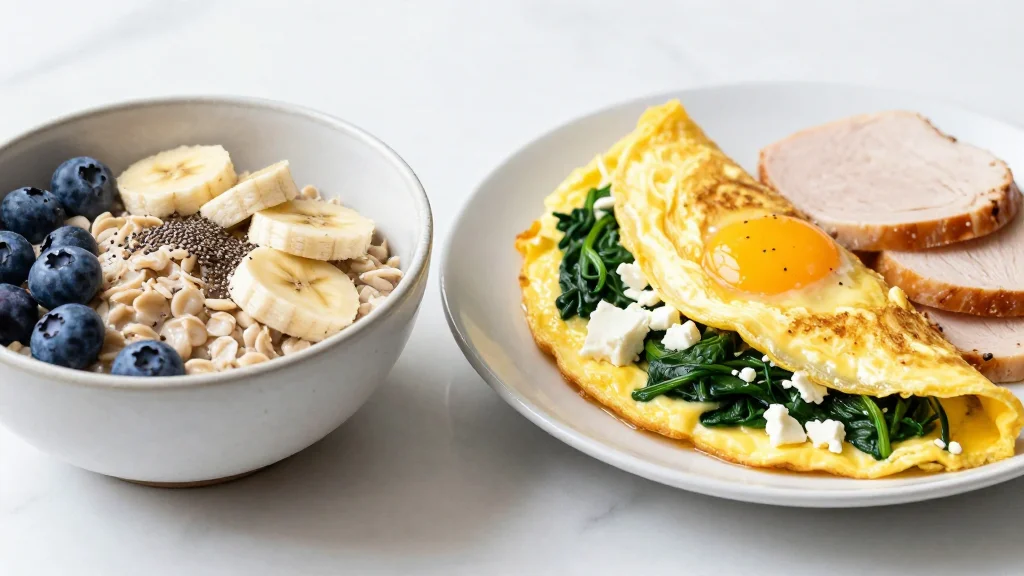
High-Protein Vs. High-Fiber Breakfasts: Which One Wins For Metabolism?
A recent British Journal of Nutrition randomized crossover trial compared high‑protein and high‑fiber breakfasts in 19 overweight adults. Both diets front‑loaded 45% of daily calories at breakfast and produced significant weight loss over 28 days, with the fiber‑rich plan yielding...
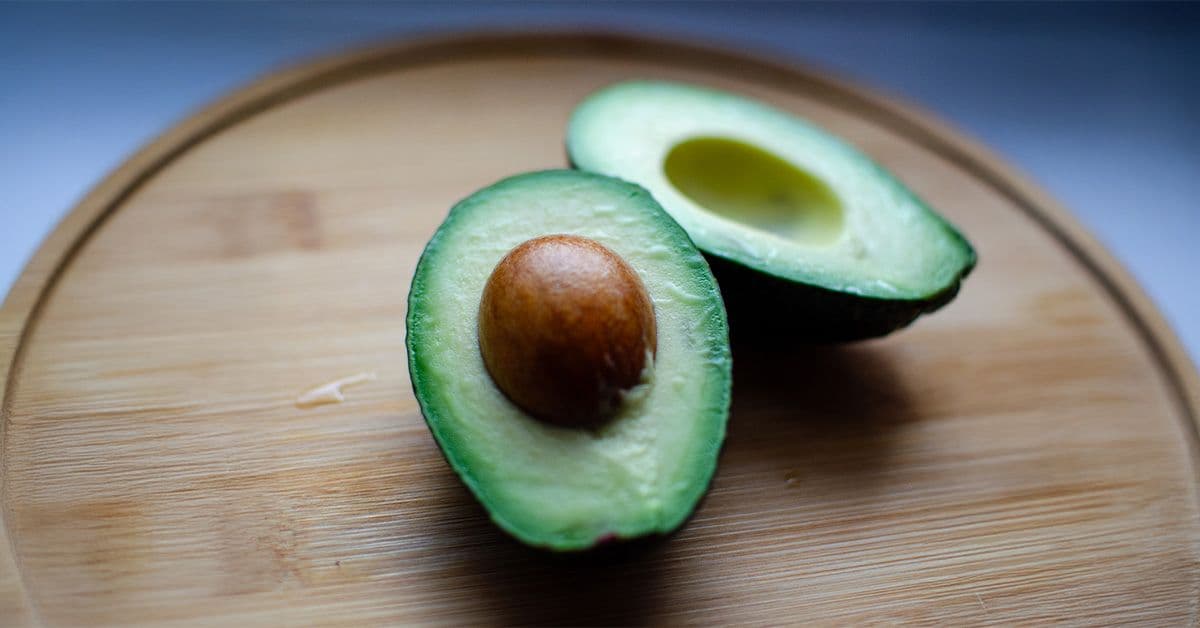
An Avocado a Day May Help Control Blood Sugar, Study Claims
A secondary analysis of the Habitual Diet and Avocado Trial found that participants who ate one large avocado each day for six months experienced a lower dietary glycemic load than a control group. The study involved 961 overweight or obese...
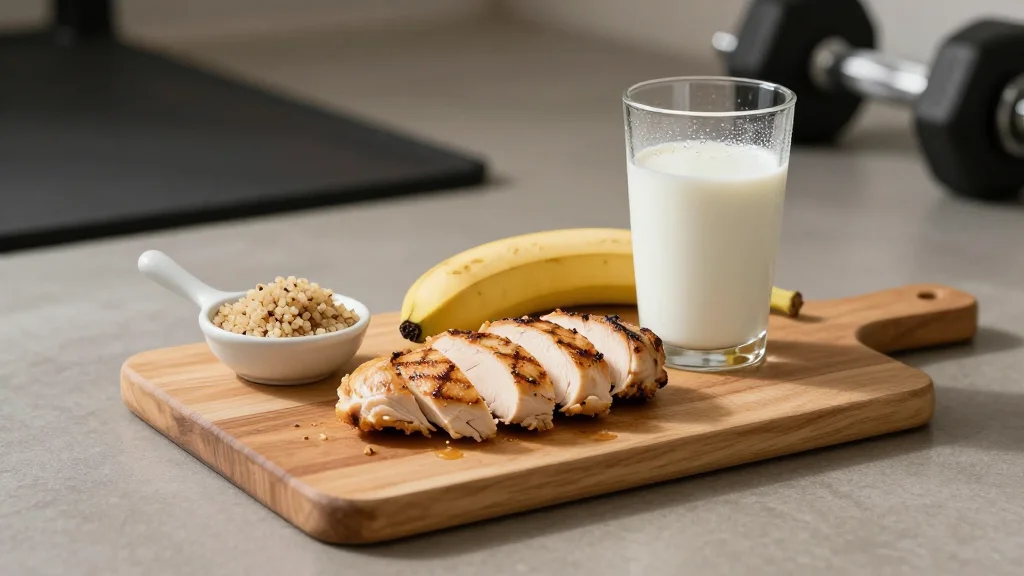
Nutrient Timing: Does the "Window of Opportunity" Really Exist?
The long‑standing “window of opportunity” in sports nutrition—immediate post‑exercise carbs, protein within 30 minutes, and pre‑exercise strategies—has been re‑examined. Recent research shows timing can influence physiological responses, but its practical impact hinges on context such as multiple daily sessions or high‑intensity...

Review: Targeted Fiber Consumption Could Boost Long-Term Outcomes of GLP-1 Therapy
Researchers from Maastricht University and KU Leuven reviewed how targeted dietary fiber can enhance the long‑term success of GLP‑1 obesity drugs. They found that specific fibers—glucomannan, psyllium, inulin—act via different mechanisms and can mitigate gastrointestinal side effects while potentially reducing...

‘Unmatched’: Nutra Healthspan Summit Returns for November 2026
The Nutra Healthspan Summit returns for its second edition on November 10‑11, 2026, at Convene in London. The two‑day forum will convene brands, researchers, product developers, and investors to explore cutting‑edge advances in cellular aging, mitochondrial function, women’s health, cognition,...
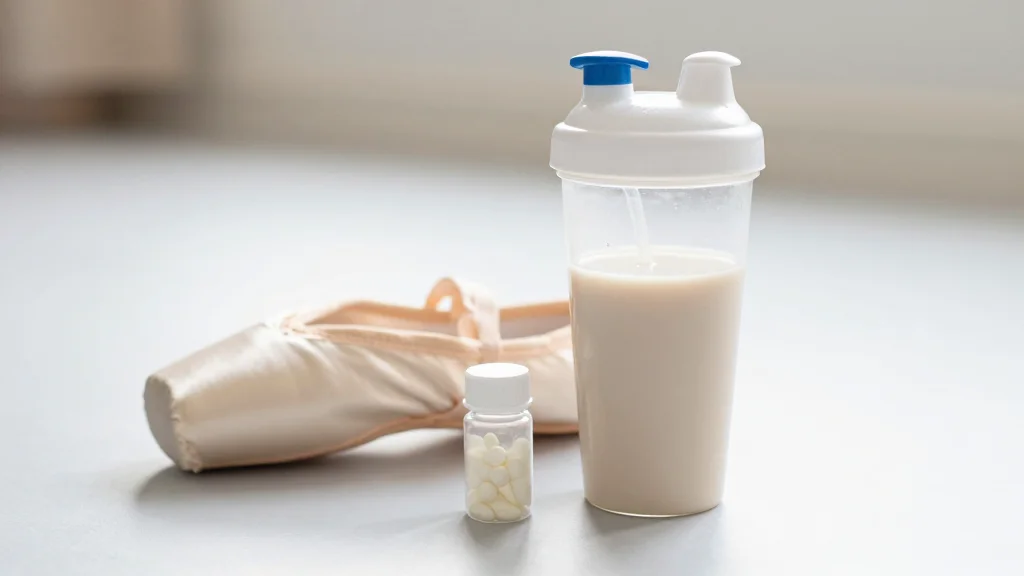
Dietary Supplement and Medication Use in Professional and Pre-Professional Dancers: Widespread Use but Limited Evidence of Benefit—A Systematic Review
A systematic review of 22 studies involving 740 professional and pre‑professional dancers found that dietary supplement use is widespread, ranging from 11% to 57% of dancers, with multivitamins, vitamin C, caffeine and isotonic drinks most popular. Analgesics and NSAIDs were reported...
B12, Folate Supplements May Be Key to Tackling Chronic Fatigue
Researchers at Osaka University analyzed data from 2,618 adults and found that elevated blood homocysteine—a marker of vitamin B12 and folate deficiency—was associated with higher physical fatigue in men and lower motivation in women. The cross‑sectional study, published in Nutrients,...

This Everyday Habit May May Slow “Metabolic Aging,” Study Suggests
A new analysis of NHANES data and a Chinese cohort links overall diet quality to healthier metabolic aging markers. Participants with higher Healthy Eating Index‑2015 scores showed lower insulin resistance (HOMA‑IR) and more favorable lipid profiles (AIP). The study also...

How to Use Magnesium to Lower Your Blood Pressure
A recent article highlights magnesium as a practical tool for lowering blood pressure, noting that half of U.S. adult men face hypertension. Experts explain that magnesium helps relax vascular smooth muscle, supports nitric‑oxide production, and mitigates stress‑induced sympathetic activity. A...

Holland & Barrett Flags Brain Health Nutrient Gaps
Holland & Barrett (H&B) highlighted global gaps in key brain‑health nutrients, noting widespread deficiencies in iron, iodine, choline and omega‑3 fatty acids. Internal data show most consumers fall short of optimal intake, with over 75% of countries under‑consuming omega‑3s and top‑selling...

The Best Foods for Brain Health May Change as You Age
A new narrative review in Nutrients surveyed 54 studies to map how specific animal‑ and plant‑based foods influence brain development and cognitive aging. The authors found that eggs, dairy, meat, and seafood, as well as berries, whole grains, leafy greens,...

Nutritional Supplementation with Panax Ginseng Extract and Bone Health in Osteoporotic Animal Models: A Systematic Review and Meta-Analysis
A systematic review and meta‑analysis of 28 randomized animal studies found that Panax ginseng extract markedly improves bone health. The supplement raised bone mineral density (SMD 2.21), enhanced trabecular microarchitecture, and strengthened biomechanical properties. Biochemical markers showed increased PINP, estradiol, osteocalcin...
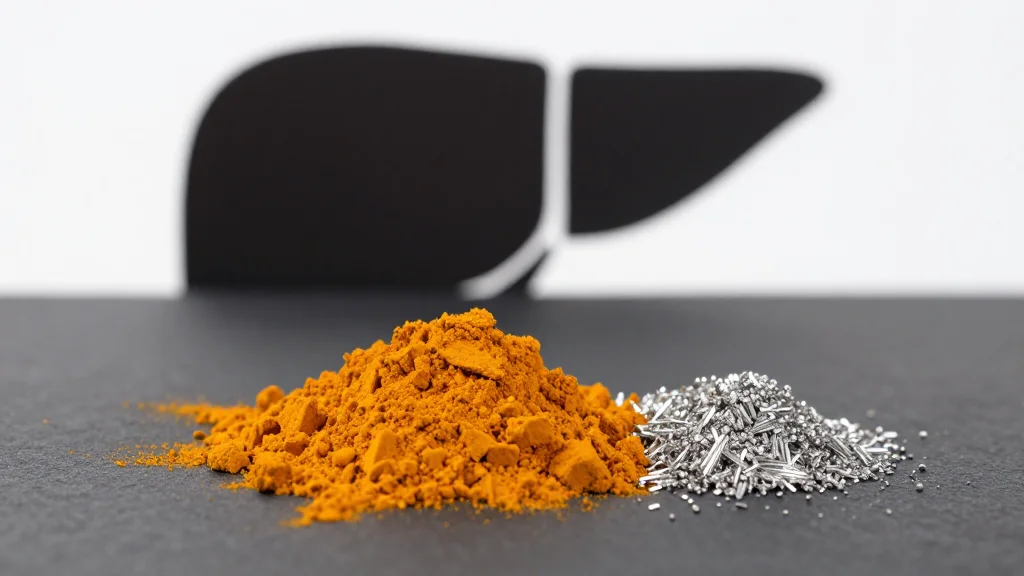
Targeting Hepcidin to Restore Oral Iron Efficacy After Vertical Sleeve Gastrectomy
Vertical sleeve gastrectomy (VSG) frequently triggers iron deficiency that oral iron supplements cannot correct. The study shows VSG elevates intestinal iron‑uptake proteins but provokes a disproportionate rise in hepatic hepcidin, which degrades ferroportin and traps iron in tissues. Curcumin, a...
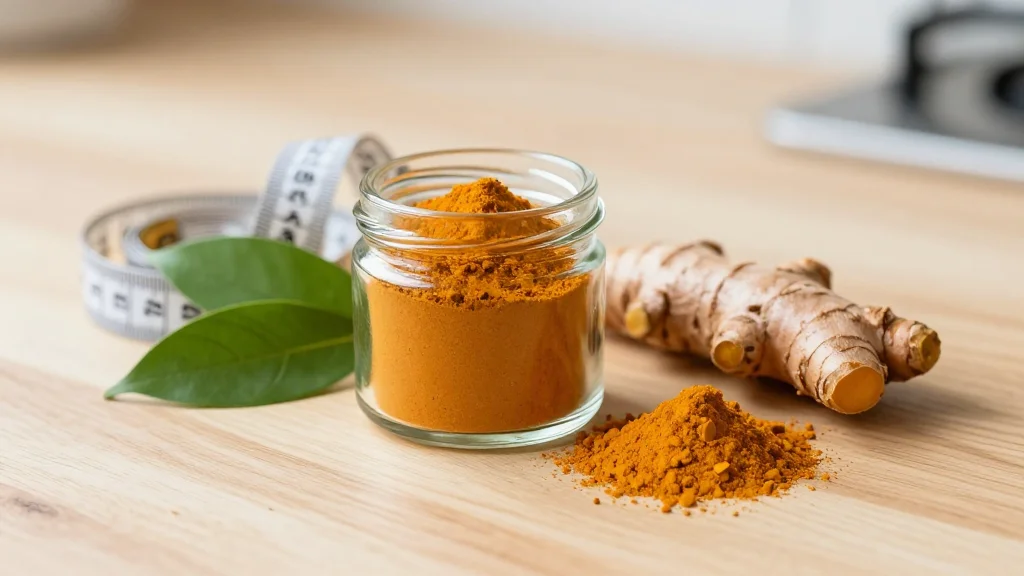
Can Turmeric Improve Body Composition? Here’s What 20 Clinical Trials Reveal
A new systematic review and meta‑analysis of 20 randomized controlled trials examined turmeric or curcumin supplements in people with prediabetes or type 2 diabetes. The pooled data show an average weight loss of about 2 kg (4.4 lb) and a 2–3 cm reduction in...
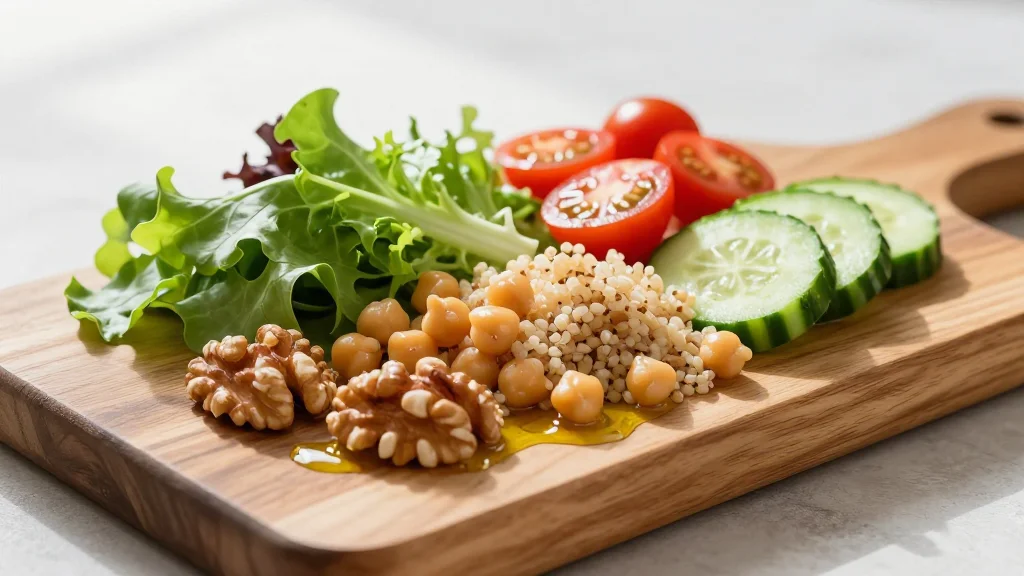
This 2-Year Study Found A Sustainable Approach To Nutrition For Healthy Aging
A two‑year analysis of the CALERIE 2 trial showed that healthy adults who cut calories by about 12% improved diet quality and reduced dietary inflammation without developing nutrient deficiencies. Participants received intensive nutrition education, which helped them replace empty calories with...
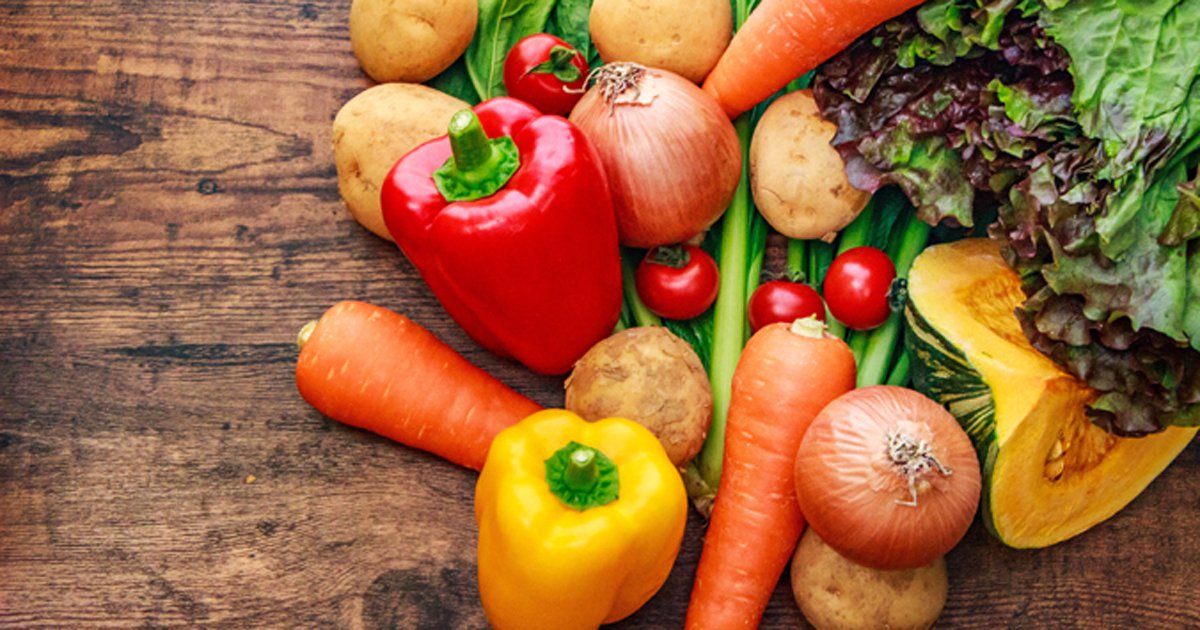
Whole-Food Plant-Based Diet Aids Men with Prostate Cancer
A randomized trial presented at the ASCO Annual Meeting found that overweight or obese men with prostate cancer receiving androgen‑deprivation therapy (ADT) lost significantly more weight when placed on a whole‑food plant‑based (WFPB) diet. Over six months the diet group...
:max_bytes(150000):strip_icc():format(jpeg)/anti-inflammatory-fruits-GettyImages-1054923118-34d3c9f87a9742ce94282faba6c7fcd3.jpg)
15 Anti-Inflammatory Fruits With Fiber and Antioxidants Recommended by Dietitians
Registered dietitians Janice Chow and Annie Zappulla highlight 15 fruits that can curb chronic inflammation by delivering high levels of antioxidants and dietary fiber. They explain how acute inflammation protects the body, while chronic inflammation fuels disease, and why fruit‑derived...

Novel Polyphenol-Based Ingredient Could Boost Distance Running
Researchers from Amino Up and the Sapporo EXCEL Athlete Club published a randomized, double‑blind, placebo‑controlled trial showing that Oligonol, a low‑molecular‑weight lychee polyphenol, increased endurance performance in older long‑distance runners. Over a 60‑day period, participants taking 200 mg of Oligonol daily...

Re: Calcium, Vitamin D, or Combined Supplementation to Prevent Fractures and Falls: Systematic Review and Meta-Analysis
A recent BMJ systematic review and meta‑analysis found that combined calcium and vitamin D supplementation reduces all‑fracture risk by 9 percent, a statistically significant result judged by the authors as not clinically important. Marc C. Hochberg, a professor emeritus at the University...
Dietary L-Arginine Supplementation Exerts Preventive Effects on Colitis Through Modulation of the Gut Microbiota
A recent mouse study shows that dietary L‑arginine given before colitis onset markedly reduces disease severity, matching the benefits of continuous supplementation. Preventive dosing restored body weight, disease activity index, colon length, tight‑junction protein expression, and lowered serum LPS. It...

Vitamin B12 and Folate Deficiencies Linked to Chronic Fatigue
Researchers at Osaka Metropolitan University examined 600 healthy Japanese adults and found that low levels of vitamin B12 and folate were associated with elevated blood homocysteine. Higher homocysteine correlated with greater physical fatigue in men and reduced motivation in women. The...
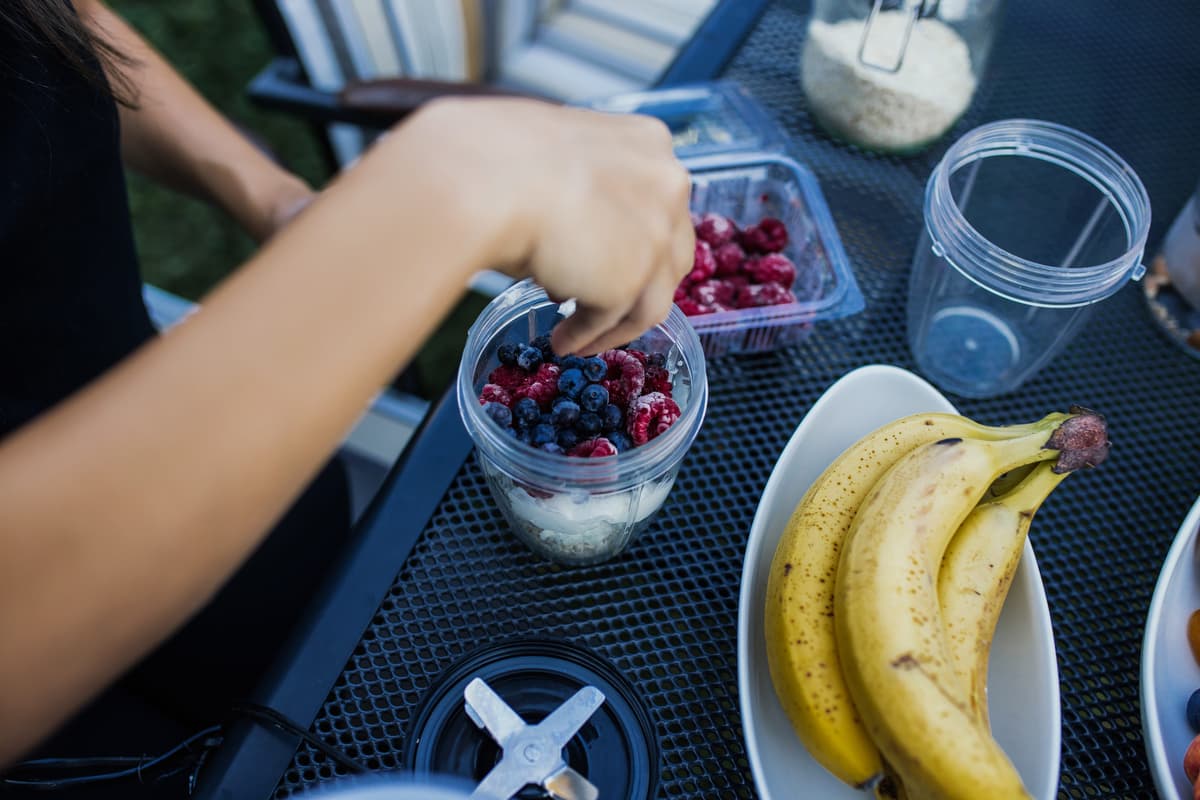
This One Ingredient May Be Ruining the Health Benefits of Your Smoothie
A UC Davis study found that adding banana to a flavanol‑rich smoothie can markedly reduce the body’s absorption of flavanols, the plant compounds linked to cardiovascular health and endurance performance. The effect is attributed to polyphenol oxidase (PPO) naturally present...

AI Suggests Simple Food Swaps to Make Meals Healthier and Cheaper
A University of California, Davis research team trained a generative AI model to suggest one to three ingredient swaps for everyday meals. Using 135,491 meals logged by 55,228 adults, the AI created alternatives that were 47% closer to USDA nutritional...

Chardonnay By-Product May Improve Cardiovascular Health
Scientists from UC Davis, Sonomaceuticals and the USDA found that a high‑dose Chardonnay grape marc blend lowered post‑prandial triglyceride spikes in adults with mild dyslipidemia. In a 16‑week double‑blind crossover trial, participants taking 1,500 mg of the marc supplement showed a...

Are We Still Taking The Wrong Supplements For Our Gut-Health?
The British MedTech firm LYMA has launched ID², a four‑dimensional gut supplement that targets absorption, microbiome diversity, cellular resilience and systemic resilience. Professor Paul Clayton argues that most gut‑health products fail because they ignore bioavailability and the need for prebiotic...

Can I Drink Green Tea at Night? What the Science Actually Says
Green tea delivers 20‑45 mg caffeine per cup, enough to linger in the bloodstream for hours, but it also provides L‑theanine, an amino acid that can calm the mind. Whether an evening cup harms or helps sleep hinges on individual caffeine...

What to Eat Before a Bike Ride So You Stay Strong to the Finish
Proper pre‑ride nutrition is essential for maintaining energy and stable blood sugar during cycling. Experts recommend a tiered approach: balanced meals 3‑7 days out, increased carbohydrate intake 1‑2 days before, and targeted carb‑rich snacks in the hours leading up to...

New Online Toolkit Helps Clinicians Put 'Food Is Medicine' Into Practice
Tufts University’s Food is Medicine Institute launched an online Food is Medicine Toolkit to help clinicians and health‑system leaders translate nutrition research into actionable care programs. The resource, built with input from Kaiser Permanente, walks users through six stages—from program...
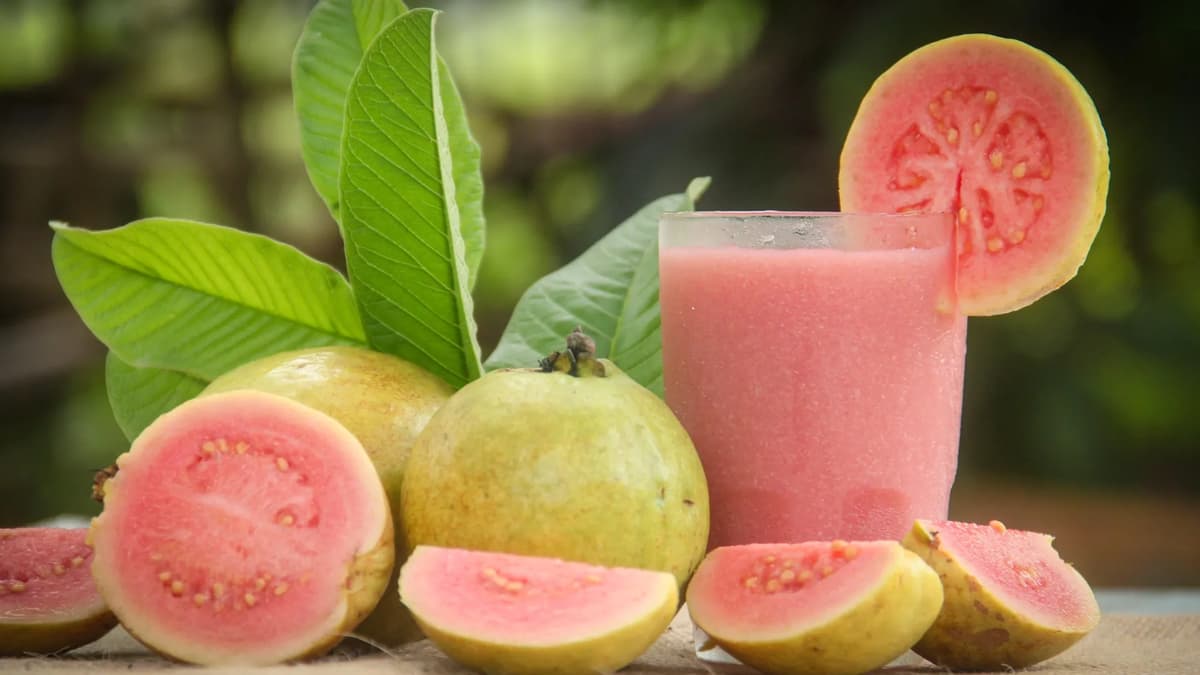
Scientists Say Guava Juice Could Make Iron Supplements Work Better
A new BMJ Nutrition review of 17 Indonesian studies found that adding guava juice to iron supplements raised hemoglobin by an average of 1.71 g/dL, and outperformed iron‑only regimens by 1.29 g/dL. The effect was observed in both pregnant women and teenage...

Early but Not Late Time-Restricted Eating Improves an Actigraphy-Estimated Sleep Quality in Women with Overweight or Obesity: Secondary Analysis of...
A secondary analysis of the ChronoFast crossover trial found that two weeks of early time‑restricted eating (8 a.m.–4 p.m.) improved objective sleep quality in women with overweight or obesity, while a late window (1 p.m.–9 p.m.) did not. Actigraphy showed modest gains in sleep...
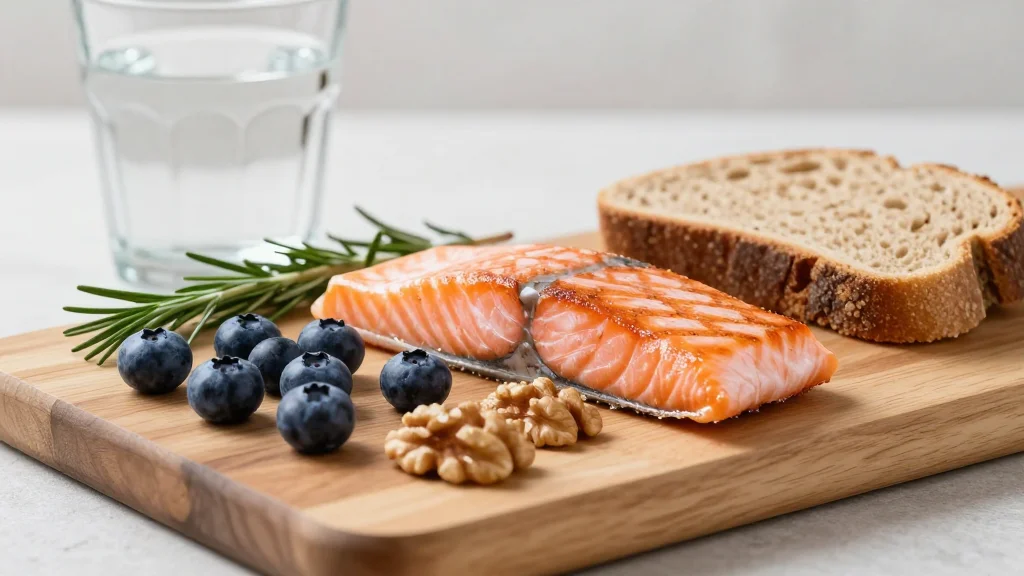
20 Foods that Are Good for Your Brain — and What Science Actually Says
The article lists 20 foods backed by peer‑reviewed research that support brain health, from fatty fish and blueberries to water and whole grains. It emphasizes that dietary patterns such as the Mediterranean and MIND diets have the strongest evidence, while...

Magnesium Glycinate Vs. Citrate: Which Should You Take?
Magnesium glycinate and magnesium citrate are the two most common supplemental forms, but glycinate is generally better absorbed and gentler on the gut. Both raise body magnesium levels effectively, yet citrate’s laxative effect can cause cramping, bloating, or diarrhea in...

Women With Alzheimer’s Are Often Missing These Nutrients, Study Shows
A new study of 841 participants published in Alzheimer’s & Dementia reveals distinct blood‑lipid patterns in women with Alzheimer’s disease. Women with the condition show lower levels of protective omega‑3‑rich lipids and higher saturated‑fat lipids, a shift that appears early...
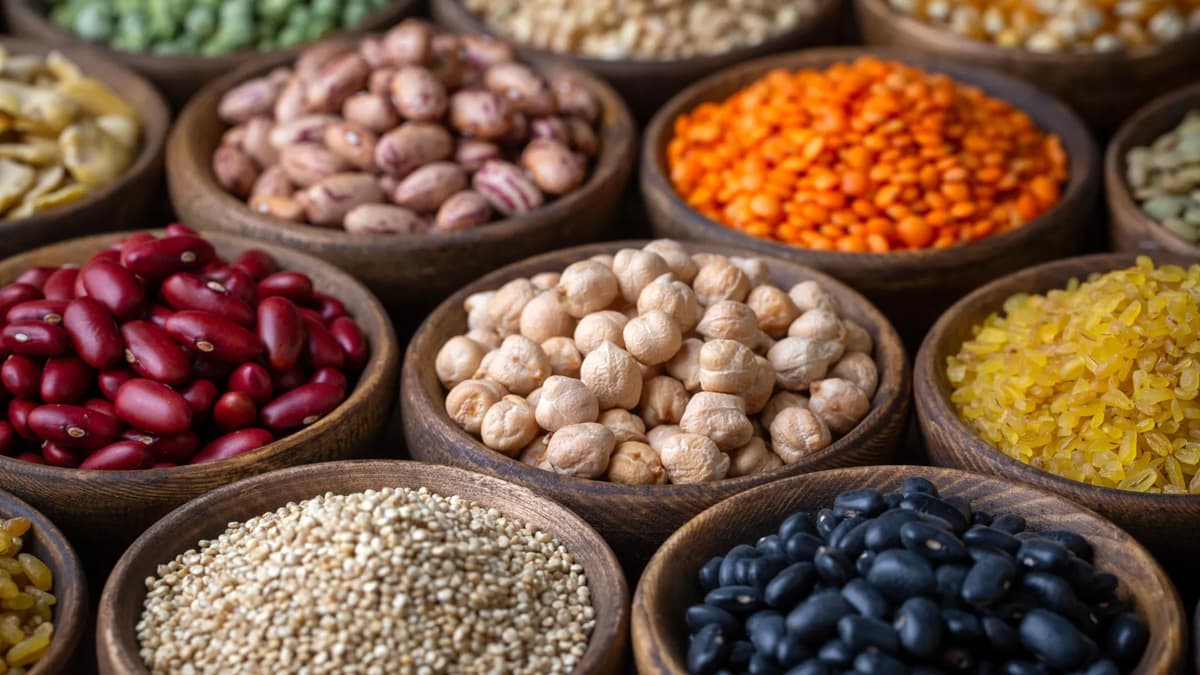
Eating More Beans and Soy Could Slash High Blood Pressure Risk by Nearly 30%
Researchers conducted a meta‑analysis of 12 long‑term observational studies across the United States, Europe and Asia, finding that higher consumption of legumes and soy foods is associated with a substantially lower risk of developing hypertension. Participants eating the most legumes...

How to Stay Hydrated on Hot Summer Vacations, According to Experts
Travelers often mistake early dehydration for jet‑lag or fatigue, but hot climates accelerate fluid loss. Doctors advise 2.5 L of fluid daily for women and 3.5 L for men, or roughly 35 ml per kilogram of body weight, plus electrolytes to replace sweat‑borne...
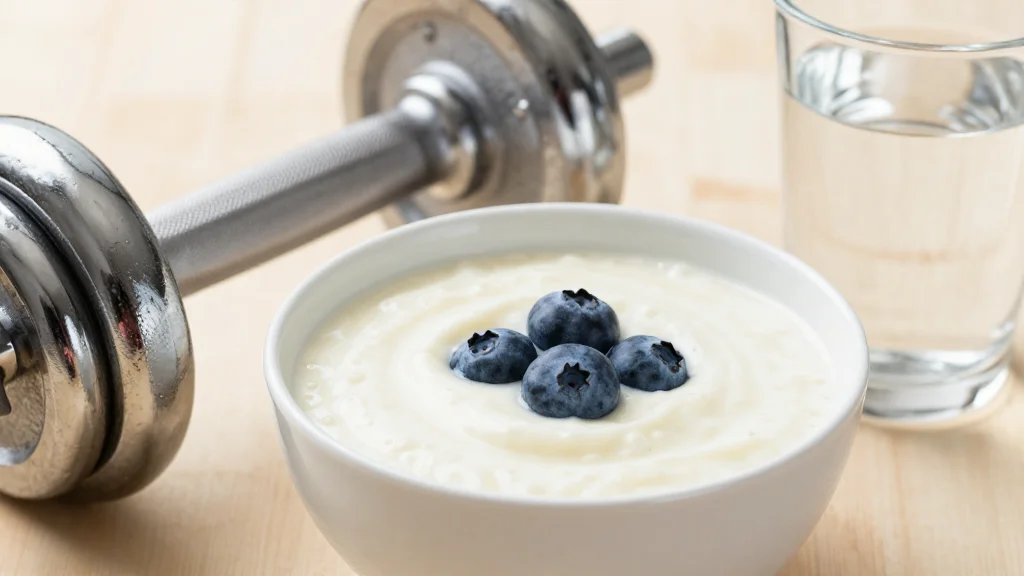
5 Ways To "Feed" Your Muscles Daily & Why It's Essential For Healthy Aging
Maintaining lean muscle mass is crucial for healthy aging, as low muscle mass raises fall risk and other health concerns. The article outlines five beginner-friendly strategies: regular strength training, consuming high‑quality protein (about 100 g daily), prioritizing 7‑9 hours of sleep,...
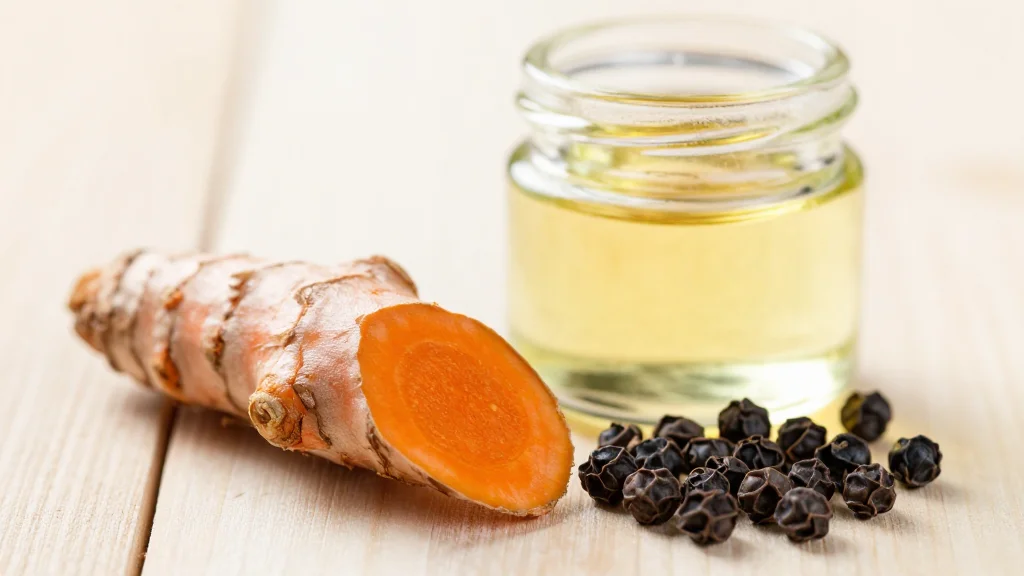
Turmeric Works Better With This For Blood Sugar & Inflammation
A systematic review of 19 randomized trials found that curcumin paired with piperine significantly improves inflammation, oxidative stress, and metabolic markers. Participants took 500‑1,500 mg curcumin with 5‑15 mg piperine daily for up to 12 weeks, showing reductions in CRP, IL‑6, fasting...
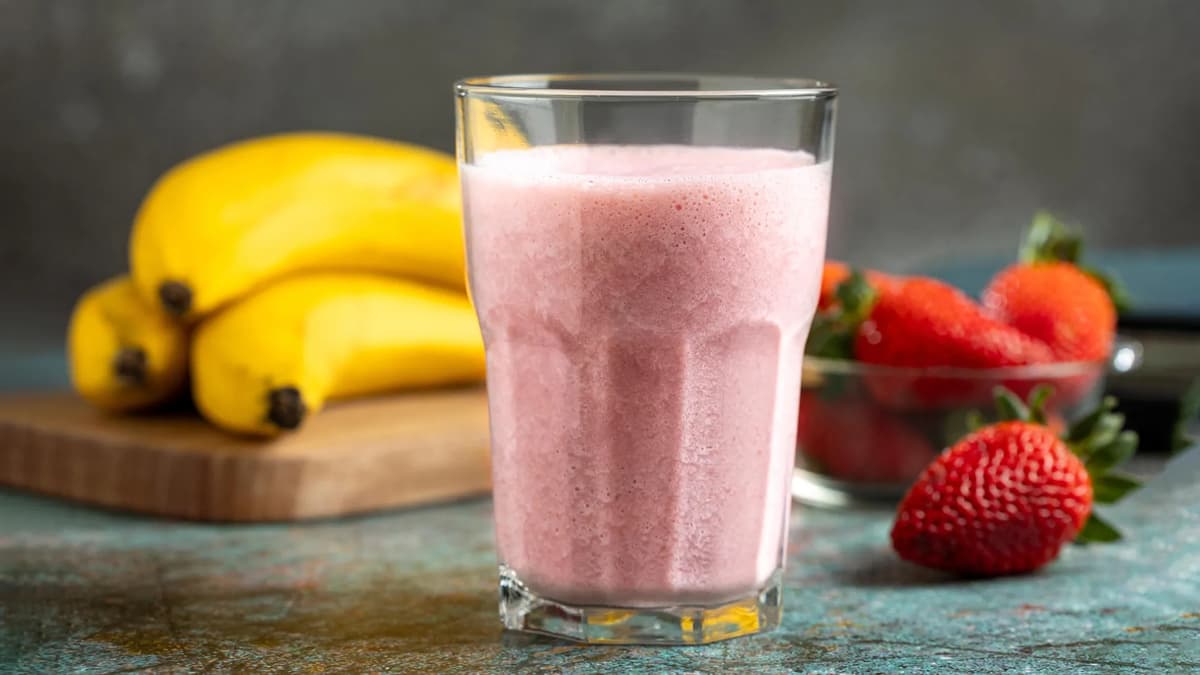
Surprising Research Reveals Why You Shouldn't Add Bananas to Your Smoothies
University of California‑Davis researchers discovered that the polyphenol oxidase (PPO) enzyme in bananas dramatically lowers flavanol absorption from smoothies, cutting bioavailability by about 84% compared with a flavanol capsule control. By contrast, smoothies made with low‑PPO berries preserve flavanol levels...
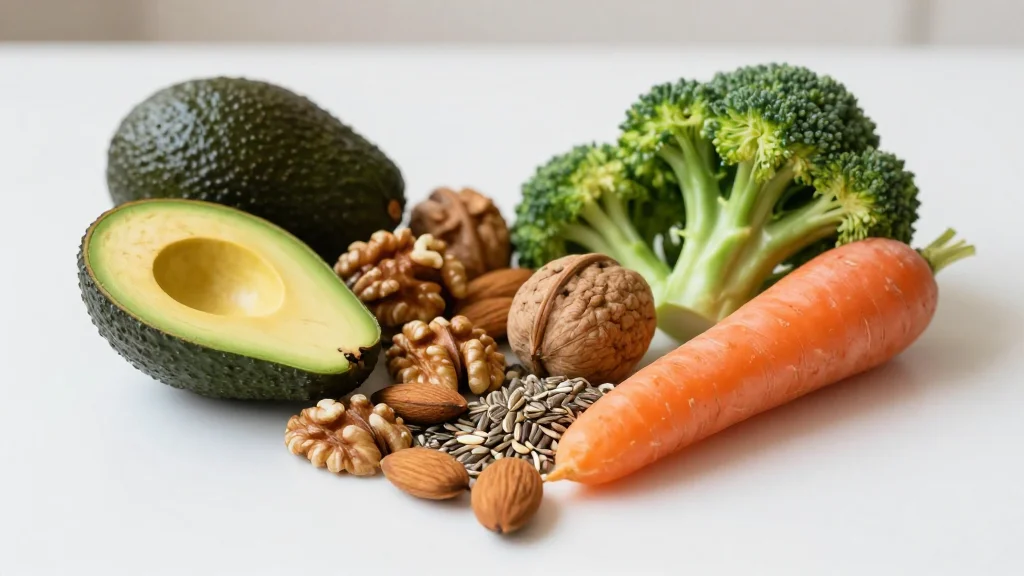
Lower Your Heart Disease & Diabetes Risk By Eating More Of These Foods
Harvard researchers analyzed data from over 200,000 health professionals and found that people who consume more phytosterol‑rich foods experience a 9 % lower risk of heart disease and an 8 % lower risk of type‑2 diabetes. The study linked higher intake to...
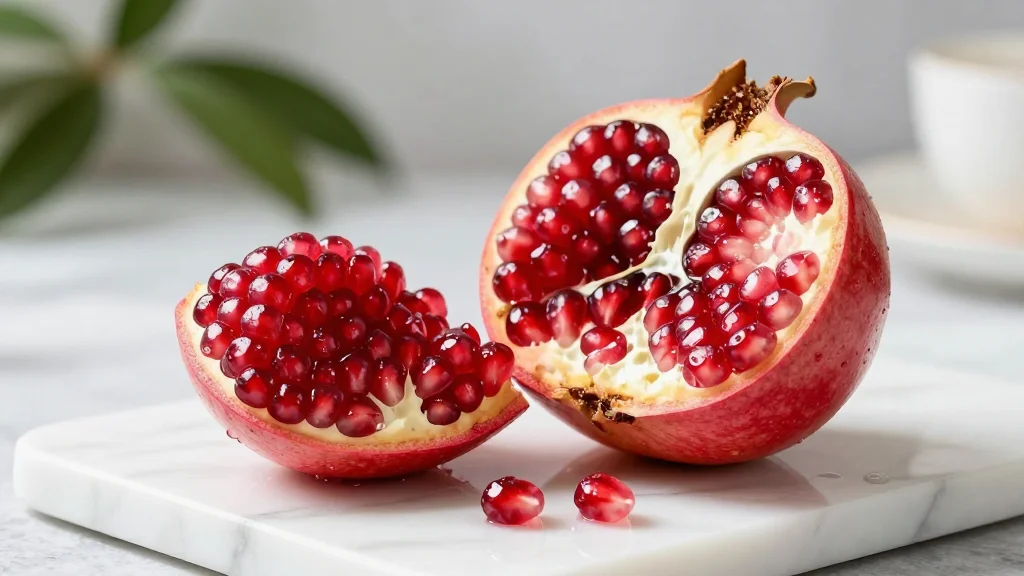
This Antioxidant-Rich Fruit Can Lower Blood Pressure, New Review Shows
A new meta‑analysis of 33 randomized trials involving 1,490 adults found that pomegranate supplementation modestly lowers blood pressure, cutting systolic pressure by 3.5 mmHg and diastolic pressure by 1.5 mmHg. The review also reported reductions in inflammatory markers such as IL‑6 and...