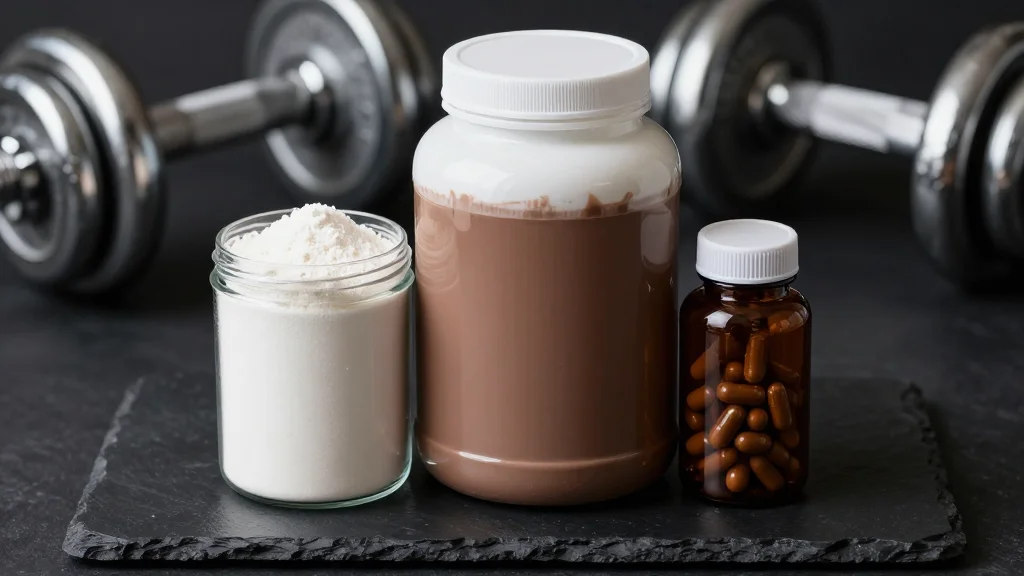
If You Exercise 5+ Times A Week — These Supplements Should Be In Your Stack
The article outlines three science‑backed supplements—creatine, whey protein, and magnesium—that can enhance performance for anyone exercising five or more times a week. Creatine at 5 g daily helps build lean muscle, boost strength, and even aid older adults in preserving mass. Whey protein’s rapid amino‑acid delivery supports post‑workout muscle protein synthesis and stabilizes blood‑sugar levels. Magnesium replenishment counters sweat‑induced losses, reduces soreness, and improves overall exercise efficiency, especially when paired with tart‑cherry antioxidants.

Caffeine and Physical Performance in Female Intermittent Sport Athletes: A Systematic Review and Meta-Analysis Considering Menstrual Cycle Phase
A systematic review and meta‑analysis of nine trials (118 women) examined caffeine’s impact on intermittent‑sport performance and whether effects vary across menstrual‑cycle phases. Caffeine modestly enhanced agility (SMD = ‑0.62) and vertical‑jump height (SMD = 0.37) but did not improve sprint speed. Subgroup data...

How Vitamin D in Pregnancy Could Offer a Head Start for Better Cognitive Health
A secondary analysis of the Copenhagen Prospective Studies on Asthma in Childhood 2010 trial found that pregnant women who took a high dose of 2,800 IU vitamin D₃ daily from week 24 to postpartum had children with stronger visual memory, verbal...

Scientists Warn that Current Vitamin B12 Guidelines May Be Putting Your Brain at Risk
Researchers at UCSF found that older adults with lower biologically active vitamin B12, even when total B12 levels are within the accepted normal range, exhibit slower cognitive processing and increased white‑matter lesions. The study of 231 healthy participants average age 71...

Personalized Nutrition Platform Shows Promising Results on Behavior and Gut Health
Researchers in Portugal and Spain evaluated the AI‑driven GENIE platform, which tailors dietary advice using genetic, microbiome and biochemical data. In a month‑long study of 1,177 shoppers from Spanish retailer Ametller Origen, 71% of participants followed at least part of...
:max_bytes(150000):strip_icc():format(jpeg)/Foods-high-in-potassium-2000-b05db5599bd042baaf7c7c1fc09e4e29.jpg)
25 High-Potassium Foods (That Aren't Bananas)
The article outlines daily potassium requirements and presents 25 potassium‑rich foods that outpace bananas in nutrient density. It notes that a half avocado, sweet potatoes, salmon, beans and several other options deliver 10‑25% of the recommended intake per serving. Potassium’s...
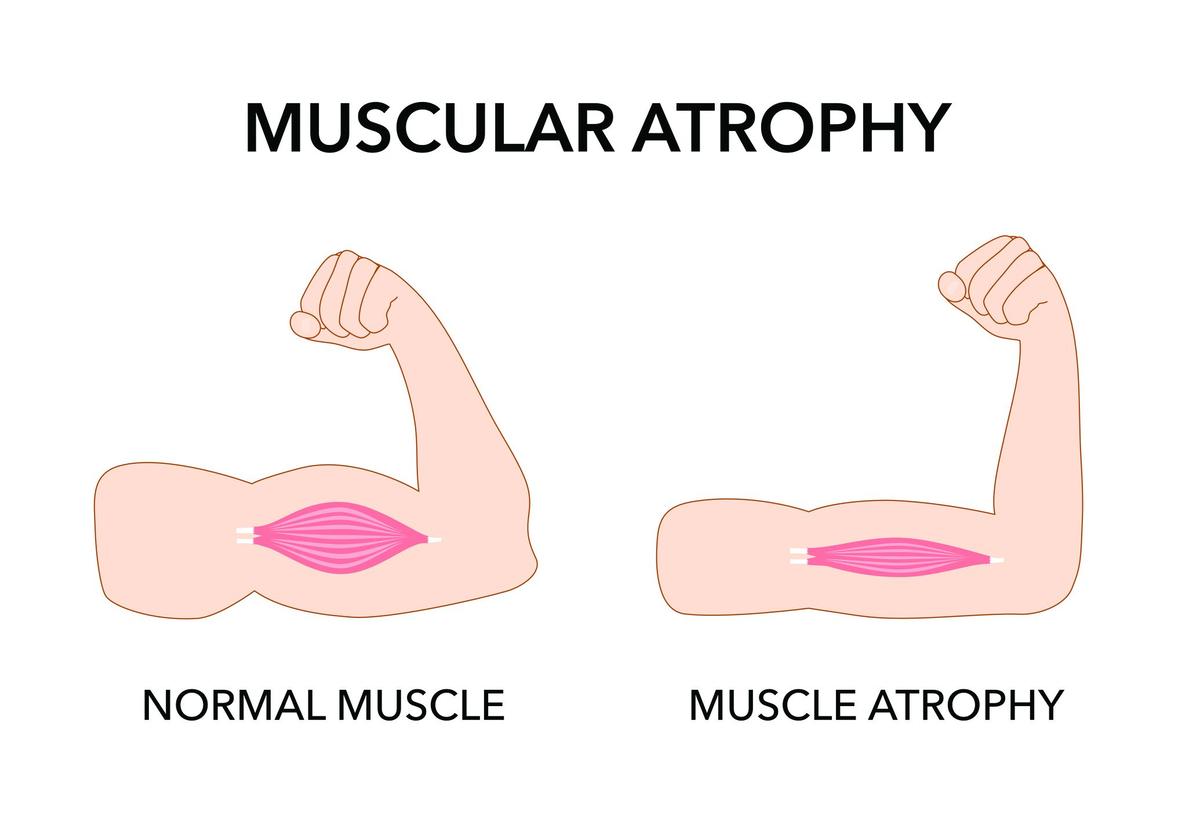
Extra Protein Does Not Preserve Muscle Size or Function with Age
A randomized, placebo‑controlled trial published in May 2026 in The American Journal of Clinical Nutrition examined whether higher protein intake, potassium bicarbonate supplementation, or their combination could slow age‑related muscle loss in healthy older adults. The study found that extra...

High-Protein Supplementation in Critically Ill Patients: A Systematic Review, Meta-Analysis and Umbrella Review of Existing Evidence
A comprehensive systematic review, meta‑analysis and umbrella review of 18 randomized trials and eight meta‑analyses evaluated high‑protein (≥1.2 g/kg/day) versus conventional protein supplementation in critically ill adults. The pooled analysis found no overall mortality benefit (OR 0.99, 95 % CI 0.95–1.28) and no impact on...
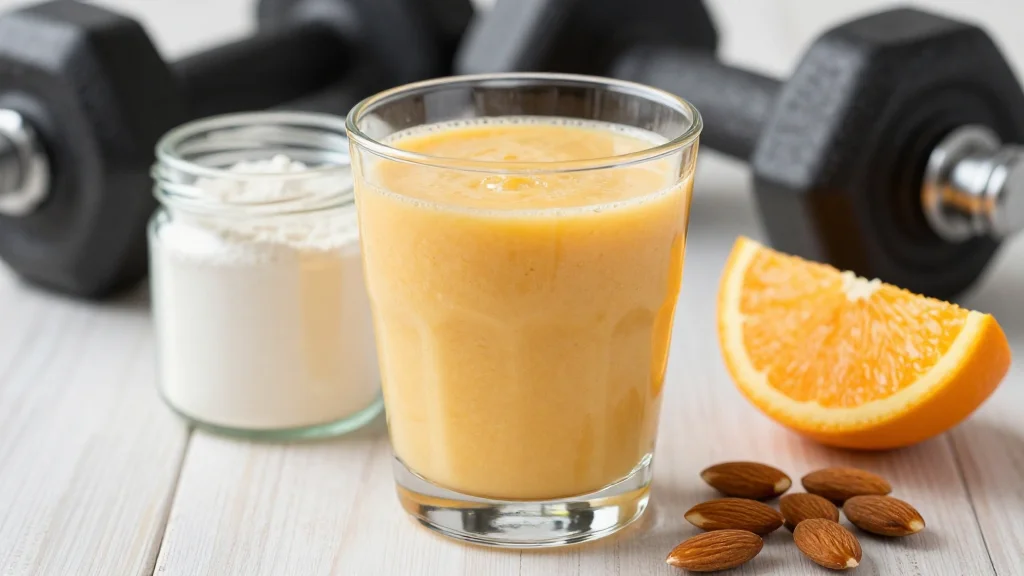
The Triad of Collagen, Vitamin C, and Vitamin E in Aging: Emerging Roles in Mood and Psychological Health, Neurotrophic Support,...
A recent review highlights the combined potential of collagen, vitamin C, and vitamin E to mitigate age‑related declines in muscle, vascular, hepatic, immune, and cognitive health when paired with regular exercise. Collagen supplies amino acids for extracellular matrix remodeling, vitamin C drives collagen...

Why Clinically Guided Meal Replacement Strategies Are Gaining Attention in Healthcare
Healthcare systems are increasingly adopting clinically guided meal replacement programs to combat rising obesity and related chronic diseases. These structured nutrition plans deliver controlled calories and balanced nutrients, improving patient adherence compared with traditional diets. Integration with telehealth and digital...

Does Baseline Dietary Fiber Intake Alter Benefits of Prebiotic Supplementation?
Researchers conducted a randomized, double‑blind, placebo‑controlled trial with 124 healthy adult men to evaluate Nutriose, a resistant dextrin fiber supplement, on gut microbiota. Participants were grouped by baseline fiber intake—low (≤15 g/day) or high (≥25 g/day)—and received 15 g/day Nutriose or placebo for...
Is Your Omega-3 Intake High Enough? What Women 40+ Need to Know
Nearly 95% of Americans fall short on omega‑3s, a shortfall that becomes critical for women over 40. As estrogen declines during perimenopause, cardiovascular risk rises, but EPA and DHA can counter inflammation and support healthy blood vessels. Cognitive research shows...

Caffeine Intake Before Exercise May Aid Breakdown of Fats in Overweight Women
A double‑blind crossover trial found that a caffeine dose of 3 mg per kilogram body weight most effectively boosts fat oxidation during FATmax exercise in overweight female college students, without triggering cardiovascular strain. Doses of 5 mg/kg also raised fat oxidation but...

What Endurance Athletes Need to Know About Sodium and Supplement Limits
Endurance athletes, especially those training in hot, humid conditions, must prioritize electrolyte replenishment, with sodium being the most critical mineral lost in sweat. Federal Dietary Reference Intakes provide baseline limits, but they don’t account for individual sweat rates that can...
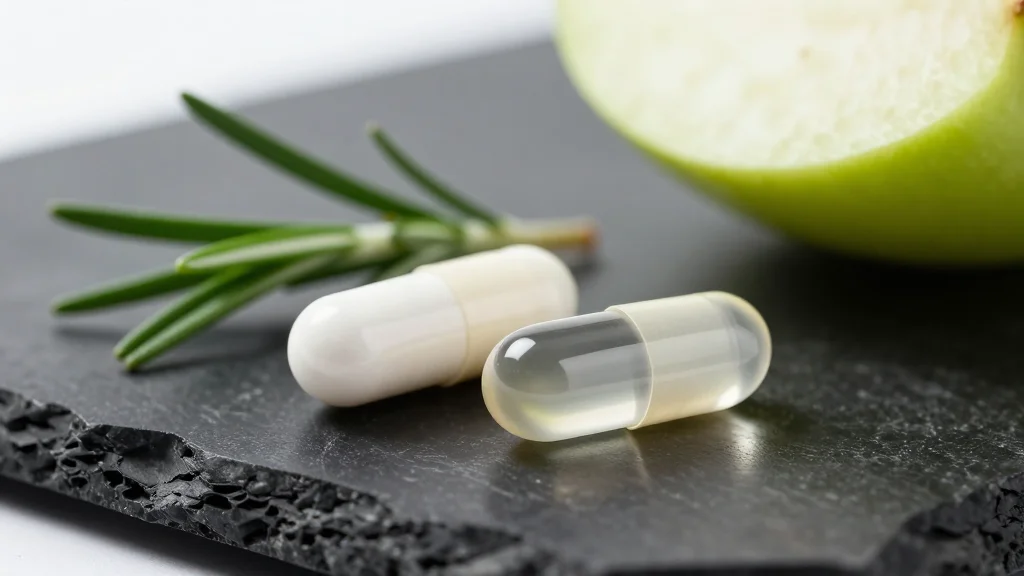
This 2-Nutrient Combo Can Support Mitochondrial & Muscle Health
A recent review of glycine and N‑acetylcysteine (NAC) supplementation finds the duo can boost glutathione production, reduce oxidative damage, and improve mitochondrial function. Across human and animal studies the combination showed modest gains in muscle strength, insulin sensitivity, and even...

Scientists Discover Strange Link Between Vitamin D and Pain
Researchers at Fayoum University Hospital found that women with vitamin D deficiency (<30 nmol/L) experienced three times more moderate postoperative pain after breast‑cancer surgery and required significantly higher opioid doses. The deficient group used an average of 112 mg more tramadol in...
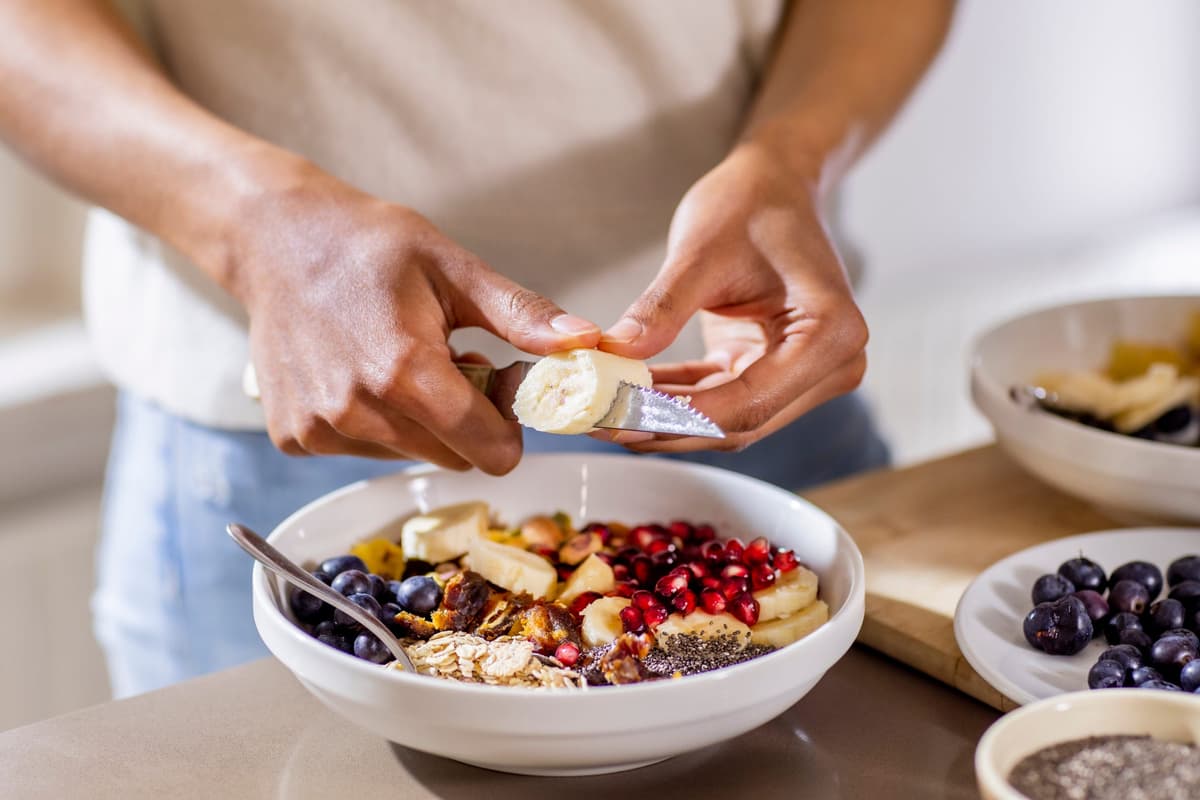
How to Maintain a Healthy Calorie Deficit While Fueling Your Workouts
Creating a healthy calorie deficit means subtracting roughly 200‑500 calories from your resting metabolic rate rather than extreme restriction. The approach emphasizes balanced macronutrients, especially adequate carbohydrates for endurance athletes, while allowing favorite foods in moderation. Experts stress that small,...

International Expert Panel Sets Plant-Based Diet as Minimum Standard for Global Healthcare
An international panel of 64 scientists led by the University of Innsbruck and the Tyrolean University of Education released two reports that set a predominantly plant‑based diet as the evidence‑based minimum recommendation for health systems worldwide. The reports introduce the...

Planttech Carob Concentrate Improves Insulin Sensitivity in Participants with Elevated Glucose
Planttech’s LVLD carob concentrate, standardized for D‑pinitol and other inositols, showed statistically significant improvements in HbA1c, fasting glucose, and insulin sensitivity in a 90‑day randomized, double‑blind trial with 52 pre‑diabetic adults. Participants took 6.66 g daily, split before lunch and dinner,...
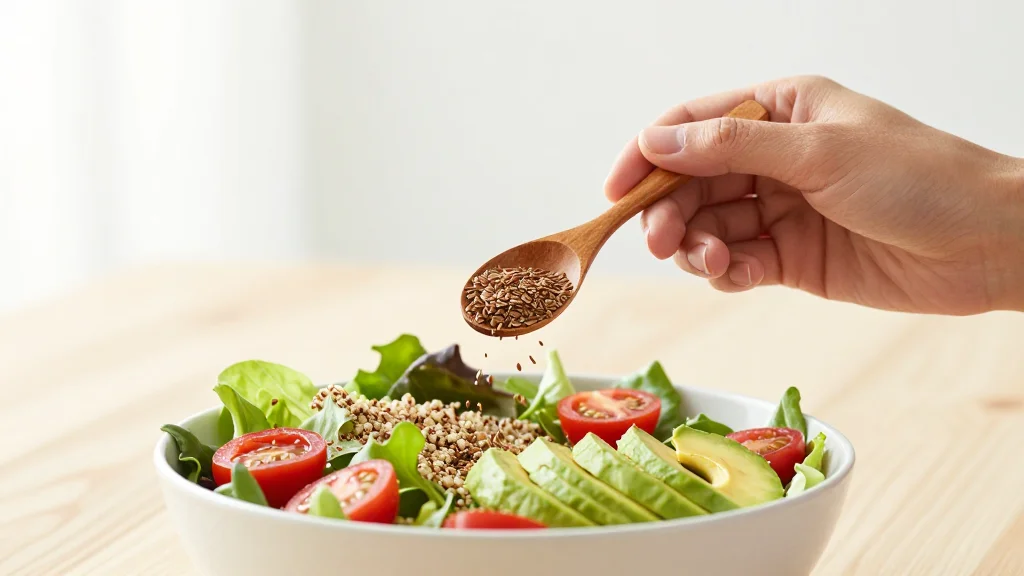
This Nutrient Improved Bone & Inflammation Markers In Female Runners
A pilot study in Frontiers in Nutrition examined daily 20 g collagen peptide supplementation in 22 premenopausal female endurance runners who log at least 35 miles per week. Over four weeks, the collagen group showed a 5.1% rise in the bone‑formation...
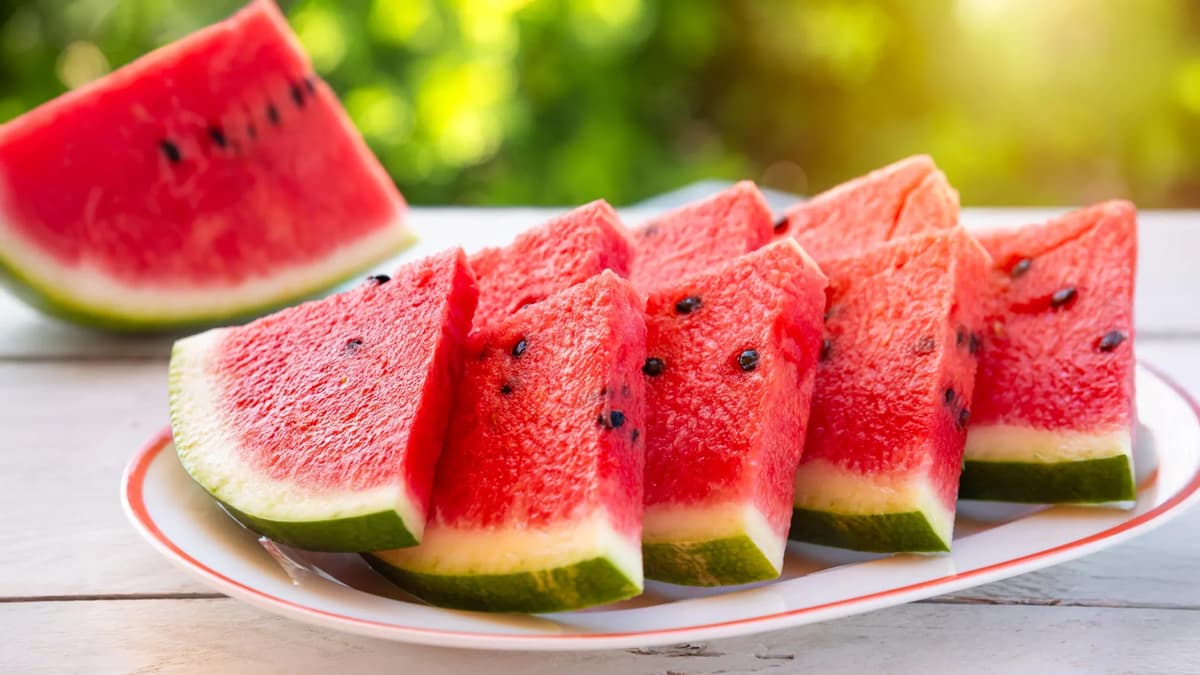
Scientists Uncover Surprising Health Benefits of Watermelon
Recent research published in *Nutrients* links regular watermelon consumption to higher‑quality diets and improved cardiovascular markers. Analyses of NHANES data show eaters obtain more fiber, magnesium, potassium, vitamin C, and lycopene while consuming less added sugar and saturated fat. A small...

Want a Healthier Microbiome? Add This Type Of Food To Your Plate
A new scientific review confirms that fermented foods such as yogurt, kimchi, sauerkraut and kefir deliver measurable health benefits. The analysis links regular consumption to reduced inflammation, improved metabolic markers, lower perceived stress, and a healthier balance of gut bacteria...
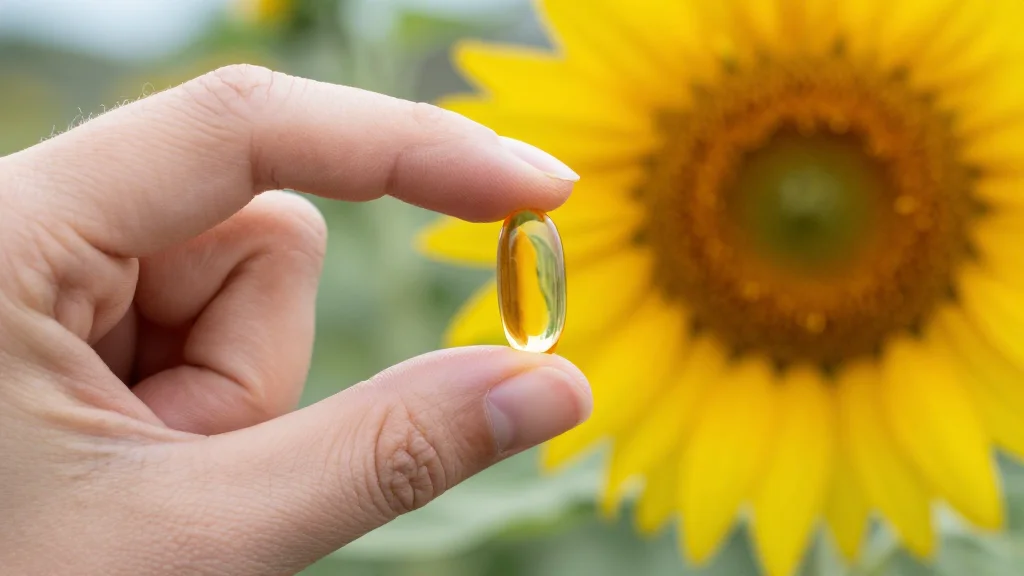
If You Have A Longer Menstrual Cycle, You May Be Low In This Vitamin
A recent cross‑sectional study of 449 women with polyendocrine metabolic ovarian syndrome (PMOS) found a strong link between vitamin D status and menstrual cycle length. Women deficient in vitamin D (<20 ng/mL) experienced prolonged cycles at a rate of 87.2%, versus 70% for...

Tart Cherries (Prunus Cerasus) and Metabolic Health in Overweight and Obesity: Evidence From Preclinical and Clinical Studies
A new Frontiers in Nutrition review evaluates tart cherries (Prunus cerasus) as a functional food for overweight and obese adults. Pre‑clinical animal work consistently shows anti‑inflammatory, antioxidant, and metabolic benefits, while human trials suggest modest reductions in blood pressure and...

Beetroot’s Endurance Benefits: New Study Shines Light on Mechanism of Action
A pilot study published in Nutrients found that a seven‑day regimen of Nobeet, a beetroot‑based nitrate supplement, boosted nitric oxide metabolites (NOx) in plasma and urine by 155%. The trial, involving ten male triathletes aged around 48, also showed rises...
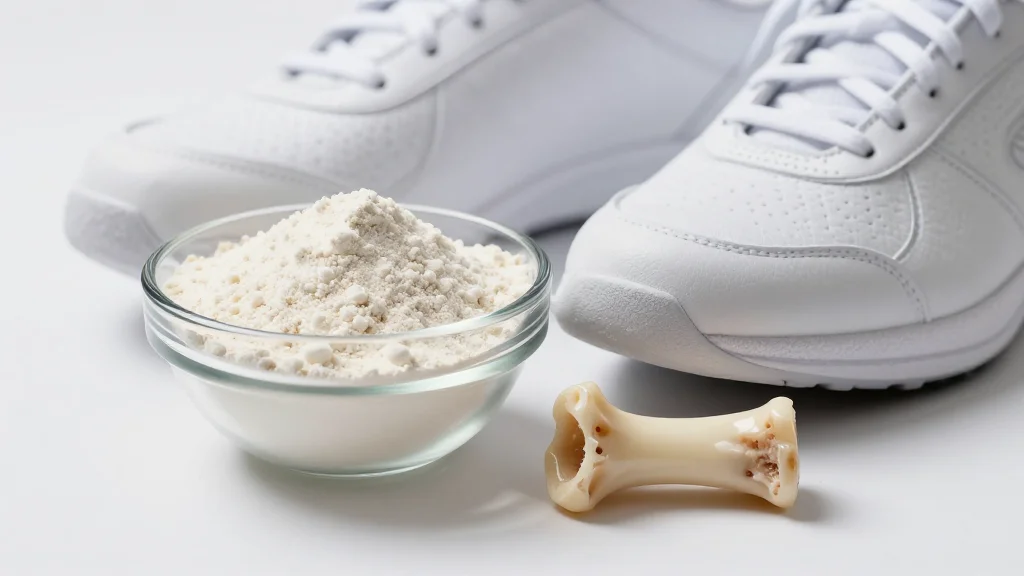
Effects of Collagen Peptide Supplementation on Bone Turnover, Cytokine, and Inflammatory Markers in Female Distance Runners: A Randomized Pilot Study
A four‑week, double‑blind pilot trial gave 20 g daily collagen peptides to premenopausal female distance runners and compared them with an isocaloric maltodextrin control. The collagen group showed a significant rise in serum P1NP, a marker of bone formation, while sRANKL...

Stop Overlooking This Vitamin When It Comes To Muscle Health
New research from Cornell and the University of Alabama at Birmingham shows that vitamin B12 deficiency impairs muscle mitochondria, reducing energy output by roughly 25% in mice. Deficient animals also exhibited a tenfold increase in mitochondrial DNA errors, while weekly...

The Nutrition Errors That Lead to Late-Race Blowups in Ironman or 70.3
Triathletes often hit the wall in the final miles of an Ironman or 70.3 because of nutrition missteps made before and during the race. The article outlines how under‑fueling on the bike, improper carb timing, and poor hydration create energy...
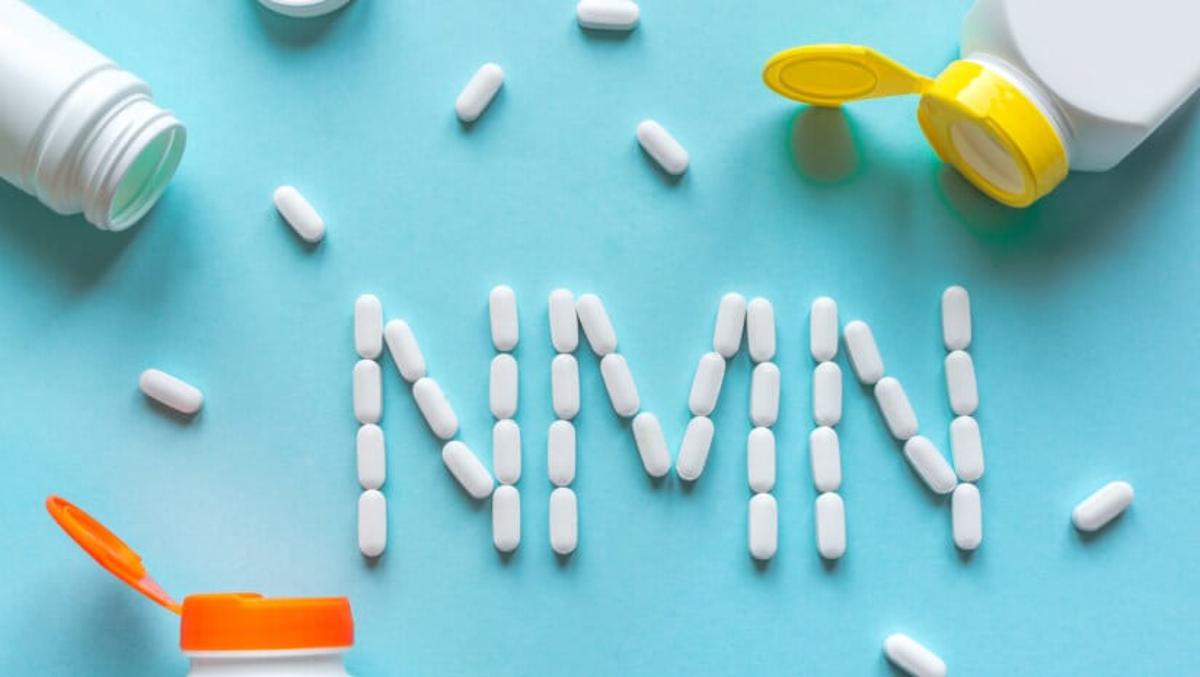
EFSA Issues Positive Safety Opinion on EffePharm’s NMN
The European Food Safety Authority (EFSA) issued a positive safety opinion that a daily intake of 300 mg of nicotinamide mononucleotide (NMN) is safe for the general EU population, excluding pregnant and lactating women. The opinion now moves to the European...

Vitamin B12: The Essential Nutrient with a Complicated Cancer Link
Vitamin B12 is essential for red‑blood‑cell formation, nerve health and DNA repair, but recent research shows a nuanced relationship with cancer. A 2025 Vietnamese case‑control study identified a U‑shaped curve, where both low and high B12 intakes were linked to...
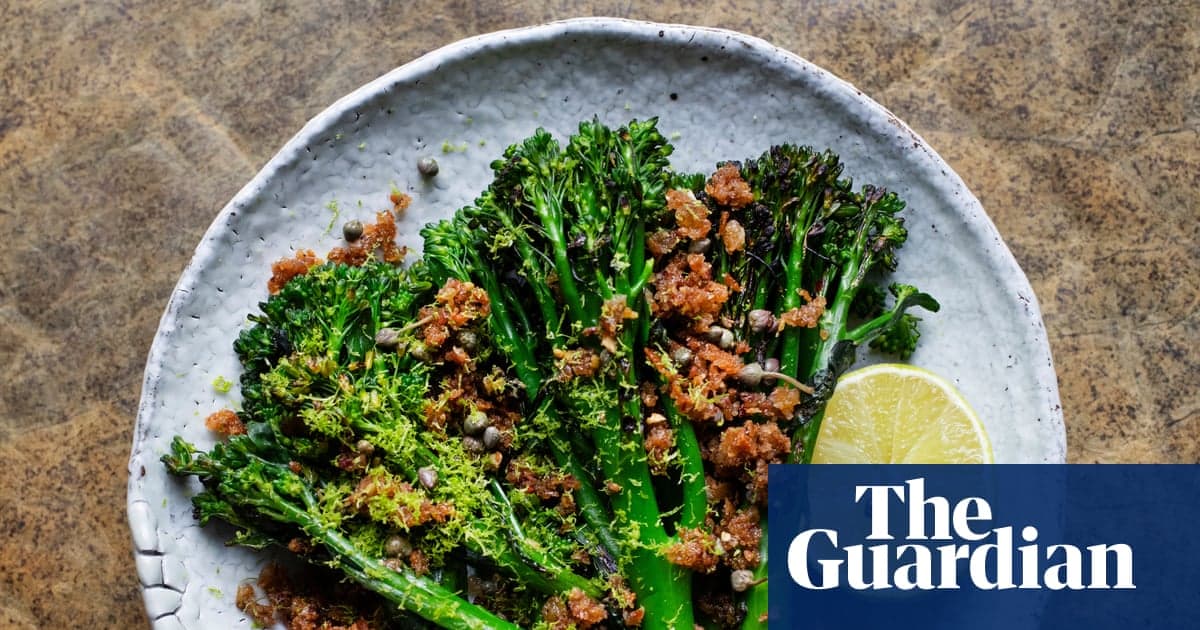
I’m Vegetarian. How Can I Get Enough Iron? | Kitchen Aide
A recent Guardian Kitchen Aide article explains that vegetarians can meet iron needs by focusing on absorption rather than sheer quantity. Non‑heme iron from beans, tofu, lentils, nuts and seeds is less readily absorbed than heme iron, but pairing it...
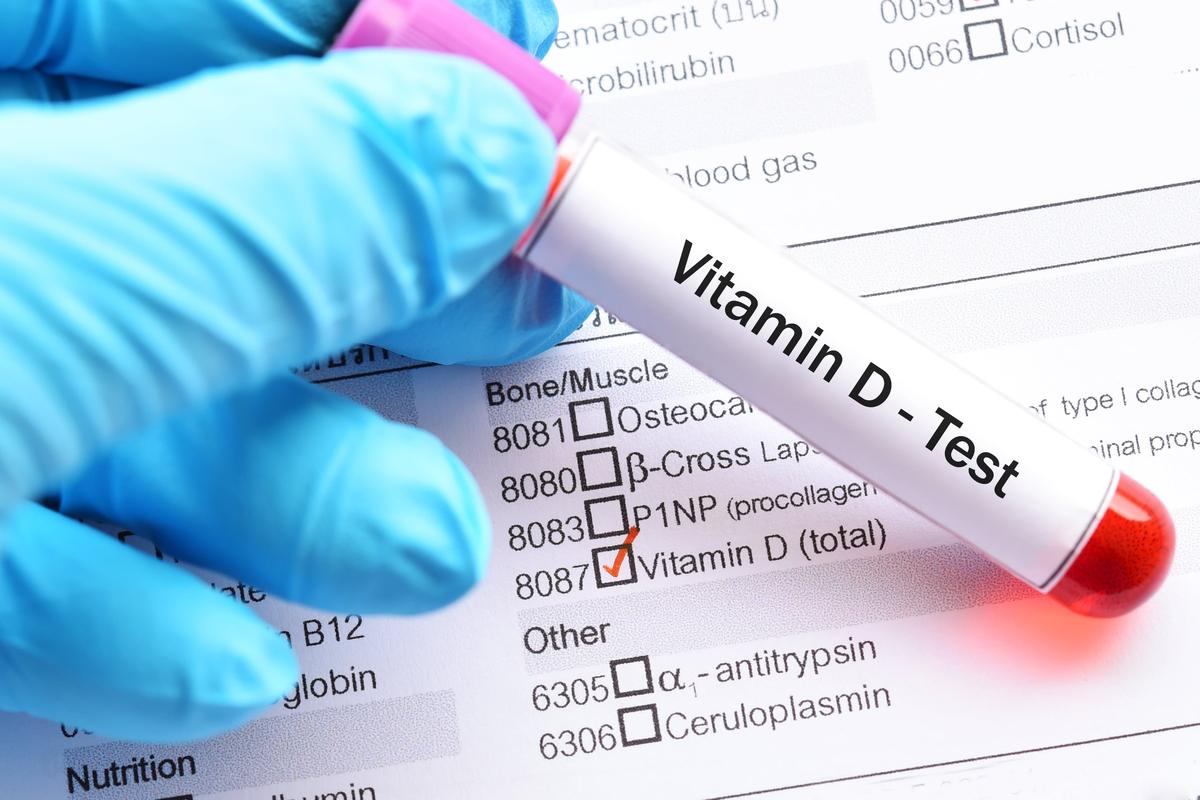
Daily Vitamin D Chocolate Wafer Achieves Sufficiency in Three Months, Study Suggests
A double‑blind trial in India tested vitamin D‑fortified chocolate wafers delivering 0, 400, 600 or 800 IU daily to 108 young women with deficiency. After 12 weeks, 65.4% of the 800 IU group reached sufficiency (≥20 ng/mL), compared with 37.0% at 600 IU and 26.9%...
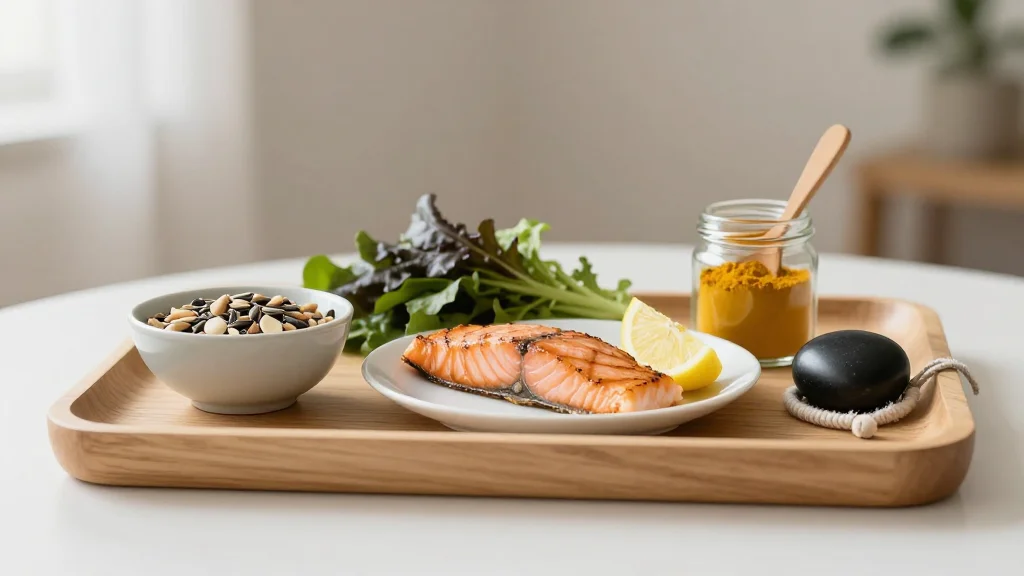
These 10 Nutrients Are A Must For Healthy Aging — Are You Getting Enough?
A new nationwide analysis reveals that most Americans, even those who consider their diets "healthy," fall short on ten key nutrients linked to healthy aging. The study found 21 of 24 examined micronutrients were under‑consumed, with Vitamin D, Vitamin E, calcium, magnesium...

These 2 Dietary Patterns Reduce Liver Disease Risk By Almost A Third
A new meta‑analysis of global studies finds that higher scores on the Healthy Eating Index (HEI) and the Alternative Healthy Eating Index (AHEI) are linked to roughly a 30% lower risk of chronic liver diseases, including MASLD, fibrosis, cirrhosis and...
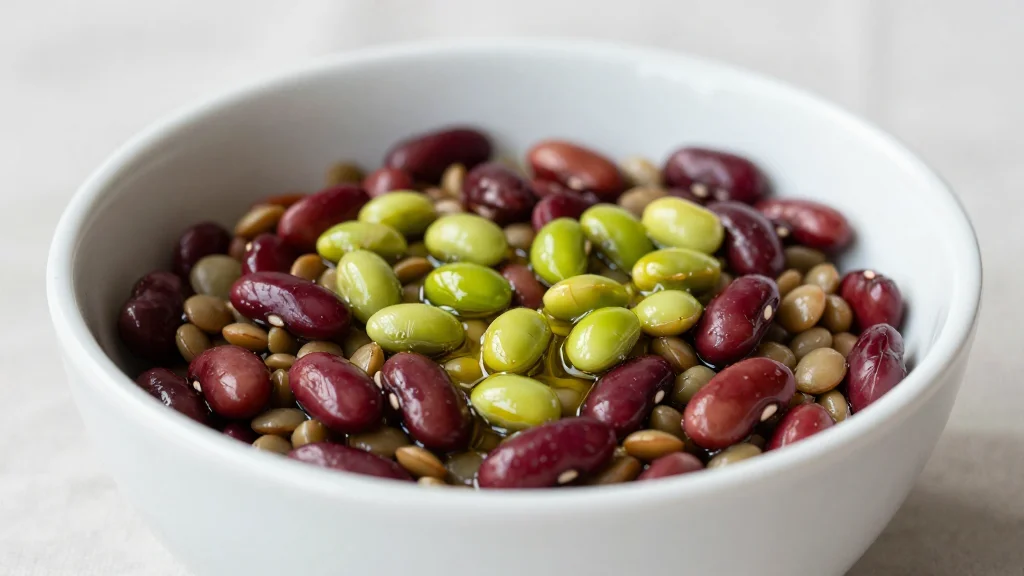
Can Beans Lower Blood Pressure? What Data From 300K People Shows
A new BMJ Nutrition meta‑analysis of 12 studies covering over 300,000 people finds that higher legume and soy consumption is linked to substantially lower hypertension risk. The highest legume eaters saw a 16% risk reduction, while soy intake cut risk...

This Common Breakfast Food May Reduce Your Risk of Alzheimer’s
Researchers at Loma Linda University tracked nearly 40,000 adults for over 15 years and found that regular egg consumption is associated with a lower risk of Alzheimer’s disease. Eating at least one egg five days a week reduced the risk...

This Is What a Dietitian Wants Hikers Over 50 to Know About Nutrition
A dietitian outlines how hikers over 50 must revamp their nutrition to support slower recovery, muscle maintenance, and chronic conditions. The guide stresses spreading protein intake throughout the day, pairing carbs with protein and fat, and timing meals to avoid...
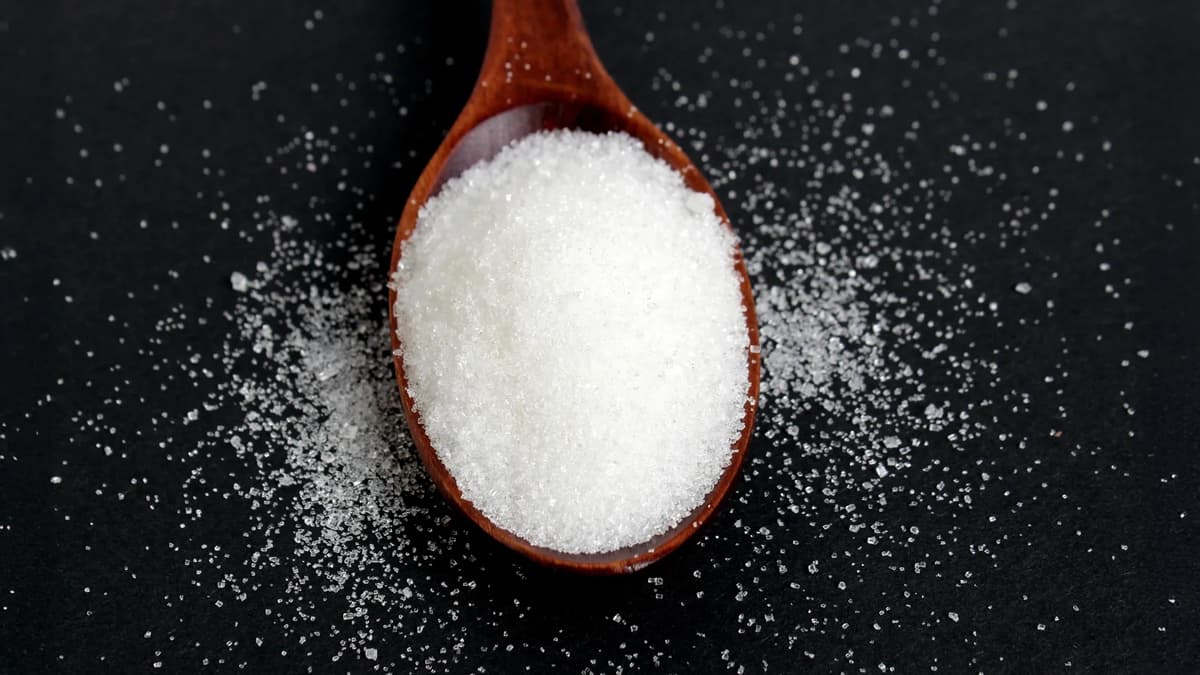
Scientists Say This Common Sweetener May Be Quietly Rewiring Your Metabolism
A review in Nature Metabolism argues that fructose functions as a distinct metabolic signal rather than a simple calorie source. The authors show that fructose bypasses key regulatory steps, driving de novo lipogenesis, lowering cellular ATP and fostering fat storage....

The Triathlete’s Guide to Antioxidants: Dosage, Timing, and the Five Supplements Worth Considering
Triathletes are advised to boost antioxidant intake, but excess or mistimed dosing can hinder training adaptations. The International Society of Sports Nutrition’s latest position stand emphasizes a food‑first strategy, reserving supplements for genuine gaps or high‑stress periods. Five supplements—tart cherry,...

Feeling Drained During Hot Workouts? Drinking This Beforehand Can Help
A recent double‑blind study with 17 trained athletes shows that caffeine taken before exercise can counteract the performance drop caused by heat. Participants ingested either a placebo, 3 mg/kg, or 6 mg/kg of caffeine 60 minutes before workouts at 92 °F, with the...
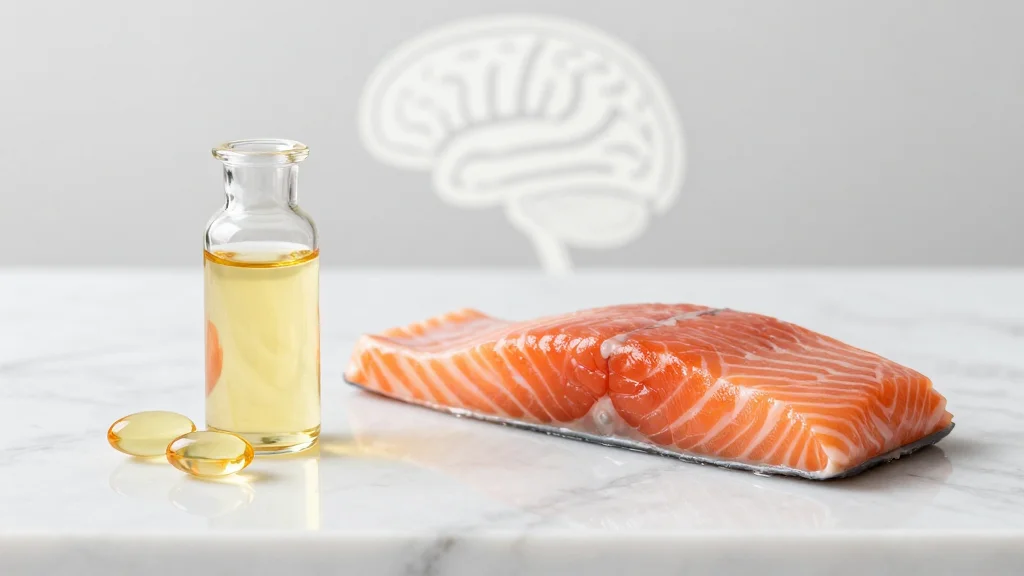
This Brain-Focused Nutrient Supports Cognitive Function & Longevity*
Docosahexaenoic acid (DHA), a key omega‑3 fatty acid, comprises the majority of the brain’s fat and is essential for neuronal membrane integrity, memory, and neuroprotection. Clinical studies link DHA intake to better problem‑solving in infants, improved cognition in school‑age children,...

10 Ingredients for Healthy Ageing – What Manufacturers Need to Know
As the global population ages, manufacturers must redesign foods to meet the nutritional needs of older adults. Ten key ingredients—protein, leucine, vitamin B12, vitamin D, calcium, omega‑3s, dietary fibre, potassium, magnesium, and adequate fluids—are essential for preserving muscle, bone, cognitive, and cardiovascular...
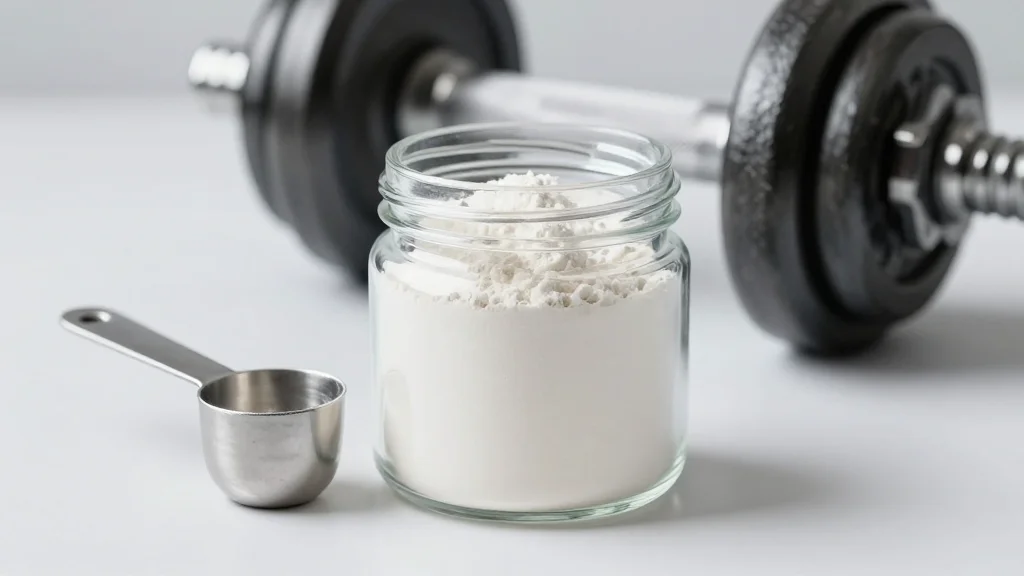
I Found A Solution To Cut Through My Fatigue & Brain Fog (That's Not Caffeine)
Assistant health editor Sela Breen reports that daily use of mindbodygreen’s Creatine Brain+, a blend of 5 g creatine monohydrate and 500 mg citicoline, helped her cut through afternoon fatigue and brain fog without caffeine. She notes improved focus, mood stability, and...

How Healthy Are Artichokes?
Artichokes, the edible flower buds often dismissed as intimidating, are a nutrient‑dense food that delivers high fiber, low calories, and a broad spectrum of vitamins and minerals. A medium cooked artichoke supplies about seven grams of fiber—roughly a quarter of...
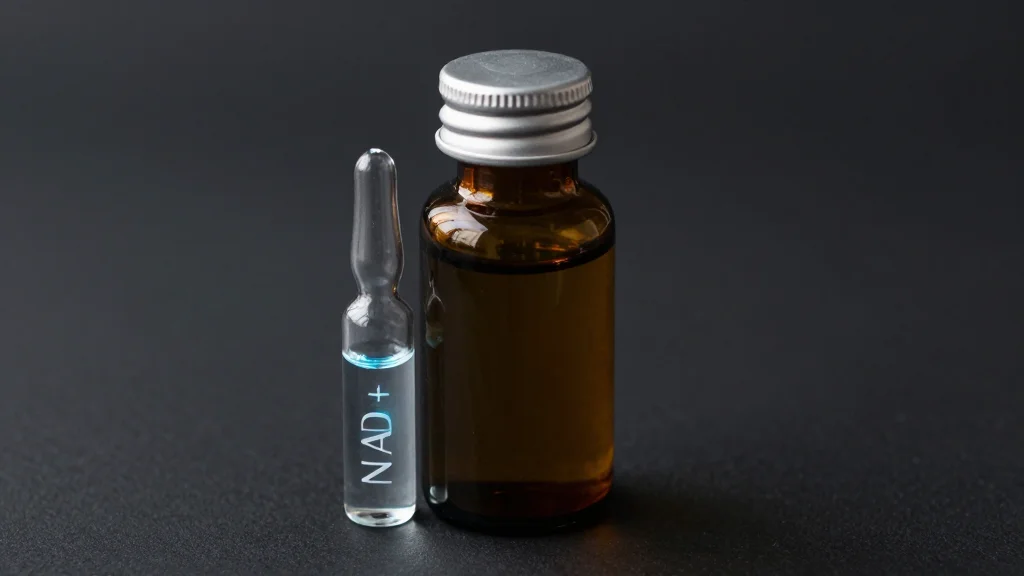
Marketers Say NAD+ Pills and Infusions Can Boost Longevity. What's the Evidence?
NAD+ supplements and IV infusions have become a booming segment of the wellness market, promising everything from anti‑aging effects to improved energy. While animal studies consistently show metabolic and mitochondrial benefits, human trials remain small and inconclusive, with modest improvements...

Dietary Polysaccharides in the Management of Inflammatory Bowel Disease: Recent Advances
Recent research highlights dietary polysaccharides as potent prebiotic agents that reshape gut microbiota and mitigate inflammatory bowel disease (IBD). Studies across multiple animal models show that compounds such as Gastrodia elata polysaccharides, oat β‑glucan, and Lycium barbarum polysaccharides increase beneficial...
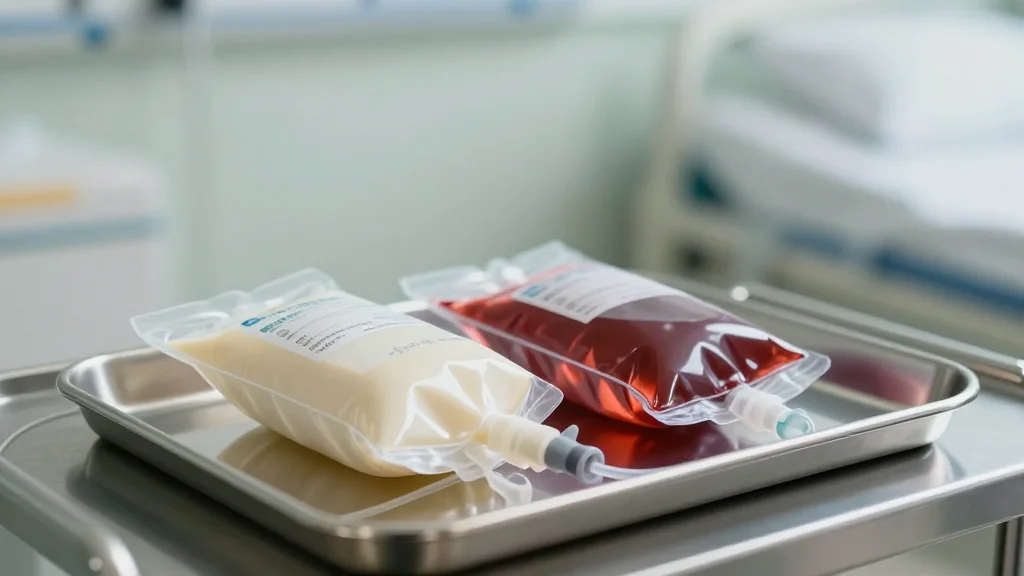
The Impact of Early Enteral Nutrition on 28-Day Mortality in Septic Shock: A Cohort Study
A cohort study of 1,855 Chinese ICU patients with septic shock examined whether early enteral nutrition (EEN) within the first 24 hours affected 28‑day in‑hospital mortality. Overall, EEN was not linked to a statistically significant mortality reduction (adjusted HR 0.83, p = 0.135)....
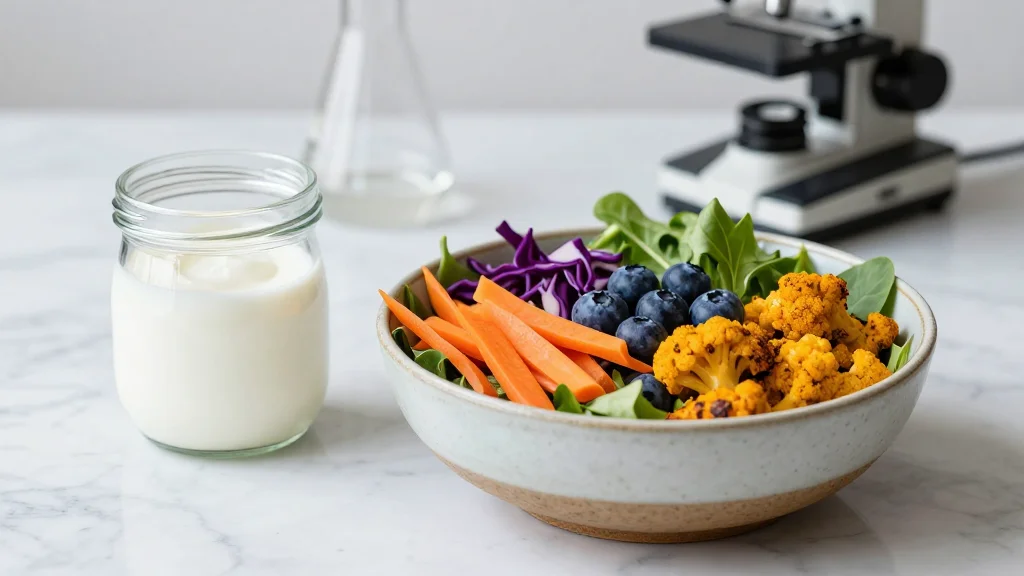
Anti-Inflammatory Dietary Interventions in Inflammatory Bowel Disease: Current Insights and Future Perspectives
Anti‑inflammatory dietary patterns are emerging as adjunctive therapies for inflammatory bowel disease (IBD), targeting gut microbiota, barrier integrity, and immune modulation. The review highlights the Mediterranean diet, Specific Carbohydrate Diet, low‑FODMAP, IBD‑AID, and Groningen Anti‑Inflammatory Diet, summarizing mechanistic rationale and...
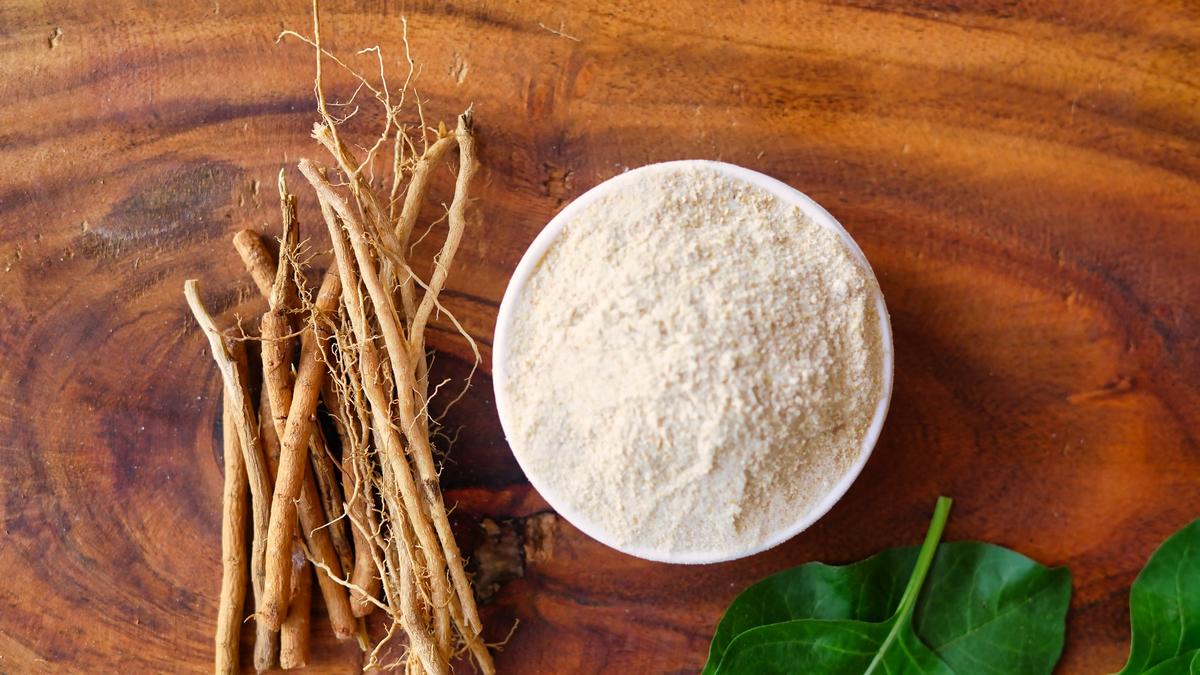
Kerry Group Aims to Dispel Misinformation with Safeguard Ashwagandha Platform
Kerry Group has launched SafeguardAshwagandha.com, an open‑access portal that aggregates scientific studies, regulatory updates, and safety analyses for the ashwagandha botanical. The site invites other ingredient suppliers to contribute data, aiming to counter myths and guide evidence‑based policy discussions. Kerry’s...
:max_bytes(150000):strip_icc():format(jpeg)/0925_FEAProtein_opener-7f38582addbc4263abafbc5c60163947.jpg)
Trying to Eat More Protein? Experts Warn Against These Common Mistakes
Experts from nutrition, medicine, and culinary fields warn that many people sabotage their protein goals with common missteps. They recommend tracking intake for a week, pairing higher protein with regular strength‑training sessions, and maintaining a balanced diet that includes fruits,...