
The Effects of Ketogenic Diet and Calorie-Restricted Diet on Metabolic Dysfunction-Associated Steatotic Liver Disease: A Retrospective Study
A retrospective cohort of 102 MASLD patients compared a 12‑week ketogenic diet (KD) with a calorie‑restricted diet (CRD). The KD produced a markedly larger drop in hepatic steatosis, with median CAP reduction of 62 dB/m versus 36 dB/m for CRD, and 84% of KD participants achieved a clinically meaningful ≥40 dB/m decrease. Body‑composition improvements were superior under KD, including greater reductions in BMI, visceral fat and waist‑to‑height ratio, but it also caused significantly more muscle loss (3 kg vs 1.8 kg). Fasting insulin fell more on KD, while liver enzymes, lipids and fibrosis scores improved similarly in both groups.
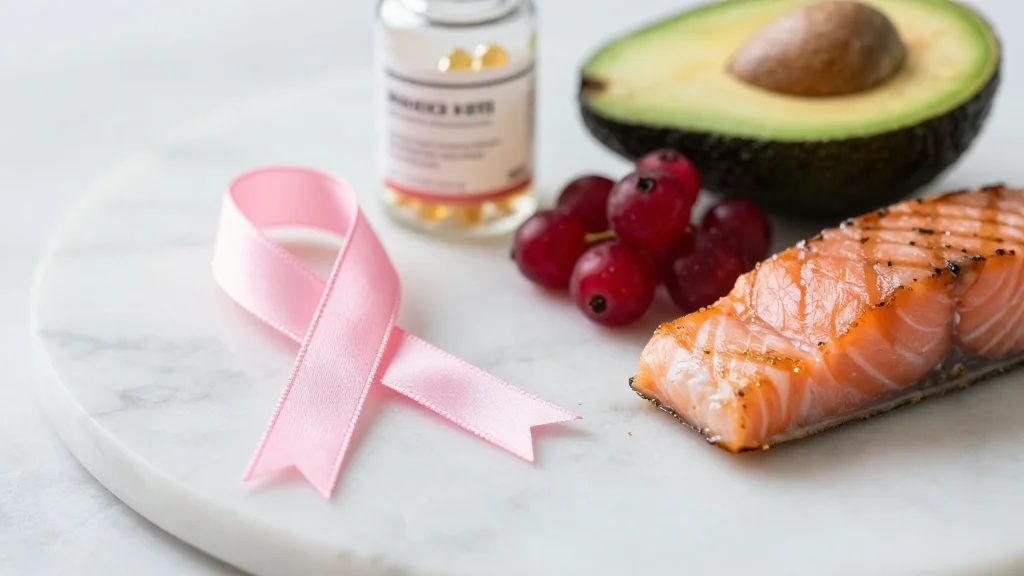
Role of Micronutrients, Phytochemicals, and Lipid Metabolism in Mammary Gland Development, Lactation Efficiency, and Breast Cancer Risk
A retrospective cohort of 800 women linked micronutrient deficiencies, low dietary phytochemical intake, and dyslipidemia to higher breast‑cancer incidence and more aggressive tumor features. Vitamin D deficiency was present in 48.5% of participants and raised cancer odds by 68 %. A high...
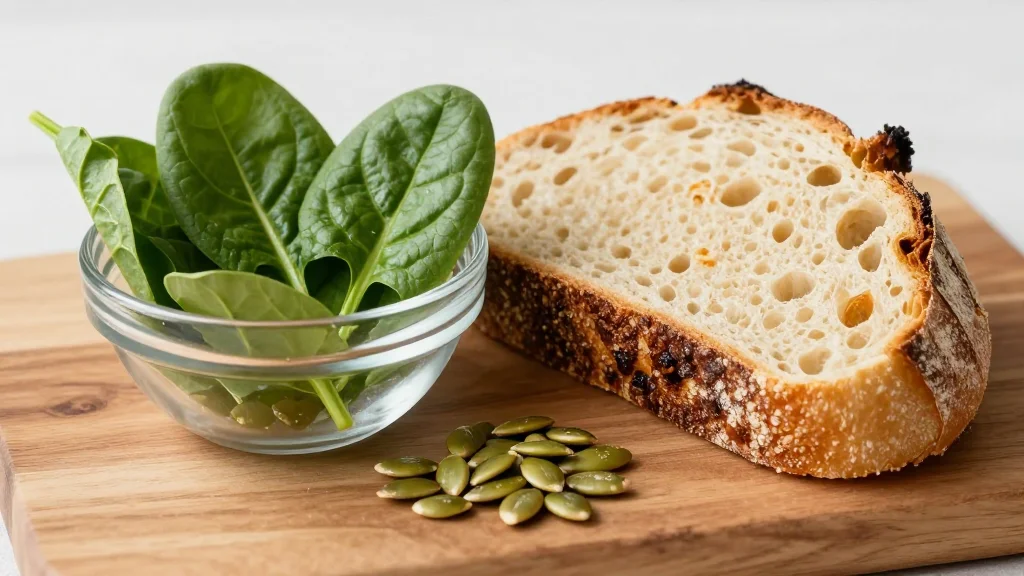
Effects of Sourdough- or Regular-Bread Fermentation, and Phytate Reduction on Iron Bioavailability, Absorption, and Iron Status in Humans: A Systematic...
The Frontiers in Nutrition systematic review examined eight human intervention studies to determine whether sourdough or regular‑yeast bread fermentation improves iron bioavailability, absorption, and status. Acute post‑prandial trials consistently showed higher serum iron and increased fractional absorption when phytate levels...

Regulation of Inflammation by Omega-3 and Omega-6 Fatty Acids: A Meta-Analysis of Randomized Trials
A meta‑analysis of nine randomized controlled trials involving 504 participants compared the anti‑inflammatory effects of omega‑3 and omega‑6 polyunsaturated fatty acids. The pooled data showed no significant impact on IL‑6, C‑reactive protein or TNF‑α levels. However, omega‑6 supplementation produced a...
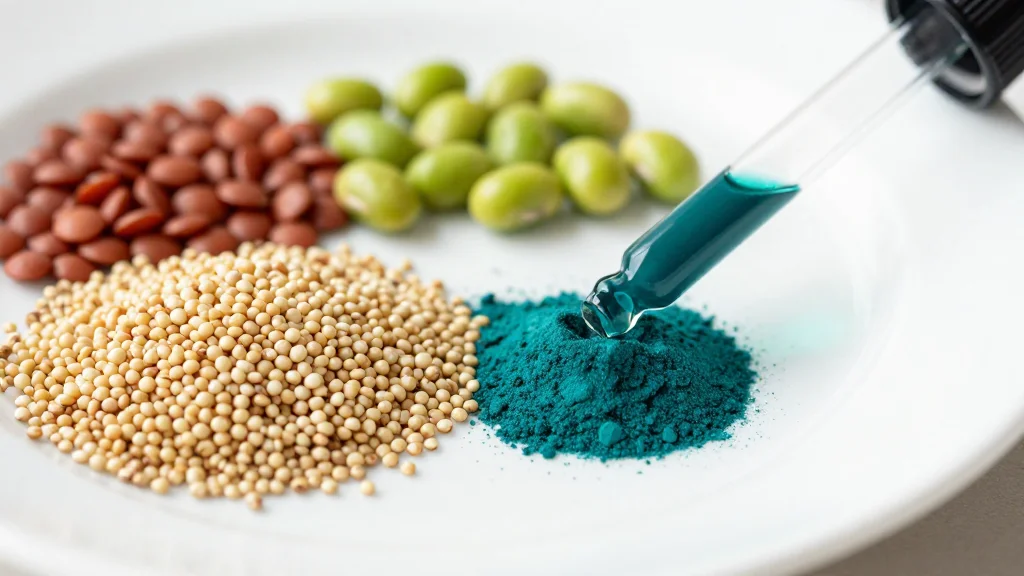
Branched-Chain Amino Acids From Plants and the Metabolic Syndrome: Pathways and Pharmacological Applications
Metabolic syndrome affects roughly 1.54 billion adults and is driven by chronic inflammation. Recent research reviews how plant‑derived branched‑chain amino acids (BCAAs) from legumes, whole grains and microalgae can modulate inflammatory pathways and improve glycemic, lipid and body‑composition outcomes. Processing methods...

Can You Support Bone Density Through Diet?
Dietitians Skylar Weir and Christina Manian stress that bone density hinges on consistent, adequate nutrition as much as strength training. They warn that chronic under‑fueling can divert essential minerals from bone, increasing fracture risk, especially in conditions like anorexia. Key...

A Cycling Coach Says You’re Probably Not Eating Enough. Here’s the Fueling Strategy That Works.
Cycling coach Marissa Axell warns that many riders over 40 underfuel, compromising performance and health. She cites a 50‑plus athlete who won her age group at the 2025 TransRockies Gravel Royale by prioritizing a structured fueling plan. The article outlines...
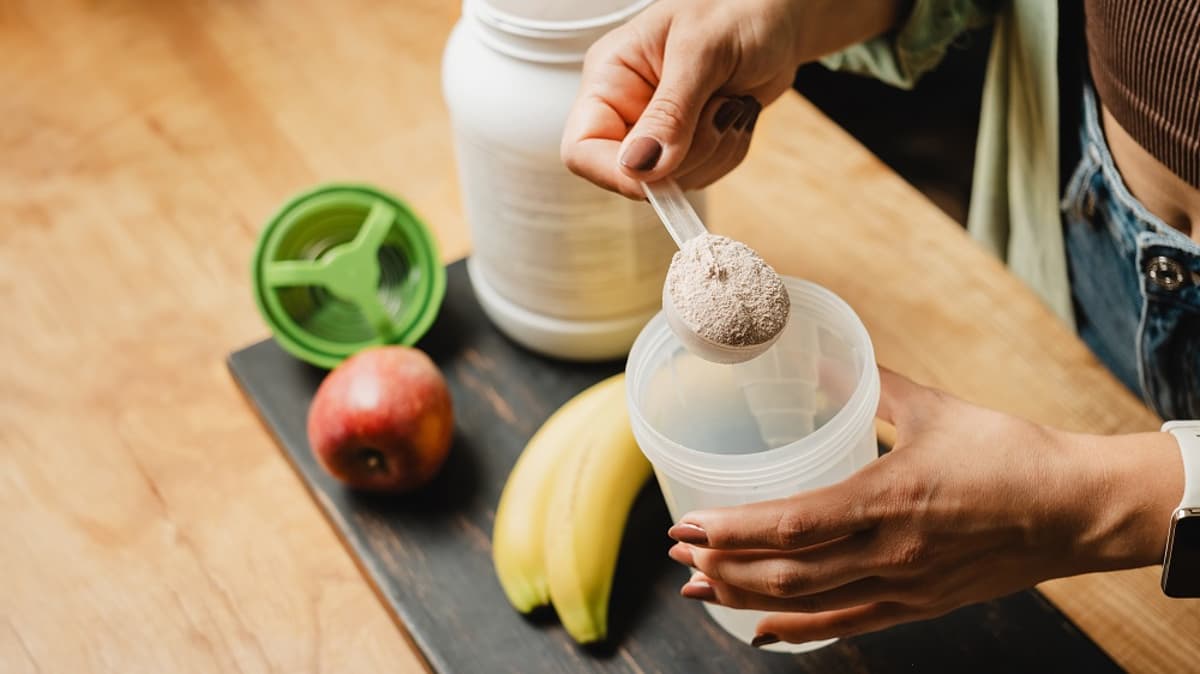
Creatine Shows Synergy With Exercise in Older Adults
Researchers in Spain examined whether creatine supplementation enhances high‑load, velocity‑intentional resistance training (HL‑VIRT) in adults around age 68. Over 16 weeks, participants who combined creatine with either elastic‑band or aquatic power training showed larger increases in brain‑derived neurotrophic factor, greater...

Netherlands Updates National Food Guidelines to Cut Meat and Dairy, Boost Legumes
The Netherlands Nutrition Centre has revised its national food guide, the Schijf van Vijf, boosting the weekly legume target to 250 g and cutting meat limits to 300 g per week (red meat capped at 100 g) while halving the daily cheese recommendation...

How To Reset Your Appetite: A Nutritionist’s Guide
Nutritionist Dr. Federica Amati explains that appetite is governed by satiety signals linking the gut, brain, hormones and microbiome. Whole, fiber‑rich plant foods trigger hormones like GLP‑1 and short‑chain fatty acids that tell the brain you’re full. Modern processed meals...

Functional Nutrition Tips for Maintaining Optimal Cellular Health in 2026
The Healthcare Guys’ 2026 guide outlines functional‑nutrition strategies that directly support cellular health, the foundation of energy, immunity and cognition. It identifies key nutrients—phospholipids, omega‑3s, magnesium, B‑vitamins, CoQ10 and antioxidants—that modern, calorie‑dense diets often lack. The article recommends whole‑food sources,...

‘Keto Flu’: What It Is and How To Manage It
The ketogenic diet forces the body into ketosis, but the transition often triggers a short‑term cluster of symptoms called keto flu. These symptoms—ranging from fatigue and headache to brain fog and muscle cramps—typically emerge 2‑7 days after carbohydrate restriction and...

Association of Maternal Diet with Human Milk Fatty Acid and Macronutrient Composition: A Saudi Cohort Study
A secondary analysis of 40 Saudi breastfeeding mothers showed that human‑milk macronutrients remain stable, but fatty‑acid composition, especially omega‑3 levels, closely mirrors maternal diet. Higher maternal energy and omega‑3 intake were linked to increased milk EPA, total n‑3 and a...
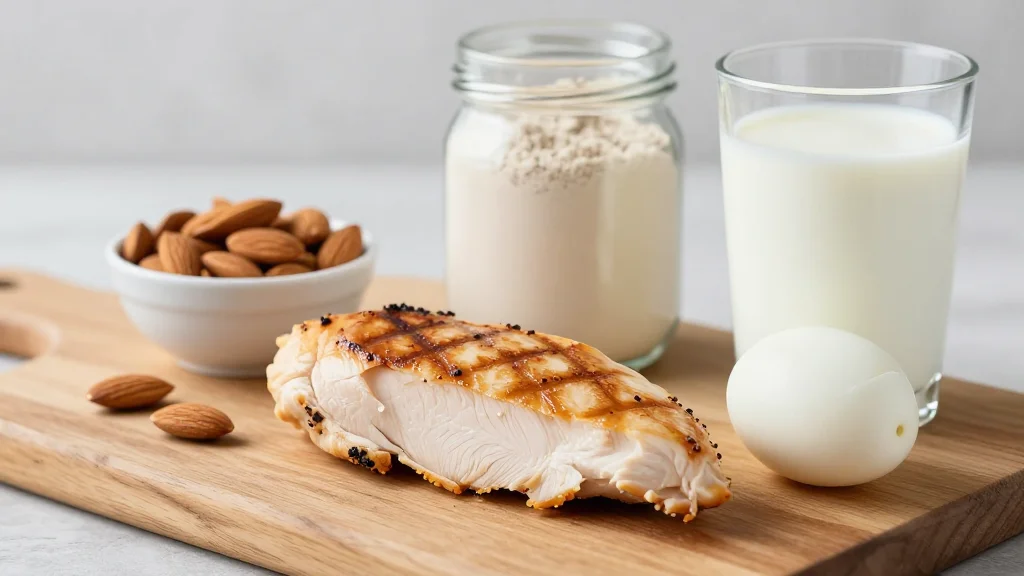
Dietary Protein Intake, Inflammatory Biomarkers, Genetic Susceptibility, and the Incidence of Sarcopenia: A Prospective Population-Based Study
A large prospective UK Biobank study of 37,870 adults found that higher dietary plant protein intake was associated with a 25% lower risk of incident sarcopenia, while total and animal protein showed no independent benefit after full adjustment. Inflammatory biomarkers...
Body Mass Index and Dietary Intake as Nutritional Determinants of Sarcopenia in Older Adults
A retrospective study of 360 adults aged 60 and older found that 11.4% met sarcopenia criteria. Lower body‑mass index, reduced daily energy, protein, and dietary fiber intakes were each independently linked to higher odds of sarcopenia after adjusting for age,...

Review Positions Early-Life Nutrition as ‘Systems-Level’ Intervention
A new review in Nutrients argues early‑life nutrition should be treated as a systems‑level intervention, linking brain, gut microbiome, and sleep development during the first 1,000 days. The authors propose a “brain‑gut‑sleep triad” model and highlight that a complementary set...

New Study Shows Ashwagandha Supports Women’s Stress, Sleep and Brain Health
A three‑arm clinical trial of Arjuna Natural’s Shoden ashwagandha extract studied 120 women aged 30‑59, measuring cortisol, sleep, stress, mood and cognition. The research found Shoden balances cortisol rather than suppressing it, maintaining hormonal equilibrium throughout the day. Pharmacokinetic data...

I Had Breast Cancer At 19 — Here’s What Healing Looked Like After Treatment
Actress Miranda McKeon was diagnosed with stage 3 breast cancer at 19, underwent double mastectomy, eight rounds of chemo, 25 radiation sessions and egg‑freezing, and has been cancer‑free since 2022. She now lives with ongoing hormone injections, occasional arm cramping, and fertility...

Re: Advances in the Pathophysiology and Treatment of Diabetic Peripheral Neuropathy
In a recent BMJ rapid response, GP Peter J. Lewis highlights that the latest state‑of‑the‑art review on diabetic peripheral neuropathy (DPN) omitted a growing body of evidence linking vitamin D deficiency (VDD) to the condition. He cites studies showing that roughly...

What the Latest Science Really Says About Creatine’s Benefits for Body and Mind
Recent meta‑analyses confirm that creatine monohydrate delivers measurable gains in muscular strength, power, and endurance for both athletes and recreational exercisers. Parallel research shows modest improvements in short‑term memory and executive function, especially under sleep‑deprived or cognitively demanding conditions. Safety...
Creatine Is Claimed to Benefit Body and Mind: The Potential Benefits and Limitations of the Popular Supplement
Creatine, a naturally occurring compound, is the most studied dietary supplement for enhancing high‑intensity performance and supporting cellular energy via phosphocreatine. Recent analyses highlight its ability to improve muscle power, sprint output, and, in certain groups, cognitive functions such as...

The ‘Fibermaxxing’ TikTok Trend: Here’s What’s Fact Versus Fiction
A new TikTok craze called “fibermaxxing” encourages users to boost daily fiber intake, with celebrities like Danielle Fishel and Lance Bass championing the habit. The trend aligns with long‑standing nutrition advice that 25‑34 g of fiber per day can lower cholesterol,...
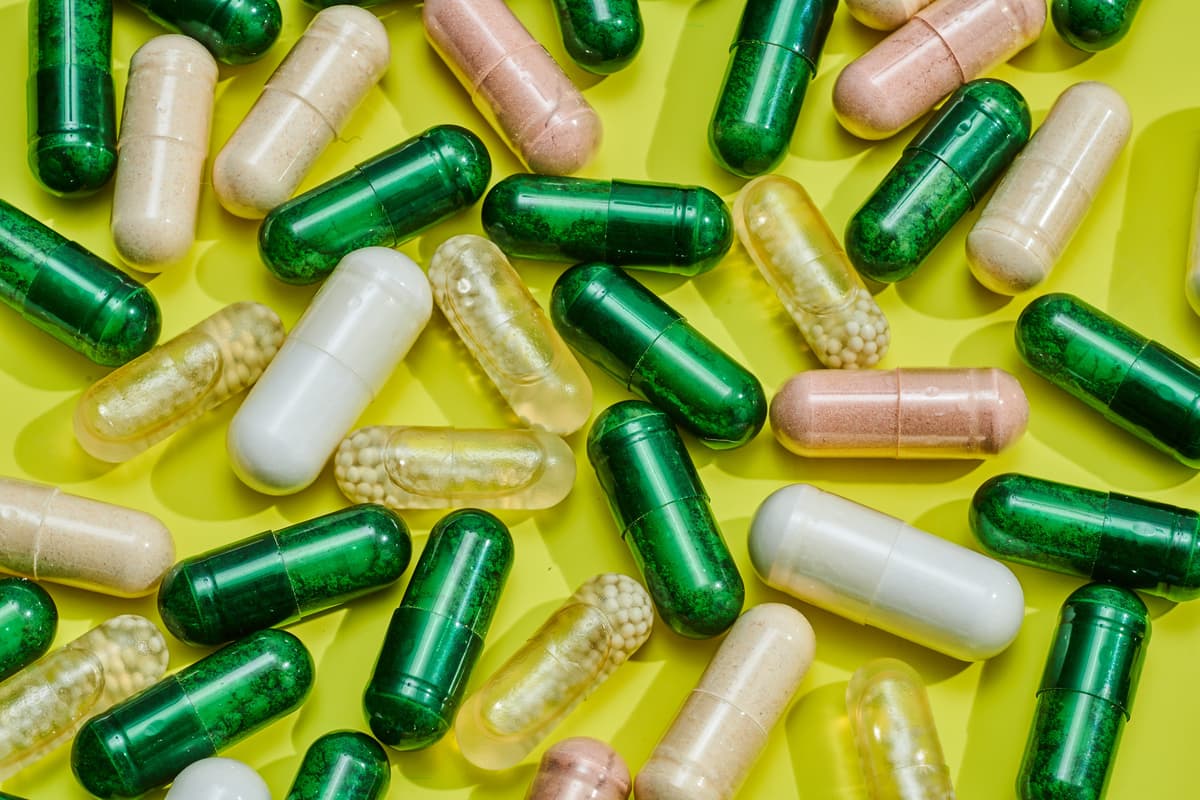
The Best Supplements for Women, Tested and Reviewed by a Dietitian
Sydney Lappe, RDN, reviews a curated list of women‑focused supplements, from Ritual’s vegan multivitamin to Thorne’s vitamin D3, magnesium, iron, and performance products. The guide highlights evidence‑based nutrients, third‑party certifications, and formulation nuances such as calcium omission, vegan omega‑3 sources,...

Is Beef Tallow Actually Any Good for You?
Beef tallow has resurfaced as a culinary and skincare trend, championed by the Make America Healthy Again movement and adopted by chains such as Steak ’n Shake. While its saturated‑fat profile—about 50%—can raise LDL cholesterol, proponents tout skin‑friendly fatty acids...

How Ultra-Processed Foods Are Affecting Your Brain's Ability to Focus
A Monash University study of over 2,000 adults aged 40‑70 found that higher consumption of ultra‑processed foods correlates with poorer attention and slower information‑processing speed. Participants who ate more ultra‑processed items scored lower on cognitive tests, with each 10% increase...
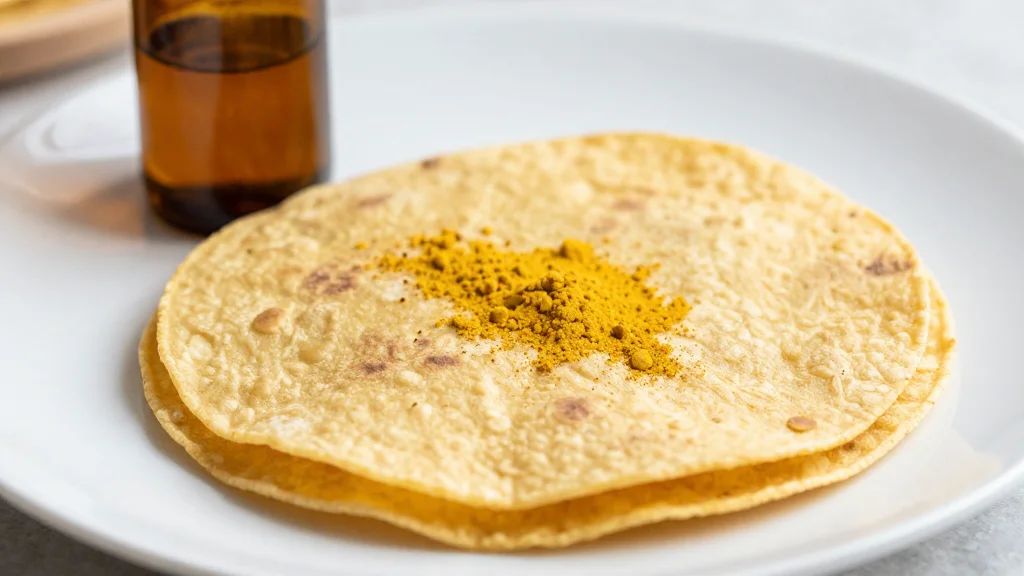
California's Rule to Add Folic Acid Brings a Hispanic Staple Into the Regulatory Fold
In January 2026 California became the first U.S. state to require food manufacturers to add folic acid to corn masa flour, the key ingredient in tortillas. The mandate aims to curb neural‑tube defects that affect Hispanic infants at higher rates...
Take Melatonin Every Night? A New Study Warns Of This Surprising Risk
A five‑year observational study of 130,000 adults with insomnia found that nightly melatonin use was associated with a 90% higher risk of heart failure, a three‑fold increase in heart‑failure hospitalizations, and nearly double the all‑cause mortality rate compared with non‑users....
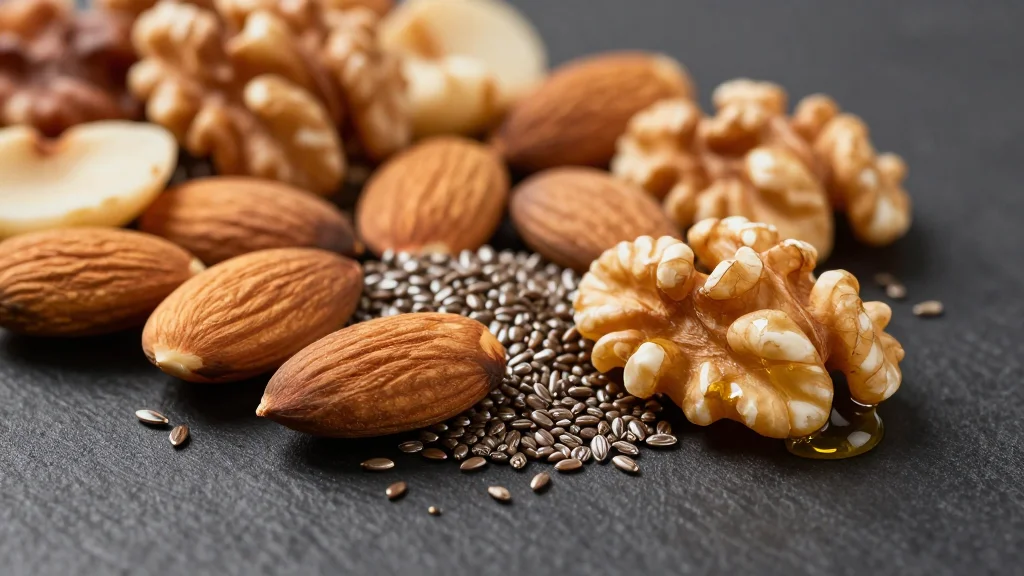
New Research Links Certain Rice Varieties to Better Blood Sugar Control and Reduced Inflammation
A 2026 Hokkaido University study identified 196 lipid molecules in japonica rice, uncovering two previously undetected compounds—FAHMFAs and LNAPEs—in pigmented varieties. Black, brown, and green rice showed the richest profiles of these bioactive fats, which are linked to anti‑inflammatory and...

This Little-Known Carb Can Help Your Sleep, Mood & Memory, Study Shows
Researchers conducted a 12‑week, double‑blind trial giving 5 grams of partially hydrolyzed guar fiber (PHGG) daily to 59 adults over 60. Compared with placebo, participants showed improved visual‑memory scores, better sleep initiation and maintenance, and heightened vigor with reduced confusion. The...
:max_bytes(150000):strip_icc():format(jpeg)/costco-superfoods-GettyImages-1798992774-121e7ae8e48b4ac8a8dec37157729b66.jpg)
8 Superfoods Dietitians Always Grab at Costco (and You Should Too)
Registered dietitians highlight eight nutrient‑dense superfoods that shoppers can stock up on at Costco, including frozen sockeye salmon, bulk avocados, Kirkland walnuts, large tubs of Greek yogurt, cacao powder, frozen berry blends, organic pumpkin seeds, and matcha green‑tea powder. The...
This Surprising Nutrient Could Supercharge Your Immune System
A recent pre‑clinical study reveals that zeaxanthin, the carotenoid best known for eye health, can markedly enhance T‑cell activity and slow tumor growth in mouse models. The nutrient strengthens the T‑cell receptor complex, improving immune cells’ ability to recognize and...

From Roti to Revolution: India’s Next Big Hunger Fix Isn’t What You Think
India now produces enough calories for its billion‑plus population, yet hidden hunger—micronutrient deficiencies in iron, zinc and protein—remains widespread. The article argues that the Green Revolution solved the calorie crisis but left a nutrition gap, prompting a new “Smart Nutrition...

Pregnant, Postpartum Women Struggle to Overcome Selenium Deficiency: Study
A multicountry analysis of the Women First trial examined whether a lipid‑based supplement containing 130 µg of selenium could improve maternal selenium status in Guatemala, India and Pakistan. The researchers found that supplementation did not raise serum selenium levels, which actually...

NutraCast: Pendulum Bets on Prebiotics with Gut Fuel as GLP-1 Buzz Reshapes Market
Pendulum Therapeutics launched Gut Fuel, a next‑generation prebiotic blend designed to close the U.S. fiber gap and offer a low‑FODMAP option for people with IBS and other digestive sensitivities. The product combines novel fibers and polyphenols to support the microbiome, positioning...
Does a Low-Carbohydrate Diet Impede Endurance Sports Performance?
The American Journal of Clinical Nutrition’s Great Debates series pits two leading experts against each other on whether low‑carbohydrate, high‑fat (ketogenic) diets hinder endurance performance. Louise Burke argues that carbs deliver more oxygen‑efficient energy, so strict carb restriction can slow...

Do You Really Need 1 Gram of Protein Per Pound of Body Weight Per Day?
The long‑standing bodybuilding rule of 1 gram of protein per pound of body weight is being re‑examined after several meta‑analyses suggested a lower threshold of about 0.7 g/lb. Critics point out that the 2018 study’s confidence interval was wide (0.47‑1.0 g/lb) and its...

This Delicious Fruit May Help Balance Blood Sugar & Boost HRV
Researchers gave 18 healthy young adults either watermelon juice or a placebo for two weeks, then administered a glucose challenge to assess heart‑rate variability (HRV). Participants who drank watermelon juice showed steadier, higher HRV despite the sugar spike, indicating a...
The One Ingredient You Should Be Eating Daily For Heart & Gut Health
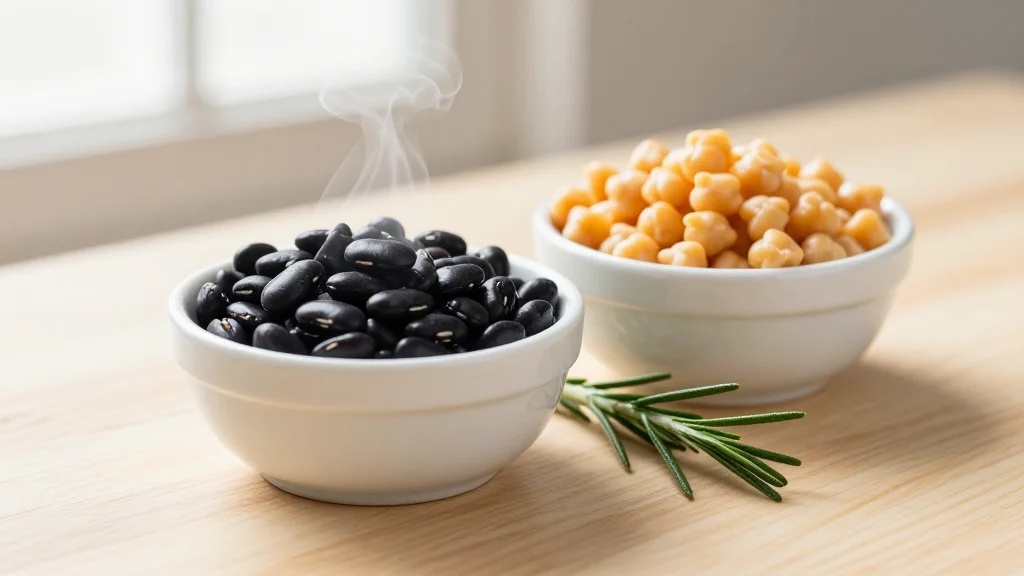
A recent randomized controlled trial found that eating one cup of black beans or chickpeas daily for 12 weeks significantly improves cholesterol and inflammation markers in adults with prediabetes. Participants who ate chickpeas saw total cholesterol drop from about 200 mg/dL...
7 Ways To Naturally Boost GLP-1 Production & Improve Metabolism
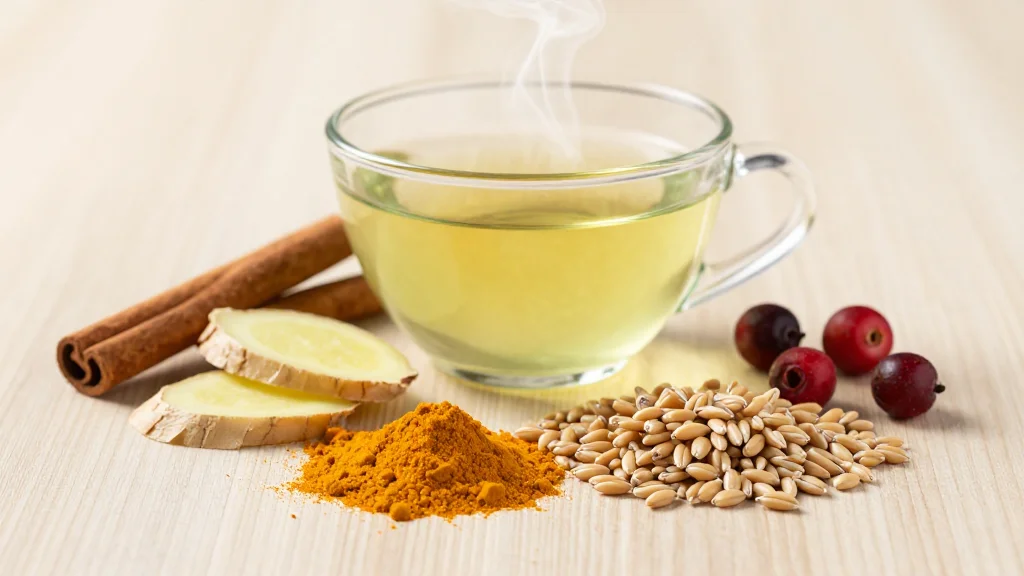
A new review in Toxicology Reports compiles evidence that several foods and plant compounds can naturally boost glucagon‑like peptide‑1 (GLP‑1) activity, the hormone targeted by prescription drugs such as Ozempic. The analysis highlights berberine, cinnamon extract, ginger, green tea, curcumin,...
This Vitamin Deficiency May Be The Reason You’re Always Tired
A recent analysis highlights that vitamin D deficiency affects roughly 29% of U.S. adults and contributes to chronic fatigue. Low serum levels (<20 ng/mL) disrupt mitochondrial energy production, impair sleep quality, mood stability, and immune response. The article recommends testing vitamin D status...
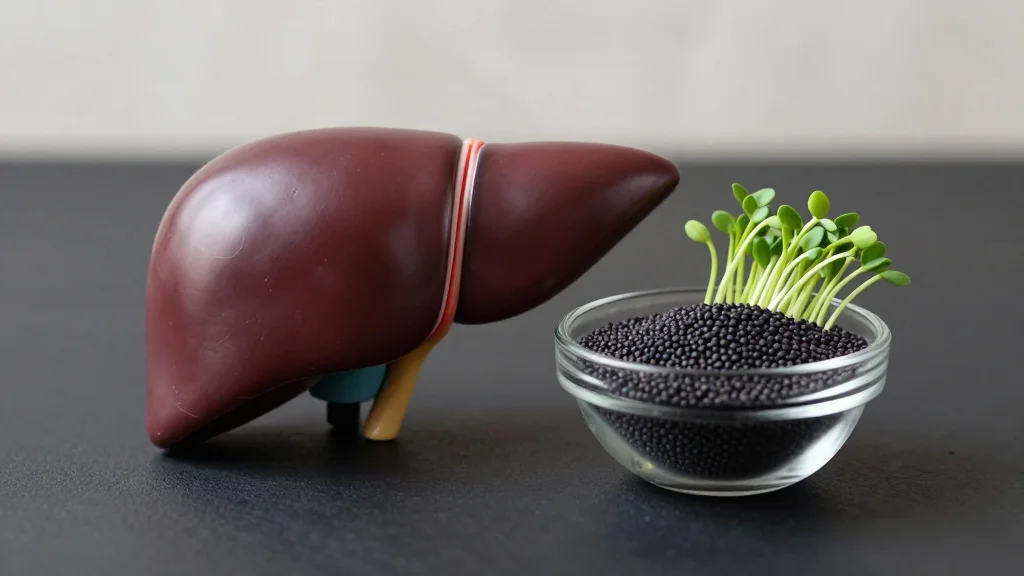
Comparative Assessment of Brassica Nigra Seed and Its Sprout Ethanolic Extracts Against Paracetamol-Induced Hepatotoxicity in Rats: Insight Into Antioxidant and...
Researchers compared ethanolic extracts of Brassica nigra (black mustard) seeds and sprouts for protecting rat livers against a high‑dose paracetamol challenge. Rats received 500 mg/kg body weight of each extract for 21 days, with silymarin (100 mg/kg) as a reference drug. Both extracts...
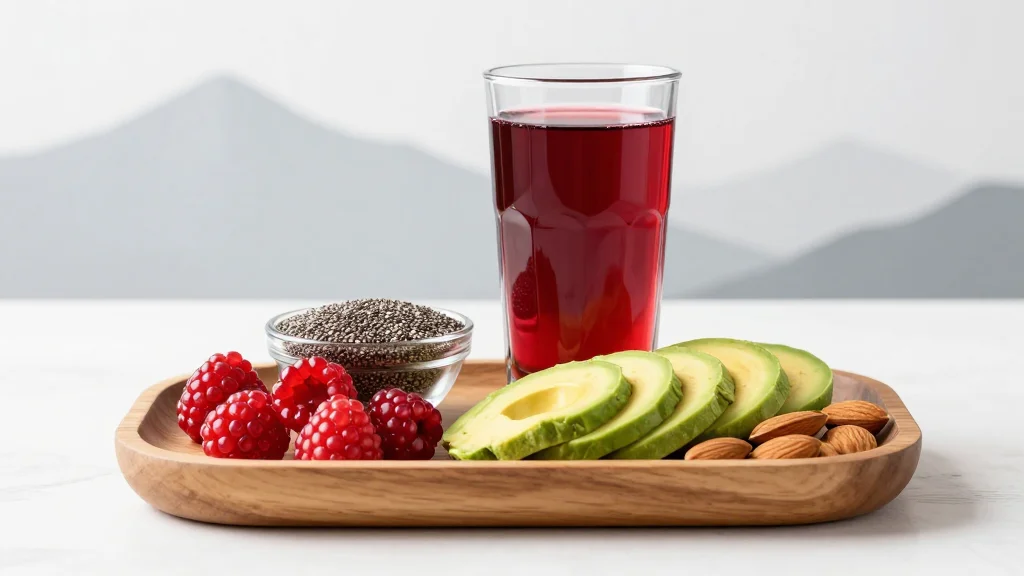
Functional Foods and Their Potential Impact on Women’s Health in Chile
A new review highlights the growing burden of non‑communicable diseases among Chilean women, noting that diet alone accounts for 40% of deaths and that obesity affects 33.9% of women—higher than men. It argues that locally sourced functional foods rich in...
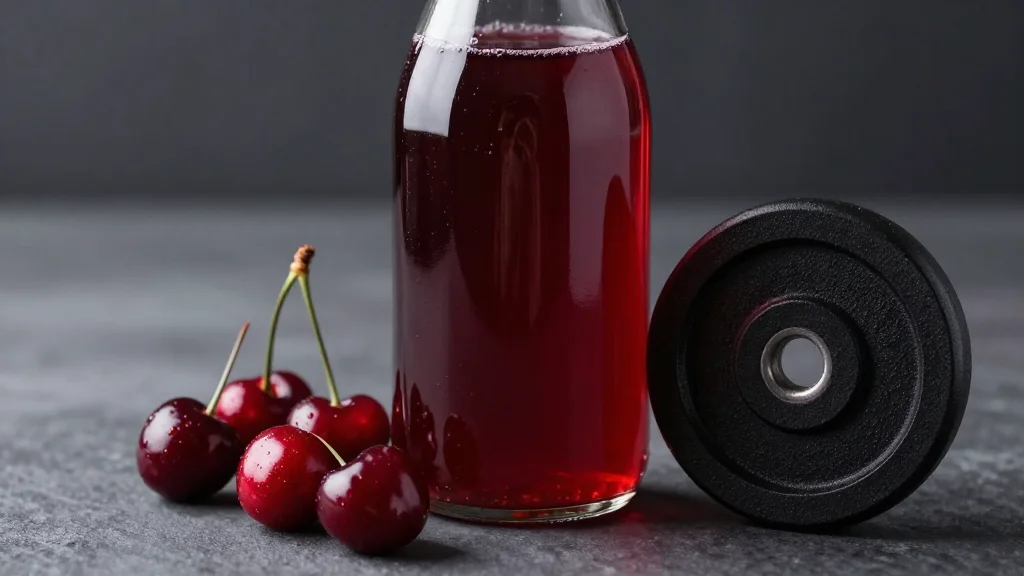
The Effect of Montmorency Tart Cherry Consumption on Athletic Performance and Post-Exercise Recovery in Healthy Adults: A Scoping Review
A scoping review of 28 randomized trials evaluated Montmorency tart cherry supplementation in healthy adults. Four of ten performance studies reported faster time‑trials or longer time‑to‑exhaustion, while seven of fourteen strength‑recovery trials showed accelerated muscle‑strength return. Only six of twenty‑two...
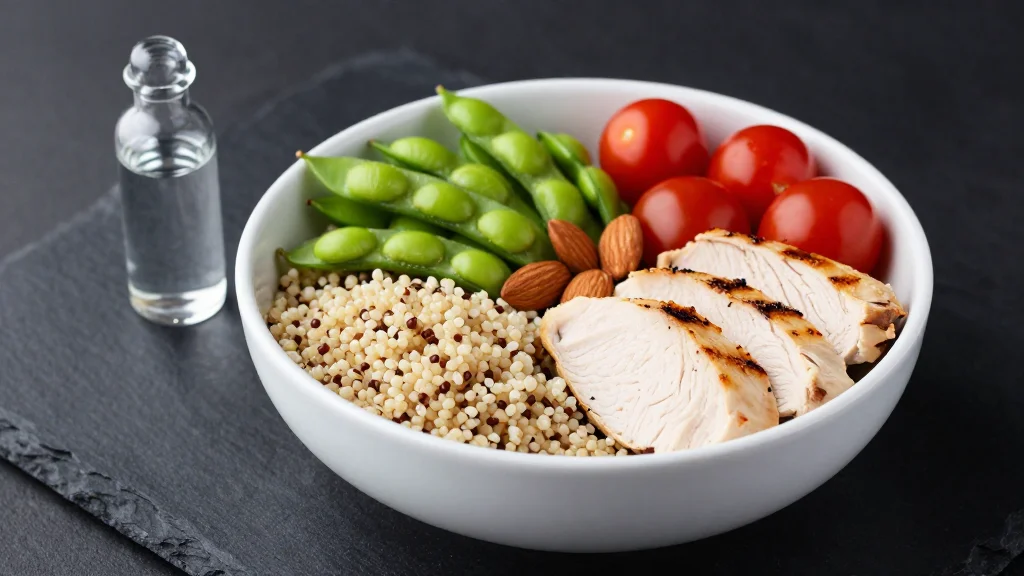
Dietary Intakes of Cysteine, Glutamate, Proline, and Tryptophan Are Associated with Hypertension Risk in Chinese Children and Adolescents: A National...
A national cross‑sectional study of 12,187 Chinese children and adolescents (ages 6‑18) found that higher dietary intakes of cysteine, glutamic acid and proline were associated with roughly double the odds of hypertension, while tryptophan intake reduced risk by about 50%....
How To Follow a Healthy Diet With LEMS
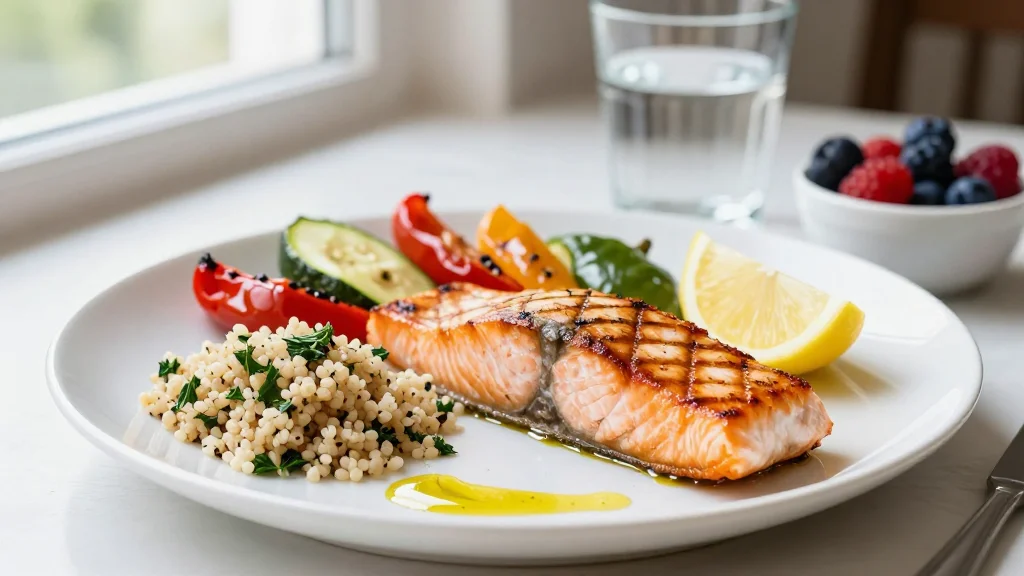
Living with Lambert‑Eaton Myasthenic Syndrome (LEMS) brings muscle weakness, fatigue, and digestive challenges that can undermine daily function. Neurologist Dr. Georgette Dib emphasizes that while diet won’t cure LEMS, a balanced, Mediterranean‑inspired eating plan can bolster muscle strength, energy, gut...

Health Canada Publishes Prebiotics Monograph
Health Canada has released a prebiotic monograph that adopts the International Scientific Association for Probiotics and Prebiotics (ISAPP) 2017 definition. The document enumerates approved prebiotic ingredients—including inulin, acacia gum, FOS, GOS, XOS, and the human‑milk oligosaccharides 2′‑FL and LNnT—and draws...
'NYT' Ad Seeks Higher Prenatal Nutrition Standards
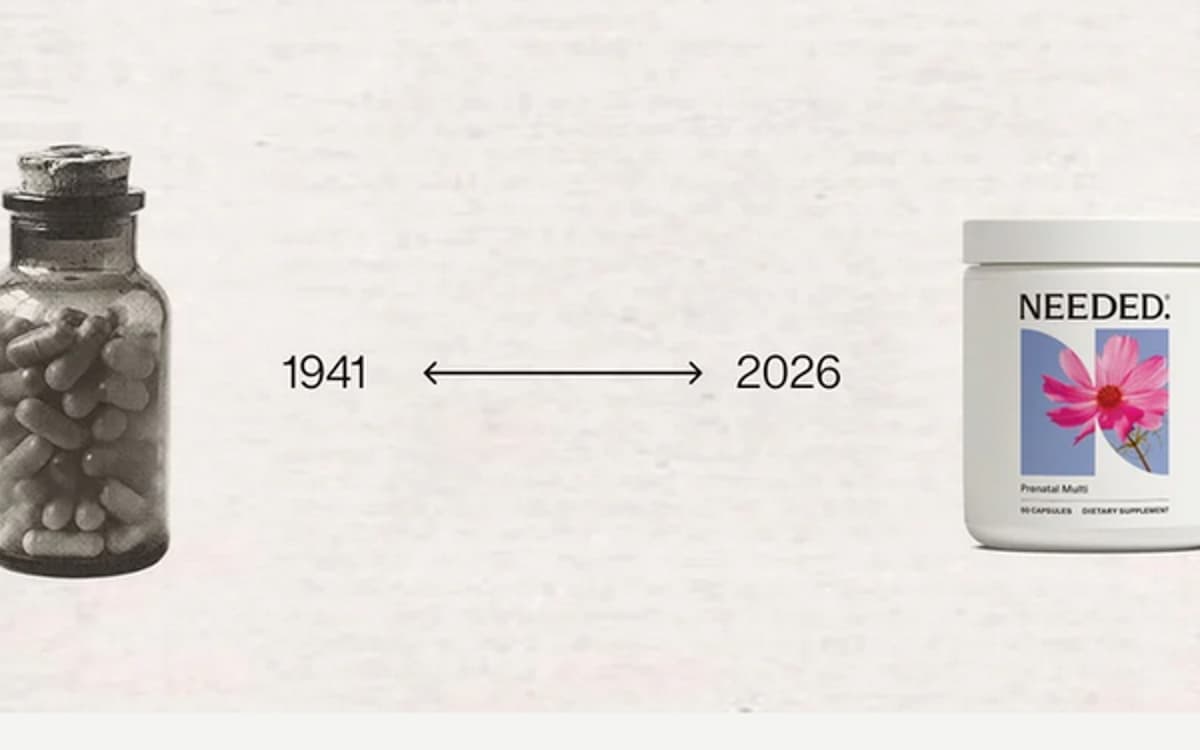
Women’s health supplement startup Needed placed a full‑page ad in the April 26 New York Times demanding modernized U.S. prenatal nutrition standards. The company argues that the current guidelines, set in 1941 and based on data from a largely male population, leave...
This NHS Fibre Target Most of Us Miss Could Secretly Be Key to Making Your Skin Look Healthier and Plumper
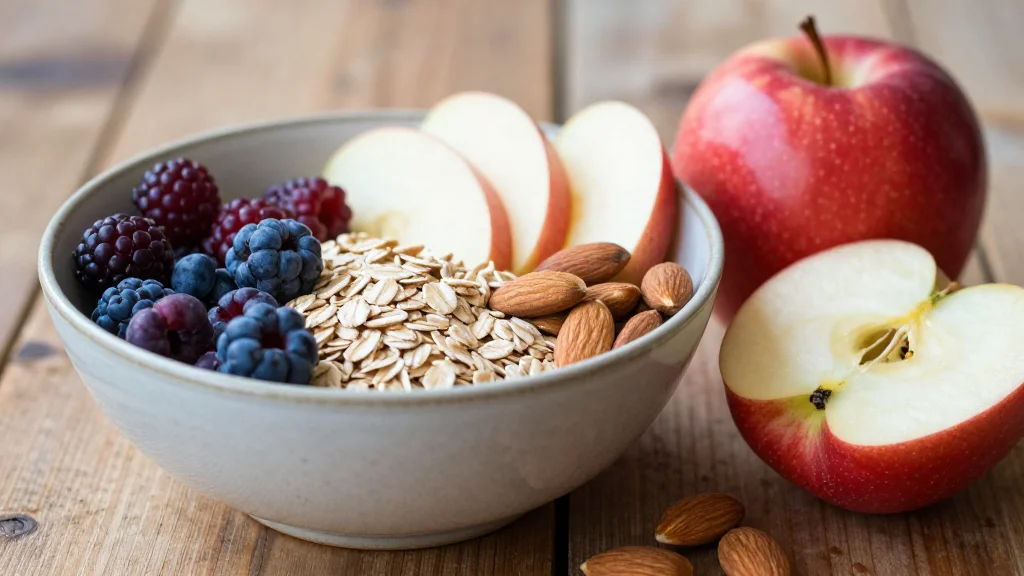
Researchers have linked the NHS’s 30‑gram daily fiber target to clearer, more hydrated skin. Most adults fall about 10 g short, missing out on short‑chain fatty acids that reinforce the skin barrier and curb inflammation. A 2025 Journal of Investigative Dermatology...

The Over-50 Cycling Problem Nobody Wants to Admit: You’re Underfueling
The Bicycling editors highlight a pervasive issue among cyclists over 50: chronic underfueling. Dietitian and coach Namrita Brooke explains that many senior riders skimp on carbohydrates, protein, and electrolytes, leading to slower recovery and diminished performance. The article recommends at...

Givaudan Research: Zensera Lemon Balm Supports the Mind During Stress
Givaudan’s patented Zensera lemon‑balm extract (300 mg) was tested in a double‑blind, placebo‑controlled trial with 130 healthy adults under moderate stress. The study measured mood, heart rate, blood pressure and a battery of executive‑function tasks over five hours. Participants who took...