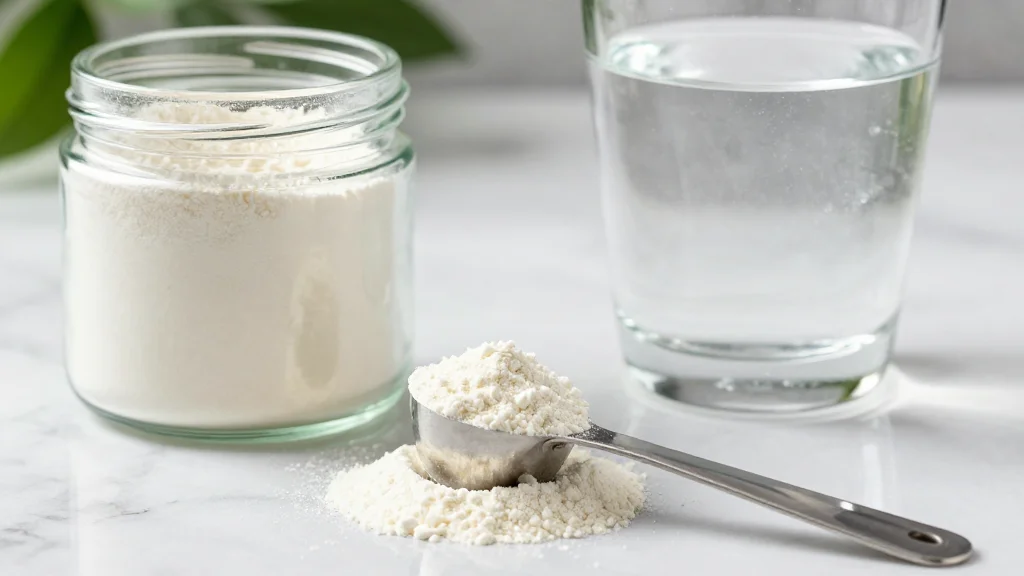
This One Habit Can Support Joints & Smooth Skin For Women 35+
A recent review by registered dietitian Molly Knudsen highlights that daily collagen peptide supplementation can alleviate joint discomfort and improve overall physical health for women in their 30s and 40s. Clinical data from the Journal of the International Society of Sports Nutrition show that a minimum of 10 grams per day reduces joint pain after six months, while 20 grams daily enhances quality of life over nine months. The article advises choosing hydrolyzed, type 2 collagen powders and pairing them with vitamin C and hyaluronic acid for added skin benefits. Proper dosing and product form are key to achieving results.

Scientists Say This Type of Olive Oil Could Boost Brain Power
New research from the URV, IISPV and CIBERobn, part of the PREDIMED‑Plus trial, shows that extra virgin olive oil can boost cognitive performance in older adults by reshaping the gut microbiome. Over two years, 656 overweight participants who consumed virgin...

Most UK Women Miss the Best Time to Take This Pregnancy Vitamin – NHS Warning over Baby's Brain and Spine
The NHS warns that many UK women start folic acid too late, missing the critical window when the neural tube forms. It recommends a daily 400 µg supplement as soon as conception is attempted and through the first 12 weeks of...

Mediterranean Diet Linked to Reduced Dyspepsia in Elderly
A cross‑sectional study of older adults in geriatric outpatient clinics found that higher adherence to the Mediterranean diet was strongly linked to fewer and milder dyspeptic symptoms. Researchers used validated diet and symptom questionnaires and controlled for age, BMI, comorbidities,...
:max_bytes(150000):strip_icc():format(jpeg)/dates-nutrition-facts-2000-367b6229847b4b9887d85b0946806035.jpg)
10 Health Benefits of Dates—And Delicious Ways to Eat Them, According to RDs
Registered dietitians outline ten evidence‑backed health benefits of dates, ranging from improved gut health and blood‑sugar regulation to lower LDL cholesterol and stronger bones. A typical serving—about a quarter‑cup or two to four large dates—provides roughly 5 g of fiber, 167 mg...
:max_bytes(150000):strip_icc():format(jpeg)/cheese-for-lactose-intolerant-GettyImages-506909702-41d34b9e308641d4ada5ac3c42429e3c.jpg)
13 Cheeses You Can Eat Even If You're Lactose-Intolerant
A recent article lists 13 cheeses that are safe for lactose‑intolerant consumers, highlighting that aged, hard varieties and several soft cheeses contain minimal lactose. Nutrition experts Catherine Rall and Steve Carper explain that cheeses with 0‑3% lactose per serving are...

50 High-Protein Breakfasts For Weight Loss That’ll Keep You Full For Hours, According To Dietitians
A new guide lists 50 high‑protein breakfast ideas aimed at weight loss, backed by dietitian insights and recent research. Experts advise 15‑30 g of protein each morning to boost satiety, regulate blood sugar, and preserve lean muscle. Studies cited show protein...

For CVD Patients, Calcium Supplements May Spur Recurrent Events
A Hong Kong observational study of 237,782 cardiovascular disease (CVD) patients found that calcium supplements increase the risk of recurrent heart attacks, strokes, and hospitalizations, especially when taken without vitamin D. After propensity‑score matching, calcium‑only users showed a 10% higher composite...

Effects of Dietary Fermented Passion Fruit (Passiflora Edulis Sims) Peel on Growth Performance, Intestinal Morphology, and Cecal Microbiota in Lingshan...
A 2026 Frontiers in Nutrition study evaluated fermented passion‑fruit peel (FPFP) as a feed ingredient for Lingshan broilers. Replacing 10% of the basal diet with FPFP yielded the highest final body weight, total gain and average daily gain while lowering...
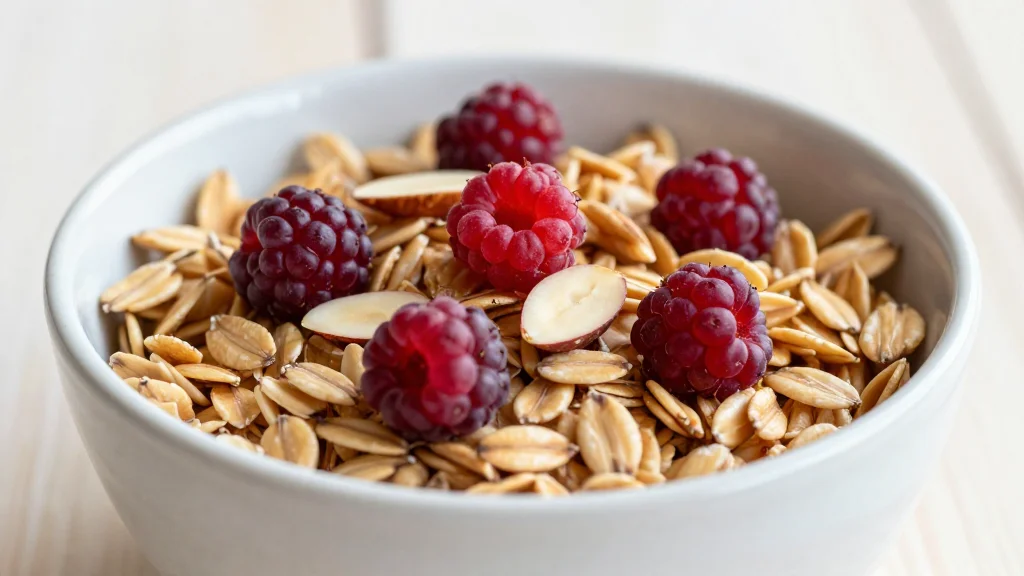
The Impacts of Ready-to-Eat-Cereals and Cereal Fibers on Gut Health, Body Weight, and Cardiometabolic Health
Ready‑to‑eat cereals (RTECs) are a major source of dietary fiber in North America, yet Americans consume only about half of the recommended daily intake. Recent systematic reviews show that wheat‑based RTECs and other high‑fiber cereals improve bowel function, enhance gut...

Is Bone Broth Good for You?
Bone broth has surged into mainstream wellness, buoyed by celebrity endorsements and social‑media buzz. Proponents tout it as a natural remedy for appetite control, skin health, bone strength, and gut function. However, scientific reviews find modest nutrient content and limited...
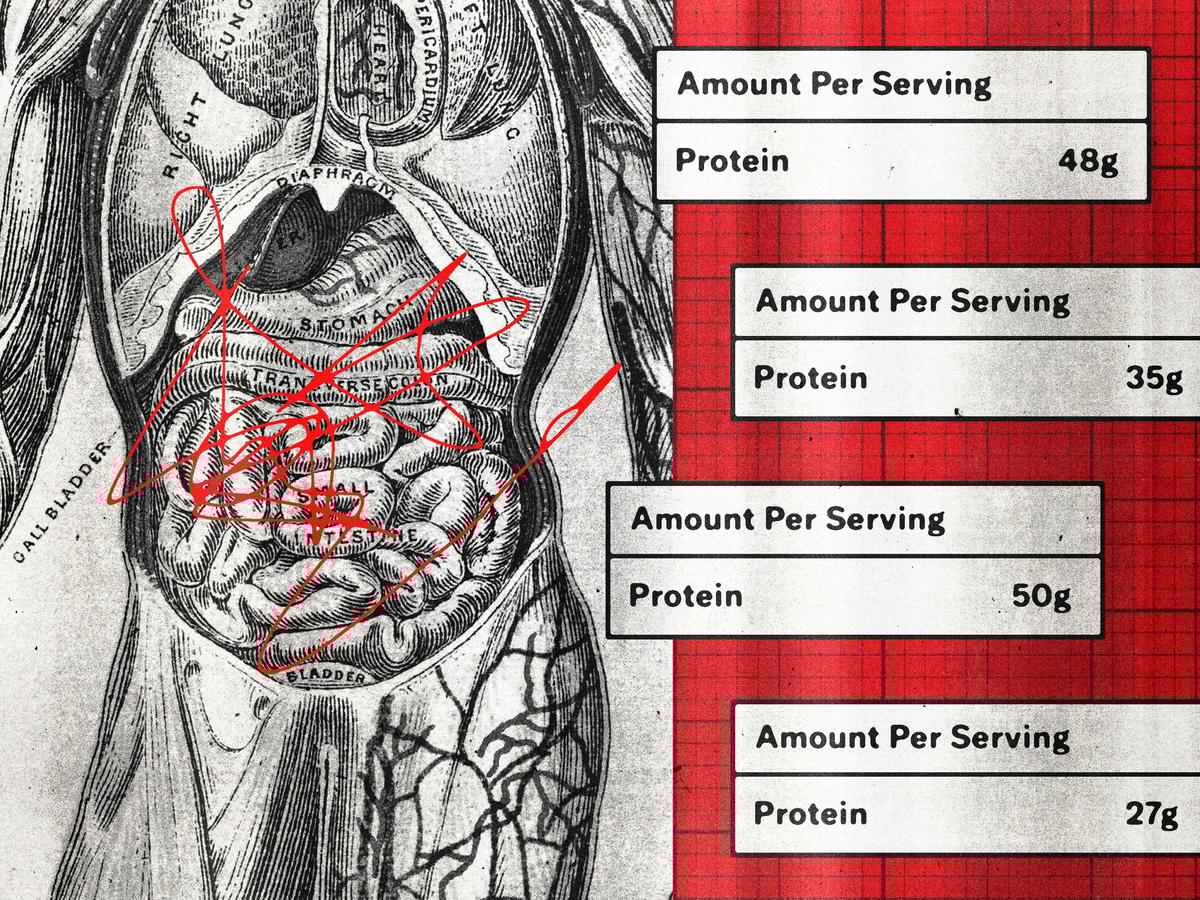
Is Your Proteinmaxxing Hurting Your Gut?
Protein is a cornerstone of muscle maintenance and satiety, but for the roughly three million Americans living with inflammatory bowel disease (IBD), the equation is more nuanced. Chronic inflammation and malabsorption can raise protein requirements, yet excessive or poorly digested protein...

New Study Highlights Fructose’s Unique Role in Metabolic Disease
A new Nature Metabolism review led by Richard Johnson reveals that fructose acts as a distinct metabolic signal, not merely an extra calorie. The authors show that fructose bypasses key regulatory steps, driving de novo lipogenesis, ATP depletion, and metabolites...

7 Science-Backed Ways to Lower Your Blood Pressure Naturally
Nearly half of U.S. adults face hypertension, a condition linked to heart disease and rising healthcare costs. A new article outlines seven science‑backed habits—combined cardio and strength training, stress management, quality sleep, nitrate‑rich vegetables, potassium‑dense foods, fatty‑fish omega‑3s, and reduced...

I Gave up Eating Sugar. This Is What I Learned
BBC health correspondent Melissa Hogenboom eliminated all added refined sugars for six weeks, allowing only natural sugars from whole fruit and complex carbs. She discovered that added sugars permeate everyday foods—from deli sandwiches to ready‑meal sauces—and that cutting them eliminated...
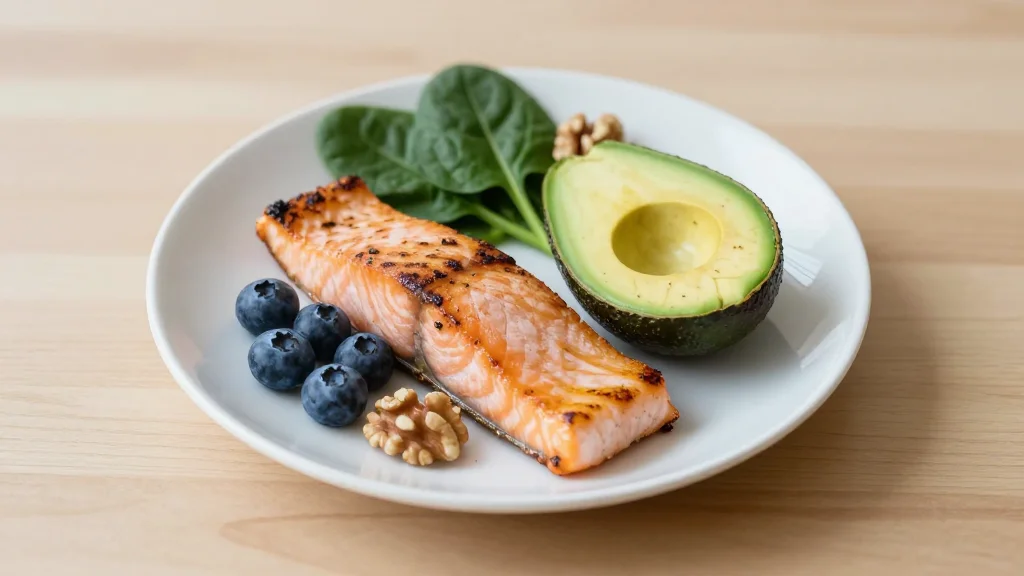
10 Science-Backed Ways To Improve Your Mitochondrial Health Daily
Mitochondrial health has moved from a textbook concept to a daily wellness priority, influencing energy, aging, and resilience. Experts explain that light exposure, movement, nutrition, sleep, and stress management directly shape mitochondrial function. The article outlines ten science‑backed habits—ranging from...

Is It Better To Snack Or To Avoid Snacking Altogether? An RD Weighs In
Registered dietitian Molly Knudsen argues that snacking isn’t inherently harmful; when a snack delivers at least 10 grams of protein and 4 grams of fiber, it can stabilize blood sugar, curb hunger, and support lean muscle. Whole‑food options such as avocado, almonds, and...

Can Sparkling Water Boost Metabolism and Help with Weight Loss?
A brief analysis in BMJ Nutrition Prevention & Health finds that sparkling water may modestly increase glucose uptake and metabolism, but the effect is too small to drive meaningful weight loss. The author likens the CO₂‑induced alkalinity shift to processes...

Science Shorts: Ginger Extract for Weight Loss, Ashwagandha for Sports and More
A wave of recent nutrition studies published in journals such as Nutrients and Phytotherapy Research highlights several promising supplement interventions. Steamed ginger extract (480 mg) demonstrated significant weight‑loss and body‑fat reductions over 12 weeks, while a multi‑nutrient fortified milk improved processing‑speed...

High-Dose Folic Acid Slashes Birth Defect Risks
A large Nordic study of over 13,000 pregnancies shows that high‑dose folic acid taken at least one month before conception cuts the risk of major congenital anomalies in children of women using antiseizure medications by about 45%, an absolute reduction...
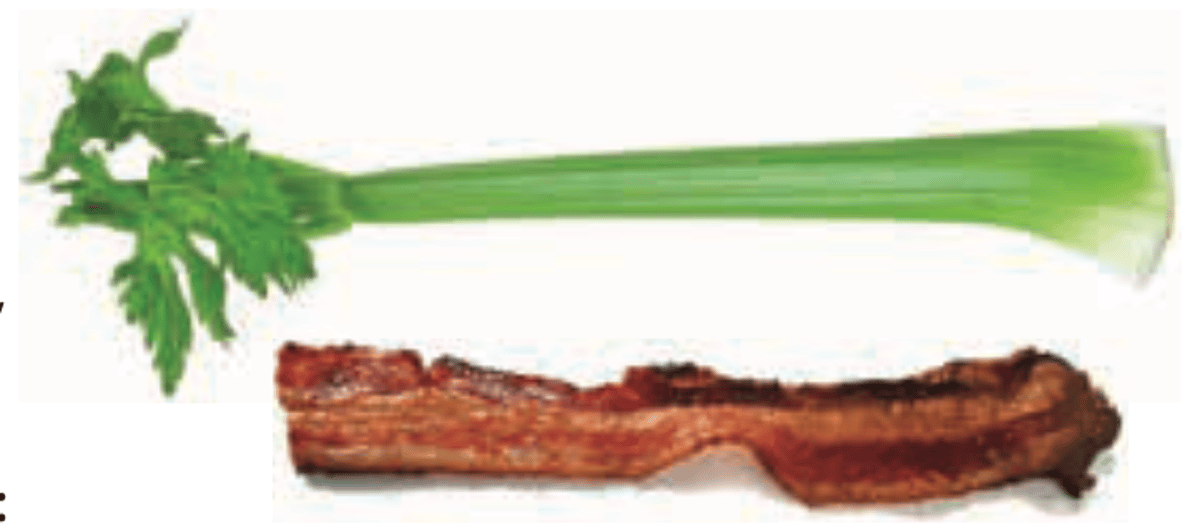
Nitrates in Veggies Vs. Processed Meats
Nitrates found naturally in vegetables such as beets, spinach, and lettuce are converted by the body into nitric oxide, a molecule that supports blood vessel dilation and cardiovascular health. In contrast, nitrates added to processed meats like bacon and hot...
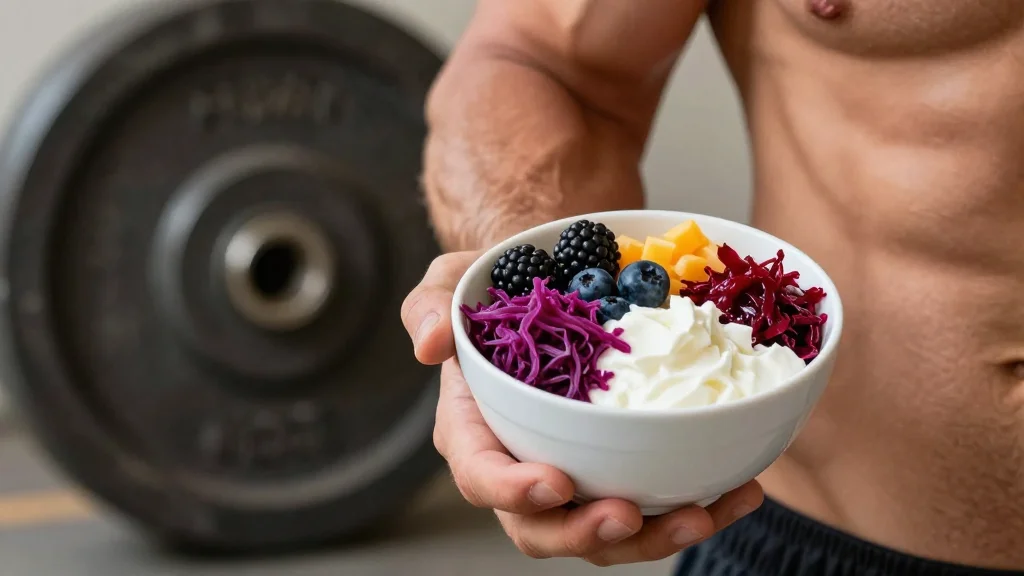
The Only 2 Things You Need for a Bulletproof Gut | Table Talk #407 with Tim Walsh
Tim Walsh, known as the Vanilla Gorilla, leveraged gut health, magnesium, and vitamin D to help Canadian powerlifter Justin Zottl shatter four national records and add 120 lb to his total in nine weeks. He attributes the breakthrough to two core...

The Mild Nutrient Deficiency Linked To Memory Loss
A three‑year randomized trial of 3,500 adults found that a daily 500 mg flavanol supplement, including 80 mg epicatechin, reversed age‑related memory loss. Participants with mild flavanol deficiencies improved memory by 10.5% versus placebo and 16% compared with their baseline scores. The...

Balchem fMRI Study Explores Choline’s Impact on Post-Menopausal Brain
A pilot fMRI study published in Nutrients found that a single 1,650 mg dose of choline bitartrate rapidly increased functional connectivity within the working memory network of post‑menopausal women, observable three hours after ingestion. The trial involved 20 participants who received...
Heights Study Finds Multivitamin Corrects Key Nutrient Deficiencies in 12 Weeks
Heights’ Director of Science, Dr. Harry Jarrett, presented unpublished data showing that a large share of ostensibly healthy UK adults suffer hidden micronutrient gaps, with 40% lacking folate, 34% lacking active B12 and 83% showing sub‑optimal riboflavin. In a 12‑week,...
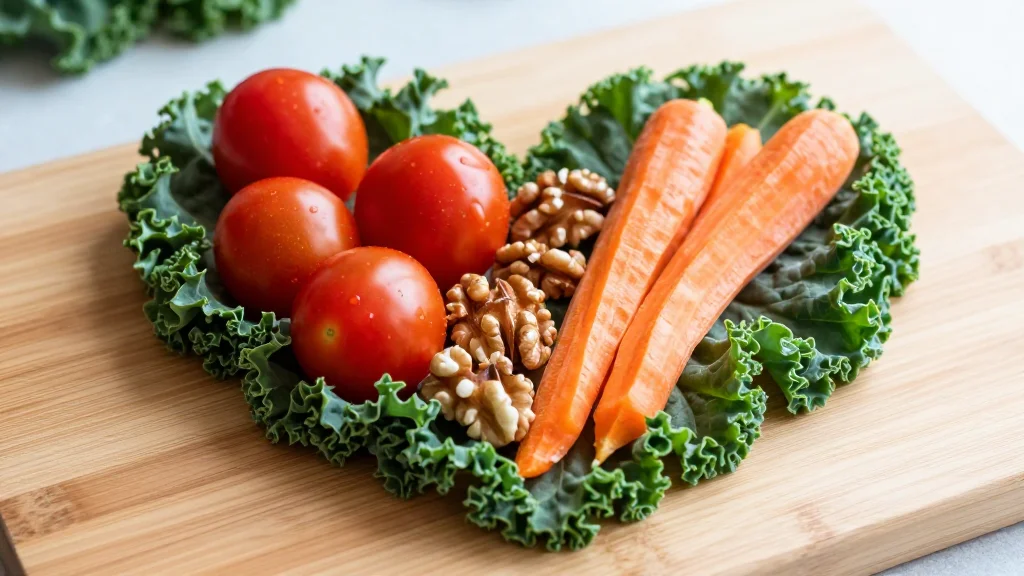
The AHA's New Eating Guidelines & How They Compare to Federal Nutrition Advice
The American Heart Association released its 2026 heart‑healthy eating guidelines, adding a dedicated focus on cutting ultraprocessed foods and tightening alcohol recommendations. The nine‑point framework stresses whole‑food patterns, plant‑based protein, low‑fat dairy, and unsaturated fats while limiting added sugar, sodium,...

Plant-Based Meat Can Improve Diets - but a Key Cog Is Missing
Researchers at the London School of Hygiene and Tropical Medicine found that replacing processed meat with leading UK plant‑based alternatives can raise dietary fibre by 4‑6% and lower saturated fat and salt by up to 7% and 4% respectively. While...

Nutritional and Phytogenic Modulation of Caprine Physiology: A Systematic Review of Moringa Oleifera Effects on Metabolism, Reproductive Function, and Lactation...
A systematic review of twelve controlled trials (2015‑2025) found that dietary Moringa oleifera, delivered as leaf powder, meal, extract or silage, consistently improves goat performance. Moderate inclusion (4‑10% of diet dry matter) enhanced nutrient digestibility, average daily gain by roughly...
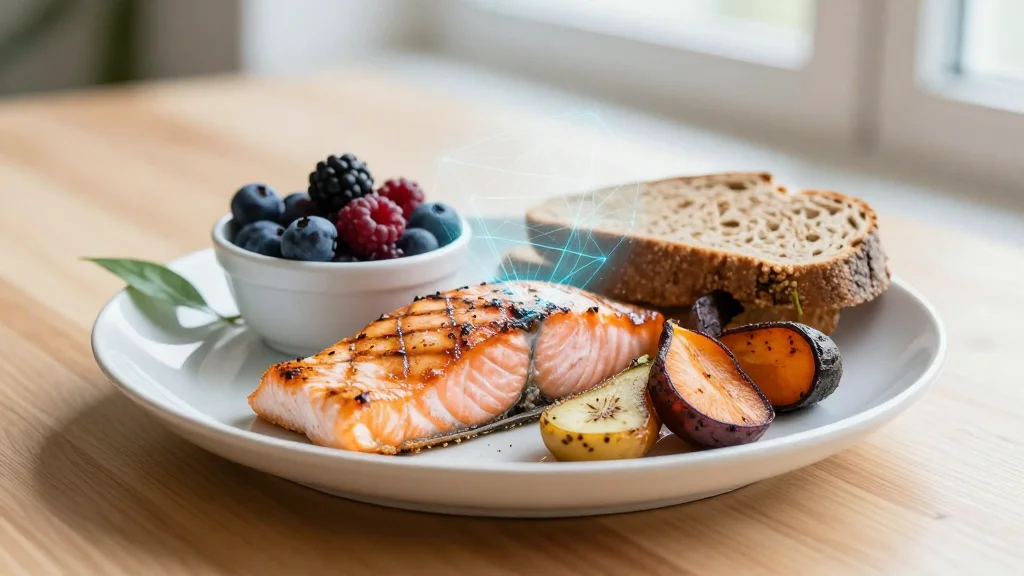
Optimizing Nursing Home Menus in Norway From a Sustainability and Nutritional Perspective
A Norwegian study used the AI‑driven tool EvoMeal to re‑arrange dinner menus in 24 nursing homes without altering recipes. The optimized menus aligned more closely with national dietary guidelines and cut carbon emissions by 36‑42% and water use by 29‑36%...

Adherence to Dietary and Physical Activity Guidelines and Influencing Factors Among Pregnant Women: A Cross-Sectional Study in China
A cross‑sectional survey of 327 pregnant women at Xiamen University’s Women and Children’s Hospital found moderate compliance with Chinese dietary and physical‑activity guidelines, with an overall adherence score of 59.78 out of 110 (≈54%). Dietary adherence averaged 52.7 / 100 points, while...

Can Processed Meats Fit Into a Healthy Diet?
A recent review in Animal Frontiers argues that processed meats provide high‑quality, complete protein and dense micronutrients, challenging blanket dietary restrictions. The authors note that protein digestibility and essential amino‑acid scores often exceed 100 %, while also highlighting the variability in...

Lower-Protein Toddler Formula Does Not Reduce BMI at Age 2, Trial Finds
A multicenter European randomized trial (ToMI) compared lower‑protein (1.5 g/100 kcal) and higher‑protein (6.1 g/100 kcal) toddler formulas in 1,624 children. At 24 months, BMI z‑scores were statistically indistinguishable between groups, indicating no sustained impact on adiposity. However, the high‑protein cohort recorded higher weight and...

Vitamin C Alleviates Aging in Cynomolgus Monkeys
Researchers introduced the term “ferro‑aging” to describe iron‑driven lipid peroxidation that accelerates cellular senescence. They showed that excess iron elevates ACSL4, boosting reactive oxygen species and aging markers in cells, mice and cynomolgus monkeys. A high‑throughput screen identified vitamin C as...

AG1 Reports Short‑term Micronutrient Gains, Targeted Microbiome Effects
A 2026 Frontiers in Nutrition study found that daily AG1 supplementation markedly improved micronutrient adequacy in trained adults, closing gaps in vitamins A, C and E without altering calorie intake. The formula also produced modest, targeted shifts in gut microbiota,...

3H Labs Research: Steamed Ginger Extract Supports Weight Loss
A randomized, double‑blind, placebo‑controlled trial of 80 overweight adults found that daily 480 mg of 3H Labs' steamed ginger extract, Zinoact, significantly reduced body weight, body‑fat percentage, and waist circumference over 12 weeks. The extract, standardized to high levels of 1‑dehydro‑6‑gingerdione, also...
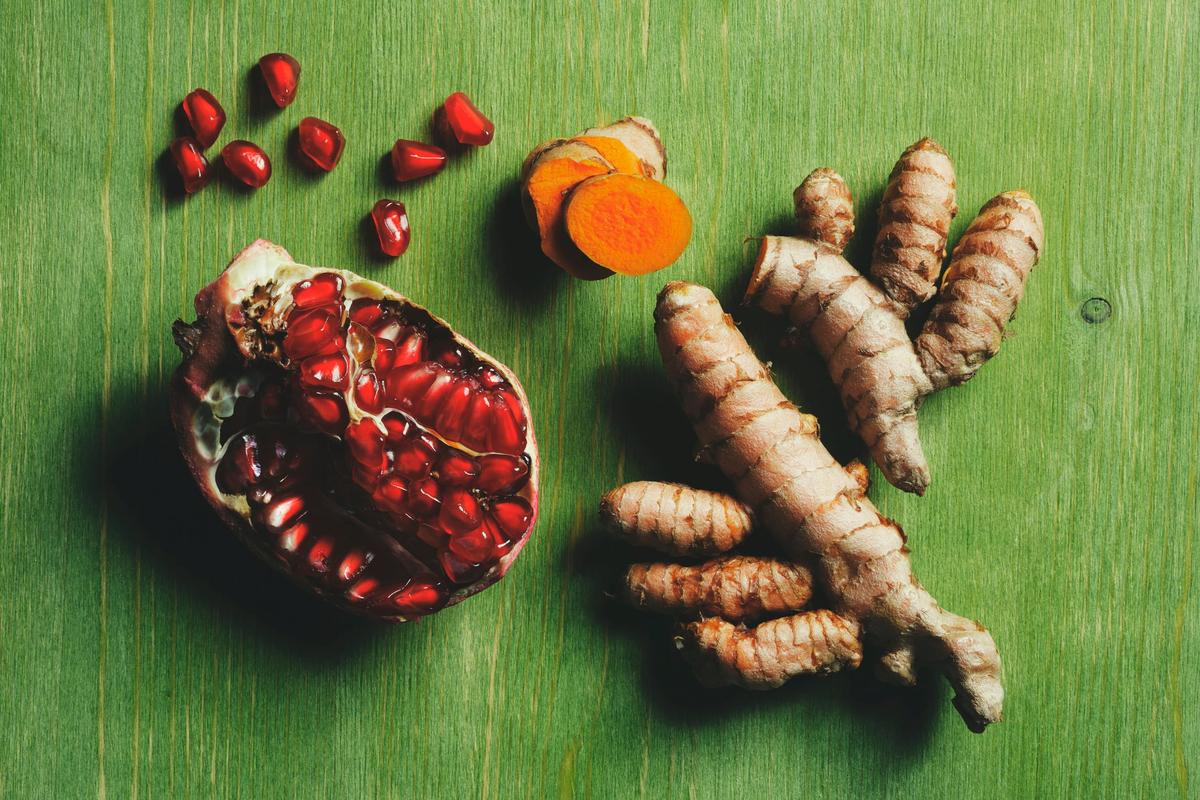
Phytochemical Blend Holds Promise for Exercise Recovery: Study
A randomized, double‑blind trial funded by VDF FutureCeuticals tested a 300 mg phytochemical blend—calcium fructoborate, turmeric (≥95% curcuminoids) and pomegranate (≥40% punicalagins)—against placebo in 24 active adults. Participants performed 150 drop jumps to induce muscle damage and were monitored for up...
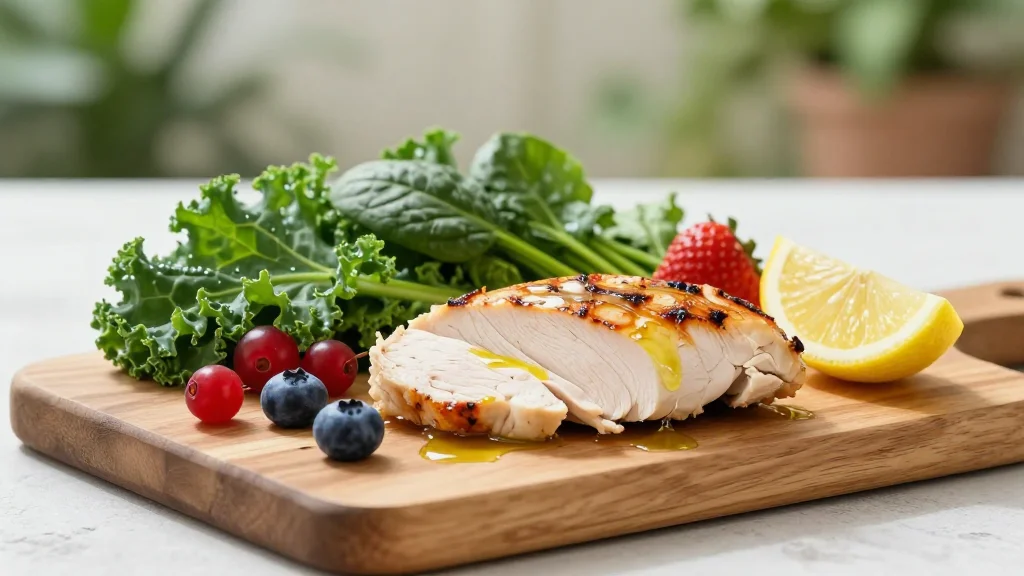
This Mediterranean‑style Diet Is Linked to a Slower Loss of Brain Volume as We Age
A recent analysis of the Framingham Heart Study found that seniors who closely follow the Mind diet – a hybrid of Mediterranean and DASH eating patterns – retain more grey‑matter and experience slower overall brain‑volume loss. The diet emphasizes vegetables,...

Researchers: Eating More Meat May Lower Alzheimer’s Risk—But Only for 1 Specific Group
Researchers at Karolinska Institutet and Stockholm University found that higher meat consumption was linked to a reduced risk of Alzheimer’s disease, but only among individuals carrying the APOE4 gene variant. The observational study suggests that APOE4 carriers may process meat‑derived...

A Comprehensive Multi-Evidence Framework for Network Pharmacology-Based Prediction of Dietary Flavonoid Effects
Researchers introduced a multi‑evidence network pharmacology framework that predicts therapeutic effects of dietary flavonoids by integrating protein‑protein, protein‑compound, and drug‑target data. The master network links 14 flavonoids to 17,869 human proteins and 1,496 FDA‑approved drugs, revealing that flavonoids engage roughly...

Editorial: Innovative Approaches to Nutrition Counseling in Pediatric Dietetics - Guidelines, Practices, and Future Directions
Recent research compiled in Frontiers' 2026 editorial highlights that pediatric nutrition counseling is evolving toward standardized, family‑centered, and technology‑enabled models. Studies show that rigorous documentation, frequent dietitian contact, and telehealth improve diagnostic accuracy and continuity of care, especially for infants...

Editorial: Nutrition for Sustainable Weight Management Post-Bariatric Surgery
The editorial introduces a Frontiers Nutrition research collection examining how nutrition, metabolic monitoring, and personalized care can sustain weight loss after metabolic bariatric surgery (MBS). It highlights four studies: a review advocating multimodal strategies—including diet, GLP‑1 agonists, and revisional procedures—to...

Beef Is Making a Comeback – Does It Fit Into a Healthy Diet?
The USDA’s 2026 dietary guidelines have moved beef to the centerpiece of the food pyramid, signaling a major policy shift after decades of urging Americans to limit red meat. Consumption of beef is climbing in the United States, buoyed by...
:max_bytes(150000):strip_icc():format(jpeg)/best-protein-GettyImages-1446068333-ba2a6c5b173b4e929f53d716a54974af.jpg)
The 11 Best Sources of Protein, According to Nutrition Experts
Nutrition expert Kathleen Garcia‑Benson outlines eleven top protein sources, spanning lean animal options like chicken and fish to plant‑based powerhouses such as soybeans, tofu, and nuts. The article emphasizes complete proteins—those containing all nine essential amino acids—and provides specific protein...

B12 Supplements for Pregnant Vegetarians May Boost Infant Neurodevelopment: RCT
A double‑blind RCT called MATCOBIND enrolled 531 predominantly vegetarian pregnant women in India and Nepal. Participants received either 250 µg or 50 µg of vitamin B12 daily from the first trimester through six months postpartum. Infants whose mothers took the higher dose showed...
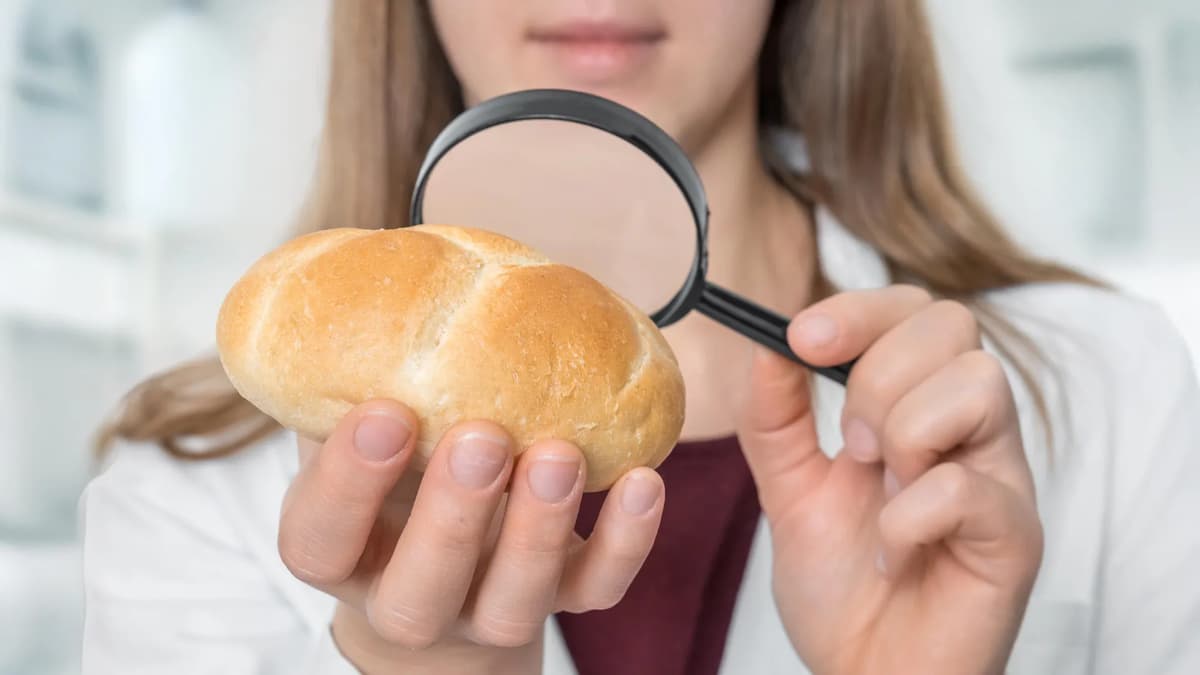
Scientists Discover Why Bread Can Cause Weight Gain without Extra Calories
A new study from Osaka Metropolitan University shows that mice will abandon standard chow for carbohydrate‑rich foods like bread, wheat and rice flour, gaining weight without increasing total calories. The weight gain was linked to a reduction in energy expenditure...

Fortified Milk Drink Shows Promise for Preschool Brain Development
A nine‑month cluster‑randomized trial gave 120 preschoolers a multi‑nutrient fortified milk versus standard milk. The fortified formula, containing DHA, ARA, probiotics, prebiotics, vitamins and minerals, did not raise full‑scale IQ but boosted the Processing Speed Index. Participants also showed increased...

A Fitness Editor’s 5 Favorite Hacks To Boost Protein At Every Meal
Fitness editor Talene Appleton outlines five practical hacks to boost protein at every meal, ranging from chia seeds and hemp hearts to protein powder and tinned fish. Each tip emphasizes easy, low‑cost additions that can be layered into breakfast, lunch,...
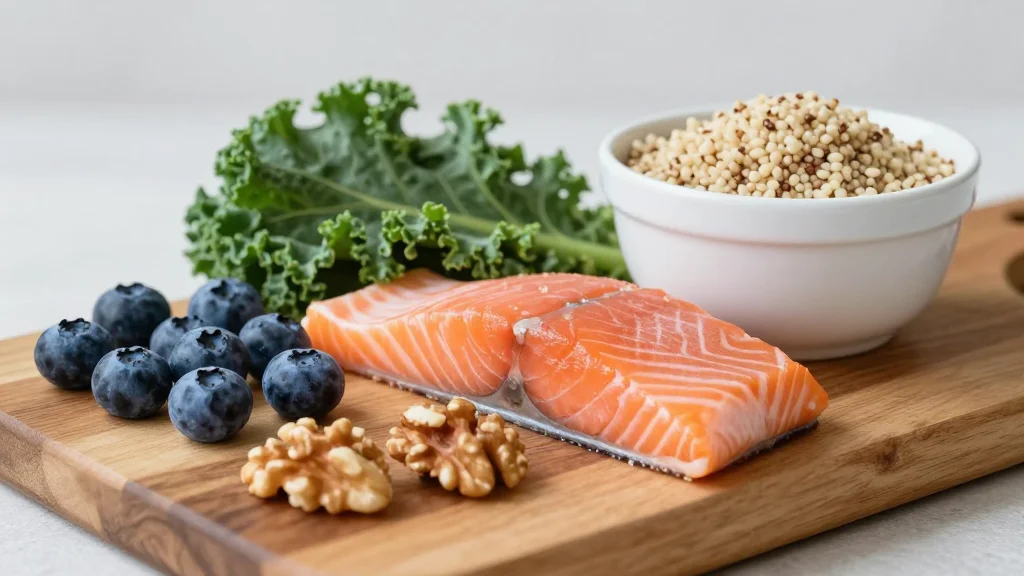
The Best Brain Foods for Better Memory and Function
A Cleveland Clinic specialist outlines specific foods that can boost memory and slow age‑related brain decline, citing strong evidence for omega‑3‑rich fish, antioxidant‑dense berries, whole grains, leafy greens, and walnuts. The article notes that up to 40% of dementia cases...
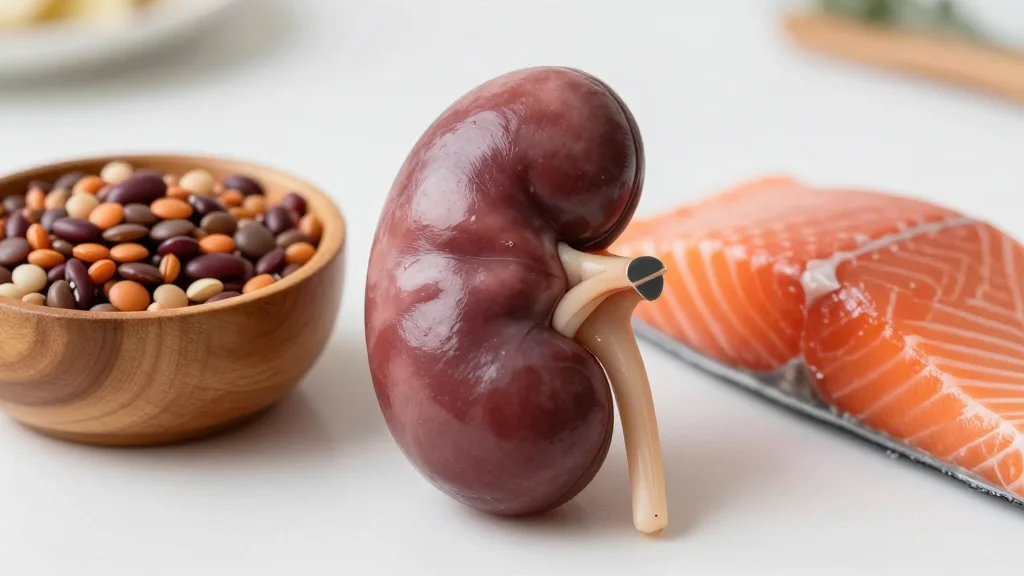
Can Eating Too Much Protein Hurt Your Kidneys?
High‑protein diets are booming, and the 2025‑2030 Dietary Guidelines for Americans have raised the recommended intake to 1.2‑1.6 grams per kilogram of body weight. Nephrologist Juan Calle explains that excess protein forces the kidneys to filter more waste, acids, and oxidative...

Ditch Bananas For This Hydrating Liquid Containing 600 Mg Of Potassium
Coconut water delivers up to 690 mg of potassium per cup, surpassing the roughly 450 mg found in a medium banana. The beverage is positioned as a convenient electrolyte source for post‑exercise recovery, offering a natural alternative to traditional sports drinks. Health...