Today's Parenting Pulse

Hair samples reveal oxytocin link to mother‑child bond
Researchers published in European Neuropsychopharmacology found that chronic oxytocin levels measured from three‑centimeter hair segments can serve as a biomarker of the emotional quality of mother‑child relationships. The analysis captured hormone exposure over the prior three months and showed children’s oxytocin concentrations were nearly double those of their mothers.

Study Shows Parental Depression, Not Antidepressants, Drives Autism Risk
Researchers at the University of Hong Kong examined more than 25 million pregnancies and 37 studies, concluding that parental depression—not prenatal antidepressant use—is the main factor behind increased autism and ADHD diagnoses in children. The findings, published in The Lancet, shift the focus from medication safety to mental‑health support for expectant parents.
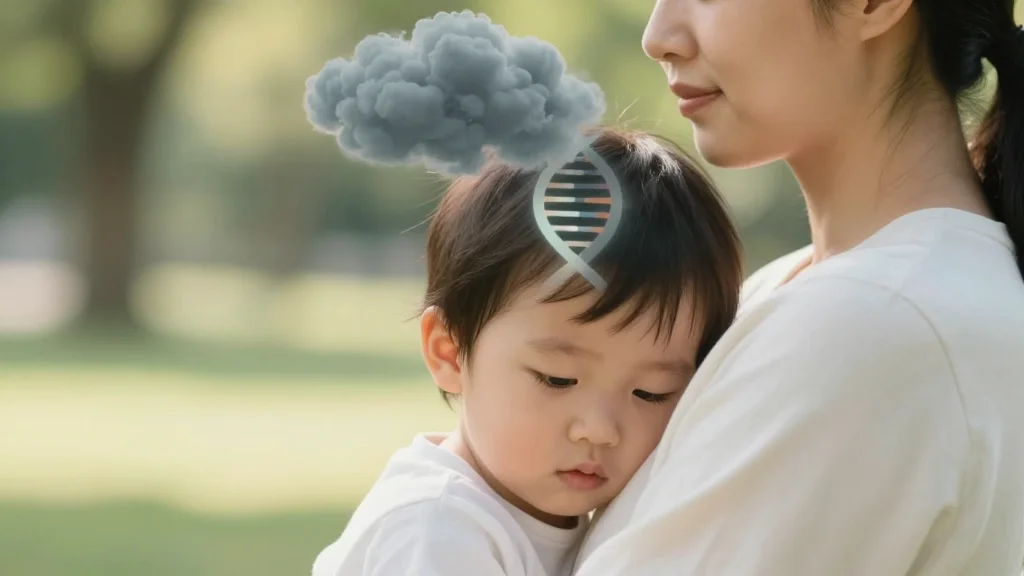
Machine Learning Links Childhood Trauma to Heightened Genetic Risk for Depression
Yue Hua and colleagues at Yale University applied a random‑forest algorithm to 38,018 UK Biobank participants and uncovered 8,225 gene‑environment interaction pairs that reveal childhood trauma dramatically magnifies genetic susceptibility to depression. The finding reshapes how parents, clinicians, and policymakers...
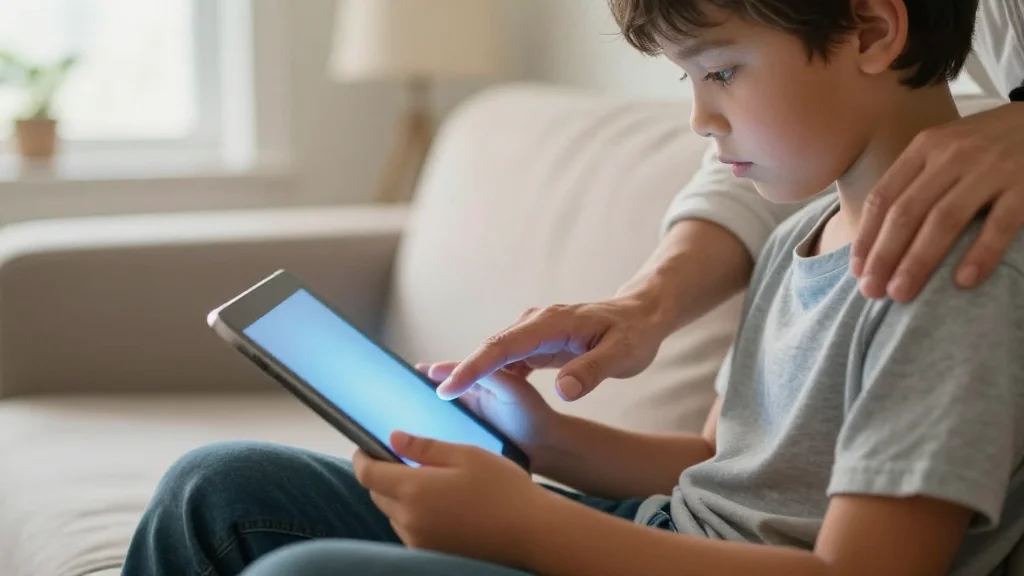
Study Finds Hidden Online Harms Drive Youth Mental Health Struggles
Researchers at the Child Mind Institute reported that more than 25% of 1,009 children aged 9‑15 experienced negative online incidents, yet only 20% used platform reporting tools. The findings highlight a reporting gap that threatens mental‑health outcomes and calls for...

A Free-Range Childhood Is Key to Civic Infrastructure
The Institute for Family Studies reports that nearly 60% of U.S. 17‑year‑olds cannot roam unsupervised, and only 1% of nine‑year‑olds have that freedom. Walk‑to‑school rates have fallen from about half of children in 1969 to roughly one in ten by...

Study Shows Over 50% of U.S. Teens Use Phones Overnight, Cutting Sleep Hours
A recent study reveals that over 50% of American teenagers keep their phones on for at least an hour after lights‑out on school nights, trimming the recommended 8‑10 hours of sleep. Health experts warn the trend threatens cognitive, emotional and...

ASU Researchers Unveil Urine Test Detecting Autism Risk with 90% Sensitivity
Arizona State University scientists have created a urine‑based screening tool that distinguishes children with autism from typically developing peers with 90% sensitivity and 100% specificity. The test, called the Microbially‑Derived Metabolite (MDM) System, could give parents and clinicians a faster...

I Thought Focusing on Grades Would Push My Son Harder. It Crushed His Confidence Instead.
A mother recognized that her obsession with grades was eroding her son’s confidence. By shifting the focus to reading behavioral comments first on report cards, she created a supportive, low‑stress environment that reduced anxiety. The new routine, now used with...
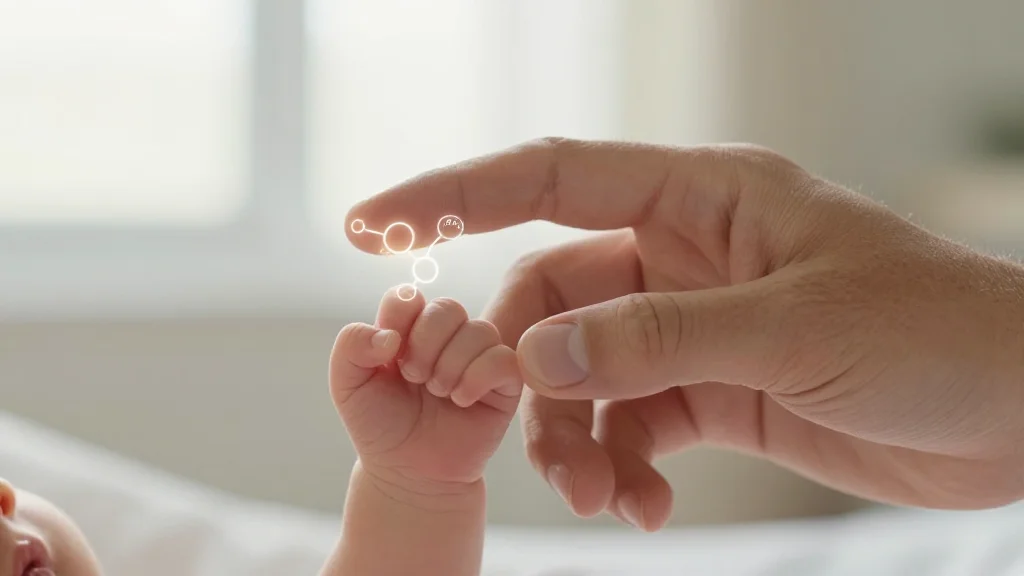
Study Finds Paternal Pre‑Conception Stress Alters Offspring Growth via Sperm Molecule
Researchers at the University of Colorado Anschutz have published a study in iScience showing that stress experienced by fathers before conception raises levels of the let‑7f‑5p molecule in sperm, leading to larger body size and longer bones in male offspring....

Kaspersky Study Finds Sharenting Lowers Parents' Digital Safety Motivation
Kaspersky and the Singapore Institute of Technology released a survey of 152 parents across APAC and Egypt showing that frequent "sharenting" correlates with a drop in motivation to adopt digital‑safety measures. The findings highlight a behavioral gap where greater online...

Supporting Neurodivergent Children During Summer Break
The article highlights how the abrupt loss of school routines and therapeutic support during summer can increase anxiety and meltdowns for neurodivergent children. It recommends maintaining loose daily structure, visual schedules, consistent sleep and meals, and sensory-friendly breaks. The piece...

Wells Fargo Study Shows 72% of Parents Use Cash to Motivate Grades
Wells Fargo’s latest survey reveals that 72% of parents hand out money to reward academic achievement, making cash the top incentive for school performance. The findings, based on 1,500 U.S. parents, highlight a growing reliance on financial rewards to shape...

2026 National Parent Survey Finds Time and Flexibility Top Priorities for Young Families
The New Practice Lab released findings from the 2026 National Parent Survey, the largest point‑in‑time nongovernmental poll of U.S. parents with children under six. Respondents—nearly 5,500 in total, including 3,000 low‑income parents—said they most want more time, flexible schedules and...

Study Finds Rapid Brain Changes in New Fathers Within First Six Weeks
Researchers tracked 25 fathers from birth to six months postpartum and discovered the most pronounced brain changes occur in the first six weeks. MRI scans revealed early gray‑matter reductions followed by selective growth, signaling a critical window for paternal neuroplasticity.
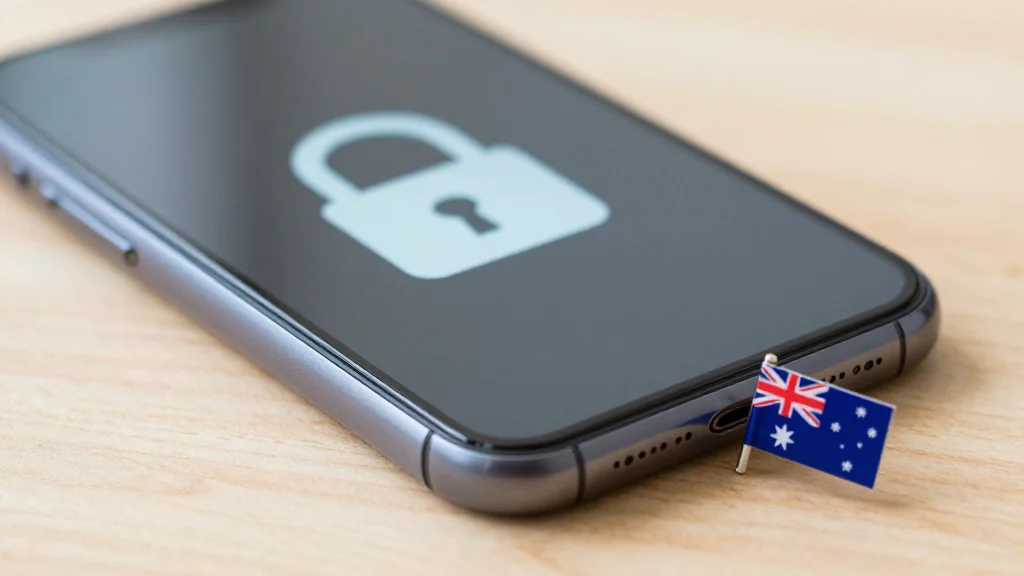
Australia’s Under‑16 Social Media Ban Falters as 75% of Teens Defy Rule
Australia’s nationwide ban on social‑media use for anyone under 16, enacted in December 2025, is seeing only about 25% compliance among 14‑ and 15‑year‑olds. Researchers say peer pressure and the lack of penalties are driving the low adherence, sparking debate...

Marlon Wayans Shares Trans Son Lessons While Defending Dave Chappelle Friendship
Comedian Marlon Wayans told Variety he learned “true unconditional love” from supporting his transgender son Kai and reiterated his commitment to protect his children. He also defended his longtime friend Dave Chappelle, saying the comedian’s jokes are not driven by...
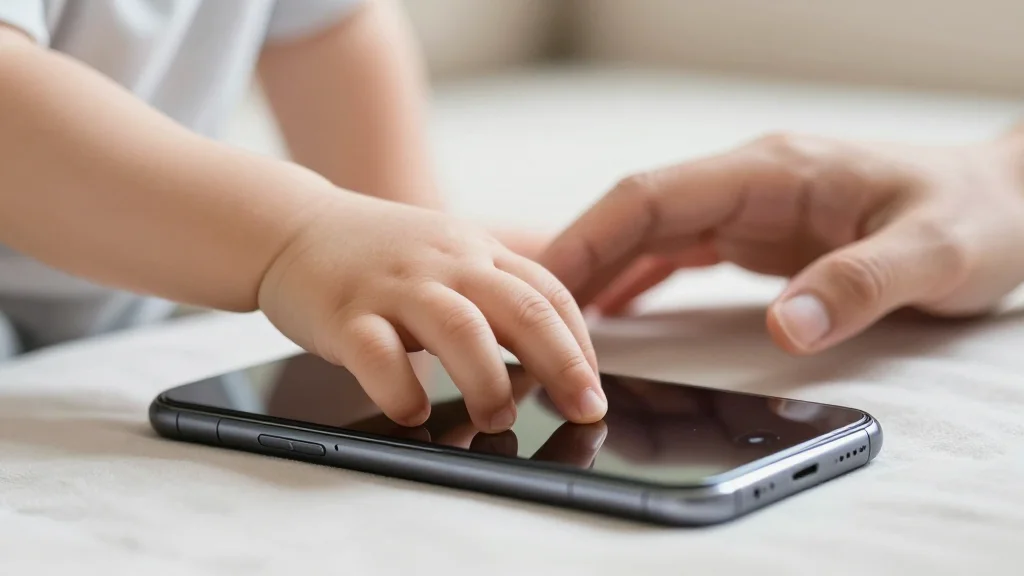
South Australia Rolls Out $6.5 Million 'Wait Mate' Pledge to Curb Schoolchildren’s Phone Use
Education Minister Lucy Hood announced a $6.5 million state‑backed "Wait Mate" pledge, asking parents to postpone giving primary‑school children smartphones until at least year 8. More than 1,600 families from 227 schools have already signed the online commitment, part of a broader...
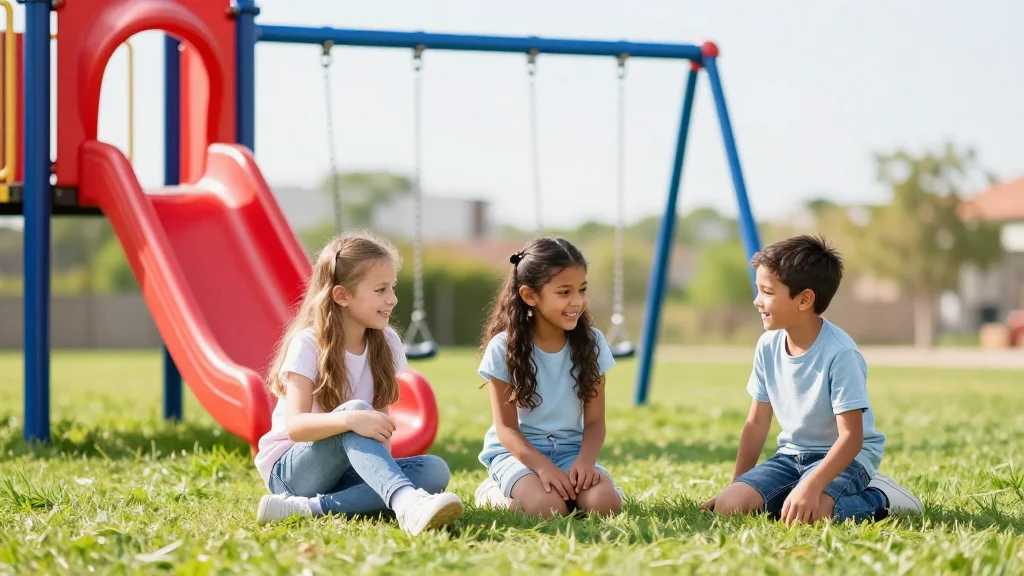
AAP Calls for Minimum 20‑Minute Daily Recess, Declares Play a Health Necessity
The American Academy of Pediatrics released updated guidelines that require schools to provide a minimum of 20 minutes of daily recess for all elementary‑age children, framing unstructured play as a health necessity rather than a privilege. Pediatric experts say the...

What To Do When Your Teen Replaces You With A Chatbot
A growing number of adolescents are turning to AI chatbots for homework, entertainment, and emotional support, often preferring them over parents. A recent Girl Scouts of the USA survey found half of girls aged 5‑13 view AI as superior for...

TikTok Unveils Family Digital Check-In Guide for Singapore Parents
TikTok launched its Family Digital Check-In Guide on May 25, providing Singaporean families with a printable toolkit, mobile quiz and safety resources. Developed with TOUCH Cyber Wellness, the guide aligns with the nation’s Digital for Life strategy and includes upcoming...
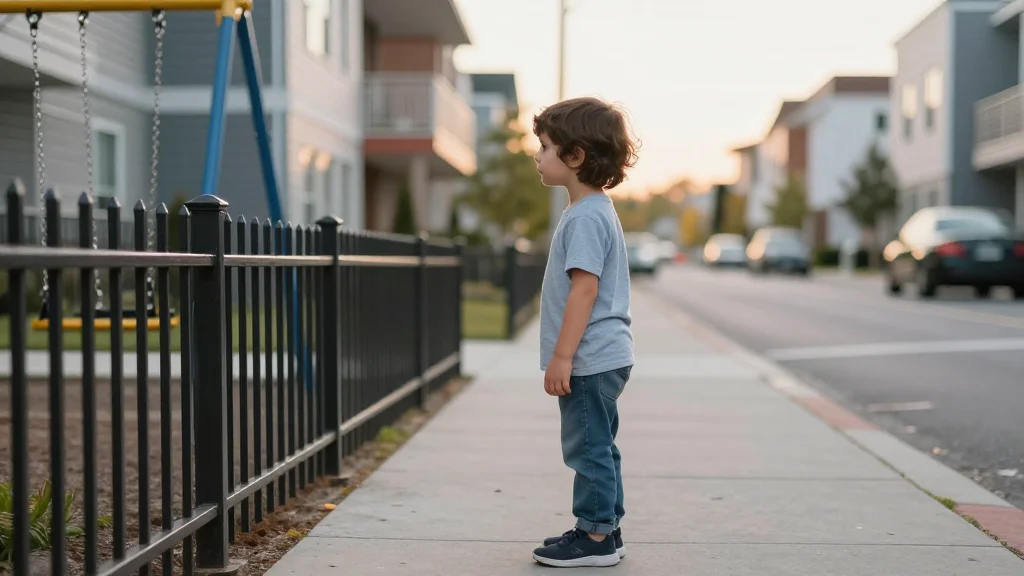
Study Links Urban Design to Declining Play Opportunities for Children
A recent study published on phys.org and echoed in a Brandon Sun opinion piece finds that urban design and resource allocation are curtailing children's independent play. Researchers highlight traffic, dense housing, and safety concerns as key barriers, prompting calls for...
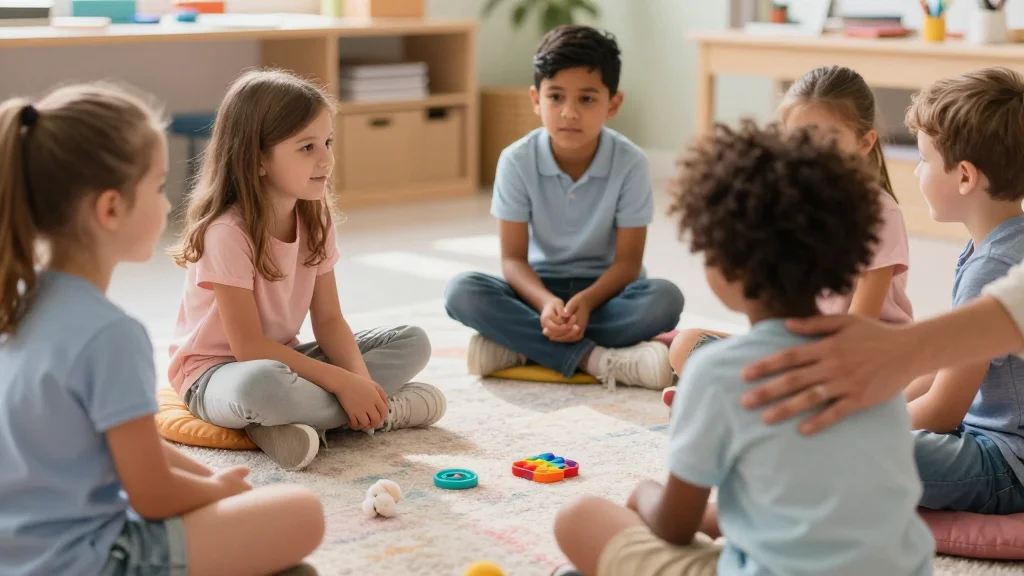
Educators and Parents Push for Emotionally Safe Classrooms for Neurodiverse Children
SOULution Nest Education Initiative hosted a Zoom masterclass titled “Beyond the Cane and the Command,” gathering educators, psychologists and parents to demand emotionally safe classrooms for neurodiverse children. Speakers argued that fear‑based discipline hampers learning and called for empathy‑driven practices....
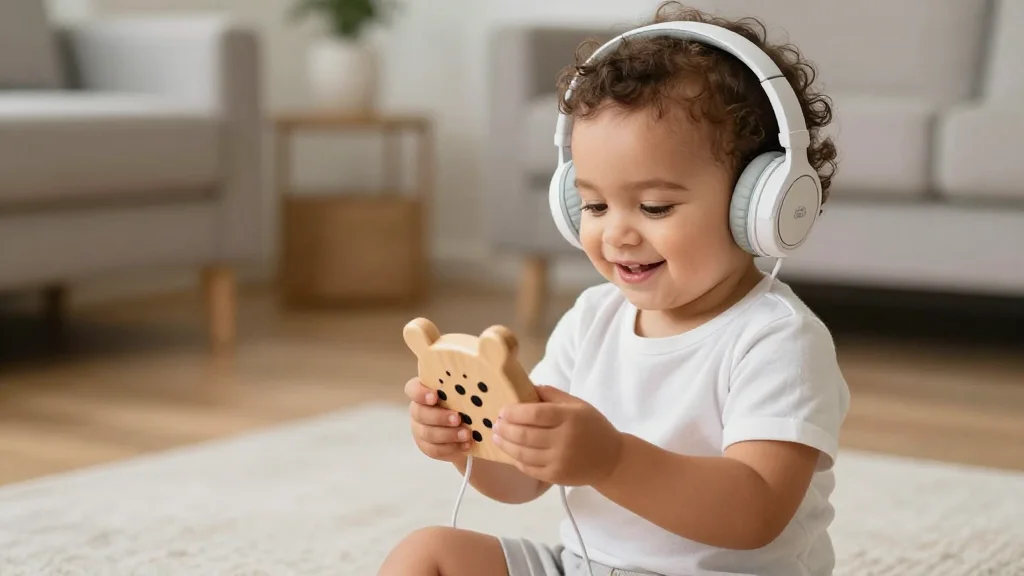
Parents Swap Screens for Audio‑Only Toys as Market Hits $860 Million
Parents across Europe and Asia are replacing tablets and phones with audio‑only toys such as Yoto and Tonies. The shift is reflected in Tonies' €630 million ($731 million) 2025 revenue and Yoto's £95 million ($128 million) 2024 sales, signaling a rapid market expansion for...

Times of India Guides Parents on Building Resilience and Adaptability in Kids
The Times of India’s Lifestyle Desk released a guide outlining daily practices that help parents foster adaptability and resilience in young children. The piece stresses emotional safety, measured frustration, and effort‑focused praise as core tactics, arguing that these habits lay...
Indian Overcontrol Habit Undermines Child Confidence
The Times of India reports that a pervasive Indian parenting habit—overcontrolling children under the banner of love—is eroding their self‑esteem. The practice, rooted in fear and cultural expectations, turns protective guidance into micromanagement, leaving children hesitant and dependent.

Care Struggles Motivate Formation of Village
After discovering their newborn had a rare genetic condition, Brandon Terry and his wife struggled for two years to assemble a fragmented network of speech, occupational and physical therapists. The experience inspired them to launch Village, a Culver City‑based health‑tech...

Victoria Mom Battles $30,000 Service Dog Cost for Neurodivergent Son
Victoria single mother Nicole Bengtsson is confronting a $20,000‑$40,000 price barrier and long waitlists to obtain a service dog for her son Cory Parker, who lives with autism and multiple mental‑health conditions. The family has launched a GoFundMe campaign as...

Nevada Homeschooling Surge Driven by Pandemic Fatigue and Flexible Learning
Nevada school districts reported a jump in homeschooling notices, with annual filings now exceeding pre‑COVID levels, according to a Johns Hopkins study. Parents say disillusionment with remote learning, crowded classrooms and a desire for more family time are fueling the...

Elevation Church Maryland Hosts 'Parenting Without Borders' Seminar
Elevation Church Maryland convened a diverse audience of parents, educators and officials for the "Parenting Without Borders" seminar, urging families to adopt intentional, godly parenting practices in a fast‑changing digital era. The event highlighted the church’s role in addressing modern...

Soccer Teammates Push Pink Jersey, Sparking Parental Debate on Gender Norms
A father of a youth soccer goalie is grappling with his son’s decision to abandon a pink jersey after teammates teased him. The incident underscores how peer pressure enforces narrow gender expectations, prompting parents to rethink how they address color,...

I Have a Background in Child Development, yet I Still Make Mistakes. It Took Time to Let Go when My...
A mother with a child‑development background struggled when her daughter left for college, despite expecting a smoother transition. She initially responded with clingy texts and constant check‑ins, which heightened the distance. After recognizing that independence is a core developmental need,...
Science-Backed Parenting Tactics to Strengthen Kids' Confidence
A Times of India feature outlines five evidence-based practices that help parents nurture confidence in children, from responsive warmth to structured routines and autonomy. The guidance draws on APA, Stanford, and CDC research, showing how everyday interactions shape a child's...

Health Visitor's Three‑Step Apology Method Gains Traction on TikTok
Health visitor Ruth, known on TikTok as @aheathvisitor, has urged parents to stop forcing children to apologise on command and introduced a three‑step method for genuine apologies. The video has sparked a lively debate among parents, with many reporting calmer...
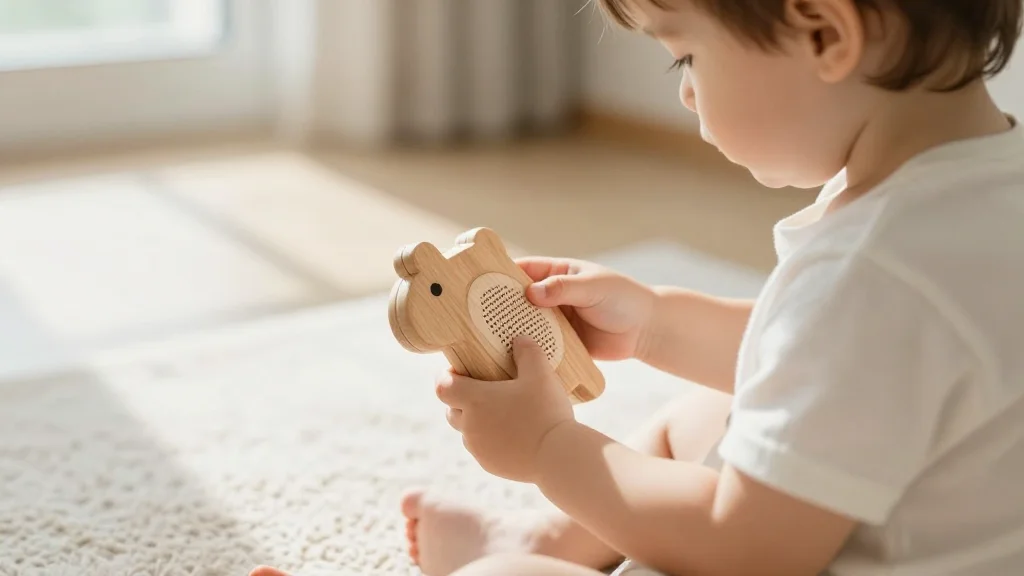
Audio-Only Toys Surge as Parents Shun Screens, Driving €630M Revenue for Tonies
Parents seeking to limit screen exposure are increasingly buying audio‑only toys such as Tonies and Yoto. The German market leader Tonies posted €630 million ($731 million) in 2025 revenue, while Yoto reported just under £95 million ($128 million) for 2024. The trend reflects growing...

How Making Children Laugh Can Help Brains Become More Resilient to Struggle and Open to Learning
Dr. Jacqueline Harding, director of Tomorrow’s Child, argues that laughter is a biologically powerful tool that reshapes young brains, lowering stress hormones while boosting dopamine, serotonin and oxytocin. Her new book, The Brain That Loves to Laugh, synthesizes neuroimaging, psychology and...

To Help Young Kids Handle Big Emotions, Adults Must Look Inward
Former early‑childhood teacher Alyssa Blask Campbell co‑authored "Tiny Humans, Big Emotions" and created the Collaborative Emotion Processing (CEP) framework to help adults support children’s big feelings. CEP shifts focus from punitive discipline to co‑regulation, viewing behavior as nervous‑system communication. The...
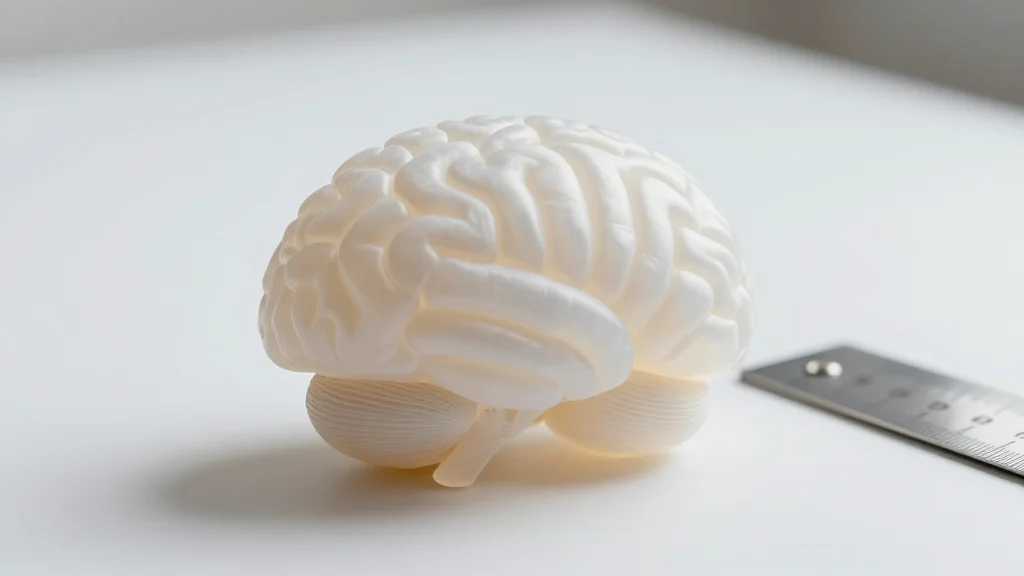
Brain Scans Reveal Which Kids' ADHD Will Fade or Persist
Researchers led by Qiang Luo examined brain scans of 7,436 youths and identified distinct cortical thinning patterns that predict whether ADHD symptoms will fade, stay the same, or intensify. The findings could give parents clearer expectations and guide long‑term treatment...

Vanderbilt Study Cuts Child Development Tests to Eight Minutes Across Four Skill Areas
Vanderbilt professor Jonathan Seiden introduced a human‑centered framework that reduces the International Development and Early Learning Assessment (IDELA) to an eight‑minute short form covering four skill domains. The approach balances reliability with validity, offering a scalable tool for low‑resource settings...

Feel the Magic Rolls Out Free Grief‑Support Program for Bereaved Kids Across Australia
Feel the Magic, an Australian charity, launched a free early‑intervention program that teaches children under 18 how to navigate grief after the loss of a parent, guardian or sibling. The service combines emotional‑regulation skills, games and peer connection, reaching families...
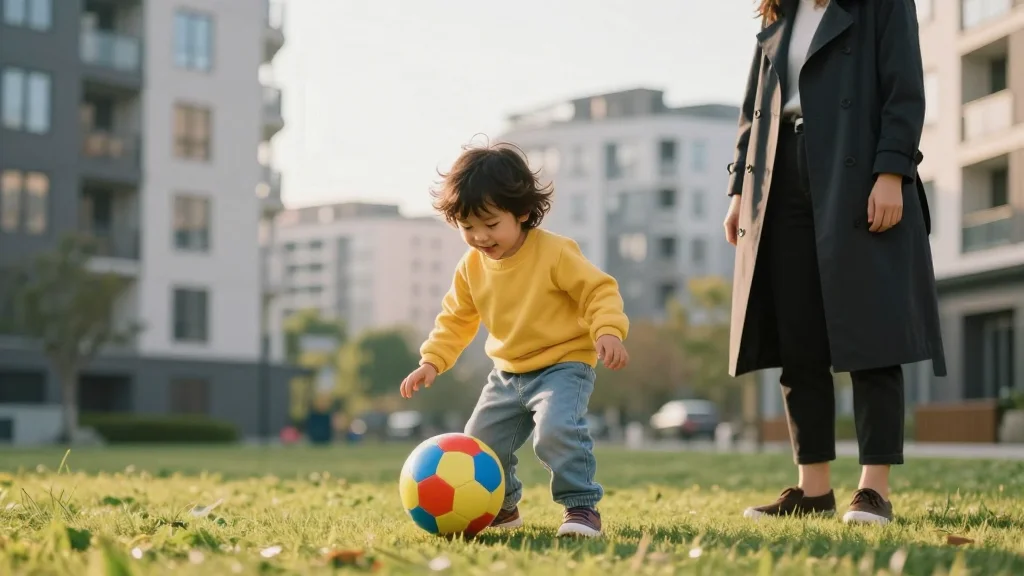
Kids Need to Play — and How Cities Are Designed and Resourced Affects Their Access
Decades of research confirm that early‑child play drives mental health, cognitive and social gains, yet urban pressures are eroding everyday access. Traffic, dense housing, safety concerns and uneven resource distribution limit spontaneous outdoor play, especially for marginalized families. Structured programs...

Study Finds Over Half of Singapore’s 8‑Year‑Olds Have Used AI, ChatGPT Leads
More than half of eight‑year‑old children in Singapore have used artificial‑intelligence tools, according to a study presented at the Population Association of Singapore’s annual conference. The research, led by A*STAR and NUS scientists, highlights rapid uptake of ChatGPT and raises...

Experts Warn Surge in ADHD Diagnoses May Lead to Over‑Medication of Children
Researchers behind the new book *States of Mind* warn that ADHD diagnoses in Western schools have surged dramatically, often leading to unnecessary medication. They argue the current checklist‑based system pathologises normal childhood behaviour and that systemic changes, not drugs, are...
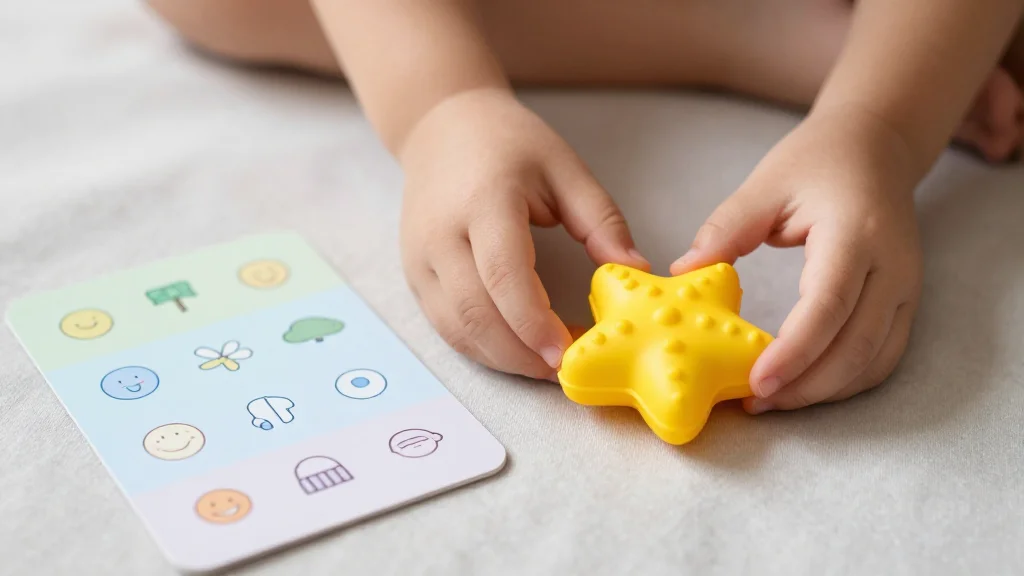
Singapore Launches Inclusion Toolkit to Help Preschool Teachers Tackle Tantrums
NTUC First Campus introduced the Inclusion Toolkit on May 22, a handbook plus fidget toys and visual cue cards designed to help Singapore preschool teachers manage tantrums and restlessness. The rollout will reach 186 centres and 30,000 children, with wider...

Four Tips to Keep Teens Calm This Summer
Summer break is already here for many and rapidly approaching for the rest. As a pediatric psychologist and mom to teens, here are my top 4 recommendations to maintain your calm and your teen's regulation ⤵️

Parents of Intersex Babies Navigate Uncertain Medical Pathways
Cindy Howard and Max Wilson faced a bewildering diagnosis when their newborn, Zebb, was identified as intersex. With doctors leaving the sex assignment decision to them and offering no clear surgical plan, the couple’s experience underscores the scarcity of guidance...
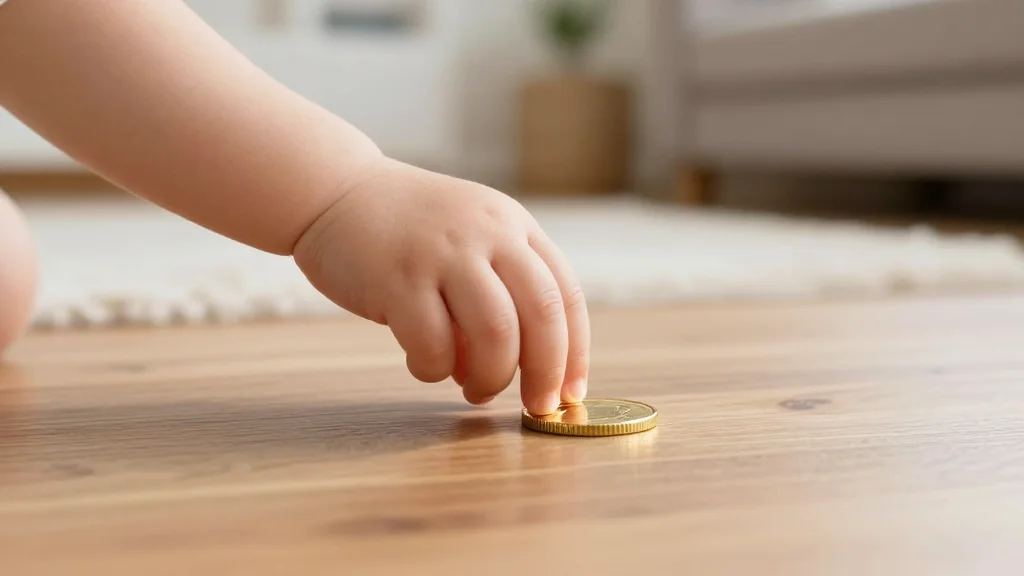
I Taught My 3-Year-Old to Dress Herself. She's Now a Confident and Outgoing 5-Year-Old.
The author taught her 3‑year‑old daughter to dress, brush teeth, and handle basic tasks before the arrival of a second child. Over 15 months the child mastered self‑dressing, personal hygiene, and snack preparation, freeing the parents during newborn care. By...

Singapore Reintroduces Sand Playgrounds and Swings to Boost Child Development
Singapore's Housing Development Board is installing sand‑filled play areas and traditional swings in upcoming BTO estates at Mount Pleasant Crest, Woodlands and Bishan. The move follows new national guidelines that prioritize developmental benefits of unstructured, tactile play for children.

Australia's Under‑16 Social Media Ban Falters as 75% Teens Defy Rule
Australia became the first nation to prohibit anyone under 16 from using major social‑media platforms in December 2025. A new NBER working paper shows roughly 75% of 14‑ to 15‑year‑olds are not complying, highlighting the power of peer norms over...

Study Finds Emotional Intelligence Beats Grades in Shaping Kids' Futures
The Times of India published a feature highlighting that emotional intelligence outweighs academic scores in child development. The piece argues that fathers who nurture emotional skills give children a stronger foundation for resilience, relationships, and lifelong achievement.
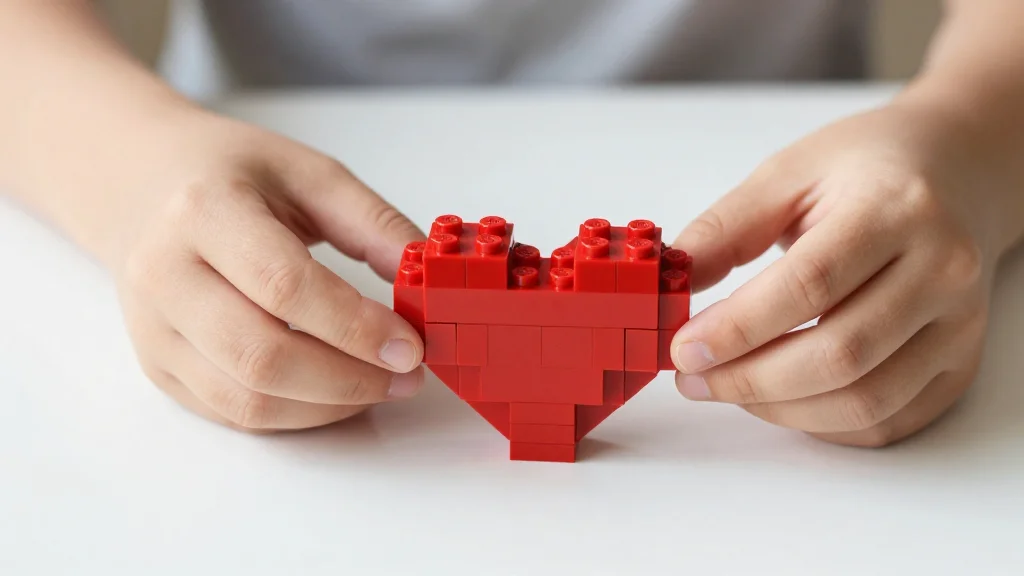
LEGO Relaunches 'Build Big Feelings' Program, Backed by Research Linking Play to Emotional Growth
The LEGO Group announced the 2026 relaunch of its Build Big Feelings program, a guided‑play activity designed to help children articulate emotions. The rollout is supported by recent research showing that open‑ended LEGO play improves emotional expression and future‑oriented cognition, with 88%...
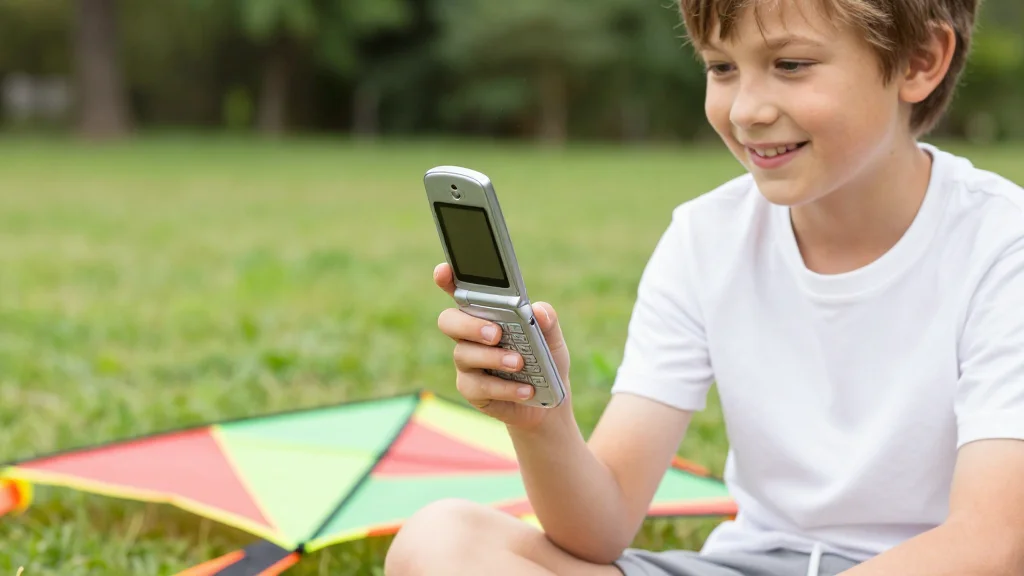
Gen Alpha Turns Off the Internet, Embracing Dumb Phones and Analog Play
Super Duper’s Michelle Bryanton says Gen Alpha is abandoning smartphones in favor of dumb phones and offline hobbies, a shift that signals deep digital fatigue. The trend challenges brands that still treat them like younger Gen Z and forces parents...