
Drug Trials Snapshot: NUZOLVENCE
Entasis Therapeutics received FDA approval on Dec 12 2025 for NUZOLVENCE, a single‑dose oral granule treatment for uncomplicated urogenital gonorrhea in patients aged 12 and older. The approval is based on a phase 3, open‑label, non‑inferiority trial of 930 participants across five countries, comparing a 3 g dose of NUZOLVENCE to ceftriaxone + azithromycin. NUZOLVENCE achieved a 90.9% microbiological cure rate, slightly lower than the 96.2% cure observed with the standard injectable regimen. Common adverse events included headache and neutropenia, with specific reproductive safety warnings.
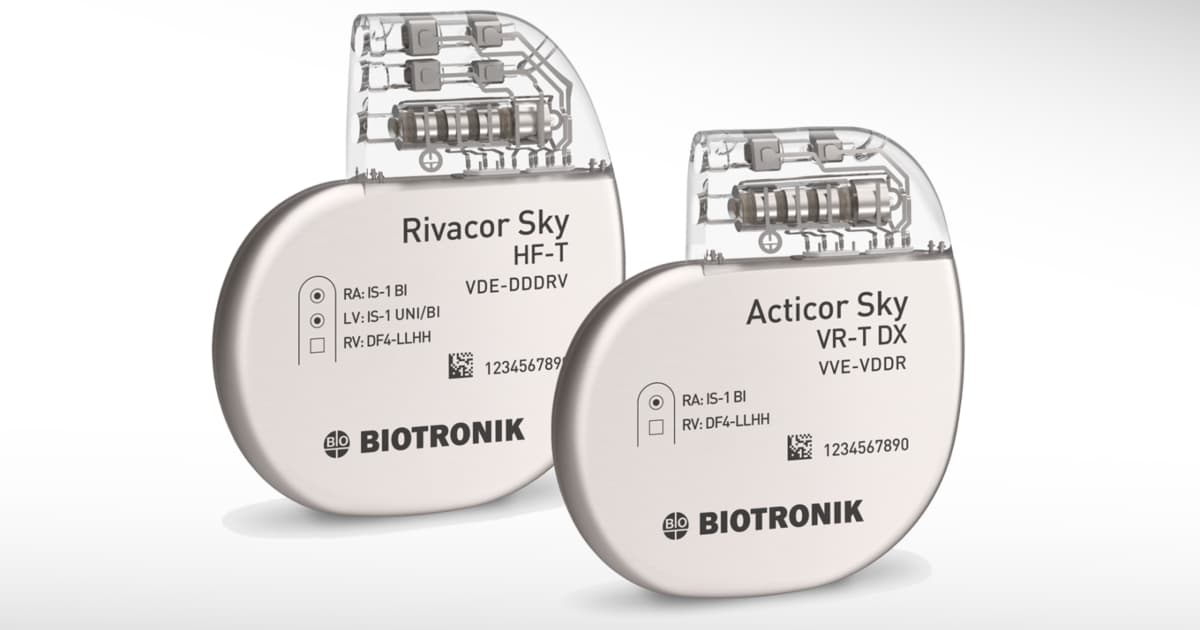
FDA Approves 2 Implantable Heart Devices From Biotronik
The FDA has cleared Biotronik’s Acticor Sky and Rivacor Sky implantable cardioverter‑defibrillator (ICD) and cardiac resynchronization therapy defibrillator (CRT‑D) systems, set to launch at the Heart Rhythm Society 2026 meeting. The devices introduce left bundle branch area pacing, single‑lead DX atrial sensing,...
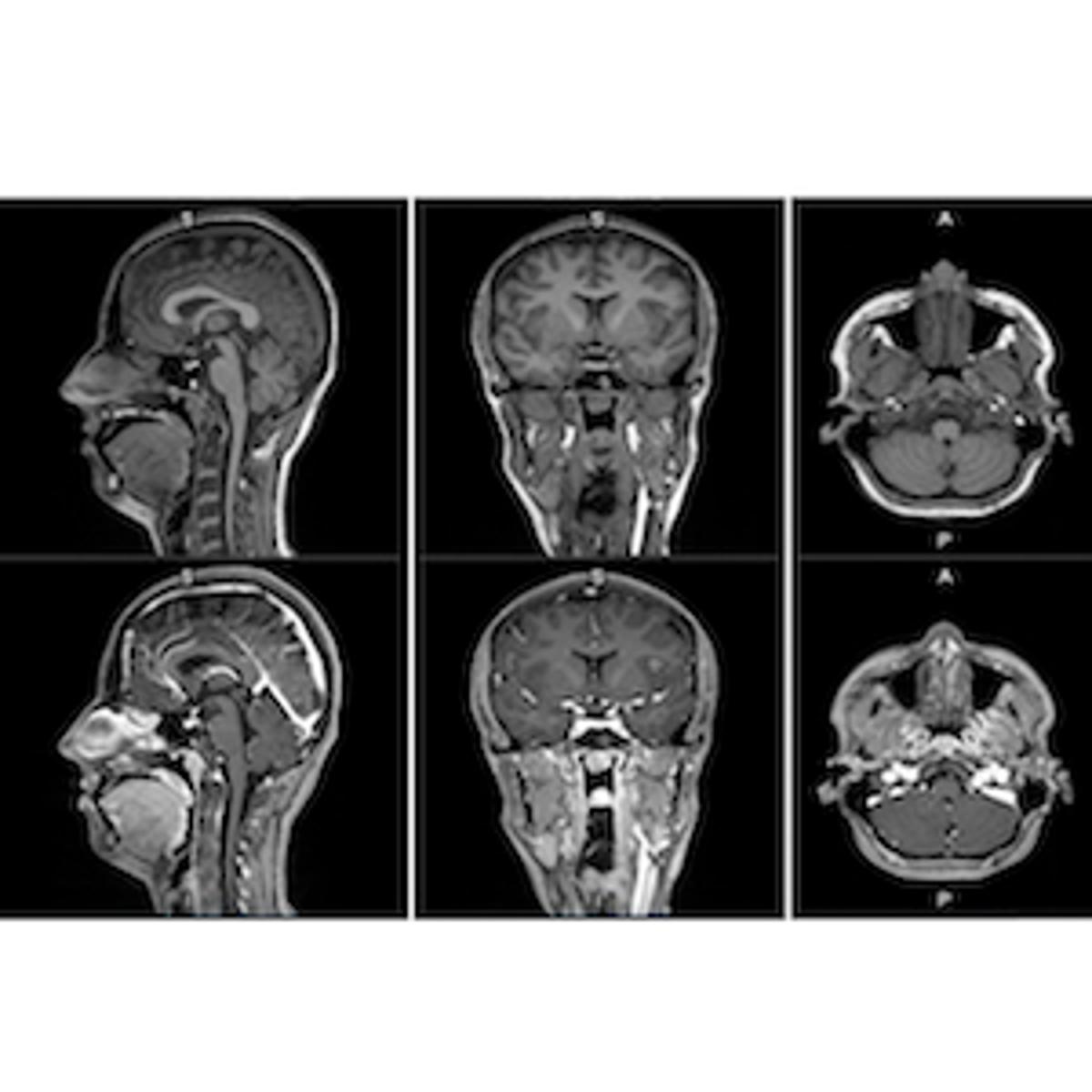
GE HealthCare: First Patient Dosed in Trial for Manganese-Based MRI Contrast Agent
GE HealthCare announced that the first patient was dosed in the international Phase 2/3 LUMINA trial of its manganese‑based MRI contrast agent, mangaciclanol, at the Mayo Clinic. The agent has earned FDA Fast Track designation for adults and children aged two...

CERN’s Medipix3 Technology on Track to Help More Patients
Medipix3, a hybrid pixel detector technology originally created at CERN, now powers MARS Bioimaging’s portable photon‑counting CT scanner for upper‑limb imaging. The scanner received FDA 510(k) clearance, allowing it to enter the U.S. health market and expand clinical adoption. Photon‑counting...

Tech Giants Converge on AI‑Biology at SynBioBeta 2026
Silicon Valley's biggest tech players aren't just watching synthetic biology from a distance. They're showing up in person. This year at @SynBioBeta 2026, delegations from @Amazon, @Google, @Apple, @OpenAI, @Anthropic, @NVIDIA, and others are coming to San Jose to see what's...

Zotatifin
Effector Therapeutics and Switzerland’s SJP Biotec have entered Phase 2 trials of zotatifin, an intravenous eIF4A inhibitor, in selected advanced solid tumors. The study targets cancers such as breast, lung and pancreatic that rely heavily on dysregulated protein translation. Early Phase 1...

BBOT Shakes up Leadership as RAS Competitors Get More Visibility
BridgeBio Oncology Therapeutics (BBOT) dismissed CEO Eli Wallace and promoted CSO Pedro Beltrán to chief executive as the board seeks faster progress on its RAS‑focused pipeline. Shares, already down 18% to $8.76, slipped further after the announcement. The board also...

Kurma Partners Closes €215 Million Biofund IV to Back European BioTech Ventures From Paris
Kurma Partners announced the final close of Biofund IV at €215 million (about $232 million), a 35% increase over its €160 million (≈$173 million) predecessor. The fund, backed by pharmaceutical giant CSL, the European Investment Fund and Bpifrance, aims to make roughly twenty investments in...
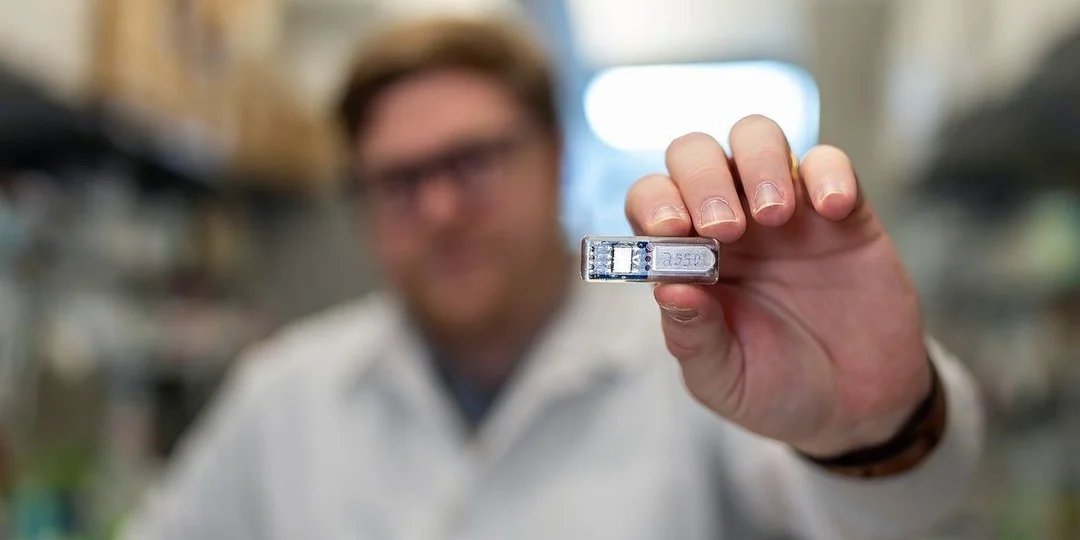
Implant Keeps Drug‑Producing Cells Alive for a Month
A new bioelectronic implant can support populations of three different drug-producing cells for more than a month, keeping them supplied with the correct amounts of oxygen. These cells could produce drugs to treat various cancers, autoimmune diseases like arthritis, and...

Novo's Pill for Kids; Altimmune’s $225M Offering; Merck Teams with Google Cloud
Novo Nordisk reported that its oral GLP‑1 drug Rybelsus reduced hemoglobin A1C by 0.83% in adolescents aged 10‑17 with type‑2 diabetes after about six months of treatment. The result marks the first pediatric efficacy data for a GLP‑1 pill, expanding...

Advancing Drug Discovery with Cell Line Development: Past, Present and Future
Cell line development underpins biologics manufacturing and drug discovery, from historic HeLa and CHO lines to modern CRISPR‑engineered clones. Recent advances in automation, artificial intelligence, and gene editing have accelerated clone selection, improved monoclonality verification, and increased protein yields. Tools...

Amneal to Buy a Biosimilar Company; Samsung Bio Workers Protest
Amneal Pharmaceuticals announced it will acquire biosimilar developer Alvotech for an upfront $375 million, with additional contingent payments tied to regulatory milestones. The deal expands Amneal’s pipeline into high‑margin biologics, adding several approved and late‑stage biosimilar candidates. Concurrently, workers at Samsung...

Sanofi Defends Dupixent Patents, but Execs Insist It Has Nothing to Do with CEO Change
Sanofi’s interim leadership used its Q1 earnings call to reaffirm a robust patent shield for Dupixent, extending protection through 2045 despite the drug’s looming loss of exclusivity. The biologic delivered $4.9 billion in quarterly sales, a 31% increase, and remains the...

Roche's Fenebrutinib Cuts RMS Relapses to One Every 17 Years in Phase III Trials
Roche announced that its BTK inhibitor fenebrutinib lowered the annualised relapse rate in relapsing multiple sclerosis by 51.1% in FENhance 1 and 58.5% in FENhance 2, translating to roughly one relapse every 17 years. The data, presented at the 2026 AAN meeting,...

NovaBridge Names Mark Hagler President & CCO to Boost Pipeline Value
NovaBridge Biosciences announced the appointment of Mark Hagler as President and Chief Commercial Officer. The 25‑year veteran brings experience leading a $1 billion portfolio at Sun Pharmaceuticals and will steer commercial strategy for the company’s two mid‑stage oncology programs, givastomig and...
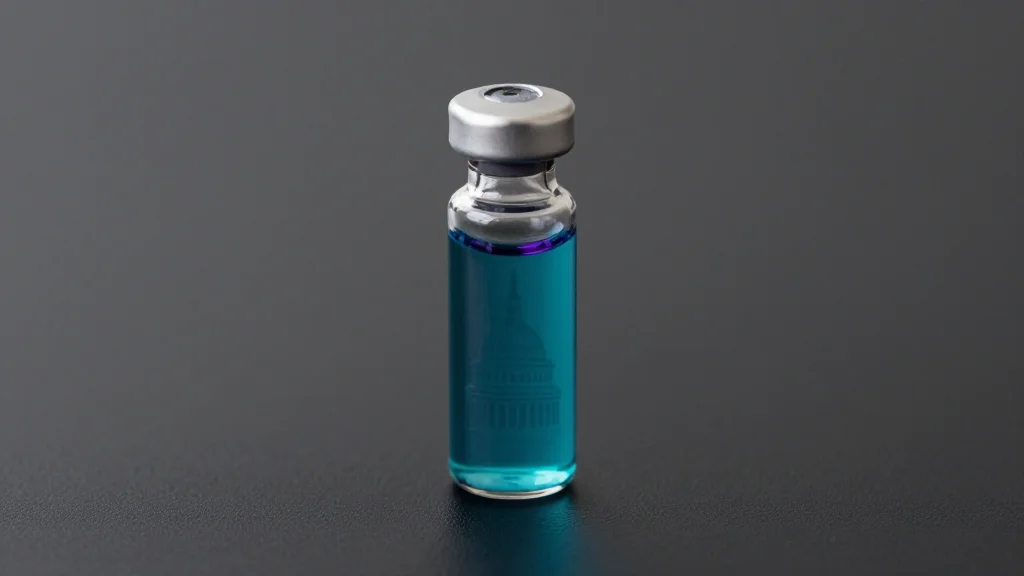
Donald Trump Is Giving Psychedelic Medicines a Welcome Boost
President Donald Trump signed an executive order on April 18, 2026, after a text from podcaster Joe Rogan highlighted ibogaine’s potential for opioid addiction. The order directs the FDA to issue priority review vouchers for selected psychedelic drugs and earmarks new...
US‑UK Nanotech Partnership Accelerates Low‑Cost HIV Diagnostics
The University of Birmingham and the University of Illinois Urbana‑Champaign have launched a joint effort to develop ultra‑sensitive, low‑cost nanotechnology‑based HIV diagnostics. Backed by UK research council funding and the BRIDGE Signature Initiative, the partnership seeks to bring laboratory‑grade testing...

FDA Approves Novartis' Itvisma Gene Therapy for All Ages with SMA
Novartis announced that the U.S. Food and Drug Administration has approved Itvisma (onasemnogene abeparvovec‑brve) for children two years and older, teens and adults with spinal muscular atrophy (SMA). The one‑time intrathecal gene replacement targets the SMN1 mutation, marking the first...

Half of NMN Supplements Mislabelled, May Harm Users
David Sinclair's research helped turn NMN into a billion-dollar industry. Now he says roughly half the products don't contain what's on the label - and some contain ingredients that could harm you Firstly, NMN (nicotinamide mononucleotide) is a molecule that converts to...
Hims Secures GLP Deals, Positioning for Retatrutide Boom
This is massively good news for $HIMS members and $HIMS shareholders. $HIMS now selling $LLY GLPs which is Tirzepitide. $HIMS already selling the $NVO GLPs which is Semaglutide. This also means that $HIMS members should have access to Retatrutide...

Endpoints Wins Neal Awards for Trump and Gene Editing Coverage, JPM Event
Endpoints News earned three 2026 Neal Awards, honoring its in‑depth reporting on the pharmaceutical sector’s ties to the Trump administration, a three‑part series on gene‑editing breakthroughs, and its coverage of the JPMorgan health‑care conference. The awards, presented by the American...

Gene Therapy Cures Specific Deafness—A Modern Miracle
Another modern miracle: Gene therapy cures a form of deafness. Harvard to USA: You're welcome. https://t.co/mfEzVMGugp
Lab‑grown Sperm Creates Embryos, Easing Dystopian Fears
Lab-grown sperm used to create embryos for the first time. Good news if you were worried about the Handmaid's Tale trajectory. https://t.co/q6gItYuGoJ

New Genetically Engineered CHO Cell Line Boosts Protein Expression and Productivity
Sartorius has unveiled a genetically engineered Chinese hamster ovary (CHO) cell line that delivers up to twice the protein expression titers and three times the productivity of traditional wild‑type CHO hosts. The new line was validated across multiple therapeutic formats—including...

Unnamed Pharma Files Citizen Petition Targeting FDA’s Trove of Rejection Letters
An unnamed pharmaceutical firm has lodged a citizen petition urging the FDA to halt its new practice of automatically publishing complete response letters (CRLs). The petition seeks a 10‑day notice period for sponsors to contest disclosure and a clear redaction...

Roche Insists Amylin Obesity Drug Still Valuable for Patients Who ‘Don’t Want Side Effects’
Roche defended its amylin‑based obesity drug petrelintide after Phase 2 ZUPREME‑1 data showed a 9% placebo‑adjusted weight loss over 42 weeks, falling short of analyst expectations of 12% and the 16% seen with Eli Lilly’s eloralintide. The study highlighted petrelintide’s strong tolerability,...

AAN 2026: J&J, Kyverna, Capricor and Praxis Showcase Practice-Changing Data
At the 2026 American Academy of Neurology meeting, Johnson & Johnson reported two‑year Phase 3 data showing its FcRn blocker Imaavy sustained symptom improvement and allowed most patients to cut corticosteroid use. Kyverna Therapeutics presented Phase 2 results for its CAR‑T therapy...

DemeRx Reports the US FDA IND Application Acceptance to Advance DMX-1001 for Alcohol Use Disorder
DemeRx announced that the U.S. Food and Drug Administration has accepted its Investigational New Drug (IND) application for DMX-1001, an oral formulation of noribogaine, to treat alcohol use disorder (AUD). The company recently completed a multiple‑ascending‑dose (MAD) trial in healthy...

HHS Launches $139.4 Million ARPA‑Health Initiative to Accelerate Behavioral‑Health Therapies
The U.S. Department of Health and Human Services' ARPA‑Health agency unveiled a $139.4 million research program aimed at rapid‑acting behavioral‑health treatments, earmarking at least $50 million to match state psychedelic research investments under a recent presidential executive order.

AI‑Enabled Strategies Target Healthspan as Experts Map Path to 200‑Year Lifespans
On April 23, 2026, leading aging researchers released an analysis highlighting AI‑driven approaches—senolytics, NAD+ precursors and metabolic drugs—to extend healthspan and potentially enable 200‑year lifespans. The report stresses mechanistic rigor, public‑private funding, and the need for combination therapies.
FDA Expands Sanofi's Tzield to Children as Young as One, Delaying Type 1 Diabetes Progression
The U.S. FDA approved Sanofi's Tzield for children aged one to seven with stage 2 type 1 diabetes, extending its indication beyond the previous eight‑year‑old threshold. Backed by the PETITE‑T1D phase 4 study, the move gives families a new tool to postpone the...

Regeneron and Sanofi Report the US FDA Approval of Dupixent (Dupilumab) for Chronic Spontaneous Urticaria (CSU)
Regeneron and Sanofi announced that the U.S. Food and Drug Administration has approved Dupixent (dupilumab) for chronic spontaneous urticaria (CSU) in patients as young as two years old who remain symptomatic despite H1 antihistamines. The decision is based on two...

STAT+: Can Erasca Be Biotech’s Next Big Thing? We’ll See
Erasca, a biotech startup valued at roughly $7 billion, is developing ERAS‑0015, a pan‑RAS inhibitor aimed at treating pancreatic cancer. The company positions itself as a cost‑effective alternative to RevMed, whose market cap exceeds $30 billion after reporting a 13.2‑month median overall...

In Whales, a Long Life Absent Cancer Results From Superior DNA Repair Mechanisms
Researchers have identified that bowhead whales, which can live over 200 years, exhibit an unusually robust DNA repair system that underpins their low cancer incidence. Unlike elephants, which rely on multiple TP53 copies, whales appear to use alternative genome‑maintenance pathways...
Life Invisible
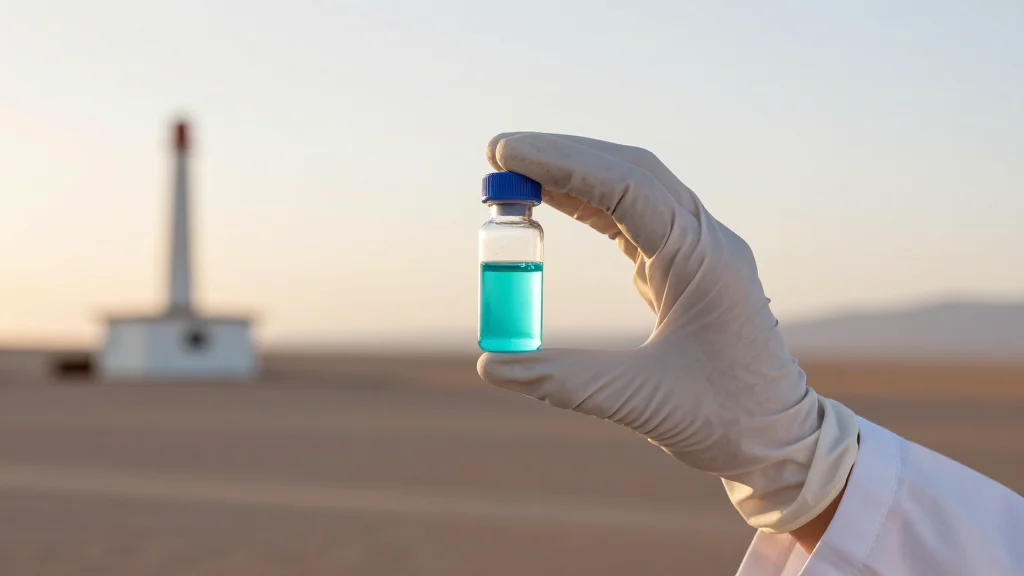
The Guardian documentary "Life Invisible" follows Chilean microbiologist Cristina Dorador as she hunts for novel microbes in the Atacama Desert to combat rising antibiotic resistance. The film underscores that resistant infections could cause 39 million deaths worldwide between 2024 and 2050....

Novo Nordisk’s Oral Semaglutide Demonstrates Potential to Be the First Oral GLP-1 RA Therapy for Children and Adolescents with Type...
Novo Nordisk reported positive topline results from the phase 3a PIONEER TEENS trial, the first study of an oral GLP‑1 receptor agonist in children and adolescents with type 2 diabetes. Oral semaglutide lowered HbA1c by 0.83 percentage points versus placebo...

Cell Line Development: Pitfalls, Challenges and Solutions
Cell line development is critical for discovering targets and manufacturing biotherapeutics, yet achieving reliable monoclonality and early productivity assessment remains a bottleneck. Traditional approaches such as limiting dilution and FACS are labor‑intensive, often yield low‑viability clones, and delay project timelines....

The Next Era of Diabetes Management
BioSpace’s Denatured podcast released an episode on April 23, 2026 featuring Dr. Sarah Howell, CEO of Arecor Therapeutics, and Dr. Wendy Lane, an endocrinologist. The conversation centers on how increasingly connected, data‑driven diabetes technologies are shifting the industry’s focus from merely tracking...
ASCO Grants IDYA Late‑breaker Despite Extensive Prior Data
Given how much $IDYA has already released (ORR, PFS, stats, PFS curves) I'm a little surprised #ASCO26 is OK with giving it a late-breaker.
How AI and Robotics Designed New Cancer Therapies
In this episode, Angus Sinclair, CSO of LabGenius Therapeutics, explains how their AI‑driven AVA platform combines high‑throughput cell‑based assays with machine learning to design non‑intuitive protein therapeutics, specifically T‑cell engagers for solid tumors. He details the challenges of targeting antigens...

Operational Lessons From Global Nephrology Trials
The article outlines four operational lessons drawn from the surge of global nephrology trials, noting that GlobalData tracks 888 CKD studies with only 56 multinational efforts. It argues that traditional site selection in Europe and the U.S. limits enrollment speed...
RG6735 Identified as New $RHHBY Phase‑1 Asset
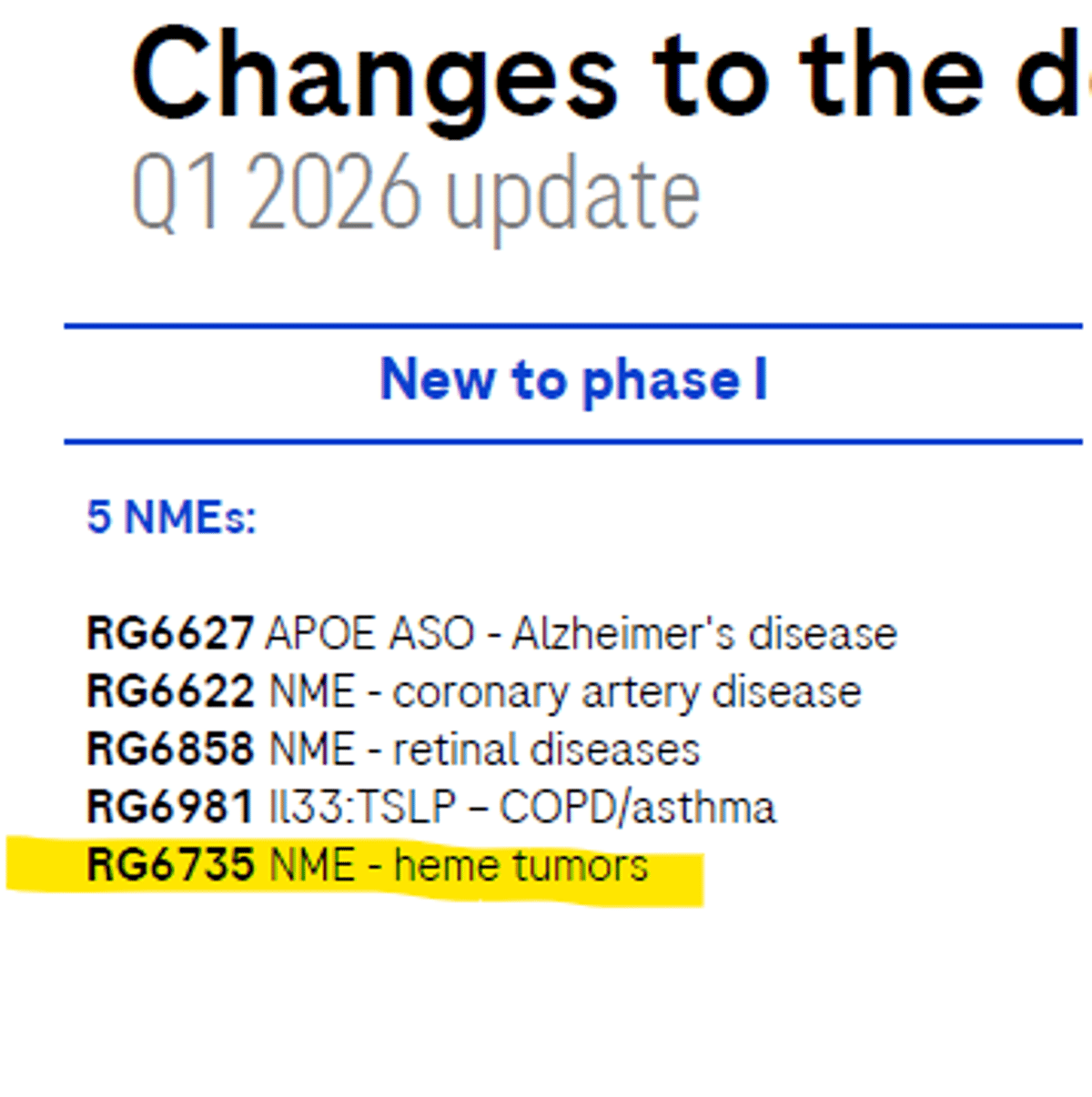
Any idea what RG6735 is? Looks like a new $RHHBY code for sth that went into phase 1 earlier under a different name. https://t.co/7Cb5Ft2BWC
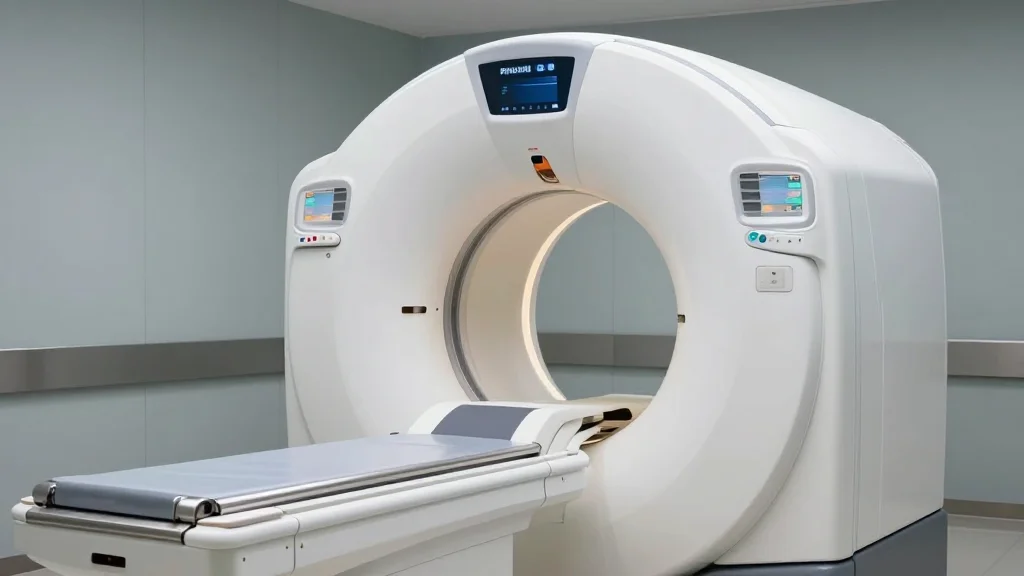
FDA Grants Clearance for Philips’ Rembra Scanning Platform
Philips has secured FDA 510(k) clearance for its Rembra platform, encompassing the Rembra CT scanner, Rembra RT and Areta RT radiation‑therapy systems. The CT unit features an 85 cm bore and can handle up to 270 exams per day, targeting high‑throughput...

ModeX Starts Dosing in MDX2003 Trial for B-Cell Lymphoma
ModeX Therapeutics, an OPKO Health subsidiary, has begun dosing the first patients in the MDX‑2003‑101 trial of its tetraspecific T‑cell engager MDX2003 for relapsed or refractory B‑cell lymphoma. The study will evaluate tolerability, pharmacokinetics, safety and immune activity across dose‑escalation...
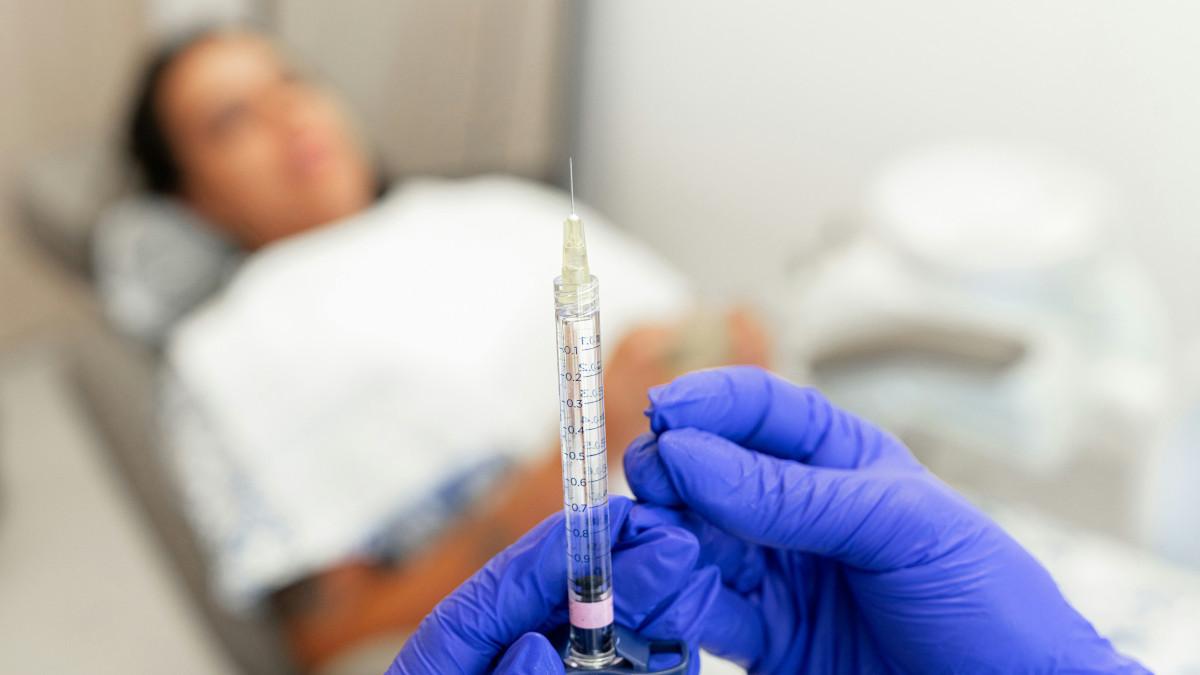
Epitopea Wins UK Approval for Therapeutic Vaccine Trial
Epitopea secured UK regulator and ethics committee clearance to launch OVACT, a Phase I/Ib first‑in‑human trial of its RNA‑based vaccine CryptiVax‑1001 in advanced high‑grade serous ovarian cancer. The study will evaluate safety, tolerability, immunogenicity and early clinical activity in HRP⁺/BRCA‑wildtype...

AstraZeneca Reports the P-III (I CAN) Trial Data on Ultomiris for IgA Nephropathy
AstraZeneca announced interim Phase III (I CAN) data for Ultomiris in IgA nephropathy, enrolling about 510 high‑risk adults. The trial met its primary endpoint, showing a roughly 30% reduction in 24‑hour proteinuria at 34 weeks, with benefits evident as early as 10...

RFK Jr Says Cultivated Meat Will ‘Have to Get Through A Lot of Scepticism’ From FDA
U.S. Health Secretary Robert F. Kennedy Jr. voiced amplified concern that cultivated‑meat products will face rigorous FDA scrutiny, warning they must overcome significant safety scepticism. The comment came during a Senate Appropriations hearing, where he echoed long‑standing criticism of lab‑grown proteins. 2025 marked...

Utepreva Launches Utepreva Endometrial Sampler to Support Early Diagnosis of Endometrial Cancer
Utepreva has introduced the Utepreva Endometrial Sampler, a single‑use device aimed at improving tissue capture for early endometrial cancer diagnosis, slated for market release in October 2026. The sampler integrates a sponge tip, plunger‑driven suction, and a collection chamber to...
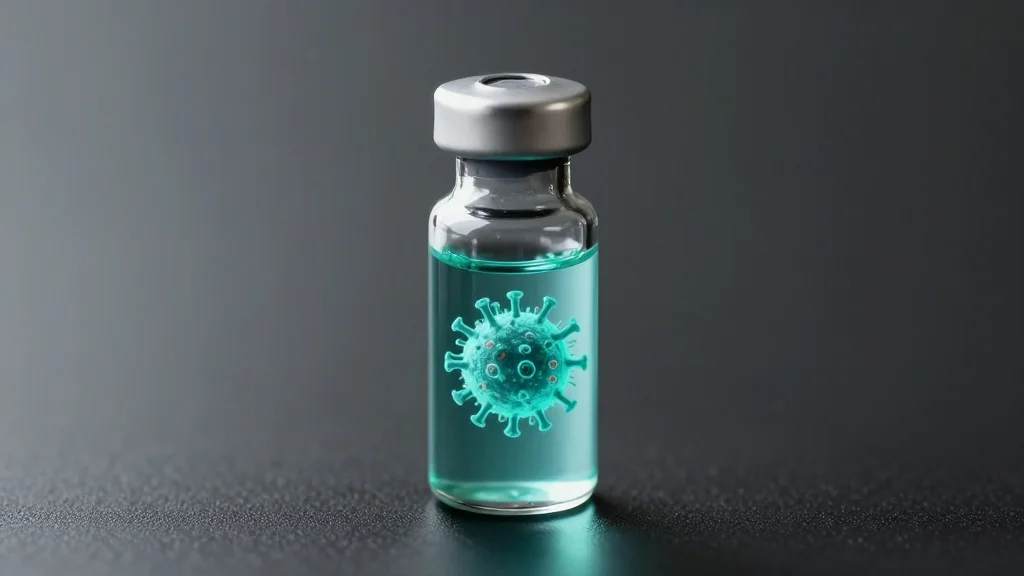
CEPI Shows Courage; Institutions Must Follow Suit
Many institutions are failing to meet the moment, but not all. @CEPIvaccines proves it has the courage & conviction to carry out essential vaccine work regardless of political pressure for complicity. I wish more institutions would follow their funder’s example.

Fraunhofer IAP and NMI Achieve Biomimetic Tissue Mechanics
Fraunhofer IAP and NMI have created a patent‑pending biomimetic tissue substitute that combines a polyurethane acrylate base, a 3D‑printed wavy metastructure, and an electrospun collagen surface. The metastructure reproduces the nonlinear stiffness of pericardial tissue, while the collagen layer supports...