
Progress Warns of Critical MOVEit Automation Auth Bypass Flaw
Progress Software issued an urgent advisory about a critical authentication‑bypass flaw (CVE‑2026‑4670) in MOVEit Automation, affecting versions prior to 2025.1.5, 2025.0.9 and 2024.1.8. The vulnerability can be exploited remotely without credentials or user interaction, and a separate high‑severity privilege‑escalation bug (CVE‑2026‑5174) was patched simultaneously. Over 1,400 MOVEit Automation instances are publicly exposed, including several tied to U.S. state and local agencies. Progress recommends immediate upgrade to the patched releases, noting a temporary outage during installation.

Webinar: Why MSPs Must Rethink Security and Backup Strategies
Cyber attackers are leveraging generative AI to launch highly personalized phishing campaigns that outpace traditional email security, putting managed service providers (MSPs) at heightened risk. The breach often leads to data loss and downtime, exposing a gap where many MSPs...

What’s Behind the KMT’s Internal Splits over Taiwanese Defence Spending?
The United States is pressuring Taiwan’s ruling DPP to approve a special defence budget of NT$1.25 trillion (≈US$40 billion) for U.S. arms purchases and domestic weapons development. Within the opposition KMT, a split has emerged between a leadership‑backed plan of NT$380 billion (≈US$12 billion)...

U.S. Warship Shot At
An Iranian news agency reported that two missiles fired from the Iranian Navy struck a U.S. Navy vessel as it transited the Strait of Hormuz near Jask Island. The United States Central Command denied any hit, stating no U.S. ship...
Small Defense Firms Lack Network Data to Stop Nation-State Hackers, Analyst Says
The U.S. defense industrial base’s small and mid‑size contractors, which make up about 80% of the sector, are severely lacking network telemetry to monitor edge infrastructure. Nation‑state actors such as China’s Volt, Russia’s Fancy Bear and Iran’s UNC1549 are exploiting zero‑day...
US Approves $5bn PATRIOT and APKWS Systems Sale to Qatar
The U.S. State Department approved two foreign‑military sales to Qatar worth over $5 billion. The package includes $4.01 bn for Patriot air‑defence replenishment, spare parts and logistics, and $992 m for 10,000 APKWS‑II precision rocket rounds with associated launchers and support. An emergency...

Lebanon’s Most Senior Shi’ite Politician Says No to Negotiations with Israel Until War Stops
Lebanon’s Parliament Speaker Nabih Berri, Hezbollah’s senior ally, said on May 4 that any negotiations with Israel must wait until the fighting in southern Lebanon ends. Israel has ordered residents of four villages to evacuate, while Hezbollah reported 11 attacks on...

CENTCOM: No US Warship Hit Despite Iranian Claims of Missile Strike
U.S. Central Command refuted Iranian state media claims that a U.S. warship was hit by missiles near the Strait of Hormuz. Iran’s navy warned foreign vessels and said a ship was struck by two missiles near Jask, but CENTCOM’s Twitter...

Austria Expels 3 Russian Diplomats over Alleged Espionage
Austria expelled three Russian diplomats in early May after accusing them of running espionage operations with satellite equipment mounted on Russian diplomatic buildings. The Austrian foreign ministry summoned Ambassador Andrey Grozov and demanded a waiver of diplomatic immunity, which Moscow...

Trump’s War Exposes the Weakness of Middle Powers
The article argues that Donald Trump’s aggressive foreign‑policy moves, from the February strike on Iran to the unilateral blockade of the Strait of Hormuz, have laid bare the structural weakness of middle‑power diplomacy. While Canadian Prime Minister Mark Carney urged...

Kallas: US Troop Withdrawal ‘Comes as a Surprise’
EU foreign minister Kaja Kallas said the United States' decision to pull roughly 5,000 troops from Germany caught European leaders off guard. The announcement was made on the sidelines of the European Political Community summit in Yerevan, Armenia. President Donald...

Exploitation of ‘Copy Fail’ Linux Vulnerability Begins
A vulnerability dubbed Copy Fail (CVE‑2026‑31431) in the Linux kernel has moved from disclosure to active exploitation, giving attackers root‑level access. The flaw, present in kernels since 2017, lets an unprivileged user overwrite in‑memory data of setuid‑root binaries, enabling privilege escalation...

Innoviz Targets Defense and Homeland Security with LiDAR
Innoviz Technologies announced its entry into the defense and homeland security markets with two LiDAR products—InnovizSMART and InnovizTwo Ultra Long‑Range. The automotive‑grade sensors offer rugged design, up to 450 m (SMART) and 1 km (ULR) detection ranges, PoE connectivity, and resistance to...

Ukrainian Drones Attack in Moscow
Ukrainian drones struck a high‑rise in the Mosfilm Tower complex, about three kilometres from the Kremlin, prompting Moscow officials to report that 117 drones were shot down across Russia. The incident comes just days before the May 9 Victory Day parade,...

Sanctioned Iranian Gas Carrier Probes US Strait of Hormuz Blockade
A U.S.-sanctioned Iranian LPG tanker, the 20,700‑cbm Nooh Gas built in 1993, attempted an eastbound passage through the Strait of Hormuz on May 4, 2026. Shipping data confirms the vessel entered the waterway despite a U.S. naval blockade aimed at enforcing sanctions against...
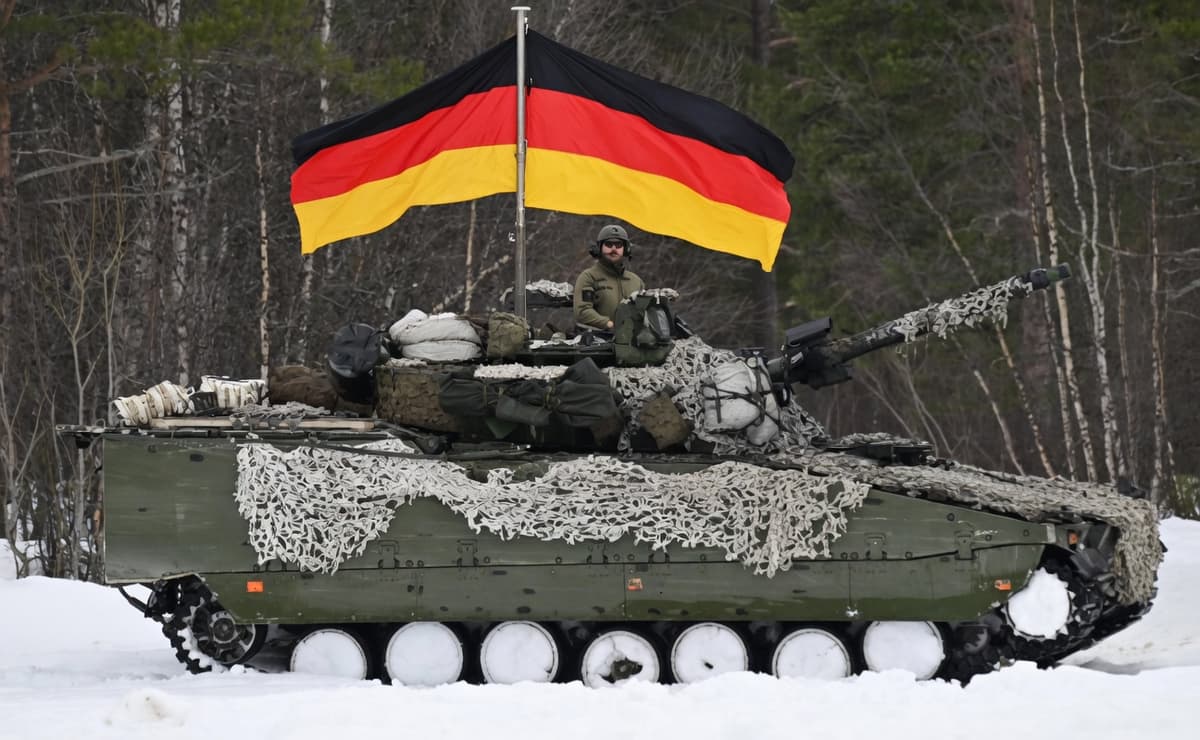
Germany Overtakes France, UK as Europe’s Defense Powerhouse; Why Is Paris Disturbed By Berlin’s Rise?
Germany’s defense budget surged to roughly $127 bn in 2024, overtaking France ($70 bn) and the UK ($84 bn) and positioning Berlin as Europe’s top spender. Chancellor Scholz aims for a 3.5% of GDP target—about $189 bn annually—by 2029, while France is limited to...

Copy Fail Exploitation Has Begun, and Brian Pak Is Sorry for the Chaos
The U.S. Cybersecurity and Infrastructure Security Agency (CISA) has placed CVE‑2026‑31431, known as "Copy Fail," on its Known Exploited Vulnerabilities (KEV) catalog, confirming active attacks against Linux systems. The flaw, disclosed only days earlier, enables privilege escalation by exploiting a...
Russian Missile Attack Kills Five in Ukraine's Kharkiv Region, Officials Say
A Russian missile strike hit the town of Merefa in Ukraine’s Kharkiv region on May 4, 2026, killing five civilians and injuring 18 others. The attack damaged at least ten residential houses, an administrative building, four shops, a car‑repair workshop and...
Inside Israel's AI Targeting System: How Data From a Phone Become a Death Sentence
Israel’s military has deployed an AI‑driven kill‑chain that fuses smartphone metadata, drone imagery, traffic cameras, Wi‑Fi signals and social‑media footprints to pinpoint Hezbollah operatives. The system, built on platforms such as Palantir’s Maven, can generate a threat profile in seconds...

Why Data Centers Now Belong on the Critical Infrastructure List
Recent missile and drone attacks on cloud data centers in the Middle East highlighted a new strategic vulnerability: the physical disruption of digital infrastructure that underpins modern economies and militaries. As artificial intelligence workloads surge, data centers have become indispensable...
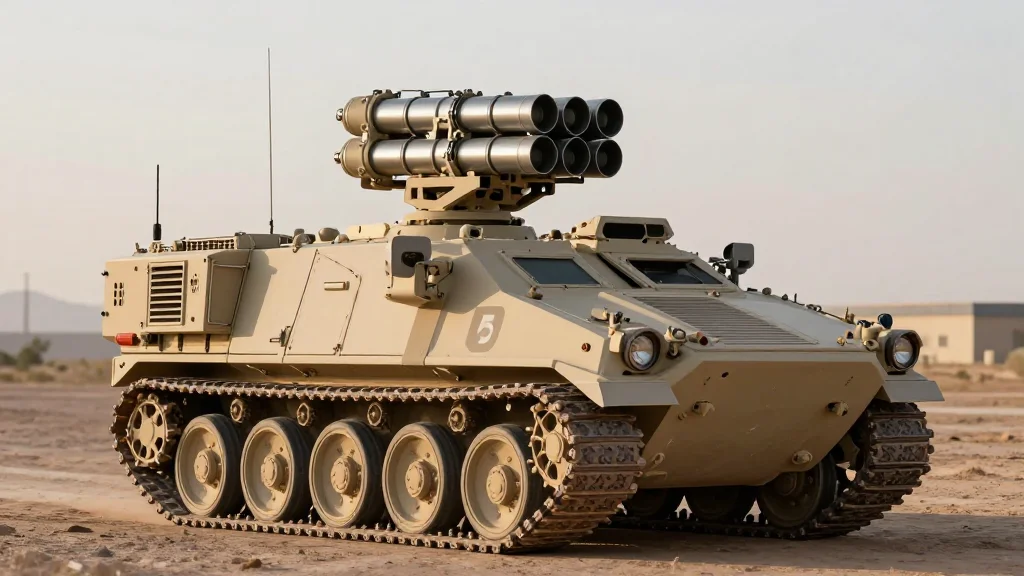
SpearUAV to Deliver 1,000 Loitering Munitions to Extend Armoured Vehicle Capability
Israeli defense firm SpearUAV announced it is manufacturing and delivering approximately 1,000 Viper loitering‑weapon system units. The Viper can be mounted on tracked or wheeled armored vehicles, providing integrated surveillance, target recognition, and strike capability. Its Multi‑Canister Launcher enables battalion‑and‑below...
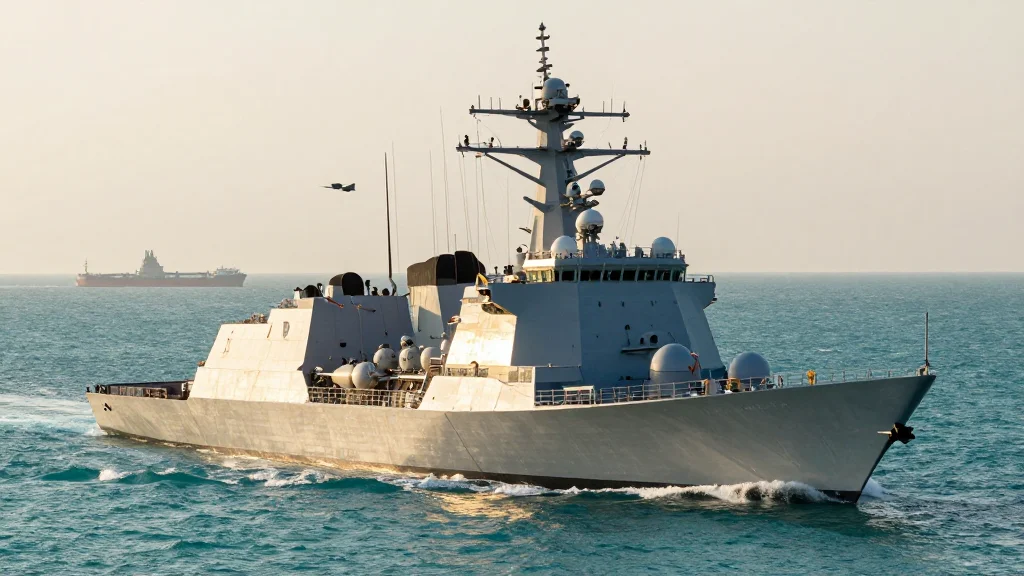
Bloomberg Daybreak: Trump Announces Hormuz Ship Plan (Podcast)
President Trump unveiled "Project Freedom," a U.S. operation to escort stranded ships through the Strait of Hormuz using guided‑missile destroyers, aircraft and drones, while Iran warned it will fire on any U.S. forces entering the waterway. Transportation Secretary Sean Duffy...

U.S. Army Awards Contract for Autonomous Resupply Drone
The U.S. Army has awarded SURVICE Engineering a production contract for the Joint Autonomous Aerial Resupply System (JTAARS), an autonomous cargo‑delivery drone built on the Tactical Resupply Vehicle platform with UK partner Malloy Aeronautics. The contract was secured through the...

Post Quantum Migration Struggles, AI Threats, and Modern Defenses - Bobby Ford, HD Moore, Eyal Benishti, Ramin Farassat, Daniel Dos...
Post‑quantum cryptography (PQC) is moving from theory to implementation, but enterprises still struggle to locate and upgrade legacy servers, IoT and OT assets. AI‑generated deep‑fakes and multi‑channel impersonation are outpacing traditional point solutions, prompting calls for unified, behavior‑driven defenses. In...

U.S. Army Integrates Drone and Jamming Tech in Latvia Exercise
On April 29, 2026, the 1st Battalion, 12th Cavalry Regiment conducted a live‑fire exercise in Selija, Latvia, embedding drone reconnaissance and the Titan V3 counter‑UAS jammer into a simulated movement‑to‑contact squad attack. The drill placed drones at the front of the...

Risk of Hormuz Transits Manageable versus Psychological Cost of Inaction
Maritime security firm 3iSea CEO Nicholas Davis warns that over 20,000 seafarers have been stranded in the Arabian Gulf for more than two months, and the psychological toll of inaction now outweighs the manageable risks of transiting the Strait of...

Contingency Frameworks for Future U.S.-China Cooperation on AI Assurance and Security
RAND’s latest expert‑insights paper proposes a contingency framework for future U.S.–China cooperation on AI assurance and security. While current geopolitical rivalry makes bilateral AI projects unlikely, the analysis outlines five strategic lines of effort that could enable stable, predictable collaboration...

NATO Chief Says Trump Disappointed in Europe over Iran Response
NATO Secretary‑General Mark Rutte warned that U.S. President Donald Trump is disappointed with Europe’s reluctance to back the war against Iran, after Washington announced the withdrawal of roughly 5,000 troops from Germany over the next year. The tension stems from...

Middle East Crisis Live: Iran Warns It Will Attack US Forces if They Enter Strait of Hormuz After Trump Says...
Iran’s unified military command warned that any U.S. forces entering the Strait of Hormuz will be attacked, intensifying a volatile regional standoff. President Donald Trump announced a U.S. naval effort involving guided‑missile destroyers, over 100 aircraft and roughly 15,000 service members...

The Netherlands Is Considering AEGIS System For Future Air Defence Frigates
The Dutch Ministry of Defence has issued a Letter of Request to the United States for price and availability information on the Aegis combat system, signaling a possible shift toward the American radar suite for its next‑generation air‑defence frigates. The...

OpenAI To Extend Cyber Program to Government Agencies
OpenAI released a roadmap titled "Cybersecurity in the Intelligence Age" outlining plans to broaden its Trusted Access for Cyber (TAC) program to federal, state and local government agencies, as well as key industry players. The expansion coincides with the launch...
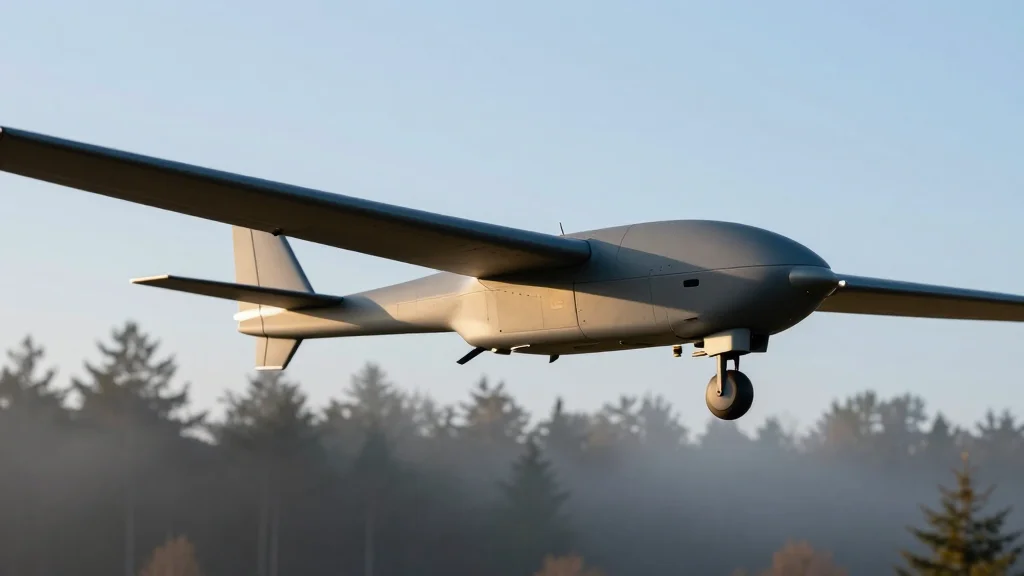
Lithuania Air Focus: Majority of $235.98 Million Drone Investment to Be Spent Before 2030
Lithuania’s Ministry of Defence has earmarked €200 million (≈ $236 million) for uncrewed aerial vehicle (UAV) programmes through 2029, with more than $54 million already deployed. The initial spend included a €36 million ($39 million) purchase of three drone systems, notably the home‑grown Hornet XR mini‑fixed‑wing UAV....
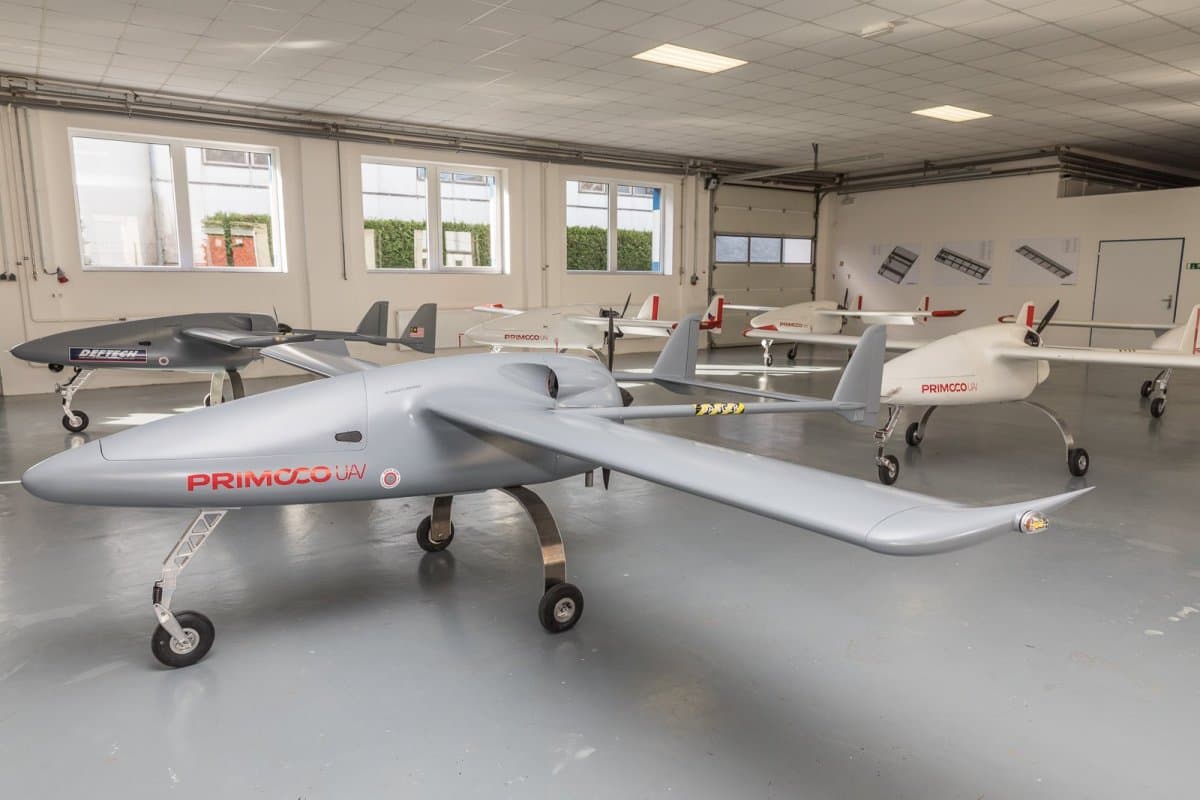
Primoco UAV Reports Strongest Q1 in Its History: Robust Performance, New Contracts and Infrastructure Expansion
Primoco UAV posted its strongest first‑quarter ever, generating roughly $4.5 million in revenue and $2.7 million EBITDA. The company now holds a $38 million backlog of 30 aircraft, including a rapid one‑month delivery to Spain’s Guardia Civil. It is expanding infrastructure with a new...

Sweden's Shadow Fleet Crackdown Intensifies
Sweden’s Coast Guard intercepted the tanker Jin Hui on May 3, 2026, marking the fifth suspected Russian shadow‑fleet vessel detained in a short span. The ship, sailing under a Syrian flag and owned by Marshall Islands‑registered Jinhui Shipping Ltd, was empty and...

Idiot Hackers Strike Again
Pro‑Iran hacktivist group 313 Team threatened Canonical, demanding payment to stop a DDoS campaign that crippled Ubuntu.com. The same day, the popular webcomic site questionablecontent.net was compromised, likely by an opportunistic script‑kiddie scan. Both incidents illustrate how politically motivated extortion...
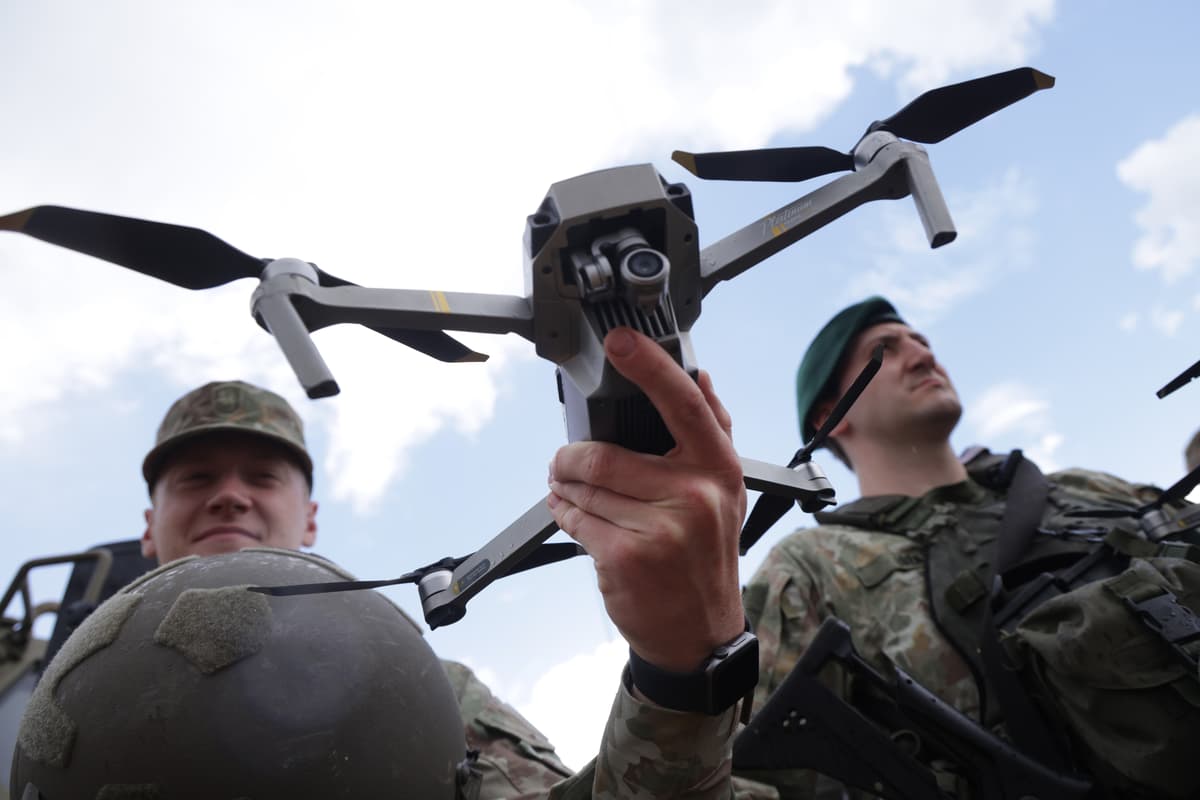
Dutch Startup Intelic Sets up Drone Marketplace for European Militaries
Dutch defence‑tech startup Intelic has launched BASE, a European military drone marketplace that aggregates manufacturers from nine countries and lets ministries compare mission‑ready UAVs. The platform relies on Intelic’s Nexus command‑and‑control software to guarantee plug‑and‑play interoperability, aiming to slash procurement...
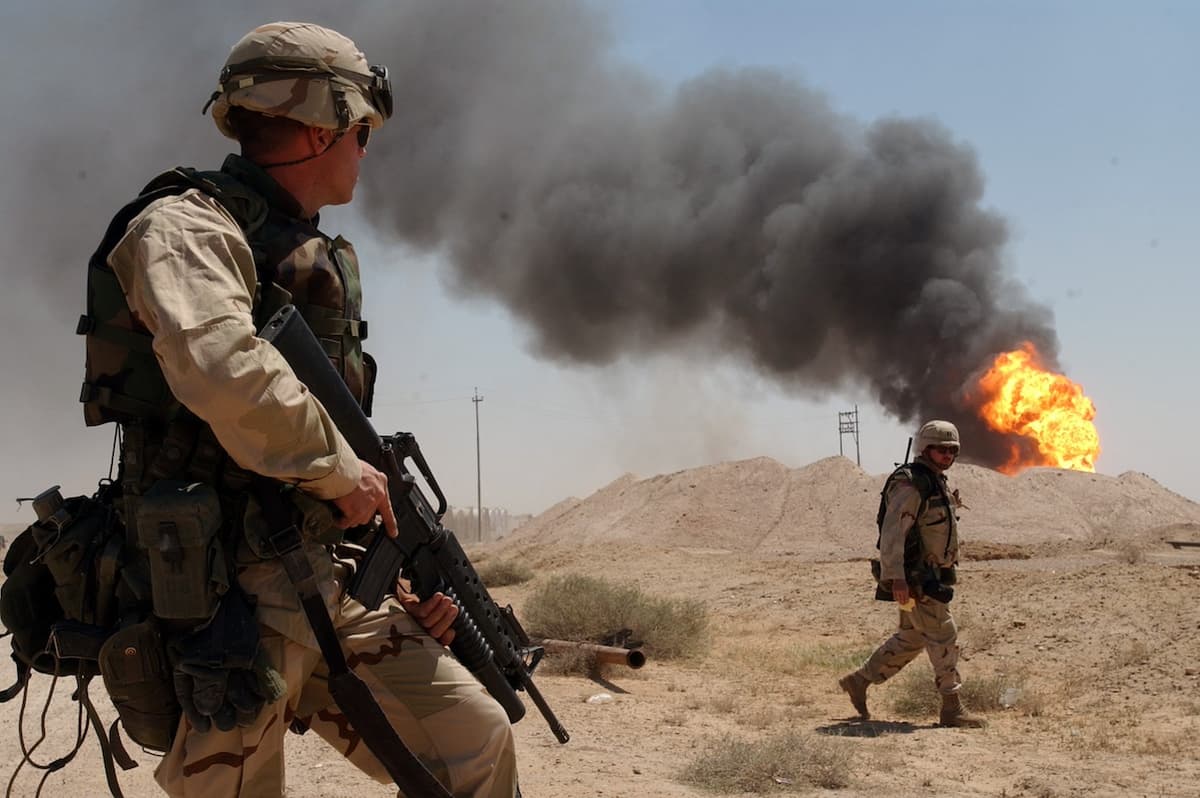
West Asia’s Old Security Order Is Dead and Gone
The long‑standing security architecture of West Asia has unraveled as costly wars in Gaza and the Iran‑Israel confrontation exposed the limits of military power. Israel’s finance ministry estimates $11.5 billion in war expenses, while the U.S. Pentagon reports a $25 billion price...

Identity Risk Intelligence vs Threat Intelligence: What’s the Difference?
Identity Risk Intelligence (IRI) focuses on exposing and correlating compromised credentials, emails and other identity data, while traditional Threat Intelligence (TI) tracks external attackers, malware and infrastructure. As cyber‑criminals increasingly rely on stolen identities to bypass defenses, organizations with only...

‘The Inbox Is No Longer the only Frontline’: Phishing Attacks Are Evolving as Cyber Criminals Ramp up ‘Multi-Channel’ Campaigns over...
Security researchers warn that phishing is shifting from email‑only to multi‑channel campaigns that combine email, calendar invites, and Microsoft Teams. KnowBe4’s Phishing Threat Trends Report recorded a 49% rise in calendar‑invite phishing and a 41% increase in Teams‑based attacks between...

Why Are Africans Fighting in Russia’s War in Ukraine?
Thousands of young African men have been recruited to fight for Russia in Ukraine, many lured by promises of work and later coerced into military contracts. Russia faces a severe manpower shortage after losing about 1.2 million soldiers, wounded or missing,...
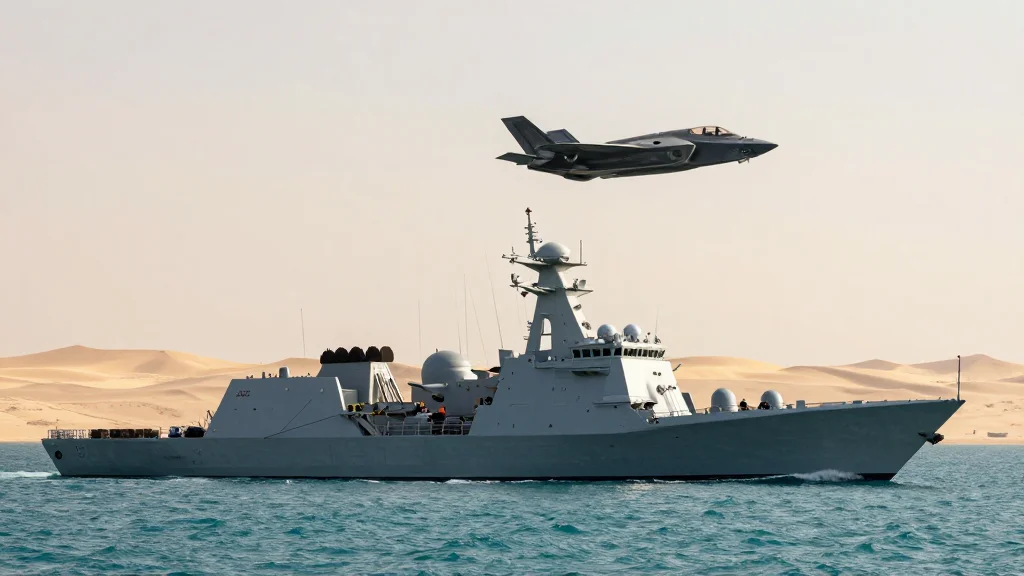
The End of the Axis of Abraham
In February 2024 the United States and Israel launched a war against Iran, prompting Tehran to retaliate with missile and drone strikes on Gulf airports, ports, oil facilities and desalination plants, effectively closing the Strait of Hormuz and halting exports...

Space Countermeasures Market: Space-Based and Terrestrial Systems, Buyers, Challenges, and Active Wartime Use
The space countermeasures market, a defensive subset of the broader defense‑space economy, protects satellites, ground stations, data links, and timing services from interference, cyber threats, and kinetic attacks. Primary buyers are governments, militaries, intelligence agencies, and operators of critical infrastructure,...
Why the Next India-Pakistan War Will Escalate
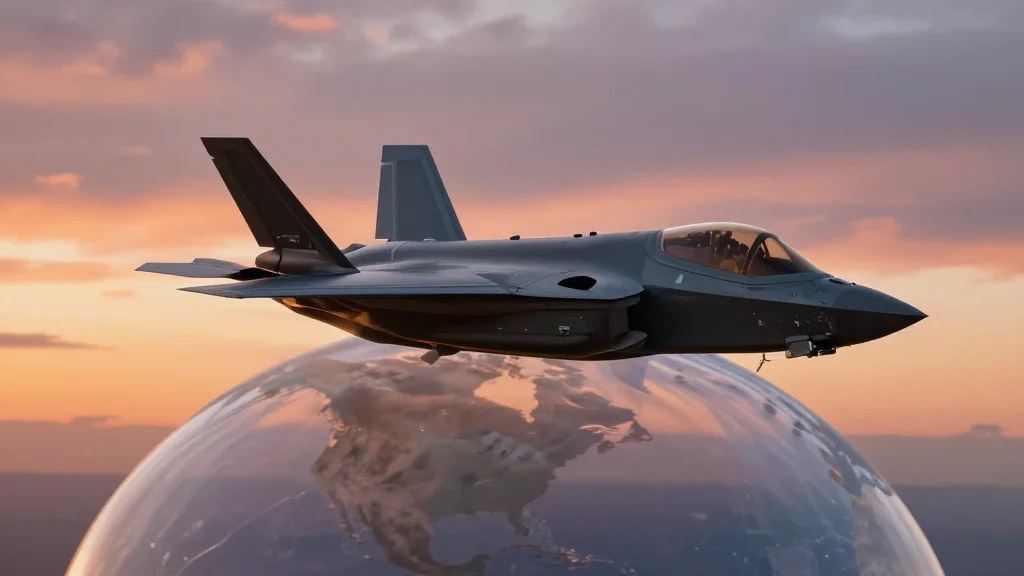
President Donald Trump touted his role in ending the May 2025 India‑Pakistan clash, claiming U.S. pressure averted a nuclear war. The four‑day exchange saw unprecedented drone, missile and artillery strikes on both sides, prompting military planners to accelerate development of faster,...
Potential Advanced Secret Satellite Capabilities Hidden Inside the Defense, Intelligence, and Security Industry
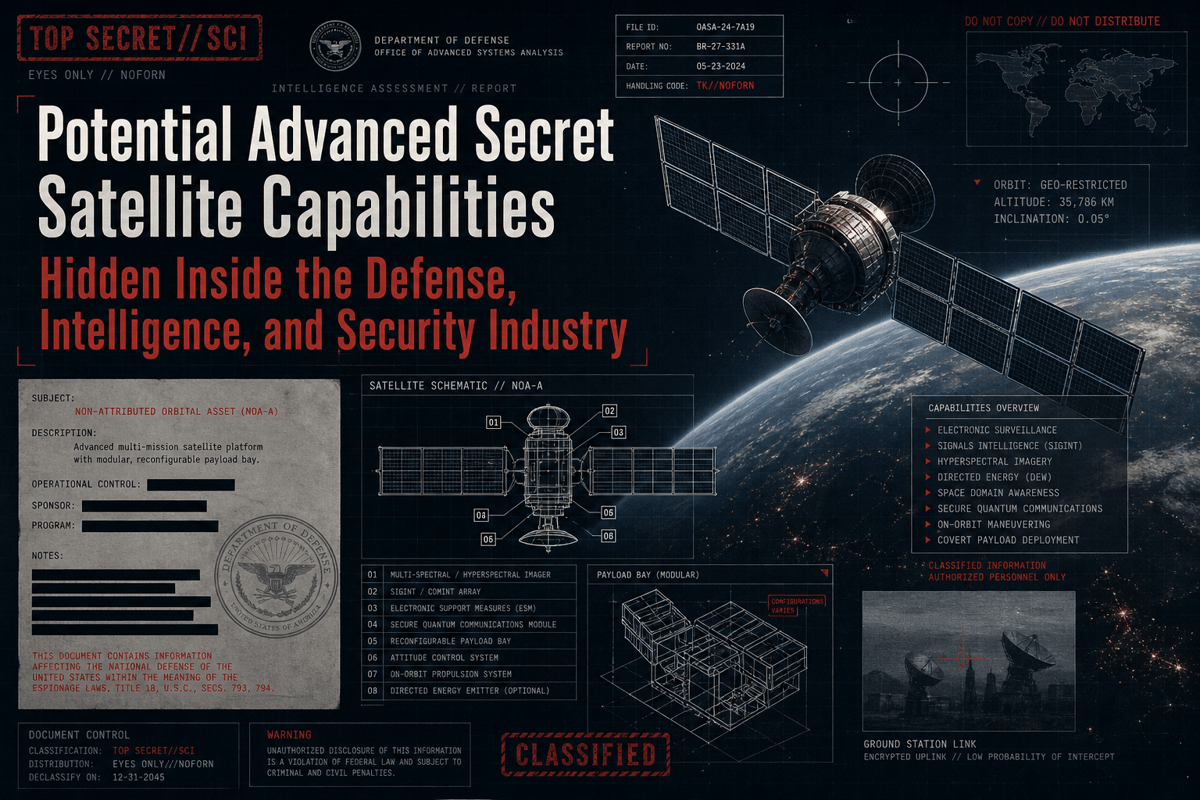
Recent public contracts, such as the February 2026 NRO awards for non‑Earth imaging, mid‑wave infrared and RF sensing, illustrate how the defense, intelligence and security sector is increasingly leveraging commercial satellite services. Government strategies from the DoD, NGA, NATO and the...

Complete Review of Defense, Intelligence, and Security Market Segments
The New Space Economy’s May 4 2026 review maps the defense, intelligence and security market, highlighting a $2.887 trillion global military spend in 2025 and an $81.9 billion U.S. intelligence budget request for FY 2026. It breaks the market into three overlapping domains—defense, intelligence and...

UAE-Israel Ties Useful but Nowhere Near a Middle East Reset
The Abraham Accords have produced a pragmatic but limited partnership between the United Arab Emirates and Israel. Trade between the two reached $3.2 billion in 2024 and defense cooperation now includes Edge Group’s purchase of Elbit’s Hermes 900 drone and an Israeli‑operated...

US 'Suffocating' Iran with Blockade, Says Treasury Secretary Scott Bessent
U.S. Treasury Secretary Scott Bessent announced a new “Economic Fury” program that intensifies the United States’ economic blockade of Iran, aligning it with the Pentagon’s Operation Epic Fury. The initiative, rooted in the March 2024 “max‑pressure” order, aims to cut...

US vs China: Two Armies, Two Theories of the Body
The U.S. Department of Defense announced on April 21 that flu vaccinations will be voluntary for active, reserve, and civilian personnel, ending a practice that has existed since 1945. In contrast, China’s People’s Liberation Army maintains mandatory flu shots as...
F-35 For Canada: Ottawa Unlikely to Ditch U.S. Stealth Fighters Jets Despite Trump Tensions: Experts
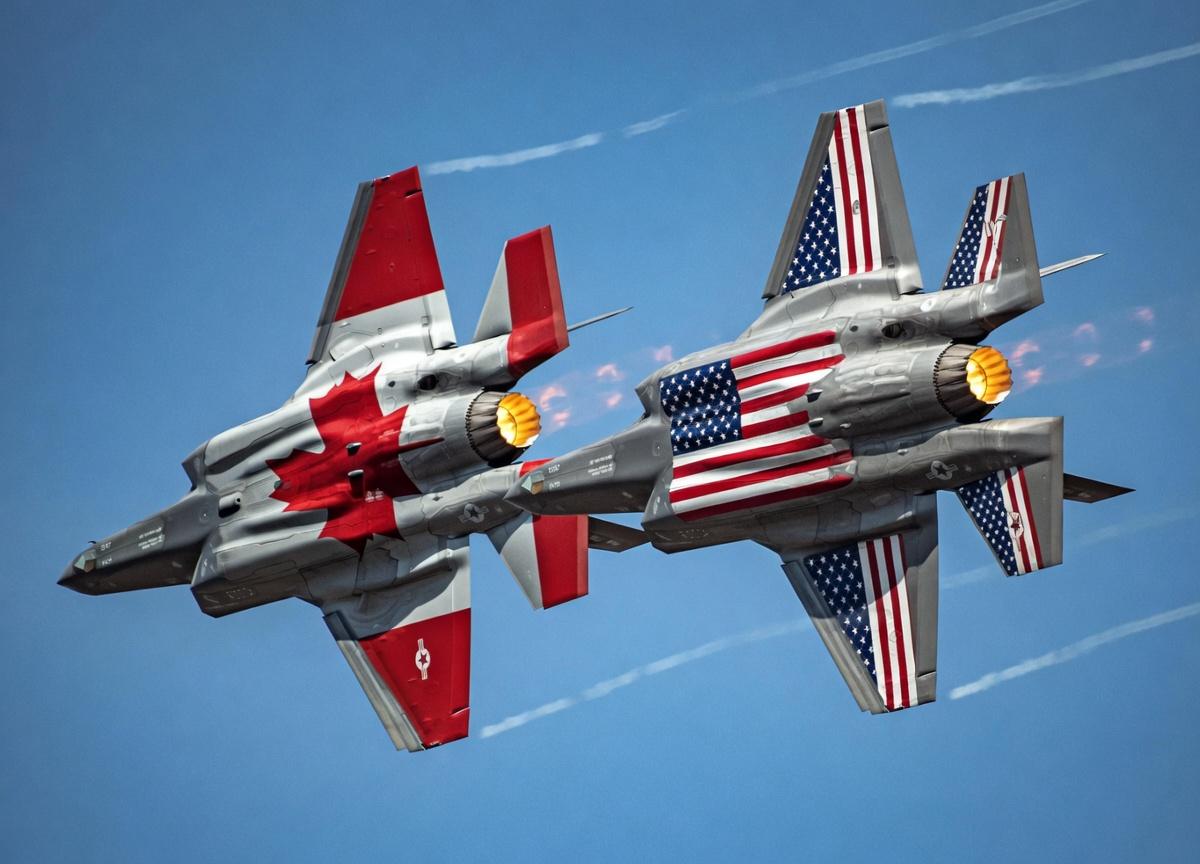
Canada’s Liberal government, led by Prime Minister Mark Carney, has extended its review of the CAD 27.7 billion (≈US$20.6 billion) F‑35 purchase, originally slated for 88 jets by 2032, despite U.S. pressure and threats to NORAD participation. The review, launched in early 2025,...
“Our Pilots Can Reach Anywhere in Iran”, Netanyahu Says as Israel OKs More F-35, F-15 Fighter Jets For IDF
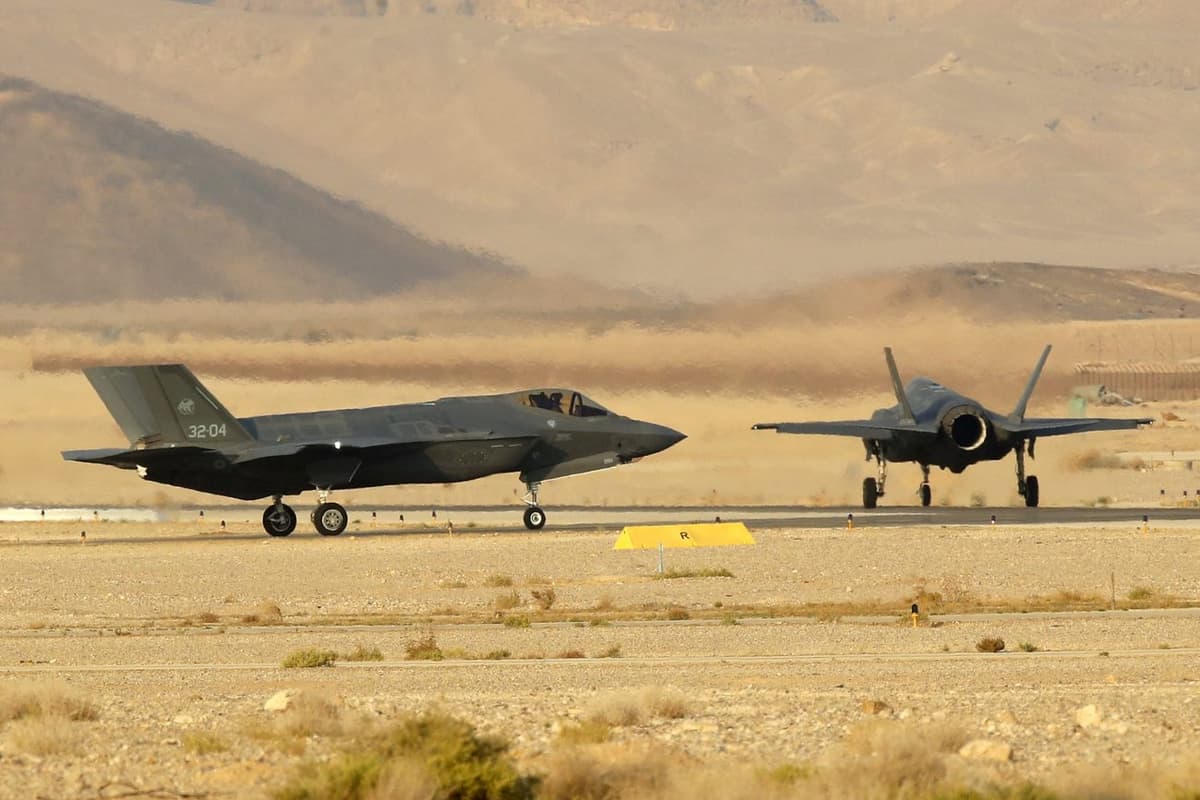
Israel announced a multi‑billion‑dollar deal to acquire a full squadron of F‑35 stealth fighters and F‑15IA air superiority jets from the United States. The purchase is part of the "Shield of Israel" program, which includes a 350 billion shekel (≈$118 billion) boost...