
Dockerfile Practices Are a DevOps Tax Before They Are a Security Concern
Dockerfiles silently accrue technical debt as developers prioritize speed over structure, leading to bloated images, inconsistent builds, and longer CI times. Advait Patel’s open‑source DockSec tool combines Trivy, Hadolint, Docker Scout, and an AI layer to detect inefficient Dockerfile patterns and provide plain‑language remediation. Real‑world data from Hypersequent shows that reordering layers, enforcing multi‑stage builds, and standardizing Dockerfile practices cut build times by up to 43% and reduced image sizes by 60‑75%. The initiative reframes Dockerfile quality as a core DevOps discipline rather than a peripheral security concern.

The Ultimate Guide to Claude Managed Agents 🤖
On April 8 2026 Anthropic unveiled Claude Managed Agents, a set of composable APIs that let developers build and run production AI agents on Anthropic’s cloud without managing runtime infrastructure. The service abstracts sandboxing, session persistence, credential isolation, error recovery and observability,...
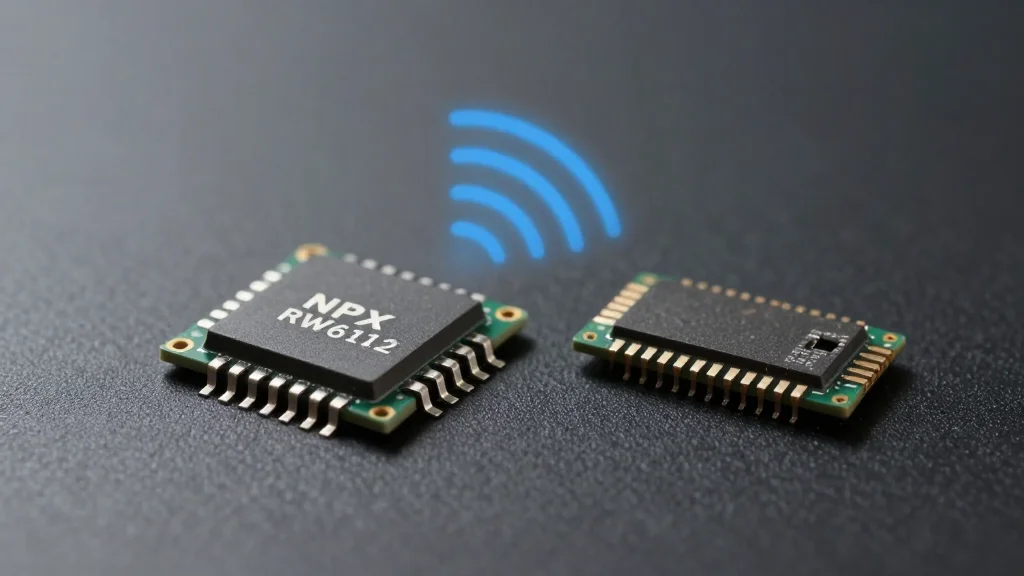
How to Implement OTA Firmware Update on MCUs
The article walks design engineers through implementing over‑the‑air (OTA) firmware updates on NXP’s RW612 MCU using a “staging + copy” workflow. Because the RW612 stores its application image in external serial NOR flash, the update routine relies on NXP’s ROM‑resident FlexSPI API...

Groundcover Eyes Visibility Gap in Agentic AI Monitoring by Targeting Multi-Step Workflows
Groundcover announced an expansion of its AI Observability service, adding native support for Google Vertex AI and targeting multi‑step agentic workflows. The platform uses a patented eBPF sensor to automatically capture every LLM interaction, token usage, and tool call without...

Antony Pegg: Introducing the AI DBA Workbench: PostgreSQL Monitoring That Diagnoses, Not Just Reports
pgEdge has launched the AI DBA Workbench, a self‑hosted PostgreSQL monitoring platform now in public beta. The solution combines a zero‑agent collector with 34 built‑in probes, a three‑tier anomaly detection engine, and an LLM‑driven AI assistant named Ellie that can...
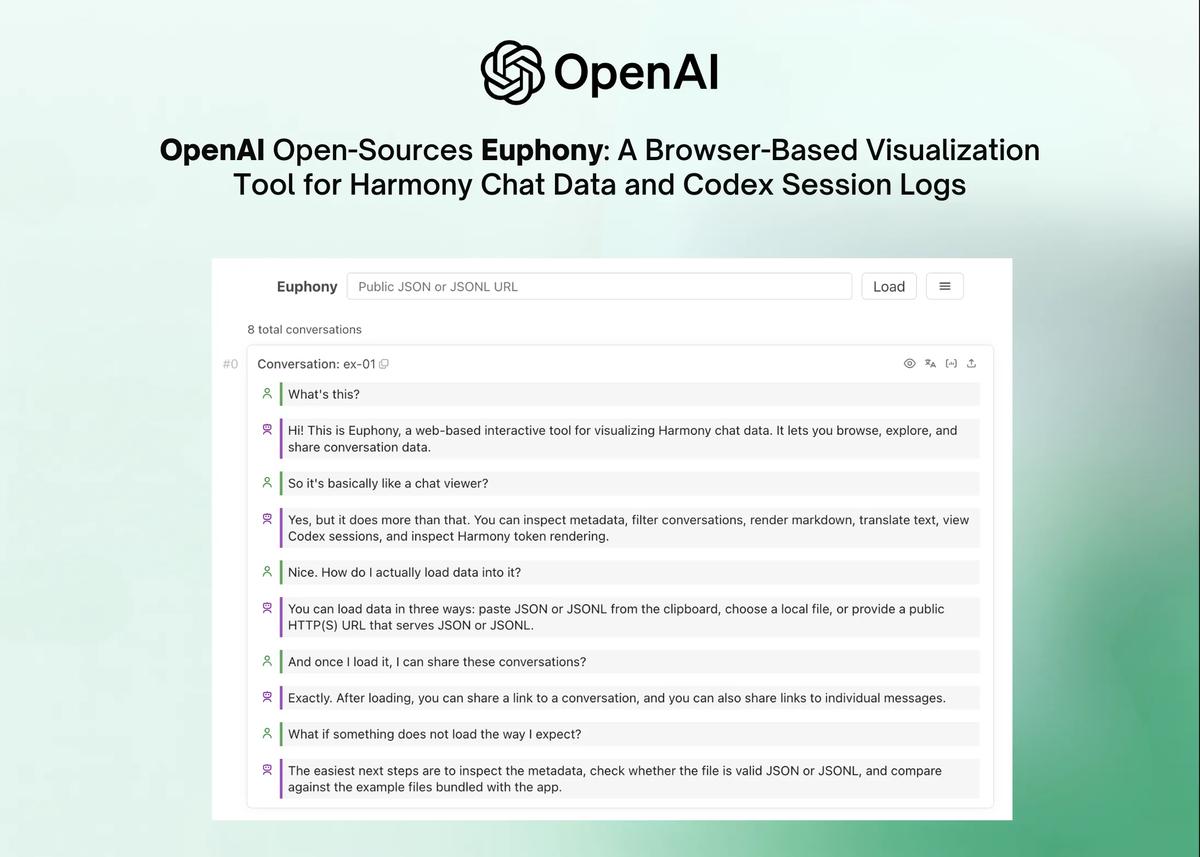
OpenAI Open-Sources Euphony: A Browser-Based Visualization Tool for Harmony Chat Data and Codex Session Logs
OpenAI has open‑sourced Euphony, a browser‑based tool that transforms raw Harmony chat JSON and Codex session logs into interactive conversation timelines. The web app auto‑detects four data structures, rendering them with metadata panels, JMESPath filtering, focus mode, grid view, and...
I Compared the Best Software Testing Tools for 2026
Software testing has become a multi‑billion‑dollar industry, with the global market projected at $57.7 billion in 2026. In a new guide, Somya Jain evaluates nine leading testing solutions—BrowserStack, Postman, Salesforce Platform, ACCELQ, Apidog, QA Wolf, Qase, Testlio and BlazeMeter—based on user reviews,...
Agent Sprawl Is Here. Your IaC Platform Is the Answer.
Enterprises are rapidly adopting AI agents—96% run them in production, yet only 12% have centralized management. This sprawl creates security, compliance, and audit challenges as agents proliferate across cloud accounts with unmanaged credentials. Pulumi argues that an Infrastructure‑as‑Code (IaC) platform...

Red Hat Performance and Scale Engineering
Red Hat’s Performance and Scale Engineering team highlighted several breakthroughs in enterprise AI inference. The company posted industry‑leading MLPerf Inference v6.0 results, topping throughput benchmarks for GPT‑OSS‑120B, Whisper‑Large‑v3, Qwen3‑VL‑235B‑A22B and Llama‑2‑70B on NVIDIA H200, B200 and AMD MI350X GPUs. New...
AWS Bedrock: The Future of Enterprise AI
Amazon Web Services launched Bedrock, a managed platform that lets enterprises run multiple foundation models without handling infrastructure. The service bundles models from Amazon, Anthropic, Meta, Cohere, Stability AI and Mistral, and adds first‑class retrieval‑augmented generation, agent orchestration, and tight...

Why Microsoft Is Betting on Temporary Identities to Stop Autonomous Agents From Going Rogue
Microsoft is introducing temporary, scoped identities for AI agents running on Azure Kubernetes Service, ensuring agents receive only the permissions needed for a specific task before automatic revocation. At KubeCon Europe 2026, the company demoed an agent that diagnosed and...

Mozilla Used Anthropic’s Mythos to Find and Fix 151 Bugs in Firefox
Mozilla announced that its Firefox 150 release incorporates fixes for 151 bugs and patches 271 vulnerabilities discovered with early access to Anthropic’s Mythos Preview AI model. The collaboration allowed the Firefox team to automate a broader search of the codebase, uncovering...

Kimi K2.6 Runs Agents for Days — and Exposes the Limits of Enterprise Orchestration
Moonshot AI unveiled Kimi K2.6, an open‑source model built for continuous, long‑horizon AI agents. The model can keep agents alive for hours—or even five straight days—while coordinating up to 300 sub‑agents across 4,000 steps. Early adopters report it compiled a...

From 80 Days to 5: How Banco Bradesco Accelerated Digital Product Delivery with HCP Terraform
Banco Bradesco slashed its infrastructure provisioning cycle from 80 days to just five by making Terraform the central control plane of its platform‑engineering strategy. The bank integrated Terraform with Sentinel policies, ServiceNow change management, and automated CMDB registration, turning fragmented...
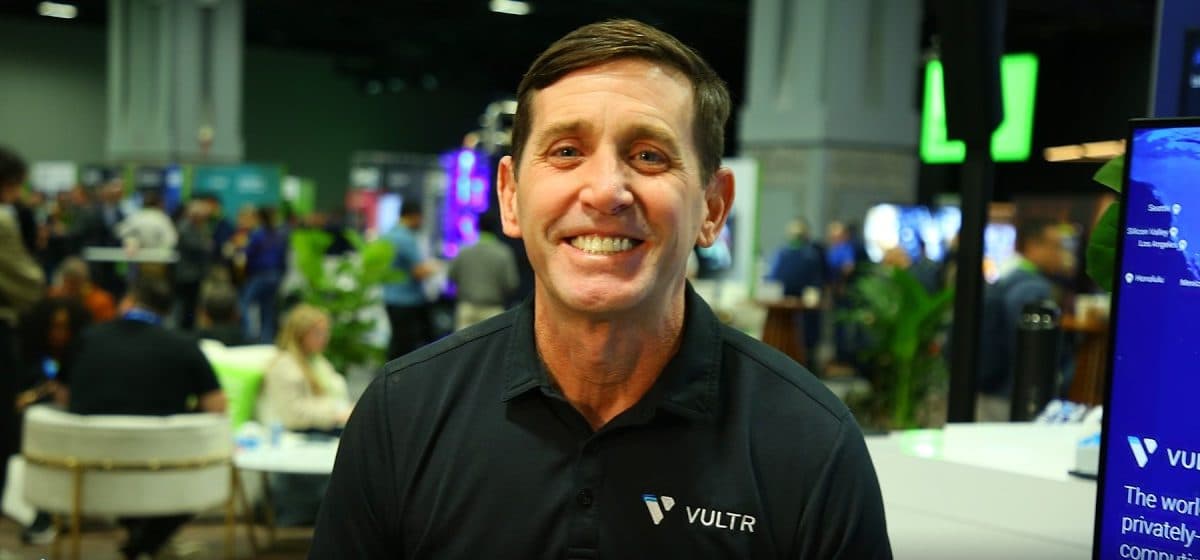
SUSE and Vultr’s Open Cloud Infrastructure Push Goes Global
SUSE and Vultr announced a global partnership to deliver an open‑cloud infrastructure tailored for AI and agentic applications. The joint solution combines SUSE’s Kubernetes and AI‑ops platform with Vultr’s compute, GPU, and bare‑metal services across 32 regions, promising 50‑90% lower...
MCP Dev Summit Solutions Showcase
The MCP Dev Summit showcased over 50 sponsors unveiling enterprise‑grade agentic AI solutions built on the MCP platform. Highlights included StackLock’s full‑stack security and governance suite, pgEdge’s AI‑enabled Postgres toolkit, and FastMCP’s open‑source Python framework paired with Prefect Horizon for...

AI Is Approving Our Pull Requests: Here’s How We Made It Safe
Intercom has deployed an AI‑driven pull‑request (PR) review Agent that now auto‑approves about 19% of PRs and handles over 93% of review work across its two main codebases. The system breaks review into specialized sub‑agents, enabling simultaneous checks of intent,...

Imagine An Army Of AI Minions Handling Incident Response
NeuBird.ai has launched an agentic AI platform that autonomously investigates incidents by correlating telemetry across AWS services and generating root‑cause analyses. The system builds dynamic service maps, runs multiple hypotheses in parallel, and assigns confidence scores to guide further investigation...
Auto-Diagnosing Kubernetes Alerts with HolmesGPT and CNCF Tools
STCLab’s two‑person SRE team built an AI‑driven investigation pipeline called HolmesGPT that automatically triages Amazon EKS alerts using the ReAct pattern. By feeding the LLM runbooks that specify available tools per namespace, they slashed unnecessary tool calls from 16 to...
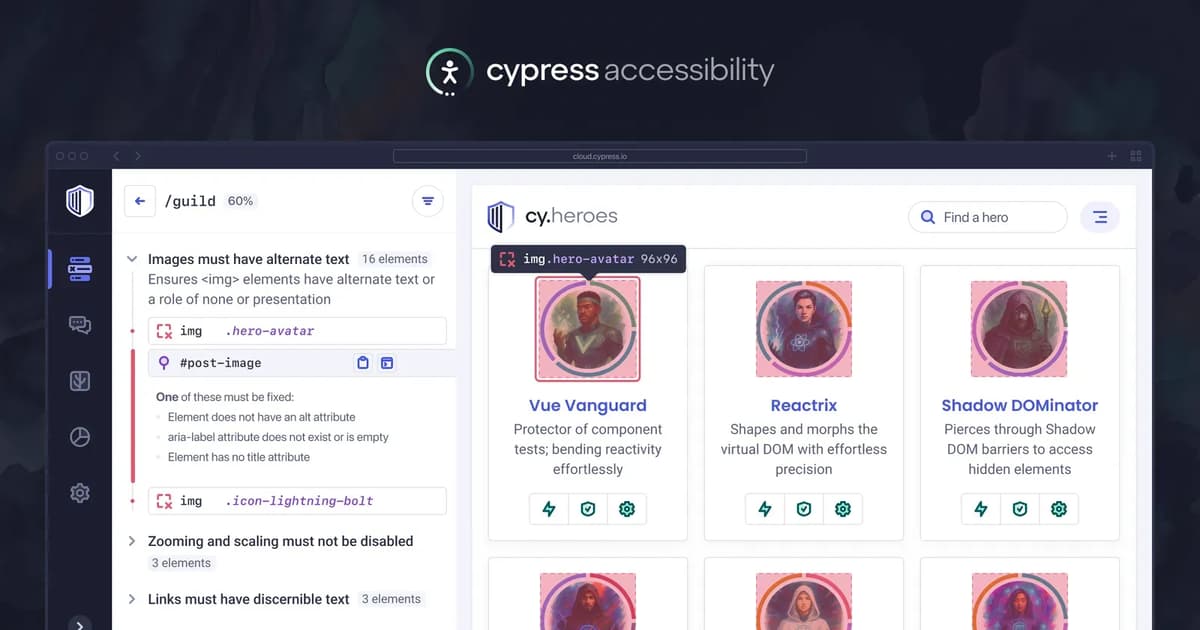
Cypress Accessibility and AI Agents
Cypress has released a new guide on leveraging AI agents to streamline accessibility testing. The guide explains how Cypress Cloud’s Model Context Protocol (MCP) surfaces thousands of accessibility snapshots for LLM analysis, enabling automated triage, remediation planning, and in‑browser debugging...

Azure DevOps MCP Server April Update
Microsoft released the April update for Azure DevOps MCP Server, adding a new `wit_query_by_wiql` tool for work‑item queries and expanding remote server capabilities with annotations and tool consolidation. The remote preview now tags tools as read‑only, destructive or open‑world and...

Report: Utilization of Kubernetes Infrastructure Remains Abysmal
CAST AI’s 2026 State of Kubernetes Optimization Report reveals that average CPU utilization across tens of thousands of cloud‑based Kubernetes clusters dropped to 8% in 2025, with memory at 20% and GPUs languishing at 5%. Over‑provisioning has worsened, with CPU...

Why only 37% of Developers Trust AI for Incident Response
A PagerDuty study finds 68% of organizations lose more than $300,000 per hour during IT incidents, yet only 37% of developers trust AI for incident response. While 59% of IT leaders expect AI to cut downtime by over 20%, developers...
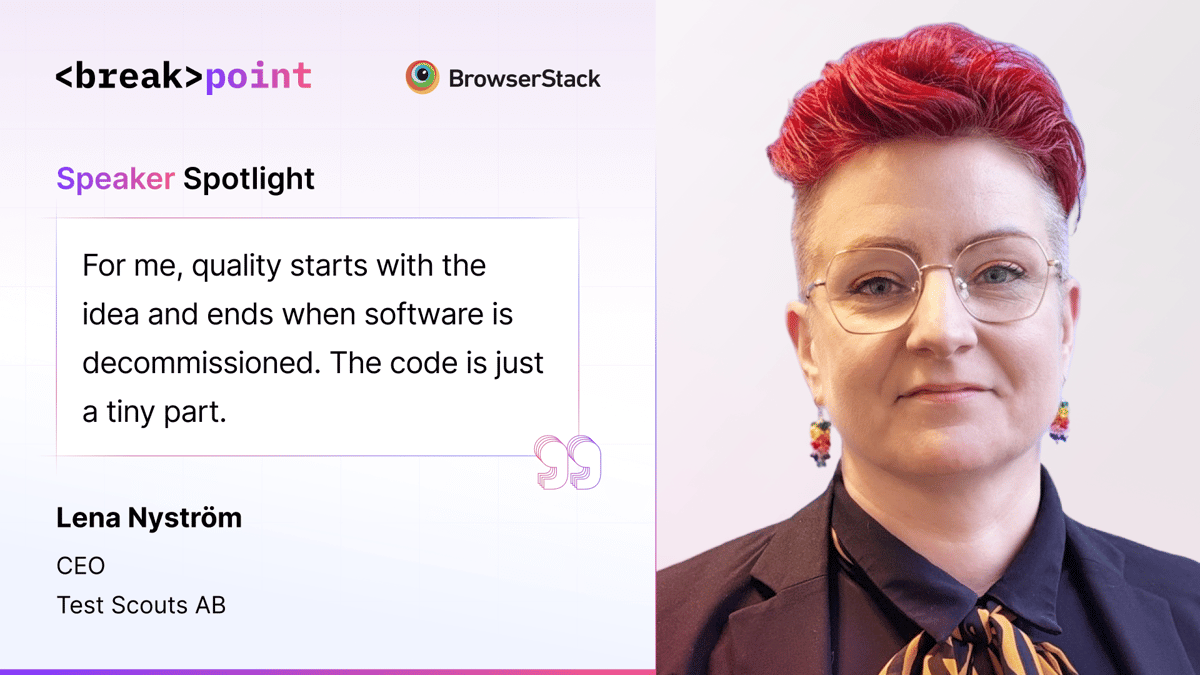
Breakpoint 2026 Speaker Spotlight: Lena Nyström, Test Scouts AB
Breakpoint 2026, a free virtual conference running May 12‑15, spotlights industry veterans like Lena Nyström, CEO of Test Scouts AB. Nyström, who transitioned from developer to testing leader since 1999, will lead a session on the hidden complexity of system messages—errors,...

Antony Pegg: How to Use the pgEdge Control Plane: From Zero to Multi-Master and Beyond
Antony Pegg’s guide walks users through pgEdge Control Plane, a lightweight orchestrator that manages PostgreSQL clusters via a declarative REST API. In a five‑minute demo he shows how to spin up a multi‑master, HA database using Docker Swarm and a...

The Cookbook for Safe, Powerful Agents
Enterprises are moving AI agents from proof‑of‑concepts to production, exposing a critical gap between capability and control. Runloop CEO Jonathan Wall emphasizes that agents must start with minimal privileges and gain access only through layered safeguards. The article outlines a...

Enterprises Are Rethinking Kubernetes
Enterprises are reassessing Kubernetes as the default platform for modern applications. While Kubernetes delivers powerful orchestration, its operational complexity, skill demands, and limited portability have become cost burdens for many organizations. Companies are shifting toward managed container services, serverless offerings,...

How Skyscanner Scales OpenTelemetry: Managing Collectors Across 24 Production Clusters
Skyscanner, with 1,400 staff and over 1,000 microservices, has deployed OpenTelemetry collectors across 24 Kubernetes clusters to achieve vendor‑agnostic observability. A central DNS endpoint backed by Istio routes all telemetry to either a Gateway collector (handling bulk OTLP traffic) or...
Introducing Pyroscope 2.0: Faster, More Cost-Effective Continuous Profiling at Scale
Grafana released Pyroscope 2.0, a ground‑up redesign of its open‑source continuous profiling database that adds native OpenTelemetry Protocol (OTLP) support and removes costly write‑path replication. The new architecture writes each profile once to object storage, co‑locates symbols, and deduplicates data, cutting...

Why Your Best Engineers Are Doing the Wrong Work
Managed Service Providers (MSPs) are trapped in a cycle of manual provisioning, patching, and firefighting, leaving their top engineers underutilized. The surge in multi‑cloud deployments has amplified operational complexity, prompting a shift toward platform engineering and internal developer platforms (IDPs)...
Grafana Assistant Everywhere: Customize and Connect to the AI Agent to Fit Your Specific Needs
Grafana announced that its AI‑driven Grafana Assistant is no longer limited to Grafana Cloud; it can now be deployed in self‑managed Grafana Enterprise and OSS environments. Users can connect a Grafana instance to a free Grafana Cloud account with a...

Beyond the Frontend: Choosing Between Vercel and Upsun for Full-Stack Applications in 2026
Vercel remains the go‑to platform for Next.js‑centric frontends, offering instant preview URLs and a developer‑first experience. Upsun, by contrast, treats the entire application—frontend, backend services, databases, queues and cron jobs—as a single unit defined in a .upsun/config.yaml file. The article...

GitLab + Amazon: Platform Orchestration on a Trusted AI Foundation
GitLab has introduced the Duo Agent Platform, an agentic AI control plane that embeds AI workflows directly into GitLab’s software development lifecycle. The platform routes model calls through a GitLab AI Gateway to Amazon Bedrock, Amazon’s server‑less, compliant foundation model...

Unlock Enterprise-Ready, Secure AI with Red Hat Lightspeed Agent for Google Cloud
Red Hat has launched the Lightspeed Agent for Google Cloud, now listed on the Google Cloud Marketplace. The agent, built on the Agent‑to‑Agent protocol and powered by Google Gemini models, lets SREs manage Red Hat Enterprise Linux workloads via natural‑language commands....
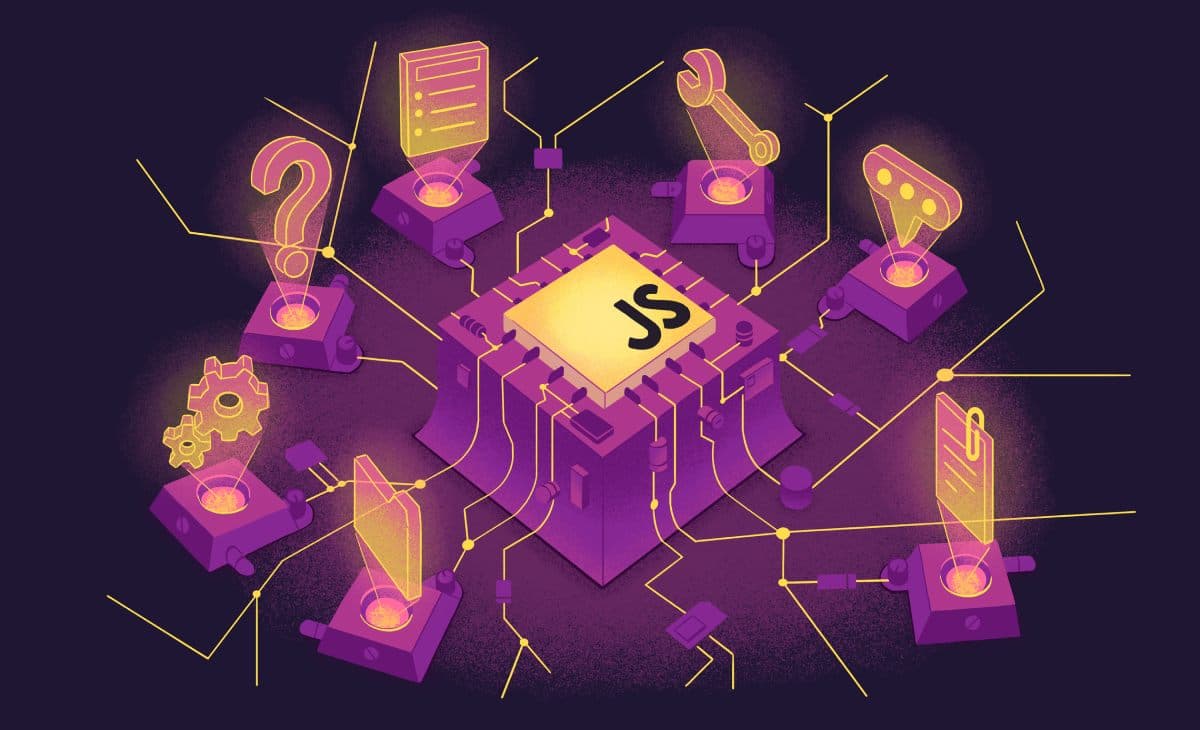
No More Monkey-Patching: Better Observability with Tracing Channels
Node.js is introducing Diagnostics and Tracing Channels to let libraries emit their own telemetry, eliminating the need for external monkey‑patching. Traditional APM instrumentation relies on fragile runtime patches that break with ES Modules, forcing developers to use complex import hooks....

From APIs to Event-Driven Systems: Modern Java Backend Design
During a high‑traffic sales event, a chain of synchronous REST calls caused cascading timeouts that halted order checkout, prompting a redesign of the Java backend. The engineering team replaced the tightly coupled API model with an event‑driven architecture built on...

Why Embedding Pipelines Break at Scale and How Lakehouse Architecture Fixes Them
Embedding pipelines work well for small prototypes but quickly break when the document corpus grows to millions and models evolve. Re‑embedding entire datasets becomes costly, and vector databases lack the lineage needed to answer compliance questions about which model or...
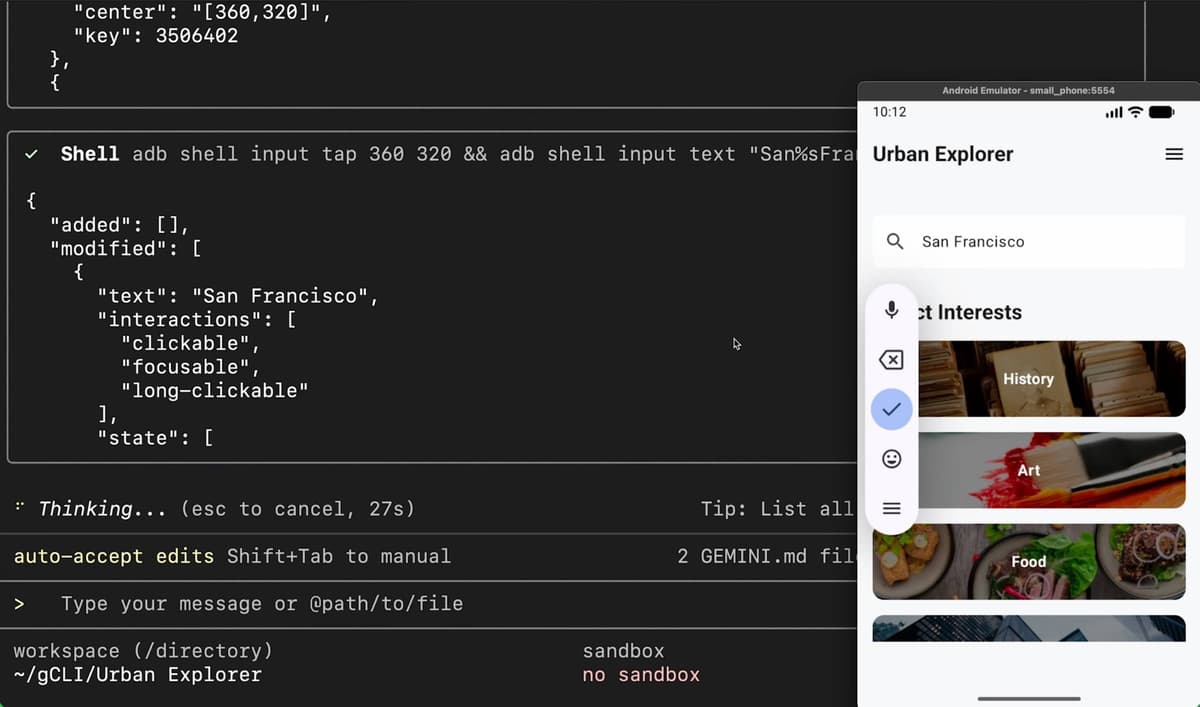
New Android Development Tool Designed for Robots, Not Humans
Google unveiled an Android command‑line interface (CLI) built for AI agents, promising a 70% reduction in token usage and a three‑fold speedup in task completion. The tool complements Android Studio, letting agents generate projects that can later be refined in...
What KubeCon EU 2026 Tells About the State of AI and Platform Engineering
KubeCon EU 2026 drew 13,350 attendees as the cloud‑native community swelled to 19.9 million, underscoring a rapid shift toward serious AI adoption. Platform Engineering emerged stronger, with teams demanding ready‑made, extensible internal developer platforms (IDPs) that can govern both human and...
Local vs Remote MCP Servers – Which Should You Choose?
Model Context Protocol (MCP) servers let AI applications pull live data, tools, and prompts, bridging the gap between static LLM knowledge and up‑to‑date enterprise information. Architects must decide whether to host MCP servers locally or remotely, a choice that influences...
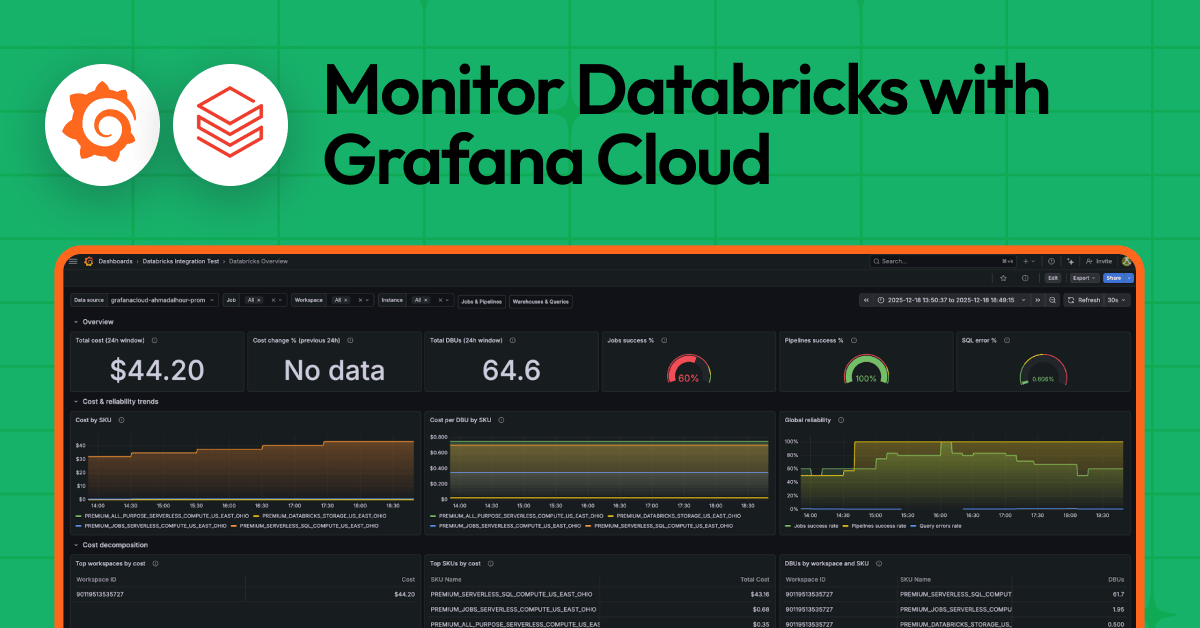
Monitor Databricks with Grafana Cloud for Instant Visibility Into Your Workloads
Grafana Cloud launched a native Databricks integration that streams billing, job, pipeline, and SQL warehouse metrics directly into Grafana dashboards. The offering includes three prebuilt dashboards and 14 default alert rules tailored for FinOps, SRE, and analytics teams, eliminating the...

Deploying Cross-Site Replication in Percona Operator for MySQL (PXC)
The article walks through configuring cross‑site disaster‑recovery for Percona XtraDB Cluster (PXC) using the Percona Operator for MySQL in Kubernetes. It details a three‑node primary cluster, exposing nodes via LoadBalancer services, taking an S3‑backed backup, and restoring it on a...

From Public Static Void Main to Golden Kubestronaut: The Art of Unlearning
A former Java developer recounts his ten‑year journey from writing a single public static void main to earning all five CNCF certifications and the Golden Kubestronaut title. He explains that moving to Kubernetes forced him to unlearn monolithic assumptions and embrace...

AI-Driven Kubernetes in Action: Exploring AI-Assisted Kubernetes Operations
AI is reshaping Kubernetes management by moving from reactive troubleshooting to proactive, automated operations. By integrating machine‑learning models, organizations can achieve real‑time anomaly detection, predictive resource scaling, and self‑healing clusters. Leading tools such as Kubeflow, K8sGPT, and kubectl‑ai demonstrate how...

Why Your E-Commerce Dev Team Ships Slower than Your Competitors (and How to Fix It)
E‑commerce development teams often ship slower not because of headcount but due to hidden infrastructure friction such as shared staging, manual pipelines, and fragmented compliance. These bottlenecks turn week‑long feature cycles into month‑long projects, causing missed campaign windows. Upsun’s platform...
Prepare Your Pipeline for AI-Discovered Zero-Days
Anthropic's Mythos preview model uncovered thousands of zero‑day vulnerabilities, including a 27‑year‑old OpenBSD bug, and chained four flaws into a functional browser exploit. The company warns that comparable AI‑driven attack tools could appear in the hands of adversaries within six...
Bitbucket Cloud Meets Pulumi Cloud
Pulumi Cloud has added Bitbucket Cloud as a first‑class version‑control integration, joining GitHub, GitLab and Azure DevOps. Teams can connect a Bitbucket workspace to a Pulumi stack and trigger infrastructure deployments on every push, with path filters and secret management...
A Coding Guide for Property-Based Testing Using Hypothesis with Stateful, Differential, and Metamorphic Test Design
The MarkTechPost tutorial demonstrates how to build a full‑stack property‑based testing suite with Hypothesis, covering invariants, differential, metamorphic, targeted, and stateful testing. It walks through utility functions, custom parsers, statistical checks, and a rule‑based state machine that models a simple...

Lifecycle Management on Google Cloud: From Provisioning to Self-Healing with Red Hat and HashiCorp
Red Hat’s Ansible Automation Platform and HashiCorp’s Terraform are joining forces to deliver end‑to‑end infrastructure lifecycle management on Google Cloud. The partnership, highlighted in a webinar on April 20, 2026, demonstrates how provisioning, configuration, and Day 2 operations—including AI‑driven remediation—can be automated through a...
Google AI Releases Auto-Diagnose: An Large Language Model LLM-Based System to Diagnose Integration Test Failures at Scale
Google AI researchers unveiled Auto-Diagnose, an LLM‑powered system that reads integration‑test logs, isolates the root cause, and posts a concise diagnosis to the code review. In a manual study of 71 real‑world failures across 39 teams, it identified the correct...