
Do We Really Need Smarter AI to Cure Cancer?
The debate over AI’s role in curing cancer intensifies as Emilia Javorsky argues that over‑investment in AGI/ASI distracts from practical AI tools and data infrastructure needed for personalized oncology. She stresses cancer’s heterogeneity, urging focus on early detection, trial acceleration, digital twins, and high‑quality biomedical datasets. Javorsky proposes a three‑pronged roadmap: scale existing AI applications, fund biology research, and address systemic healthcare bottlenecks.

Oracle Brings AI and Cloud Expertise to Poland's Healthcare
Loved spending a couple days in Poland last week, where I had the privilege of meeting with Tomasz Maciejewski, @USAmbPoland Tom Rose, Hon. Stuart Andrew MP, and other leaders working to advance Poland’s healthcare ecosystem. We at @Oracle are keen to share our...

Superintelligent AI Not Required to Improve Cancer Outcomes
Big tech companies claim superintelligent AI could one day cure cancer. But do we really need smarter AI to change cancer outcomes? https://spectrum.ieee.org/can-ai-cure-cancer-javorsky?share_id=9456123

New Guideline for Cardiac Ultrasound Artifacts Released by ASE
The American Society of Echocardiography (ASE) has issued a new guideline titled “Recommendations for the Identification and Mitigation of Cardiac Ultrasound Artifacts.” The document provides a systematic approach to recognizing artifacts across 2‑D, Doppler, color and 3‑D echocardiography, complete with...

Exclusive: XCaliber Health Scores $6.5M for Workflow Platform
XCaliber Health announced a $6.5 million seed round to scale its agentic AI platform that automates healthcare administrative tasks. The system ships with pre‑built agents, analytics models and integrates with major EHRs such as Epic, Cerner and athenahealth. CEO Prakash Khot...

What the Harvard ER Study Says About O1 Beating Doctors at Diagnosis, Why It Means Differential Diagnosis Just Stopped Being...
A Harvard‑led Science paper pitted OpenAI’s o1 reasoning model against board‑certified physicians on 76 Boston emergency‑department cases. At the triage stage, o1 achieved roughly 67% diagnostic accuracy versus 50‑55% for doctors, and both groups climbed above 80% once full workup...

The Technology Behind the Story: 3D Skin Grafts and the World of Scarpetta
The article highlights how 3D‑printed skin grafts are transitioning from laboratory experiments to clinical tools for complex wounds. Researchers at Columbia University have demonstrated patient‑specific, three‑dimensional grafts that fit irregular body parts like a glove, reducing surgery time and improving...

AMA Presses Congress for Guardrails on AI Mental Health Chatbots
The American Medical Association (AMA) has written to congressional AI and digital‑health caucuses urging stronger federal safeguards for artificial‑intelligence‑driven mental‑health chatbots. The AMA warns that the rapid deployment of these tools is outpacing existing patient‑protection frameworks, creating risks of misdiagnosis,...

AMA Presses Congress for Guardrails on AI Mental Health Chatbots
The American Medical Association is urging Congress to enact stronger safeguards for AI‑enabled mental‑health chatbots, warning that current oversight lags behind rapid adoption. The AMA highlights risks such as misinformation, emotional dependency, privacy breaches, and harmful responses in crisis situations....
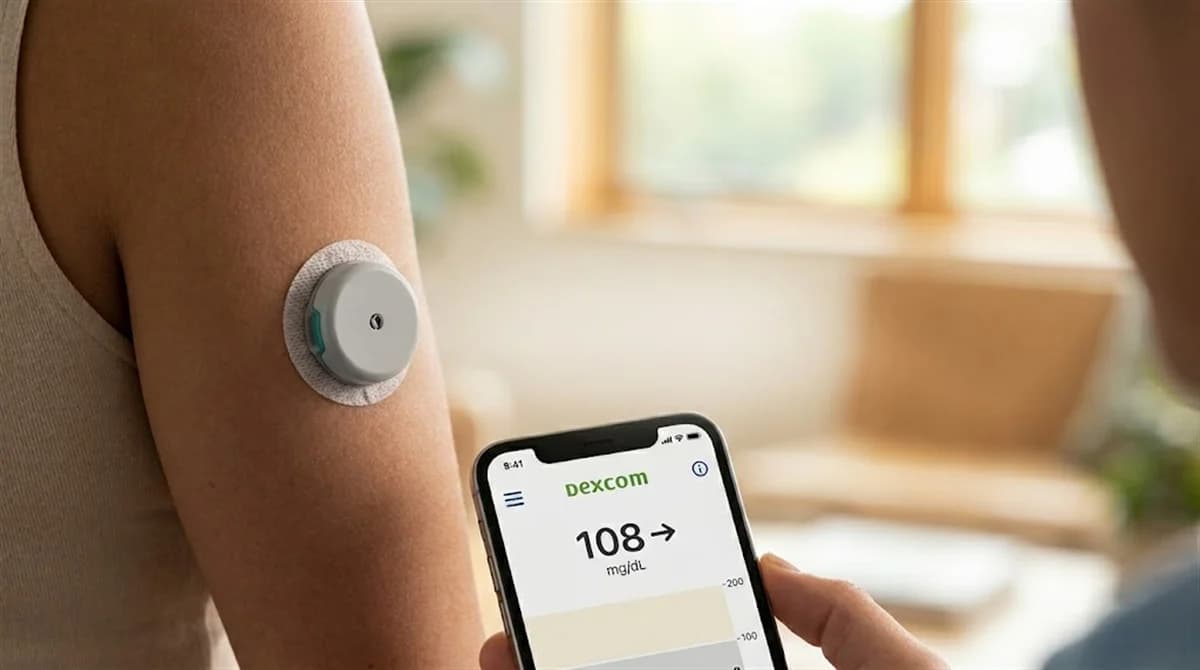
3 Reasons Analysts Love DexCom
DexCom reported a strong Q1 2026, with sales climbing to $1.2 billion, a 15% year‑over‑year increase, and earnings beating forecasts by 9 cents per share. The company’s cash pile sits at roughly $2.4 billion, while its new G7 15‑Day continuous glucose monitor is gaining...

Patents Hide Life‑Saving Drug Clues Await Discovery
What if the next life-saving drug is buried in a patent diagram? In early drug discovery, progress can hinge on a single decision. The evidence exists, but some of the most valuable insights stay invisible to conventional search, especially inside...
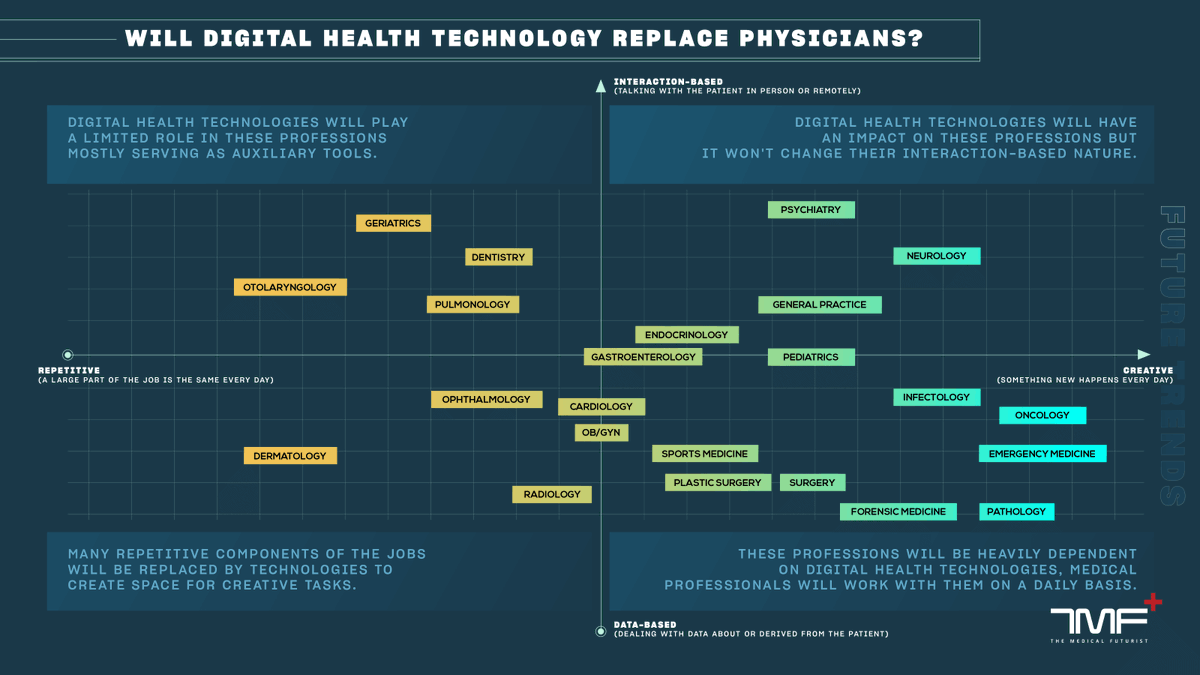
Tech Disruption Varies by Specialty: Task Type Matters
An analysis of what impact digital technologies could have on the top 20 medical specialties, based on how repetitive vs creative and interaction-based vs data-based tasks those specialties entail. This and many more inforaphics and detailed analyses in our e-book: The...

South West Yorkshire Partnership Updates and Next Steps for Electronic Prescribing
South West Yorkshire Partnership Teaching NHS Foundation Trust reported that its electronic medication chart (EPMA) has gone live at Cheswold Park Hospital, replacing paper charts and boosting patient safety. The trust outlined a 12‑month, three‑phase plan to roll out the...

Gallium Needle Softens at Body Heat, Boosts Injection Safety
KAIST Develops Gallium Needle That Softens at Body Temperature for Safer Injections by @tweetciiiim #MedTech #HealthTech #Tech #TechForGood https://t.co/g8iTdzNeF9

Integrated Care Platforms Redefine Post‑Telehealth Healthcare
Beyond Telehealth: The Rise Of The Integrated Care Platform by Manjula Iyer @Forbes Learn more: https://t.co/zUONBCm5Oz #MedTech #Healthcare #HealthTech #Tech #TechForGood https://t.co/uFU9tfj0zu
Australian Digital Health Agency Notes Progress in Delivery of National Healthcare Interoperability Plan
The Australian Digital Health Agency announced that 75% of the 44 actions in its National Healthcare Interoperability Plan have been completed as of the January‑March 2026 quarter. Two domains—innovation and benefits—are fully finished, while standards are 93% complete, leaving only...

Nottinghamshire Healthcare Procures £725k Patient-Focused Intranet and Internet Solution
Nottinghamshire Healthcare NHS Foundation Trust has awarded a £725,000 (~$925,000) contract to Made Purple Limited to deliver a patient‑focused intranet and internet service aimed at reducing digital deprivation. The platform will enable patients to acquire new skills, research health information,...

Fluorinated Amphiphilic Dendrimer to Improve PET Imaging of Cancer
Researchers engineered a fluorinated amphiphilic dendrimer nanocarrier radiolabeled with gallium‑68 to serve as a PET imaging agent. Fluorination lowered liver retention, accelerated renal clearance, and refined biodistribution, producing markedly higher tumor uptake in mouse models of glioblastoma and pancreatic adenocarcinoma....
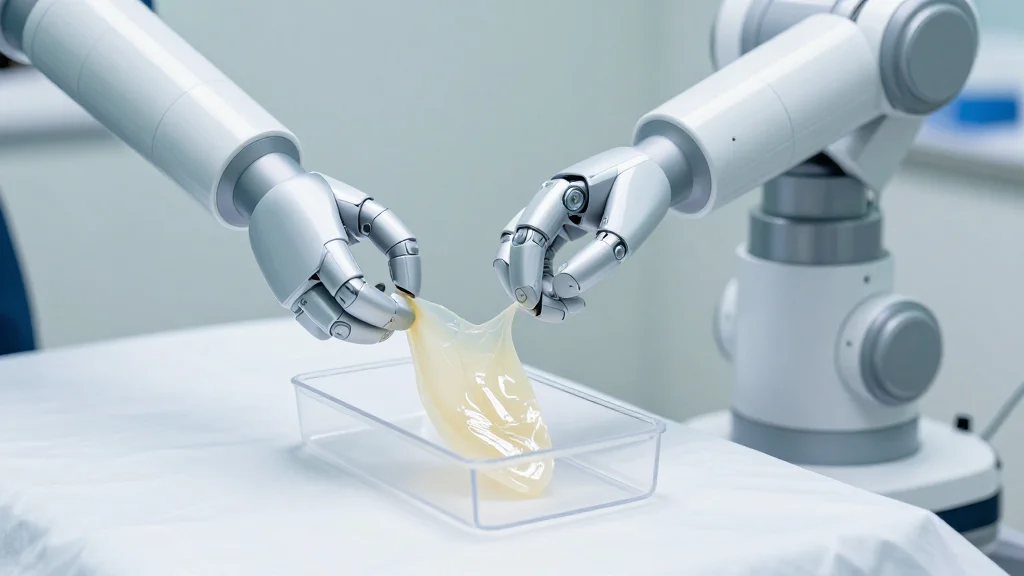
Clarapath Unveils TrimStar Pro, a Compact FDA‑Registered Robotic Microtomy System
Clarapath announced the launch of TrimStar Pro, an FDA‑registered robotic facing and trimming system that occupies roughly half the footprint of its flagship SectionStar. The modular platform is positioned as an on‑ramp for histology labs seeking automation without the capital...

AI‑Driven Facial Aging Rate Predicts Cancer Survival, Study Finds
Researchers at Mass General Brigham reported that an AI‑derived Face Aging Rate (FAR) measured from routine radiation‑therapy photos predicts mortality in cancer patients. Accelerated facial aging was associated with up to a 65% higher risk of death and markedly shorter...
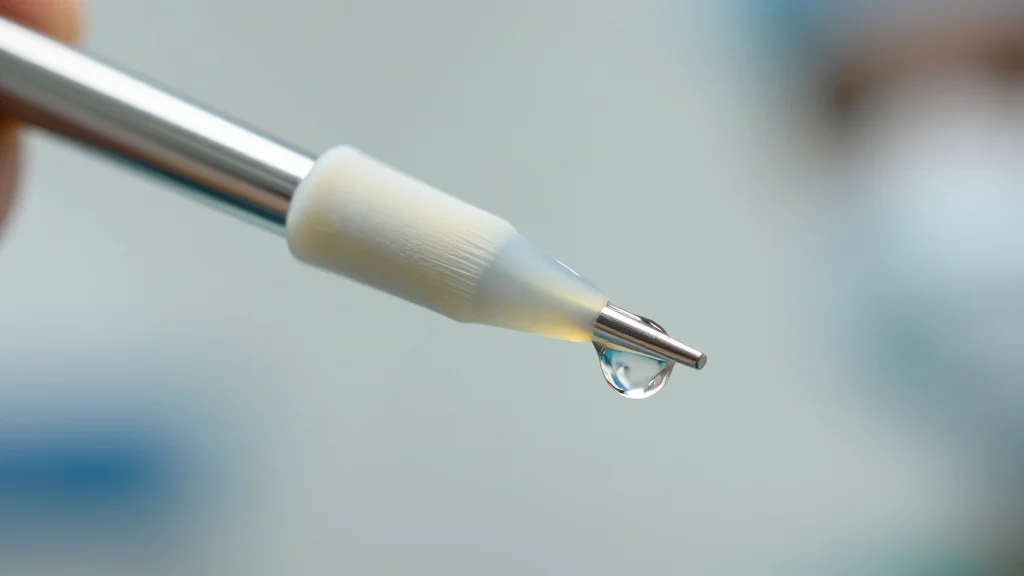
U of T Engineers Create Polymer Bristle Coating that Blocks Proteins and Germs on Medical Surfaces
University of Toronto engineers have developed a silicone‑based polymer bristle coating that prevents protein adhesion, a key step in bacterial colonisation. The non‑toxic surface could replace harsh disinfectants in hospitals, reducing chemical exposure and the risk of resistant strains.
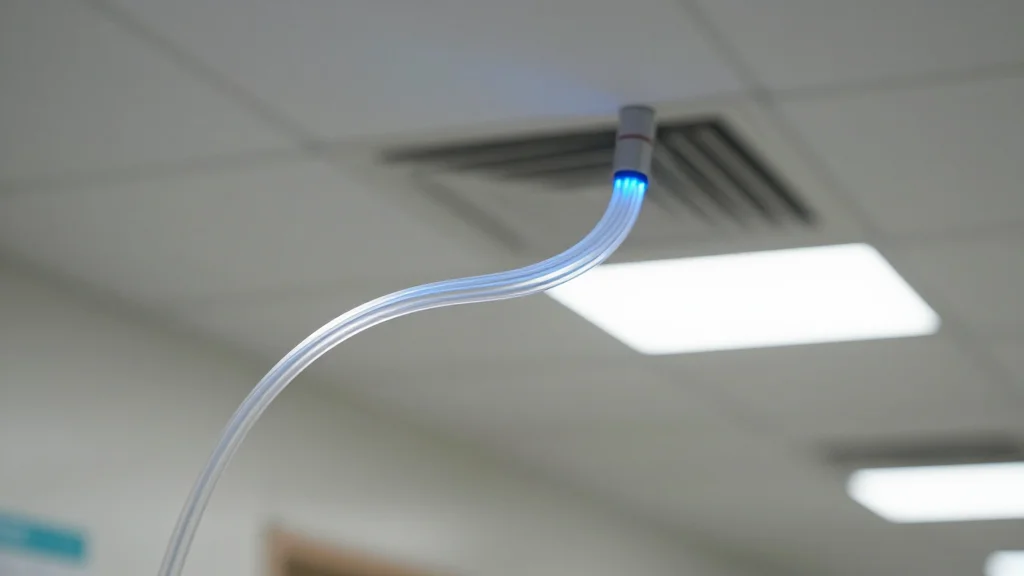
Tell Us: Is Hospital Connectivity Keeping up with the Demands of Modern Care in 2026?
Hospitals are shifting focus from merely providing Wi‑Fi access to guaranteeing continuous, high‑performance connectivity essential for modern care. Existing networks, often a mix of Wi‑Fi and legacy distributed antenna systems, struggle with device density, real‑time diagnostics, and emerging AI workloads....

Croma Bets on Health-Tech Push, Brings in Smart Rings, Partners Oura
India’s leading electronics retailer Croma, part of the Tata Group, announced a strategic push into health‑tech, adding smart rings to its portfolio and formalising a partnership with Finnish wellness brand Oura. The retailer aims to offer advanced wearables that provide...

Oxford Builds and Tests Structured Human Brain Tissue Using 3D Printing
Oxford University researchers have engineered layered human cortical tissue using stem cells, 3D printing and micro‑fluidics, then successfully implanted it into living mouse brains. The grafted tissue integrated with host neurons, formed functional synapses and reduced lesion size in traumatic‑brain‑injury...

Building Maven Clinic when No One Believed with CEO Kate Ryder
In this episode of Lifers, CEO Kate Ryder discusses the evolution of Maven Clinic, the first unicorn in women's health, focusing on the challenges of scaling from $200M to $500M in revenue and aligning every part of the business. She...

Philips Bets on AI Monitoring to Cut Hospital Costs, Ease Staff Shortages
Philips introduced an AI‑driven patient‑monitoring platform at its APAC Innovation Summit in Singapore, aiming to alleviate staff shortages and curb rising hospital costs. The solution aggregates data from multiple care settings into a single interface, enabling clinicians to monitor vitals...
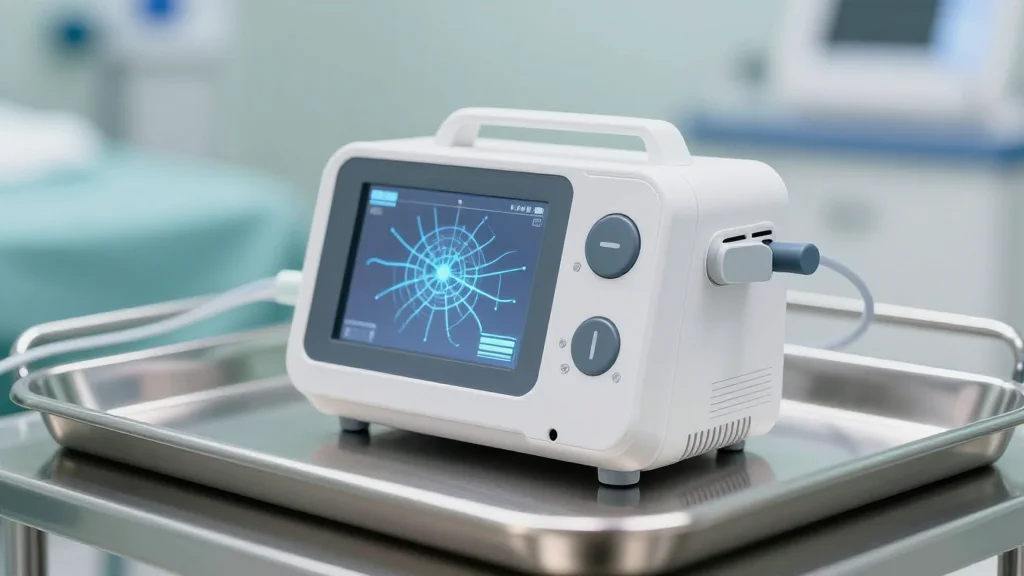
Trustworthy Healthcare AI Requires Local Accountability, Not only Consensus Principles
Recent commentary on the FUTURE‑AI consensus highlights that while the guideline enumerates essential tasks—local validation, logging, audit, training, governance, and monitoring—it stops short of assigning concrete operational duties. The author argues that trustworthy healthcare AI depends on explicit, locally enforced...

Curium Life: AI Platform for Surgical Intelligence
Curium Life Technologies, founded by pediatric surgeon Dr. Vinayak Rengan, launched SurgiMeasure, an AI‑driven intra‑operative measurement SaaS for laparoscopic surgeries. The hardware‑agnostic tool provides real‑time metrics during procedures such as bariatric and bowel cancer surgery, aiming to augment surgeon decision‑making....

NIHR Funding for Kidney Care App Study at Portsmouth NHS Trust
Portsmouth Hospitals University NHS Trust has received almost £100,000 (≈ $128,000) from the NIHR to evaluate the MyRenalCare app’s ability to make kidney care more inclusive. The INCLUDE‑CKD study will compare about 1,000 app users with a similar number receiving standard...

Telehealth Autism Tools Provide High Accuracy for Children Using Short Phrases
UC Riverside researchers created telehealth assessment tools for autistic children who use short phrases or fluent speech and compared them with traditional in‑person evaluations. In a trial of 39 children, the short‑phrase tool matched the accuracy of face‑to‑face diagnosis, while...

CDC HoSt-TT Certification for Siemens Healthineers Total Testosterone Test Expands Patient Access to Gold Standard Equivalent Results
Siemens Healthineers’ Atellica IM Testosterone II (TSTII) assay has received CDC Hormone Standardization Program certification for total testosterone (HoSt‑TT), confirming its results match the gold‑standard LC‑MS/MS method. The assay, available on Atellica IM and CI analyzers, is the only fully automated immunoassay to...

Mastering a Marathon with the Future of Healthtech
Computer Weekly explores how digital twins of the human body are being used to fine‑tune training for the London Marathon, giving runners real‑time physiological feedback. The issue also examines AI‑driven cockpit experiences shaping the next generation of cars, and interviews...
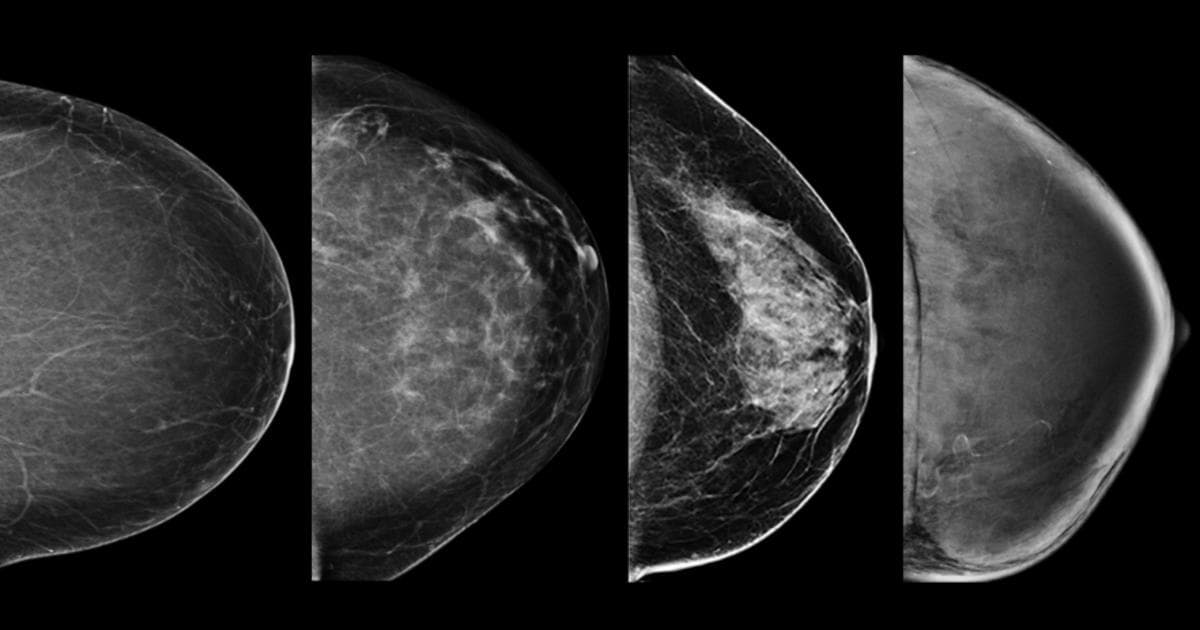
AI Model Helps Discern Patients' Need for Supplemental Breast Imaging
A deep‑learning model called Mirai, developed by MIT and Mass General, predicts a woman’s five‑year breast‑cancer risk from routine mammograms with an AUROC of 0.71, markedly higher than the 0.53 achieved by traditional density‑based BI‑RADS categories. The study evaluated over...

People Share Incomplete Details with AI in Symptom Reports
A new Nature Health study of 500 participants shows that people give less detailed symptom reports to AI chat‑bots than to human doctors. Reports to AI averaged 228.7 characters versus 255.6 characters for physicians, a drop of roughly 11 %. The...
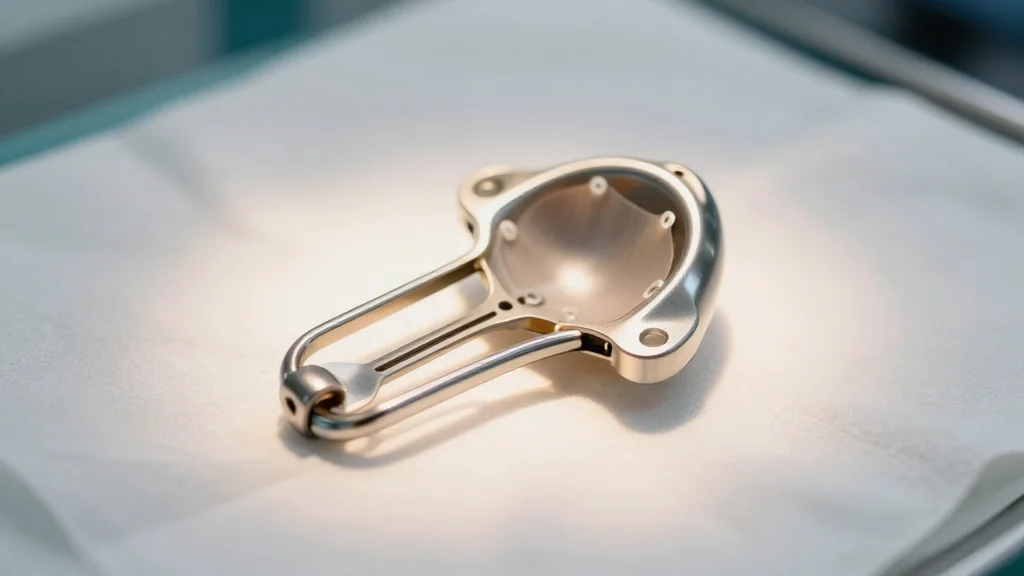
Medtronic Secures FDA Clearance for Mosaic Neo Mitral Valve Bioprosthesis
Medtronic plc won FDA approval for its Mosaic Neo mitral bioprosthesis, a next‑generation valve designed for sternotomy, minimally invasive and robotic implantation. The device launches at the AATS meeting, promising improved durability and ease of use for complex mitral repairs.
FDA Launches Real‑Time Clinical Trial Initiative, AstraZeneca and Amgen Lead First Pilots
On April 28, 2026, the U.S. Food and Drug Administration unveiled a two‑step plan to roll out real‑time clinical trials, launching two proof‑of‑concept studies and issuing a Request for Information on a summer pilot. AstraZeneca and Amgen are already running...

Senate Introduces Clinical Trial Modernization Act to Cut Patient Costs
Senators Tim Scott (R‑SC) and Mark Warner (D‑VA) unveiled the Clinical Trial Modernization Act (S.4440), a bipartisan effort to remove financial and geographic obstacles for patients in clinical trials. The legislation would permit sponsors to reimburse up to $2,000 annually...
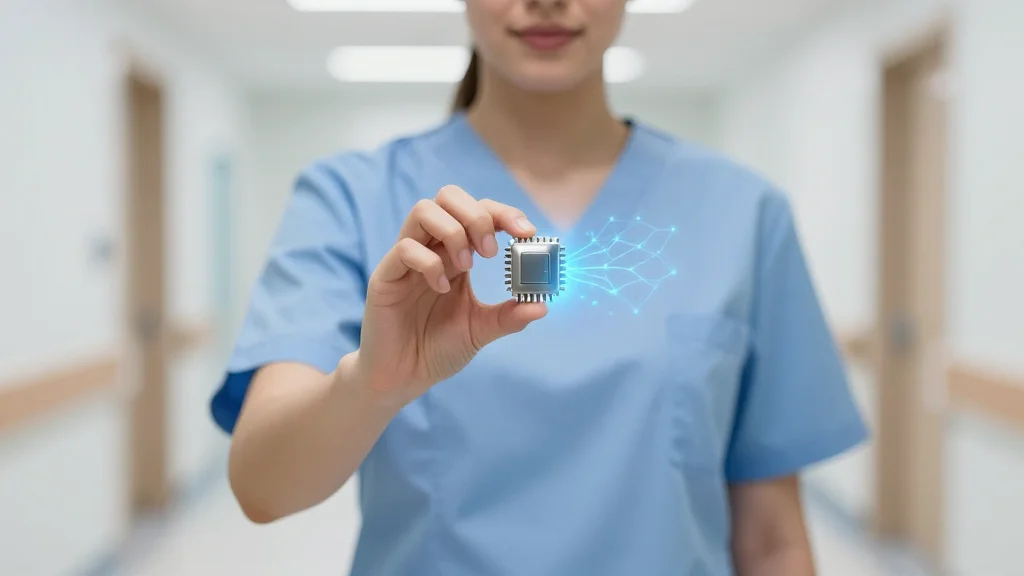
Ushering in the Next Era of Frontline Nursing with AI
McKinsey’s 2026 Nursing AI Insights Survey of 521 frontline nurses shows that 65% have increased their use of AI tools over the past year, yet only about 2% say AI is embedded in every aspect of their work. Adoption is...

AI in Cancer Research Waits for Its Funding Moment
General‑purpose AI attracted $33.9 billion in 2024, while the AI‑in‑cancer market was valued at $2.45 billion, just 7 % of that total. Researchers at the University of Hong Kong unveiled MorphoGenie, an unsupervised deep‑learning tool that extracts subtle patterns from cell images, following...
AI's Echo Chamber: Validation Vs. Reassurance in Healthcare
One of the biggest problems with AI is it so often tells us what we want to hear. In healthcare, I can’t figure out if that means telling a patient they have a likely diagnosis — or that they don’t....

Wearable Technology Impacts Hospice Staff Safety, Satisfaction
Wearable safety devices are gaining traction among home‑based hospice staff, who confront heightened physical and psychosocial risks. Silent Beacon, founded in 2016, offers a wearable with a panic button, location tracking, and instant communication to streamline emergency response. Research cited...

Selftalk Secures €270K Seed Funding to Turn Moldova Into Mental‑Health Innovation Hub
Selftalk, a Moldovan mental‑health technology startup, closed a €270,000 (~$295,000) seed round and is now aiming for €1 million (~$1.09 million) in annual recurring revenue while supporting 100 corporate teams. The funding, sourced through EU4Innovation East’s network, underpins the company’s pivot back...
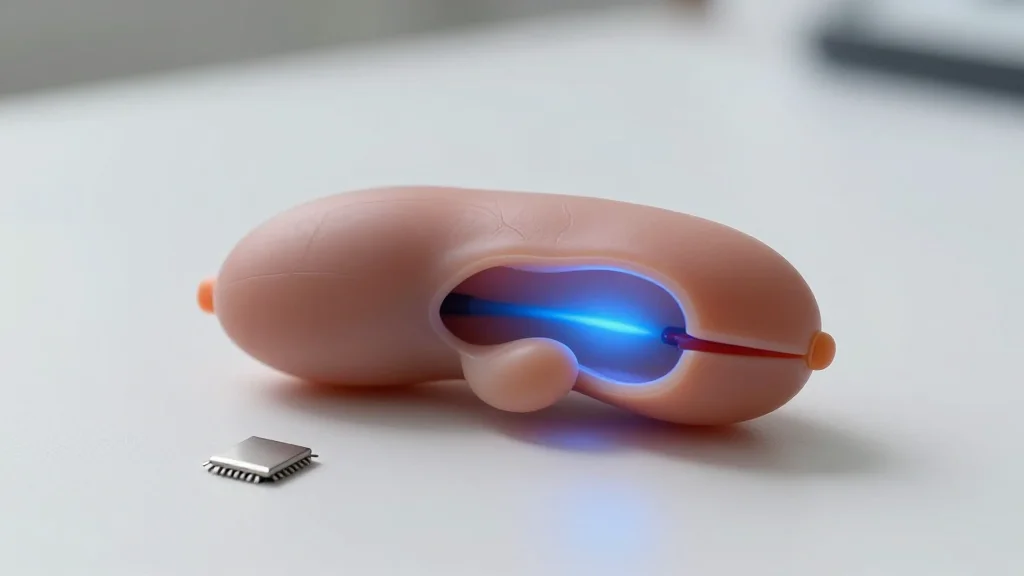
Mayo Clinic AI Spots Pancreatic Cancer up to 3 Years Early, 73% Sensitivity
Researchers at the Mayo Clinic unveiled an AI model that can flag pancreatic cancer up to three years before it appears on conventional scans, achieving a 73% sensitivity rate—nearly twice that of board‑certified radiologists. The breakthrough could reshape early‑detection pathways...
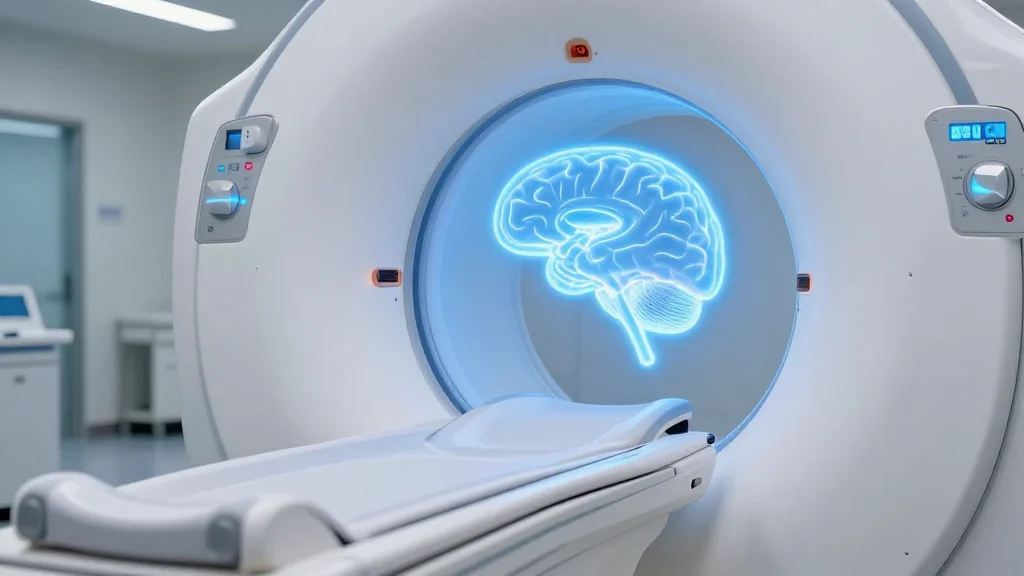
SimonMed Deploys AIRS Medical to Power AI-Enhanced MRI Across National Network
SimonMed, a leading independent outpatient imaging provider, announced the enterprise‑wide deployment of AIRS Medical’s FDA‑cleared SwiftMR AI solution across its national MRI network. The AI platform promises sharper images, up to 30% faster scan times, and consistent performance on multi‑vendor...
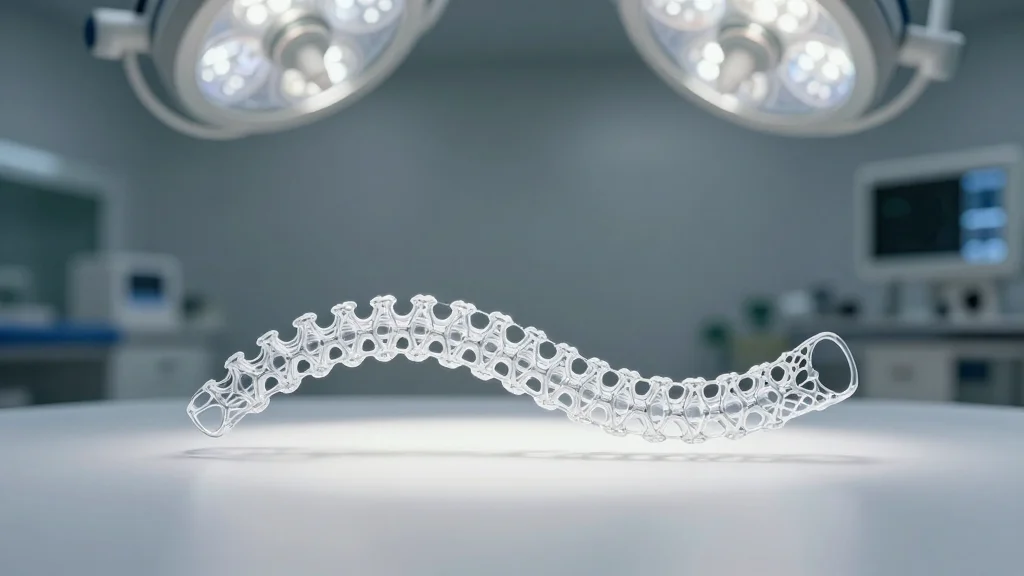
Israeli Team to Perform First Nanotech Spinal‑Cord Implant in Human Trial
Professor Tal Dvir of Tel Aviv University will lead the world’s first human implantation of a nanotech‑enhanced spinal‑cord scaffold, slated for surgery in the coming weeks. The Health Ministry has cleared compassionate‑use trials for eight patients, following mouse studies that...
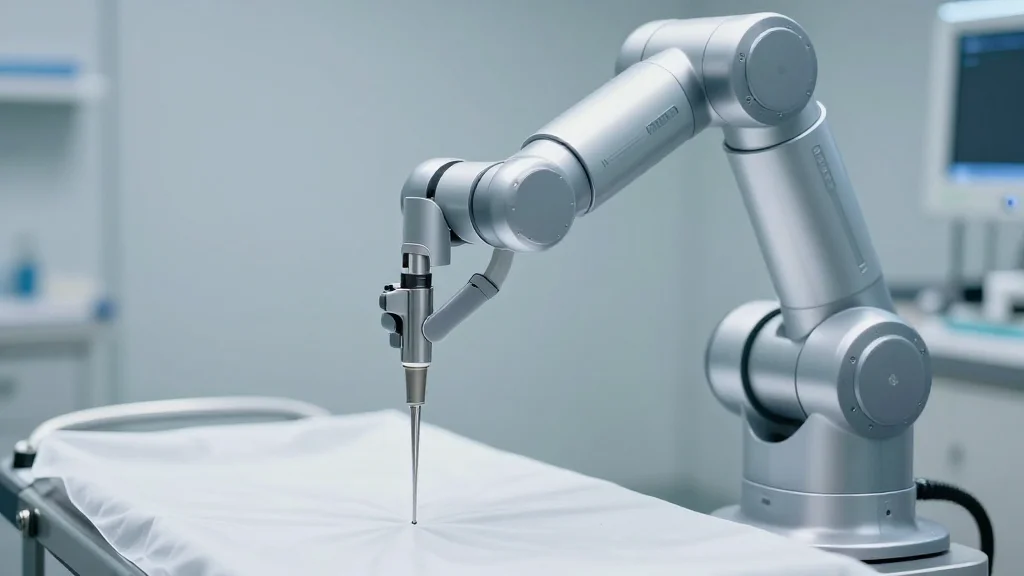
Olympus, EndoRobotics Forge Distribution Pact
Olympus announced an exclusive global distribution agreement with South Korea‑based EndoRobotics to sell its endoscopic robotic devices, starting in the United States and expanding the company’s EndoTherapy portfolio. The deal covers the Robopera console, articulated grippers, a scope‑mounted traction device,...

Accelerating Precision Medicine with Rapid Front-Line NGS-April 30, 2026
Memorial Sloan Kettering Cancer Center (MSKCC) has deployed Pillar Biosciences' oncoReveal® Nexus 21‑gene panel as a rapid front‑line next‑generation sequencing (NGS) test, dramatically shortening turnaround time versus its standard MSK‑IMPACT comprehensive profiling. The targeted panel, validated through the MSK‑REACT program,...

HHS Finalizes HIPAA Rule to Standardize Electronic Claims Attachments
The U.S. Department of Health and Human Services has issued the first HIPAA standards for electronic claims attachments, mandating the use of X12N 275/277 and HL7 CDA formats. The rule becomes effective on May 26, 2026, with full compliance required...

Why Removing Humans From Care May Undermine Outcomes
The digital‑health hype promises AI‑driven care that cuts costs, expands access and improves outcomes, but Avena Health’s experiment shows the opposite when human clinicians are removed. After fully automating its nutrition platform, active user retention plunged to just two percent...
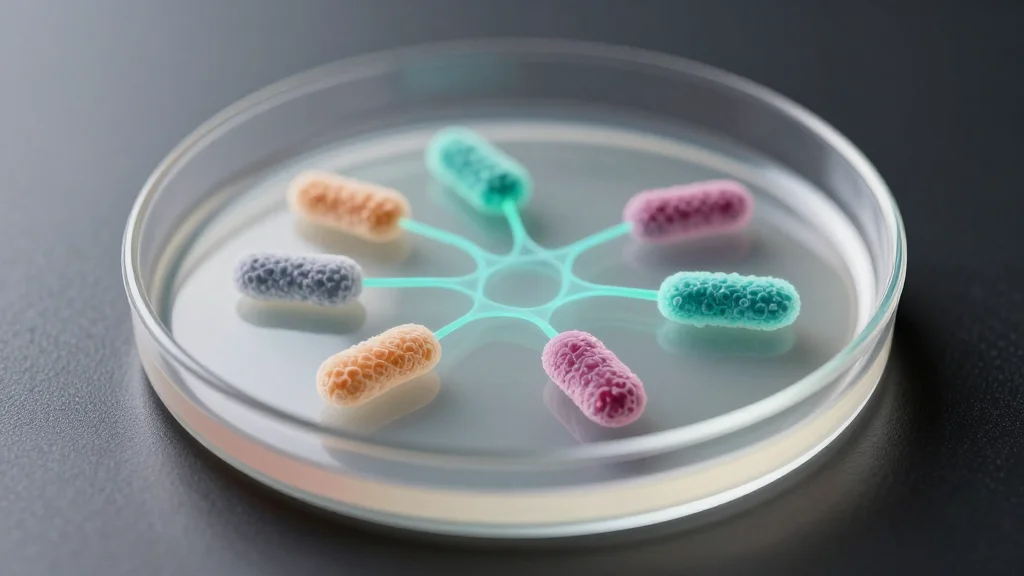
TRACS Enables Strain-Level Tracking of Microbial Transmission
A new algorithm called TRACS (Transmission Clustering of Strains) can differentiate closely related bacterial strains by analyzing single‑nucleotide polymorphisms. The tool was applied to SARS‑CoV‑2, Streptococcus pneumoniae and Plasmodium falciparum datasets, revealing detailed transmission networks across hospitals, populations and mother‑infant...