
Why Removing Humans From Care May Undermine Outcomes
The digital‑health hype promises AI‑driven care that cuts costs, expands access and improves outcomes, but Avena Health’s experiment shows the opposite when human clinicians are removed. After fully automating its nutrition platform, active user retention plunged to just two percent after three months, despite clinically correct AI recommendations. Re‑introducing specialists at key touchpoints restored a forty‑percent long‑term retention rate, highlighting that patient engagement hinges on human interaction. The industry’s focus on acquisition over retention is now being questioned as new hybrid models emerge.

TRACS Enables Strain-Level Tracking of Microbial Transmission
A new algorithm called TRACS (Transmission Clustering of Strains) can differentiate closely related bacterial strains by analyzing single‑nucleotide polymorphisms. The tool was applied to SARS‑CoV‑2, Streptococcus pneumoniae and Plasmodium falciparum datasets, revealing detailed transmission networks across hospitals, populations and mother‑infant...
3 Medical Info Systems Stocks Riding the GenAI Wave in a Tough Market
The medical information systems sector is riding a wave of generative AI despite a tough market, with AI‑in‑healthcare projected to grow at a 38.6% CAGR through 2030. Remote‑care demand and smart‑health product growth are driving a market that could reach...
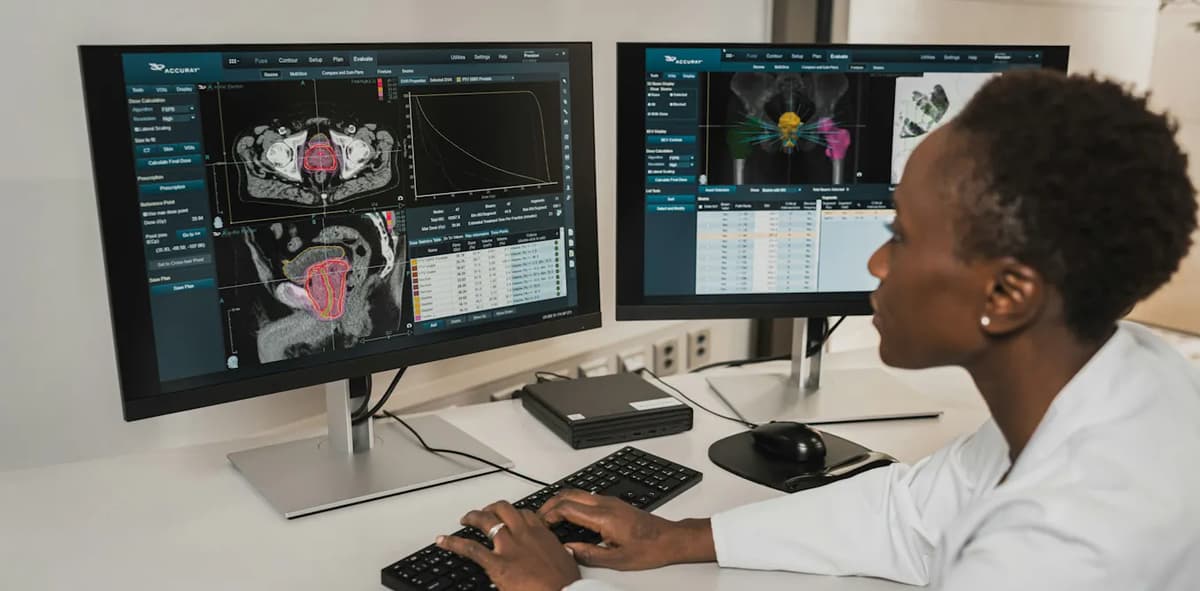
Canada’s Fragmented Electronic Health Records Harm Patients and Cost Taxpayers Billions: New Research
A new study published in the Canadian Medical Association Journal finds that Canada’s electronic health records (EHR) remain fragmented across provinces, driving inefficiencies and unsafe care. The research estimates the lack of interoperability costs taxpayers roughly $7 billion USD annually and...
Hospitals Are Still Relying on Fax Machines and Photocopies — and It’s Co...
U.S. hospitals still rely on fax machines and photocopies despite widespread electronic health records, creating costly delays and duplicated procedures. Administrative staff have ballooned 3,000% since 1975 while clinician numbers rose only 150%, highlighting an inefficient bureaucracy. Past federal initiatives,...
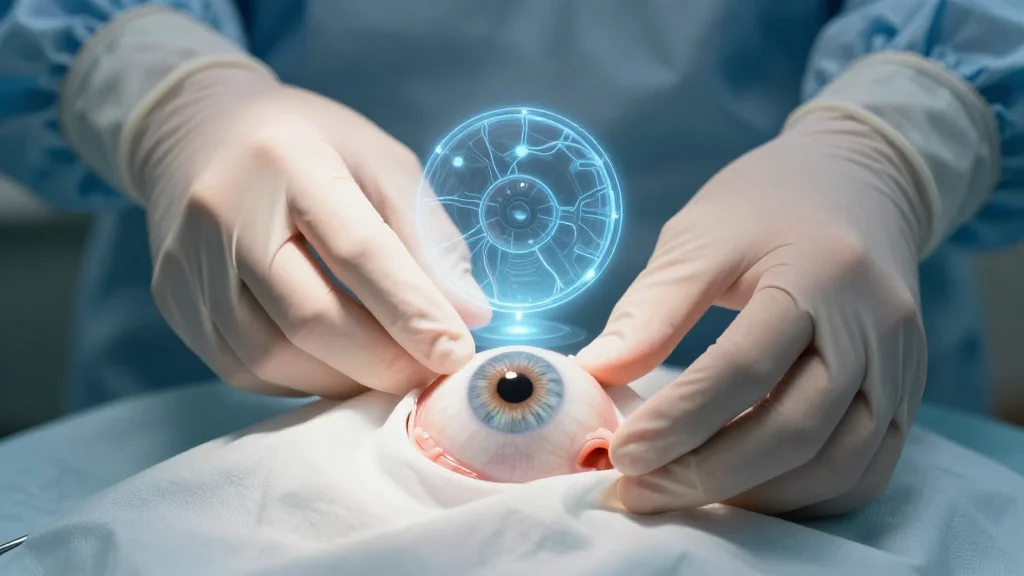
First Cataract Surgery Performed with Apple Vision Pro Mixed‑Reality Headset
Dr. Eric Rosenberg of SightMD completed the first cataract surgery using Apple’s Vision Pro mixed‑reality headset in New York. The procedure leveraged the ScopeXR platform to overlay 3D imaging and diagnostic data directly in the surgeon’s view, marking a milestone...

RxUtility Launches Personalized AI Companion Mimi™ to Compare Every Drug Price as Affordability Crisis Grows
RxUtility introduced Mimi, an AI‑powered conversational companion that compares prescription drug prices across all U.S. pharmacies. The beta version is free and guides users through personalized cost options based on insurance, location, and dosage. Mimi draws on RxUtility’s comprehensive affordability...

Mass General Brigham’s Sriraman Says SaaS Outages Expose Hidden Cloud Dependencies
In this episode of the Health System CIO Show, Mass General Brigham CTO Sri Sriraman discusses the hidden dependencies of SaaS applications on public cloud infrastructures, highlighting recent multi‑region outages that exposed a lack of transparency around where vendors host...

A Harvard Study Just Found AI Can Now Out-Diagnose Physicians in the ER: ‘We’re Already at the Ceiling’
Harvard Medical School and Beth Israel Deaconess Medical Center found that OpenAI’s o1‑preview AI model outperformed two attending physicians in emergency‑room diagnosis tests. The study used raw electronic health record entries, avoiding any data cleaning, and blind reviewers favored the...

How One Practice Combines In-Clinic, Telehealth and In-Home Care
Dr. Payam Zamani’s My Dr Now has built a hybrid primary‑care network that blends in‑clinic, telehealth and in‑home visits into a single, patient‑centric platform. The model operates 75 retail‑style clinics across Arizona and Texas, stays open 7 days a week...
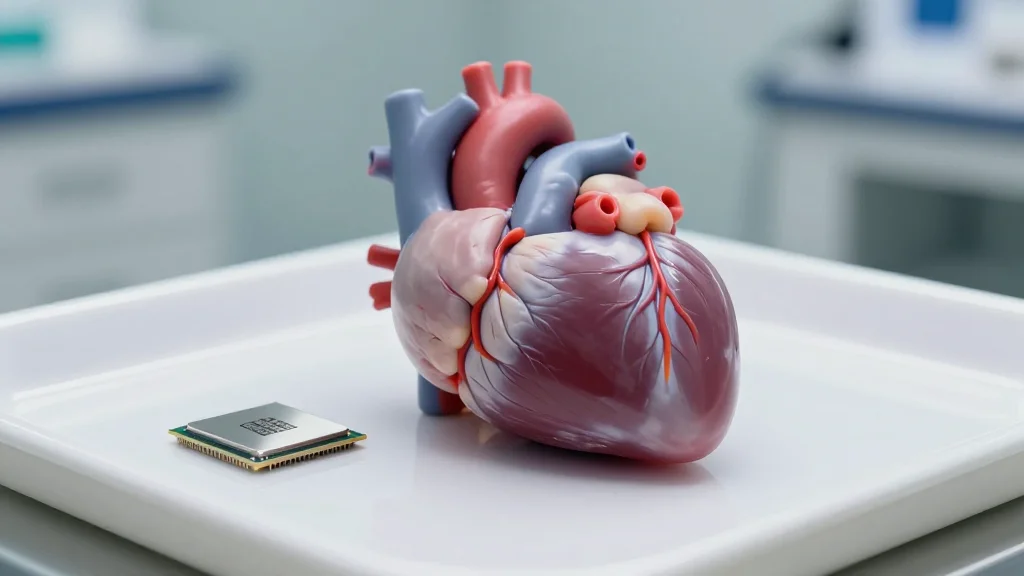
Advanced AI Helps 3D Imaging Labs Evolve with the Times
Advanced AI and visualization software are reshaping cardiac 3D imaging labs, slashing processing times from three hours to about 25 minutes for TAVR planning. At Banner Health, a five‑person team now handles roughly 400 exams weekly, a workload that previously...

New Ways to Predict TAVR Outcomes for Individual Heart Patients
Two recent studies offer fresh tools for forecasting outcomes after transcatheter aortic valve replacement (TAVR). Researchers in Turkey validated the C‑reactive protein‑albumin‑lymphocyte (CALLY) index, a low‑cost biomarker that blends inflammation, immune activity and nutrition, as an independent predictor of all‑cause...

Photon Is Rewriting What E-Prescribing Actually Means
Photon Health is reshaping e‑prescribing by turning a simple electronic handoff into an end‑to‑end experience that links clinicians, pharmacies and patients in one workflow. The platform surfaces real‑time drug prices, pharmacy options and fulfillment paths while the patient is still...

UChicago Medicine Rolling Out Smart Hospital Platform System-Wide
UChicago Medicine is rolling out Artisight’s smart‑hospital platform across more than 1,800 rooms, marking a system‑wide deployment of computer‑vision, voice and RTLS technology. The first three use cases focus on a Smart OR, virtual nursing workflows, and AI‑driven fall‑risk assessment....
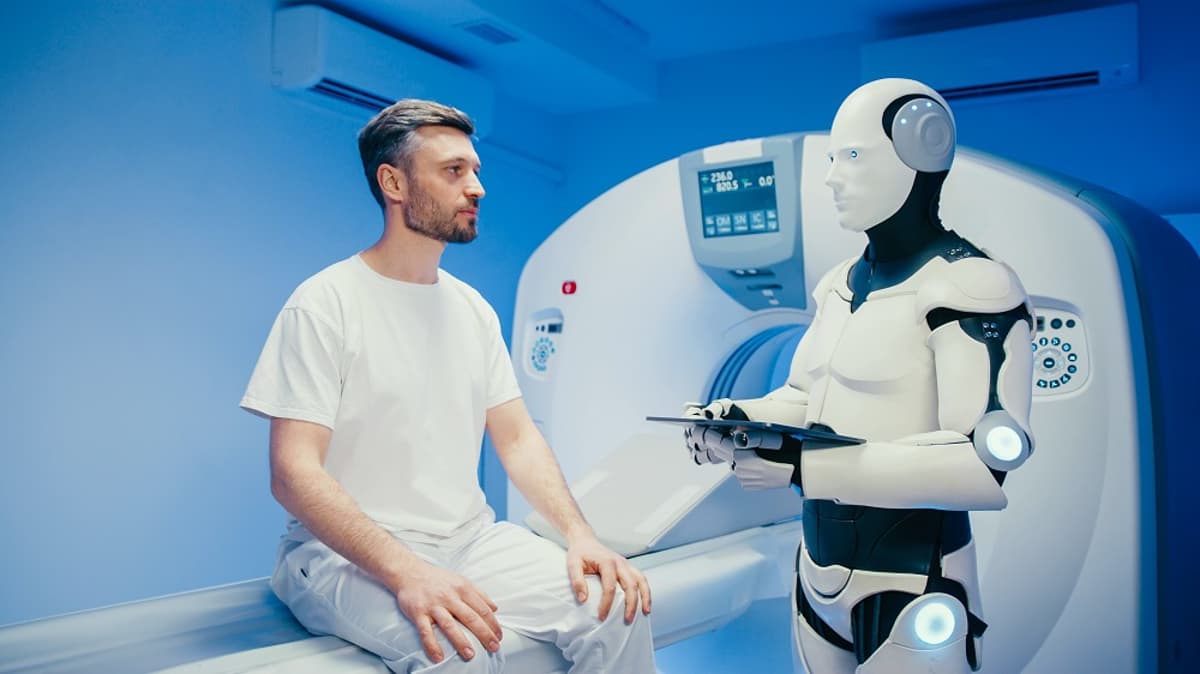
“Thinking” AI Outperforms Human Doctors on Real-Life Data
A new study published in *Science* pits OpenAI’s reasoning model o1‑preview against hundreds of physicians across multiple clinical tasks. The model correctly included the diagnosis in 78.3% of 143 NEJM cases and ranked it first in 52%, outperforming GPT‑4 and...
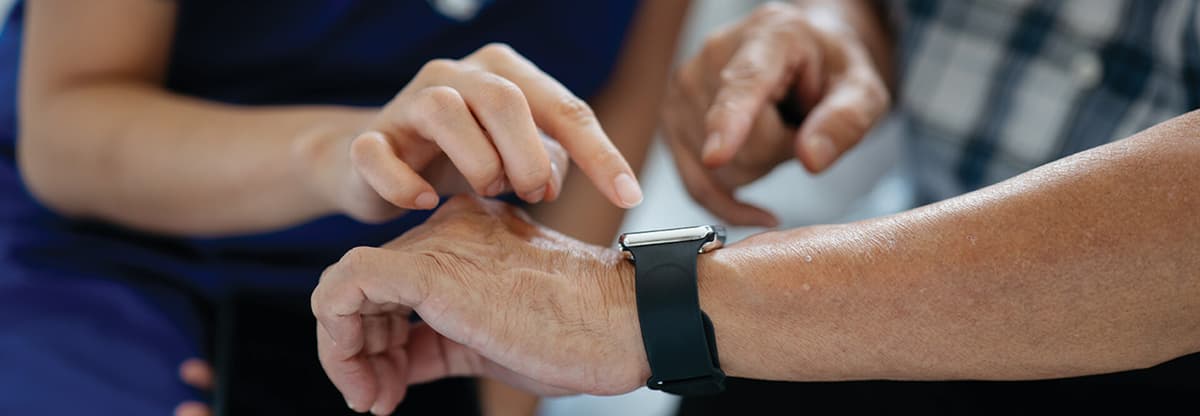
AI-Powered Healthcare Wearables: The Next Generation of Remote Patient Monitoring
Advances in artificial intelligence and edge computing are turning health wearables into real‑time diagnostic tools. Researchers at Harvard, the University of Arizona and the University of Stirling show that AI can filter raw sensor data, generate actionable insights, and push...

ScopeXR — Cataract Surgery Using Apple Vision Pro Mixed Reality
SightMD announced that Dr. Eric Rosenberg performed the world’s first cataract surgery using Apple’s Vision Pro mixed‑reality headset, powered by the ScopeXR platform. Since the inaugural October 2025 case, the practice has completed hundreds of procedures, proving the system’s scalability. ScopeXR...

AI, Digital Tools May Increase Rural Clinician Satisfaction
The Rural Health Transformation Program, announced by PointClickCare’s government affairs VP Steve Holt, will fund AI and digital tools for rural hospitals. The initiative aims to streamline clinical workflows, reduce burnout, and improve staff retention in underserved areas. By integrating...

Home Health Tech Company Enzo Health Raises $20M
Enzo Health, an AI‑driven home health platform based in Lehi, Utah, announced a $20 million Series A round led by N47, bringing its total capital to $26 million. The infusion will fund expansion of its unified intake, clinical documentation and quality‑assurance tools into...
Ending Prescription Ping-Pong in Specialty Care: Colin Banas, CMO, DrFirst Shares His Vision
DrFirst’s Timely platform embeds AI‑driven benefits verification, prior‑authorization automation, and pharmacy routing directly into the e‑prescribing workflow, aiming to eliminate the “prescription ping‑pong” that stalls specialty medication access. The solution surfaces real‑time cost and coverage data, enabling clinicians to answer...

Sleep Is the Missing Vital Sign, and Health AI Is Scaling the Consequences
Sleep is increasingly recognized as a missing vital sign that predicts chronic disease, cognitive decline, and burnout, yet it remains measured inconsistently in clinical practice. Wearable devices have democratized sleep tracking, but device-to-device variability and adherence gaps undermine data reliability....

North West London Acute Providers Roll Out Integrated EPR, Voice Tech and Data Platform
The North West London Acute Provider Collaborative announced a region‑wide digital transformation programme that aligns electronic patient records, ambient voice technology, a Federated Data Platform and a new digital infrastructure roadmap for 2026/27. The plan sets five strategic themes and...

Top 7 Modern AI-Powered EAP Providers for Global Workforces in 2026
Traditional employee assistance programs are used by only 1‑3% of workers, prompting a surge in AI‑powered EAP solutions that promise higher engagement and faster care. Providers such as Spring Health, Kyan Health, Lyra Health, Modern Health, Unmind, Wysa and Yuna...
Non-Traditional Data in Pandemic Preparedness and Response: Identifying and Addressing First- and Last-Mile Challenges
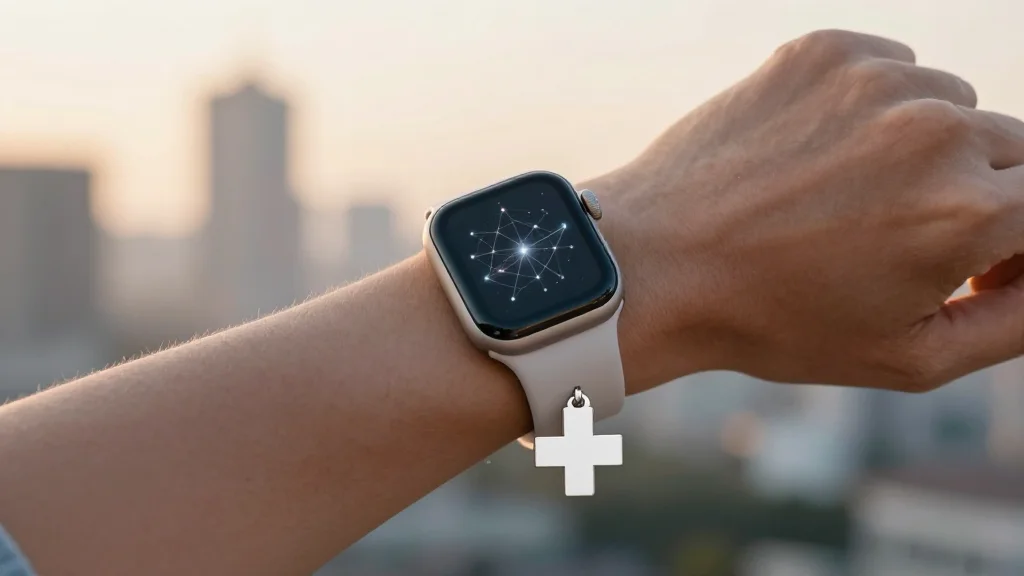
A new paper by Mattia Mazzoli et al. examines how non‑traditional data—mobility traces, social media, wearables—were used during COVID‑19 and why they fell short. Drawing on a March 2024 Brussels workshop with 50 stakeholders and a survey of 29 epidemic modelers, the...
Theranostic Fiber with Micro‑Wrinkles Promises Real‑Time Health Monitoring
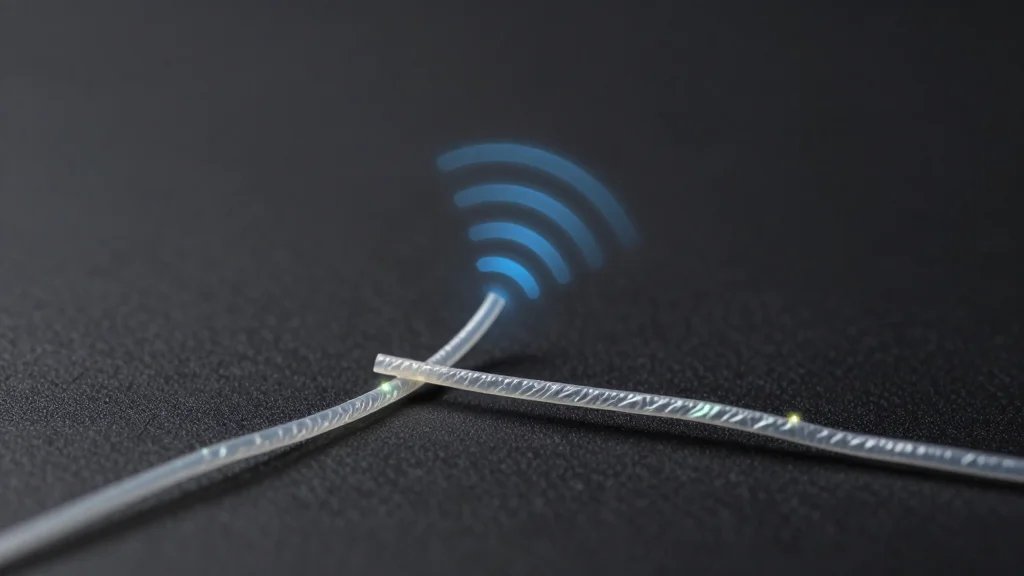
Scientists Meng, Zou and Lv introduced a multifunctional theranostic fiber that integrates micro‑wrinkles to sense physiological signals, deliver treatment and wirelessly transmit data. The work, published in npj Flexible Electronics, could reshape personalized healthcare and human‑machine interfaces.
Everads Therapy Publishes First-in-Human Data on Suprachoroidal Injector
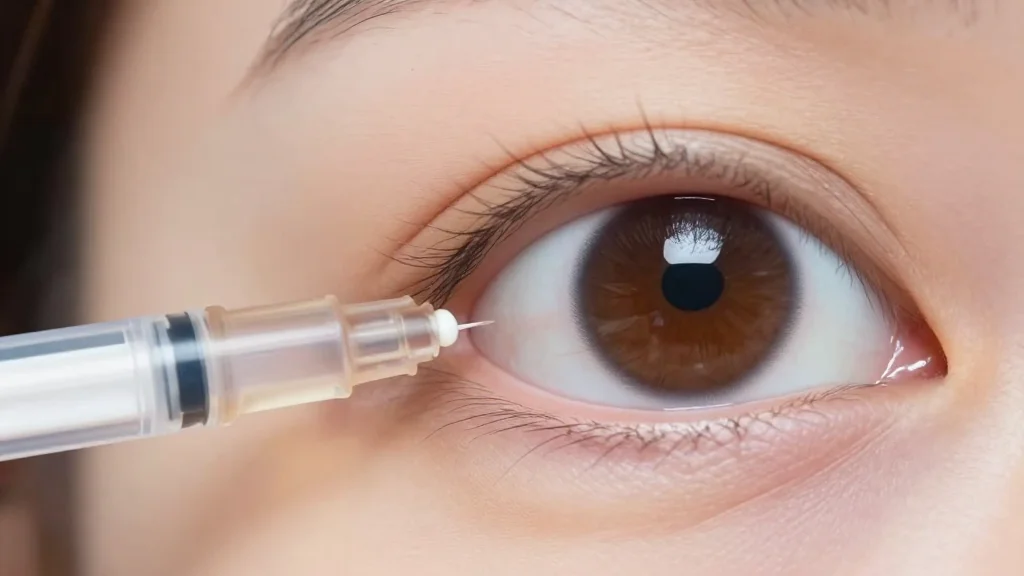
Everads Therapy announced the publication of first-in-human trial data for its suprachoroidal injector, demonstrating safety, tolerability and rapid posterior drug distribution in patients with diabetic macular edema. The results, appearing in Ophthalmology Science, were showcased at the ARVO 2026 meeting,...
CIS News
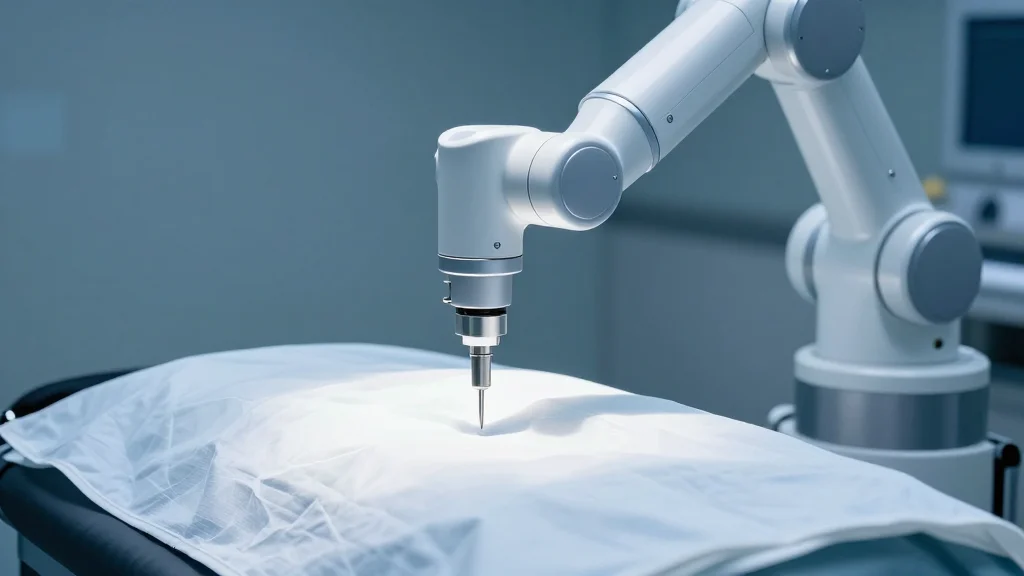
The latest roundup of surgical‑robotics news shows a surge of regulatory wins, funding rounds, and first‑in‑human procedures. Medtronic’s Stealth AXiS platform earned a CE mark and was deployed by U.S. surgeons for the first time, while EndoQuest secured $30 million to...
Tailoring AI Solutions for Health Care Needs
AI is rapidly reshaping health care, with the FDA approving more than 1,300 AI‑enabled medical devices—over half in the past three years—and a surge in non‑device AI for administrative tasks. Mayo Clinic Platform stresses that successful tools must blend deep...

Needle-Free Diabetes Care: 6 Devices that Painlessly Monitor Blood Sugar
Needle‑free glucose monitors are moving from research labs to commercial shelves, with six innovative devices highlighted for their non‑invasive approaches. Abbott’s FreeStyle Libre remains the market leader for interstitial sensing, while newcomers such as Occuity Indigo, D‑Pocket, Light Touch Technology,...
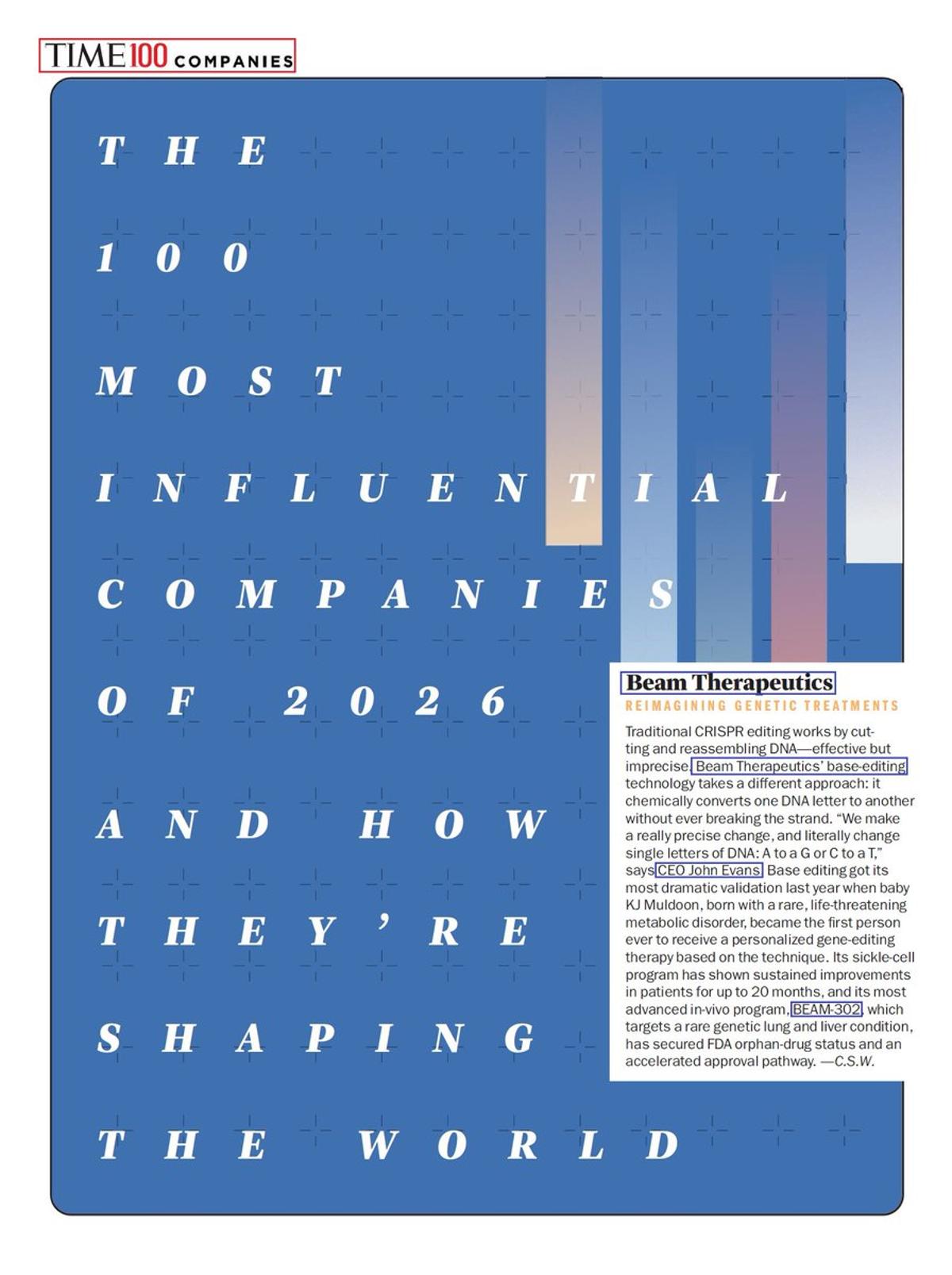
BEAM Wins TIME 100, Delivers First Gene Base Editing Cure
Congrats to $BEAM on being named as one of @TIME’s 100 most influential & innovative companies that are shaping the world & our future. @beamtx’s leading Gene Editing platform - Base editing, has achieved a significant milestone when KJ Muldoon...
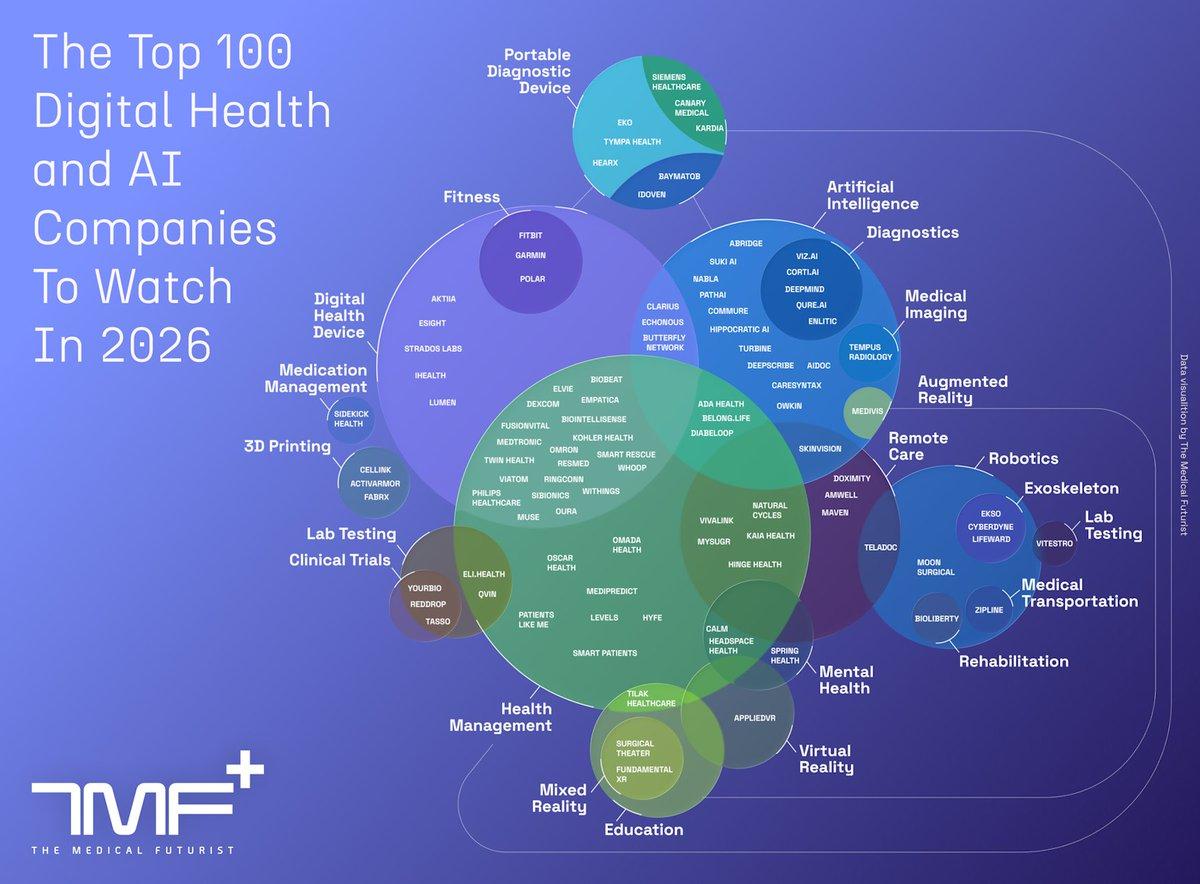
100 Independent Digital Health & AI Companies Ranked for 2026
I’m proud to introduce The Medical Futurist’s 100 Digital Health and AI Companies of 2026! Just like in previous years, we don’t accept any sponsorship or financial support. We do not have any interest or connection in any of the companies...

Sonire Therapeutics Initiates First U.S. Clinical Study of Ultrasound-Guided HIFU Therapy for Pancreatic Cancer
Sonire Therapeutics announced the launch of SUNRISE‑II, its first U.S. clinical trial evaluating a proprietary high‑intensity focused ultrasound (HIFU) system for pancreatic cancer. The study will enroll roughly 10 patients to assess safety and feasibility. The inaugural patient was treated...
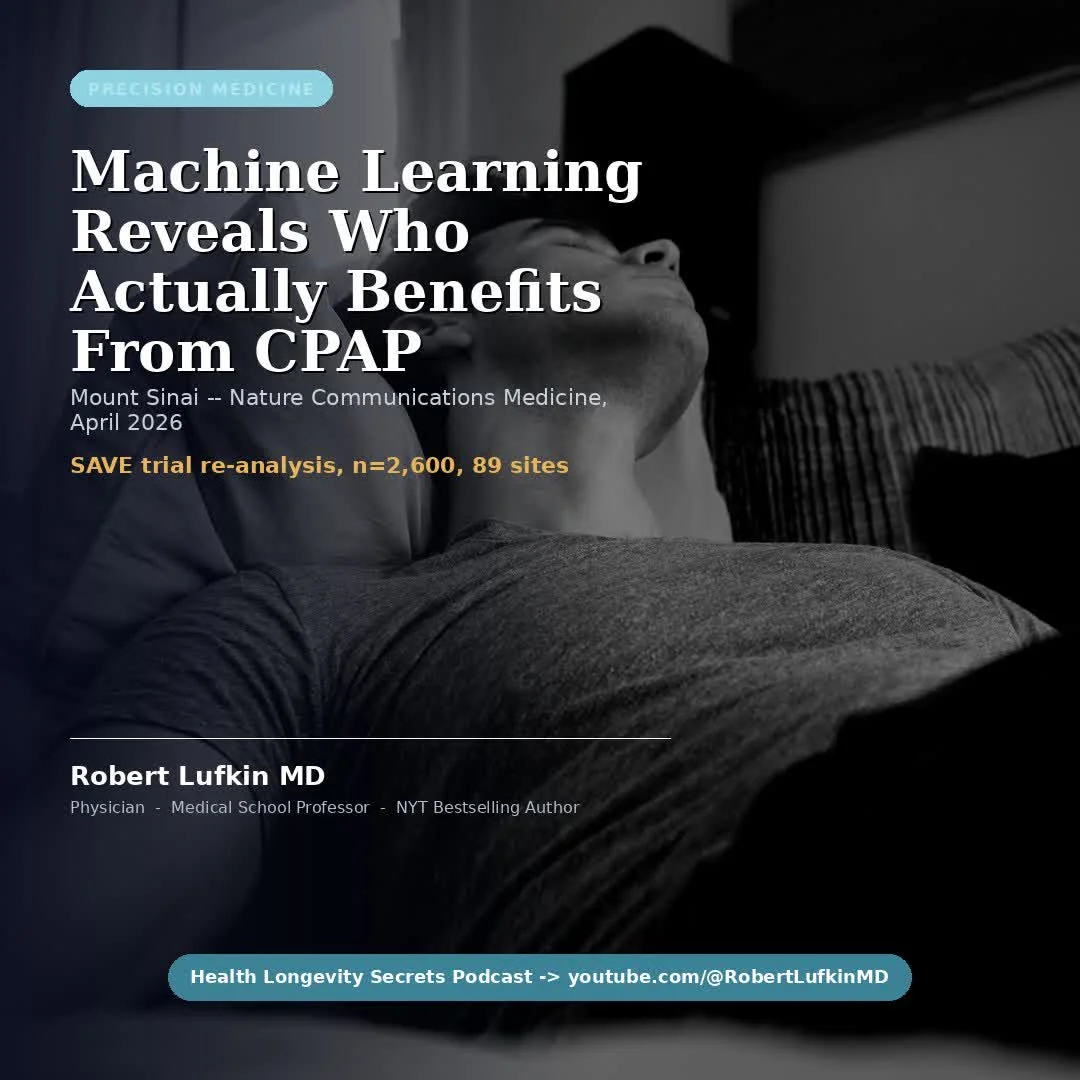
ML Model Shows CPAP Cuts Heart Risk in Sleep Apnea
As a medical school professor, I've long argued sleep apnea is undertreated metabolic disease in disguise. A new Mount Sinai study in Nature Communications Medicine adds a wrinkle... https://www.youtube.com/@RobertLufkinMD https://www.mountsinai.org/about/newsroom/2026/mount-sinai-researchers-develop-machine-learning-model-to-predict-how-cpap-affects-cardiovascular-disease-risk-in-patients-with-obstructive-sleep-apnea SleepApnea #CPAP #MetabolicHealth #PrecisionMedicine #HealthLongevitySecrets

Using AI to Anticipate Healthcare Air Quality Risks
Healthcare facilities are turning to AI‑driven air‑quality platforms to move from reactive monitoring to predictive protection. By fusing IoT sensor streams with machine‑learning models, systems like SensusAir can forecast spikes in pathogens, humidity or chemical pollutants hours before they endanger...

OpenAI Made a Special ChatGPT for Your Doctor
OpenAI unveiled ChatGPT for Clinicians, a free, HIPAA‑compliant AI assistant built on its GPT‑5.4 model and tailored with health‑specific tools. The service targets doctors, nurses, physician assistants and pharmacists, pulling answers from peer‑reviewed studies, clinical guidelines and public‑health guidance. In...
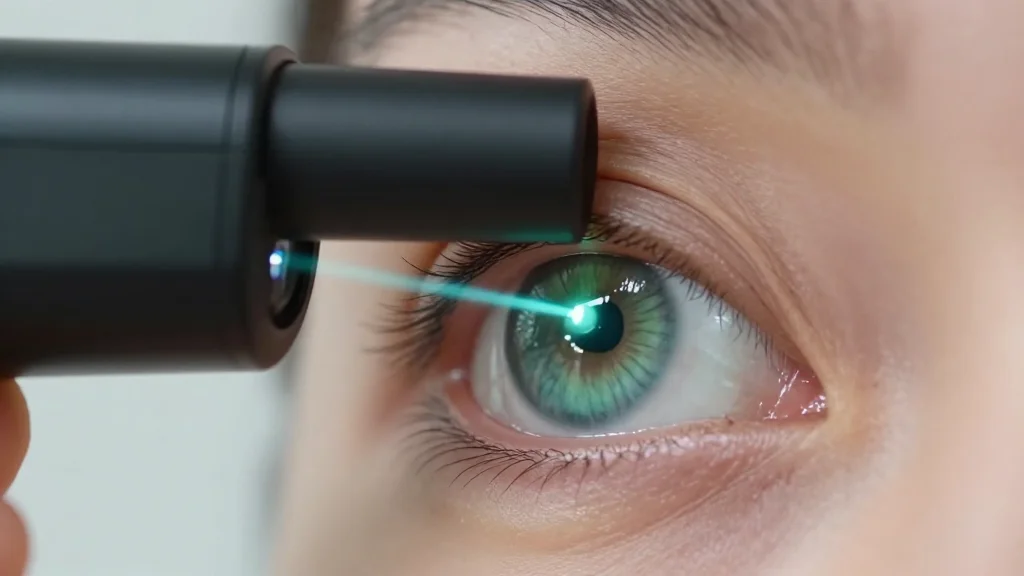
Seeing Keratoconus Earlier with Light Polarization and AI
Researchers combined polarization‑sensitive optical coherence tomography (PS‑OCT) with artificial‑intelligence algorithms to improve detection of subclinical keratoconus. In a study of 359 eyes from Narayana Nethralaya, the PS‑OCT‑based model outperformed conventional shape‑based devices such as Pentacam and MS‑39 in identifying early...

Solving the $150B No-Show Problem: The Rise of Healthcare Conversation Intelligence
Healthcare providers lose up to $150 billion a year to missed appointments, a problem that persists despite the phone’s central role in patient access. Conversation intelligence—AI‑driven analysis of call content, sentiment, and outcomes—turns unstructured voice data into scalable insights. By flagging...

This AI-Powered Headband Promises to Help You Fall Asleep on Demand
The Elemind headband, priced at $399 with an optional $7‑per‑month subscription, combines EEG sensors, AI‑driven algorithms, and low‑frequency acoustic stimulation to help users fall asleep on demand. In a CNET test, the reviewer fell asleep within minutes during a 25‑minute...
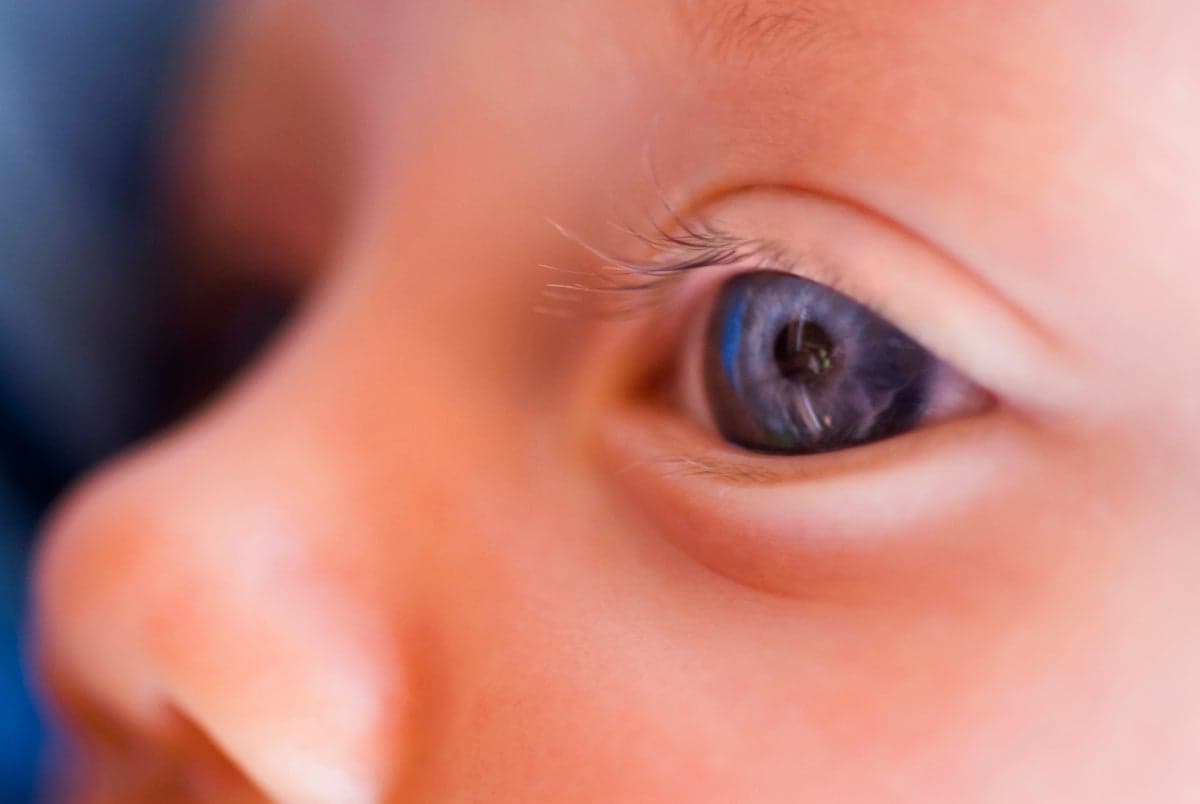
How a Vision-Restoring Gene Therapy Proved that We Can Treat Inherited Diseases
Luxturna, the first FDA‑approved gene‑augmenting therapy for inherited retinal disease, received the 2026 Breakthrough Prize after restoring sight to patients with Leber’s congenital amaurosis type 2. Developed by Spark Therapeutics founders Katherine High, Jean Bennett and surgeon Albert Maguire, the treatment...
Health Tech Adoption Ignores Clinical Evidence, Despite Building It
The uncomfortable truth is that when it comes to Health Tech, clinical evidence is neither sufficient nor perhaps even necessary to drive adoption of change in healthcare This is not a new phenomenon - been living this the last 13+ years...
Integrated AI Care Partner Unites Communication, Evidence, Workflow
We don’t need another app—we need systems that ✨work together.✨ Heidi’s approach integrates communication, clinical evidence, and workflow into a single AI care partner. Details 🔗 https://t.co/M92fxaSATd @tryHeidi #HIMSS26 #HITSM
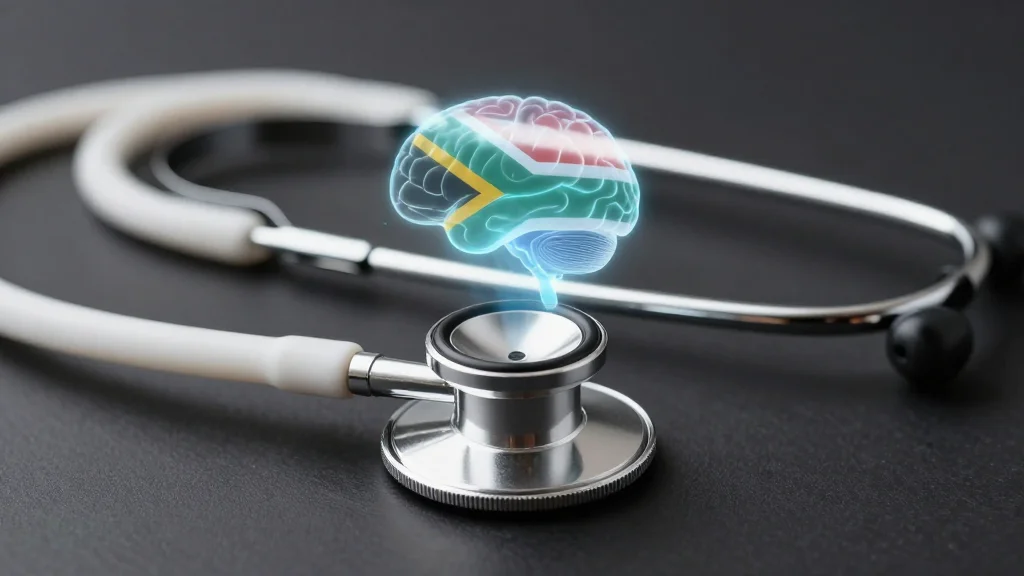
Heidi AI Expands to South Africa, Spurring Clinician‑led AI Adoption
Heidi AI has launched its clinician‑led AI platform across South Africa, reaching more than 1.5 million consultations each month and posting a 500% year‑on‑year rise in weekly active use. The expansion leverages seamless integration with local practice‑management systems and targets a...

Prevent Billing Errors Upfront by Moving Left in EHR
"The best denial is the one that never happens.” Instead of fixing billing after the fact, what if your EHR prevented errors upfront? This interview breaks down what “moving left” really looks like. 👉 https://t.co/3wq0xwo8al @greenway #HIMSS26 #healthtech

Trust, Not Technology, Determines AI Doctor Adoption
Half of healthcare organizations are open to AI doctors. But adoption is not the real challenge. 87% expect efficiency gains and 2–4x ROI, yet proving value in clinical settings remains complex. The deciding factor is trust. Without evidence, training and accuracy, adoption...
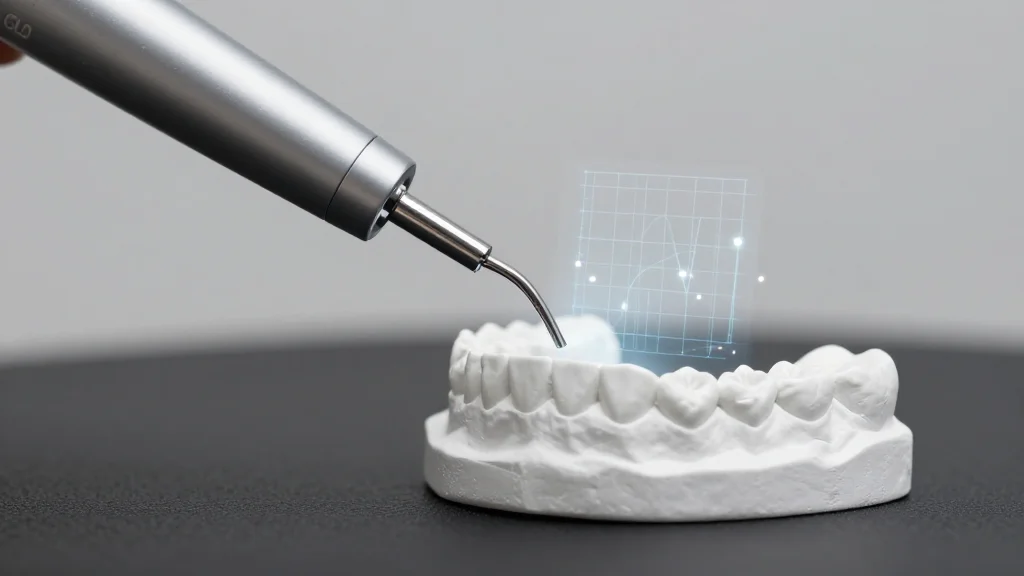
5 Ways Digital Dentistry Is Transforming South African Practices
Digital dentistry is reshaping South African dental practices through intraoral scanners, AI‑driven diagnostics, CAD/CAM workflows and 3D printing. The sector’s equipment market is projected to grow from roughly $157 million in 2025 to $178 million by 2030, while the digital X‑ray segment...
Annual Grail Liquid Biopsy: Early Cancer Detection for the Wealthy
Everybody with a net worth over $5 million should do a Grail Liquid Biopsy every year. My wife, me and my parents all do it annually. $1k to do it. Every 3 years for $1-5 million net worth. Can give you super early detection...

AI Will Write 90% of Clinical Work Soon
At leading AI companies, software agents are using AI to write 90% of their code. The same thing will happen in medicine, where doctors will use AI to complete 90% of clinical work. In some cases, the AI-Native doctor is...
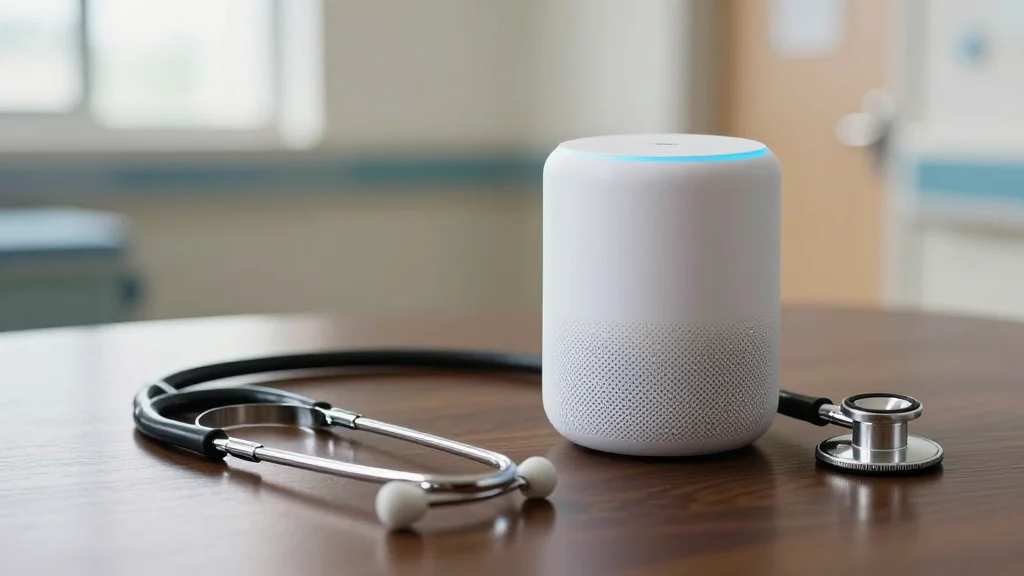
AI Becomes First Stop Before Doctors in Healthcare
People are starting to turn to AI before they turn to doctors. For many, tools like ChatGPT have become the first stop for symptoms, questions and reassurance. The shift is behavioral. Access is replacing authority as the starting point in healthcare. https://t.co/0cbKUaeE2z...

Telepresence Robots Let Doctors Conduct Remote Hospital Rounds
Telepresence #Robots Transform #Healthcare: Remote Doctors Now Make Hospital Rounds by @sutoroveli_news #MedTech #HealthTech #TechForGood #Tech https://t.co/fS31GfoXwT

Rome Surgeon Conducts 8,000‑km Remote Robotic Surgery
Surgeon in Rome performs remote #Robotic surgery on patient 8,000 km away in Beijing by @InterestingSTEM #Healthcare #Healthech #Tech #Technology #EmergingTech #TechForGood https://t.co/d2OJ7mZgD8