
Apple Trims Mac Mini, Mac Studio Lineup as AI Demand Spikes
Apple quietly removed its highest‑memory Mac mini (32 GB and 64 GB) and Mac Studio (128 GB and 256 GB) configurations from the US online store, following a recent pull of the 512 GB Mac Studio model. The cuts come amid a broader industry RAM shortage fueled by soaring AI workloads, which has also prompted price hikes for lower‑memory options. Analysts speculate the move could be inventory clearing ahead of a possible 2026 refresh, while AI developers continue to champion the Mac mini as a cost‑effective platform for always‑on agents.
CORRECTING and REPLACING Panmnesia to Mass-Produce PCIe 6.4-CXL 3.2 Fusion Switch
Panmnesia, a South Korean fabless AI‑infrastructure chipmaker, announced mass production of its PCIe 6.4‑CXL 3.2 fusion‑switch chip in the second half of 2024. The chip uniquely implements the full CXL 3.2 specification with Port‑Based Routing, supporting PCIe Gen 6 64 GT/s and all CXL sub‑protocols. It...

Radiation-Hardened Electronics and the Business of Space-Grade Components
Radiation‑hardened electronics remain essential for space missions because they must survive harsh radiation environments where replacement is impossible. The market is defined by rigorous certification, long lead times, and a limited pool of qualified suppliers, making components a strategic asset....
Is Tesla a Chip Stock Now? Investors Are Cheering a Semiconductor Milestone.
Tesla announced that its next‑generation AI5 chip has completed tape‑out, locking the design for fabrication. The chip is intended to power humanoid robots and Tesla’s supercomputing platforms, with volume production targeted for 2027. Shares surged after CEO Elon Musk posted...
Memory Reallocation to AI Workloads Constrains LPDDR4 Supply, Slowing High-End Cellular IoT Module Growth
Memory vendors are shifting wafer capacity toward high‑bandwidth memory and AI‑centric nodes, leaving LPDDR4 supply constrained. Counterpoint now projects global cellular IoT module shipments to grow only 4% YoY in 2026, half the prior 8% forecast, as high‑end 5G and...
Silicon Box Joins Imec Automotive Chiplet Program to Advance Automotive-Grade Chiplet Devices
Silicon Box has entered imec’s Automotive Chiplet Program (ACP), a joint effort to speed the adoption of chiplet architectures in next‑generation vehicles. The company will contribute end‑to‑end expertise in chiplet interconnection, advanced packaging, and testing, working with more than 22...
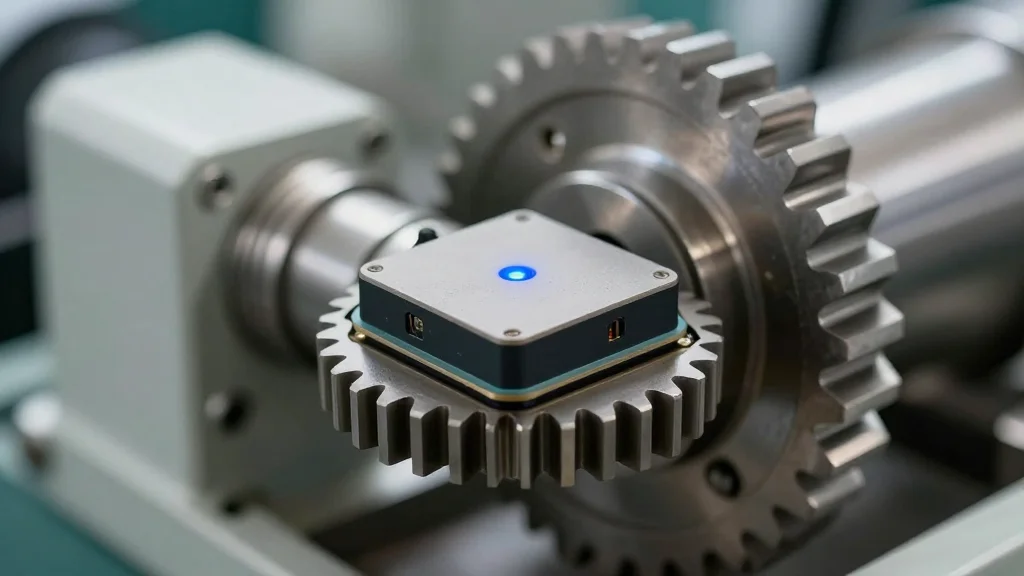
Distributed Intelligence Redefining Predictive Maintenance as Edge AI Reshapes Industrial Architectures
Edge AI is pushing predictive maintenance from centralized clouds to the factory floor, sparking a split between automation vendors who champion deterministic, layered intelligence and silicon players who embed inference directly in sensors and edge processors. Omron illustrates a pragmatic,...
Semiconductor Industry Calls for More Robust, Strategic Industrial Policy
U.S. industry leaders told a House subcommittee that China is outspending the United States on AI‑driven semiconductor research and that American manufacturing capacity has shrunk more than 25% since 1990. They urged Congress to adopt a proactive industrial policy, streamline...

TDLAS vs CRDS: Which Gas Analysis Technology Truly Performs in the Fab?
Semiconductor fabs need ultra‑trace gas analysis to prevent contamination that can cripple yields. Two optical‑spectroscopy methods dominate: Tunable Diode Laser Absorption Spectroscopy (TDLAS) and Cavity Ring‑Down Spectroscopy (CRDS). TDLAS delivers sub‑second, in‑situ measurements with minimal maintenance, making it the workhorse...
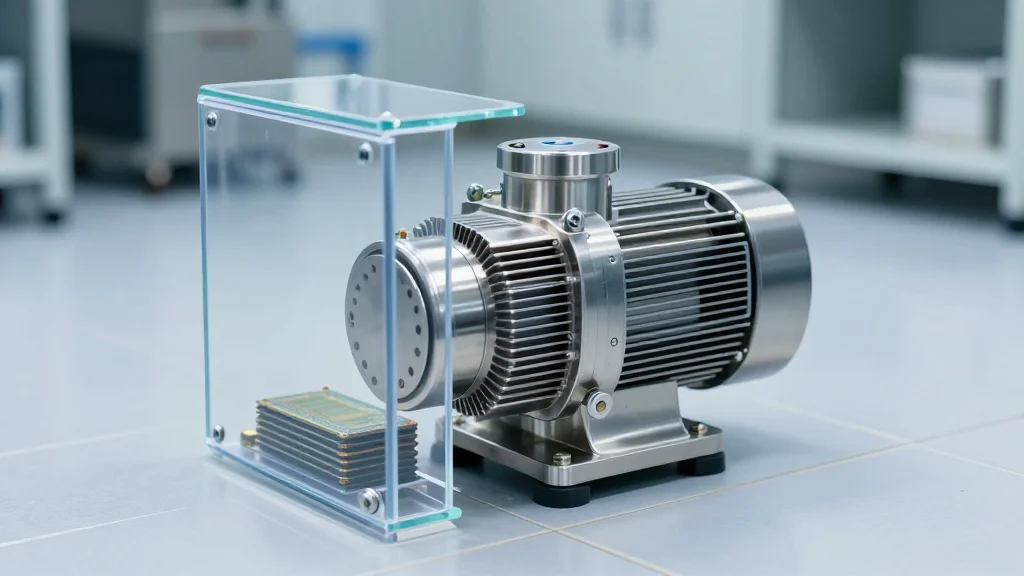
Pfeiffer Vacuum+Fab Solutions to Showcase Semiconductor Solutions at SEMICON Southeast Asia 2026
Pfeiffer Vacuum+Fab Solutions will exhibit its full semiconductor‑fab portfolio at SEMICON Southeast Asia 2026, booth 1718. The showcase features the UltiDry multi‑stage roots pump, the Ambient Multi‑Port Controller (AMPC) for real‑time contamination monitoring, and the Automated Pod Analyzer (APA) for FOUP...

CG Semi Included in Newly Approved Semiconductor SEZs
The Indian government has approved a special economic zone (SEZ) in Dholera, Gujarat, for Tata Semiconductor Manufacturing’s chip‑fabrication plant, covering 66.16 hectares. Tata plans to invest roughly ₹91,000 crore (about $11 billion), positioning the project as the country’s first large‑scale semiconductor fab....
CoreWeave Sees a $7 Billion Win From an Unconventional Customer. Financia...
CoreWeave, a specialist GPU‑cloud provider, secured a $7 billion multi‑year commitment from quantitative‑trading firm Jane Street. The deal underscores the financial sector’s appetite for high‑performance AI compute beyond traditional tech labs. Jane Street will tap CoreWeave’s infrastructure to run large‑scale machine‑learning...

US DOE Selects Five Project to Restart Domestic Primary Gallium Recovery
The U.S. Department of Energy announced roughly $5.4 million in funding for five projects aimed at restarting domestic primary gallium recovery, a capability absent since 1987. The TRACE‑Ga initiative, managed by ENERGYWERX, will prototype novel extraction methods from waste streams, alumina...

AI Could Democratize One of Tech's Most Valuable Resources
Nvidia currently dominates the AI‑chip market, but emerging AI tools are making high‑performance compute more accessible to smaller players. Open‑source models and on‑demand cloud GPU rentals let startups run sophisticated workloads without owning expensive hardware. New ASIC designs from up‑and‑coming...

Report: OCI TerraSus Of Malaysia And SpaceX In Talks For Polysilicon Supply
OCI TerraSus, the Malaysian arm of South Korea's OCI Holdings, is reportedly in multi‑year talks with SpaceX to supply high‑purity solar‑grade polysilicon. The material is essential for both solar panels and the semiconductor components SpaceX plans to develop as it...

Opto Devices Extend to Fulfill Automotive, Harsh-Environment Apps
Toshiba Electronic Devices & Storage Corp. introduced a new line of optoelectronic components designed for harsh automotive and industrial environments. The flagship TLX9920 photovoltaic‑output photocoupler, housed in a thin SO6L package, delivers 5 kV isolation, operates from –40 °C to 125 °C, and...

Memory Cards and Flash Drives Prices Rocket 124%, some Products Peak at 261% Jump — Increases From 2025 Driven by...
The 2025‑2026 AI‑driven chip shortage has pushed NAND supply toward high‑performance SSDs, leaving USB flash drives and memory cards with soaring prices. PCWorld’s price tracking shows a median increase of 123% across formats, with some items jumping over 260%. Manufacturers...
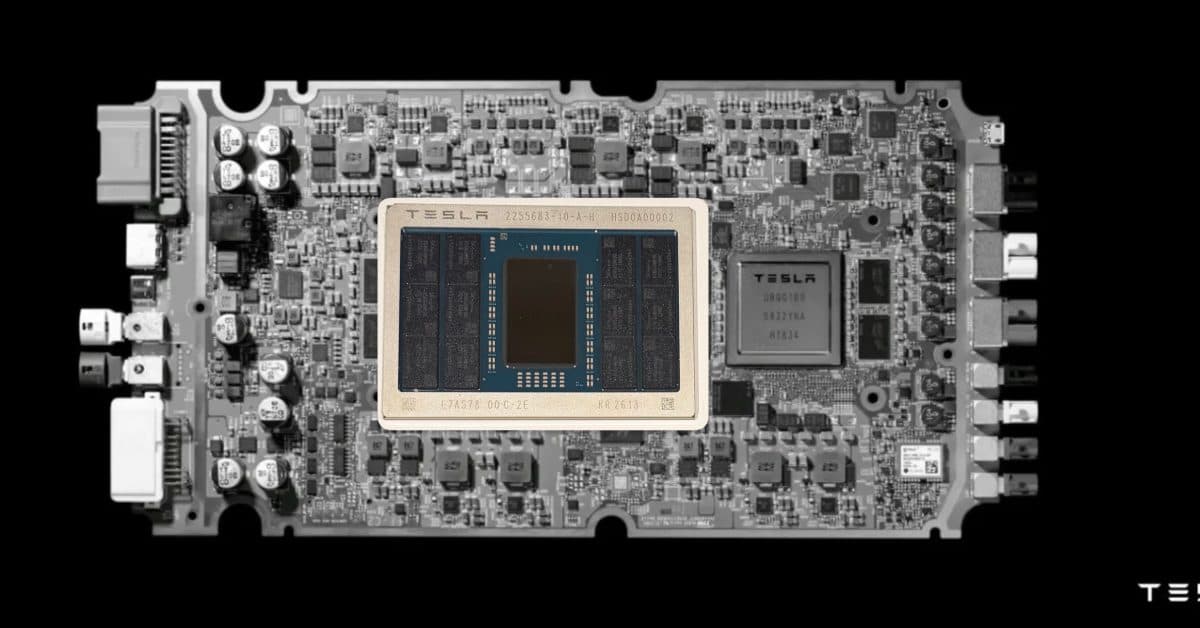
Tesla Taped Out AI5 Chip, Musk Says — Nearly 2 Years Behind Schedule
Tesla announced that its next‑generation AI5 self‑driving processor has been taped out, sending the final design to TSMC for fabrication. The milestone arrives almost two years after the company promised AI5 hardware in vehicles and pushes volume production to mid‑2027....

Neosem to Supply PCIe 5.0 SSD Test Equipment to U.S. Client in 6.2 Billion-Won Deal
Neosem announced a contract to supply its fourth‑generation CPU‑based PCIe 5.0 SSD test system to an undisclosed U.S. customer, valued at roughly 6.21 billion won (about $4.6 million). The deal represents roughly 9.7% of Neosem’s projected 2025 revenue of 63.9 billion won (≈$48 million). Neosem...

EPlus Launches Memory Optimization and Reclamation Assessment to Help Organizations Mitigate Chip Shortages
ePlus has introduced a Memory Optimization and Reclamation Assessment designed to help enterprises recover unused RAM and right‑size existing infrastructure. The service evaluates workloads, flags over‑provisioned or idle memory, and delivers a detailed report with a zombie‑capacity list, stranded‑memory analysis,...
Join Us for the ESD Tech Forum Virtual Event in April
Embedded.com will host the annual Embedded Systems Design (ESD) Tech Forum virtually on April 28‑29, focusing on embedded architectures, edge AI, physical AI, and security. The two‑day program features keynotes from senior executives at Synaptics, Renesas, MIPS and Texas Instruments,...

Indium Corporation Presents Collaborative Research on Solder Alloy Reliability for Heterogeneous Integration at ICEP-HBS
Indium Corporation will present an INEMI‑backed study at ICEP‑HBS comparing SnBi and SAC305 solder alloys for first‑level interconnects in heterogeneous packages. The research shows SnBi solder reduces package warpage by more than 70 microns thanks to its lower processing temperature,...

MediaTek Is 'Cautiously Optimistic' That Discrete Memory Pricing Will Look Less Gloomy During 2026
MediaTek reported record $19.1 billion revenue in 2025, a 15% year‑on‑year rise, despite a global memory‑supply crunch driven by AI‑fuelled demand. The company says it has secured sufficient fab capacity for the near term, but pricing for discrete‑memory chips remains volatile....
Give Bare-Metal Multicore Processing a Try
The article demonstrates that adding multicore processing to bare‑metal firmware is both practical and inexpensive, using the $5 RP2040 dual‑core microcontroller as a reference platform. By calling multicore_launch_core1() in the Arduino IDE, developers can run independent code on each core...
Sivers Collaborates with Jabil on Energy-Efficient 1.6T Pluggable Optical Transceiver Module
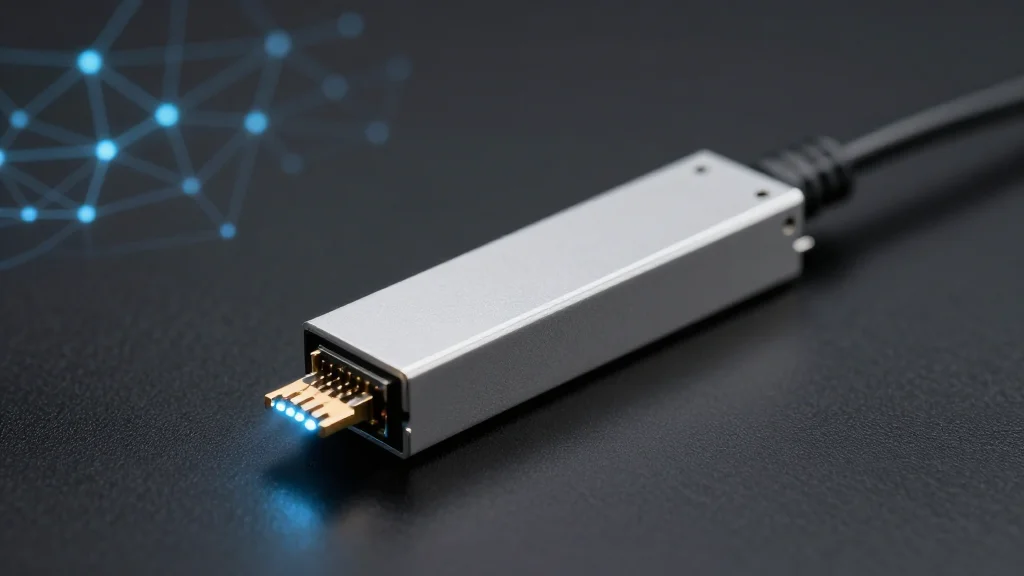
Sivers Semiconductors and Jabil have partnered to develop a 1.6‑terabit‑per‑second linear receive optical (LRO) transceiver module that leverages Sivers' high‑performance distributed feedback (DFB) lasers. The pluggable module is designed for energy‑efficient optical interconnects, aiming to meet the power‑constrained demands of...

Meta Expands Broadcom Partnership to Co-Develop Custom AI Silicon
Meta is expanding its collaboration with Broadcom to co‑develop multiple generations of its Training and Inference Accelerator (MTIA) custom AI chips. The partnership will cover chip design, advanced packaging, and Ethernet‑based networking, with an initial commitment of more than 1 GW...

Taiyo Yuden to Raise Prices Across Passive Components From May
Taiyo Yuden announced a price increase for a broad range of passive components effective May 1, 2026. The hike covers multilayer ceramic capacitors, inductors, ferrite beads, RF parts, FBAR/SAW devices, and select aluminum electrolytic capacitors. The company cites rising raw‑material costs...
We’re only Seeing the Tip of the Chip-Smuggling Iceberg
Federal prosecutors have charged six individuals in three separate cases for smuggling roughly $2.5 billion worth of advanced AI chips to China, using complex routes through Taiwan, Thailand and other Southeast Asian hubs. The indictments expose how current U.S. export controls...
AlixLabs Closes €15m Series A with Strategic Investment From Stephen Industries
Sweden‑based AlixLabs AB closed a €15 million (≈$16.2 million) Series A round in Q1 2026, secured from Finnish investor Stephen Industries. The funding targets rapid development of its proprietary Atomic Pitch Splitting (APS) atomic layer epitaxy (ALE) platform. Stephen Industries’ Kustaa Poutiainen, who helped...
How Are Accelerated Life Tests Changing for High-Voltage EV Power Electronics?
Accelerated life testing for high‑voltage EV power electronics is moving away from static qualification standards such as AEC‑Q101 toward a mission‑profile‑oriented reliability workflow. The new process translates vehicle driving cycles (WLTP, NEDC) into detailed electro‑thermal models that predict SiC MOSFET...
AlixLabs and VDL ETG Projects Announce MoU for Industrialization of APS Patterning
Swedish semiconductor equipment maker AlixLabs AB has signed a memorandum of understanding with VDL ETG Projects to industrialize its Atomic Pitch Splitting (APS) patterning technology. The partnership will move APS from laboratory validation to batch manufacturing and turnkey production lines for chip...
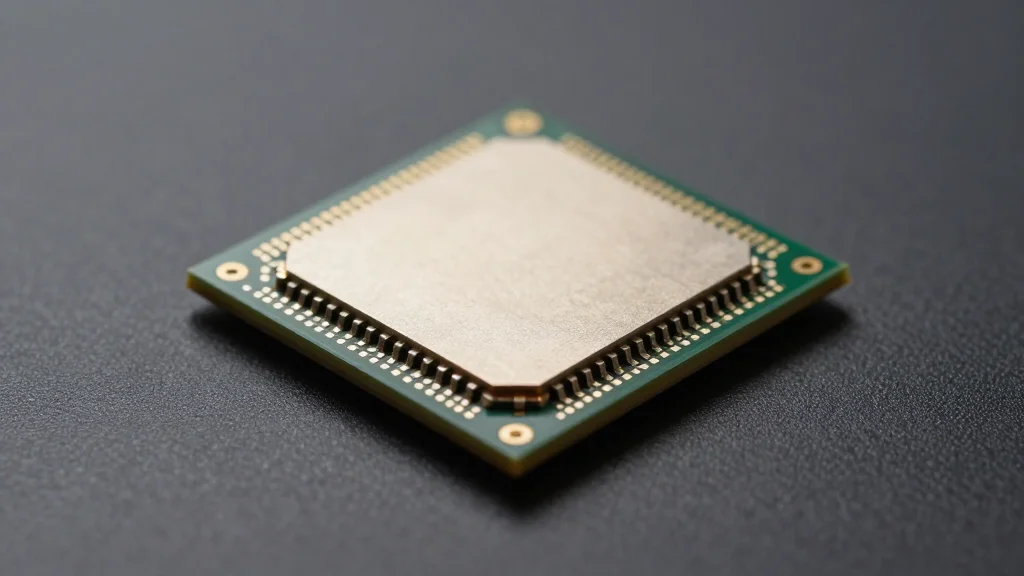
Microchip DSC Family Designed for High-Density AI Data Center Power, Intelligent Sensing
Microchip Technology has added the dsPIC33AK256MPS306 to its dsPIC33A digital signal controller family. The new DSC combines a 200 MHz 32‑bit core with a double‑precision FPU, 78 ps PWM, 40 MSPS 12‑bit ADCs, high‑speed comparators and DACs, and hardware security for post‑quantum cryptography....

AI Expansion Drives up Profits for Dutch Semiconductor Giant ASML
ASML reported a 15% jump in first‑quarter net profit to €2.76 billion (about $3.0 billion) and revenue of €8.77 billion (≈$9.6 billion), beating expectations. The Dutch lithography leader lifted its full‑year sales outlook to €36‑40 billion ($39‑44 billion), up from the prior €34‑39 billion range. Growth is...
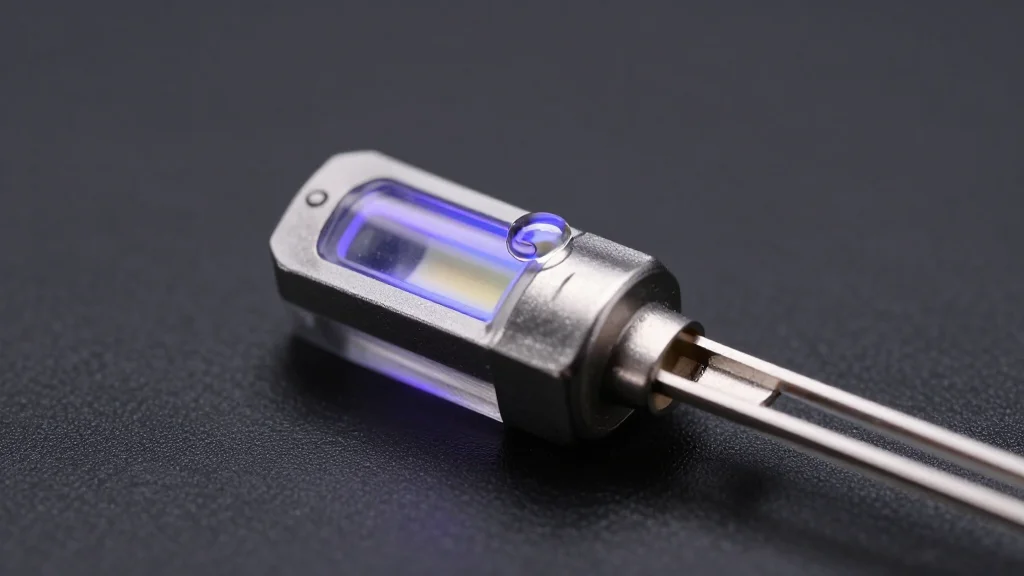
Silanna UV Adds TO-39 Flat-Window Package to SF1 and SN3 Series of UV-C LEDs
Silanna UV of Brisbane has introduced a TO‑39 flat‑window package for its SF1 (235 nm far‑UVC) and SN3 (255 nm deep‑UVC) LED series. The new low‑profile design lets engineers attach custom secondary optics, improving beam control and reducing system size. Both series...

How Europe Actually Finances Semiconductor Investments
The European Chips Act has unlocked tens of billions of euros for semiconductor research, pilot lines, and fab construction, but turning policy into factories depends on a complex financing pipeline. Central to that pipeline is the European Investment Bank, which...

Blog Review: Apr. 15
Semiconductor Engineering’s April 15 blog review aggregates fresh technical commentary from leading EDA, foundry and chip companies. Highlights include Cadence’s eUSB2‑V2 delivering multi‑gigabit USB 2.0, Intel’s ultra‑thin GaN‑on‑silicon chiplet that fuses power and logic, and Siemens’ push for high‑level synthesis in AI‑chip...

AI Growing Impact On Chip Design And EDA Tools
A panel of senior engineers from Synopsys, Intel, AMD, Nvidia, Microsoft and UC Berkeley discussed how AI is reshaping chip design and the tools that support it. They highlighted the surge in data‑center AI workloads that demand ever‑higher performance‑per‑watt, forcing EDA...

The Hidden Menace Behind Big Tech’s AI Arms Race: Meta, Amazon, and Others Are Spending Billions on Hardware That’s Worthless...
The AI arms race has driven hyperscalers to pour $650 billion into data‑center hardware, a level equal to about 2 % of U.S. GDP. Research Affiliates warns that GPUs and specialized chips become economically obsolete in roughly three years, far shorter than...

YMTC Expands Memory Production with New Fabs and DRAM Plans
Yangtze Memory Technologies (YMTC) is adding two new fabs to double its output from roughly 200,000 to 400,000 wafers per month. The third plant in Wuhan will start later this year and ramp to about 50,000 wafers monthly by 2027....

Nokia, Blaize Target AI Inference Gap in APAC
Nokia and AI‑chip designer Blaise are expanding their earlier MoU into a joint effort to build a reference architecture that streamlines hybrid AI inference across edge, cloud and data‑center environments in the Asia‑Pacific region. The collaboration will use Nokia’s Innovation...
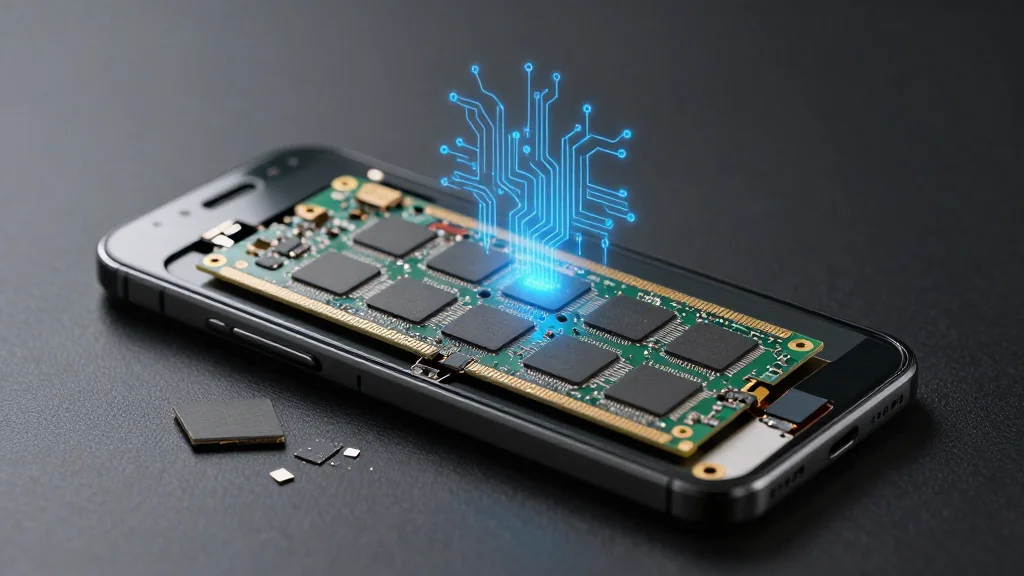
AI-Driven Chip Shortage Slowing Efforts to Get World Online: GSMA
GSMA warns that the AI‑driven memory chip shortage is inflating smartphone prices and curbing production of low‑end devices, slowing efforts to connect the 2.2 billion unconnected people worldwide. Chipmakers are prioritising high‑bandwidth chips for AI data centres, leaving fewer affordable chips...
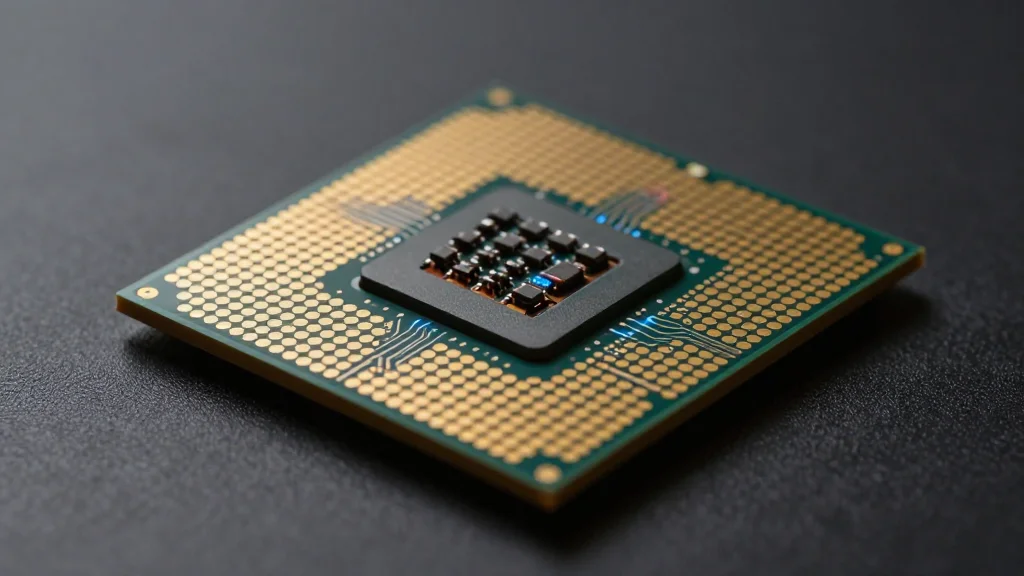
CPU Microarchitecture Thread
The forum thread dives into several nuanced CPU micro‑architecture topics. It confirms that AVX‑512 is an x86‑only SIMD extension, while ARM relies on NEON, SVE and SVE2 for similar workloads. Participants explain why Apple’s performance‑core (P‑core) designs omit simultaneous multithreading,...

Korean AI Chip Startup DEEPX, Hyundai Work on Robots Powered by Generative AI
Korean AI‑chip startup DEEPX is deepening its partnership with Hyundai Motor Group to supply its second‑generation DX‑M2 neural processing units for generative‑AI‑powered robots. The chips, built on Samsung’s cutting‑edge 2‑nanometer process, promise dramatically lower power draw—up to 20 times more efficient...
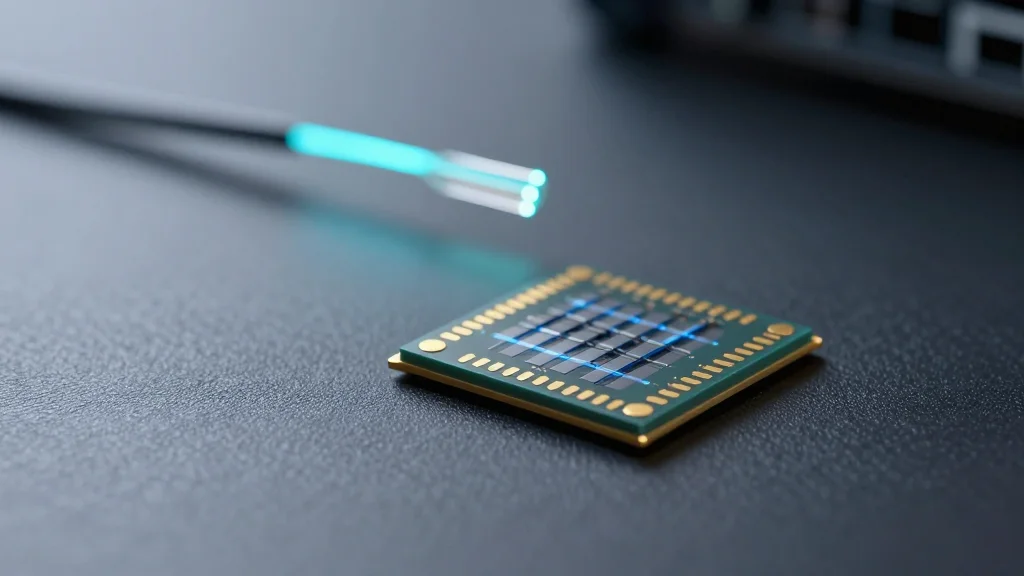
CRDO Rises on Its $750M DustPhotonics Deal for Silicon Photonics
Credo Technology Group Holding Ltd (CRDO) announced a $750 million cash‑plus‑stock acquisition of DustPhotonics, a silicon‑photonic integrated‑circuit specialist. DustPhotonics’ chips span 400 Gbps to 1.6 Tbps with a roadmap to 3.2 Tbps, targeting AI‑driven data‑center workloads. The deal creates a vertically integrated connectivity stack...

Printed MoS2 Memristive Nanosheet Networks for Spiking Neurons with Multi-Order Complexity
Researchers at Northwestern University have aerosol‑jet printed graphene/MoS₂/graphene memristive networks that exhibit snap‑back negative differential resistance and volatile threshold switching. The printed devices operate on flexible substrates, delivering oscillatory neuron circuits with tunable spiking frequencies up to 20 kHz and surviving...

Exclusive: Intel Tells Staff It Will Disclose Scope Of Work With Elon Musk In ‘Coming Weeks’
Intel CEO Lip‑Bu Tan told employees that the company will soon reveal the scope of its partnership with Elon Musk’s ambitious "Terafab" chip‑fab project. The memo describes the alliance with SpaceX, xAI and Tesla as a strategic move to supply...
Meta Partners With Broadcom to Co-Develop Custom AI Silicon
Meta announced an expanded partnership with Broadcom to co‑develop several generations of its Meta Training and Inference Accelerator (MTIA) chips. The collaboration will span chip design, advanced packaging and high‑bandwidth Ethernet networking, targeting an initial rollout of more than 1 GW...

3D-Printing Electronics with Focused Microwaves Redefines Possibilities in Materials
Rice University researchers have unveiled a new 3D‑printing method that uses a metamaterial‑inspired near‑field structure (Meta‑NFS) to focus microwave energy onto printed electronic inks. The focused microwaves selectively heat the ink while keeping surrounding substrates cool, allowing continuous, desktop‑size fabrication...

Clock Domain Crossing and Synchronizers (Part 2): Best Practices
As chip designs incorporate dozens of asynchronous clocks, reliable clock‑domain crossing (CDC) becomes critical. Designers mitigate metastability by chaining flip‑flops into synchronizers, typically a two‑stage configuration, though higher‑speed designs may use three or four stages. Maximizing mean time between failure...

Why DFT Verification Signoff Is the Hidden Risk Threatening Your Next Tapeout
Design‑for‑test (DFT) verification has become a critical bottleneck as modern SoCs integrate billions of transistors, diverse IP, and multiple test modes. Pattern signoff, in particular, strains schedules because simulations must cover numerous fault models, timing corners, and operational scenarios. Siemens‑reported...