Know What's Happening in Advertising
Know What's Happening in Advertising
Advertising Pulse
EMAIL DIGESTS
Daily
Every morning
Weekly
Tuesday recap
EMAIL DIGESTS
Daily
Every morning
Weekly
Tuesday recap

CFOs Push Incrementality Testing as Key to CTV Spend Validation
CFOs are tightening scrutiny on connected‑TV spend because traditional metrics like impressions and modeled ROAS fail to prove incremental revenue. The article argues that incrementality testing, which isolates lift through holdout groups and deterministic transaction data, is emerging as a differentiator for proving true CTV impact.

The video explains Meta’s upcoming overhaul of its attribution system, shifting how conversions are counted in Ads Manager. Historically, Meta’s default 7‑day click‑through and 1‑day view‑through windows treated any ad interaction—likes, comments, video expands—as a click, inflating conversion attribution. The new model restricts click‑through attribution to genuine link clicks, while introducing an "engage‑through" category for social interactions and video views, and retaining view‑through for pure impressions. Key data points illustrate the impact: in video‑heavy campaigns, total clicks can be three times higher than link clicks, meaning many conversions previously credited to click‑through will now shift to engage‑through or disappear. This change should bring Meta’s reported numbers closer to third‑party tools like Google Analytics, which use last‑click models, but advertisers may see a noticeable dip in reported conversions, especially for longer sales cycles or campaigns reliant on soft engagements. Ben Heath highlights real‑world examples, noting that a £96,000 spend generated £58,000 of unreported revenue under the old system. He also demonstrates how to locate the new attribution settings in the ad set level, recommending keeping windows as long as possible to maximize data for the learning phase, unless overlapping channels cause over‑inflation. The implication for marketers is clear: revisit attribution windows, monitor the new engage‑through metrics, and adjust optimization strategies to avoid misinterpreting performance drops. Aligning Meta data with external analytics will improve budgeting decisions, but firms must ensure they capture the full customer journey across channels.
CFOs are tightening scrutiny on connected‑TV (CTV) spend because traditional metrics like impressions and modeled ROAS fail to prove incremental revenue. The article argues that the trust problem stems from over‑attributed conversions and fragmented measurement infrastructure. Incrementality testing, which isolates...

Happydemics has introduced “In‑Flight Mode,” a real‑time brand‑lift measurement tool that embeds outcome tracking directly into live campaigns. Marketers can now monitor consideration, purchase intent and other brand KPIs as ads run, and instantly tweak creative, targeting or media mix....

Apple is rolling out Maps advertising in the United States and Canada this summer through its new Apple Business platform, positioning the service as a direct competitor to Google Maps ads. The format places businesses at the top of search...

The article argues that the classic linear marketing funnel is being replaced by a loop‑based model driven by AI‑generated answers that deliver brand exposure without clicks. It defines three stages—exposure, recall, and return—explaining how users first see a brand in...
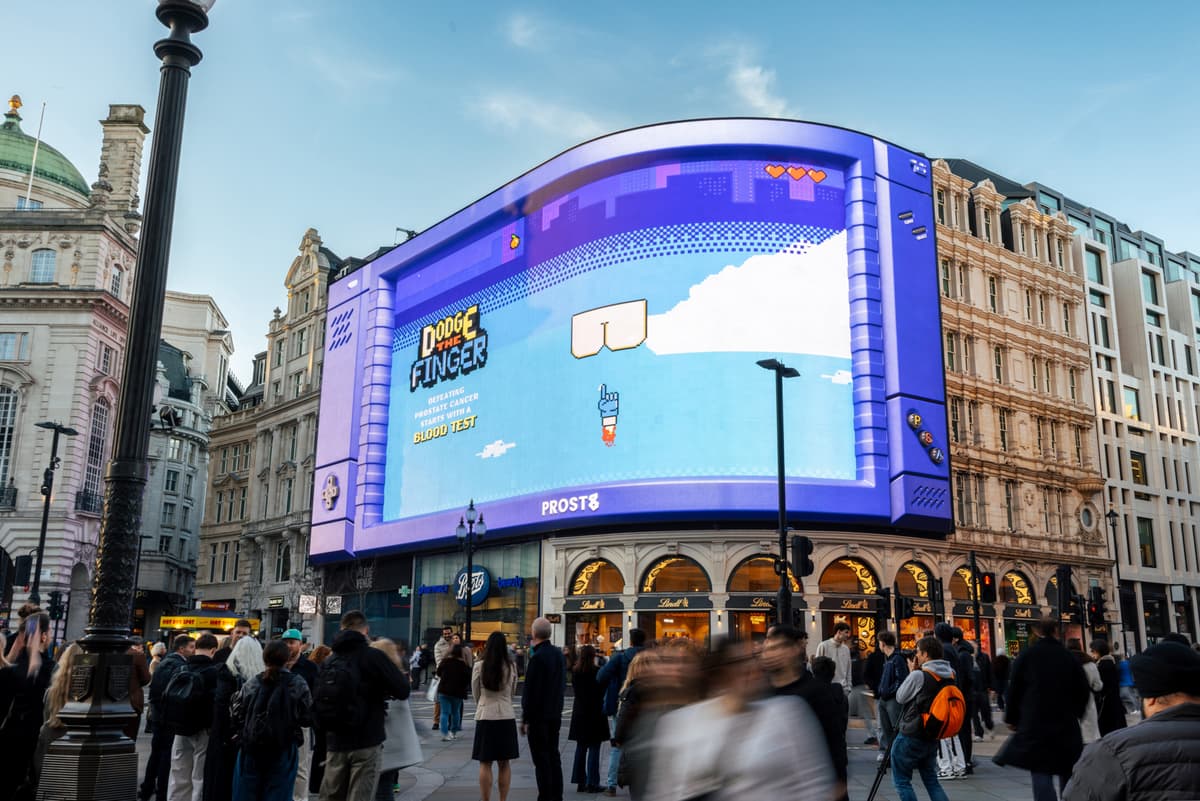
Ocean Outdoor has opened entries for its 2026 Digital Creative Competition across the UK, the Netherlands, the Nordics and Germany. The contest runs from April 7 to August 21, is free to enter, and offers a total prize fund of €2.675 million (about...

Uber UK has rolled out a new "sunbed wars" activation, covering cars with giant beach towels to promote its Reserve service for airport trips. The campaign, created by creative agency Mother, taps into the British habit of early‑morning sun‑bathing to...

Generally seeing the “attribution loss” from click to engaged view be about 10% across most clients within Meta. Developing new multipliers for each client still operating on 7DC, however a lot already shifted to IA attribution so those were not impacted. I...

Omnicom’s analytics chief highlighted a growing paradox: agencies now have unprecedented data volumes, yet the ability to translate that data into long‑term, revenue‑driving decisions remains limited. Traditional dashboards deliver short‑term vanity metrics, leaving a gap between insight and actionable strategy...

SparkToro announced upgraded keyword data in its audience research reports, shifting focus from sheer comprehensiveness to relevance. The new system surfaces higher‑intent search terms while automatically filtering out off‑topic queries across verticals such as modern lighting design, Costa Rica travel, and...

The article outlines five practical SEO A/B tests—title‑tag variations, AI Overview optimization, internal‑link placement, content length/depth, and schema markup—to systematically boost organic traffic. It explains how to set up control and variant groups, measure results with Google Search Console, and...

A joint study by Integral Ad Science (IAS) and Reuters found that over half of Reuters' brand‑suitable news pages would be demonetized by typical keyword blocklists, despite meeting IAS' Context Control Targeting standards. In the news section, 54% of URLs...

Mid-market retail brands are shifting to three core first‑party data tactics as third‑party cookies disappear. Loyalty and membership programs now focus on exclusive experiences rather than simple discounts, generating richer purchase and preference signals. Progressive profiling spreads data capture across...

AI decision engines now require deterministic identity, making first‑party data essential for advertising. A recent IAB report shows 71% of brands, agencies and publishers are expanding first‑party data, nearly double the rate from two years ago. Retail media spend is...

CNN, owned by Warner Bros. Discovery, is building its own AI‑agent infrastructure to enable autonomous media trading, targeting a launch in Q1 2027. The company will finish scoping protocols by Q2 2026, test on select properties in Q3, and evaluate buyer behavior...

Amazon has made ads a default feature on Prime Video, turning the platform into a massive, ad‑supported audience within its commerce ecosystem. Marketers can now buy pre‑roll, mid‑roll and occasional post‑roll spots programmatically via Amazon DSP, linking video impressions to...

Advertisers are turning to matched‑market tests to prove ad incrementality as consumer confidence wanes and identifier opt‑outs erode data signals. The method pits a test geography receiving media against a control geography without exposure, isolating true lift while mitigating risk....


