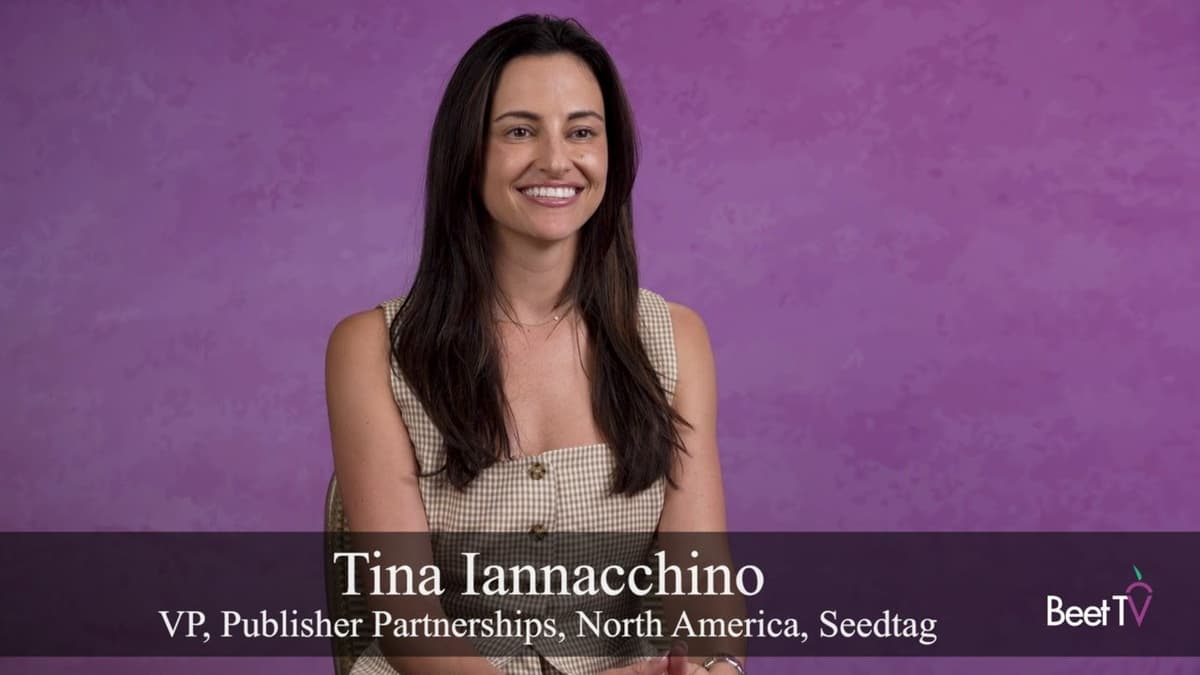
Contextual Ads Have Finally Graduated From 'Cookie Backup Plan' Status: Seedtag's Tina Ianacchino
The video features Seedtag’s Tina Ianacchino explaining how contextual advertising has evolved from a mere cookie‑loss safety net into a sophisticated, data‑driven solution. She introduces the company’s NeuroX platform, which layers neuroscience‑based insights onto traditional contextual targeting to read human interest, emotion and intent in real time. Ianacchino argues that this “neurocontextual” approach lets publishers extract far more value from each impression, rewarding high‑quality journalism and assuring brands that ad spend is efficient. By decoding intent rather than relying on keywords alone, publishers can monetize inventory that previously generated little revenue. She also addresses the challenge posed by AI‑powered search engines and large language models, which are siphoning referral traffic away from publishers. Seedtag positions its technology as a way to create additional monetization moments, compensating for the loss of organic traffic through precise, context‑aware ad placements. The broader implication is a shift in the digital ad ecosystem: advertisers can move beyond cookie dependence, publishers can sustain revenue despite AI‑driven traffic shifts, and the industry gains a tool that aligns brand safety with journalistic quality.
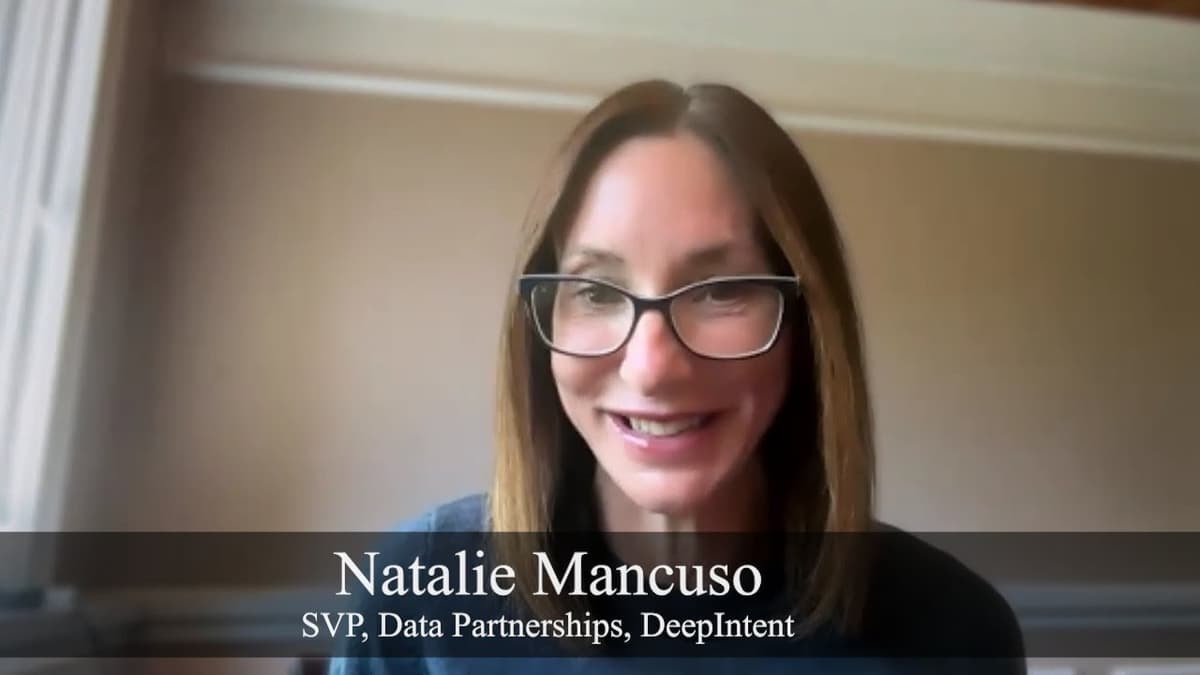
DeepIntent’s Natalie Mancuso: Healthcare CTV Drives Better Performance Than General Online Video
DeepIntent’s Natalie Mancuso explains how the company is reshaping pharmaceutical advertising by using connected‑TV (CTV) as an identity‑driven awareness channel rather than a generic, panel‑based medium. By matching CTV impressions to individual identifiers—NPIs, HEMs, IP devices and household signals—the platform...
AI-Powered Lead Gen: The New Way Multi-Location, Franchises and Global Companies Scale
In a webinar led by Neil Patel with NP Digital colleagues Matt Santos and William Kramer, speakers argued that AI is reshaping lead generation for multi-location, franchise and global brands and that firms must rebuild systems to scale reliably. They...
The BEST Way To Scale Meta Ads (From $300M Ad Spend)
Ben Heath, founder of Heath Media, outlines his proven framework for scaling Meta (Facebook and Instagram) advertising. He highlights a track record of spending over $300 million on campaigns, generating more than $1.2 billion in client revenue, and serving 5,000+ businesses worldwide....
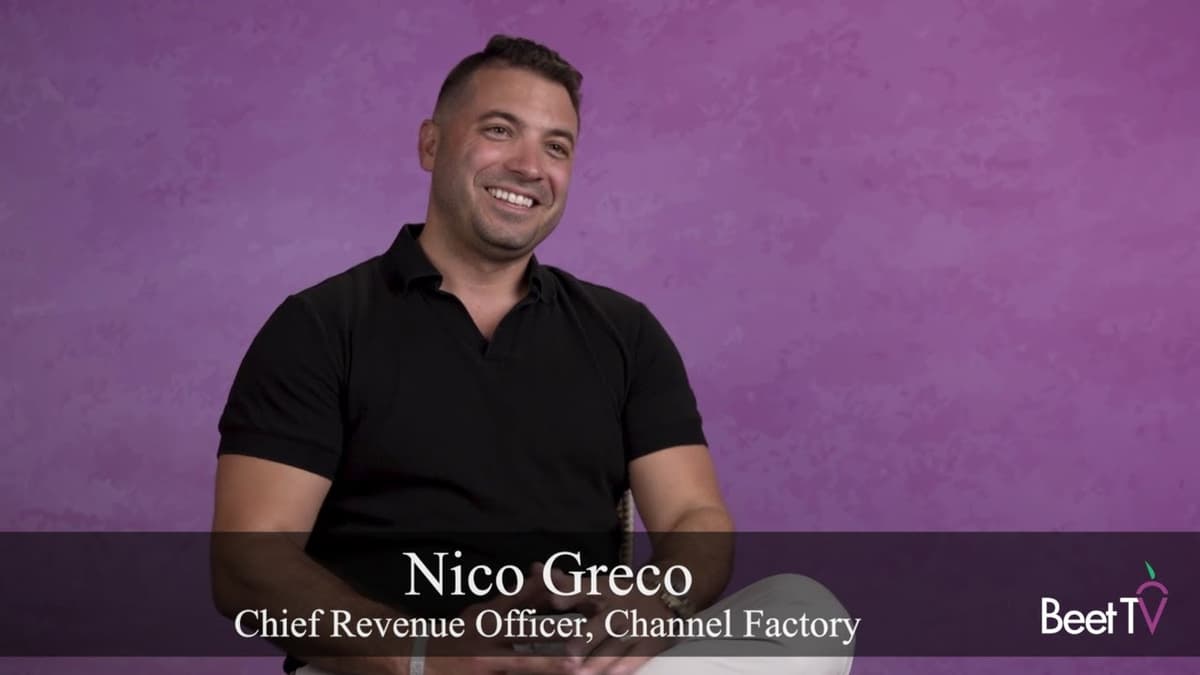
Channel Factory’s Nico Greco: Brand Safety Rules Were ‘Designed For Human Authors,’ Not AI-Generated
In a recent Channel Factory interview, Nico Greco warns that brand‑safety rules were built for human‑written content and are now ill‑suited to the flood of AI‑generated material saturating the internet. He explains that “AI slop” – high‑volume, keyword‑rich copy produced at...
Retargeting vs Remarketing: What's the Difference? (With Real Ecommerce Examples)
The video distinguishes retargeting from remarketing for e-commerce: retargeting refers specifically to paid ads that reappear to users who previously interacted with a brand (e.g., cart-abandonment ads on Instagram), while remarketing is a broader, multi-channel strategy that includes those paid...
How Much Should You Spend on Google Ads? (And When to Stop)
There’s no single benchmark for how much an e-commerce brand should spend on Google Ads; pricing varies by auction dynamics, competition, campaign type, conversion rates, and account health. Instead of chasing a neat number, advertisers should calculate how much Google...

Server-Side GTM Setup – Part 1 – Improve Data Quality & Block Ad Blockers
The video introduces Google Tag Manager server-side tagging, explaining how it routes browser requests to a tagging server which then forwards data to analytics and advertising platforms. Server-side tagging reduces the impact of ad blockers and browser privacy restrictions, extends...
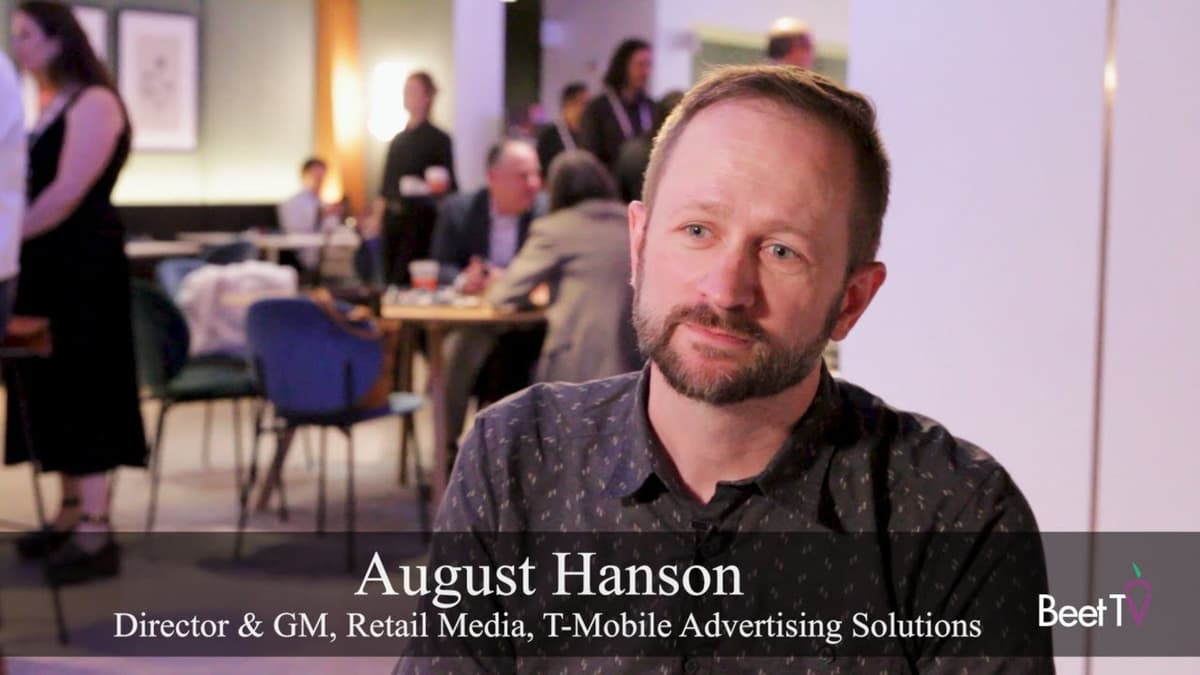
T-Mobile Bets Edge Computing Will Transform In-Store Retail Media
T‑Mobile is positioning its network and edge‑computing capabilities to turn brick‑and‑mortar stores into addressable media environments, announcing a suite of services that combine connectivity, hardware and a full‑stack implementation model. The company’s Vista Media platform pairs a SIM‑enabled media player with...
Digital Advertising Measurement Is Broken, and Offline Signals Are the Fix: Padsquad
The video argues that digital advertising measurement has stagnated, relying on noisy KPIs that fail to connect ads with real‑world outcomes. PadSquad proposes leveraging offline behavior signals—store visits, purchases, and other tangible actions—to create a "collapsed funnel" that more accurately...

Getir Sent One Email to 'Inactive' Contacts—27% More Orders
The video highlights a common oversight in email marketing—automatic sun‑setting of contacts who haven’t engaged within a set period, often leading firms to delete potentially valuable leads. Getir, a grocery‑delivery platform, tested a re‑engagement email sent to contacts dormant up to...
Maximize iOS Performance with AI-Powered Bidding
The video introduces Google’s AI‑powered bidding suite for iOS app campaigns, outlining how advertisers can align bidding strategies with specific business goals—whether it’s raw install volume, cost control, or revenue maximization. Rachel, the Global Product Lead, walks viewers through four...
Using ICM for Improved 3P Reporting
Google introduced Integrated Conversion Measurement (ICM), a privacy‑preserving on‑device solution that feeds more accurate iOS install and conversion data into third‑party attribution dashboards. ICM leverages event‑level data from the latest Firebase SDK and a probabilistic attribution layer to recover conversions lost...
Change Will Always Be Your Biggest Problem
John Loomer opens the Pub Cast by highlighting the relentless pace of change in Meta advertising, noting that iOS 14 marked the beginning of a shift toward automation and diminishing direct control for marketers. He explains how conventional training—courses, webinars, and static...
How Brands Can Win Authority in LLMs - with Havas, Heineken and Publicis
The Media Leader podcast panel explored how brands can claim authority in the rapidly evolving world of large language models (LLMs) such as ChatGPT, Google Gemini, and AI‑driven search overviews. Panelists from Havas, Heineken, and Publicis discussed the shift in...
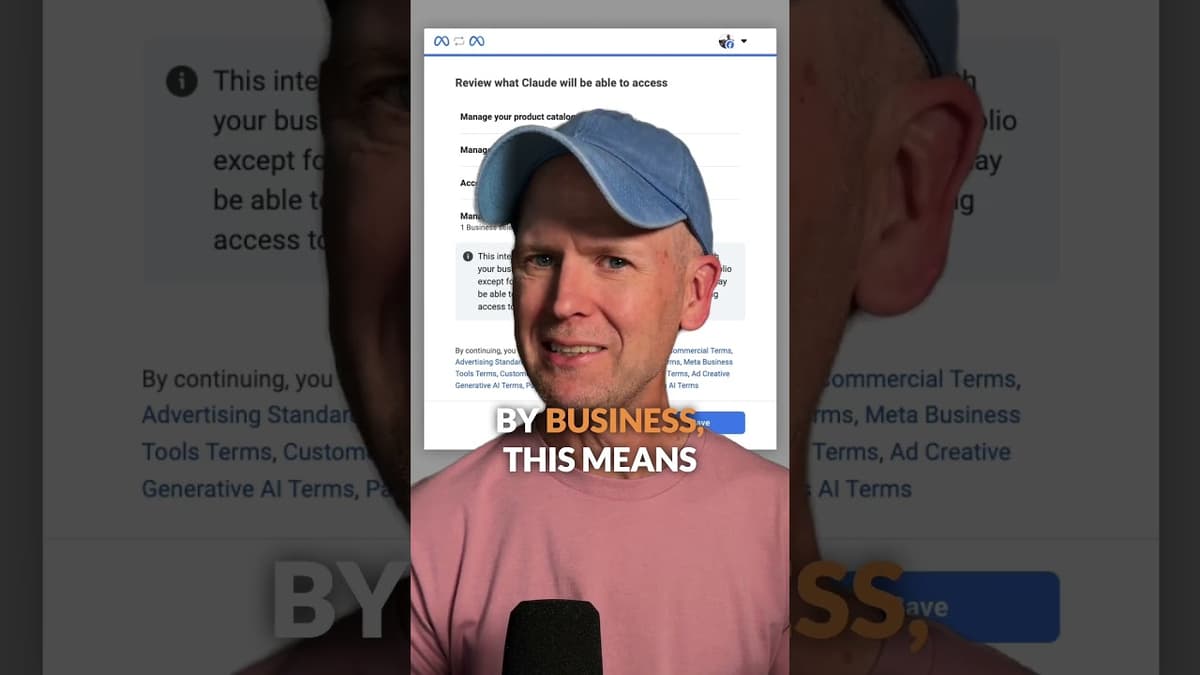
AI Connectors May Put Your Clients at Risk
Meta’s recent rollout of AI connectors lets advertisers hook Ads Manager to large‑language models such as ChatGPT and Anthropic’s Claude, promising automated campaign creation and optimization. The integration is configured at the business‑manager level, meaning the AI receives access to every...
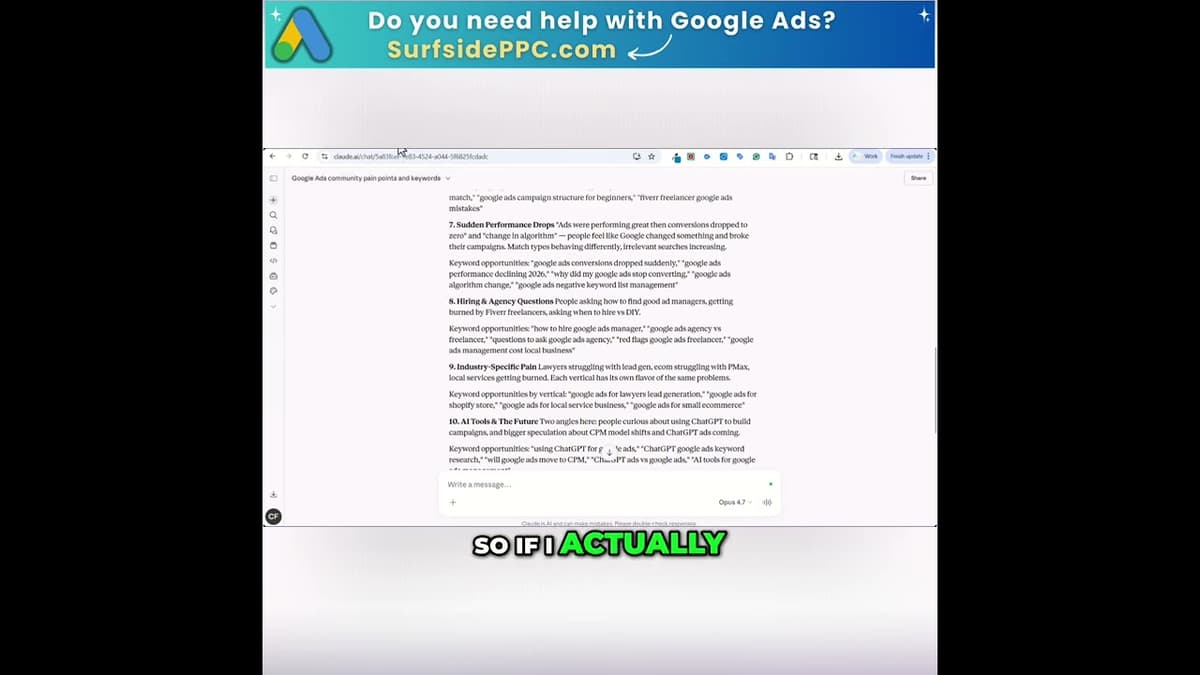
Unlock Google Ads Ideas: Reddit & AI Secrets Revealed! #shorts
The video shows how marketers can combine Reddit community listening with Claude AI to uncover fresh Google Ads content ideas. By extracting top‑year Reddit threads from the Google Ads community, the creator feeds the data into Claude Max, which surfaces recurring...
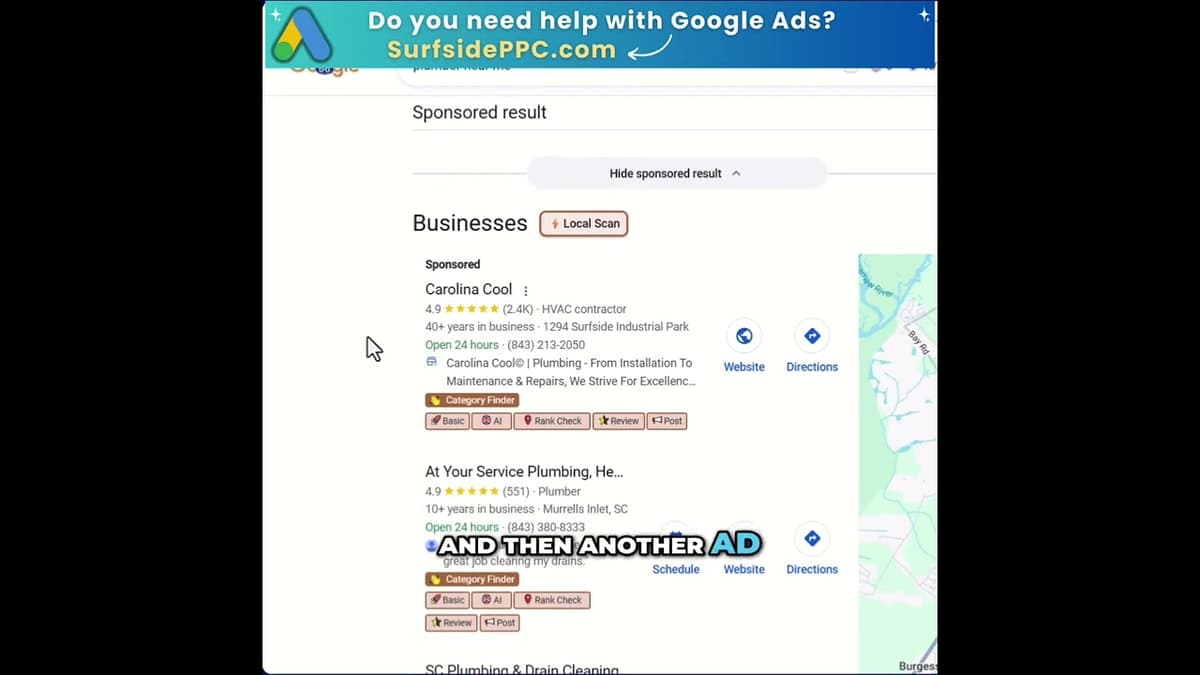
Dominate Local Search: NEW Paid Ad Strategy Revealed! #shorts
The video outlines a new paid‑advertising approach for dominating local search results, emphasizing that sponsored listings now occupy the prime real‑estate on Google Maps and the local pack. The presenter notes that top positions are increasingly filled by paid ads—Local Service...
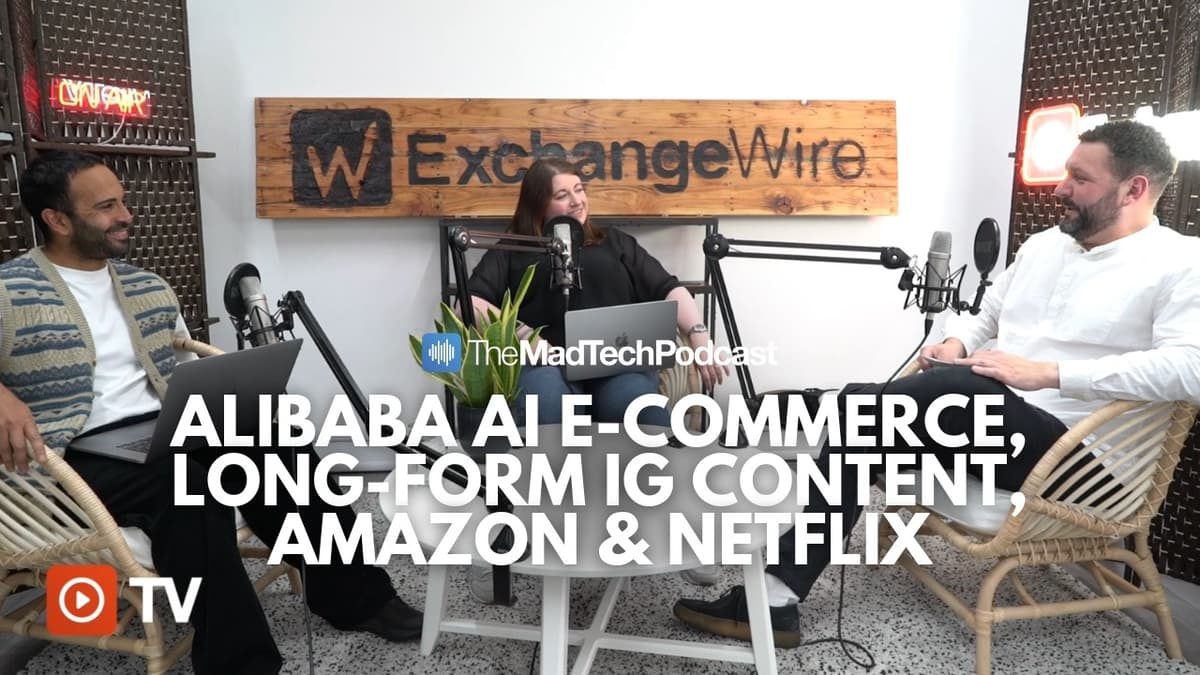
The7stars' Kashif Dalvi on AI E-Commerce, Instagram CTV, and Amazon & Netflix's Integration
The Mad Tech podcast featured Kashif Dalvi of the7stars discussing three hot trends: AI‑driven e‑commerce, long‑form CTV on social channels, and the emerging Amazon‑Netflix partnership. Dalvi highlighted Alibaba’s rollout of its Qwen large‑language model across Taobao and Tmall, enabling shoppers...
The Biggest Challenge AI Will Never Be Able to Solve #Shorts #Advertising #Marketing
The video spotlights the core competency agencies need in an AI‑driven world: converting raw AI‑generated signals into concrete, client‑focused strategies. It frames the agency of the future as a hybrid entity—human‑led, AI‑powered—acting as a real decision engine for brands. Key insights...
Performance Marketing Full Course 2026 | Performance Marketing Tutorial For Beginners | Simplilearn
The Simplilearn video presents a comprehensive performance‑marketing curriculum for 2026, aimed at beginners who need to move beyond simply launching ads to actually measuring and improving digital‑marketing outcomes. It emphasizes the importance of tracking every step of the customer journey—from...
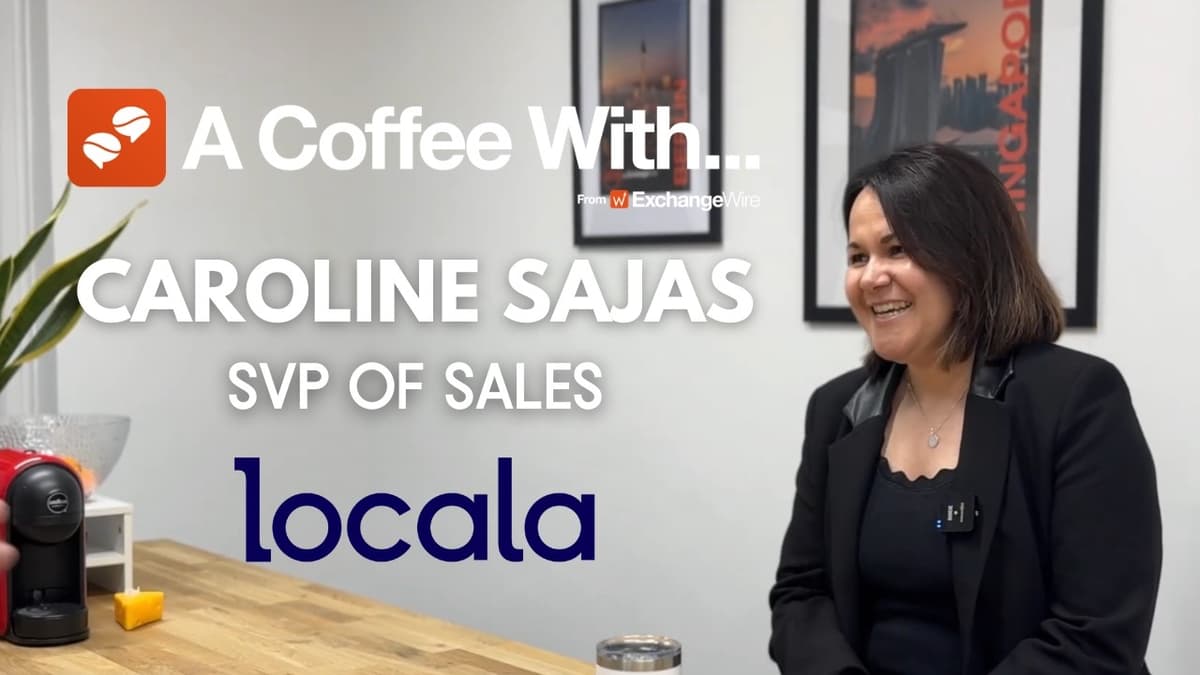
"Audience Is the Outcome": A Coffee With Caroline Sajas, Locala
The ExchangeWire Kitchen interview with Caroline Sajas, co‑founder of Locala, spotlights the company’s location‑intelligence platform and its embrace of agentic AI. Sajas explains how the technology automates audience planning, turning tasks that once took hours into seconds, and how it...
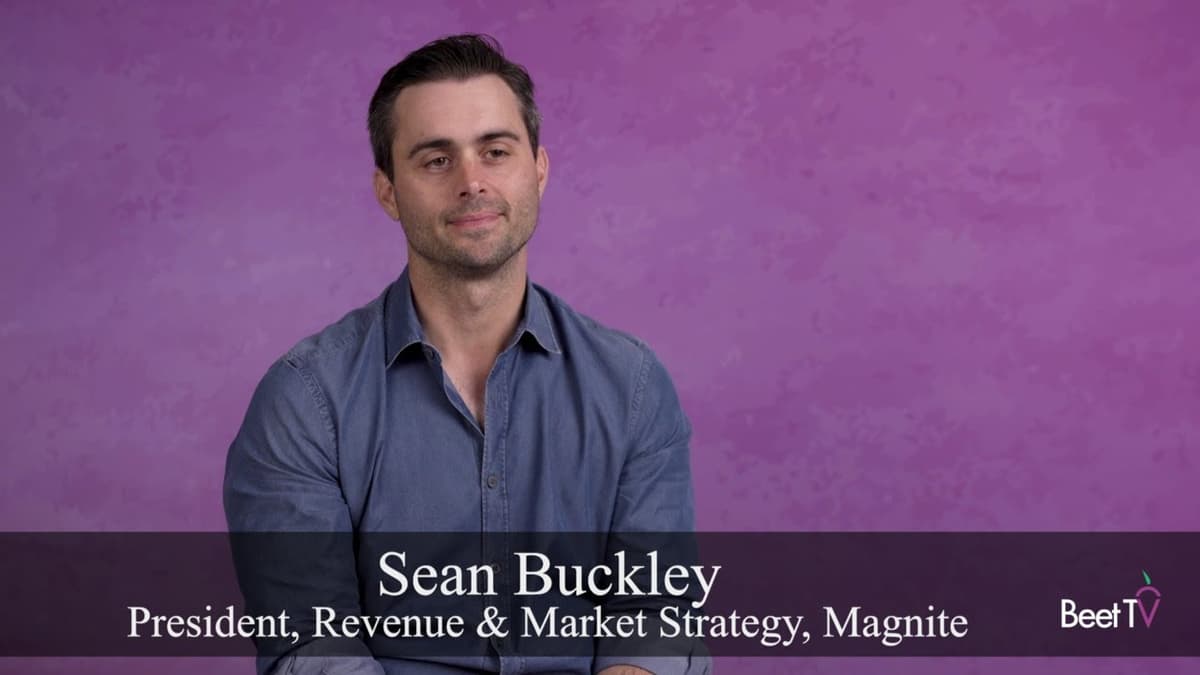
Magnite’s Sean Buckley: What Supply Side Consolidation Means To The Buy Side
Magnite’s Sean Buckley described SpringsServe as both an ad server and a pioneering CTV mediation platform, and unveiled new features including autonomous anomaly detection, dynamic pricing automation, and demand-path analysis to give publishers clearer pricing and revenue visibility. He said...
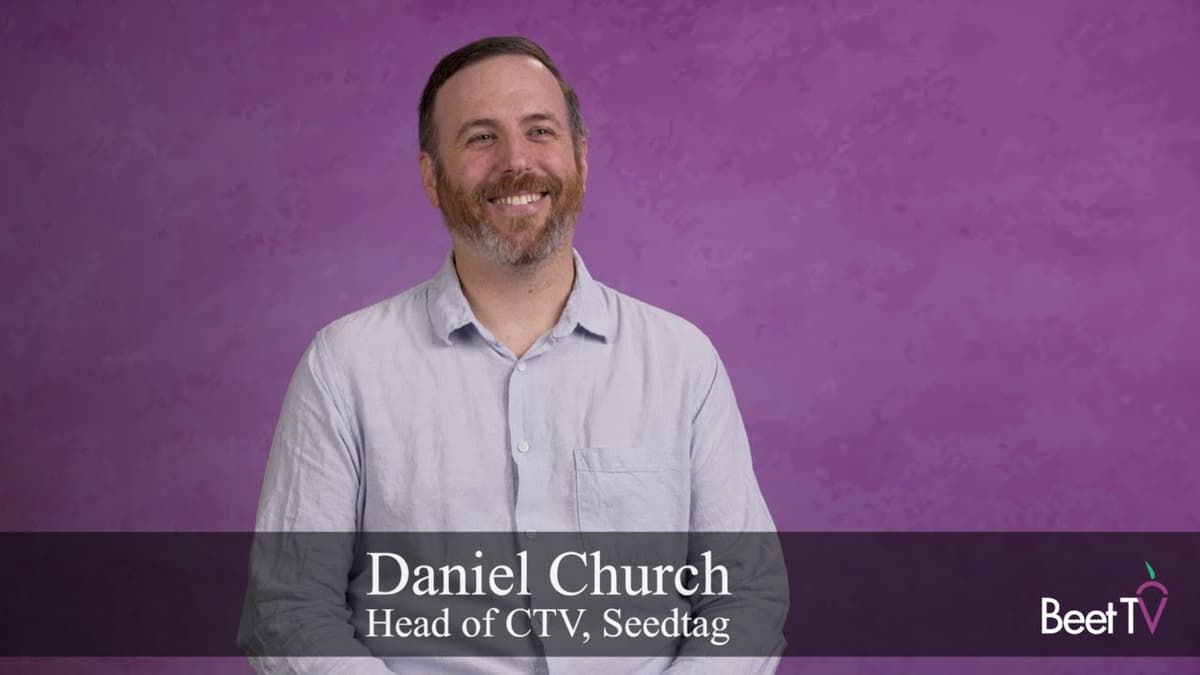
Why Matching Ad Emotion to TV Content Triples Viewer Attention
Seedtag says its NeuroX platform abandons fractured IP/PII identifiers and instead analyzes TV content at the program- and episode-level to match ads to the show’s emotion and intent. That contextual approach decodes every CTV impression, allowing ads to align with...
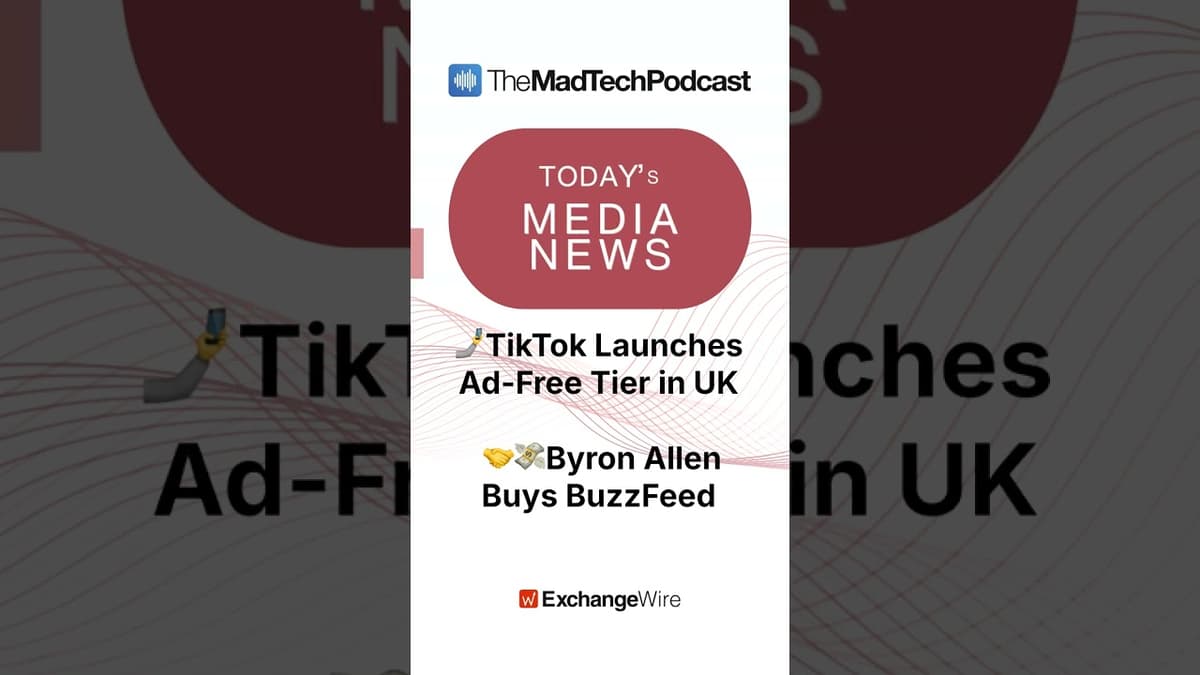
TikTok Launches Ad Free Tier in UK!?
TikTok has rolled out an ad-free subscription tier in the UK for £3.99 a month that removes ads and prevents user data from being used for ad targeting, a move the company frames as a response to evolving UK privacy...
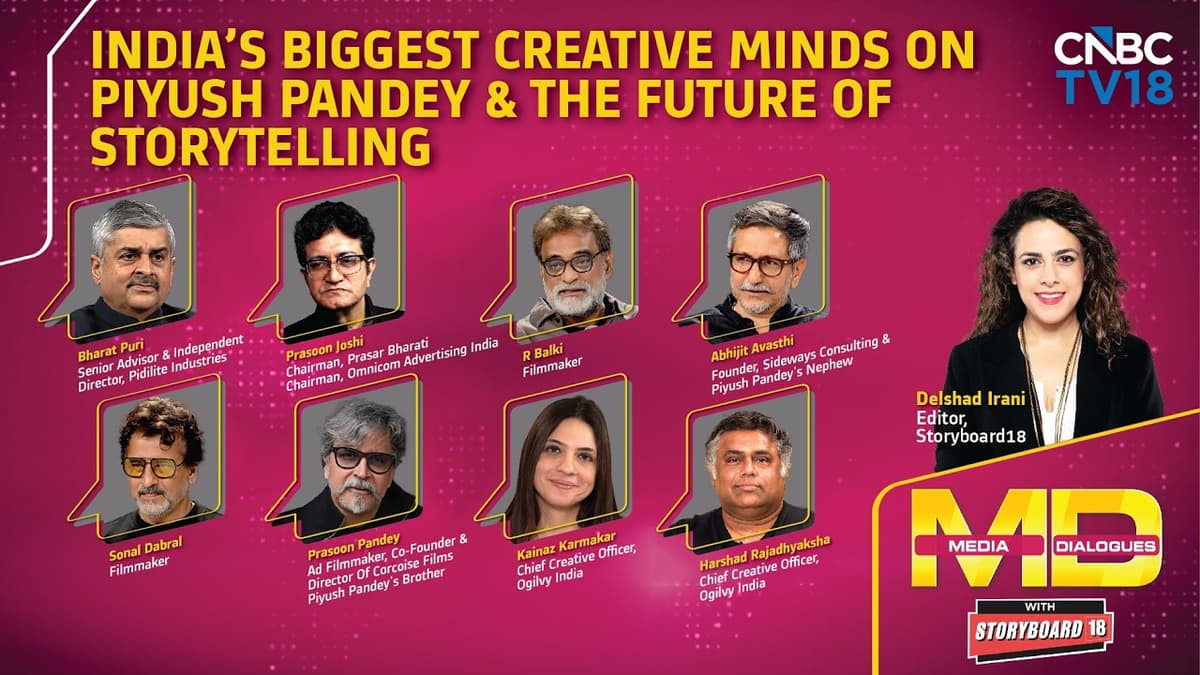
India’s Biggest Creative Minds on Piyush Pandey & the Future of Storytelling
The video captures the inaugural Storyboard 18 Awards at the 2026 Global Pioneer Summit, where industry leaders gathered to honor Piyush Pandey’s lasting influence on Indian storytelling and to showcase the event’s role in shaping future creative direction. Panelists repeatedly highlighted Pandey’s signature...
Amazon PPC Impressions Problem: The Real Reason No One's Clicking
The video addresses a common Amazon PPC problem—advertisers receive impressions but no clicks after launching a new product in a competitive niche. The host walks through why relevance and creative elements matter and offers a step‑by‑step troubleshooting plan. Core metrics are...
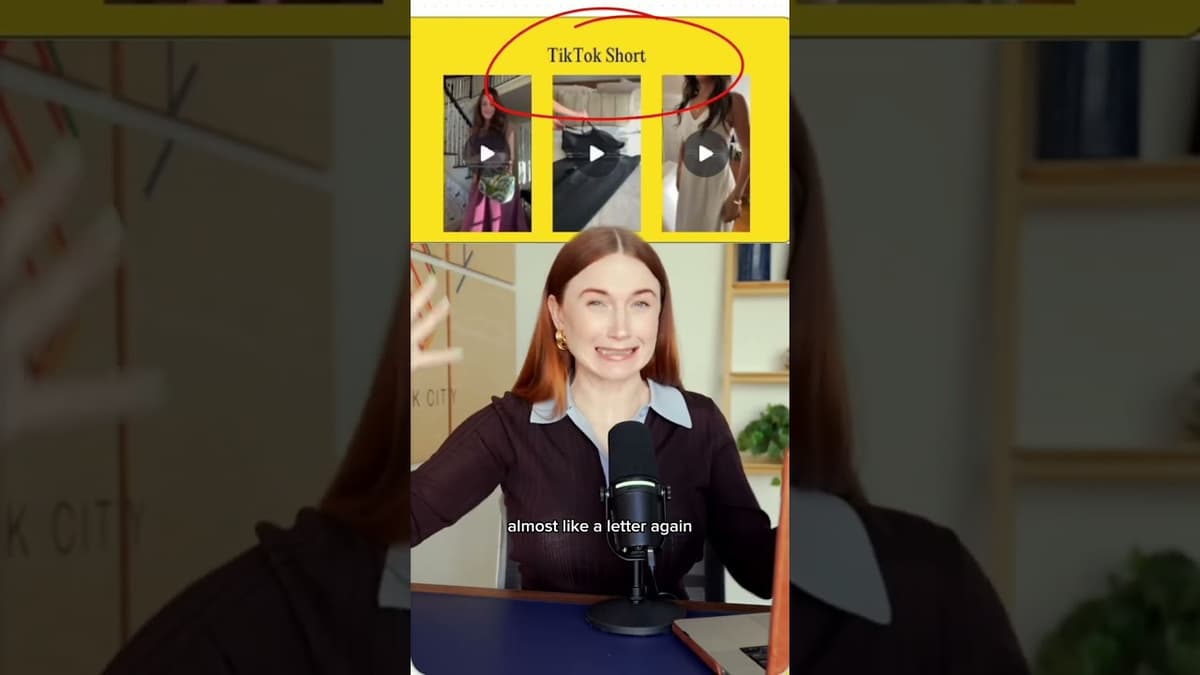
These 2 Formats Dominate on Paid Ads
Social media ad agency identifies two short-form video formats dominating paid Reels and TikTok: a long-text “TikTok love letter” featuring extended on-screen copy over short clips, and a shorter, POV-style “TikTok viral short.” Both formats are low-production, rely on strong...
AI in Advertising and Building Trust: IHeartMedia on Human Voices in Media | Deloitte Insights
iHeartMedia says it will guarantee that voices on its podcasts, broadcasts and streaming services remain human, citing trust with its roughly 270 million monthly listeners. The company supports using AI for internal efficiencies, performance optimization and to gather insights for...
Should You Use a Funnel for High Ticket Products?
The video addresses a marketer’s dilemma about whether to use a traditional funnel for a €700 hardware product sold direct‑to‑consumer on Meta, noting that 90 % of the ad spend currently drives lead‑capture discount offers while only 10 % retargets. The host advises...
Using Brand Partnerships to Market to Younger Audiences with Netflix VP of Global Marketing
Netflix’s global brand‑marketing chief, Magno Haron, explained how the streamer is using brand partnerships to fuel its ad‑supported tier, aiming to double ad revenue to $3 billion this year. The strategy hinges on co‑created campaigns that weave brands into the narrative...
Surfside PPC Podcast Episode 19 - Google Ads Keyword Research Made Easy (Video)
Episode 19 of the Surfside PPC podcast dives deep into practical Google Ads keyword research, especially for complex B2B and e‑commerce offerings. The host outlines a step‑by‑step workflow that begins with feeding a client’s website URL—or even a single product...
Digital Marketing Strategies Full Course 2026 | Digital Marketing Strategy Training | Simplilearn
The video presents a comprehensive Digital Marketing Foundations course, outlining how brands can convert online attention into tangible business results. It emphasizes the shift of virtually every business to digital channels and the need for a structured strategy that spans...
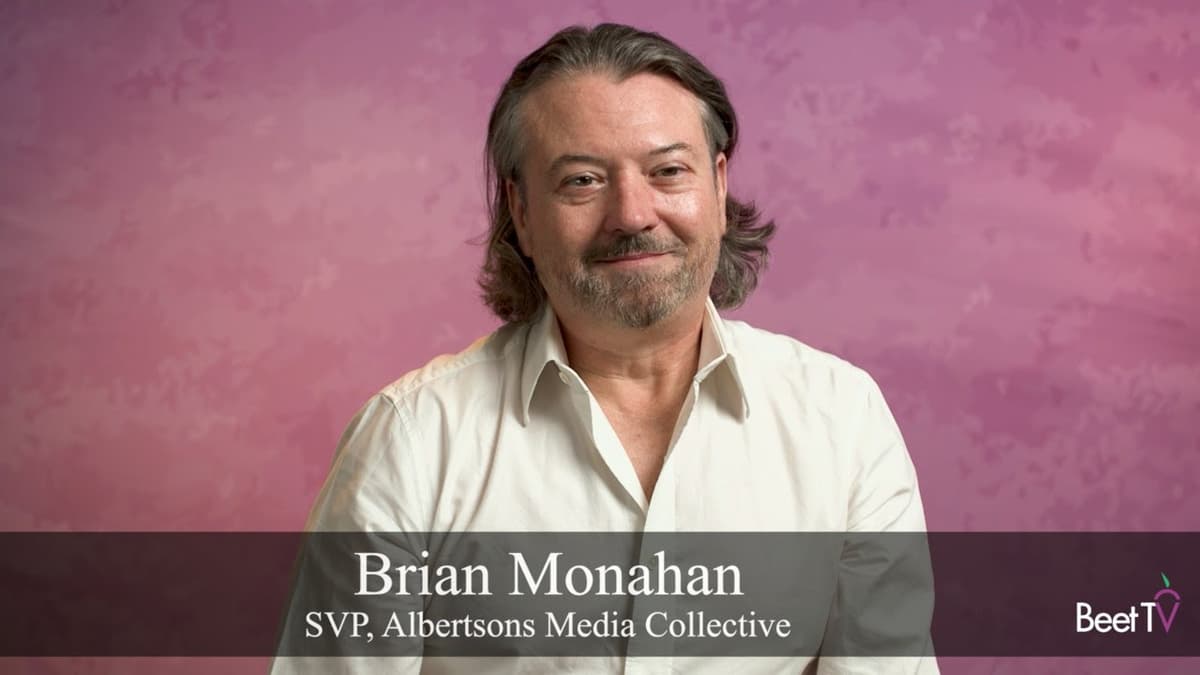
Retail Media Must Grow Up Fast: Albertsons Media Collective’s Brian Monahan
The video spotlights Albertsons Media Collective’s “couch‑to‑checkout” platform, a full‑funnel retail media offering that tracks shoppers from connected‑TV viewing to in‑store purchase, promising advertisers a single data‑driven path to influence sales. Monahan explains that the Collective now emphasizes incremental ROAS (iROAS)...
Embedded Ads in AI Overviews?
Google is piloting embedded advertisements within its AI‑generated search overviews, a move designed to capture additional ad revenue as AI‑driven results reshape user behavior. The company reports a 20% lift in search queries generated by AI overviews, offsetting a modest...
Facebook Ads Data Import in Google Analytics 4
Julius demonstrates how to pull Facebook (Meta) ad performance into Google Analytics 4 using the platform’s Data Import feature. He walks through creating a new data source in GA4 Admin, naming it, selecting “Meta” as the import source, and authenticating the...
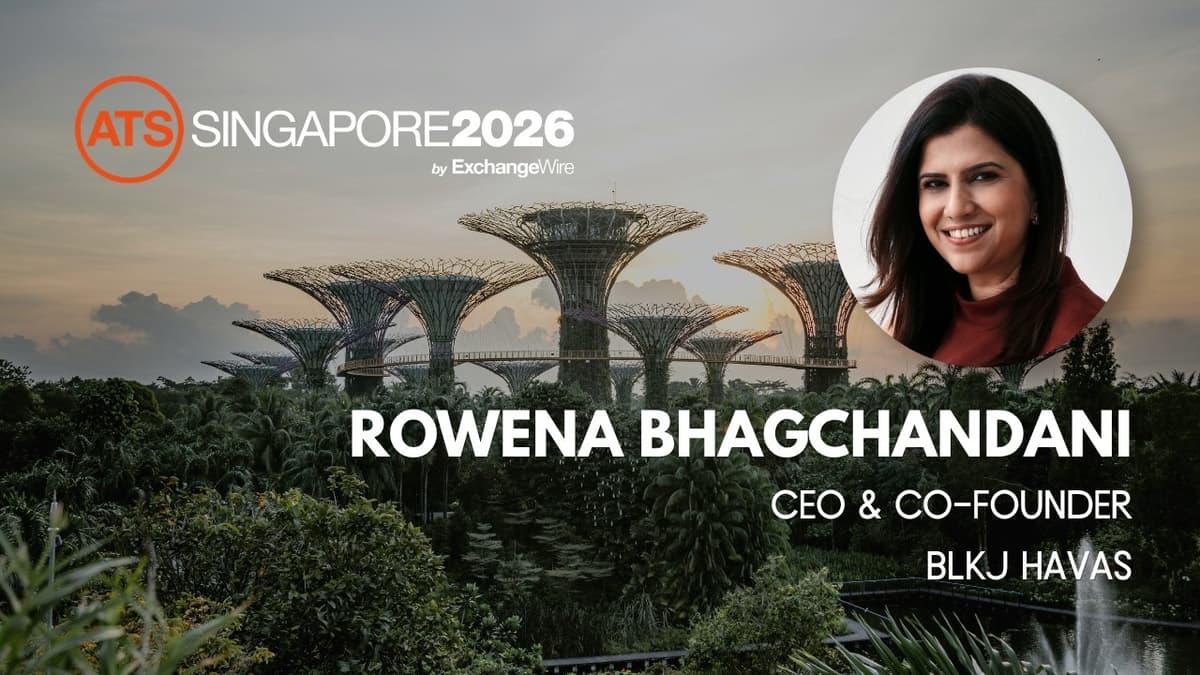
"Human Creativity of the Highest Level": The Best of Both Independents & Hold Cos?
The video spotlights human creativity as APAC’s most critical competitive edge, framing it as the linchpin for agencies, marketers and platforms alike. The speaker highlights the ATS Singapore panel, which juxtaposes perspectives from independent agencies and network hold‑companies, probing how...
Hyper-Personalization or Surveillance? The New Era of AI Advertising | Fortune AI Playbook
The video spotlights the rapid rise of AI coding agents—models that translate natural‑language instructions into functional software. Companies like Google and JPMorgan already rely on these tools, prompting a fundamental redefinition of the developer’s role from line‑by‑line author to high‑level...
This $2,000 AI Ad Got 20 Million Impressions
The video demonstrates how a $2,000 AI‑generated advertisement can rival traditional, six‑figure productions, delivering massive reach in a fraction of the time. Kalshi, a prediction‑market platform, needed a 30‑second spot for the 2025 NBA Finals. Using Google Gemini to draft the...

The Best Way to Find Creators in 2026...
The video highlights Meta’s Creator Marketplace as a free, data‑rich tool for discovering influencers. It automatically tags creators by the type of content they produce—such as partnership ads or strong hook videos—making initial scouting straightforward. The platform surfaces key performance indicators...
You're Probably Not Wasting Money on Ads
John Loomer’s latest podcast argues that most advertisers mistakenly label ad spend as waste simply because short‑term metrics fall short of expectations. He stresses that evaluating performance with an all‑or‑nothing mindset—treating any result below a preset threshold as failure—leads to...

Supermetrics in Claude | Quick Start
In the video, the presenter demonstrates how to integrate Supermetrics, a marketing‑data connector, with Claude, the conversational AI platform, and then use that link to create a shareable campaign‑performance dashboard—all from within a single chat session. The walkthrough begins by navigating...
How Outcomes Measurement Has Changed the CMO-CFO Relationship - with Nimmi Shah and Sameer Modha
The Media Leader podcast episode explores how outcomes‑driven measurement is reshaping the CMO‑CFO dynamic amid a turbulent macro environment. Host Jack Benjamin and guests Nimisha Shah, a finance consultant for media, and Samir Modha, ITV’s outcome‑measurement lead, discuss why senior...

Self Serve ChatGPT Ads Beta
The video announces the launch of a self‑serve ChatGPT advertising beta for U.S. advertisers, following a limited test that began in February. The program allows qualified marketers to create ads that appear within OpenAI’s conversational interface. The beta is deliberately stripped...
Best Free Keyword Research Tools 2026
The video walks through the top free keyword‑research solutions for 2026, starting with Google’s own Keyword Planner. It demonstrates how the tool surfaces millions of keyword ideas, displays average monthly searches, and—crucially—provides low‑range bid estimates that help advertisers gauge cost‑per‑click...

Marketing, Motherhood, Entrepreneurship and AI with Emily Baillie & Jyll Saskin Gales
The video features a candid conversation between Emily Baillie and Jyll Saskin Gales, two Canadian marketers who are also mothers and entrepreneurs. They discuss how AI, digital advertising, and personal branding intersect with the challenges of parenting and running a...

Polished Reel Vs. Raw Reel (Which One Won?)
The creator filmed two Instagram Reels on the same subject and posted them simultaneously, one a polished, scripted piece shot with professional lighting, the other a spontaneous walk‑and‑talk captured on a morning stroll. The raw reel generated markedly higher reach, longer...
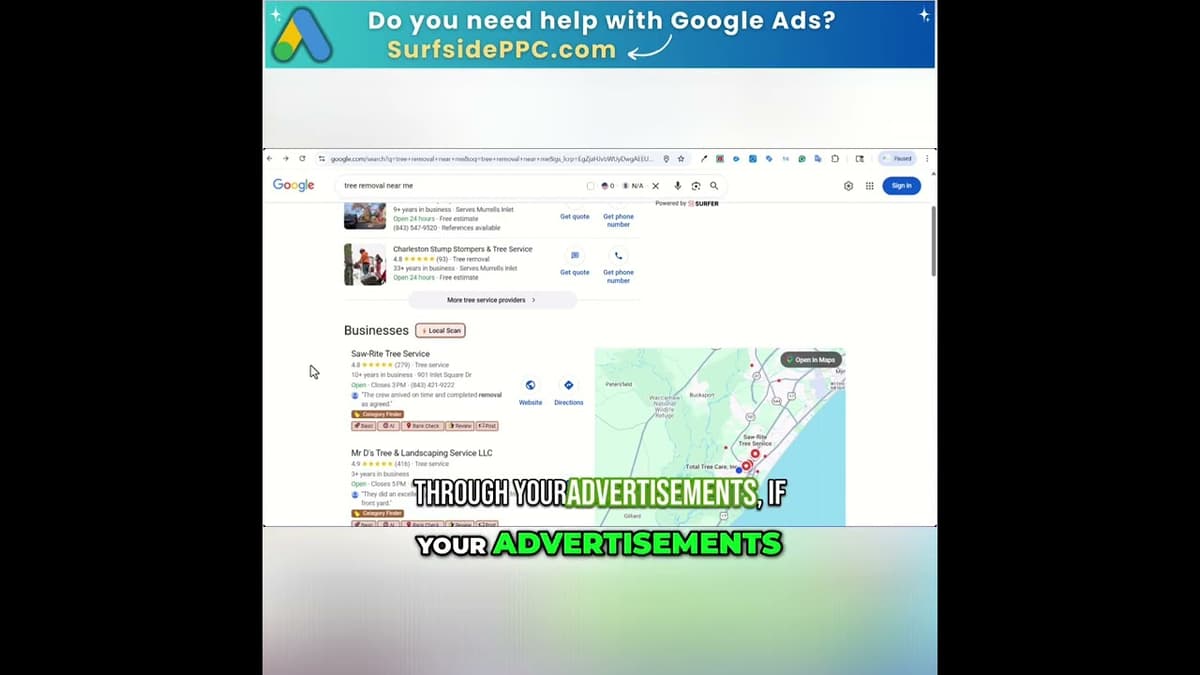
Local Service Ads: Get More Leads & Full Schedule #shorts
The video promotes Google Local Service Ads as a primary channel for service‑based businesses to capture new customers. It explains that these ads sit at the very top of search results and include a “get competitive quotes” option, allowing multiple...
Inside the TV Upfronts—Winners and Losers, Measurement and AI, with Brandon Doerrer
The Ad Age Insider episode breaks down this year’s TV upfront week, highlighting how advertisers and media sellers are navigating a marketplace where traditional TV meets rapidly evolving digital tactics. With Disney, Amazon, NBCU and others on stage, the focus...
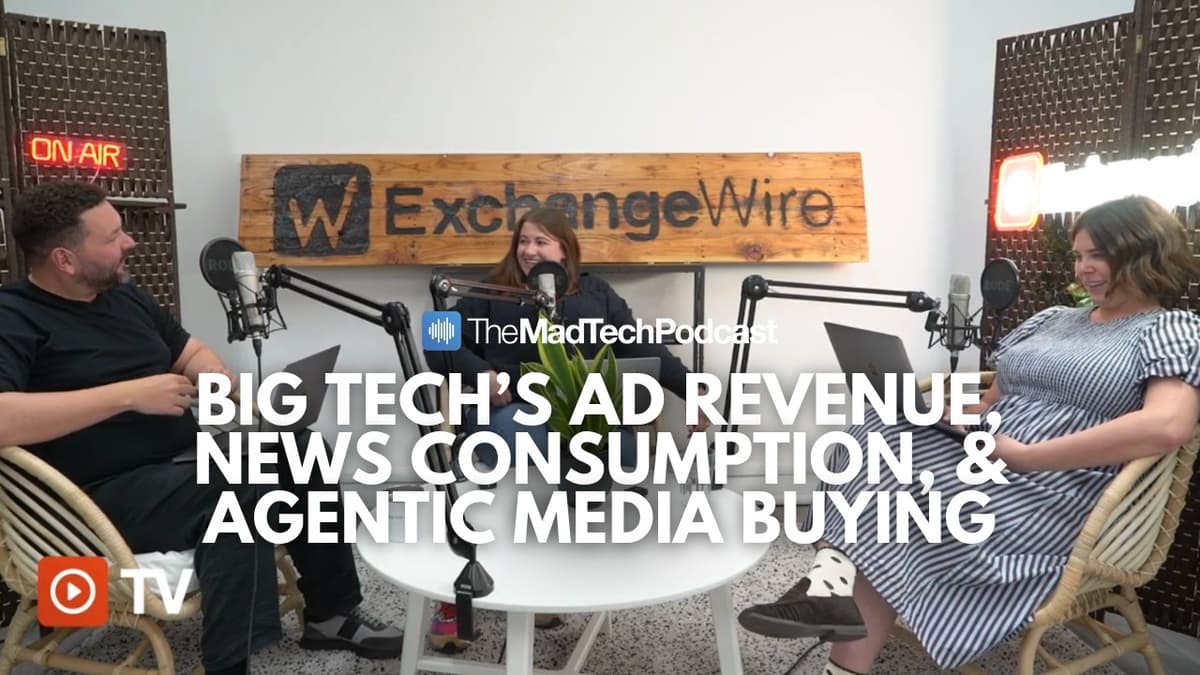
ExchangeWire on Big Tech's Ad Revenue, News Habits, and Agentic Media Buying
The MadTech podcast opened with a three‑part news roundup: the four dominant tech platforms—Meta, Alphabet, Microsoft and Amazon—collectively generated more than $150 billion in advertising revenue in the first quarter of 2026; an AP‑NORC study revealed stark generational divides in how...