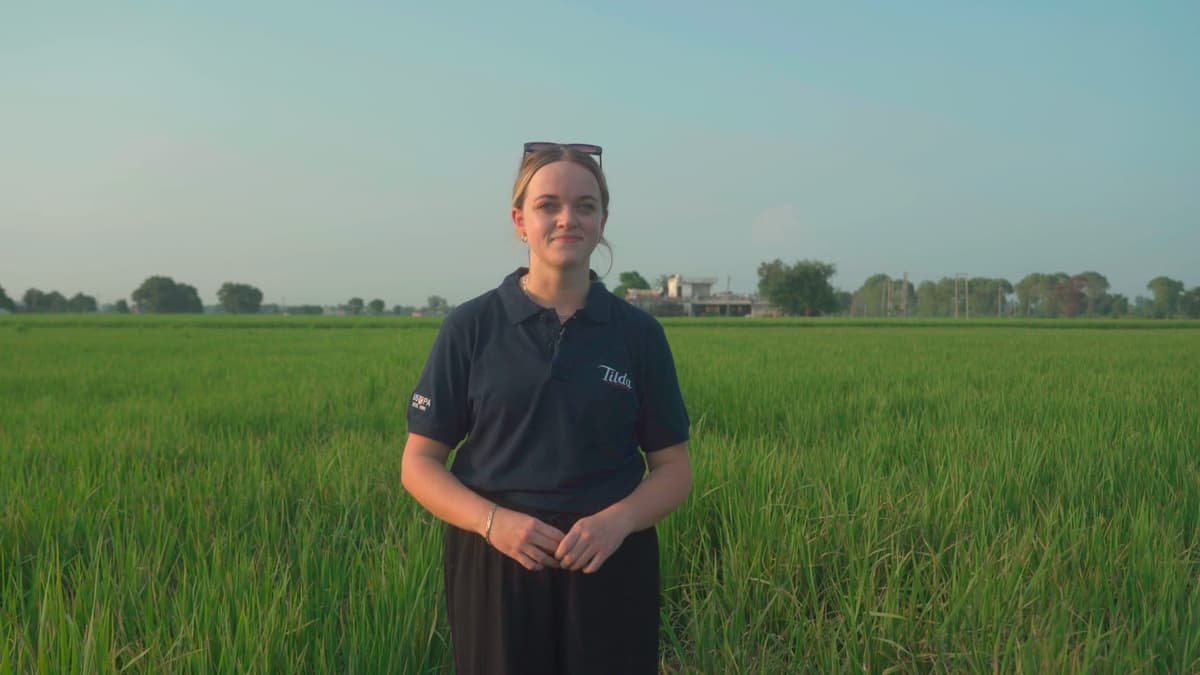
Tilda® Unveils Fourth Impact Report – Scaling Lower-Emission Rice Farming
Food‑tech company Tilda® released its fourth Impact Report, highlighting a rapid scale‑up of lower‑emission rice farming across Asia. The report documents an 18% drop in greenhouse‑gas intensity per kilogram of rice and the adoption of low‑emission practices on 1.2 million hectares in 2025. Tilda partnered with 250 smallholder farms, introducing drought‑resistant seed and precision irrigation that cut water use by 30%. The company aims to halve the sector’s emissions by 2035.

Ya Ya Foods Owner Gets State Funding to Build $56M Plant-Based Milk Facility in Michigan
The Michigan Strategic Fund approved a $960,000 performance‑based grant and a five‑year tax exemption to support Fenton Food and Beverage, a new venture by Ya Ya Foods founder Yahya Abbas, in building a $56.2 million plant‑based milk factory. The facility, slated...

Harnessing Underutilized Food Crops for Sustainable Extruded Snack Production: A Scoping Review
A new scoping review maps 42 peer‑reviewed studies (2000‑2026) that incorporate underutilized crops—quinoa, Bambara groundnut, orange‑fleshed sweet potato (OFSP), and sesame seed—into extruded snack products. The analysis catalogues ingredient forms, extrusion parameters, and outcomes such as expansion, density, texture, color,...

USDA Is Using AI, but Doesn’t Have the Required Controls to Manage Risks, Watchdog Finds
The U.S. Department of Agriculture has deployed artificial‑intelligence tools to forecast corn and soybean yields, spot supply‑chain risks, and streamline permitting decisions. An Office of Inspector General report reveals the agency lacks essential cybersecurity and governance controls, including a generative‑AI...

The Cracks in Chemical Farming Are Getting Hard to Ignore. These Startups Are Providing Alternatives
Investors and regulators are increasingly questioning the sustainability of chemical‑intensive farming as costs rise and health concerns mount. Startups such as Verdant Robotics and Inari are deploying AI‑driven precision robotics and gene‑editing platforms to slash input usage while maintaining yields....
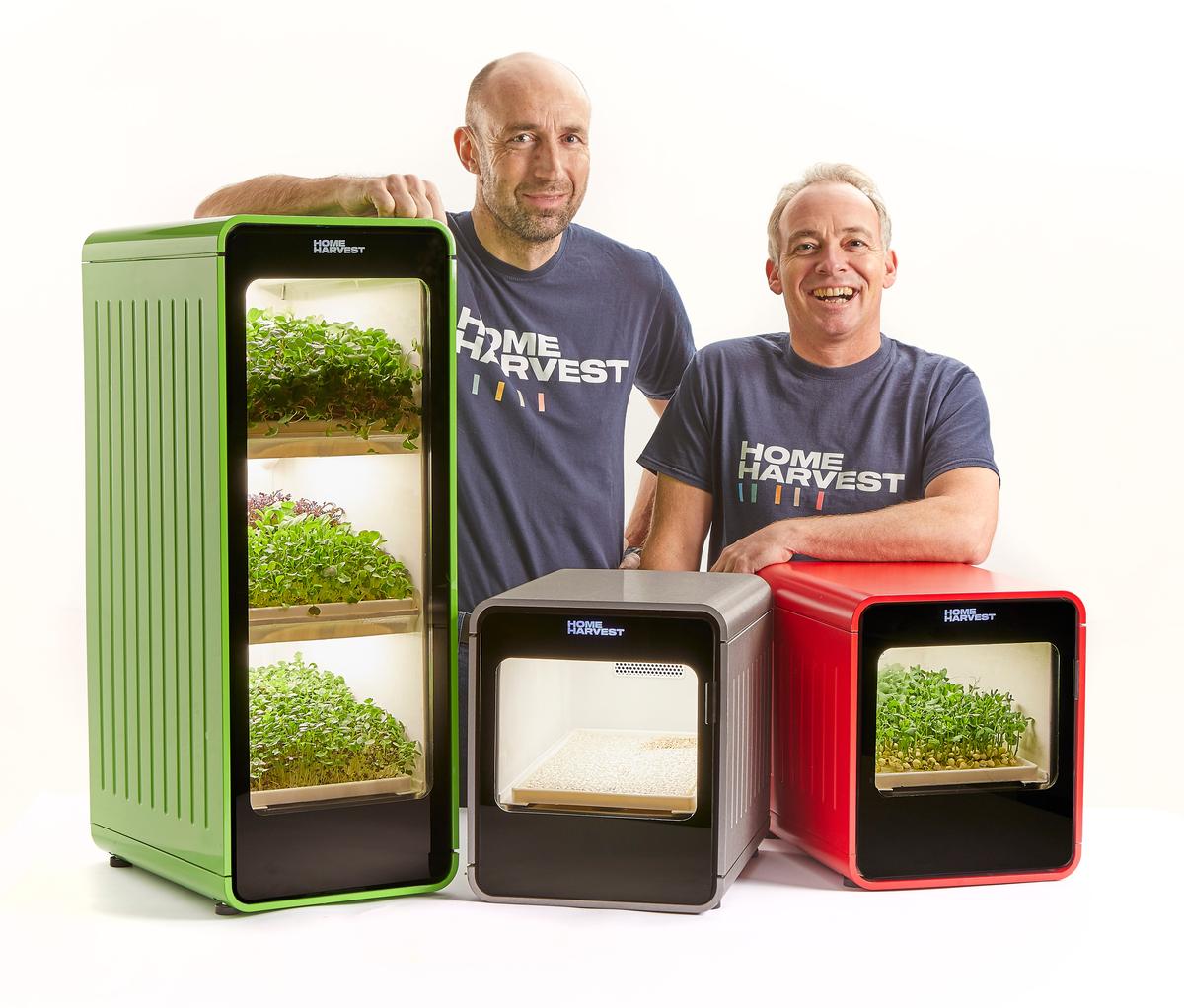
Is This the Beginning of the End for Bagged Greens?
Home Harvest is launching connected at‑home vertical farms in the UK and US, priced around $430 per unit with a $13‑$19 monthly seed‑mat subscription. The low‑energy devices use roughly $2.5 of electricity per month and automate lighting, temperature and humidity...

"Without Partners Like Priva, We Would Have a Massive Challenge Keeping Even Conditions"
Avisomo has launched a large‑scale vertical farm inside a Coop distribution centre near Oslo, focusing on leafy greens to cut imports and boost local production. The project relies on Priva’s climate‑control, irrigation and automation platform, integrated with hardware from Danvan,...

Escarda Starts Series Production of AI Laser Weeder After Acquisition
Berlin‑based Escarda Technologies, now fully owned by Berlin Industrial Group (B.I.G.), is moving into series production of its AI‑powered laser weeder. The system blends high‑resolution cameras, AI plant recognition and Class‑1 laser technology to eliminate weeds in real time without...

Decarbonizing Desert Greenhouse Crop Production with Direct Air Capture–Based CO2 Enrichment
Researchers evaluated two adsorption‑based direct‑air‑capture (DAC) systems—temperature‑vacuum‑swing (TVSA) and moisture‑swing (MSA)—as on‑site CO₂ enrichment for high‑tech desert greenhouses. Using techno‑economic and life‑cycle models, they found DAC can match the levelized cost of trucked liquid CO₂ while delivering lower climate‑change impacts...

Munich’s Feldwerke Secures €12 Million Revolving Credit Facility to Build 100 MW Agri-PV Portfolio in 18 Months
Munich‑based agri‑PV developer Feldwerke has secured a €12 million (≈$13 million) revolving credit facility from a French renewable‑energy debt fund to fund the construction of a 100 MW portfolio over the next 18 months. The financing marks the startup’s first major debt round...

A New Genetically Modified Rice Could Improve Children’s Health. But Will It Be Grown?
The Philippines has issued its first biosafety permit for HIZ039, a genetically modified rice enriched with iron and zinc, aiming to combat childhood anemia and stunting. Laboratory data show the grain triples iron and more than doubles zinc compared with...

Indian Scientists Create World’s First AI-Designed Gene Editor for Crops
Indian scientists at the Indian Council of Agricultural Research’s Central Rice Research Institute have created and experimentally validated Plant‑OpenCRISPR1 (POC1), the world’s first AI‑designed genome‑editing tool for crops. Unlike traditional CRISPR systems that rely on naturally occurring bacterial proteins, POC1...

Creating Contactless Pollination in Vertical Growing
Researchers present an aerial‑manipulator UAV that uses RGB‑D perception and model‑predictive‑path‑integral (MPPI) control to locate and approach flowers in vertical farms, achieving centimeter‑level positioning without touching the bloom. Tests in MuJoCo simulation and a laboratory testbed show stable flight, reliable...

UK Retailer Marks & Spencer Launches Range of Vertically Farmed Salads
Marks & Spencer has introduced three exclusive, vertically‑farm‑grown salad varieties—Citrus Sorrel Baby Leaves, Spicy Baby Leaves and Baby Garlic Kale—available in its Food stores. The indoor farms use precise climate control, robotics and a soil‑free substrate, cutting water use by...

Germany: Herbs and Vegetables From a Pigsty
German pig farms have shrunk by 44% over the past decade, leaving many stables vacant. Münster‑based start‑up Stallgrün is converting those former pigsties into year‑round indoor farms for herbs and vegetables. Backed by €125,000 (about $135,000) from the German Federal...

Tajikistan Solar Greenhouses Support Year-Round Vegetable Supply in Mountain Villages
In Tajikistan’s remote mountain valleys, passive solar greenhouses are allowing households to grow fresh vegetables year‑round despite sub‑zero winters. The simple structures capture daytime heat and release it at night, enabling crops such as tomatoes, cucumbers and peppers to be...

U.S. Cotton LCA Claims Negative Carbon Footprint
A new ISO‑conformant life‑cycle assessment, commissioned by Cotton Incorporated and performed by WSP USA, finds that U.S. cotton can achieve a negative greenhouse‑gas footprint when biogenic carbon storage is accounted for. The study evaluates the emissions associated with producing one...

Renaissance Bioscience Unveils Yeast-Derived VLP Platform for Next-Gen RNAi Biopesticides
Renaissance Bioscience announced a yeast‑derived virus‑like particle (VLP) platform that packages double‑stranded RNA for next‑generation RNAi biopesticides. The VLPs, 40‑50 nm protein shells harvested from engineered baker’s yeast, promise higher dsRNA yields and stability compared with the company’s original whole‑yeast system....

South Korea’s Soyft Biome Bags Funding to Upcycle Tempeh Waste Into Plant-Based Dairy
South Korean food‑tech startup Soyft Biome secured a new financing round from MYSC’s Extramile Lycon Fund to scale its plant‑based product line derived from tempeh fermentation waste. The capital will bolster its Ja:yu low‑sugar condensed milks, KetoYou tempeh items, and...
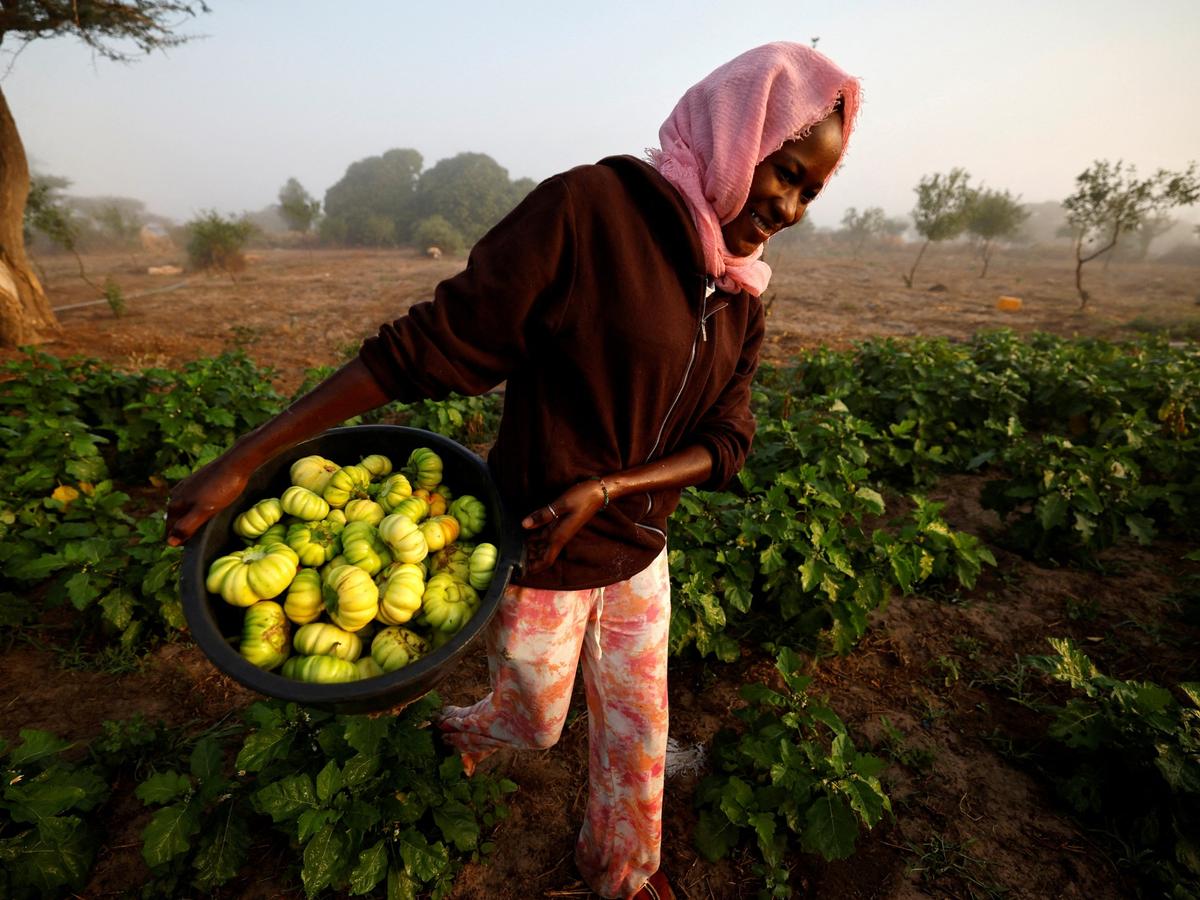
Amid the Fertiliser Crisis, Africa Has a Chemical-Free Option: Agroecology
The war in the Gulf has halted roughly 20% of global fertiliser shipments, driving up prices and threatening food security across Africa, which relies heavily on imports. Past attempts to subsidise chemical fertilisers and hand land to agribusinesss have left...
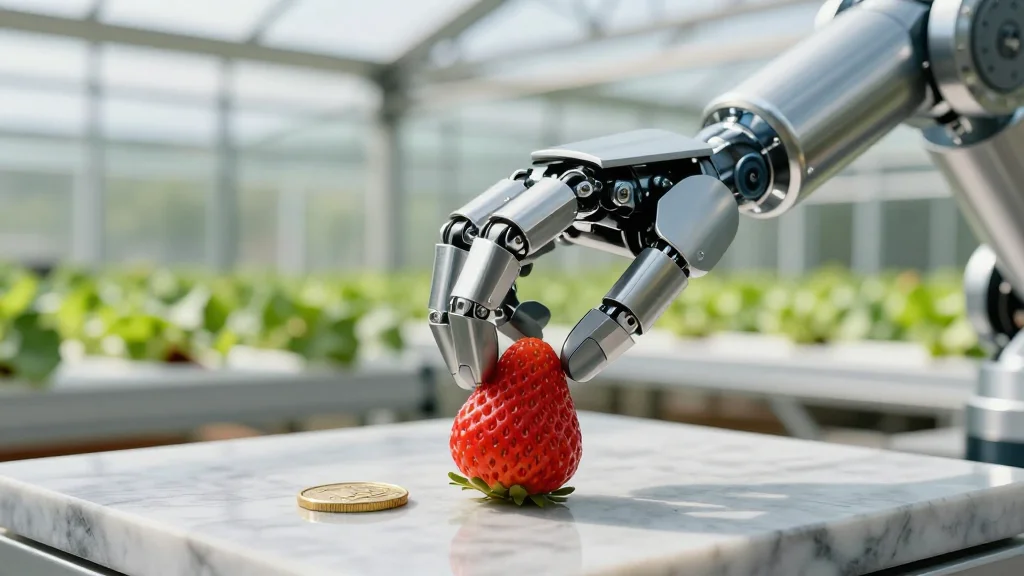
On the Heels of Fresh Funding, Oishii Has ‘Crossed the Chasm’ of Unit Economics in Vertical Farming
Oishii announced the first close of a $150 million Series C round, bringing its total capital to $370 million. The company attributes the funding to its disciplined focus on proving unit economics rather than chasing rapid revenue growth. By concentrating on premium strawberries...

Ag Tech Talk Podcast: EarthDaily on Satellite Data, Crop Monitoring, and Market Transparency
In a May 15 2026 episode of Ag Tech Talk, EarthDaily’s Global Director of Business Development, Andrew Pylypchuk, explained how next‑generation satellite imagery is moving agriculture toward daily, global cropland monitoring. He highlighted that more frequent, consistent data improves market transparency and...
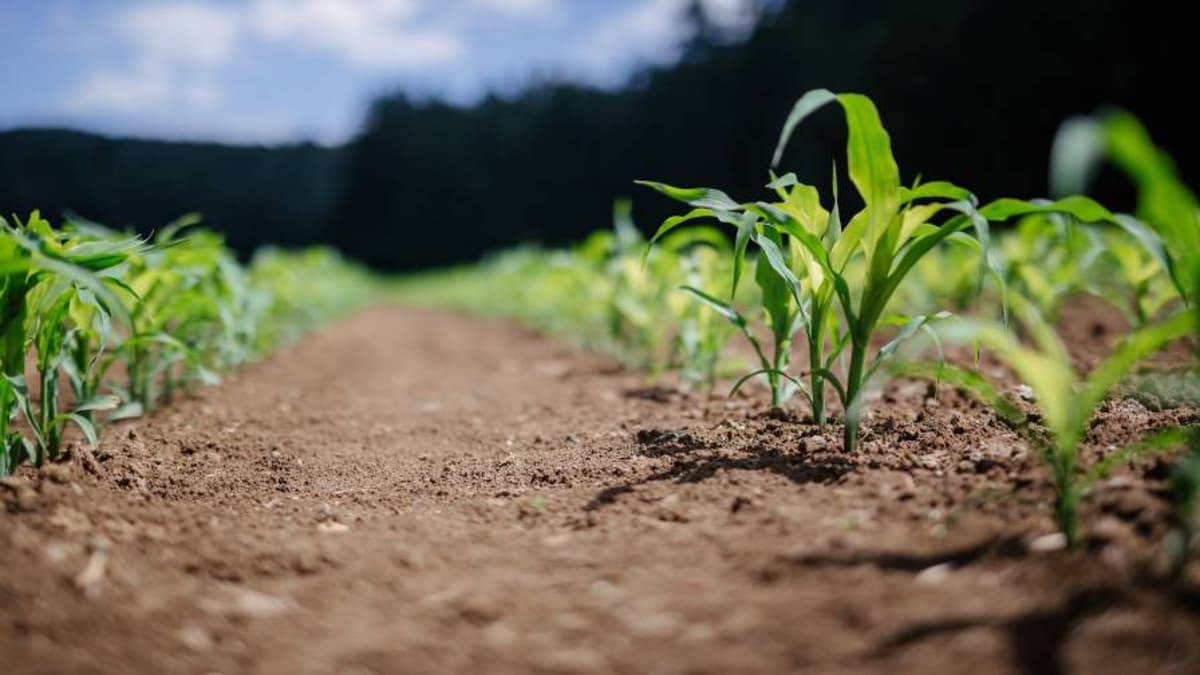
Satellite Data Moves Closer to Real-Time Farm Decisions
In a May 15 2026 AgriBusiness Global Ag Tech Talk, EarthDaily’s Andrew Pylypchuk explained that satellite imagery is finally achieving the data frequency and integration needed for real‑time farm decisions. Historically, the agricultural sector struggled with inconsistent revisit rates and cumbersome data...

Cellulose Nanocrystal/Zn‐MOF Nanocarriers for Enhanced Foliar Adhesion, pH‐Responsive Release, and Efficient Pesticide Delivery
Researchers have engineered a cellulose nanocrystal (CNC) and zinc‑based metal‑organic framework (ZnMOF) nanocarrier that encapsulates the insecticide acetamiprid. The hybrid carrier delivers a pH‑responsive release—up to 85.9% at pH 5—while dramatically improving leaf wettability, adhesion (28.9 mg cm⁻²), UV stability (65.1% gain) and...

China: Automating Pollination for Growers
China’s agriculture is rapidly shifting to technology‑driven production, with science and tech now accounting for over 64% of output growth. Mechanisation of crop cultivation and harvesting has climbed to 76.7%, while crop‑variety coverage exceeds 96%. In high‑tech greenhouses, the Chinese...

Farming Knowledge Is Dying but AI Can Save It
A wave of farm succession failures is eroding centuries‑old agricultural knowledge, as aging owners like 74‑year‑old Don Guinnip lack successors and the expertise remains undocumented. In the United States, farm bankruptcies jumped 46% to 315 in 2025 and the average...

Advancements and Prospects in Key Technologies for Robotic Pollination in Greenhouse Pepper Breeding
A new review in Frontiers of Plant Science outlines the current state of robotic pollination for greenhouse pepper breeding, highlighting three core technical domains: flower detection and pose estimation, end‑effector design, and motion‑control strategies. The authors find that existing systems...

“The Goal Is Interoperability Between Systems, Industries, and Trading Partners”
Traceability specialist Zach Zeus of Pyx Global highlights a major opportunity for Australian produce exporters to boost premium positioning through standardized, interoperable traceability systems. The United Nations Transparency Protocol (UNTP) aims to standardise 80% of data elements across supply chains,...
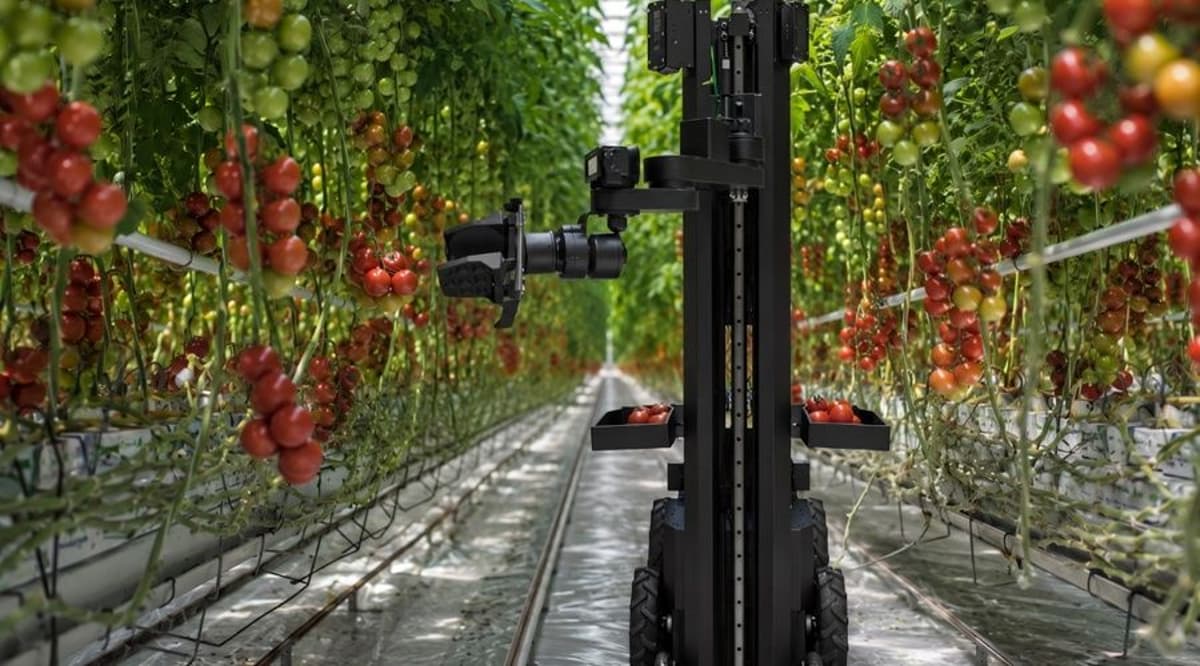
Egrobots Unveils AI-Powered Harvesting Robot Built Entirely by Egyptian Engineers
Egrobots announced the launch of the first autonomous agricultural harvesting robot built entirely by Egyptian engineers. The robot combines AI, computer‑vision and autonomous navigation to identify ripe crops and harvest them with up to four robotic arms, delivering roughly 160...

Biodegradable Sensors Attached to Plants Detect Pesticides in 3 Minutes
Researchers at Brazil's University of São Paulo have unveiled a biodegradable, screen‑printed sensor that adheres directly to plant surfaces and identifies three major pesticide classes in just 3 minutes and 28 seconds. The device uses cellulose acetate bioplastic and carbon ink,...
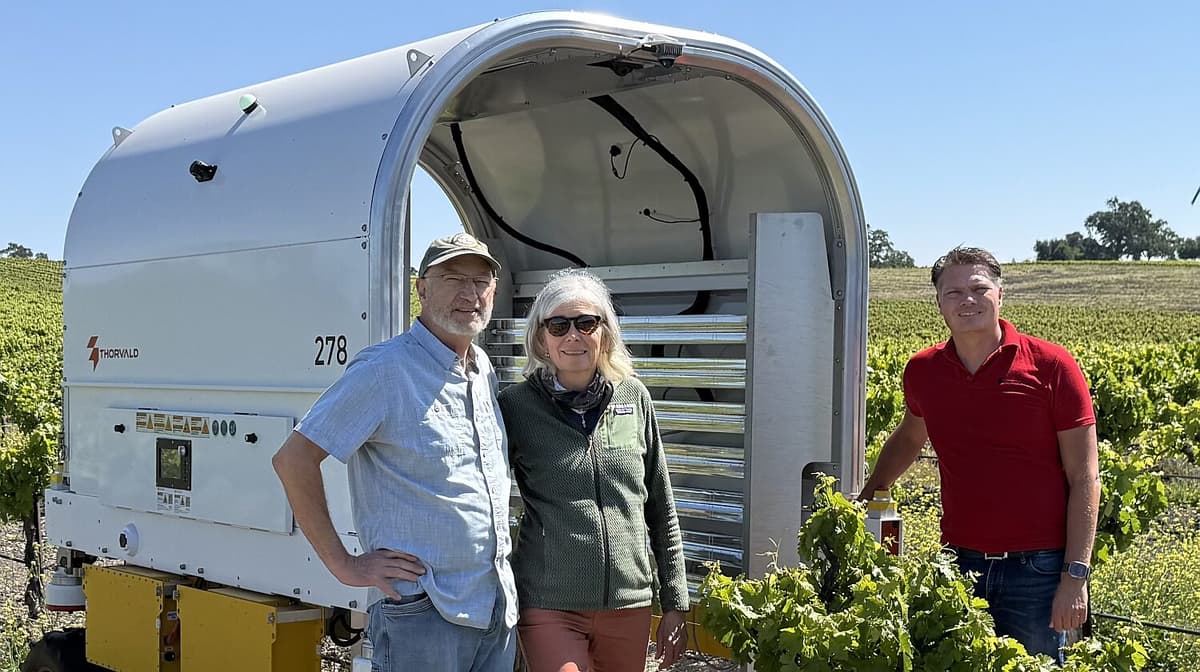
Castoro Cellars Deploys Saga Robotics’ UV-C Bots Across 600 Organic Acres
Castoro Cellars is expanding Saga Robotics' autonomous Thorvald UV‑C bots to more than 600 certified organic acres on California’s Central Coast. The robots emit ultraviolet‑C light at night, disrupting the life cycle of powdery mildew, botrytis and sour rot without...

AgriFood Signals: S2G Investments Bags $1bn, Oishii Makes First Close of Series C, Corteva Picks Crop Protection HQ
AgFunderNews highlighted a wave of capital inflows and strategic moves in agri‑food tech. S2G Investments closed a $1 billion inaugural fund, while Oishii completed a $150 million Series C to scale its premium berries. Corteva announced Indiana as the site for its new...
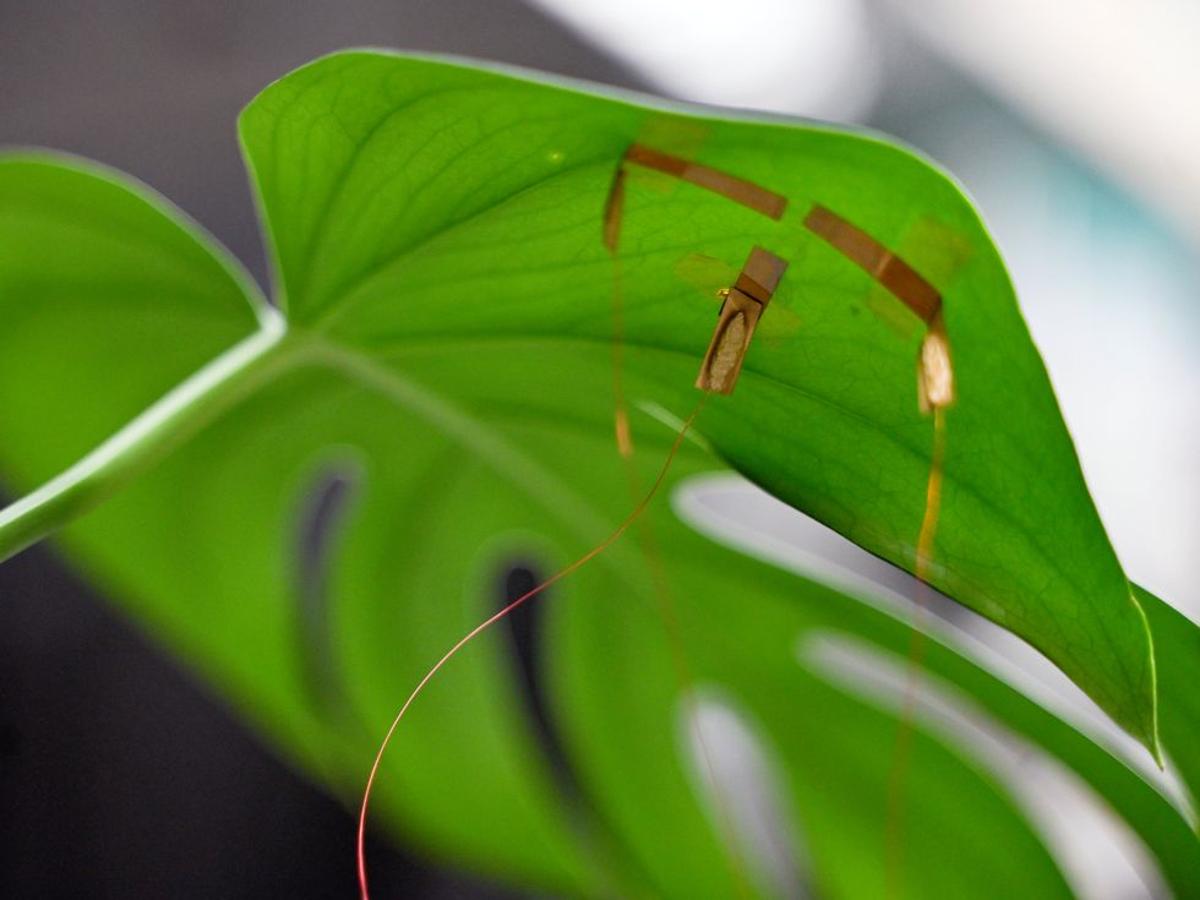
Graphene “Tattoos” For Plants Could Form Neural Networks
Researchers at the University of Texas at Austin have created a graphene‑based “tattoo” that can be pasted onto a plant leaf to deliver real‑time moisture readings. The patch functions as a three‑terminal transistor, using the leaf as a dielectric, and...
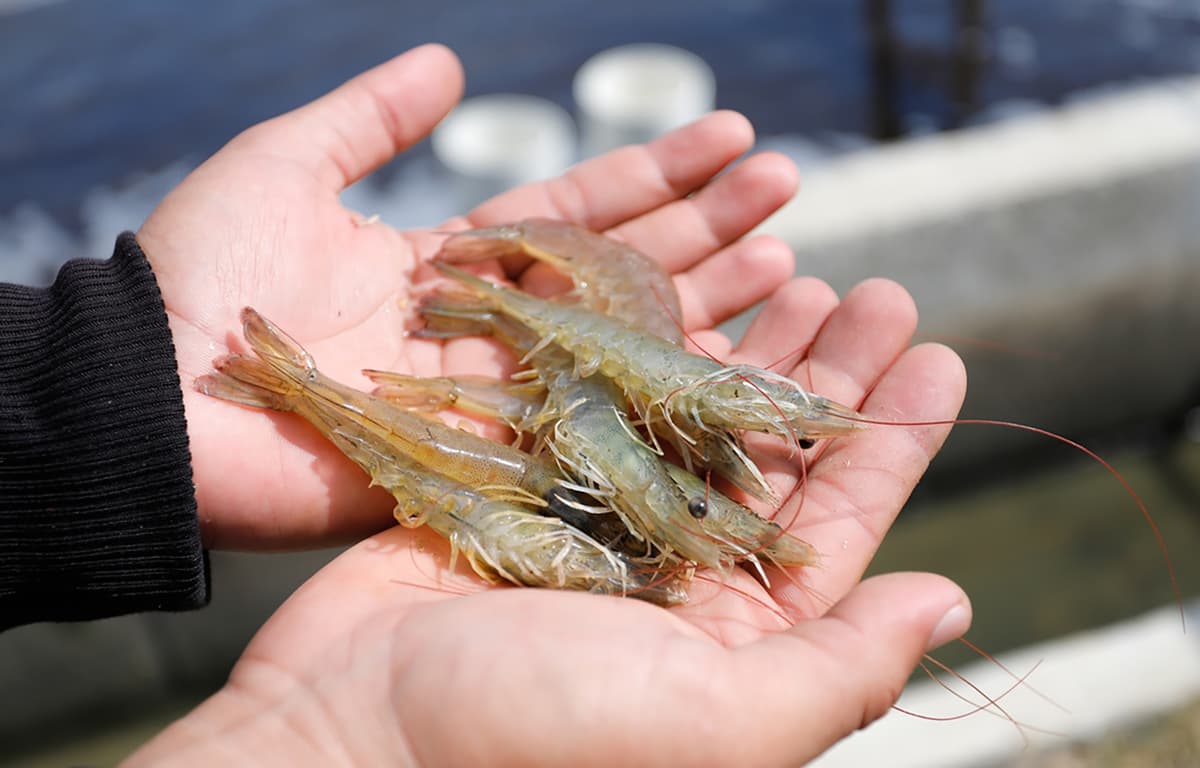
Ecuador’s Aquaculture Chamber Looking to Attract More Investments in Nation’s Shrimp Industry
Ecuador’s National Aquaculture Chamber (CNA) is courting new capital to accelerate the country’s shrimp‑farming sector, positioning it as a consolidated, investment‑ready hub. The chamber highlighted a recent $360 million Mitsui stake in Santa Priscila as a proof point and noted that the...

Reach Within and NEWLO Launch Hydroponics Project to Boost Youth Skills and Food Security
Reach Within and the New Life Organization Inc. (NEWLO) have launched the Flex Farm Project, a hydroponic farming initiative funded by the Sandals Foundation with roughly $42,000. The program will install three Fork Farms Flex Farm systems at NEWLO’s training...

Banding System Combines Weighing, Printing, and Data Processing
Bandall has launched SmartBand™, an integrated banding system that combines real‑time data processing, variable printing and optional weighing in a single workflow. The solution, unveiled at Interpack 2026, prints product‑specific information directly onto the band as it is applied, eliminating separate...

Big Players in Cultivated Meat: Who Are the Survivors?
The cultivated‑meat sector faces soaring production costs, regulatory headwinds and waning investor enthusiasm, prompting a wave of closures. A handful of firms—Aleph Farms, Mosa Meat, Parima, Vow and Meatly—remain active, each carving a niche through approvals, hybrid products, mergers or...
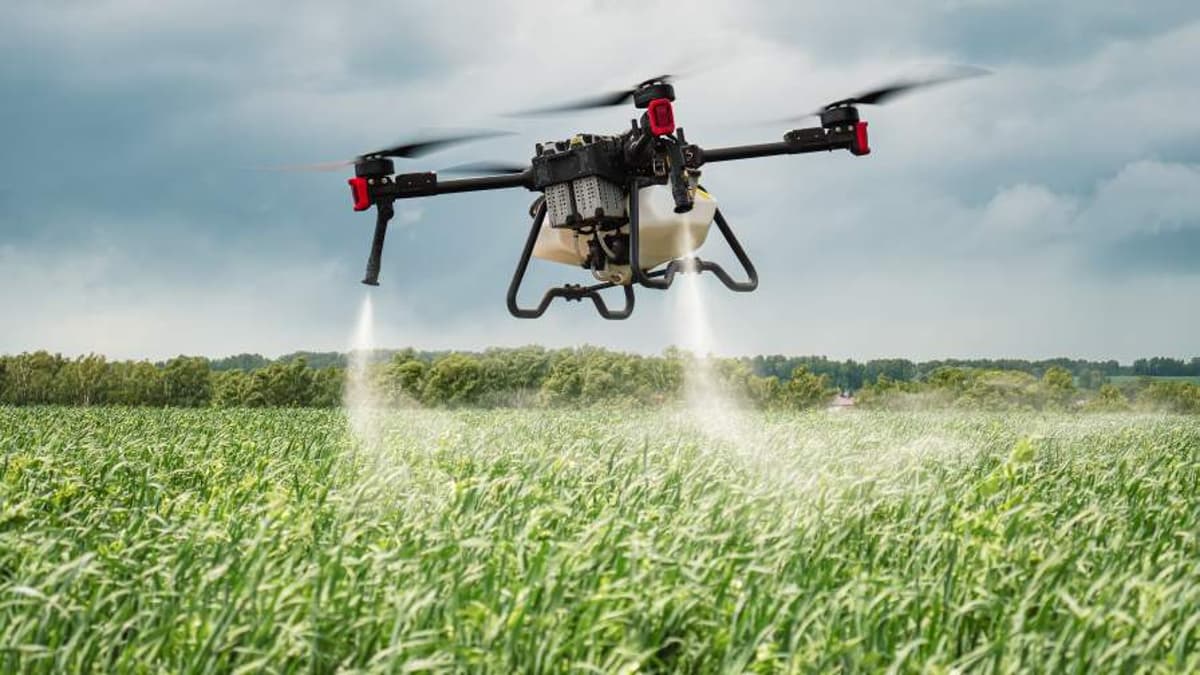
EPropelled Launches Integrated Propulsion and Power System to Accelerate Next Generation of Agricultural UAVs
ePropelled has unveiled a fully integrated propulsion and power solution tailored for agricultural UAVs, merging high‑efficiency brushless motors, electronic speed controllers, and intelligent power management into a single architecture. The global ag‑drone market is projected to surpass $4 billion in 2026,...
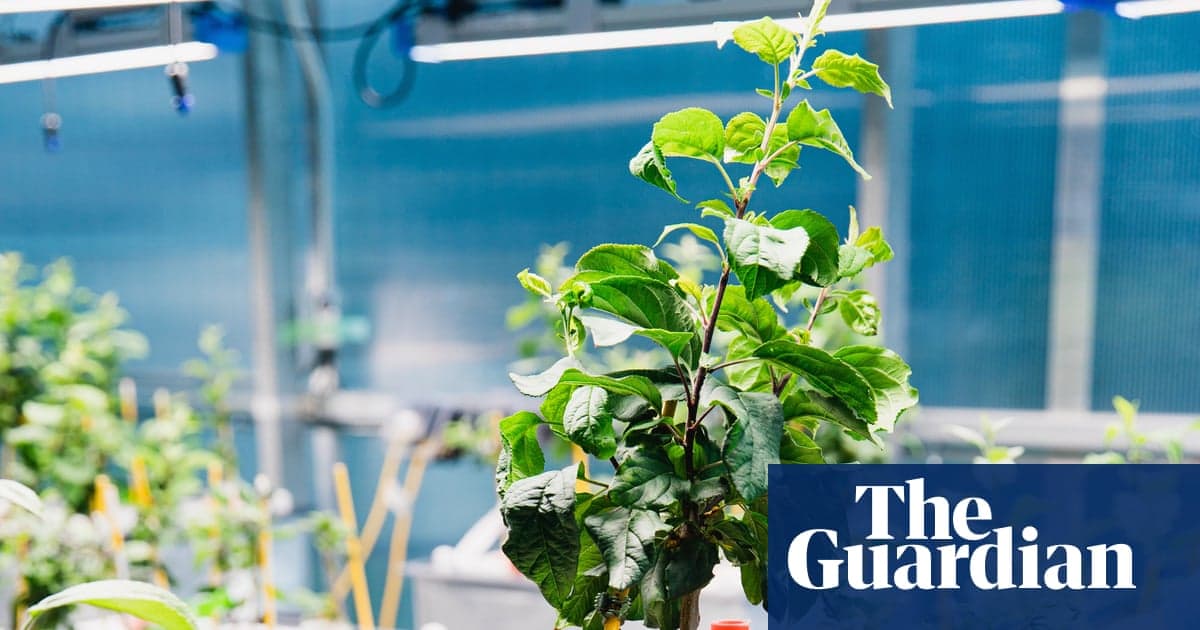
Roots of Resilience: The Experts Working to Bolster Apples Against the Climate Crisis
Cornell University and the USDA are accelerating a decades‑long breeding effort to create apple rootstocks that can survive extreme temperature swings, drought and salty soils. The program, known as the Geneva Apple Rootstock Breeding Program, has already produced new varieties...
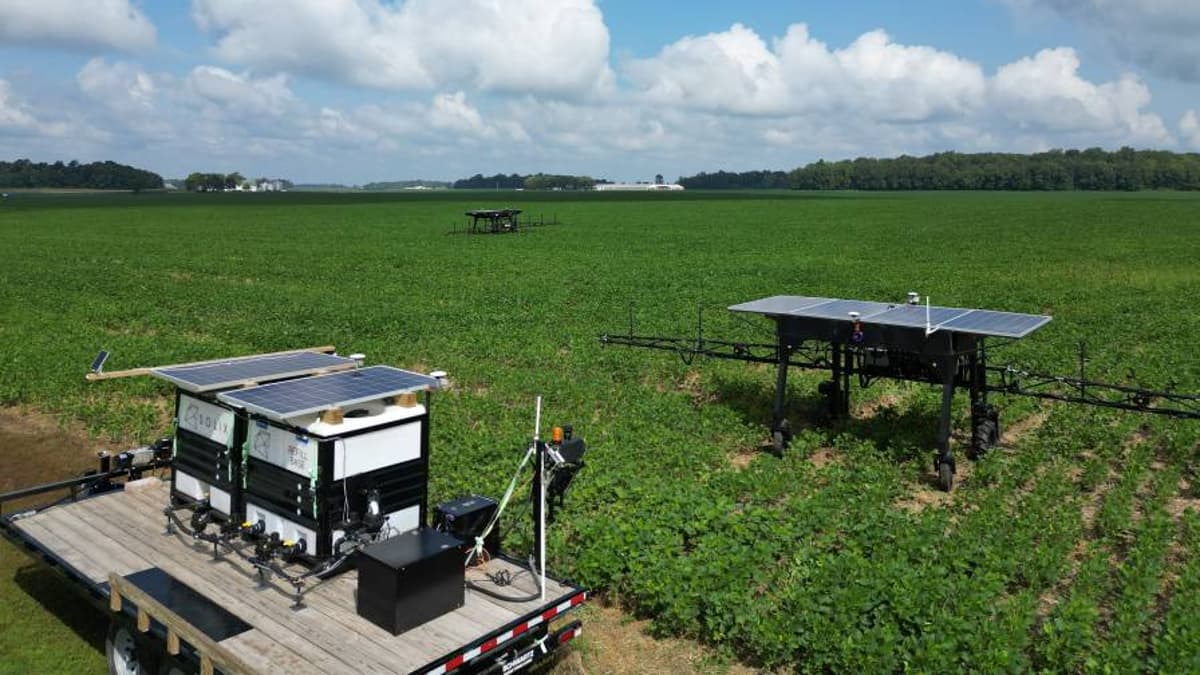
Solix Experience Debuts in Field, Giving Growers Firsthand Access to Autonomous Farming System
Solinftec launched the Solix Experience, the first mobile, on‑farm autonomous farming showcase, at the Southeast Specialty Crop Technology Conference in Tifton, GA. Growers walked through a working field where robots continuously scouted, analyzed crops and performed targeted actions, demonstrating distributed...

The New Logistics of Freshness: How Technology Is Helping Produce Navigate the Global Supply Chain in 2026
The fresh‑produce sector is undergoing a "re‑globalization" as technology drives supply‑chain resilience. Valued at $1.35 trillion in 2024, the market is set to exceed $2.12 trillion by 2033, growing at a 5.2% CAGR. AI, blockchain and IoT are being deployed to monitor...
ClemenGold and Sinclair: A Partnership Driving Sustainability for South Africa and Beyond
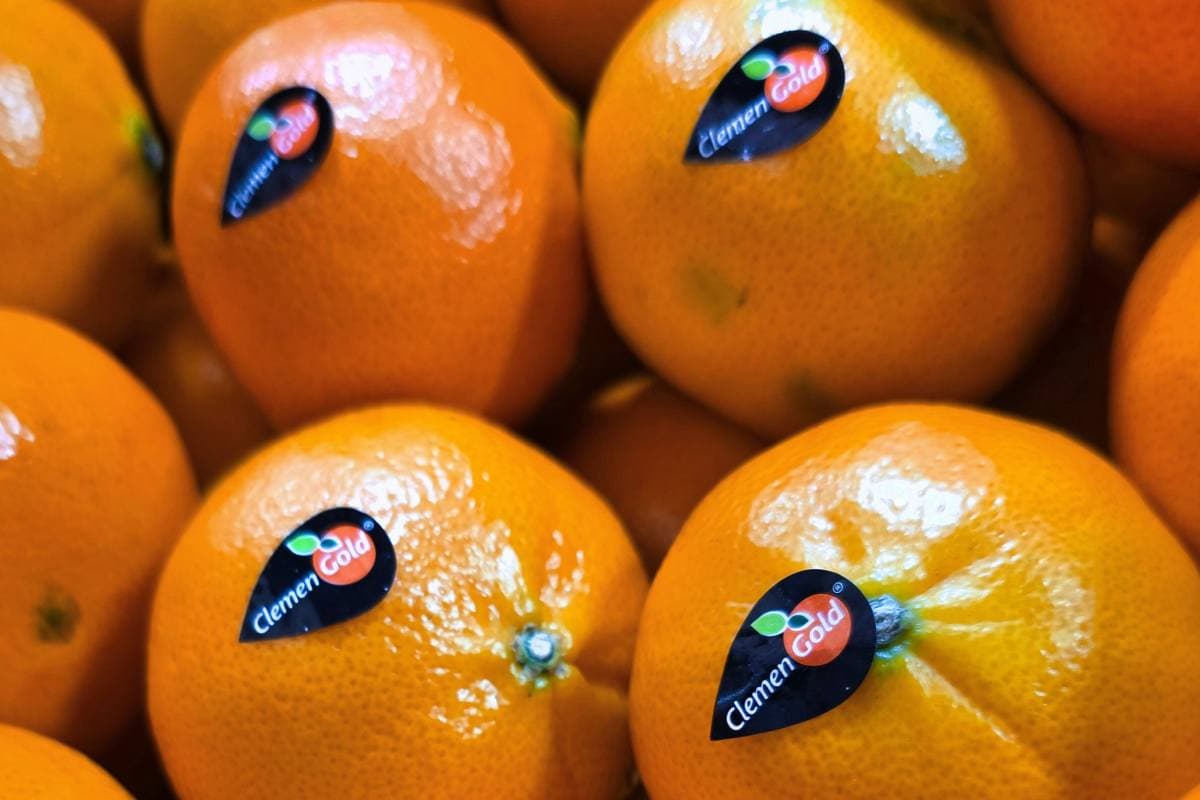
ClemenGold International has teamed with global labeling specialist Sinclair and agent HG Molenaar to launch the Sinclair T55 fruit label, the first label certified for both home and industrial composting. The label meets EN 13432, NFT 51‑800 and AS 5810 standards and carries...

Bunge Opens Soy Protein Plant with Capabilities for Meat Products
Bunge Ltd. inaugurated a $550 million soy protein concentrate and textured soy protein facility in Morristown, Indiana, capable of processing 4.5 million bushels of soybeans each year. The plant adds 70 jobs and joins an existing crushing operation that handles up to...
Odisha’s Dhenkanal Farmers Export 3 Tonne of Mango to London
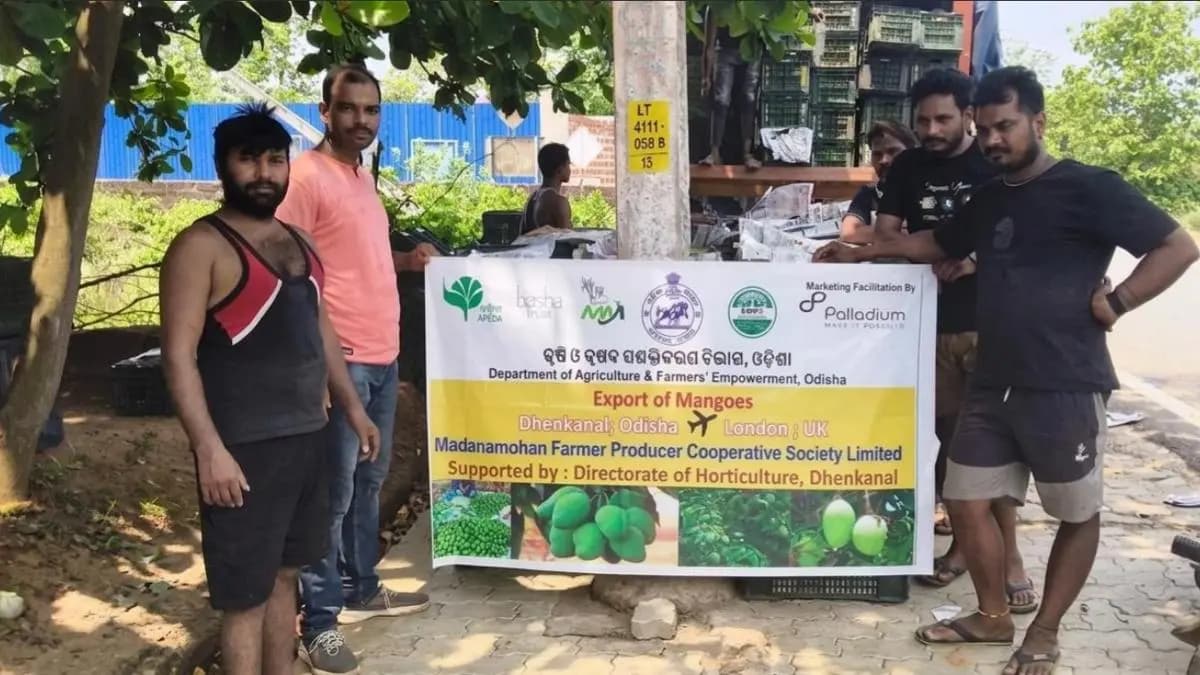
Odisha’s Dhenkanal district dispatched its first mango consignment of the season, sending 3 tonne of Amrapali mangoes to London. The shipment was organized by three farmer producer cooperatives with technical support from Palladium under the PSFPO project, backed by the Gates...

Tractor Sales Begin FY27 with 27% Jump in April on Strong Rural Sentiment
Domestic tractor sales kicked off FY27 with a 27% year‑on‑year jump, reaching 105,021 units in April 2026, marking the second straight month sales topped the 100,000‑unit threshold. The surge was fueled by stronger farm sentiment, improved rural liquidity and a...

Innovation Day Highlights Advanced Automation and Future Pathways for Irish Growers
The Teagasc Horticulture Development Department hosted a Mushroom Innovation Day on May 6 in Dublin, gathering growers, researchers, and tech providers to examine automation and sustainability in Irish mushroom production. Dr. Michael Gaffney highlighted a 78% rise in input costs since...
Smart Farming Powers UAE’s Push Towards Food Resilience, Local Output
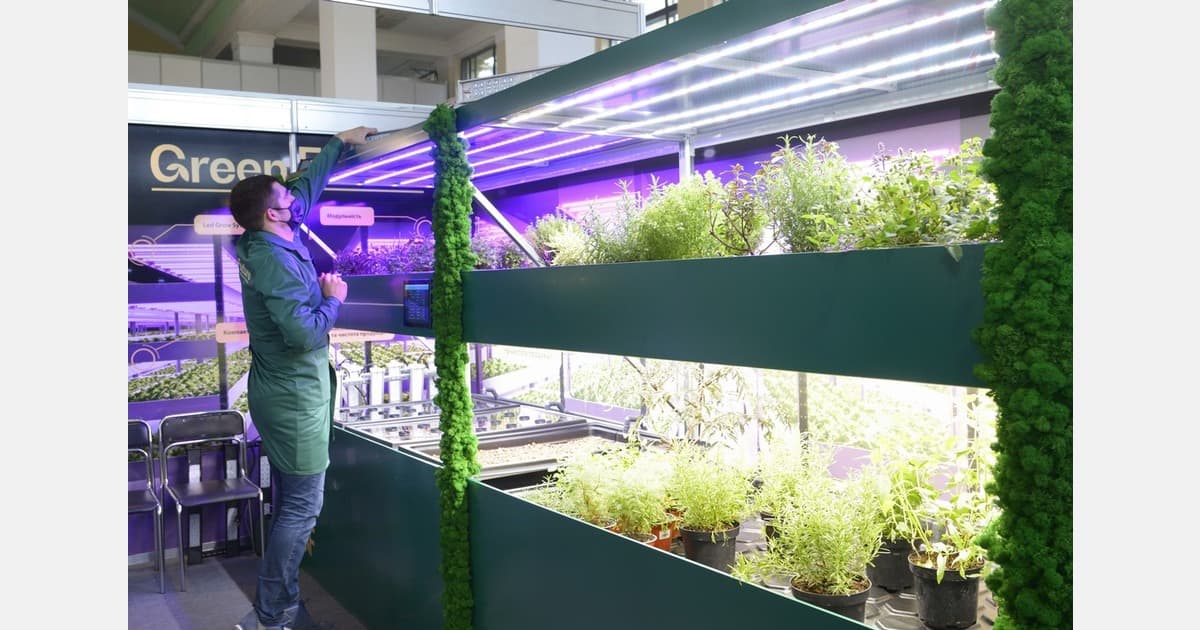
UAE is accelerating food resilience through smart farming, with companies like Armela Farms deploying AI-driven climate control, robotics, and hydroponic systems. These controlled-environment farms boost yields, cut water usage, and lessen dependence on imports, aligning with the Make it in...

"Silicon Is an Essential Part of Enhancing Plant Vigor"
Impello Biosciences’ Director of Horticulture R&D, Hunter Konchan, argues that silicon should be classified as an essential plant nutrient, not merely a biostimulant. The company’s Dune product supplies stabilized monosilicic acid, the most bioavailable silicon form, enabling faster uptake and...

Feeding America Eastern Wisconsin Launches Clock Tower Farms to Aid Community
Feeding America Eastern Wisconsin has partnered with Rockwell Automation and Fork Farms to launch Clock Tower Farms, a hydroponic facility housed in Rockwell’s Milwaukee headquarters. The farm will operate 72 Fork Farms Flex Acre systems managed by Rockwell’s Plant PAx automation, targeting 200,000 lb of leafy...