
Adeno-Associated Virus-Based Approaches for Mitochondrial Diseases: Advances and Challenges
Adeno‑associated virus (AAV) vectors are emerging as a versatile platform for treating mitochondrial diseases, especially those caused by nuclear‑encoded gene defects. Pre‑clinical studies have shown that AAV‑mediated delivery of nuclear genes can restore oxidative phosphorylation, extend survival, and improve organ function in mouse models. For mtDNA‑linked disorders, strategies such as mitochondria‑targeted nucleases and allotopic expression are being tested, with phase III trials of an ND4 gene therapy for Leber’s hereditary optic neuropathy showing modest visual gains. However, limited cargo capacity, immune reactions, high manufacturing costs, and toxicity concerns continue to impede broad clinical translation.

Safety and Efficacy of Intratumoural Anti-CTLA4 with Intravenous Anti-PD1
The phase 1b NIVIPIT trial compared intratumoural (IT) ipilimumab at 0.3 mg kg⁻¹ plus intravenous nivolumab with the standard intravenous (IV) ipilimumab‑nivolumab regimen in untreated advanced melanoma. The IT arm achieved a markedly lower rate of grade 3‑4 treatment‑related adverse events (24 % vs 67 %...

Anika Therapeutics Inc (ANIK) Q1 2026 Earnings Call Transcript
Anika Therapeutics posted total revenue of $28.2 million for the quarter, an 8% decline driven by manufacturing yield issues and a $900,000 shortfall in international osteoarthritis‑pain sales. Gross margin fell to 51%—down 16 percentage points—after a one‑time $3 million non‑cash charge, though...

Boosting T Helper Cells Could Curb Lifelong Viral Infections
The immune system actively combats lifelong viral infections acquired at birth, but its response is limited by a reduced pool of T helper cells; enhancing these cells may offer new therapeutic strategies. immunology

How the Immune System Battles Lifelong Viral Infections Acquired at Birth
Researchers at the University of Basel have demonstrated that the immune system does mount a response against chronic hepatitis B infections acquired at birth, contrary to long‑standing assumptions of tolerance. Using a mouse model that mimics perinatal infection, they observed gradual...

AI Model Detects Normally 'Invisible' Tissue Changes of Pancreatic Cancer at Stage 0
Researchers unveiled REDMOD, an AI radiomics framework that identifies stage 0 pancreatic ductal adenocarcinoma on routine CT scans. In a multi‑institutional study of 219 cancer cases and 1,243 controls, REDMOD flagged disease an average of 475 days before clinical diagnosis, achieving 73%...

Peptides / Bioregulators
The AGI House in San Francisco hosted the inaugural California Peptide Club, drawing over 100 invite‑only attendees to discuss self‑optimization peptides. Organiser Julius Ritter highlighted the fragmented information landscape and showcased stacks ranging from growth‑hormone releasers to cognitive enhancers. Days later, HHS...
FOXO4-DRI Is Fascinating, but Was Never Intended for Human Use, What Are the Takeaways?
FOXO4‑DRI is an experimental senolytic peptide that selectively eliminates senescent cells by disrupting the FOXO4‑p53 interaction, prompting p53‑mediated apoptosis. Pre‑clinical studies across vascular, reproductive, musculoskeletal and renal models report improved endothelial function, restored testosterone production, chondrocyte rejuvenation, and reduced frailty....
Peptides / Bioregulators
A new study examined 6,441 gray‑market peptide samples covering 14 compounds, measuring purity, dose accuracy, and endotoxin levels. Between 41.6% and 71.1% of the products failed basic pharmaceutical standards, and 2.4% contained no active peptide at all. Endotoxin contamination appeared...

The BioPharm Brief: Expanding Access and Redefining Cancer Treatment
Henlius and Organon received European Commission approval for a pertuzumab biosimilar, expanding HER2‑targeted therapy access across the EU. Pfizer announced Phase 3 data showing its bispecific antibody Elrexfio improves progression‑free survival in relapsed or refractory multiple myeloma. Genexine disclosed pre‑clinical activity...

Living Vessel ATEV Offers New Hope for Dialysis Access
Humacyte’s ATEV could change the game for dialysis patients who run out of fistula options. It’s a living vessel that resists infection and needs fewer repairs. Major unmet need, big potential. Biotech

Egg-Scanning AI May Let Hatcheries Sort Life, Death and Sex Before Chicks Emerge
University of Illinois researchers have demonstrated that hyperspectral imaging combined with machine‑learning can predict chicken‑egg outcomes before chicks hatch. Their model identified dead embryos with 97% accuracy by day 4 and classified sex at day 0 with 75% accuracy. The approach is...
Semiglutide Regenerates Cartilage Loss Through Weight Loss Independent Metabolic Restoration Mechanism
Semaglutide, a GLP‑1 receptor agonist originally developed for diabetes, is showing promise as a cartilage‑regenerating therapy. Preclinical pair‑fed mouse studies demonstrate cartilage protection independent of weight loss, while a 24‑week pilot in humans reported a 17% increase in cartilage thickness....
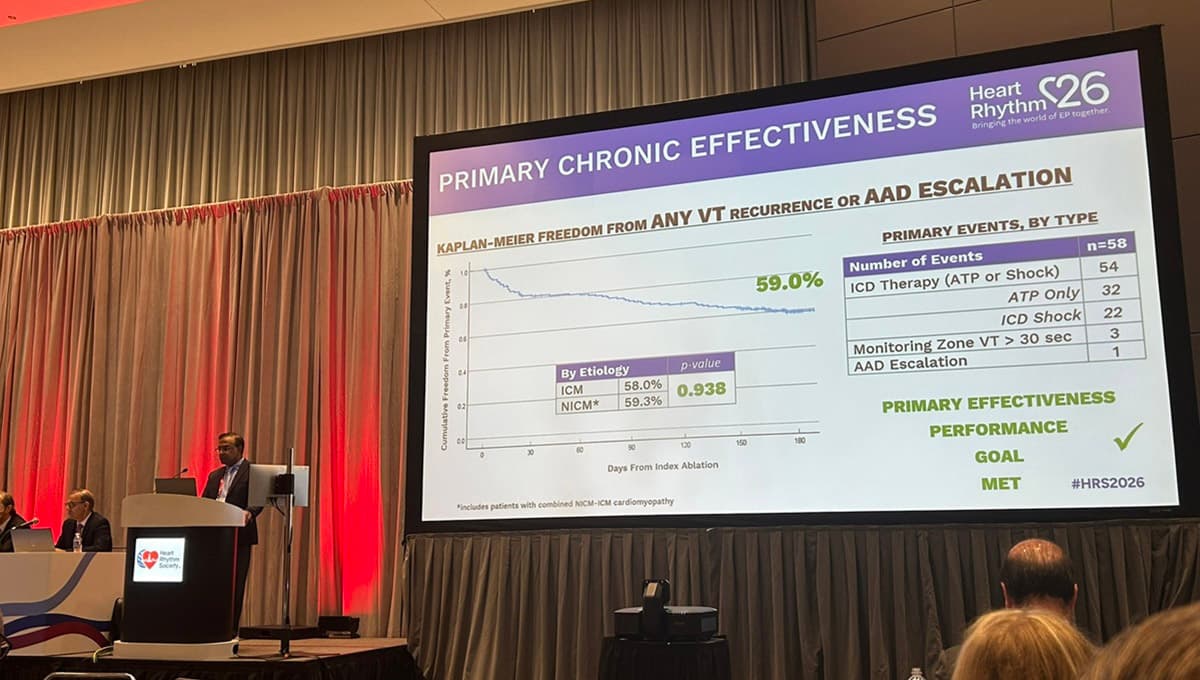
Ultralow-Temperature Cryoablation Shows Promise for VT
The FULCRUM‑VT IDE trial evaluated Adagio Medical’s vCLAS ultralow‑temperature cryoablation system in 209 patients with monomorphic ventricular tachycardia. At six months, 59% of participants remained free of recurrent VT, ICD interventions, and antiarrhythmic escalation, while acute success reached 98% non‑inducibility....
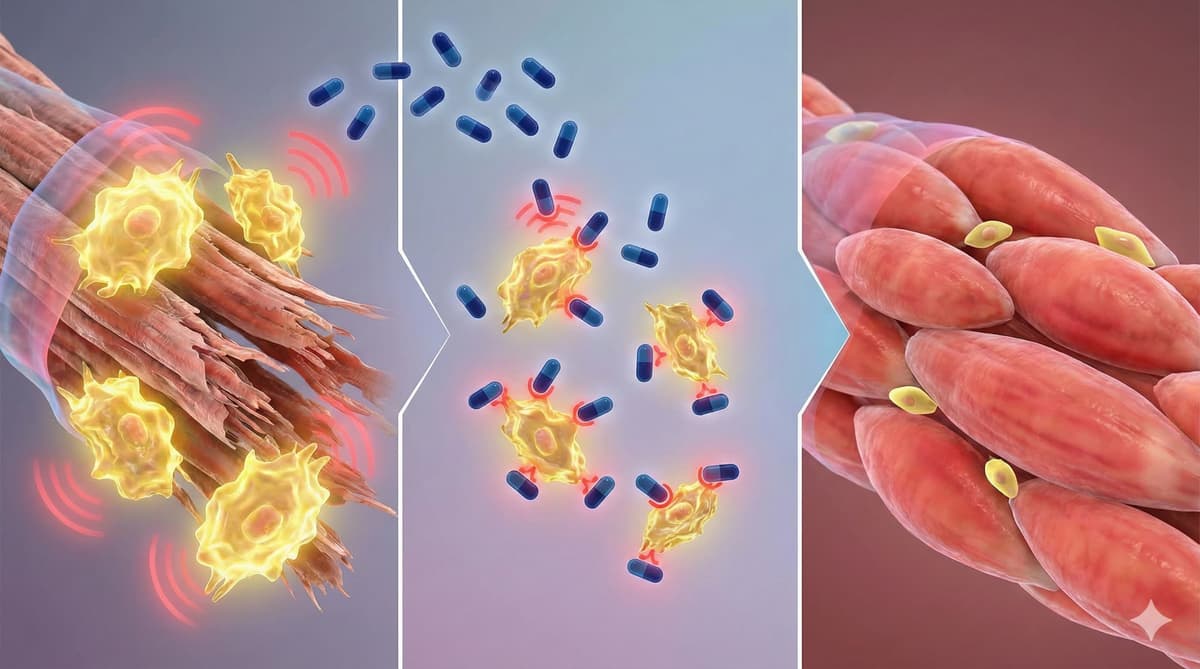
HIV Drug (Maraviroc) Reverses Muscle Aging by Purging “Zombie Cell” Signals
Researchers are exploring the HIV CCR5 antagonist maraviroc as a senomorphic agent that could blunt muscle aging by dampening chronic SASP signaling. Modeling suggests a 75 mg once‑daily dose achieves high CCR5 occupancy, but human data on sarcopenia are absent. The...

ScPlantReg Decodes Plant Chromatin Accessibility, Regulation
scPlantReg, a new deep‑learning framework, translates plant ATAC‑seq and RNA‑seq data into high‑resolution maps of chromatin accessibility and gene regulation. The platform was benchmarked on Arabidopsis, maize and wheat, achieving over 80% predictive accuracy for tissue‑specific enhancers. By linking accessible...

Alamar Biosciences IPO Raises $219.9M for Blood-Based Biomarker Tools
Alamar Biosciences closed an upsized IPO, raising $219.9 million by pricing 12.9 million shares at $17 each, and began trading on Nasdaq under the ticker ALMR. The California‑based firm offers the NULISA platform, which detects low‑level protein biomarkers in blood, and its...

FDA Warns Public About Vascular Device After 3 Deaths
The FDA issued an early‑alert notice on Terumo Aortic’s Relay Pro Thoracic Stent Graft system after three deaths were linked to a failure of the device to unclasp from its delivery system. The warning applies to the non‑bare stent configuration sized...

FDA Accepts NDA for Zipalertinib, Targeting EGFR Exon‑20 Insertion NSCLC
Taiho Oncology, Taiho Pharmaceutical and Cullinan Therapeutics said the FDA has accepted a New Drug Application for zipalertinib, an oral EGFR inhibitor for patients with EGFR exon‑20 insertion NSCLC who have progressed after platinum chemotherapy. The filing is backed by...

Eli Lilly Signs $2.25 B AI‑driven DNA‑editing Pact with Profluent Bio
Eli Lilly has entered a research agreement with AI‑focused Profluent Bio that could deliver up to $2.25 billion in development and commercial milestones. The deal targets kilobase‑scale DNA editing, a capability the partners say could unlock therapies for complex genetic disorders.

A Popular Senolytic Treatment Causes Brain Damage in Mice
A recent PNAS study shows that the widely used senolytic cocktail dasatinib plus quercetin (D+Q) impairs myelination in the mouse corpus callosum. The treatment altered oligodendrocyte morphology within minutes, reduced myelin thickness, and triggered endoplasmic reticulum stress, without killing the...

New Blood-Based Method Identifies Testicular Cancer Missed by Standard Tests
Mayo Clinic scientists unveiled a blood‑based assay, GCT‑iSIGN, that detects germ cell tumors with 93% sensitivity and 99% specificity, even when conventional tumor markers are negative. In a cohort of 427 samples, the test caught 23 of 24 cases missed...

Apple Vision Pro Enables First Spatial-Computing Cataract Surgery
An ophthalmologist in San Diego just performed the first Apple Vision Pro-assisted cataract eye surgery. Dr. Tommy Korn (aka medicine's first "chief spatial computing medical officer") did it as part of a clinical study. Main benefits are easy access to patient info (visual...

Multiple Myeloma Sequencing Evolves With CAR T, MRD Insights: Sylvester Homsy, MD
At an Institute for Value‑Based Medicine event in Charlotte, Sylvester Homsy, MD highlighted how CAR‑T cell therapy and bispecific antibodies are reshaping multiple myeloma treatment sequencing. The emergence of B‑cell maturation antigen‑targeted agents is prompting clinicians to consider these high‑efficacy...

US Pricing Reform Reshapes Drug Launch Strategies: Dee Chaudhary
U.S. drug‑pricing reforms, especially the Most Favored Nation (MFN) rule, are forcing manufacturers to align American prices with the lowest prices offered abroad. As a result, firms are pulling back from launches in France, Germany and the Nordic region to...

Scientists Uncover a Hidden Mechanism Cancer Cells Use to Rewrite Genetic Messages, Revealing a Promising New Target for Treatment
A team of molecular biologists has uncovered a previously unknown RNA‑binding protein that rewrites messenger‑RNA messages in cancer cells, effectively reprogramming gene expression. The discovery explains how tumors can rapidly adapt to hostile environments and develop resistance to standard chemotherapy....

Method Identifies Cellular Makeup of Microenvironments Favoring Tumor Metastasis
Researchers at Baylor College of Medicine introduced Sortase A‑Based Microenvironment Niche Tagging (SAMENT), a technique that chemically labels normal cells directly contacted by metastatic cancer cells. Using SAMENT across bone, lung, liver and brain models, they identified a common niche...

WHO Designates Network of Regional Biomanufacturing Training Centers
The World Health Organization has officially designated a network of regional biomanufacturing training centers spanning all six WHO regions, marking a major step in building a skilled global workforce for vaccines, biotherapeutics and other biologics. The centers—located in Senegal, South...

With Cell and Gene Therapies Proliferation, Specialty Pharmacy Faces New Pricing, Distribution Pressures
Cell and gene therapies are moving from ultra‑rare indications to broader patient populations, prompting a fundamental redesign of specialty‑pharmacy distribution and pricing models. At the 2026 Asembia meeting, experts warned that current flash‑title and buy‑and‑bill channels may not scale to...

New AI Models Quickly Find Compounds that Target Lyme Bacteria
Tufts University researchers have leveraged AI and machine‑learning to rapidly pinpoint narrow‑spectrum antibiotics that kill the Lyme disease bacterium Borrelia burgdorferi. Screening 60,000 existing compounds yielded several hundred hits, and generative models now explore an estimated 10^60 drug‑like molecules to...

Advanced Gene Editing ‘Promising’ for Sickle Cell Disease
Two recent New England Journal of Medicine studies demonstrate that CRISPR‑Cas12a (reni‑cel) and base‑editing (risto‑cel) autologous stem‑cell therapies can dramatically raise fetal hemoglobin and normalize total hemoglobin in sickle cell patients. The RUBY trial reported a rise from 2.5% to...

FDA Debuts Plan to Collect Real-Time Clinical Trial Data
The U.S. Food and Drug Administration announced a pilot program that will collect clinical‑trial data in real time, allowing scientific reviewers to see information as it is generated. The initiative, launched on Tuesday, includes participation from major drugmakers AstraZeneca and...
GLP-1 Receptor Agonist Add-On at Immune Checkpoint Inhibitor Initiation and Fewer Wasting-Related Diagnoses and Acute-Care Episodes in People with Cancer...
A target‑trial emulation of US TriNetX data examined cancer patients with obesity who started immune checkpoint inhibitors (ICIs) and received a GLP‑1 receptor agonist (GLP‑1 RA) at initiation. After 1:1 propensity matching, 988 patients per arm were followed for up to...
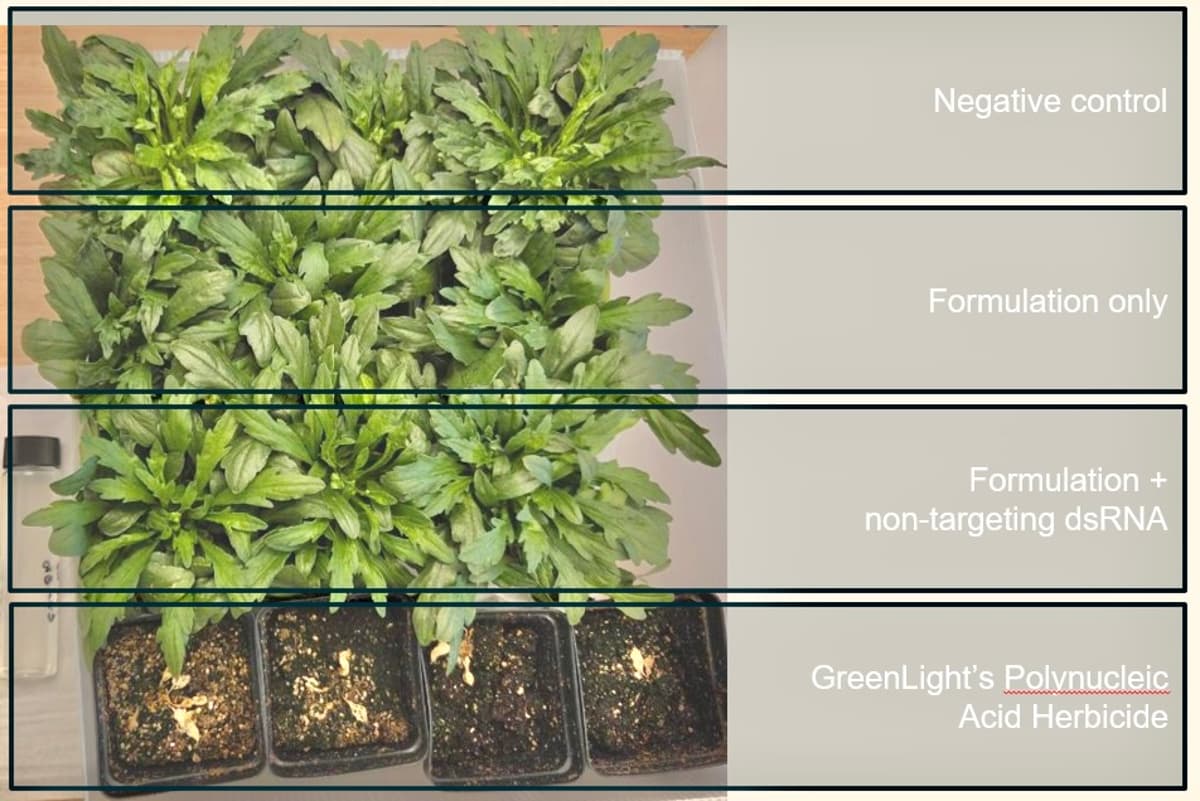
RNA‑based Herbicide Kills Resistant Weeds, Leaves Crops Untouched
🟢 GreenLight = no chemical residues on our crops 🌱 The company heard the call to get off of glyphosates and already has more EPA approvals and products in the pipeline than any other new approach. Why does this matter? Herbicide resistant weeds...

Nicotinamide Boosts NK Cells, Induces NHL Remissions
Nicotinamide enhances natural killer cell function and yields remissions in patients with non-Hodgkin lymphoma https://t.co/VrC2ertsVd

Stick-On Gel Delivers Drugs Directly to Plants to Clear Infections Quickly
UC San Diego engineers have created a stick‑on adhesive gel that can be loaded with drugs or nanoparticles and applied directly to plant surfaces, delivering cargo systemically and clearing bacterial infections within 48 hours. The gel combines polyacrylamide for flexibility...

Scientists, Not Regulators, Block Revolutionary Medicines
Finally, a show exposing the main obstacle to new medicines. Hint, it’s not the FDA: “Throughout history, society hasn’t always appreciated revolutionary scientific findings. For hundreds of years & still today, some of the biggest attackers are fellow scientists.” 🧑🔬🔥👩🔬 https://t.co/h2BpILNV4D

FDA Partners with AZN, AMGN to Accelerate AI-Driven Trials
FDA launches effort with $AZN $AMGN to speed up clinical trials, using AI https://t.co/k4LjxnDLmq via @LizzyLaw_

Pfizer Delays Patent Cliff for Blockbuster Vyndamax
Pfizer announced a two‑year extension of market exclusivity for Vyndamax (tafamidis), pushing the expected generic launch to 2026. The extension stems from a new formulation patent and a pediatric study that grant additional protection. Vyndamax, approved for transthyretin amyloid cardiomyopathy,...
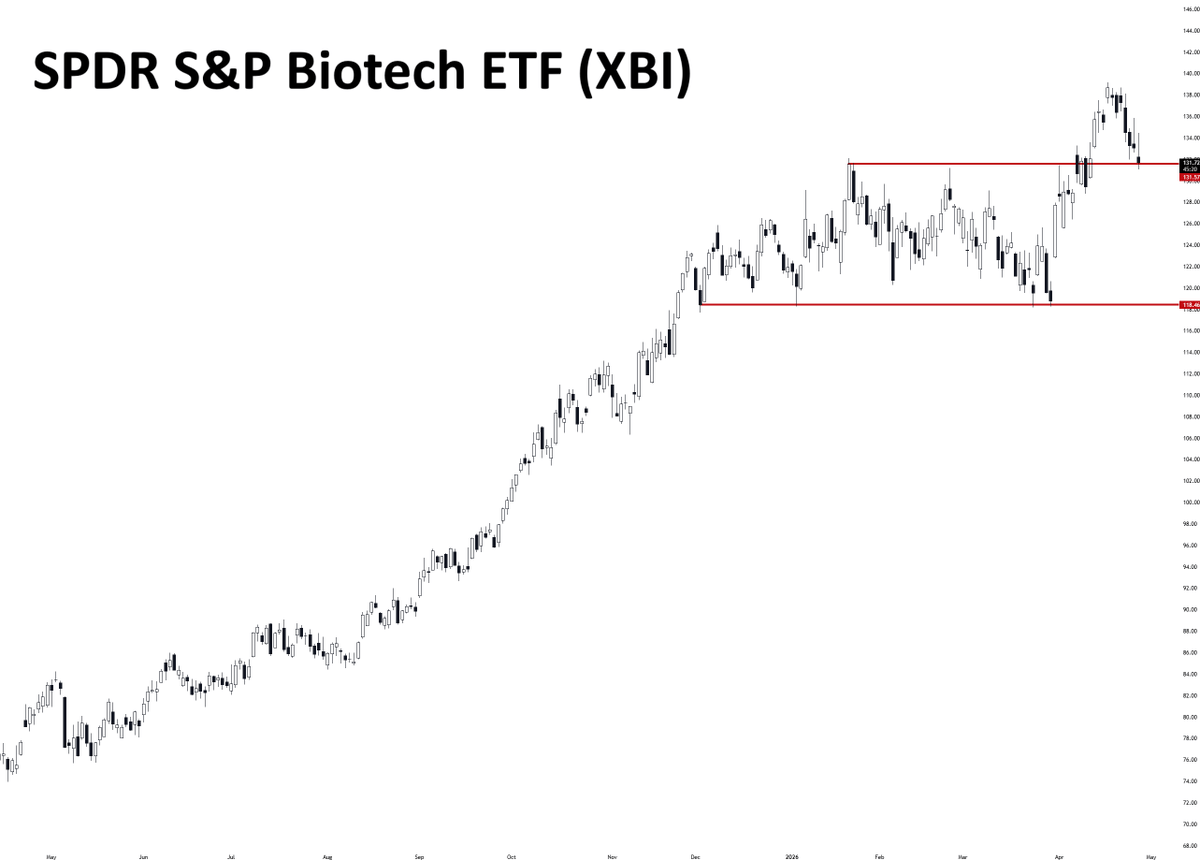
Biotech Hits Jan 2026 High; Bulls Must Curl
Biotech back to the January 2026 high. Bulls need a curl here… or risk getting trapped back in the range. $XBI https://t.co/cfcXch5jD4

Dual-Agonist Survodutide Shows Significant Weight Loss in Phase III Obesity Trial
Boehringer Ingelheim reported that its dual glucagon/GLP‑1 agonist survodutide produced up to 16.6% average weight loss after 76 weeks in the Phase III SYNCHRONIZE‑1 trial. The study also showed that 85.1% of treated participants achieved at least a 5% reduction, with...

Insecticidal Metabolites From Serratia Marcescens Associated with the Fall Armyworm (Spodoptera Frugiperda): Metabolomic Profiling and Molecular Docking Insights
Researchers isolated Serratia marcescens strain INS420 from fall armyworm and identified a range of secondary metabolites using LC‑MS and GC‑MS. Laboratory and field tests showed these compounds have strong insecticidal activity against Spodoptera frugiperda. Molecular docking indicated that squalene and...

Psychedelics May Reverse Epigenetic Roots of Addiction
Epigenetic Mechanisms of Psychedelics in Addiction: Emerging Evidence and Therapeutic Potential these compounds may directly counteract the epigenetic and transcriptional imprints that sustain compulsive substance use https://t.co/GJyHoLPL83

BIOTECanada Responds to Health Canada’s Gazette on a Draft Order Providing for Reliance on International Regulatory Authorities
Health Canada’s Gazette released a draft Order that would allow Canadian regulators to rely on approvals from trusted foreign agencies, a key component of the Red Tape Review initiative. BIOTECanada praised the proposal, calling it a meaningful step toward faster...

Profluent and Lilly: The Next Gene Editor Will Be Designed by AI
Profluent, an Air Street Capital portfolio company, announced a multi‑program partnership with Eli Lilly to create AI‑designed recombinases for kilobase‑scale gene editing. The deal includes an upfront cash payment, committed R&D funding, and up to $2.25 billion in development and commercial milestones...

China's Brain‑Gut Health Initiative Links Microbiome Shifts to Psychiatric Disorders
The Brain‑Gut Health Initiative (BIGHI), a prospective Chinese cohort of more than 1,200 adults, has identified distinct gut‑microbiome and brain‑imaging signatures that correlate with symptom severity across schizophrenia, depression and bipolar disorder. The multi‑omics findings suggest new, objective biomarkers for...

FDA Clears Eli Lilly’s Foundayo, First New Oral Anti‑Obesity Drug in Years
The U.S. Food and Drug Administration approved Eli Lilly’s once‑daily oral weight‑loss pill, Foundayo, making it the first new anti‑obesity medication in years and only the second oral GLP‑1 option. Priced between $149 and $349 a month, the drug promises a...

FDA Grants RMAT Status to Orca-Q in High-Risk Hematologic Malignancies
The U.S. Food and Drug Administration has awarded Regenerative Medicine Advanced Therapy (RMAT) designation to Orca‑Q, an investigational allogeneic T‑cell immunotherapy targeting high‑risk hematologic malignancies. The designation follows early phase 1 data that hint at improved overall survival, lower graft‑versus‑host disease...
FDA Grants Priority Review and Breakthrough Designation to GSK‑Ionis Hepatitis B Drug Bepirovirsen
The U.S. FDA has accepted Ionis Pharmaceuticals’ bepirovirsen for priority review and awarded it breakthrough therapy designation, setting a PDUFA target date of Oct. 26, 2026. The antisense drug, developed with GSK, could become the first therapy to achieve meaningful functional cures...

Northwestern Engineers Print Artificial Neurons That Talk to Real Brain Cells
Engineers at Northwestern University, led by Mark C. Hersam and Vinod K. Sangwan, printed flexible artificial neurons that generated realistic electrical signals and successfully activated living mouse brain cells. The study, published in Nature Nanotechnology, demonstrates a new level of...