
Anti-Amyloid Drugs May Not Work Against Alzheimer's but if so, What Will?
A Cochrane systematic review of 17 clinical trials involving over 20,000 patients with early Alzheimer’s found that anti‑amyloid drugs produce little to no clinically meaningful improvement in cognition or daily function. The analysis also highlighted an increased risk of brain swelling and microhemorrhage associated with the drug class. While newer agents lecanemab and donanemab showed modest, statistically significant slowing of decline, the overall class effect remains modest. Experts stress the need to reassess disease mechanisms and explore multi‑target approaches.

Natural GLP-1 Discovery Hidden in Joints Could Revolutionize Arthritis Treatment
A study published in The Lancet Rheumatology found trace amounts of the body’s natural GLP‑1 hormone in the synovial fluid of patients with rheumatoid arthritis and spondyloarthritis. Researchers compared joint‑fluid and blood samples from the INART biobank and observed a...

Urine Biomarker May Predict Bladder Cancer Treatment Response, Study Finds
Stanford researchers have created a urine‑based liquid biopsy that detects tumor DNA to predict which non‑muscle invasive bladder cancer (NMIBC) patients will benefit from BCG immunotherapy. In a Cell‑published study, patients with detectable tumor DNA after BCG had a high...

Noxopharm SOF-SKN Data Shows Prolonged Skin Retention with Minimal Systemic Absorption
Australian biotech Noxopharm announced preclinical pharmacokinetic results for its SOF‑SKN candidate, showing a skin half‑life of roughly 3.5 days with negligible systemic exposure. The active moiety, SOF‑16, demonstrated consistent dermal concentrations across normal and disease‑like skin and remained confined to...
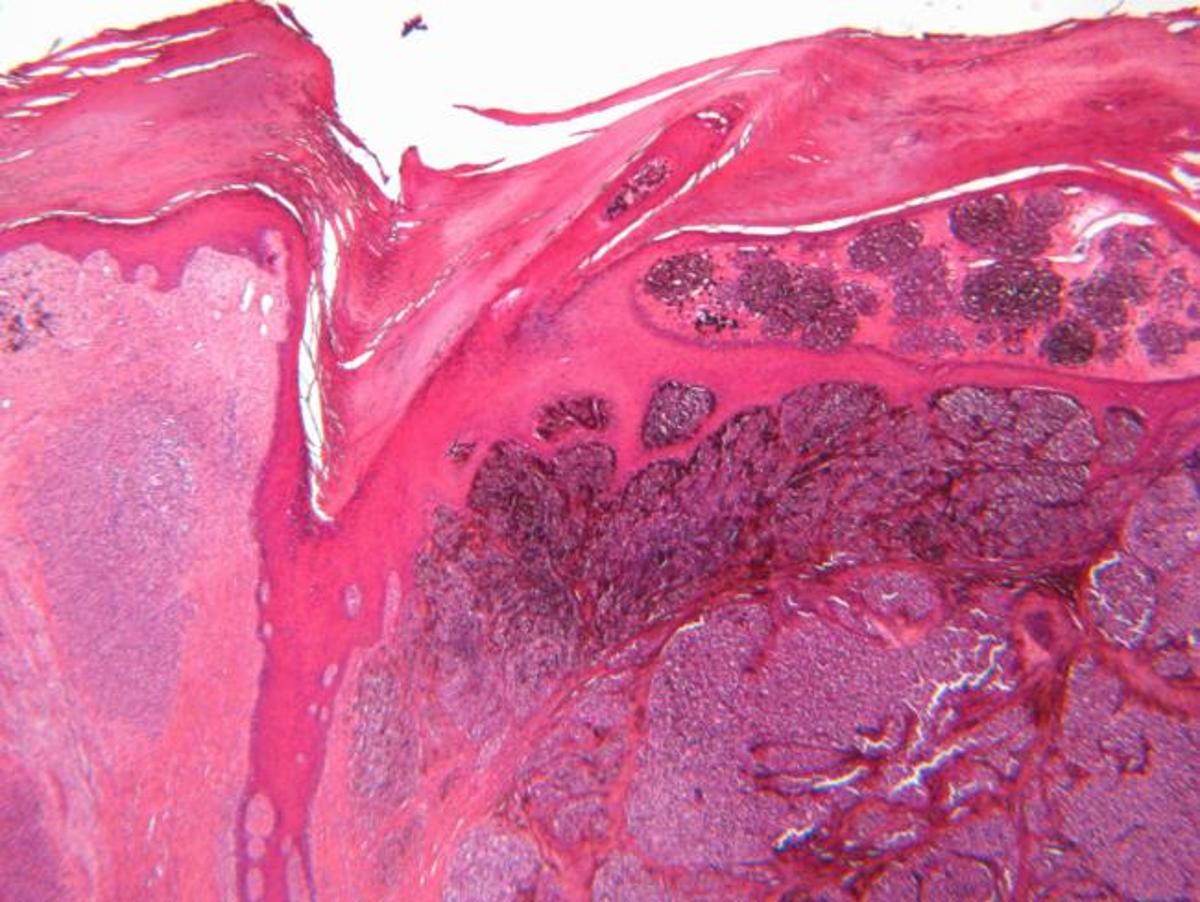
NIH-Funded AI Model Predicts Cancer Survival From Single-Cell Tumor Data
Researchers at Oregon Health & Science University, funded by the NIH, unveiled scSurvival, an AI model that predicts cancer patient survival from single‑cell tumor data. The tool was evaluated on clinical datasets from more than 150 melanoma and liver cancer...

IL-15 Receptor Alpha Deficiency Triggers Depressive-Like Behaviors via Enhanced Microglial Synapse Pruning
A recent pre‑clinical study found that mice lacking the interleukin‑15 receptor alpha (IL‑15Rα) exhibit robust depressive‑like behaviors, including anhedonia and increased immobility in forced‑swim tests. The deficiency triggers hyperactive microglial synapse pruning in the prefrontal cortex, leading to reduced excitatory...

#AAN26: Roche’s Multiple Sclerosis Pill Delays Relapse, but Liver Toxicity Could Need Monitoring
Roche’s experimental multiple sclerosis pill fenebrutinib, a Bruton’s tyrosine kinase (BTK) inhibitor, more than doubled the relapse‑free interval compared with Sanofi’s oral therapy Aubagio in a late‑stage trial. The Phase 3 data showed roughly 68% of patients remained relapse‑free at...
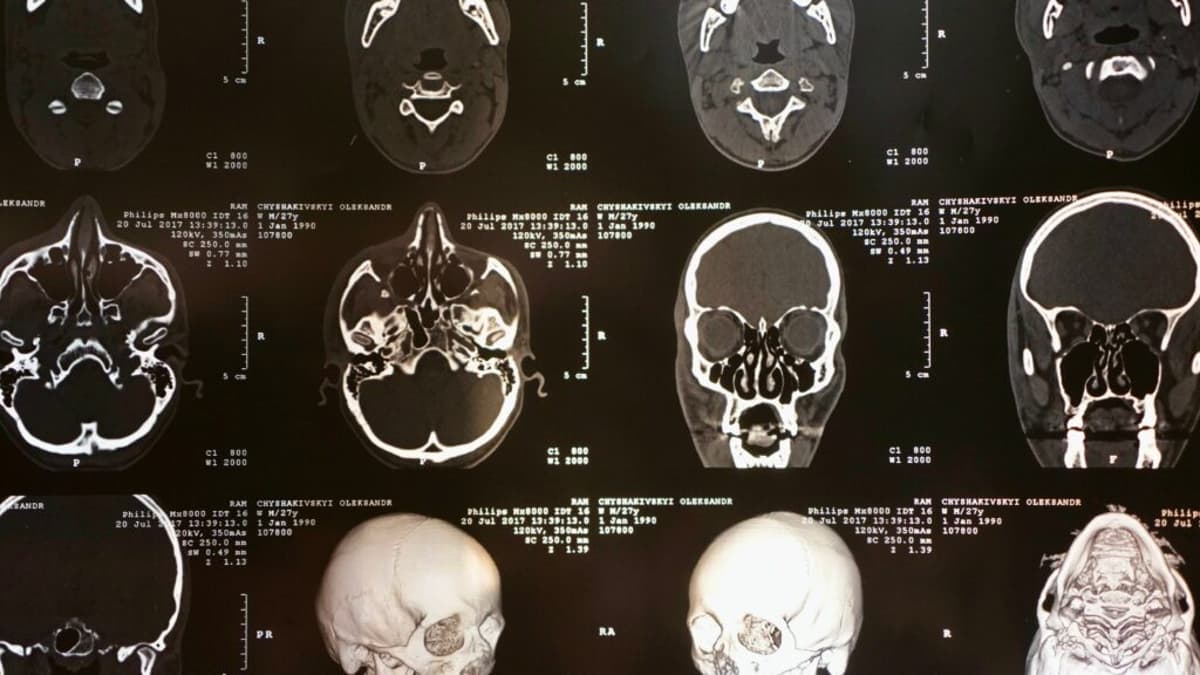
STAT+: With Successful Trials, Roche Takes Its MS Drug to Regulators, but Safety Questions Loom
Roche presented data on its experimental multiple‑sclerosis drug fenebrutinib, which showed efficacy in three late‑stage trials by cutting relapse rates and slowing disability progression. The Swiss firm is now seeking regulatory approval, but analysts highlight liver‑safety signals and two drug‑related...

STAT+: From Revolution Medicines, More Strong Data on KRAS Drug and a Glimpse of a ‘Novel Class’ Beyond It
Revolution Medicines presented new clinical data on its next‑generation KRAS inhibitor daraxonrasib at the AACR meeting, highlighting strong first‑line activity and synergistic effects in combination regimens for advanced pancreatic cancer. The company also unveiled pre‑clinical results for RM‑055, a candidate...

STAT+: Kyverna Therapeutics Plans to Submit Cell Therapy for Stiff Person Syndrome for FDA Approval
Kyverna Therapeutics announced that its personalized CAR‑T cell therapy improved mobility and reduced disability in patients with stiff person syndrome, a rare autoimmune neurological disorder. The company plans to file an FDA submission by mid‑2026, which would make it the...
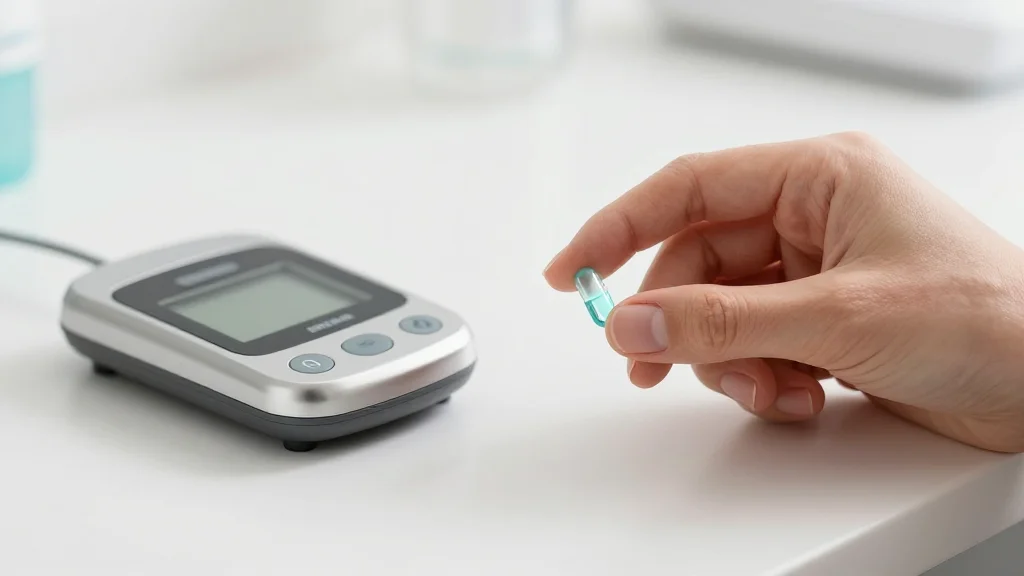
The Great Ozempic Experiment
GLP‑1 medications such as Ozempic and Zepbound have moved beyond weight‑loss to treat a spectrum of conditions, from traumatic brain injury to long Covid and addiction. An interactive New York Times report highlights that roughly one in eight Americans have tried these...
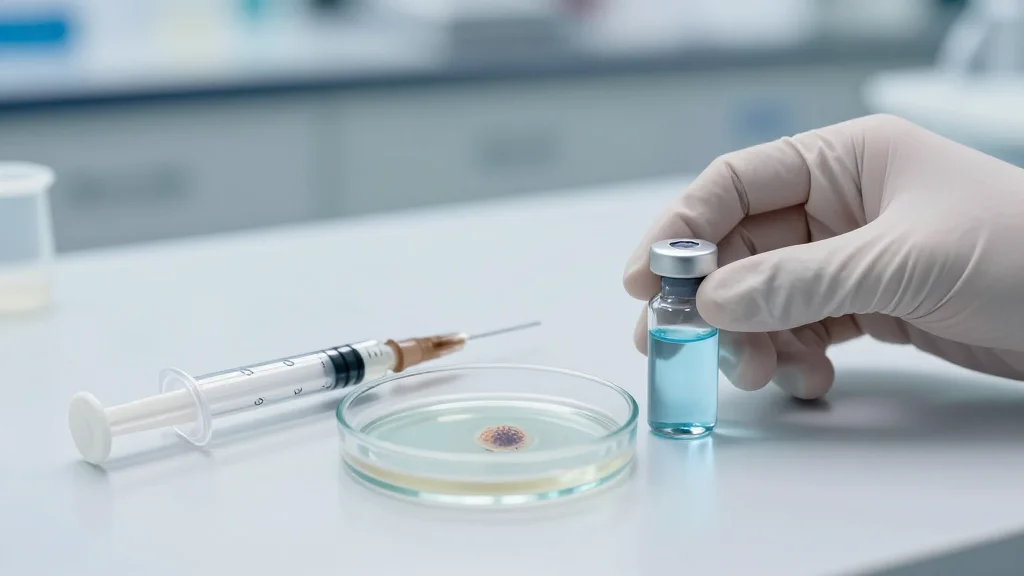
Zymeworks Presents New Phase 1 Data for ZW191, a Folate Receptor Alpha-Targeting ADC at AACR Annual Meeting 2026
Zymeworks unveiled Phase 1 data for ZW191, a folate‑receptor‑α‑targeting antibody‑drug conjugate, at the AACR 2026 meeting. In platinum‑resistant ovarian cancer the drug showed a confirmed objective response rate of 61% at 6.4‑9.6 mg/kg, with a median progression‑free survival of 7.6 months and responses...

Annexon Biosciences (ANNX) Buy Rating Retained
Annexon Biosciences (NASDAQ:ANNX) has been highlighted as one of hedge funds’ top ten small‑cap biotech picks, with its stock soaring 289% over the past year and up 39% year‑to‑date. Needham analyst Joseph Stringer reaffirmed a Buy rating and lifted the...
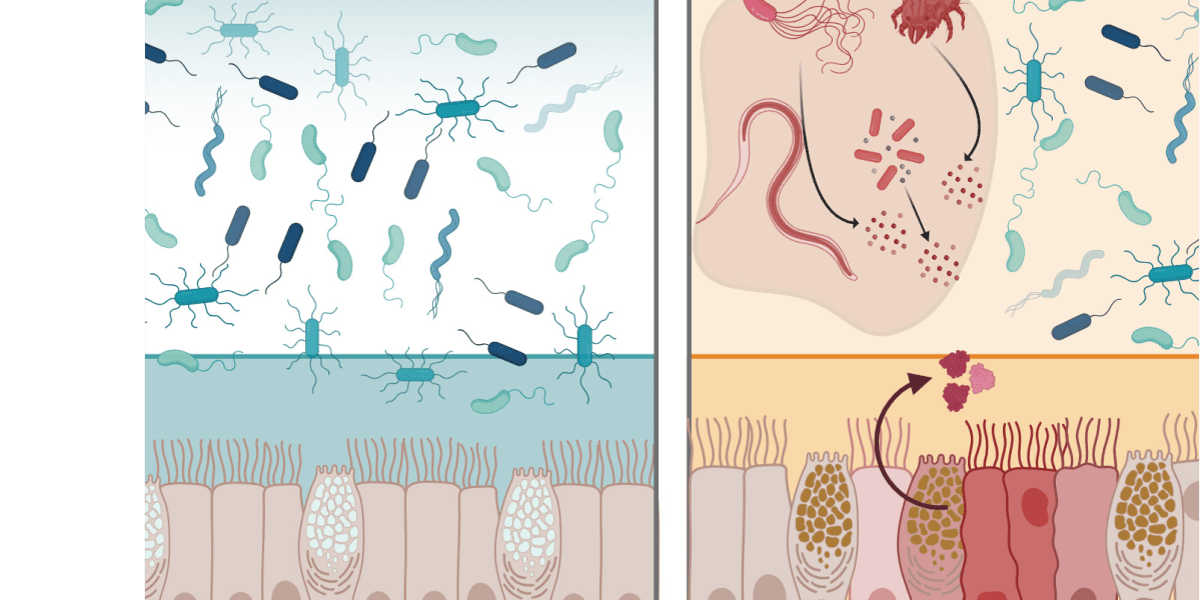
A Natural Protein May Protect the GI Tract From Infection
MIT researchers have identified the natural lectin protein intelectin‑2 as a dual‑action defender of the gastrointestinal tract. The protein binds galactose on bacterial membranes, trapping and destabilizing pathogens while also reinforcing the mucus barrier by attaching to mucins. Laboratory tests...

AI Tool Predicts How New Drug Molecules Move Before Costly Lab Tests
University of Oregon researchers unveiled an AI‑driven simulation tool that predicts how novel drug molecules move and bind inside the body, using only their chemical structure. By integrating physics‑based energy data with machine‑learning sampling, the model delivers coarse‑grained motion pathways...

Trump's Order Is a Milestone for Proponents of Using Psychedelics as Medicine
President Trump signed an executive order that mandates federal agencies to speed up research and regulatory approval of psychedelic compounds for mental‑health treatment. The order calls for the DEA to reassess scheduling of substances such as psilocybin and MDMA and...

Radiopharmaceutical Manufacturer Secures $30M to Bolster Domestic Isotope Production
Ionetix Corporation, a Michigan‑based cyclotron and radiopharmaceutical firm, announced a $30 million private‑placement raise at $3 per share. The capital will fund expansion of domestic radioisotope production for PET imaging and alpha‑emitter therapies and boost R&D on its superconducting cyclotron platform....

AACR 2026: Lung Cancer Immunotherapy Response Predicted by Pathomics AI Model
Researchers at UT MD Anderson unveiled Path-IO, a deep‑learning pathomics model that predicts outcomes and immunotherapy response in metastatic non‑small cell lung cancer (NSCLC). The AI was trained on 797 patients and externally validated on 280 cases, consistently outperforming the...

Sirolimus- and Paclitaxel-Coated Balloons Deliver Comparable 1-Year PCI Outcomes
A nationwide Swedish registry analysis of more than 8,000 percutaneous coronary intervention (PCI) patients found that sirolimus‑coated balloons (SCBs) and paclitaxel‑coated balloons (PCBs) deliver comparable one‑year clinical outcomes. While PCBs showed a modest advantage in reducing in‑stent restenosis, rates of...

The BioPharm Brief: AI, Immunology, and Regulatory Momentum
AstraZeneca announced consistent Phase III data showing its IL‑33 biologic cuts COPD exacerbations, reinforcing the cytokine as a therapeutic target. Boehringer Ingelheim disclosed a broadened AI program that will be embedded across early discovery and development stages to speed target identification. The...

1 Parkinson’s Drug Can Hinder the Gold-Standard Treatment
Researchers at Yale School of Medicine discovered that catechol‑O‑methyltransferase inhibitors (COMT‑Is), commonly added to levodopa therapy for Parkinson's disease, can unintentionally reshape the gut microbiome. The altered microbiome favors growth of Enterococcus faecalis, a bacterium that metabolizes levodopa before it...

RFK Jr. Says China Is 'Eating Our Lunch' In Biotech Advances
HHS Secretary Robert F. Kennedy Jr. warned Congress that China is outpacing the United States in biotech, citing faster new‑drug approvals and a surge in clinical‑trial starts. He highlighted that China approved more than 70 novel therapies in 2025, compared with roughly 45...

Why Managing Potency and Degradation Are Crucial in ADC Cleaning Validation
At INTERPHEX 2026, Paul Lopolito of STERIS highlighted the unique cleaning‑validation challenges posed by antibody‑drug conjugates (ADCs). He explained that ADCs merge highly potent small‑molecule payloads with large‑molecule biologics, creating divergent degradation profiles that demand product‑specific, risk‑based cleaning strategies. Lopolito...

Merck's Welireg Combo Fails in First-Line Kidney Cancer
Merck reported that adding Welireg (lenvatinib) to Keytruda (pembrolizumab) did not improve outcomes for treatment‑naïve patients with advanced renal cell carcinoma. In the phase‑3 CLEAR trial, the combination failed to meet its primary progression‑free survival endpoint, showing a median of...

Merck’s Fast-Ascending Kidney Cancer Drug Hits a Setback
Merck announced that Welireg, combined with Keytruda and Lenvima, failed to meet primary endpoints in a Phase 3 first‑line clear‑cell renal cell carcinoma trial, missing both progression‑free and overall survival benefits. The setback curtails Merck’s plan to use Welireg to offset...

FDA Public Meeting on Increasing Access to Nonprescription Drugs - 04/23/2026
The FDA announced a public meeting on April 23, 2026 to discuss expanding access to nonprescription, or over‑the‑counter (OTC), drugs. The agency is soliciting comments through May 8, 2026, with an earlier deadline of Feb 2, 2026 to shape the agenda. Topics include identifying conditions that...

FDA Accepts BLA for Gazyva/Gazyvaro for Systemic Lupus Erythematosus
Roche has received FDA acceptance of its supplemental Biologics License Application for obinutuzumab (Gazyva/Gazyvaro) as a treatment for systemic lupus erythematosus, with a regulatory decision expected by December 2026. The approval request is backed by the Phase III ALLEGORY trial, which...

Redesigned Pre-Submission Meetings in GDUFA III: Benefits for ANDA Submission and Approval - 05/09/2024
On May 9, 2024, the FDA’s Office of Generic Drugs hosted a webinar on the redesigned pre‑submission meetings under GDUFA III. The session outlined new scope, procedural updates, and illustrated a hypothetical case to help sponsors prepare effective meeting requests. Speakers...
Complex Generics News
The FDA’s Center for Drug Evaluation and Research is intensifying its focus on complex generic drugs, which feature intricate active ingredients, formulations, or delivery systems. Recent milestones include the July 2023 approval of the first generic Vivitrol injectable and the March 2026...

'It's Just the Beginning' For Pancreatic Cancer's Long-Awaited Breakthrough
Revolution Medicines’ KRAS‑G12D inhibitor daraxonrasib has entered late‑stage trials as a potential first‑in‑class therapy for pancreatic cancer, a disease that still carries a five‑year survival rate below 12%. Early data show tumor shrinkage in roughly a third of heavily pre‑treated...

Carvykti Shows Promise Before Multiple Myeloma; Two Megarounds; AstraZeneca Wins Twice
Researchers at Dana‑Farber Cancer Institute reported that all 20 high‑risk smoldering multiple myeloma patients treated with Carvykti, Janssen's BCMA‑directed CAR‑T therapy, achieved disease clearance. The single‑infusion regimen produced complete responses without immediate relapse, and patients remained progression‑free at a median...

BioAge Says Early Data Suggest ‘Best-in-Class’ Potential for Inflammation Drug
BioAge Labs released Phase 1 data for the 60‑mg dose of its NLRP3 inhibitor BGE‑102, confirming tolerability and inflammation‑lowering activity similar to the earlier 120‑mg readout. The oral pill crosses the blood‑brain barrier, opening possibilities for cardiovascular, obesity, eye and central‑nervous‑system...

Early Myocarditis Onset After Immunotherapy May Predict Treatment-Related Fatality
A new analysis of WHO VigiBase data presented at the AACR 2026 meeting shows that immune checkpoint inhibitor (ICI)‑induced myocarditis occurring within the first month of therapy dramatically increases the risk of death. Patients who develop myocarditis early are 59%...

Intralesional Nivolumab May Be Effective Against Precancerous Oral Lesions, Phase I Trial Results Indicate
A Phase I trial presented at AACR 2026 showed that injecting low‑dose nivolumab directly into precancerous oral lesions produced an 85% clinical response rate, with lesions shrinking an average of 60% and 41% achieving histologic downgrading. Patients received 10 mg or 20 mg...

One-Step Method Reveals Structures of RNA-Protein Complexes in Living Cells
Researchers at Baylor College of Medicine introduced a one‑step biochemical technique called multi‑site DMS‑MaP (msDMS‑MaP) that maps RNA three‑dimensional structures and protein‑binding sites directly in living cells. The method simplifies RNA structure probing, uses inexpensive reagents, and integrates with high‑throughput...

Unexpected Cancer Mutations in Brain's Immune Cells May Help Fuel Alzheimer's Disease
Researchers at Boston Children’s Hospital sequenced 149 cancer‑driving genes in 190 Alzheimer’s brains and found microglia accumulating mutations in five oncogenic genes. The same mutations were present in the patients’ blood cells, implying that mutated immune cells cross a weakened...
HIV's Earliest Immune Battle Leaves Blood Traces that Forecast Powerful Antibodies Years Later
Researchers analyzed cell‑free RNA and DNA from blood samples of 14 South African women tracked from pre‑infection through early HIV infection. They discovered that individuals who later produced broadly neutralizing antibodies (bNAbs) exhibited distinct early immune activation patterns and unique...

Tortugas Takes Neuro Deep Dive with $106M to Develop Eisai, Hansoh Programs
Tortugas, a Massachusetts‑based biotech, launched with $106 million in seed and Series A funding, securing clinical assets from Japan’s Eisai and China’s Hansoh Pharmaceutical. The capital will support two mid‑stage, oral small‑molecule trials targeting CNS disorders such as schizophrenia, tinnitus, and focal...

NIMBLE Trial Shows Efficacy of Cemdisiran in gMG: Tuan Vu, MD
The phase 3 NIMBLE trial evaluated cemdisiran, an RNA‑interference therapy, in patients with generalized myasthenia gravis (gMG). Over 26 weeks, cemdisiran monotherapy and its combination with pozelimab both achieved statistically significant improvements on the MG‑ADL scale versus placebo, and met the key...

Boehringer Targets AI-Driven Advances in Disease Research
Boehringer Ingelheim announced a £150 million (US$203 million) AI and machine‑learning accelerator in King’s Cross, London, expanding its global computational R&D network. The new hub, part of the UK Knowledge Quarter, will focus on disease biology, target identification and predictive modeling to...

BioAge Reports Positive Phase 1 Data for BGE-102
BioAge Labs announced Phase 1 results for BGE‑102, an oral, brain‑penetrant NLRP3 inhibitor, showing up to 86% reductions in high‑sensitivity C‑reactive protein (hsCRP) in obese participants. A 60 mg once‑daily regimen over 21 days achieved biomarker improvements comparable to the previously tested...
![[Comment] Is Partial Complement Blockade Enough in Myasthenia Gravis?](https://hixhlmpcokxhartfkpyi.supabase.co/storage/v1/object/public/images/thumbnails/efeb4e97504f7f1cdd947972b3a5f013.webp)
[Comment] Is Partial Complement Blockade Enough in Myasthenia Gravis?
The past eight years have seen a rapid expansion of targeted therapies for generalized myasthenia gravis, including complement C5 inhibitors, neonatal Fc receptor antagonists, and the anti‑CD19 B‑cell‑depleting antibody inebilizumab. Clinical trials have demonstrated meaningful reductions in disease activity, prompting...

Clean Food Group Raises £4.5M to Bring “World’s Largest” Yeast-Oil Facility to Full Capacity
Clean Food Group (CFG) raised £4.5 million (≈$5.6 million) in a round led by Clean Growth Fund and New Agrarian, plus a £700,000 (≈$875,000) Innovate UK grant, to finish scaling its 1‑million‑litre fermentation site in Knowsley, Liverpool. The plant, billed as the world’s...

Re: Alzheimer’s Drugs Targeting Amyloid Do Not Produce Clinically Meaningful Effects, Concludes Cochrane Review
A recent Cochrane review concluded that amyloid‑targeting drugs for Alzheimer’s disease do not deliver clinically meaningful benefits, prompting disappointment among researchers, investors, and caregivers. In a BMJ rapid response, emeritus professors Elaine and Robert Perry argue that cholinergic therapy—available for...

Merck, Eisai’s Keytruda Triplet Fails to Improve Survival in Kidney Cancer
Merck and Eisai announced that their Phase 3 LITESPARK‑012 trial of a three‑drug regimen—Keytruda, Welireg and Lenvima—failed to improve overall survival or progression‑free survival in first‑line renal cell carcinoma. The control arm received the approved Keytruda‑Lenvima doublet, which also did not...
SaNOtize - 727784 - 04/17/2026
The U.S. Food and Drug Administration issued a warning letter to SaNOtize, the maker of “NOWONDER™ Nasal Cleanser,” on April 17, 2026. The agency determined the product is an unapproved new drug because its labeling and website claim nitric‑oxide‑based immune benefits, violating sections 505(a)...
Pro Numb Tattoo Numbing Spray, LLC - 722589 - 04/14/2026
The FDA issued a warning letter to Pro Numb Tattoo Numbing Spray, LLC for multiple Current Good Manufacturing Practice (CGMP) violations, including failure to test finished drug batches, inadequate raw‑material verification, and lack of stability data. The firm also marketed...

Neolaia Synthesizes New CD38 Inhibitors
Biohaven disclosed detailed preclinical data on BHV‑2100, a TRPM3 calcium‑channel modulator aimed at neuropathic pain. A new meta‑analysis concluded that anti‑amyloid therapies for Alzheimer’s have not demonstrated clinically meaningful benefits, intensifying debate over the approach. Jiangsu and Shanghai Hengrui patented...

What New Atopic Dermatitis Treatments Are in the Pipeline in 2026?
The atopic dermatitis pipeline in 2026 is dominated by next‑generation biologics and selective small molecules that aim to improve efficacy while reducing side‑effects. Connect Biopharma’s rademikibart achieved near‑complete skin clearance in a phase 3 trial, and Apogee’s extended‑half‑life zumilokibart showed durable...

Incyte Discloses New TYK2 And/Or JAK1 Inhibitors
Incyte announced the discovery of a new series of small‑molecule inhibitors that selectively target TYK2 and JAK1, two kinases central to cytokine signaling in autoimmune disorders. The compounds demonstrated sub‑nanomolar potency in cell‑based assays and favorable safety margins in early...