
AAN 2026: J&J, Kyverna, Capricor and Praxis Showcase Practice-Changing Data
At the 2026 American Academy of Neurology meeting, Johnson & Johnson reported two‑year Phase 3 data showing its FcRn blocker Imaavy sustained symptom improvement and allowed most patients to cut corticosteroid use. Kyverna Therapeutics presented Phase 2 results for its CAR‑T therapy miv‑cel, which achieved complete B‑cell depletion and steroid‑free status in all seven myasthenia gravis patients. Capricor Therapeutics provided late‑stage data indicating its cell therapy deramiocel slowed functional decline in Duchenne muscular dystrophy by up to 83%, as it awaits an FDA decision. Praxis Medicines cleared Phase 3 for ulixacaltamide, a calcium‑channel blocker that could capture a market exceeding $3 billion for essential tremor.

DemeRx Reports the US FDA IND Application Acceptance to Advance DMX-1001 for Alcohol Use Disorder
DemeRx announced that the U.S. Food and Drug Administration has accepted its Investigational New Drug (IND) application for DMX-1001, an oral formulation of noribogaine, to treat alcohol use disorder (AUD). The company recently completed a multiple‑ascending‑dose (MAD) trial in healthy...

Regeneron and Sanofi Report the US FDA Approval of Dupixent (Dupilumab) for Chronic Spontaneous Urticaria (CSU)
Regeneron and Sanofi announced that the U.S. Food and Drug Administration has approved Dupixent (dupilumab) for chronic spontaneous urticaria (CSU) in patients as young as two years old who remain symptomatic despite H1 antihistamines. The decision is based on two...

STAT+: Can Erasca Be Biotech’s Next Big Thing? We’ll See
Erasca, a biotech startup valued at roughly $7 billion, is developing ERAS‑0015, a pan‑RAS inhibitor aimed at treating pancreatic cancer. The company positions itself as a cost‑effective alternative to RevMed, whose market cap exceeds $30 billion after reporting a 13.2‑month median overall...
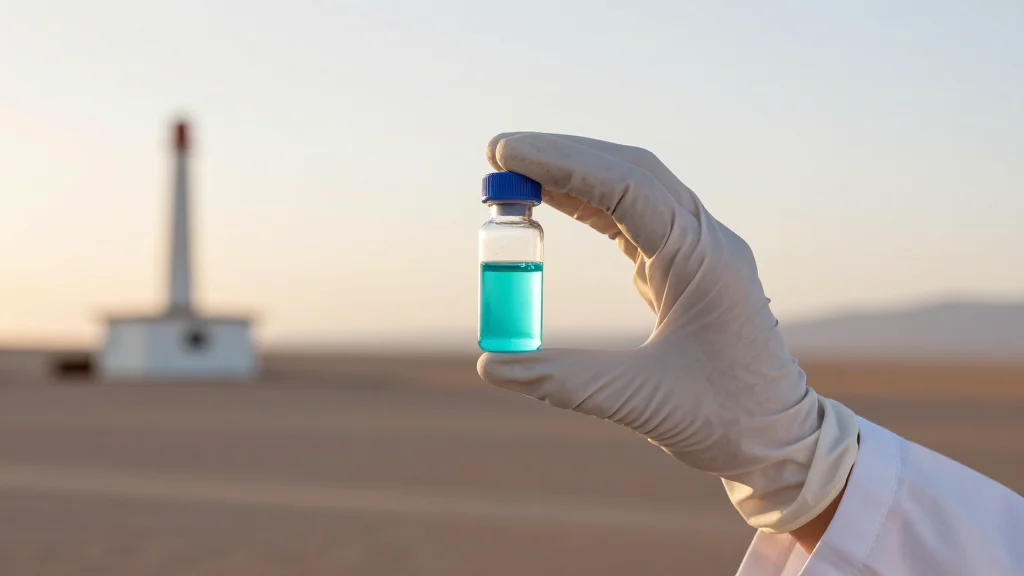
Life Invisible
The Guardian documentary "Life Invisible" follows Chilean microbiologist Cristina Dorador as she hunts for novel microbes in the Atacama Desert to combat rising antibiotic resistance. The film underscores that resistant infections could cause 39 million deaths worldwide between 2024 and 2050....
Novo Nordisk’s Oral Semaglutide Demonstrates Potential to Be the First Oral GLP-1 RA Therapy for Children and Adolescents with Type...
Novo Nordisk reported positive topline results from the phase 3a PIONEER TEENS trial, the first study of an oral GLP‑1 receptor agonist in children and adolescents with type 2 diabetes. Oral semaglutide lowered HbA1c by 0.83 percentage points versus placebo...

The Next Era of Diabetes Management
BioSpace’s Denatured podcast released an episode on April 23, 2026 featuring Dr. Sarah Howell, CEO of Arecor Therapeutics, and Dr. Wendy Lane, an endocrinologist. The conversation centers on how increasingly connected, data‑driven diabetes technologies are shifting the industry’s focus from merely tracking...

Operational Lessons From Global Nephrology Trials
The article outlines four operational lessons drawn from the surge of global nephrology trials, noting that GlobalData tracks 888 CKD studies with only 56 multinational efforts. It argues that traditional site selection in Europe and the U.S. limits enrollment speed...
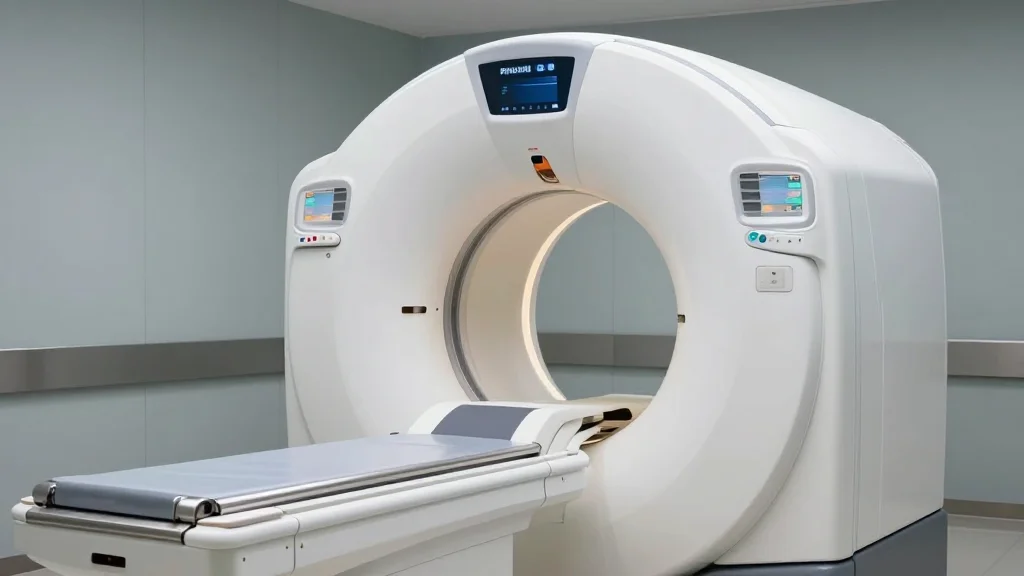
FDA Grants Clearance for Philips’ Rembra Scanning Platform
Philips has secured FDA 510(k) clearance for its Rembra platform, encompassing the Rembra CT scanner, Rembra RT and Areta RT radiation‑therapy systems. The CT unit features an 85 cm bore and can handle up to 270 exams per day, targeting high‑throughput...

ModeX Starts Dosing in MDX2003 Trial for B-Cell Lymphoma
ModeX Therapeutics, an OPKO Health subsidiary, has begun dosing the first patients in the MDX‑2003‑101 trial of its tetraspecific T‑cell engager MDX2003 for relapsed or refractory B‑cell lymphoma. The study will evaluate tolerability, pharmacokinetics, safety and immune activity across dose‑escalation...
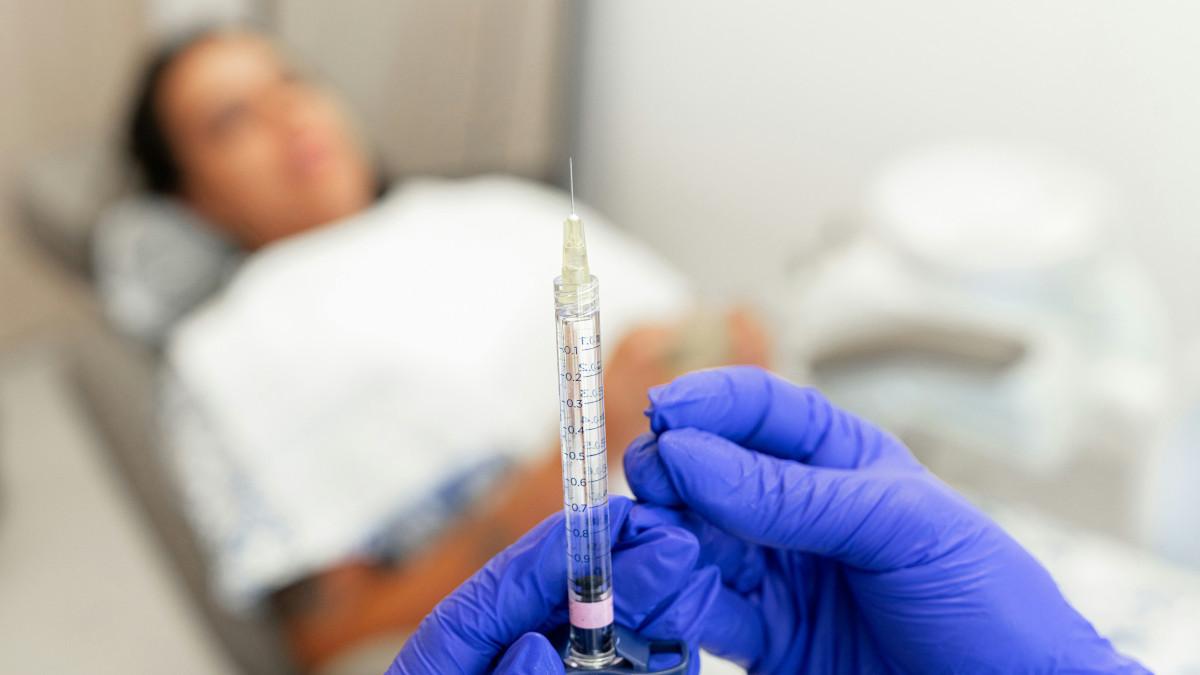
Epitopea Wins UK Approval for Therapeutic Vaccine Trial
Epitopea secured UK regulator and ethics committee clearance to launch OVACT, a Phase I/Ib first‑in‑human trial of its RNA‑based vaccine CryptiVax‑1001 in advanced high‑grade serous ovarian cancer. The study will evaluate safety, tolerability, immunogenicity and early clinical activity in HRP⁺/BRCA‑wildtype...

AstraZeneca Reports the P-III (I CAN) Trial Data on Ultomiris for IgA Nephropathy
AstraZeneca announced interim Phase III (I CAN) data for Ultomiris in IgA nephropathy, enrolling about 510 high‑risk adults. The trial met its primary endpoint, showing a roughly 30% reduction in 24‑hour proteinuria at 34 weeks, with benefits evident as early as 10...

RFK Jr Says Cultivated Meat Will ‘Have to Get Through A Lot of Scepticism’ From FDA
U.S. Health Secretary Robert F. Kennedy Jr. voiced amplified concern that cultivated‑meat products will face rigorous FDA scrutiny, warning they must overcome significant safety scepticism. The comment came during a Senate Appropriations hearing, where he echoed long‑standing criticism of lab‑grown proteins. 2025 marked...

Utepreva Launches Utepreva Endometrial Sampler to Support Early Diagnosis of Endometrial Cancer
Utepreva has introduced the Utepreva Endometrial Sampler, a single‑use device aimed at improving tissue capture for early endometrial cancer diagnosis, slated for market release in October 2026. The sampler integrates a sponge tip, plunger‑driven suction, and a collection chamber to...

Fraunhofer IAP and NMI Achieve Biomimetic Tissue Mechanics
Fraunhofer IAP and NMI have created a patent‑pending biomimetic tissue substitute that combines a polyurethane acrylate base, a 3D‑printed wavy metastructure, and an electrospun collagen surface. The metastructure reproduces the nonlinear stiffness of pericardial tissue, while the collagen layer supports...
ViewsML Closes Funding Round to Accelerate Commercialization of AI-Driven Virtual Biomarker Staining Platform
ViewsML announced an oversubscribed $4.9 million seed round led by Wittington Ventures, with new investors Mayo Clinic and Continuum Health Ventures joining repeat backers. The capital will fast‑track commercialization of its AI‑driven virtual biomarker staining platform, which extracts per‑cell biomarker insights...

FMRI-Based Mega-Study of Psychedelics Reveals Patterns of Brain Signaling Reorganization
An international consortium analyzed resting‑state fMRI scans from over 250 healthy volunteers who received psilocybin, LSD, DMT, mescaline or ayahuasca, creating the largest pooled dataset of psychedelic brain imaging to date. Using a unified processing pipeline and Bayesian hierarchical modeling,...

Muons, Massive Waves and Restored Sight: The Winners at the ‘Oscars of Science’ – Podcast
The Breakthrough Prize, dubbed the "Oscars of science," handed out $3 million awards in physics, mathematics and life sciences at a high‑profile ceremony in Los Angeles. Jean Bennett was among the laureates, receiving the life‑sciences prize for co‑creating the first FDA‑approved gene‑augmented...

Accelerating Drug Discovery with Fragment Screening
Scientists at DOE’s Brookhaven National Laboratory are piloting a publicly‑available fragment‑based drug design (FBDD) platform at the NSLS‑II synchrotron. Using macromolecular X‑ray crystallography, the program couples robotics, automation and AI to screen small chemical fragments against protein targets. Early tests...

Perth Biotech at Cutting Edge of the Future of Medicine
Syngenis, a Perth‑based biotech, is converting its research‑grade oligonucleotide lab into Australia’s first GMP‑certified facility, enabling local production of clinical‑grade DNA and RNA strands. The move could bring back roughly AUD 160 million (about US 105 million) of annual overseas GMP work, tapping into...
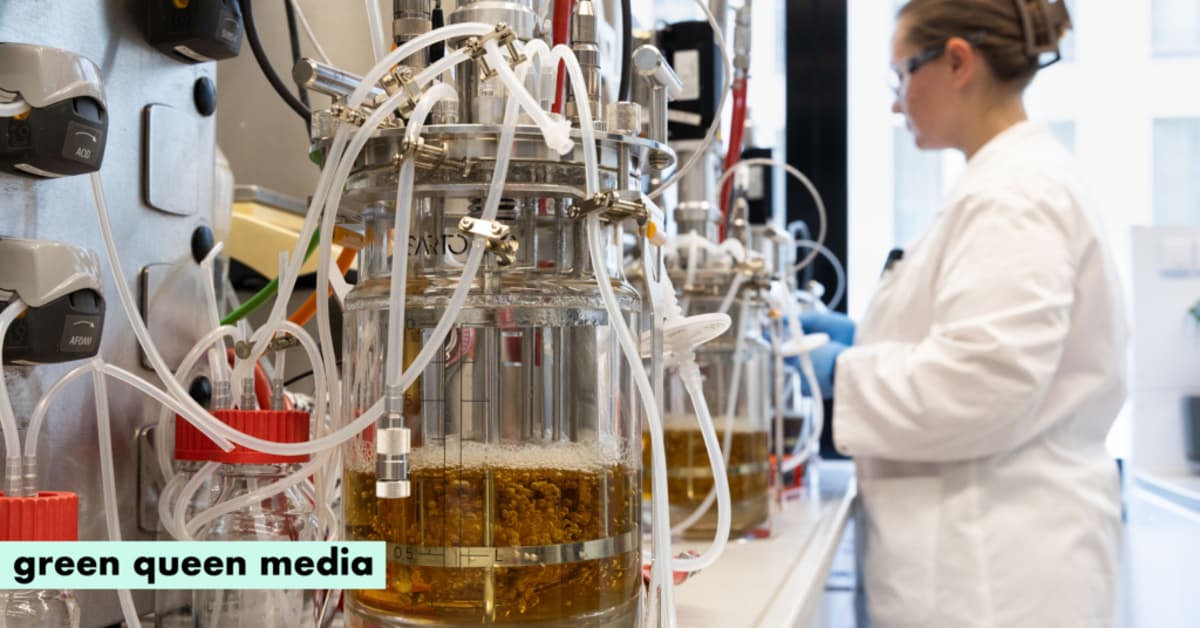
Amyris, Wacker to Develop Precision-Fermented Ingredients for Personal Care
U.S. biotech Amyris and German specialty‑chemicals group Wacker have announced a joint effort to develop precision‑fermented, bio‑based ingredients for the personal‑care market. The collaboration follows Amyris’s recent capacity boost in Brazil, where it installed two 80 m³ fermentation lines to accelerate...

NSW Opens $96M RNA Research and Manufacturing Facility
New South Wales has launched a $96 million (≈$63 million USD) RNA research and manufacturing hub at Macquarie University’s Innovation Precinct. The state‑run facility, operated by Aurora Biosynthetics, will produce RNA‑based vaccines and therapeutics from a single site. NSW pledged an additional...

Researchers Explore New Approach to Multivirus Drug Development
Researchers at Stanford Medicine, led by Shirit Einav, are pioneering a host‑targeted antiviral strategy that disables human enzymes essential for viral replication rather than attacking the virus directly. Their recent Nature Communications paper describes a small‑molecule, RMC‑113, which halted replication...
New Clues to Hepatitis B Species Restriction Could Help Build a Novel Model for Studying Infection
Researchers at Rockefeller University discovered that mouse liver cells can generate hepatitis B virus (HBV) covalently closed circular DNA (cccDNA) at levels similar to human cells, overturning the long‑held belief that DNA composition blocks infection. The study pinpointed a late‑stage...

Chicken Gene-Editing Advance Opens Path to Drug-Producing Eggs
University of Missouri researchers used CRISPR to insert a gene cassette into the chicken housekeeping gene GAPDH, overcoming epigenetic silencing that has hampered stable transgenic poultry. The inserted reporter stayed active for months of cell division, proving continuous expression. This...
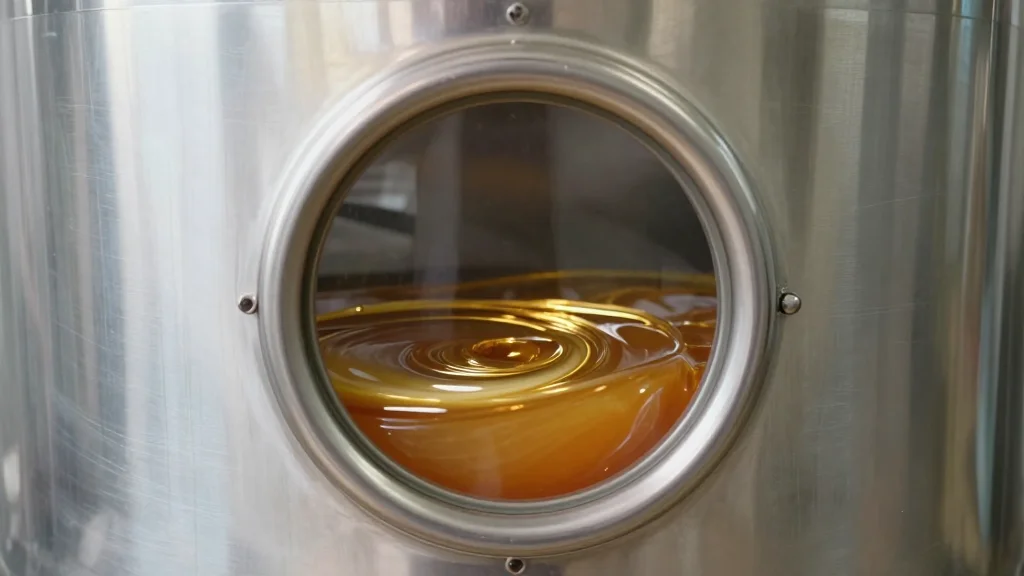
Cosmetics From Waste? Microbial Discovery Unlocks Greener Route to High-Value Chemical Products
Researchers at the University of Toronto have identified how chain‑elongating bacteria can be coaxed to produce medium‑chain carboxylic acids (MCCAs) such as octanoic acid, a high‑value chemical used in cosmetics, surfactants and animal feed. The study, published in Nature Microbiology,...

Overlooked Brain Damage Sets Off a Chain Reaction that Could Change How Neurodegeneration Is Fought
Cambridge researchers have shown that localized damage to white‑matter myelin can provoke a cascade of changes in distant gray‑matter regions, including reduced neuronal activity, microglial activation, and loss of synaptic connections. The study, published in Nature, demonstrated that these effects...

FDA Notification Regarding Dehydrated Alcohol
The FDA has issued a formal notice telling companies to stop distributing any dehydrated alcohol products that are not the FDA‑approved Ablysinol from Belcher Pharmaceuticals. Ablysinol, approved on June 21, 2018, is the only legally marketed dehydrated alcohol in 1 mL and 5 mL...

GDUFA III Drug Master File (DMF) Review Enhancements
The FDA’s GDUFA III reauthorization adds a mechanism for early review of Type II API drug master files up to six months before an ANDA or prior‑approval supplement is filed. A draft guidance explains how DMF holders can request a “DMF prior...
The BioPharm Brief: Early Design Risks, Oncology Signals, and a Biosimilars Power Move
The BioPharm Brief highlights three pivotal biopharma trends: early‑stage process design flaws can cripple cell and gene therapy scale‑up, leronlimab demonstrates early clinical and biomarker activity in metastatic colorectal cancer, and Amneal Pharmaceuticals’ acquisition of Kashiv BioSciences creates a vertically...

Creating Baby Geniuses to Thwart the AI Threat? (Yes, Really.)
A cluster of Silicon Valley billionaires—including Peter Thiel, Sam Altman, Marc Andreessen and Vitalik Buterin—are financing embryo‑editing startups that aim to prevent disease and, for some, create children capable of outthinking advanced AI. The firms, such as Nucleus, are leveraging CRISPR...

Oncology Leaders Address Testing, Access, Equity, and Pharmacy in Cancer Care
On March 12, 2026, the American Journal of Managed Care convened Chicago oncology leaders to discuss precision testing, equity, and pharmacy integration in cancer care. Panels emphasized universal biomarker testing for lung cancer, highlighted gaps such as low EGFR testing...

STAT+: At AACR, Talk of Chinese Biotech, Oncology’s Comms Issue, and More
Revolution Medicines highlighted two key updates at the AACR meeting: promising frontline pancreatic cancer data for its RAS inhibitor daraxonrasib and the introduction of a novel compound, RM-055. RM-055 is described as a catalytic inhibitor that can strip a phosphate...

Cellular Mechanisms Behind Diabetes-Derived Vascular Disease Unveiled
A study led by Zhen Chen at City of Hope uncovered that the receptor TREM2 is markedly up‑regulated in macrophages and endothelial cells of arteries from type‑2 diabetes patients, disrupting vascular repair. Using single‑cell RNA sequencing, spatial transcriptomics, and a...

An Experimental New Drug for Stiff Person Syndrome Restores Mobility
Researchers at Kyverna Therapeutics reported that a single infusion of their experimental CAR‑T cell therapy, miv‑cel, dramatically improved mobility in patients with stiff person syndrome (SPS). In a Phase II trial of 26 participants, walking speed increased and eight of twelve...
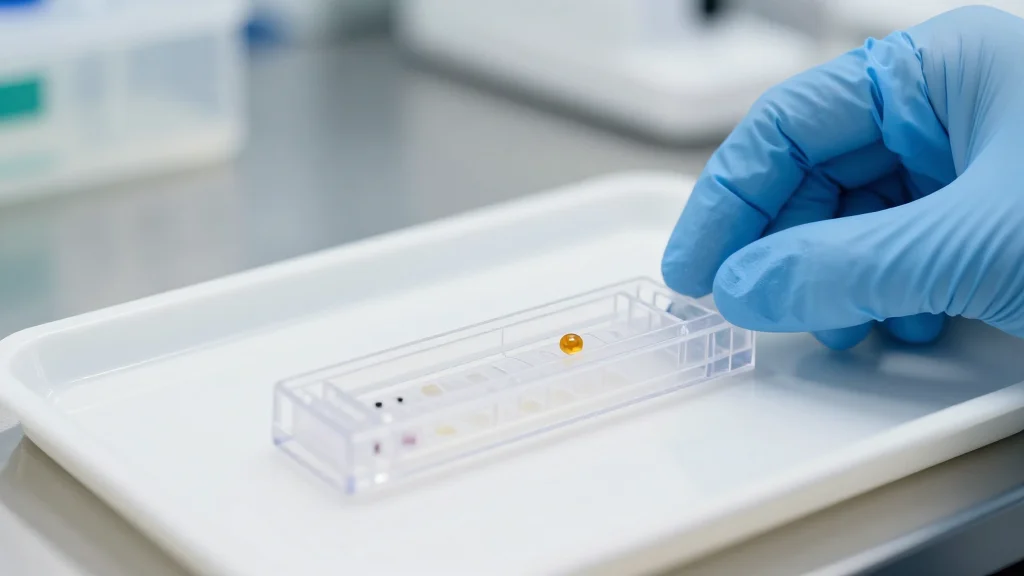
BioMérieux Unveils BIOFIRE SPOTFIRE Molecular Testing Solution for Biopharma
bioMérieux has launched BIOFIRE SPOTFIRE, a molecular testing system aimed at biopharma quality control. The instrument delivers mycoplasma results in less than an hour, leveraging automated workflows, touchscreen operation, and barcode scanning. Designed to be compact and stackable, it integrates with...

Andelyn Partners with S. Korea-Based ENCell to Accelerate Global Delivery of Gene Therapies
Andelyn Biosciences and South Korea’s ENCell have signed a collaboration to create a dual‑hemisphere manufacturing bridge between the United States and the Asia‑Pacific region. The agreement leverages both firms’ GMP facilities, viral vector expertise and regional networks to accelerate development,...

Ocrelizumab in PPMS. Complementing Regulatory History with a Decade of Clinical Evidence
Roche’s ocrelizumab (Ocrevus) is the only FDA‑approved disease‑modifying therapy for primary progressive multiple sclerosis (PPMS). Since its 2017 approval based on the ORATORIO trial, a decade of data—including the 2025 O’HAND study and ten‑year extension analyses—has confirmed robust efficacy across...

Why Early Process Design Is Key to Cell and Gene Therapy Success
At INTERPHEX 2026, Charles River’s Dr. Alan Smith warned that cell and gene therapy developers often prioritize rapid first‑in‑human studies at the expense of scalable manufacturing. He highlighted recurring gaps where insufficient early‑stage process design forces costly redesigns during later trials or...

GVasc Saliva Kit Tutorial
The gVasc study released a tutorial showing how participants can collect saliva samples at home using a simple kit. Project Manager Christine Russo demonstrates the step‑by‑step process in a short video, emphasizing ease of use. gVasc, launched by cardiologists at...

10x Science: The Founders Who Built the Field Are Now Building the Platform
10x Science is launching an AI‑driven platform that automates molecular characterization of biologic drugs, a step traditionally performed manually by PhD scientists using outdated software. The company’s founders—two Stanford‑trained researchers with Nobel‑linked publications and a veteran YC entrepreneur—bring deep scientific...
FDA Clinical Trials Training Modules
The FDA’s Center for Drug Evaluation and Research has released new clinical‑trial training modules that capture the agency’s latest regulatory intelligence, emerging guidance, and real‑world compliance experience. The curriculum serves as a global benchmark, helping organizations demonstrate regulatory excellence and...

Cardiologist Makes ‘Magic,’ Performs First Procedure in US with New-Look Ablation Catheter
Stereotaxis' Magic Magnetic Interventional Ablation Catheter received FDA clearance in January 2026 and was used for the first U.S. procedure this month at Oregon Health & Science University. Electrophysiologist Dr. Nathan McConkey employed the robotically navigated, magnet‑guided catheter to treat...

Leronlimab Shows Early Clinical and Biomarker Activity in Metastatic Colorectal Cancer at AACR 2026
CytoDyn presented early Phase 2 results showing that leronlimab combined with TAS‑102 and bevacizumab markedly reduced circulating tumor DNA in metastatic colorectal cancer patients. CCR5 expression was confirmed in all prescreened tumors, and median ctDNA fell about 70% by week two...

We Need More Radioactive Drugs. Can We Make Them From Nuclear Waste?
A new wave of radiopharmaceutical cancer treatments is driving unprecedented demand for radioisotopes, prompting companies to extract them from legacy nuclear waste. Researchers at the UK National Nuclear Laboratory are refining radioactive lead from stored waste, while firms like Belgium’s...
FDA PreCheck Pilot Program Structure
The FDA PreCheck Pilot Program is a two‑phase initiative aimed at speeding the launch of new U.S. pharmaceutical manufacturing sites. Phase 1 delivers early engagement through Pre‑Operational Reviews and the creation of a Type V Drug Master File that documents facility design,...

Nipocalimab Demonstrates Sustained Disease Control Over Two Years in Generalized Myasthenia Gravis
Johnson & Johnson announced that nipocalimab (Imaavy) sustained disease control in generalized myasthenia gravis for over two years, extending efficacy beyond the initial 24‑week trial to 120 weeks. Patients showed mean reductions of 6.47 points on the MG‑ADL and 5.97...
First Non-INSTI, Tenofovir-Free Regimen DOR/ISL Gains FDA Approval for HIV
The FDA has approved Merck’s Idvysno, a once‑daily, single‑tablet combination of doravirine and islatravir, marking the first non‑INSTI, tenofovir‑free two‑drug regimen for adults with virologically suppressed HIV‑1. Phase 3 trials demonstrated non‑inferior viral suppression compared with standard three‑drug regimens, with only...

Moderna, After Losing US Funding, Rebounds to Start mRNA Bird Flu Vaccine Trial
Moderna has launched a Phase 3 trial of its mRNA‑1018 bird‑flu vaccine, enrolling about 4,000 healthy adults in the United States and the United Kingdom. The study follows the loss of a $766 million U.S. government contract, which had funded earlier development...

FDA Expands Teplizumab-Mzwv Approval to Young Children With Stage 2 T1D
The FDA granted supplemental approval for Sanofi’s teplizumab‑mzwv (Tzield) to treat children as young as one year with stage 2 type 1 diabetes, expanding the prior 8‑year‑and‑up indication. The decision follows interim data from the PETITE‑T1D phase 4 trial, where 23 children received...