
Digital Health Technologies (DHTs) for Drug Development
The FDA has issued a Request for Information and Comments on the use of Digital Health Technologies (DHTs) in drug and biologic development, with a comment deadline of June 1, 2026. Under PDUFA VII, the agency will publish a DHT framework, establish a steering committee, and host a series of public workshops and demonstration projects. The CDRH Digital Health Center of Excellence will act as a hub for regulatory guidance, while existing guidance documents are being updated to support decentralized clinical trials. Stakeholders are encouraged to engage early through the FDA’s meeting portal.

The FDA Gives the Green Light to the First Gene Therapy for Deafness
The FDA has approved the first gene therapy designed to restore hearing in patients born with the rare OTOF‑related form of deafness. Developed by Regeneron, the treatment delivers a functional OTOF gene via adeno‑associated virus directly into the inner ear....

Pharma Meets AI Conference 2026: Key Barriers to Scaling AI in Drug Development
At the Pharma Meets AI conference in Barcelona, industry leaders warned that trust and governance are the biggest obstacles to scaling artificial intelligence in drug development. While AI is delivering gains in prediction, personalization and productivity, concerns over data quality,...

SELUTION DeNovo: Sirolimus DCB Safe and Effective in ACS Patients
A subanalysis of the SELUTION DeNovo trial presented at SCAI 2026 shows that the sirolimus‑eluting Selution drug‑coated balloon (DCB) is non‑inferior to drug‑eluting stents (DES) in acute coronary syndrome (ACS) patients, with 1‑year target vessel failure (TVF) rates of 5.3%...

E. Coli Editing Technique Expands Into a Universal Toolkit for Rewriting Bacterial DNA
Scientists at Gladstone Institutes have expanded their retron‑based genome editing platform, originally limited to E. coli, to work in 15 phylogenetically diverse bacterial species. The study, published in Nature Biotechnology, introduced ten engineered retron variants—dubbed recombitrons—that achieved editing efficiencies ranging from...

Enabling In Vivo Lentiviral Therapies: Manufacturing Strategies to Improve Purity, Scalability, and Clinical Readiness
SK pharmteco’s CTO Tatiana Nanda and Director Mardhani Aparajithan discussed the shift of lentiviral vectors from ex‑vivo tools to in‑vivo therapeutic platforms. They highlighted manufacturing hurdles such as the need for substantially higher vector doses, stricter impurity thresholds, and the...

Lunsotogene Parvec Becomes First FDA-Approved Gene Therapy for OTOF-Related Hearing Loss
Regeneron’s lunsotogene parvec‑cwha (Otarmeni) received accelerated FDA approval as the first gene therapy for OTOF‑related hearing loss. The single‑dose AAV vector is indicated for patients with severe‑to‑profound sensorineural loss who have confirmed biallelic OTOF variants and no prior cochlear implant....

LeonaBio to Host Virtual Key Opinion Leader Event Highlighting Potential of Lasofoxifene in Treatment-Resistant ER+/HER2-, ESR1-Mutated Metastatic Breast Cancer
LeonaBio announced a virtual Key Opinion Leader webcast on April 29, 2026 to discuss lasofoxifene, its novel selective estrogen receptor modulator, for treatment‑resistant ER+/HER2‑, ESR1‑mutated metastatic breast cancer. The company expects to complete enrollment in the Phase 3 ELAINE‑3 trial, which pairs...
Validating Your Business Idea with Punit Mehra
Punit Mehra, co‑founder of ALP AI, explains how biotech’s high‑stakes environment forces a startup playbook that prioritizes early validation over rapid iteration. The company uses AI to flag drug‑development risk before costly late‑stage trials, fitting its solution into existing risk‑budget...

Early ALPHA3 Data Could Signal Shift to Frontline Use of CAR T in LBCL
Allogene Therapeutics reported that its off‑the‑shelf CAR‑T product cemacabtagene ansegedleucel (cema‑cel) achieved 58.3% minimal residual disease (MRD) negativity at day 45 versus 16.7% with observation in the interim futility analysis of the phase 2 ALPHA3 trial. The study enrolled LBCL patients who...

BBC Inside Science
Researchers have launched a phase 3 clinical trial to evaluate an mRNA vaccine targeting H5N1, the highly lethal avian influenza strain. The virus, endemic in birds, rarely infects humans but carries a high case‑fatality rate, prompting fears of a mutating...
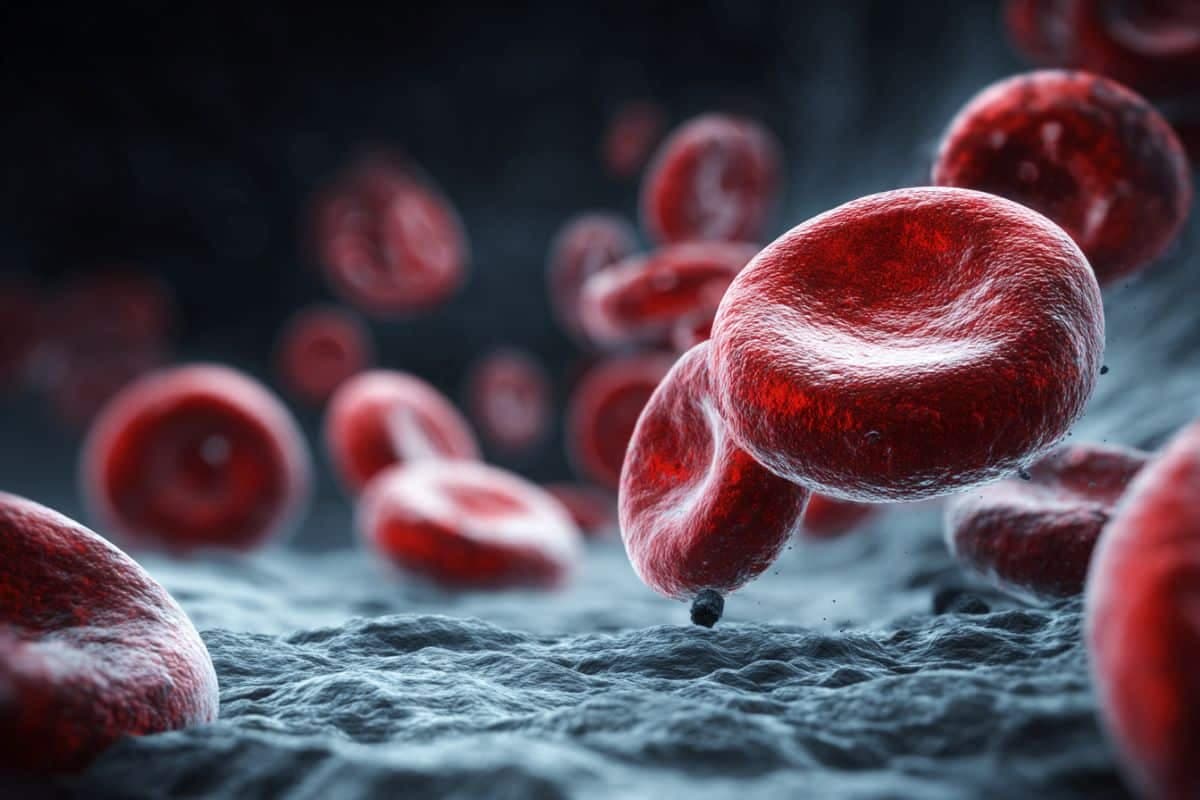
Freeze-Dried Platelets Combat TBI Brain Swelling and Bleeding
Researchers at UCSF have shown that Thrombosomes, a freeze‑dried platelet‑derived product, dramatically reduces bleeding and cerebral edema in a mouse model of traumatic brain injury (TBI). The biologic, originally created for battlefield hemorrhage, can be stored at room temperature for...

CRISPR Base Editing Repairs Hard-to-Treat Cystic Fibrosis Mutation in Cell Models
A new study published in Science Translational Medicine demonstrates that an adenine base editor (SpRY‑ABE9) can correct the hard‑to‑treat CFTR 1717‑1G>A splicing mutation in cell models. Researchers delivered optimized mRNA and sgRNA, achieving up to 30% editing in kidney and...

TRIDENT: Triple Antihypertensive Pill Cuts Recurrent Stroke in ICH
The TRIDENT trial showed that a single low‑dose triple‑antihypertensive pill (telmisartan, amlodipine, indapamide) added to standard care reduced recurrent stroke in patients with prior intracerebral hemorrhage from 7.4% to 4.6% (HR 0.61). Mean systolic blood pressure during follow‑up was 127 mm Hg in...

Heart’s Constant Beating Suppresses Tumor Growth in Cardiac Tissues
Researchers at the International Centre for Genetic Engineering and Biotechnology discovered that the heart’s constant beating mechanically suppresses tumor growth. Using mouse models and engineered heart tissues, they showed that normal mechanical load limits cancer cell proliferation, while surgically unloaded...

Cardiometabolic Intervention: Evaluation of PCSK9 Inhibitors as the Successor to the GLP-1 Phenomenon
The 2026 analysis pits GLP‑1 receptor agonists against PCSK9 inhibitors, showing that the latter now deliver comparable or superior reductions in major adverse cardiovascular events and are expanding into oral formulations. Clinical trials such as VESALIUS‑CV demonstrate primary‑prevention benefits for...

3D Bio-Hybrid Device Merges Neurons and Computing
Princeton researchers have built a three‑dimensional bio‑hybrid device that integrates living neurons with a flexible metal‑mesh electrode array. The scaffold lets tens of thousands of brain cells grow through the mesh, enabling chronic recording and stimulation for more than six...

ESCMID Global 2026: Adibelivir Emerges as Potential Disease-Modifying Therapy for HSV
Innovative Molecules presented Phase I/Ib data on adibelivir (IM‑250), a novel helicase‑primase inhibitor, at ESCMID Global 2026. The drug demonstrated nanomolar potency against clinical and acyclovir‑resistant HSV‑1/2 isolates and showed a favorable safety profile up to 200 mg with no dose‑limiting toxicities....

What if Humans Could Regrow Tissue? New Study Moves Science Closer
Researchers at Texas A&M have demonstrated that a sequential application of fibroblast growth factor‑2 (FGF2) followed by bone morphogenetic protein‑2 (BMP2) can regenerate bone, tendon, ligament and joint structures in amputated mouse digits. The two‑step protocol first redirects fibroblasts away...

Key Takeaways: How Regulatory Exclusivity, PTA, PTE, and Double Patenting Shape Pharmaceutical Lifecycle Value
The recent Sterne Kessler webinar dissected how FDA regulatory exclusivities, patent‑term adjustment (PTA), patent‑term extension (PTE) and obviousness‑type double patenting (ODP) intersect to shape a drug’s lifecycle value. Regulators can grant exclusivity periods that outlast patent terms, while PTA can add...

The BioPharm Brief: CAR-T Advances, Pediatric Biologic Approval, and Oral GLP-1 Progress
A2 Biotherapeutics will unveil early data on its A2B694 CAR‑T therapy, which targets HLA‑A*02 loss of heterozygosity in solid tumors, at ASCO 2026. The FDA approved dupilumab for children ages 2‑11 with chronic spontaneous urticaria, marking the first biologic for this pediatric...

Substance Use Disorder Biotech Tempero to Close After Earlier 'Serious' Safety Event
Tempero Bio, a biotech focused on novel treatments for substance‑use disorders, announced it will wind down operations following a serious adverse event in its late‑stage clinical trial. The company had raised more than $200 million to advance a kappa‑opioid receptor antagonist...

Find Information About a Drug
The FDA and NIH provide a suite of online tools that let consumers, clinicians, and researchers locate comprehensive drug information. Resources such as Drugs@FDA, DailyMed, and MedlinePlus deliver FDA‑approved labeling, safety data, and side‑effect details for both prescription and over‑the‑counter...

Novartis' Radioligand Therapy Lutathera Could Soon Face Generic Competition
Novartis’s Lutathera, the first FDA‑approved radioligand therapy for neuroendocrine tumors, recorded $1.5 billion in 2023 sales and dominates a market projected to exceed $3 billion by 2028. A generic version filed by Sandoz aims for a 2025 launch, marking the first non‑brand...

FDA Approves Dupilumab for Young Children With Uncontrolled CSU
The FDA has approved dupilumab (Dupixent) for children ages 2‑11 with uncontrolled chronic spontaneous urticaria (CSU), marking the first biologic therapy for this pediatric group. The decision is based on the LIBERTY‑CUPID phase 3 program, which demonstrated significant reductions in itch...

FDA Approval of Regeneron’s Hearing Loss Gene Therapy Breaks Barriers
Regeneron Pharmaceuticals received FDA approval for Otarmeni, the first gene therapy targeting congenital deafness caused by otoferlin deficiency. The treatment, approved under the Commissioner’s National Priority Voucher program, demonstrated clinically meaningful hearing gains in 11 of 12 patients in the...

Drug-Coated Balloons Reduce the Need for Permanent Heart Stents
A sub‑study of the SELUTION DeNovo trial presented at the SCAI 2026 meeting shows that a sirolimus‑eluting balloon (SEB) can treat NSTEMI and unstable angina with outcomes comparable to drug‑eluting stents (DES). The analysis of 1,089 patients found one‑year target‑vessel...

Investigation of SARS-CoV-2 Variants at Primer Binding Sites in Diagnostic Platforms and the Effect on Laboratory Diagnostic Samples
Researchers examined ~26,000 SARS‑CoV‑2 genomes to assess how mutations in primer and probe binding sites affect RT‑PCR diagnostic accuracy. They evaluated twelve primer sets across time, geography, and variant categories, finding mismatch rates from 0.15% up to 77.15% and linking...

Pugs and Frenchies Could Find Breathing Relief for Squishy Faces with New Treatment
After 15 years of research, RMIT scientists and biotech firm Snoretox have developed Snoretox-1, an injectable treatment that uses a modified tetanus toxin to improve muscle tone in the geniohyoid muscle of flat‑faced dogs. In a small clinical trial, six...

GLP-1 Drugs Target the Roots of Dementia
A systematic review of 30 preclinical studies finds that GLP‑1 receptor agonists—particularly liraglutide, semaglutide, dulaglutide and exenatide—consistently reduce amyloid‑beta plaques and tau tangles, the hallmarks of Alzheimer’s disease. The drugs also appear to curb neuroinflammation and improve brain insulin signaling,...

Regenerative Medicine: Promise, Hype, and What Actually Works
Regenerative medicine spans stem cells, platelet‑rich plasma (PRP) and autologous conditioned serum (ACS), but not all modalities live up to hype. Dr. Thomas Buchheit emphasizes that stem‑cell injections rarely persist in tissue and mainly trigger immune‑mediated repair, while PRP and...
Tirzepatide Significantly Reduces Cardiovascular Risk in High-Risk Patients
Two recent real‑world studies demonstrate that tirzepatide, a dual GIP/GLP‑1 receptor agonist, markedly lowers cardiovascular risk in high‑risk patients. In a propensity‑matched cohort of 1,281 type‑2 diabetics undergoing percutaneous coronary intervention, tirzepatide reduced mortality by 62% and cut major adverse...
Roche Launches New Elevidys Trial to Address EU Rejection in Duchenne Therapy Bid
Roche has launched a new global phase 3 trial of its Duchenne muscular dystrophy gene therapy Elevidys, targeting ambulatory boys after the European Medicines Agency rejected its earlier submission. The study will enroll about 100 patients and compare Elevidys to...

New ADC Yields Encouraging Clinical Benefit in Platinum-Resistant Ovarian Cancer
In a Phase I trial presented at AACR 2026, the investigational antibody‑drug conjugate QLS5132 demonstrated notable antitumor activity in patients with advanced platinum‑resistant ovarian cancer. Among 28 heavily pretreated participants, the overall objective response rate was 50% and disease control...

STAT+: Sanofi Research Priorities in Flux as New CEO Logs In
Sanofi’s new chief executive, Belén Garijo, assumes leadership amid questions about the French drugmaker’s research direction. The company recently intensified its immunology portfolio, but recent trial disappointments have dampened expectations. Garijo is expected to reassess R&D allocations, potentially shifting focus...

Roche, Facing Biosimilar Threats, Puts Faith in New Cancer and Obesity Drugs
Roche said its emerging breast‑cancer pill giredestrant and a suite of obesity drugs could generate up to $9 billion in peak annual sales. First‑quarter sales rose 6% to 14.7 billion Swiss francs (≈$18.8 billion) but fell 5% on currency effects, and the company...

Biossil Exits Stealth with $70 Million USD to Give Failed Medicines a Second Chance
Toronto‑based biotech Biossil has emerged from stealth after raising roughly $70 million in equity from investors including OpenAI and Founders Fund. The company leverages an AI platform to spot abandoned drug candidates, then licenses or purchases them to fast‑track development. It...

Drug Trials Snapshot: NUZOLVENCE
Entasis Therapeutics received FDA approval on Dec 12 2025 for NUZOLVENCE, a single‑dose oral granule treatment for uncomplicated urogenital gonorrhea in patients aged 12 and older. The approval is based on a phase 3, open‑label, non‑inferiority trial of 930 participants across five countries,...
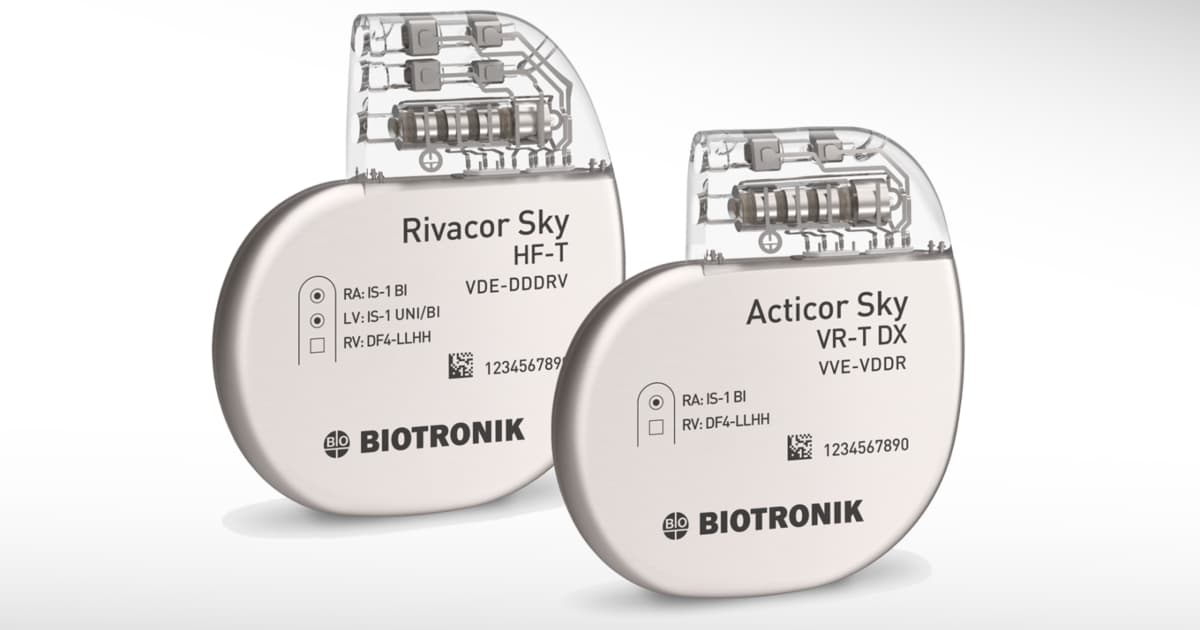
FDA Approves 2 Implantable Heart Devices From Biotronik
The FDA has cleared Biotronik’s Acticor Sky and Rivacor Sky implantable cardioverter‑defibrillator (ICD) and cardiac resynchronization therapy defibrillator (CRT‑D) systems, set to launch at the Heart Rhythm Society 2026 meeting. The devices introduce left bundle branch area pacing, single‑lead DX atrial sensing,...
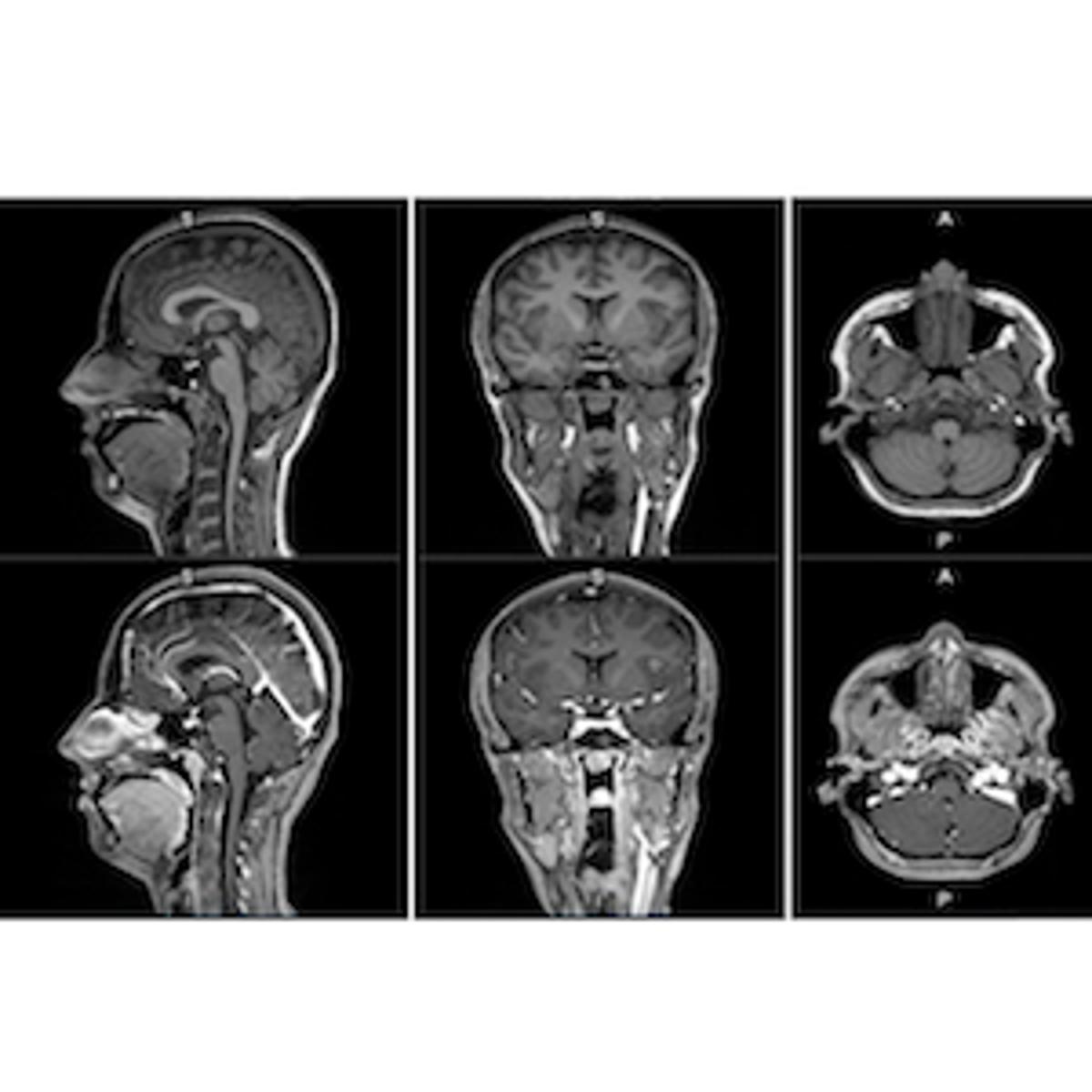
GE HealthCare: First Patient Dosed in Trial for Manganese-Based MRI Contrast Agent
GE HealthCare announced that the first patient was dosed in the international Phase 2/3 LUMINA trial of its manganese‑based MRI contrast agent, mangaciclanol, at the Mayo Clinic. The agent has earned FDA Fast Track designation for adults and children aged two...

CERN’s Medipix3 Technology on Track to Help More Patients
Medipix3, a hybrid pixel detector technology originally created at CERN, now powers MARS Bioimaging’s portable photon‑counting CT scanner for upper‑limb imaging. The scanner received FDA 510(k) clearance, allowing it to enter the U.S. health market and expand clinical adoption. Photon‑counting...

BBOT Shakes up Leadership as RAS Competitors Get More Visibility
BridgeBio Oncology Therapeutics (BBOT) dismissed CEO Eli Wallace and promoted CSO Pedro Beltrán to chief executive as the board seeks faster progress on its RAS‑focused pipeline. Shares, already down 18% to $8.76, slipped further after the announcement. The board also...

Kurma Partners Closes €215 Million Biofund IV to Back European BioTech Ventures From Paris
Kurma Partners announced the final close of Biofund IV at €215 million (about $232 million), a 35% increase over its €160 million (≈$173 million) predecessor. The fund, backed by pharmaceutical giant CSL, the European Investment Fund and Bpifrance, aims to make roughly twenty investments in...

Novo's Pill for Kids; Altimmune’s $225M Offering; Merck Teams with Google Cloud
Novo Nordisk reported that its oral GLP‑1 drug Rybelsus reduced hemoglobin A1C by 0.83% in adolescents aged 10‑17 with type‑2 diabetes after about six months of treatment. The result marks the first pediatric efficacy data for a GLP‑1 pill, expanding...

Amneal to Buy a Biosimilar Company; Samsung Bio Workers Protest
Amneal Pharmaceuticals announced it will acquire biosimilar developer Alvotech for an upfront $375 million, with additional contingent payments tied to regulatory milestones. The deal expands Amneal’s pipeline into high‑margin biologics, adding several approved and late‑stage biosimilar candidates. Concurrently, workers at Samsung...

Sanofi Defends Dupixent Patents, but Execs Insist It Has Nothing to Do with CEO Change
Sanofi’s interim leadership used its Q1 earnings call to reaffirm a robust patent shield for Dupixent, extending protection through 2045 despite the drug’s looming loss of exclusivity. The biologic delivered $4.9 billion in quarterly sales, a 31% increase, and remains the...

Donald Trump Is Giving Psychedelic Medicines a Welcome Boost
President Donald Trump signed an executive order on April 18, 2026, after a text from podcaster Joe Rogan highlighted ibogaine’s potential for opioid addiction. The order directs the FDA to issue priority review vouchers for selected psychedelic drugs and earmarks new...

Endpoints Wins Neal Awards for Trump and Gene Editing Coverage, JPM Event
Endpoints News earned three 2026 Neal Awards, honoring its in‑depth reporting on the pharmaceutical sector’s ties to the Trump administration, a three‑part series on gene‑editing breakthroughs, and its coverage of the JPMorgan health‑care conference. The awards, presented by the American...

Unnamed Pharma Files Citizen Petition Targeting FDA’s Trove of Rejection Letters
An unnamed pharmaceutical firm has lodged a citizen petition urging the FDA to halt its new practice of automatically publishing complete response letters (CRLs). The petition seeks a 10‑day notice period for sponsors to contest disclosure and a clear redaction...

Roche Insists Amylin Obesity Drug Still Valuable for Patients Who ‘Don’t Want Side Effects’
Roche defended its amylin‑based obesity drug petrelintide after Phase 2 ZUPREME‑1 data showed a 9% placebo‑adjusted weight loss over 42 weeks, falling short of analyst expectations of 12% and the 16% seen with Eli Lilly’s eloralintide. The study highlighted petrelintide’s strong tolerability,...