Mabwell Announces Acceptance of Supplemental Biologics License Application by NMPA for MAIWEIJIAN (Denosumab)
Chinese biopharma Mabwell announced that the National Medical Products Administration has accepted a supplemental biologics license application for MAIWEIJIAN, its denosumab biosimilar. The 120 mg injection, already approved in China for giant cell tumor of bone and in Pakistan, is now being positioned for prevention of skeletal‑related events in multiple myeloma and solid‑tumor bone metastases. Mabwell has secured cooperation agreements in 33 countries and filed registrations in eight additional markets. Clinical studies published in JAMA Oncology confirm pharmacokinetic and efficacy parity with the reference product.

Effect of ‘Gamechanger’ Alzheimer’s Drugs ‘Trivial’, Review Concludes
A new Cochrane Review of 17 clinical trials involving more than 20,000 participants found that anti‑amyloid drugs—including lecanemab and donanemab—produce only trivial cognitive benefits and modest functional gains over 18 months. The analysis also highlighted a higher incidence of brain...
Spatial and Single-Cell Characterization of Human Glioblastoma Tumor Microenvironment Reveals Malignant Cellular Communities
The research combined spatial transcriptomics, single‑cell RNA sequencing, scATAC‑seq and Patch‑seq from 100 glioblastoma patients, covering 121 spatial profiles. It revealed four malignant cellular communities that consistently share cell‑type composition and gene‑expression patterns. Within these, two mesenchymal‑like tumor subpopulations were...

Improving Immunotherapy in Solid Tumors Using FMT
Recent phase 2 trials demonstrate that fecal microbiota transplantation (FMT) significantly improves the efficacy of first‑line immune checkpoint inhibitors in renal cell carcinoma, cutaneous melanoma, and non‑small cell lung cancer. The benefit is linked to functional remodeling of the gut...

Enhancing Antitumour Nanovaccine Efficacy via Integrated Cholesterol Modulation in Situ
Researchers have created a nanovaccine, NPCM‑OT, that simultaneously delivers tumor antigens and depletes cholesterol from dendritic cell membranes. The cholesterol reduction reshapes lipid microdomains, enhancing immune‑synapse formation and CD8⁺ T‑cell activation. In multiple mouse tumor models, the vaccine showed both...
The Hallmarks of Cancer: 25 Years Guiding Discovery and Therapy
Twenty‑five years after the original six Hallmarks of Cancer were proposed, Douglas Hanahan updates the framework to incorporate new hallmarks such as deregulated metabolism, immune evasion, and the tumor microenvironment. Advances in genomics, single‑cell and spatial profiling have deepened insight...

Targeting Genomic Instability in Cancer
Genomic instability fuels cancer evolution and simultaneously creates therapeutic vulnerabilities. Decades of genotoxic chemotherapy and radiation have given way to precision approaches that exploit DNA‑damage response (DDR) defects, most notably PARP inhibitors for BRCA‑mutated tumors. The pipeline now includes dozens...

Quantum Computers Take on Health Care: Light-Sensitive Cancer Drugs Win US$2-Million Contest
A team comprising Algorithmiq, IBM, and the Cleveland Clinic secured the $2 million Quantum for Bio prize by demonstrating a hybrid quantum‑classical simulation of a light‑sensitive cancer drug. The approach models photon‑electron interactions on IBM’s Quantum System One, revealing how molecular...

Singapore: AI Biochip Speeds Up Genetic Marker Detection to 20 Minutes
Scientists at Nanyang Technological University have unveiled an AI‑powered biochip that identifies disease‑linked microRNA markers in just 20 minutes using a single drop of blood. The nanophotonic chip amplifies fluorescent signals, while deep‑learning algorithms analyze thousands of nanocavities in real...

GLP-1s Don't Work for Everyone: Why, and What to Do?
GLP‑1 receptor agonists have become a cornerstone of modern weight‑loss therapy, yet roughly 20% of patients fail to achieve meaningful reductions. A recent review proposes pairing a GLP‑1 drug with the naltrexone‑bupropion combo (Contrave) to address this gap, leveraging complementary...

Single Blood Sample Could Soon Screen for Several Cancers, Study Suggests
UCLA researchers unveiled MethylScan, a low‑cost blood test that reads DNA methylation patterns in cell‑free DNA to flag multiple cancers and liver diseases from a single draw. By stripping out 80‑90% of background DNA, the assay slashes sequencing needs, driving...

Color Test 'Sniffs Out' Dangerous Staph Strains Fast
Researchers at RMIT University have created a rapid, low‑cost color‑changing test that distinguishes virulent and antibiotic‑resistant Staphylococcus aureus strains. The assay uses gold nanozyme particles and DNA aptamer binders to generate strain‑specific color fingerprints, functioning effectively in simulated wound fluid....
PrecisionLife and Ovation Target GLP-1 Response Variability with New Biomarker-Driven Collaboration
PrecisionLife and Ovation.io have teamed up to convert multi‑omic analyses of GLP‑1 receptor agonist use into predictive biomarker tools, including laboratory‑developed tests and a consumer DNA test. Early findings reveal separate biological drivers for glycemic control (HbA1c reduction) and weight...

Decoding the HRD Puzzle: Enhancing Precision Oncology Through Expanded Genomic Profiling-April 2, 2026
Labcorp announced an upgrade to its OmniSeq INSIGHT test, now incorporating an integrated homologous recombination deficiency (HRD) assessment powered by Illumina’s TSO500 workflow. The webinar detailed how genomic scar metrics—loss of heterozygosity, telomeric allelic imbalance, and large‑scale state transitions—correlate with response...

Spain Plants US$200m Flag in Boston with Debut US Biotech Fund
Spain has unveiled a $200 million venture‑capital fund based in Boston, anchored by $57 million of public seed capital. The fund will back Spanish life‑science startups seeking to scale within the U.S. ecosystem and co‑invest in select American biotech firms. A new...
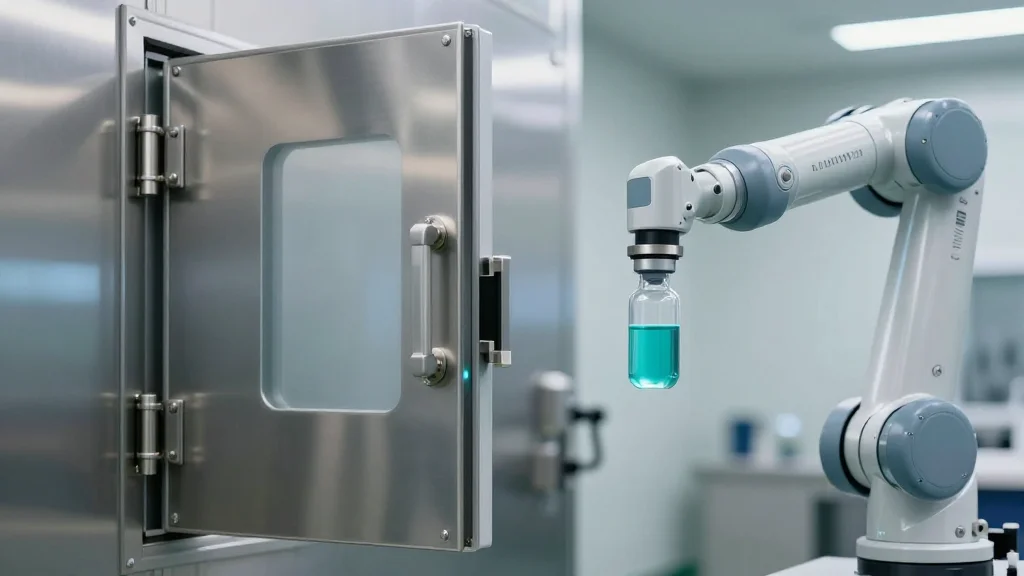
Fujifilm Biotechnologies Opens New QC Lab in Denmark
Fujifilm Biotechnologies has opened a 2,000‑square‑meter GMP‑approved quality control laboratory at its Hillerød, Denmark site. The facility, designed for bioassay and virology work, will accommodate roughly 100 quality‑team members and features robotics, airlocks and a new LIMS for digital data...

Real-World Evoque Data Reassure, but It’s Still Early Days With TTVR
Early US real‑world data from the TVT Registry show that transcatheter tricuspid valve replacement (TTVR) with Edwards' Evoque device matches or modestly exceeds outcomes from the pivotal TRISCEND II trial. In 1,034 patients (average age 77, 69% female) 30‑day mortality was...

New Drug Protects Against Life-Threatening Pancreatitis
A new RNA‑based drug, plozasiran, received its first clinical validation for a rare inherited disorder that causes extreme blood‑fat accumulation and recurrent acute pancreatitis. In the PALISADE trial, a single injection every three months lowered the risk of pancreatitis by...

CRISPR Variant Selectively Targets Tumor DNA
Researchers at Van Andel Institute and Wageningen University have engineered a CRISPR variant, ThermoCas9, that reads DNA methylation patterns to differentiate tumor DNA from healthy DNA. The enzyme selectively cuts methylated cancer sequences while sparing unmethylated normal genes, a finding published...

Rapid Melatonin Test Can Help Astronauts and Others Easily Monitor Their Biological Rhythm
Washington State University researchers have created a 15‑minute melatonin test that combines a paper‑strip assay with a 3D‑printed smartphone fluorescence reader. The lateral‑flow immunoassay uses europium nanoparticles to achieve laboratory‑grade sensitivity of 10 picograms per milliliter, pinpointing the onset of an...

FDA Links Weight Loss Pill to ‘Unexpected’ Cardiovascular Risks
Eli Lilly’s oral GLP‑1 weight‑loss pill Foundayo (orforglipron) received FDA approval in early April, becoming the second oral GLP‑1 on the market after Novo Nordisk’s semaglutide. The agency’s approval letter, however, highlighted an unexpected serious risk of major adverse cardiovascular events, along...
InSPECt™ MS – Global HCP Profiling and Quantification by Native Digestion and LC-MS Analysis
The inSPECt™ MS platform combines native digestion with high‑resolution LC‑MS to quantify host‑cell proteins (HCPs) relative to spiked‑in protein standards. Calibration using the Cygnus Protein Standard demonstrated a linear response from 10 to 500 ppm with coefficients of variation under 18 %...

MiniMed Flexes with Next-Gen Insulin Pump After Spinning Off From Medtronic
MiniMed, the newly independent diabetes business spun out of Medtronic, secured FDA clearance for its next‑generation MiniMed Flex insulin pump within two weeks of its March 2026 IPO. The Flex is a screenless, pocket‑sized device that retains the 300‑unit reservoir...

Vitamin C Alleviates Aging in Cynomolgus Monkeys
Researchers introduced the term “ferro‑aging” to describe iron‑driven lipid peroxidation that accelerates cellular senescence. They showed that excess iron elevates ACSL4, boosting reactive oxygen species and aging markers in cells, mice and cynomolgus monkeys. A high‑throughput screen identified vitamin C as...
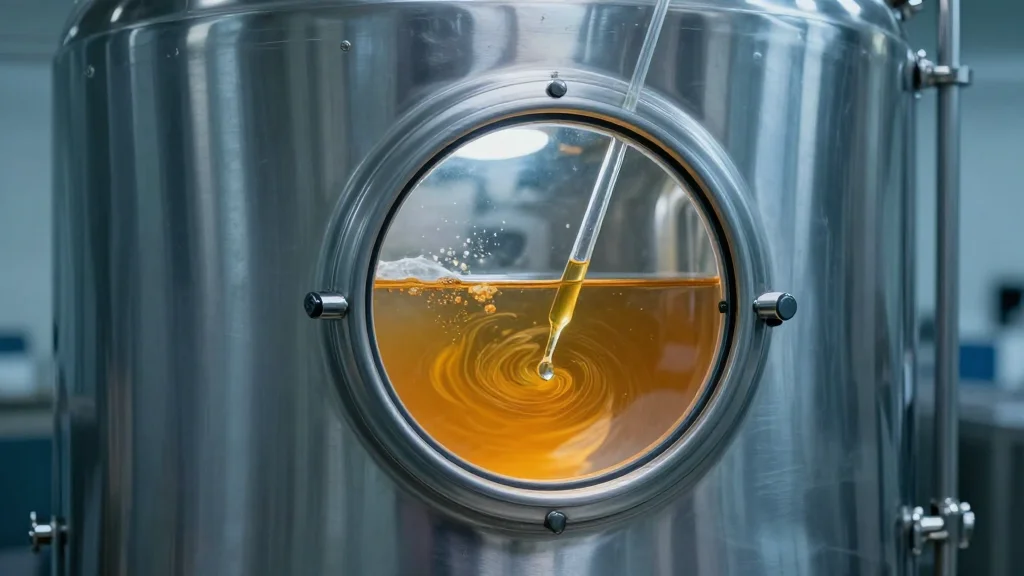
Digital Twin Process Could Slash Microbial Protein Costs
A consortium led by Novasign has built an end‑to‑end digital twin of the microbial protein production process, promising to cut experimental runs by roughly 70% compared with traditional design‑of‑experiments approaches. The model spans upstream to downstream steps, offering real‑time deviation...
Ultra- and Diafiltration Clear Leachables Effectively
A new study from the National Institute for Bioprocessing Research demonstrates that ultrafiltration and diafiltration (UF/DF) consistently remove over 98% of 24 out of 28 tested leachable compounds across three distinct protein processes. The clearance is largely driven by the...

IPSC-Based Manufacture Vs. Autologous Model Production Costs Examined via Financial Analysis
A new Cellistic white paper quantifies the cost advantage of using induced pluripotent stem cells (iPSCs) to manufacture NK cell therapies. The analysis shows cost of goods per dose can drop to roughly $5,000, a 95% reduction compared with $115,000...

Biopharma Adopting AI Despite Remaining GMP Compliance Questions
Biopharma firms are rapidly integrating artificial intelligence and machine learning into manufacturing, but regulatory‑compliant use cases remain a hurdle. Thermo Fisher’s senior director emphasizes that AI should augment, not replace, validated processes and must operate within a clear GMP framework....

This Pill May Help Pancreatic Cancer Patients Live Longer
Revolution Medicines announced that its RAS‑blocking pill daraxonrasib more than doubled median overall survival for patients with metastatic pancreatic cancer, extending it to 13.2 months versus 6.7 months on chemotherapy. The data will support an expedited FDA filing, and the...

In Vivo Autoimmune CAR-T Race Grows as Two RNA Startups Enter the Clinic
Two RNA‑focused biotech firms have entered human trials of in vivo CAR‑T therapies targeting autoimmune diseases. China’s Immorna reported its first systemic sclerosis patient treated with an RNA‑delivered CAR‑T that reduced peripheral B‑cell activity. A U.S. startup, GeneCure, launched a...

US FDA to Convene Expert Panel to Review Wider Access to some Peptides
The U.S. Food and Drug Administration announced it will convene an external advisory panel in July to decide whether licensed compounding pharmacies can resume manufacturing more than half a dozen peptides that were barred in 2023. The ban covered 14...

Former FDA Cancer Chief Pazdur Warns of the Political 'Breach' Of Review Teams
Richard Pazdur, who led the FDA’s oncology review program for more than two decades, stepped down in December after only a few weeks as director of the agency’s Center for Drug Evaluation and Research. In his departure, Pazdur warned that...

Novel Targets for Complex Cancer Revealed by Genetic Regulatory Node Mapping
Researchers at Rockefeller University unveiled PerturbFate, a single‑cell platform that maps how diverse genetic variations reshape cellular behavior over time. By profiling DNA accessibility, RNA output, and chromatin state in thousands of cells, the system identified common regulatory nodes that...

Revolution Medicines Prices $2B Raise as XBI Reaches Heights Not Seen Since Pandemic
Revolution Medicines priced a $2 billion public offering, marking the biotech sector’s largest equity raise since the COVID‑19 pandemic. The capital raise follows a recent positive readout from the company’s late‑stage trial, boosting investor confidence. The move helped lift the SPDR...

What’s the Deal with Alzheimer’s Disease and Amyloid?
A wave of retractions, including a 2011 Neurobiology of Aging paper, has exposed fabricated data behind the amyloid‑β hypothesis for Alzheimer’s disease. Decades of costly clinical trials targeting amyloid‑β have repeatedly failed to deliver meaningful cognitive benefits, culminating in the...
BIO Launches ‘Fight of Our Lives’: The Real Stories, Power, and Promise of American Biotech at a Defining Moment
The Biotechnology Innovation Organization (BIO) has launched the "Fight of Our Lives" campaign, using real patient narratives to underscore the impact of American biotech. The initiative features three inaugural stories—a rare‑genetic condition treated with targeted gene therapy, the first CAR‑T...

Whitepaper: CDMOs at a Crossroads
The contract development and manufacturing organization (CDMO) sector is undergoing a rapid transformation as pharma and biotech firms chase end‑to‑end solutions for biologics, cell and gene therapies. Demand for specialized partnerships is rising alongside U.S. policies that encourage domestic production....
Obsidian, Galera to Advance Cell Therapy Following Reverse Merger
Obsidian Therapeutics will go public on Nasdaq via a reverse merger with Galera Therapeutics, creating a combined entity focused on OBX-115, a tumor‑infiltrating lymphocyte (TIL) cell therapy. OBX-115 is in mid‑stage melanoma and early‑stage lung‑cancer trials and is designed to...

BMS Makes a Beeline, Bringing 5 Assets to Biotech's $300M Precision Immunology Debut
Bristol Myers Squibb has spun out a new biotech, Beeline Medicines, backed by $300 million from Bain Capital and an initial portfolio of five assets. The company, led by former SpringWorks CEO Saqib Islam, will focus on precision therapies for autoimmune...

STAT+: Pharmalittle: We’re Reading About FDA Seeking More Data on a Lilly Obesity Pill, a Pharma 340B Win, and More
U.S. FDA has asked Eli Lilly to provide additional safety data on its newly approved obesity drug Foundayo, mandating post‑marketing trials for cardiovascular events, delayed gastric emptying, and a lactation study. The pill, a GLP‑1 agonist, received accelerated approval through the...

Eight Allergy Companies to Watch in 2026
The allergy‑treatment landscape is moving from symptom relief to disease‑modifying therapies, with eight biotech firms leading the charge in 2026. Allergy Therapeutics secured German approval for its short‑course Grassmuno vaccine, while Aravax bolstered its board ahead of a phase 3 launch...

Ads for GLP-1 Drugs Are Flooding the Internet – Here’s How to Know if It’s Safe to Buy Them Online
The surge in online advertisements for GLP‑1 weight‑loss drugs, amplified by a high‑profile Super Bowl commercial, has led many consumers to seek cheaper, compounded versions of medications like Ozempic and Wegovy. The FDA warns that these non‑brand products often bypass...
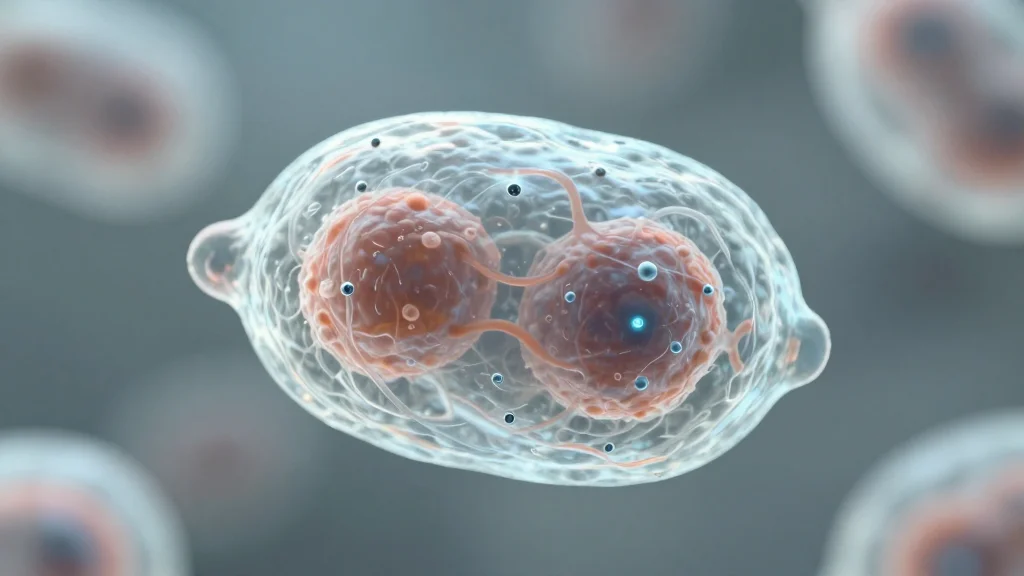
New Technique Maps Cancer Drug Uptake Inside Living Cells
Researchers at the University of Surrey and King's College London have unveiled a new analytical workflow that maps metal‑based cancer drugs inside living cells. By pairing SEISMIC capillary sampling with laser‑ablation ICP‑MS, they detected trace thallium—used as a surrogate for...

Australian Bee Glue Delivers a Scar-Fighting Compound that Shuts Down Raised Scars Before They Take Hold
University of the Sunshine Coast researchers have isolated a natural compound, tomentosenol A, from the propolis of the Australian stingless bee Tetragonula carbonaria. Laboratory tests on human skin cells showed the molecule blocks scar‑forming signals and induces fibroblast self‑destruction, mimicking normal...

ARS Pharmaceuticals Reports Health Canada Approval of Neffy 2mg to Treat Type I Allergic Reactions
Health Canada has approved ARS Pharma’s neffy 2 mg adrenaline nasal spray for adults and children weighing over 30 kg, marking the first needle‑free emergency treatment for anaphylaxis in the country. In November 2024, ARS granted ALK exclusive rights to commercialize neffy...

Will Cancer Drugmakers Ever Conquer P53?
Elephants’ 20 copies of the TP53 gene give them a powerful p53‑driven cancer shield, while humans rely on a single copy that is frequently mutated. Restoring p53 function has long been labeled “undruggable,” leading to a string of high‑profile failures,...

Takeda Continues to Prune Partnerships, Cuts Ties with mRNA-Targeting Veritas In Silico
Takeda announced the termination of its three‑year partnership with Veritas In Silico, a collaboration focused on small‑molecule drugs that target mRNA. The split, confirmed on April 13, follows a recent wave of collaborator cuts, including a break with Denali Therapeutics and...

TOBY Secures US FDA Breakthrough Device Designation for Urine-Based Multi-Cancer Test
TOBY has received FDA Breakthrough Device Designation for its urine‑based Multi‑Cancer Early Detection (MCED) test. The non‑invasive platform analyzes volatile organic compounds in a single urine sample using spectroscopy and machine‑learning algorithms to identify multiple cancer types. The designation positions...

Bioadhesive Scaffold for Dual Delivery of Methotrexate‐Loaded Liposomes and Chondrogenic miRNA in Advanced Rheumatoid Arthritis Therapy
Researchers have engineered a bioadhesive scaffold that couples inflammation‑responsive methotrexate‑loaded liposomes with miRNA‑140‑bearing nanoparticles to treat advanced rheumatoid arthritis. The scaffold, composed of collagen, polydopamine‑modified hyaluronic acid and PEGDE cross‑linker, adheres to joint tissue, releases methotrexate when matrix metalloproteinases are...

Multimodal Analysis of the Early Stage of Amyloid Formation via Graphene Liquid Cell Electron Microscopy
Researchers have combined graphene liquid‑cell transmission electron microscopy (GLC‑TEM) with semi‑ensemble and time‑sequential analyses to watch amyloid‑β oligomer formation in real time. The multimodal approach reveals that early‑stage aggregates exist in a kinetic quasi‑equilibrium, where rapid association‑dissociation events keep population...