
Genome Sequencing Solves Rare Disease Mysteries
A Karolinska Institute study of more than 15,000 patients used whole‑genome sequencing to pinpoint a genetic cause in 22.6% of cases, marking one of the largest clinical genome‑sequencing efforts to date. The program uncovered over 4,400 disease‑causing variants across 1,570 genes, demonstrating that comprehensive DNA analysis can resolve rare‑disease diagnoses at scale. The findings bolster nationwide newborn‑screening initiatives, such as Florida’s Sunshine Genetics Act and the UK’s NHS plan, which has earmarked roughly $830 million to sequence every newborn in England. The open‑source analysis tools and multidisciplinary review model provide a replicable blueprint for health systems worldwide.

Batch of Anti-Anxiety Drug Xanax Recalled, F.D.A. Says
The FDA announced a recall of a single batch of Xanax XR, the extended‑release formulation of the popular anti‑anxiety medication. Viatris, the drug’s distributor, is pulling 51 bottles of 3 mg tablets because they may not dissolve properly, potentially altering drug...

Toward Equitable Access to Cell and Gene Therapies: Rethinking Co-Payments
Cell and gene therapies now command one‑time price tags exceeding $3 million, creating affordability challenges for the U.S. health‑care system. While patient cost sharing represents a tiny slice of total spending, deductibles and coinsurance can still impose thousands of dollars in...

FDA Webinar on the RCT-DUPLICATE Initiative: Emulating Randomized Clinical Trials with Non-Randomized Real-World Data Studies - 04/29/2026
On April 29, 2026 the FDA hosted a free public webinar to update stakeholders on the RCT‑DUPLICATE demonstration project. The initiative compares non‑randomized real‑world data (RWD) studies with randomized controlled trial (RCT) outcomes to assess causal validity. Findings show strong...

FDA Extends Review of Savara’s Molgramostim BLA for PAP
Savara’s inhaled GM‑CSF therapy, molgramostim, received a three‑month FDA review extension, moving the PDUFA target action date to November 22, 2026. The extension follows the agency’s classification of the company’s recent data submissions as a major amendment, but it did not signal...

Regulatory Actions for April 16, 2026
BioWorld’s April 16, 2026 regulatory snapshot lists a flurry of biopharma and med‑tech actions, ranging from new drug submissions to market approvals and designations. Companies such as Airs, Aligos, AOP, Arbutus, Cala, Dogwood, Immutep, Leadiant, Northstar, Opna, Reach Surgical, Waters and Xspray...

STAT+: Researchers Behind GLP-1 Obesity Drugs Advance New Approach: Drop GLP-1 as a Target
Researchers who helped create GLP‑1 obesity drugs such as Eli Lilly’s Zepbound are now testing a different strategy. A team led by Richard DiMarchi and Matthias Tschöp engineered a molecule that activates GIP and glucagon receptors, showing weight‑loss results in...

FDA Approves Fast-Acting Heart Drug for Children
Austrian firm AOP Health received FDA approval for its fast‑acting IV beta‑blocker landiolol, marketed as Rapiblyk, to treat supraventricular tachycardia in pediatric patients. The decision follows the LANDI‑PED study, which enrolled 60 children and demonstrated more than a 20% reduction...

Developers Back Alzheimer’s Drugs Despite Report Suggesting Lack of Efficacy
A new Cochrane review of 17 trials involving 20,342 patients concludes that anti‑amyloid drugs for Alzheimer’s disease deliver only trivial or no clinically meaningful cognitive benefit and may increase the risk of amyloid‑related imaging abnormalities (ARIA). Eli Lilly’s donanemab (Kisunla) and...

STAT+: Cochrane Review Reignites Alzheimer’s Amyloid Wars
The FDA announced it will convene an external advisory panel to revisit rules on compounded peptides, with meetings slated for July and a follow‑up before February 2027. A new Cochrane review has reignited controversy over amyloid‑targeting Alzheimer’s therapies, questioning their...

Trials Bolster LBBAP as an Alternative to Biventricular Pacing in CRT
Recent EHRA 2026 presentations deepened the evidence base for conduction‑system pacing as an alternative to traditional biventricular (BiV) cardiac resynchronization therapy (CRT). The LECART trial showed a composite event rate of 12% with left bundle branch area pacing (LBBAP) versus...

Tumour Cells Use a Genetic Trick to Become Drug-Resistant
Researchers have identified that many tumor cells evade traditional Mendelian inheritance, enabling them to acquire drug‑resistance traits far faster than previously understood. The genetic maneuver involves non‑standard chromosome segregation and gene amplification, which let cancer cells adapt to chemotherapy pressures....

New Data Point to LAAO as a Safe Alternative to Long-Term Drug Therapy
The CHAMPION‑AF trial, presented at ACC.26, randomized roughly 3,000 atrial‑fibrillation patients to either the Watchman FLX left atrial appendage occlusion (LAAO) system or standard non‑vitamin K oral anticoagulants (NOACs). The composite endpoint of stroke, cardiovascular death and systemic embolism met non‑inferiority criteria,...

Pendulum Expands Mayo Clinic Collaboration Into Women’s Health and Dermatology
Pendulum Therapeutics is deepening its partnership with Mayo Clinic to launch interventional microbiome trials in women’s health and dermatology. The new studies will examine bone health in breast‑cancer patients, menopause transition, and the gut‑skin axis, moving beyond associative research. Pendulum...
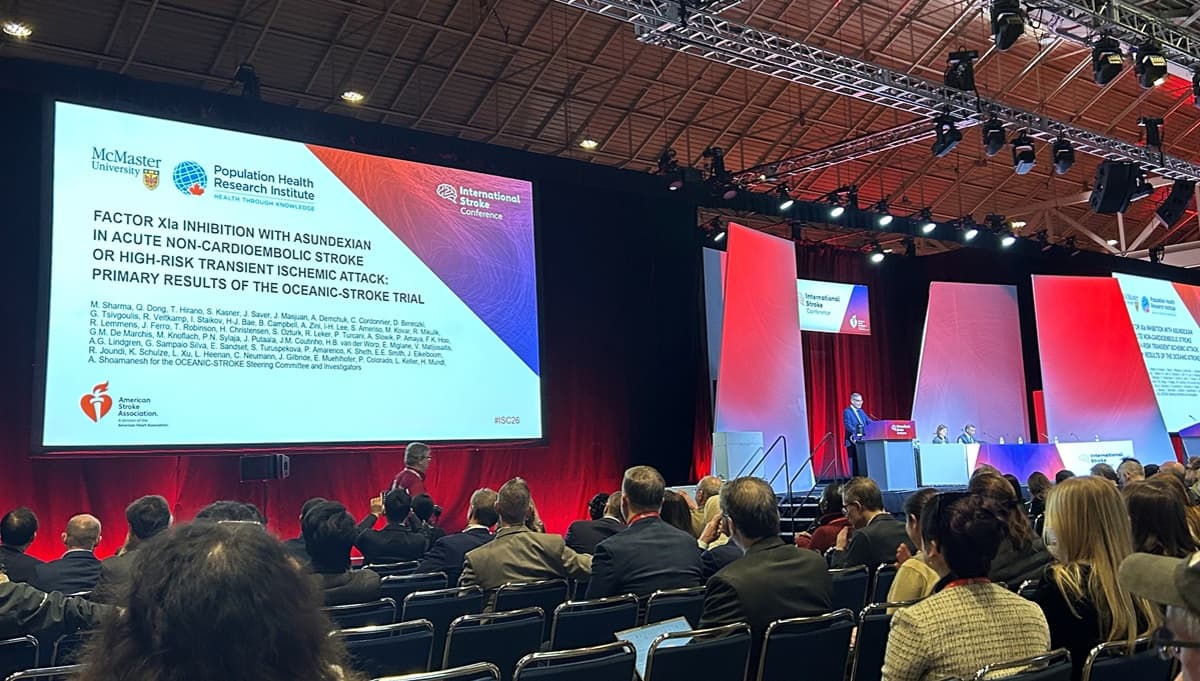
Now Published - OCEANIC-STROKE: Asundexian Prevents Recurrent Strokes, With No Added Bleeding
The phase III OCEANIC‑STROKE trial showed that adding Bayer's factor XIa inhibitor asundexian to standard antiplatelet therapy reduced recurrent ischemic strokes from 8.4% to 6.2% over two years, without raising major bleeding risk. The study enrolled 12,237 patients with recent non‑cardioembolic stroke...
7 Things to Know About the Nonprescription Drug Product with an Additional Condition for Nonprescription Use Final Rule
The FDA’s Center for Drug Evaluation and Research issued a final rule establishing an “Additional Condition for Nonprescription Use” (ACNU) pathway for over‑the‑counter medicines. Under ACNU, a drug can be sold without a prescription but must include an extra consumer‑screening...

Decoding the Blood-Brain Barrier
Johns Hopkins professor Peter Searson’s lab is building stem‑cell‑derived, tissue‑engineered blood‑brain barrier (BBB) models to study how diseases such as Alzheimer’s, multiple sclerosis, obesity and traumatic brain injury compromise the brain’s vascular shield. Funded primarily by the NIH, the effort...
Electronic Submission of Adverse Event Reports to FDA Adverse Event Reporting System (FAERS) Using International Council for Harmonisation (ICH) E2B(R3)...
The U.S. Food and Drug Administration held two public meetings on April 4 and November 7, 2023 to outline upgrades to electronic adverse event reporting using the ICH E2B(R3) standard. The sessions targeted both pre‑market and post‑market safety surveillance programs managed by CDER and...

Medtronic Confirms Paclitaxel Balloon’s Efficacy in Post-Approval Trial
Medtronic reported that its IN.PACT AV paclitaxel‑coated balloon achieved a 70.2% target lesion patency rate at 12 months in a post‑approval study of end‑stage kidney disease patients. This figure mirrors the 65.3% rate observed in the pivotal trial that secured FDA...

Precision Medicine Gaps Persist Amid Evidence and Access Challenges: Daryl Pritchard, PhD
At the AMCP 2026 meeting, senior vice‑president Daryl Pritchard highlighted persistent fragmentation, evidence gaps, and decision‑support shortfalls that curb precision‑medicine adoption. He stressed the need for robust clinical outcomes and cost‑effectiveness data to win payer and provider buy‑in. The panel...
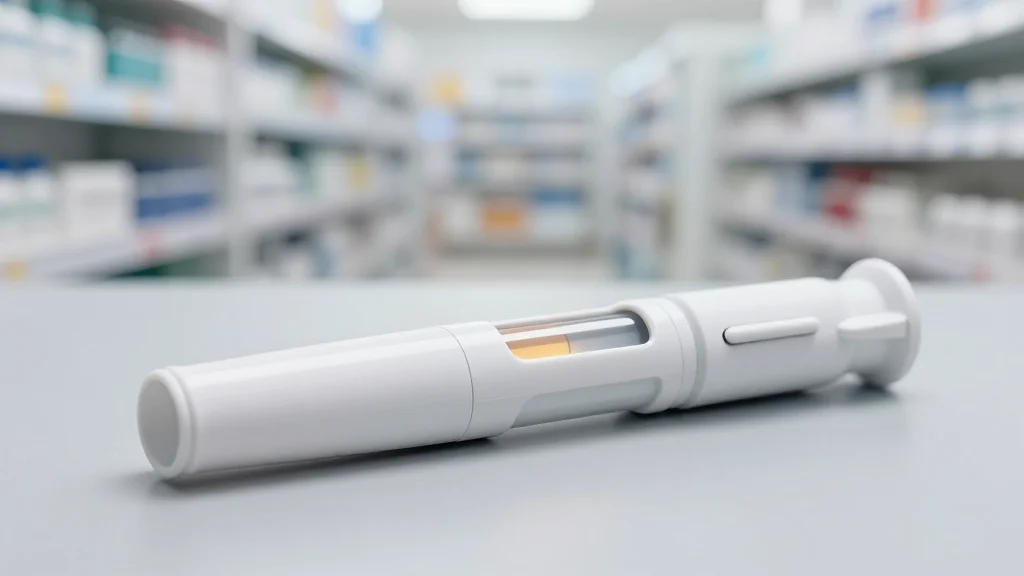
Long-Acting HIV Therapies Improve Adherence and Access Options: Kelsea Aragon, PharmD
At the Academy of Managed Care Pharmacy meeting, Dr. Kelsea Aragon highlighted long‑acting HIV injectables as a solution to adherence gaps that plague daily oral regimens. She cited lenacapavir, dosed every six months, and cabotegravir, administered every two months, as...

The Key Biomarkers Changing How and When We Diagnose Alzheimer’s Disease
Alzheimer’s disease will affect nearly 14 million Americans by 2060, with annual care costs projected to exceed $384 billion. The FDA has approved disease‑modifying therapies such as lecanemab and donanemab for patients with mild cognitive impairment, creating a demand for earlier, more...

Proteins.1 Launches with €4.7m to Make Protein Detection as Easy as PCR
Proteins.1, a Finnish spin‑off, announced a €4.7 million (~$5.1 million) pre‑seed round to commercialise a PCR‑style protein amplification platform. The enzyme‑free, solid‑state technology uses magnetic cycling and thin‑film transistors to read a single captured protein repeatedly, delivering up to 1,000× greater sensitivity...

STAT+: Pharmalittle: We’re Reading About a Review of Alzheimer’s Drugs, FDA Interest in Compounded Peptides, and More
A Senate‑Democrats report released ahead of a drug‑pricing hearing shows that companies which signed pricing deals with former President Trump have continued to raise drug prices, with new therapies averaging $353,000 a year and combined profits climbing to $177 billion in...

Aligos Therapeutics Licenses Pevifoscorvir Sodium to Xiamen Amoytop Biotech for Greater China
Aligos Therapeutics signed an exclusive license with Xiamen Amoytop Biotech to develop and commercialize its hepatitis B candidate pevifoscorvir sodium in Greater China. The agreement provides Aligos with a $25 million upfront payment and up to $420 million in milestone fees, plus...

New Lab-Grown Organoids Accurately Mimic Pediatric Brain Tumor Biology
Scientists at St. Jude Children’s Research Hospital have created patient‑derived tumor organoids and organoid xenografts that faithfully recapitulate the genetic, epigenetic and cellular landscape of pediatric brain tumors. The 3D models, validated with DNA methylation, bulk and single‑cell RNA sequencing, and...
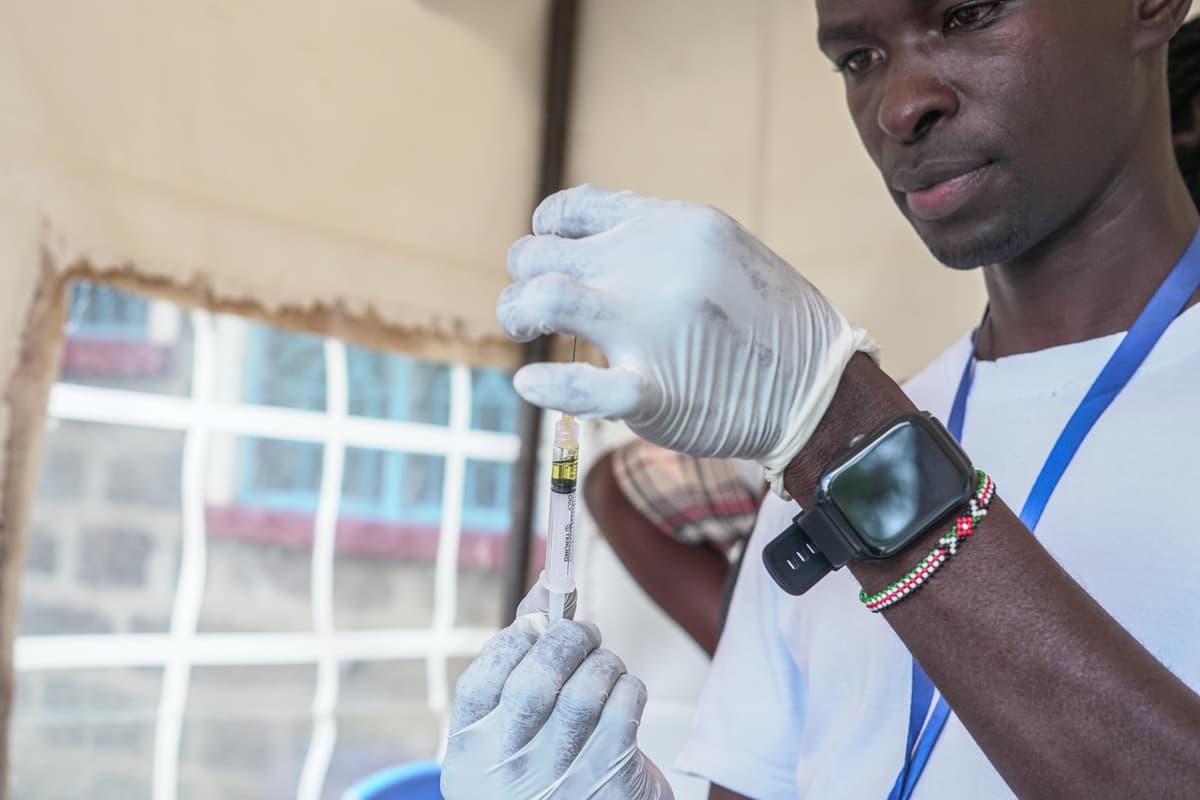
Breakthrough HIV Drug Is Out Of Reach For Many Who Need It Most
Gilead's long‑acting HIV pre‑exposure prophylaxis, lenacapavir, demonstrated almost 100% efficacy in trials and requires only two injections per year. The company can produce up to 10 million doses by 2026 but has pledged just 3 million through the Global Fund and PEPFAR,...
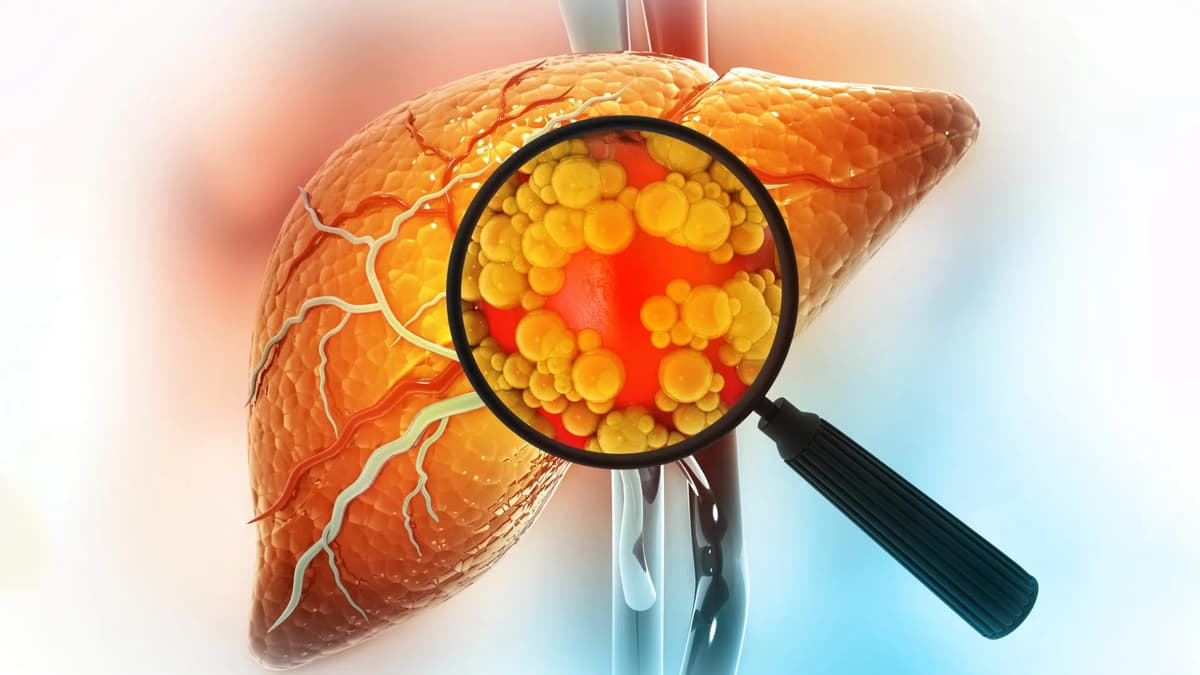
Scientists Remove “Zombie” Cells and Reverse Liver Damage in Mice
UCLA scientists discovered that senescent liver macrophages, marked by the p21‑TREM2 signature, accumulate with age and high cholesterol. In mice, the senolytic drug ABT‑263 selectively removed these cells, dramatically reducing liver size and body weight despite a continued unhealthy diet....

Interna Therapeutics Collaborates with Daiichi Sankyo to Develop MNM-Based Targeted Delivery Technologies
Interna Therapeutics announced a research collaboration with Daiichi Sankyo’s Boston Research Institute to evaluate its MNM (Molecular Nanoparticle Matrix) technology as a delivery enhancer for targeted therapeutics. The partnership will integrate MNM molecules with Daiichi Sankyo’s targeting approaches, beginning with...

Lilly's Obesity Pill Heads for Diabetes Filing After Heart Risk Trial
Eli Lilly’s newly approved obesity medication, marketed as Foun…, demonstrated a 16% lower incidence of major cardiovascular events compared with a standard insulin regimen in a recent trial. The data, presented by Lilly, suggest the drug not only aids weight loss...

Phase III Study of Lilly’s Foundayo, Reaffirms Cardiovascular and Overall Safety Profile, Plus Improvements to Cardiometabolic Health
Eli Lilly announced that its oral GLP‑1 drug Foundayo (orforglipron) achieved the primary endpoint in the Phase 3 ACHIEVE‑4 trial, demonstrating non‑inferior major adverse cardiovascular event risk versus insulin glargine. The study, the largest of its kind with over 2,700 participants...
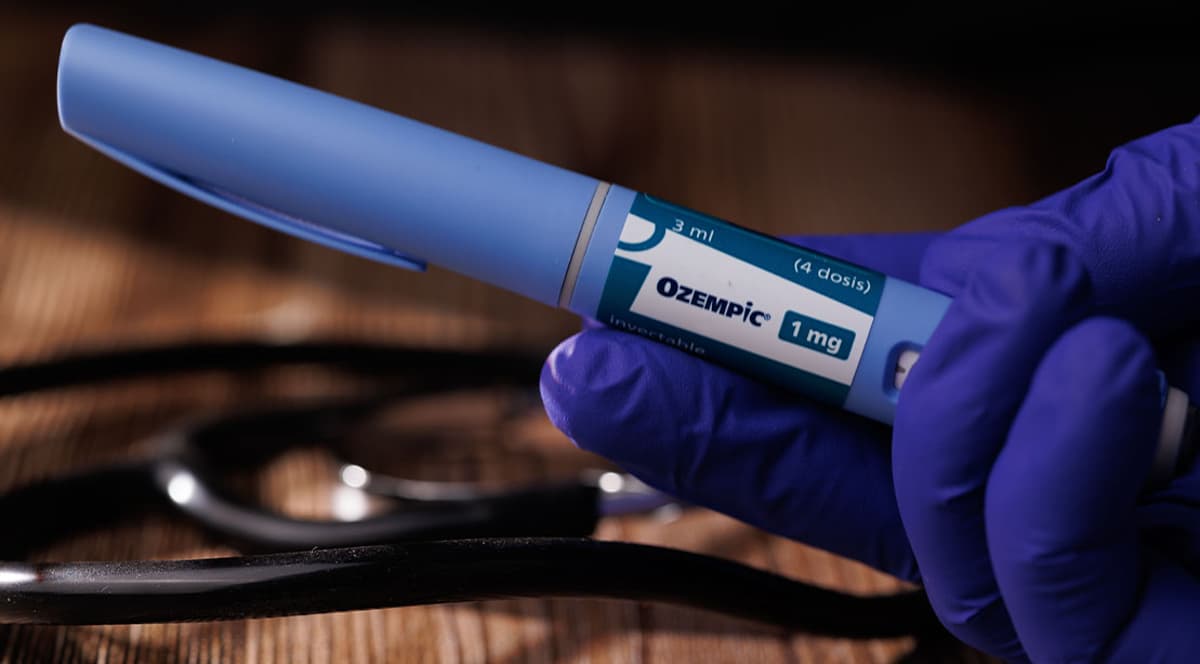
What Happens When You Stop Ozempic or Mounjaro? New Study Reveals Surprising Weight-Loss Results
A Cleveland Clinic analysis of nearly 8,000 Ohio and Florida adults who stopped GLP‑1 injectables—semaglutide (Ozempic/Wegovy) or tirzepatide (Mounjaro/Zepbound)—found minimal weight regain. Patients treated for obesity lost an average of 8.4% of body weight and regained only 0.5% after one...

Capture, Confine, Characterize: High‐Throughput Dielectrophoresis‐Based Single‐Cell Microfluidics Platform to Analyze Mammalian and Yeast Cells Using Raman Spectroscopy
Researchers unveiled the Microfluidic Dielectrophoretic Arresting System (MiDAS), a compact microelectrofluidic platform that uses dielectrophoresis to trap single mammalian cells, yeast, beads, and water‑in‑oil droplets at high throughput. The device features interchangeable trap geometries—20 µm for cells and beads, 40 µm for...

Programmable Targeted Hypermutagenesis via Diversity-Generating Retroelements
Researchers unveiled DGRec, a Diversity‑Generating Retroelements‑recombineering platform that delivers programmable, targeted hypermutagenesis in *E. coli*. The system harnesses DGR reverse transcriptase bias to achieve mutation rates of up to 1.38 × 10⁻² per base, generating up to 24 mutations within 48 hours across...

STAT+: Roche to Launch Another Elevidys Trial, with Eyes on European Approval
Roche announced a new Phase 3 trial of Elevidys, the gene‑therapy for Duchenne muscular dystrophy, targeting European approval after a negative EMA review last year. The study will enroll roughly 100 boys in the early stages of the disease and compare...

LEO Pharma Reports the US FDA’s sNDA Acceptance of Anzupgo for Use in Children with Chronic Hand Eczema
LEO Pharma announced that the U.S. Food and Drug Administration has accepted a supplemental New Drug Application for Anzupgo (delgocitinib) cream targeting adolescents aged 12 to 17 with moderate‑to‑severe chronic hand eczema. The acceptance follows the Phase III DELTA TEEN trial, which...

Thermoresponsive Complex Coacervates as Advanced Carriers for Cell‐Laden Liquid‐Core Capsules for Biomedical Applications
Researchers have engineered a thermoresponsive complex coacervate that can be injected and solidify at body temperature, serving as a carrier for liquid‑core capsules loaded with human adipose‑derived stem cells. The material shows shear‑thinning flow, a rapid sol‑gel transition at 37 °C,...

Breakthrough Science, Unequal Survival
Recent breakthroughs such as routine stem‑cell transplants and CAR‑T therapy have transformed treatment for several blood cancers, delivering long‑term remission for patients once deemed incurable. Yet blood cancer remains the UK’s third‑largest cancer killer, with 310,000 people living with or...

MRNA Vaccines Activate Unconventional CD8+ T Cells
A recent study published in *Nature Immunology* shows that mRNA COVID‑19 vaccines trigger a previously underappreciated subset of CD8+ T cells with innate‑like characteristics. These unconventional cells, resembling mucosal‑associated invariant T (MAIT) and γδ T cells, expand rapidly after the...

Innovation for a New Era of Cancer Care
The UK’s National Cancer Plan, released earlier this year, prioritises expanding genomic testing, liquid biopsies, and a national inherited cancer registry to modernise cancer pathways. Johnson & Johnson argues that linking these precision diagnostics to innovative therapies is essential for...

Cells Have a Secret 'Courier System' That Could Open Hard-to-Reach Targets for RNA and Gene Therapies
University College Dublin researchers have identified a previously unknown cellular "courier system" in which nanoparticles acquire a protein‑RNA "condensate corona" that shuttles functional biomolecules between cells. The corona forms a stable droplet that protects its cargo, escapes degradation, and delivers...

Decoding HBx–Smc6 Interaction: Advancing HBV Inhibition
A study in Cell Research reveals how hepatitis B virus protein HBx binds the host Smc6 subunit, triggering ubiquitin‑mediated degradation that lifts restriction on cccDNA and sustains infection. Cryo‑EM resolved the interface at near‑atomic resolution, identifying a pocket on Smc6 and...

Nucleai and Sirona Dx to Provide New Proteomics Solution for Pharma Companies
Nucleai and Sirona Dx have formed a partnership to deliver an end‑to‑end spatial proteomics solution for pharmaceutical and biotech companies. The joint offering unifies assay design, high‑quality imaging, and AI‑driven analytics to turn complex tissue data into actionable biological insights....

Unlocking the Value of Biodiversity in the UK and Ireland
Sequencing the DNA of all complex life in the UK and Ireland, the Darwin Tree of Life (DToL) project plans to generate reference genomes for 30,000 eukaryotic species. A Frontier Economics report estimates the initiative could deliver up to $3.8 bn...

Phantom Neuro Secures Approval for Muscle-Machine Interface Trial
Phantom Neuro has received regulatory clearance to launch its first‑in‑human trial of the Phantom X muscle‑machine interface in Melbourne, Australia. The early feasibility study, called CYBORG, will enroll up to ten unilateral below‑elbow amputees who will receive a single outpatient implant...

Boehringer Ingelheim and Zai Lab Team up for Dual DLL3 Therapy Study
Boehringer Ingelheim and Zai Lab have launched a Phase Ib/II trial that pairs Boehringer’s DLL3‑directed T‑cell engager obrixtamig with Zai Lab’s DLL3‑targeting ADC zoci. The study will evaluate safety, tolerability and early efficacy in patients with extensive‑stage small‑cell lung cancer and other neuroendocrine...

Boehringer Ingelheim and Zai Lab Team up for Dual DLL3 Therapy Study
German pharma giant Boehringer Ingelheim and China‑based Zai Lab announced a clinical collaboration to evaluate a dual DLL3‑targeting regimen in extensive‑stage small‑cell lung cancer and other neuroendocrine tumors. The Phase Ib/II study will combine Boehringer’s bispecific DLL3/CD3 T‑cell engager obrixtamig with...

Freya Biosciences Advances Microbial Treatment for IVF Implantation Failure
Freya Biosciences announced that its microbial immunotherapy designed to address IVF implantation failure has progressed to a Phase 2 mid‑stage trial after demonstrating safety and early efficacy in healthy volunteers. The therapy leverages modulation of the uterine microbiome to improve endometrial...

AOP Health Reports the US FDA Approval Rapiblyk (Landiolol) for Pediatric Patients with Supraventricular Tachycardia
The U.S. Food and Drug Administration has granted approval for Rapiblyk (landiolol) for pediatric patients from birth through 17 years old suffering from supraventricular tachycardia (SVT). The decision follows the LANDI‑PED trial, which enrolled 60 children and demonstrated a greater...

TLR7 Signature Uncovers Two Triple-Negative Breast Cancer Paths
A new multi‑institutional study identified a TLR7‑based gene signature that separates triple‑negative breast cancer (TNBC) into two biologically distinct pathways. Analysis of 312 tumor samples revealed that high TLR7 expression defines an immunogenic subtype with better prognosis, while low TLR7...