
Mammary Organoid Depot Enables Post-Surgery Chemo, Regeneration
Researchers have created a mammary organoid‑based depot that delivers a pH‑responsive doxorubicin prodrug directly to the surgical site while simultaneously regenerating breast tissue. The engineered organoids mimic lactation, loading drug‑laden lipid droplets into milk‑fat globules that are secreted locally, achieving 96% regression of tumor recurrence in mouse and human‑derived models. Integration with host tissue restores glandular architecture and even lactational function, offering a scaffold‑free alternative to conventional implants. The approach leverages human iPSC‑derived organoids, paving the way for personalized, low‑immunogenic post‑surgical therapy.

DTE Producer Hoping For FDA Leniency, BLA Approval
The FDA announced it will exercise enforcement discretion for animal‑derived desiccated thyroid extract (DTE), allowing the product to stay on the market even though it is classified as an unapproved biologic. Producers of DTE welcomed the move, noting it preserves...

Nanobody Repairs Misfolded CFTR Inside Cells, Boosting Function in Cystic Fibrosis
Researchers at Charité‑Berlin and the Leibniz FMP have engineered a cell‑penetrating nanobody that binds the F508del mutant CFTR inside lung cells, restoring proper folding and chloride transport. In vitro, the nanobody remained bound for at least 24 hours and rescued channel...

Personalized Bioelectrodes Improve Brain Signal Monitoring and Compatibility
Penn State researchers have created 3D‑printed hydrogel bioelectrodes that are customized to an individual’s brain geometry using MRI‑derived models. The honeycomb‑inspired, stretchable design conforms to cortical gyri and sulci far better than conventional stiff, one‑size‑fits‑all probes, delivering higher‑quality electrical signals....

Exploring Untapped Natural Chemistry for Future Medicines
Generare, a Paris‑based tech‑bio startup, is tackling AI drug‑discovery limitations by feeding models with diverse, biologically validated natural compounds from microbes. CEO Guillaume Vandenesch argues that current AI systems rely on narrow synthetic datasets, which restrict therapeutic relevance. The company...

Iris Long, Scientific Mentor to AIDS Activists, Dies at 92
Iris Long, a retired organic chemist, died at 92. She became a scientific mentor for ACT UP in 1987, guiding activists through FDA drug‑approval processes and clinical trial design. Her expertise helped accelerate access to experimental AIDS treatments, earning praise from...

Targeted Gene Delivery Calms Lung Inflammation in Respiratory Infection Mouse Models
Scientists at the University of Cambridge have engineered an adeno‑associated virus (AAV6.2‑CC10) to deliver anti‑inflammatory cytokines directly to mouse lung tissue. The platform achieved sustained, localized expression of IL‑1RA and IL‑10, markedly reducing lung damage and weight loss in influenza...

Two Bacteria Join Forces to Turn Chemical Signals Into Electricity, Opening up Low-Cost Sensing Options
Rice University researchers, together with Tufts and Baylor collaborators, unveiled e‑COSENS, a modular bioelectronic sensor that pairs engineered *E. coli* with quinone‑producing bacteria to turn chemical detection into an electrical signal. By using quinone as a programmable trigger, the system can...

Γ-Tocotrienol Inhibits HeLa Cell Proliferation Likely via Modulation of the PI3K/AKT/mTOR Signaling Pathway
Researchers found that γ‑tocotrienol (γ‑T3), a vitamin E isoform, markedly suppresses HeLa cervical‑cancer cell growth by down‑regulating the PI3K/AKT/mTOR signaling cascade. At 45 μmol/L, γ‑T3’s inhibition of pathway phosphorylation matched that of the PI3K inhibitor wortmannin, and combined treatment further reduced cell...

AMPLIFY Redefines CLL Care: Adam Kittai, MD
The FDA has cleared acalabrutinib (Calquence) combined with venetoclax (Venclexta) as the first all‑oral, fixed‑duration regimen for chronic lymphocytic leukemia. The approval follows the phase 3 AMPLIFY trial, which demonstrated superior progression‑free and overall survival compared with traditional chemoimmunotherapy. The study...

Shrink, Remove and Modify: Team Successfully 'Trims' Wheat Chromosomes
Researchers at Germany's Leibniz Institute of Plant Genetics and Crop Plant Research have used CRISPR‑Cas9 to cut satellite DNA, successfully shrinking or completely removing wheat chromosomes. The virus‑based delivery system bypassed traditional transformation, enabling rapid, large‑scale chromosomal edits. In some...

Soley Therapeutics Presents Preclinical Data Demonstrating Selective Anti-Tumor Activity of STX-6398, a First-in-Class CKAP2 Modulator, at AACR 2026
Soley Therapeutics unveiled preclinical data on STX-6398, a first‑in‑class oral small‑molecule that modulates the previously undruggable CKAP2 pathway, at the AAC 2026 meeting. The compound demonstrated selective anti‑tumor activity in a 300‑cell line panel, with efficacy correlating to CKAP2 protein levels...
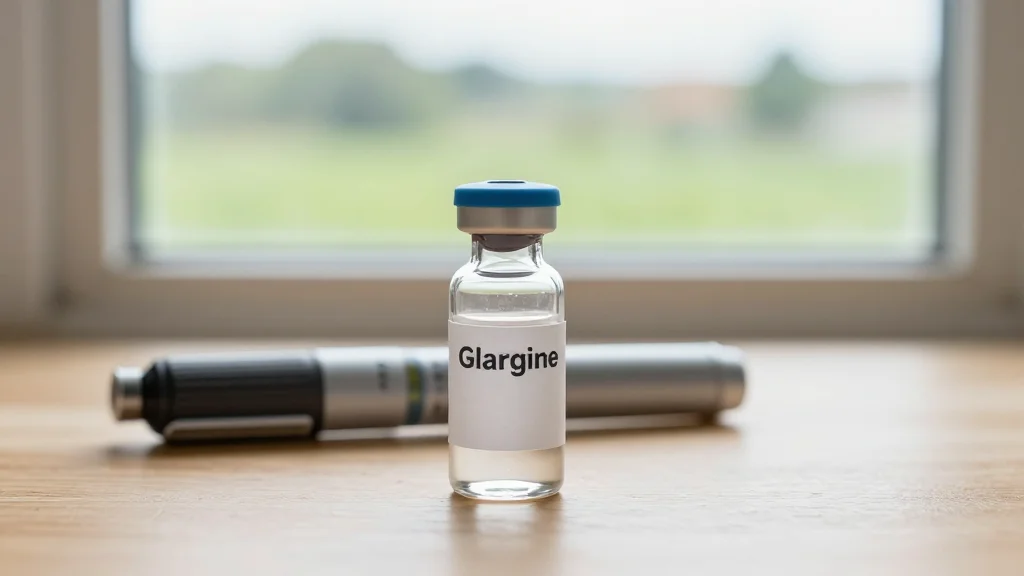
Initiation of the Interchangeable Biosimilar Insulin Glargine-Yfgn Among Older Adults
A Pennsylvania study of adults 65 and older found that only 3.7% initiated the interchangeable biosimilar insulin glargine‑yfgn (Semglee or unbranded version) between 2022 and mid‑2023. Initiators were disproportionately rural residents, long‑term‑care (LTC) patients, and those with three or more...

Merck’s Enflonsia Approved in EU for RSV Prevention in Infants Without Weight-Based Dosing
Merck’s long‑acting monoclonal antibody Enflonsia (clesrovimab) received European Commission approval for preventing respiratory syncytial virus (RSV) lower‑respiratory‑tract disease in neonates and infants during their first RSV season. The product is administered as a single fixed 105 mg intramuscular dose, removing the...

ARPA‑H’s ‘1 Cure’ Program Bets Smarter Design Can Expand Cancer Care to More People, Faster
ARPA‑H has launched the 1‑Cure program to create a universal radiotherapy platform that, together with smart biomaterials and AI‑driven treatment planning, can treat dozens of cancer types with a single, low‑cost approach. The technology aims to expose tumors to the...

Medicine's Next Leap: Delivering Gene Therapies Exactly Where They're Needed
Researchers at the University of Ottawa have shown that small extracellular vesicles (sEVs) can be selected based on their cell of origin to deliver siRNA therapeutics precisely to kidneys and the brain. In mouse models of chronic kidney disease, sEV‑mediated...

FDA-TRACK: Prescription Drug User Fee Act Review Goals Summary
The FDA’s Prescription Drug User Fee Act entered its seventh iteration, PDUFA VII, authorizing the agency to collect user fees from October 2023 through September 2027. The fees are earmarked to accelerate pre‑market drug application reviews and post‑market safety monitoring for both drugs...

Mal-Predict: Machine Learning-Guided Rapid Virtual Screening of Compounds Against Selected Targets of Plasmodium Falciparum Validated Using Molecular Dynamics Simulation
The researchers launched Mal‑Predict, a machine‑learning workflow that used a Random Forest classifier (AUC 0.912) to screen 1.9 million compounds from DrugBank, natural‑product, and Enamine‑Real databases for activity against Plasmodium falciparum targets. Predicted actives were docked and subjected to molecular dynamics simulations,...

Precision Biologics Highlights New AML Target for CAR-NK Therapies
Precision Biologics announced preclinical identification of truncated Core 1 O‑glycans as a novel antigen for acute myeloid leukemia (AML). The glycan‑based target is recognized by the company’s investigational antibody NEO‑201 and was presented as a poster at the AACR 2026 meeting....

For What’s Next: Preparing Today’s Lab or Tomorrow’s Discoveries
The new GEN eBook outlines how modern biology’s growing complexity is driving labs toward automated, AI‑enabled workflows. It highlights challenges such as manual variability, scaling across sites, and data‑pipeline bottlenecks, and presents solutions ranging from colony‑picking robots to AI‑powered high‑content...
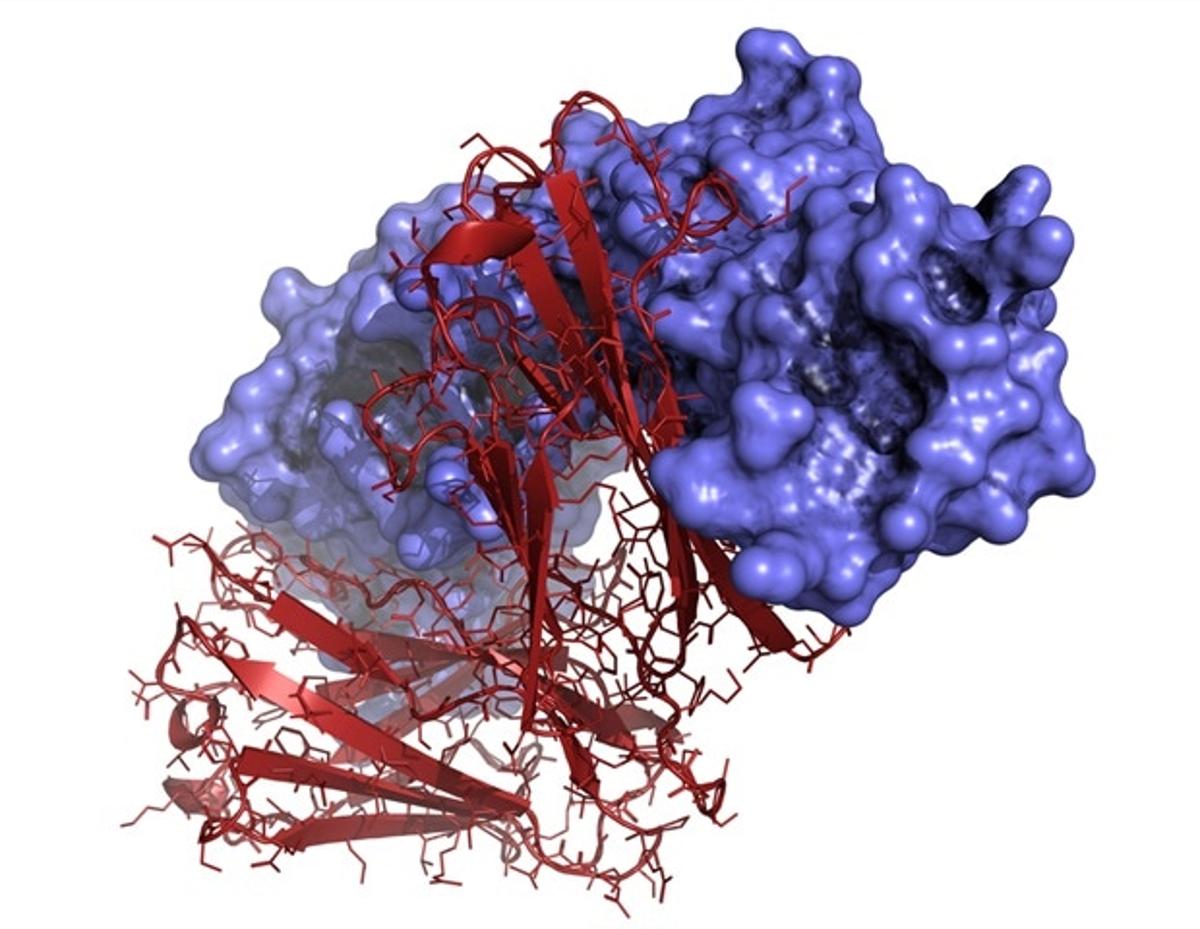
Scientists Find Unexpected Immune Pathways for mRNA Cancer Vaccines
Scientists at Washington University demonstrated that mRNA cancer vaccines can elicit potent anti‑tumor T‑cell responses even when the classic cDC1 dendritic cell subset is absent. Using mouse models lacking cDC1, cDC2, or both, they showed that cDC2 cells also prime...
Marengo Reports Early Phase 2 Activity for Invikafusp Alfa Combination; Advances STAR Program at AACR 2026
Marengo Therapeutics announced early Phase 2 activity for its invikafusp alfa plus sacituzumab govitecan (Trodelvy) combo in metastatic breast cancer, reporting confirmed complete responses in heavily pretreated patients across both triple‑negative and hormone‑receptor‑positive/HER2‑negative cohorts. The interim safety data matched the known profiles...

Kailera IPO Interview: CEO Renaud Talks Biotech Market, China and Obesity Pipeline
Kailera Therapeutics closed a record‑setting $625 million Nasdaq IPO, the largest biotech debut of the year. The company, launched with Bain Capital Life Sciences backing, leverages a portfolio of obesity drug candidates originally sourced from China’s Hengrui Medicine. CEO Renaud highlighted...

Why Do Weight Loss Drugs Work For Some And Not Others? It’s In The Genes
New research links genetic variants in the GLP‑1 and GIP receptors to the wide range of responses seen with obesity drugs. A common GLP‑1 receptor allele adds about 1.7 lb of weight loss per copy, while a GIP‑receptor variant eliminates the...

#AACR26 Preview: Revolution Medicines, the RAS Bonanza and China ADC Standouts
Revolution Medicines unveiled a pan‑RAS inhibitor that doubled overall survival for patients with recurrent or treatment‑resistant pancreatic cancer. The Phase 2 trial reported a median overall survival of roughly 12 months versus six months with standard chemotherapy. Data were presented at...

New Treatment Lets 3 Transplant Patients Halt Anti-Rejection Drugs
Researchers at the University of Pittsburgh infused donor‑derived immune cells into liver‑transplant recipients, aiming to induce immune tolerance. In an early‑stage trial of eight patients, three have remained off immunosuppressive drugs for over three years with stable graft function. The...

Age Shapes Melanoma Progression and Immune Response
Researchers at Fox Chase Cancer Center presented evidence that melanoma metastasis follows a non‑linear age curve in mice: low in young animals, peaking in middle‑aged subjects, and declining in very old mice. The pattern correlates with the abundance of protective...

Key Gene Variants Tied to Developmental Dysplasia of the Hip and Osteoarthritis
A multinational GWAS involving 350,000 European samples identified three genetic loci—COL11A2, CALN1, and TRPM7—shared between developmental dysplasia of the hip (DDH) and hip osteoarthritis (OA). Led by Dr. Ryosuke Yamaguchi and Dr. Chikashi Terao, the study also uncovered nine loci...

Establishing Impurity Specifications for Antibiotics
The FDA released a draft Level 1 guidance titled “Establishing Impurity Specifications for Antibiotics.” It offers non‑binding recommendations on setting organic impurity limits for antibiotics produced by fermentation or semi‑synthesis. The guidance applies to new drug applications, abbreviated new drug applications,...

Evercore Maintains Positive Stance on MeiraGTx Holdings Plc (MGTX) Amid Sector Revisions
Evercore ISI analyst Gavin Clark‑Gartner lowered MeiraGTx Holdings plc’s price target to $18 from $20 while retaining an Outperform rating. The adjustment was part of a sector‑wide review of small‑ and mid‑cap biotech firms ahead of second‑quarter catalysts. Earlier this...

Morgan Stanley Updates Bicycle Therapeutics Plc (BCYC) Outlook Amid Pipeline Refocus
Morgan Stanley cut its price target for Bicycle Therapeutics plc (BCYC) to $12 from $13 while maintaining an Equal‑Weight rating, citing the company’s strategic refocus on BT5528 and next‑generation Bicycle conjugate programs. The revision also reflects a roughly 30% workforce...

Mizuho Sees Strong Risk-Reward in Corbus Pharmaceuticals Holdings, Inc. (CRBP) Near Cash Value
Mizuho Securities raised its price target on Corbus Pharmaceuticals (CRBP) to $40 from $39 and kept an Outperform rating after the company’s Q4 results. The broker noted the stock is trading close to Corbus’s cash balance, implying limited downside risk....

Could Alzheimer’s Begin in the Nerves, Not the Brain?
University of Central Florida researchers used a human‑on‑a‑chip neuromuscular‑junction model to show that familial Alzheimer’s mutations can impair peripheral nerves and muscle connections independent of the brain. The study demonstrates that balance and gait problems in Alzheimer’s may originate in...

STAT+: FDA Eyes Expanding Testosterone Therapy for Libido
The FDA is reviewing data that could broaden testosterone‑replacement therapy to include low libido as an approved indication, a move that would extend the drug’s market beyond hypogonadism. If cleared, the label change could add roughly $1.5 billion in annual U.S....

Lilly’s Foundayo Reaches 1,390 Patients in First Week, Trailing Novo’s Oral Wegovy Launch
Eli Lilly’s newly approved oral obesity drug Foundayo recorded 1,390 prescriptions in its first two days, a modest start compared with Novo Nordisk’s oral Wegovy, which logged over 3,000 patients in its inaugural week. RBC Capital Markets noted the timing difference—Foundayo launched...
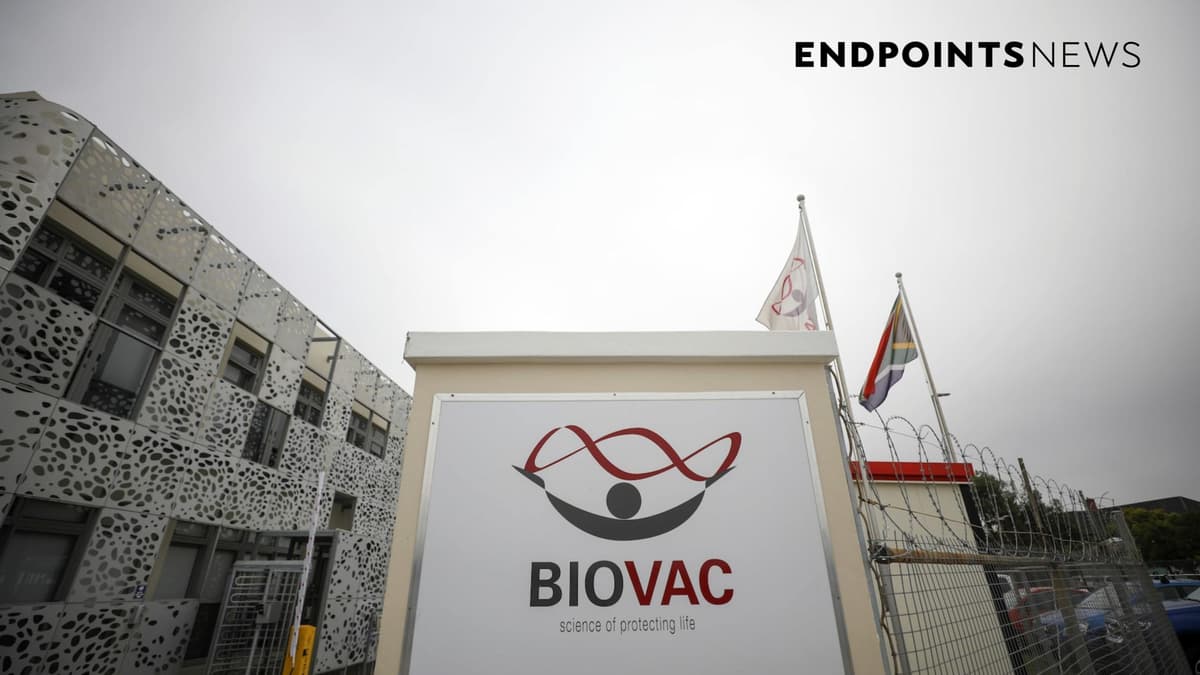
Biovac Gets $108M Backing for Vaccine Factory in South Africa
Biovac announced that its new vaccine manufacturing complex in Cape Town has secured $108 million in financing from the European Investment Bank, the European Commission, and the International Finance Corporation. The plant is designed to produce up to 400 million doses per...

TRACERx MRD Results Showcase ppmSeq’s Ultra-Sensitive ctDNA Detection at AACR
Ultima Genomics unveiled ultra‑sensitive ctDNA detection using its ppmSeq platform at AACR, presenting six abstracts including a plenary on TRACERx MRD data. A pilot of 50 plasma samples demonstrated analytical sensitivity at low single‑digit parts‑per‑million, while independent studies showed >99.9%...

Revolution Medicines' Buyout Price Soars After Pancreatic Cancer Win
Revolution Medicines announced positive Phase 3 data for its pancreatic cancer candidate, showing a statistically significant survival benefit. The breakthrough lifted the company’s market value from roughly $30 billion to an estimated $45 billion, reigniting speculation of a mega‑buyout. Investors rushed in, sending...

STAT+: Pharmalittle: We’re Reading About Lilly Weight Loss Pill Trial Results, Slashed U.K. Clinical Trial Times, and More
Researchers led by Richard DiMarchi and Matthias Tschöp reported a novel GIP‑glucagon dual agonist that may achieve weight loss comparable to GLP‑1 drugs without the typical nausea and vomiting. In parallel, Eli Lilly announced that its new obesity pill Foundayo lowered...
MD Pharmaceutical Supply, LLC - 637815 - 11/22/2022
The FDA issued a warning letter to MD Pharmaceutical Supply, LLC after an April‑May 2022 inspection uncovered multiple CGMP violations at its Hanover, PA drug repackaging facility. The agency cited failures to investigate returned API complaints, inadequate temperature and humidity...

Future-Ready Pharma Summit
The Future‑Ready Pharma Summit gathered analytical scientists, lab managers and decision‑makers to showcase how automation, AI and digital services are reshaping small‑molecule pharmaceutical chromatography. Sessions covered AI‑driven LC method optimization, collaborative dissolution workflows, and sustainability‑focused regulatory guidance such as USP...

Therapy for Brain Injuries in Infants Bags Funding: Is the First HIE Drug on the Way?
ReAlta Life Sciences raised $40 million to finish its phase 2 STAR trial of pegtarazimod, a first‑in‑class drug that blocks both complement C1 and neutrophil pathways to treat hypoxic‑ischemic encephalopathy (HIE) in newborns. HIE affects about 8,000 U.S. infants annually, causing 15‑20%...

Obesity, GLP-1s, and Metabolic Care
In an interview, hVIVO’s Chief Medical Officer Professor Thomas Forst explains how GLP‑1 receptor agonists have reshaped obesity treatment by targeting metabolic dysfunction rather than just weight loss. He highlights that these drugs reduce cardiovascular events, improve renal outcomes and...

RFK Jr. Defends Makary, Claims Pharma ‘Owns’ Congress and Media
Health Secretary Robert F. Kennedy Jr. defended FDA Commissioner Marty Makary during a Ways and Means Committee hearing, praising the agency’s recent drug‑approval record and rejecting criticism from the pharmaceutical industry. He highlighted the FDA’s decision to reject Replimune’s oncolytic...

NIH Researchers Discover Pain-Relieving Drug with Minimal Addictive Properties
NIH scientists have identified a novel nitazene‑derived opioid, DFNZ, that delivers potent, two‑hour pain relief in rats without causing respiratory depression, tolerance or significant withdrawal. The compound briefly enters the brain yet sustains analgesia, and unlike traditional opioids it fails...

LEO Pharma’s Enstilar Receives the NMPA Approval for Plaque Psoriasis
LEO Pharma’s topical aerosol foam Enstilar, combining calcipotriene and betamethasone dipropionate, received approval from China’s National Medical Products Administration for adult plaque psoriasis. The approval follows a Phase III trial of 604 Chinese patients that demonstrated superior efficacy and safety versus...

Novo May Have Muscle Advantage over Lilly in Weight-Loss Race: Preprint
A new medRxiv pre‑print analyzing nearly 8,000 GLP‑1 patients finds Novo Nordisk’s semaglutide preserves lean body mass better than Eli Lilly’s tirzepatide, despite the latter delivering greater overall weight loss. In the first year, 6.7% of semaglutide users fell into a...
Expanded Access to Investigational Drugs for Treatment Use: Questions and Answers
The FDA issued a final Level 1 guidance titled “Expanded Access to Investigational Drugs for Treatment Use: Questions and Answers,” originally released in June 2016 and updated in October 2017. The document consolidates frequently asked questions about the 2009‑enacted expanded‑access regulations under 21 CFR part 312...

Policy Watch: FDA Issues Draft Guidance on Genome-Editing Safety
The FDA released a draft guidance urging sponsors to use next‑generation sequencing to evaluate off‑target effects of CRISPR‑Cas9 and other gene‑editing therapies, recommending short‑read or long‑read approaches based on the type of DNA alteration. The guidance dovetails with a February...

Can an LSD Candidate Do for Anxiety What Spravato Did for Depression?
Johnson & Johnson’s 2019 Spravato approval unlocked the pharmaceutical market for psychedelics, proving they can become blockbuster drugs. Definium Therapeutics is now advancing DT120, an LSD‑based candidate for generalized anxiety disorder, after phase 2 data showed a 78% clinical response and...