
Brain Stimulation Improves PTSD Symptoms
A two‑week, MRI‑guided low‑frequency transcranial magnetic stimulation (TMS) trial at Emory University showed a marked reduction in right amygdala reactivity and significant alleviation of PTSD symptoms. Forty‑seven participants completed the double‑blind, placebo‑controlled study, with 74% of the active‑TMS group achieving clinically meaningful improvement. Benefits were sustained for at least six months after treatment. The research, published in The American Journal of Psychiatry, is the first to personalize TMS for PTSD using neuroimaging.

AACR 2026: Cancers of Unknown Primary Identified by DNA Methylation AI Model
Researchers at Kindai University unveiled a machine‑learning model that reads CpG‑based DNA methylation to pinpoint the tissue of origin for cancers of unknown primary (CUP). In a test set the model achieved roughly 95% accuracy, and it maintained 87% accuracy...

Viatris Recalls Extended-Release Xanax over Dissolution Test Failure
Viatris has issued a Class II recall of a single batch of its extended‑release Xanax (Xanax XR) after dissolution testing showed the tablets did not meet release specifications. The affected bottles, each containing 60 3‑mg tablets, were manufactured in Ireland and are being...

Substack Live | Flagship Pioneering Announcement: Building on the Code of Life
Flagship Pioneering is hosting a Substack Live session on April 21 at 12:30 pm ET featuring origination partner Jake Rubens. The event will unveil a new initiative that leverages the "code of life" to advance synthetic‑biology‑based therapeutics. Rubens, an MIT‑trained synthetic biologist...

STAT+: Eli Lilly’s $3.25 Billion Acquisition of Kelonia Therapeutics Caps Startup’s Tortuous Ride
Eli Lilly announced a $3.25 billion acquisition of Kelonia Therapeutics, a small biotech focused on cell therapies for cancer and autoimmune diseases. The deal may include additional payments if Kelonia meets clinical, regulatory, and commercial milestones. Kelonia, formerly Elcano Therapeutics, survived on...

Merck Partner Reveals Bispecific Data; Biogen Pays $100M for Antibody Rights
Merck’s partner Sino Biopharm disclosed first‑in‑human results for its PD‑1×VEGF bispecific antibody, MK‑2010, reporting that six of 11 lung‑cancer patients achieved a response at a low dose. A second cohort showed four responses among nine patients, indicating activity across dosing...

STORM-PE: Mechanical Thrombectomy Boosts Walking and Daily Living Gains
The STORM‑PE interim analysis shows that computer‑assisted vacuum thrombectomy (CAVT) markedly improves functional recovery in acute intermediate‑high‑risk pulmonary embolism. At 90 days, patients receiving mechanical thrombectomy walked an average of 479 m versus 368 m for anticoagulation alone, and 97% achieved NYHA class I...

Gut Microbiome Can Reveal Risk of Parkinson’s, Scientists Say
A multinational study has identified a distinct gut‑microbiome signature that can flag individuals at heightened risk of Parkinson’s disease years before clinical symptoms appear. The microbial pattern is especially pronounced in people carrying known Parkinson’s risk genes and intensifies as...

Kelonia Investor Venrock Will Clear a 45-Fold Return on Startup's Sale to Lilly
Venture capital firm Venrock is set to pocket roughly $900 million after its modest $20 million seed investment in Kelonia Therapeutics paid off. Kelonia agreed to an all‑cash acquisition by Eli Lilly valued at $3.25 billion, delivering an upfront payment that triggers the windfall....

Tebentafusp Shows Durable Survival in Metastatic Uveal Melanoma, Immunocore Reports
Immunocore reported five‑year overall survival data from its phase 3 trial of tebentafusp‑tebn (Kimmtrak) in HLA‑A*02:01‑positive metastatic uveal melanoma. The study showed 16% of patients on tebentafusp were alive at five years versus 8% on standard therapy, with a hazard ratio...

AACR 2026: Revolution’s Next Prospect, Merck’s Reveal and a Lung Cancer Battle
At AACR 2026, Revolution Medicines reported that its RAS‑G12D inhibitor zoldonrasib produced a 52% response rate and a median 11.1‑month progression‑free survival in heavily pre‑treated non‑small cell lung cancer (NSCLC) patients, hinting at accelerated‑approval potential. Merck presented early data on...

Biotech Has Become a Good News Story. Let the Sun Shine
Biotech is back in the spotlight as Revolution Medicines reported a Phase 3 trial that doubled survival for patients with advanced pancreatic cancer, a disease with a historically low five‑year survival rate. In March, Denali Therapeutics earned the first FDA approval...
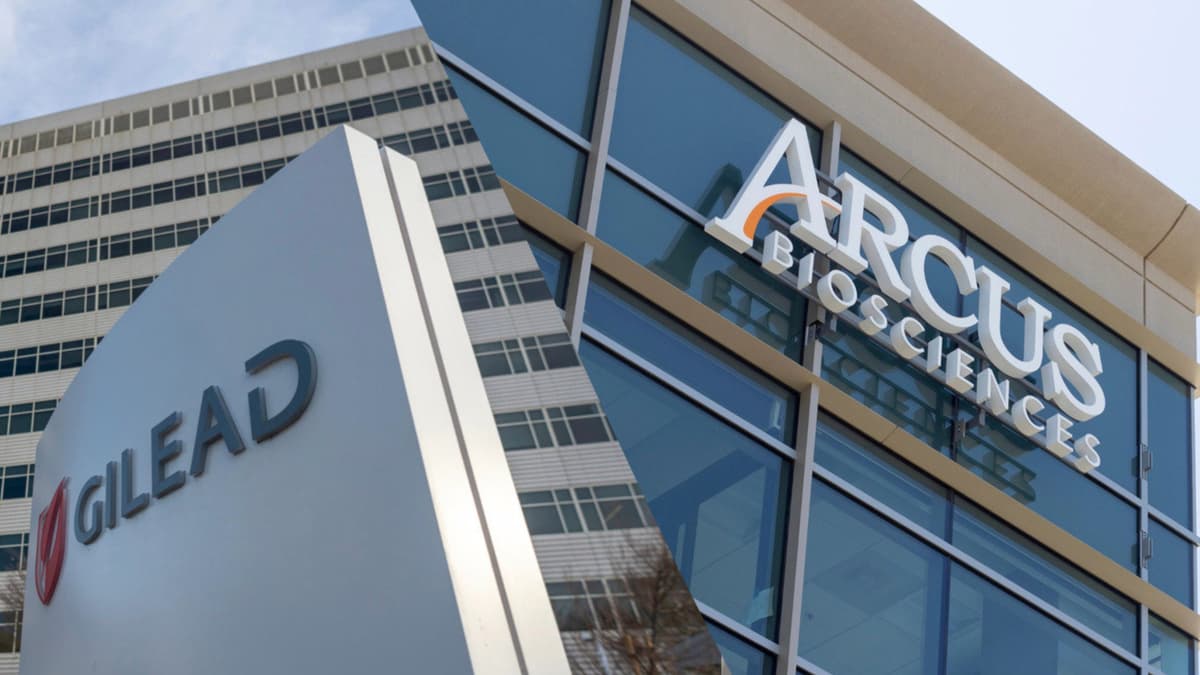
Gilead Declines Another Arcus Option After Phase 3 TIGIT Fail
Gilead Sciences has declined another development option with Arcus Biosciences following the Phase 3 failure of their joint TIGIT immunotherapy. The setback ends a key pillar of a long‑standing collaboration and signals Gilead’s intent to trim external programs. Both companies will...

Lilly Adds Gene Delivery Technology to CAR T in up to $7B Kelonia Deal
Eli Lilly announced an up‑to $7 billion acquisition of Kelonia Therapeutics, securing its Phase 1 lentiviral in‑vivo CAR‑T candidate KLN‑1010 and the iGPS gene‑delivery platform. iGPS uses lentiviral particles to program a patient’s own T‑cells, potentially eliminating ex‑vivo manufacturing and pre‑treatment chemotherapy. The deal...

Scientists Identify Main Cause of Extreme Nausea and Vomiting in Pregnancy
Scientists have pinpointed the growth differentiation factor 15 (GDF15) gene as the leading cause of hyperemesis gravidarum (HG), the most severe form of pregnancy nausea and vomiting. The genome‑wide study of nearly 11,000 HG cases and 420,000 controls also highlighted...

Agenus Cancer Cocktail Records 0% Response Rate, Missing Midstage Goal
Agenus and its spin‑out MiNK Therapeutics reported a zero percent overall response rate in a Phase 2 trial of a three‑drug cocktail for advanced gastroesophageal adenocarcinoma. The regimen combined two experimental immunotherapies, botensilimab and balstilimab, with MiNK’s allogeneic iNKT cell therapy...

Novo’s Late-Stage Sickle Cell Win Piles Pressure on Competitors
Novo Nordisk reported that its oral pyruvate kinase‑R activator etavopivat reduced vaso‑occlusive crises by 27% in the Phase 3 HIBISCUS trial and more than doubled hemoglobin response rates versus placebo. The data support a regulatory filing slated for the second half...

Beyond GLP-1Rs: Emerging Targets Poised to Gain Share of Obesity Market
The global obesity drug market is projected to reach $172.6 bn by 2031, up 139% from 2026, driven by GLP‑1R giants like Wegovy and Zepbound. Non‑GLP‑1R therapeutics, currently a niche at $310 m, are forecast to surge 50‑fold, hitting $15.5 bn by 2031....

In Brain Tumors, New Use for CSF cfDNA
Cerebrospinal fluid (CSF) cell‑free DNA is emerging as a reliable source for genomic profiling of brain tumors, offering a less invasive alternative to surgical biopsies. Compared with plasma, CSF provides a higher signal‑to‑noise ratio, improving detection of tumor‑derived mutations. The...
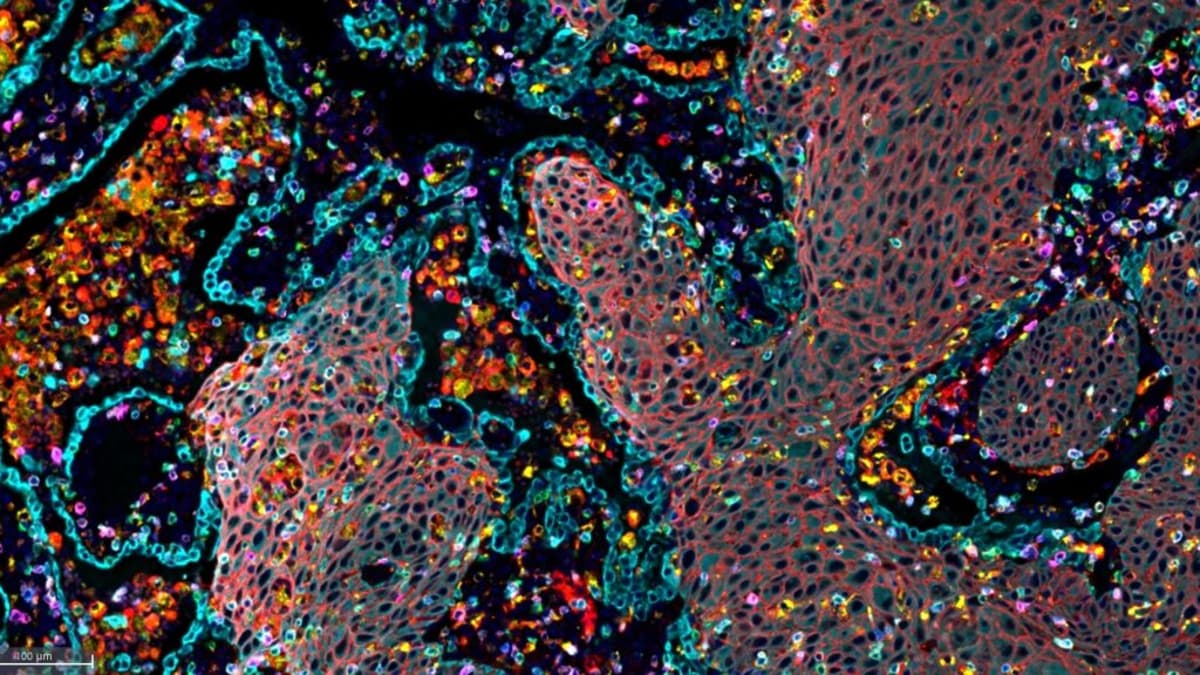
STAT+: Finally Cracking KRAS as a Druggable Target
Revolution Medicines announced that its KRAS inhibitor daraxonrasib produced tumor shrinkage in a Phase 2 trial for pancreatic cancer, marking the first clear efficacy signal for an oral drug targeting the once‑undruggable KRAS protein. The result follows a wave of...

STAT+: Pharmalittle: We’re Reading About Trump Boosting Psychedelic Treatment, the Future for Weight-Loss Drugs, and More
Eli Lilly CEO David Ricks warned that GLP‑1 weight‑loss drugs will likely reach only about half of the eligible overweight and obese population due to healthcare system complexities and cost barriers. Currently, just 10% of those who could benefit are...

A Vaccine for Lyme Disease Could Be on the Horizon
Pfizer and Valneva reported that their Lyme disease vaccine candidate LB6V reduced cases by about 70% in a Phase 3 trial. The four‑dose regimen targets the OspA protein, preventing bacterial transmission from ticks to humans. If regulators approve it, the...

Decoding Resistance to Targeted Therapy via New Cancer Models
ATCC and the Broad Institute have created a panel of isogenic non‑small cell lung cancer (NSCLC) cell lines that model resistance to osimertinib, the newest EGFR inhibitor. Using CRISPR editing and gene‑overexpression, the team introduced six clinically observed resistance mechanisms,...

Pheast Therapeutics Reports Early P-Ia Data for PHST001 at AACR 2026
Pheast Therapeutics presented initial Phase Ia data for its anti‑CD24 macrophage checkpoint inhibitor PHST001 at the AACR 2026 meeting. The study showed clear target engagement, activation of innate immunity and a favorable safety profile across dose‑escalation cohorts. Early clinical signals...

Allurion Treats First Commercial Patients in the United States, Marking Major Milestone
Allurion Technologies announced it has treated its first commercial patients in the United States, marking the company’s entry into the country’s $200 billion obesity market. The Allurion Program offers a non‑surgical, non‑pharmaceutical weight‑loss solution that appeals to patients who have stopped...

Boehringer Ingelheim Launches AI Center for Pharma Research in London
Boehringer Ingelheim announced the launch of a new artificial‑intelligence and machine‑learning centre in London, its fourth dedicated AI hub after sites in Austria, Germany and the United States. The company will invest £150 million (about $200 million) over the next ten years...

The Download: Murderous ‘Mirror’ Bacteria, and Chinese Workers Fighting AI Doubles
Scientists who once championed synthetic “mirror” bacteria now warn the microbes could spark a global biosafety disaster, prompting calls for tighter oversight of chirality research. At the same time, Chinese tech workers are confronting AI‑generated workplace doubles, documenting their workflows...
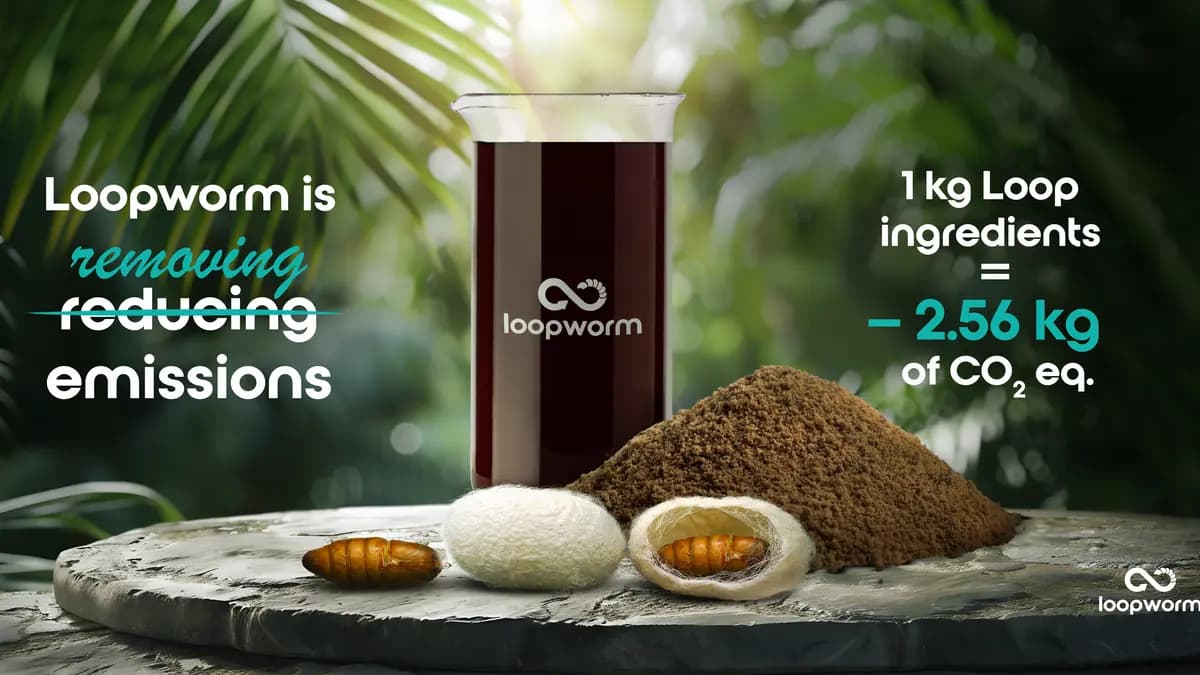
Loopworm Says Its Silkworm-Based Feed Ingredients Are Now Carbon Negative
Loopworm announced that its silkworm‑derived feed ingredients, LoopMeal and LoopOil, are carbon‑negative, removing 2.56 kg CO₂e per kilogram produced. An independent life‑cycle assessment by PwC India, conducted to ISO 14040/44 standards, benchmarked the products against soy and fish meals across 18 impact...
![[Podcast] From Protocol to Patient: Inside Clinical Supply with Almac Clinical Services](https://hixhlmpcokxhartfkpyi.supabase.co/storage/v1/object/public/images/thumbnails/e66ba866d739cb77f8cd3922f2eb37b8.webp)
[Podcast] From Protocol to Patient: Inside Clinical Supply with Almac Clinical Services
Almac Clinical Services has launched a six‑part podcast series that walks listeners through the end‑to‑end clinical supply chain, from protocol translation to global regulatory release. The series targets biopharma sponsors, highlighting how early collaboration with supply partners can streamline planning,...

Who Is Dr. Houman Hemmati, Potentially CBER’s Next Leader?
Dr. Houman Hemmati, a board‑certified ophthalmologist and biotech entrepreneur, is the leading candidate to replace Dr. Vinay Prasad as director of the FDA’s Center for Biologics Evaluation and Research (CBER). Hemmati co‑founded Optigo Biotherapeutics, held senior roles at companies such as...

Update: Lilly Makes $7bn Bid for in Vivo CAR-T Firm Kelonia
Eli Lilly has confirmed a $3.25 billion upfront offer for Kelonia Therapeutics, with milestone payments that could lift the total value to $7 billion. Kelonia’s in vivo CAR‑T candidate KLN‑1010 demonstrated MRD‑negative responses in a four‑patient early‑stage study, highlighting the promise of off‑the‑shelf cell...

Merck’s Early PD-1/VEGF Data Competitive in Lung Cancer, but Summit ‘Looms Large’
Merck’s anti‑PD‑1/VEGF bispecific MK‑2010 posted a 55% overall response rate in treatment‑naïve non‑small cell lung cancer (NSCLC) and a 44% response in later‑line patients, figures that rival the current leader, Summit/Akeso’s ivonescimab. The data were presented at the AACR meeting,...

Nektar’s Long-Term Mid-Stage Alopecia Data Fuel Phase 3 Plans
Nektar Therapeutics reported that its IL-2 variant rezpegaldesleukin achieved modest efficacy and safety signals in the long‑term extension of a previously failed Phase 2b alopecia areata trial, barely meeting Wall Street expectations. The data revive confidence in the program and...

STAT+: Extended Use of Nektar Therapeutics Drug Shows Promise in Alopecia
Nektar Therapeutics announced that its experimental oral drug rezpeg produced significant hair regrowth in patients with severe alopecia areata. After a year of treatment, 27% of participants reached a SALT Score 20, meaning at least 80% of the scalp was covered...

Novo Nordisk Reports Positive P-III (HIBISCUS) Study Data for Etavopivat in Sickle Cell Disease
Novo Nordisk announced that its oral pyruvate kinase activator etavopivat met both primary endpoints in the Phase III HIBISCUS trial for sickle cell disease. In 385 patients aged 12 and older, the drug reduced vaso‑occlusive crisis (VOC) rates by 27% and...

This Missing Vitamin Could Stop Cancer Cells in Their Tracks
Researchers at the University of Lausanne discovered that vitamin B7 (biotin) is essential for the mitochondrial enzyme pyruvate carboxylase, which lets cancer cells sidestep their usual glutamine addiction. When biotin is removed, the enzyme stalls, cutting off an alternative fuel pathway...

A Future Where Coffee Helps Fight Cancer? Research Suggests It's Possible
Scientists at Texas A&M have engineered caffeine‑responsive proteins, called caffebodies, that act as an on/off switch for CRISPR gene‑editing tools. The system activates with just 20 mg of caffeine—about one‑fifth of a typical coffee—and deactivates as caffeine clears, with rapamycin providing...

AstraZeneca Reports Positive P-III (MIRANDA) Data for Tozorakimab in COPD
AstraZeneca announced that its anti‑IL‑33 antibody tozorakimab achieved its primary endpoint in the Phase III MIRANDA trial, delivering a statistically significant reduction in the annualised rate of moderate‑to‑severe COPD exacerbations. The double‑blind study enrolled 1,454 patients receiving standard inhaled therapy and...
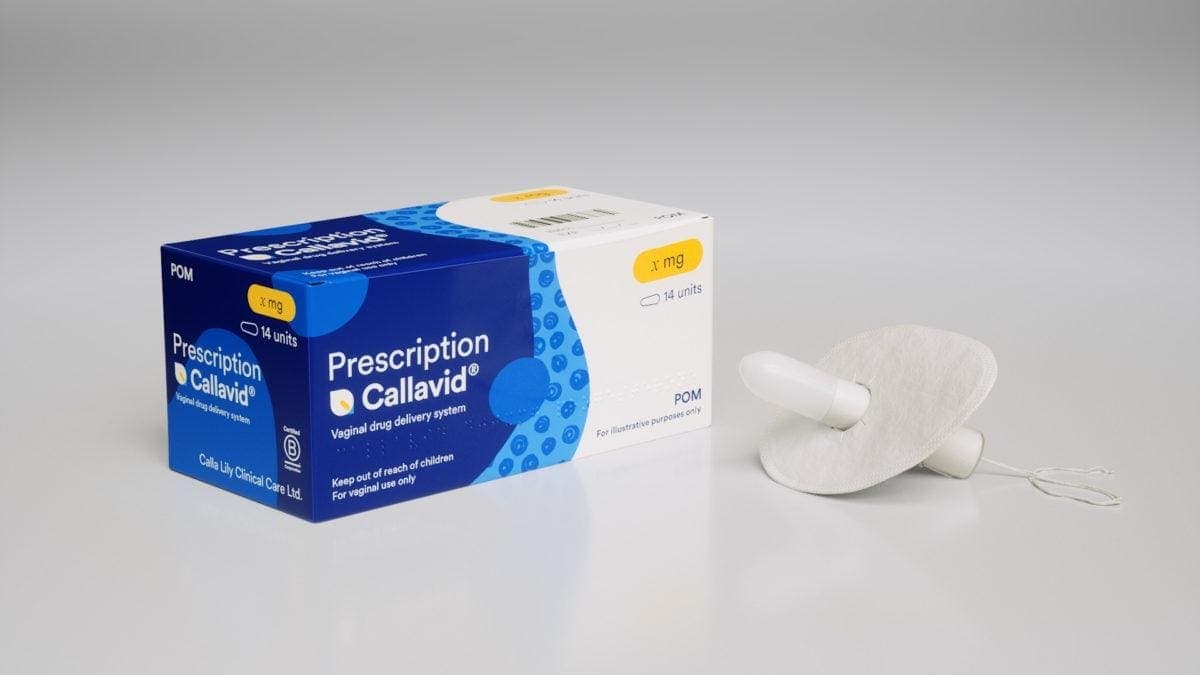
Vaginal Drug Delivery Had A Funding Problem—Merck Changed That
Calla Lily Clinical Care’s tampon‑shaped vaginal drug delivery platform, Callavid, has secured a strategic collaboration with Merck to accelerate clinical development for IVF luteal‑phase support and miscarriage prevention. The device, cleared under FDA 510(k) and patented in 14 countries, promises...

AZ Is Three for Three with COPD Hope Tozorakimab
AstraZeneca’s anti‑IL‑33 antibody tozorakimab has succeeded in all three pivotal Phase 3 COPD trials, showing a statistically significant reduction in moderate‑to‑severe exacerbations. The MIRANDA study confirmed benefit with biweekly dosing, while OBERON and TITANIA validated once‑monthly regimens. These results place AZ...
Novo Nordisk’s Sickle Cell Therapy Hits in Phase 3, but Data Lag Expectations
Novo Nordisk announced that its oral sickle‑cell drug etavopivat met its primary endpoint in a Phase 3 trial, showing a statistically significant reduction in painful vaso‑occlusive crises. The study, however, fell short of the ambitious efficacy and safety benchmarks the...
Innate Pharma to Present P-II (MATISSE) Interim Data of IPH5201 in NSCLC at AACR 2026
Innate Pharma will present interim Phase‑II (MATISSE) data for its anti‑CD39 antibody IPH5201 in resectable non‑small cell lung cancer (NSCLC) at the AACR 2026 meeting. The analysis of 40 patients shows a pathological complete response (pCR) of 35.7% in tumors...

Freudenberg Medical Launches ISO Class 5 Cleanroom for Biopharma
Freudenberg Medical announced CleanAssure, an ISO 5 controlled cleanroom that delivers washed, dried and gamma‑sterilized single‑use assemblies for biopharma customers. The service expands the company’s portfolio beyond component manufacturing to include validated cleaning and sterilization under cGMP conditions. By integrating this...

Scientists Say This Star-Shaped Brain Cell Holds the Key to Curing Anxiety and PTSD
Recent research reclassifies astrocytes—once dismissed as "brain glue"—as active regulators of neuronal function. A Nature study shows that stress‑induced reactive astrocytes can either shield neurons or release toxic factors, influencing neurodegenerative disease progression. Separate experiments demonstrate that manipulating astrocyte activity...

Georgetown Engineers Pectin-Based Bone Grafts to Replace Metal Implants
Georgetown University researchers have engineered a 3D‑printed bone graft that combines pectin—a food‑grade polysaccharide—with hydroxyapatite layers to mimic natural bone architecture. The pectin matrix can be printed at room temperature, creating a porous scaffold that promotes nutrient flow and cell...

Inclusive Clinical Trials: An Oxymoron?
The author argues that mandating the inclusion of pregnant and breastfeeding women in pivotal clinical trials is driven more by sentiment than scientific rigor. He highlights that strict eligibility criteria are essential for internal validity, and adding these populations would...

Four Ways to Build a Secure and Scalable CGT Distribution Network
Cell and gene therapies (CGTs) are expanding rapidly, with 34 US products approved and a projected $80 bn global market by 2029, driven largely by oncology. Successful commercialization now hinges on building secure, scalable distribution networks that protect fragile, cryogenic products...

What Actually Drives Speed in Complex Drug Development Programs
Speed in complex drug development is less about pushing harder and more about early, cross‑functional coordination. Traditional sequential handoffs often create hidden delays, forcing teams to revisit decisions under pressure. Thermo Fisher Scientific’s Accelerator™ Drug Development model integrates CDMO and...
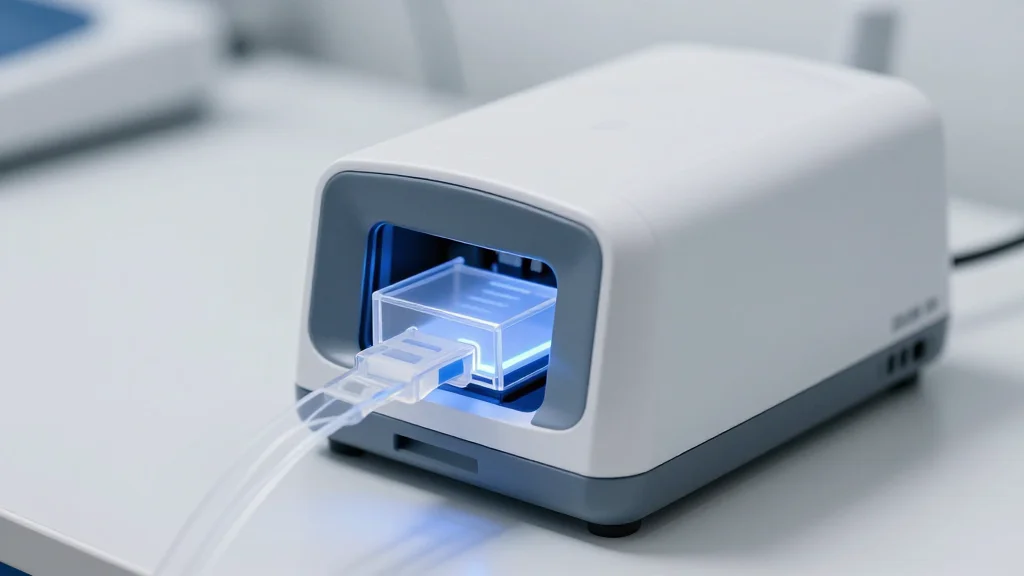
Bruker Unveils MyGenius PRO Diagnostics System
Bruker’s Microbiology & Infection Diagnostics division launched the MyGenius PRO automated sample‑to‑answer molecular diagnostics system at ESCMID Global 2026. The platform uses PCR technology to deliver high‑throughput, continuous loading and random‑access testing, automating the full workflow from patient sample to result. At...

Potential Spillover Effects on Diagnostic Delay for Cancer During the NHS-Galleri Trial
A quasi‑experimental study examined whether England’s NHS‑Galleri trial, which tests a cell‑free DNA multi‑cancer early detection (MCED) assay, caused spillover effects on cancer diagnostic timelines. Using a difference‑in‑differences design across 21 cancer‑alliance regions, researchers found that participating regions experienced a...