
Updated: FDA Asks for Data on Lilly’s Foundayo to Assess Heart, Liver Risks
The U.S. Food and Drug Administration has asked Eli Lilly for additional safety data on its newly approved obesity medication, Foundayo. The agency is specifically seeking information on any cardiovascular events and liver‑related adverse effects observed in clinical trials and post‑marketing use. Lilly must submit the requested data before the FDA can finalize the drug’s labeling and broader distribution. The request comes weeks after Foundayo received approval for chronic weight‑management in adults with obesity.

Replimune Looks Ahead as Repeat CRL Speeds the Company's Decline
Replimune received a second complete response letter (CRL) from the FDA for its lead oncolytic cancer therapy, citing additional data gaps and manufacturing concerns. The regulatory setback triggered a wave of layoffs affecting roughly 30% of its workforce and pushed...

Two Previously Unreported Prostate Cancer Gene Candidates Identified Through Governed Multi-Omics Screening of TCGA-PRAD
A governed multi‑omics screening pipeline applied to the TCGA‑PRAD cohort filtered 19,010 genes through four independent quality gates, identifying 942 high‑confidence candidates. Ten matched known prostate cancer genes, confirming sensitivity, while two novel candidates—DNAH5 and PRR36—showed strong over‑expression and statistical...

Max Hodak’s Science Corp. Is Preparing to Place Its First Sensor in a Human Brain
Science Corp, the neurotechnology startup founded by former Neuralink president Max Hodak, has recruited Yale neurobiologist Murat Günel as a scientific adviser to oversee its first U.S. human trials of a bio‑hybrid brain‑computer interface. The company recently closed a $230 million Series C...

Novo Nordisk, OpenAI Bring AI Into Core Operations to Accelerate Time to Market
Novo Nordisk has teamed up with OpenAI to embed advanced artificial intelligence across its entire value chain, from early‑stage research to manufacturing, distribution, and commercial operations. The partnership aims to accelerate drug discovery, streamline production, and shorten the time it...

RBM20 Genetic Variants Linked to Arrhythmogenic Dilated Cardiomyopathy
A large cohort study using UK Biobank, All of Us, and an international registry shows that RBM20 gene variants contribute to arrhythmogenic dilated cardiomyopathy (DCM). While pathogenic missense RBM20 variants are linked to severe disease, truncating RBM20 variants present later...
Shawn Davis, MD, on Access, Coverage, and the Future of Obesity Therapy
The FDA’s approval of oral semaglutide (Rybelsus) was hailed as a breakthrough for obesity treatment, yet uptake has lagged as patients on injectable GLP‑1s show little interest in switching to a daily pill. Early market confusion stemmed from the drug’s...
In the Clinic for April 14, 2026
The "In the clinic for April 14, 2026" page serves as a centralized hub that aggregates the latest Bioworld data snapshots, special reports, and infographics across biopharma, medical technology, and emerging therapeutic areas. It links to analyses on mRNA vaccine...

50 Employees Impacted as Astellas Closes Universal Cells' Seattle Office
Tokyo‑based Astellas Pharma announced the closure of Universal Cells' Seattle office, affecting 50 employees. A handful of staff will be transferred to Astellas’ research sites in South San Francisco and Westborough, while the remainder face layoffs in waves from July...

Endpoints Biopharma Sentiment Survey for Q2 2026
Endpoints Signal is launching its Q2 2026 Biopharma Sentiment Index (BPSI) survey, a three‑minute questionnaire that aggregates insider views into a quarterly benchmark. More than 1,000 biopharma professionals participated in the previous quarter, providing a snapshot of sentiment on pipelines, pricing...

J&J Increasingly Confident It Can Manage Stelara Cliff, but Work Remains
Johnson & Johnson says the most intense biosimilar pressure on its blockbuster drug Stelara is largely behind it, and the company now projects robust growth through the late 2020s. Executives cite new therapeutic indications, expanded global reach, and strategic pricing...

From Colossal to Chickens: The Scientists Behind Neion Bio’s Biologics Platform
Neion Bio, founded by Dimi Kellari and Sam Levin, is developing a chicken‑based platform that inserts therapeutic proteins into the ovalbumin gene so that eggs become biologic factories. The company recruited former Colossal Biosciences veterans Sven Bocklandt (CSO) and James...

Re: Weight “Regain” In Obesity Shifts Responsibility From Biology to Personal Inadequacy
The author agrees with recent criticism of the term “weight regain,” emphasizing that obesity is a chronic, biologically driven condition. She highlights that GLP‑1 receptor agonists cause loss of both fat and lean tissue, triggering adaptive reductions in energy expenditure...

Why Synthetic Data Is the Antidote to Clinical Trials
Synthetic data, digital twins, and AI are reshaping medical‑device trials by generating virtual patient cohorts that reduce enrollment needs and cut validation costs. The FDA’s in‑silico guidance and EMA’s acceptance of AI tools are paving regulatory pathways for these simulations....
Lilly Investing Billions to Prepare for Overseas Oral GLP-1 Launches
Eli Lilly announced a $3 billion investment in China and a $125 million spend in Japan to build capacity for its newly approved oral GLP‑1 drug, orforglipron. The moves aim to localize production, shorten lead times and hedge against geopolitical disruptions. Analysts see...

The US FDA New Drug Approvals in March 2026
In March 2026 the U.S. FDA approved five new therapies spanning hepatology, dermatology, rare genetics, oncology, and endocrinology. GSK’s Lynavoy treats cholestatic pruritus in primary biliary cholangitis, while Johnson & Johnson’s Icotyde targets moderate‑to‑severe plaque psoriasis. Denali Therapeutics earned accelerated...
Lilly Wants to Bridge Cancer Care Gap with $300M ADC Biotech Buy
Eli Lilly announced an acquisition of Houston‑based CrossBridge Bio, offering up to $300 million in cash and performance‑based biobucks. The early‑stage biotech is developing a dual‑payload antibody‑drug conjugate, CBB‑120, that targets the TROP2 protein found in many solid tumors. CrossBridge plans to...

Base Editing Repairs Mutation and Liver Function in Mouse Model of Zellweger Spectrum Disorder
Scientists at the Broad Institute and collaborators used a refined base‑editing system to correct a disease‑causing mutation in the PEX1 gene of mice that model Zellweger spectrum disorder. The edit restored peroxisome function and normalized liver biomarkers, demonstrating functional rescue...

Can Phage Therapy Answer the Booming Antibiotic Resistance Problem?
Antibiotic‑resistant infections cause nearly 5 million deaths annually, prompting renewed interest in bacteriophage therapy. Companies such as Armata Pharmaceuticals, TechnoPhage, and Locus Biosciences have reported positive clinical milestones, including Armata’s QIDP‑designated AP‑SA02 moving toward a phase 3 trial and TechnoPhage’s phase 2b study...

"Working with Industry Leaders Enables Us to Accelerate the Path From Research to the Field"
Biotalys announced its first research milestone in a partnership with Syngenta to develop a novel bio‑insecticide. Laboratory tests using Biotalys’ Agrobody protein platform delivered promising in‑vitro activity against key insect molecular targets. The collaboration now moves to in‑vivo testing on...

Psychedelic Therapy and Traditional Antidepressants Show Similar Results Under Open-Label Conditions
A meta‑analysis of 24 trials found that psychedelic therapy and open‑label antidepressants produce statistically indistinguishable reductions in depressive symptoms. The study compared 8 psychedelic trials (249 patients) with 16 antidepressant trials (7,921 patients) under equal unblinding conditions, revealing only a...

Helical Closes $10M Seed to Turn Bio Foundation Models Into Systems
Helical, a London‑based pharma‑AI startup, closed a $10 million seed round led by redalpine, with AI leaders from Cohere and HuggingFace among angel investors. The funding will expand its dual‑surface platform—Virtual Lab for biologists and Model Factory for data scientists—across more...

Tropic’s Non-Browning Banana Secures New Key Market Approvals
Tropic, a UK‑based ag‑biotech firm, received regulatory clearance for its non‑browning banana in Japan and Brazil, allowing import, sale, and cultivation in the latter. The approvals expand the company’s footprint in two of the world’s most influential fruit markets and...

Helical Secures $10M to Advance Virtual AI Lab for Pharma Research
Helical, a biotech startup founded in early 2024, announced a $10 million seed round led by redalpine with participation from Gradient, BoxGroup, Frst and AI industry angels. The company’s virtual AI lab combines foundation model outputs with biological validation to create...

SynOx Therapeutics Reports Topline P-III (TANGENT) Trial Results on Emactuzumab for Tenosynovial Giant Cell Tumor (TGCT)
SynOx Therapeutics announced topline data from its global Phase 3 TANGENT trial, which evaluated emactuzumab (1,000 mg every two weeks for five doses) versus placebo in patients with tenosynovial giant cell tumor (TGCT). The study met both primary efficacy endpoints, showing a...

Parker Institute Doubles Down on Cancer Vaccines as Part of Ongoing Reboot
The Parker Institute for Cancer Immunotherapy announced a renewed focus on mRNA‑based cancer vaccines, launching a multi‑year program that will fund clinical trials and partner with biotech firms. The initiative includes a $200 million investment pool aimed at accelerating vaccine design,...

Protaryx Medical Secures FDA Clearance for Its Transseptal Access Device
Protaryx Medical announced that the U.S. Food and Drug Administration granted 510(k) clearance for its Transseptal Puncture Device, a next‑generation system designed for minimally invasive left‑heart access. The device uses radio‑frequency guidewire technology integrated with standard electrosurgical generators and features...

Vir Biotechnology Doses First Patient in Phase I VIR-5500 Trial
Vir Biotechnology has dosed the first patient in the expansion cohort of its Phase I trial of VIR‑5500, a PSMA‑targeted, dual‑masked T‑cell engager, for late‑line metastatic castration‑resistant prostate cancer (mCRPC). The cohort uses a step‑up regimen of 800/2000/3500 µg/kg every three weeks...

FDA Approves Travere's Filspari as First Drug for the Kidney Disease FSGS
The U.S. Food and Drug Administration has broadened the label for Travere Therapeutics' drug Filspari, adding a second kidney indication to its approval. Filspari, a dual endothelin‑angiotensin receptor antagonist, was already the first therapy cleared for primary focal segmental glomerulosclerosis...

Checkerspot Unveils Microalgae-Based Alternative to Intensively Farmed Oils in Personal Care
California biotech startup Checkerspot has introduced Algolein, a precision‑fermentation derived microalgae oil for personal‑care formulations, in partnership with French cosmetics specialist La Fabrique Végétale. The flagship ingredient, Algolein TG C18/80, delivers over 80% oleic acid, high oxidative stability and a...

Opinion: My Brother Can’t Access a Just-Approved Breakthrough Drug for His Rare Disease
A newly FDA‑approved breakthrough drug promises to address the neurological degeneration that has long plagued patients with Hunter syndrome, a rare lysosomal disorder. While the approval marks a scientific milestone, patients like the author’s 28‑year‑old twin brother still face barriers...

For Ben Sasse, Revolution Medicines’ Pancreatic Cancer Trial Felt Like His Best, only Option
Former U.S. senator Ben Sasse was diagnosed with metastatic pancreatic cancer in December and promptly enrolled in an early‑phase trial of Revolution Medicines' targeted drug daraxonrasib. The therapy, positioned as a first‑line option, aims to extend both the quantity and...

Travere Therapeutics Reports FDA Full Approval of Filspari for Proteinuria Reduction in FSGS
Travere Therapeutics announced that the U.S. Food and Drug Administration has granted full approval to Filspari (sparsentan) for reducing proteinuria in patients aged eight years and older with focal segmental glomerulosclerosis (FSGS) who do not have nephrotic syndrome. The approval...

Daiichi Sankyo and Merck Receives FDA’s Priority Review for Ifinatamab Deruxtecan (I-DXd) to Treat ES-SCLC
Daiichi Sankyo and Merck have secured FDA priority review for ifinatamab deruxtecan (I‑DXd) under the Real‑Time Oncology Review and Project Orbis programs. The decision follows a successful Biologics License Application based on the Phase II IDeate‑Lung01 trial, which enrolled 187 extensive‑stage...

A Plasma-Based DNA Test for Quantification of Disease Burden in Acute Myeloid Leukemia Patients Undergoing Bone Marrow Transplantation
Researchers at Johns Hopkins introduced a plasma‑based DNA assay, v96, that monitors up to 96 AML‑specific mutations in patients undergoing allogeneic bone‑marrow transplantation. In a cohort of 30 AML patients, the test detected molecular evidence of residual leukemia in 100%...

Eli Lilly Reports P-III (BRUIN CLL-322) Trial Data on Jaypirca Combination for CLL/SLL
Eli Lilly announced that its phase‑III BRUIN CLL‑322 trial showed the Jaypirca (pirtobrutinib) + venetoclax + rituximab regimen significantly extended progression‑free survival in relapsed or refractory CLL/SLL compared with venetoclax + rituximab alone. Patients were treated for roughly two years before entering a therapy‑free interval, and the benefit...

Novo Nordisk Partners with OpenAI to AI-Power Drug Development
Novo Nordisk announced a strategic partnership with OpenAI to embed advanced artificial‑intelligence across its drug discovery pipeline. The collaboration will leverage OpenAI’s models to sift through massive datasets, accelerate candidate selection and shorten regulatory submission timelines via the NovoScribe platform....
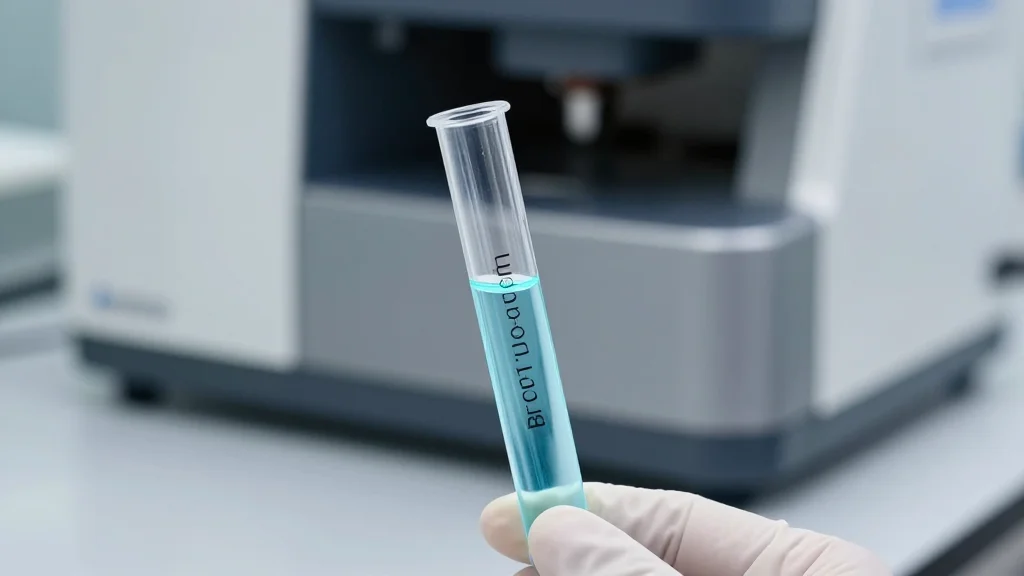
PARTAGE Method Reveals Genome Regulation in Single Approach
Researchers at the University of Minnesota Medical School introduced PARTAGE, a multi‑omics workflow that simultaneously captures DNA replication timing, copy‑number variations, and transcriptome activity from a single DNA sample. The protocol uses BrdU labeling, FACS sorting, and co‑purification of DNA...

Mpox Can Infect and Replicate in the Brain, US Health Researchers Say in Fatal HIV Case
U.S. researchers reported that mpox virus replicated in the brain of a 38‑year‑old man with advanced HIV, marking the first documented neuroinvasion of the pathogen. Autopsy findings revealed drug‑resistant viral strains, including mutations linked to reduced efficacy of tecovirimat. The...
Rollout of Powerful New HIV Prevention Tool in Lower Income Countries Gets a Boost
The U.S. State Department and the Global Fund announced a major scale‑up of Gilead’s long‑acting HIV prevention drug lenacapavir, targeting 3 million people in low‑income countries over the next three years—a 50 % increase from the original 2 million commitment. Lenacapavir, which showed...

Entropy Neurodynamics' TRP-8803 Trial Shows Repeatable Psychedelic Effects in BED Study
Entropy Neurodynamics (ASX: ENP) reported that the third patient in its TRP‑8803 IV‑infused psilocin trial for binge‑eating disorder completed two doses and exhibited a repeatable psychedelic response. The trial, designed for 12 participants across two cohorts, is nearing the end...

RevMed’s Pancreatic Cancer Win Strengthens the Case for Targeting RAS(ON)
RevMed reported a positive Phase 2 trial of its RAS(ON) inhibitor in patients with advanced pancreatic ductal adenocarcinoma, showing a 23% objective response rate and a median progression‑free survival of 5.8 months. The study enrolled 45 heavily pre‑treated patients and...
Legato Merger Corp III (LEGT) Q1 2026 Earnings Call Transcript
Legend Biotech reported a 66% year‑over‑year jump in CARVYKTI net trade sales to $555 million, driving total revenue to $306 million and narrowing the operating loss to $20 million. Gross margins held at 61% while manufacturing capacity reached 10,000 doses with a 97%...

Gloo Holdings Inc (GLOO) Q4 2025 Earnings Call Transcript
Glaukos Corp reported a record fourth‑quarter net sales of $143.1 million, a 36% year‑over‑year increase, and full‑year 2025 sales of $507.4 million, surpassing $500 million for the first time. Growth was powered by the iDose TR glaucoma franchise, which generated $45 million in Q4 and...

AI Needs Solid Botanical Data More than Ever
The article warns that artificial‑intelligence breakthroughs in biotech are hampered by a shortage of reliable botanical and fungal taxonomy. Most species, especially fungi, remain undescribed, leaving large language models with incomplete training data. Recent moves by Anthropic ($400 million acquisition of...

Clinical Innovations and Future Directions of Nanoparticles in the Treatment of Psychiatric and Neurological Disorders
Nanoparticles are emerging as a transformative platform for treating psychiatric and neurological disorders such as depression, schizophrenia, Alzheimer’s disease and Parkinson’s disease. Their physicochemical design enables crossing the blood‑brain barrier, targeted drug delivery, and enhanced imaging for early diagnosis. The...

Compact CRISPR System Unlocks Targeted In-Body Gene Editing, with up to 90% Efficiency
Researchers at UT Austin have engineered a compact CRISPR enzyme, Al3Cas12f RKK, that fits into AAV vectors and achieves up to 90% editing efficiency in human cells. The enzyme’s small size overcomes the delivery bottleneck that limits most CRISPR systems...

Biotech Executive, Combative Conservative Hemmati May Head CBER
The FDA is nearing a leadership transition at its Center for Biologics Evaluation and Research (CBER) as Vinay Prasad prepares to depart at month‑end. Houman David Hemmati, a biotech executive known for his combative conservative views, tops Commissioner Marty Makary’s shortlist. Several other candidates...

Designing Better Membrane Proteins by Embracing Imperfection
Scientists at the VIB‑VUB Center for Structural Biology discovered that deliberately reducing stability—through “negative design”—can improve the folding of synthetic transmembrane β‑barrel proteins. In cell‑free experiments with lipid vesicles, designs that incorporated subtle destabilizing mutations folded correctly and avoided aggregation,...
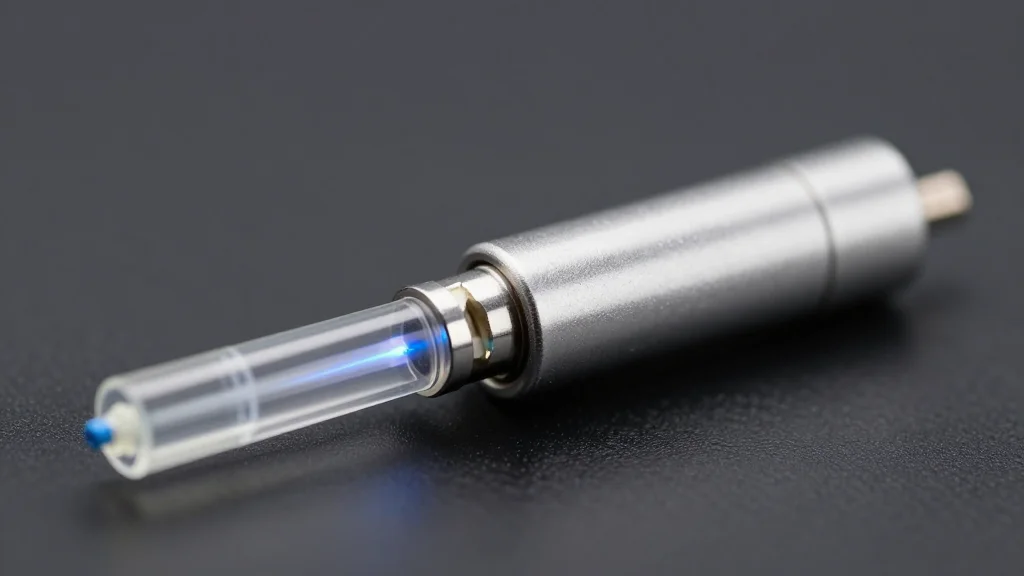
Combining Ion Pumps and Click Chemistry Enables Precise Drug Release in the Body
Researchers at TU Wien have merged electronic ion pumps with click‑to‑release chemistry, creating an "iontronic click‑to‑release" system that delivers tiny trigger molecules instead of the drug itself. The triggers cleave immobilized drug linkers at the implant site, enabling precise, on‑demand...