Today's Bonds Pulse

WBD bondholders approve covenant changes to clear path for Paramount merger
Warner Bros. Discovery obtained bondholder and lender consent to amend its fiscal covenants, removing a key obstacle to the $110.9 billion Paramount Skydance acquisition. The vote covered $16.6 billion of debt, with approval rates ranging from 79 % to 99 % across note classes. Paramount will pay a $2.50 cash bonus per $1,000 of debt, a cost it will assume entirely.
UK 30‑Year Gilt Yield Hits 5.86%, Highest Since 1998 Amid Political Turmoil
The 30‑year British gilt jumped 20 basis points to 5.86% intraday, its loftiest level since 1998. The surge coincided with heightened scrutiny of Labour leader Keir Starmer’s fiscal credibility, prompting investors to demand a steeper risk premium. Analysts warn the move could tighten financing conditions for the UK government if political volatility persists.

Kevin Warsh Takes Fed Helm, Faces $6.7 Trillion Balance‑Sheet Test
Kevin Warsh was confirmed as the 17th Federal Reserve chair on May 15, inheriting a $6.7 trillion balance‑sheet challenge. Analysts and economist Mark Blyth immediately began assessing how his experience will shape interest‑rate policy and the Fed’s balance‑sheet strategy.

Bond Market Sends Mixed Signals on the Economy
Thread starter: the bond market is telling two stories. Story 1 — 10Y yield at 4.59% says monetary policy is restrictive and term premium is back. Story 2 — HY credit OAS at 276 bps says default risk is muted...

What Does a Smaller Fed Balance Sheet Mean for Inflation & Interest Rates?
The Federal Reserve is considering a $2‑3 trillion reduction in its balance sheet, primarily by off‑loading the $2 trillion of mortgage‑backed securities (MBS) held in the SOMA. Treasury could respond by issuing longer‑duration debt, which would let the Fed keep short‑term rates...

Tight Treasury Yields and Credit Spreads Signal Imminent Break
Here's the contradiction nobody's discussing — 10-year Treasury yields sit at 4.59%, above the long-term average of 4.25%. That signals tight monetary policy or term premium expansion. At the same time high-yield credit spreads are at 276 basis points, near...

Diversify $10M T‑Bill Portfolio to Reduce Reinvestment Risk
Interesting question - can someone TBill and Chill on $10 million? The answer is: MAYBE? I think a good financial advisor would press this person to take some duration risk, diversify more into equities and longer bonds or alts to...

S&P Upgrades Nigeria’s Sovereign Rating to B, First Rise Since 2012
S&P Global Ratings raised Nigeria’s long‑term sovereign rating to B from B‑, its first upgrade in 14 years. The agency cited higher oil prices, expanded refining capacity and a liberalised exchange rate as drivers of stronger growth and balance‑of‑payments fundamentals.

10Y Yield
10Y at 4.59% above long-term avg of 4.25%. HY spreads at 276 bps tight to history. Bond market priced for perfection on both sides of the curve.

Analysis-Bond Yield Spike Is Risk to Unprepared Equities Market, Investors Warn
Investors warn that a sudden rise in U.S. Treasury yields—30‑year rates above 5% and 10‑year yields over 4.5%—poses a hidden threat to an equity market buoyed by strong first‑quarter earnings and AI‑driven growth. The S&P 500 has rallied more than 8%...

BofA CIO Michael Hartnett Warns Treasury Demand Strain Could Spark Yield Shock
Bank of America chief investment officer Michael Hartnett cautioned that Treasury demand is eroding and the 30‑year yield has slipped above the 5% “Maginot Line.” He warned that a breach could trigger a multi‑sigma yield jump and add deflationary pressure...

Energy‑Driven Inflation Pushes Global Sovereign Yields to Multi‑Year Peaks
U.S., European and Asian sovereign bond yields surged this week as Brent crude topped $109 a barrel, pushing the U.S. 10‑year Treasury to 4.6%, the U.K. gilt to 5.17% and Japan’s 30‑year bond past 4%. Analysts link the sell‑off to...
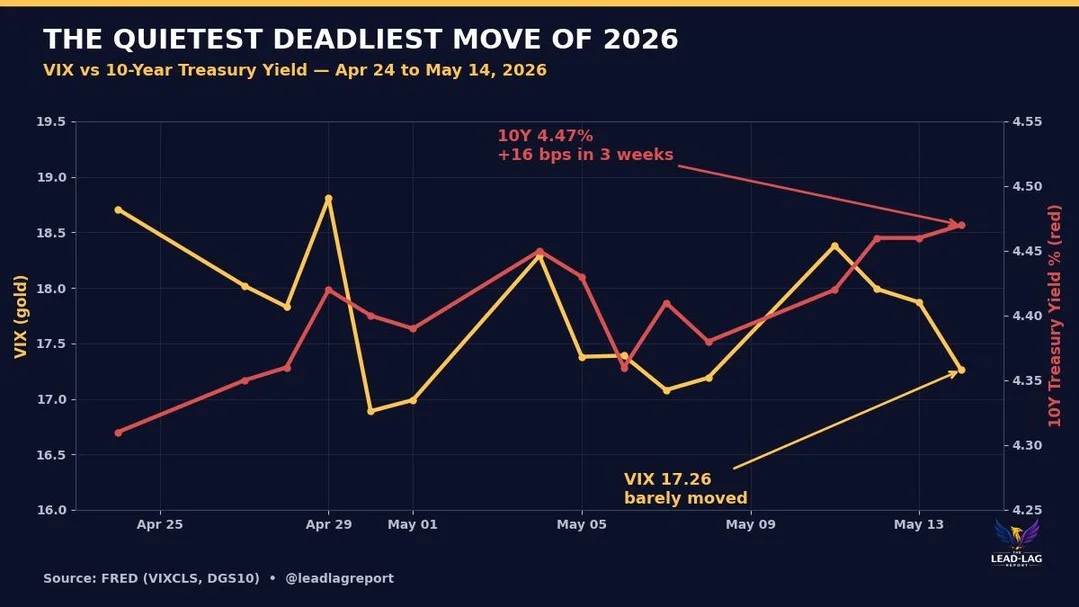
Term Premium Surge Quietly Drives 30-Year Yield Spike
10-year Treasury yield April 24: 4.31%. May 14: 4.47%. Sixteen basis points in three weeks. VIX over the same window: 16.89 to 17.26. Equity vol thinks nothing happened. Bond vol disagrees. The 30-year is back at 2007 levels per AP. That...

Capital Group U.S. Multi‑Sector Income ETF Sees Surge in Short Interest and Institutional Buying
Capital Group's U.S. Multi‑Sector Income ETF (CGMS) posted a notable rise in short interest this quarter, even as several institutional investors expanded their positions. The fund also lifted its monthly dividend to $0.1148, pushing the annualized yield to roughly 5.0%....

Senegal Summit Targets $74.5 B Debt Pricing Gap in Africa
Senegal opened a two‑day conference in Dakar to confront the pricing bias that forces African sovereign bonds to trade at 8‑15% yields, costing the continent an estimated $74.5 bn in excess borrowing charges. Speakers called for rating‑methodology reform, local‑currency market development...
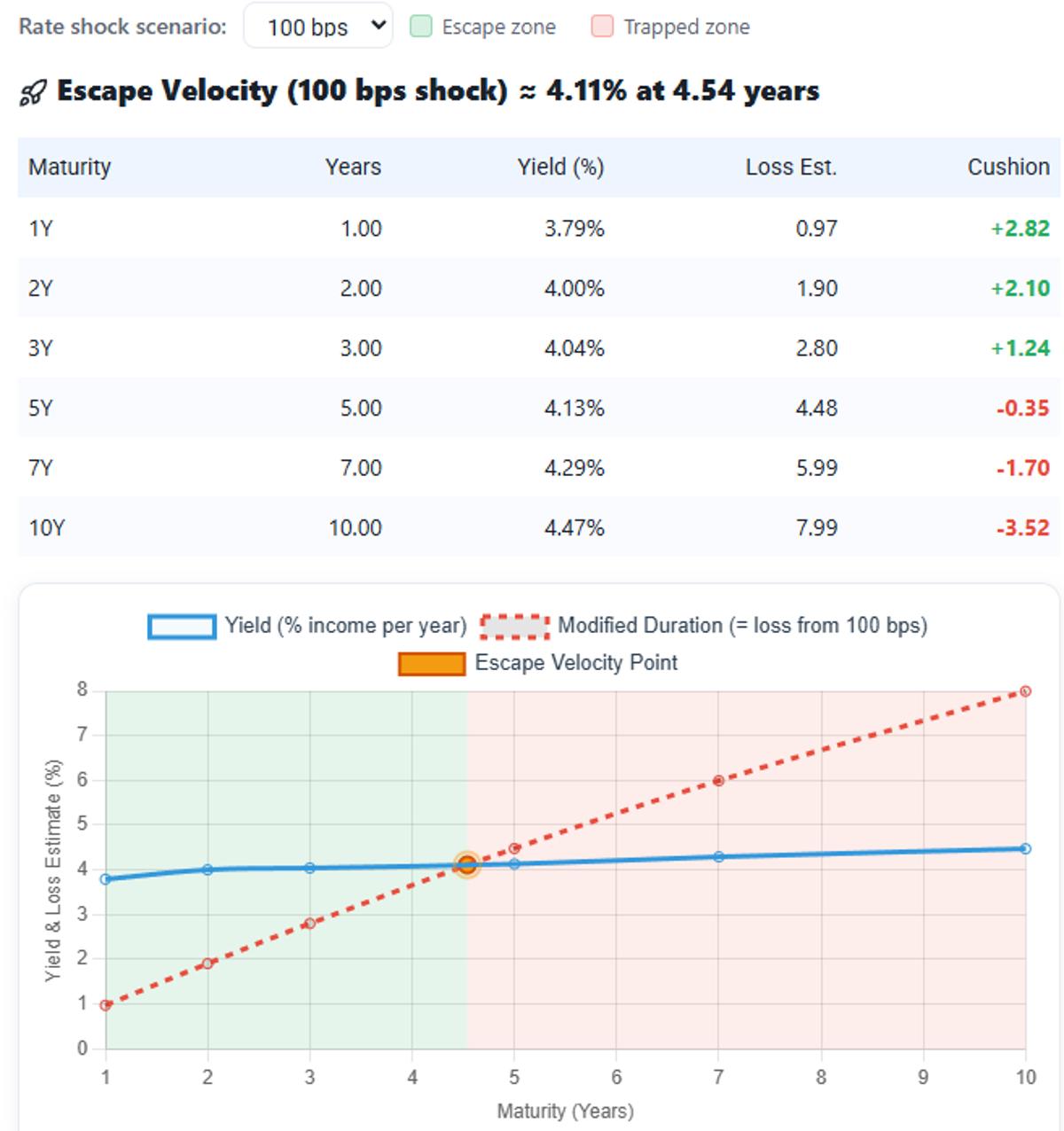
Escape Velocity Tool Shows Optimal 4.54‑Year Duration
I did a small update on our bond escape velocity tool. This shows the theoretically optimal point on the yield curve (or where your duration risk is limited). We added a shock scenario analysis and historical background on how escape...

The Bond Market Is Flashing a Warning over Iran. A Veteran of Energy Geopolitics Explains the Risk
Bond markets are reacting to the ongoing Iran conflict and oil prices above $100 per barrel, pushing the U.S. 10‑year Treasury yield up nearly 24 basis points to around 4.6%. Economist Daleep Singh warns that continued fiscal deficits and a...

IDBI Bank to Raise up to ₹10,000 Crore via Long-Term Rupee Bonds in FY27
IDBI Bank’s board approved a private‑placement of up to ₹10,000 crore (≈ $1.2 bn) in long‑term rupee bonds to be issued by March 2027. The move follows a 16% YoY rise in net advances to ₹2.54 trn (≈ $30.5 bn) and a 12% YoY increase in deposits...

UK Gilt Yields Hit 18‑year High, Pound Slides as Andy Burnham Joins Labour Leadership Race
UK government borrowing costs surged to an 18‑year peak, with the 10‑year gilt yield topping 5.14% and the pound slipping to $1.337, after Andy Burnham announced his bid for Labour leadership. The moves sparked a 1.7% drop in the FTSE 100...

Why the Bond Vigilantes Have Got It Wrong Again
Bond market commentators, dubbed “bond vigilantes,” have again misjudged the trajectory of UK gilt yields amid political uncertainty. The article argues that these investors ignored the zero‑interest era of the 2010s and now overreact to the prospect of a left‑leaning...
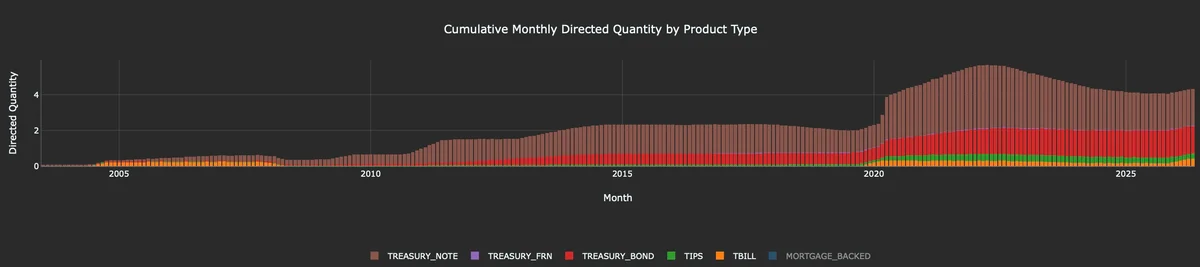
Fed Resumes Treasury Purchases, Boosting Asset Prices
The Federal Reserve started buying more Treasuries again. This has been underreported by the media. Presumably things like wars are much better for audience numbers... Towards the end of last year, the Federal reserve started buying more short-term bonds (T-bills) whilst...
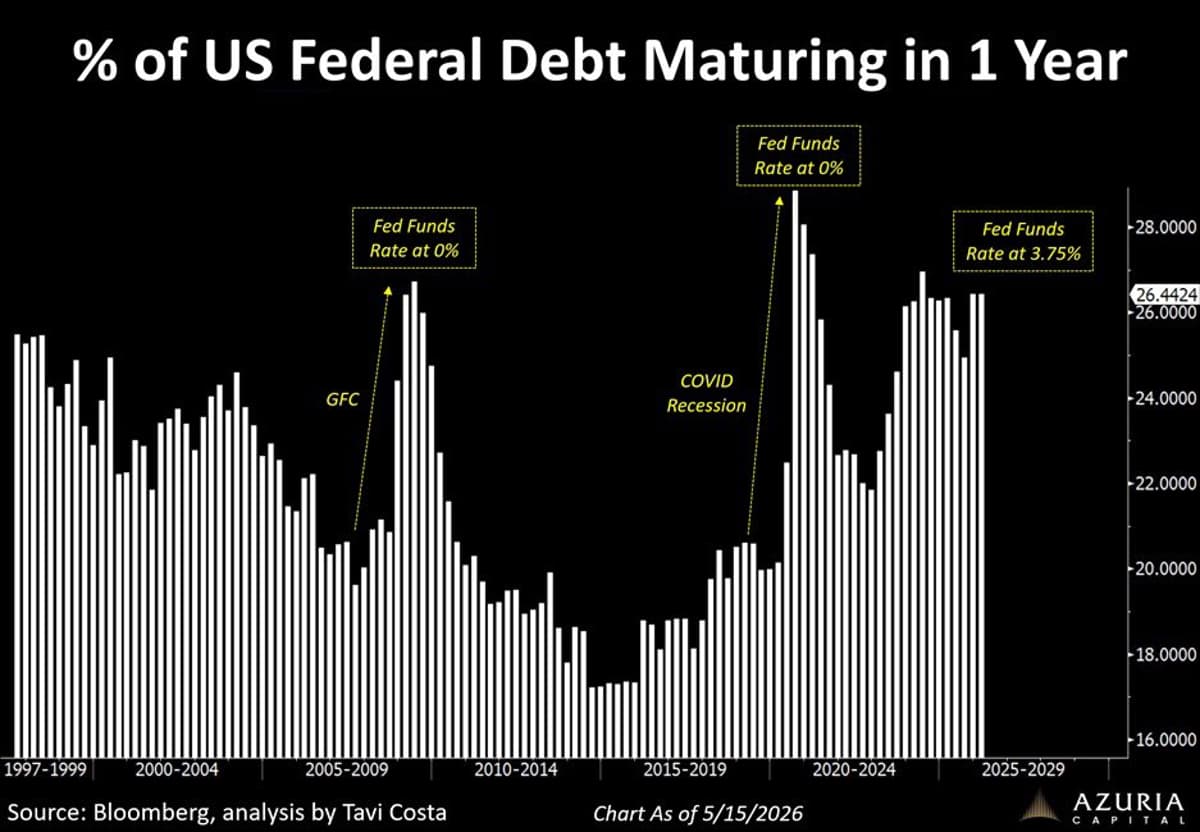
Quarter of US Debt Matures Amid Rising Yields
With yields surging recently: Here is a reminder that more than a quarter of all US federal debt will mature over the next 12 months. The clock is ticking, and this is likely to become a central focus for policymakers in the...

Verizon Raises $4 B with First U.S. Hybrid Bond Offering
Verizon Communications launched a $4 billion inaugural U.S. hybrid bond offering, issuing $2 billion of 6.05% notes due 2058 and $2 billion of 6.2% notes due 2056. The deal was priced on May 11, 2026, closed three days later, and was underwritten by Goldman...
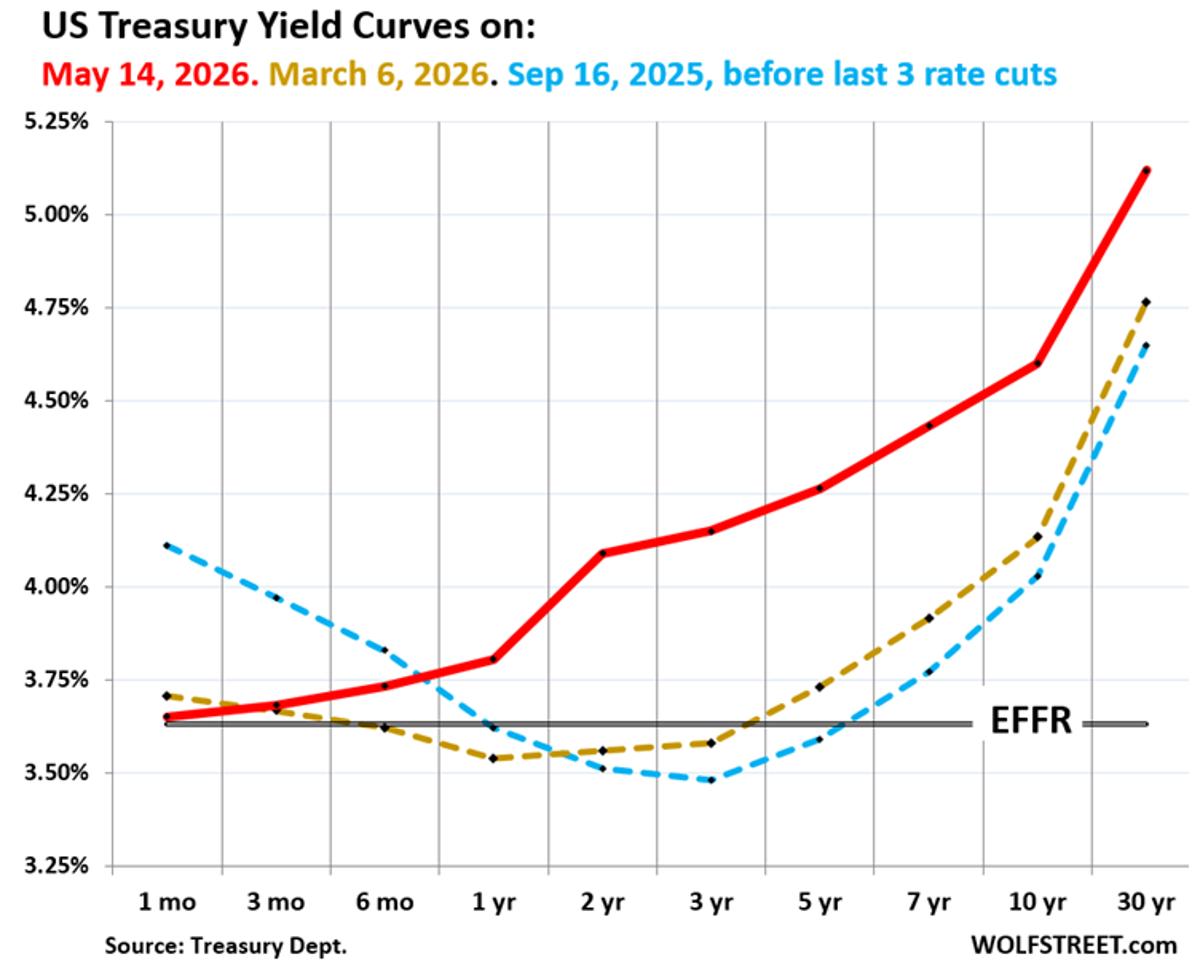
Massive Treasury Sale Sparks Yield Spike, Fed Lags
US Government Sold $691 Billion of Treasury Securities this Week, 10-Year Yield Spikes to 4.6%, 30-Year Yield to 5.12% as 2nd Wave of Inflation Takes Off. The Fed is “behind the curve,” and the bond market is getting nervous https://t.co/ibFFTlMODv https://t.co/K9WhKU6pvt

Jim Cramer: Why the Bond Market Has Become a Thorn in the Market's Side
Jim Cramer warned that soaring Treasury yields and higher oil prices are putting the bond market in the driver’s seat, threatening the recent stock‑market rally and dimming expectations for Federal Reserve rate cuts. He cautioned that a volatile bond market...

Ten Year Nominal and Real Yields Jump
Ten-year nominal and real Treasury yields surged in early May, lifting the benchmark 30‑year mortgage rate by 38 basis points from its February low. The rise reflects heightened market expectations of tighter monetary policy and stronger inflation pressures. Mortgage rates...

Morningstar DBRS Confirms Credit Ratings on UK Logistics 2024-1 DAC
Morningstar DBRS confirmed the credit ratings for the UK Logistics 2024‑1 DAC securitisation, keeping Class A at AAA, Class B at AA, Class C at A, Class D at BBB and Class E at BB, with stable trends. The transaction...

US Mortgage Rates Slip to 6.36% as 10‑Year Treasury Yield Rises to 4.44%
Freddie Mac reported the benchmark 30‑year fixed mortgage rate edged down to 6.36% from 6.37% after two weeks of increases. The dip came as the U.S. 10‑year Treasury yield rose to 4.44%, underscoring the bond market’s influence on housing finance.
Morningstar DBRS Confirms the United Kingdom at AA, Stable Trend
Morningstar DBRS confirmed the United Kingdom’s long‑term sovereign rating at AA and its short‑term rating at R‑1, both with a Stable trend. The agency highlighted a modest economic recovery, with IMF forecasts of 0.8% growth in 2026 and 1.3% in...

Yield-Hungry Investors Bet on Credit as Government Debt Sours
Yield‑hungry investors are snapping up corporate bonds as risk premiums on U.S. investment‑grade debt fell to their lowest since early February. High‑grade bond funds recorded inflows of $4 billion in the week to May 13, following a $6.9 billion surge the week before—the...
Morningstar DBRS Changes Trends on Republic of Portugal to Positive, Confirms Credit Ratings at A (High)
Morningstar DBRS upgraded the trend on Portugal’s sovereign ratings to Positive and reaffirmed its long‑term A (high) rating, while keeping short‑term ratings at R‑1. The agency highlighted a third consecutive fiscal surplus in 2025 (0.7% of GDP) and a public‑debt...

Powell Exits After One of the Wildest Fed Eras in History
Jerome Powell is leaving the Federal Reserve as the 10‑year Treasury yield jumps 23.5 basis points in a single week, its steepest weekly rise since April 2025. Over his 2018‑2026 tenure, the 10‑year yield swung from a pandemic low of...

Emerging Markets Corporate Bonds: Yield and Diversification for Insurance Portfolios
Loomis Sayles’ emerging‑markets debt team highlighted that corporate bonds in EM economies continue to offer attractive yield premiums and diversification benefits for insurance portfolios. Structural reforms, stronger fiscal rules and growing local‑currency funding have improved credit fundamentals, keeping EM IG and...
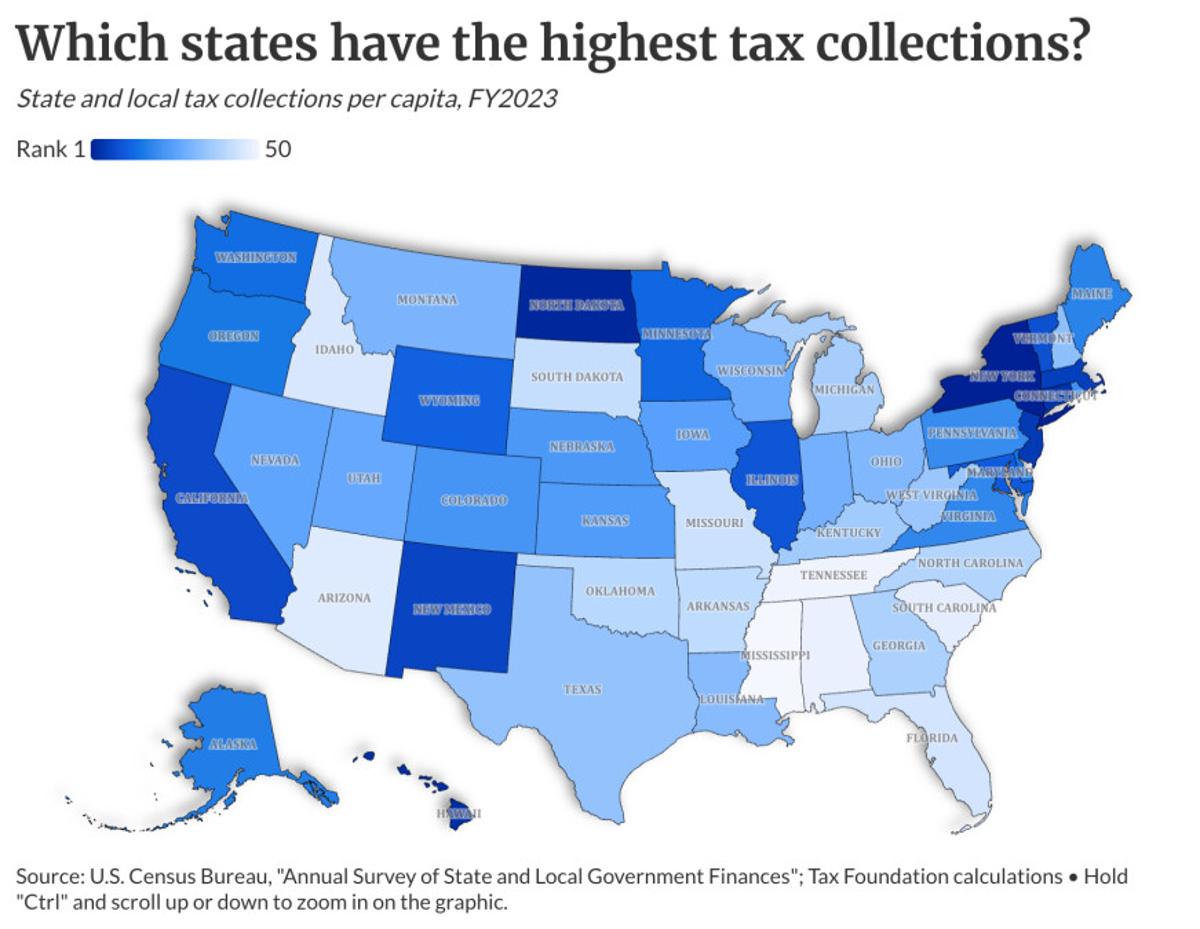
The Next Muni Credit Debate: Tax Policy, Mobility and Revenue Durability
Municipal bond markets remain centered on the federal tax exemption, which costs the Treasury about $25 billion each year. Recent legislation, such as the 2017 Tax Cuts and Jobs Act, curtailed tax‑exempt advance refundings, increasing refinancing risk for long‑duration issuers like...
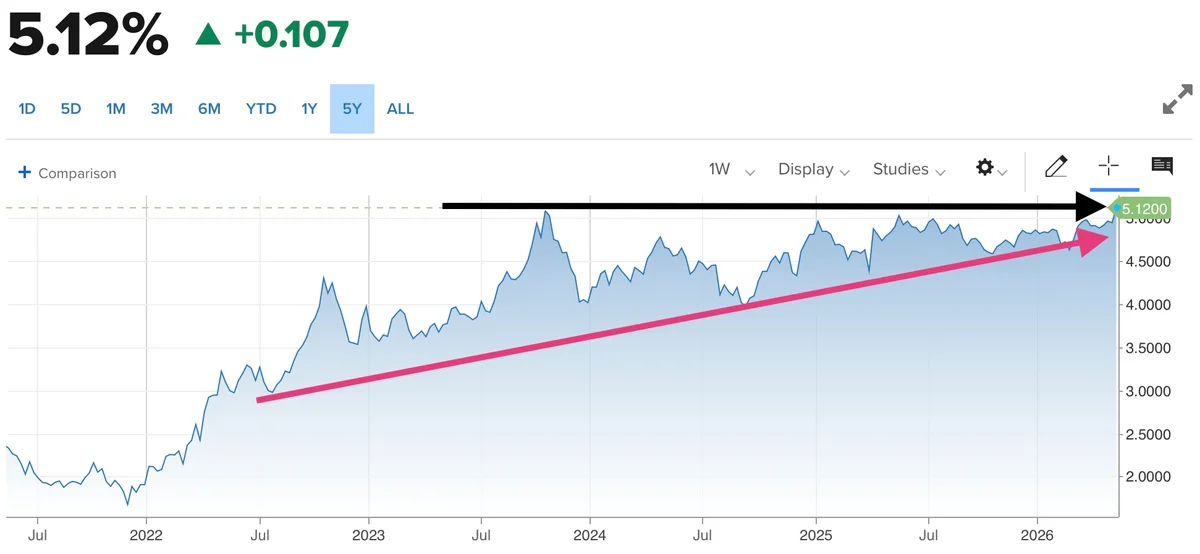
30-Year Yields Likely Rise, Boosting Retiree Income
1Y ago I was talking about the coiling of the 30Y and cautioned against trading the 5% level. Today the 30Y has moved meaningfully past 5%. It may come back, or it may go higher as inflation fears kick in again. We...

Bond Yields Spike as Inflation Fears Trigger Global Sell‑off
U.S. Treasury yields rose sharply—two‑year to 4.06% and 10‑year to 4.54%—as oil prices topped $108 a barrel and inflation worries resurfaced. The jump in yields dragged bonds lower across the Americas, Europe and Asia, prompting a broader market sell‑off that...
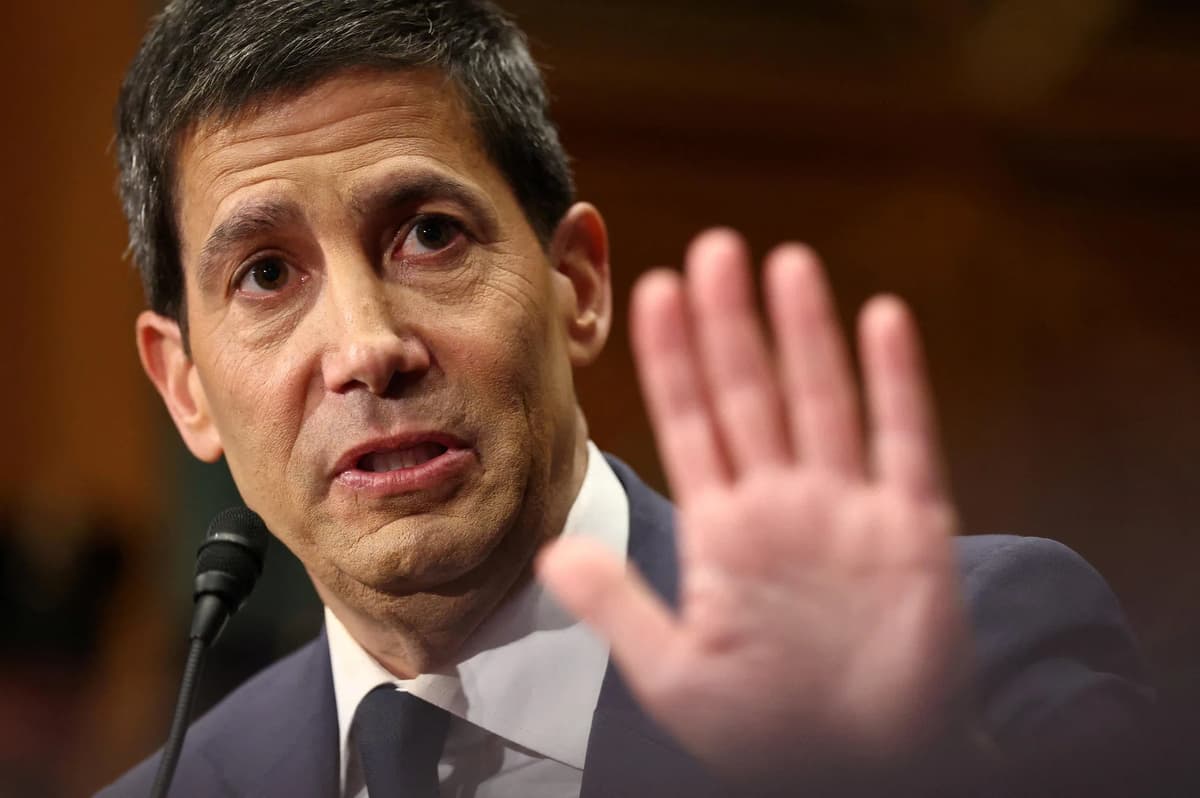
US Debt Load Could Undercut Warsh‘s Plan to Shrink Fed Balance Sheet
Incoming Fed chair Kevin Warsh wants to shrink the central bank’s balance sheet, but soaring U.S. debt and a jump in long‑term Treasury yields could blunt his agenda. The 2‑year rate has risen above 4% and the 30‑year topped 5.1%,...

MSTR Secures 5.5% Yield Debt, Financed at 11.5%
Essentially the company bought back debt at 5.54 fiat yield which they raised proceeds at 11.5% So here's the math. $MSTR paid 92 for these bonds That price is calc by dividing what they paid 1.38BN by the notional they bought...
Long‑term Yields Finally Correct Unsustainable Oil‑spike Pricing
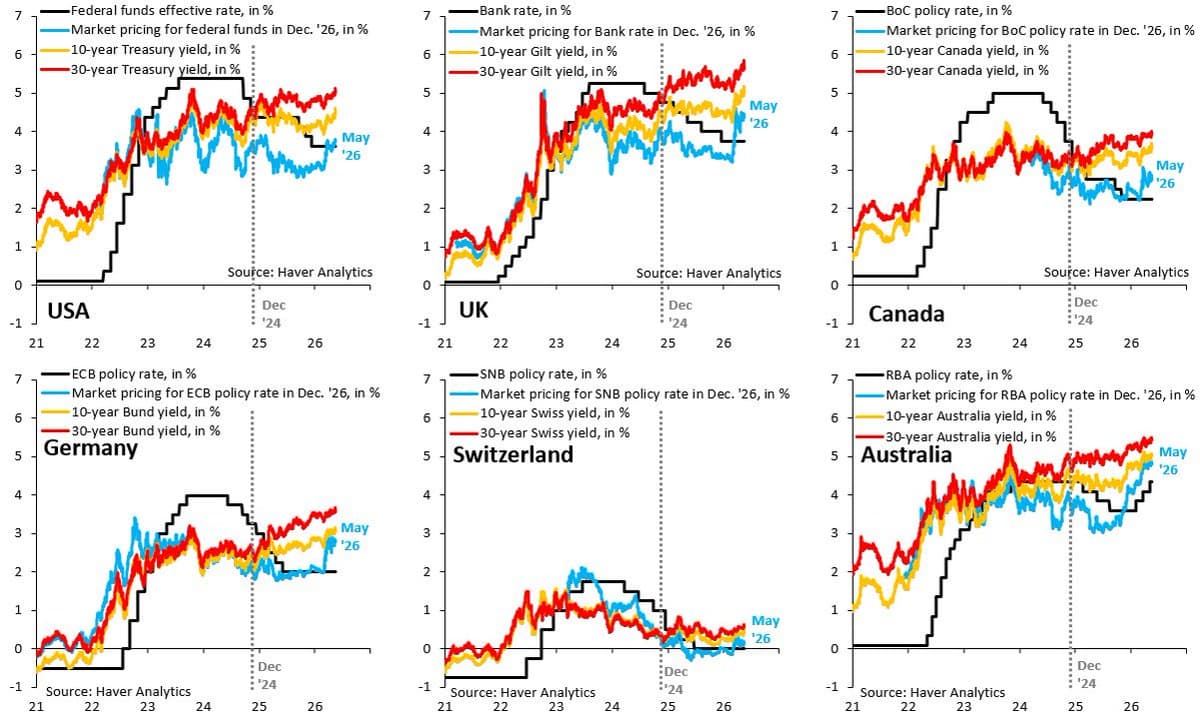
This week's global spike in long-term yields is about an unwind of something that was unsustainable. When oil prices spiked months ago, money market curves (blue) priced central bank hikes, but long-term yields (red) didn't rise. That's now correcting... https://t.co/wLyQataCjN https://t.co/IUcD0KAzNo

Japanese Long‑Term Bond Yields Hit Decade‑High as Oil Prices Spur Inflation
Japanese government bond yields surged to their highest levels in ten years, with the 10‑year at 2.605% and the 30‑year topping 3.89%. The move reflects soaring oil prices, a pending fuel‑cost support package, and concerns over Japan’s fiscal balance.
Iran War Pushes 30‑Year Treasury Yield to 5%
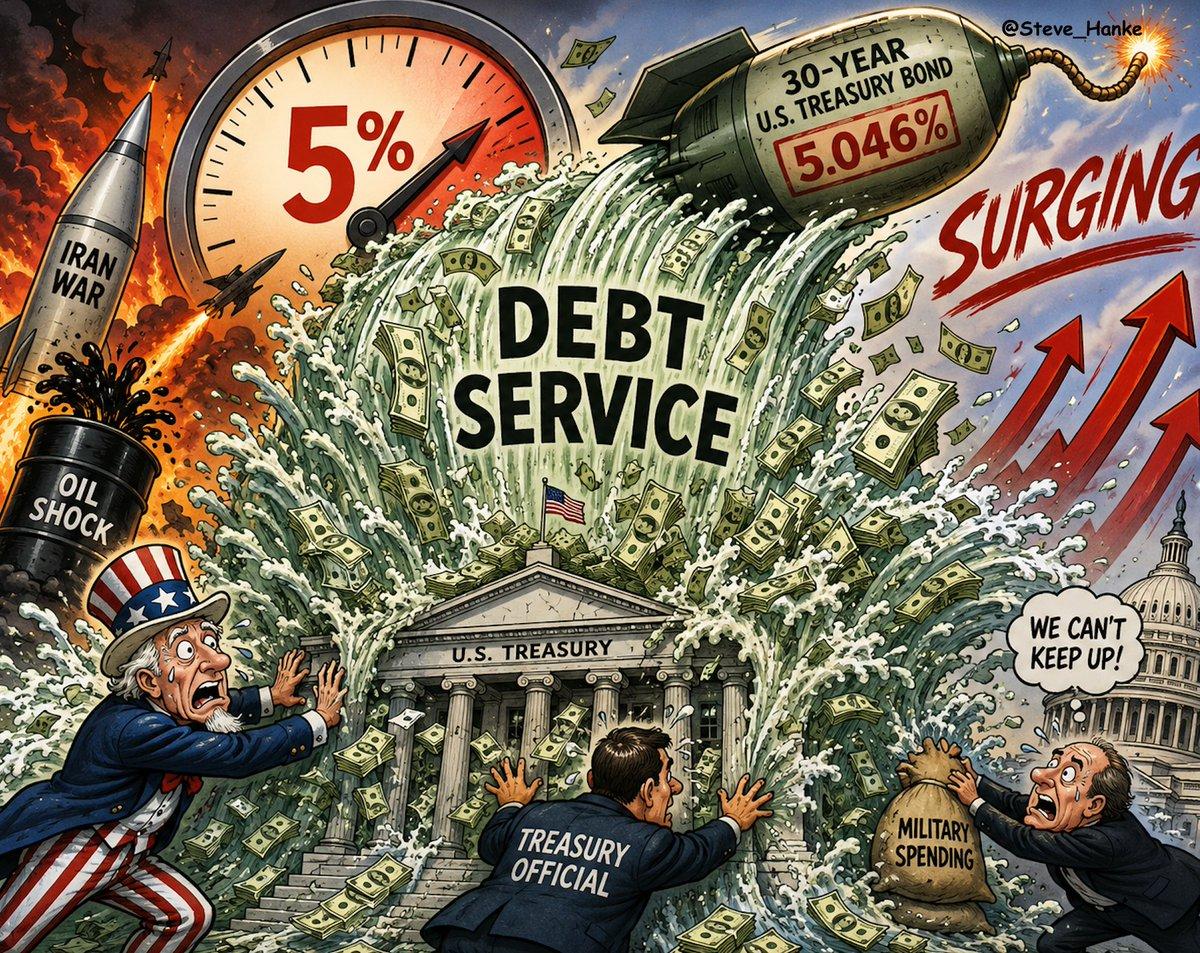
The US government has sold 30-year debt at a 5% yield for the first time since 2007. Trump's war in Iran has caused interest rates & gov’t debt servicing costs to SURGE. https://t.co/myca5WwJEG
30-Year Yield Hits Bush-Era
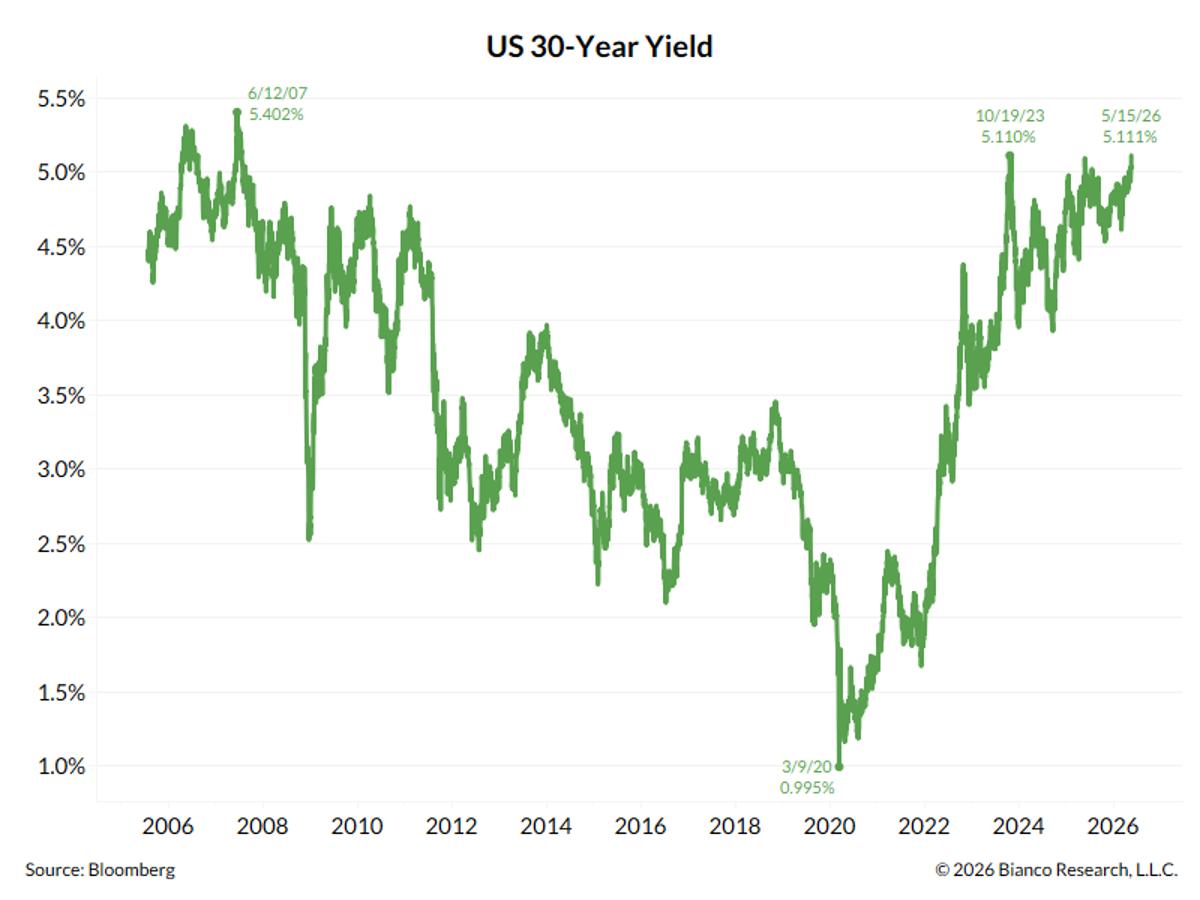
The last time the 30-year yield traded at this level, George W Bush was President. Let's see if it closes at this level (5 PM ET). https://t.co/WKu0a9lHZB

Navigate Fixed Income with PIMCO’s Active ETF Trio
Higher‑for‑longer rates and a new Federal Reserve chair have heightened uncertainty in the bond market, making active management increasingly essential. PIMCO’s three flagship active ETFs—BOND, MINT and PYLD—have each attracted more than $1 billion in net inflows this year, reflecting strong...

30‑
Bond yields are surging without the Fed raising rates: 30-year Treasury yield tops 5.1%, highest in nearly a year.

Alphabet and Amazon Issue Over $150 Billion in Investment‑Grade Debt, Pressuring Treasury Funding
Alphabet and Amazon have together issued more than $150 billion of senior unsecured notes in 2026, forcing investors to choose between corporate and sovereign credit. The surge in hyperscaler debt is tightening the pool of conservative capital that traditionally underpins Treasury...

Gilt Yields Hit 2008 High as Political Turmoil Rattles Westminster
UK gilt yields spiked to 5.13% on the 10‑year benchmark, the highest level since 2008, as political turbulence in Westminster intensified investor anxiety. The surge follows speculation that Greater Manchester mayor Andy Burnham may re‑enter Parliament via a by‑election, stoking fears...

ČD Raises EUR 500 Million Through a Eurobond Issue
Czech national railway operator České dráhy (ČD) closed a €500 million Eurobond issue on May 15, 2026, offering a 3.75% fixed coupon and maturing in September 2031. Investor demand surged to over €1.8 billion, with roughly 150 institutional investors participating, delivering the lowest spread...

Pros Favor Corporate Credit, Chip Rotation, and Emerging‑Market Shock Absorbers Amid Volatility
In a CNBC interview, three market veterans outlined short‑term strategies: diversifying into corporate credit, trimming semiconductor exposure after recent gains, and adding “shock absorbers” such as real assets and emerging‑market equities. The tactics aim to protect portfolios while capturing upside...

Rithm Capital Raises $500M via 8.5% Senior Notes to Fund Real Estate Expansion
Rithm Capital Corp. priced a $500 million senior unsecured note offering with an 8.5% coupon, due in 2031. The proceeds will support general corporate purposes, including debt repayment after a series of high‑profile real‑estate acquisitions. The deal underscores robust appetite for...

Rising Rates Across Curve Pose Major Macro Threat
Rates are moving to new highs across the curve. Rates moving higher is my biggest macro concern. Written a lot about it. https://t.co/s8dO9I94jX

Warwick Investment Management Adds $8.5 Million to Vanguard Corporate Bond ETF
Warwick Investment Management, Inc. bought an additional 109,583 shares of the Vanguard Total Corporate Bond ETF (VTC) for roughly $8.5 million in Q1 2026. The purchase lifted its holding to 3.8% of its 13F‑reportable assets, a move that underscores growing institutional interest...