The Convenience Trap and Why Retail Fraud Has Outgrown Checkout
Retailers' push for frictionless experiences has widened the fraud attack surface, with fraud now spanning account creation, login, loyalty and BNPL, not just checkout. A 2026 survey of over 1,000 fraud and AML leaders shows only 47% of retailers have fully integrated fraud workflows, while 80% struggle to leverage AI‑driven data. Bot‑driven attacks surged 407% during Black Friday week and device anomalies nearly tripled, highlighting coordinated, journey‑wide assaults. Experts argue that a unified, identity‑centric architecture with dynamic friction is required to protect the full customer journey.

These 5 Critical Windows Defender Settings Are Off by Default - Turn Them on ASAP
Microsoft’s built‑in Windows Defender protects most PCs, but five key defenses remain off by default. The article walks readers through enabling Controlled Folder Access, Memory Integrity, Reputation‑Based Protection, Smart App Control, and Tamper Protection, each found under the Windows Security...

State Audit Slams NYC Schools for Lack of Student Data Privacy Oversight
The New York City Department of Education failed a state audit that revealed extensive gaps in student data privacy oversight. Auditors found the district lacks a comprehensive inventory of third‑party software, has experienced 141 security incidents—including breaches affecting 820,000 students—and...

Exclusive: What the Celebrity Stalkerware Breach Means for Executive Protection
Cybersecurity researcher Jeremiah Fowler uncovered a publicly accessible database containing 86,859 screenshots taken from a celebrity’s device, exposing personal communications, invoices, and identification data. The leak appears tied to stalkerware used by an individual targeting a European entrepreneur‑media figure, and...

SSE Vs. SASE: Federal Agencies’ Guide to Cloud Security Architecture
Federal agencies advancing zero‑trust and hybrid work are shifting from perimeter security to cloud‑delivered models. Two frameworks—Security Service Edge (SSE) and Secure Access Service Edge (SASE)—offer distinct paths: SSE provides security‑only services such as SWG, CASB and ZTNA, while SASE...

Bipartisan Senate Bill Takes Aim at AI Voice Cloning and Deepfake Fraud Targeting Mobile Users
The bipartisan AI Fraud Accountability Act (S.3982), introduced by Senators Lisa Blunt Rochester and Tim Sheehy, would make it a federal crime to use AI‑generated voice clones, synthetic video, or other deepfakes for financial fraud and identity theft on mobile...

Synthetic Identity Fraud Now 11 Percent of All Global Fraud, Posing Escalating Threat to Mobile Banking
LexisNexis Risk Solutions’ 2025 cybercrime report finds synthetic identity fraud now represents 11% of all global fraud, an eightfold rise since 2024. The study also documents a 450% surge in agentic bot traffic and a 59% year‑over‑year increase in malicious...

Oracle Will Patch More Often to Counter AI Cybersecurity Threat
Oracle announced it will move from quarterly to monthly security patch cycles for its ERP, database and other software, beginning May 28, 2026. The first Critical Security Patch Update (CSPU) will be released on the fourth Thursday of May, with subsequent patches...

Microsoft Edge Stores Passwords in Process Memory, Posing Enterprise Risk
Microsoft Edge decrypts and retains all saved passwords in cleartext within its process memory, even when the browser isn’t actively used. Security researcher Tom Rønning demonstrated a proof‑of‑concept that lets an attacker with administrative rights dump these credentials via memory...

FTC to Ban Data Broker Kochava From Selling Americans’ Location Data
The Federal Trade Commission has moved to ban data‑broker Kochava and its subsidiary Collective Data Solutions from selling precise location data without explicit consumer consent. The order stems from a 2022 FTC lawsuit alleging that Kochava harvested and sold geolocation...

Cyborg Partners with Austin Artificial Intelligence to Deliver End-to-End Secure AI in Production
Cyborg announced a partnership with Austin Artificial Intelligence to deliver end‑to‑end encrypted AI infrastructure using its CyborgDB vector database. CyborgDB offers sub‑millisecond latency for searching hundreds of millions of vectors while keeping all data encrypted, targeting regulated industries. The collaboration...

CISA Urges Critical Infrastructure Firms to ‘Fortify’ Before It’s Too Late
The Cybersecurity and Infrastructure Security Agency (CISA) released new guidance under its international “CI Fortify” initiative to help critical infrastructure operators isolate and recover from cyber intrusions. The advice, modeled on Australian 2025 guidance, stresses preparing for unreliable third‑party connections...

The EOL Blind Spot in Your CVE Feed: What SCA Tools Miss
HeroDevs warns that most vulnerability scanners miss end‑of‑life (EOL) open‑source packages because CVE advisories rarely list those versions. Their analysis shows roughly 80 % of new CVEs affect EOL releases that are not flagged, and only about 7,000 of the 5.4 million...

Emphasis on Cybersecurity in Medical Practices Could Protect Both Patients and Health Care
Healthcare providers are increasingly targeted by cyberattacks as digital workflows expand, raising the risk of data leaks and service disruptions. The February 2024 Change Healthcare ransomware incident exposed the records of roughly 192.7 million Americans and highlighted the vulnerability of even large...
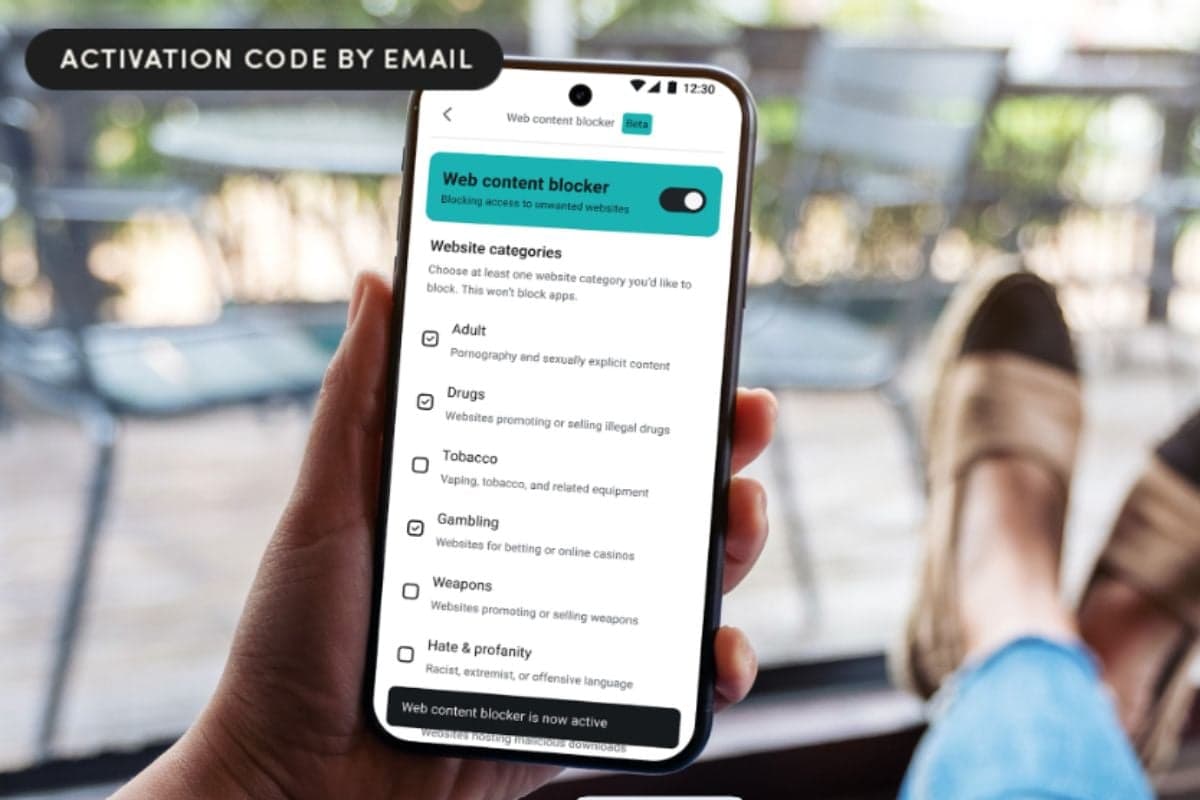
What If Your Digital Footprint Could Shrink?
TechRepublic Academy highlights two steeply discounted offers aimed at bolstering digital security and career growth. The Surfshark One+ with Incogni bundle, now $91.99 for two years (down from $500.40), combines VPN, antivirus, breach alerts, and automated data‑broker removal. Meanwhile, ExpertEase...

Android Zero-Click RCE Vulnerability Enables Remote Shell Access
Google has issued a patch for a critical Android zero‑click vulnerability (CVE‑2026‑0073) that grants remote shell access via the adbd daemon. The flaw spans Android 14 through 16‑QPR2, allowing attackers on the same network or within physical proximity to execute...

Broadcom Bets Big on VMware Cloud Foundation 9.1
Broadcom unveiled VMware Cloud Foundation 9.1, branding it as an AI‑ and Kubernetes‑native private cloud that supports AMD, Intel and Nvidia hardware. The release targets three pillars: mitigating hardware supply constraints, accelerating AI‑enabled application delivery, and enforcing zero‑trust security. New...

EU Reaches Out to Anthropic Over Mythos AI Threat
EU Economy Commissioner Valdis Dombrovskis announced talks with Anthropic to test European firms and banks for vulnerabilities from the unreleased Mythos AI model. Finance ministers are pushing for access amid fears the model could expose systemic cyber risks to the...

SentinelOne (S) Partners with Silverfort on AI and Identity Security
On April 21, 2026 SentinelOne announced a strategic partnership with Silverfort to secure human, AI‑agent and other non‑human identities. The joint solution blends SentinelOne’s AI‑driven detection platform with Silverfort’s runtime identity protection across endpoints, cloud workloads and AI applications. By...

Anti-ICE Site GTFO ICE Accused of Exposing Data of 17,000+ Activists
Former DHS chief Miles Taylor launched GTFO ICE, an anti‑ICE advocacy platform, in April 2026. Researchers discovered the site’s public REST API was unprotected and lacked rate‑limiting, allowing anyone to download the personal data of 17,662 users in seconds. The breach...

Foreign-Invested Apps and Taiwan’s Cybersecurity Blind Spot
Taiwan’s food‑delivery market is on the cusp of a major shift as Grab moves to acquire foodpanda for roughly $600 million, potentially securing over half of the sector’s share. The deal would transfer vast troves of location, consumption, and labor data...

LinkedIn Faces GDPR Scrutiny Over Paid Profile View Data and Access Rights Dispute
LinkedIn is under renewed GDPR scrutiny after privacy group noyb filed a complaint in Germany, alleging the platform violates Article 15 by restricting profile‑visitor data to Premium subscribers. The social network’s practice of refusing a standard data‑access request while selling the...
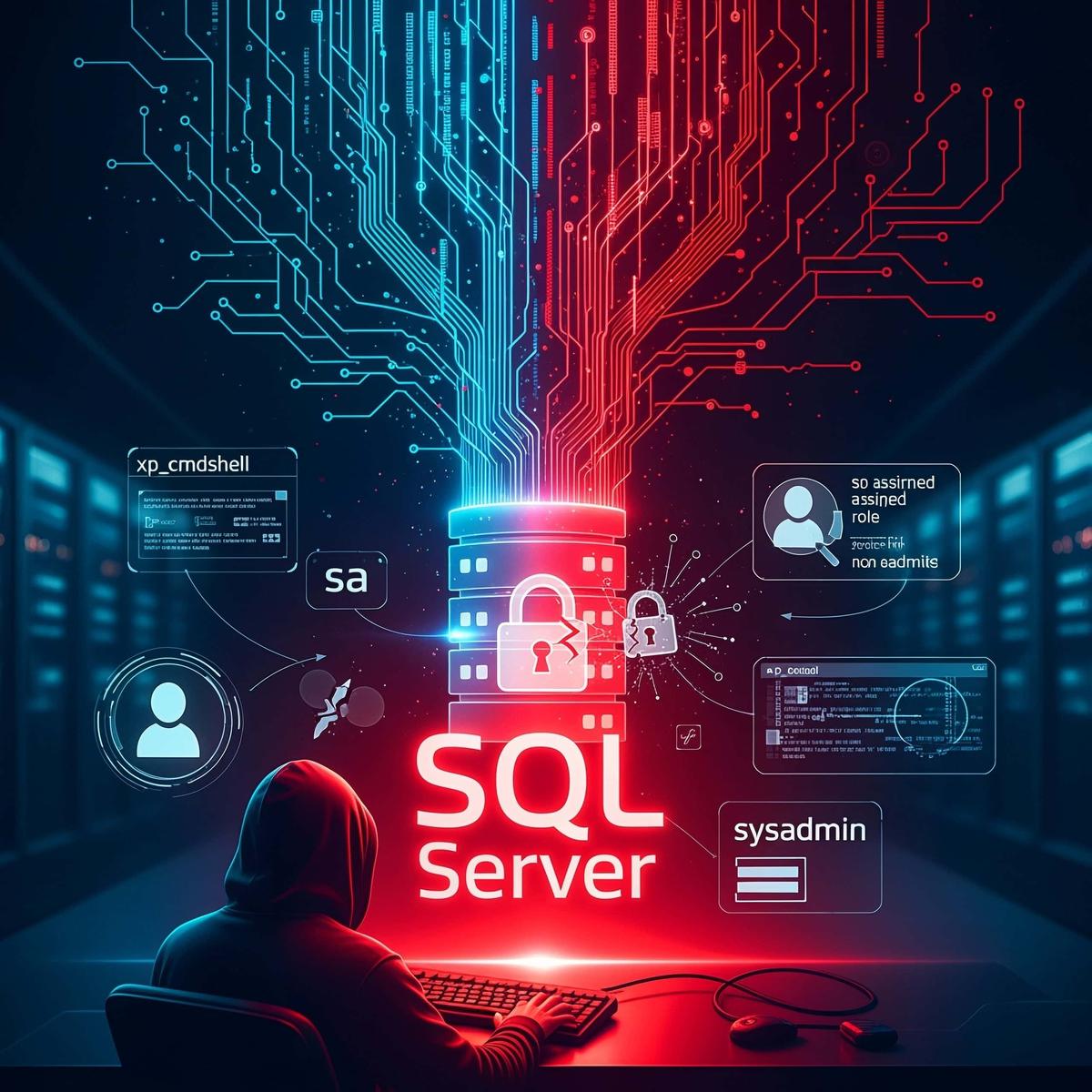
What Are Managed Identities in SQL Server 2025? A Complete Guide
Managed identities—Microsoft Entra‑backed, password‑less identities—are now supported in SQL Server 2025 when the instance is Azure Arc‑enabled. The feature allows a system‑assigned managed identity to obtain tokens for Azure services, eliminating stored secrets and reducing credential‑rotation overhead. Configuration requires Windows Server,...

AI Finds 20-Year-Old Bugs in PostgreSQL and MariaDB
AI‑driven security tool Xint Code uncovered a high‑severity heap overflow in PostgreSQL’s pgcrypto extension and a buffer‑overflow in MariaDB’s JSON schema validation, both tracing back to code written over two decades ago. The PostgreSQL flaws (CVE‑2026‑2005 and CVE‑2026‑2006) received CVSS...

Google Web Bot Auth: Validate Authentic Bots
Google announced an experimental cryptographic protocol called Web Bot Auth that lets websites verify that bot traffic originates from authentic agents. The protocol uses digital signatures instead of relying on mutable headers or IP addresses, offering stronger identity assurance. Google...

AI Adoption Outpaces Safety Policies, Leaving Organizations Exposed to Cyber Risk
AI tools are now ubiquitous in enterprises, with 90% of digital‑trust professionals confirming employee use. Yet only 38% of organizations have a formal, comprehensive AI safety policy and a further 30% operate with limited guidance, leaving a quarter without any...

Stealthy Malware Abuses Microsoft Phone Link to Siphon SMS OTPs From Enterprise PCs
Security researchers at Cisco Talos have uncovered a new malware campaign that leverages Microsoft’s Phone Link (formerly Your Phone) to intercept SMS‑based one‑time passwords from enterprise Windows PCs. The remote‑access trojan, dubbed CloudZ, works with a custom Pheno plugin to...

SMEs Fall Short on AI Cyber Security Training Despite Rising Risks
AI adoption is accelerating among UK small and medium‑size enterprises, but cyber threats are rising in parallel. A new Moneysupermarket survey shows only 10% of SMEs provide AI‑specific security training, despite 43% of all businesses reporting a breach in the...

Trojan Abuses Microsoft Phone Link App to Steal Your Passwords
Researchers at Cisco Talos have identified CloudZ, a modular Remote Access Trojan that targets Microsoft Phone Link (formerly Your Phone) on Windows 10/11. The malware deploys a malicious "Pheno" plugin to monitor active Phone Link sessions and hijack its SQLite database,...

Cyber-Physical Risk: A Growing Concern for South African Companies
South African firms are confronting a surge in cyber‑physical risk, where cyberattacks can damage equipment, halt production, and trigger costly business interruption. Global incidents of physical impairment rose 146% in 2024, and Africa’s cyber‑insurance market—valued at roughly US$283 million—remains under‑penetrated, leaving...

Microsoft, Google Push AI Agent Governance Into Enterprise IT Mainstream
Microsoft and Google have launched enterprise‑focused AI governance tools—Microsoft’s Agent 365, now generally available, and Google’s AI Control Center for Workspace. Both solutions let IT and security teams discover, monitor, and secure AI agents that operate across SaaS, cloud, and...

Manufacturers Overestimate Cyber Resilience, New Report Reveals
A new Beazley survey of 3,500 global executives shows cyber risk remains the top concern for retail and manufacturing leaders, with 32% naming it their number‑one security issue. Despite recent high‑profile attacks—Marks & Spencer and the Co‑op each losing hundreds of millions...

Traditional Recovery Approaches No Longer Enough
Traditional disaster‑recovery methods that rely on rolling back to the last‑known good snapshot are no longer sufficient against modern cyber attacks, according to Cohesity’s VP of Cyber Resiliency Strategy, James Blake. Attackers can remain undetected for months, meaning restored data...

A Rigged Game: ScarCruft Compromises Gaming Platform in a Supply-Chain Attack
ESET researchers uncovered a multi‑platform supply‑chain attack by the North Korea‑aligned APT group ScarCruft against a Yanbian‑focused video‑game platform. The group compromised the Windows client through a malicious update, installing the RokRAT downloader that delivered the sophisticated BirdCall backdoor. An...

Your Biggest Cyber Threat Is Now Sitting at the Desk Next to You
South Africa’s insider cyber risk jumped 46% in 2026, outpacing the 44% global average, and 63% of local firms expect data losses to keep rising. Economic stress, high unemployment and frequent restructurings are driving employees to view data as personal...

Kaspersky to Highlight Local Cyber Security Pain Points, Potential Solutions
Kaspersky will speak at the ITWeb Security Summit 2026 in Cape Town on May 26, focusing on the cyber‑security challenges facing South African and broader sub‑Saharan organisations. Senior researcher Omar Amin will outline global and regional threat trends, while GM...
Precision Container Security with Docker and Black Duck
Black Duck has launched an integration with Docker Hardened Images (DHI) that leverages Docker’s VEX statements and Black Duck’s binary analysis to automatically distinguish harmless base‑layer vulnerabilities from real application risks. The solution provides zero‑config detection of DHI, precision triage...

Welcome to National Small Business Week 2026
During National Small Business Week 2026, the Federal Trade Commission (FTC) is spotlighting fraud prevention and cybersecurity for small enterprises. The agency is offering a series of free virtual events, including a two‑day summit (May 5‑6), a cybersecurity team‑building webinar, a...

Digitalisation Increases Risk. Companies Are Not Ready
The rapid digitalisation of manufacturing, amplified by AI, is turning production lines into cyber‑dependent systems, raising the stakes of cyber incidents beyond IT outages. Companies across the electronics sector remain largely unprepared, with human error still the leading breach vector...

OWASP Foundation Unveils Its Strategic Plan for a World Without Insecure Software
The OWASP Foundation unveiled a new strategic plan that charts a five‑point roadmap to eradicate insecure software at scale. The document shifts OWASP from a respected security voice to a transformative industry force, emphasizing community collaboration, education, and open‑source innovation....

Ripple to Share North Korean Threat Intelligence with Crypto Firms
Ripple announced it will feed Crypto ISAC with internal threat intelligence on North Korean hackers after the April Drift breach, which siphoned $285 million through long‑term social engineering. The breach highlighted a shift from smart‑contract exploits to people‑centric attacks, where operatives...

Major Shift in Chinese Cyber Attack Activity
The UK’s National Cyber Security Centre, together with partners in ten countries, warned that China‑linked cyber actors are increasingly using large botnets of compromised SOHO routers, IoT and other smart devices to mask attacks. Groups such as Volt Typhoon, Flax Typhoon and...

Up to 28,000 Employees Affected by Paper-Based Data Breaches
An analysis by Officeology revealed that paper‑based record mishandling led to 1,820 non‑cyber data breaches in 2025, affecting up to 28,000 employees. Nearly one‑fifth of the 11,000 breaches reported to the UK ICO between 2020‑2025 involved employee information, with basic...

Sektor Secures Semperis Distie Deal for A/NZ
Sektor has signed a distribution agreement with identity‑security specialist Semperis to bring its cyber‑resilience and crisis‑response solutions to Australia and New Zealand. The partnership lets Sektor sell Semperis’ tools for protecting Active Directory, identity providers and other critical identity systems through...

CVE-2026-31431: Copy Fail Vs. Rootless Containers
The article dissects CVE‑2026‑31431, a kernel privilege‑escalation bug dubbed “Copy Fail,” which corrupts the page‑cache of /usr/bin/su to execute a tiny ELF payload that calls setuid(0) and execve("/bin/sh"). The author reproduces the exploit on a vulnerable Fedora 43 VM (kernel 6.17.1)...

Singapore Boffins Get Diverse SIEMs Singing in Harmony with Agentic Rule Translation
Researchers from the National University of Singapore and Fudan University unveiled ARuleCon, an agentic retrieval‑augmented generation framework that translates security rules across five major SIEM platforms. The system pulls vendor documentation to resolve schema mismatches and runs Python‑based consistency checks...
Singapore Boffins Get Diverse SIEMs Singing in Harmony with Agentic Rule Translation
Researchers from the National University of Singapore and Fudan University unveiled ARuleCon, a technique that automatically translates security detection rules across major SIEM platforms. By leveraging an agentic Retrieval‑Augmented Generation pipeline and a Python‑based consistency checker, the system maps vendor‑specific...

When AI Finds the Bugs: Why Defense in Depth Was Always the Answer
Mozilla partnered with Anthropic to run AI models against Firefox, uncovering 22 critical bugs in one release and a staggering 271 vulnerabilities in a follow‑up scan. The AI identified the same classes of flaws that elite human researchers find, but...

Stop the PCI DSS 4.0 Audit Toil: A Guide to Inherited Controls
PCI DSS 4.0, now mandatory for all payment‑data handlers, moves audits from point‑in‑time checks to continuous, automated evidence. Fintechs that build on raw cloud primitives spend months gathering OS‑hardening, patch‑management and network‑segmentation documentation, a burden known as audit toil. Upsun’s platform...

$3.425 Billion. One Year. A Wake-Up Call for Every Business Operating in the United States.
Gartner reports U.S. states imposed $3.425 billion in privacy‑related fines in 2025, eclipsing the total of the previous five years. Enforcement has shifted from guidance to hefty penalties, with California alone fining Disney $2.75 million for opt‑out violations. Twenty‑two states already have...