
Karaganov’s Candid Assessment Of Europe Shows The World What Russian Hardliners Think
Russian geopolitical analyst Sergey Karaganov, a leading hard‑liner, told Russia‑24 that Moscow should appoint a commander‑in‑chief to launch a conventional assault on Europe and, if necessary, a limited nuclear strike to force surrender. He framed Europe as the source of humanity’s greatest evils and warned that any Ukrainian attack on Moscow’s Victory Day parade would trigger a massive retaliation in Kyiv. Karaganov also condemned pro‑European Russians as traitors, urging harsh measures against them. The interview underscores the extremist strand within Russia’s security establishment and its potential impact on future policy.

AI Can’t Even Forecast Inflation
A Federal Reserve research team compared ChatGPT’s inflation forecasts to the Cleveland Fed’s nowcast model and found the AI’s errors dramatically larger—up to twelve times higher during ambiguous periods and seven times higher in a true out‑of‑sample test. The study...

Pentagon Connects with Big Tech: U.S. Department of Defense Integrates AI From OpenAI, Google, and NVIDIA
In April 2026 the U.S. Department of Defense announced framework agreements with seven leading AI companies—including OpenAI, Google, NVIDIA, Microsoft, AWS and SpaceX—to embed artificial‑intelligence capabilities into secure military networks. The contracts focus on using AI for data analysis, logistics...
Trump Cancels “Operation Freedom” But We Have a New Goal
President Donald Trump announced the abrupt cancellation of "Operation Freedom," the naval effort aimed at clearing the Strait of Hormuz after just one day of action. The operation had been intended to free between 1,550 and 2,000 vessels and protect...

Apocalypse Early Warning System
The Apocalypse Early Warning System (EWS) monitors real‑time business‑jet activity to flag potential elite evacuations ahead of a catastrophic event. It aggregates ADS‑B Exchange, Mictronics tar1090, and FAA registry data, matching aircraft by ICAO hex codes and storing position, speed,...

The Daily Wrap Up
U.S. Secretary of Defense Pete Hegseth briefed reporters on “Project Freedom,” a temporary operation to escort commercial ships through the Strait of Hormuz amid renewed clashes with Iran. He asserted the cease‑fire between the United States and Iran remains in...

The Pentagon’s New Sub-Unified Command for Autonomous Warfare: What It Means and Where It Might Land
On April 29, 2026 the Pentagon announced it will soon stand up a sub‑unified command dedicated to autonomous warfare. The FY 2027 budget request earmarks roughly $54 billion for the Defense Autonomous Warfare Group, pushing total drone‑related spending to about $74 billion—the largest...

USAF Says Former Qatari 747 Boeing Ready For USA Paint Scheme
The U.S. Air Force announced that the former Qatari 747‑8i, now designated VC‑25B Bridge, has finished its modification and flight‑testing program and is moving into the paint phase. The aircraft will serve as an interim Air Force One until Boeing’s...
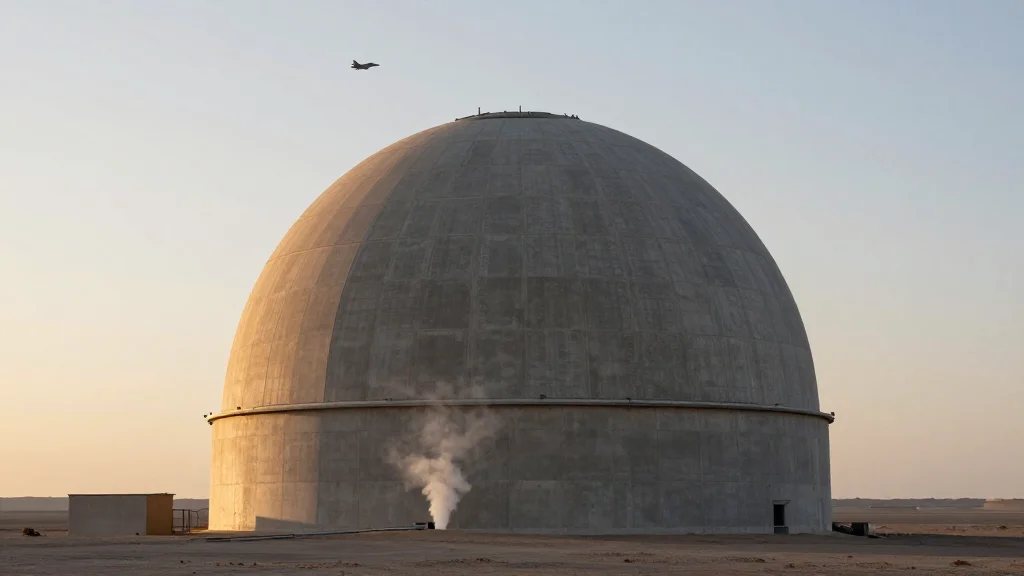
US Intelligence Only Sees Limited Additional Damage To Iran Nuclear Program Since Last June
U.S. intelligence reports that Iran’s nuclear weapons timeline remains unchanged since last summer, despite the 38‑day air campaign that expended over 20,000 munitions. Analysts say the February‑April strikes only pushed back the weaponization date by up to a year, a...

Irregular Warfare, Part One: Updating the Term and the Toolkit
The article by Jocelyn Garcia and Dr. James Giordano calls for redefining irregular warfare based on state stewardship rather than traditional asymmetry. It argues that a stewardship‑centric doctrine clarifies authority, entitlement, and responsibility, enabling the Joint Force to better classify...
The Pentagon Pegs the Cost of the Iran War, So Far, at $25 Billion
The Pentagon has estimated that President Trump’s Iran war has cost the United States at least $25 billion so far, according to a Financial Times report. The bulk of the expense is tied to the use of munitions and the logistical...

Project Freedom Is Anything But
Donald Trump announced a U.S. naval operation to escort commercial vessels through the Strait of Hormuz, presenting it as a limited, humanitarian effort to safeguard global trade amid a fragile U.S.–Iran ceasefire. The article argues that the so‑called de‑escalation actually...

Inside the Pentagon’s High-Stakes Nuclear Overhaul
Senators on the Armed Services Strategic Forces Subcommittee heard officials detail a sweeping, budget‑heavy modernization of the U.S. nuclear triad as part of the FY 2027 authorization. The Air Force’s Sentinel ICBM program has ballooned from $78 billion to over $141 billion, pushing...

Washington Post Quotes Official About “Fresh Scrutiny” Over Israel’s Nuclear Threat
The Washington Post reported that a senior U.S. administration official said Israel’s nuclear program is under fresh scrutiny, especially as House Democrats press President Trump to break his silence on the issue. The official warned that if Israel’s air‑defense network...

The Systematic Cover-Up Inside 58th Motorized Brigade
Colonel Ivan Shnyr, commander of Ukraine’s 58th Separate Motorized Brigade, was suspended after the loss of the village Veterynarne, not for the extensive corruption allegations documented by his troops. Soldiers allege Shnyr ran a personal fund, his deputy Maksym Bobrovskyi...
Pentagon Says Iran Attacking US Ships Is Below Threshold for Renewed War
The Pentagon announced that Iran's recent attacks on U.S. warships, commercial vessels, and the deployment of sea mines in the Strait of Hormuz are "below the threshold" for restarting full‑scale combat. While the cease‑fire that began on April 7 remains technically...
![DEFAERO Strategy Series [May 05, 26] Sam Bendett & Eugene Rumer on Russia, Ukraine](https://hixhlmpcokxhartfkpyi.supabase.co/storage/v1/object/public/images/thumbnails/96453a05e94bfd987d4956428c37ce05.webp)
DEFAERO Strategy Series [May 05, 26] Sam Bendett & Eugene Rumer on Russia, Ukraine
The DEFAERO Strategy Series hosted a discussion on the evolving Russia‑Ukraine war, weighing the odds of a ceasefire around Russia’s May 9 Victory Day. Analysts highlighted Ukraine’s expanding strike capability deep inside Russian territory and Kyiv’s use of unmanned ground vehicles...
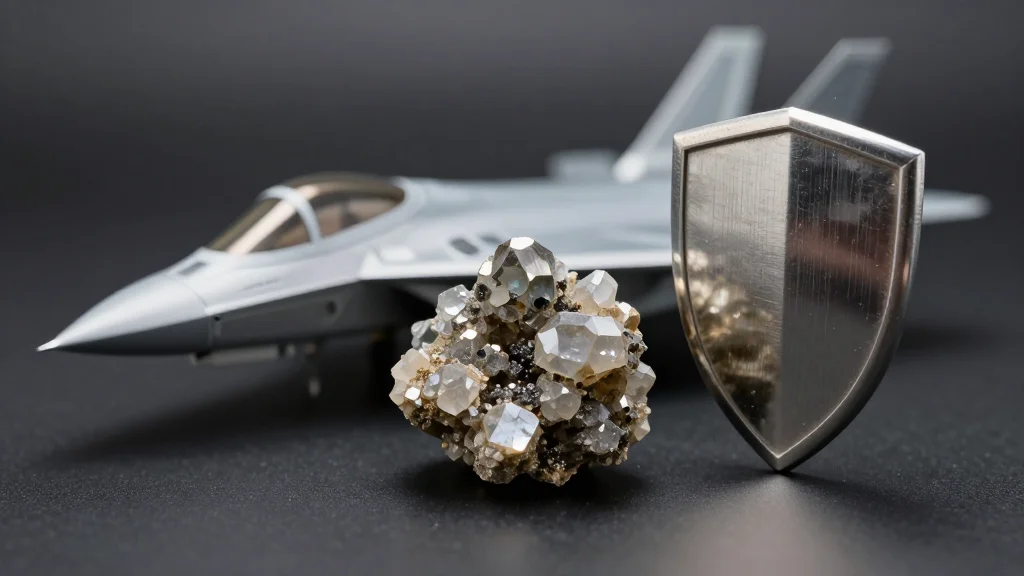
Canada Should Work With Washington on Critical Minerals Without Deferring to It – by Robert M. Cutler (Open Canada –...
Canada must collaborate with the United States on critical mineral strategy while preserving its own negotiating leverage. The article argues that critical minerals are now central to economic security and that Canada cannot afford to stay isolated or overly dependent...

The Insurgency Threatening to Derail a U.S.-Pakistan Pact – by Elian Peltier, Zia Ur-Rehman, Christiaan Triebert and Pablo Robles (New...
In September, Pakistan’s army chief presented President Trump with a box of minerals, signaling a push for U.S. involvement in the country’s mining sector. The Trump administration subsequently pledged $1.3 billion for gold and copper projects in Balochistan, a region historically...

South Korea Reviews Role in Strait of Hormuz
South Korea is reevaluating participation in U.S.-led operations in the Strait of Hormuz after an explosion and fire aboard the HMM Namu cargo vessel. The incident, which occurred in the geopolitically sensitive waterway, left all 24 crew members unharmed and...

The Coming Hackastrophe
The Atlantic and NYT highlight a looming shift as AI models such as Claude Mythos enable bots to discover and exploit software flaws at scale. Experts warn that within a year or two these tools could make most existing applications...

1920 Liberation of Kyiv: Ukrainian-Polish Alliance Against Bolsheviks
In April 1920 the Ukrainian People’s Republic and Poland sealed the Warsaw Treaty, committing Polish troops to help liberate Ukrainian lands from Bolshevik control. Joint forces entered Kyiv on 7 May, sparking a brief surge of hope for an independent...
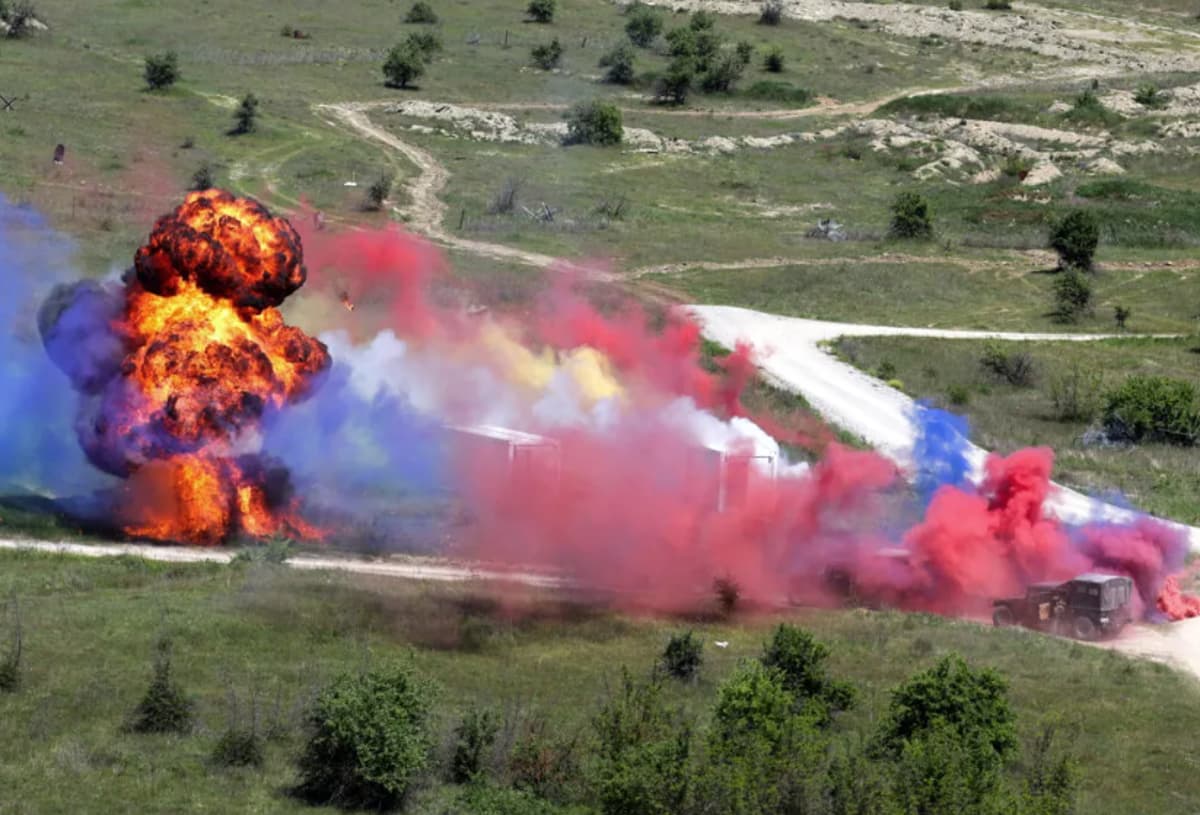
The Two-Year Window: Russia’s Readiness Clock and Europe’s Strike Gap
Estonian Defense Forces commander Andrus Merilo predicts Russia will regain full combat readiness by 2027 after retooling its economy for war and consolidating battlefield experience in Ukraine. Analysts note that while Russia’s offensive capacity remains tied to the Ukrainian front,...

How Is China Responding to the Orange Drift?
The so‑called Trump Corollary, which pressures Latin American nations to choose between the United States and China, is unfolding far from the binary map many imagined. While Panama visibly pits Washington against Beijing, several self‑identified Trump allies—El Salvador’s Bukele, Argentina’s Milei...
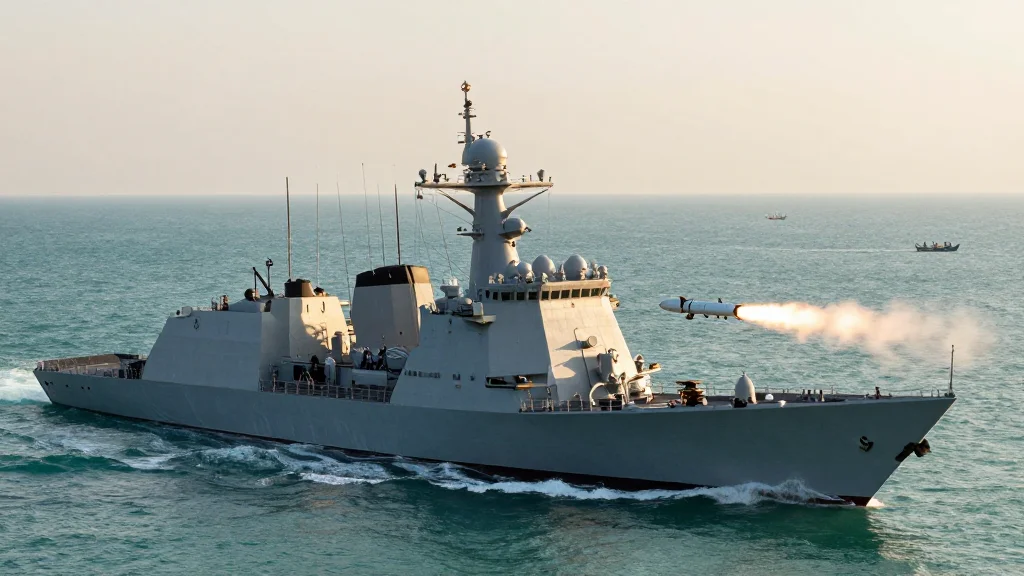
Daily Memo: Escalation in the Middle East
U.S. Central Command confirmed that U.S. warships destroyed six small Iranian boats after Iran launched missiles and drones at Navy vessels escorting commercial traffic through the Strait of Hormuz. The engagement marks the most direct naval clash between the two...

🚨 DON’T CALL IT A WAR
Overnight the U.S. Navy sank seven Iranian fast‑attack boats in the Strait of Hormuz, while Iranian drones struck the United Arab Emirates and ignited the Fujairah oil terminal. Israeli warplanes hit Tehran’s Shahran oil depot, pushing Brent crude above $112...

WHAT PUTIN’S STALEMATE MEANS FOR IRAN
Russian President Vladimir Putin finds his war in Ukraine at a stalemate, limiting Moscow’s strategic leverage. At the same time, Iran persists with its partially enriched uranium program and remains dependent on Russian military support. With Russia preoccupied, Tehran may...

The Disclosure Edition
The U.S. government has shifted from a strict silence on UFOs to openly acknowledging Unidentified Anomalous Phenomena (UAP), with former Pentagon program head Luis Elizondo testifying that foreign technologies monitor sensitive sites. High‑level officials such as John Podesta have expressed...
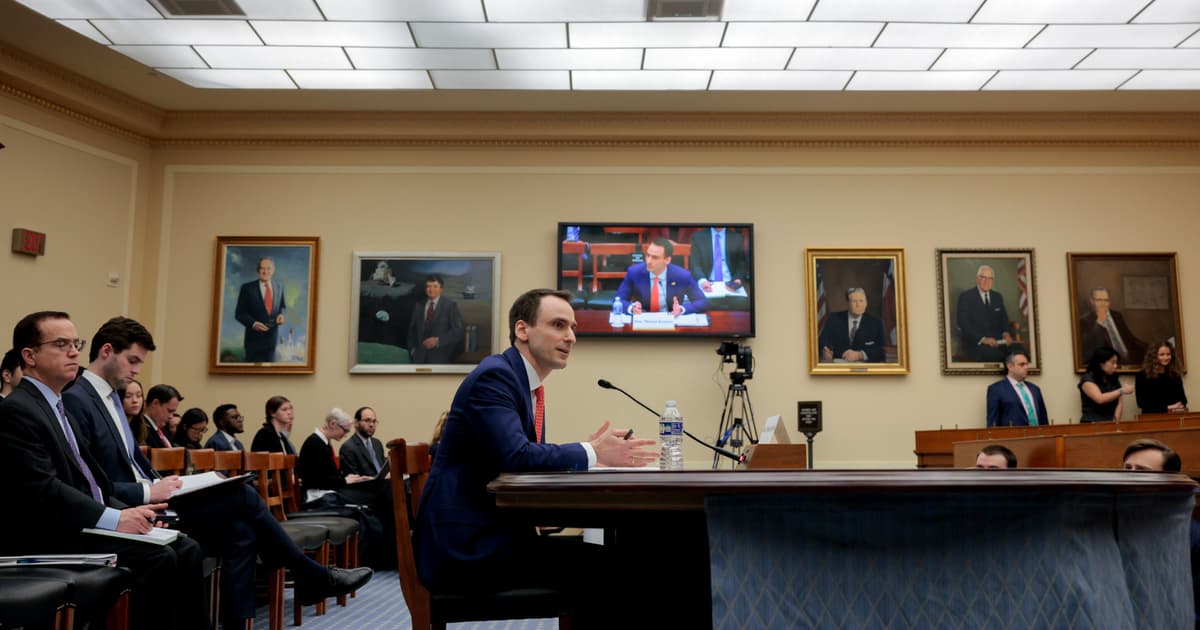
From Diagnosis to Deterrence: The Emerging U.S. Response to Adversarial Distillation
In April the White House and the House Foreign Affairs Committee moved to counter Chinese adversarial distillation of U.S. frontier AI models. The Deterring American AI Model Theft Act of 2026 (DAAMTA) would require a 180‑day assessment, publish an attackers...
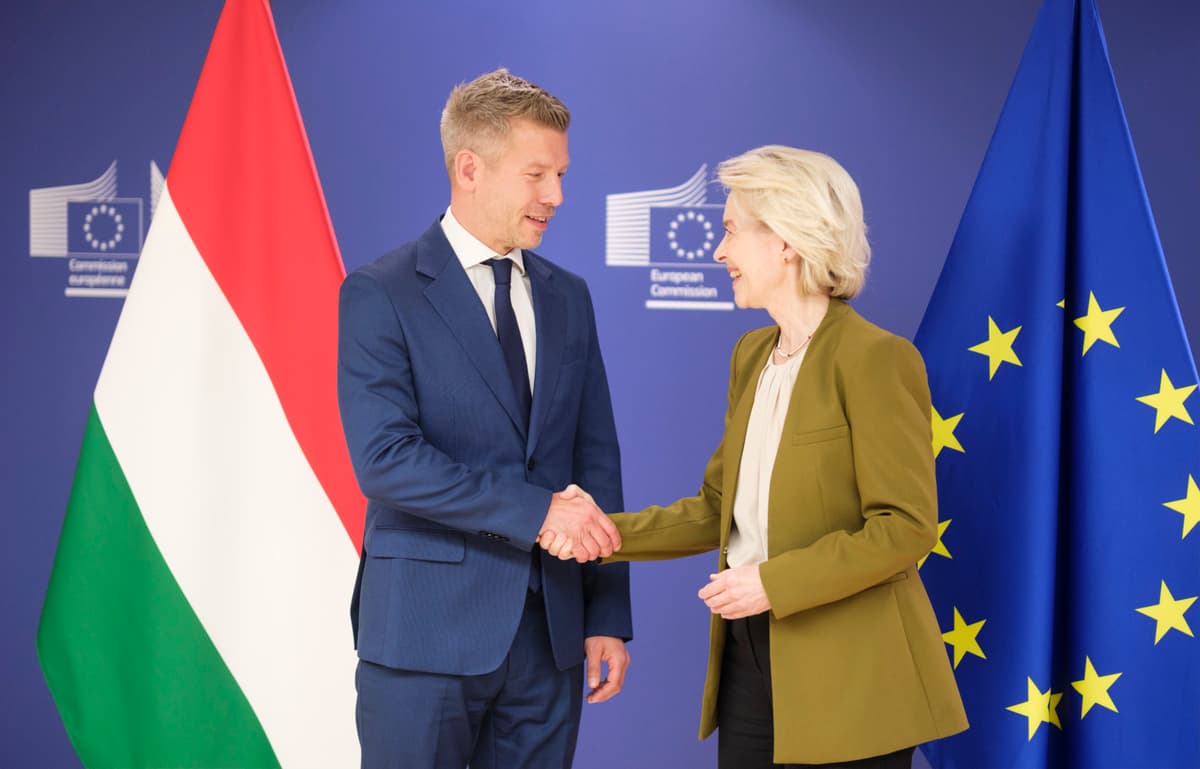
Hungary’s Election Is Already Paying Dividends for the EU and Ukraine. Is the U.S. Next?
Peter Magyar’s TISZA party won Hungary’s April 12 parliamentary election, ending Viktor Orbán’s 16‑year tenure. Within days the EU approved a $106 billion loan for Ukraine and a new sanctions package against Russia, moves previously blocked by Budapest. Magyar has pledged...

What A War Game Already Told Us About Iran
In 2002 the Pentagon’s Millennium Challenge war game, led by retired Marine Lt. Gen. Paul Van Riper, demonstrated that a simulated Iran‑like adversary could sink 16 U.S. warships in minutes using low‑tech, decentralized tactics. The exercise’s findings were down‑played, ships were...
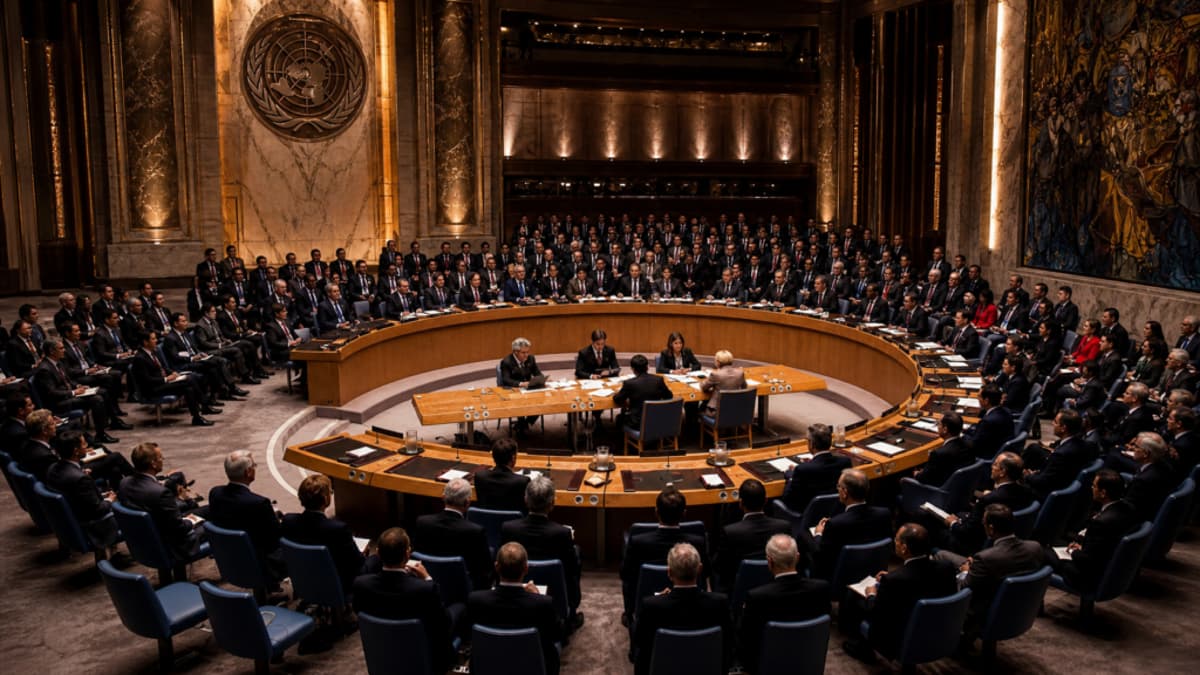
From Bilateralism to Multilateralism: Washington’s Push for Strategic Stability Through the P5
The New START treaty lapsed on February 5 2026, and the United States is abandoning a bilateral U.S.–Russia framework in favor of a multilateral approach that brings all five NPT‑recognized nuclear powers together. Assistant Secretary Christopher Yeaw argued that the old treaty ignored...

Early Edition: May 5, 2026
U.S. warships intercepted Iranian missiles and drones, escorted two merchant vessels through the Strait of Hormuz and began advising commercial traffic on mine avoidance, while Iran continued attacks on UAE facilities and Omani ports. U.S. intelligence assessed Iran’s nuclear program...

Asia Daily: May 5, 2026
U.S. Treasury Secretary Scott Bessent called on China to use its leverage over Iran to help reopen the Strait of Hormuz, while China’s coast guard raised its flag on a disputed reef in the South China Sea. Australia and Japan...
First Ukrainian President's Historic 1992 Visit to the United States
On May 5‑6 1992 Ukraine’s first president, Leonid Kravchuk, made a historic state visit to Washington, meeting President George H.W. Bush and signing a suite of agreements. The United States granted Ukraine most‑favored‑nation trade status, extended $110 million in agricultural credit guarantees, and opened OPIC investment...

Claudia Sheinbaum Is Caught Between a Rock and a Hard Place
The U.S. Justice Department has issued an extradition request for ten Mexican officials, including Sinaloa Governor Rubén Rocha and Senator Enrique Inzunza, accusing them of drug‑trafficking and weapons offenses. President Claudia Sheinbaum’s administration has so far rejected the request, citing insufficient evidence and a...
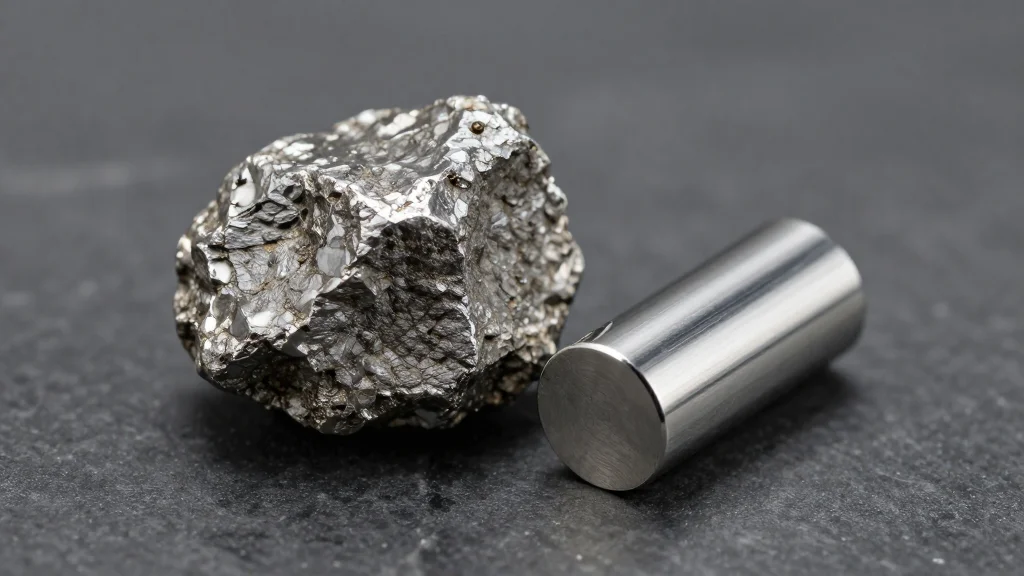
Ali Haji of American Tungsten Corp. To Speak on Restoring Domestic Tungsten Supply Amid Growing National Security Concerns
Ali Haji, CEO of American Tungsten Corp., will speak at the Critical Minerals Institute’s Summit 5 in Toronto on May 14, outlining the company’s plan to restore a domestic tungsten supply. He highlighted that China currently dominates the market, supplying roughly 80%...

‘A New Equation Of The Strait’
Iranian official Bagher Ghalibaf announced a "new equation" for the Strait of Hormuz after a U.S. Navy operation that destroyed six IRGC speedboats, accusing President Trump of endangering energy transit. The clash sparked temporary cease‑fire talks, while Chevron’s CEO warned...

The Aramid Shield: Snare Drones for an Active Undersea Defense Capability
The article proposes an "Aramid Shield"—autonomous drones equipped with aramid‑fiber snares—to actively protect undersea internet cables from gray‑zone sabotage by Chinese and Russian maritime militia. Recent incidents in Taiwan and the Baltic illustrate how traditional naval vessels and coast‑guard fleets...
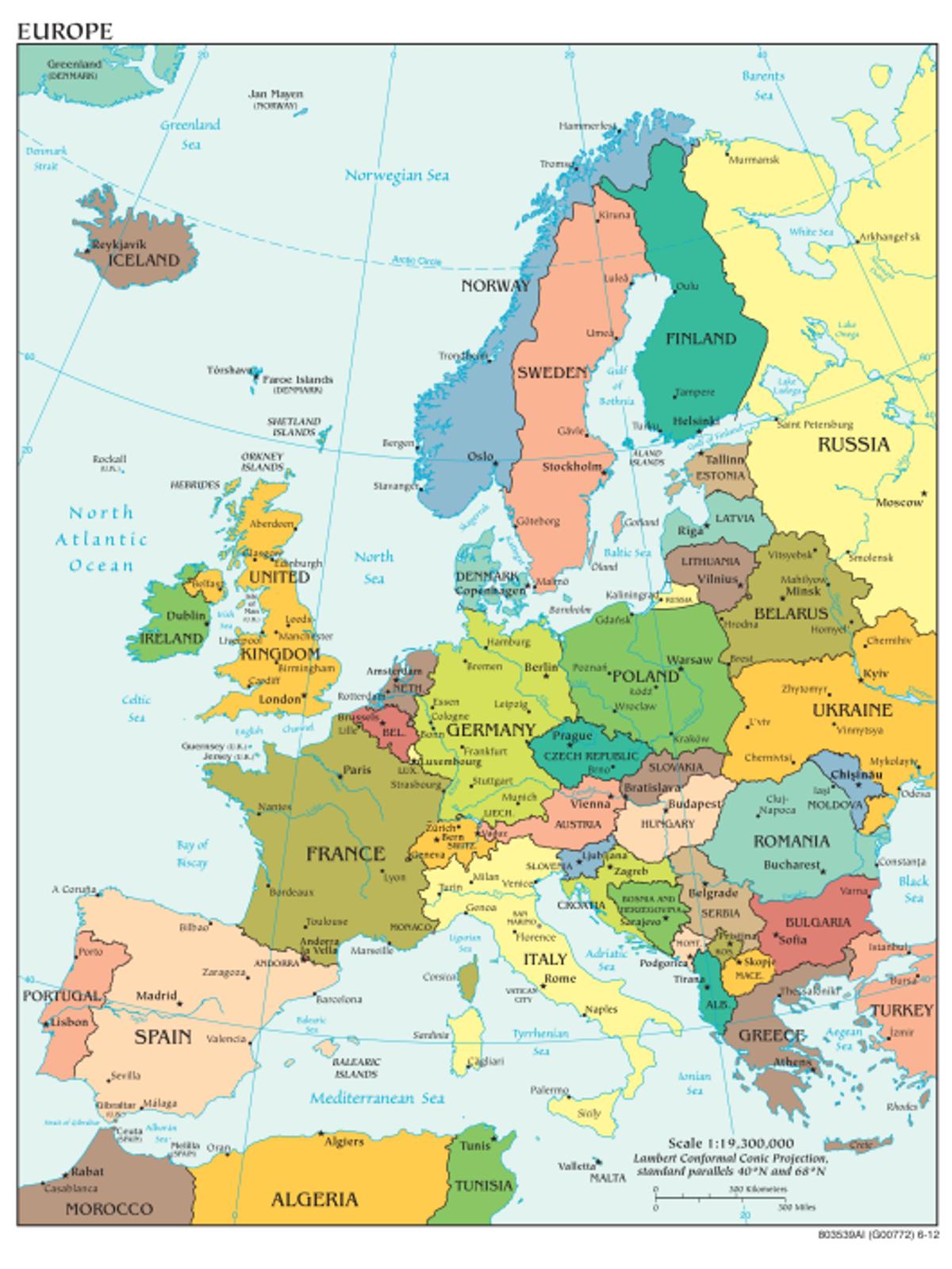
Chairs of US Senate and House Armed Services Committees Statement on US Troop Withdrawal From Germany
Senate Armed Services Chairman Roger Wicker and House Armed Services Chairman Mike Rogers warned that withdrawing a U.S. brigade of roughly 5,000 troops from Germany undermines NATO’s deterrence against Russia. They argue the troops should be redeployed eastward to allies...

AI in Cybersecurity Moves From Promise to Proof as WEF and KPMG Track Defender Gains
The World Economic Forum and KPMG released the white paper “Empowering Defenders: AI for Cybersecurity,” showing AI reduces average breach costs by $1.9 million and shortens breach lifecycles by roughly 80 days across 20 partner case studies. The report, built on input...
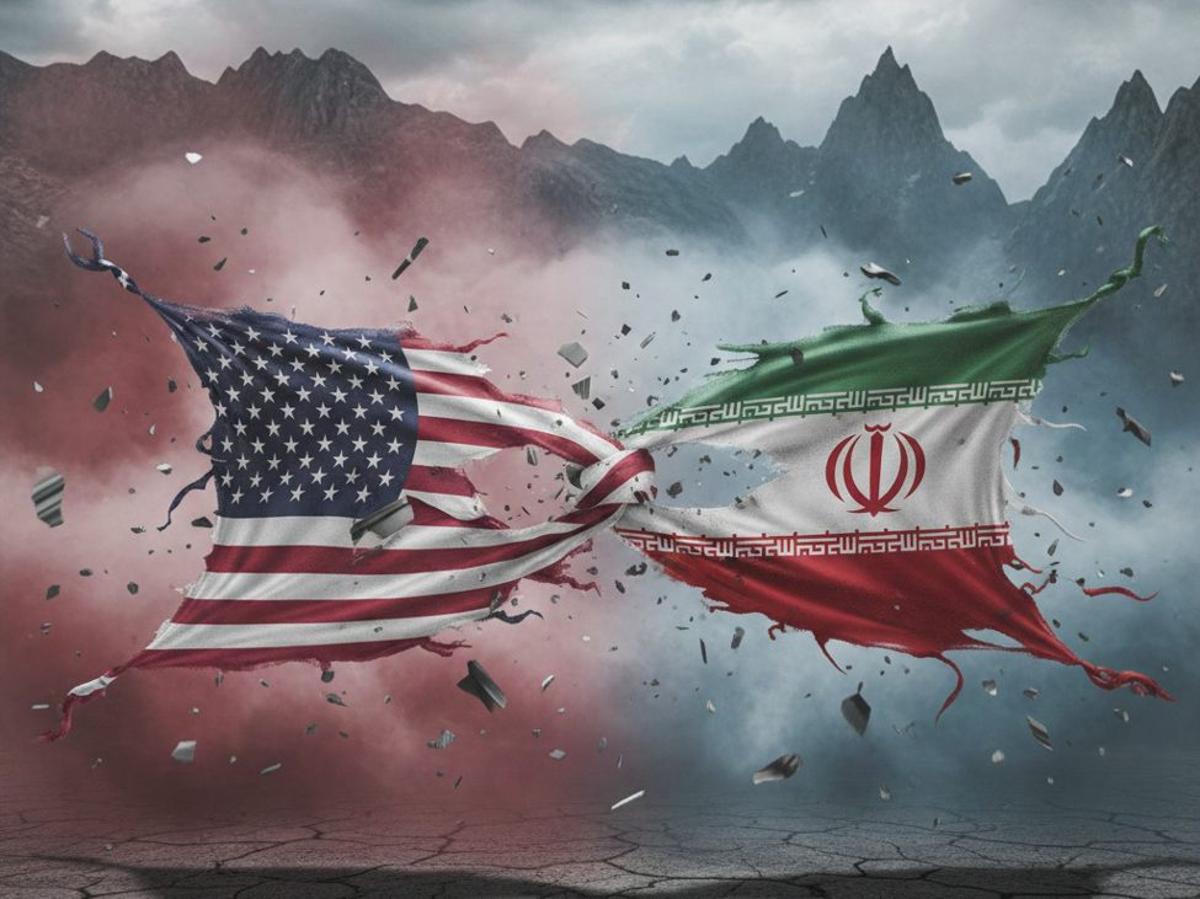
Iran Parliament Speaker Says US Has Jeopardised Shipping Security Through Strait of Hormuz
Iran’s parliament speaker warned that U.S. actions have jeopardized shipping and energy transit through the Strait of Hormuz, accusing Washington and its allies of violating a cease‑fire and imposing a blockade. He described the current status quo as intolerable for...
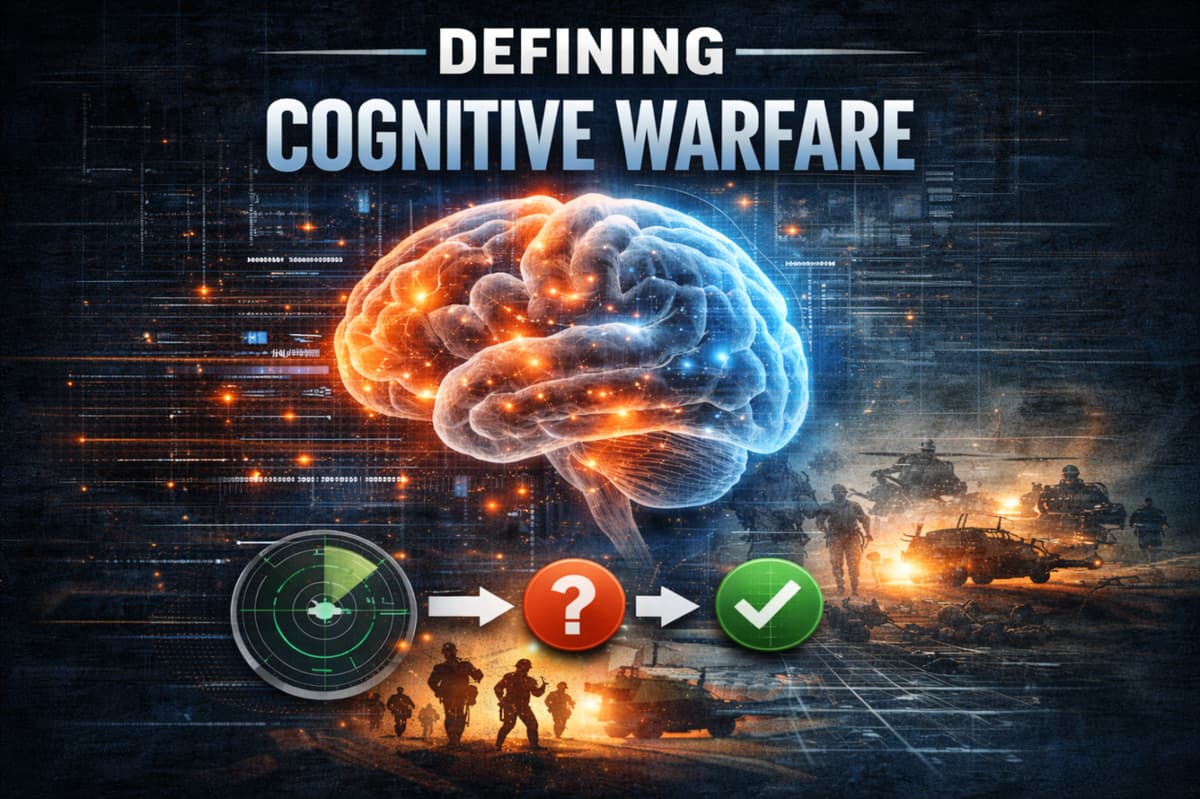
Defining Cognitive Warfare: A NDAA Mandate Response
The 2026 National Defense Authorization Act (NDAA) requires the Department of War to produce a precise definition of cognitive warfare and its relationship to narrative intelligence. Responding to this mandate, the article proposes a decision‑centric definition that frames cognitive warfare...
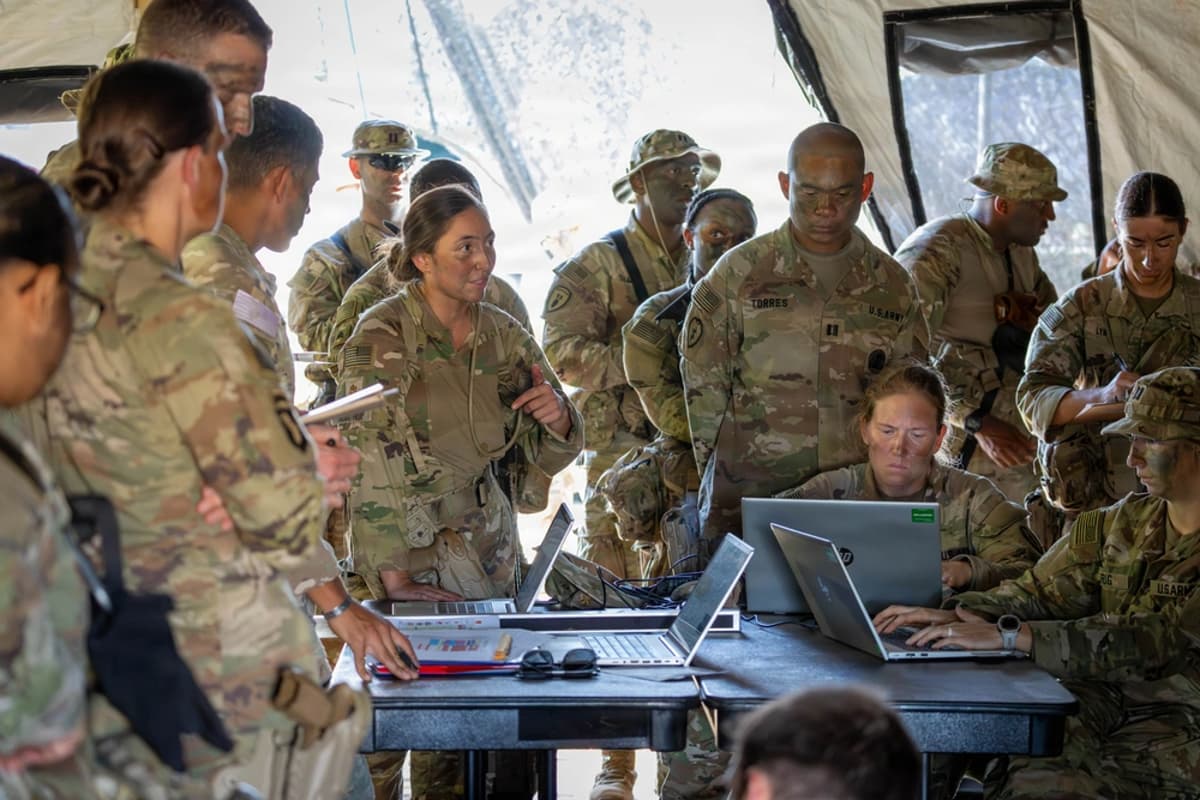
Why Xi’s Search for Loyalty Is Strangling the PLA’s Effectiveness
Xi Jinping’s latest anti‑corruption campaign has removed more than 100 senior PLA officers, effectively halving the service’s top leadership. The reforms re‑impose the Chairman Responsibility System, routing strategic, operational and even tactical decisions directly through Xi. While intended to tighten...

New CSIS Report Highlights Major Russian Drone and AI Restructuring
The Center for Strategic & International Studies released a report detailing Russia’s rapid build‑out of a sovereign drone ecosystem powered by artificial‑intelligence autonomy. The analysis notes that the Unmanned Systems Forces, launched six months ago, are central to a shift...

Blaize and Winmate Forge Strategic Partnership to Accelerate Edge AI Integration in Ruggedized Systems
Blaize Holdings and Taiwan‑based Winmate have signed a strategic partnership to embed Blaize’s Graph Streaming Processor (GSP) AI accelerators into Winmate’s ruggedized hardware platforms. The deal targets roughly $15 million in revenue during the first year and includes a three‑year term...

Uneasiness Persists Over America’s Decision to Use Military Means to Prevent Iran From Developing a Nuclear Weapon
The United States, under President Trump, launched a military campaign on Feb. 28 to destroy Iran’s underground weapons‑grade uranium and block a nuclear breakthrough. The operation has sparked criticism for proceeding without congressional oversight, an exit strategy, or a post‑war governance...

Daily Bulletin...
Iran launched a coordinated missile and drone assault on the United Arab Emirates, firing at least 12 ballistic missiles toward the Gulf region. UAE air‑defence systems engaged the incoming threats, reportedly intercepting many of them. The attack prompted a brief...

Google Signs Pentagon AI Deal with Weaker Guardrails than OpenAI, Faces Internal Backlash From 1,000 Employees
Google has inked a Pentagon contract that lets its Gemini AI models operate on classified military networks for any lawful purpose. Unlike OpenAI’s defense deal, the agreement omits strong safeguards and a clause barring mass domestic surveillance, allowing Google to...

Azov Corps Forms 41st Unmanned Systems Regiment “Pilum”
Ukraine’s Azov National Guard has elevated its Pilum battalion into the 41st Unmanned Systems Regiment, dubbed “Pilum.” The new regiment will concentrate on rear‑area strikes, logistics disruption, aerial reconnaissance, and direct support for other corps units. It is being built...