
RCMP Findings Dispute Media Reports of Foreign Interference in Alberta Independence
Alberta Public Safety Minister Mike Ellis announced that the RCMP found no credible evidence of foreign interference in the province's independence movement. The statement directly challenges recent academic and media reports that warned Russia, the United States and AI‑driven actors were amplifying separatist sentiment. Ellis cited the RCMP deputy commissioner, confirming no intelligence linking foreign governments to Alberta separatists. The clarification aims to curb speculation and refocus the debate on domestic political dynamics.
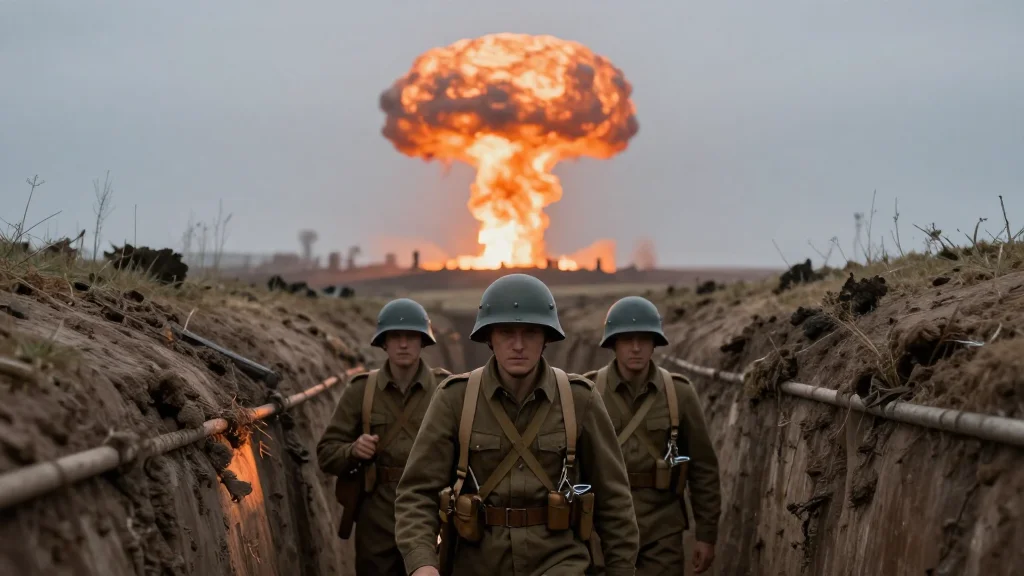
The Destroyer of Worlds by Jennie Kermode
"Our Planet, The People, My Blood" is a low‑budget documentary that chronicles the enduring human toll of nuclear weapons testing. Director Daniel Everitt‑Lock and activist Alan Owen trace survivor stories across six global communities, from US atomic veterans to Marshallese...
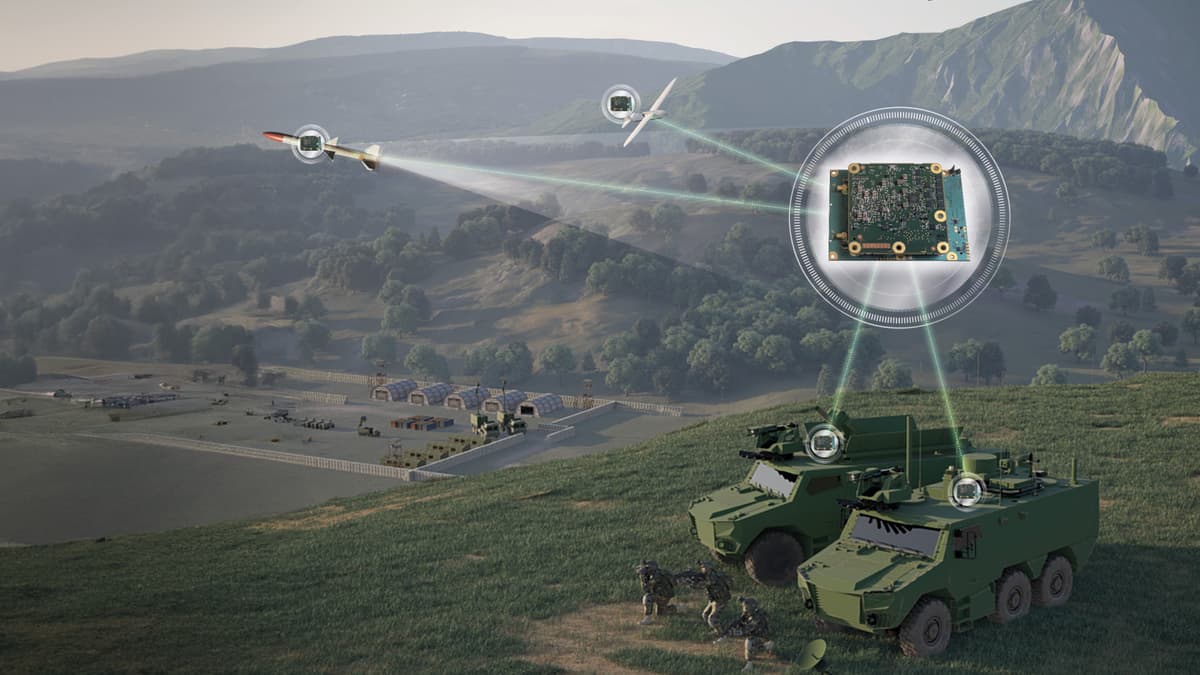
Thales Unveils Compact Anti-Jam Military GPS System
Thales announced the TopStar Smart Receiver, a compact positioning, navigation and timing (PNT) system built to survive contested electronic‑warfare environments. The unit combines dual‑constellation GNSS—including military Galileo PRS and civilian GPS—with an adaptive Controlled Radiation Pattern Antenna that mitigates jamming....

LIVE at 4:30p ET
A leaked U.S. intelligence assessment released on May 7, 2026 indicates Iran could maintain a blockade of the Strait of Hormuz for several months, contradicting earlier public statements that downplayed its endurance. The document suggests Tehran has sufficient stockpiles and...
The “Once 8(a), Always 8(a)–Or HUBZone, SDVOSB, or WOSB” Rule, Where Are We Now?
The FAR 2.0 overhaul (RFO) revises the long‑standing “Once 8(a), Always 8(a)” rule, adding a new exception that permits follow‑on contracts to leave the 8(a) program if they are set aside for HUBZone, SDVOSB, or WOSB competition. Under the prior...

Thursday Afternoon News Updates: Trump's Own CIA Just Called Him a Liar — 5/7/26
The Thursday update bundles a series of high‑profile headlines: a CIA assessment leaked by the agency contradicts President Trump’s public claims about Iran, while Tehran rejects a U.S. proposal to reopen the Strait of Hormuz and imposes new toll rules...

Big Tech, Defense and Climate to Share the Main Stage at Latitude59 2026
Latitude59 2026 in Tallinn will host founders, investors and policy makers from more than 70 countries under the theme “The Global Village Experiment.” The conference spotlights the convergence of big‑tech, defense and climate innovation, featuring Google Cloud’s first AI agents...

All Change in Bulgaria… Are Europe’s Fears Justified?
Bulgaria’s political turbulence ended last month when former president Rumen Radev’s Progressive Bulgaria party swept the nation’s eighth election in five years. President Iliana Iotova has granted Radev the mandate to assemble a governing coalition, positioning him to lead the...

Endless War, Endless Pandemics, Endless Control, Endless Lies
A recent Axios story claimed a one‑page memo could end the Iran war, but Iranian delegate Professor Mohamed Marandi dismissed it as false, accusing Trump allies of market manipulation. The post argues the United States and Israel failed to meet...

🚨 Did You Know Iran Delivered the Most Widespread Direct Blow to U.S. Military Infrastructure in Modern American History?
A Washington Post investigation using verified satellite imagery shows Iran’s airstrikes have damaged or destroyed at least 228 structures across 15 U.S. military sites in the Middle East since the February 28 war began. The damage spans hangars, fuel depots, radar,...

Naval Chiefs Visit Belfast as FSS Investment Continues
Naval chiefs visited Navantia UK’s Harland and Wolf shipyard in Belfast as the Fleet Solid Support (FSS) programme’s investment topped £98.5 million (about $125 million). The tour showcased a newly upgraded fabrication hall equipped with robotic plasma cutters, AI‑driven quality control and mechanised...

Daily Memo: Accelerating EU Decision-Making, US Counterterrorism Strategy
German Foreign Minister Johann Wadephul outlined a plan to speed up EU decision‑making in foreign and security policy. The proposal hinges on broader use of qualified majority voting and the "enhanced cooperation" mechanism, letting smaller coalitions of member states act...

In Which My Senator Tries to Explain to Me Why He Voted Against Providing Military Aid to Israel
Senator Dick Durbin responded to a constituent’s query about his vote to block U.S. military aid to Israel, explaining his humanitarian concerns and noting the Senate’s defeat of two Sanders‑backed resolutions aimed at halting billions of dollars in weapons sales....

US Private Security Firms with Contracts Under DHS, FBI, or DOJ
A recent analysis lists the U.S. private security firms that hold prime or task‑order contracts with the Department of Homeland Security, the FBI, and the Department of Justice. Major players such as GardaWorld, Paragon Systems, Allied Universal, and Constellis collectively...

Congress’ Maverick Act Could Bring an F-14D Tomcat Back to the Skies
On May 1, 2026 the U.S. Senate unanimously approved the companion bill to Congressman Abe Hamadeh’s Maverick Act, authorizing the transfer of three surplus F-14 Tomcats to the U.S. Space and Rocket Center in Huntsville, Alabama. The legislation creates a...

Iran War & Trump’s Europe Troop Drawdown: What Comes Next?
Jake Sullivan and Jon Finer dissect the rapidly evolving Iran war, noting a tentative one‑page diplomatic memo that could halt hostilities but remains precarious. They examine the United Arab Emirates’ exit from OPEC, interpreting it as a realignment toward Saudi...
Transcript: Iran War & Trump’s Europe Troop Drawdown: What Comes Next?
The podcast dissects the rapidly evolving Iran‑War, noting a U.S. cease‑fire that added a second blockade on the Strait of Hormuz, a short‑lived humanitarian escort mission, and Iran’s retaliatory attacks on U.S. and UAE vessels. It also covers President Trump’s...

Two Ports Reshape Emirati Maritime Geopolitics
Khor Fakkan and Fujairah, two deep‑water ports on the UAE’s east coast, were built as bypass routes to ease Gulf congestion. Positioned outside the Strait of Hormuz, they give ships a direct path to the Indian Ocean without transiting the...

Russia’s Threat of a Massive Retaliatory Strike on Kiev Likely Isn’t A Bluff
Russia’s defence ministry warned civilians and diplomatic staff in Kiev of a massive retaliatory strike if Ukraine proceeds with a planned attack on Moscow’s Victory Day parade on May 9. The warning was reinforced by a series of ballistic‑missile tests from...
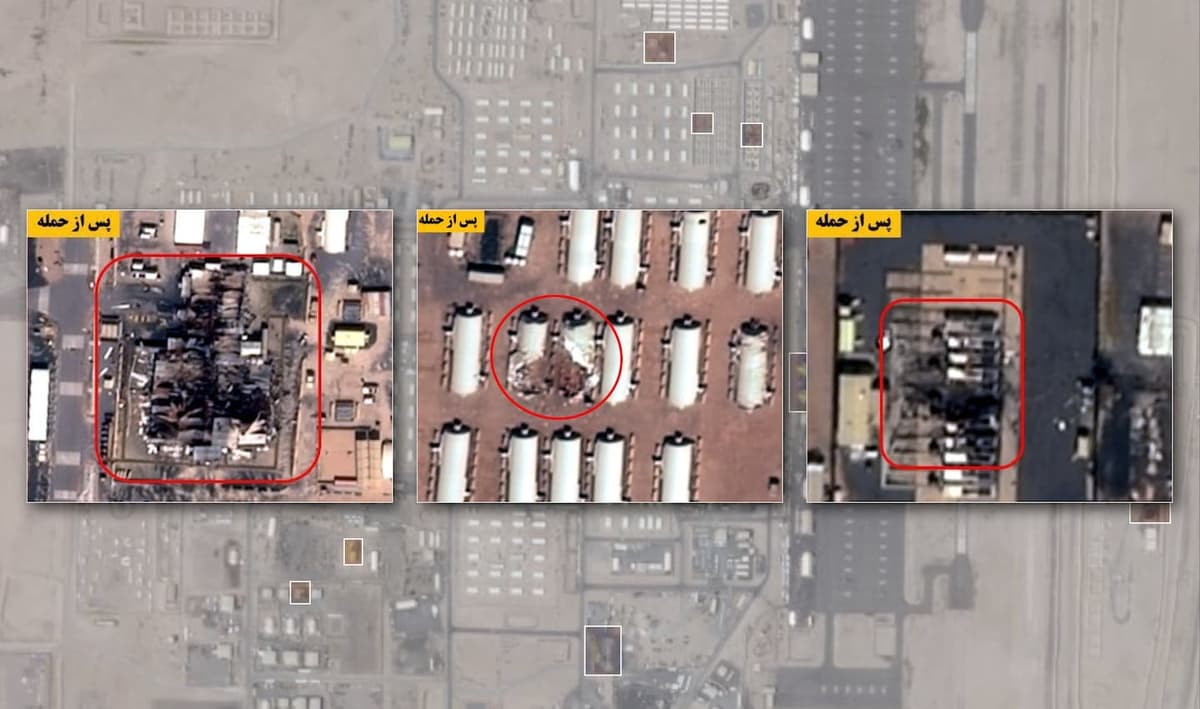
The American Military Base: Untouchable No More?
Satellite imagery reviewed by the Washington Post identified at least 228 damaged structures across 15 U.S. facilities in the Middle East during the Iran‑U.S. war. The strikes hit fuel depots, barracks, radars, communications nodes, Patriot batteries and aircraft, showing a...

HMS Trent Sets Sail for Her Third Caribbean Deployment
HMS Trent departed Devonport on May 7 for its third Caribbean deployment, joining the New Orleans Sail 250 tall‑ship festival. The Batch II offshore patrol vessel returns to Atlantic Patrol (North) duties, partnering with the US Coast Guard to interdict drug traffickers. Trent previously seized...

Cyber Blind Spots: The Hidden Technology that Poses the Greatest Security Risk
Operational Technology (OT) that runs the UK’s critical national infrastructure is increasingly exposed as legacy systems become networked and integrated with IT environments. The lack of accurate asset inventories and outdated documentation creates blind spots that attackers can exploit. Geopolitical...

Iran: To TACO or Not?
The United States misread Iran’s strategic posture, turning a quick‑strike plan into a two‑month stalemate centered on the Strait of Hormuz. Tehran, backed by Russia and China, now holds the initiative while the U.S. Navy avoids operating within 200 miles...
Getting Our Adversaries Out of Cuba Should Be Our Immediate Goal
The author argues that the United States should prioritize expelling Russian and Chinese intelligence operations from Cuba to improve homeland security. Recent executive orders under the Trump administration have intensified sanctions against Havana for its ties to adversaries and support...
Corporate Cybersecurity Is the New Frontline of National Security
The article argues that corporate cybersecurity has become the new frontline of national security, as state actors increasingly target private digital infrastructure. It introduces the concept of "Synthetic Asymmetry," where low‑cost exploits can cripple multibillion‑dollar firms and, by extension, national...

The Iran War and President Trump's China Visit: A Private Discussion with Geopolitical Dispatch
Geopolitical Dispatch hosted a private roundtable on May 6, 2026, where analysts Christian Habla, Michael Feller and Damien Bruckard dissected the unfolding Iran war, the United Arab Emirates’ departure from OPEC, the lingering Ukraine conflict, Russia’s possible next moves, and President Trump’s...

Strait Of Hormuz: Spin and Win?
The United States and Iran recently announced a limited disengagement and a push to normalize civilian shipping through the Strait of Hormuz, coinciding with the May 1 expiration of the Pentagon’s 60‑day war‑powers authority. After declaring Operation Epic Fury complete, the...

Hanwha Ocean and Thordon Bearings Sign MOU
Hanwha Ocean and Thordon Bearings have signed a Memorandum of Understanding to explore cooperation on Canada’s large‑scale Conventional Patrol Submarine Program (CPSP) and other maritime projects. The MOU targets joint work on submarine systems, naval technologies and long‑term lifecycle support,...
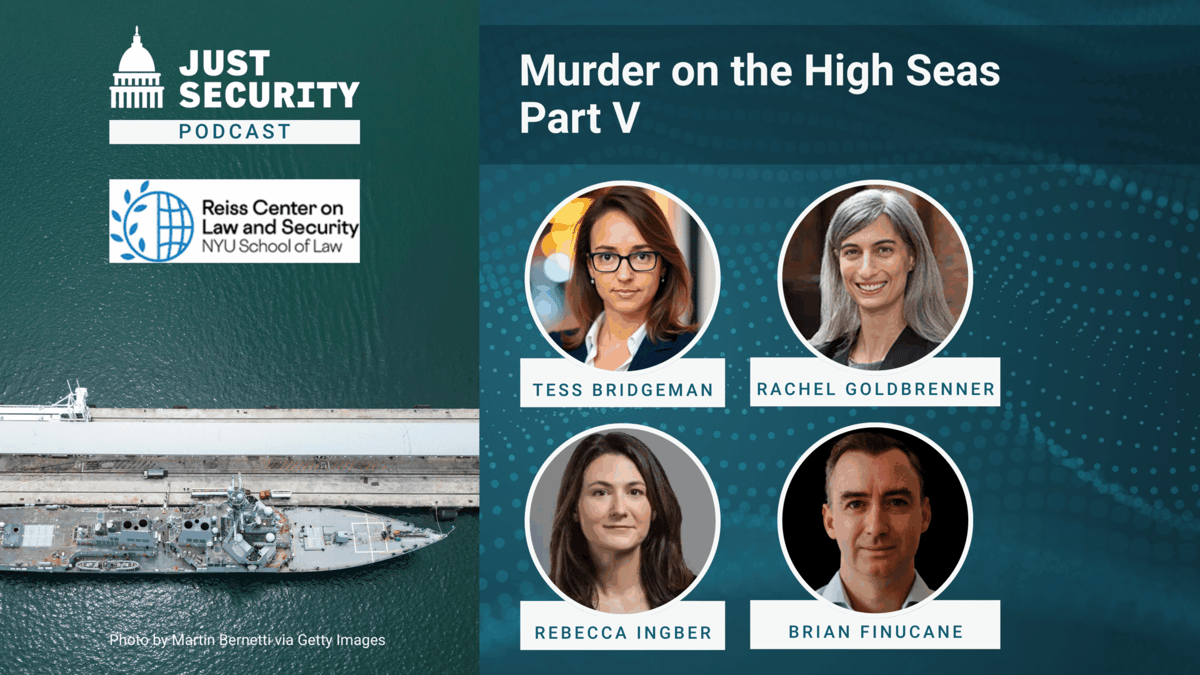
The Just Security Podcast: Murder on the High Seas Part V
The Just Security podcast’s fifth episode examines the U.S. “Operation Southern Spear,” a campaign of lethal strikes against suspected drug‑trafficking vessels in the Caribbean and eastern Pacific that accelerated after Venezuela’s President Nicolás Maduro was captured in January 2026. Co‑hosts...
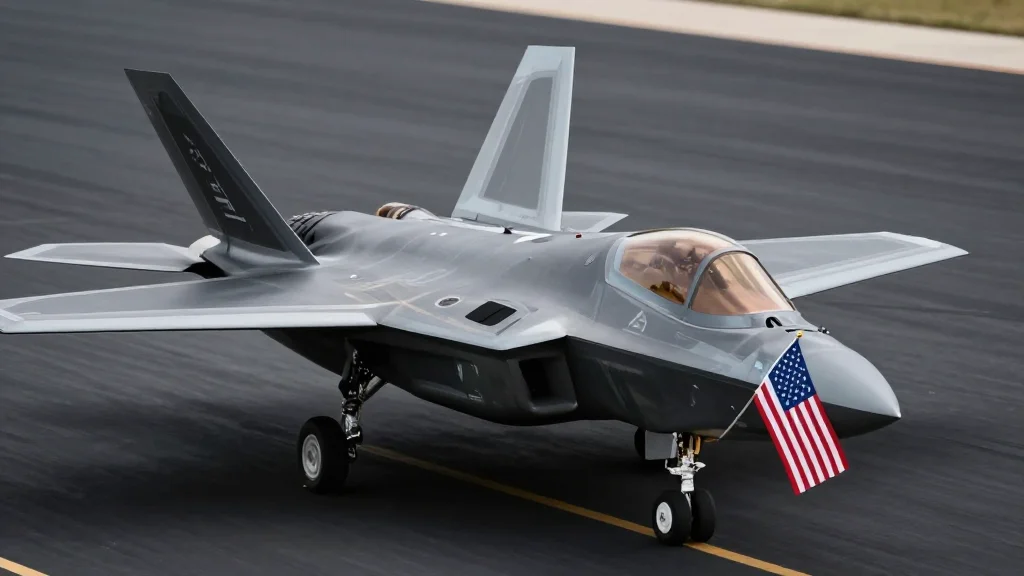
Trump Paused Project Freedom After Gulf Allies Reportedly Suspended Base, Airspace Access
President Trump abruptly halted the planned "Project Freedom" operation aimed at securing commercial shipping through the Strait of Hormuz after Saudi Arabia and Kuwait announced they would block U.S. aircraft from key bases and deny airspace access. The move caught...
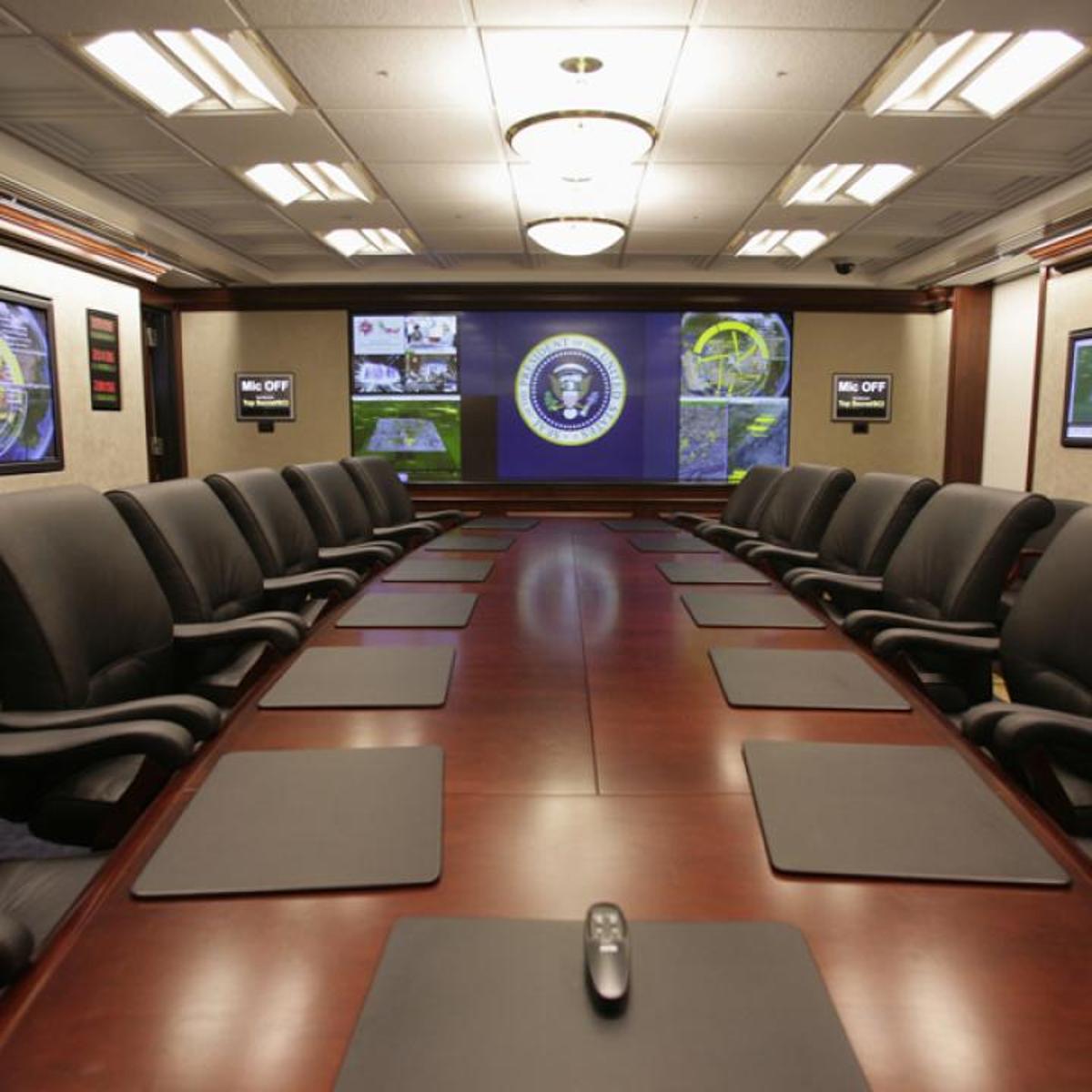
2026 Counterterrorism Strategy | The White House
President Trump signed the 2026 U.S. Counterterrorism Strategy, the first formal CT blueprint of his second term. The document places hemispheric narcoterrorism—cartel‑linked drug trafficking that fuels terror—at the top of the priority list, followed by five external‑operation Islamist groups such...
A Counterintelligence Profile: Are High-Fliers Ready?
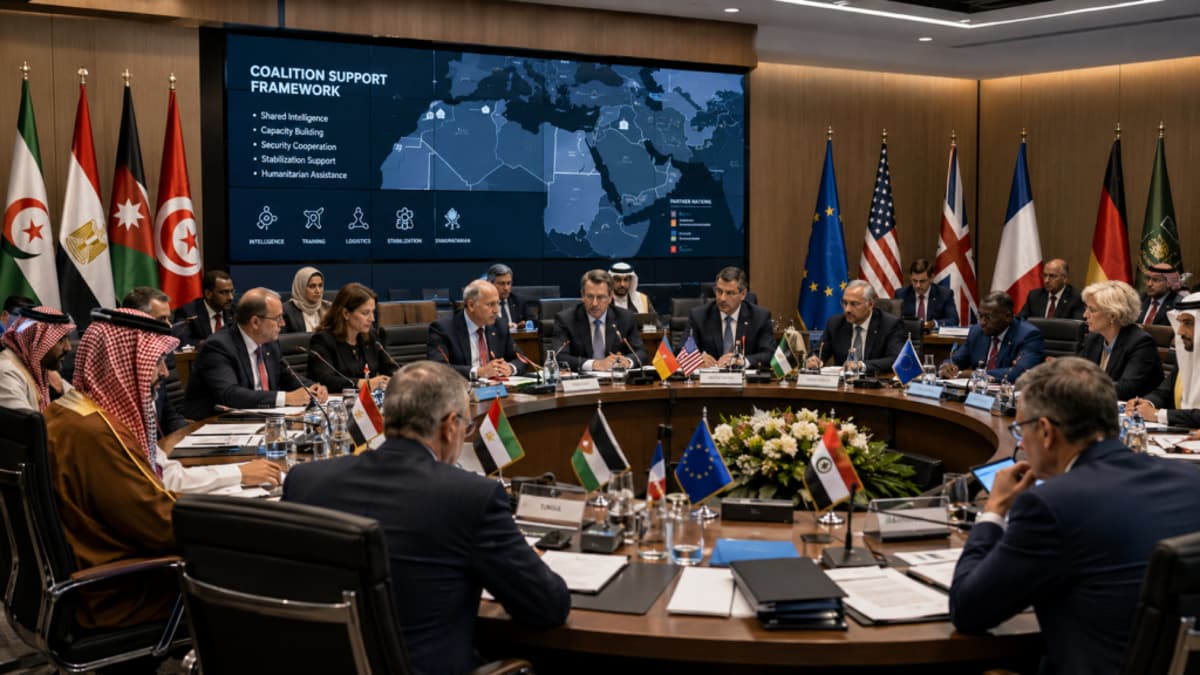
The article argues that Middle East and North Africa (MENA) high‑flyers are shifting from diplomatic posturing to heightened military readiness amid fragmented alliances and escalating regional threats. While Gulf states have accelerated air‑defense procurement, they lack a unified counterintelligence framework...
We Forgot How to Be Useful
Iranian missiles hit 16 U.S. military sites across eight Middle‑East countries, pushing the war’s cost to an estimated $40‑$50 billion—far above the Pentagon’s $25 billion figure. The strikes exposed the fragility of America’s overseas force posture and sparked public doubts about the...
IMPORTANT Message From MeidasTouch Founder
Saudi Arabia and Kuwait abruptly barred U.S. aircraft and base use, citing security concerns after President Trump announced the ill‑fated “Project Freedom.” Iran responded with missile strikes on a UAE port, a South Korean vessel and a French‑flagged ship, signaling...

Asia Daily: May 7, 2026
China intensified its Middle‑East diplomacy by hosting Iran’s foreign minister, urging a ceasefire and reopening the Strait of Hormuz just before the Trump‑Xi summit, while also condemning Japan’s first overseas offensive missile test. North Korea’s revised constitution stripped reunification language...
First Chinese Tanker Attacked Near Hormuz As Beijing Urges Waterway Reopened
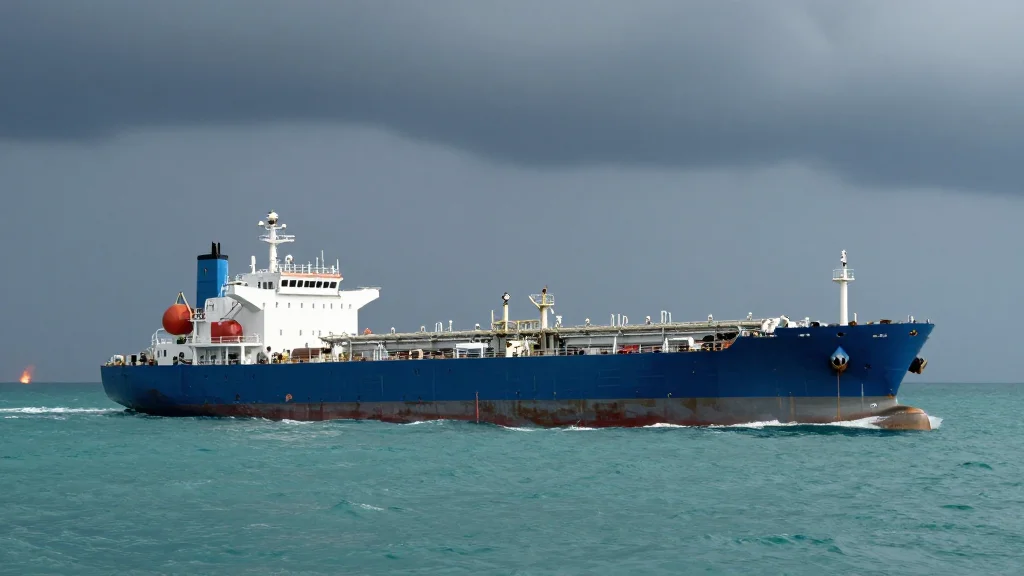
A Chinese-owned refined‑products tanker was struck and set ablaze near Al Jeer port in the Strait of Hormuz, marking the first Chinese vessel hit in the three‑month U.S.–Iran conflict. The incident came as Iran escalated attacks on commercial ships following a...

The Transnational Iranian Network: The Truth Behind “Unity of Fronts”
Yemen’s Minister of Information, Moammar Al‑Eryani, argues the Houthis are not an independent rebel group but a proxy of Iran’s Islamic Revolutionary Guard Corps, operating within a transnational network that seeks to destabilize the Middle East. He highlights the militia’s...

The Lies People Tell Themselves About the Middle East
Lucy Tabrizi argues that Western discourse misrepresents Iran by treating it as a conventional, rational state, ignoring its theological foundation. She explains that the Islamic Republic’s actions, including its nuclear ambitions, stem from the doctrine of Velayat‑e Faqihi and an...
Trump Says Iran Deal Possible as Tehran Reviews US Peace Proposal
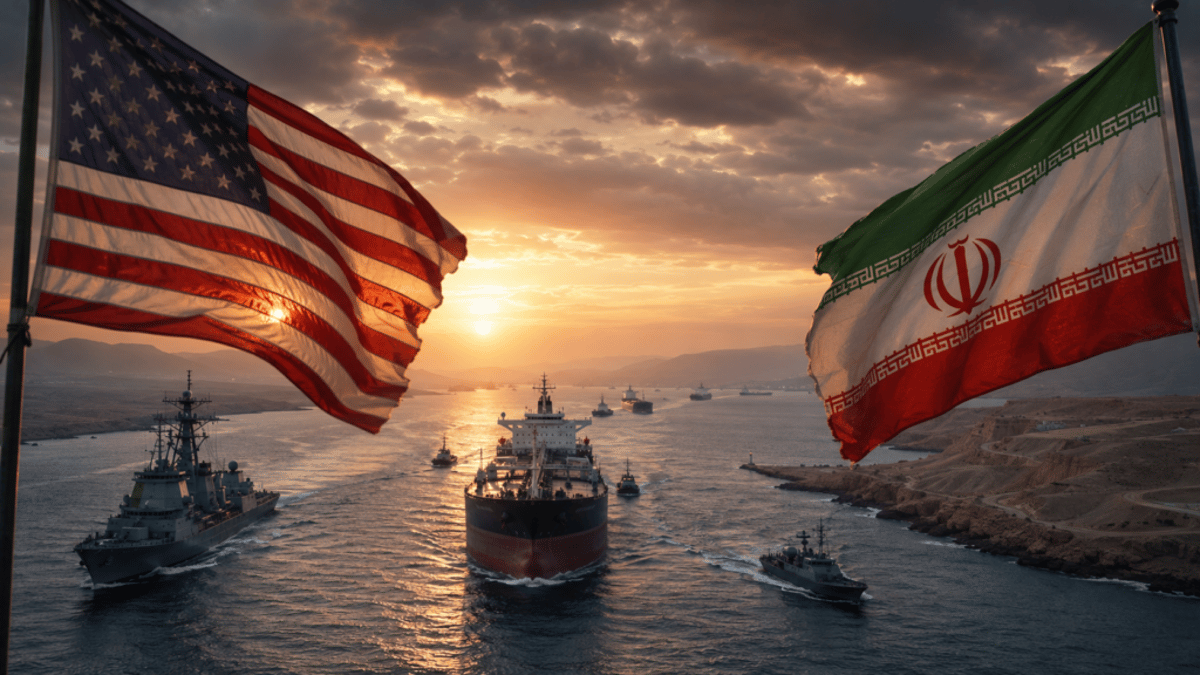
Donald Trump told reporters a deal with Iran was "very possible" as Tehran reviews a U.S.-backed peace proposal that could formally end the war and launch talks on sanctions relief, shipping access and Iran's nuclear program. Iranian officials said a...

A Top Russian Spy Has Been Detained In Argentina
A 26‑year‑old Russian, Dmitri Novikov, was arrested in a Buenos Aires suburb after Argentine intelligence determined he headed a Russian Foreign Intelligence Service (SVR)‑run disinformation network known as “La Compañía.” The network, originally created by Yevgeny Prigozhin, has been active across...

'The US, Not Iran, Is The Threat to Global Peace'
Veteran journalist Peter Oborne argues that the United States, not Iran, poses the greatest threat to global peace, citing the 1953 CIA‑backed coup, the February 2025 U.S.–Israel airstrike, and the dismantling of the 1979 Iranian democracy. He challenges mainstream narratives...

Chief Telecom Taps Radware to Drive DDoS Protection in Taiwan
Radware has teamed up with Chief Telecom to launch Godshield Pro, a DDoS protection service tailored for Taiwanese enterprises. The solution combines Radware’s AI‑driven mitigation with Chief Telecom’s local backbone, delivering in‑network scrubbing that cuts latency versus traditional cloud‑only defenses. It...

After New START, How Many Nuclear Weapons Is Enough?
The New START treaty lapsed at the start of 2024, leaving the United States, Russia and China without the cornerstone of bilateral arms control. A roundtable of foreign‑policy experts examined whether the U.S. needs more nuclear weapons to counter a...

Starfighter Production: The 917 F-104s Ordered by Germany (Yet 916 Entered Service with German Armed Forces)
In the late 1950s West Germany chose the Lockheed F‑104G as its next‑generation fighter, signing its first contract for 66 aircraft in February 1959 and quickly adding licence‑built versions. A complex European work‑share, coordinated by NATO’s Starfighter Management Office (NASMO),...

Sikorsky Announces New Armed Black Hawk Helicopter Kit
Sikorsky unveiled new Armed Black Hawk helicopter kits that transform the legacy utility platform into a multirole combat asset. The modular kits enable air‑mobile assault, close‑support fire, medical evacuation, ISR and tactical lift from a single airframe, with reconfiguration possible...
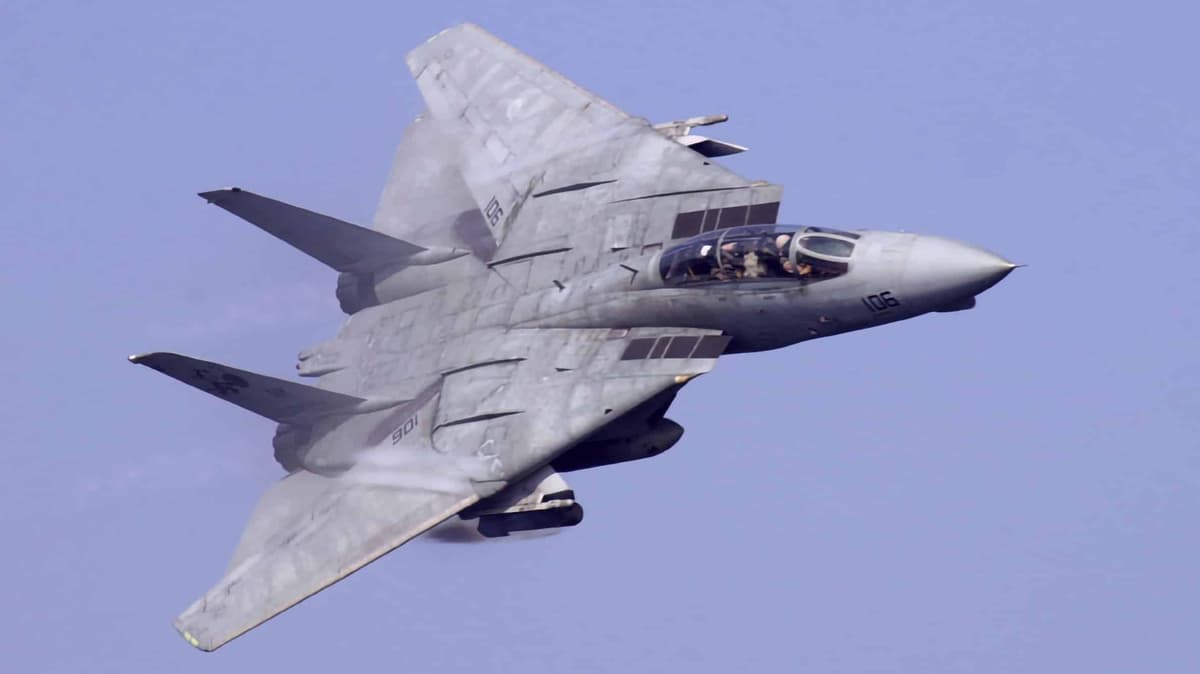
A U.S. Navy F-14D Tomcat Might Return to the Skies Thanks to Congress’ “Maverick Act”
The U.S. Senate unanimously passed the Maverick Act, a bipartisan bill that would transfer three retired F‑14D Tomcat airframes to the U.S. Space & Rocket Center in Huntsville, Alabama, and allow one to be restored to flightable condition using existing...

Who Will Blink First?
The blog compares the 1962 Cuban Missile Crisis to today’s dual blockades in the Strait of Hormuz, where Iran and the Trump administration each restrict shipping. Iran briefly opened the waterway on April 17, only to re‑impose its blockade, while the...
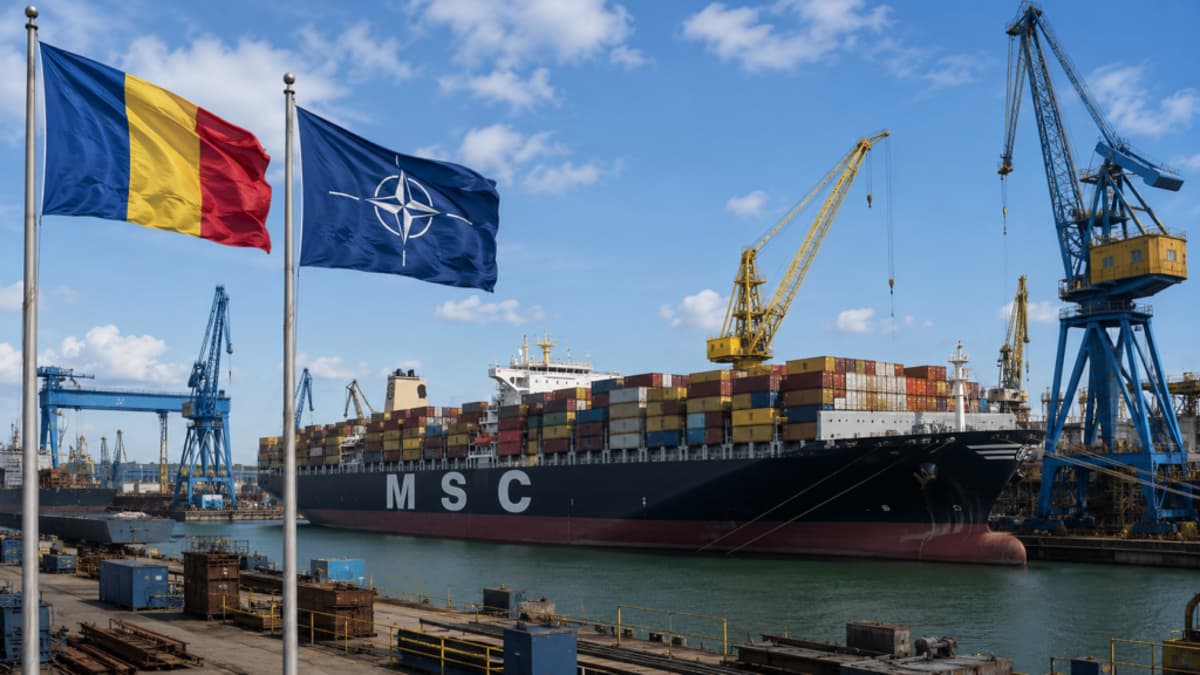
How a Bankrupt Romanian Shipyard Became a NATO Industrial Asset
Rheinmetall‑MSC has submitted a bid to acquire Romania’s largest shipyard, which has been in bankruptcy for several years. The German defense contractor frames the transaction not as a commercial rescue but as the first visible node of a Western maritime‑industrial...

How America’s Adversaries Learned to Weaponize Reality
The article argues that Russia, China and Iran have mastered narrative warfare, using reflexive control, discourse power and revolutionary ideology to shape perceptions and sustain political influence despite military setbacks. Russia fragments adversary views, China conditions long‑term discourse, and Iran...
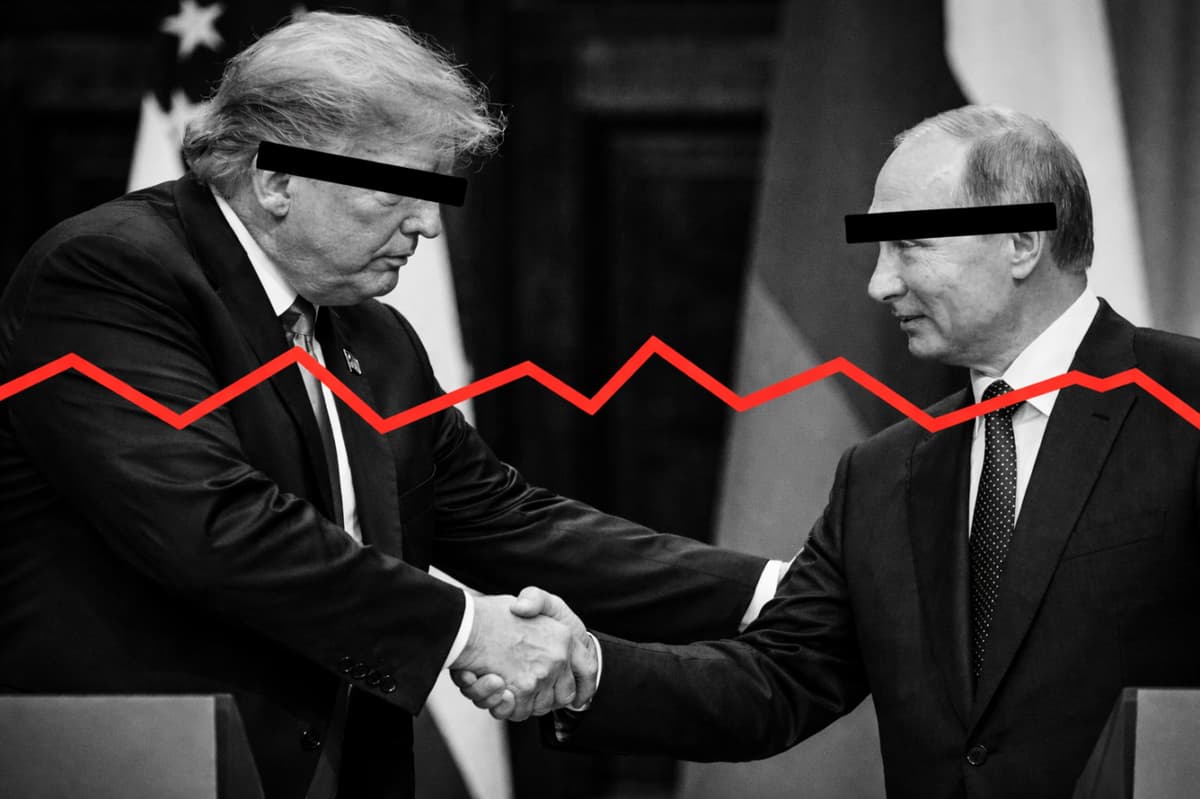
Testing “On An Equal Basis” Or a Three-Way Arms Control Agreement
U.S. Under Secretary Thomas DiNanno claimed China conducted a yield‑producing nuclear test on June 22, 2020, using a decoupling technique to mask seismic signals. The CTBTO refuted the claim, stating the detected events were far below the treaty’s detection threshold....