
AI Turns Patches Into Working Exploits in 30 Minutes, and the 90-Day Disclosure Window Is the Casualty
AI language models can convert security patches into functional exploits in as little as 30 minutes, rendering the traditional 90‑day disclosure window ineffective. Himanshu Anand, a veteran security analyst, cites three recent cases—including a zero‑price purchase bug, a React framework patch, and a Linux kernel flaw—where AI accelerated exploitation and broke embargoes. The speed of AI‑driven discovery means multiple researchers can find the same vulnerability almost simultaneously, eroding the assumption that a single reporter holds exclusive knowledge. Anand urges vendors, researchers, and administrators to adopt faster, emergency‑level response processes.

China’s Malacca Dilemma, After Hormuz
The Iran‑Israel conflict showed that insurance premiums can choke oil flows as effectively as naval blockades. When war‑risk rates for the Strait of Hormuz spiked to double‑digit percentages, Chinese imports were hit despite diplomatic guarantees. The article argues that China’s...

US Government Spends Hundreds of Millions on Biotech Pilot Plants as National Security Priority
The U.S. government is pouring hundreds of millions of dollars into BioMADE, a public‑private consortium aimed at scaling bio‑manufacturing for food, defense and industrial applications. Since its 2021 launch, BioMADE has secured $87 million from the Department of Defense (DoD), $450 million...

UK and France Set to Host Multinational Strait of Hormuz Meeting as British Warship to Pre-Position in the Region
The United Kingdom and France will co‑chair the first Defence Ministers’ meeting of roughly 40 nations to shape a multinational mission aimed at reopening the Strait of Hormuz. Britain has forward‑deployed HMS Dragon, a Type‑45 destroyer equipped with the Sea Viper...

Why Is China Watching India-Vietnam Relations Carefully
India and Vietnam upgraded their ties to an Enhanced Comprehensive Strategic Partnership, expanding defense cooperation such as submarine training and a possible BrahMos missile transfer. The deeper partnership gives India a strategic foothold in Southeast Asia and the contested South...

Polish-Ukrainian Defence-Industrial Cooperation Accelerates Amid Systemic Bottlenecks
Polish‑Ukrainian defence‑industrial cooperation is gaining speed after policy shifts, notably Poland's Decision No. 123/MON that eases testing of autonomous systems. Industry leaders say political will is strong, but regulatory mismatches, certification requirements and the absence of a central coordination hub still...

How Lyntris Centers Its Tech on 'Left of Bang'
Lyntris, formed by merging Accelint Holdings and Vitesse Systems, targets the early‑warfare "left of bang" space where threat identification and decision‑making occur. Backed by Trive Capital, the company claims involvement in roughly 200 U.S. Defense Department and allied programs. Its...

Hackers Use AI for Exploit Development, Attack Automation
Google’s Threat Intelligence Group released research showing that threat actors are now using large language models to develop exploits and automate attacks. The report documents a zero‑day Python script that bypasses two‑factor authentication, likely generated with an AI model, and...

Diehl Aviation Reports Strong Progress at New Production Facility in Romania
Diehl Aviation announced that its new production facility in Craiova, Romania, will move in during summer 2026, with full aircraft‑component production slated for autumn 2026. The plant will start with about 75 employees and scale up to 500 as output...

SOCOM Taps SkyFi to Build Tactical EO Imagery Tools
U.S. Special Operations Command (SOCOM) has selected commercial EO provider SkyFi to build a prototype sovereign intelligence platform that streamlines access to geospatial imagery for troops. The Phase 1 effort includes an Android Tactical Assault Kit plug‑in that lets operators task...
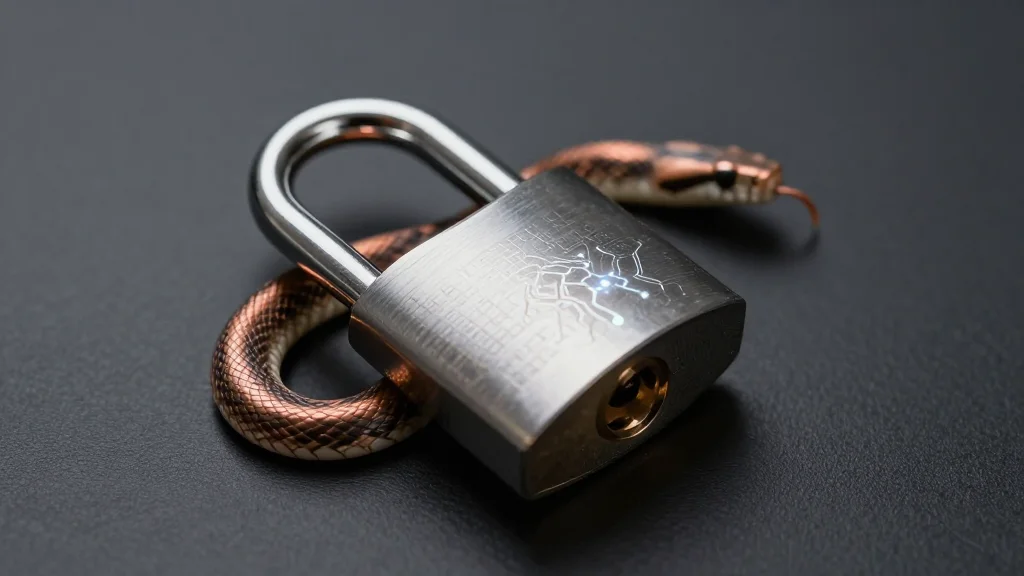
Google Spotted an AI-Developed Zero-Day Before Attackers Could Use It
Google's Threat Intelligence Group uncovered a zero‑day exploit that was generated by artificial intelligence and warned the vulnerable vendor before a notorious cybercrime group could launch a mass‑exploitation campaign. The exploit targeted a popular open‑source web‑based administration tool, using a...

Agentic AI Just Proved It Can Fix Federal Procurement — Now Let’s Scale It
Federal agencies spend billions evaluating vendor proposals, but the process is slow and inconsistent. The ATARC Agentic AI Lab demonstrated a proof‑of‑concept where three autonomous AI agents reviewed an $8.5 million data‑modernization proposal, checking FAR compliance, executive orders, and technical criteria....

May 11, 1949: A Missile Range at Cape Canaveral
On May 11, 1949 President Harry Truman signed Public Law 60, establishing a joint Army‑Navy‑Air Force missile‑testing range at Cape Canaveral. The site’s Atlantic flight path, year‑round weather, and equatorial boost made it ideal for long‑range rockets. Early programs such as Redstone and Atlas...
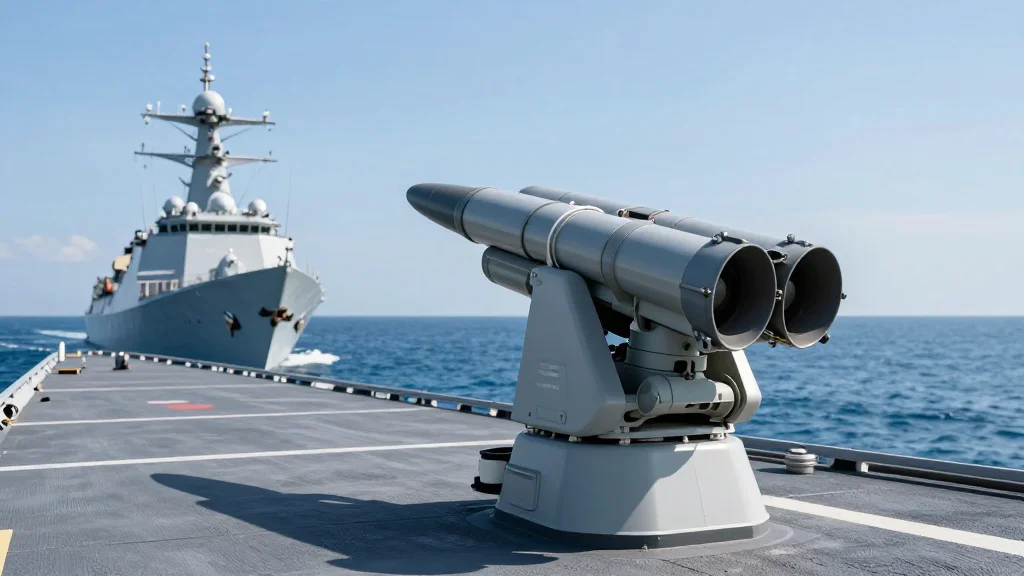
Australian Mogami-Class Frigates to Receive SeaRAM Missile System
Raytheon, a unit of RTX, will equip the first three Royal Australian Navy Mogami‑class frigates with its SeaRAM point‑defence system. The contract, awarded through Mitsubishi Heavy Industries, calls for deliveries beginning in late 2028 with the first ship expected by...

Failing to Pass a Defense Budget Is a Self-Inflicted Wound in the Space Race
The White House budget proposes a historic $70 billion allocation for the U.S. Space Force, more than doubling its current $40 billion funding. A continuing resolution (CR), however, would slash the budget back to roughly $28 billion, halting new programs and capping hiring....

Telekom and Rheinmetall Join Forces on Drone Defence Shield for Cities and Infrastructure
Deutsche Telekom and defence contractor Rheinmetall announced a joint venture to build a city‑wide drone‑defence shield for Germany’s critical infrastructure. The system will combine sensor networks, cloud‑based analytics, jamming, interceptor drones and laser technology to detect, disrupt and neutralise unauthorized UAVs....

UK Government Renews Calls to Sign Cyber Resilience Pledge
The UK government is urging businesses to sign the Cyber Resilience Pledge, a new initiative tied to the Cyber Security and Resilience Bill that will launch later this year. The pledge requires three actions: making cyber security a board‑level responsibility,...

Iran Does Not Have a Right to Enrich Uranium
U.S. President Donald Trump is demanding that any new agreement with Tehran require Iran to abandon uranium enrichment permanently, rejecting the 15‑year limit in the 2015 JCPOA. The article argues that the Nuclear Non‑Proliferation Treaty does not grant Iran an...

Webinar This Week: Prevention Alone Is Not Enough Against Modern Attacks
BleepingComputer will host a live webinar on May 14, 2026 featuring Kaseya’s Austin O'Saben. Titled “From phishing to fallout: Why MSPs must rethink both security and recovery,” it examines how AI‑generated phishing, business‑email compromise, ransomware and SaaS abuse bypass traditional defenses. The...

French Navy Welcomes First of Three PC-24 Aircraft
Jet Aviation delivered the first of three Pilatus PC‑24 Super Versatile Jets to the French Navy under a contract with the Direction de la Maintenance Aéronautique. The agreement combines aircraft purchase, leasing and sustainment into a single support package, with...

Checkmarx Tackles Another TeamPCP Intrusion as Jenkins Plugin Sabotaged
Checkmarx disclosed that a malicious version of its Jenkins AST plugin was uploaded to the Jenkins Marketplace, prompting an urgent advisory to users. The compromised package, part of the company’s code‑security suite, was identified over the weekend and is being...

PHP SOAP Extension Flaw Could Let Attackers Execute Code Remotely
A set of new PHP vulnerabilities, highlighted by a high‑severity Use‑After‑Free flaw in the SOAP extension (CVE‑2026‑6722), enables remote code execution on unpatched servers. Additional moderate bugs expose denial‑of‑service and out‑of‑bounds read issues across core modules. The flaws affect PHP...

Cybersecurity Shifts From Prevention to Resilience at Zero Day Con 2026 in Dublin
At Zero Day Con 2026 in Dublin, cybersecurity leaders declared that the era of pure prevention is ending and resilience is now the core strategy. Speakers from the FBI, Microsoft, and industry vendors highlighted AI’s role as a force‑multiplier that...

New Cybersecurity Industry Coalition Aims to Lead US Critical Infrastructure Protection
Private-sector leaders JPMorgan Chase, Mastercard, AT&T and Berkshire Hathaway Energy launched the Alliance for Critical Infrastructure (ACI) in February to fill a coordination void as federal support wanes. The nonprofit coalition will create working groups and pilot projects focused on...
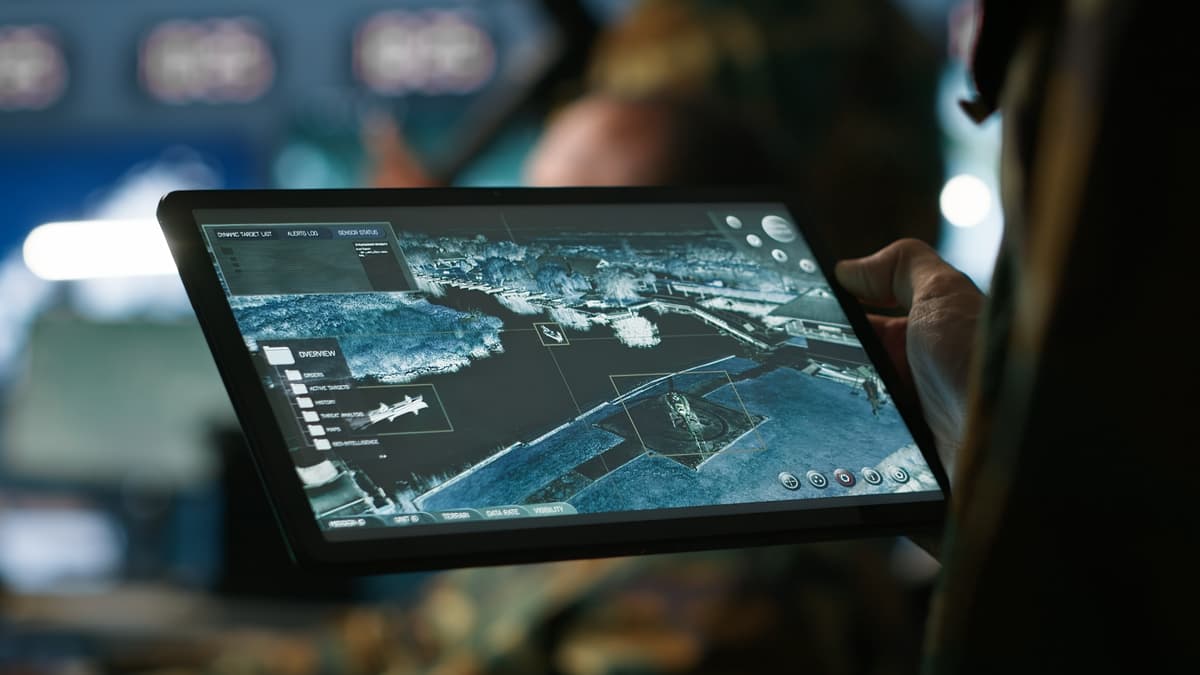
Cyber Espionage Group Targets Aviation Firms to Steal Map Data
Kaspersky Lab has identified a cyber‑espionage group dubbed HeartlessSoul that is phishing and malvertising aviation firms and drone operators to steal geospatial and GPS data. The attackers distribute malware disguised as legitimate aviation software, even hosting a fake project on...

CMSAF: Air Force to Train Every Airman on AI
Chief Master Sergeant David R. Wolfe announced that the Air Force will roll out a new training program to give every Airman a baseline of AI literacy, building on the service’s 2026 AI strategy. The effort follows an April plan...
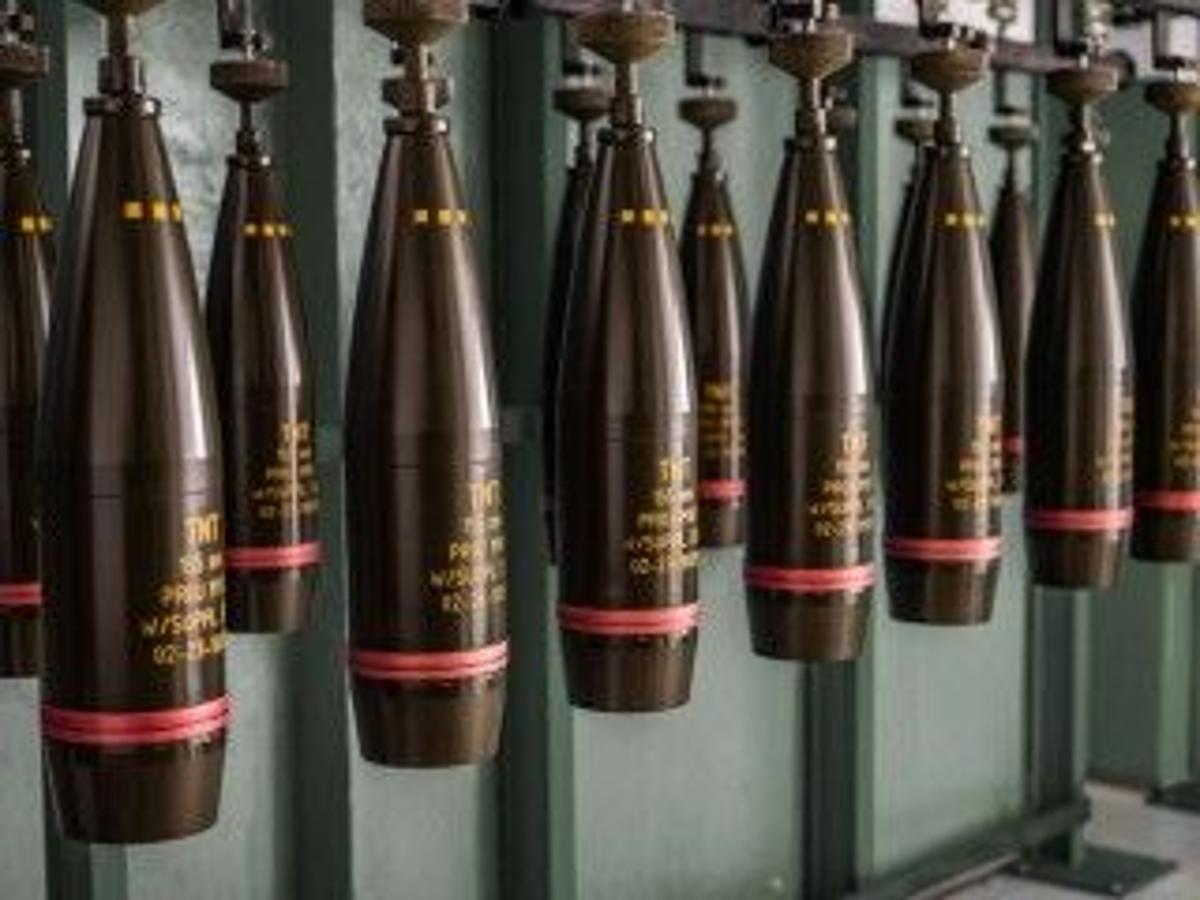
Turkish Ammunition Production in Estonia
Turkey's ARCA Defence is set to open an ammunition‑production facility in Estonia’s Ida‑Viru County, targeting export markets rather than direct supply to the Estonian Defence Forces. The plant will initially manufacture mortar rounds, rockets and NATO‑standard 155 mm M107 artillery shells,...

Your Purple Team Isn't Purple — It's Just Red and Blue in the Same Room
The article argues that today’s purple‑team concept is ineffective because human handoffs slow response while attackers exploit vulnerabilities in seconds. In 2026 the average time from CVE disclosure to a working exploit is roughly ten hours, and AI‑assisted adversaries can...
China Believes America Will Flame Out
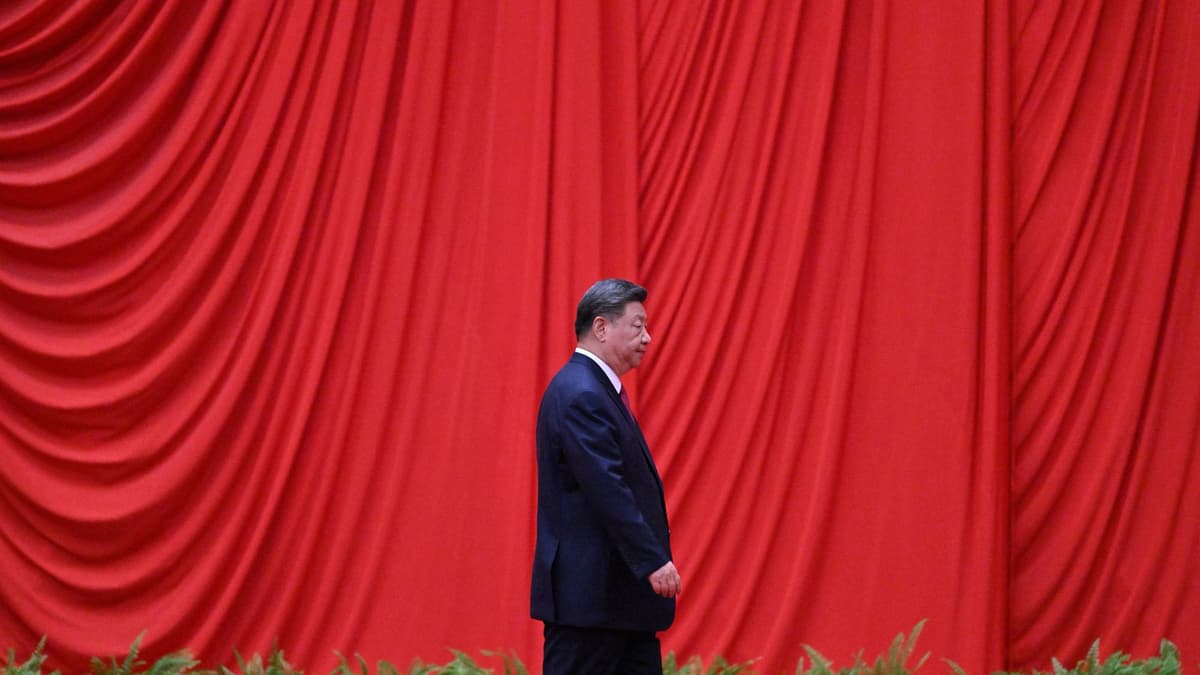
China is quietly positioning itself to assume global leadership as the United States wrestles with internal political turmoil, strained alliances, and renewed Middle‑East conflict. Rather than confronting the U.S. directly, Beijing is pursuing a patient strategy that emphasizes self‑reliance, technological...
Regulation: MAA Regulatory Notices (RN)
The Military Aviation Authority (MAA) released a wave of regulatory notices between May 2026 and March 2023, covering topics such as Military Permit‑to‑Fly improvements, maintainer licences, AI use in safety‑critical systems, and RPAS guidance. Several older notices were withdrawn, notably post‑Brexit compliance...

Security Chiefs ‘Too Polite’ for Startups, Says Cyber Flywheel Founder Alastair Paterson
British corporate cyber chiefs are often too polite, offering non‑committal feedback to cybersecurity startups, according to Alastair Paterson, CEO of Harmonic Security and founder of the cyber‑flywheel initiative. Paterson argues that design partnerships—common in the US and Israel—could accelerate innovation...
Brazil Air Focus: Army Set to Dominate Country’s $631.67 Million UAV Market From 2028
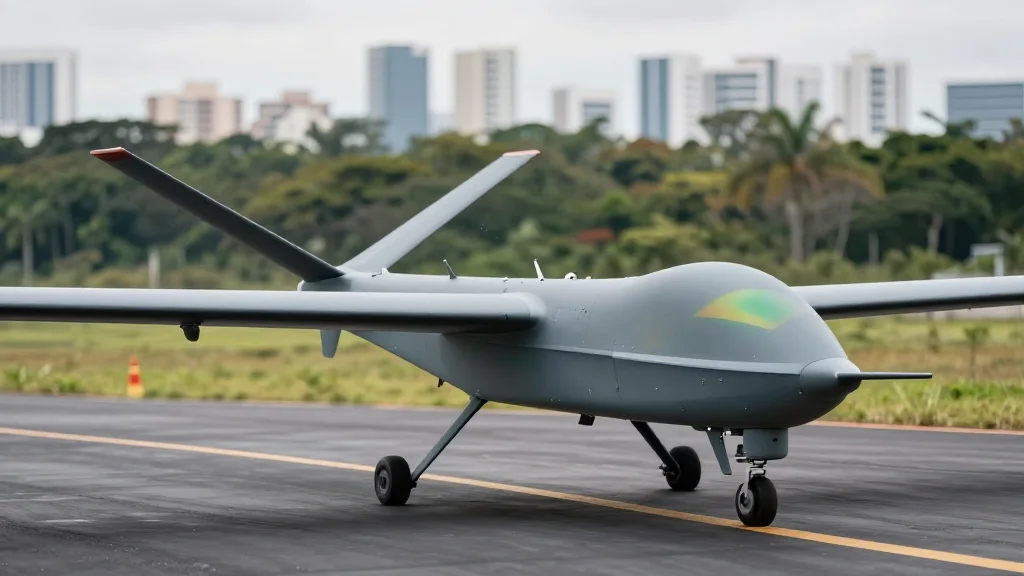
Brazil’s uncrewed aerial vehicle (UAV) market is projected to reach $631.67 million by 2028, making it the largest in South America. The Brazilian Army is set to lead spending, with a forecast of $279.15 million from 2026, surpassing the Navy’s $227.51 million allocation....

Blind Spots
Planet Labs, a leading commercial satellite operator, announced an indefinite suspension of new imagery over the Gulf States, Iran, and adjacent conflict zones after a U.S. government request. The blackout began in early March 2026 and has been extended, limiting...

US: FCC Relaxes Foreign-Made Router Ban to Allow for Security Updates
The U.S. Federal Communications Commission has pushed back the deadline for security updates on banned foreign‑made consumer routers to at least January 1, 2029, extending the original March 2027 cutoff by two years. The original ban, enacted in March 2026, prohibited import and sale...

Rakuten Symphony Inks Maritime Cybersecurity Pact
Rakuten Symphony, the Japanese telecom and digital services firm, has signed a memorandum of understanding with classification society American Bureau of Shipping (ABS) to build maritime cybersecurity capabilities. The deal pairs Rakuten Maritime’s cyber‑resilience platform—launched in December 2024—with ABS’s safety...

Canada, Finland and US Push Forward on Next-Gen Icebreaker Program
Canada, Finland and the United States have moved the Icebreaker Collaboration Effort (ICE Pact) from planning to implementation, focusing on joint shipbuilding for next‑generation polar icebreakers. Delegates met in Helsinki, aligning shipyard capacity, supply‑chain logistics and workforce training, and inspected...
Ukrainian Drone Strike on Empty Baltic Fuel Depot Prompts Top-Level Resignation – in Latvia
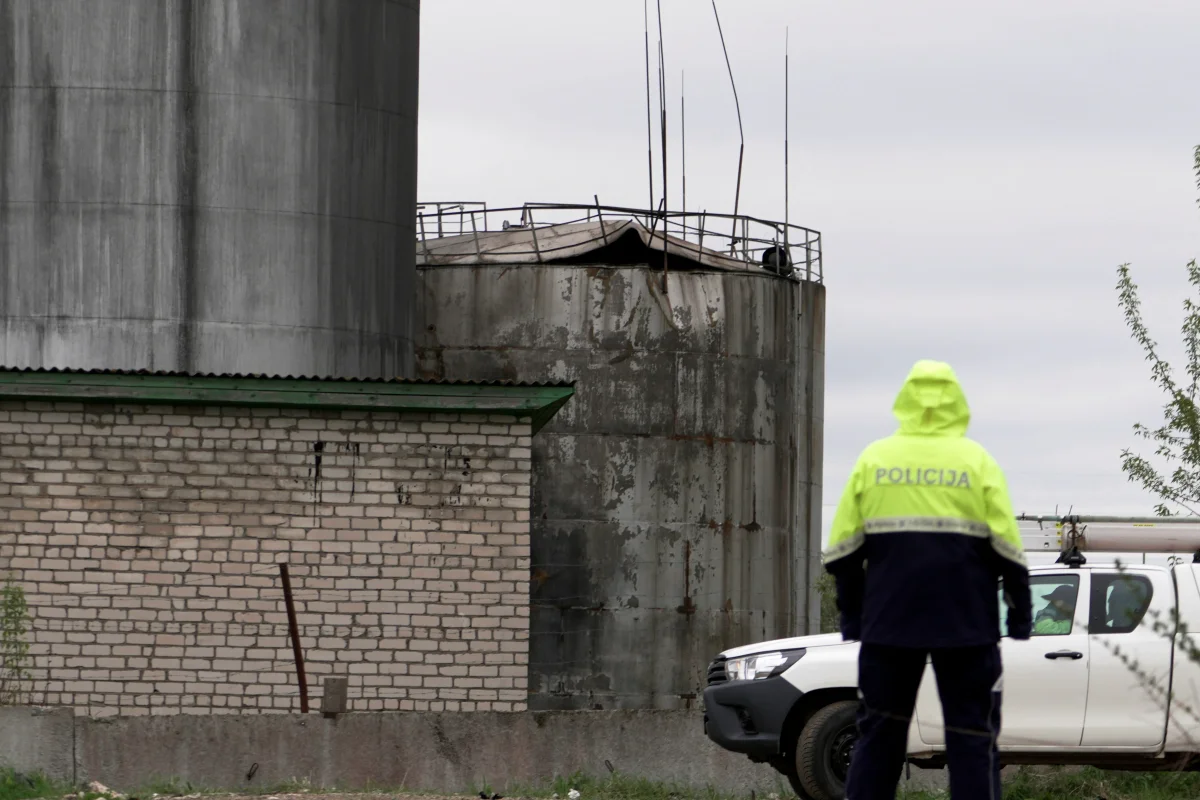
Latvia’s defence minister Andris Sprūds resigned after two Ukrainian drones, diverted by Russian electronic warfare, struck an empty fuel depot near the Russian border on May 7. Ukraine confirmed the drones were launched from its territory but missed their intended Russian...
The Iran War May Be the Best Argument Against Buying US Weapons
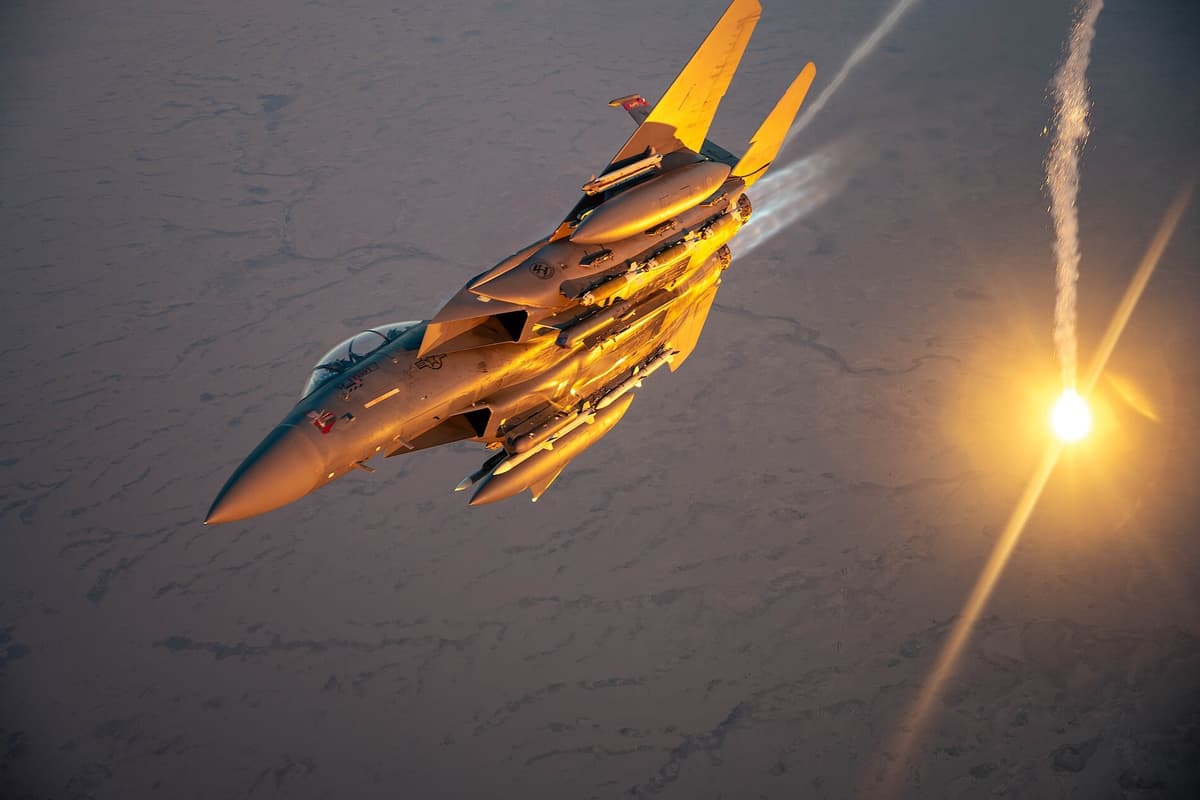
The ongoing US‑Iran conflict has exposed serious shortcomings in American high‑tech weaponry, from the 2002 Millennium Challenge war game where low‑tech tactics sank sixteen US warships to recent Iranian strikes that downed F‑15Es, an F‑35, A‑10s and drones. Expensive platforms...
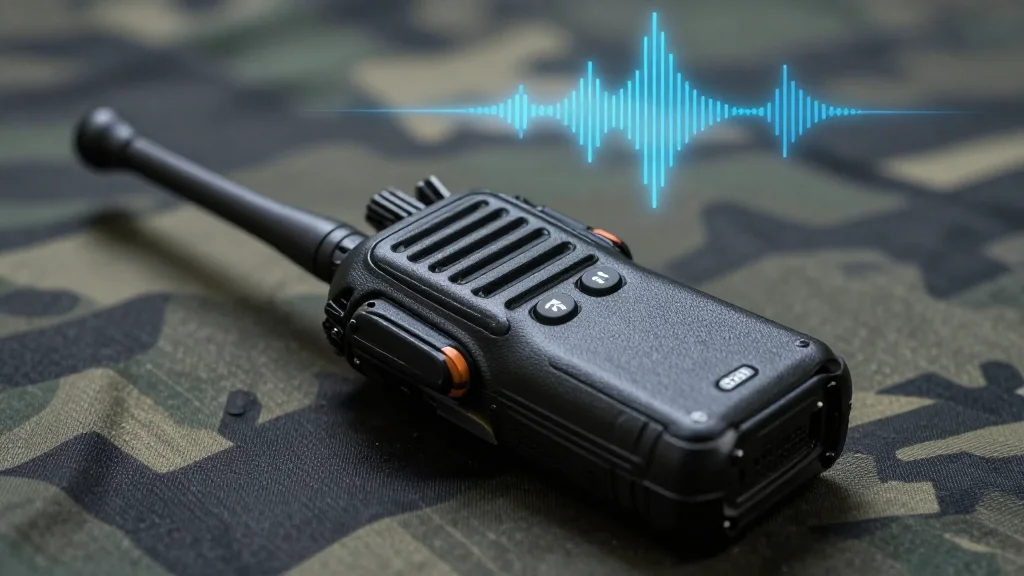
AI-Enhanced Combat Radios: How to Turn Comms Networks Into an EW Advantage
Bittium has teamed up with Finnish AI specialist MarshallAI to embed artificial‑intelligence into its tactical radios, converting them into edge electronic‑warfare (EW) sensors. The Integrated Spectrum Situational Awareness upgrade lets existing radios automatically monitor the spectrum, detect unknown emissions and...

Putin Is on the Back Foot, Russia Is Retreating – but Don’t Get Your Hopes Up
Russia’s invasion of Ukraine has reached 1,568 days, matching the First World War’s length, and President Vladimir Putin’s hints of an imminent end clash with on‑the‑ground realities. Russian forces are increasingly on the defensive while sanctions and diplomatic isolation strain...
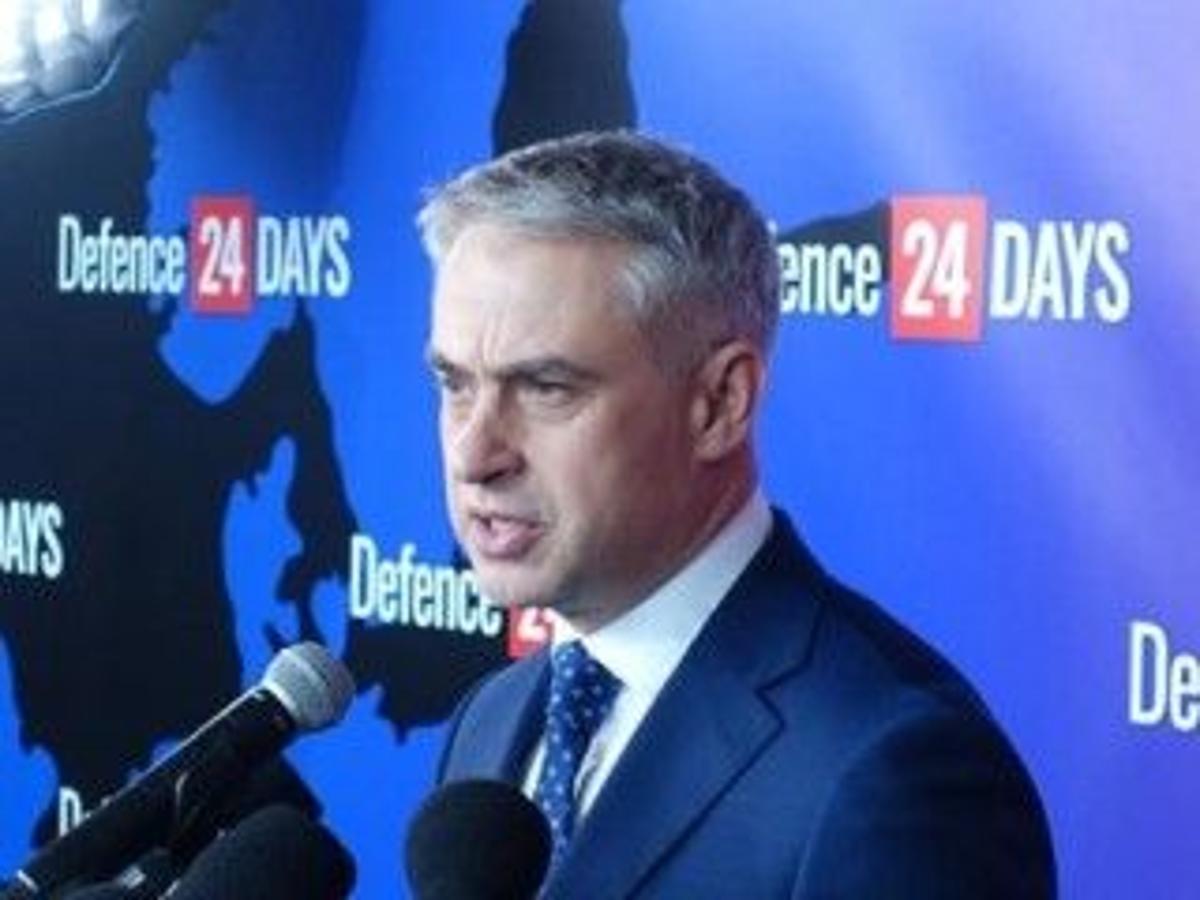
“Cyberwar Is Already in Poland,” Polish Deputy Prime Minister Says
Poland’s deputy prime minister Krzysztof Gawkowski told the Defence24 Days conference that the nation is already engaged in a cyber‑war with Russia, citing hundreds of daily attacks and a 99% neutralisation rate. He highlighted the January cyber‑attack on the country’s...

The Missing Cybersecurity Leader in Small Business
Small and medium businesses face average cyberattack costs exceeding $250,000, while hiring a full‑time CISO costs $250‑400k, creating a costly leadership gap. Virtual and fractional CISOs offer affordable senior cyber expertise, delivering risk assessments, remediation roadmaps, and governance. The article...

New Tu-160M Photo Confirms Russia’s Slow but Steady Bomber Upgrades
The Fighterbomber Telegram channel posted the first photo of Tu‑160 serial 8‑04, dubbed Deynekin, after its conversion to the Tu‑160M standard, confirming six modernized Tu‑160M and three newly built Tu‑160M2 aircraft. The upgrade adds updated avionics, communications and engine improvements...

Lockheed Martin Scales LPBF for Thermal Management Parts in Hypersonic and Aircraft Systems
Lockheed Martin has expanded its laser powder‑bed fusion (LPBF) additive‑manufacturing capability with a new 16,000‑square‑foot facility in Texas, partnering with EOS, Sintavia, Nikon SLM and nTop. The center focuses on producing thin‑walled thermal‑management components for next‑generation aircraft, hypersonic weapons and electric‑propulsion...

Armenia Shows Off French-Supplied CAESAR Artillery
Armenia publicly displayed French‑supplied CAESAR 155 mm self‑propelled howitzers during rehearsals for its May 28 Republic Day parade, marking the first visible appearance of Western artillery in the country. Prime Minister Nikol Pashinyan framed the showcase as a report on his administration’s defence...

Iran, China and AI Collide in Trump's Legacy-Defining Week
President Trump’s week will intertwine three high‑stakes fronts: he has dismissed Iran’s one‑page peace proposal, keeping the Middle East conflict alive; he is heading to Beijing for a summit with Xi Jinping that could reshape U.S.–China trade and security ties;...
.jpg)
TrickMo Android Banker Adopts TON Blockchain for Covert Comms
A new TrickMo Android banking malware variant, dubbed TrickMo.C, uses The Open Network (TON) for its command‑and‑control traffic. The malware disguises itself as TikTok or streaming apps and targets banking and crypto wallets in France, Italy, and Austria. By routing...

Canada Labels Sikh Extremism a Threat While Accusing India of Meddling
Canada’s security agency CSIS released a report labeling Khalistani extremism a national‑security threat while drawing a line between violent activism and lawful advocacy for an independent Sikh state. The document also accuses India of foreign interference, placing it alongside China,...

Ukraine Develops Its Own Armored Recovery Vehicle for Battlefield Use
Ukrainian defense firm Inguar Defence unveiled the Inguar 4, a 6×6 armored recovery vehicle built on a domestically developed triaxle chassis. The vehicle can tow a wide array of Western and Ukrainian armored platforms, including the M113, Kozak, MaxxPro, Kirpi and...

U.S. Tests Hornet Drones Against Chinese Landing Vehicle Targets
During the Balikatan 2026 exercise in the Philippines, U.S. forces employed Perennial Autonomy’s Hornet strike drones to destroy targets simulating China’s ZBD‑05 amphibious assault vehicles. The pneumatic‑launched drones have a range of over 60 miles and feature AI‑assisted, electronic‑warfare‑resistant guidance that...