
Linux Distro Debian Goes All in on Reproducible Software
Debian, one of the oldest Linux distributions, announced a new security policy that mandates all future packages be reproducible, meaning they can be rebuilt byte‑for‑byte from source. The release team has updated its migration tooling to automatically reject any package that cannot meet reproducibility criteria, while allowing existing packages to continue only if they are improved or already reproducible. This policy, two decades in the making, aims to strengthen software integrity across the Debian ecosystem and will affect all downstream derivatives that rely on its archives.

How to Secure Secrets in CI/CD Pipelines
CI/CD pipelines automate every code change but rely on a web of credentials, making them prime targets for secret leakage. Common missteps include storing plain‑text tokens in repositories, using long‑lived keys, and exposing secrets through logs or environment variables. The...
How to Get Engineering Time Back From Kubernetes Upgrades
Kubernetes upgrades consume disproportionate engineering effort, especially for mid‑size EKS deployments where a single minor version bump across three regions can require four to six weeks of senior time. Industry reports show teams lose roughly 34 workdays per year to...

Java Code Isn’t the Problem – The Container Is
A development team discovered that dozens of vulnerabilities in a Java Spring Boot service were coming from the container, not the application code. Outdated base‑image packages and unsafe Maven transitive dependencies were the culprits. By integrating Docker Scout into their CI...

Dynatrace Named a Leader and an Outperformer for the Second Consecutive Year in the 2026 GigaOm Radar for Kubernetes Observability
Dynatrace has been named a Leader and Outperformer in the 2026 GigaOm Radar for Kubernetes Observability, placing closest to the radar’s center for the second consecutive year. GigaOm evaluated 20 top solutions and gave Dynatrace the highest scores for key...

Christophe Pettus: All Your GUCs in a Row: Autovacuum_work_mem
PostgreSQL 17 replaces the fixed 1 GB TID array used by autovacuum with an adaptive radix‑tree based TIDStore, eliminating the hard memory cap and reducing multi‑pass index clean‑ups. The autovacuum_work_mem setting, which defaults to -1 to inherit maintenance_work_mem, now rarely needs...

Agents Just Made Your Feature Launch Channel Smarter
Amplitude introduced AI‑powered agents that live inside a Slack launch channel, turning it into a single command center for feature rollouts. By linking the channel to Amplitude Analytics and Feature Experimentation, teams can set alerts, embed AI context, and manage...

“It Works on My Machine”: Why Environment Parity Is Still a Platform Problem in 2026
Environment parity remains a critical bottleneck in 2026, with many teams still facing the “repro gap” where code works locally but fails in staging or production. The root cause is drift caused by separately maintained environments, leading to version and...

Why Prometheus Couldn’t See Cilium Metrics at 2 A.m.
The article exposes the hidden "integration tax" that plagues CNCF stacks, illustrated by a 2 a.m. outage where Prometheus could not scrape Cilium metrics because ServiceMonitors were missing. It details similar friction points—cert‑manager versus ingress controllers and duplicate kubelet timestamps—that consume...

Firefox Finds 20 Year Old Bug and Patches 14 Months of Fixes in 30 Days Using Anthropic’s Mythos AI
Mozilla leveraged Anthropic’s Claude Mythos Preview to patch 423 Firefox security bugs in April 2026, compressing roughly 14 months of work into a single month. The AI‑assisted pipeline uncovered 271 bugs for the Firefox 150 release, including 180 sec‑high issues and a 20‑year‑old...

The Attack Surface Moved Inside the Agent. So Did Arcjet.
Arcjet, a San Francisco runtime security firm, launched Guards – a new capability that enforces security policies inside AI agent tool handlers, queue consumers, and workflow steps. Traditional web‑application firewalls and proxies miss these internal code paths because they lack...

Intent-Based Chaos Testing Is Designed for when AI Behaves Confidently — and Wrongly
Enterprises deploying autonomous AI agents risk catastrophic missteps when the system encounters unfamiliar conditions. A production observability agent mistakenly rolled back a service after flagging a benign batch job, causing a four‑hour outage despite the model behaving as trained. The...

Tanzu Platform’s 15-Year Head Start Meets the AI Moment
VMware’s Tanzu Platform, a 15‑year‑old PaaS lineage originating from Cloud Foundry, is now positioning itself as an AI‑ready foundation. Recent releases—10.0, 10.3 and 10.4—add AI Services, shared MCP server publishing, and Agent Foundations that embed governance, observability and multi‑cloud deployment...

Christophe Pettus: All Your GUCs in a Row: Autovacuum_vacuum_max_threshold
PostgreSQL 18 introduces a new configuration parameter, autovacuum_vacuum_max_threshold, that caps the number of dead tuples before an autovacuum is triggered. The default cap of 100 million tuples automatically overrides the classic scale‑factor formula for tables larger than roughly 500 million rows, halving the...

What Happens when Engineering Teams Reorganize Around AI Agents
At Camp AI’s "Agents at Work" event, startups demonstrated how engineering teams are reorganizing around autonomous AI agents. Companies like Browserbase and Mastra claim a single engineer can now drive an entire feature thanks to an "army" of agents, shrinking...
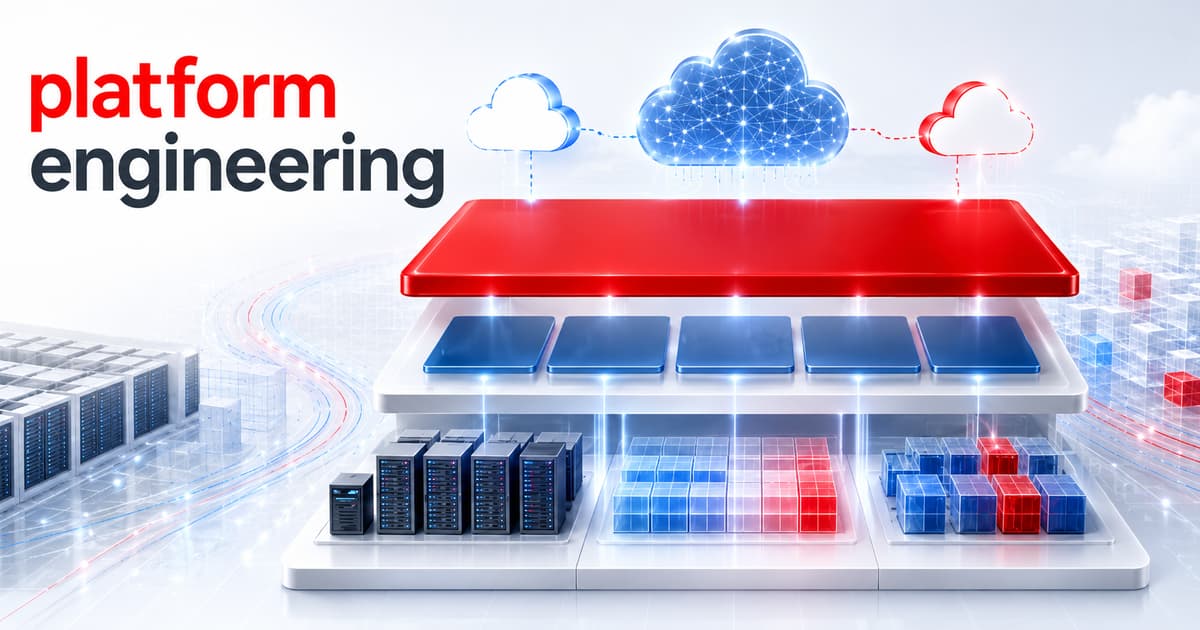
Red Hat Brings AI, Virtualization and Hybrid Cloud Under One Platform
Red Hat announced at its 2026 Summit that its OpenShift platform will serve as a single foundation for AI, virtualization and hybrid‑cloud workloads. The company is positioning platform engineering as the control layer that unifies containers, virtual machines and inference...

How to Build a Scalable Mobile Testing Strategy
Mobile apps face relentless device fragmentation, frequent OS updates, and rapid release cycles, making a structured testing strategy essential. A scalable mobile testing approach links goals, risk assessment, device coverage, and both automated and manual test types into a single...

When Well-Behaved Agents Trigger Disaster
A new class of outages is emerging as autonomous agents make rapid, correct decisions that unintentionally collide. In a 2:17 a.m. scenario, a performance, cost, and routing agent each acted perfectly, yet their combined actions took the database layer offline. Recent...

Solo.io Extends Kagent Runtime to NemoClaw Governance Framework for AI Agents
Solo.io announced that its kagent runtime now supports the open‑source NemoClaw framework, enabling safer deployment of AI agents on Kubernetes. NemoClaw, created by NVIDIA, adds a sandboxed environment with policy guardrails and integrates the OpenShell runtime. The integration brings built‑in...

The Death of "Text-Only" ChatOps: Why Google's A2UI Matters for DevOps and SRE
Google has open‑sourced A2UI (Agent‑to‑User Interface), a declarative JSON protocol that lets AI agents generate native, interactive UI components instead of plain text. The framework prioritises security by restricting agents to a trusted component catalog and works with any front‑end...
Benchmarking AI Agent Retrieval Strategies on Kubernetes Bug Fixes
The author benchmarked three Claude Opus‑based AI coding agents—RAG‑only, Hybrid (RAG + local), and Local‑only—against real Kubernetes pull‑request bugs. Each agent received only the issue description and a five‑minute window to produce a patch, with performance measured by speed, token usage, and...

12 Model-Level Deep Cuts to Slash AI Training Costs
The article outlines twelve model‑level techniques that can dramatically cut AI training expenses. It emphasizes shifting from costly from‑scratch training to fine‑tuning open‑weight models and using parameter‑efficient methods like LoRA. Memory‑saving tricks such as gradient checkpointing, compiler fusion, pruning and...

What Is Platform as a Service (PaaS)? | Rafay
Platform as a Service (PaaS) delivers a cloud‑based environment that bundles infrastructure, development tools, middleware and runtime services, letting developers focus on code rather than ops. It sits between IaaS’s raw resources and SaaS’s finished applications, offering auto‑scaling, built‑in security...

Defining the Programmable Edge | Rafay
Rafay Systems introduced its "Programmable Edge" platform, which automatically deploys application instances in geographically distributed locations to bring services closer to end users. The solution promises to cut latency, improve conversion rates, and simplify global scaling without the need for...
Break Glass Workflows for Developer Access To K8s | Rafay
In large‑scale Kubernetes environments, a "break‑glass" workflow provides developers with temporary, elevated access during emergencies such as outages or critical bugs. The process requires pre‑authorization, a documented justification, multi‑factor authentication, and time‑limited permissions that automatically expire. Automated approval steps and...

Introducing Rafays Generative AI Based Copilot | Rafay
Rafay announced the launch of its Generative AI‑based Copilot, embedded directly within the Rafay console. The assistant lets platform teams, SREs, developers and data scientists ask natural‑language questions without leaving the UI, pulling answers from continuously updated product documentation. It...

Friday Five — May 8, 2026
Red Hat’s 2026 Summit preview highlighted its AI‑driven platform strategy, emphasizing inference optimization, token economics, and hybrid multicloud workloads. The company announced the winners of its 20th Innovation Awards—ARSAT, Emirates NBD, One NZ and TD—recognizing open‑source breakthroughs. Red Hat also released RHEL 10.2...

Your Guide to Red Hat OpenShift Service on AWS (ROSA) at Red Hat Summit 2026
Red Hat OpenShift Service on AWS (ROSA) will be a centerpiece of Red Hat Summit 2026, where the company unveils new capabilities for AI‑driven workloads, virtual‑machine modernization, and automated cost management. The fully managed, jointly engineered platform from Red Hat and AWS promises tighter hybrid‑cloud...

The Zero-Trust Agent: Why Your AI Needs a Sandbox, Not a Blank Check
Upsun introduces a zero‑trust framework that forces AI agents to operate inside isolated, production‑accurate preview environments rather than holding unrestricted cloud credentials. The platform enforces environment‑level scoping and container isolation, letting agents propose changes, test them in a byte‑level clone,...
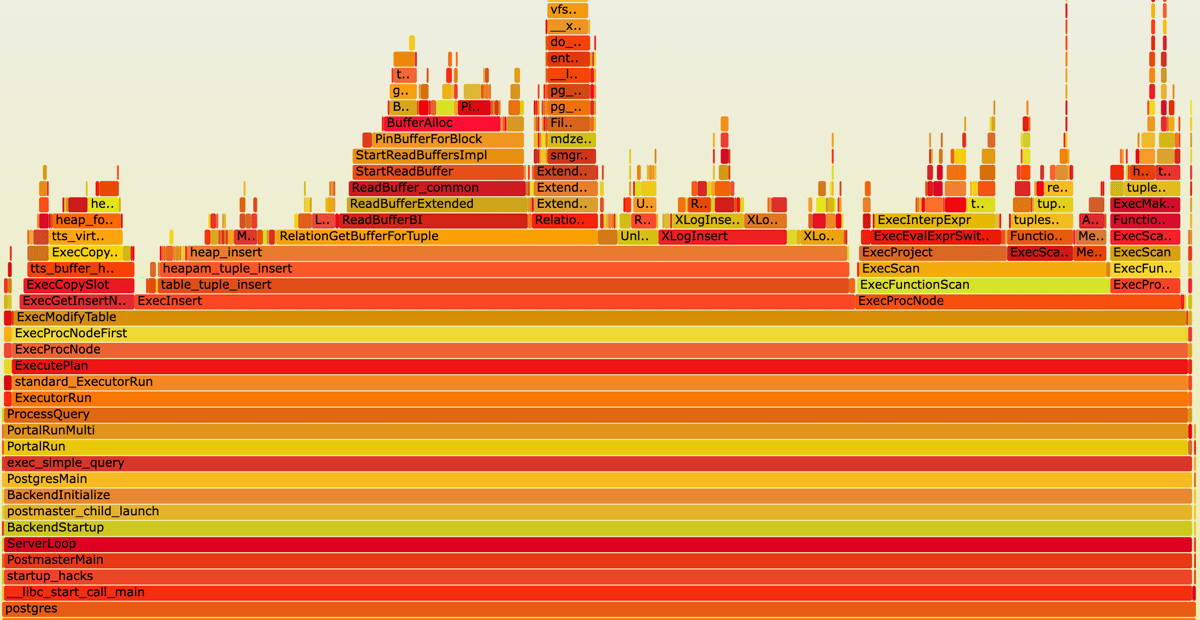
Jan Kristof Nidzwetzki: Tracing PostgreSQL Using eBPF and Hardware Breakpoints
Jan Kristof Nidzwetzki demonstrates how eBPF hardware breakpoints can trace PostgreSQL internal variables with minimal overhead. By setting watchpoints on memory addresses like nextXid and nextOid, developers can capture transaction ID generation and OID assignment in real time. Benchmarks show...

7 Ways to Monitor Critical User Flows on Your Website
Critical user flows—sign‑ups, checkouts, support tickets—are revenue engines, and any break can instantly erode sales and brand trust. Traditional uptime checks miss front‑end bugs, prompting a shift to synthetic monitoring that runs automated browser tests 24/7. Tools like Ghost Inspector...

Dyna Software's AI Assistant Promises to Massage Your Toughest ServiceNow Configs
Dyna Software unveiled Platform Copilot, an agentic AI that lets business users configure ServiceNow applications through natural language or uploaded form images, bypassing the need for developers. The tool reads a customer’s instance schema, generates wireframes, validates changes, and builds...
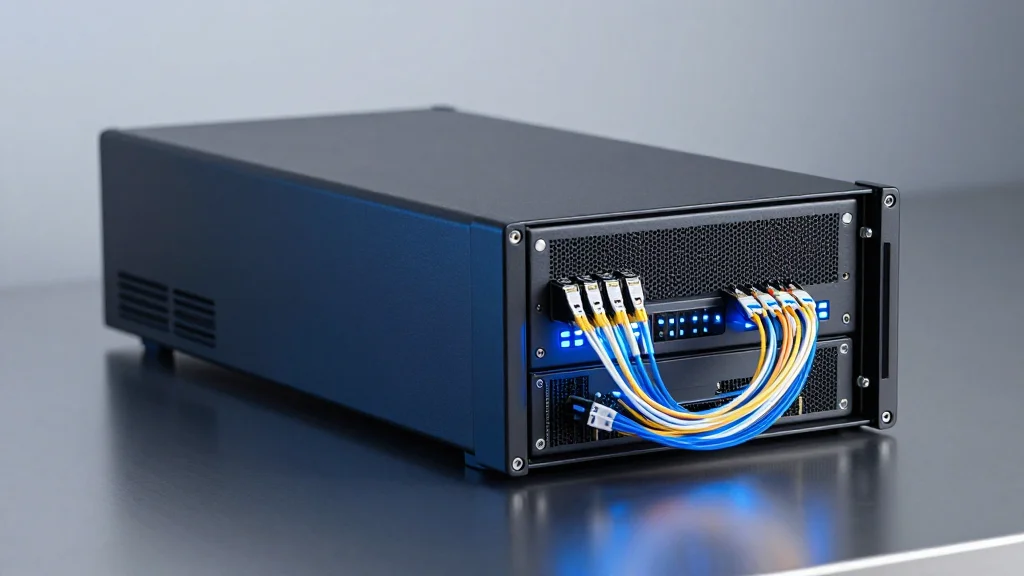
LightSeek Foundation Releases TokenSpeed, an Open-Source LLM Inference Engine Targeting TensorRT-LLM-Level Performance for Agentic Workloads
The LightSeek Foundation has launched TokenSpeed, an MIT‑licensed open‑source LLM inference engine built for agentic coding workloads. Its architecture combines a compiler‑backed SPMD modeling layer, a C++ finite‑state‑machine scheduler that enforces KV‑cache safety, and a pluggable kernel system that works...
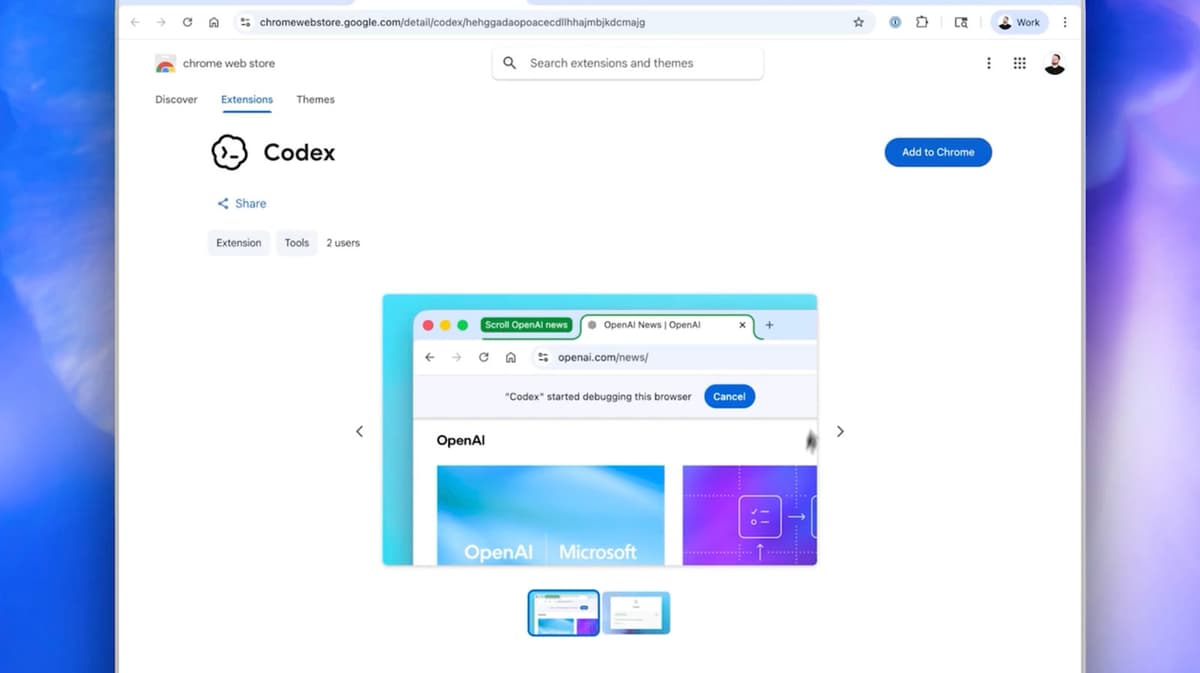
OpenAI Debuts a Codex Plugin for Chrome
OpenAI released a Chrome extension for its Codex platform, enabling AI‑assisted coding directly in the browser. The plugin can test web applications, pull context from multiple open tabs, and operate alongside Chrome DevTools. It runs on both Windows and macOS,...

Why Your RAG Pipeline Will Fail Without an MCP Server
Most production Retrieval‑Augmented Generation (RAG) pipelines fail because they lack a dedicated control plane for context orchestration. An Model Context Protocol (MCP) server inserts this missing layer, handling multi‑stage retrieval, ranking, token budgeting, policy enforcement, and tool routing between the...

Trilio Extends Disaster Recovery Reach to Red Hat OpenShift Virtualization
Trilio announced a technology preview of its Site Recovery platform that now supports Red Hat OpenShift Virtualization, enabling continuous replication for legacy KVM workloads encapsulated in containers via KubeVirt. The solution runs on OpenShift 4.2 or later and lets IT teams...

Antony Pegg: PgEdge Control Plane Adds Supporting Services and a Preview of Systemd Support
pgEdge has expanded its Control Plane with two major capabilities: Supporting Services, a fully‑available feature that lets users declare PostgreSQL and surrounding AI‑oriented services in a single JSON spec, and a systemd Support preview that removes the Docker‑only requirement. The...

Why Modernization Is Defining the Next Decade of Cloud
Enterprises have moved past cloud adoption as a differentiator; today most operate in hybrid or multicloud environments where the cloud is a baseline. The new competitive edge lies in how effectively organizations modernize applications, data, and operations. Legacy lift‑and‑shift, fragmented...
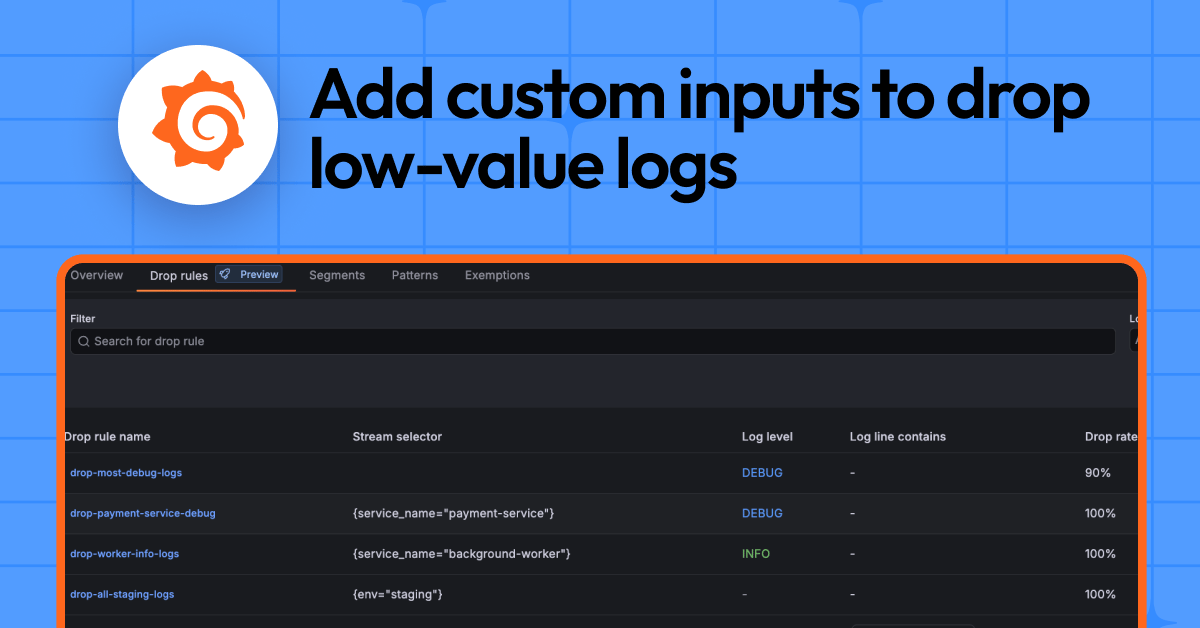
Eliminate Noisy Log Lines with Adaptive Logs Drop Rules
Grafana Cloud has introduced drop‑rules for Adaptive Logs, now in public preview. The feature lets platform and observability teams define custom filters that discard low‑value logs—by level, label, or content—before they are ingested. Drop‑rules work alongside existing exemptions and recommendation...

AI Is Generating More Tests. But Are They Preventing the Next Cloud Outage?
Engineering teams are rapidly adopting AI tools that generate thousands of test cases, but the surge in test volume often masks quality gaps. Recent AWS outages have highlighted how fragile modern software can become when automated tests lack rigor, leading...

Elastic Architects Reveal How to Query Observability Data in Plain English
Elastic’s solutions architects announced that companies can now query observability data in plain English using OpenTelemetry and generative AI. The approach removes the bottleneck of relying on SREs by unifying telemetry across storage systems and translating logs into natural‑language insights....

What Mozilla Learned Running an AI Security Bug Hunting Pipeline on Firefox
Mozilla deployed an agentic harness powered by Claude Mythos Preview to scan Firefox’s source code, uncovering 271 security bugs that were patched in Firefox 150 and earlier releases. The pipeline, built by a team of over 100 engineers, leveraged automated validation...

The Inference Imperative: Why Running AI Is Harder than Building It
Enterprises have mastered AI model development, but scaling inference reveals deeper challenges. Fragmented data, legacy systems, and reactive IT processes cause pilots to falter in production. Successful AI now depends on unified data environments, embedded governance, and automated operations. Companies...

Expanding the Atlassian Ecosystem with Xray and Easysecrets - Xray Blog
Easysecrets has deepened its Atlassian ecosystem strategy by partnering with Xray, a leading test‑management app, and integrating its AI‑driven capabilities into Easysecrets' Whiteboard Reports. The integration adds coverage, success and automation metrics, plus a full record of test runs, giving...

Imply Launches Lumi Enterprise, a Bring-Your-Own-Cloud Offering Designed for Observability Data
Imply announced Lumi Enterprise, a Bring‑Your‑Own‑Cloud (BYOC) version of its Lumi observability warehouse that runs entirely inside a customer’s AWS account. The solution promises 60‑80% lower storage and investigation costs compared with traditional indexing tools like Splunk, while preserving existing...

Reactive Ops to Autonomous Infrastructure: How Agentic AI Is Redefining Modern DevOps
Modern DevOps teams are overwhelmed by the sheer volume of logs, metrics, and alerts generated by distributed, constantly changing infrastructure. Traditional reactive workflows—detect, alert, investigate, fix—depend heavily on human judgment and cannot scale. Agentic AI introduces autonomous infrastructure that continuously...
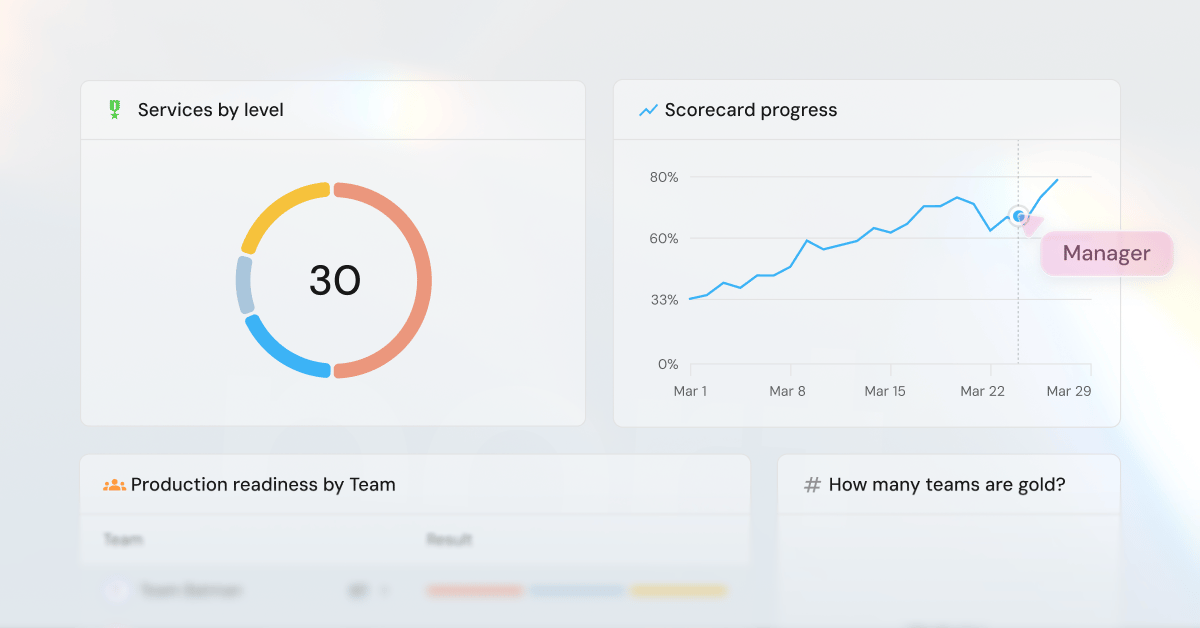
Which Engineering Metrics Actually Drive Outcomes?
Engineering leaders rely on DORA metrics for visibility, yet a one‑size‑fits‑all approach often mislabels team performance. The article argues that without contextual benchmarks, infrastructure and feature teams are judged by inappropriate standards. It proposes embedding metrics into the software delivery...

Why the Future of Software Is No Longer Written — It Is Architected, Governed and Continuously Learned
The article argues that by 2026 software development will be driven by generative AI, shifting the CIO mandate from rapid code delivery to architecting and governing enterprise intelligence. AI agents now orchestrate the entire software lifecycle, compressing design and deployment...
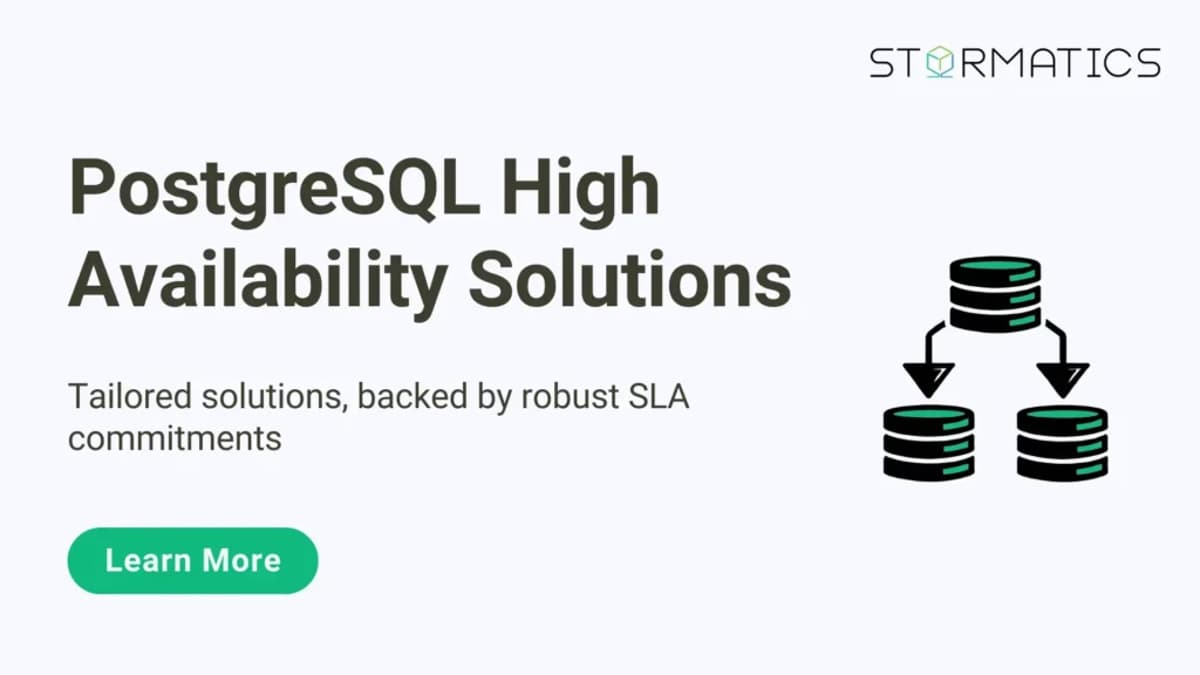
Umair Shahid: You Have a Patroni Leader Election. You Are only Halfway to PostgreSQL High Availability.
Patroni reliably elects a new PostgreSQL leader, but that alone isn’t full high availability. Without automated routing, standby rejoin, replica sync, and application reconnection, a primary loss can still cause minutes to hours of downtime. Implementing a virtual IP, HAProxy,...
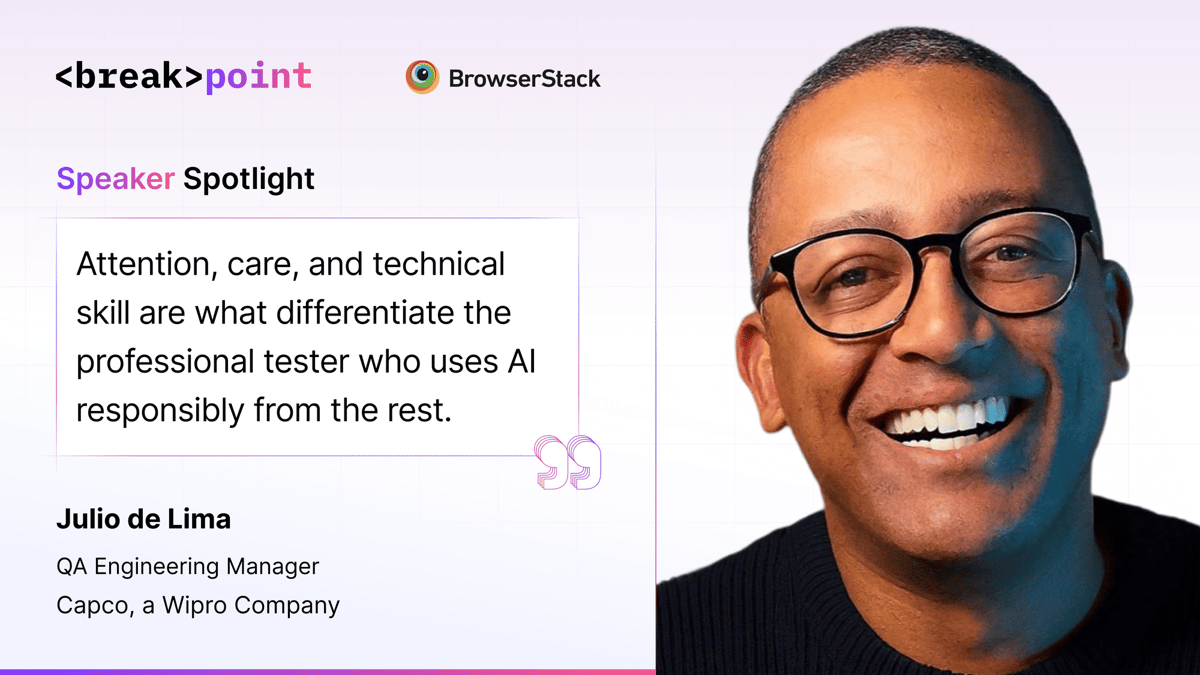
Breakpoint 2026 Speaker Spotlight: Julio De Lima
BrowserStack’s Breakpoint 2026 will feature Julio de Lima, QA Manager at Capco and a prominent YouTube educator for Brazil’s testing community. De Lima will lead a live build session that creates an API from scratch, designs automated tests, and runs...