
Telecom News: OpenInfra Foundation, StarlingX 12.0, Brightspeed, Huawei Network
The OpenInfra Foundation released StarlingX 12.0, an open‑source platform that merges OpenStack, Kubernetes, Ceph and virtualization tools to power edge and centralized cloud workloads for telecom operators. Brightspeed announced the completion of fiber construction in 13 Wisconsin communities, now reaching over 67,000 homes and representing roughly 30% of its statewide rollout plan. At the Huawei Network Summit in Cairo, Huawei unveiled an AI‑driven Xinghe Intelligent Network aimed at accelerating digital transformation across North Africa. Together, these moves highlight a shift toward distributed, AI‑enabled infrastructure in the global telecom sector.
Google Cloud Next ’26 Recap
Google Cloud Next ’26 highlighted a rapid shift in software delivery, with AI, platform consolidation, and efficiency driving change across the SDLC. Attendees moved from AI curiosity in 2025 to operationalizing AI agents that orchestrate CI/CD pipelines, enhance security, and...

Friday Five — May 1, 2026
Red Hat unveiled Tank OS, an open‑source utility that streamlines secure deployment of OpenClaw agents, while also rolling out Fedora 44 with upgraded Ansible, MariaDB, and OpenSSL components. A Red Hat‑sponsored survey shows more than two‑thirds of UK enterprises have AI exit strategies,...
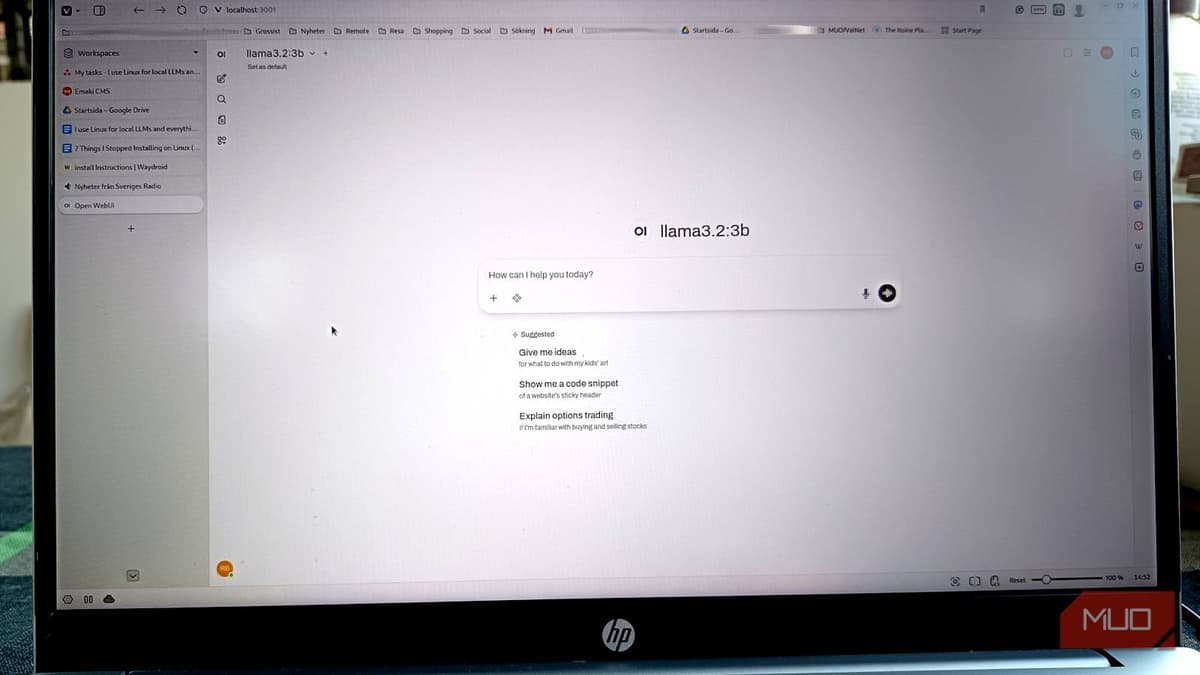
I Switched to Linux for Local LLMs and Setup that Took Hours on Windows Took Minutes
The author migrated from Windows to Linux for running local large language models with Ollama and found the Linux experience dramatically faster and more reliable. On Windows, the installer often defaults to CPU, requires WSL2, Docker configuration, and manual GPU...
Kubernetes v1.36: In-Place Vertical Scaling for Pod-Level Resources Graduates to Beta
Kubernetes 1.36 promotes In‑Place Pod‑Level Resources Vertical Scaling to beta, enabling default‑on resizing of a pod’s aggregate CPU and memory without always restarting containers. The feature is gated by InPlacePodLevelResourcesVerticalScaling and works with the existing pod‑level resource model introduced in...

How AI Moves Businesses From Damage Control to Near-Instant Recovery After a Data Crisis
AI‑powered continuous data protection (CDP) is replacing the decades‑old nightly backup model, allowing enterprises to capture changes in near‑real time. By using intelligent prediction and tiering, AI can prioritize critical files while discarding redundant I/O, making CDP affordable at scale....

End-to-End Event Streaming With Kafka, Spring Boot and AWS SQS/SNS (Production-Ready Code Guide)
A new DZone guide walks developers through building a production‑ready event pipeline that combines Apache Kafka, Spring Boot, and AWS SNS/SQS. The architecture uses a Spring Boot producer to write JSON events to a Kafka topic, a bridge service that...
A Nine-Point Checklist for Shipping Production-Ready AI
The New Stack outlines a nine‑point checklist that turns AI demos into production‑grade services. It walks readers through installing pinned dependencies, building robust tool interfaces, persisting retrieval indexes, adding schema‑based guardrails, and enforcing bounded agent loops. The guide also covers...
Faster Fixes, Less Context Sharing: How Grafana Assistant Learns Your Infrastructure Before You Even Ask
Grafana Assistant now builds a persistent, pre‑loaded knowledge base of your infrastructure by automatically scanning Prometheus, Loki and Tempo data sources. The AI agents map services, metrics, logs and dependencies ahead of any query, storing the information in a vector...

Anthropic’s Claude Security Emerges From Closed Preview to Scan Your Codebases for Vulnerabilities
Anthropic has taken Claude Security out of closed preview, launching a beta version for Claude Enterprise customers while extending access to Team and Max plans soon. The AI‑driven tool scans entire codebases with parallel agents, validates findings to curb false...

AI Agents for DevOps on Kubernetes Need Real Engineering, Not Magic
AI agents can accelerate Kubernetes incident triage, but only when built on a solid engineering stack rather than acting as a black‑box controller. The article outlines a layered architecture—OpenTelemetry for telemetry capture, Kafka for durable event streaming, a lightweight consumer...

SPIFFE: Securing the Identity of Agentic AI and Non-Human Actors
SPIFFE, an open standard for workload identities, is being positioned as a solution for securing autonomous AI agents. The framework issues cryptographically verifiable SPIFFE IDs, enabling zero‑trust, federated trust and dynamic credential rotation. HashiCorp’s Vault Enterprise 1.21 and 2.0 releases...

PolyAI Selects Kong to Scale Its API Infrastructure and Accelerate AI Innovation
PolyAI, a leading enterprise conversational‑AI provider, has partnered with Kong to adopt its Konnect unified API and AI platform. The move will standardize, secure, and dramatically scale PolyAI’s API infrastructure, enabling developers to build and manage agentic AI workflows more...

ActiveState Curated Catalog Secures AI-Generated Code Across Any Development Environment
ActiveState unveiled expanded support for AI‑assisted development through its Curated Catalog, a tool‑agnostic security layer that governs dependency ingestion across any AI coding assistant. The catalog draws from a library of more than 79 million open‑source components built from source in...
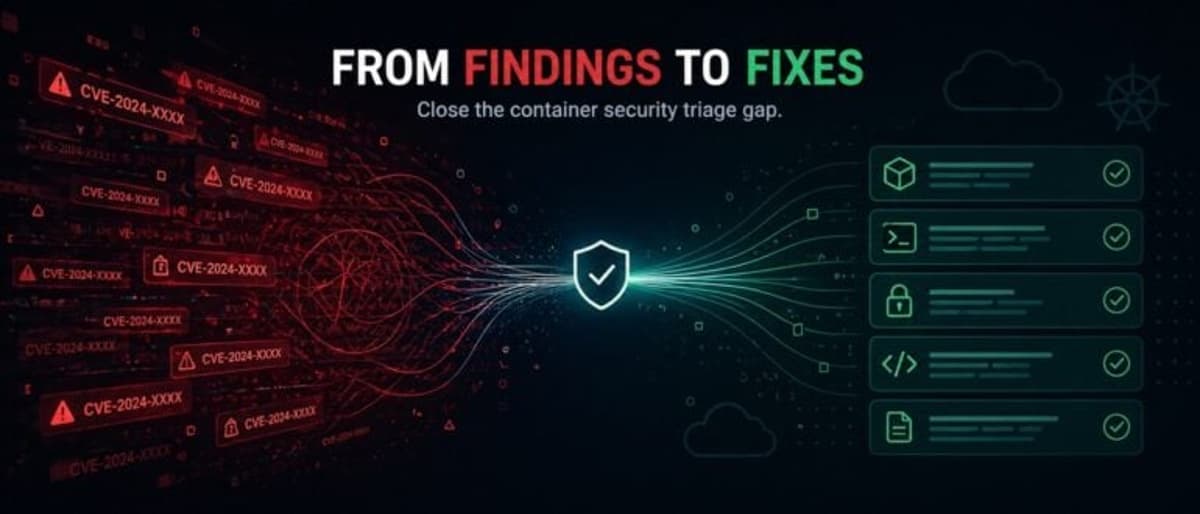
OWASP Has Adopted DockSec and the Cloud Security Community Is Taking Notice
DockSec, an open‑source container‑security analyzer, has been accepted into the OWASP Incubator Program after surpassing 13,000 downloads in more than 40 countries. The tool distinguishes itself by merging three detection engines—Trivy, Hadolint, and Docker Scout—and applying an AI layer that translates...
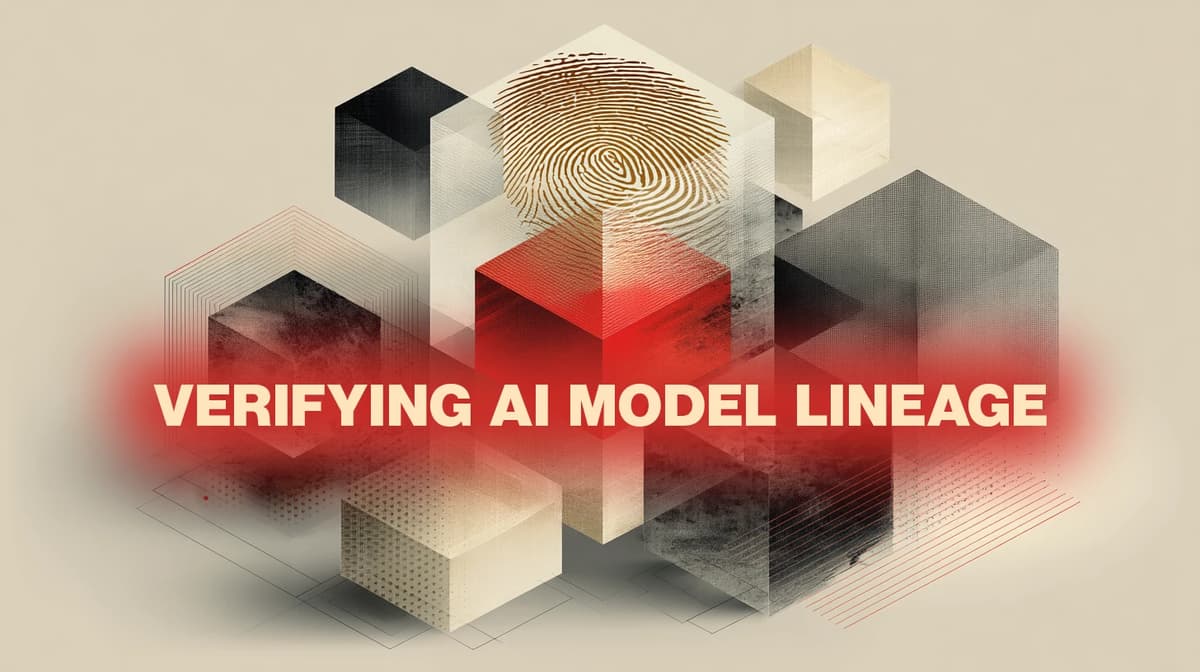
Cisco Releases Open-Source Toolkit for Verifying AI Model Lineage
Cisco unveiled the open‑source Model Provenance Kit, a Python toolkit that verifies whether two transformer models share a common origin. The kit examines architecture metadata, tokenizer structure, and five weight‑based similarity signals to generate a provenance score. In internal testing...

Tar Files Created on macOS Display Errors When Extracting on Linux (2024)
Developers who create tar.gz archives on macOS often encounter duplicate "._" files and extended‑attribute warnings when extracting them on Linux servers. The BSD‑based tar on macOS automatically embeds Apple‑specific xattr metadata, which Linux's GNU tar cannot interpret. Adding the "--no-xattrs"...

LocalStack Simulates Data Flows Across AWS Cloud Services to Simplify Debugging with App Inspector
LocalStack introduced App Inspector, a new feature that visualizes data flows and configuration dependencies across AWS services inside a lightweight, container‑based sandbox. The tool lets developers debug AI‑generated or manually written code locally, avoiding the latency and cost of deploying...
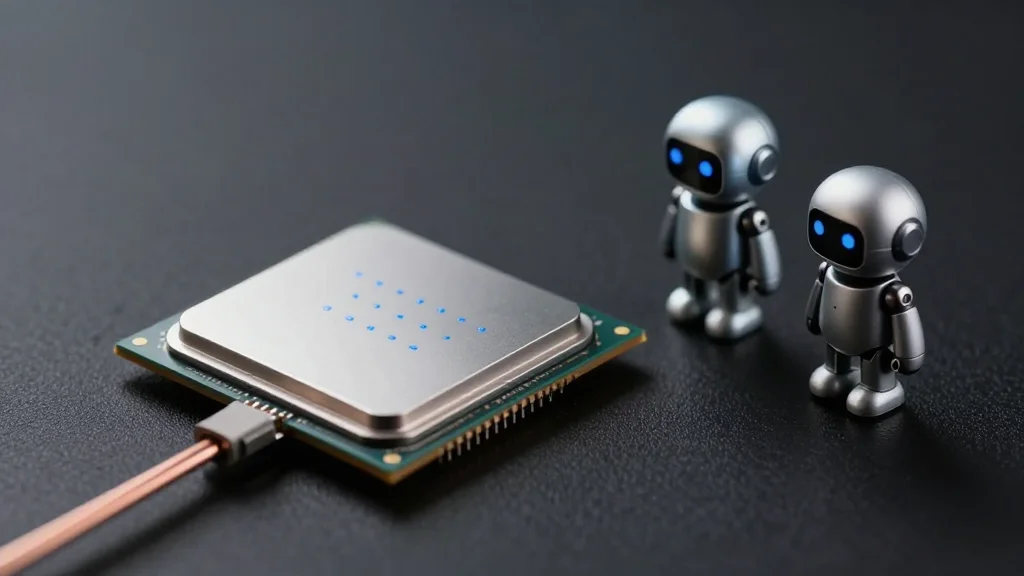
Harness Teams of Agentic Coders with Squad
At KubeCon Europe, Linux kernel maintainer Greg Kroah‑Hartman noted a sudden improvement in AI‑generated security reports, highlighting a broader productivity crisis for developers facing a flood of critical vulnerabilities. Open‑source project Squad, created by Microsoft’s Brady Gaster, offers an agent...
Learn How Checkmarx Benefited From Internal Developer Portal
Checkmarx adopted Port’s internal developer portal to replace five fragmented environment‑creation methods with a unified self‑service solution. The portal lets developers spin up and tear down Kubernetes‑based dev environments via a simple UI, enforcing TTLs that automatically trigger GitHub workflows...

Top Examples of Service Catalogs in Action
Modern service catalogs have become a cornerstone of platform engineering, acting as a real‑time metadata hub for microservices, Kubernetes, AppSec, and cost data. Unlike legacy IT catalogs, they automate data collection, providing developers with up‑to‑date ownership, dependency, and compliance information....

Announcing the New Partner Premier Tier for the Terraform Registry
HashiCorp has introduced a new Partner Premier tier on the Terraform Registry, building on the existing Partner tag. To earn the Premier tag, providers must supply a software bill of materials and implement at least one advanced feature such as...
.png)
What Is a Developer Portal? Benefits, Use Cases & Why You Need One
Internal developer portals (IDPs) are platform‑engineered hubs that consolidate tools, metadata, and self‑service actions to simplify complex software delivery. They address chronic productivity losses—78% of teams wait over a day for SRE help and 94% of developers are frustrated with...

AI Agent Hosting Platforms Explained: What to Look for in 2026
AI agents are now commonplace, shifting the bottleneck from development to reliable execution. Hosting platforms such as KeepClaw provide fully managed environments that abstract away servers, APIs, and updates. By offering multi‑model support and 24/7 uptime, these services let businesses...

What Happens when You Delete Everything? Three Minutes, or Thirty Hours.
An AI‑powered coding agent at PocketOS deleted its production database on Railway in nine seconds, wiping out the volume‑level backups and leaving the company without data for thirty hours until the platform’s CEO intervened. By contrast, a similar mishap at...

The Cloud Optionality Blueprint: Standardizing the Stack to End Vendor Lock-In
Upsun introduces a unified configuration file that abstracts applications from any cloud provider, enabling true cloud optionality. By standardizing services, versions, and deployment pipelines, migration becomes a data‑move task rather than a costly re‑architecture. The platform supports AWS, Azure, GCP,...

Cut AI Token Usage by 96%? Here’s How AWS Strands Agents Does It.
AWS’s open‑source Strands Agents framework, downloaded over 14 million times in its first year, can slash LLM token consumption by up to 96 % for the same task. In a demo, Morgan Willis showed three implementations of an invoice‑lookup query: a naïve...

Auvik Bets Agentic AI Can Fill the Networking Skills Gap
Auvik introduced Aurora, an agentic AI platform that moves network management from passive alerting to automated remediation. The system prioritizes alerts, tracks device lifecycle, monitors CVEs, and generates remediation scripts via natural‑language queries. Aurora draws on Auvik’s 15‑year data set—over...

Orchestrator’s Next Chapter: What It Means for Percona Customers
ProxySQL announced it will take over maintenance and development of Orchestrator, the long‑standing MySQL high‑availability and topology management tool. Percona clarified that, while it has never been an upstream maintainer, it will continue to provide operational support and custom patches...

FOMO Is Why Enterprises Pay for GPUs They Don't Use — and Why Prices Keep Climbing
Enterprises are running GPU fleets at roughly 5% utilization, a six‑fold gap from a realistic 30% target, according to Cast AI’s 2026 State of Kubernetes Optimization Report. The shortage‑driven fear of losing capacity forces companies into long‑term reservations, even as...

Datris Launches the Agent-Operated Data Platform
Datris unveiled an agent‑native data platform that lets AI agents act as first‑class operators of data infrastructure. The new release adds "taps" for autonomous data feeds, English‑driven pipeline creation, self‑managed credentials, and a live operations view that logs every agent...

AWS Lands OpenAI on Bedrock, but Trainium Is the Real Story
AWS unveiled three new Bedrock integrations, including the preview of OpenAI's GPT‑5.4 and upcoming GPT‑5.5, plus Codex and Bedrock Managed Agents, all running on Amazon infrastructure. The rollout follows parallel multi‑year commitments from Anthropic and OpenAI to consume several gigawatts...

OpenObserve Introduces AI-Native Observability Platform with Autonomous AI SRE Agent to Unify Infrastructure, Application and LLM Monitoring
OpenObserve unveiled Observability 3.0, an AI‑native platform that unifies infrastructure, application and large‑language‑model (LLM) monitoring. The suite adds an autonomous AI SRE agent, proactive anomaly detection and dedicated LLM telemetry, promising up to 140 times lower storage costs through an S3‑native...

Digitate Named a Leader in the IDC MarketScape: Worldwide AIOps 2026 Vendor Assessment
Digitate, a global provider of agentic AI platforms, was named a Leader in IDC's Worldwide AIOps 2026 Vendor Assessment. The IDC report highlighted the company’s ignio 7.0 platform, which uses autonomous AI agents to perceive, reason, act and learn under strict...
How HPE Is Closing the Loop on Cloud and AI Sprawl with Agentic AI
Hewlett Packard Enterprise unveiled the GA release of its OpsRamp agentic operations copilot, a AI‑driven platform that turns high‑level intents into detailed deployment plans across data‑center, networking, and storage layers. The solution is part of HPE’s broader CloudOps suite, which...
_(1).jpg?width=1280&auto=webp&quality=80&disable=upscale)
Hot Startup of the Month: Nigeria's Cencori
Nigeria’s AI infrastructure startup Cencori, founded by Bola Banjo, Daniel Oreofe and Ladipo Samuel in June 2025, provides a unified gateway that secures, routes and monitors AI model requests for production applications. The company positions itself as the "Cloudflare for...

Arm Launches Performix Toolkit for AI Workload Optimisation
Arm has launched Performix, a free performance‑analysis toolkit that helps developers optimise AI agent workloads on Arm‑based infrastructure. The toolkit gathers system‑wide metrics such as memory bandwidth, latency, cache efficiency and CPU utilisation, turning raw data into structured, actionable insights....

Your AI Agent Is Ready to Go. Is Your Infrastructure?
TransUnion has spent $145 million building the OneTru platform, a hybrid architecture that couples traditional expert systems with generative AI, and has already generated $200 million in cost savings. The platform powers the AI Analytics Orchestrator Agent, leveraging Google Gemini to let...

Why It’s so Hard to Create Stand-Alone Python Apps
Python’s dynamic nature makes bundling a standalone executable notoriously difficult. Because runtime decisions—such as imports, code generation, and bytecode modification—occur at execution time, any distributable must include the full interpreter and all dependent libraries, often resulting in packages of tens...
Two Commands to Sentry: Now on Stripe Projects
Stripe has integrated Sentry as a service within its new Stripe Projects CLI, allowing developers to provision a fully configured Sentry project with just two commands. The workflow eliminates signup, DSN copy‑pasting, and separate billing by routing all charges through...

ClickUp Discloses Feature Flag Misconfiguration That Exposed 893 Customer Email Addresses and a Live API Token
ClickUp disclosed that a misconfigured feature‑flag setup exposed 893 customer email addresses and a live API token. The emails were embedded in Split.io flag targeting rules and became publicly queryable through the client‑side SDK key, which is intentionally exposed in...

Using NVIDIA Aerial CUDA-Accelerated RAN on Red Hat OpenShift to Accelerate Development of AI-Native 5G and 6G RAN Solutions
Red Hat demonstrated NVIDIA Aerial CUDA‑Accelerated RAN running on OpenShift, using an NVIDIA GH200 Grace Hopper Superchip and ConnectX‑7 NIC in a single‑node edge configuration. The open‑source stack enables AI‑native 5G/6G development with zero‑touch GitOps provisioning and GPU‑accelerated PHY performance....
One New Zealand’s Strategic Shift to Red Hat OpenShift Virtualization
One New Zealand, after splitting from Vodafone Group, launched the C1 Program to modernize its telco core by adopting Red Hat OpenShift Virtualization. The move replaces a dual‑stack of legacy VMs and containers with a unified Kubernetes‑native platform, using Red Hat’s Virtual Migration...

Five Questions Your Platform Evaluation Is Missing
Enterprises often evaluate a platform based on a single high‑profile application, overlooking the broader ecosystem of legacy workloads. The article outlines five critical questions—application coverage, preview data fidelity, cloud‑region flexibility, compliance scope, and onboarding complexity—that reveal hidden risks and migration...
Sentry's Integration with Perforce Is Now Generally Available
Sentry announced that its Perforce P4 integration is now generally available for all organizations. The new connector links Sentry directly to Perforce depots, enabling stack‑trace linking, commit tracking, suspect‑commit detection and suggested assignees. It also adds on‑demand source‑context, pulling code...

OmniOps Partners with Grafana Labs to Deliver Sovereign Observability in Saudi Arabia
OmniOps, Saudi Arabia’s leading AI‑infrastructure provider, joined Grafana Labs’ global partner program to deliver Grafana Cloud‑based observability services from within the Kingdom. The partnership enables enterprises to monitor metrics, logs, traces and AI workloads on a single open platform while...
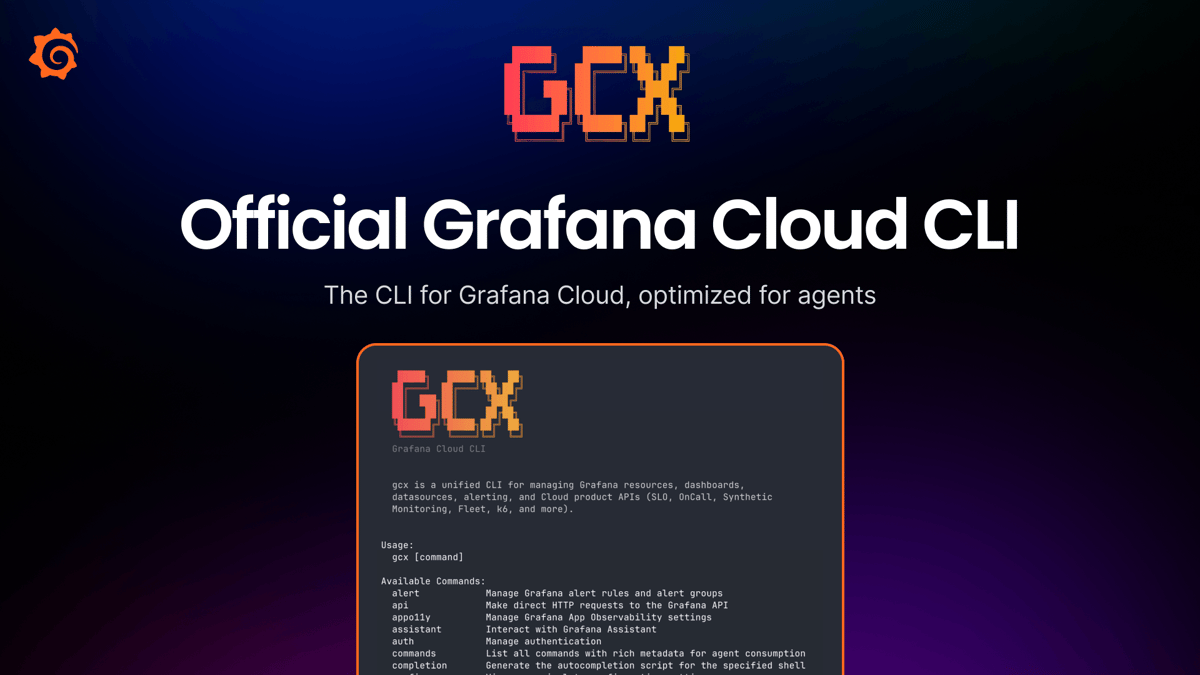
Get Observability in the Terminal, for You and Your Agents, with the Gcx CLI Tool
Grafana has launched a public preview of gcx, a new CLI that brings Grafana Cloud and the Grafana Assistant into the terminal. The tool lets developers and AI agents instrument code, create alerts, define SLOs, and run synthetic checks without...
CJIT: C, Just in Time
CJIT (C, Just in Time) is a sub‑2 MB runtime that lets developers execute C programs instantly on Windows, macOS and Linux. It eliminates the need for a full compiler, IDE, or licensing agreements by compiling source code on the fly....

Christophe Pettus: Parallel Autovacuum: It’s Not About The CPU
PostgreSQL 19 adds parallel autovacuum, letting the vacuum process split index‑cleanup work across multiple workers. The feature only accelerates tables that have several or expensive indexes, because the heap scan remains single‑threaded. In I/O‑constrained environments, extra workers often add context‑switch overhead...

Kubernetes v1.36: Staleness Mitigation and Observability for Controllers
Kubernetes 1.36 adds a suite of staleness‑mitigation tools for controllers, anchored by the new AtomicFIFO queue and the LastStoreSyncResourceVersion() API. Four high‑contention controllers—DaemonSet, StatefulSet, ReplicaSet and Job—now verify cache freshness before reconciling, automatically skipping actions when the cache lags. The...