Today's Global Economy Pulse
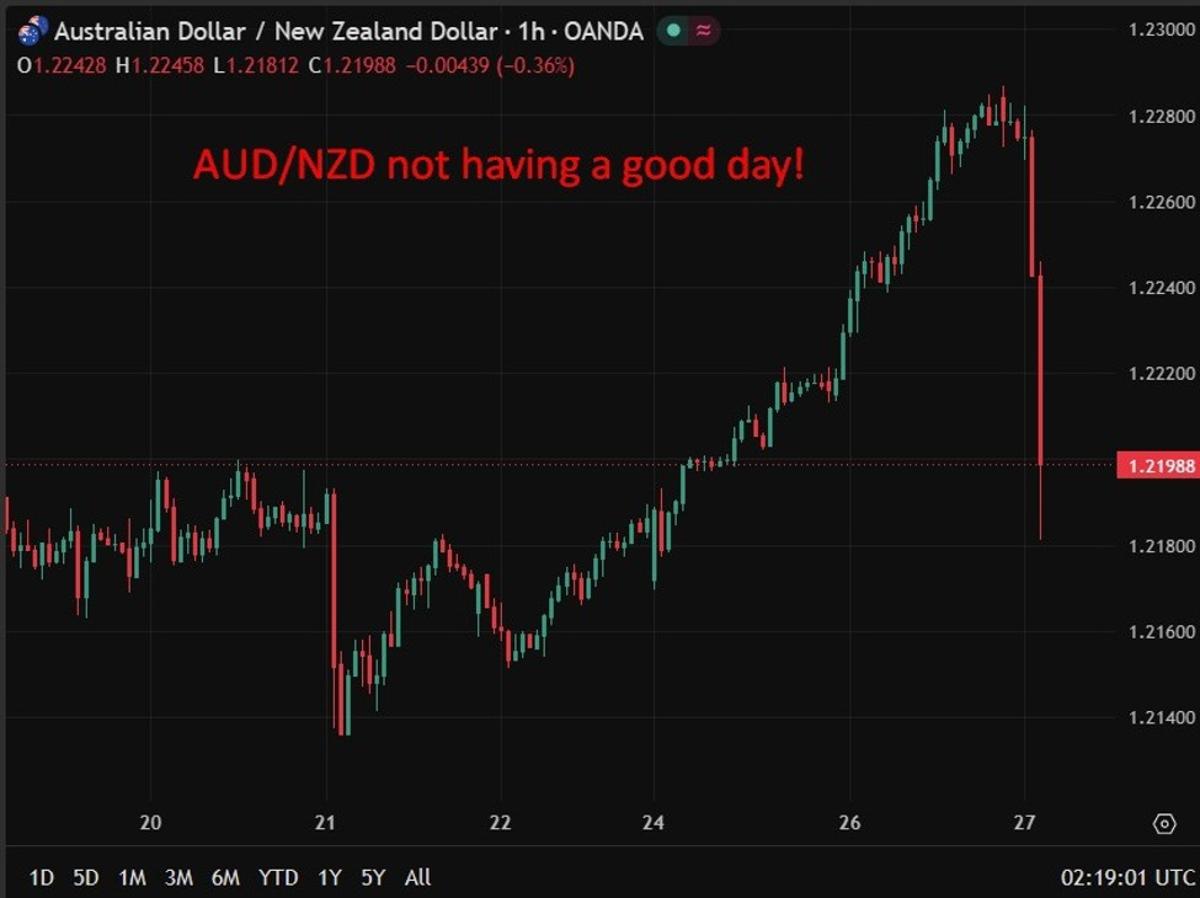
Australia's April CPI eases to 4.2% as core inflation hits 2024 high
Australia’s consumer price index slipped to a 4.2% annual rise in April, missing the 4.4% consensus as a temporary fuel excise cut trimmed transport costs. At the same time, the trimmed‑mean core inflation gauge rose to 3.4% year‑over‑year, the highest level since late‑2024, keeping pressure on the Reserve Bank of Australia’s inflation target.
Piero Cipollone: The Digital Euro - Preparing for a Potential Launch
Eurozone leaders reaffirmed the strategic importance of a digital euro, linking it to monetary sovereignty, reduced retail‑payment fragmentation, and Single Market resilience. The Eurosystem is advancing technical preparations but will only issue the token‑based currency after a dedicated legal framework is enacted. Parallel initiatives include the Pontes DLT settlement platform, slated for a Q3 2026 launch, and the Appia roadmap to build an integrated European digital‑asset market with public‑private partners.

Global Orderbook Hits 17-Year High
By the end of Q1 2026 the global shipping orderbook hit a 17‑year high of 191 million compensated gross tonnes, representing 17% of the world fleet. Newbuilding contracting rose 40% YoY to 17.6 million CGT, driven by a tripling of tanker orders and...
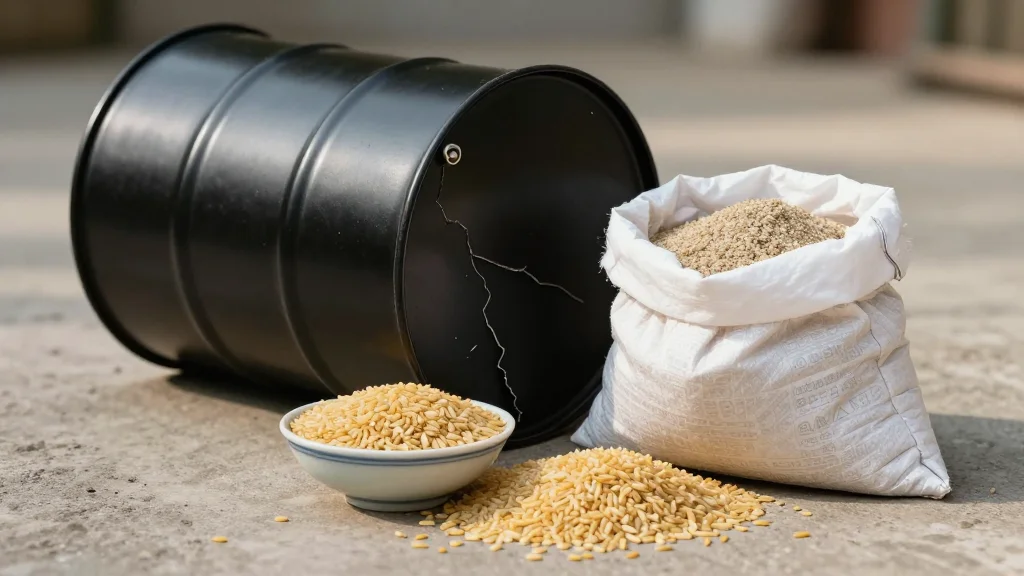
Chokepoint in the Gulf: What the US-Israeli War on Iran Means for Southeast Asia’s Food Security
The US‑Israel war on Iran has choked Gulf energy and fertilizer supply chains, locking up roughly 20‑30% of global oil and LNG and a third of traded fertilizers. Prices for nitrogenous fertilizers have surged over 50% since the start of...

Glencore, Taiwan’s CPC Charter Tankers as Hormuz Reopens
Glencore and Taiwan’s state refiner CPC each chartered a VLCC to load Middle Eastern crude for Asia after a cease‑fire halted traffic through the Strait of Hormuz. The vessels, including Glencore’s Asian Lion, were booked at a Worldscale rate of...

Shipping Avoids Hormuz Lanes as Iran Pushes Vessels Toward Controlled Corridors
The Strait of Hormuz, handling roughly a fifth of global oil trade, saw traffic collapse after the U.S.–Iran ceasefire, despite political claims it remained open. Early AIS data recorded only four bulk carriers on the first day, with no crude...
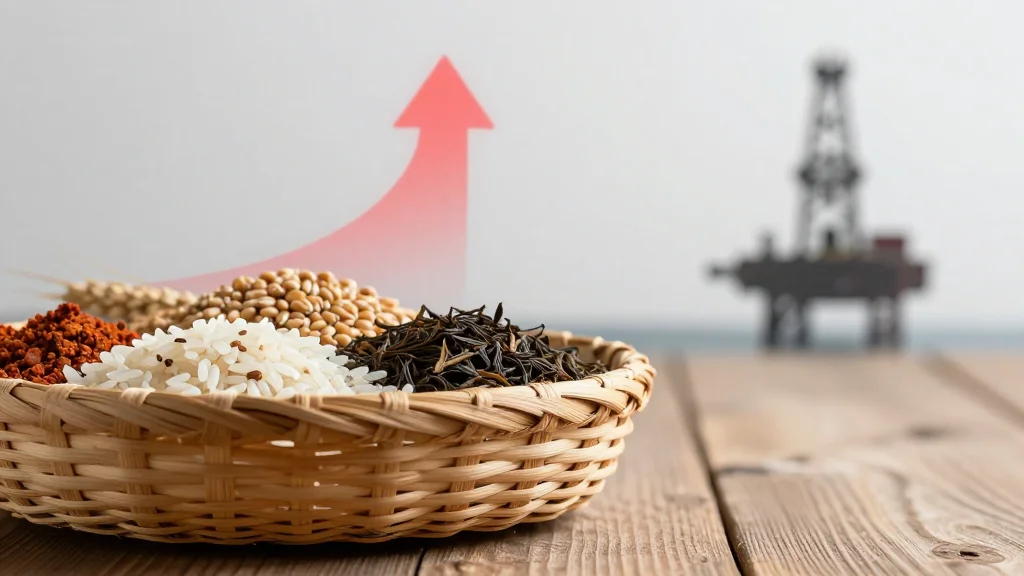
West Asia Tensions Disrupt Indian FMCG Recovery for FY27-28: Report
Geopolitical conflict in West Asia is derailing the Indian FMCG sector’s anticipated recovery for FY27‑28. PhillipCapital now projects a median 3.3% earnings cut for FY27 and trims average P/E multiples by 7%, after the Nifty FMCG index slipped roughly 10%...
Gabriel Makhlouf: Inflation, Growth, and Monetary Policy in a Fractured World
Gabriel Makhlouf, the ECB’s chief economist, warned that the ongoing Middle‑East conflict is creating a deep energy supply shock that could push oil to $145 per barrel and keep euro‑area inflation above the 2 % target through 2027. He outlined three...
Luis De Guindos: Navigating Turbulence - Challenges for Europe and the Path Ahead
Luis de Guindos warned that Europe faces heightened geopolitical uncertainty, especially from the Middle‑East war, which threatens energy prices and financial stability. He noted the euro area grew 1.5% in 2025 and inflation has hovered near the ECB’s 2% target,...

US Forces Allies to Adopt Stricter China Chip Bans
So, after a war in Iran, threats to leave NATO, and zero focus on Asia, what position is Washington in to demand this of Japan or the Netherlands? Washington pushes allies to match tougher China chip curbs under new bill New US...

Monthly Index News: March 2026
In March 2026 energy stocks led the market, with the STOXX Europe 600 Energy index up 14.6% in euros and the STOXX Global 1800 Energy index rising 10.2% in dollars as Brent crude breached $110 per barrel following Iran’s blockade...

After Ceasefire Rally, Focus Turns to Inflation
The Schwab Market Update highlighted how a temporary ceasefire in the Middle East is shifting market focus back to inflation and economic data, while noting that shipping disruptions and fragile peace keep risks alive. Key data points include the upcoming...

Oil Shock, AI Tailwinds, and Portfolio Shifts Across Emerging Markets>
Emerging‑markets investors faced a sharp near‑term shock as the Middle East conflict drove Brent crude above $100 a barrel, tightening current‑account balances for oil‑importing economies while boosting exporters. Despite the volatility, the fund retained confidence in long‑term AI‑driven supply‑chain and...

Trump’s Iran Misfire Yields a Loser’s Ceasefire
Donald Trump reversed his own incendiary threats against Iran by announcing a 14‑day cease‑fire on Iran’s terms, marking a stark diplomatic whiplash. Tehran’s 10‑point plan, which includes sanction removal, acceptance of uranium enrichment, and control of the Strait of Hormuz,...

A Macro Explanation of High US Stock Valuations
The article links soaring U.S. stock valuations to a long‑term decline in labor’s share of GDP, which has shifted profit generation toward capital and free cash flow. Researchers Atkeson et al. show that as employee compensation fell, more cash remained...

France Sharpens Penalties in Fresh Push Against Shadow Fleet
France is drafting an amendment to its military planning law that would double penalties for vessels operating without valid flags or refusing authorities. Fines could rise to €300,000 (≈ $327,000) with up to two years in prison, or €700,000 (≈ $763,000) and...

Crude Oil Prices Rebound Amid Uncertainty over US-Iran Ceasefire; Goldman Sachs Cuts Q2 Forecast to $90
Crude oil prices rebounded on April 9, with Brent climbing to $96.71 and WTI to $97.01, as doubts over a fragile US‑Iran cease‑fire revived supply‑risk concerns. The rally followed a 15% drop the previous day and was mirrored on India’s...
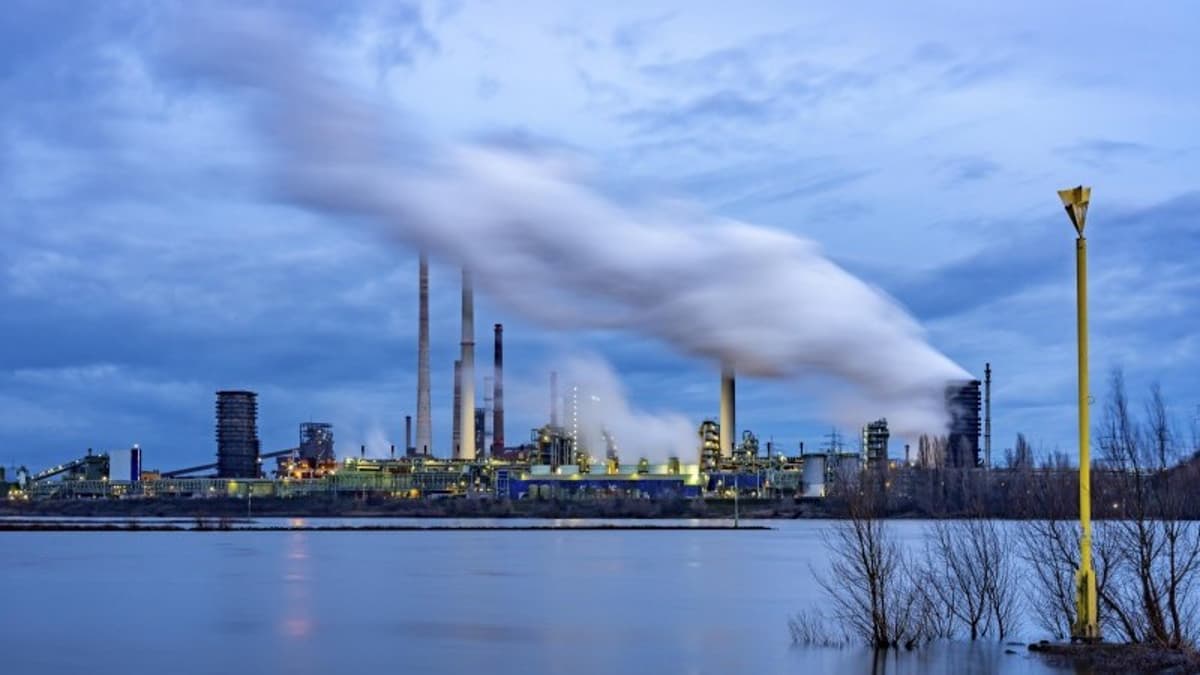
Industrial Data Shows German Economy Was Headed for Contraction Before Middle East War
German industrial production slipped 0.3% in February, ending a revised flat January and leaving year‑on‑year output unchanged. The decline was driven by weaker pharma and electronics output, while automotive rebounded and construction fell over 1% due to cold weather. Exports...

EU-India Trade Agreement Will Propel Innovation in Energy Storage
The EU‑India trade agreement, signed in January, slashes tariffs by roughly 96.6%, opening the door for a potential doubling of EU exports to India. By easing trade barriers, the deal promises to accelerate battery energy storage system (BESS) manufacturing and...
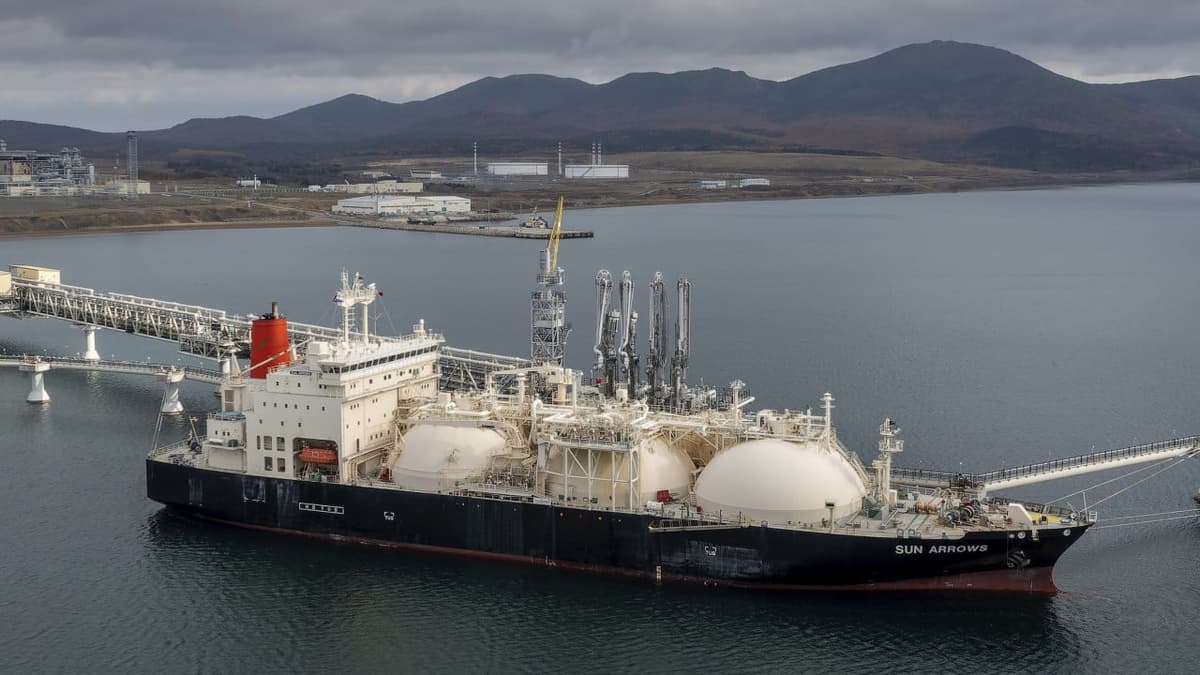
Russia Tempts Energy-Starved South Asia with 40% Discounts on US-Sanctioned LNG
Russia is courting energy‑short South Asian nations by offering LNG from U.S.-sanctioned Arctic LNG 2 and Portovaya plants at roughly a 40% discount to spot prices. The discount is being brokered through obscure Chinese and Russian intermediaries who can falsify paperwork to...

To Raise or Not to Raise Interest Rates? ‘Several’ Fed Policymakers Are Divided on Rate Hikes, March Minutes Show
The Federal Open Market Committee kept its policy rate at 3.5%‑3.75% during the March meeting, citing uncertainty from the recent US‑Iran conflict. Minutes reveal a split among officials: some fear lingering inflation could demand hikes, while others see labor‑market risks...
:max_bytes(150000):strip_icc():format(jpeg)/Term-Definitions_Economic-cycle-caf22d58aef949fcb919389e16db647a-2afc44d70b724ae5af20bc3757a06d15.jpg)
Understanding the Economic Cycle and Its Four Stages
The article outlines the four‑stage economic cycle—expansion, peak, contraction, and trough—and notes that U.S. cycles average about five and a half years. It explains how the National Bureau of Economic Research (NBER) uses GDP and other metrics to date cycles....

US Has Left Malaccan States No Choice but to Charge Tolls
The United States’ aggressive navigation policies have weakened the rules‑based maritime order, leaving Malaysia, Singapore and Indonesia to contemplate de‑facto tolls on the Strait of Malacca. By treating the Panama Canal and the Strait of Hormuz as strategic assets, Washington...

‘Malaysia Won’t Be Lectured’: Singapore’s Refusal to Negotiate over Hormuz Creates Waves
Singapore announced it will not seek a diplomatic appeal to Iran for access to the Strait of Hormuz, asserting that free transit through the waterway is a right for all shipping nations. The stance sparked sharp criticism from Malaysian lawmakers,...

LEI for Spain Increased in February
The Conference Board reported that Spain’s Leading Economic Index (LEI) rose 0.2% in February 2026 to 103.0, marking a modest acceleration from the 0.1% gain in January. Over the six‑month span from August 2025 to February 2026 the LEI climbed...

Cleveland Fed Quarterly CPI Inflation Estimate Surges to 5.5 Percent for Q2
The Cleveland Federal Reserve’s nowcast shows a steep rise in second‑quarter inflation, with the annualized CPI projected at 5.5 percent and the PCE index at 4.6 percent—both far above the Fed’s 2 percent target. Core inflation remains modest, with core CPI near 2.6 percent...
How a Cease-Fire Can Lead to Disaster
The article warns that the April 7 cease‑fire ending the U.S.–Israel air campaign against Iran could repeat the post‑Desert Storm quagmire the United States faced in Iraq. It argues that leaving Tehran’s regime in place but weakened will force a costly...

We’re Entering a Strauss‑Howe Crisis Reshaping Finance
Thoughts? The Strauss-Howe generation theory explains how we're entering a crisis phase similar to the Great Depression and Civil War with three defining factors of this stage—economic pressure, social division, and financial instability—and show how current global conditions align with...

German Industrial Output Drops 0.3% in February
Good Morning from Germany, where industrial production unexpectedly declined in Feb, even before the Iran war started, casting doubt on hopes for a rapid recovery. Output fell 0.3% MoM, dragged down mainly by construction and consumer goods. https://t.co/NXOwFKBgQ8 https://t.co/GcbQrapdzf

How to Secure the Arctic Frontier
Europe faces a surge in "dark" vessels operating in the Arctic and North Atlantic as sanctions on Russia, Iran and Venezuela drive ships to disable AIS or spoof their identities. A recent US boarding of a Russian‑flagged tanker and heightened...
Russia Offers Sanctioned LNG to South Asia at 40% Discount
Russia is offering to sell US-sanctioned LNG to South Asian buyers at a *40% discount* 🇷🇺🚢 Moscow is seeking to leverage the global natural gas crunch to lure energy-hungry countries like Bangladesh and India https://t.co/SsirotyuhI
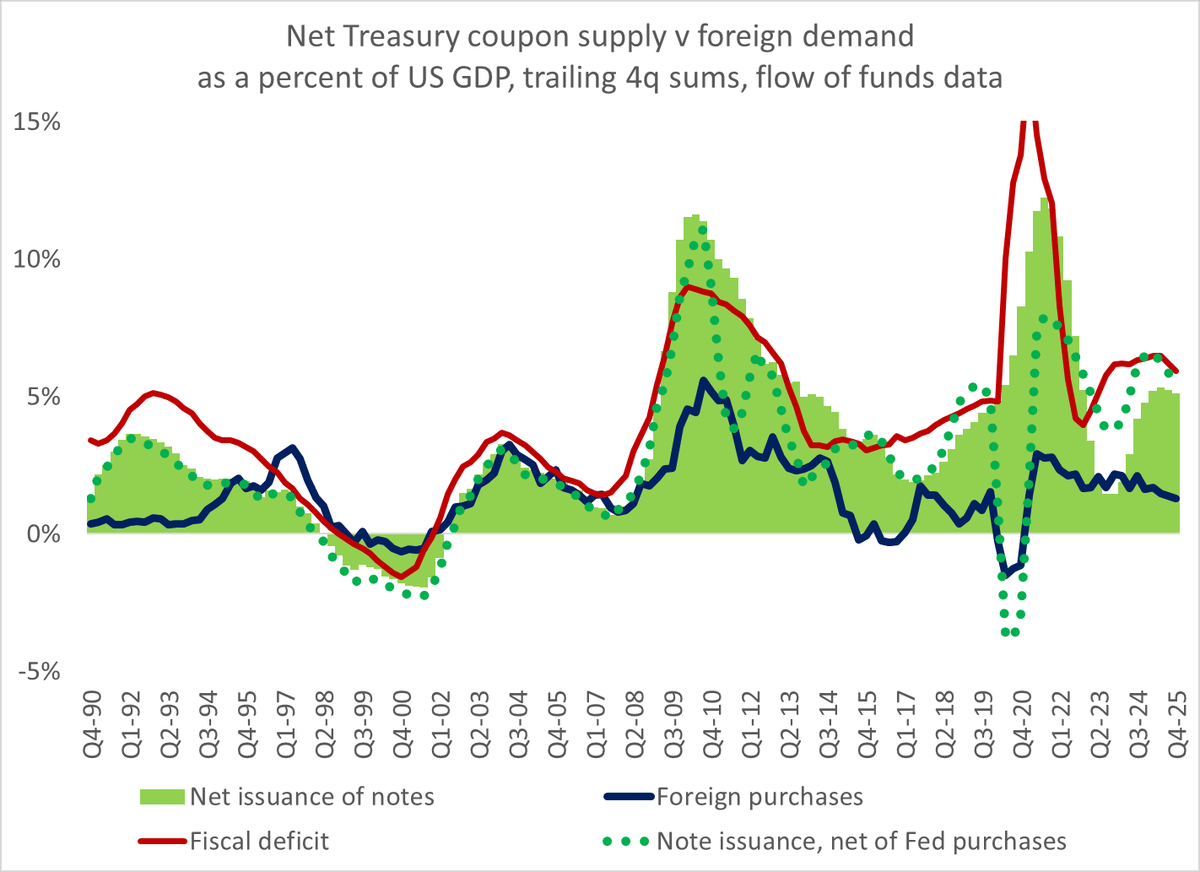
Pre‑crisis US Deficits and Debt Issuance Stayed Below 2% GDP
Before the global financial crisis, in 06 and 07, the US fiscal deficit was under 2 percent of GDP and note issuance was under 1 pp of GDP in 07. That was also the time of peak...

Mid-Week Macro (4/8/2026)
Iran announced a two‑week ceasefire, prompting the S&P 500 to close above 6,700, though analysts warn the optimism may be premature. Gold slipped to $4,727, roughly 16% below its recent all‑time high, while silver sits near $74, down 38% from...
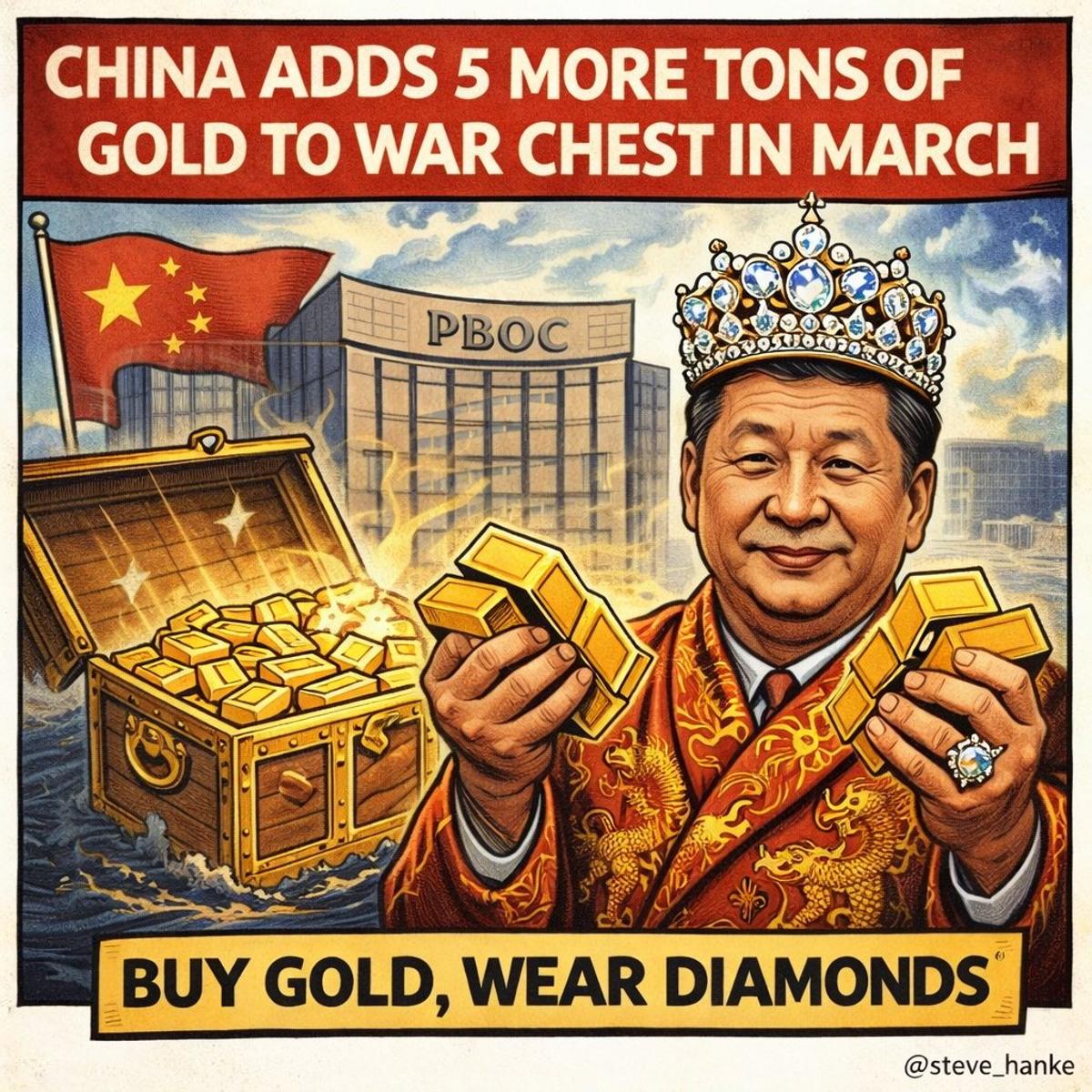
China's Central Bank Adds Record Gold in March
The People's Bank of China added another 5 tons of gold to its war chest in March. This is the largest monthly increase in over a year. BUY GOLD, WEAR DIAMONDS. https://t.co/D4y9h6K1mK

Ceasefire Narrative Masks Ongoing Conflict, Markets Misread
This isn’t a ceasefire—it’s a narrative overlay on an ongoing conflict, writes @Rabobank 's Molly Schwartz Markets bought the headline—but the war never stopped. #OilMarkets #Geopolitics #IranWar https://t.co/y0FU39ejju

Is the Australian Dollar Entering a Super Cycle?
Australian dollar momentum has surged as the US Dollar Index stalls, while the Chinese yuan continues its upward trajectory. Commodity markets have shifted, with oil prices plunging and gold prices rallying, creating a backdrop for a potential AUD super‑cycle. Analyst...

Iran's Dark Fleet Alone Keeps Hormuz Shipping Open
Not ONE ship will pass thru Hormuz except the Iran dark fleet, writes @BurggrabenH Analysts do the math but it's irrelevant if ships won't sail. Hormuz is frozen That's the empirical reality. All the rest is wishful thinking. #OilMarkets #Energy #Geopolitics https://t.co/XIfp4dbmSc

Markets Rally Amid Geopolitical Tension, but Reality Looms
Ships won’t sail, missiles still fly, and terms are unclear But markets rally anyway. Much of that probably short covering and margin calls. Brace for reality sooner than later #OilMarkets #Iran #Geopolitics https://t.co/m3ZdBieyHh

Iran Strikes Saudi’s Critical Pipeline Serving Yanbu
Iran’s Islamic Revolutionary Guard Corps struck the East‑West (Petroline) pipeline that feeds the Red Sea port of Yanbu, Saudi Arabia’s primary crude export route after the Strait of Hormuz was blocked. The line has been moving up to seven million barrels...

Markets Set for Cautious Start Amid Iran-US Tensions; TCS Results Eyed for Direction
Indian markets are expected to open flat to mildly negative as renewed Iran‑US tensions dampen the optimism from a prior rally. The focus shifts to Tata Consultancy Services, which will post its Q4 earnings and serve as a bellwether for...

Perth Mint Gold, Silver Sales Drop Sharply in March After Price Slide
The Perth Mint reported a sharp March slowdown in retail precious‑metal sales, with gold shipments falling 35% month‑on‑month to 43,656 ounces and silver output dropping nearly 50% to 976,450 ounces. The decline followed an 11% slide in spot gold and...

Ceasefire May Reduce Case for Fed Cuts as Inflation Risks Persist: Timiraos
A ceasefire between the United States and Iran has eased the growth‑downside risk that previously bolstered the case for Federal Reserve rate cuts. While markets have nudged up the odds of easing, analyst Nick Timiraos argues that inflation pressures remain...

UAE Demands Iran Alter Winning War Behavior
UAE says: a ceasefire isn’t words—it’s behavior. Back to UAE: Why should Iran change a behavior that's been a massive win? #OilMarkets #UAE #Iran #Geopolitics

MB Fund Podcast: Is the War Really Over?
The MacroBusiness podcast examines the market fallout from a tentative U.S.–Iran cease‑fire, noting that while hostilities have paused, the underlying tensions remain unresolved. It assesses how a fragile pause could depress oil prices, temper inflation expectations, and shift safe‑haven flows....

A New Geopolitical Reality Is Here
The Atlantic argues that a new geopolitical reality is emerging as the United States sees its traditional coalition crumble while adversaries—Russia, China, Iran and North Korea—tighten military and technological ties. The Iran war highlighted the limits of U.S. force: over...

Iran's Economy Was Weak Before the War, Now It's Worse
Even before the Israel‑U.S. conflict, Iran’s economy was already reeling under sanctions with inflation close to 50 percent and widespread protests. The five‑week war has pushed consumer prices higher, exemplified by toast rising to 1 million rials (about $0.75) and a...

Global Pivot to Renewables Seen Accelerating as Hormuz Uncertainty Upends Energy Security
The US‑Israel‑Iran conflict has disrupted oil flows through the Strait of Hormuz, prompting a rapid reassessment of energy security worldwide. Analysts say the crisis, which the IEA deems more severe than the 1973, 1979 and 2022 shocks combined, is accelerating...

AUD Seen Capped Near 0.7150 as Hormuz Uncertainty Clouds Outlook: Westpac
Westpac predicts the Australian dollar will be capped between $0.7100 and $0.7150 over the next one to two weeks unless the Strait of Hormuz fully reopens and the US‑Iran ceasefire proves durable. The bank’s FX chief says a breakout higher...

Ceasefire Uncertain, Hormuz Still Blocked, Oil Market Stressed
Spoke with @PnPCBC earlier today about the Iran War "ceasefire", how the rough first day still had plenty of fire on both sides, how flow through Hormuz has yet to actually resume, and what it all means for the supply-starved...

Iran Ceasefire Still Leaves Airlines Facing High Fuel Costs, Even if Peace Endures
A two‑week cease‑fire announced on 8 April temporarily eased financial markets, but oil prices remain well above pre‑conflict levels. Reduced refinery capacity in Iran and a lingering backlog of tanker traffic through the Strait of Hormuz have pushed jet‑fuel prices to...

From Falling U.S. Wealth to Indian Factory Closures, Oil Shock Raises Global Recession Risk
The United States’ war on Iran has pushed Brent crude above $109 a barrel, triggering a sharp rise in input costs for manufacturers worldwide. U.S. plastic‑bag producer Emerald Packaging faces resin prices that jumped from $0.45 to $0.85 per pound,...