Today's Global Economy Pulse
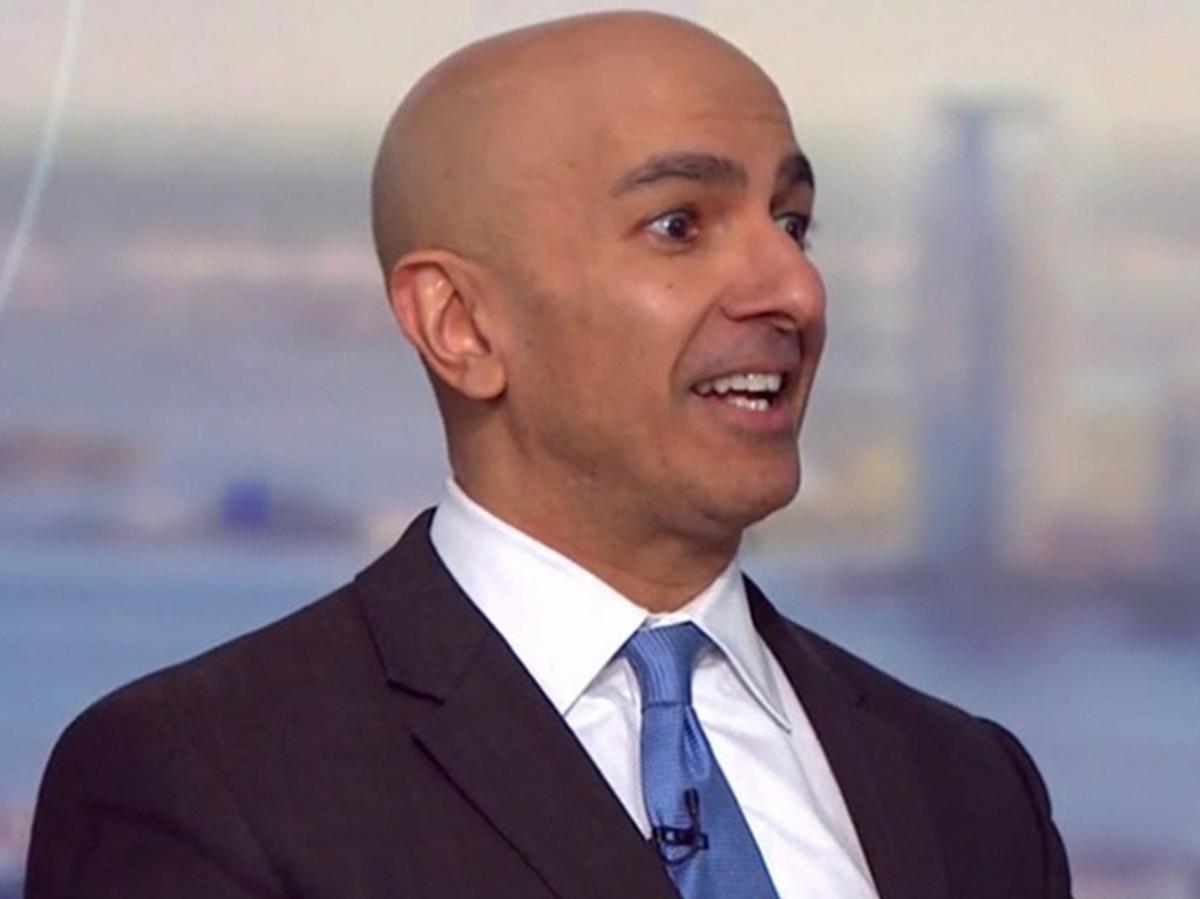
Fed's Kashkari warns inflation remains far too high
Minneapolis Fed President Neel Kashkari told CNBC that headline CPI was 3.8% in April and core CPI rose 2.8% year‑over‑year. He said the persistent price pressure could unanchor consumer expectations and may force the Federal Reserve to act more aggressively.
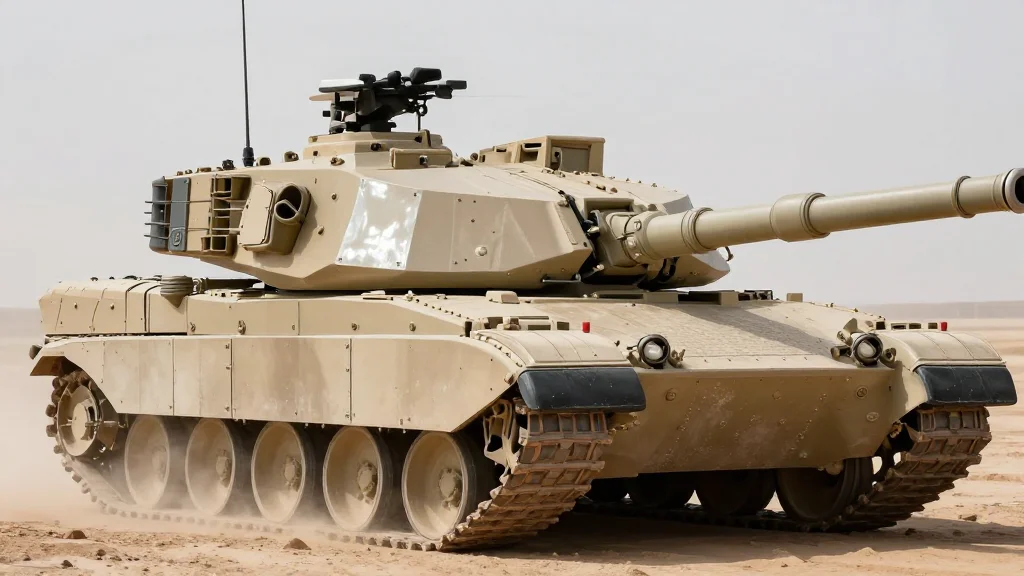
Pentagon Positions 50,000 Troops for Potential Ground Assault on Iran
The Pentagon has deployed over 50,000 U.S. service members across the Middle East, signaling preparation for a multi‑week ground offensive against Iran. The buildup follows heavy missile and drone strikes that have already cost the United States more than $18 billion, while oil prices hover near $200 a barrel.
NYC Comptroller Defends $2.3B Bond Sale Amid Budget Criticism
New York City Comptroller Mark D. Levine defended a roughly $2.3 billion municipal bond issuance, rejecting the narrative that Mayor Zohran Mamdani's budget plan scared off investors. He blamed broader market volatility and rising yields, while rating agencies moved to a...
Trump-Fed Clash and Iran War Heighten Stakes Ahead of U.S. Inflation Report
Former President Donald Trump is demanding a federal funds rate near 1% as the Iran war disrupts oil flows, intensifying a feud with Fed Chair Jerome Powell just before the next U.S. inflation report. The standoff threatens to reshape equity...
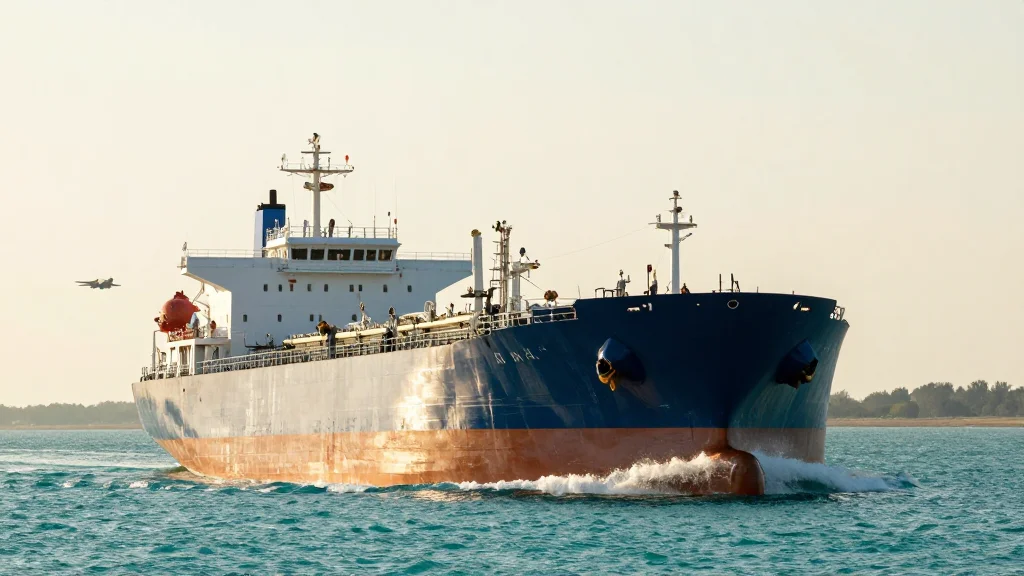
Middle East Conflict Tightens Global Oil Markets, Raising Supply‑Risk Concerns
Rising hostilities in the Middle East have constricted crude oil and LNG flows, prompting analysts to warn of tighter supplies and higher prices. Airlines and downstream users face inventory stress as the conflict threatens key shipping lanes, while commodity traders...

The Severity of the Situation.
The closure of the Strait of Hormuz has cut roughly 11 million barrels of oil per day, creating the largest supply shock since the 1973 embargo and pushing prices toward $200 a barrel. Asian nations are already hoarding fuel and imposing...

Fuel on the Fire
The episode examines how the escalating Iran‑Houthi conflict is driving oil prices above $100 per barrel and triggering a sharp market sell‑off. It highlights the G7 finance ministers' meeting, where they will discuss measures such as cutting fuel duties to...

How Could US Forcibly Reopen Strait of Hormuz and What Are the Risks?
President Donald Trump is leveraging a newly deployed U.S. ground force to consider a forcible reopening of the Strait of Hormuz, a chokepoint that handles roughly 20% of global oil shipments. Iran’s threat to bomb its own territory and the...

Gold and Silver Prices Plunge: Why Has Safe-Haven Demand Faded Amid Iran War?
Gold prices have slumped about 25% from their record $5,602 (≈€4,873) peak to around $4,500 (≈€3,915) despite the ongoing Iran war, as a stronger US dollar and rising Treasury yields eroded safe‑haven appeal. The drop triggered a rapid unwind of...

Why High Oil Prices Could Plunge World Into Recession by the Summer
Economists warn that a sustained oil price of $150 per barrel, driven by escalating US‑Israel‑Iran tensions, could push the global economy into a rare mid‑year recession. Brent crude already breached $116, reflecting heightened war risk and supply concerns. Oxford Economics...
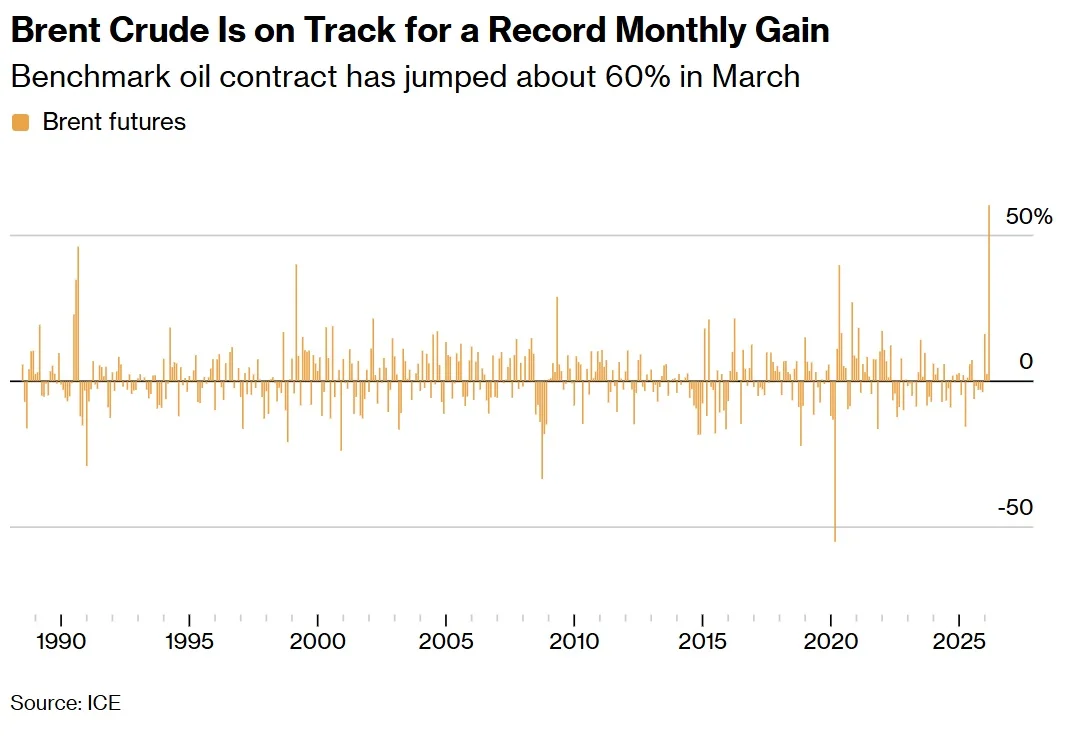
Oil Spike Signals New Unpredictable Global Crisis
To me, the news cycle now resembles that of March 2020, where it feels like we're dealing with an unpredictable threat that will have immense global consequences. That's subjective, though the swing in oil prices provides a data point to back...
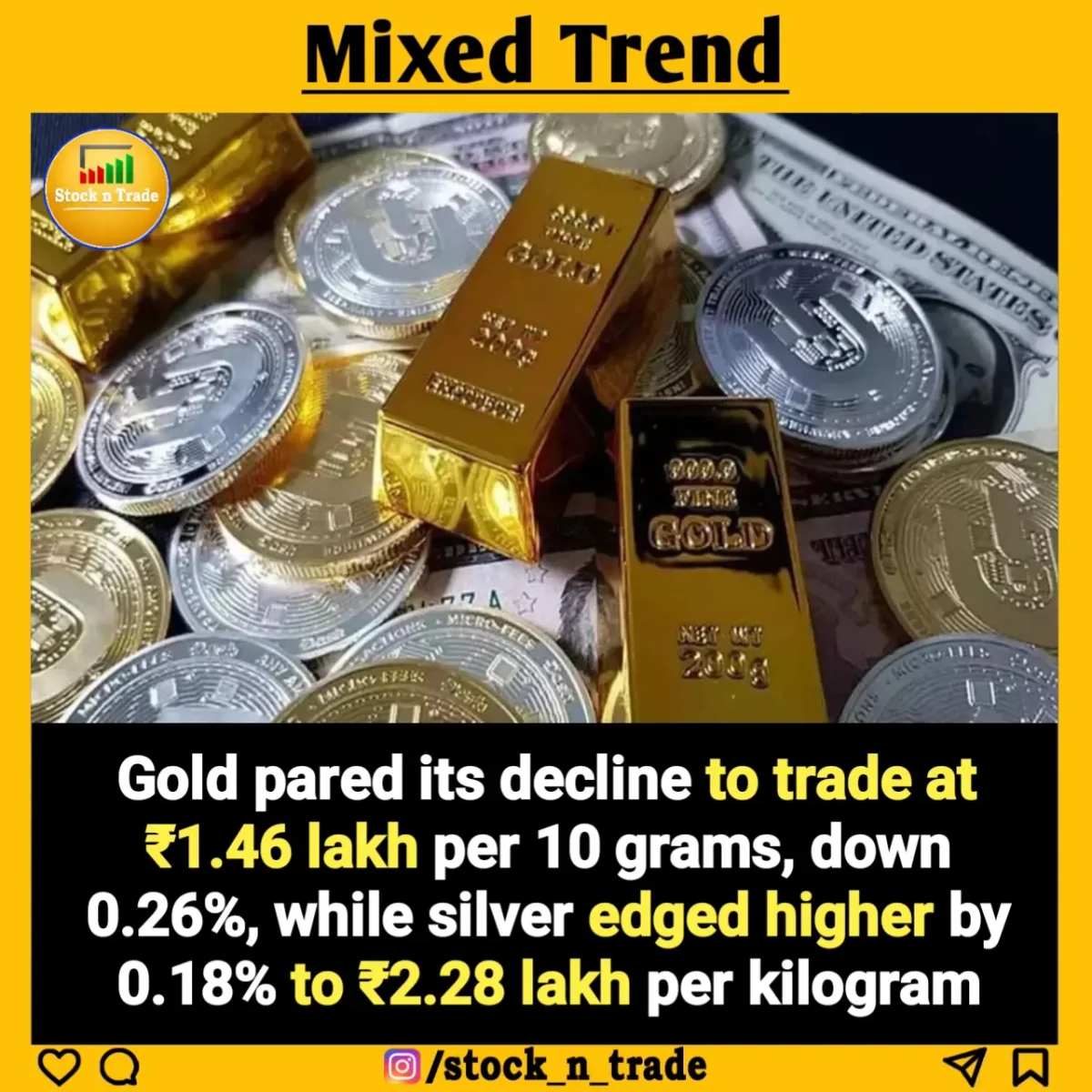
West Asia Crisis Keeps Gold and Silver Prices Supported
Geopolitical Cushion: The West Asia crisis, now entering its fifth week, is providing a floor for prices. Investors are holding onto gold and silver as "safe-haven" assets to protect against uncertainty.

Gold Falls as Houthi Attack Lifts Oil, Fed Rate-Cut Hopes Dim
Gold prices slipped on Monday, with spot gold falling 0.6% to $4,466.99 per ounce, marking a 15% monthly decline—the sharpest since October 2008. The drop was driven by a surge in energy prices after a Houthi attack, which lifted Brent...

Italy and Hungary to Implement Customs Corridor
Italy and Hungary have signed an agreement to create a customs corridor that shifts all clearance procedures for cargo arriving at the port of Trieste onto Hungarian territory. The move aims to speed up processing, reduce paperwork and ease congestion...

The Liquidity Tide Goes Out
In a March 29, 2026 X Spaces interview hosted by George Noble, Michael Howell reaffirmed that the global liquidity cycle peaked in early 2026 and is now losing momentum. Trackers show total global liquidity around US$188 trillion, but growth has slowed as central banks...
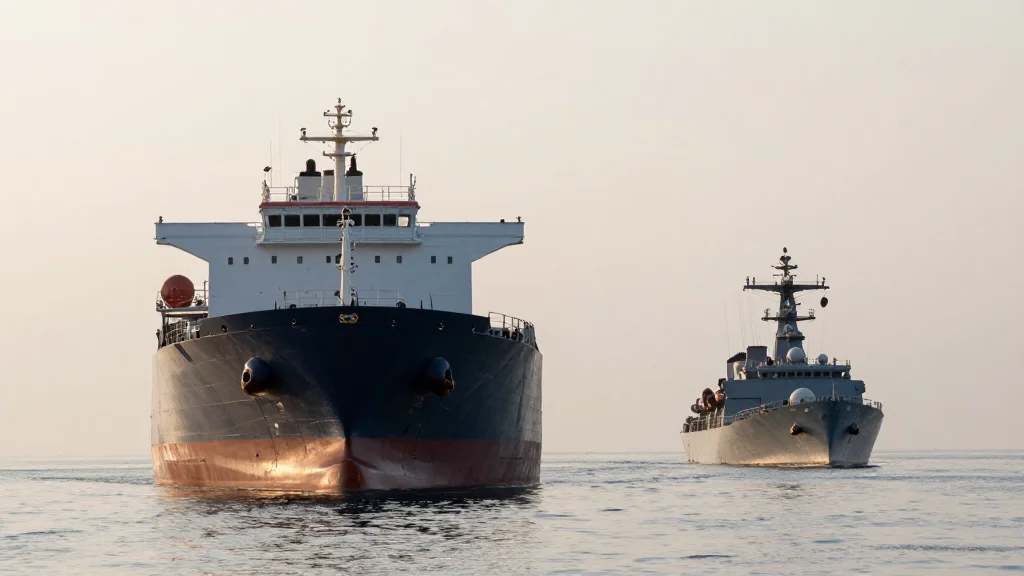
EVs Were Meant to Bypass Oil. Now They’re Stuck at the Strait of Hormuz
Electric vehicles rely heavily on Gulf‑sourced aluminum, but the U.S.–Iran conflict has blocked the Strait of Hormuz, forcing major smelters in Bahrain and Qatar to cut or halt output. Toyota and Nissan have already trimmed production by roughly 40,000 units,...
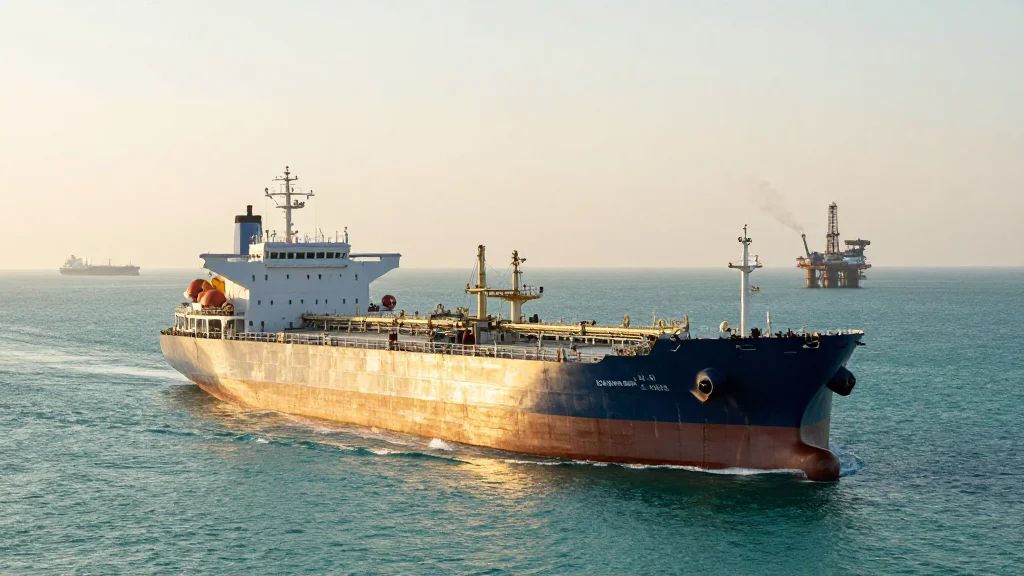
The New Baseline
The ongoing war in Iran has morphed from a geopolitical flashpoint into a structural supply‑chain shock. Tehran’s continued control of the Strait of Hormuz, and the risk of spill‑over into the Bab al‑Mandeb, is tightening energy flows and inflating oil...

South Korea Considers Nationwide Driving Curbs as Oil Prices Soar
South Korea is weighing a nationwide driving‑curb policy if global crude oil prices climb to roughly $120‑$130 per barrel, up from the current $100‑$110 range. The measure would extend the current public‑sector vehicle rotation system, marking the first country‑wide restriction...

Stocks Set to Dive as War Impact Unpriced
Macro economist gone all wild bear mode. Stocks will be raging lower. Why? Market is still not pricing the impact of a prolonged war as the credit spread is gapping. Will share more details today.
Market Outlook for the Week of 30th March - 3rd April
The week ahead is data‑heavy, with Eurozone inflation, U.S. payrolls and retail sales, and Canada’s GDP on the calendar. Energy‑price pressure from the Iran conflict could push euro‑area inflation higher, complicating the ECB’s path to price stability. In the United...

What Are the Main Events for Today?
German inflation data, driven by higher energy prices, is set to rise sharply in March, prompting the ECB to consider a June rate hike despite likely looking through the spike. Market pricing reflects a 55% probability of an April hike...
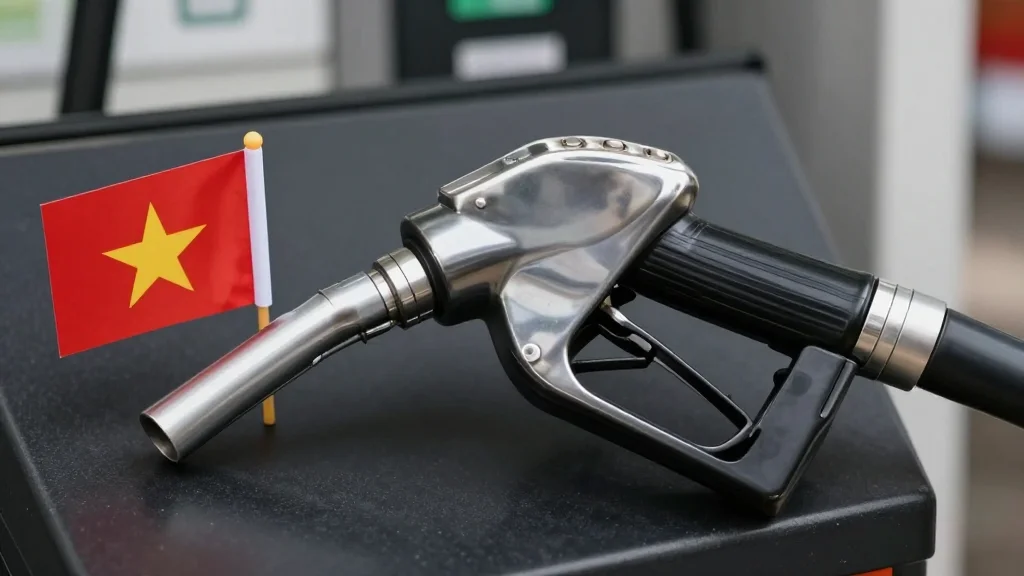
Vietnam Proposes Environmental Fuel Tax Cuts Amid Middle East-Driven Oil Volatility
Vietnam's finance ministry has drafted a resolution to halve the environmental protection tax on gasoline and cut diesel levies by 50%, lowering rates to VND 1,000 per litre for petrol and VND 500 for diesel. The tax currently represents about 6.7% of...

EU‑India Deal Slashes Tariffs, CBAM Remains Intact
The EU-India trade deal cuts tariffs, but CBAM stays unchanged and keeps carbon compliance in focus. https://www.metalnomist.com/2026/03/eu-india-fta-and-cbam-remain-on.html

Preparation, Not Price, Drives Oil Market Strategy
This was never just about price. While most focus on where oil is trading, the more important question is who prepared for this environment. Stockpiling, reserves, and long-term planning change how pressure is absorbed — and how decisions get made when systems...

CNBC Daily Open: Trump's 'Favorite Thing' Is Iranian Oil
Donald Trump announced he would "take" Iran's oil, hinting at a direct seizure of the Kharg Island export hub. The Pentagon is reportedly preparing weeks‑long ground operations, with thousands of troops redeployed to the Middle East. The threat has lifted...

Westpac: Triple Hike Expected to Take Cash Rate to Highest Seen Since GFC
Westpac has revised its outlook, expecting the Reserve Bank of Australia to lift the cash rate to 4.85% by year‑end, the highest level since the Global Financial Crisis. The bank predicts three consecutive 0.25‑percentage‑point hikes in May, June and August,...

European Markets Mixed as Iran Tensions Push Oil Prices Higher
European markets opened lower on Monday but quickly split, with Germany's DAX barely down 0.04%, while the FTSE 100 rose 0.59% and France's CAC 40 edged up 0.05%. The divergence follows a 50% jump in Brent crude since the Iran...

Prices of Asia-Pacific's Fertilisers, Petrochemicals Set to Surge on Iran War: ADB
The Asian Development Bank warns that the Iran‑Israel conflict is driving sharp increases in fertilizer and petrochemical prices across the Asia‑Pacific. Methanol benchmark prices rose about 25% in two weeks, while urea and ammonia costs surged after Qatar’s QAFCO halted...

Gulf Crisis Drags Down Gold Demand
Indian jewellery retailers are seeing a sharp decline in Gulf sales as the West Asia conflict intensifies. March sales in key Gulf markets fell up to 70% year‑on‑year, hitting chains like Malabar Gold & Diamonds, Kalyan Jewellers, Joyalukkas and Titan’s...
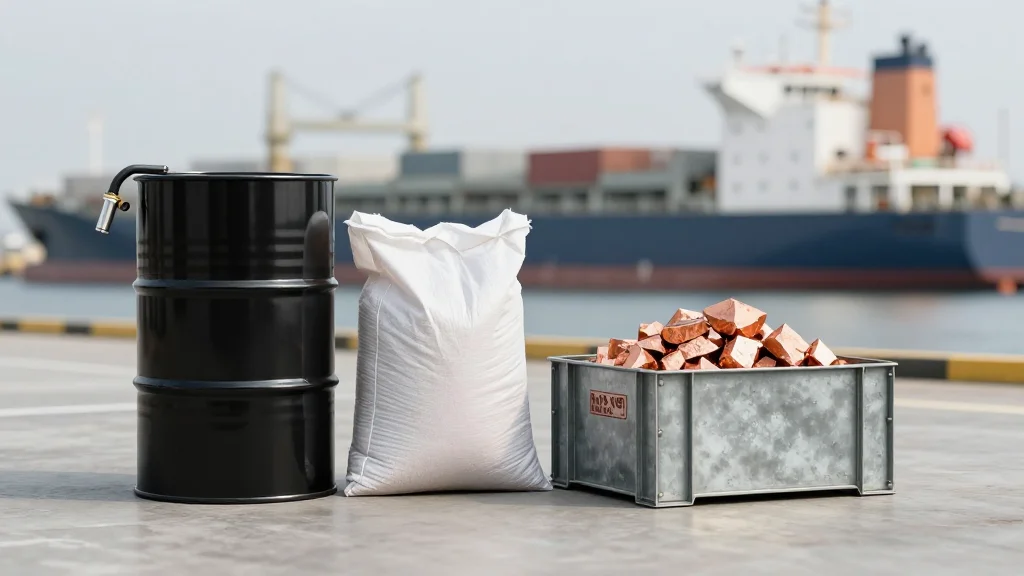
Australia Amends Policies to Ensure Commodity Security
The Australian government is amending the Export Finance and Insurance Corporation Act to give Export Finance Australia (EFA) new authority to underwrite, guarantee and finance additional cargoes of fuel, fertilizer and other strategic commodities. The legislation also creates a $823 million...

Why Faster Corporate Bond Markets Matter for the Real Economy
Recent record‑breaking corporate bond issuance, led by Amazon, has shrunk capital‑raising windows from weeks to mere hours. The speed of credit markets now hinges on rapid interpretation of massive data flows, yet many firms still rely on outdated terminals and...
Trump Authorizes Russian Oil to Cuba, Ignoring Humanitarian Crisis
This is unreal: Trump just ‘granted permission’ for Russia to deliver oil to Cuba saying “Cuba is finished… whether or not they get a boat of oil…” Trump views 9.7 -11 million people as mere pawns subject to his rule and...

Facing Section 301, ASEAN Must Reform Systems
The United States is pivoting from tariff‑based pressure to Section 301, using the trade act to label partner institutions as “unfair” and demand reforms. A recent Supreme Court ruling invalidated IEEPA tariffs, prompting the Trump administration to adopt a temporary 15%...
How Trump's Tariffs Ripped up the Global Trade Order
One year after President Donald Trump’s self‑styled "Liberation Day," his aggressive tariff regime has fundamentally altered the global trade architecture. The tariffs forced many U.S. firms to relocate production to lower‑cost Asian hubs, while European manufacturers grappled with rising input...
Taiwan's Final Oil Shipment Sparks China Economic Gambit
Taiwan will be receiving its last shipment of Oil from the Strait of Hormuz in the next couple of days. Over under odds China will try to take advantage of their lack of fuel supply and Trump concentrating military power...
Governments Cut Energy Taxes, but Economics Suffer
Governments are now pulling the obvious lever that is right in front of them; cutting indirect taxes on energy as the oil price shock filters through strongly and immediately to consumer prices. The economics of this, meanwhile are suboptimal. 1/2

Bangladesh’s Missing Billions as Trade Misinvoicing Bleeds It Dry
Investigations reveal Bangladesh lost roughly $68 bn through trade misinvoicing over the past ten years, with additional illicit outflows estimated at $23‑$27 bn from major industrial groups. The scheme involved import over‑invoicing and export under‑invoicing, facilitated by weak customs, banking oversight, and...

European Consumer Inflation Expectations Surge, Business Outlook Remains Tame
🇪🇺Another unsurprising yet unpleasant chart, showing a sharp rise in European consumer inflation expectations. Expectations from companies were much more contained though. The bigger focus will be on potential second round effects, too early to tell. https://t.co/zQ567go12i
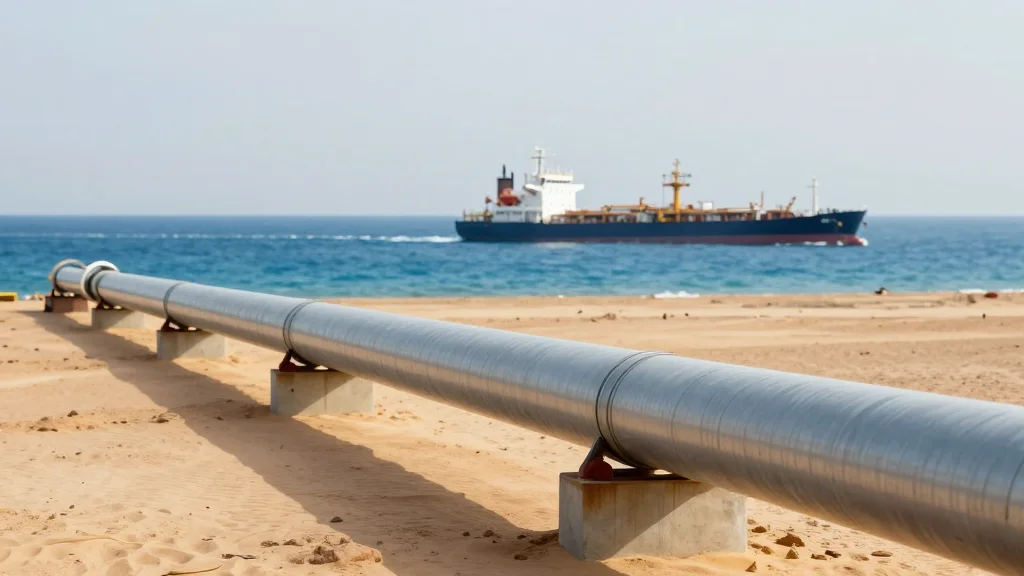
GCC Seeks Alternatives as Hormuz Bottleneck Persists
Plenty of analysis of the Gulf's two bypass pipelines - but as Hormuz remains near-shut, what more can the GCC do to avoid the Strait and narrow? https://t.co/6EwDOmaObS @TheNationalNews

LatAm Has Resource Buffer if Iran War Hurts Growth: BlackRock
BlackRock’s senior strategist says Latin America’s abundant metal reserves give the region a buffer against a potential global slowdown triggered by the Iran‑Israel conflict. The area’s copper, lithium and nickel supplies are essential for the AI‑driven hardware boom, providing a...
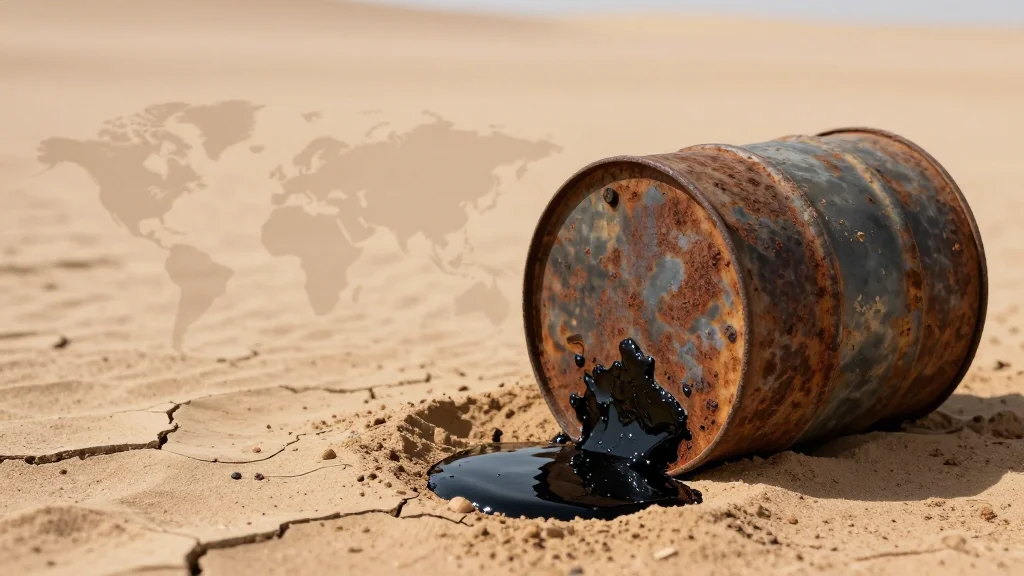
War‑Driven Oil Shortage Forces Demand Destruction
COLUMN: Five weeks into the Third Gulf War, the math of oil-barrel counting is intractable: The world is short of the black stuff. Enter demand destruction. @Opinion https://t.co/Y2DPUcHM8s

Turkey’s FM Warns Conflict Could Spark Global War
#TurkeyWatch 🇹🇷: Foreign Minister Hakan Fidan warned “we are heading toward a greater war.” He called the conflict a fight for Netanyahu’s “political survival”, with consequences that “affect the whole world.” https://t.co/DJNLKRC4xI

West Asia War Sparks Fuel, Beer and Fertilizer Shortages Across India
India’s brewers warn of glass bottle and aluminium can shortages as gas‑driven packaging costs surge, while farmers describe fertilizer as “as precious as gold” after Urea prices jumped to $600/ton. A parallel cash‑flow squeeze at fuel depots, caused by oil...
Oil Price Surge Drives Markets to Four‑month Low
JUST IN: Markets dropped to a four-month trough as the oil price surge unnerved traders.
Trump Clears Russian Fuel Shipments to Cuba, Easing Blockade
JUST IN: Trump signals no issue with Russian tanker fuel for Cuba, effectively easing the oil blockade.
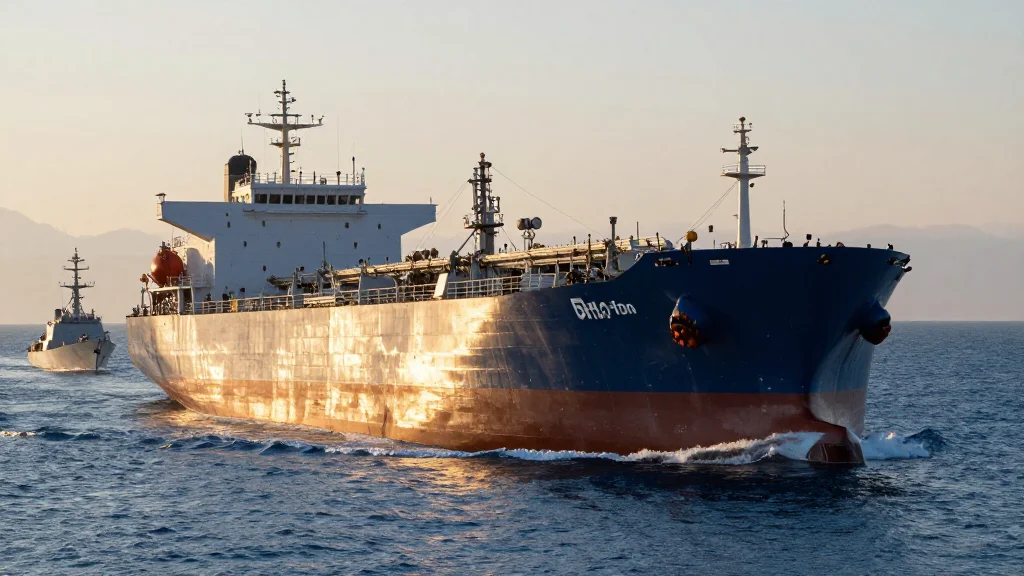
Trump, Iran Tensions Spike Oil Prices
JUST IN: Trump's Strait of Hormuz warning and Iran's counter-threats are making oil prices jumpy.
Five Months of Negative FDI Highlight India's Red‑Tape Crisis
#IndiaWatch🇮🇳: Net foreign direct investment (FDI) into India was a NEGATIVE $1.4B in January. That marks 5 STRAIGHT MONTHS of negative flows. INDIA’S MOUNTAIN OF GOVERNMENT RED TAPE = REPELS FDI = BIG PROBLEM.

Trump Inadvertently
One of the ironies of the current war and the Strait of Hormuz crisis is that President Trump inadvertently helped GLOBALIZE China’s approach of tightly linking control over energy sources to national energy security. The long-term implications of this development...

FX Reserve Decline Driven by Oil Importers, Not Exporters
Lots of talk about oil exporters in the Gulf selling fx reserves. That may happen. But for now the visible fall in fx reserves is coming from the oil importers (CBRT = Turkey, RBI= India) https://t.co/8prQkznGG6
Analyst Doubts Any Ceasefire or Hormuz Opening
"I don't see any possibility of a resolution to this conflict," says @ksadjadpour "We could see a potential ceasefire that opens the Strait of Hormuz, he added I don't see any possibility of that either.

Two Fed Cuts Aren't Enough—Bet on a Different Strategy
Here is what I said: “If your only hope is two Fed cuts this year, you’re backing the wrong horse.”