Today's Global Economy Pulse
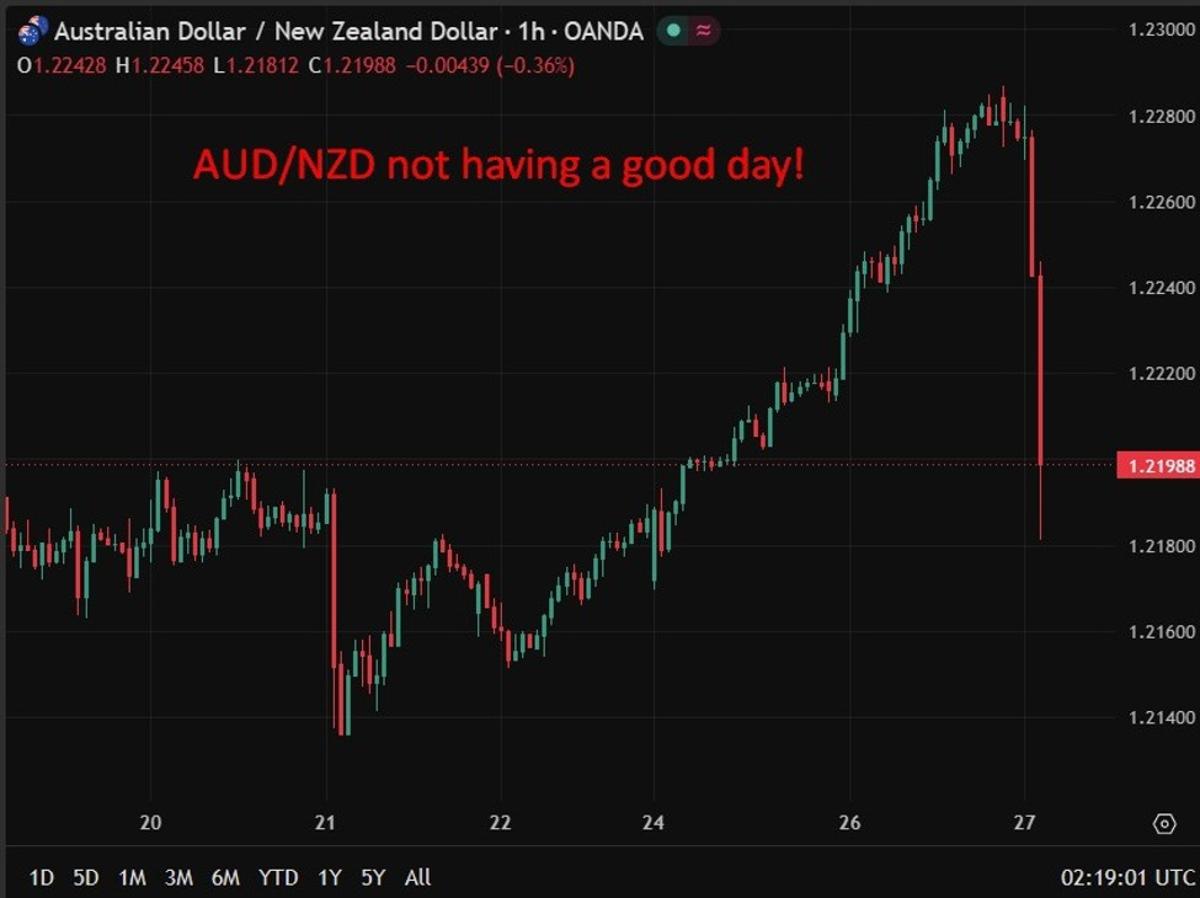
Australia's April CPI eases to 4.2% as core inflation hits 2024 high
Australia’s consumer price index slipped to a 4.2% annual rise in April, missing the 4.4% consensus as a temporary fuel excise cut trimmed transport costs. At the same time, the trimmed‑mean core inflation gauge rose to 3.4% year‑over‑year, the highest level since late‑2024, keeping pressure on the Reserve Bank of Australia’s inflation target.

India’s Long Work Year
India’s workers logged an average of 2,605 hours in 2019, the highest among the countries covered by the FRED database. Bangladesh and Pakistan followed with more than 2,400 hours, while the United States recorded under 1,800 hours. The metric—average annual hours worked by persons engaged—captures total labor input across formal and informal sectors, including overtime and leave. The map shows India as an outlier, highlighting a labor‑intensive economy compared with most advanced nations.

Fed's Inflation Woes Predate Iran War, Stalled at 2%
NEW: Long before the Iran war began, the Fed had an inflation problem, as Feb's PCE data confirms today. Progress on reaching the 2% target had essentially stalled out, while a closely-watched metric tracking ex-housing services inflation was stuck well...

The Market Brief
The Market Brief notes that the initial optimism from a two‑week cease‑fire is fading as markets give back Wednesday’s gains. Systematic macro hedge funds (CTAs) were positioned deep short the S&P 500 and max long WTI crude before the April 7 moves,...
Commerce Department Report Shows 3% Core Inflation in February
The Commerce Department reported that core personal consumption expenditures (PCE) inflation rose 3% year‑over‑year in February, a slight dip from January’s pace. Headline inflation increased 2.8%, both figures matching Dow Jones consensus. The Federal Reserve’s March minutes signaled that a...

Goldman: Oil Could Remain at Crisis Prices for Rest of Year
Goldman Sachs warned that oil prices could stay above $100 a barrel for the remainder of 2026 if the Strait of Hormuz remains closed for another month. The strategic waterway, which carries roughly one‑fifth of global seaborne oil, has been...

International Business Briefs | China’s Car Sales Keep Falling as Fuel Prices Jump
China’s passenger‑car market contracted for a sixth straight month in March, with sales falling 15.2% year‑over‑year to 1.67 million units as higher fuel prices curb demand for gasoline models and EV incentives wane. South Korean automaker Kia trimmed its 2030 electric‑vehicle...
François Villeroy De Galhau: Navigating an Uncertain World - Steering Monetary Policy in the Right Direction to Hold Our Course
At a Sciences Po address on April 2, 2026, Bank of France Governor François Villeroy de Galhau highlighted that the eurozone entered the year with a rare "2 % inflation, 2 % interest rate" equilibrium. He warned that the ongoing Middle East conflict could reignite...

Close Your Borders, Wreck Your Economy: Spain Has Done the Math on Clamping Down Migration
Spain’s National Office of Foresight and Strategy released a report modeling the economic fallout of a 30% annual reduction in migration. The model projects GDP shrinking 5% within a decade, 14% by 2055 and 22% by 2075, while the labor...

US Stock Market Today: Dow, S&P 500 Futures Fall over 0.5% as Middle East Tensions Resurface
US stock futures slipped 0.3‑0.6% on Thursday as renewed Middle East tensions cast doubt on the two‑week ceasefire between Iran and Israel. The Dow, S&P 500 and Nasdaq all gave back gains from Wednesday’s rally. Iran’s claim that Israel breached the...

Morning Reads
The Federal Reserve’s upcoming inflation releases show core PCE projected at 2.83% year‑over‑year for February and March core CPI expected at 2.60% YoY, indicating a modest slowdown but still above the 2% target. Fed minutes highlighted higher oil prices from...

Iran Says U.S. Breached Ceasefire, Anthropic's Court Loss, Rate Cut Odds and More in Morning Squawk
The Dow surged over 1,300 points even as Iran accused the United States of breaching their cease‑fire agreement, sparking concerns over oil‑tanker traffic in the Strait of Hormuz and nudging crude prices higher. In Washington, a federal appeals court denied...

How the Strait of Hormuz Stifled a Market Rally
Investors turned bearish as the fragile U.S.-Iran cease‑fire raised doubts about reopening the Strait of Hormuz. The waterway, which moves roughly a quarter of global oil and gas shipments, remains congested, dampening the market rally sparked earlier in the week....

What to Know About the Bab El-Mandeb Strait as Iran Threatens to Restrict Other Key Trade Passage
Iranian officials have warned they could leverage the Bab el‑Mandeb Strait as a geopolitical bargaining chip, mirroring their threats on the Strait of Hormuz. The chokepoint, which links the Red Sea to the Gulf of Aden, currently handles about 4.2 million...
:max_bytes(150000):strip_icc():format(jpeg)/Termsrrbi_keynes_final-a59c0c54eab042f3909e4be045083cee.png)
The Reserve Bank of India: Functions & Role
The Reserve Bank of India (RBI), founded on April 1, 1935 under the RBI Act of 1934, serves as India’s central bank and monetary authority. It formulates and implements monetary policy, regulates currency issuance, and oversees the nation’s credit and foreign‑exchange markets....

From Kennedy’s Optimism to Trump’s Victim Narrative via Globotics
My new Factful Friday in up on (free) Substack; tomorrow on LI. 👉Kennedy’s confidence turned into Trump’s victimhood when the Globotics shocks (globalisation and robotics) hit the US middle class hard and social policy failed to help them adjust. 👉This week’s...

The USD Is Mixed vs the Major Currencies to Kickstart the Thursday Trading
The US dollar showed mixed performance Thursday, edging higher against the yen while slipping modestly versus the euro and pound. The move comes amid lingering uncertainty over a potential cease‑fire in the Israel‑Iran conflict, which has driven oil prices up...

How Global Investors Are Thinking About India Today
Global investors are pulling back from India, citing heightened geopolitical risk, especially vulnerability to oil price shocks, and a lack of compelling AI investment opportunities. Valuations are viewed as rich, while a weakening rupee further erodes appeal. Recent tax reforms—higher...

Policy Uncertainty and Market Risk Diverge Half the Time
Investors feel anxious. Iran. Oil prices. Volatile markets. The news feels relentless. But here's what 30 years of data shows: policy uncertainty and market risk are measured by different instruments, and they diverge almost half the time. ...

Networked Information and Industrial Output: Evidence From Chile’s 1972 Truckers’ Strike
The NBER paper investigates Chile’s cybernetic coordination system, Cybersyn, during the October 1972 national truckers’ strike, which slashed aggregate industrial output by roughly 9 percent. By applying monthly data from twenty sectors to a calibrated CES‑Leontief model, the author constructs...

InvestingLive European Markets Wrap: Oil Prices Bounce on Fragile US-Iran Truce
Oil prices rebounded sharply, with WTI crude up 4.5% to $98.56, as the fragile U.S.-Iran cease‑fire remained under pressure. Iranian officials claimed the truce had already been violated, while former President Trump warned of renewed strikes if negotiations fail. European...
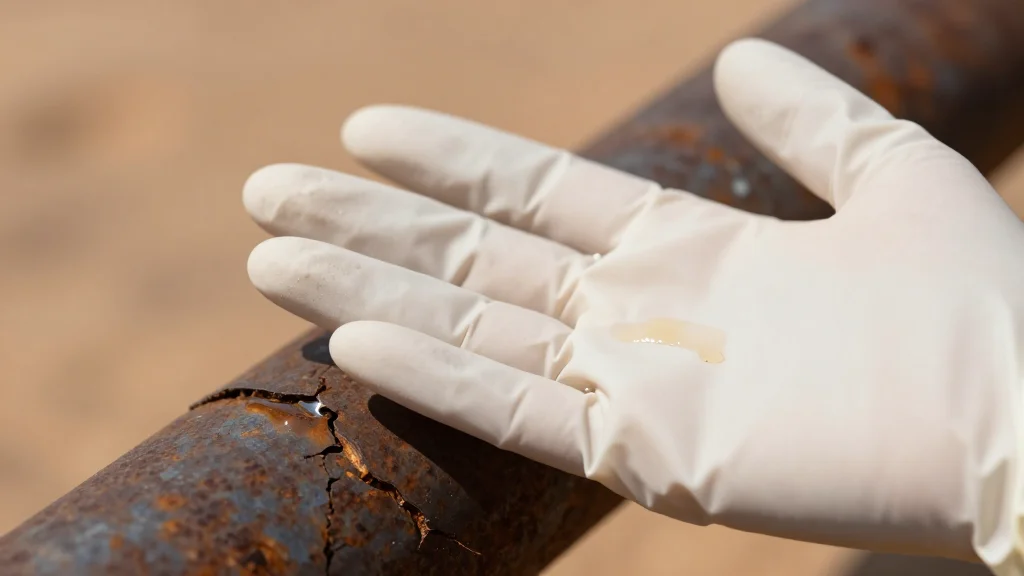
Middle East Conflict Triggers 70% Butadiene Surge, Threatening Glove Supply
Middle East instability isn’t an energy crisis. It’s a healthcare supply collapse in slow motion. The market is tracking Brent Crude, but the critical failure is butadiene. This core feedstock for disposable gloves spiked 70% since the conflict began. War → Supply...

Euro's Debt Charade Leaves Spain, Italy, France Vulnerable
The Euro got hijacked by high-debt countries to foster the illusion they're solvent. But yield caps don't confer fiscal space, which is why - when a shock like Ukraine hits - Spain (ES), Italy (IT) and France (FR) can't help....
How to End American Power
Peter Zeihan argues that Donald Trump’s recent call for nations to secure their own Persian Gulf oil marks a decisive break from the post‑World War II security architecture the United States has provided. By urging allies to develop independent naval forces,...
Core PCE Climbs, Fed Should Tighten Despite Energy Shock
In February, PCE less food and energy up .4% for the second straight month--12-month change remained 3.0%. Before Mideast energy shock Fed should have a tightening bias https://t.co/CuTWT2XgUi

OECD Calls for UK Tax Overhaul to Spur Growth
OECD urges Reeves to overhaul the UK tax system to boost growth https://t.co/jXhKmLwgu9 via @tomelleryrees https://t.co/EG8VX6kx0A

Why the Costs of Fiscal Adjustment Have Been Underestimated in Africa
New IMF‑backed research using AI‑assisted narrative analysis finds that fiscal tightening in sub‑Saharan Africa is far more contractionary than earlier studies suggested. A 1 % of GDP consolidation cuts real output by about 0.5 % after two years, with spending cuts delivering...

Markets Resilient Despite War, Inflation, and Midterms
Who is the 🦨at the party? In our latest Facts vs Feelings, @sonusvarghese and I discussed: * The war and inflation * The labor market isn't so bad * Midterm years * And how we are positioning our portfolios https://t.co/SCOb8I9PVL
China Mulls Aid for State Airlines Amid Fuel Surge
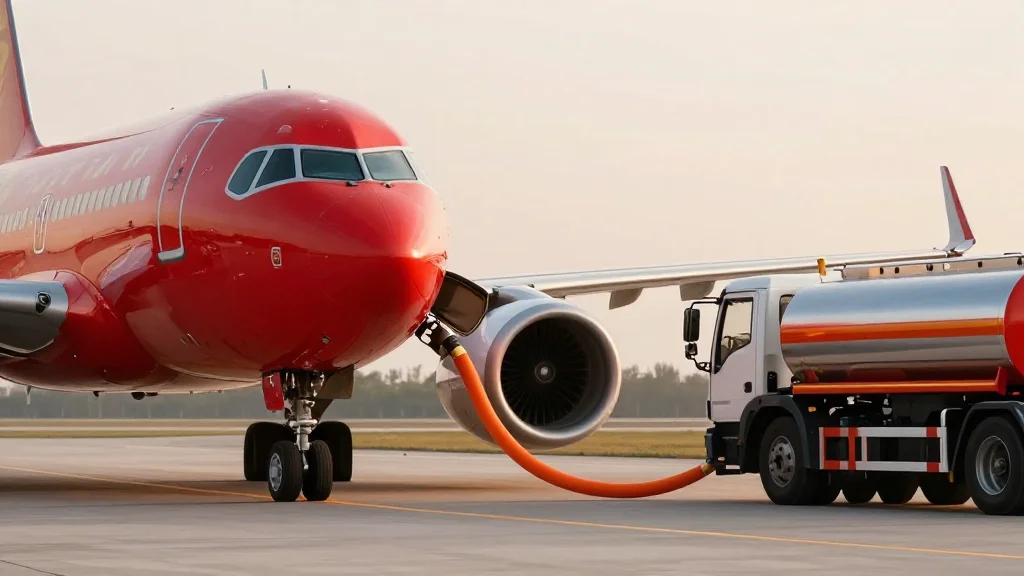
1/5 Bloomberg: "China is considering financial relief and other measures for its struggling state-run airlines as the Iran war sends fuel costs soaring, in what could be the industry’s biggest lifeline since the Covid pandemic." https://t.co/bT7WcksHuN

One Year In: How Medtech Companies Are Coping with Tariff Challenges
One year after the Trump administration’s “Liberation Day” tariffs, medtech firms are still feeling the cost impact, with annual hits of $200 million to $500 million for large players. While the sector has not pursued large‑scale reshoring, companies are absorbing costs, seeking...

Markets Care About Oil, Not Iran's Political Outcome
Regarding Iran, the market's primary concern is oil prices. Whether we "win", " lose", or fail to meet our objectives has little to no relevance for the market.

FSB Chair Flags Emerging Private Credit Stress Post‑Iran War
Financial Stability Board Chair Andrew Bailey warns stresses may be emerging in private credit after the shock to markets from the Iran war https://t.co/2mdmwBairp via @tomelleryrees https://t.co/R7mFsehmSi

Oil Prices Rise to Nearly $100 After Iran Accuses U.S. of Breaching Ceasefire Deal
Oil prices surged on Thursday, with Brent crude reaching $98.54 a barrel and U.S. WTI climbing to $99.41, after Iran accused Washington of violating three elements of a two‑week cease‑fire agreement. Iran’s parliamentary speaker cited Israel’s strikes in Lebanon, a...

Italy's Record Deficit Highlights ECB's Debt‑Shielding Role
Italy's cash budget deficit in Mar '26 is the biggest ever, wider even than Mar '20 at the height of COVID. At the root of this lies the ECB, which is co-opted by high-debt countries and protects them from markets....

US Tariffs Are Leverage Tools, Not Deficit Fixes
1/2 Sam Lowe: "this isn’t really a tariff regime. It’s a perpetual leverage machine with tariffs as the enforcement mechanism." Exactly right. And that's why US tariffs so far have had so little impact on the US trade deficit. https://t.co/GutH5fGJ6s

Hormuz Re-Shuts Over Lebanon Strikes: Oil Prices Rise Again | Rapid Read 9 April 2026
Iran’s Islamic Revolutionary Guard Corps declared the Strait of Hormuz closed hours after a US‑Iran ceasefire, citing Israel’s large‑scale airstrikes in Lebanon. Marine tracking shows only three to seven vessels transited in the past 24 hours, a sharp drop from...

Songkran Spending Set to Fall This Year
The University of the Thai Chamber of Commerce trimmed its Songkran festival spending forecast to as low as 120 billion baht (about $3.4 bn), down from 129.6 billion baht (~$3.7 bn), citing higher diesel prices and waning consumer confidence. A recent survey shows 67%...
Tech Stocks Regain Safe Haven Status Amid Iran Ceasefire
U.S. tech stocks reclaimed their safe‑haven status after a two‑week US‑Iran ceasefire, propelling the Nasdaq up 3.5% and lifting the Dow by more than 1,300 points. The rally was led by the so‑called Magnificent Seven, which have begun to recover...

Lebanon Holds Ceasefire Fate, Tehran Exploits Excuse
Lebanon will make or break the ceasefire. (But also it is a convenient excuse for Tehran)
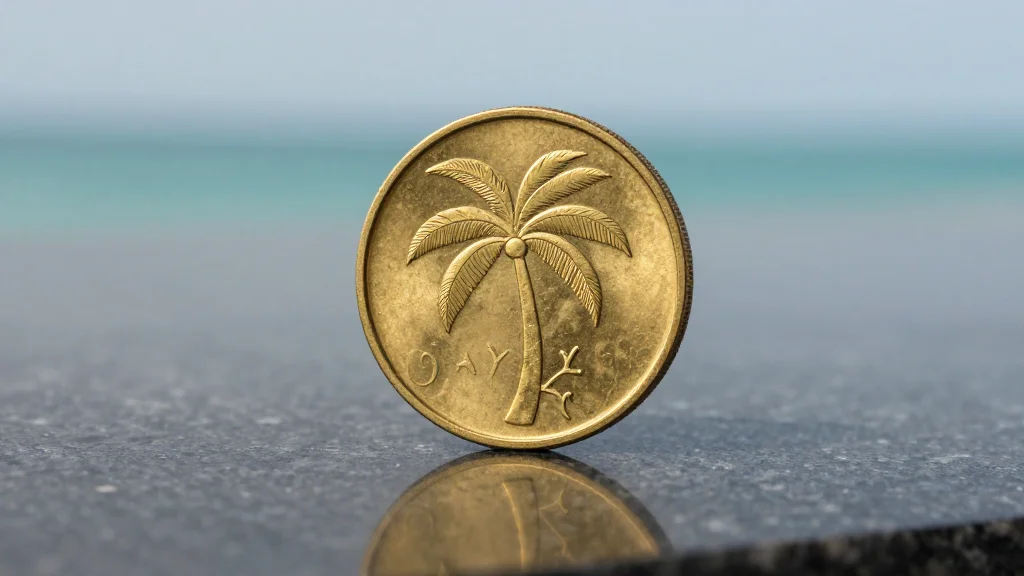
Cayman Islands Poised to Profit From Iran‑Dubai Conflict
The Cayman Islands is among the offshore financial centres that could benefit from Iran’s attacks on Dubai.

How to Bypass the Strait of Hormuz with a Trucking Landbridge
The Loadstar interviewed Gaurav Biswas, CEO of TruKKer, about the surge in over‑land trucking routes that bypass the closed Strait of Hormuz. Since the US‑Israel‑Iran conflict began, TruKKer’s freight volumes have jumped roughly 30%, straining smaller Gulf ports that were...

How Have Interest Rate Expectations Changed After the Ceasefire Announcement?
After the ceasefire announcement, market pricing shows a broadly dovish repricing of interest‑rate expectations as inflation worries ease. The Fed now shows a 7‑basis‑point cut probability with a 98% chance of holding rates at the next meeting. Most other central...

The U.S. Government Is Spending $88 Billion a Month in Interest on National Debt—Equal to Spending on Defense and Education...
The Congressional Budget Office reports that the U.S. Treasury paid roughly $529 billion in net interest during the first six months of FY2025‑26, about $88 billion each month. This interest outlay matches the combined spending of the Defense and Education departments and...

Digital Goods Could Now Face Tariffs
After three decades of WTO protection, the moratorium on customs duties for electronic transmissions lapsed on March 31, 2026. Brazil and Turkey blocked consensus to extend the rule, leaving the door open for individual nations to levy tariffs on software, digital...

Swap Market Predicts Brief 4% Inflation Spike, Then 3%
Inflation may reach 4% for a fleeting moment this year.. but then back near 3% in rather short order, according to the swap market. If you disagree, go out and trade it. @soberlook https://t.co/EGLX7QmA3x https://t.co/mN7udXNlCV

Oil Soars 42% While US Stocks Slip 1%
This is nuts... oil +42% since the war began, and US stocks have plunged all of 1% @soberlook https://t.co/EGLX7QmA3x Nasdaq, small caps UNCH https://t.co/8xxFActnDf

The Daily Feather — The Lunch Break War
The Daily Feather’s “Lunch Break War” piece reminds readers that ceasefires seldom end hostilities, citing the Iran‑War as a modern example and the 1896 Anglo‑Zanzibar War as the record‑shortest conflict. The post pairs this historical note with a dense chart...
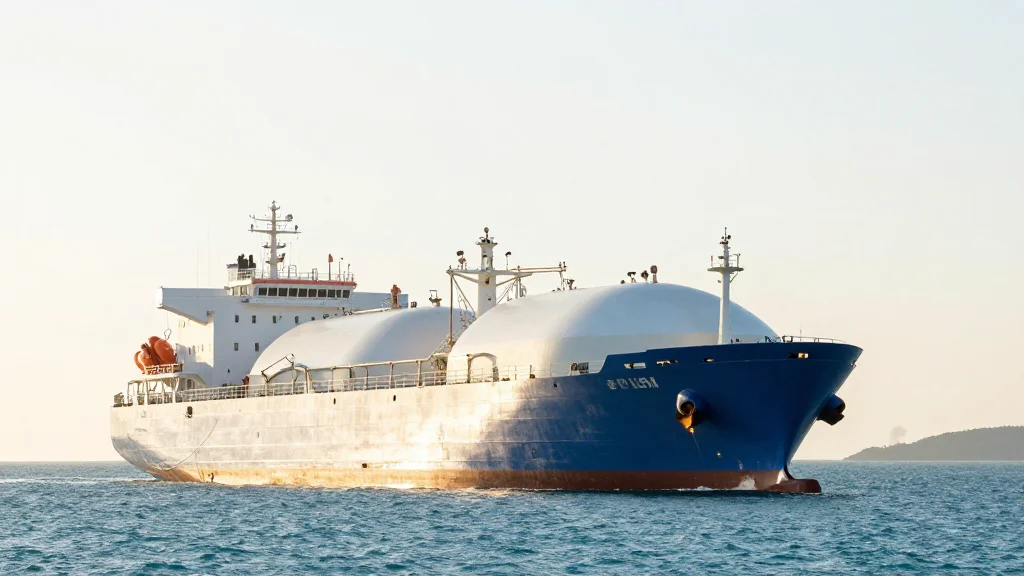
Gulf Ceasefire: Fragile or Firm?
The episode examines the newly announced Gulf ceasefire and its uncertain impact on global energy markets, especially LNG supply. Analysts discuss the fragility of the ceasefire, the stalled reopening of the Strait of Hormuz, and the critical role of Qatar's...

How Bad Will the Economy Be?
The U.S. economy has shown unexpected resilience, even after Donald Trump’s return to the White House. However, analysts warn that a potential war with Iran and a wave of deregulation are creating systemic risks. The uncertainty is so high that...
The Big Picture
The United States is sending mixed economic signals: a stronger‑than‑expected jobs report suggests labor market resilience, while the Treasury Department has declared the nation fiscally insolvent. Global trade appears robust, yet investors are fleeing private‑credit funds amid fears of deteriorating...

Reopening Hormuz Likely Messy, Iran Controls Every Barrel
RBC Capital Markets' @CroftHelima and co: "[W]e think the mechanics of reopening the Strait will be exceedingly messy, with Iran potentially having a vote on nearly every barrel that exits the waterway until Gulf countries can build more alternative access...