
Automated Grading of Radiation Dermatitis in Breast Cancer Radiotherapy with Dual-Head Supervision and Rule-Based Fusion: A Multicenter Study
Researchers introduced a dual‑head deep‑learning framework with rule‑based fusion to automatically grade radiation dermatitis in breast‑cancer radiotherapy. The model was trained on 10,685 skin images from 1,021 patients and validated internally, externally, and across cancer types. It achieved 94.7% accuracy and a quadratic weighted kappa of 0.958 in the internal cohort, while maintaining over 90% accuracy in an independent breast‑cancer set and 89% accuracy on nasopharyngeal carcinoma cases. In head‑to‑head tests, the AI outperformed three clinicians, reaching 93.3% accuracy.
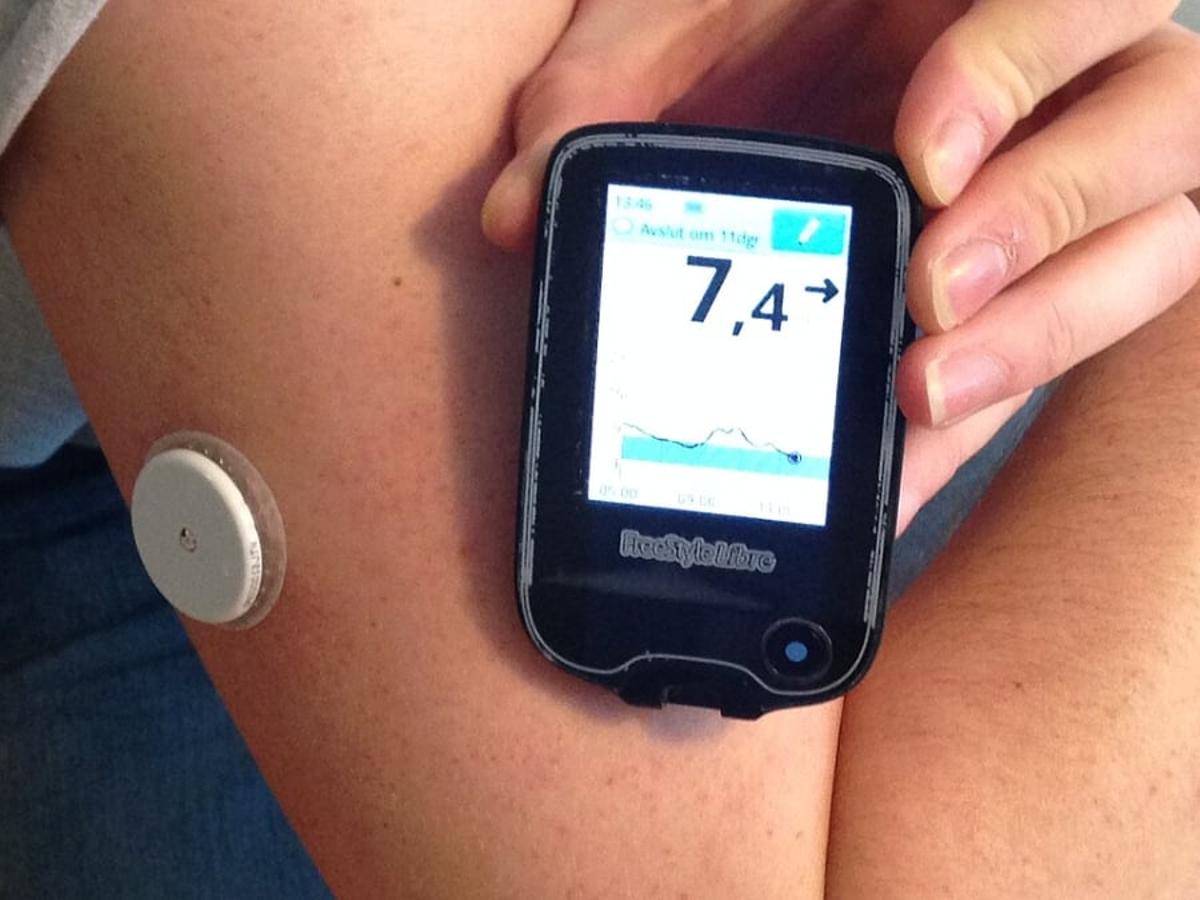
Glucose Tracking Is Turning Into the Next Big Health Data Platform
Continuous glucose monitors, once confined to diabetes care, are now entering the mainstream wellness market. Athletes, fitness enthusiasts, and health‑conscious consumers use CGMs to track real‑time metabolic responses to food, sleep, stress, and exercise. The shift is driven by AI‑powered...

Ontada Integrates Florida Cancer Specialists & Research Institute Data to Enrich Its Data Ecosystem
Ontada, McKesson’s oncology data unit, has integrated Florida Cancer Specialists & Research Institute (FCS) data into its real‑world evidence platform. The addition brings information from more than 530 community oncology providers, including 270,000 extra oral prescriptions covering over 4,000 unique...

Cedars Sinai Deploys Live Patient‑Context AI for Clinical Decision Support
Cedars Sinai clinicians are the FIRST to use OpenEvidence to integrate live patient context from Epic and access personalized CDS AI. My 6 thoughts on what this means for the industry: First, the gist of what was announced: → Clinicians can ask...

Business & Market Trends ATA NEXUS 2026 Highlights Telehealth’s Regulatory Challenges
The American Telemedicine Association’s NEXUS 2026 conference in Orlando highlighted that regulatory fragmentation, reimbursement uncertainty, and compliance burdens are the primary obstacles to scaling telehealth. Speakers detailed the patchwork of state licensure and prescribing rules, the pending AI‑governance requirements, and...

Kenya Rolls Out Digital Birth Notification System Tied to National ID Reforms
Kenya is launching a digital birth‑notification platform that links hospitals directly to the civil registration system and the country’s national identity framework, Maisha Namba. The pilot instantly alerts authorities of new births, issuing a Unique Personal Identifier (UPI) for immediate...

The Path Raises $14.3M to Scale Clinically Guided AI Therapy Platform Across Mobile Ecosystems
The Path, formerly known as Mental, announced its emergence from stealth with a $14.3 million seed round led by Prime Movers Lab and backed by Tony Robbins, Apolo Anton Ohno, Deontay Wilder and Designer Fund. The AI‑driven therapy platform uses multiple specialized...

Twin Health Launches AI-Native GLP-1 Stewardship Model to Slash Cardiometabolic Spending for Employers
Twin Health unveiled its AI‑native GLP‑1 Stewardship Model, a clinically validated framework designed to taper patients off expensive weight‑loss drugs while preserving weight loss. In a randomized trial published in NEJM Catalyst, 85% of participants stopped GLP‑1 therapy and lost...

Why AI Fails in Healthcare Clinics (And What Actually Works)
Healthcare clinics are discovering that AI projects fail more often for operational reasons than for model flaws. The key distinction lies in whether the AI is applied to transactional interactions—such as appointment scheduling—or relational, clinically complex conversations that require nuanced...

Wellgistics Health Announces 1‑for‑50 Reverse Stock Split to Meet Nasdaq Rules
Wellgistics Health, Inc. approved a 1‑for‑50 reverse stock split to boost its share price above Nasdaq’s $1 minimum bid requirement. The split, effective May 26, 2026, reduces outstanding shares from roughly 125.7 million to 2.5 million and follows a steep post‑announcement price decline.

Moffitt Cancer Center Expands Reimagine Care’s AI-Enabled Virtual Oncology Model
Moffitt Cancer Center is expanding its hybrid virtual oncology program with Reimagine Care, adding the AI conversational assistant Remi and a dedicated virtual clinical team across more sites. In an initial rollout of nearly 7,000 digital interactions, 97% of encounters...

HTN Now Webinar Explores What Does Good Look Like for a Digital Patient Journey?
The HTN Now webinar gathered NHS digital leaders and industry experts to define what a good digital patient journey looks like. Panelists stressed that digital tools must be seamless, intuitive and inclusive, so patients never notice the technology layer. They highlighted...

Untitled
AxisCare, a home‑care software leader, announced a new Skilled Care solution that extends its platform to manage in‑home clinical services such as nursing, physical therapy and occupational therapy. The module integrates care plans, CMS‑485/487 form generation, practitioner orders, visit documentation,...

System C Sets Out 12-Month AI Roadmap Spanning Emergency, Maternity and Social Care
System C unveiled a 12‑month AI roadmap that will extend its ambient AI capabilities to emergency care this autumn and to maternity services shortly thereafter, building on tools that have already halved documentation time in social‑care settings across 15 English...
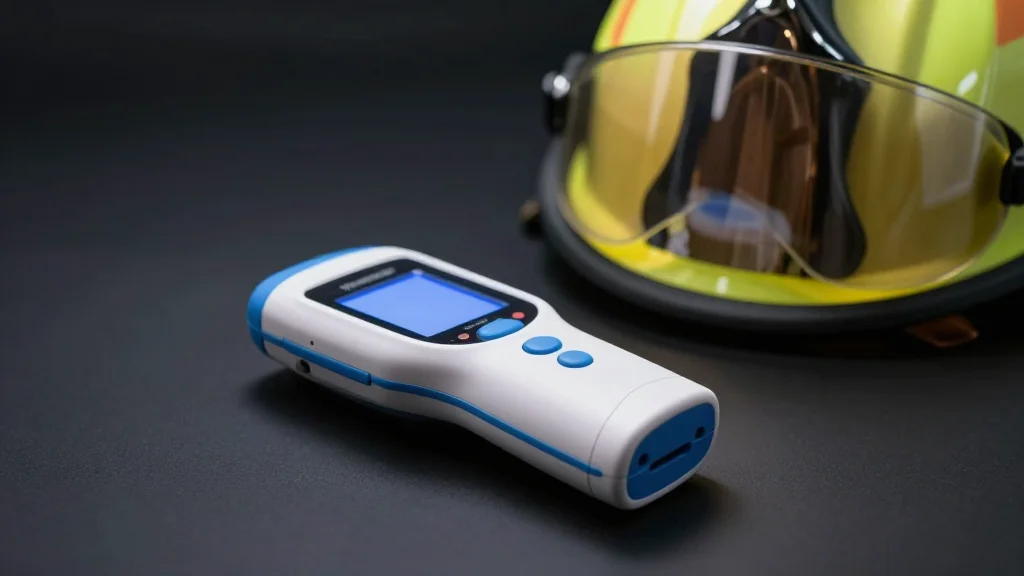
20/20 BioLabs Q1 Revenue Falls to $0.35M as Maryland Firefighter Screening Program Drives Q2 Outlook
20/20 BioLabs posted a 36% drop in first‑quarter revenue to $0.35 million and an expanded net loss of $2.17 million, while announcing a pivot to a Maryland firefighter cancer‑screening program that the company expects will lift second‑quarter sales.

Apple Rolls Out Sleep Apnea Alerts and Hearing Tests to Indian Wearables
Apple announced that its Apple Watch lineup and AirPods Pro 2/3 will now offer sleep apnea notifications and clinically validated hearing tests for Indian users. The rollout covers multiple Watch models and positions the devices as early‑screening tools rather than...

This Unexpected Body Part Could Reveal Early Signs Of Bone Loss
A new AI system called RetiAGE analyzes retinal photographs to estimate biological age and predict osteoporosis risk. The study, which examined 1,965 older adults in Singapore and 43,938 participants from the UK Biobank, found that eyes appearing older than a...

New Model of Care Uses Video Calls to Bring Specialist Rheumatology Input Into Primary Care
The Connected Health Network pilot at Northern Lincolnshire and Goole NHS Foundation Trust uses video calls to embed specialist rheumatology expertise within primary care. A GP with a special interest triages patients, and a lead consultant joins via video to...

Huawei Xinghe Intelligent High-Quality Hospital Network: Empowering Global Smart Healthcare Development
Huawei introduced the Xinghe Intelligent Campus Network, a full‑stack solution that combines Wi‑Fi 7 zero‑roaming, high‑quality optical Ethernet, Twins dual‑engine switches and AI‑driven SDN control. The platform delivers uninterrupted 24/7 connectivity, sub‑second failover and proactive fault prediction for hospitals worldwide. By...
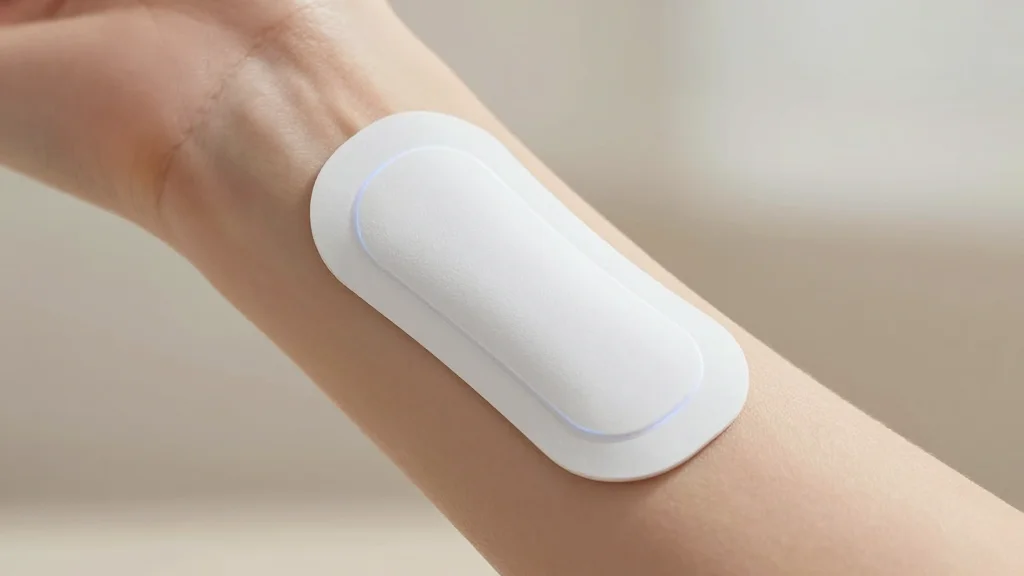
FemTech Mid 2026 : Future Landscape, IPO Pipeline, Capital Trends & AI Threats
FemTech is evolving from simple cycle‑tracking apps into a precision‑medicine sector that now includes hormonal intelligence, AI‑driven diagnostics, cardiometabolic care, and regulated devices. The market, worth roughly $9.5 bn in 2025, is expected to hit $10.7 bn in 2026 and could expand...

Phoenix and Raven Become First Canadian Telehealth Platforms to Offer Generic Semaglutide Direct to Patients
Canadian telehealth leaders Phoenix and Raven have become the first digital health platforms in Canada to offer Health Canada‑approved generic semaglutide directly to patients. The medication, priced at CAD 124.99 (about US $92) per course, is available by prescription with free coast‑to‑coast...
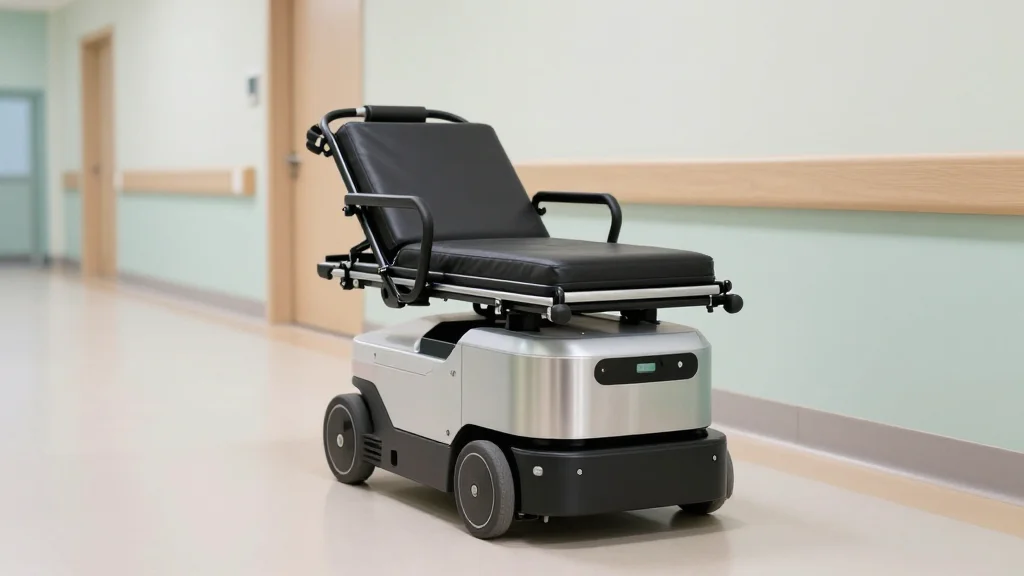
Rovex and Sphaira Launch First Autonomous Patient Transport Pilot at Florida Hospital
Rovex Technologies and robotics partner Sphaira have begun the first autonomous patient‑transport pilot in Florida, deploying towing robots at Morton Plant Hospital. The system promises to slash the hour‑long, 200‑yard trips that currently delay care, while addressing high injury rates...

Clinical AI Falls Short on Point‑of‑Care Decisions, Experts Warn
Healthcare AI leaders argue that despite a surge in imaging and data, clinical AI has not enhanced point‑of‑care decision‑making. They cite doubled CT and MRI use and call for AI that integrates into physician workflows, not just dashboards.

Flatiron Health Launches AI Platform Flatiron Telescope to Deliver Oncology Insights in Minutes
Flatiron Health introduced Flatiron Telescope, an AI-powered platform that generates oncology insights in minutes, leveraging data from over 5 million patient journeys. The tool promises to cut study feasibility timelines from months to minutes, offering real‑time cohort building and analytics for...

Amesite Shares Jump 201% After Securing Major Enterprise Customer for NurseMagic AI Platform
Amesite Inc. saw its Nasdaq‑listed shares climb 201.49% to $2.37 after announcing that its NurseMagic AI‑driven clinical platform won a large enterprise customer serving roughly 2,700 patients. The deal expands the company’s footprint in non‑acute care and validates its AI‑centric...

Healthspan Unveils BioAge+: Detailed Biological Age Breakdown
Healthspan just launched BioAge+, a biological age score that breaks down which systems are driving it and why kind of like a context graph for your health

AHA Podcast: The New Model Predicting Teen Mental Health Risks
Duke University researchers unveiled the Duke PMA, an AI‑driven model that predicts adolescent psychiatric risk by analyzing sleep patterns, device usage, and other lifestyle factors. The model leverages large‑scale biostatistical data to generate individualized risk scores for teens. Researchers highlighted...
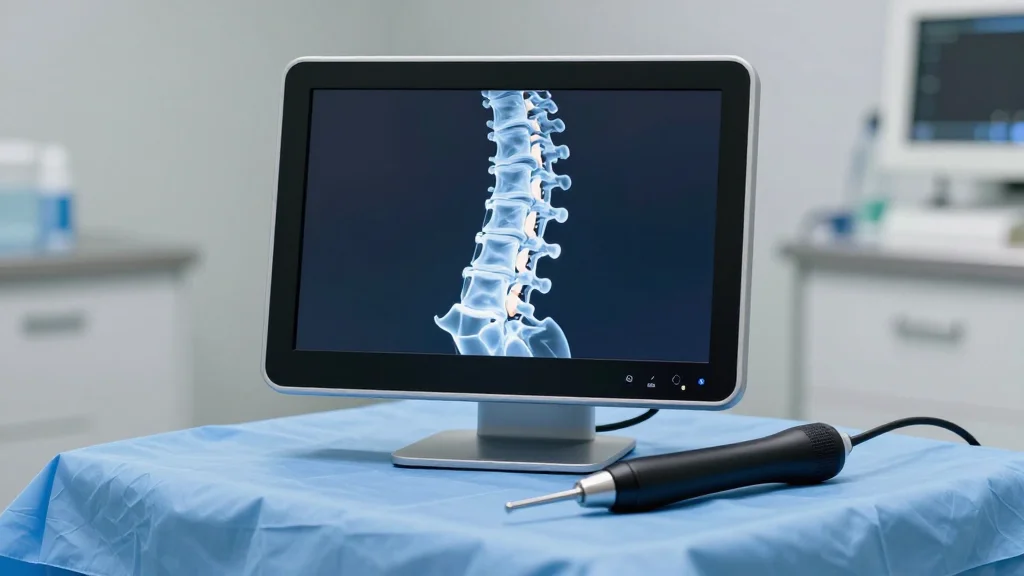
Amplify Surgical and Emory Healthcare Perform First Continuously Navigated Endoscopic TLIF
Amplify Surgical and Emory Healthcare completed the world’s first continuously navigated endoscopic transforaminal lumbar interbody fusion (TLIF) using the dualPortal and dualX platforms. The procedure kept navigation active from skin incision through powered screw placement, a milestone for minimally invasive...
FDA Clears Johns Hopkins AI Tool that Cuts Sepsis Deaths by 20%
The U.S. Food and Drug Administration gave clearance to an AI‑driven early‑warning system from Johns Hopkins University that identifies sepsis up to 48 hours before clinicians suspect it. Early data show a near‑20% reduction in sepsis‑related deaths across dozens of...

Ki:elements Detects Alzheimer’s Pathology via Automated Phone Call: Study Validates Speech Biomarker Across Five European Cohorts
ki:elements and the PROSPECT‑AD consortium validated their Speech Biomarker for Cognition (SB‑C) in a study of 736 participants across five European cohorts. The AI‑driven voice agent administered a 10‑minute remote assessment that reliably separated cognitively unimpaired individuals from those with...

Dental Intelligence Launches AI‑powered SaaS Tools for Dental Practices
Dental Intelligence, the cloud‑based performance platform for dental offices, announced three AI‑powered capabilities that will be released beginning in Q2 2026. The features are designed to automate workflow, improve case acceptance and keep the human touch in dentistry, underscoring the...

Cedars-Sinai Deploys OpenEvidence Enterprise Platform to Drive Precision Clinical Decision Support
Cedars‑Sinai has rolled out the OpenEvidence enterprise platform across its entire network, embedding an AI‑driven clinical reference tool directly into the electronic health record. The system surfaces patient‑specific, peer‑reviewed medical literature at the point of care, while also allowing the...

FDA Approves New Guardant360 Liquid CDx, the Largest FDA-Approved Liquid Biopsy Panel with a 100x Expanded Footprint
Guardant Health announced FDA approval of Guardant360® Liquid CDx, the largest liquid‑biopsy panel on the market, featuring a 100‑fold expanded genomic footprint. The test merges genomic and epigenomic profiling from a single blood draw, delivering several‑fold higher circulating tumor DNA...

AI 3D Model Maps Whole-Body Cellular Perturbations
An AI foundation whole-body 3D model that assesses perturbations (such as obesity) across multiple systems (such as immune, neural) at the cell level. This is MouseMapper. Imagine HumanMapper someday @Nature @erturklab https://t.co/jsg3VMzOqg https://t.co/tktuINis2W
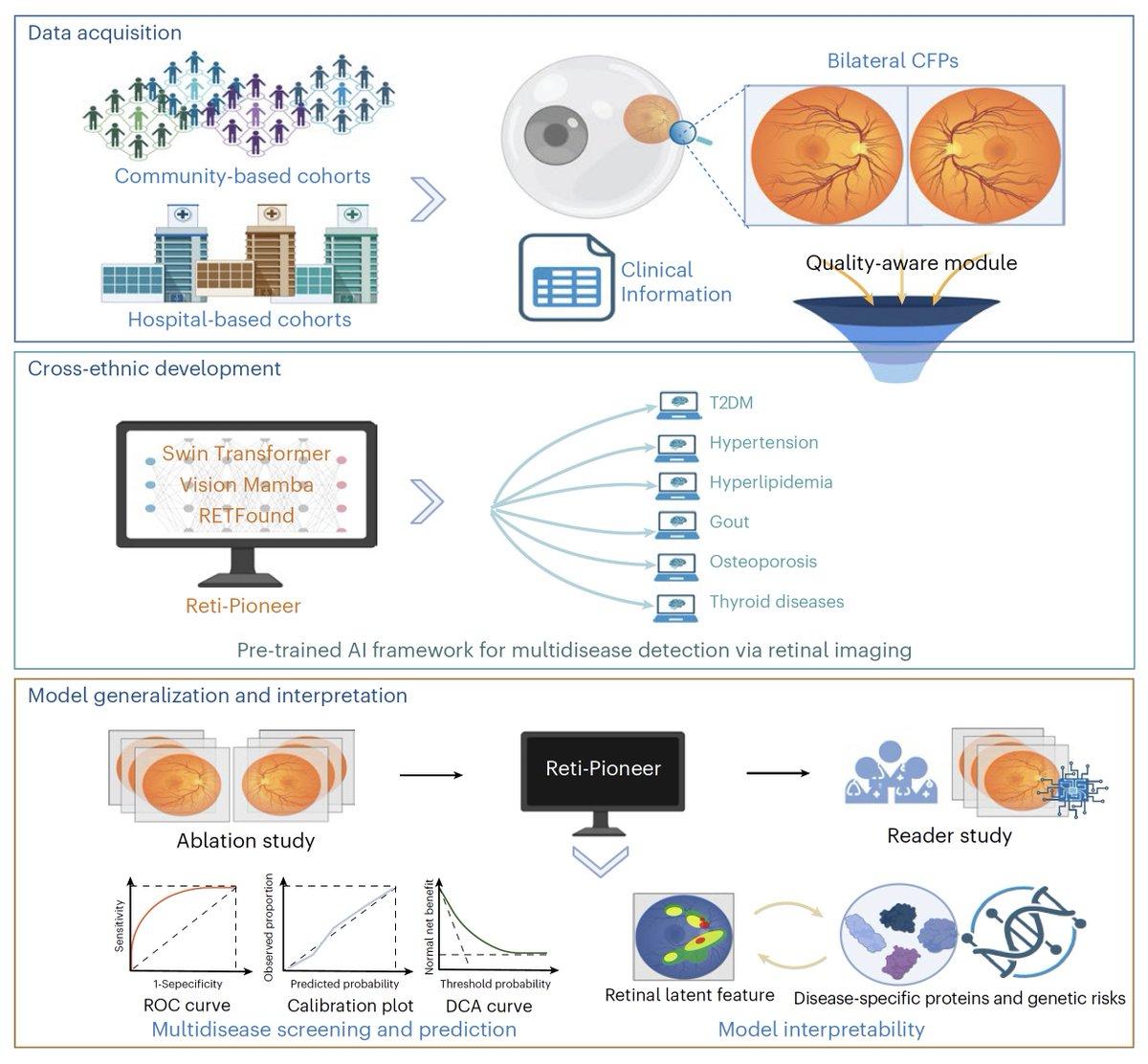
AI Retinal Scans Enable Rapid Multi-Disease Screening in Clinics
“The [AI] tool presented here will enable rapid screening for multiple systemic diseases using retinal photographs, and it is a step forward in the evolution of oculomics from experimental research to real-world clinical practice.” —Editorial Team, @NatureMedicine https://t.co/8T3Kq2o8jP

The Boston Children’s Experience: Hidden ICU Risk and AI-Driven De-Escalation
Boston Children’s Hospital has spent over a decade deploying AI‑driven clinical intelligence in its pediatric ICUs, shifting the focus from early‑warning alerts to data‑backed de‑escalation. Continuous, high‑frequency physiologic monitoring now provides real‑time risk trajectories that inform decisions on extubation and...

Telstra Health Launches Corus, a Cloud‑native Care‑intelligence Ecosystem
Telstra Health introduced Corus, a standards‑based, cloud‑native care‑intelligence ecosystem that links disparate health data sources. The platform, built with an advisory panel of clinicians, will roll out Population Health, Care Navigation and Care Coordination tools in the second half of...

Surescripts Expands Prior Authorization Automation: Slashing Prescription Approval Times as New CMS Interoperability Rules Loom
Surescripts has broadened its Prior Authorization Automation platform, adding 68,000 prescribers across 42 health systems—a 50% increase since December 2025. The automated workflow now delivers a median approval time of just 18 seconds, eliminating manual forms, faxes, and calls. Real‑time...

How Virtual IOP Telehealth Is Transforming Addiction Treatment
Virtual intensive outpatient programs (IOPs) are now delivered through HIPAA‑compliant video, messaging and digital tracking tools, allowing patients to receive structured addiction treatment from home. The model expands access for rural and underserved communities, reduces stigma, and improves continuity for...

Hospitals Deploy AI Chatbots and Apps as Home Care Expands, Facing New Regulatory Scrutiny
U.S. health systems are rapidly rolling out AI‑driven chatbots and mobile apps to support home‑based care, freeing more than 17,500 hospital beds and cutting costs by $17 million. At the same time, federal officials are tightening funding rules and Medicare enrollment...

Spatial Modeling of Tissue Compartments Predicts Breast Cancer Treatment Response
The study introduces a hierarchical tissue‑specific modeling framework that uses routine H&E whole‑slide images to predict pathologic complete response to neoadjuvant chemotherapy in HER2‑positive breast cancer. Slides are partitioned into five biologically meaningful compartments, each converted into a spatial graph...

Taiwan’s AI-Driven Clinical Breakthroughs Take Centre Stage at 2026 Taiwan Smart Medical & HealthTech Expo in Geneva
The 2026 Taiwan Smart Medical & HealthTech Expo in Geneva highlighted Taiwan’s transition from AI theory to bedside practice, showcasing a national team of 21 firms and nine leading hospitals. Clinical evidence included a Nature Medicine‑published AI‑ECG trial that cut...

University Hospitals Sussex 2026/27 Digital Workplan Highlights AI, Patient Communications, Cloud, Research
University Hospitals Sussex NHS Foundation Trust released its 2026/27 digital workplan, spotlighting a structured AI rollout, enhanced patient communications, and a green‑focused cloud migration strategy. An AI governance group and draft policy have been created, but the board notes limited...
NHS Rolls Out $1.14 Billion AI Framework to Transform UK Health Services
NHS Shared Business Services has launched a £900 million ($1.14 billion) eight‑year AI framework, inviting suppliers to bid across eight lots that span radiology, early‑detection, virtual‑robotic health and predictive analytics. The initiative aims to streamline procurement, boost clinical efficiency and accelerate AI‑driven...

Sensome Reports the INSPECT Study Results of Its In Situ Tumor Detection Technology for Lung Cancer
Sensome disclosed first‑in‑human data from its INSPECT study, evaluating a microsensor‑enabled smart stylet for bronchoscopic lung biopsies in 27 patients across Australia and France. The device records tissue electrical signatures immediately before sampling, allowing real‑time differentiation of healthy, necrotic and...

Sunrise Group Wins the US FDA Clearance for Sunrise Air Home Sleep Apnea Test
Sunrise Group announced that its Sunrise Air at‑home sleep apnea test received U.S. FDA clearance, following a recent $29 million financing round. The lightweight, rechargeable device leverages mandibular jaw movement (MJM) technology combined with AI algorithms to produce clinician‑ready sleep reports....

Medtronic Creating 85 Galway Jobs with New Software Development Hub
Medtronic will create 85 new positions in Galway by launching a European software development hub for its Patient Care Systems (PCS) function. The hub will act as a global centre of excellence for cardiac digital health, building cloud‑based platforms that...

Solving the “Whac-A-Mole Dilemma”: A Smarter Way to Debias AI Vision Models
MIT, WPI, and Google researchers introduced Weighted Rotational DebiasING (WRING), a new post‑processing technique for vision‑language models. WRING rotates bias‑laden dimensions in the embedding space rather than projecting them out, preserving other learned relationships. In tests on CLIP‑style models, WRING...

West Hertfordshire Teaching Hospitals Shares Latest on AI Projects, UTC Integration, EPR Optimisation
West Hertfordshire Teaching Hospitals NHS Trust reported significant digital advances at its May board meeting, including the digitisation of ambulance handovers and the rollout of Cerner for its urgent treatment centre. The trust completed its HYDE ambient‑voice AI contract and...

Single Digital Record for Maternity Care Launches in Wales
Wales has become the first UK nation to implement a unified digital maternity record by rolling out BadgerNet Maternity across all seven NHS health boards. The platform links patient data, appointments and updates in a single app for expectant parents...