Akari Therapeutics Shares Jump 89% on Positive Preclinical Oncology Data
Akari Therapeutics Plc saw its Nasdaq‑listed shares climb 89.01% to $9.72 after the company released preclinical data indicating its lead antibody‑drug conjugate, AKTX-101, works synergistically with KRAS inhibitor adagrasib in KRAS‑mutated pancreatic cancer models. The surge underscores investor enthusiasm for the firm’s oncology pipeline ahead of the ASCO 2026 meeting.

AI‑Driven GENIE Platform Boosts Gut Microbiome Diversity in 1,177‑Participant Trial
Researchers in Portugal and Spain reported that the AI‑driven GENIE platform increased gut microbiome diversity in about 70% of its 1,177 participants after one month of tailored recommendations. The study also recorded strong user engagement, with 71% of participants following...

FDA Clears AstraZeneca‑Daiichi Sankyo’s Datroway for Metastatic Triple‑Negative Breast Cancer
AstraZeneca and Daiichi Sankyo announced FDA approval of Datroway for adult patients with unresectable or metastatic triple‑negative breast cancer. The decision follows a Phase 3 trial that showed a 5‑month median overall‑survival gain, positioning the drug as a Category 1 preferred first‑line...
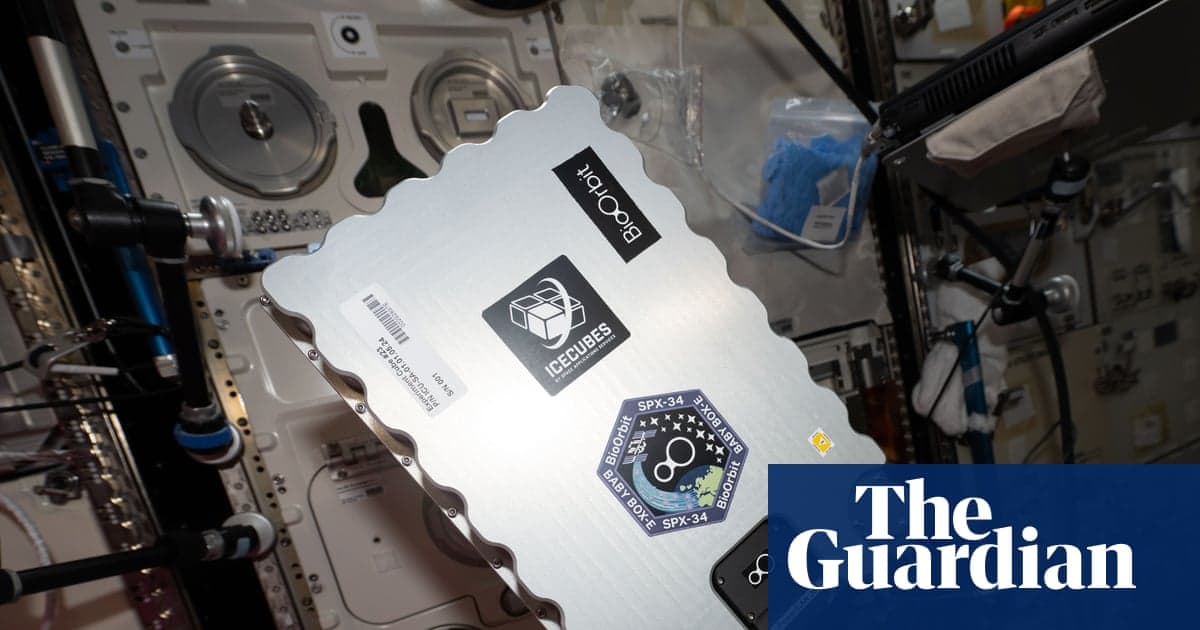
Final Frontier for Meds? UK Startup Sends Drug-Making Into Space
BioOrbit, a UK biotech, launched its Box‑E microgravity crystallisation unit to the International Space Station on a SpaceX flight, aiming to produce ultra‑pure protein crystals for self‑injected cancer drugs. The six‑week orbital test leverages weightlessness to create stable crystal structures...
CMU and Cleveland Clinic Launch CMR-CLIP AI, Boosting Cardiac MRI Accuracy to 99%
Carnegie Mellon University and Cleveland Clinic introduced CMR-CLIP, an AI system that outperforms generic models by more than 35% and achieves up to 99% accuracy in cardiac MRI interpretation. Trained on over 13,000 de‑identified scans, the tool aims to cut...
AI‑Heavy Layoff Memos Threaten Health‑Tech Talent Pool as Firms Cut Jobs
Analysis of 15 corporate layoff memos shows the word “AI” appeared 46 times, signaling a new justification for workforce cuts. Health‑tech leaders warn that the trend could drain the specialized AI talent needed for next‑generation medical solutions.

Utah Unveils Early Results From Statewide AI Prescription Renewal Pilot
Utah has released early results from a state‑wide experiment that uses artificial intelligence to automatically renew prescriptions for patients with chronic conditions. The pilot, closely watched by industry and regulators, marks one of the first large‑scale AI prescribing initiatives in...

NIR Fluorescence Surgery Enhances Oral Cancer Removal
Near‑infrared (NIR) fluorescence imaging is being integrated into oral cancer surgery to highlight malignant tissue that standard visual inspection can miss. A multi‑center trial of 120 patients demonstrated a 30% reduction in positive surgical margins and shaved roughly 12 minutes...

Inocras Announces ASCO 2026 Online Publication: Whole-Genome HRD Phenotyping as a Predictor of PARP Inhibitor Benefit in First-Line Maintenance High-Grade...
Inocras announced that whole‑genome sequencing‑based HRD phenotyping predicts benefit from PARP inhibitor maintenance in high‑grade serous ovarian cancer. In a real‑world study of 84 patients at Severance Hospital, HRD‑positive tumors had a median progression‑free survival of 27.5 months versus 12.0...
Q&A: Using Advanced Imaging to Improve Brain Cancer Treatment
UCLA Health’s Jonsson Cancer Center is pioneering advanced MRI and PET techniques that map glioblastoma’s blood vessels, metabolism, and microenvironment in real time. The new perfusion and metabolic imaging tools provide early biomarkers of drug target engagement and tumor response,...

ASU’s Osteopathic School Saves $50 M with Tech‑Driven Remote Learning Model
Arkansas State University’s College of Osteopathic Medicine, in partnership with the New York Institute of Technology, launched a technology‑driven remote‑learning curriculum that trims $50 million in state costs, drives a 99.9% residency match rate and aims to flood underserved Arkansas with...

AI Implementation Is a Marathon, Not a Sprint
Seoul National University Bundang Hospital CIO Dr. Seyoung Jung cautioned healthcare leaders that AI adoption is a marathon, not a sprint. Executives must first pinpoint precise clinical tasks where AI can add value before committing to expensive tools. He emphasized...
CODX Leads Biotech Rally with 55% Surge on Ebola Assay Breakthrough
Co-Diagnostics (CODX) surged 55.23% to $3.71 after announcing completion of an assay for the Bundibugyo Ebola virus, sparking a broader market rally that saw Sunshine Biopharma (SBFM) rise on generic Amoxicillin approval, GOVX highlight its Ebola strategy, and RegeneRx (RGNX)...
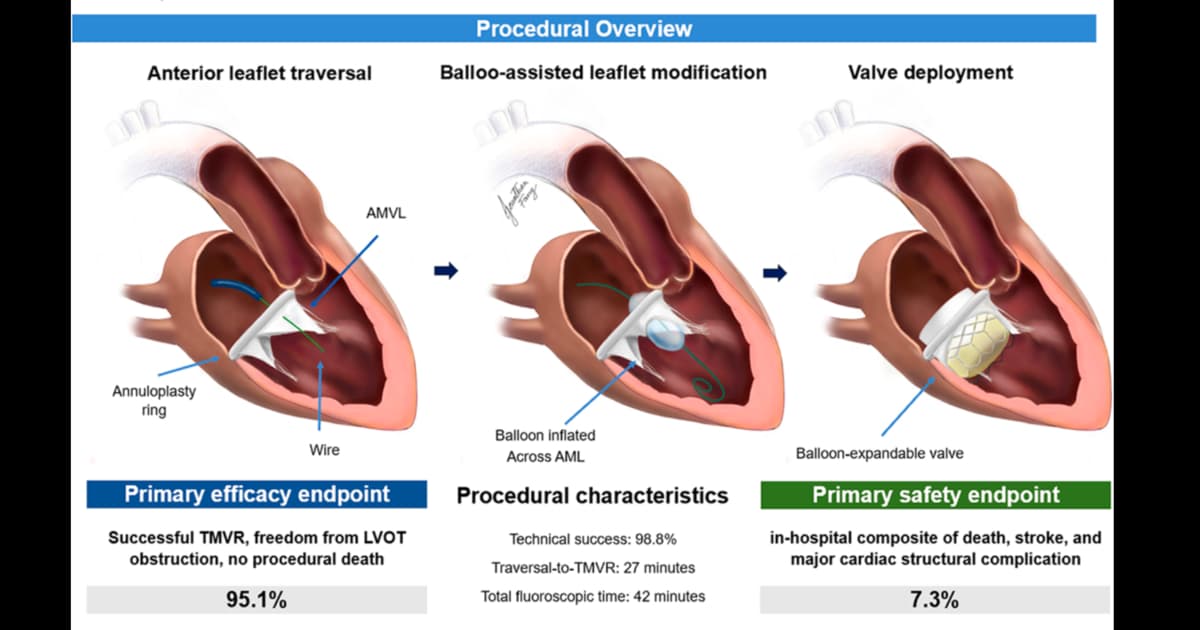
BATMAN to the Rescue: TMVR Technique Helps Cardiologists Reduce Risk of LVOT Obstruction
A new study in JACC: Cardiovascular Interventions shows that Balloon‑Assisted Translocation of the Mitral Anterior Leaflet (BATMAN) can dramatically lower left ventricular outflow tract (LVOT) obstruction risk during transcatheter mitral valve replacement (TMVR). The analysis of 83 high‑risk patients treated...

AI's Promise Meets the Pediatric Frontline
Children’s Hospital of Orange County (CHOC) has begun deploying agentic and generative AI tools to streamline chart reviews, reducing tasks that once took an hour to mere minutes. The technology integrates structured and unstructured patient data, delivering annotated insights directly...

Did AI Really Beat ER Doctors At Diagnosis? Here’s What The Study Showed
A recent *Science* paper found OpenAI’s o1 model correctly identified the diagnosis in 67% of 76 emergency‑department triage cases, outpacing two internal‑medicine physicians who scored 55% and 50%. The experiment used raw electronic health‑record data available at the point of...
AI-Powered Medical Imaging: Turning Data Into Faster Diagnoses
AI is transforming the medical imaging workflow—from exam ordering to final interpretation—by embedding deep‑learning models such as CNNs, U‑Net and emerging Vision Transformers. The technology speeds acquisition, enables low‑dose CT reconstruction, and reduces MRI scan times by up to 75%...
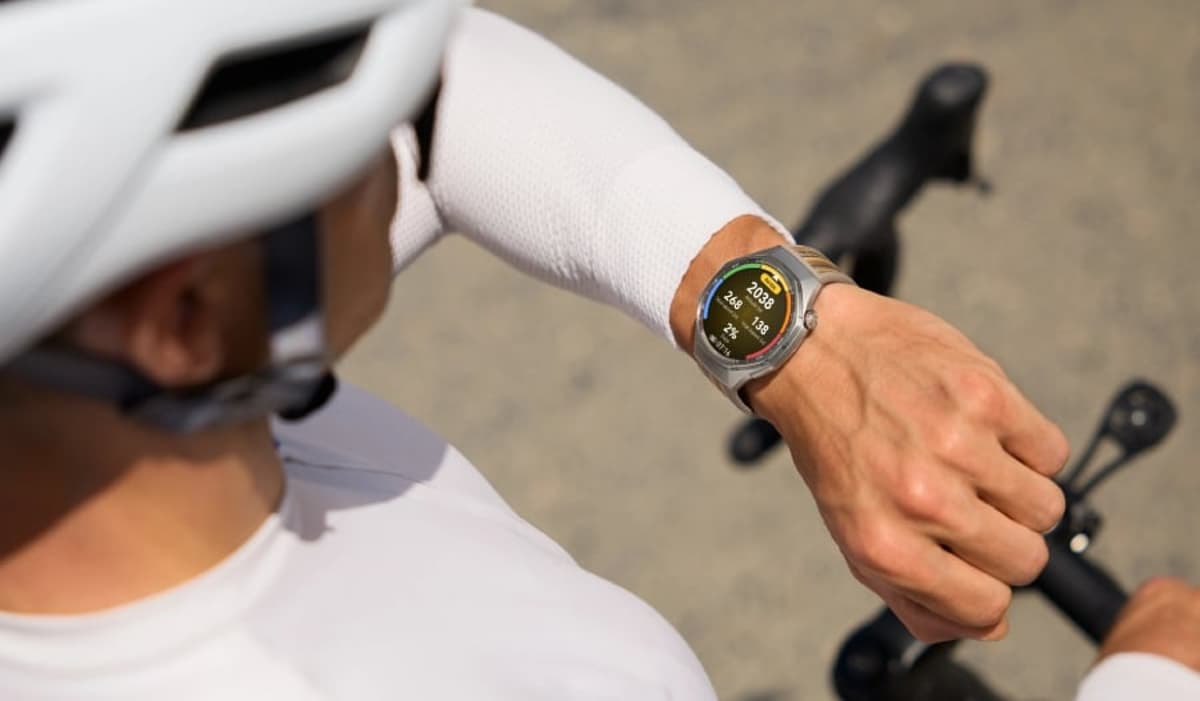
Huawei Watch and Blood Sugar Awareness: How Its Diabetes Risk Feature Works
Huawei’s Watch GT 6 Pro introduces a Diabetes Risk Study that screens for type‑2 diabetes risk using non‑invasive wrist sensors. The feature aggregates 3‑14 days of data—heart rate, HRV, sleep, activity—to assign Low, Medium or High risk categories. It is positioned as...

Rural Health Fund Gaps Exposed as North Carolina Hospital Remains Closed
An NPR investigation shows that despite a $50 billion federal Rural Health Fund, Martin County, N.C., still lacks a functioning hospital. County officials say the earmarked $213 million for North Carolina won’t help a shuttered facility, while residents face 20‑plus‑mile ambulance trips.
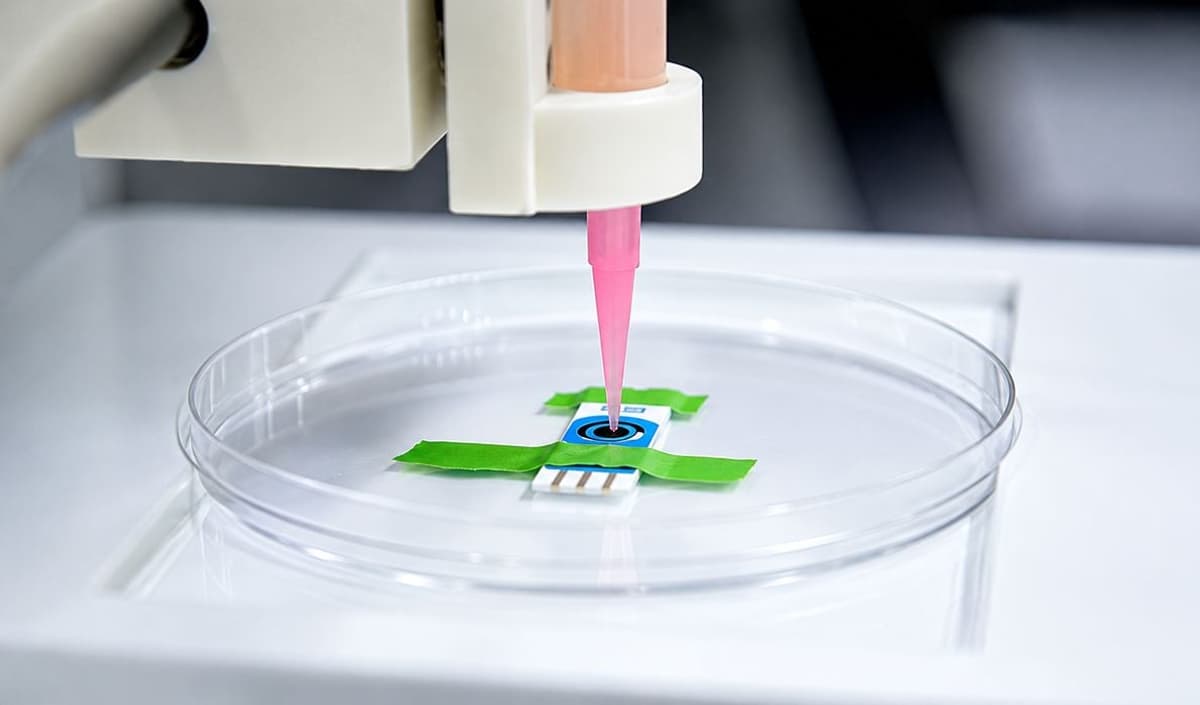
Researchers Successfully 3D Print Living Cornea
Researchers have successfully 3D‑printed a living cornea using decellularized donor tissue as a scaffold and stem cells to repopulate it. By applying extrusion shear forces, they aligned collagen fibers to replicate the natural architecture, achieving 90% cell viability and observable...

Expanding ILD Care Access Through Shared Models and Telehealth: Yet Khor, MD, PhD
Interdisciplinary lung disease (ILD) specialists are concentrated in metropolitan academic centers, leaving many patients without timely access to expert care. Yet Khor, MD, PhD, proposes a shared‑care model that alternates patient visits between tertiary hospitals and community pulmonologists every three...
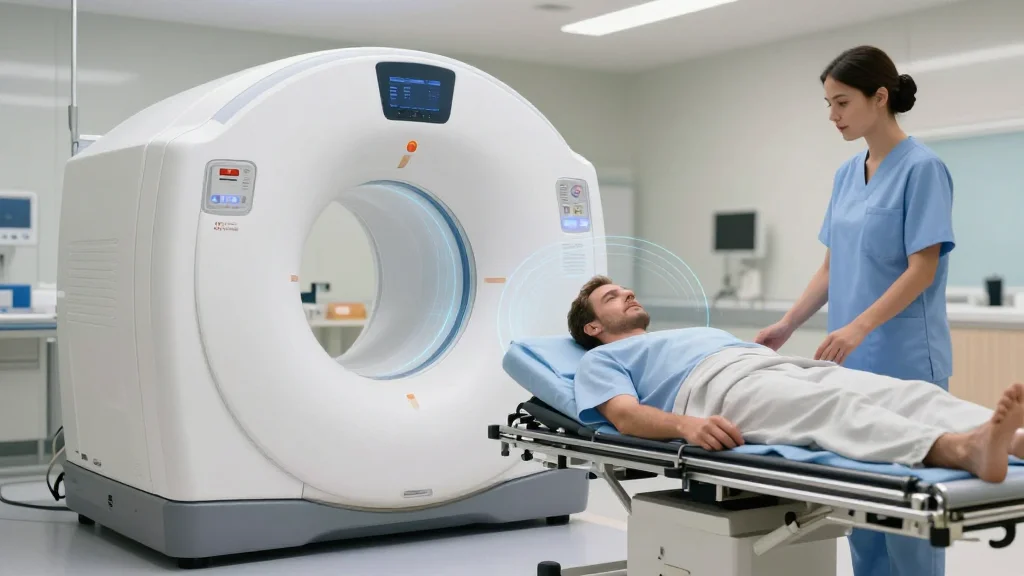
Hyperfine Announces Presentation of Results From the PRIME Study Showing Portable MRI Substantially Reduces Time to Imaging in Emergency Departments
Hyperfine presented PRIME study results at the SAEM 2026 meeting, showing its AI‑powered Swoop® portable MRI dramatically shortens imaging time in emergency departments. In a randomized trial of 100 patients, bedside MRI began scans in a median 1.28 hours versus 7.76 hours...

Wolters Kluwer Launches Clinical AI Framework to Audit Bedside AI for Hospital Governance Committees
Wolters Kluwer Health unveiled a Clinical AI Validation Framework to help hospital governance committees audit generative AI tools at the bedside. The model assesses three dimensions—clinical intent, knowledge integrity, and clinical impact—moving beyond simple benchmark tests. In stress testing, its...
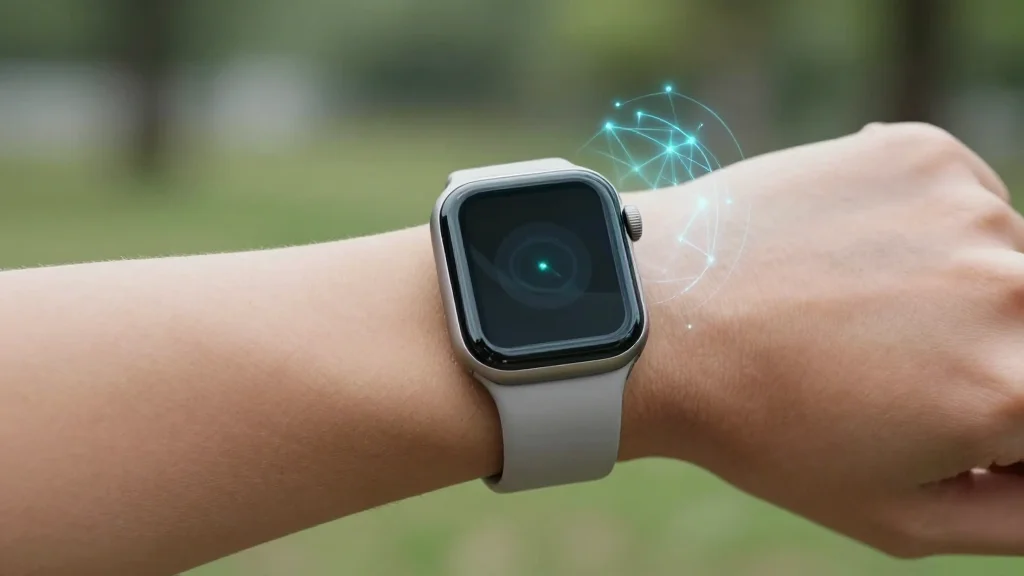
UC San Diego Study Shows 55% Depression Remission Using AI‑Powered Lifestyle Coaching
Researchers at the University of California, San Diego led by Dr. Jyoti Mishra reported a 55% remission rate for mild‑to‑moderate depression in a six‑week, AI‑driven lifestyle coaching trial. The personalized approach, built on smartwatch data and real‑time mood logs, doubled...

Black Diamond Shares Tumble 6% Despite 15‑month PFS for Silevertinib in 1L NSCLC
Black Diamond Therapeutics saw its shares drop 6.2% to $3.33 after announcing that its Phase 2 trial of Silevertinib delivered a median progression‑free survival of 15.2 months in first‑line EGFR‑non‑classical NSCLC. The market reaction highlights investors’ skepticism that the data will...

Cera Signs up One New Local Government Every Week for Fastest Ever Care Robot Rollout
Cera, Europe’s largest HealthTech, is signing up a new UK local government each week, creating the fastest-ever rollout of its AI‑powered care robots in home care. The robots achieve a 96% medication‑adherence rate and drive 64‑90% success in encouraging eating...

Tempus AI Launches ArteraAI Prostate Test for Metastatic Prostate Cancer
Tempus AI announced the clinical launch of the ArteraAI Prostate Test, a CLIA‑certified and CAP‑accredited prognostic assay for metastatic hormone‑sensitive prostate cancer (mHSPC). The test combines a digital pathology AI algorithm with Tempus’ next‑generation sequencing data to generate personalized risk...

Biogen, Denali Pull BIIB122 After Phase 2b LUMA Fails to Slow Parkinson's
Biogen and Denali Therapeutics announced they are halting development of BIIB122, a LRRK2 inhibitor for Parkinson's disease, after the Phase 2b LUMA trial failed to meet its primary and secondary endpoints. The setback removes a key candidate from both companies'...

Bixonimania’—The Fake Illness that AI Fell For
Researchers at the University of Gothenburg created a fictitious eye condition called bixonimania and seeded it across a fake university website, a whimsical preprint, and social‑media posts. The fabricated term was ingested by Common Crawl, the primary data source for...
National Funding Opportunity to Open for Digital Medicines Management
NHS England will launch a funding programme in early June, closing on 17 July, to accelerate digital medicines management across trusts. The scheme targets scalable technical capability in electronic patient records (EPR) and electronic prescribing and medicines administration (ePMA) workflows, leveraging...

Transforming the Clinical Stack: Why Deep Intelligence Is the Foundation for Digital Health Integration
The life‑sciences sector is confronting a validation bottleneck as legacy GxP processes slow digital health adoption. Companies are turning to intelligent Electronic Validation Management Systems (EVMS) and Validation Lifecycle Management Systems (VLMS) to automate compliance and cut validation cycles by...

AdventHealth Cuts Admin Time 80% With ChatGPT
AdventHealth has deployed OpenAI’s ChatGPT across its nine‑state network to automate routine administrative work, achieving an 80 percent reduction in time clinicians spend on utilization management and other back‑office tasks. Physician advisors now reclaim roughly eight minutes per case, while finance,...

BMS Deploys Anthropic’s Claude AI Across Global Drug‑Discovery Operations
Bristol‑Myers Squibb announced a strategic partnership with Anthropic to embed the Claude foundation model into every major function of its global business, covering more than 30,000 employees. The move is billed as a way to break data silos and accelerate...
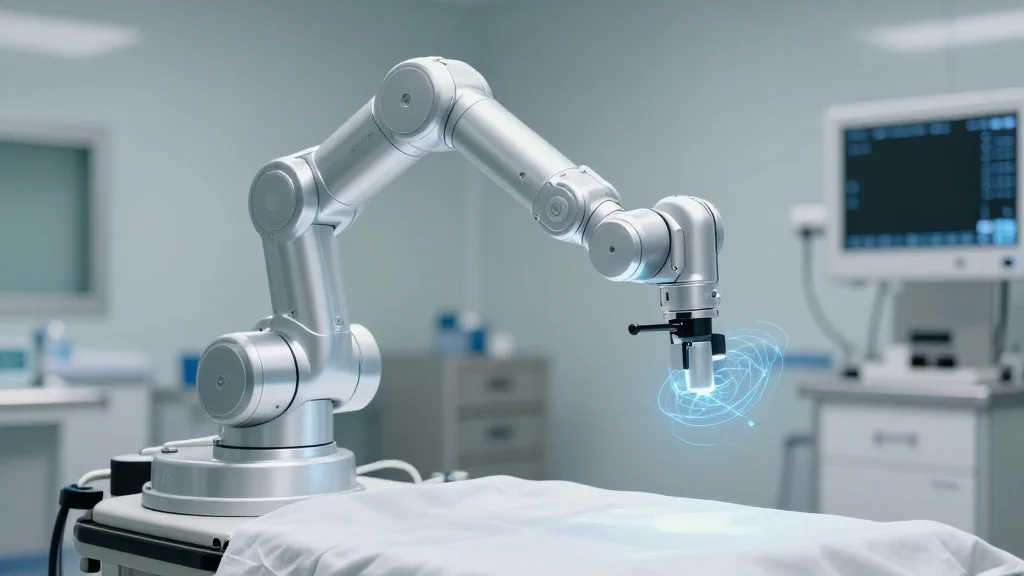
Intuitive Surgical Rolls Out AI‑assisted Upgrades to Da Vinci 5 Platform
Intuitive Surgical said it will deliver more than 100 software and hardware updates to its da Vinci 5 surgical robot, adding AI‑assisted telepresence, mobile console login and new Force Feedback instruments. The upgrades launch in the United States in June...

Mayo Clinic Teams with Bayesian Health on AI Platform to Cut Palliative Care Readmissions by 25%
Mayo Clinic has partnered with AI specialist Bayesian Health to co‑develop an electronic‑health‑record integrated platform that identified unmet palliative‑care needs early and lowered readmissions by 25% in a randomized trial. The collaboration, run under Mayo’s Practice Transformation Ventures, seeks to...

VA EHR Restart Deemed ‘Phenomenal’ as Rollout Resumes at Michigan Sites
Veterans Affairs Secretary Doug Collins announced that the resumed rollout of the department’s new electronic health record system at four Michigan medical sites was “phenomenal.” The restart follows a multi‑year, $37 billion modernization effort that has been plagued by cost overruns...
MetroHealth Deploys Artisight AI Platform to 500 Rooms Across Five Hospitals
Cleveland’s MetroHealth system has teamed with AI firm Artisight to install a smart‑hospital platform in roughly 500 rooms across five facilities, starting at the Glick Center. The rollout promises up to a 50% drop in electronic medical record log‑ins and...

OpenEvidence Brings Hands-Free Medical AI to 860,000 Clinicians
OpenEvidence has launched Voice Mode, a hands‑free, AI‑powered medical search feature that lets clinicians ask questions and receive spoken, evidence‑based answers. The tool is already active for 860,000 U.S. clinicians across web and mobile, handling more than 1 million queries daily....
Telemedicine as a Career, Not a Side Gig
The pandemic sparked a 63‑fold surge in Medicare telehealth visits, reaching 52.7 million in 2020, and the growth has persisted. Yet many physicians still label virtual practice as a "side gig," which limits licensing, skill acquisition, and professional development. The article...

AI-Powered Stretchable Computing Patch Can Run Algorithms Directly on the Body
University of Chicago researchers unveiled a skin‑like, stretchable computing patch that runs AI algorithms directly on the body in milliseconds, eliminating the need for wireless data transmission. The device uses a dense array of organic electrochemical transistors—10,000 per square centimetre—fabricated...

States Looking to Project ECHO to Meet Rural Health Transformation Goals
States are weaving Project ECHO’s telementoring model into the $50 billion Rural Health Transformation Program (RHTP) to boost specialty access in underserved areas. Oregon has earmarked the network for 12 RHTP projects across chronic disease, substance use, women’s health, gerontology and technology...

EHR Restart Was ‘Phenomenal’ Despite Persistent Challenges at Initial Sites, VA Secretary Says
VA Secretary Doug Collins told Congress that the department’s restarted rollout of its Oracle Health electronic health record system at four Michigan facilities in mid‑2026 went “flawlessly,” marking a turnaround from earlier troubled deployments. The modernization effort, originally a $10 billion...

AI‑Designed Protein Nanocages Reach 220 Nm, Paving Way for Next‑Gen Vaccines
Researchers from Pohang University of Science and Technology and the University of Washington announced AI‑guided creation of quasisymmetric protein nanocages ranging from 70 nm to 220 nm. Published in Nature, the work shows a single, computationally designed protein can self‑assemble into virus‑like...

A New AI Tool Spots Hidden Signs of Adult ADHD Months Before a Formal Diagnosis
Swedish researchers have built a transformer‑based AI that scans routine electronic health records to flag adult attention‑deficit hyperactivity disorder up to six months before a formal diagnosis. In validation on 800 patients, the model achieved 80% sensitivity and 77% specificity,...

AI System Accurately Interprets Cardiac MRI Scans
Researchers at Carnegie Mellon University and Cleveland Clinic unveiled CMR‑CLIP, an AI‑driven system that interprets cardiac MRI scans. Trained on more than 11,000 exams and their reports, the model achieves 88‑98% accuracy across major cardiomyopathies and can detect abnormalities in...

Inside Denmark's New National Digital Healthcare Organisation
Denmark has created a new national digital health agency, led by deputy director Klaus Larsen of Digital Health Denmark, to centralize and accelerate digital transformation across the country’s healthcare system. The organization will standardize electronic health‑record platforms, expand telehealth services,...
Predicting Cancer Outcomes with a Selfie
Harvard researchers have unveiled a second study confirming that an AI‑driven facial analysis tool, FaceAge, can predict cancer survival outcomes. The work shows patients who appear younger than their chronological age, or whose facial aging slows during treatment, enjoy significantly...

Developers: Get Your Medical Mobile App Verified By IEEE
More than 55,000 medical‑grade mobile apps that claim to diagnose or treat conditions have never been evaluated by a neutral body. To address this gap, the IEEE Standards Association introduced the Global Medical Mobile App Assessment and Registry, a publicly...

Daedalus Issue Highlights AI's Transformative Role in Medicine
The new issue of Daedalus, the open-access Journal of the American Academy of Arts and Sciences, is chock full of good material on AI. w/@demishassabis @ylecun @alondra @pushmeet and so many others I wrote about the future of AI-facilitated medicine https://t.co/UMPKLcpuq5 https://t.co/wvTR1GUIvg

Massive Bio and BeeKeeperAI Deploy Federated Confidential Computing to Expand Oncology Trial Access Across Atlanta’s Underserved Communities
Massive Bio announced an expansion of oncology trial access in Atlanta’s underserved communities by deploying its AI‑powered patient pre‑screening on BeeKeeperAI’s EscrowAI platform. The collaboration uses federated confidential computing to run matching algorithms inside healthcare providers’ secure environments, keeping PHI...