Today's Nanotech Pulse

Left‑handed DNA origami tubes double chemotherapy effectiveness
Researchers at the Cancer Center at Illinois demonstrated that left‑handed DNA origami tubes loaded with the chemotherapy drug Daunorubicin kill acute myeloid leukemia cells at more than twice the rate of right‑handed tubes. The tubes are functionalized with aptamers that target the CD117 protein, and their left‑handed geometry promotes rapid internalization.

Quantum Tools Set to Transform Life Science, Researchers Say
Japan’s National Institutes for Quantum Science and Technology (QST) published a perspective in ACS Nano outlining how quantum tools—nanoscale biosensors, hyper‑polarized MRI, and quantum‑biology‑inspired catalysts—can shift life‑science from niche labs to routine clinical and industrial use. The roadmap highlights diamond‑based nitrogen‑vacancy sensors for intracellular monitoring, MRI signal amplification up to 10,000‑fold for metabolic imaging, and biomimetic designs for clean energy. QST’s Institute for Quantum Life Science (iQLS) stresses that scaling these technologies requires substantial investment in human capital. The authors envision wearable quantum sensors and bedside diagnostics transforming disease detection and treatment personalization.

Hybrid Polymer Nanocarriers Improve Pulmonary mRNA Vaccine Delivery
A research team at Ludwig Maximilian University of Munich has created hybrid polymer nanocarriers combining PLGA and PBAEs to deliver inhalable mRNA vaccines. The system penetrates airway mucus, escapes endosomes, and transfects immune cells more efficiently than existing lipid nanoparticles....
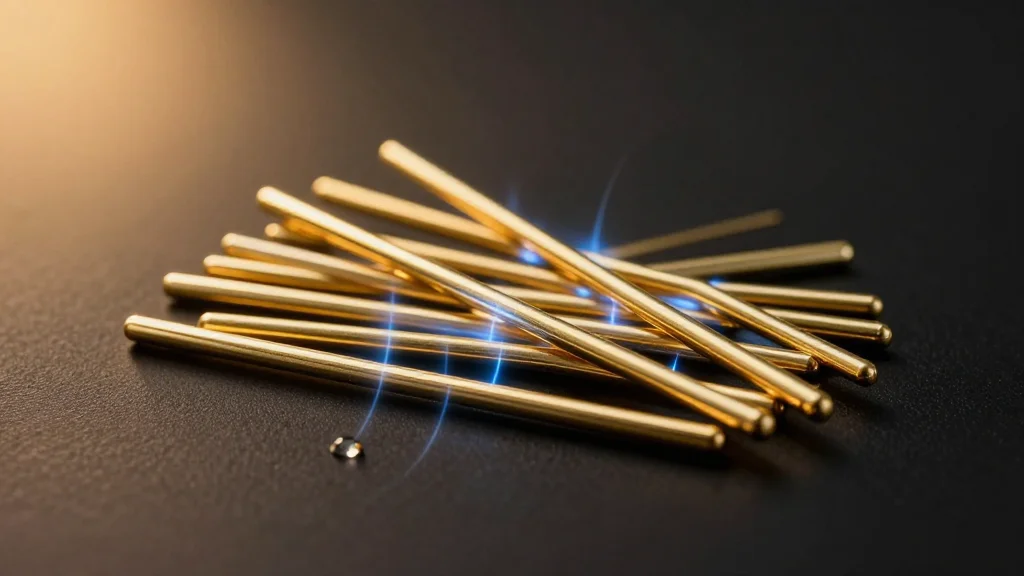
Charging Gold Nanorods with Light Energy
University of Potsdam researchers have, for the first time, directly observed how gold nanorods become electrically charged under light exposure and built a quantitative model of the process. The study shows that illumination creates electron‑hole pairs, with holes transferred to...

Composing Nanomaterials—Open-Source Platform Unites AI and Automated Synthesis
LMU researchers unveiled Synthesizer, an open‑source platform that links automated chemical synthesis, high‑throughput optical characterization, and AI‑driven modeling to steer nanocrystal growth with unprecedented precision. The system demonstrated rapid generation of halide perovskite variants, allowing an algorithm to learn how...

Electrons Stop Acting Like Particles—And Physics Still Works
Researchers at TU Wien showed that electrons in the heavy‑fermion compound CeRu₄Sn₆ cease to behave as well‑defined particles near absolute zero, yet the material still exhibits robust topological characteristics. By probing the quantum‑critical regime, they detected an anomalous Hall effect...

Put Your Innovations in the Spotlight at Graphene Connect 2026!
Graphene Connect 2026, an online conference hosted by TechBlick and Graphene‑Info, will take place March 11‑12, gathering the graphene sector’s leading voices. The event offers exclusive sponsorship and advertising packages that give participants direct access to a global audience of...

Superionic Composite Electrolytes with Continuously Perpendicular-Aligned Pathways for Pressure-Less All-Solid-State Lithium Batteries
The study presents a biomimetic composite electrolyte that couples perpendicularly aligned 2D LiMPS nanosheets with polyethylene oxide, forming continuous superionic conduction pathways (CSCPs). This architecture achieves 10.2 mS cm⁻¹ ionic conductivity at 25 °C for the LiCdPS variant and 6.1 mS cm⁻¹ for LiMnPS, while...
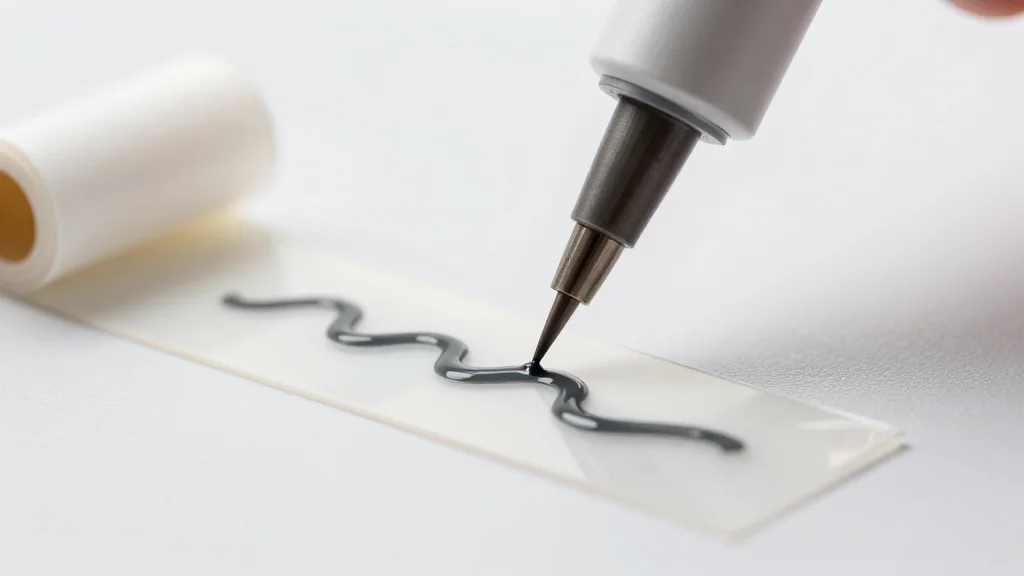
A New Form of Graphene-Derived Material Could Unlock Next-Generation Printed Electronics
Researchers at Monash University have created a graphene‑derived material called dense‑block reduced graphite oxide (DB‑rGtO) that can be dispersed at concentrations up to 200 mg mL⁻¹ without any binders or surfactants. The 3‑D block morphology prevents the sheets from restacking, keeping viscosity...

Graphene Coatings Can Serve as an Eco-Friendly Alternative to Biocides
Researchers at Norway's NTNU have developed graphene‑based polymer nanocomposite coatings that act as an eco‑friendly alternative to traditional biocidal anti‑fouling paints. The coatings combine graphene, graphene oxide, and metal‑oxide nanoparticles with epoxy or silicone matrices, physically damaging fouling organisms on...
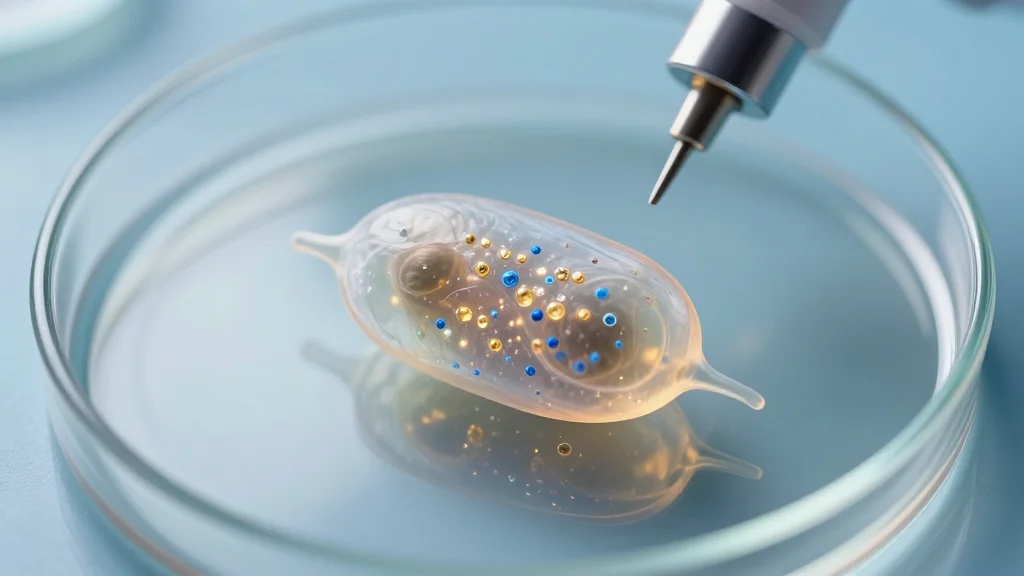
Ultrasound-Activated Nanoparticles in Immune Cells Trigger Targeted Inflammatory Response
Boston College scientists demonstrated that barium titanate piezoelectric nanoparticles internalized by macrophages can be remotely activated with ultrasound, prompting M1‑type inflammatory polarization. By tuning ultrasound intensity they avoided cytotoxicity, while higher power levels selectively killed nanoparticle‑laden cells, hinting at a...
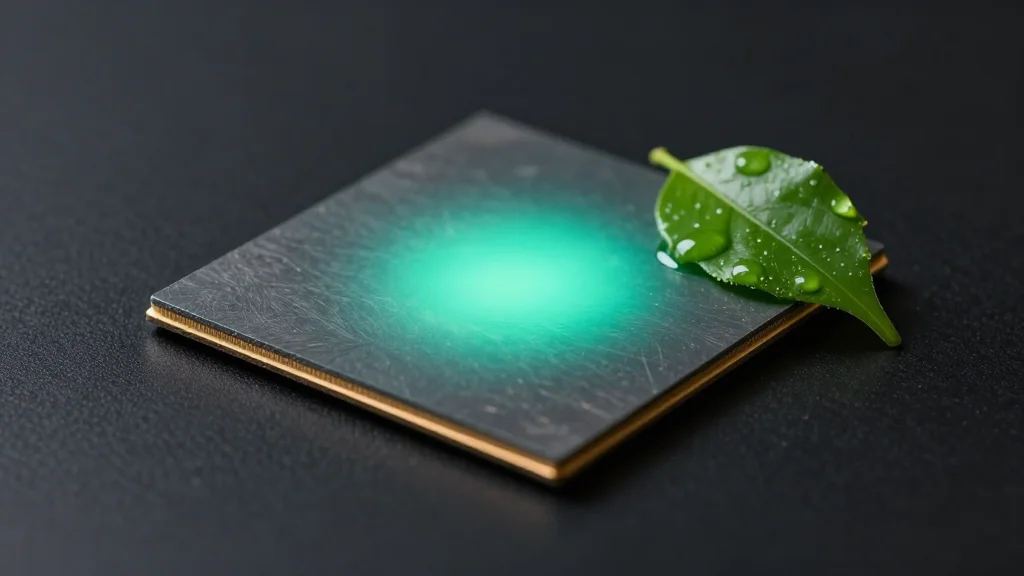
Atomic-Level Surface Control Boosts Brightness of Eco-Friendly Nanosemiconductors by 18-Fold
KAIST researchers have introduced an atomic‑level surface‑control process for indium phosphide (InP) magic‑sized clusters, a next‑generation, cadmium‑free nanosemiconductor. By employing a precision‑etching technique that selectively removes surface defects and passivates the exposed crystal with in‑situ zinc chloride, they lifted luminescence...

Injectable Magnetoelectric Antenna Named IEEE APS Top Article
Thrilled to share that our latest work on injectable #magnetoelectric #antenna is highlighted by IEEE APS as one of the 25 𝐦𝐨𝐬𝐭 𝐩𝐨𝐩𝐮𝐥𝐚𝐫 𝐚𝐫𝐭𝐢𝐜𝐥𝐞𝐬 published in 2025 , reflecting the advances and ideas that shaped the past year.

A Nanomaterial Flex—MXene Electrodes Help OLED Display Technology Shine, While Bending and Stretching
Researchers from Seoul National University and Drexel University have created a stretchable OLED that can be elongated 1.6 times its original size while preserving most of its brightness. The device combines a phosphorescent exciplex‑assisted polymer layer (ExciPh) with transparent, highly...
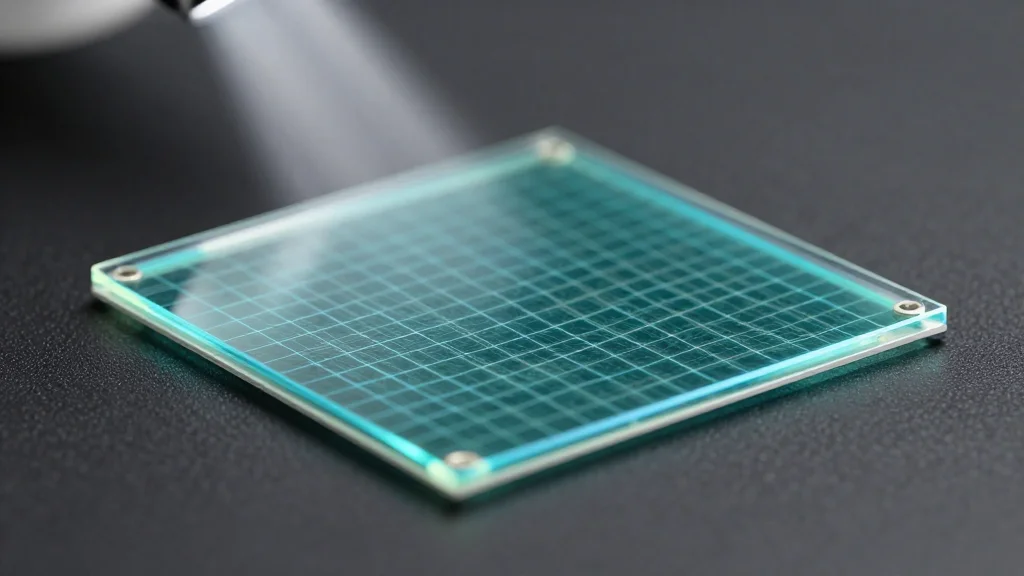
Graphene–Perovskite Hybrids Achieve Ultrasensitive Broadband Photodetection
Researchers have created graphene‑perovskite hybrid photodetectors by inkjet‑printing mixed‑phase CsPbBr₃/Cs₄PbBr₆ films directly onto CVD graphene. The intimate photogating between the high‑mobility graphene channel and the perovskite layer yields responsivities above 5.7 × 10⁴ A W⁻¹ and detectivities exceeding 10¹⁶ Jones at 312 nm. The “raisin‑bread” perovskite...

Antimicrobial Polymer Nanocomposites Made with Beetroot
A study in *Materials* shows that copper nanoparticles produced via a beetroot‑based green synthesis exhibit markedly stronger antimicrobial activity when embedded in polypropylene than both silver‑based composites and chemically reduced copper. The green‑synthesized copper particles are smaller, less prone to...
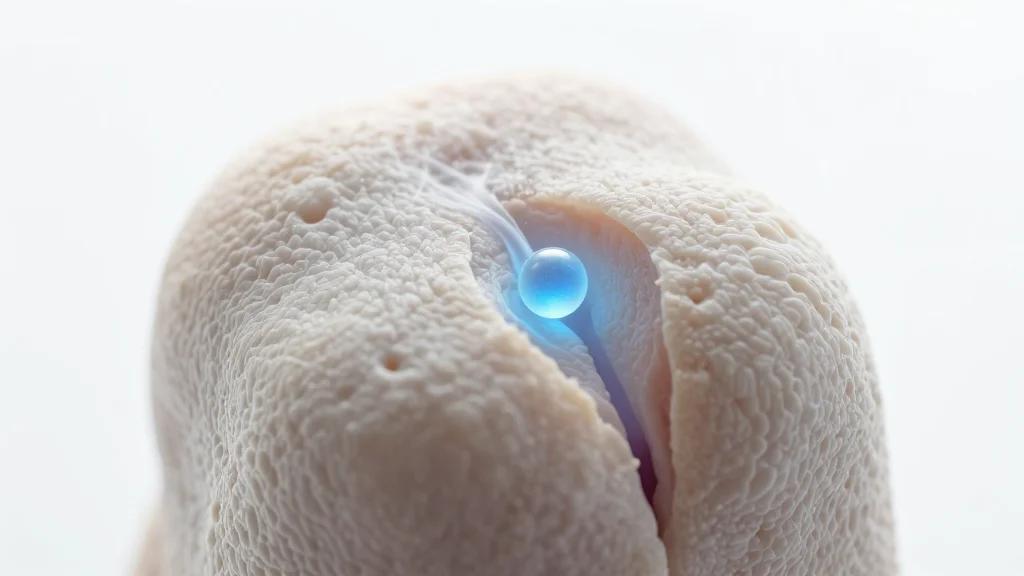
Lesion-Targeted, Severity-Responsive Nanoparticle Delivery for RNA Therapy in Osteoarthritis
Researchers introduced Matrix‑Inverse Targeting (MINT) nanoparticles that exploit cartilage matrix changes to deliver RNA therapeutics directly to osteoarthritic lesions. The particles sense lesion severity, releasing siRNA or mRNA only in damaged zones, which in animal models halted cartilage degeneration and...
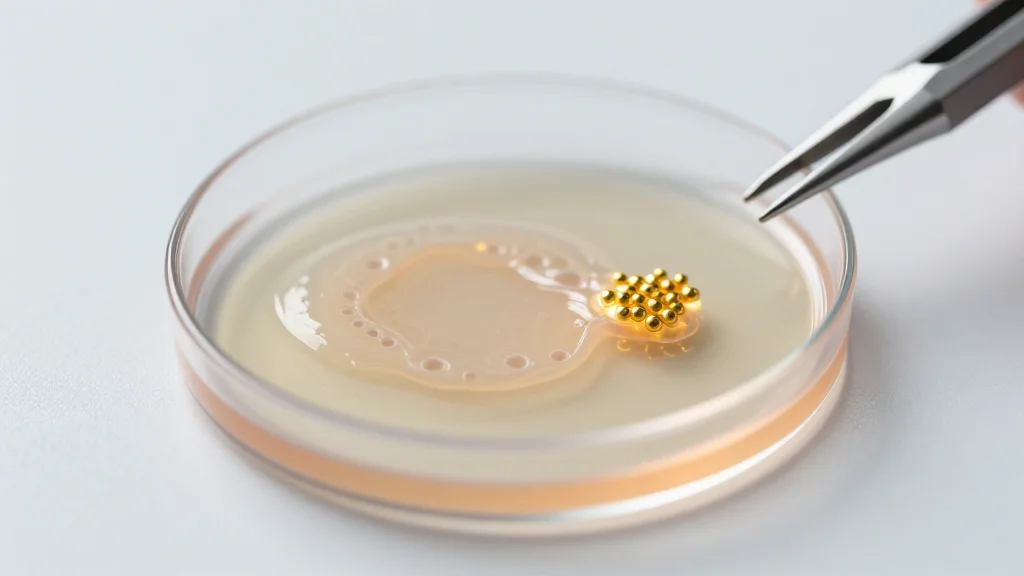
Uncovering a Hidden Mechanism in Met Receptor Activation
Researchers at Kanazawa University and collaborators uncovered a hidden activation mechanism for the Met receptor, showing that hepatocyte growth factor (HGF) binding to the membrane‑distal Sema domain drives dimerization of the membrane‑proximal IPT4 domains. Using in‑cell cross‑linking, high‑speed atomic force...
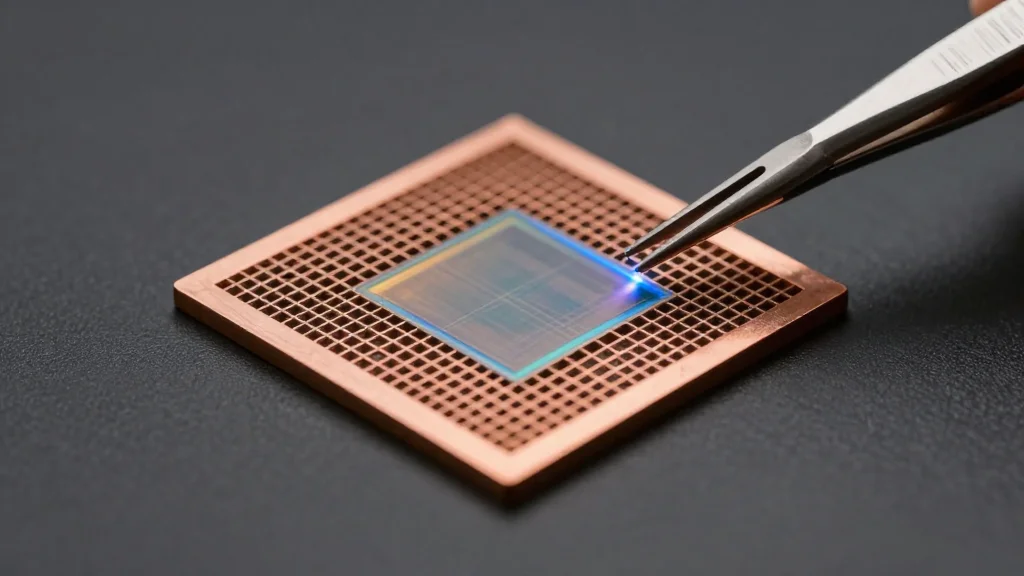
New Global Standard Set for Testing Graphene's Single-Atom Thickness
The University of Manchester, together with the UK National Physical Laboratory and 15 international research institutes, has created a robust transmission electron microscopy (TEM) protocol to verify graphene’s single‑atom thickness. Published in *2D Materials*, the method forms the technical basis of...

Harnessing the Medicinal Benefits of Thyme Extract via Nanodosing
Russian researchers from Tomsk Polytechnic and Surgut State Universities have demonstrated a microfluidic technique that encapsulates thyme extract in gelatin‑alginate nanodroplets within an oil carrier. The process creates self‑regulating nanodoses, preventing rapid evaporation and skin irritation associated with raw thyme...
Novel Graphene-Enhanced Spray Coating Enables Efficient Structural Health Monitoring in Demanding Environments
Researchers from China and Australia have created a spray‑applied polyurea nanocomposite coating reinforced with covalently functionalized graphene nanoplatelets. The coating delivers high tensile strength (43.4 MPa) and exceptional elongation, while providing reliable resistive strain sensing with gauge factors up to 16.0....
Robotic Nanoprobe Enables Precise Extraction of a Single Mitochondrion From a Living Cell
Researchers at HKUST have unveiled an automated robotic nanoprobe that can locate and extract a single mitochondrion from a living cell without fluorescent labels. The device integrates nanoelectrodes that sense ROS/RNS bursts and dielectrophoretic nanotweezers that capture the organelle within...
High-Speed AFM Imaging Reveals How Brain Enzyme Forms a Dodecameric Ring Structure
Scientists at Kanazawa University used high‑speed atomic force microscopy to capture real‑time images of the brain enzyme CaMKII, revealing that its 12‑subunit ring assembles with α and β subunits in a 3:1 ratio. The β subunits preferentially cluster together, forming...

Surprise Discovery Reveals Silica's Hidden Potential in Flat Optics
Harvard and Lisbon researchers have shown that silica, a low‑index material, can serve as the basis for high‑performance optical metasurfaces. By engineering single‑mode nanopillars, the team achieved efficient phase control across visible wavelengths despite silica’s modest refractive index. The approach...

A New Crystal Makes Magnetism Twist in Surprising Ways
Scientists at Florida State University have engineered a hybrid crystal by merging chemically similar manganese‑cobalt‑germanium and manganese‑cobalt‑arsenic compounds with mismatched symmetries. The resulting material exhibits skyrmion‑like cycloidal spin textures, a magnetic frustration that does not appear in either parent compound....
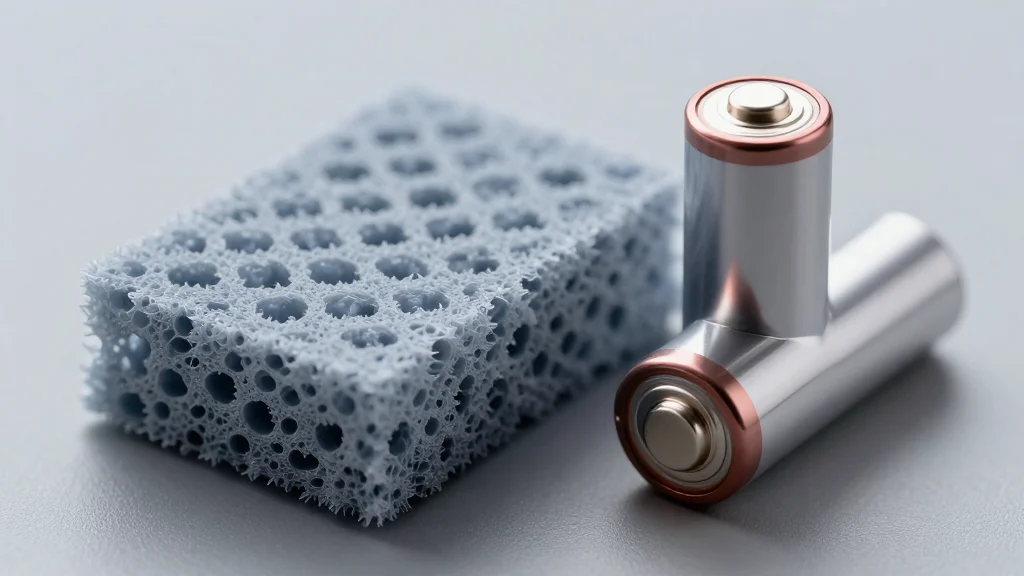
3DC Showcases New 3D Graphene Nanomaterial for Batteries at CES 2026
At CES 2026, Japanese startup 3DC unveiled Graphene MesoSponge (GMS), a 3‑dimensional graphene nanomaterial designed to accelerate fast‑charging and boost power output in batteries. The porous, atom‑thin network creates internal electron pathways that lower resistance and eliminate the need for extra...
Directa Plus Updates on Revenue Growth, Narrower Full-Year Loss
Directa Plus expects 2025 revenue of €7 million, a modest rise from €6.66 million, while narrowing its adjusted EBITDA loss to roughly €2.5 million. The company attributes the improvement to disciplined cost controls, operational efficiencies, and progress in its graphene and environmental‑remediation units. Setcar,...
Relief From Tooth Sensitivity with Magnetically Guided Nanobots
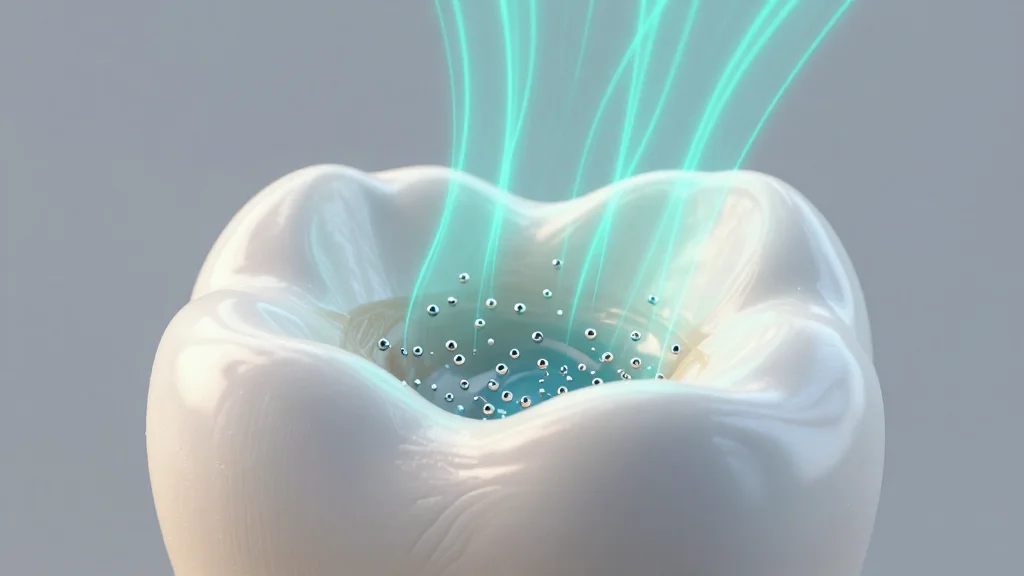
Researchers at IISc and deep‑tech startup Theranautilus have engineered CalBots, magnetic nanobots that penetrate dentinal tubules and form durable bioceramic seals to alleviate tooth hypersensitivity. The 400‑nm particles are guided by an external magnetic field, reaching depths of 300‑500 µm and...
A Bioinspired Hydrogel Patch with Controllable Adhesion Properties for Enhanced Soft Tissue Repair
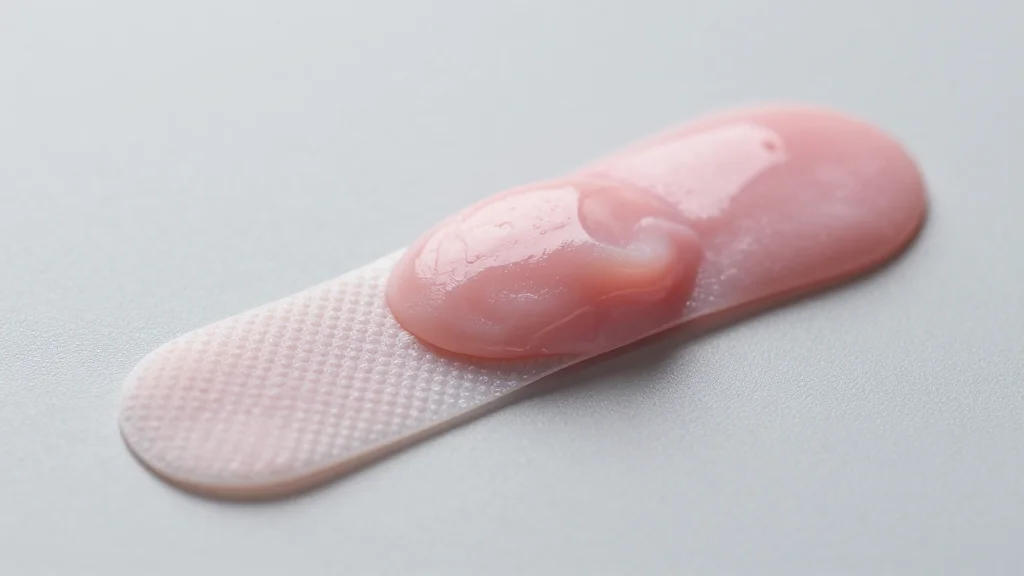
Researchers from Shenzhen University, the Chinese Academy of Sciences and Hong Kong Polytechnic University have created a bioinspired hydrogel patch with controllable adhesion for soft tissue repair. The dual‑sided device combines a suction‑cup‑like adhesive layer that can be repositioned and...

Healing Brain Cells and Tackling Neurodegenerative Diseases with Nanoflowers
Researchers at Texas A&M have shown that metallic “nanoflower” nanoparticles can protect and repair brain cells by improving mitochondrial health. In cell cultures, the nanoflowers sharply lowered reactive oxygen species and enhanced mitochondrial integrity within a day, and in C....
A Comprehensive Review on Electrospinning: Mechanisms, Functional Modifications and the Importance of Nanofiber Systems
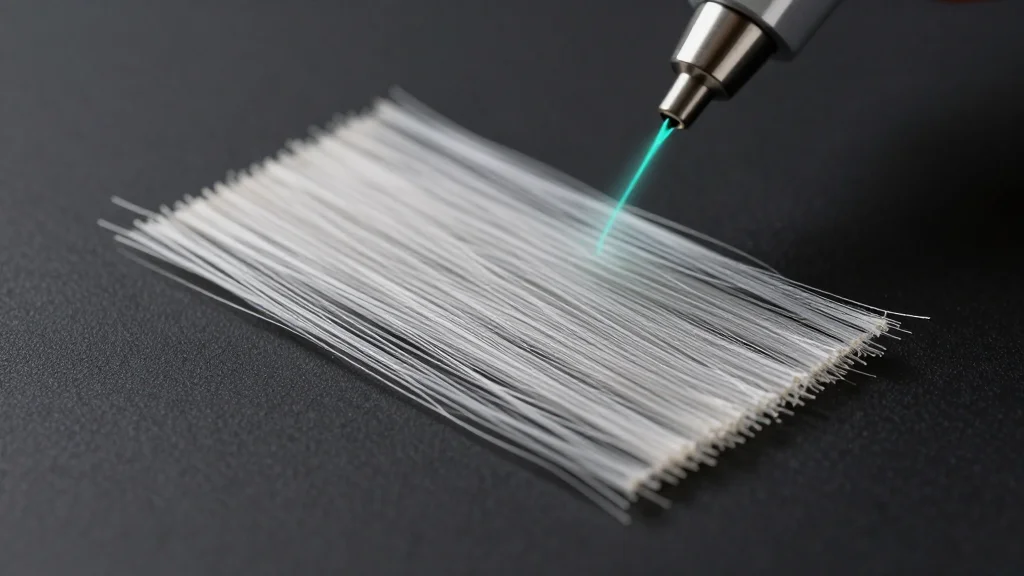
The review by Oleiwi and Dalfi surveys recent progress in electrospinning, highlighting its ability to produce nanofibers with high aspect ratios, large surface areas, and porosity. It details persistent drawbacks such as limited mechanical strength, thermal instability, and constrained functionality....

See the Latest Advancements in Precision Motion Control and Nanopositioning Automation
Physik Instrumente (PI) unveiled a suite of next‑generation precision motion‑control and nanopositioning solutions aimed at high‑tech manufacturing. The offerings target fast‑focusing, photonics array alignment, laser processing, semiconductor testing, and high‑resolution microscopy. PI emphasizes scalability for silicon photonics chip production, AI‑driven...

Physicists Built a Perfect Conductor From Ultracold Atoms
Physicists at TU Wien have created a one‑dimensional ultracold rubidium gas that transports mass and energy without any measurable resistance. By confining thousands of atoms to a single line with magnetic and optical fields, they observed that collisions merely exchange...

Autonomous Brain Microchips Eliminate Need for Surgery
Excited to share the recent #Forbes article featuring our technology, #Circulatronics — a new generation of 𝐛𝐫𝐚𝐢𝐧 𝐦𝐢𝐜𝐫𝐨𝐜𝐡𝐢𝐩𝐬 that are 𝐚𝐮𝐭𝐨𝐧𝐨𝐦𝐨𝐮𝐬 𝐚𝐧𝐝 𝐬𝐮𝐫𝐠𝐞𝐫𝐲-𝐟𝐫𝐞𝐞! 🧠 Forbes feature: https://www.forbes.com/sites/williamhaseltine/2025/12/29/how-our-own-cells-could-implant-the-next-generation-of-nonsurgical-brain-microchips/ 🎥 MIT Video: https://www.youtube.com/watch?v=dDcgLM6Glg4 📖 MIT news release: https://news.mit.edu/2025/new-therapeutic-brain-implants-defy-surgery-need-1105
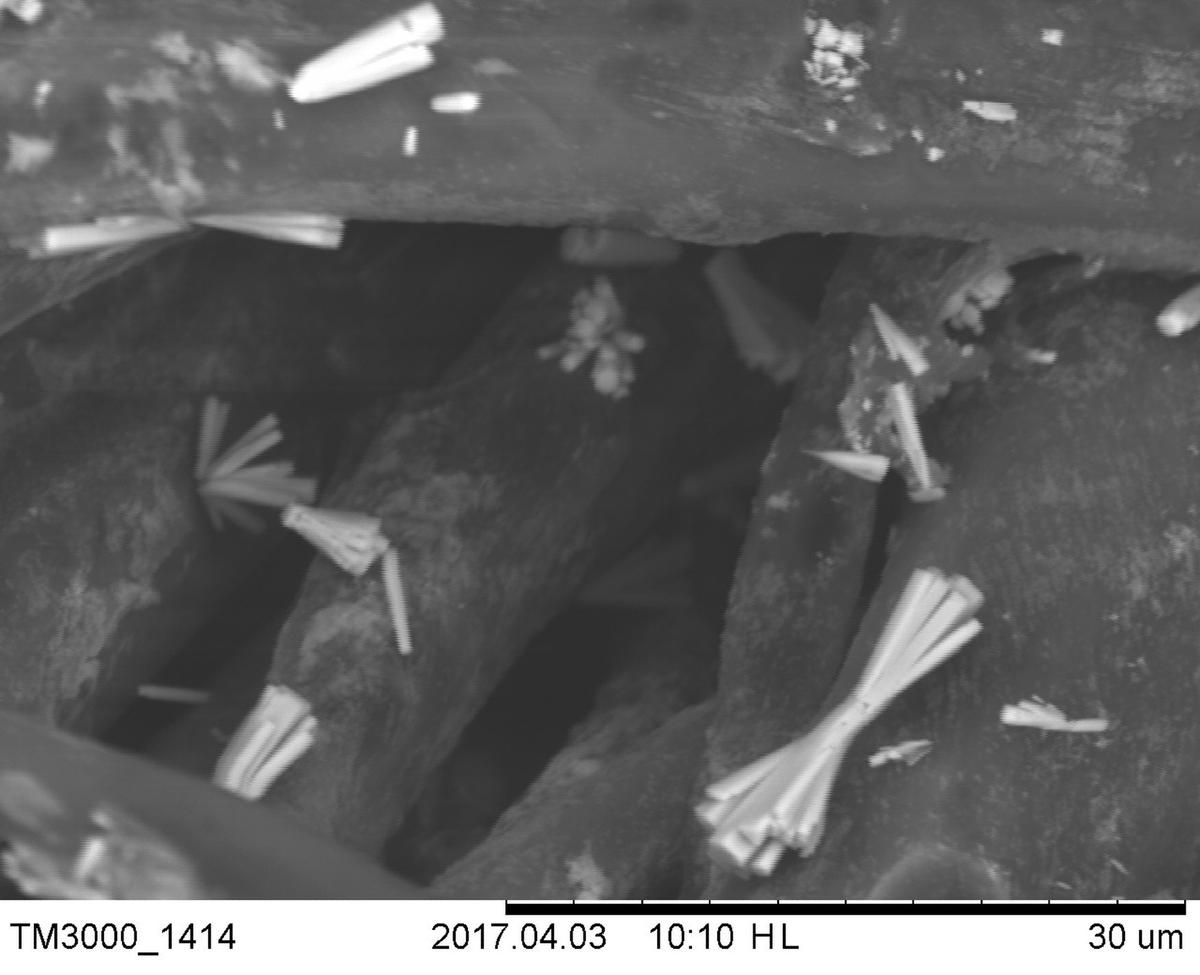
Review: Nanofibers Still Struggle to Reach Industry, Despite Decades of Research
After 25 years of research, nanofibers remain scientifically promising but face industrial barriers, according to a Frontiers in Nanotechnology review. Scaling production methods such as electrospinning and centrifugal spinning proves difficult, while solvent use drives high costs and waste. The...
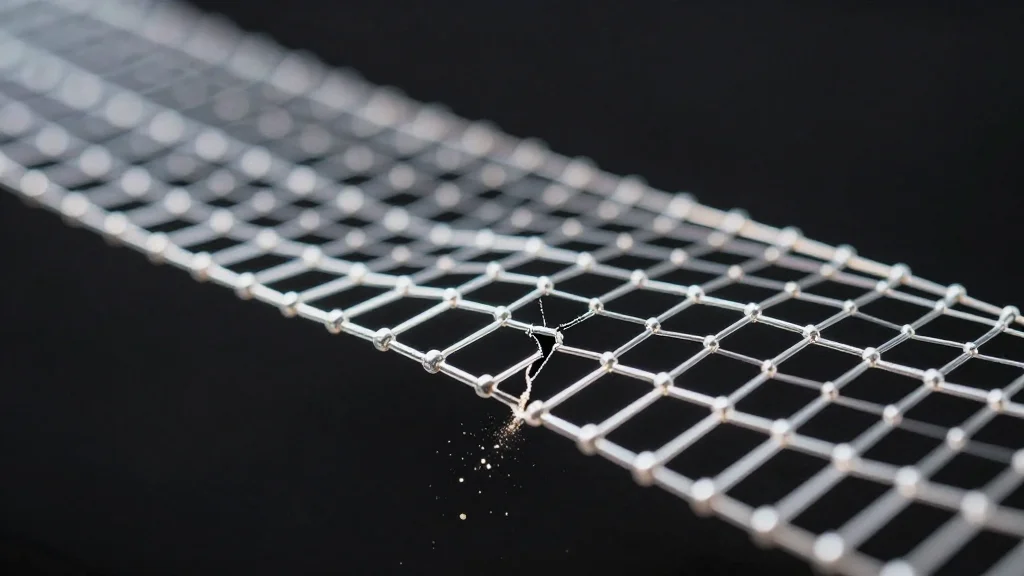
Versarien Appoints Administrators Following Months of Turbulence
Versarien, a UK graphene specialist, entered administration after months of financial strain and suspended AIM trading. Leonard Curtis was appointed as joint administrators to oversee the wind‑down. The firm will seek to sell its patents, trademarks and stakes in Total Carbide Limited...

DNA Templates for 3D Nanomaterial Design
Scientists at Columbia University and Brookhaven National Laboratory have created a bottom‑up nanofabrication platform that uses self‑assembled 3D DNA scaffolds as templates to produce inorganic nanostructured frameworks. By employing both vapor‑phase and liquid‑phase precursor infiltration, the method converts DNA lattices...

Nanoparticles Show Unexpected Ability to Activate Immune System Against Melanoma
Cornell researchers have shown that ultrasmall core‑shell silica nanoparticles, dubbed "prime dots," can reprogram the tumor microenvironment of melanoma, activating innate immunity and converting immunologically "cold" tumors into "hot" ones. The study published in Nature Nanotechnology documents multiple mechanisms—including pattern‑recognition...
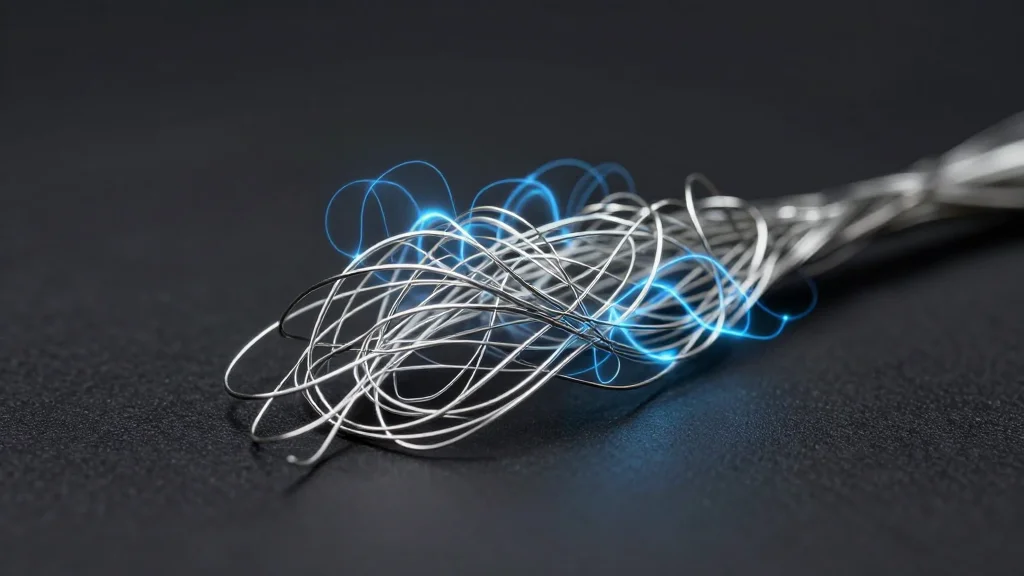
Updated: CM/Nano Primer - 2026 Edition
The blog post "CM/nano primer – 2026 edition" aggregates over thirty concise articles covering foundational and advanced topics in nanoscale and condensed‑matter physics. Updated for the first time since 2019, it links to explanations of temperature, quasiparticles, quantum effects, material...
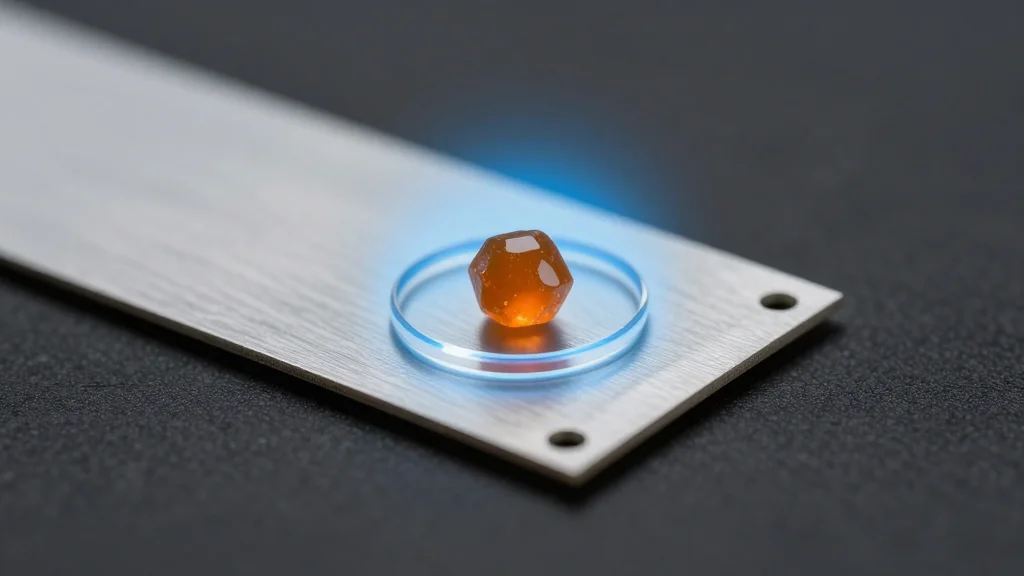
Near-Lossless 2D Semiconductor Phase Modulators Using Hybrid Tungsten Oxyselenide/Graphene Electrodes
Researchers from NTU and collaborators have created hybrid tungsten oxyselenide/graphene electrodes that enable near‑lossless optical phase modulation in 2D semiconductor devices. By converting monolayer WSe₂ into TOS, they heavily p‑dope graphene, suppressing its 1550 nm absorption while retaining high conductivity. Integrated...

Beyond Silicon: These Shape-Shifting Molecules Could Be the Future of AI Hardware
Researchers at the Indian Institute of Science have created molecular devices that can switch between memory, logic, selector, analog processing, and synaptic functions by tweaking ruthenium‑based complexes. Seventeen tailored complexes were synthesized, and subtle changes in ligands and ionic surroundings...

Fender Audio to Introduce Graphene-Enhanced Headphones at CES
Fender Audio will unveil its MIX headphones and ELIE Bluetooth speaker line at CES 2026. The MIX headphones incorporate 40 mm graphene drivers, active noise cancellation, up to 100 hours of battery life, and a modular design that supports wired and wireless use...
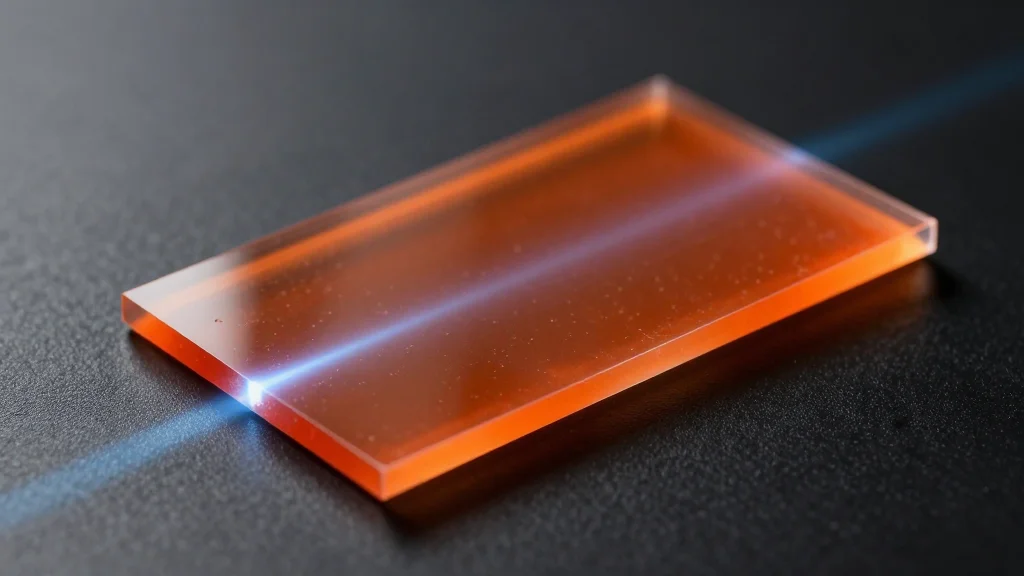
Ultrasensitive X-Ray Detection Enabled by Graphene/Perovskite Heterostructures
Researchers at Dongguan University of Technology have created an ultrasensitive X‑ray detector by pairing graphene with a CsPbBr₃ perovskite layer and a MAPbCl₃ buffer. The graphene’s high carrier mobility (>10⁴ cm²·V⁻¹·s⁻¹) enables rapid charge extraction, while the buffer improves lattice matching...
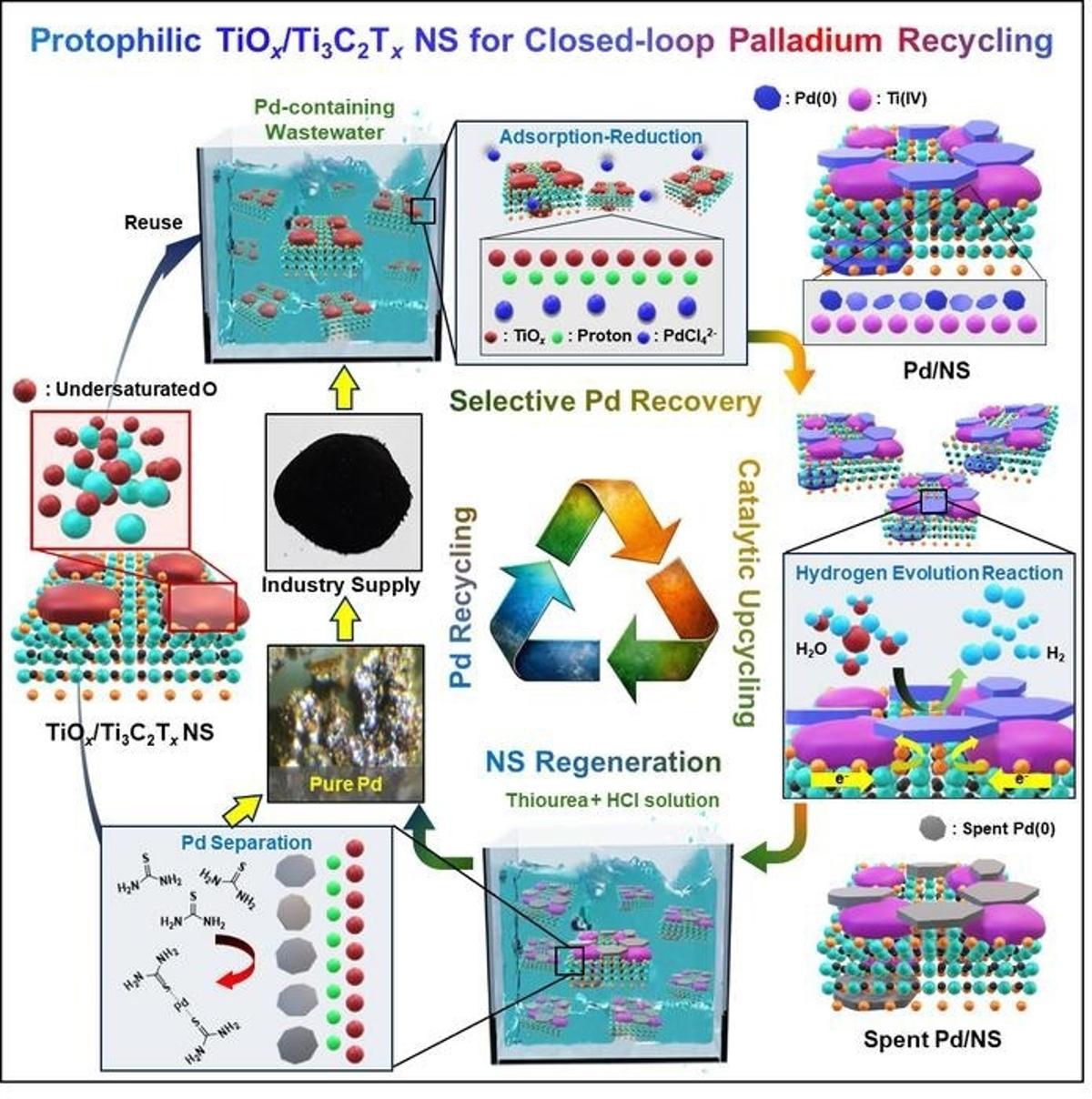
High-Purity Palladium Recovery Using Nanosheet Technology
Korea Institute of Science and Technology (KIST) unveiled a titanium‑based maxene nanosheet system that recovers palladium with 99.9% purity in just 30 minutes. The TiOₓ/Ti₃C₂Tₓ nanosheets work at room temperature, require no toxic chemicals or electricity, and enable simple filtration...
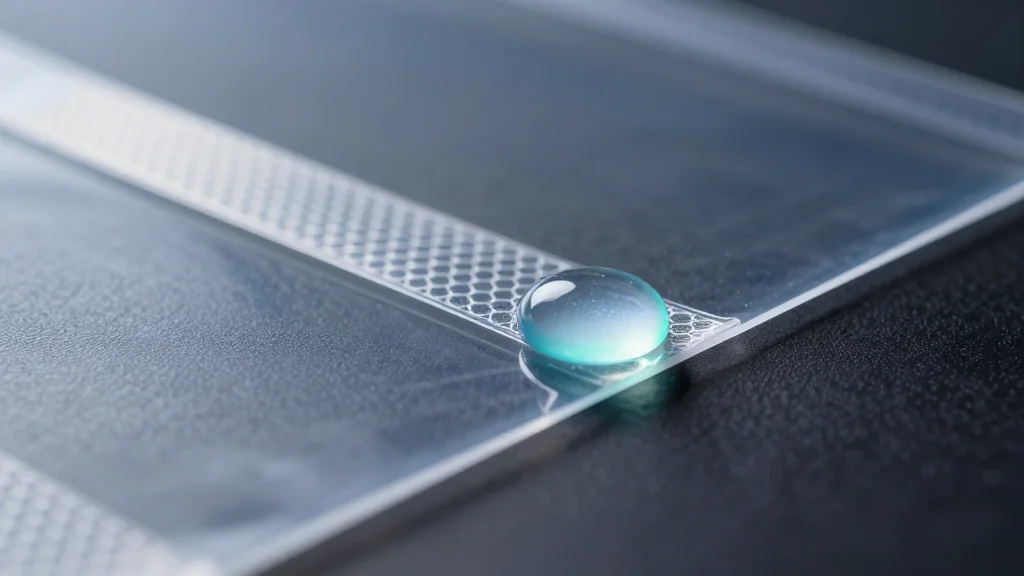
New Graphene Physical Reservoir Computing Device Dramatically Reduces Machine Learning Computational Loads
Researchers from NIMS, Tokyo University of Science, and Kobe University unveiled a graphene‑based ion‑gel electric double‑layer transistor that functions as a physical reservoir computer. The device delivers deep‑learning comparable accuracy while slashing computational load by roughly 100‑fold. Its hybrid architecture...

A Gold Catalyst Just Broke a Decade Old Green Chemistry Record
Researchers have introduced a gold‑based perovskite catalyst, Au/LaMn0.75Cu0.25O3, that achieves 95% acetaldehyde yield from bioethanol at 225 °C, surpassing the decade‑old Au/MgCuCr2O4 benchmark. The catalyst combines gold nanoparticles with a copper‑doped LaMnO3 perovskite, creating cooperative active sites that lower reaction barriers....

This Hidden Flaw Has Been Breaking EV Batteries
Researchers at Argonne National Laboratory and the University of Chicago identified internal‑stress cracking as the hidden flaw that drives capacity fade, shortened lifespans, and fire risk in advanced lithium‑ion batteries. The study shows that design rules borrowed from polycrystalline nickel‑rich...
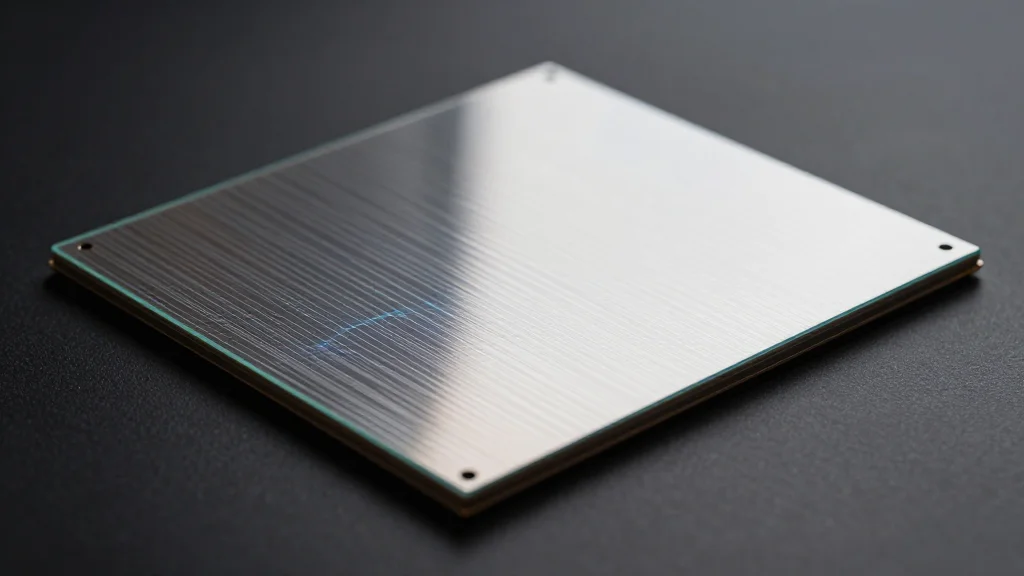
European Consortium Develops Laser Process for Transferring Graphene and Other 2D Materials Onto CMOS-Compatible and Silicon Photonics Wafers
The Horizon Europe L2D2 project unveiled Laser Digital Transfer (LDT), a solvent‑free, single‑step laser process that moves graphene and other 2D materials onto CMOS‑compatible and silicon‑photonic wafers up to 8 inches. LDT achieves selective, defect‑free patterning with feature sizes from under...

Graphene Square Completes Its Graphene Mass-Production Plant in Korea
Graphene Square has finished building a 6,308 ㎡ graphene film mass‑production plant in Pohang, Korea, marking the country’s first continuous large‑area graphene manufacturing line. The project, backed by 42 billion won of regional investment and subsequent 19 billion won Series B and 16 billion won...

Researchers Develop Graphene Oxide Hybrid Electrodes for Real-Time Dopamine Monitoring
Researchers at SKKU, HKUST and Jeonbuk University unveiled SIDNEY, a graphene‑oxide‑wrapped hybrid electrode that enables real‑time, label‑free dopamine detection in living neurons and brain organoids. The nanostructured platform combines gold nanopillars with a thin graphene‑oxide coating, achieving a detection limit...

A New Superconductor Breaks Rules Physicists Thought Were Fixed
Researchers at IFW Dresden and the ct.qmat cluster have identified platinum‑bismuth‑two (PtBi₂) as a genuine topological superconductor, where only the top and bottom surfaces become superconducting while the bulk remains metallic. The material exhibits an unprecedented six‑fold symmetric electron‑pairing pattern...