
Dollar Slips as CPI Fails to Rattle Fed’s Transitory View, Islamabad Talks Awaited
The U.S. dollar eased after March CPI came in below expectations, with headline inflation spiking on energy but core inflation remaining subdued. The softer core reading reinforced the Federal Reserve’s view that the inflation shock is transitory, keeping near‑term rate‑cut odds modest. Meanwhile, geopolitical friction in the Strait of Hormuz and looming oil‑price risks are keeping markets cautious. European bond yields rose on jet‑fuel shortage concerns, lifting EUR/JPY and GBP/JPY, while Canada’s labor data and Asian price pressures add further nuance to the global outlook.

Consumer Prices Spike as Expected Oil Shock Hits March CPI Report
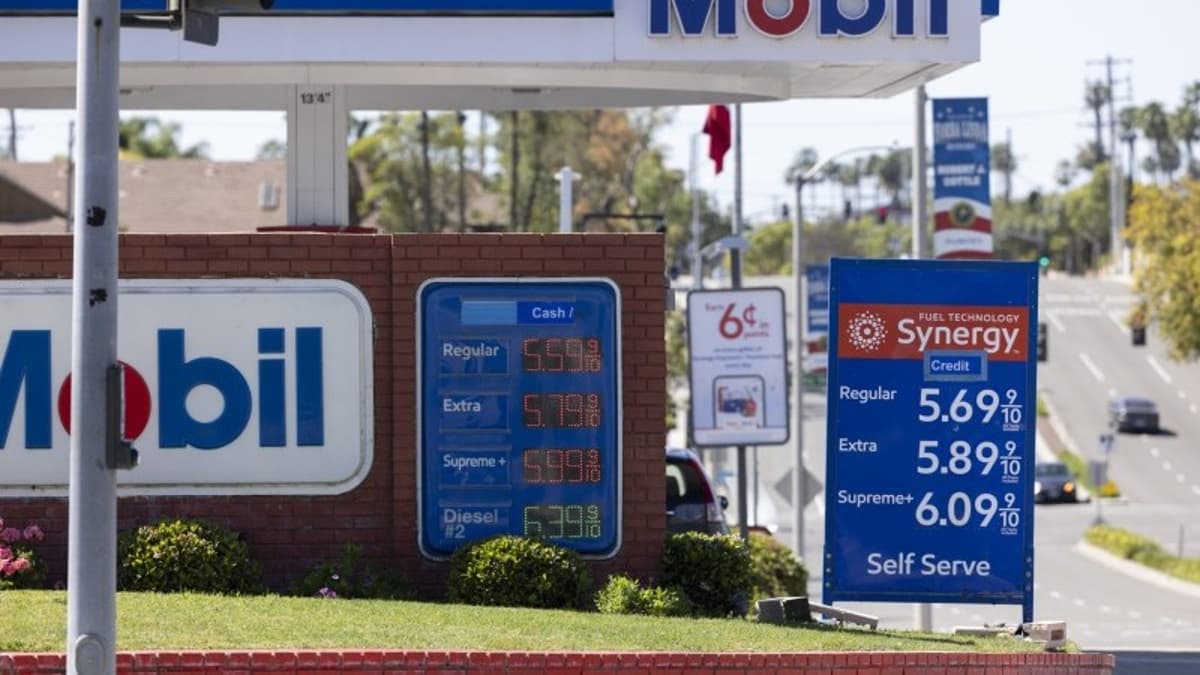
U.S. CPI for March surged, rising 0.9% month‑over‑month to a 3.3% annual rate, driven largely by energy costs. The energy index jumped 10.9% year‑over‑year, with gasoline prices soaring 21.2%—the biggest monthly gain since 1967. Excluding food and energy, core inflation...
US Inflation Much More Likely to Be Transitory This Time Around
U.S. headline CPI jumped 0.9% in March, largely because gasoline prices surged 21.2% month‑on‑month. Core inflation, which strips out food and energy, rose only 0.2% MoM and 2.6% YoY, coming in below analysts’ forecasts. The report highlights weaker corporate pricing...

Middle East Tensions Push CPI to 3.3% in March
The U.S. consumer price index (CPI) rose 0.9% in March, pushing the annual inflation rate to 3.3% as Middle East tensions drove energy costs sharply higher. The energy index jumped 10.9%, led by a 21.2% surge in gasoline prices, which...

Consumer Spending, Engine of the U.S. Economy, Is Under Strain
Higher fuel prices are pushing grocery, travel and other everyday costs upward, while a jittery stock market is dampening discretionary spending. Consumer spending, which fuels about two‑thirds of U.S. economic output, has kept the economy out of recession despite five...

Women Are Getting Most of the New Jobs. What's Going on with Men?
The U.S. Labor Department reports that 348,000 of the 369,000 jobs created since the start of President Trump’s second term went to women, driven largely by a 390,000‑job surge in health care. Men captured only 21,000 of those new positions,...

Stocks Waver With Shaky Cease-Fire in Focus
Investors await the March CPI report, which economists expect to show a 0.9% monthly rise and a 3.3% year‑over‑year increase—the steepest annual gain since May 2024. Brent crude has climbed nearly 2% to above $97 a barrel, keeping inflation pressures high....

‘We Owe It to the Next Generation’ to Get National Debt Under Control, Says Think-Tank Boss, as U.S. Borrowing Hits...
The Congressional Budget Office reports a $1.17 trillion deficit for the first six months of FY2026, pushing total federal debt past $39 trillion. Interest obligations alone exceed $1 trillion this year, while $1.7 trillion of outlays are tied to mandatory programs such as Social...

FX Daily: First Inflation Test
The market awaits the March US CPI report, expected to show a 0.9‑percentage‑point monthly jump and a 3.4% year‑on‑year increase, with core inflation only modestly higher. A higher‑than‑expected headline could keep the dollar firm, but the Fed is likely to...

A Big Inflation Report Is Due Friday. How to Trade the Upcoming CPI Report
The March Consumer Price Index, due Friday, is the final data point in a week marked by a cease‑fire in the Iran conflict, a PCE report that confirmed sticky inflation, and a weaker‑than‑expected GDP reading. Strategists such as B. Riley Wealth’s...

Consumer Spending Inches up, Reflecting Gloomy Inflation Sentiments
Consumer spending nudged up 0.1% in February after a flat January, even as confidence slipped and inflation pressures intensified. Core personal consumption expenditures rose 0.4% month‑over‑month, marking a 3% annual gain. Gasoline prices surged 39% to $4.16 per gallon following...

Consumers Spend Through the Squeeze as Income Slips
Household spending continued to rise in February while personal income slipped 0.1%, creating a widening gap between earnings and outlays. Real disposable income fell 0.5% and the personal saving rate dropped to 4%, eroding financial buffers. Consumers are compensating with...
:max_bytes(150000):strip_icc():format(jpeg)/Open-Market-Operations-OMO-Final-ec375b8eb4d44b4d80b7bb24c6f1c9f2.jpg)
Understanding Open Market Operations: The Fed's Tool for Monetary Policy
Open market operations (OMOs) are the Federal Reserve’s primary tool for adjusting the money supply by buying or selling Treasury securities. Permanent OMOs involve outright purchases or sales to shape long‑term rates, while temporary OMOs use repos and reverse repos...

Americans Hate the Economy so Much, They’re Buying $22 Smoothies
Americans are tightening budgets on meals, cars and everyday items, yet premium grocery chain Erewhon is thriving by selling $22 superfood smoothies and opening three new stores in 2025. The specialty food market has surged to $219 billion, a 150% increase...

The More Important Inflation Rate
The Iran‑Houthi conflict and shipping disruptions through the Strait of Hormuz have driven a sharp jump in the one‑year inflation swap, which rose 62 basis points since Feb. 27, while the 12‑to‑24‑month forward rate (1y1y) has increased only 18 basis points....

Payscale Labor Market & Wage Trends Report: Technology Wage Growth Outpaces All Industries
The Q1 2026 Payscale Labor Market & Wage Trends Report shows technology wages climbing 6.8% year‑over‑year, the fastest growth among all sectors. Overall turnover cooled to 7.1%, creating a "low‑hire, low‑fire" environment while demand surged for health‑care support and skilled‑trade...

Inflation Held Sticky at 3% as U.S. Headed Into War with Iran, Key Fed Gauge Shows
The core personal consumption expenditures (PCE) price index held at a 3% annual rate in February, while headline inflation ticked up to 2.8%, both in line with expectations. Consumer spending rose 0.5% month‑over‑month, but personal income slipped 0.1%, underscoring mixed...

Consumer Price Index (CPI) for March 2026 Is Projected to Rise 3.4% Year-Over-Year
FactSet’s median forecast shows the consumer price index rising 3.4% year‑over‑year in March 2026, the strongest gain since April 2024 and above the 12‑month average of 2.6%. The core CPI is expected to increase 2.7% YoY, while February’s CPI posted...

Key Fed Inflation Rate Ran Hot Before Oil Prices Jumped; S&P 500 Futures Slip
U.S. personal consumption expenditures (PCE) price index rose 0.4% month‑over‑month, in line with expectations, while core PCE climbed 0.4% against a 0.3% forecast, keeping the 12‑month headline rate at 2.8% and core inflation at 3%. Personal income slipped 0.1% and...

Commerce Department Report Shows 3% Core Inflation in February
The Commerce Department reported that core personal consumption expenditures (PCE) inflation rose 3% year‑over‑year in February, a slight dip from January’s pace. Headline inflation increased 2.8%, both figures matching Dow Jones consensus. The Federal Reserve’s March minutes signaled that a...

Iran Says U.S. Breached Ceasefire, Anthropic's Court Loss, Rate Cut Odds and More in Morning Squawk
The Dow surged over 1,300 points even as Iran accused the United States of breaching their cease‑fire agreement, sparking concerns over oil‑tanker traffic in the Strait of Hormuz and nudging crude prices higher. In Washington, a federal appeals court denied...

The U.S. Government Is Spending $88 Billion a Month in Interest on National Debt—Equal to Spending on Defense and Education...
The Congressional Budget Office reports that the U.S. Treasury paid roughly $529 billion in net interest during the first six months of FY2025‑26, about $88 billion each month. This interest outlay matches the combined spending of the Defense and Education departments and...
The Big Picture
The United States is sending mixed economic signals: a stronger‑than‑expected jobs report suggests labor market resilience, while the Treasury Department has declared the nation fiscally insolvent. Global trade appears robust, yet investors are fleeing private‑credit funds amid fears of deteriorating...

Mortgage Rates Fall on Iran Ceasefire: Mortgage and Refinance Interest Rates Today
Mortgage rates slipped for the first time in over a month, with the average 30‑year fixed rate falling to 6.37% from 6.46% after the United States entered a cease‑fire with Iran. The decline mirrored a dip in the 10‑year Treasury...

US Money Markets: Slow Calm to Steady State
The Iran conflict has pushed short‑term inflation expectations higher, leaving the 2‑year break‑even rate near 3.1% and raising the risk of actual inflation hitting 4%. The Federal Reserve is expected to keep the policy rate steady for the next few...
Michelle W Bowman: Supporting Small Businesses
Federal Reserve Governor Michelle Bowman highlighted the outsized role of small businesses, which employed 59 million Americans and generated $16 trillion in revenue in 2023, accounting for roughly half of private‑sector jobs and 44% of GDP. She noted that community and regional...

Fed Minutes Reveal Widening Policy Divide as Inflation Risks Cloud Rate-Cut Outlook
The Federal Reserve’s March 17‑18 meeting minutes reveal a growing split among policymakers on whether to cut rates or keep them steady as inflation remains above target. The Fed left the federal funds rate range at 3.50‑3.75% and warned that...

To Raise or Not to Raise Interest Rates? ‘Several’ Fed Policymakers Are Divided on Rate Hikes, March Minutes Show
The Federal Open Market Committee kept its policy rate at 3.5%‑3.75% during the March meeting, citing uncertainty from the recent US‑Iran conflict. Minutes reveal a split among officials: some fear lingering inflation could demand hikes, while others see labor‑market risks...
:max_bytes(150000):strip_icc():format(jpeg)/Term-Definitions_Economic-cycle-caf22d58aef949fcb919389e16db647a-2afc44d70b724ae5af20bc3757a06d15.jpg)
Understanding the Economic Cycle and Its Four Stages
The article outlines the four‑stage economic cycle—expansion, peak, contraction, and trough—and notes that U.S. cycles average about five and a half years. It explains how the National Bureau of Economic Research (NBER) uses GDP and other metrics to date cycles....

Ceasefire May Reduce Case for Fed Cuts as Inflation Risks Persist: Timiraos
A ceasefire between the United States and Iran has eased the growth‑downside risk that previously bolstered the case for Federal Reserve rate cuts. While markets have nudged up the odds of easing, analyst Nick Timiraos argues that inflation pressures remain...

ISM Services PMI: Continued Expansion In March
The Institute for Supply Management reported a March Services PMI of 54.0, signalling continued expansion but a slowdown from February. The Prices Index rose as oil and fuel costs increased, while the Supplier Deliveries Index showed weaker performance. The Employment...
:max_bytes(150000):strip_icc():format(jpeg)/PMI--f77e0dc1e4fe49b5985b22d1f5494bc0.jpg)
Understanding the Purchasing Managers' Index (PMI) for Economic Insight
The Purchasing Managers' Index (PMI) is a diffusion index compiled monthly from surveys of supply‑chain executives, measuring new orders, production, employment, deliveries and inventories. A reading above 50 signals expansion, while below 50 indicates contraction. The Institute for Supply Management...

Fed Meeting Minutes Show Policymakers Weighed Economic Impact of Iran War
Federal Reserve officials highlighted the economic fallout from the U.S.-Iran conflict in the March 17‑18 FOMC minutes, noting that a prolonged war could lift energy prices and feed core inflation. The committee voted to keep the policy rate steady in...

Iran Ceasefire May Not Quell Mortgage Rate Volatility
Mortgage rates slipped on April 8 after the United States and Iran announced a two‑week ceasefire, with the 30‑year fixed rate dropping from 6.44% to 6.38%. Analysts say the dip is likely temporary, as lingering uncertainty over energy prices and inflation...

CoBank Quarterly: Economic Fallout of Rising Fuel and Energy Costs Will Be Most Acute in Rural America
CoBank’s latest quarterly report warns that surging fuel and energy prices will hit rural America hardest, even as the U.S. economy posted over 2 % GDP growth in Q1 and unemployment held near 4.3 %. Higher gasoline and diesel costs are expected...

Why More Americans Are Leaving the Workforce
The U.S. labor force participation rate slipped to 61.9% in March, the lowest level since 1977 when the pandemic is excluded. The decline is driven primarily by accelerating retirements among baby‑boomers and tighter immigration flows, which together shrink the pool...

Trump Again Proposes Eliminating Manufacturing Extension Partnership
President Donald Trump’s FY 2027 budget proposal seeks to eliminate the Manufacturing Extension Partnership (MEP), a NIST‑run program that aids small and medium‑sized manufacturers. The cut is part of a broader $993 million reduction to NIST, which would also scrap its Circular...

Workers Say They’re Staying Put Out of Fear, Not Enjoyment — and It’s Likely Costing Employers
A new Economist Enterprise study finds the U.S. quit rate has fallen to a decade‑low of 2%, as workers cling to jobs out of fear rather than satisfaction. About 62% say long‑term security outweighs new opportunities, and 30% have stopped...
March 2026 CPI Preview: What to Expect
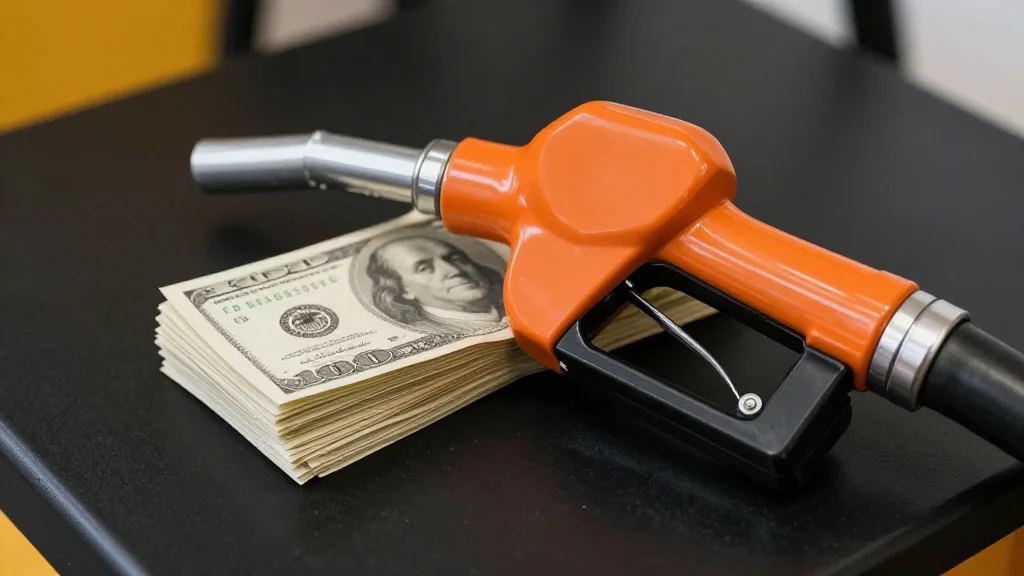
The Center for Economic and Policy Research expects the March 2026 Consumer Price Index to spike sharply, driven primarily by a surge in gasoline prices. Food costs and higher import prices are also slated to lift the headline rate, while...

Homebuyer Mortgage Demand Drops Annually for the First Time in over a Year, as War Fuels Uncertainty
Mortgage demand slipped for the first time in over a year as applications to purchase a home fell 7% year‑over‑year and refinance requests dropped 4% YoY. The average 30‑year fixed‑rate contract slipped to 6.51% from 6.57%, but remains above the...

Online Labor Demand Increased in March
The Conference Board‑Lightcast Help Wanted OnLine® (HWOL) Index climbed to 109.1 in March 2026, a 3.8% rise from February’s revised 105.1 reading. The gain lifts the index 2.7% above its level a year earlier, signaling expanding online job vacancies across...

JP Morgan Chief Warns of “Significant” Interest Rate Shocks
JPMorgan Chase CEO Jamie Dimon warned that the escalating conflict in Iran could trigger sharp oil and commodity price spikes, keeping inflation elevated and forcing interest rates higher than market expectations. He cited the war in Ukraine, Middle‑East hostilities, and...
:max_bytes(150000):strip_icc():format(jpeg)/GettyImages-1246652809-9232cebf0938444191353cddfc926f8e.jpg)
Dot Plot: Understanding Types, Uses, and Federal Reserve Insights
A dot plot is a simple visual tool that places each data point as a dot on a two‑axis chart, highlighting distribution, central tendency, and dispersion. The two dominant designs are the Cleveland style, which emphasizes position over length, and...

Fed Data Signals Consumers Pulling Back on Credit Card Spending
Federal Reserve data released on April 7 shows total consumer credit grew 2.2% year‑over‑year in February, up from 1.8% in January. Non‑revolving credit—auto, student and personal loans—accelerated to a 2.8% annualized pace, while revolving credit card balances slowed to a 0.6%...

White House Priorities on Full Display in FY2027 Budget Request
The White House unveiled its FY2027 budget request on April 3, proposing a $73 billion reduction from FY2026 enacted levels. The plan slashes the Environmental Protection Agency’s funding by 52%, cutting $4.6 billion and trimming $2.5 billion from clean and drinking water loan...

U.S. Jobs Rebound in March, but We Aren't Out of the Woods Yet
The Bureau of Labor Statistics reported that U.S. non‑farm payrolls rose by 178,000 in March, pulling the unemployment rate down to 4.3% from 4.4%. Health‑care led the gains, accounting for roughly 40% of the new jobs, while the public sector...

Consumer Inflation Expectations Jump Amid Iran War Price Pressure
Consumer inflation expectations surged to 3.4% for the next year in March, driven by a 9.4% anticipated rise in gasoline prices amid heightened geopolitical tension with Iran. The New York Fed reported wage‑growth expectations slipping to 2.4%, the lowest since...

March CPI Report: Iran War Is Expected to Boost Inflation
The Bureau of Labor Statistics will release the March CPI on April 10, with headline inflation projected to rise 0.8% month‑over‑month and 3.1% year‑over‑year. Energy prices, spurred by the Iran‑Israel‑U.S. conflict, are expected to jump roughly 10% and dominate the headline...

US Tech Sector Lost Jobs in March, AI Enters Layoff Calculations
The U.S. technology sector shed roughly 15,000 jobs in March, even as the broader economy added 178,000 positions and the national unemployment rate held at 4.3%. CompTIA’s analysis of BLS data shows tech unemployment at 3.9%, slightly below the overall...

White House’s Proposed Budget Slashes SBA Funding by 67 Percent
The White House’s FY2027 budget proposal slashes the Small Business Administration’s funding from $1 billion to $329 million, a 67 percent reduction. The cut trims $309 million from entrepreneurial‑development programs, eliminates the SCORE mentoring service, and ends the $100 million community‑navigator pilot, while preserving a...