
Gene Therapy Is Giving Blind People Their Sight Back
Gene‑editing pioneers Katherine High, Jean Bennett and Albert Maguire won a Breakthrough Prize for Luxturna, the first FDA‑approved gene therapy that restores vision to people born with Leber congenital amaurosis. More than 100 blind Americans have already received the one‑time treatment, enabling them to read, drive and work normally. In a related milestone, the FDA cleared Otarmeni, the inaugural gene therapy for a hereditary form of deafness, and offered it free of charge to patients. However, the high price tags of Luxturna ($800K) and Casgevy ($2M) underscore lingering affordability concerns.

Is Longevity a $1.2 Quadrillion Opportunity?
Peter Diamandis released the 2026 Longevity Metatrend Report, a free 200‑page analysis of the rapidly advancing health‑span sector. The report highlights breakthroughs such as human trials of partial epigenetic reprogramming, AI‑engineered proteins achieving 50‑fold efficacy gains, and the first pig‑organ...

Genomic Evidence Confirms Natural Evolution (Variance) of Andes Hantavirus
A Swiss passenger infected on the MV Hondius cruise ship was found to carry an Andes hantavirus strain that is a direct descendant of a 2018 Argentine case. Whole‑genome sequencing revealed 98.7‑99% identity to the 2018 isolate and a mutation...

SpaceX Starship Flight 12 Wet Rehearsal
SpaceX is conducting its second Wet Dress Rehearsal (WDR) for the Flight 12 full‑stack vehicle, pairing Booster 19 with Ship 39. The rehearsal follows a static‑fire test of Booster 19 performed four days earlier. A successful WDR would demonstrate integrated systems readiness ahead of...

Did Life Begin From Space Dust on Glaciers?
A new Nature Astronomy paper quantifies how much cosmic dust has fallen on Earth and shows that early‑Earth glaciers could have acted as natural reactors for prebiotic chemistry. Modern Earth receives about 4,700 metric tons of space dust annually, but the...
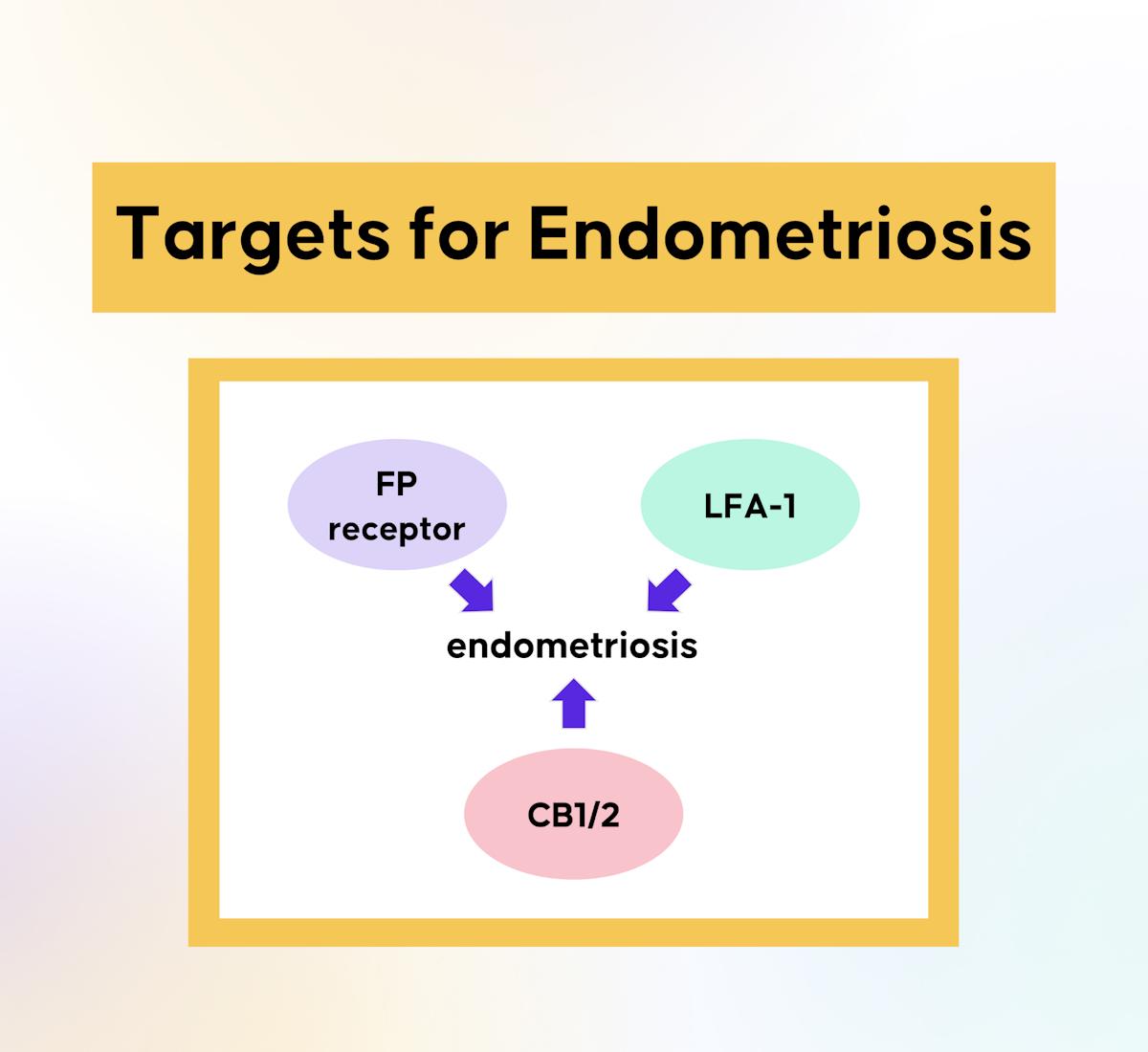
Endometriosis Inspires Re-Examination of Known Targets at the Inaugural HERS Meeting
The inaugural Hormone Endometriosis Research Society (HERS) meeting used endometriosis as a lens to revisit established drug targets, revealing fresh therapeutic angles. Researchers presented data linking progesterone‑receptor modulators, anti‑inflammatory pathways, and the emerging biomarker GDF15 to disease regression. Genetic profiling...
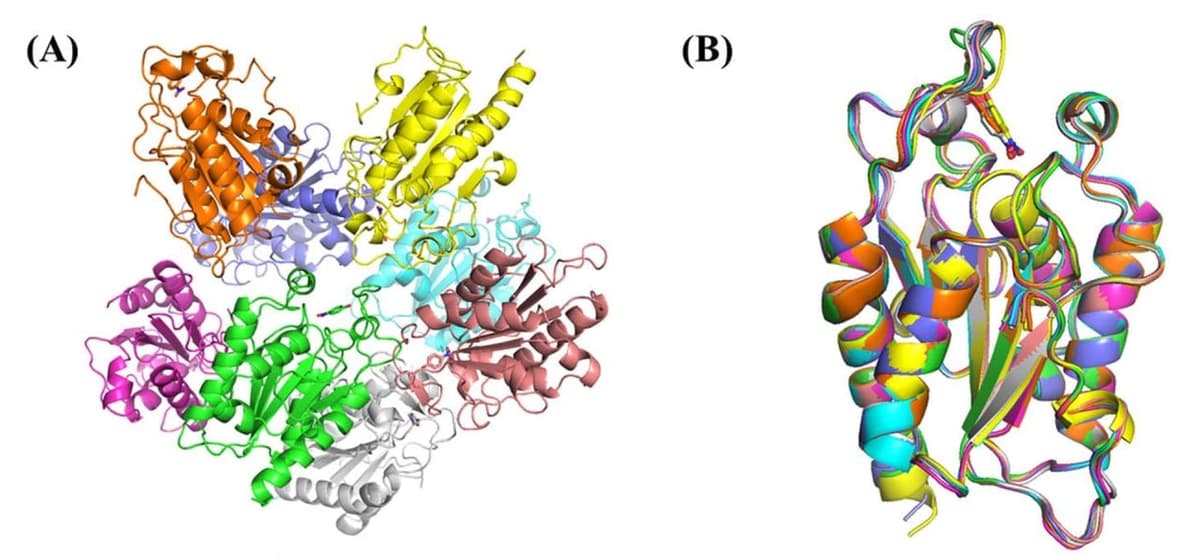
Researchers Explore Two Very Different Routes To Plastic Breakdown
Researchers reported two distinct biotechnological routes to break down plastic waste relevant to 3‑D printing. The MDPI paper characterizes a thermophilic cutinase, CtCut, from Chaetomium thermophilum that remains active up to roughly 69 °C, offering a structural blueprint for high‑temperature polyester...
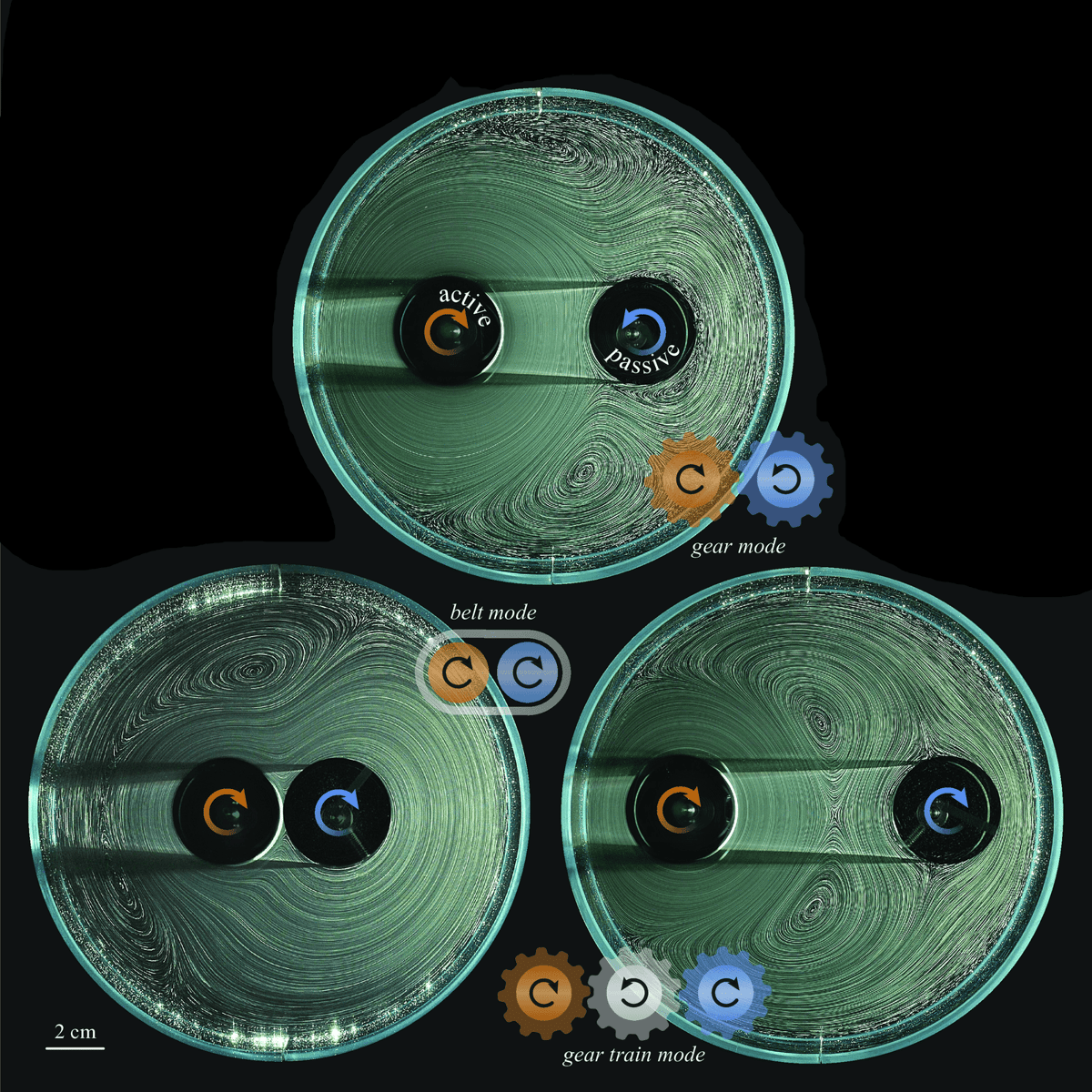
Liquid Pulleys and Gears
Researchers demonstrated fluid‑dynamic analogues of gears and pulleys by pairing an actively driven rotor with a passive rotor inside a water‑glycerin bath. High‑speed visualizations reveal three interaction regimes that depend on the rotors’ separation: moderate gaps cause the passive rotor...

Fasting-Mimicking Diet Clinical Trial Led to 2.5 Years of Reduced Biological Aging, 12.5 Years Increase I Max Life Expectancy if...
A recent clinical trial of a fasting‑mimicking diet (FMD) reported a 2.5‑year reduction in biological age and, if sustained for two decades, a projected 12.5‑year increase in maximum life expectancy. Participants in online forums describe lower hsCRP, improved heart‑rate variability,...

How the Collapse of Nitric Oxide Signaling Accelerates Aging
A recent audit of commercial fermented beetroot powders uncovers major standardization gaps in fermentation methods, nitrate and betalain quantification, and drying processes. The analysis ranks five popular brands by cost per 100 mg of powder, showing Better Health as the cheapest...

Dietary Advanced Glycation End Products as Active Drivers of Biological Aging
Advanced glycation end products (AGEs) formed during high‑heat, dry cooking are now recognized as active drivers of biological aging rather than passive biomarkers. Dietary AGEs (dAGEs) cross‑link proteins and activate the RAGE‑NF‑κB axis, promoting oxidative stress, vascular stiffening, impaired bone...

The Benefits of Molecular Testing in Acute Gastroenteritis Diagnosis
Acute gastroenteritis remains a leading global health burden, causing over one million deaths in 2021 and driving more than 770,000 hospital discharges annually in Europe. Bacterial pathogens such as Campylobacter, Salmonella and STEC dominate cases, while rapid, accurate diagnosis is...
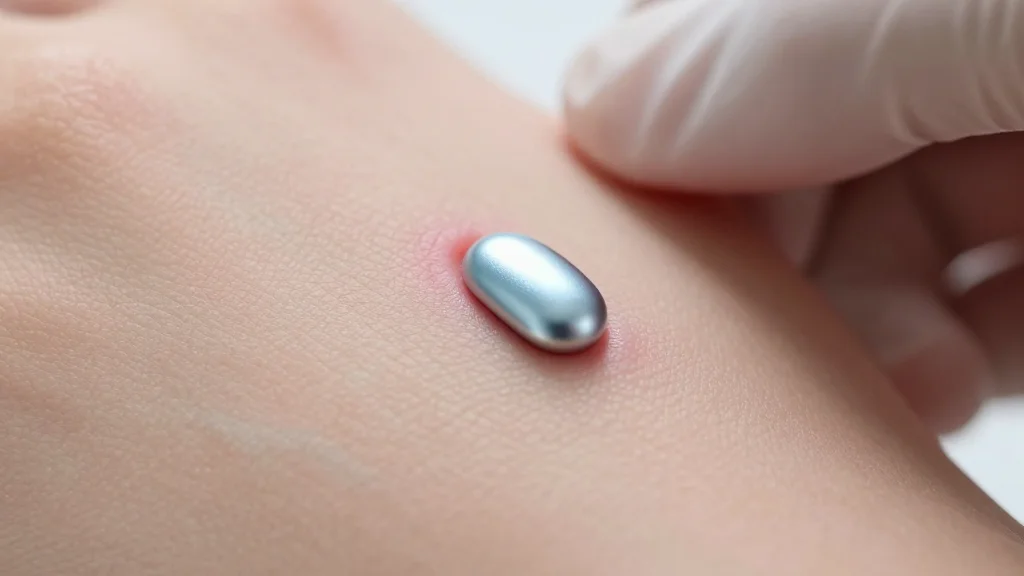
Researchers Develop Body-Compatible Dermal Electrode
Researchers at POSTECH have created a dermal bioelectrode that inserts like a microneedle but becomes soft in the dermis, eliminating immune response. The electrode’s effervescent sacrificial layer enables rapid penetration and then transforms to a flexible structure, delivering stable biosignal...

Defect-Engineered Zinc Oxide Turns Tiny Strain Into Near-Infrared Light
Researchers have engineered zinc oxide by substituting a fraction of Zn²⁺ with sodium ions, converting the material into a rare‑earth‑free, near‑infrared mechanoluminescent sensor. The Na‑doped ZnO emits light around 750 nm when subjected to reversible microstrain as low as 6 µε, corresponding...

Discussing Drugs to Slow Ageing BSRA Youtube Video
The British Society for Research on Ageing hosted a public discussion with Professor Gordon Lithgow, highlighting that ageing is a modifiable biological process demonstrated in model organisms such as C. elegans. Lithgow emphasized the exposome’s potential to accelerate ageing, the...

Study Links Light Prenatal Coffee Drinking to Lower Allergy Risks
A South Korean cohort study of 3,200 mother‑child pairs found that pregnant women who consumed less than one cup of coffee daily had children with a modestly lower risk of eczema and a 39% reduction in food‑allergy incidence by age...

Late Line RCC: Where Darlifarnib Fits and Why LITESPARK-012 Matters
At the International Kidney Cancer Symposium, Kura presented phase 1 data showing its next‑generation farnesyl transferase inhibitor darlifarnib combined with cabozantinib achieved a 44% objective response rate in clear cell renal cell carcinoma patients previously treated with cabozantinib. The cohort was...

Noncovalent Fragments vs WRN
Researchers at Merck and Proteros reported a noncovalent fragment‑based campaign against the Werner syndrome helicase (WRN), a synthetic‑lethal cancer target. Using a 1,020‑compound fluorine‑fragment library screened by 19F‑NMR and a separate 500‑compound SPR screen, they identified seven primary hits, three...

The Testes Are Highly Microvascularized: Acute COVID Can Damage the Testes, Long COVID-Spike Exposure May Slowly Damage Them Reducing Male...
Recent research highlights that the testes’ dense microvascular network makes them especially susceptible to damage from acute COVID‑19 infection and possibly lingering spike‑protein exposure. A 2024 ultrasound study of 875 men showed that higher ultrasonic microvascular density (UMVD) and testicular...

First Separation of Interfacial Proton Transport in Ultrathin Energy Device Materials
Researchers at JAIST, Tokyo University of Science, and the University of Calgary have introduced a technique that isolates proton transport at individual polymer‑electrode interfaces in ultrathin ionomer films. By extending impedance spectroscopy to lower frequencies and varying electrode pad length,...

Stevia-Based Hydrogel Improves Triboelectric Nanogenerator Performance
South Korean researchers have created a stevia‑infused polyvinyl alcohol hydrogel triboelectric nanogenerator (S‑TENG) that outperforms conventional designs. The device delivers 2–5 times greater mechanical strength and 3–8 times higher electrical output, producing about 800 V over 16,000 cycles without degradation after...

Italy Completes Air-Launched Rocket Demonstrator Test
Italy’s Aviolancio air‑launched suborbital demonstrator successfully flew on 22 April 2026 from the Houston Spaceport, releasing a T4i HAX25 sounding rocket from a Dornier Alpha Jet over the Gulf of Mexico. The test verified the four‑motor hybrid propulsion system and GMV‑supplied...

Evidence for Sleep Apnea to Accelerate Vascular Aging via Increased Cellular Senescence
Researchers modeled obstructive sleep apnea by exposing C57BL/6J mice to intermittent hypoxia. The exposure rapidly increased epigenetic age acceleration and p16‑positive senescent cells in vascular tissue. Mice developed higher systolic and diastolic pressure and endothelial dysfunction. Systemic removal of p16‑expressing...

Microgravity as a Model of Aging
Researchers used simulated microgravity in a rotating‑wall vessel bioreactor to expose peripheral blood mononuclear cells from participants in the Stanford 1,000 Immunomes Project. Whole‑genome transcriptomic and metabolic profiling showed that microgravity‑induced changes closely track natural aging trajectories across immune, metabolic,...

Five Themes Likely to Emerge at ECO2026 in Istanbul
The 33rd European Congress on Obesity (ECO2026) in Istanbul is pivoting from a sole focus on body weight to a broader view of chronic disease management. Five dominant themes will shape the agenda: health‑outcome‑centric treatment, next‑generation therapeutics, obesity as a...

What Has All This Back-and-Forth Climate Legislating Bought Us?
The Inflation Reduction Act (IRA) was originally projected to cut U.S. greenhouse‑gas emissions 40‑50% below 2005 levels by 2035. A new joint paper by Watershed and the University of Maryland models the combined impact of the IRA and the partially...

ISS Expedition 74 Crew Conducts DNA Nano-Therapy and Space Agriculture Research
On Thursday, Expedition 74 crew members performed a suite of high‑impact experiments aboard the ISS. NASA engineer Jessica Meir used a spectrophotometer to study DNA‑like nanomaterials, data that could accelerate cancer‑targeting nano‑therapies. ESA’s Sophie Adenot tended alfalfa in the Veggie unit, probing...

Loving Explosions
In the 1960s the U.S. Defense Department launched Vela satellites to monitor nuclear tests, but they inadvertently recorded the first gamma‑ray bursts (GRBs) in 1967. Over the next few years the Vela data revealed 17 unexplained high‑energy flashes that were...
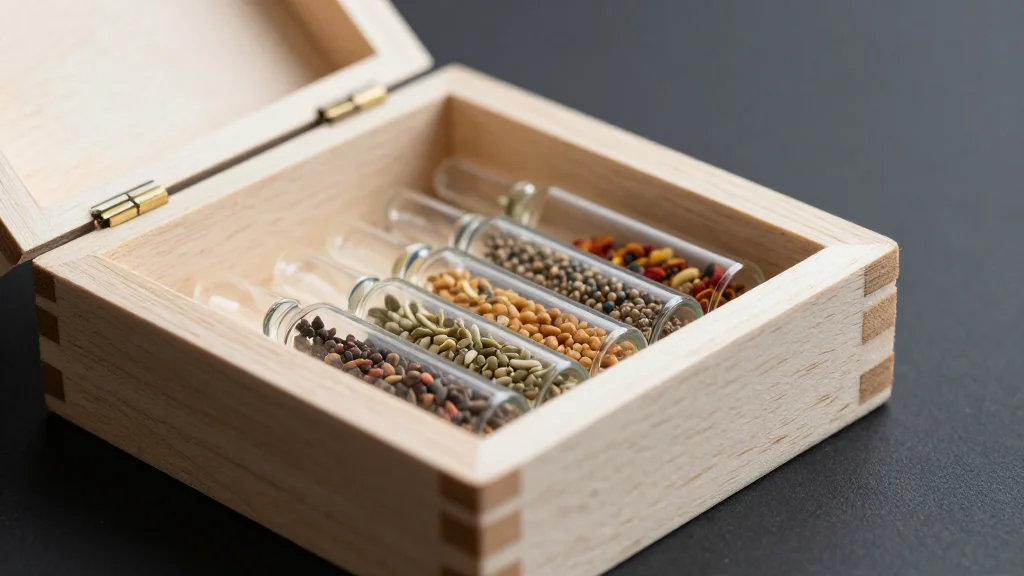
Brainfood: Targets, Plant Treaty, Decolonization, Fonio Germination, Recalcitrant Seeds, Microbiome, Taro Seed System
A recent analysis highlights that only 21% of threatened plant species are conserved in genebanks across 44 European and western Asian countries, underscoring a critical biodiversity gap. The international Plant Treaty shows promise for enhancing germplasm exchange, as illustrated by...

Foodborne Virus Analysis Shows Key Role of Prevention
The Joint FAO/WHO Expert Meeting on Microbiological Risk Assessment (JEMRA) released a comprehensive review of recent scientific data on foodborne viruses, emphasizing prevention and intervention strategies across the supply chain. The report highlights the effectiveness of hygiene protocols, temperature controls,...

Seeds of Power: China Turns to Genetic Engineering to Become Global Superpower
China is intensifying control over seed genetics, using hybrid breeding and GM technologies to narrow yield gaps with the United States and cut import dependence on corn and soybeans. The global seed market is dominated by Bayer, Corteva, Syngenta and...
When Superbugs Threaten Vulnerable Children: Can AI Help Solve Antibiotic Resistance?
A wave of drug‑resistant bloodstream infections is killing newborns in Southeast Asia, highlighting the accelerating global antibiotic resistance crisis. The World Health Organization warns that the pipeline for new antibiotics is dangerously thin, leaving clinicians with few treatment options. MIT...

Is This Hantavirus a Bioweapon?
A suspected hantavirus outbreak on the MV Hondius cruise ship has sparked alarmist headlines linking the virus to bioweapon claims. The article notes that hantavirus typically originates from wild rodents, with only the Andes strain showing limited human‑to‑human transmission. It...

The Australian Quantum Battery Breakthrough That Has Military Planners Paying Attention
Australian researchers led by CSIRO, in partnership with RMIT University and the University of Melbourne, have demonstrated the world’s first proof‑of‑concept quantum battery that completes a full charge, storage, and discharge cycle. The prototype, described in the journal Light: Science...
The Adiponectin Paradox: Fat’s Secret Longevity Signal or a Bio-Marker of Decline?
Adiponectin, a hormone secreted by fat cells, is celebrated for its anti‑inflammatory and insulin‑sensitizing effects, yet epidemiological data reveal a paradox: while centenarians exhibit high levels, elevated adiponectin in most older adults correlates with higher mortality and frailty. Researchers attribute...
Scientists Discover How Coffee Impacts Memory, Mood, and Gut Health
Scientists have identified that both caffeinated and decaffeinated coffee influence brain function and gut health. Clinical studies show caffeine improves short‑term memory, while decaf enhances mood by modulating the microbiome. Regular consumption of two to three cups daily reshapes gut...

Is Novo Nordisk Turning the Page on CagriSema?
Novo Nordisk says its launch timeline for the dual‑agonist CagriSema remains unchanged despite scrapping a single‑chamber delivery device. The Phase 3 trial showed a 23% average weight loss over 84 weeks, impressive but still below Lilly’s tirzepatide at 25.5%. Meanwhile, Novo...
Intensity Matters: High-Intensity Interval Exercise Enhances Motor Cortex Plasticity More Than Moderate Exercise
A recent Cerebral Cortex study shows a single 20‑minute high‑intensity interval training (HIIT) session markedly enhances motor‑cortex plasticity, outperforming moderate‑intensity continuous exercise and rest. Using transcranial magnetic stimulation, researchers observed increased cortico‑motor excitability and reduced intracortical inhibition after HIIT, while...
Omega-3 Supplements May Increase Risk of Cognitive Decline, Scientists Warn
Recent clinical observations highlight nuanced effects of cardiovascular therapies and diet on atrial fibrillation and neurovascular health. A small randomized trial found that high‑dose telmisartan (80 mg) reduced AF recurrences compared with the standard 40 mg dose, despite similar blood‑pressure control. Real‑world...

Weekly Reads: Lab-Grown Sperm, Stem Cell Pills, Intranasal EVs, EMF Cell Paper Doubts, Makary Toast?
A Wired report says Paterna Biosciences has produced human sperm in the lab using stem‑cell techniques, suggesting in vitro gametogenesis could soon enable fully lab‑derived embryos. At the same time, a South Korean study claiming magnetic control of genes is under...

Rainbows And How They Work
The podcast "Rainbows" breaks down how sunlight, water droplets, and optics create the familiar multicolored arc. It explains refraction, dispersion, and internal reflection, noting the primary rainbow’s 42° angle and the secondary rainbow’s 51‑54° angle. The episode also highlights that...

Here Are some Terrific Resources Tracking the “Andes” Hantavirus Outbreak
The Andes hantavirus, the only hantavirus known to spread between humans, has sparked a crisis aboard the cruise ship MV Hondius. As of May 9, the outbreak accounts for 8‑9 confirmed or suspected cases, including three deaths, prompting international evacuation efforts....

Astrobiology.com On CGTN: Life In The Universe
Keith Cowing appeared on CGTN representing Astrobiology.com alongside Dr. Amitabha Ghosh to discuss the recent UAP image release and the broader scientific quest for extraterrestrial life. The interview focused on the methodologies used to detect both microbial and intelligent life...

Glucose Nanoparticles Help CBD Cross the Blood-Brain Barrier
Researchers have engineered glucose‑coated polymer nanoparticles that dramatically improve cannabidiol (CBD) delivery across the blood‑brain barrier. The particles use a PEG‑PHB core to solubilize CBD and a surface glucose layer to hijack GLUT‑1 transport, while reactive‑oxygen‑species triggers release in inflamed...
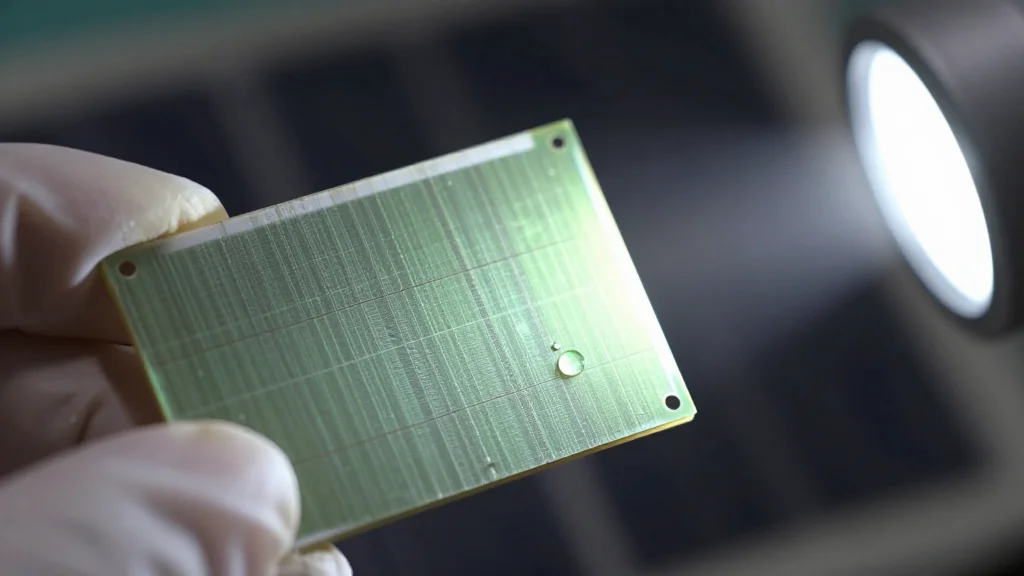
A Dynamic Molecular Sunscreen for Perovskite Solar Cells
Researchers at Northwestern Polytechnical University introduced a photoisomeric molecule, BTTM, into perovskite solar cells, achieving a power conversion efficiency of 24.71% versus 22.07% for untreated devices. The additive anchors lead and iodide ions, suppressing migration and stabilizing the crystal lattice...

Into the Light
NASA’s Artemis II mission completed a historic lunar flyby, sending astronauts Victor Glover, Christina Koch, Jeremy Hansen and Reid Wiseman around the Moon and back—the first crewed deep‑space flight since Apollo 17. The 40‑minute communications blackout on the Moon’s far side highlighted the mission’s technical achievement...

US-Argentina Outbreak Investigation (2020) Revealed “Super-Spreader” Potential of Andes Hantavirus
A 2020 joint study by USAMRIID and Argentina's ANLIS dissected a 2018‑19 Andes hantavirus outbreak in a small Argentine village, documenting 34 confirmed cases with a 32% case‑fatality rate. The investigation identified large social events and high viral loads in...

Weekly Neuroscience Update
A wave of recent neuroscience studies uncovers new mechanisms and risk factors across a spectrum of disorders. MRI data link lower abdominal fat to slower brain atrophy and better cognition, while a single psilocybin dose appears to trigger lasting anatomical...
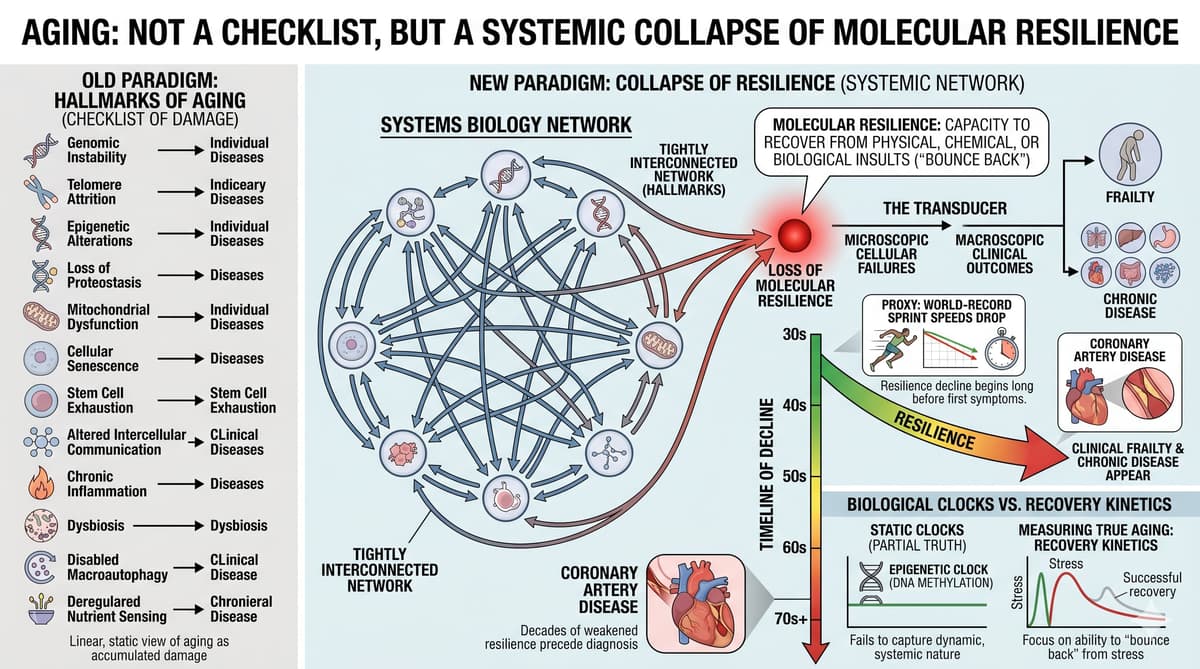
Loss of Resilience as the Key Measure of Aging, And How to Track It
A new kinetic resilience protocol shifts longevity medicine from static damage snapshots to dynamic stress‑response testing. By challenging metabolic, cardiorespiratory, autonomic and immune systems, clinicians can measure how quickly biology returns to equilibrium, using metrics such as OGTT clearance velocity,...

The Mercury Program
Project Mercury, NASA’s first human‑spaceflight effort, was approved in November 1958 to put an American into orbit and prove humans could survive space. After a series of uncrewed tests and sub‑orbital flights by Alan Shepard and Gus Grissom, the program...