
Business Cycle Indicators – Employment and Coincident Index
The latest data show non‑farm payrolls (NFP) increasing, while household‑survey‑based employment measures remain below their January peaks. Civilian employment adjusted for population growth also lags, indicating a divergence between employer‑reported and survey‑based job counts. The coincident index, which aggregates industrial production, GDP, and other real activity, reflects mixed momentum, with some components rising and others stagnant. Together, these trends suggest a nuanced labor market that is not uniformly strengthening across all metrics.

Consumer Sentiment Misses, Jobs Beat Estimates, Unemployment Steady
📊 Pre-Market Brief | Fri, May 8 ─────── 📅 MACRO DATA Prelim UoM Consumer Sentiment: Act 48.2 | Est 49.7 | Prior 49.8 🔴 Average Hourly Earnings m/m: Act 0.2 | Est 0.3 | Prior 0.2 🔴 Non-Farm Employment Change: Act 115 | Est 65...

Fed’s Eyes Turn to Inflation: Heard on the Street Recap
The U.S. added 115,000 jobs in April, keeping the unemployment rate at 4.3% and prompting the Federal Reserve to pivot its focus from rate cuts to inflation data. Four months ago the Fed worried about a fragile labor market; today...

Jobs: Soft, Stable, or Something Else
In this Inside Economics episode, Mark Zandi, Chris Derides, Mercedina Talley, and guest Dr. Dante D'Antonio dissect the April jobs report. Payroll data showed a surprisingly strong gain of 115,000 jobs, driven mainly by healthcare, transportation & warehousing, and retail,...

InvestingLive Americas Market News Wrap: US Jobs Growth Surprises to the Upside
U.S. non‑farm payrolls jumped by 115,000 in April, far exceeding the 62,000 forecast, underscoring a resilient labor market. The strong jobs data bolstered equity optimism, with the Nasdaq climbing another 5% this week and up 30% over the past six...

Congressional Push‑And‑Pull Over USMCA Threatens Trade Flows Ahead of July Deadline
U.S. lawmakers and Canadian officials are locked in a heated debate over the renewal of the US‑Mexico‑Canada Agreement, with a July 1 deadline to decide the pact’s fate. Critics warn that a breakdown could raise tariffs on autos, oil and gas,...
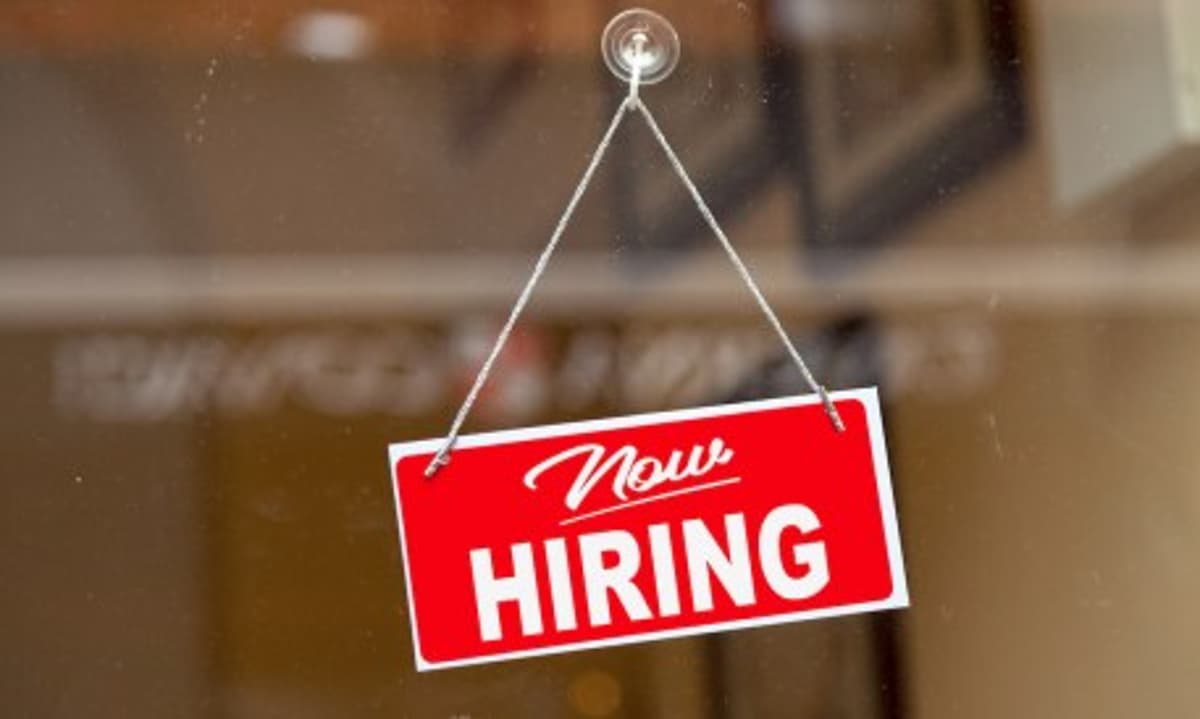
Labor Economy Workers Keep the Jobs Market Moving
The U.S. labor market added 115,000 jobs in April, keeping the unemployment rate steady at 4.3%. Hiring was concentrated in front‑line sectors—healthcare, transportation and warehousing, and retail—showing continued demand for in‑person workers. Average hourly earnings rose 3.6% year‑over‑year, staying slightly...

Dollar Hits Two‑Week High as Middle East Tensions Boost Safe‑Haven Demand, Treasury Yields Rise
The U.S. dollar rose to its highest level in two weeks on Thursday, while benchmark Treasury yields climbed amid heightened Middle East risk. Investors are seeking safety as the United States and Iran edge toward a limited cease‑fire, but lingering...
Fed Sees Private Credit Redemptions as ‘Manageable’ Risks
The Federal Reserve’s latest financial‑stability report says that redemption requests from private‑credit funds remain “limited and manageable,” despite modest outflows exceeding inflows in the first quarter of 2026. The central bank highlighted that several large private‑credit managers have temporarily blocked...

Weak Consumer Confidence, Rising Inflation Dim Peak Season Hopes
The National Retail Federation and Hackett Associates warn that the U.S. peak shipping season could be muted in 2026 due to weak consumer confidence and rising inflation. The ongoing war with Iran, now in its third month, is identified as...
Kevin Warsh Is Right About Fed Reform — but His Inflation Solution Is a T...
Kevin Warsh, the Fed chair nominee, argues that a coming AI‑driven productivity boom will act as a disinflationary force and give the Federal Reserve room to cut rates. He couples this view with a broader reform agenda that includes balance‑sheet...

Labor Market Adds 115,000 Jobs, Exceeds Forecasts Despite Iran War
U.S. payrolls added 115,000 jobs in April, outpacing forecasts despite the highest tariffs since the 1930s and a war‑driven surge in fuel prices. The unemployment rate held steady at 4.3%, with gains spread across retail, warehousing, healthcare and transportation. Chicago...
April Job Gains Suggest Labor Market Is Stabilizing, for Now
The Bureau of Labor Statistics reported that April added 115,000 jobs, far surpassing the 55,000 economists expected, while the unemployment rate held steady at 4.3%. Revised figures show March’s gains rose to 185,000 and February’s losses were trimmed to 156,000,...

Jobs Report Encouraging, but Consumers Remain Pessimistic
The U.S. Labor Department reported 115,000 nonfarm jobs added in April, far surpassing the 55,000 forecast and prompting an upward revision of March’s gain to 185,000. The unemployment rate held steady at 4.3% and wages rose 3.6% year‑over‑year, marking the...

The Federal Reserve Is Quickly Running Out of Reasons to Cut Interest Rates
The Federal Reserve’s window for cutting rates is narrowing as recent data show a steadier labor market but persistent inflation. April’s payrolls rose by 115,000, a modest gain that eases pressure for easing, while the March CPI held at 3.3%,...

April 2026 Jobs Report: Labor Market Shows Signs of Stabilization
The April 2026 jobs report shows the U.S. labor market stabilizing. Employers added 115,000 nonfarm jobs, well above the 55‑70k forecast, while the unemployment rate held steady at 4.3%. Real wages rose 3.6% year‑over‑year, outpacing inflation. The data gives the...

April's Jobs Report Revealed a Hidden Talent Pool of 4.9 Million
April’s jobs report showed 115,000 new positions and a headline unemployment rate of 4.3 percent, but it also uncovered a surge in underemployment. The number of workers in part‑time jobs for economic reasons rose by 445,000 to 4.9 million, pushing the broader...

What to Know About the Report.
U.S. employers added 115,000 jobs in April, beating forecasts and keeping unemployment at 4.3%. This follows a revised March gain of 185,000, marking two months of solid hiring after a two‑year low‑hire, low‑fire period. However, average monthly gains over the...

U.S. Economy Adds 115,000 Jobs in April, Construction Sector Sees Gains
U.S. nonfarm payrolls added 115,000 jobs in April, keeping unemployment at 4.3% and pushing average hourly earnings up 3.6% year‑over‑year. The gain follows a revised 185,000‑job increase in March, with monthly averages now 76,000 since the start of 2026. Construction...
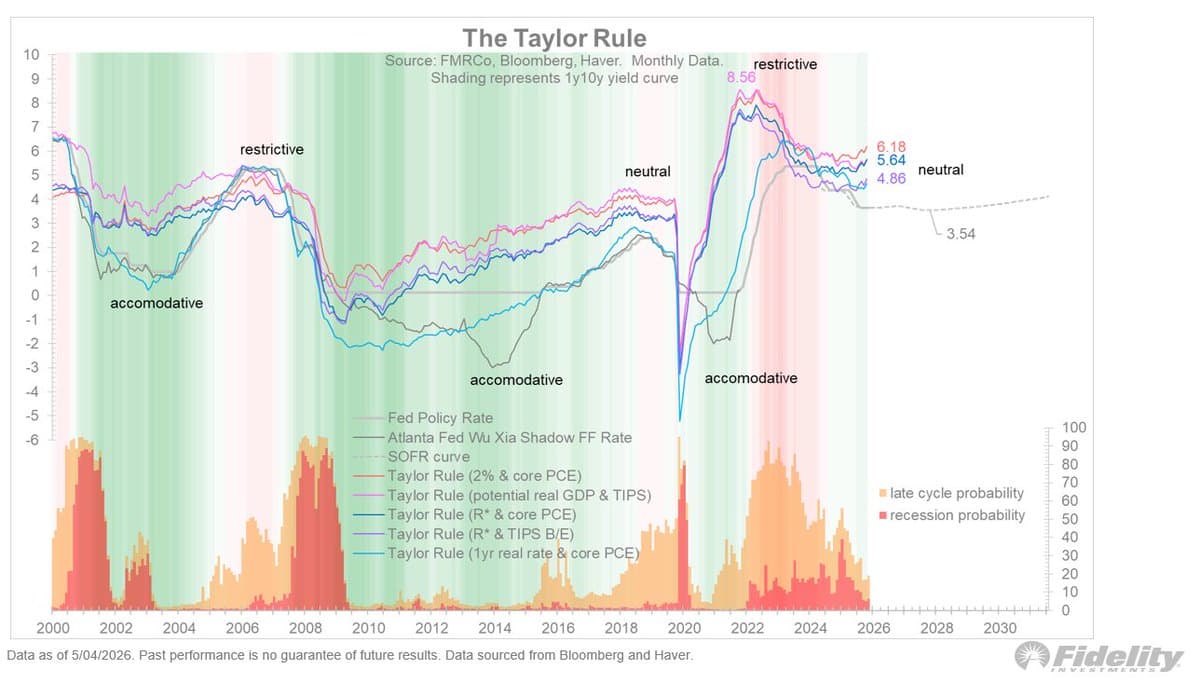
Oil Spike May Force Fed Rate Hike, Defying Playbook
For the Fed and incoming Chair Warsh, a left tail oil spike could throw sand into the gears of the emerging Warsh-Bessent playbook of lower short rates and easier debt financing. In fact, my various interpretations of the Taylor Rule...
Bad Government Statistics Can Cost the Economy Billions
U.S. government statistical surveys are seeing sharply declining response rates, threatening data reliability. The Current Population Survey’s participation fell from nearly 90% a decade ago to under 70% today, while the Consumer Expenditure Survey dropped from 68% to 40%. These...
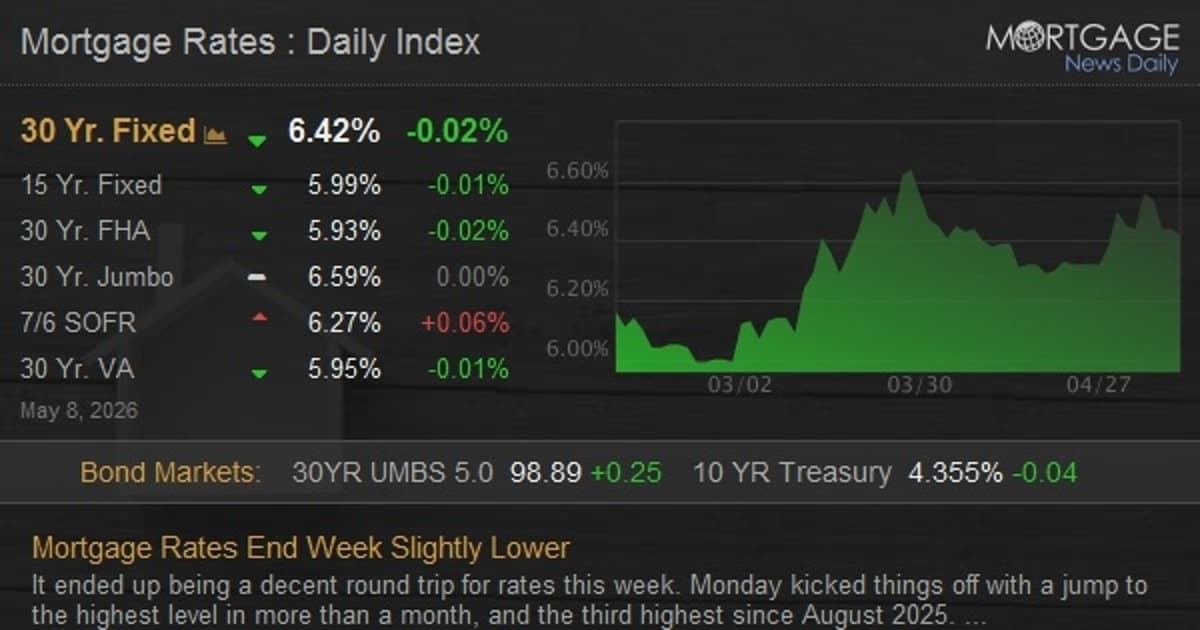
Mortgage Rates End Week Slightly Lower
Mortgage rates slipped modestly this week, with the MND daily rate index closing at 6.42%, down from 6.44% the prior week. After a Monday spike to the highest level in over a month, Wednesday delivered the biggest decline of 0.10%,...

Next Week’s Menu: May 9-15, 2026
Larry Greenberg’s weekly menu outlines a dense slate of economic releases for May 9‑15, 2026, covering U.S. indicators such as producer prices, retail sales, and industrial production, alongside key data from China, Japan, the Eurozone, and emerging markets. The calendar also notes...

Warsh Seeks Fed Balance‑sheet Cuts Post‑LCR Easing
Serious question for fixed income experts: Warsh wants to reduce the Fed balance sheet after bank regulations are eased - specifically the liquidity coverage ratio requirements that forces banks to hold large reserve balances (~$3 trillion). So if/when the reserve requirements are...

US Consumer Confidence Hits Record Low as Americans Fret About Rising Prices; Jobs Report Beats Forecasts – as It Happened
U.S. consumer sentiment slipped to a record‑low 48.2 in May, reflecting heightened anxiety over inflation and energy costs. Meanwhile, the April jobs report showed the economy added 115,000 jobs, well above the 62,000 forecast, keeping the unemployment rate steady at...
Healthcare Hiring Is Keeping the U.S. Job Market Afloat
U.S. employment rose by 115,000 jobs in April, far exceeding the 62,000 forecast, with health‑care leading the gains by adding 37,000 positions. Part‑time work for economic reasons surged 445,000 to 4.9 million, indicating lingering under‑employment. The headline unemployment rate held steady...

Jobs Data Comes in Strong, Crushing Estimates. This Is What It Means for Advisors
U.S. nonfarm payrolls rose by 115,000 in April, beating Reuters' forecast of 62,000 and the Wall Street Journal's 55,000 estimate, while the unemployment rate held steady at 4.3%. The stronger‑than‑expected jobs report lifted the S&P 500 0.7% and the Dow 0.2%,...
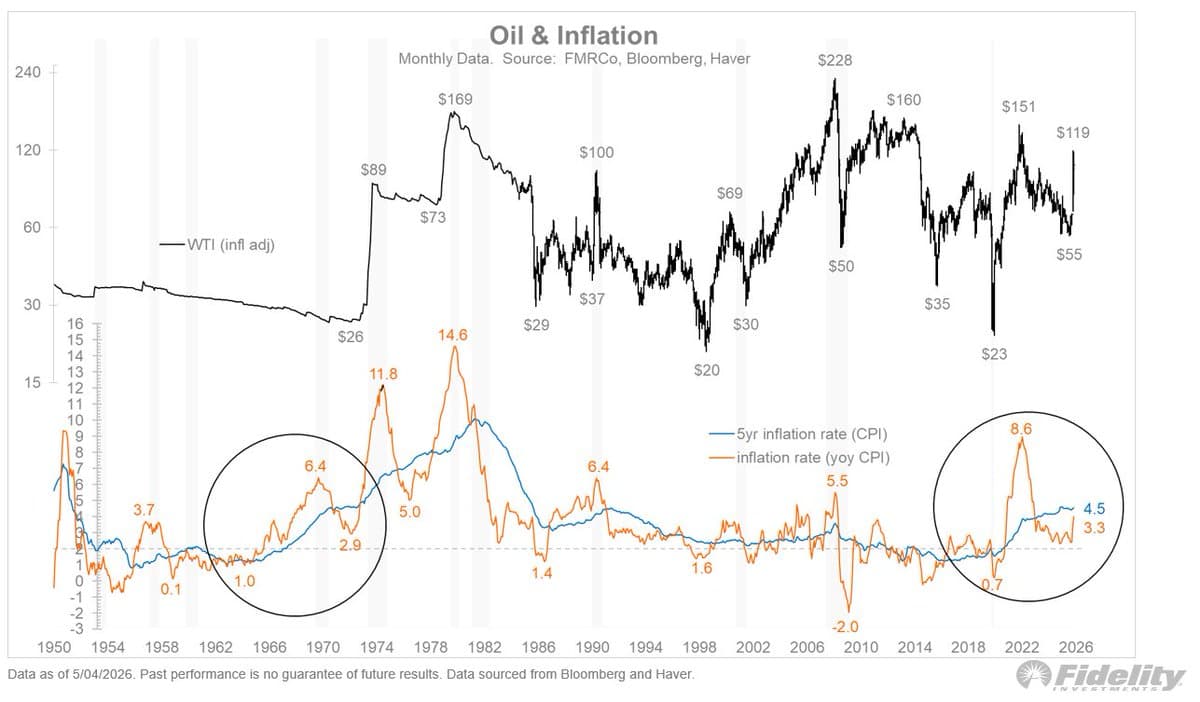
Higher‑base Inflation Risk Echoes 1970s Oil Shock
If this left tail manifests, it would happen at the worst time from an inflation perspective. Since the 9% COVID spike in 2022, the inflation rate has settled down to 3%. That’s better than 9% but it’s not the Fed’s...

U. Michigan Consumer Sentiment at Record Low (Since 1952)
The University of Michigan’s preliminary May 2026 Consumer Sentiment Index fell to its lowest level since 1952, slipping below the 50‑point recession threshold. The decline follows a three‑year period of volatility heightened by geopolitical events and domestic political uncertainty. Compared...

Prices for Everyday Household Items Experience Highest Monthly Increase Since September
Numerator’s April 2026 Consumer Goods Price Index shows everyday household items rose 0.49% month‑over‑month and 2.4% year‑over‑year, marking the strongest monthly gain since September 2025. Prices were flat in March after a 0.21% rise in February. The CGPI, which tracks roughly 20%...
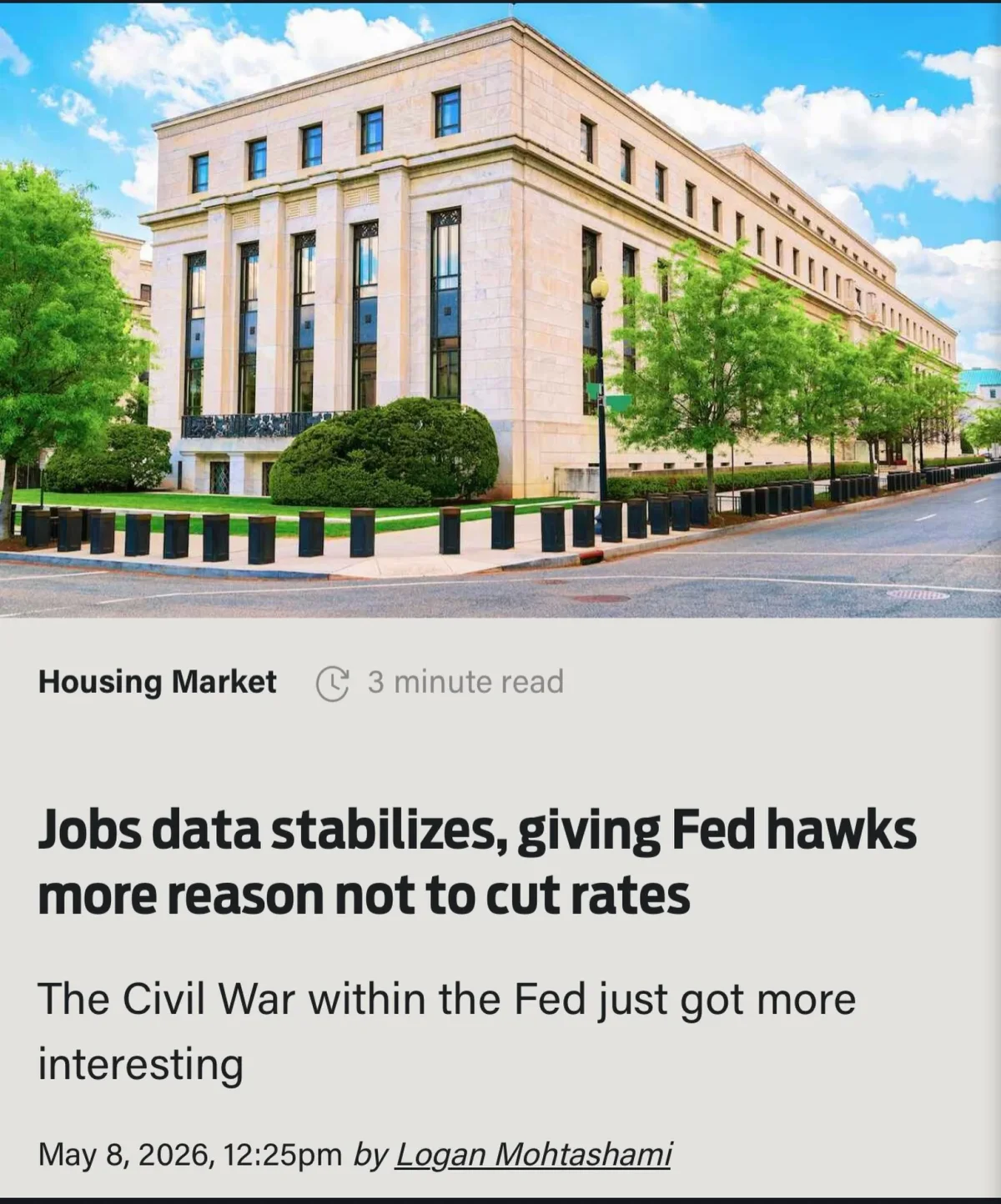
Robust Job Growth Fuels Fed Hawks, Delays Rate Cuts
The Civil War with the Fed just got more interesting as the year-to-date job growth will give the Fed hawks more ammunition not to cut rates. @housingwire @sarahteresa6 #housing #labor #economics #mortgagerates #chartdaddy

Nonprofit Hospital Tax Break Costs $300B in Ten Years
Worth noting: Based on CRFB's "2024 estimates, the tax exemption for nonprofit hospitals will cost the federal government nearly $300 billion in lost revenue over the next decade."

Inflation Swaps Slip as Earnings Surge Revives Market Euphoria
Inflation‑linked swap rates moved lower on Wednesday while equity markets surged on robust earnings and softer inflation expectations after US‑Iran news. The shift signals renewed risk appetite and could alter hedging demand ahead of the U.S. payrolls report.
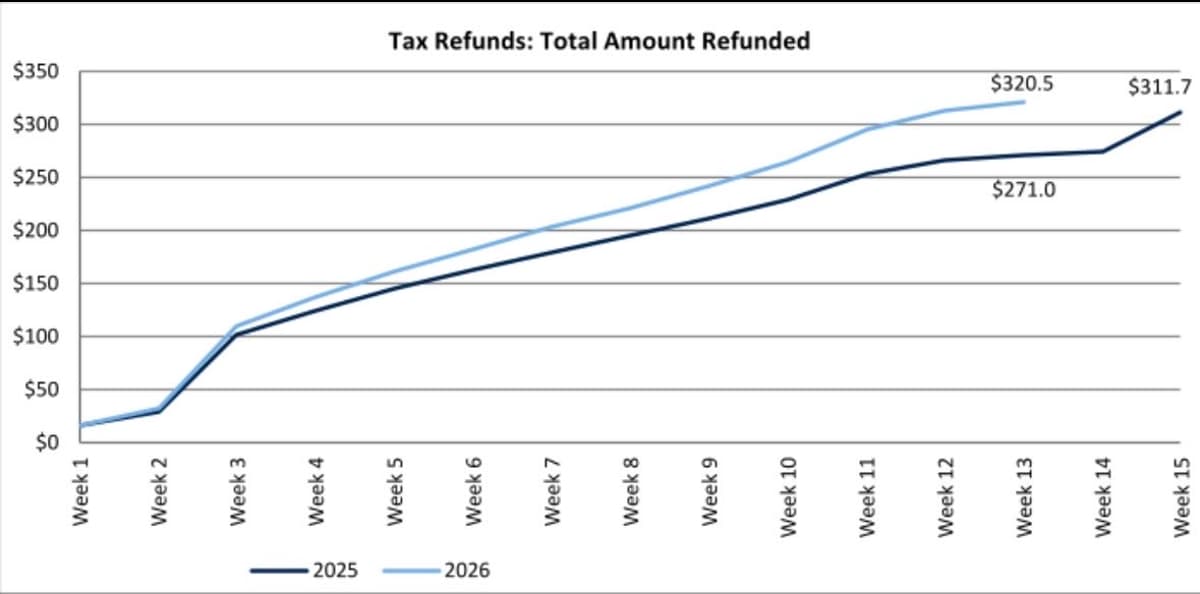
Tax Refunds Surge 18% to $320.5B This Season
Nice economic boost. $320.5B has been refunded to taxpayers this season so far, up +18.3% from last year. Through 5/1, the average refund amount is tracking up +11.1% from last year to $3,273. Chart via RBC https://t.co/Dt3vcAqRtX
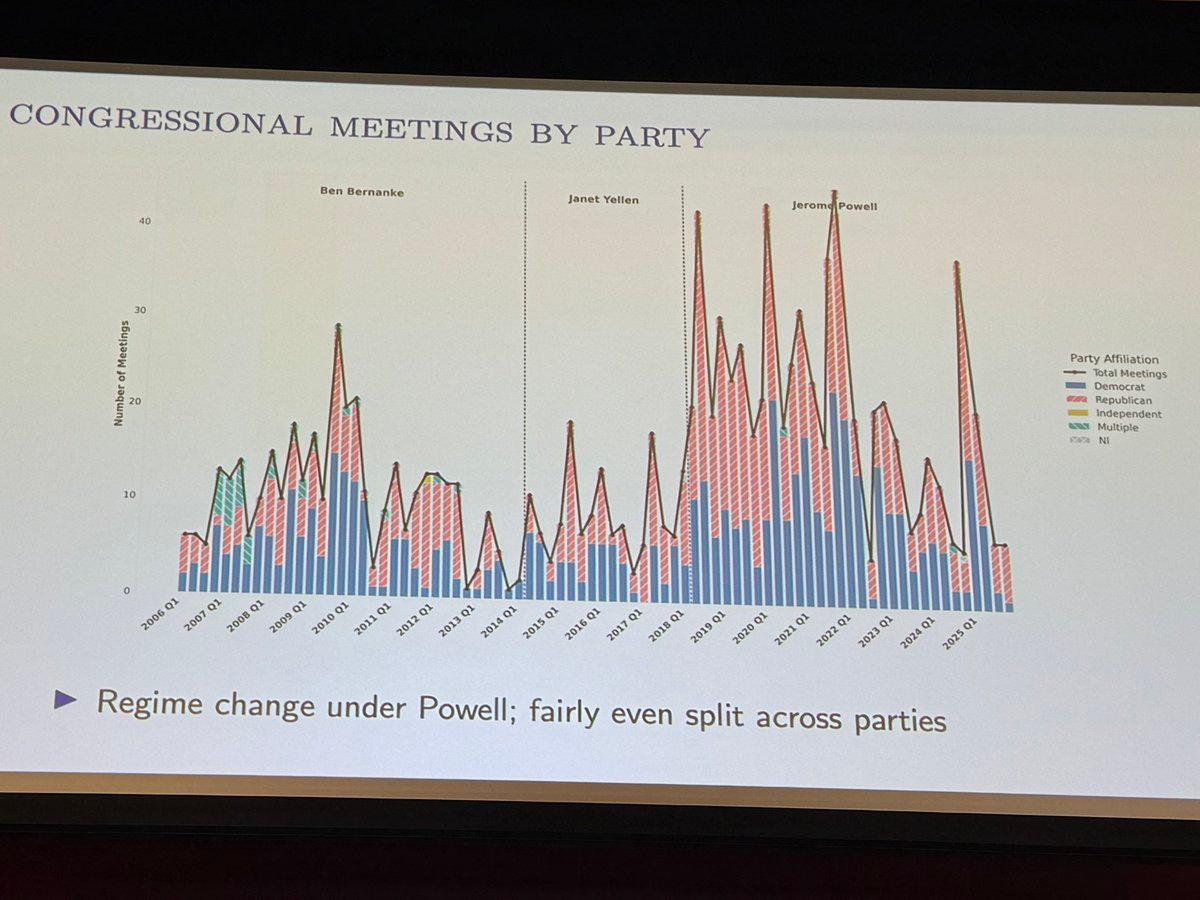
Powell’s Capitol Hill Testimony Exhausts Congressional Audiences
Fed Chair Powell really did “wear out the carpets” on Capitol Hill. (A slide from @td_econ’s presentations at @HooverInst monetary policy conference.) https://t.co/QZA1xbFmKC

Contradictory Week in Review
The week saw a stark mix of macro signals: consumer sentiment hit record lows while equity markets reached all‑time highs, and gasoline surged to $4.58 per gallon as the Strait of Hormuz stayed closed. The Federal Reserve’s SLOOS revealed construction‑loan...
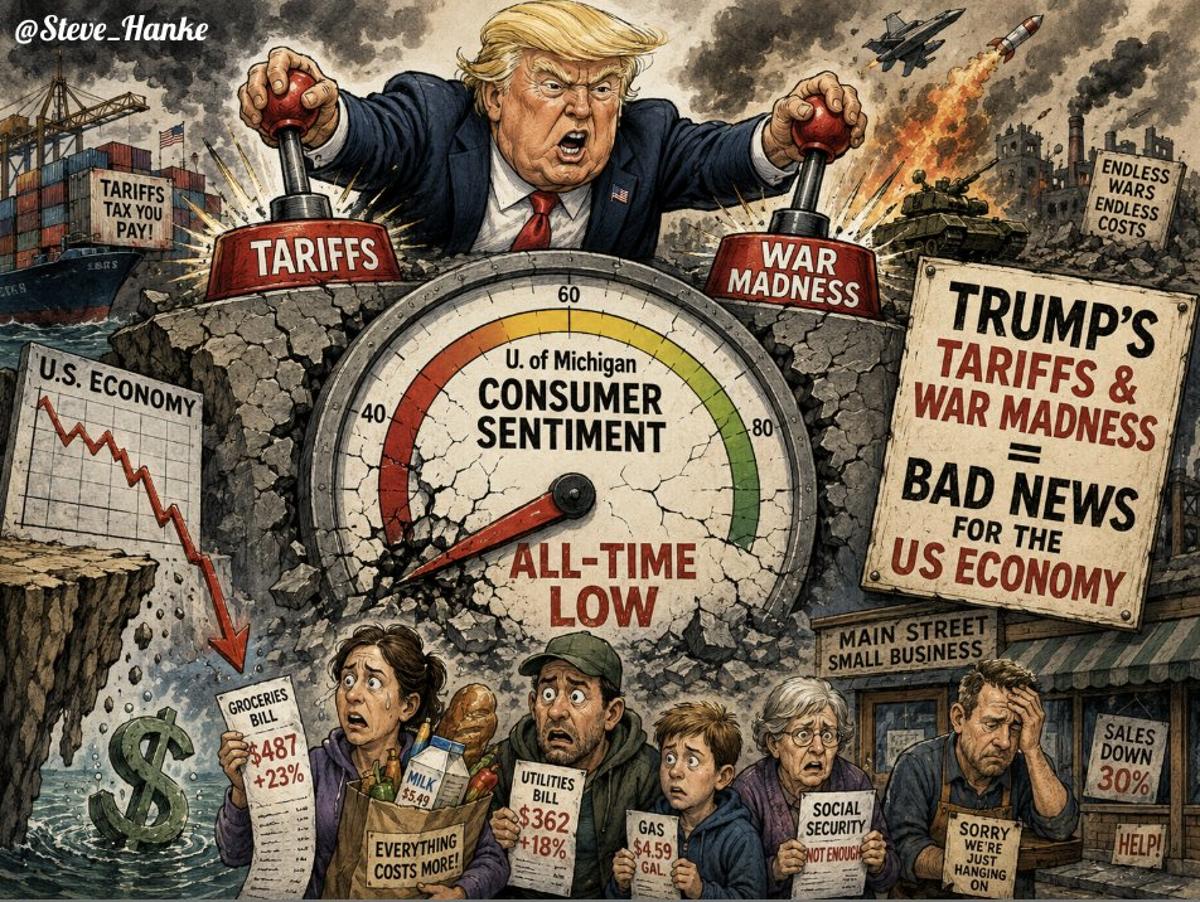
Tariffs and War Drive US Sentiment to Record Low
The University of Michigan's consumer-sentiment index dropped to an ALL-TIME LOW. TRUMP'S TARIFFS & WAR MADNESS = CRUSHES AMERICAN SENTIMENT. https://t.co/DHKLYvmp7D
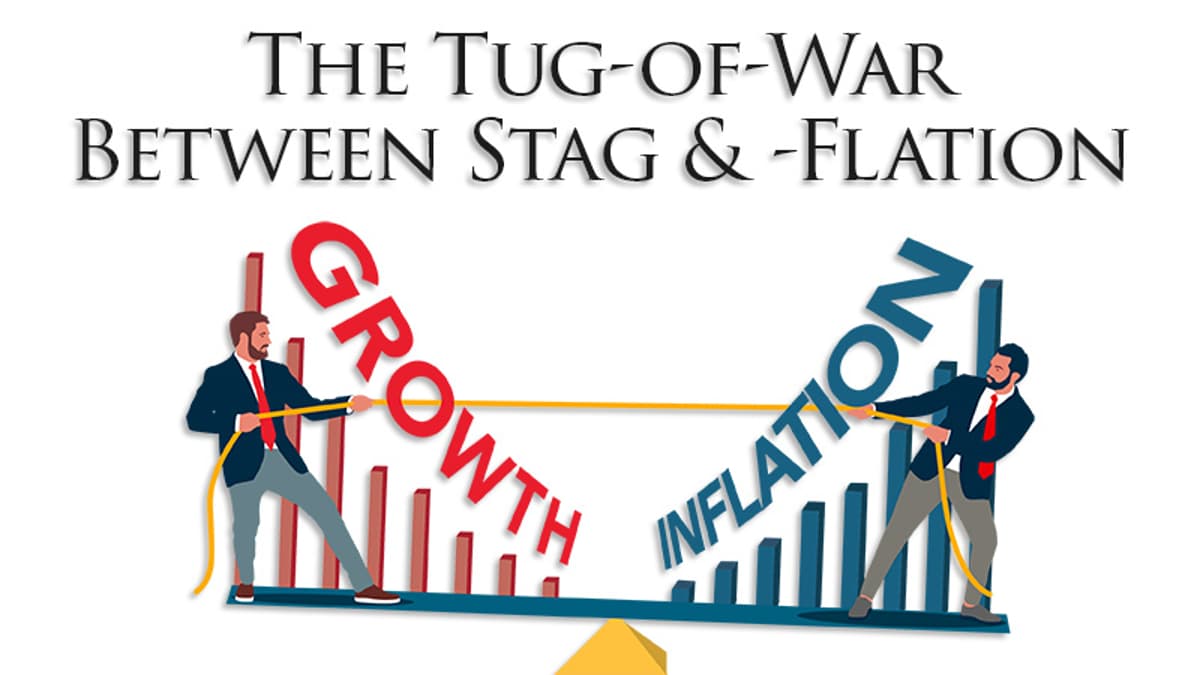
Stagflation Tension Highlights Fed’s Policy Dilemma
The Weekly Quill — The Tug-of-War Between Stag & -Flation - QI Research https://t.co/7NazYjc7Ln #federalreserve #powell #dimartinobooth #economy https://t.co/4wmSodUNiO
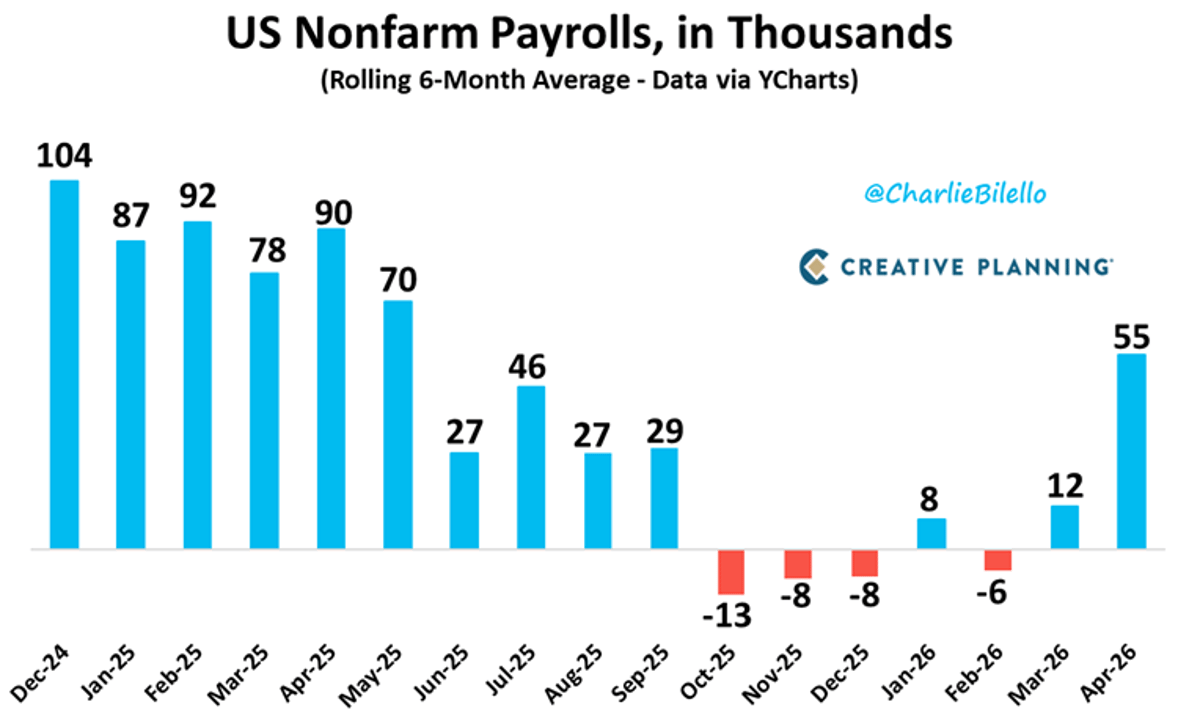
U.S. Adds 55k Jobs Monthly, Strongest Six‑month Streak Since 2025
55k US jobs per month were added over the last 6 months, the strongest 6-month growth rate since May 2025. https://t.co/nDPoQrhKtq
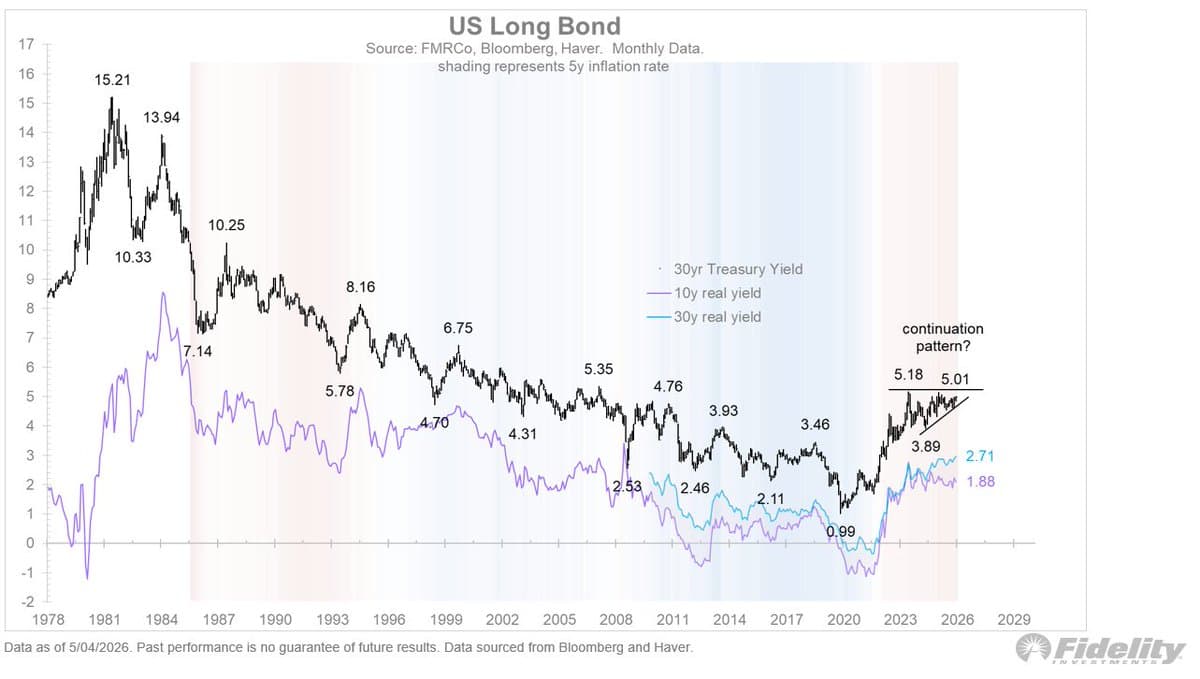
10-Year Yield Above 4.5% Signals Trouble Ahead
All this may be happening when the long bond is coiling inside what looks like a bearish continuation pattern. Real rates are rising, as are inflation expectations via the TIPS market. Remember: nothing good happens above 4.5% (for the 10-year)....
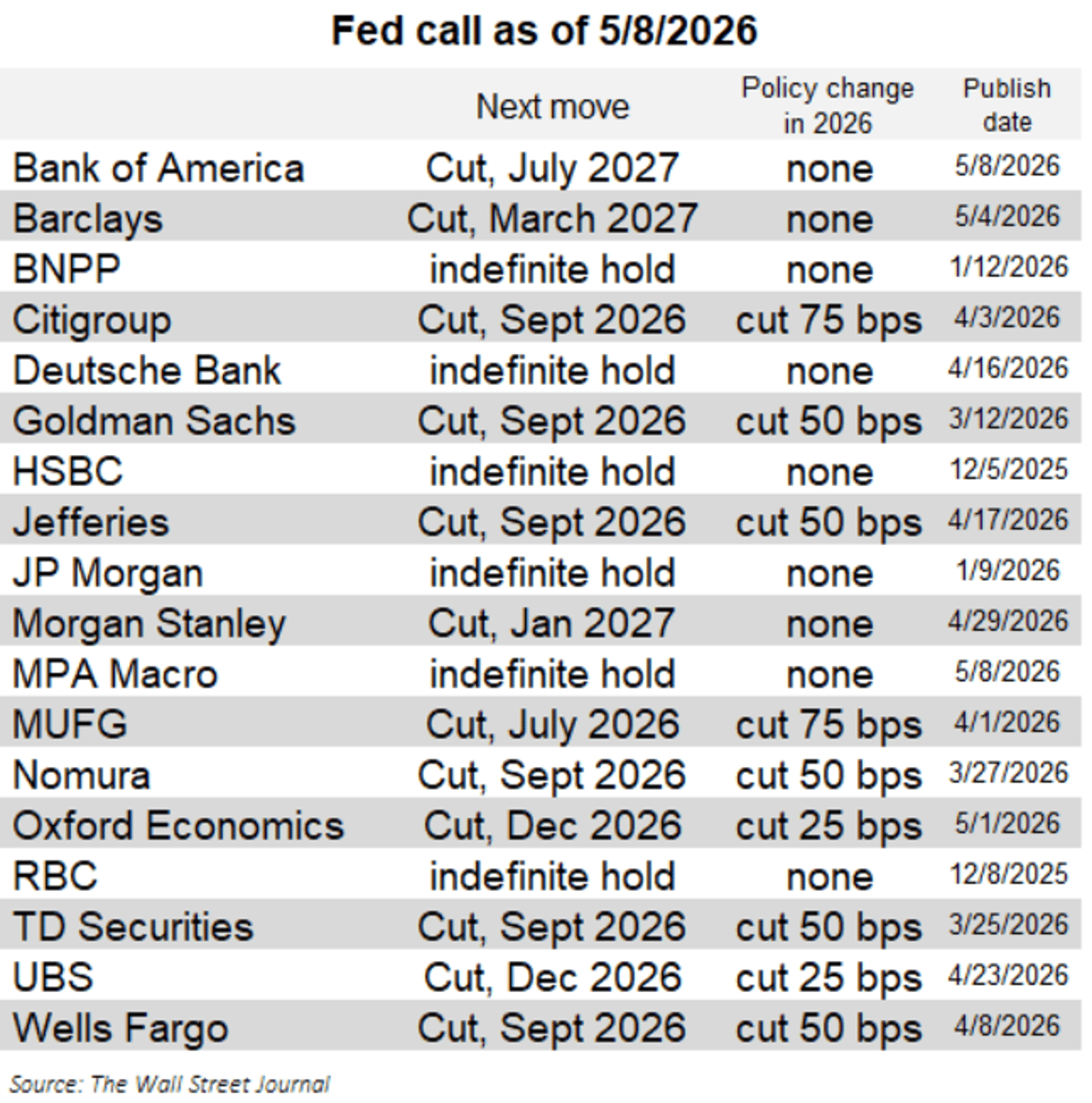
Half of Fed Forecasters Now Expect No Rate Cuts This Year
More sell-side firms and Fed watchers are removing/delaying cuts from their outlook, including a couple forecasters after the April NFP. Half now see no cuts this year (and risks are clearly tilted to this group continuing to grow given inertial...

Fed Must Address Fiscal Sustainability, Says Mike Levy
The Fed should be able to talk about fiscal sustainability, MIke Levy says (crediting @B_Eichengreen for bringing it up) as it affects monetary policy. @HooverInst
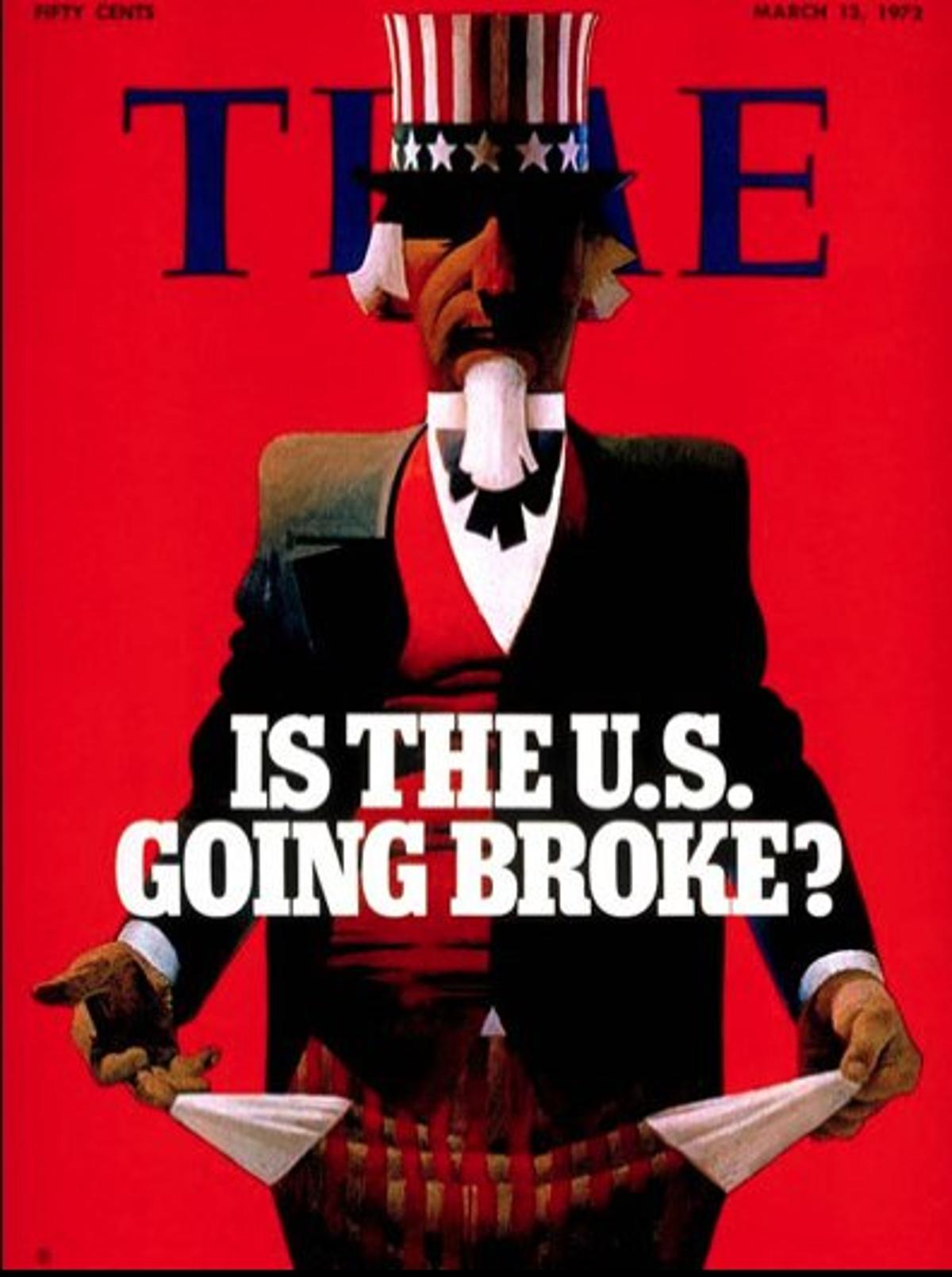
U.S. Government Debt Swelled Nearly Tenfold Since Magazine Cover
According to @awealthofcs, government debt is up from $430 billion when this magazine cover came out to nearly $40 trillion today. That is almost a 10x. https://t.co/ELdzuCU36y

Party Dismisses Jobs Data, Then Lauds It in Power
Never fails...out of power party says increasing jobs numbers are bogus. Then the party gets in power and touts "incredible" jobs numbers month after month.

Bond Investors, Fed Use Different Treasury Valuation Models
Bond investors and Fed policy makers use different models on how to look at Treasuries, @HannoLustig says. @HooverInst
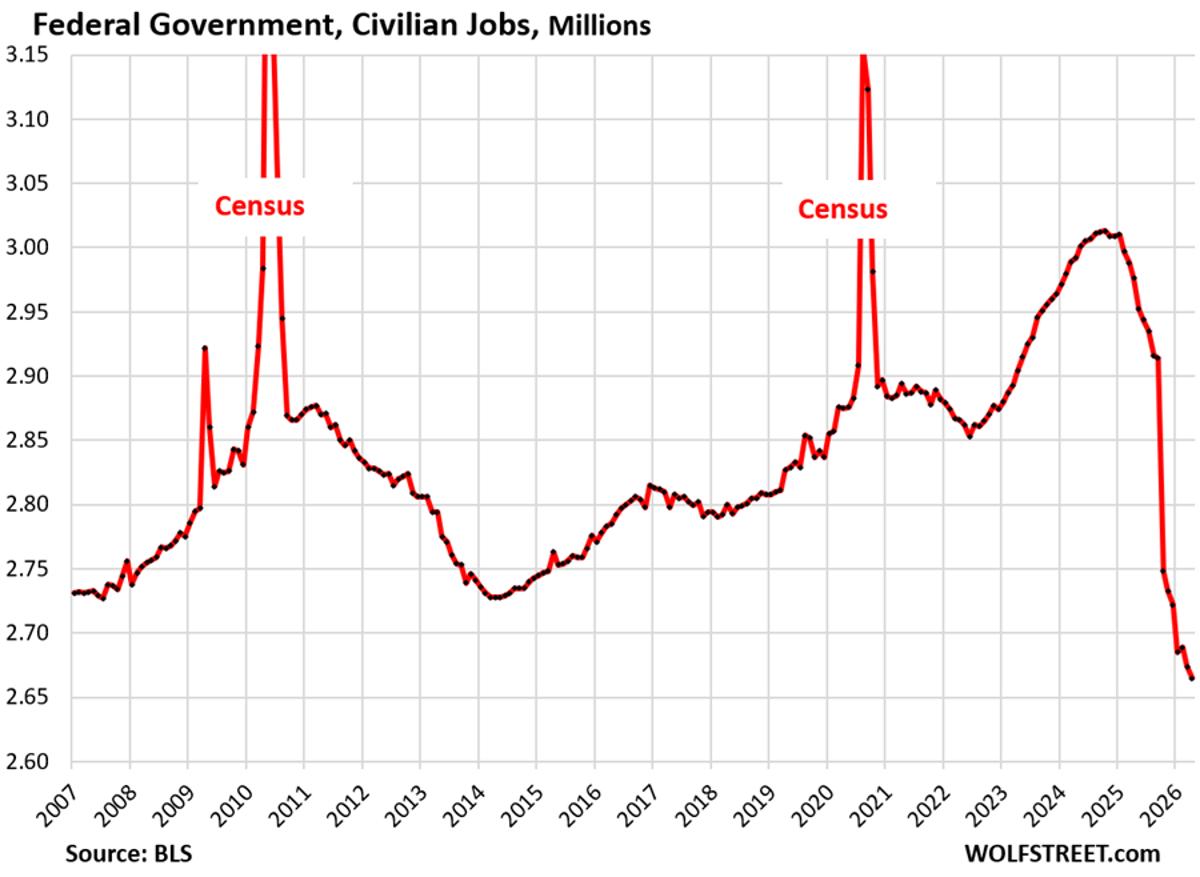
Federal Workforce Hits Lowest Since 1966, Share Plummets
Federal government shed about 12% of its headcount since January 2025, now down to 2.66 million civilian jobs, lowest since 1966. Its share of total nonfarm payrolls drops to 1.68%, lowest by far in the data going back to 1939 https://t.co/3bGZv7hdHS https://t.co/0HxNSnTWjG
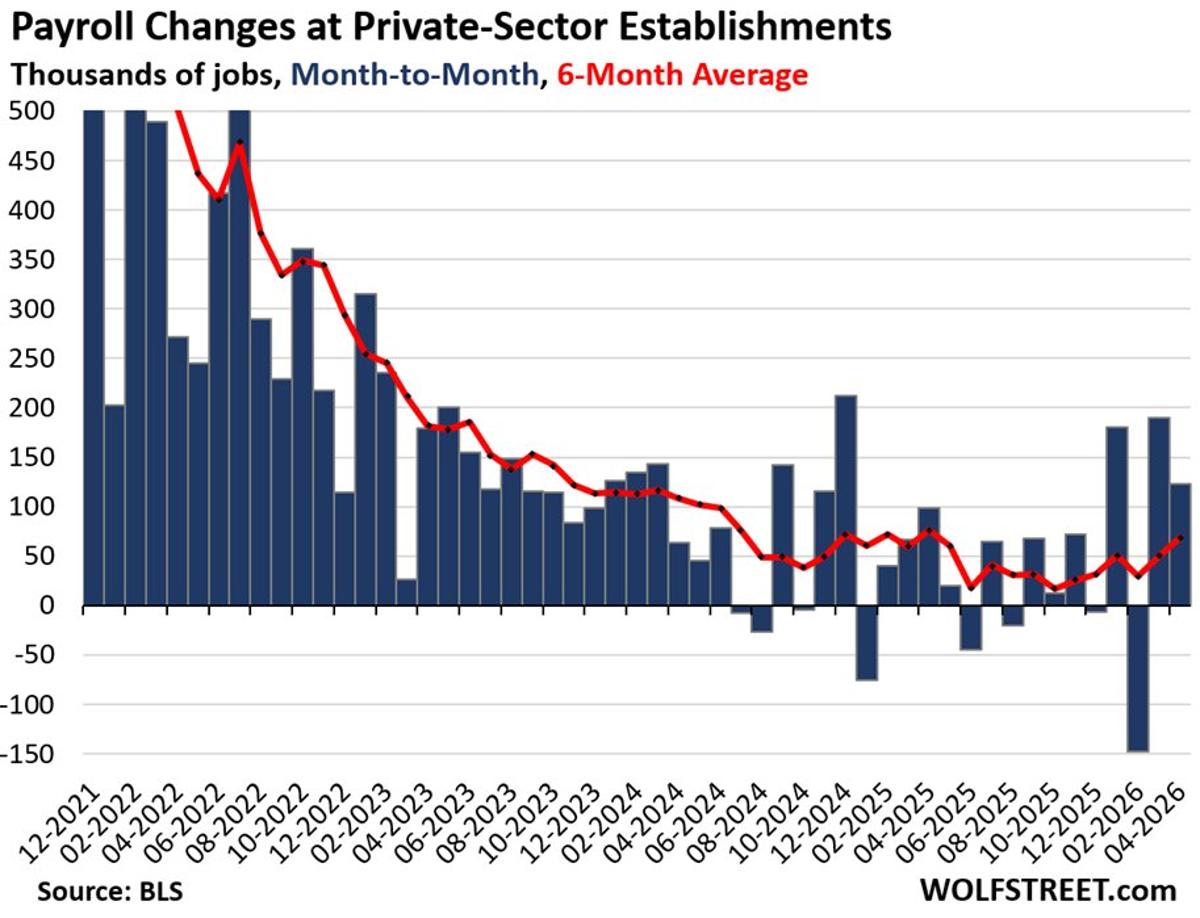
U.S. Labor Supply Shrinks as Private Jobs Surge
Weirdest U.S. Labor Market I’ve Ever Seen: Supply of Labor Shrinks Further while Private-Sector Jobs Grow. Federal government sheds more jobs, now down to 1968 levels. This labor market isn’t bad, just weird https://t.co/3bGZv7hdHS https://t.co/BBSgSz4W0J
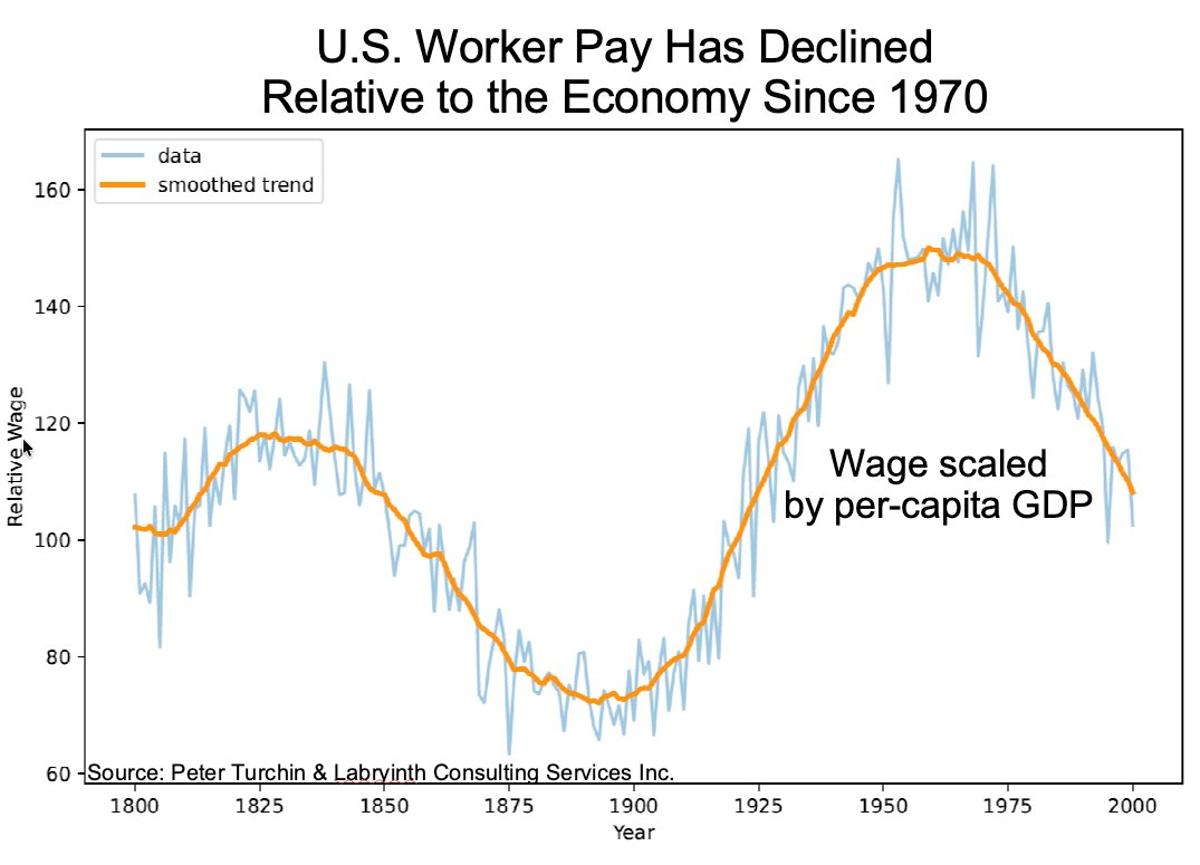
U.S. Worker Pay Has Fallen Behind Economy Since 1970
U.S. Worker Pay Has Declined Relative to the Economy Since 1970 #Wages #IncomeInequality #LaborShare #USWorkers #EconomicTrends #ProductivityGap #WealthGap #MacroEconomics #WorkingClass #Growth https://t.co/hC2E2WX9AD

Regional Fed Presidents Guard Against Groupthink
David Wilcox: regional Federal Reserve Presidents play crucial role in avoiding groupthink at the Fed. @HooverInst
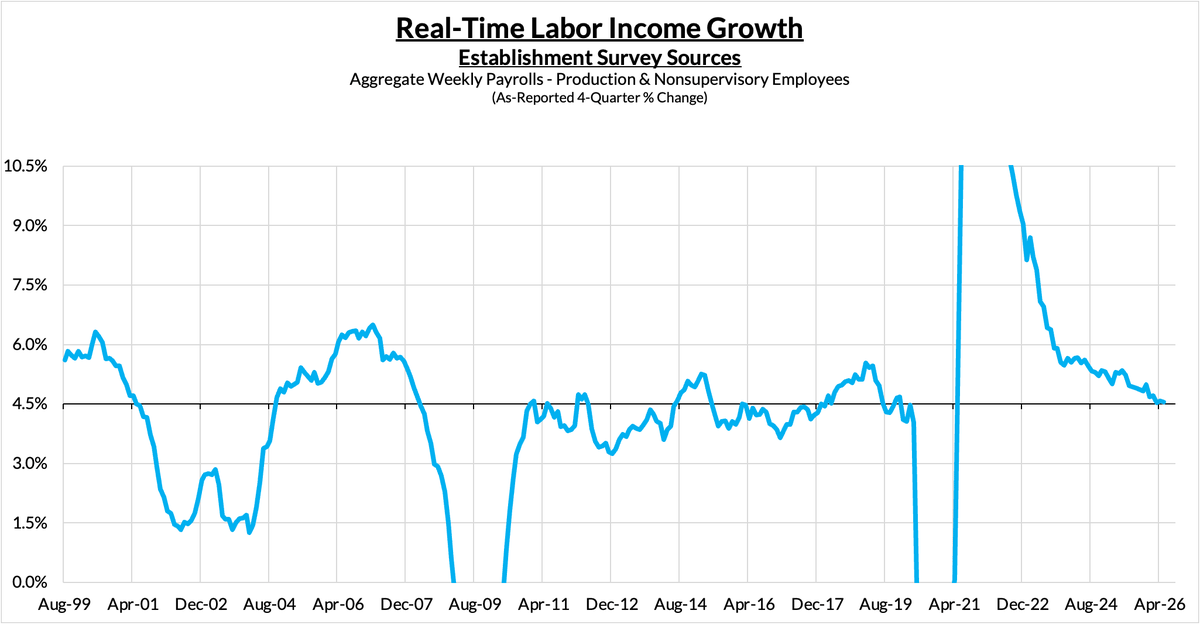
Nominal Wage Growth Stabilizes, Yet Supply Shocks Threaten Real Incomes
This data is somewhat backward looking now, but... We had been seeing a soft landing in the reported pace of nominal labor income growth. Stabilizing around a healthy pace. Problem is self-inflicted supply shocks are already raising inflation again. Will weigh...