
U. Michigan Consumer Sentiment at Record Low (Since 1952)
The University of Michigan’s preliminary May 2026 Consumer Sentiment Index fell to its lowest level since 1952, slipping below the 50‑point recession threshold. The decline follows a three‑year period of volatility heightened by geopolitical events and domestic political uncertainty. Compared with Gallup and the Conference Board, the UMich reading is now the most bearish, indicating deepening pessimism among U.S. households. The drop was most pronounced among Republican‑leaning and independent respondents, while Democrat‑leaning sentiment remained flat.

Contradictory Week in Review
The week saw a stark mix of macro signals: consumer sentiment hit record lows while equity markets reached all‑time highs, and gasoline surged to $4.58 per gallon as the Strait of Hormuz stayed closed. The Federal Reserve’s SLOOS revealed construction‑loan...

Trump Beats His Own Dubious ‘Vibecession’ Record
The University of Michigan’s preliminary consumer‑sentiment index slipped to 48.2 in May, marking a second consecutive month at an all‑time low. The decline represents the third straight month of falling sentiment, driven primarily by heightened concerns over prices and personal...

April Jobs Report: Reversals in 2025 Trends Give Rise to the Second Positive Report in a Row
April’s employment report showed the economy added 115,000 jobs, driven largely by a 123,000‑job gain in the private sector while government employment fell 8,000. The headline unemployment rate held steady at 4.3%, but the broader U‑6 underemployment measure rose to...

The Daily Feather — Fed Has More Than a ‘Lease’ on Hawks
The Federal Reserve’s informal "hawk" group now includes Boston Fed President Susan Collins, though she won’t gain a voting seat on the FOMC until 2028. Collins told Bloomberg she strongly supports leaving interest rates unchanged at the April meeting and...

5 Common Things Working-Class People Shouldn’t Buy Right Now Due to Inflation
Inflation in 2026 is uneven, hitting working‑class households hardest in specific categories. Prices for new cars, premium beef, food‑delivery apps, brand‑new electronics, and full‑price streaming subscriptions have surged well above the 3.3% CPI. Switching to used vehicles, cheaper proteins, home...

NFP Primer: Payrolls Roulette and the Market’s Fragile Illusion of Control
The article warns that the upcoming U.S. payrolls report will be judged against a backdrop of inflation fears, energy price shocks, Fed indecision and AI‑driven equity concentration rather than in isolation. While a moderate jobs gain could sustain the soft‑landing...

Productivity Booms As Labor Market Shows Signs Of Revival
Productivity growth accelerated in the latest quarter, signaling a tentative rebound in the U.S. labor market. Employment‑related equities such as ADP, Paychex and ManpowerGroup, which slumped earlier in the year, appear to have found a floor as hiring picks up....

US Debt Hits $31.26 Trillion, Exceeds Annual GDP
U.S. Treasury debt held by the public climbed to roughly $31.26 trillion in March, nudging the nation’s total debt above its annual gross domestic product. The last two instances of debt outpacing GDP occurred during World War II and the COVID‑19 pandemic,...

Farmer Sentiment in a Time of War, Both Trade and Kinetic
The Purdue/CME Ag Econ Barometer shows farmer sentiment staying higher than end‑2024 levels despite a year‑long trade war and two months of kinetic conflict with Iran. A regression linking the index to the Trump administration dummy, agricultural commodity prices and...
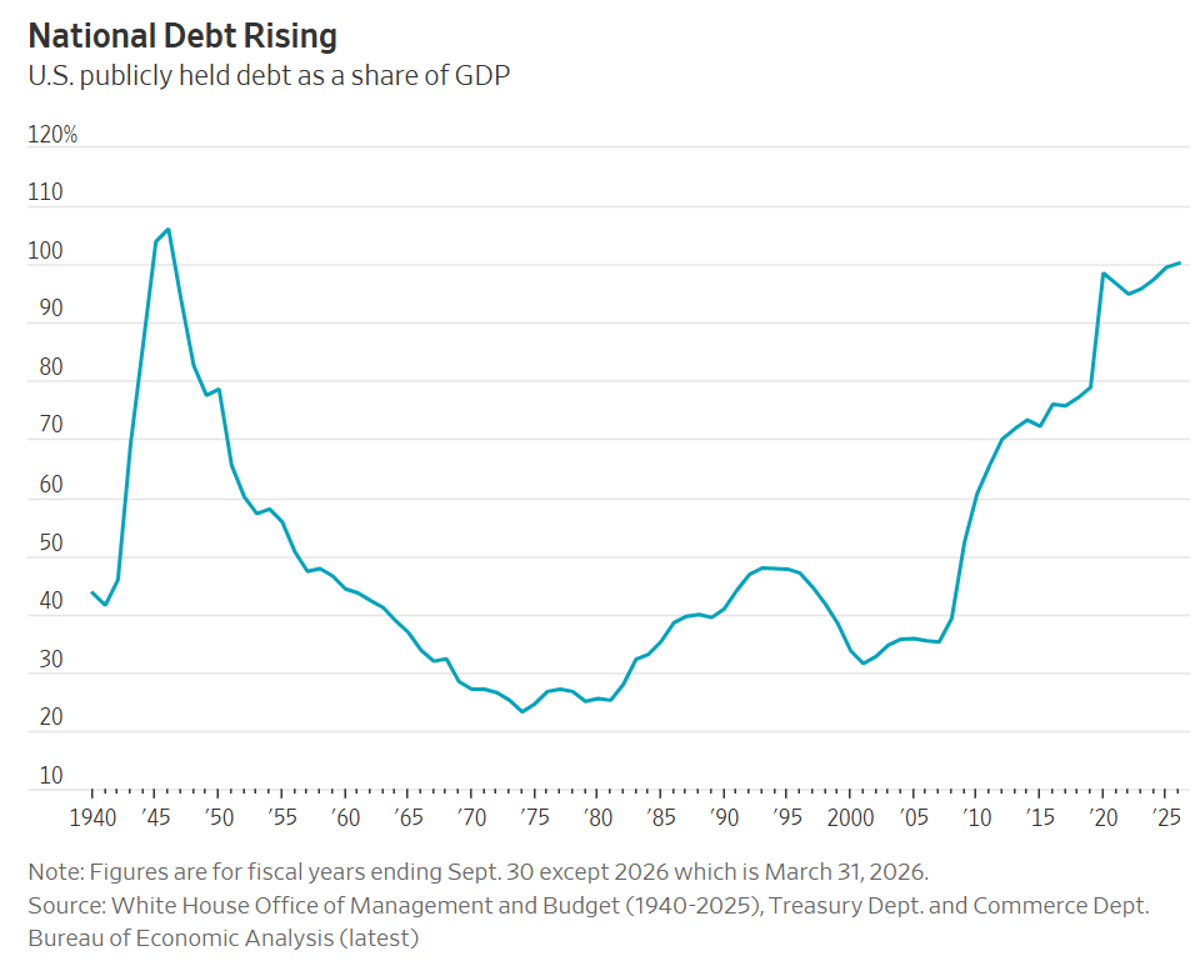
A Government Debt Crisis?
The United States now carries roughly $40 trillion in publicly held debt, pushing the debt‑to‑GDP ratio to about 100 % for the first time since World War II. While past alarmists predicted a fiscal collapse, the debt has continued to rise without triggering...
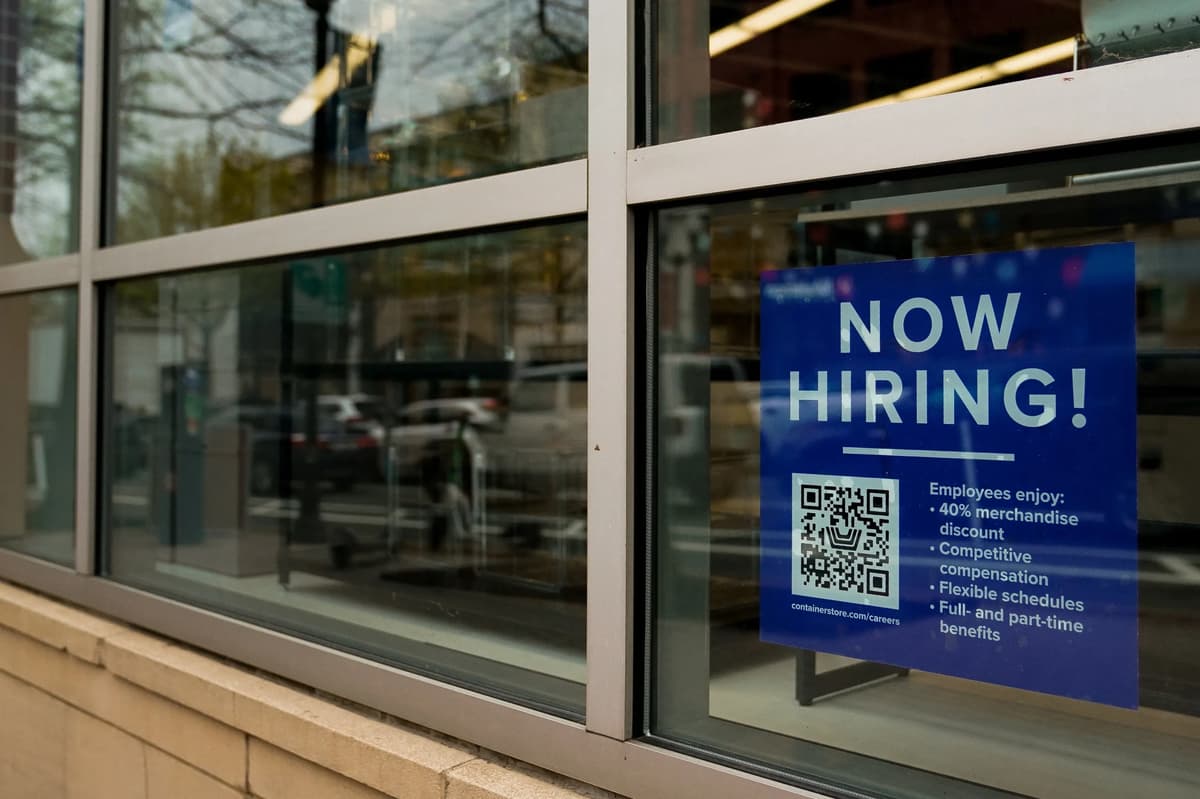
U.S. Jobless Claims Remain Below Stress Levels Despite AI Layoffs
U.S. initial unemployment claims edged up to 200,000 for the week ended May 2, still well below the 230,000 stress threshold and analysts’ 205,000 forecast. Despite a wave of AI‑related layoffs in the tech sector, weekly claims have remained modest, and...
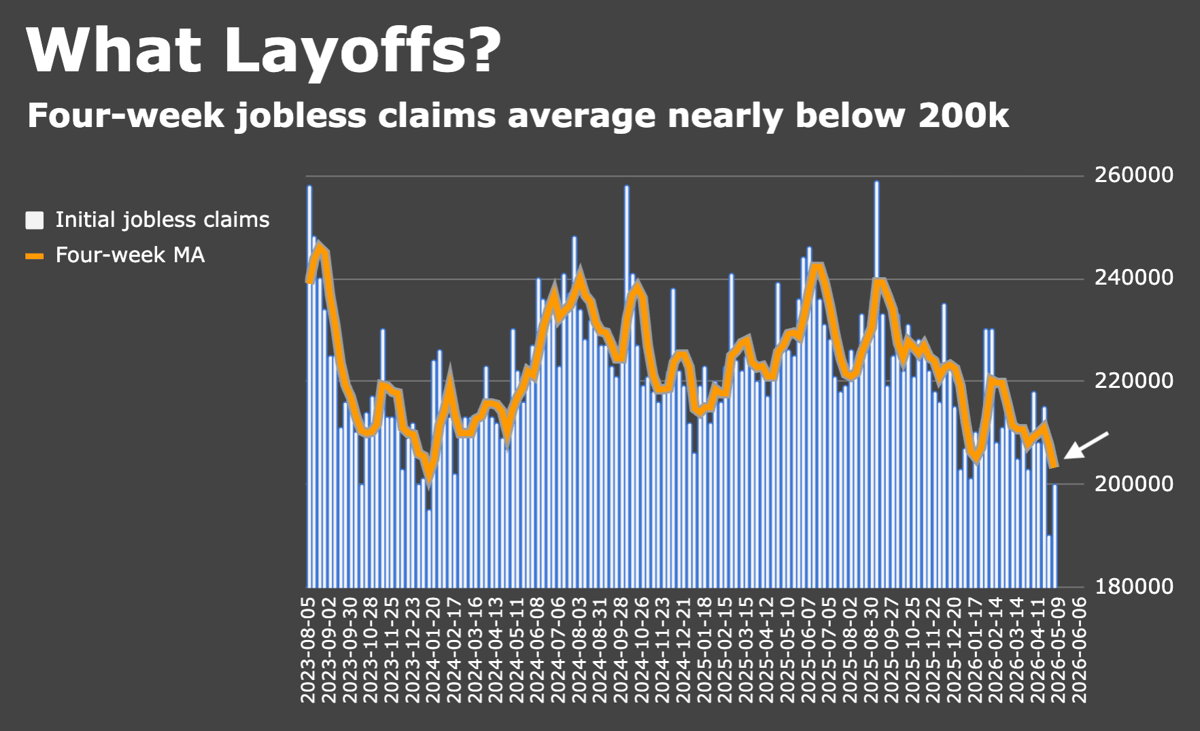
Alternative US Jobs Report Lukewarm, Claims Still Rock-Bottom
Revelio Labs, an alternative payroll tracker, estimated that the U.S. added about 66,400 jobs in April, a figure that broadly mirrors the official BLS trend. The gain was offset by a near‑50,000‑job loss in retail and hospitality, limiting the net...

Kennedy Denies the One Big Beautiful Bill Act’s Spending Cuts to Medicaid
The Congressional Budget Office projects the One Big Beautiful Bill Act will slash federal Medicaid spending by more than $900 billion over the next decade. Yet Health and Human Services Secretary Robert F. Kennedy Jr. told congressional hearings there are no Medicaid cuts, pointing to a projected...

Hamilton’s Net Oil Price (WTI) Variable
Hamilton’s Net Oil Price (NOP) metric applies a three‑year rolling average of WTI crude to smooth short‑term volatility. The chart, covering 1970‑2025, highlights recession periods in gray and shows how NOP has behaved across multiple business cycles. While the pre‑2010...

Dalio Warns Investors About Mounting Debt Pressures
Ray Dalio told investors that mounting debt burdens, rising yields and widening fiscal deficits are reshaping the macro environment. He outlined five systemic forces—monetary, debt, political, social and geopolitical—that will drive market dynamics. While mega‑cap technology firms, especially AI players,...
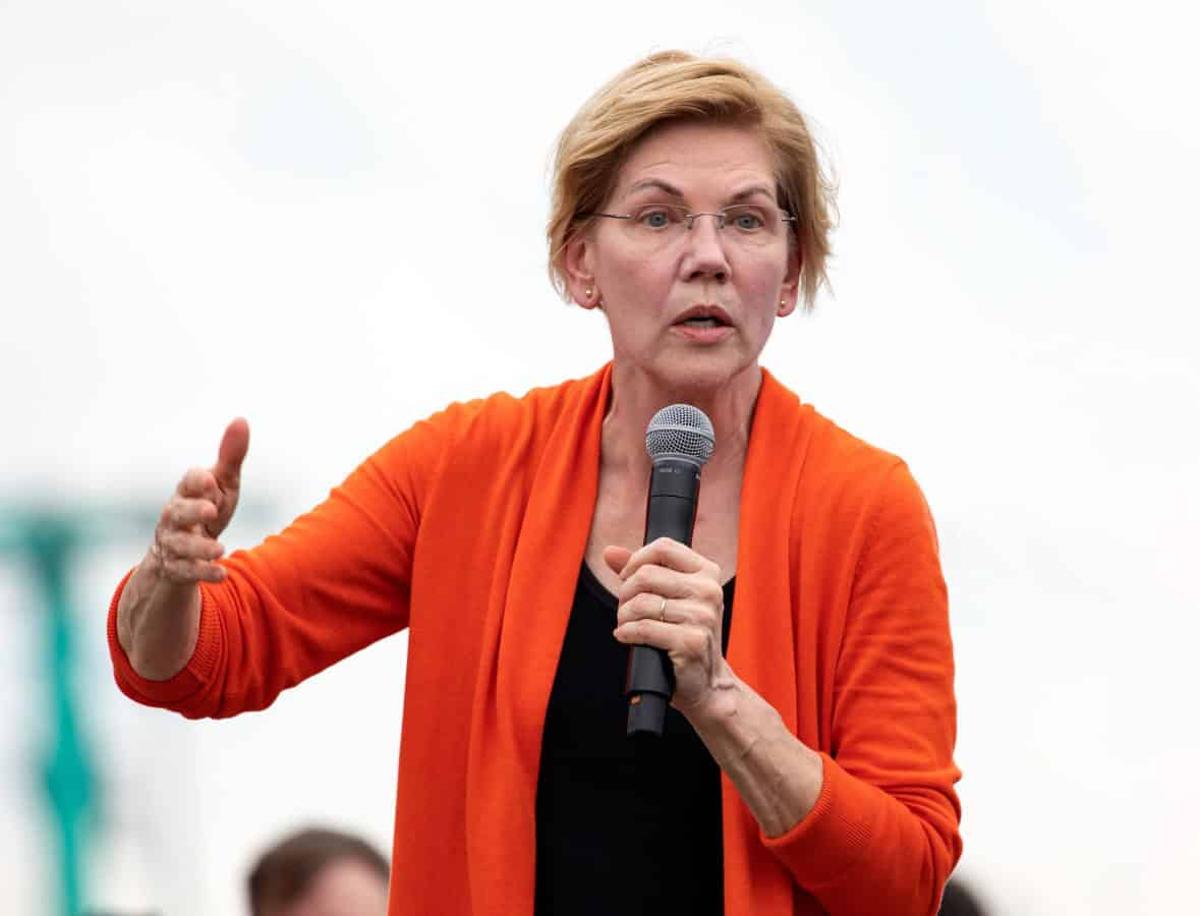
Warren Clashes with Kevin Warsh over Assets and Fed Independence at Heated Senate Hearing
Senator Elizabeth Warren confronted Trump‑backed Fed nominee Kevin Warsh at the Senate Banking Committee hearing, demanding detailed disclosure of his more than $100 million in assets and proof of independence from the White House. Warsh, a former Fed governor, cited a...

U.S. Debt Exceeds 100% of GDP
U.S. publicly held federal debt reached $31.27 trillion at the end of March, putting the debt‑to‑GDP ratio at 100.2%, the highest level since World War II. The figure represents an eightfold increase from 2000 and sits $8 trillion below the total federal debt...

Fed's Goolsbee: Impact of Rising Productivity on Inflation Remains Active Topic of Debate
Chicago Fed President Austan Goolsbee warned that the relationship between rising productivity and inflation remains unsettled. He noted that while higher output could ease price pressures, it may also trigger spending‑driven inflation if households anticipate higher future incomes. Goolsbee highlighted...

WEEKLY WEBCAST: Consumers Still Doing What They Do Best
Consumer spending, the engine of roughly 70% of U.S. GDP, remains surprisingly robust despite stagnant wage growth. Ed and Elias attribute this resilience to a "gen‑shaped" economy, where retiring Baby Boomers are drawing down massive nest‑egg savings, keeping demand high...

Unfazed By War, US Private Sector Adds Most Jobs Of ‘Trump 2.0’
U.S. private‑sector employers added a net 109,000 jobs in April 2026, the strongest monthly gain since January 2025, according to ADP. The increase slightly missed forecasts but confirmed a broader hiring surge that has persisted despite geopolitical tensions. Growth was...

Peace Over ‘Freedom’
U.S. gasoline prices rose to $4.55 per gallon, approaching the all‑time record of $5.01 set in June 2022. Amid the price surge, President Donald Trump suspended the two‑day‑old “Project Freedom” naval operation aimed at the Strait of Hormuz after clashes...

The Great Rotation Is Here — And FMKT Is Built for It
The 10‑year/2‑year Treasury yield spread turned positive at +0.50% in April 2026, ending the deepest inversion since the 1980s. ISM Manufacturing PMI rose to 52.7 in March, confirming a return to expansion, while the S&P 500 slipped over 5% in...

The Closer – Breadth Disconnect, AI Earnings, Prices Rising – 5/5/26
The S&P 500 closed in overbought territory on Monday while its 10‑day advance‑decline line was oversold, a breadth disconnect that has occurred only 33 times since 1990. For the first time since July 2022, more than half of ISM Services PMI respondents...
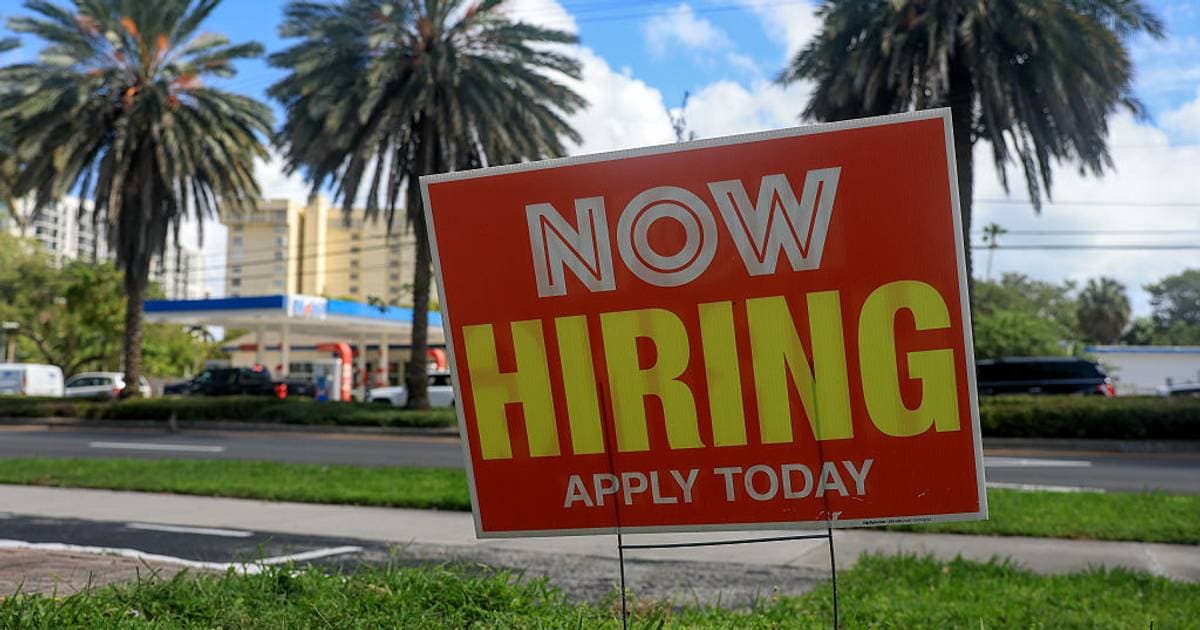
Professional and Business Services Sector Led on Hirings, Firings in March
Job openings slipped to 6.9 million in March, while hires jumped to 5.6 million, a gain of 655,000 from February. The professional and business services sector recorded the steepest drop in openings (down 318,000) and the largest layoffs (527,000), yet it led...

Report Finds Billions in Connecticut Tax Revenue Goes Uncollected Each Year
A Pew Charitable Trusts report finds Connecticut’s tax gap at about $3 billion in 2022, enough to cover nearly all of the state’s Medicaid share. Only eight states have quantified their gaps, and Connecticut’s estimate comes from a 2023 law‑mandated Department...

March JOLTS Report: Reverting to 2025 Averages
The March JOLTS report shows job openings slipping to 6.866 million, the lowest level since the pandemic aside from December. Hires surged by 655,000, marking the strongest two‑year reading, while quits rose 125,000, bringing the quits rate back to its 2025...

US Hiring Soars Most In 25 Years. Allegedly.
The Bureau of Labor Statistics' latest JOLTS report showed hires climbing to 5.554 million in March, the strongest monthly increase since 2020 when COVID‑related rebounds are excluded. Total job openings slipped to a year‑to‑date low of 6.866 million, but the hiring rate...

US Debt To GDP Ratio At 1.22 (Nothing Has Been The Same Since 2020 Covid Outbreak)
The United States’ federal debt now stands at $39.204 trillion against a $32.090 trillion GDP, yielding a debt‑to‑GDP ratio of 1.22—the highest level since the post‑COVID era began. Historically, ratios above 1.0 were viewed as unsustainable, yet each recession since the 1960s...
Highway Spending Boomed. Highway Building Didn't.
Highway and street construction spending rose nominally after the Infrastructure Investment and Jobs Act, but after adjusting for the 73% increase in construction costs, real spending fell 7.5%. Labor wages climbed about 32% and asphalt prices jumped over 40%, pushing...

What Are the Main Events for Today?
Swiss CPI is projected to rise to 0.6% YoY, up from 0.3% last month, reflecting higher energy costs, though the SNB is expected to look through the shock. In the U.S., the ISM Services PMI is forecast at 53.7, slightly...

Four Measures of Aggregate Economic Activity
The latest release of the SPGMI monthly GDP index shows a 2.1% month‑over‑month annualized increase, indicating that aggregate output continues to rise sharply. This growth aligns with the Brave‑Butters‑Kelley coincident index and the Philadelphia Fed’s coincident index, all of which...

Why Focus on Final Sales to Private Domestic Purchasers?
Preliminary U.S. GDP rose 2 % SAAR after a 0.5 % gain in Q4, while final sales to private domestic purchasers—often called “core GDP”—jumped to a 2.5 % SAAR, up from 1.8 % previously. Historically, core GDP was slightly more volatile than headline GDP,...

U.S. Treasury Rates Weekly Update for May 1, 2026
U.S. Treasury yields rose across the curve in the week ending May 1, 2026. The benchmark 10‑year yield increased by 8 basis points to 4.39%, while the 30‑year climbed 6 basis points, hovering near 4.45%. The 3‑year rate held at 3.91%, reflecting...
Key Events This Week: Payrolls, Quarterly Refunding, Confidence, And More Earnings
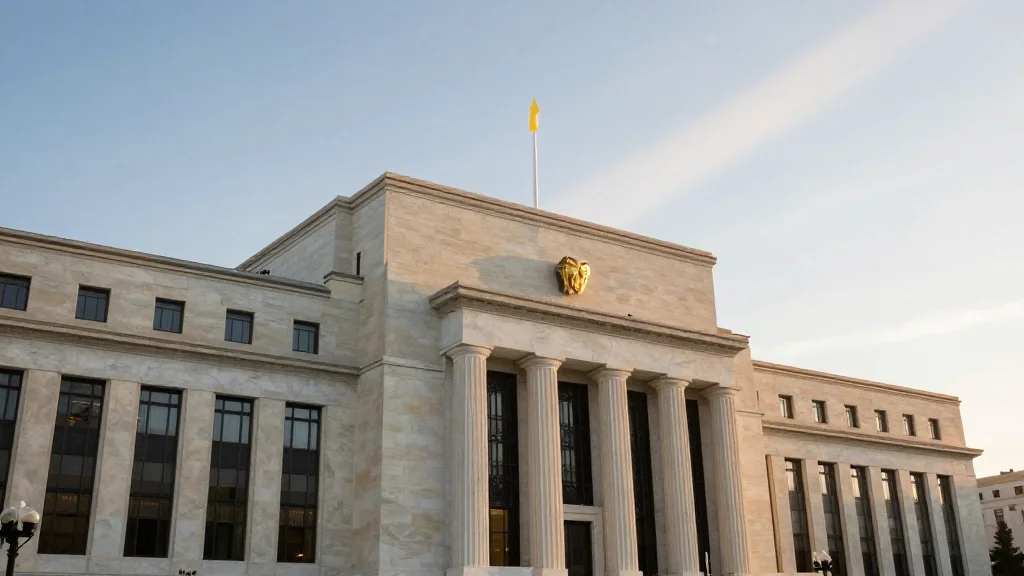
This week’s economic calendar is dominated by the U.S. April jobs report, projected to show 75,000 payroll gains and a steady 4.3% unemployment rate. Complementary data include the ADP employment estimate, JOLTS job‑openings, ISM services, and the University of Michigan...

Net Job Creation by New Businesses Is Negative Once Again
The Bureau of Labor Statistics Business Employment Dynamics report shows a net loss of 159,000 jobs in the United States for the third quarter of 2025, marking the second consecutive quarter of negative net job creation. Gross job losses from...

Talk Your Book: Animal Spirits Live with F/M Investments
F/m’s new Compounder ETF series targets after‑tax investors by deferring income, cutting dividend tax drag, and offering higher after‑tax yields. The firm highlights hidden costs in traditional dividend reinvestment programs, advocating market‑order purchases to preserve returns. It contrasts the liquidity...
The Daily Feather — Goodbye, Yellow Bus in The Sky
Spirit Airlines announced the end of its 33‑year operation after Flight 1833 landed at Dallas‑Fort Worth, marking the closure of a low‑cost carrier that once served millions of passengers. The airline will retire a fleet of roughly 150 aircraft, removing about 5 million...

War Jobs
U.S. employers are projected to add roughly 60,000 jobs in May, a noticeable slowdown from March’s surge. The ADP report shows private‑sector hiring averaging about 39,000 jobs per week in early April, underscoring continued momentum. Jobless claims have fallen to...

The 8-4 Vote and the ¥5.4 Trillion Lie.
The Federal Open Market Committee voted 8‑4 on April 29 to keep the federal funds rate at 3.50‑3.75%, marking the most divided vote since 1992 and signaling no June rate cut. Treasury yields jumped, with the 10‑year at 4.39% and...

THE $1.3 TRILLION DEBT INTEREST BILL: The Debt Spiral, the Maturing $9 Trillion Debt Wall, the Budget Crowding Out &...
U.S. interest payments on the national debt surged to a record $1.3 trillion annually, making it the second‑largest federal budget item after Social Security. In the first half of FY 2025, interest expense rose 7% year‑over‑year to $623 billion, outpacing both defense and...
Capitol Dispatch Weekend Digest
The Capitol Dispatch Weekend Digest highlights a surge in March inflation to 3.5% driven by a 21% jump in gas prices linked to the Trump‑initiated war in Iran. National gasoline costs topped $4 per gallon, adding roughly $456 annually to...

Foreign Assistance in More Danger Thanks to House Appropriations 2027 Funding Bills
The House Appropriations Committee released FY 2027 funding bills that trim the State Department budget by 6% to $47.32 billion. Within that, humanitarian assistance faces a 5.6% cut ($400 million) bringing it to $5.1 billion, global health programs drop 7.4% ($532 million) to $8.88 billion, and...

Consumer Vibes Two Months Into the War
Consumer confidence has deteriorated sharply two months into the war, with Gallup's poll falling to its lowest level since early 2020. The University of Michigan and Conference Board indices also dropped sharply before stabilizing, mirroring the NBER‑defined recession troughs shown...

Historic Government Shutdown Finally Ends, but FY27 Funding Deadline Looms
The 76‑day partial shutdown of the federal government ended on April 30 when President Trump signed a Department of Homeland Security funding bill, restoring cash flow to most DHS components through September 30. Agencies such as TSA, FEMA, the Coast Guard, the...

GDP, Personal Income and Other Business Cycle Indicators as of May Day
U.S. real GDP expanded at a 2% annual rate in the Q1 2026 advance estimate, outpacing many forecasts. Real personal income, excluding government transfers, held steady, indicating limited wage‑driven demand. Meanwhile, alternative gauges such as CPI‑deflated retail sales and freight‑service...

April ISM Manufacturing: How Long Can the AI Manufacturing Boom Keep Exploding Prices From Creating a Consumer Implosion?
The Institute for Supply Management’s April manufacturing index held steady at 52.7, indicating modest expansion, while the new‑orders subindex climbed to 54.1, largely fueled by AI data‑center projects. However, the employment subindex slipped to 46.4, its lowest level in four...

How's The American Consumer Doing?
The latest GDP data shows business investment, driven largely by AI spending, outpacing consumer spending for the first time in decades, contributing 1.4 percentage points versus 1.1 points to Q1 growth. While overall consumer spending remains robust—still 70% of U.S....

Factory Price Index Continues Skyward On Energy Crisis
U.S. factory activity logged a fourth straight month of expansion, with the ISM manufacturing headline index rising to 52.7 despite missing consensus. At the same time, the ISM price gauge surged to 84.6, the highest level since the Ukraine war...

ISM Manufacturing Index for April 52,7 vs 53.0 Estimate
The ISM Manufacturing PMI for April slipped to 52.7, missing the 53.0 forecast, yet marking the 18th straight month the index stayed above the 50‑point growth threshold. Prices paid surged to 84.6, a 6.3% month‑over‑month jump and the highest level...