Today's Biohacking Pulse

Gut microbes may dictate cellular aging, new review suggests
A Frontiers in Aging review introduces the microbiome‑gerogene axis, proposing that gut microbes act as upstream regulators of cellular aging networks. Age‑related dysbiosis reduces key metabolites, leading to leaky gut, chronic inflammation and epigenetic drift that accelerate organ decline. The authors highlight precision interventions such as ellagitannin‑derived urolithin A and fermentable fibers to restore microbial balance.
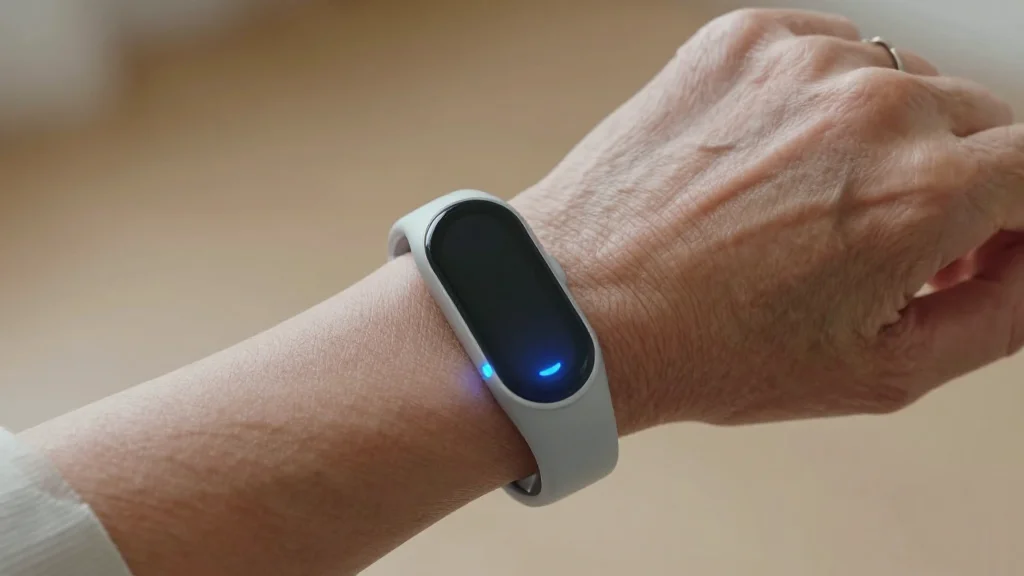
Loneliness Linked to Lower Baseline Memory in Seniors, Study Finds
Researchers analyzing data from 10,217 adults aged 65+ discovered that high loneliness correlates with poorer initial memory scores, yet it does not speed the rate of memory loss over six years. The findings highlight a psychosocial factor biohackers must address to preserve cognitive performance.
The Great Ozempic Experiment
GLP‑1 medications such as Ozempic and Zepbound have moved beyond weight‑loss to treat a spectrum of conditions, from traumatic brain injury to long Covid and addiction. An interactive New York Times report highlights that roughly one in eight Americans have tried these...

Benzodiazepine Withdrawal Is Mitochondrial Dysfunction
Benzodiazepines, widely prescribed for anxiety and insomnia, act as whole‑body drugs that target mitochondrial receptors, not just brain GABA pathways. Both chronic use and abrupt cessation can trigger mitochondrial dysfunction, linking the drugs to a roughly 60% increase in mortality...
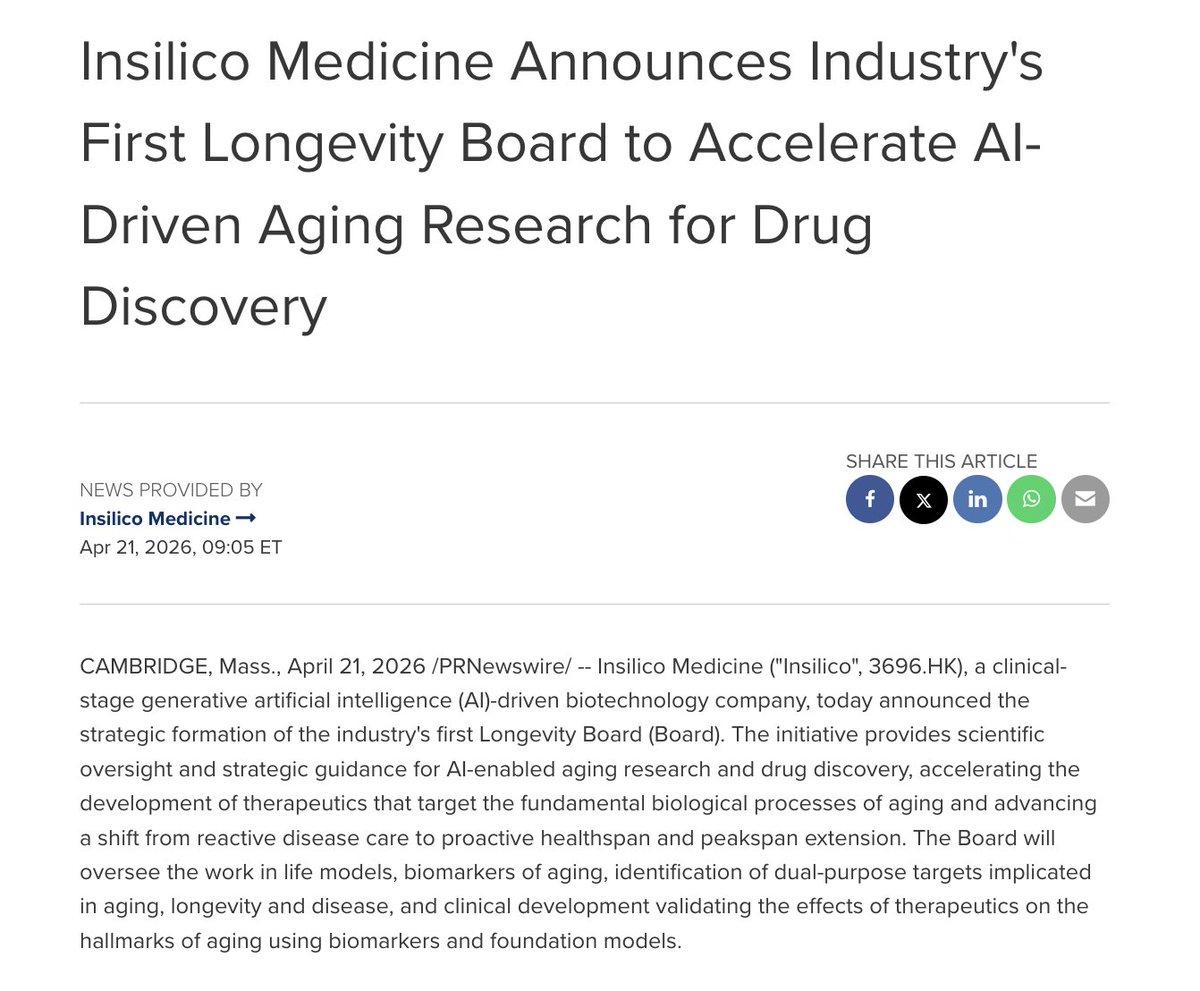
World's First Longevity Board Launched to Accelerate Aging Therapies
I am very happy to report that we formed the world's first Longevity Board at the public biotechnology company. Our objective is to discover and develop longevity therapeutics with pipeline-in-a-product potential. GLP-1 therapeutics paved the way and demonstrated the path...

A 2:09 Marathoner Trained on a Treadmill for 3 Months. Here Are His 5 Tips for Getting Faster Indoors.
Thomas Nobbs, a 26‑year‑old Canadian runner, spent three winter months logging roughly 130 miles per week on a gym treadmill after outdoor training became impossible. By replicating his outdoor routine—1% grade, effort‑based pacing, and varied interval work—he shaved three minutes...
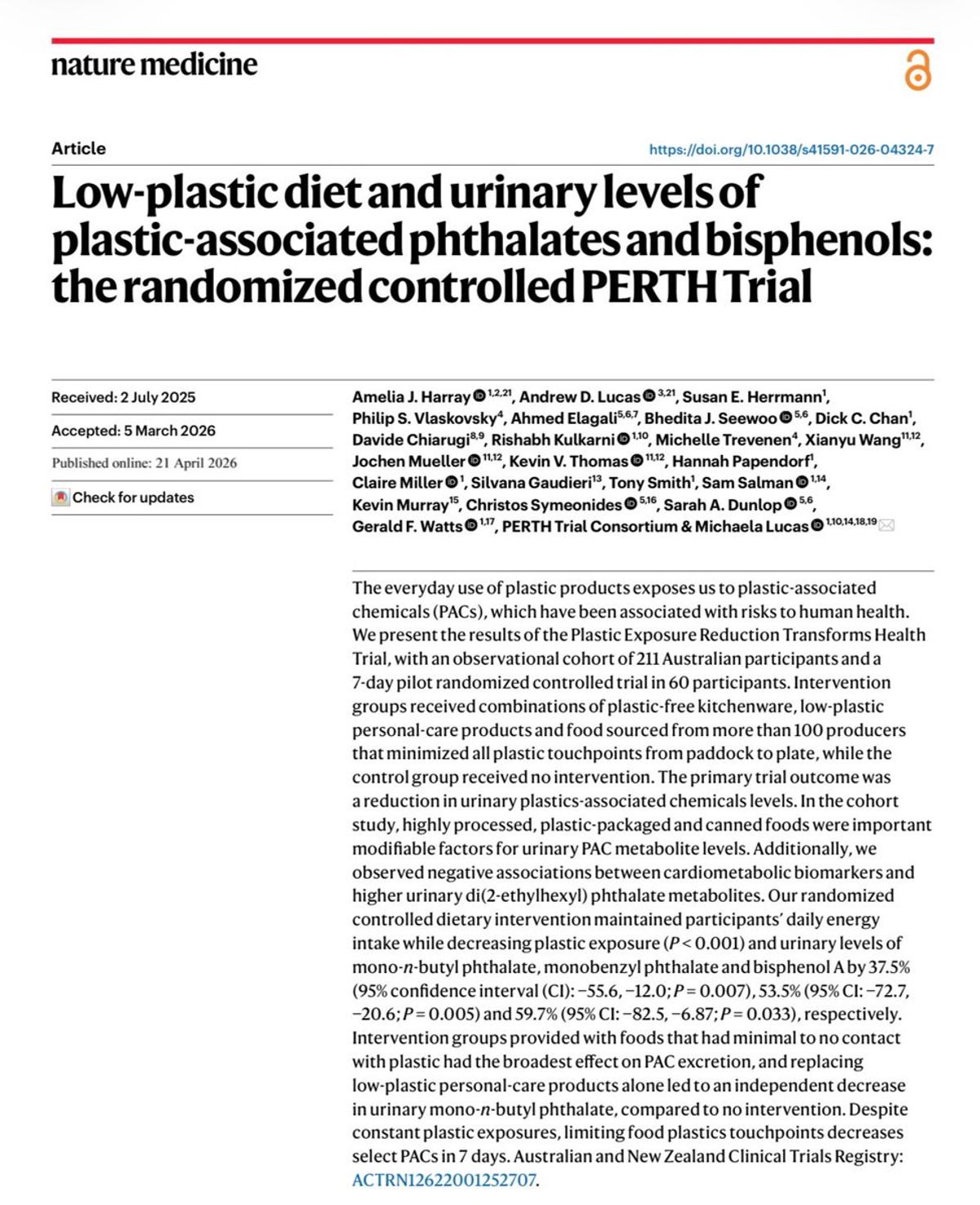
One Week Plastic-Free Diet Slashes Hormone Disruptors 60%
A “plastic-free diet” cut endocrine-disrupting chemicals in the body by up to 60% in just 1 week. Participants in a recent study switched to low-plastic food, plastic-free kitchenware, and screened personal care products for 7 days. Urinary BPA fell by 59%, and...

Tribune Chronicle Column Underscores 2‑liter Daily Water Guideline for Adults
A health‑advice column in the Tribune Chronicle reminded readers that most adults need about 1.6 L of water a day for women and 2 L for men. The piece warned that older adults often have a diminished thirst response and that excess...

Smart Toilets Turn Waste Into Real‑Time Health Data, Launching at $200‑$400
Kohler Health, Withings and Throne Science have rolled out AI‑driven smart toilet devices that analyze urine and stool for hydration, metabolism and disease markers. Priced between $200 and $400 with subscription fees, the gadgets aim to bring clinical‑grade monitoring into...

Lilly's Retatrutide Achieves 28.7% Weight Loss, Higher Dropouts
Lilly’s triple G agonist boasts 28.7% weight loss in Phase III trial Lilly is investigating retatrutide in seven other Phase III trials, which are due to read out in 2026. 👨🏻⚕️“Discontinuation rates due to adverse events were 12.2% and 18.2% with retatrutide...
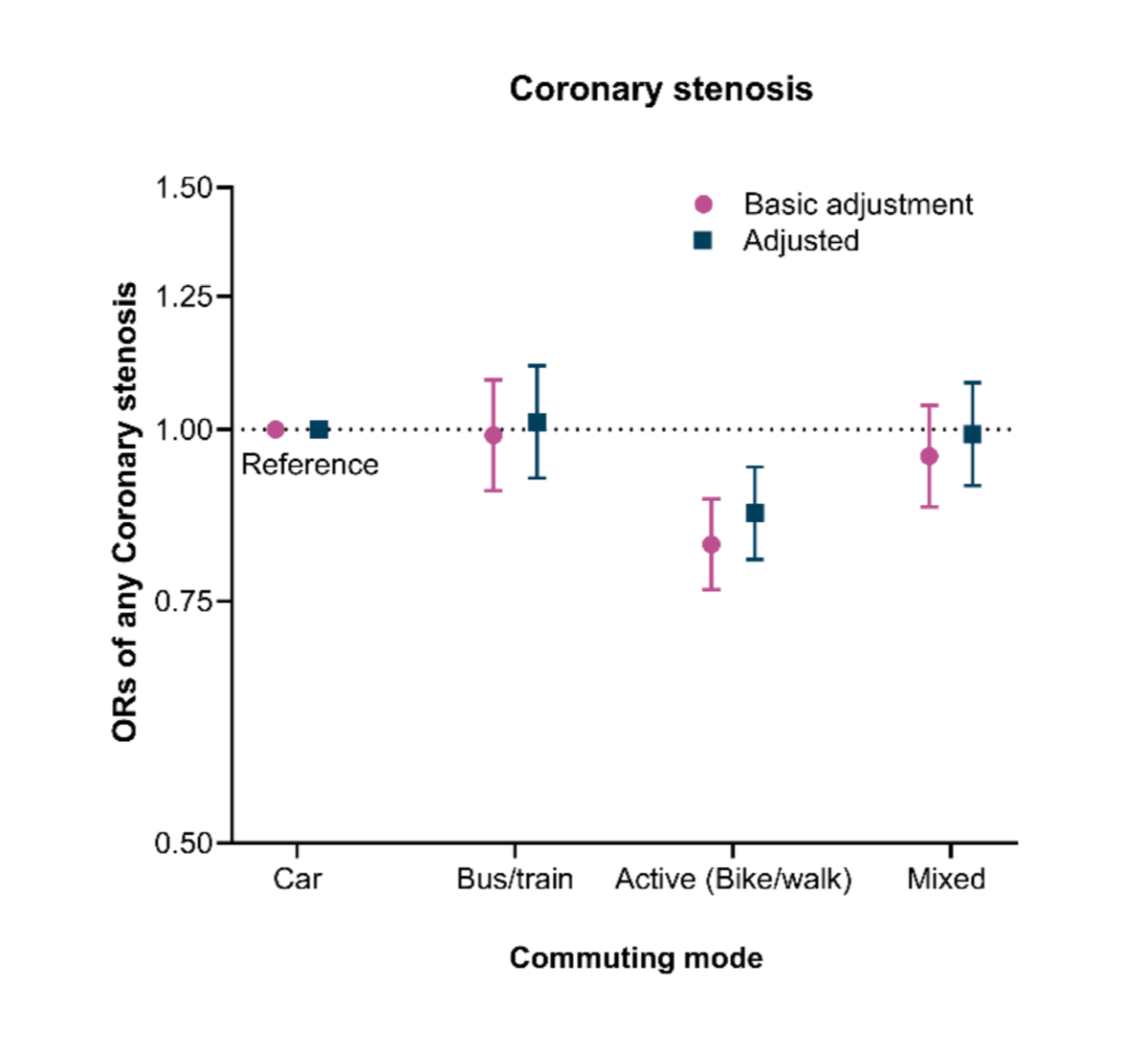
Skip the Car? Active Commuting and Coronary Atherosclerosis
A new analysis of the Swedish CArdioPulmonary bioImage Study (SCAPIS) examined 23,000 adults aged 50‑64 and found that people who walk or cycle to work have less coronary artery stenosis and lower calcium scores than car commuters. The association persisted...

Your Weekly Mileage Is Not the Whole Story. This Long-Run Mistake Could Be Holding You Back.
Runner’s World’s latest episode highlights a new study that challenges the conventional 10‑percent rule, suggesting the incremental increase should target long‑run distance rather than overall weekly mileage. Hosts Jeff Dengate and Aly Ellis explain how over‑loading the longest run can...
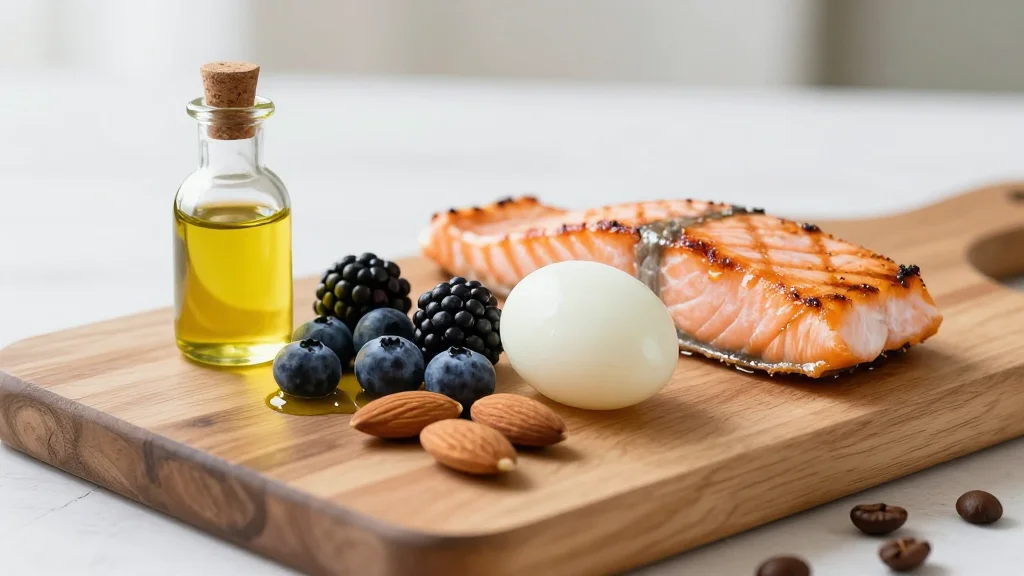
Three Key Nutrients for Brain Longevity, Plus Polyphenols
As a bioscientist studying aging, my top 3 nutrients for brain longevity are: → Omega-3s (fatty fish 2–3x/week) → Vitamin B12 (beef, dairy) → Choline (2 eggs daily) Plus plenty of polyphenol-rich foods: berries, extra virgin olive oil, cocoa, nuts, and coffee.

Dr. Ryan Cole on Defending His Medical License and Improving Health
In this episode, Dr. Ryan Cole discusses his recent battle defending his medical license, his new role leading medical and scientific affairs at the Independent Medical Alliance, and his advocacy for free‑speech rights in medicine following a landmark Supreme Court...

When Recovery Fails, Overtraining Triggers Injury
A 47-year-old runner came to see me many months after surgery. His knee hurt. We dove deeper. He had returned to training, but recently his times had slowed, his heart rate had risen, and his legs had felt heavy. What...

Gut Transit Speed and Targeted Exercise Emerge as New Biohacking Levers
A study in the journal Gut shows that how quickly food moves through the colon predicts microbiome composition, while a NZ Herald feature details exercises that strengthen the gut barrier. Together they give biohackers concrete, science‑backed ways to optimise digestion...

Why Lifting Weights Is the Most Powerful Anti-Aging Hack for Men
A large JAMA Network Open study of 115,000 adults over 65 found that strength training at least twice a week reduces all‑cause mortality risk by up to 30%, even after accounting for aerobic activity. Multiple cohort analyses reinforce that grip...

Rapamycin Might Blunt Exercise Response in Humans
A double‑blind, placebo‑controlled trial gave 40 sedentary adults aged 65‑85 a weekly 6 mg dose of rapamycin alongside a 13‑week home‑based exercise program. Participants receiving rapamycin showed smaller gains in chair‑stand performance and trended worse on six‑minute walk and grip strength,...

AI-Driven Medicine and Cars to Extend Productive Life
Extending human productive life and restoring lost function should be the ultimate objective of AI-powered discovery medicine. It was a great pleasure to share some the story, current progress and long-term plans at one of the most impactful events of...

BioAge Says Early Data Suggest ‘Best-in-Class’ Potential for Inflammation Drug
BioAge Labs released Phase 1 data for the 60‑mg dose of its NLRP3 inhibitor BGE‑102, confirming tolerability and inflammation‑lowering activity similar to the earlier 120‑mg readout. The oral pill crosses the blood‑brain barrier, opening possibilities for cardiovascular, obesity, eye and central‑nervous‑system...
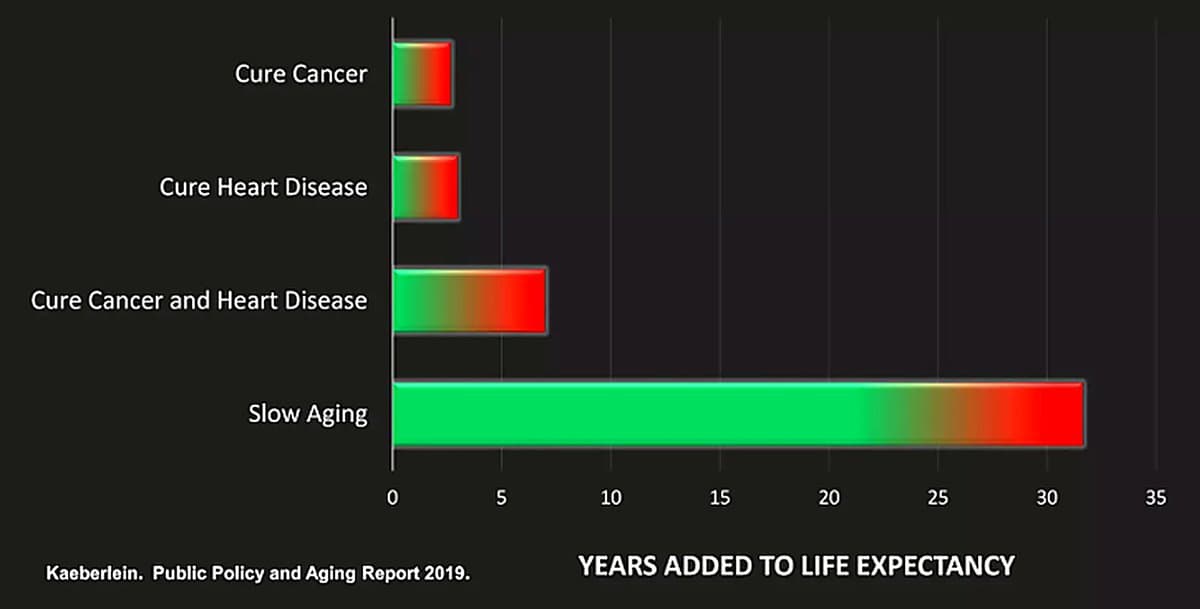
Curing Disease Adds Years; Slowing Aging Adds Decades
In the future, very few will die from cancer and heart disease. But it's estimated that eliminating both completely only increases life expectancy by ~5–10 years. The real dramatic gains in life expectancy will be achieved by figuring out how to slow...

How to Use Breathing to Control Your Emotions (The Neuroscience of Interoception)
The post explains how breathing and other bodily signals shape emotional experience through interoception. It cites classic experiments—such as the bridge study—and pharmacological evidence showing that heart‑rate changes alter perception of fear and attraction. Practical advice emphasizes using deliberate breath...

Intralesional Nivolumab May Be Effective Against Precancerous Oral Lesions, Phase I Trial Results Indicate
A Phase I trial presented at AACR 2026 showed that injecting low‑dose nivolumab directly into precancerous oral lesions produced an 85% clinical response rate, with lesions shrinking an average of 60% and 41% achieving histologic downgrading. Patients received 10 mg or 20 mg...
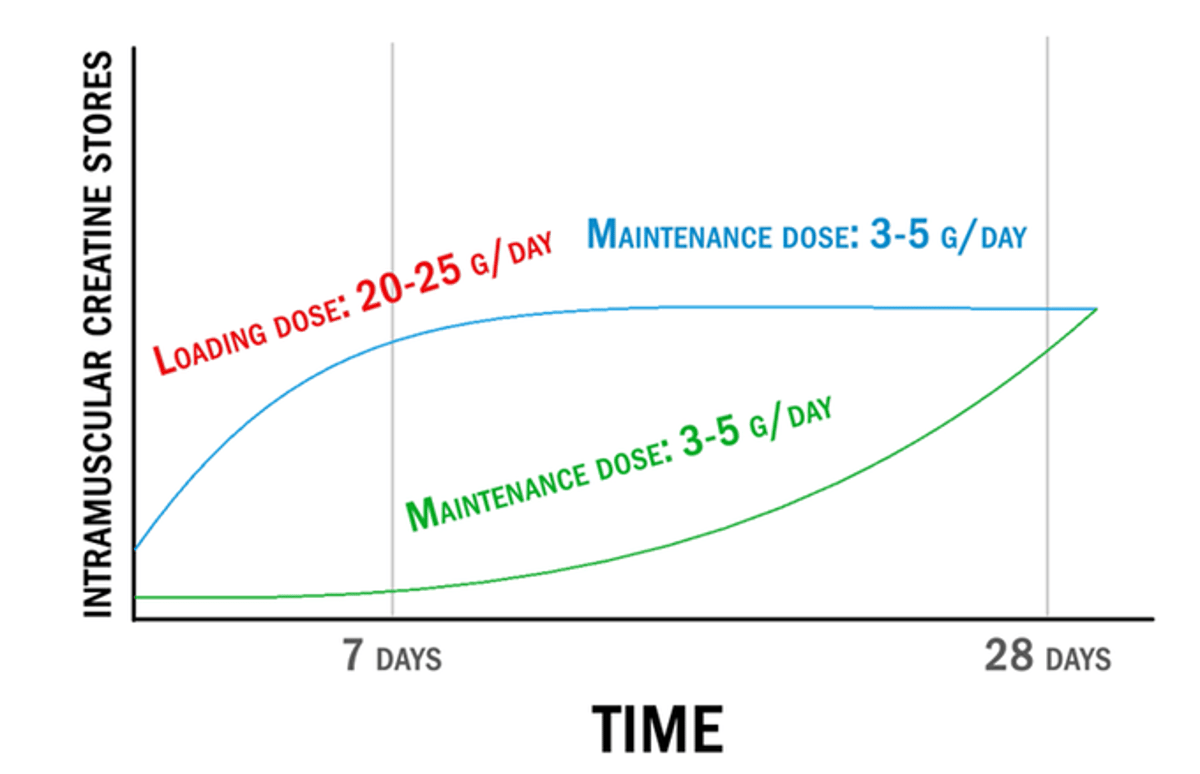
Loading Speeds Creatine Saturation; Maintenance Works Too
Creatine loading is back, but there are some things you need to be aware of⬇️⬇️ Bodybuilders have been doing 'creatine loading' for decades: take 20-25 g/day for a week and then switch to a maintenance dose (3-5 g/day) Whereas over the...

Combining Cannabis with Opioids Offers No Added Pain Relief for Knee Arthritis Patients, Study Concludes
Researchers conducted a double‑blind, placebo‑controlled trial with 21 knee‑osteoarthritis patients to evaluate whether dronabinol, a synthetic THC, enhances the analgesic effect of hydromorphone. The study found that neither drug alone, nor their combination, produced meaningful acute pain relief during laboratory...

Avoid These Sleep Mistakes That Are Sabotaging Your Performance
Entrepreneurs over 40 often treat sleep as a flexible resource, leading to subtle but cumulative performance losses. The article outlines five common sleep mistakes—irregular schedules, late‑night work, caffeine reliance, bedtime mental overload, and fragmented rest—that erode decision‑making, creativity, and emotional...

BioAge Reports Positive Phase 1 Data for BGE-102
BioAge Labs announced Phase 1 results for BGE‑102, an oral, brain‑penetrant NLRP3 inhibitor, showing up to 86% reductions in high‑sensitivity C‑reactive protein (hsCRP) in obese participants. A 60 mg once‑daily regimen over 21 days achieved biomarker improvements comparable to the previously tested...

I Wear a Continuous Glucose Monitor. Here's What MOTS-C Did to My Numbers.
The author, a biohacker who monitors glucose continuously, reports that weekly injections of the mitochondrial peptide MOTS‑c consistently drop post‑meal blood sugar by about 20 mg/dL compared with baseline. The effect appears reproducible across multiple CGM recordings while keeping food intake...
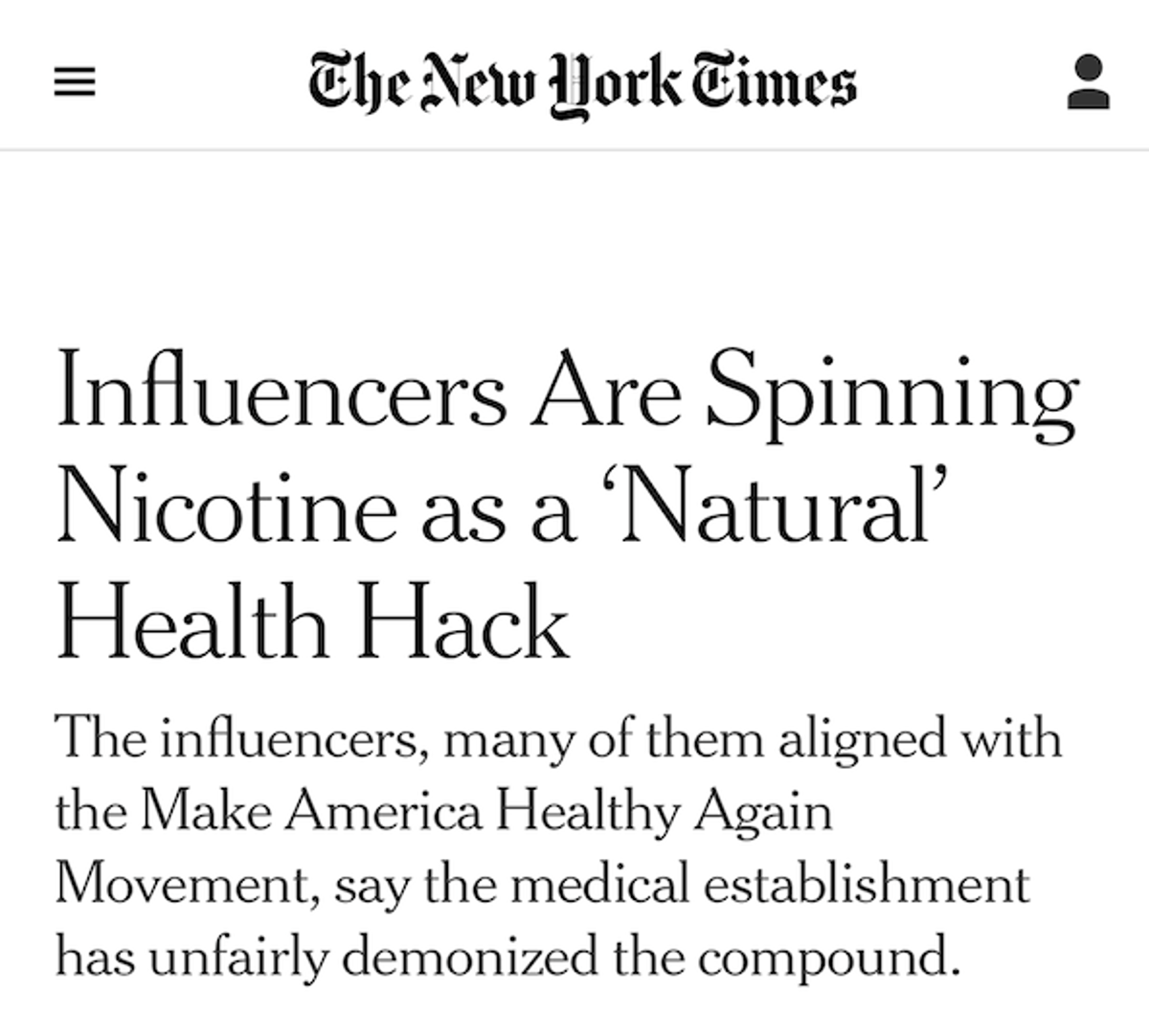
Research Shows Nicotine May Boost Cognition, Guard Against Parkinson's
The New York Times mentioned me in an article about nicotine. They're skeptical. Here's what they didn't include... Dr. Paul Newhouse at Vanderbilt ran controlled trials showing nicotine improved concentration and cognitive function in people with mild cognitive impairment. Peer-reviewed, published...
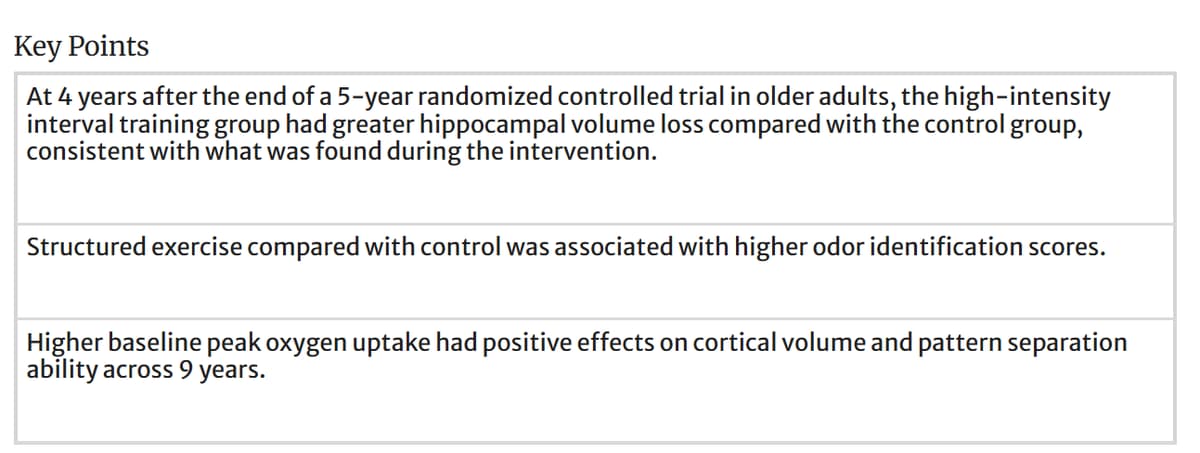
High‑Intensity Training Linked to Greater Brain Atrophy in Seniors
🤔This study followed older adults for 9 years and found that those assigned to long-term high‑intensity interval training (HIIT) actually had slightly more hippocampal and thalamic atrophy than controls who just followed national physical activity guidelines, while higher baseline fitness...
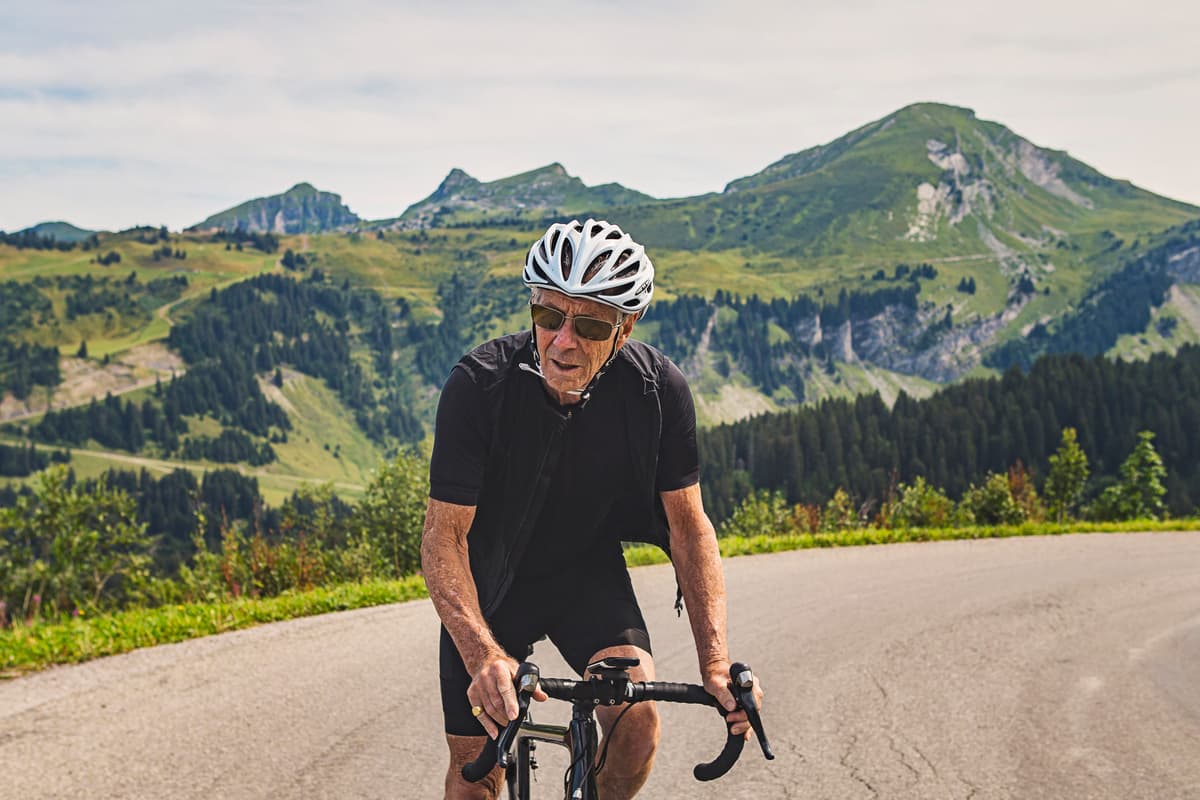
Can Bicycling Help You Become a SuperAger?
A 2024 Journal of Neuroscience study links superior white‑matter microstructure to the remarkable memory of SuperAgers—people 80+ whose cognition rivals that of those in their 50s. Researchers interviewed cyclists aged 80‑90 who exemplify this group, noting their mobility, social connections,...

CBS4's Medical Myth Busters Dispel Five Popular Metabolism Myths
CBS4's "Medical Myth Busters" aired a new segment that dismantled five widely held misconceptions about metabolism, referencing recent peer‑reviewed research. The piece aims to correct public misunderstanding and guide healthier dietary choices.
FIBO 2026 Draws 175,000 Visitors, Spotlighting AI-Driven Fitness Trends
FIBO 2026 in Cologne logged a record 175,173 visitors from 136 countries, while exhibitors unveiled AI‑powered training platforms and emerging formats such as Hyrox. The turnout underscores fitness’s expanding role in health, technology and social experience.

Study Finds Repetitive Diet Boosts Weight Loss for Biohackers
Researchers led by C. Hagerman published a study in Health Psychology showing that eating the same meals daily helped 112 participants lose weight more effectively. The findings give biohackers a data‑backed, low‑complexity tool for calorie control.

90% of Fitness Gains Come From Pure Base Work
(Sadly) leaving ice cream metaphors behind, the number is ~90/10. That is, you'll get ~90% of your fitness potential from pure base *work* (sub LT1) You'll get ~10% by adding "the fancy stuff" More concretely, your typical runner with the potential to run...

What New Atopic Dermatitis Treatments Are in the Pipeline in 2026?
The atopic dermatitis pipeline in 2026 is dominated by next‑generation biologics and selective small molecules that aim to improve efficacy while reducing side‑effects. Connect Biopharma’s rademikibart achieved near‑complete skin clearance in a phase 3 trial, and Apogee’s extended‑half‑life zumilokibart showed durable...

Acute Citrulline Malate Shows Promise for Male Sprinters Going for Gold
Researchers gave elite male sprinters an 8 g acute dose of citrulline malate (CM) before a second 100 m sprint and found modest speed improvements, higher lactate rise, and reduced perceived fatigue compared with placebo. The double‑blind crossover study involved 11 collegiate...
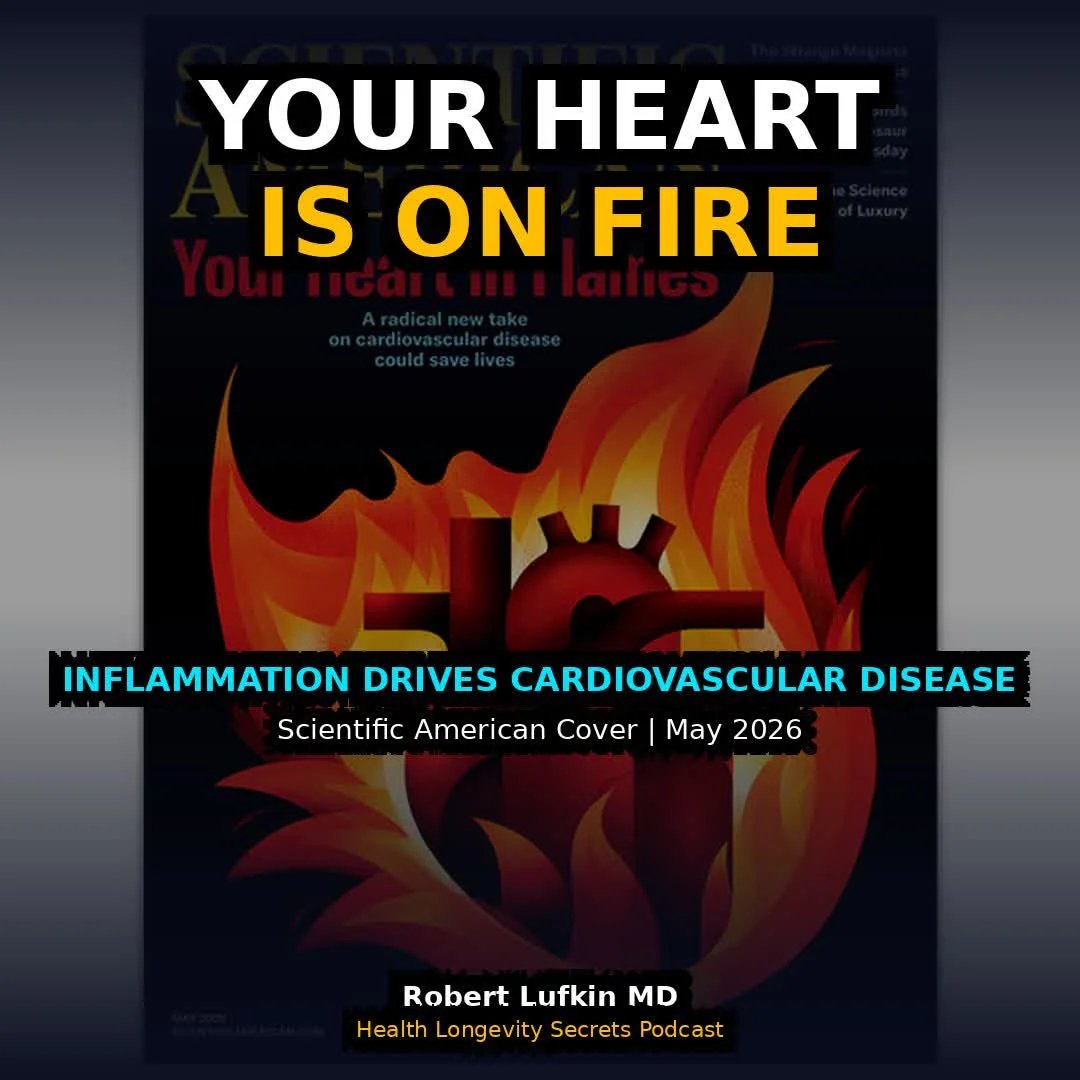
Inflammation, Not Cholesterol, Fuels Heart Disease
As a medical school professor, I have been saying this for years. Now Scientific American put it on the cover. "Your Heart In Flames" -- May 2026 issue. The argument: chronic inflammation, not cholesterol alone, is the real driver of cardiovascular disease. Up...

Understanding Type I and Type III Collagen: How Different Collagen Types Support Joint and Skin Health
Collagen, the body’s most abundant protein, exists in 28 types, with Types I and III dominating connective tissue. Type I delivers tensile strength to bone, tendon, ligament and cartilage, while Type III provides elasticity for skin, arterial walls, and wound‑healing matrices. Production drops roughly...
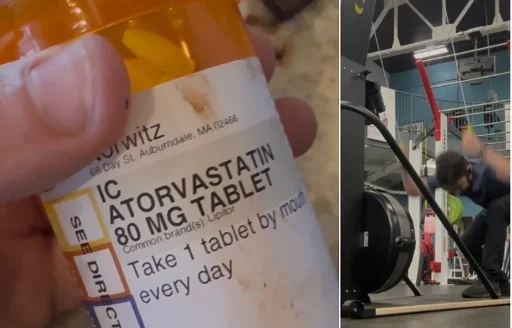
Self‑Experiment Shows High‑Dose Statins May Reduce Exercise Performance
1/2) Given emerging literature I decided to test, in a randomized, placebo-controlled crossover experiment conducted on myself whether high-dose statins would impair my exercise performance.
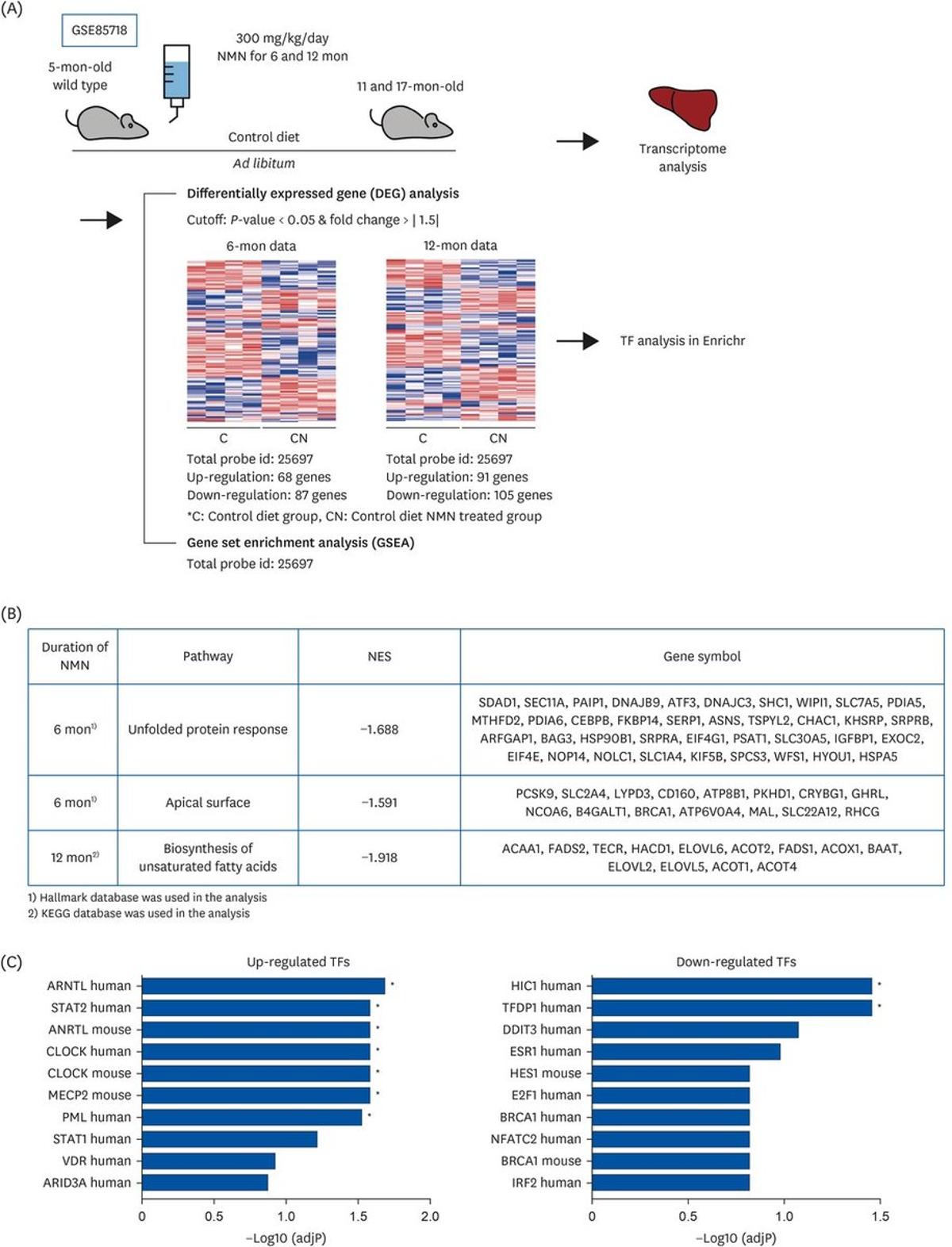
NMN Eases Liver ER Stress, Resets Circadian Rhythm
Nicotinamide mononucleotide attenuates hepatic endoplasmic reticulum stress and modulates circadian rhythms in young mice with diet-induced obesity https://t.co/mXbwdQlAzt https://t.co/iQxPG0NKYf

Do Vitamin C Supplements Help Reduce Anxiety?
Recent research offers mixed evidence on vitamin C’s role in easing anxiety. A double‑blind trial gave high‑school students 500 mg of vitamin C daily—roughly the amount in five oranges—and observed reduced anxiety and lower heart rate within two weeks. Another study reported an...
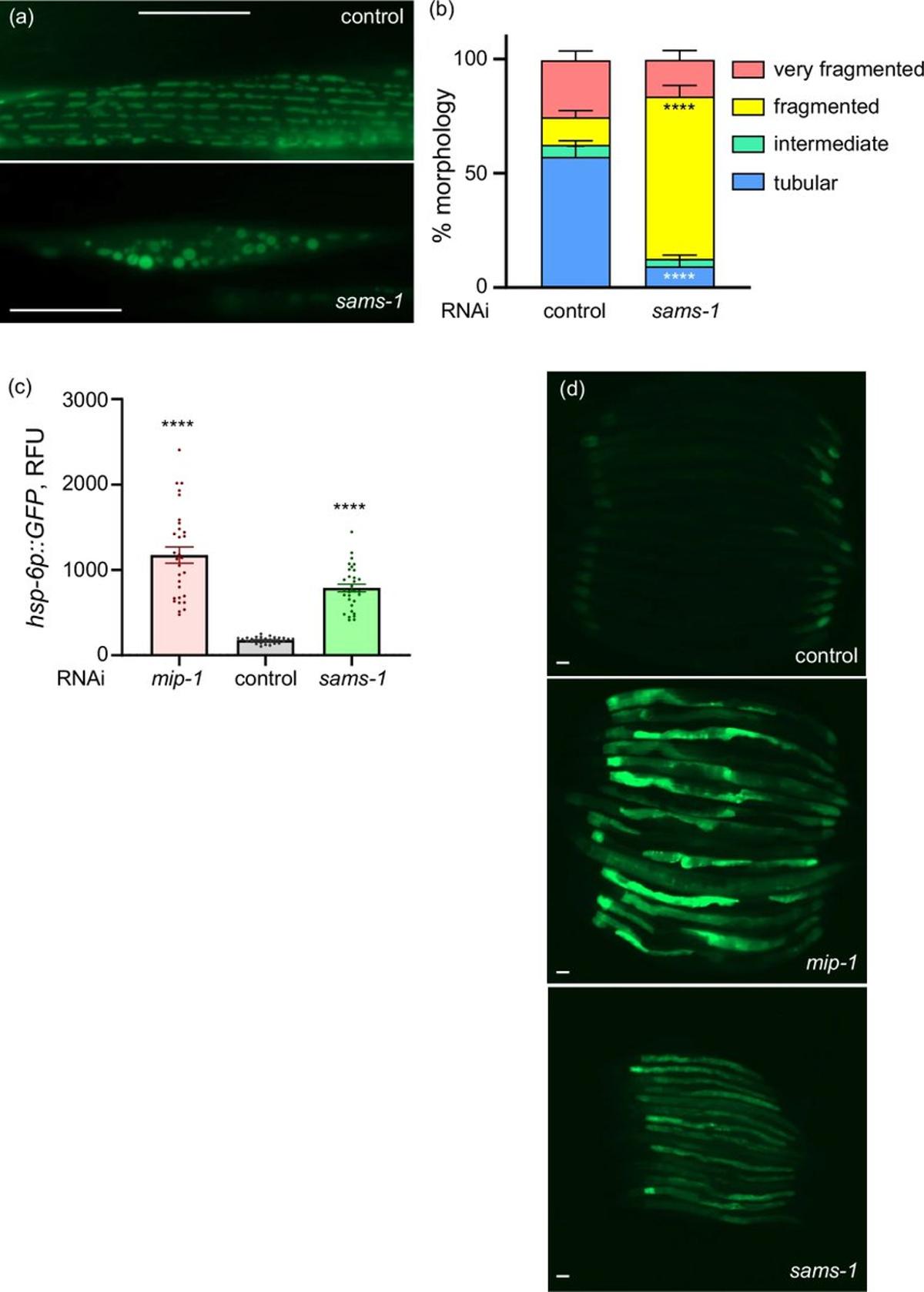
Diet Can Reverse Phosphatidylcholine‑driven Mitochondrial Aging
Aging-associated decline of phosphatidylcholine synthesis is a malleable trigger of natural mitochondrial aging "a previously unrecognized natural driver of mitochondrial decline in aging that is malleable by dietary interventions." https://t.co/jICV37bT1N https://t.co/DxBCO7WXJa

Coffee Regularly Improves Mood, Cuts Anxiety, Enhances Memory
Regular consumption of coffee ‘significantly’ boosts mood and reduces anxiety Benefits were also recorded in non-caffeinated coffee, found to improve learning and memory https://t.co/vWQOtWxObh https://t.co/iPzyyxbe2W

You’re Maxxing Yourself to Death. There’s a Better Way.
The article argues that the current "maxxing" mindset—obsessing over physical optimization—overlooks broader dimensions of health. It introduces the SPECIES‑F framework, outlining eight wellness pillars: spiritual, physical, environmental, career, intellectual, emotional, social, and financial. By citing research from the Global Wellness...

Senolytics Fail to Reset Senescence DNA Methylation Marks
DNA Methylation Signatures of Cellular Senescence Are Not Reversed by Senolytic Treatment https://t.co/uemETuWkqI H/T @NataliaMitin

Doctor’s Insider Tips to Ease NAD IV Experience
Feel “weird” during an NAD IV? Here are the insider tips from a top doctor, @joseph_purita, to make things smoother:
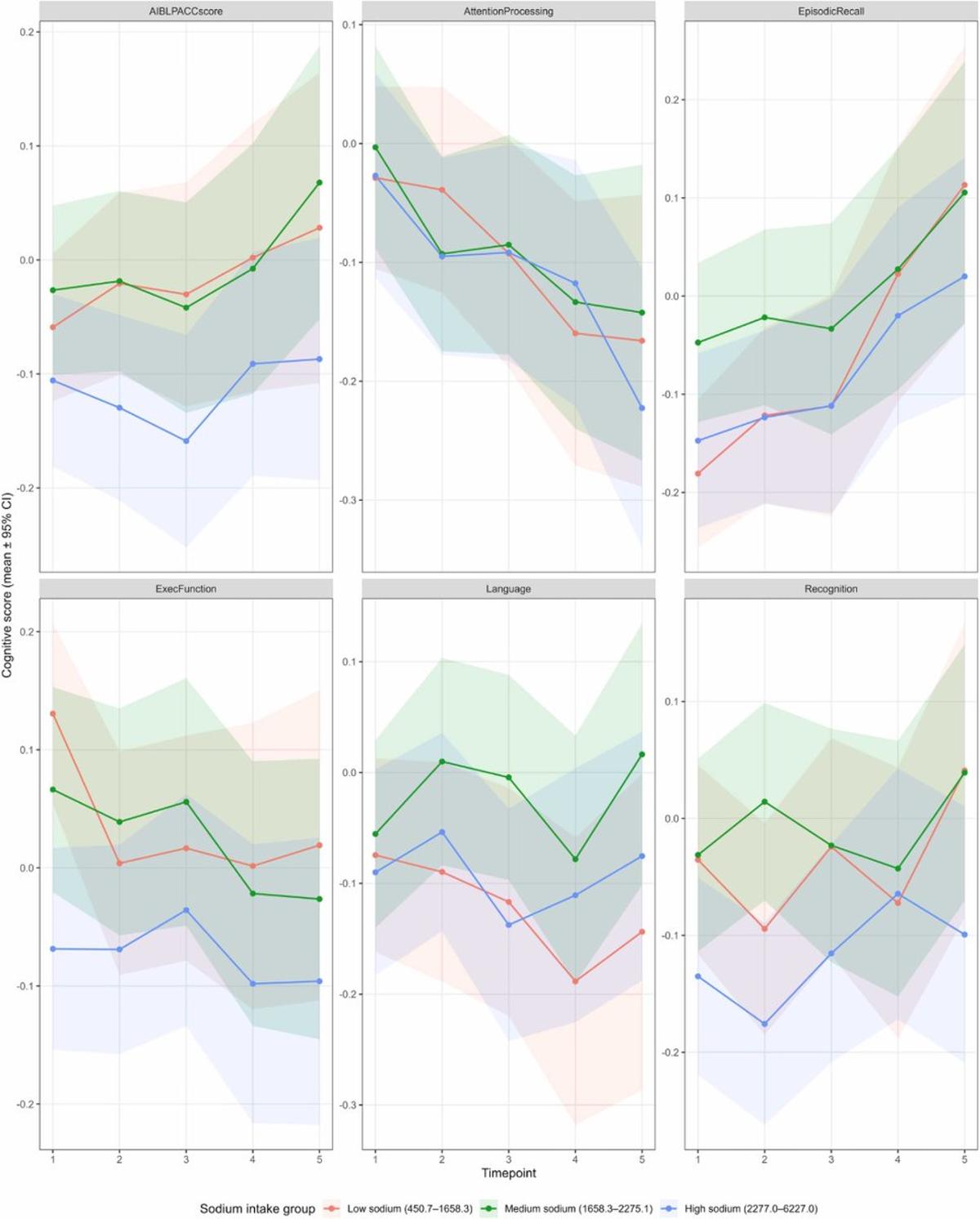
High Sodium Accelerates Memory Decline in Older Men
Higher sodium intake is associated with episodic memory decline in cognitively unimpaired older males: A 6-year longitudinal study https://t.co/8snYRP7sRR https://t.co/kDhs9b2Y8s

APOE Ε4 Predicts Early Cognitive Decline in Midlife Adults
APOE ε4 and Accelerated Cognitive Decline Among Cognitively Healthy Middle-Aged and Older Adults 🗣️” In this study, APOE ε4 carrier status was associated with early cognitive decline, highlighting midlife risk awareness and lifestyle interventions, while non-APOE polygenic risk may require longer...

Skipping Nightly Brain Cleansing Compounds Mental Fatigue
“Night after night, if you’re not cleansing the brain, it becomes like compounding interest on a loan, that it continues to escalate time and time again, night after night. “ — Dr. Matthew Walker Listen to my interview with sleep expert Dr....
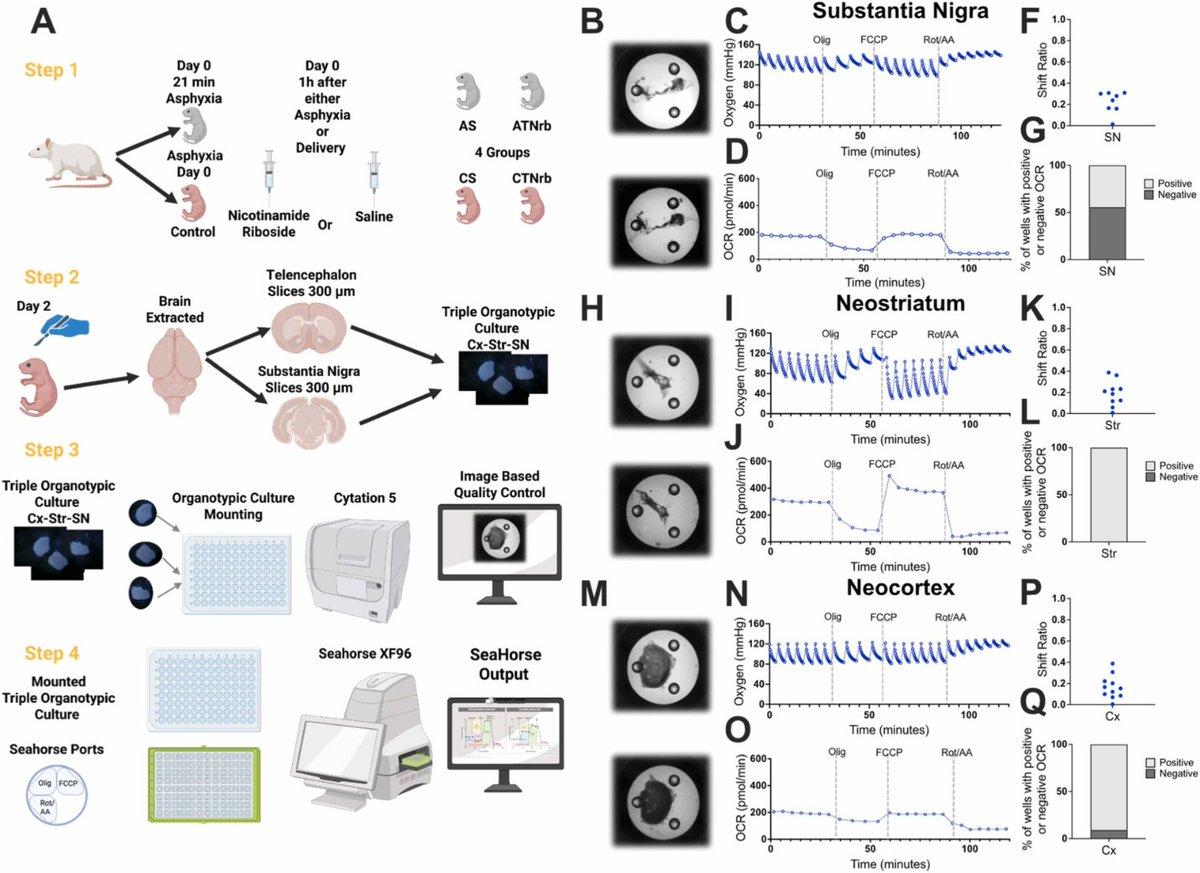
Nicotinamide Riboside Blocks Lasting Mitochondrial Damage Post‑asphyxia
Long-term region-specific mitochondrial respiration impairment after perinatal asphyxia is prevented by the NAD⁺ donor nicotinamide riboside: A real-time organotypic metabolic profiling approach https://t.co/ZGyAxcnNAC https://t.co/w0VJkAmlHT