
Biological Clock Insights in Parkinson’s Disease Therapy
On May 9 2026 Bioengineer.org released a multi‑topic research roundup covering neurology, oncology, geriatric trial design, environmental virology, terahertz communications, and AI‑driven cancer analytics. The pieces highlight that mild cognitive impairment independently reduces gait speed in seniors, a new drug combination shows promise for cancers of unknown primary, and pragmatic trials are improving older‑adult enrollment. Citywide indoor‑air sampling now tracks respiratory virus spread in real time, while terahertz wireless achieves data rates beyond kilometer distances. An AI model also predicts chemoresistance in bladder cancer, underscoring rapid advances across health and tech sectors.
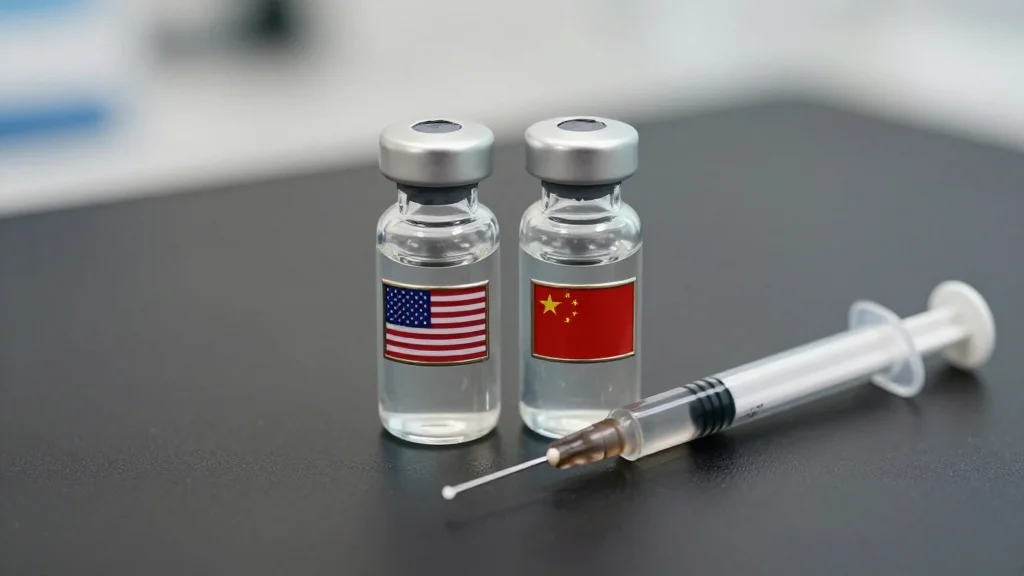
China’s Rapid Dead-Virus Vaccines Match Severe-Case Protection
small point, but the record time is a bit of exaggeration. China developed two old-fashioned dead virus vaccines in roughly the same time-frame. They were less effective in preventing the original strain, but comparably effective in preventing serious illness and...
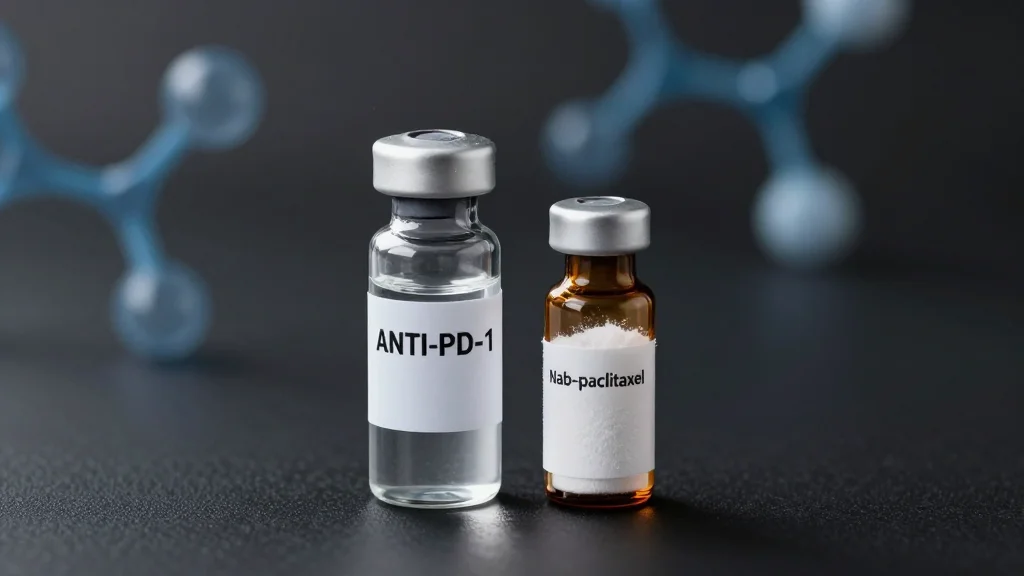
New Combo Shows Promise for Unknown Primary Cancer
Researchers reported phase II results of the Fudan CUP‑002 trial, which combines an anti‑PD‑1 checkpoint inhibitor, nab‑paclitaxel chemotherapy, and bevacizumab anti‑angiogenic therapy for cancer of unknown primary (CUP). The triplet achieved higher objective response rates and longer progression‑free survival than historical...

Engaging Older Adults in Pragmatic Trial Research
A 2026 multi‑methods study published in BMC Geriatrics examined how researchers involve older adults in pragmatic clinical trials. Using interviews, focus groups and surveys, the authors identified facilitators such as dedicated PPI coordinators and barriers like limited funding and absent...

StuffThatWorks Hires Veteran CRO Exec Caroline Redeker as Chief Commercial Officer
StuffThatWorks announced the appointment of Caroline Redeker as Chief Commercial Officer. The veteran CRO leader will steer commercialization of the company’s AI‑native patient‑generated data platform, which now spans over 3 million patients and 1.3 billion data points, aiming to halve trial timelines.

Regeneron Secures FDA Accelerated Approval for First Neurosensory Gene Therapy
Regeneron Pharmaceuticals has won FDA accelerated approval for Otarmeni, the first in‑vivo gene therapy aimed at restoring hearing in patients with OTOF‑related sensorineural loss. The decision, based on a Phase I/II CHORD trial of 20 children, makes the treatment free...

Asthma Medication Formoterol Shows Promise for Treating Fatty Liver Disease
Researchers at the Medical University of South Carolina found that the asthma drug formoterol reverses fatty liver in mouse models of metabolic dysfunction‑associated steatohepatitis (MASH) and is linked to lower liver‑related complications in retrospective patient data. The β‑2 adrenergic agonist...

Beacon Biosignals Launches At-Home Sleep EEG Platform for Brain Health Diagnostics
Boston‑based Beacon Biosignals introduced an at‑home sleep EEG platform that uses a lightweight headband to capture clinical‑grade brain activity while users sleep. The FDA‑cleared device is already deployed in more than 40 global clinical trials, positioning the company to reshape...

FDA Pushes Leqembi Subcutaneous Start‑Dose Review to Aug. 24, 2026
Eisai and Biogen announced that the U.S. FDA has extended the PDUFA deadline for Leqembi® Iqlik™ as a starting dose for early Alzheimer’s disease by three months, moving the decision date to Aug. 24, 2026. The agency cited a major amendment...
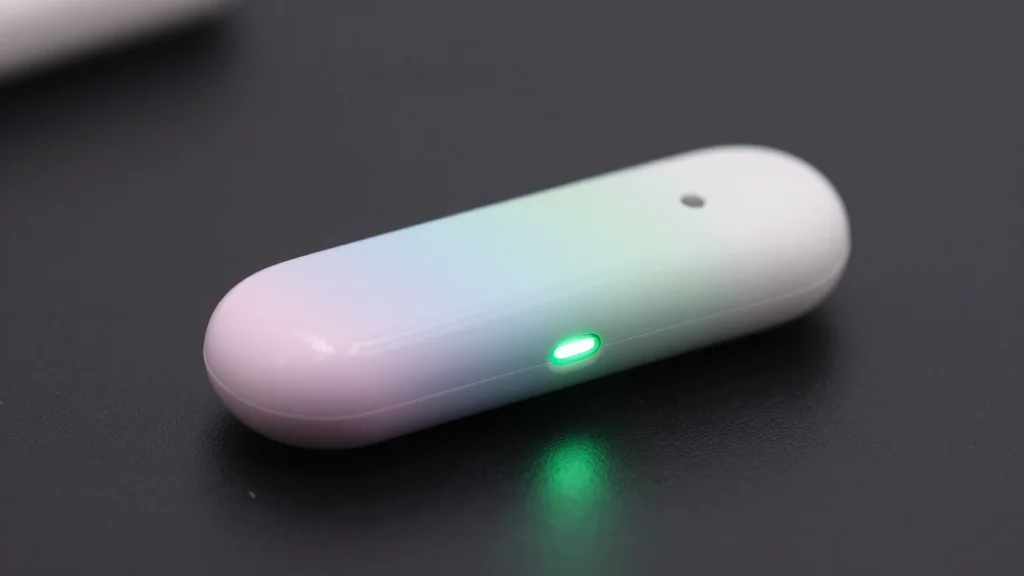
FDA Clears Fruit‑Flavored Vapes From Glas Inc., Citing Age‑Gate Technology
The U.S. Food and Drug Administration approved the marketing of fruit‑flavored e‑cigarette pods made by Los Angeles‑based Glas Inc., citing built‑in age‑verification technology as a safeguard. The decision, the first of its kind, follows reported pressure from the Trump administration and...
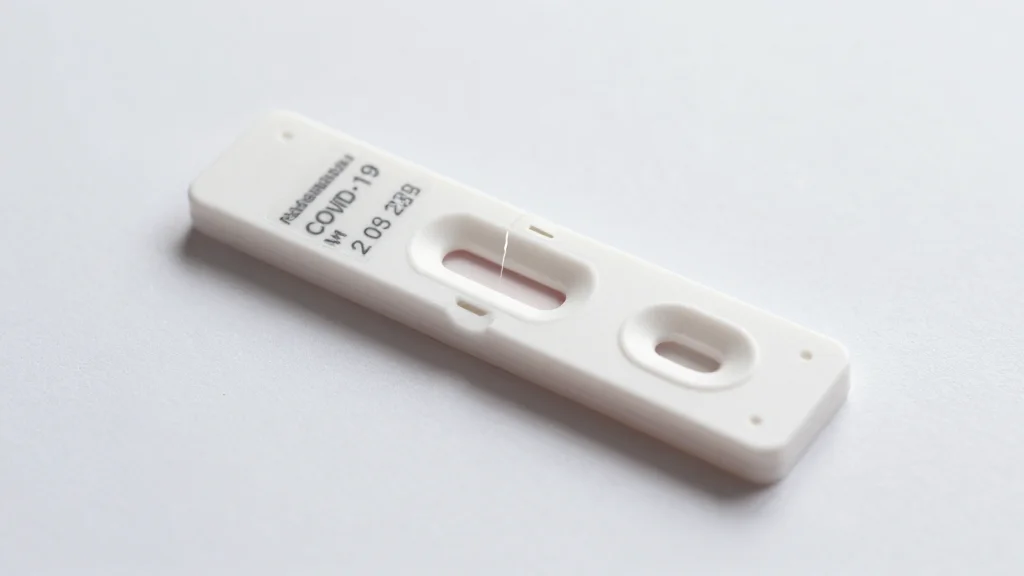
Reedley Lab Operator Convicted for $3.8 Million COVID Test Fraud
Jia Bei Zhu, the operator of a Reedley biolab, was convicted of a $3.8 million fraud scheme that sold mislabeled COVID‑19 test kits as U.S.-made. The verdict underscores weaknesses in oversight of small medical‑device firms and raises questions about future enforcement.

University of Michigan Unveils CRYSTAL Nanoassembly to Safely Activate STING in Cancer Therapy
A joint team from the University of Michigan College of Pharmacy and MD Anderson Cancer Center announced CRYSTAL, a manganese‑based nanoassembly that activates the STING pathway at low doses while avoiding systemic inflammation. Preclinical tests in triple‑negative breast cancer showed...
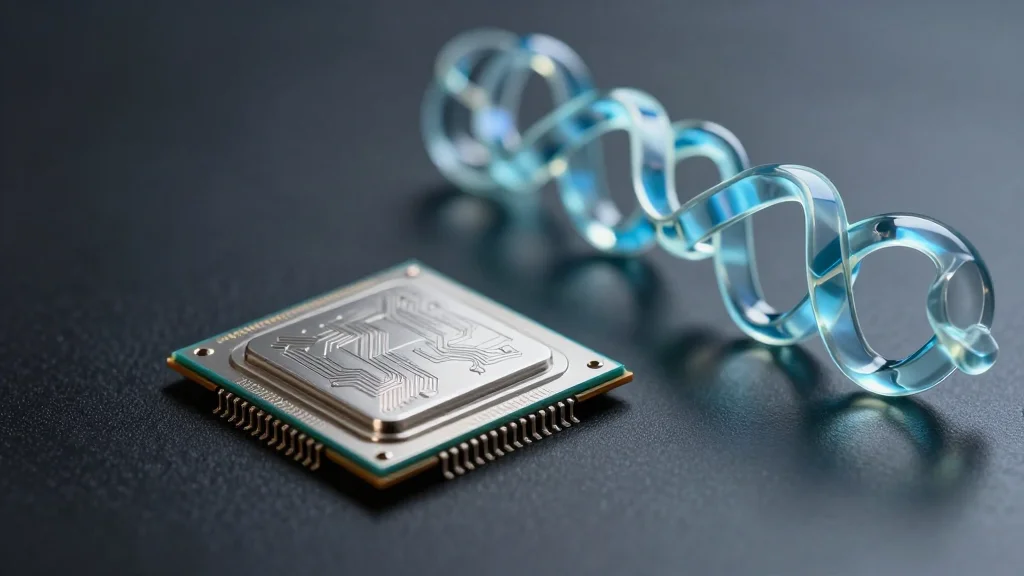
IBM Quantum Simulates 12,635‑Atom Protein Complex, Claiming 210‑Fold Accuracy Boost
IBM Research announced at the 2026 Think conference that its quantum hardware, together with classical supercomputers, simulated a 12,635‑atom protein complex, delivering a 210‑fold accuracy improvement over prior quantum‑centric methods. The breakthrough, demonstrated with partners Cleveland Clinic, RIKEN and Oak...

LSD Microdosing Linked to Acute Mood Improvements in Adults with Depression
A small open‑label pilot gave 19 adults with major depressive disorder sublingual LSD microdoses (4‑20 µg) over eight weeks. Participants reported acute spikes in creativity, energy and social connectedness on dosing days, with a 60% average reduction in overall depression severity...

Integrating Cell-Type-Specific Gene Expression and Genome-Wide Associations Identifies Risk Genes for Schizophrenia
A new multi‑omics study combines single‑cell expression quantitative trait loci (eQTL) from distinct brain cell types with the largest schizophrenia genome‑wide association studies to pinpoint dozens of candidate risk genes. By colocalizing cell‑type‑specific eQTL signals with GWAS loci, the researchers...

The BioPharm Brief: Bispecifics, Biocatalysis, and Dual-Pathway Therapies
Harbour BioMed has secured FDA clearance to start a Phase I trial of its B7H4×CD3 bispecific antibody, HBM7004, in patients with advanced solid tumors. Merck published a scalable biocatalytic process for its oral PCSK9 inhibitor, enlicitide decanoate, showcasing a new route...
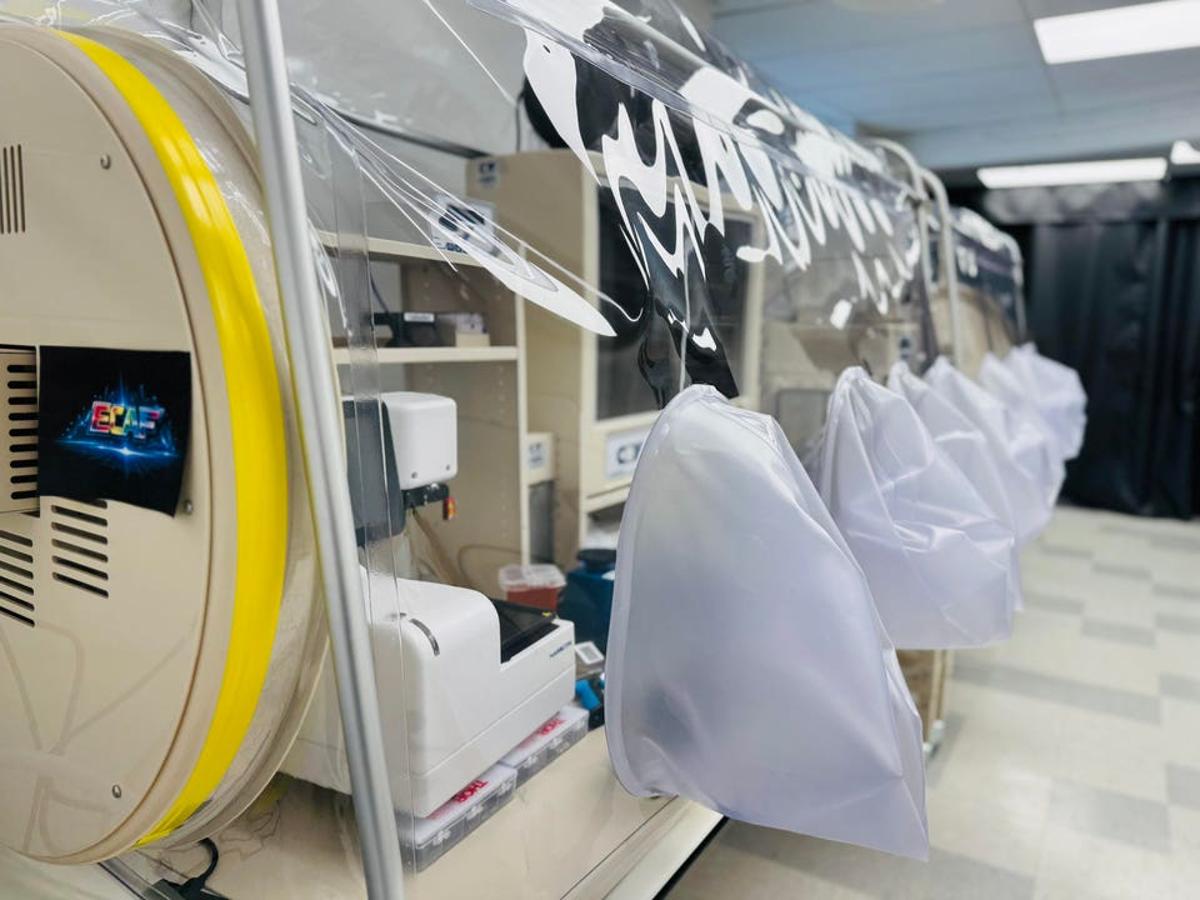
The Gates Foundation Is Funding A Startup’s Plan To Fight Malnutrition With Bacteria
The Bill & Melinda Gates Foundation has pledged new funding to Kanvas Biosciences to develop a synthetic microbiome pill aimed at treating environmental enteric dysfunction (EED), a gut‑inflammation disease that threatens roughly 150 million children worldwide. Kanvas uses machine‑learning‑driven microbiome mapping to...

Odyssey Completes Journey to NASDAQ: Public Equity Report
Odyssey Therapeutics completed its long‑awaited IPO and debuted on Nasdaq, after withdrawing a previous filing in June 2025. The immunology‑focused company priced its shares in early May 2026, marking a successful market entry. At the same time, three biotech firms—Cytokinetics,...
Tr1X: Inducing Long-Term Immune Tolerance with Allogeneic Tr1 Cells
BioCentury has updated its website privacy framework, detailing the use of strict, functional, marketing, advertising, and analytics cookies. The policy explains that essential cookies enable authentication, registration, and navigation, while functional cookies enhance personalization. Marketing and advertising cookies are used...

Brain Stimulation Boosts Willpower to Quit Smoking
A double‑blind, fMRI‑guided trial found that high‑frequency rTMS targeting the left dorsolateral prefrontal cortex (DLPFC) cut smokers’ daily consumption by about 11 cigarettes, outperforming sham and orbitofrontal cortex stimulation. The 15‑session protocol boosted prefrontal activity while suppressing reward‑related regions, correlating...

How to Build a Single-Cell RNA-Seq Analysis Pipeline with Scanpy for PBMC Clustering, Annotation, and Trajectory Discovery
The tutorial walks through a full Scanpy pipeline applied to the PBMC‑3k benchmark, covering quality control, doublet removal, normalization, variable‑gene selection, dimensionality reduction, clustering, and cell‑type annotation. It then extends the analysis with PAGA‑based trajectory inference, diffusion pseudotime, and a...
FDA Approves Ocrevus for Relapsing-Remitting MS in Children Aged 10 Years and Up
The U.S. Food and Drug Administration has approved Genentech's ocrelizumab (Ocrevus) for children aged 10 and older who weigh at least 55 lb, expanding its use beyond adult multiple sclerosis (MS) populations. The decision follows the OPERETTA II trial, which demonstrated superior...

Addressing Manufacturing and Access Barriers in Advanced Therapeutics
Advanced cell and gene therapies are moving from research to commercial markets, but their complex manufacturing creates variability that delays patient access. Industry leaders are deploying process analytical technologies (PAT) and artificial intelligence (AI) to gain real‑time insight and predictive...

Economic Assistance and Incentives for Drug Development
The FDA and other federal agencies offer a suite of pre‑approval assistance and post‑approval incentives to lower the financial risk of drug development. Programs such as the Orphan Products Grant, SBIR/STTR funding, and PDUFA fee waivers help sponsors fund clinical...
GlycanAge to Launch Inflammaging Conference in Dubrovnik, Targeting Clinical Use
GlycanAge, together with the Mayo Clinic, announced a landmark conference in Dubrovnik, Croatia, opening June 19 with a dedicated clinical day on June 20. The event aims to turn 25 years of inflammaging research into actionable diagnostics for doctors and patients.
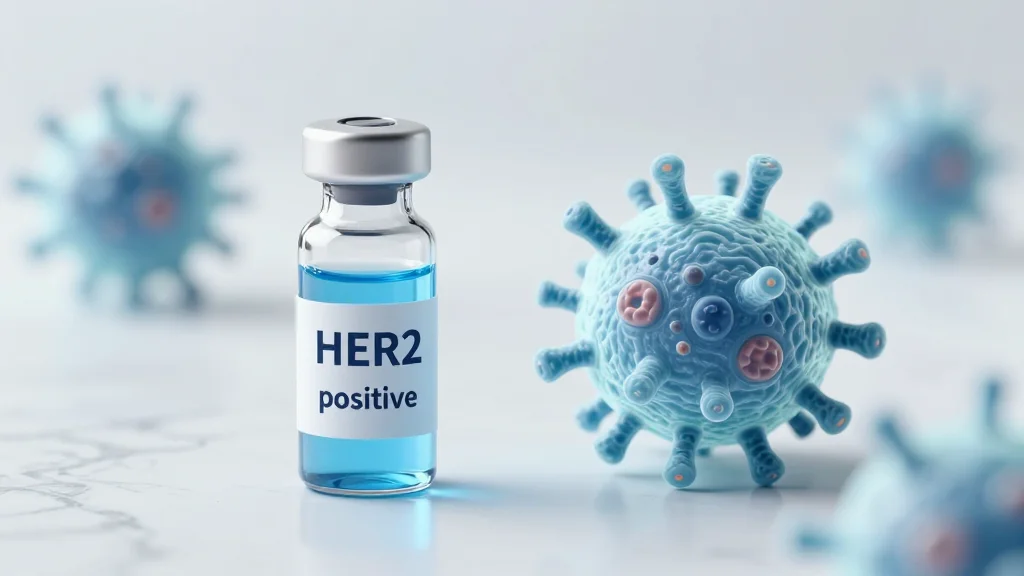
AstraZeneca and Daiichi Sankyo Secure Earlier‑Line Enhertu Approvals in South Korea
AstraZeneca and Daiichi Sankyo announced that South Korea’s Ministry of Food and Drug Safety approved Enhertu for first‑line metastatic HER2‑positive breast cancer and second‑line HER2‑positive gastric cancer. The decisions, based on DESTINY‑Breast09 and DESTINY‑Gastric04 trials, could broaden the drug’s Asian...

Odyssey’s IPO Brings In $304M for Quest to Develop Better Immunology Drugs
Odyssey Therapeutics priced 15.5 million shares at $18, raising $304 million including a $25.2 million private placement. The funds will finance Phase 2a/2b trials of OD‑001, an oral RIPK2 inhibitor for ulcerative colitis, and advance OD‑002, a SLC15A4 inhibitor, toward Phase 1/2a. Odyssey’s platform targets...
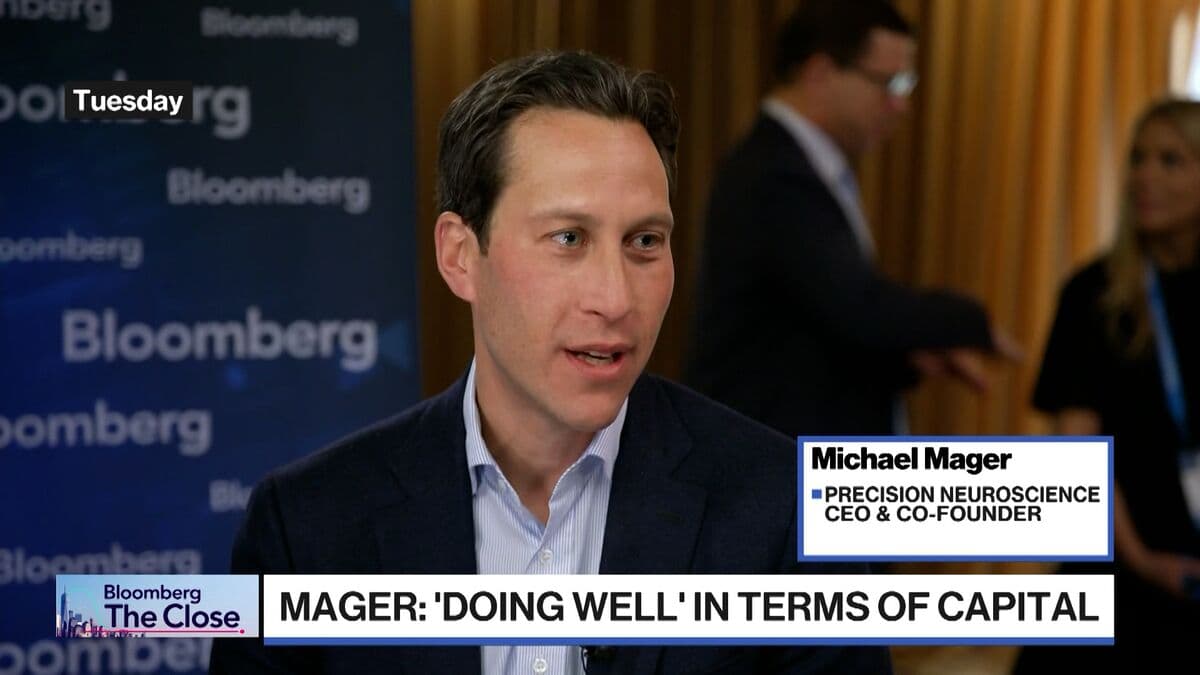
Precision Neuroscience CEO on Medtronic Partnership, What's Next
Precision Neuroscience CEO Michael Mager announced a partnership with Medtronic to commercialize a reversible brain‑computer interface (BCI) that lets paralyzed users control digital devices with thought. The company has temporarily implanted 83 devices in volunteers under FDA clearance and is...

Entera Announces First Quarter 2026 Financial Results and Updates Across Its Oral Peptide Programs
Entera Bio reported Q1 2026 results, highlighting a streamlined Phase 3 protocol for its lead osteoporosis candidate EB613 and a completed Phase 1 bridging study that positions a single‑tablet formulation for the upcoming trial. The company also advanced its partnership with OPKO, securing...

Family Offices Surge in April, Allocating One‑Third of Deals to Health‑Tech
Family offices stepped up deal‑making in April, completing 55 direct investments—up from 39 in March—and earmarked almost a third of those for healthcare and life‑science firms. The rebound follows a slowdown triggered by the Iran conflict and reflects a growing...

FDA Grants National Priority Voucher to Partner Therapeutics' BIZENGRI for Rare Liver Cancer
Partner Therapeutics announced that the FDA awarded a Commissioner’s National Priority Voucher for its bispecific antibody BIZENGRI, targeting NRG1‑positive cholangiocarcinoma. The voucher could cut review time to as little as two months, accelerating a therapy for an ultra‑rare liver cancer...

Building New Tools Is Valid Even When Alternatives Exist
I've never been a fan of the argument of "why build y if x already exists?" That's a silly stance to hold. "Why do people keep making new car brands? We got plenty of cars on the road already..." I'm gonna make...

The $1 Trillion Cardiovascular Reset
The blog highlights Eli Lilly's $1.3 billion acquisition of Verve Therapeutics, targeting a one‑shot PCSK9 gene‑editing therapy that could replace daily statins. It underscores the massive adherence problem—up to 75% of statin users stop within two years—and the untapped 1.4 billion‑person market for...
![[Comment] Could Enpatoran Add to Our Therapeutic Toolbox in SLE?](https://hixhlmpcokxhartfkpyi.supabase.co/storage/v1/object/public/images/thumbnails/34fb3ece9b6e61491e68aaab9182a7fc.webp)
[Comment] Could Enpatoran Add to Our Therapeutic Toolbox in SLE?
Systemic lupus erythematosus (SLE) remains a heterogeneous disease with only two novel agents—BAFF and type‑1 interferon receptor inhibitors—approved since the 1950s. These drugs often fall short as stand‑alone treatments, are expensive, and are not uniformly accessible worldwide. Clinicians continue to...
![[Comment] RTS,S/AS01 Implementation Reduces Mortality in African Children](https://hixhlmpcokxhartfkpyi.supabase.co/storage/v1/object/public/images/thumbnails/421f4ef62893dab4b11bed93097fa02e.webp)
[Comment] RTS,S/AS01 Implementation Reduces Mortality in African Children
A recent Lancet analysis shows that the RTS,S/AS01 (Mosquirix) malaria vaccine rollout in Ghana, Kenya and Malawi cut child mortality by roughly 20% after three years of implementation. The program reached over five million children under five, integrating the vaccine...

Electrospinning of Hydroxypropyl Chitosan Nanofibers for Bone Regeneration Application
Researchers electrospun nanofiber mats using hydroxypropyl chitosan (HPCH) and poly(vinyl alcohol) (PVA) in varying ratios to assess osteoconductive potential in MC3T3 pre‑osteoblast cells. Characterization by SEM, FT‑IR and mechanical testing confirmed uniform fiber formation. Biological assays showed that a 50/50...

FDA Issues Most Serious Recall for Certain Pacemaker Devices by Boston Scientific
The FDA issued a Class I recall for Boston Scientific’s ACCOLADE pacemakers and cardiac resynchronization therapy models after detecting a software‑related battery flaw that can trigger Safety Mode and limit pacing. The agency advises clinicians to install a software upgrade during...

Glint of Light in Therapy for Deadly ALS After Decades of Struggle
Researchers reported that tofersen, an antisense oligonucleotide targeting the SOD1 gene, dramatically slowed and even reversed disease progression in a subset of ALS patients with the rare SOD1 mutation. The phase‑III trial, published in JAMA Neurology, showed about a quarter...
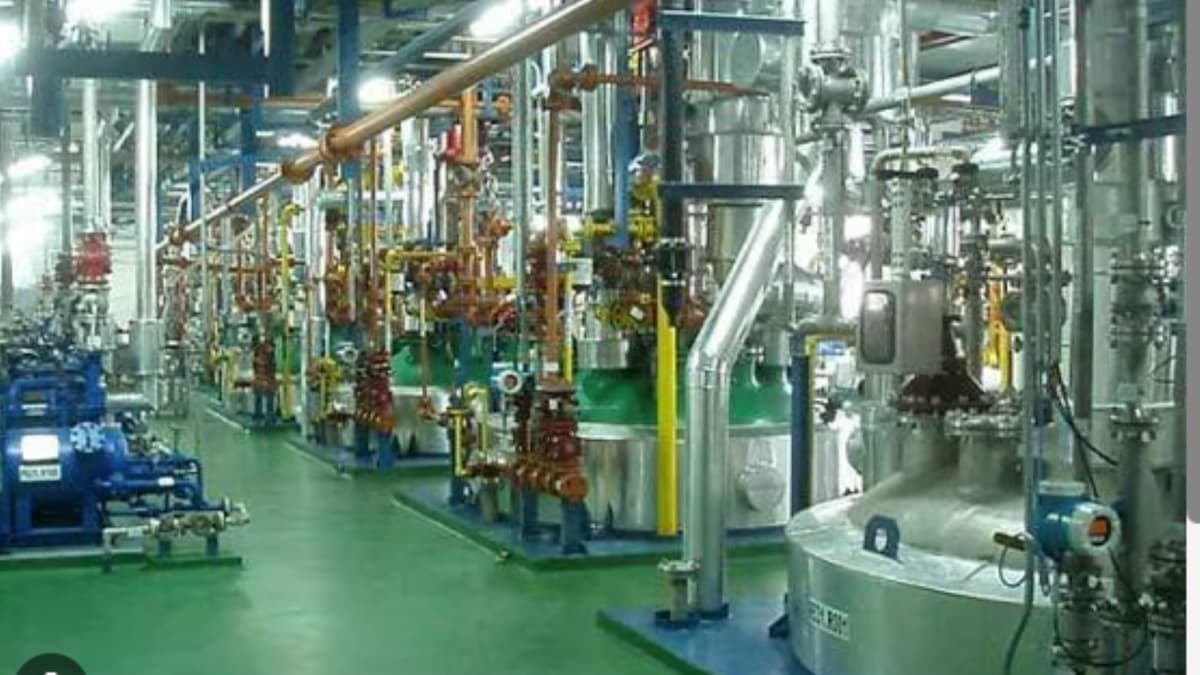
Pharma Company Planning $280M Denton Plant
Novartis broke ground on a new 46,000‑square‑foot manufacturing facility in Denton, Texas, investing roughly $280 million. The plant will specialize in producing radioligand therapy drugs, a targeted radiation treatment for advanced cancers. Scheduled to open in 2028, it will be Novartis’s...

We’ve Launched the Most AI‑discovered Longevity Drugs
This is cool. Not sure why you need so much money if you are making drugs faster and cheaper. But it is great - maybe I should be thinking about raising more to scale. At the end of the day,...
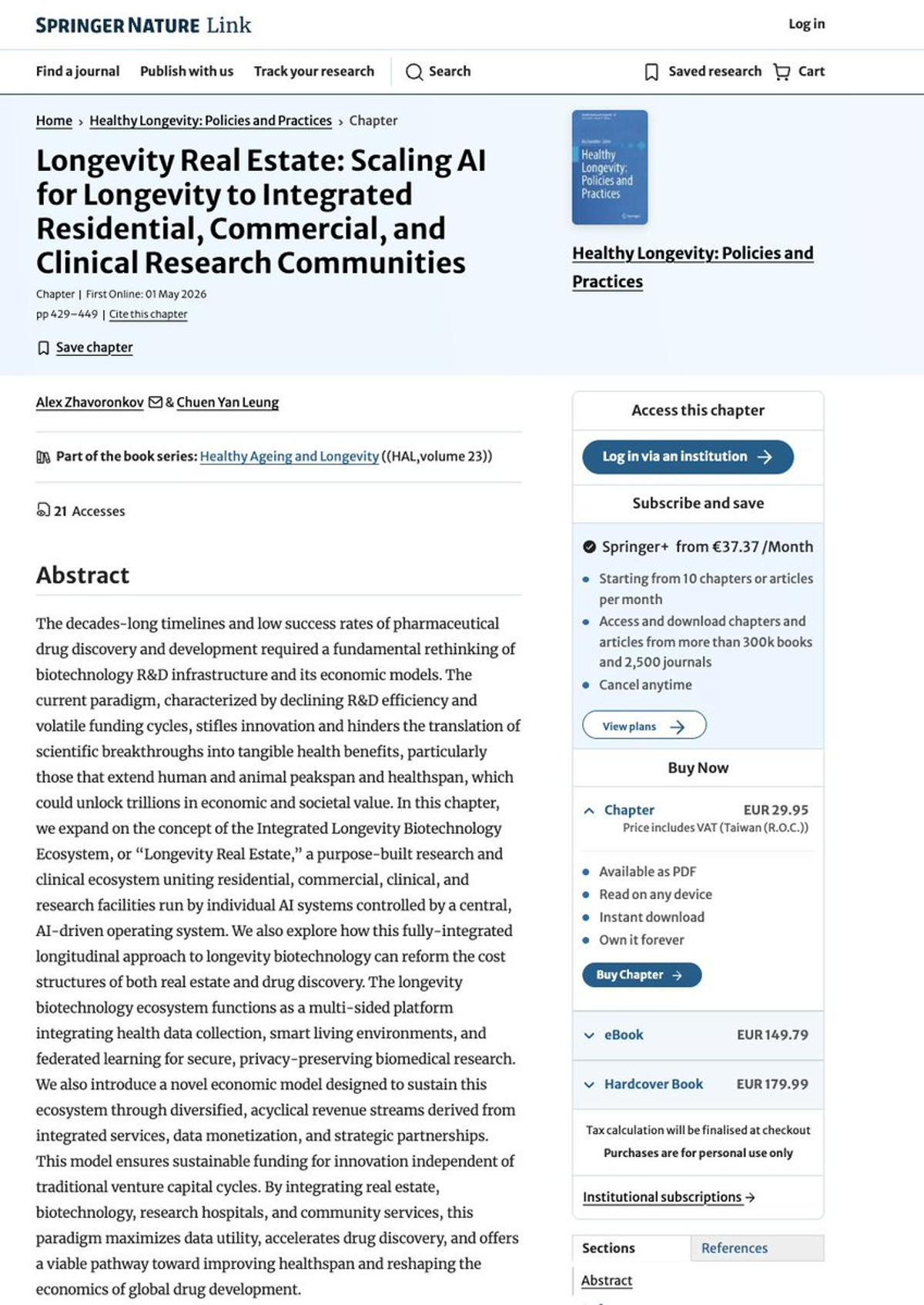
Smart Homes Integrated with Biotech Extend Lifespan
A bigger house is not going to give you significantly longer life. But a much smarter house integrated into the advanced biotechnology research and clinical ecosystem will. Very happy to see our chapter with CY Leung published in Springer Nature...

Inclisiran Linked to Lower MACE, AMI Rates in High-Risk ASCVD Population
Inclisiran, added to maximally tolerated statins, lowered 4‑point major adverse cardiovascular events (MACE) from 22.7% to 14.6% in a real‑world ASCVD cohort. The therapy also reduced acute myocardial infarction (5.0% vs 8.5%) and all‑cause hospitalizations (20.8% vs 28.8%) over one...

Billion-Dollar Ideas Lurk in Free PubMed Data
Martin Shkreli came on MFM a while back and told Shaan and I something interesting: PubMed has 40M+ biomedical papers. It's the government database of every medical innovation ever logged. And it's 100% free. He told us if you sit there and read long...
Taking a Look at the Toxicity Trade-Offs of EPCORE FL-1
The phase 3 EPCORE FL‑1 trial added AbbVie/Genmab’s bispecific antibody epcoritamab to the rituximab‑lenalidomide (R²) regimen for relapsed or refractory follicular lymphoma. The triplet produced a 79% reduction in progression‑or‑death risk and lifted 16‑month progression‑free survival to 85.5%, nearly doubling the complete...

Multimodal Remote Digital Phenotyping for Detecting and Tracking Early Parkinsonian Change in LRRK2 Carriers
Researchers introduced a remote, multimodal video platform to phenotype Parkinson’s disease risk in LRRK2 gene carriers. The study analyzed 829 participants, including 158 carriers, and achieved 92.9% accuracy (AUROC 0.92, AUPRC 0.82) in distinguishing non‑manifest carriers from controls. A continuous “PD Weigh‑In” score...

Mabwell IPO Highlights China’s Rising Biologics Powerhouse
Do you remember the company which sold their IL11 nanobody to Google Calico after it realized that after 13 years in the business they need a drug for aging? The company is called Mabwell and they just listed in Hong...

Gene Therapy Restores Six-Year-Old's Sight Like Magic
The mother of a six-year-old girl who had life-changing eye gene therapy says it is "like someone waved a magic wand and restored her sight https://t.co/IU3YRMtJSG
INBX to Release INBRX‑106 Phase 2 Data Monday
$INBX reporting INBRX-106 ph2 data on Monday. This is the ox40 cancer drug that reportedly drew interest from Merck and others?
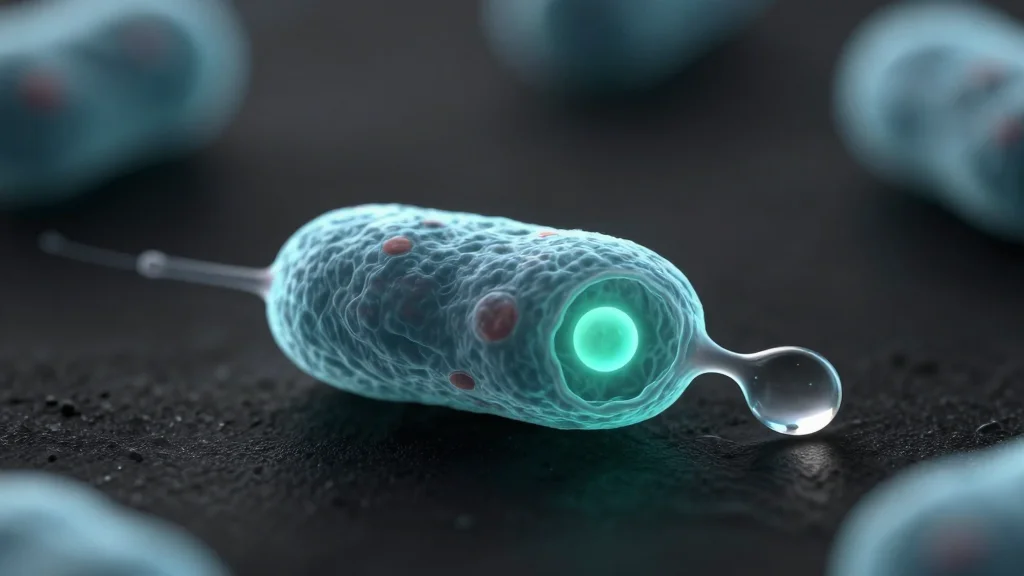
MRNA Nanoparticles Reprogram T Cells In Vivo, Show Promise
Impressive. In vivo reprogramming of killer T cells with mRNA-nanoparticle packaging in non-human primates. Multiple use cases in the clinic vs pathogens and cancer, no less an alternative version vs autoimmune diseases https://t.co/ddhebnxvkE @SciImmunology

Patents Aren't the Magic Key to Drug Development
The $3 billion number is hokey for a number of reasons, but the point is that there is not some magical sauce that allows for drugs to be developed when financed by patent monopolies, but not by upfront funding.