
FDA Approves Johnson & Johnson's Caplyta for Schizophrenia Relapse Prevention
The U.S. Food and Drug Administration approved Johnson & Johnson’s supplemental New Drug Application for Caplyta, extending its label to include relapse prevention in schizophrenia. The decision rests on a Phase III trial that showed a statistically significant delay in relapse versus placebo, offering a new long‑term treatment option for millions of patients.
Roche to Pay $750 Million Upfront for AI Diagnostics Pioneer PathAI
Swiss drugmaker Roche agreed to acquire Boston‑based PathAI for $750 million in cash, plus up to $300 million in milestone payments. The deal, slated to close in the second half of 2026, aims to embed AI into Roche’s global diagnostic platform and...

Cryo‑EM CRO Baiaode Secures ¥200 Million Series B to Scale Drug Discovery Platform
Baiaode, a China‑based cryo‑EM structural CRO, closed a ¥200 million ($28 million) Series B financing led by Kangjun Capital and Junlian Capital. The funds will boost its cryo‑EM infrastructure and fast‑track the three‑year “千靶万苗®” target‑and‑lead‑compound program, positioning the firm for deeper global...

Colossal Biosciences' Dire Wolves Reach Breeding Age, Paving Way for De‑Extinction Market
Colossal Biosciences said its three de‑extinct dire wolves—Romulus, Remus and Khaleesi—have reached breeding age in a 2,000‑acre Texas preserve. The firm plans to add two to four more pups through assisted reproduction before allowing natural breeding, marking the first step...

CRISPR Therapeutics Shows 82% Triglyceride Cut in First In‑Vivo Heart‑Disease Gene Therapy
CRISPR Therapeutics announced that a single dose of its in‑vivo gene therapy CTX310 reduced triglycerides by up to 82% and LDL cholesterol by up to 81% in an early‑stage study. The data marks the first human evidence of functional CRISPR...

Certara Inc (CERT) Q1 2026 Earnings Call Transcript
Certara reported a record Q1 2021 with revenue of $66.7 million, up 16% year‑over‑year, and adjusted EBITDA rising 20% to $23.9 million. Bookings surged 34% YoY, driven by strong demand for both software and services, while services bookings jumped 39%. The company...

Heron Therapeutics Inc (HRTX) Q1 2026 Earnings Call Transcript
Heron Therapeutics reported $155 million in 2025 net product revenue and adjusted EBITDA of $14.7 million, surpassing its guidance range. Acute‑care sales surged, with ZYNRELEF revenue up 48% YoY and the franchise growing 57% in Q4, driven by the CrossLink IGNITE program, a...

Exagen Inc (XGN) Q1 2026 Earnings Call Transcript
Exagen reported Q1 2022 revenue of $10.4 million, driven by a record 30,903 AVISE CTD/Lupus tests and 2,175 ordering providers. The company secured a new Medicare PLA code (0312U) for AVISE Lupus, boosting reimbursement from $295 to $1,085 per test. Gross...

EMVision Expands Pivotal FDA Trial to Include Acute Ischaemia Detection
EMVision Medical Devices has expanded its pivotal FDA De Novo trial to evaluate acute ischaemia detection alongside its original haemorrhage indication. The trial now includes over 125 recruited patients with no reported device‑related adverse events, and full enrollment is projected...

EXCLUSIVE: Peptides, Fauci & MAHA - What You Need to Know | Daily Pulse
In this episode, host Maria Z interviews Dr. Lynn Finn, a retired infectious disease specialist turned clinical researcher, to unpack the rising popularity and risks of peptide supplements. Dr. Finn explains what peptides are, their potential therapeutic uses, and why...

Pooled Analysis Reveals Semaglutide Shows Good Efficacy in Older Adults Aged over 65 Years
A pooled analysis of Novo Nordisk's STEP trials examined semaglutide 2.4 mg in adults over 65 with obesity. The senior subgroup (n=358) lost an average of 15.4% of body weight over 68 weeks, compared with 5.1% on placebo, and showed marked...

AI's Promise in Biomedicine Hinges on Quality Data
AI is transforming our lives and science, but we need to be realistic about both its promise and its limitations. In biomedicine, one major bottleneck remains data. We need more high-quality data to unlock AI-driven advances. It was a pleasure to speak...
Johns Hopkins AI Blood Test Flags Silent Liver Disease Years Early
Researchers at Johns Hopkins have launched an AI‑powered blood test that can spot silent liver disease years before clinical symptoms appear, analyzing genome‑wide cell‑free DNA patterns from 1,576 participants. The breakthrough, published in Science Translational Medicine, promises earlier intervention for...
FDA Clears Genentech’s Ocrevus for Pediatric Relapsing‑Remitting MS
The U.S. FDA has approved Genentech’s ocrelizumab (Ocrevus) for relapsing‑remitting multiple sclerosis in children and adolescents aged 10 and older who weigh at least 55 lb. The decision, driven by the OPERETTA II trial, gives clinicians a high‑efficacy, FDA‑backed option that previously...
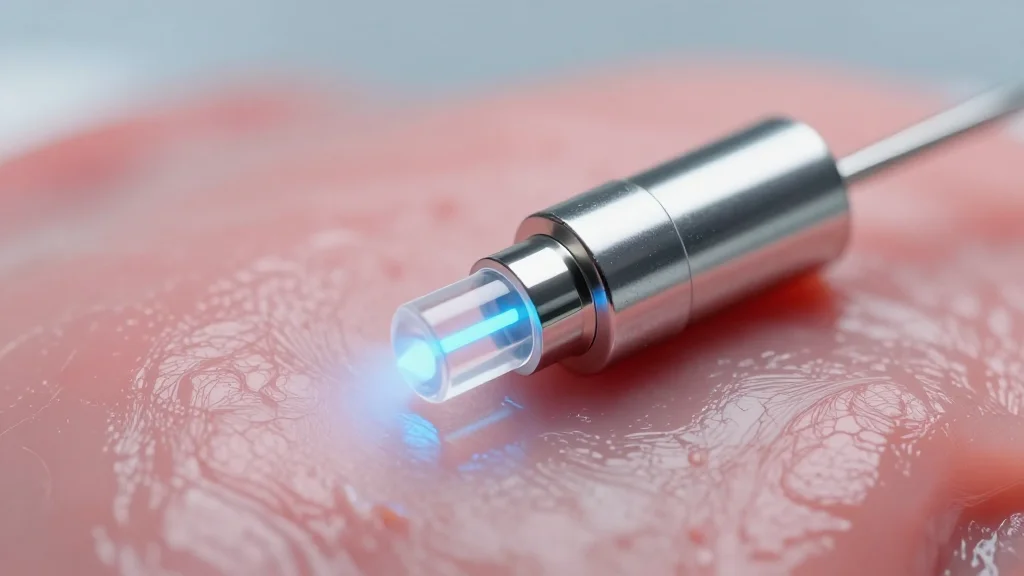
Shanghai Jiao Tong University Unveils 1.7 Mm Optical Sensor that Lets Surgical Robots Feel Touch
Researchers at Shanghai Jiao Tong University have built a 1.7 mm optical sensor that measures force, pressure and torque in all directions, enabling surgical robots to detect hidden tumor‑like structures in real time. The breakthrough could close the tactile gap that...

Vertex Secures German Reimbursement Deal for CASGEVY Gene Therapy
Vertex Pharmaceuticals has clinched a national reimbursement agreement with Germany’s GKV‑Spitzenverband for its CASGEVY gene therapy targeting sickle cell disease and beta‑thalassemia. The deal adds Germany to a growing list of markets where the therapy is covered, bolstering Vertex’s goal...

Transparent SilMA Hydrogel: Priming Microstructure Regulation for Real‐Time Cell and Organoid Visualization
Researchers have introduced a transparent silk fibroin hydrogel (TSFH) that leverages glutaraldehyde‑mediated crosslinking to inhibit the random‑coil‑to‑β‑sheet transition that normally causes opacity. The method preserves micropore walls at 400–800 nm, a size that aligns with visible‑light wavelengths and dramatically reduces light...
Gallium‐Containing Agents for Tumor Diagnosis and Therapy: Current Status and Future Prospects
Gallium-based agents are emerging as powerful tools in tumor theranostics, combining diagnostic precision with therapeutic action. 68Ga-labeled PET probes have become routine for detecting prostate, neuroendocrine and other cancers, while gallium therapeutics target DNA metabolism, tumor immunity and angiogenesis. The...
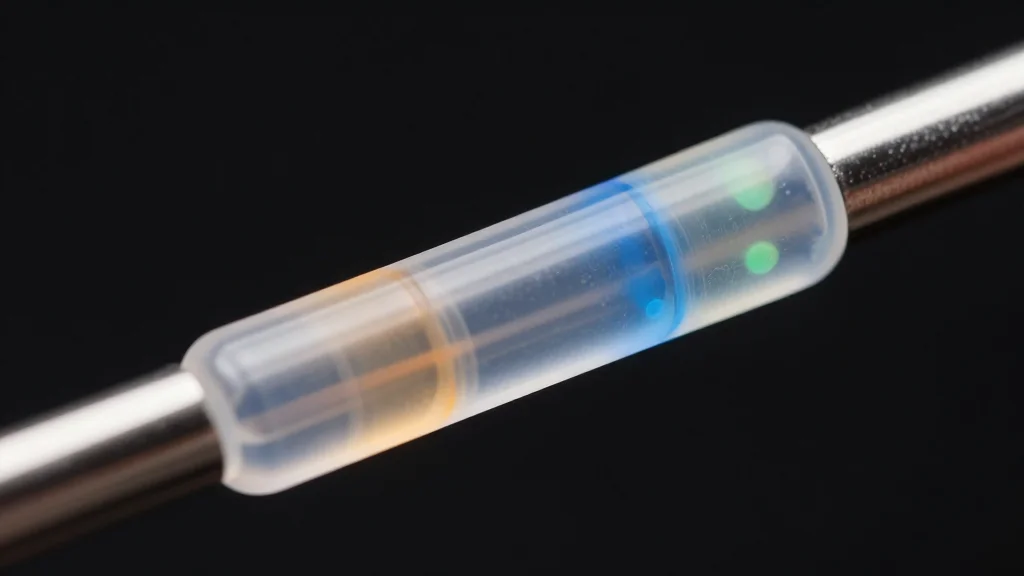
Field‑Programmable Biofunctional Films: From Assisted Fabrication to Integrated Diagnostic‐Therapeutic Devices
Field‑programmable biofunctional films (FPBFs) are thin‑film platforms that can be programmed to react to a range of physical fields—thermal, mechanical, electrical, optical, magnetic and acoustic. Recent advances in single‑ and multi‑field‑assisted fabrication have expanded their structural tunability and functional density,...

Pandemic‑Driven Stocks Set to Surge Amid Volatility
Thoughts? We discuss four stocks that could potentially surge if another global pandemic causes market volatility similar to We break down why Thermo Fisher Scientific, Abbott Laboratories, Pfizer, and Gilead Sciences could be smart plays, highlighting their roles in testing,...

Garlic-Derived S1PC Boosts Anti‑Aging Pathway in Fat Cells, Improves Mouse Muscle Strength
Researchers at Washington University and Japanese partners identified S‑1‑propenyl‑L‑cysteine (S1PC) in aged garlic extract as a trigger for a fat‑brain‑muscle signaling cascade that raises eNAMPT and NAD+ levels. In eight‑month mouse trials, daily S1PC improved muscle force, while a single...

FDA Expands Vyvgart Approval to All Adult Myasthenia Gravis Types
The U.S. FDA approved a label expansion for Argenx's Vyvgart (efgartigimod) and Vyvgart Hytrulo, now covering all four adult generalized myasthenia gravis (gMG) serotypes. The decision is based on the ADAPT SERON Phase 3 trial, which showed a 3.35‑point improvement in...

Engineered Nanoparticles Tune Cell Density to Accelerate Tissue Repair
Researchers led by Park, Im and Jeong have unveiled a nanoparticle platform that precisely modulates cell density, enhancing cell‑to‑cell and cell‑to‑substrate adhesion and accelerating tissue repair. The work, published in Nature Communications, demonstrates in vitro and in vivo efficacy and...
FDA Launches ‘Plausible Mechanism Pathway’ to Accelerate Ultra‑Rare Gene Therapies
The U.S. Food and Drug Administration announced a new “plausible mechanism pathway” that lets developers deliver patient‑specific gene therapies for ultra‑rare disorders without traditional large‑scale trials. The move promises faster access but has ignited a safety‑versus‑speed debate among ethicists and...

Evaluating the Effectiveness and Safety of Digitalis Glycosides in Treating Heart Failure
A JAMA‑published trial presented at the ESC Heart Failure 2026 Congress found that adding digitalis glycosides to standard therapy lowered the combined risk of cardiovascular death and first worsening heart‑failure event in patients with HFmrEF and HFrEF. The reduction was...
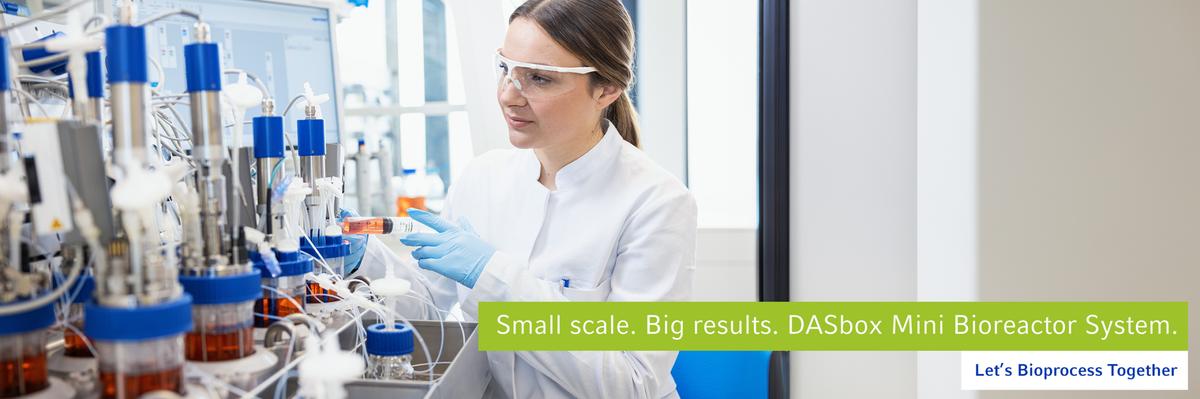
The DASbox® Mini Bioreactor System: Small Scale. Big Results
Eppendorf’s DASbox Mini Bioreactor System lets researchers run up to 24 parallel bioreactors in a footprint of just 7.5 cm per unit. The platform supports 60‑250 mL working volumes, ideal for cell‑screening, media optimization, and early‑stage process development. Integrated DASware software provides QbD‑focused...

The Adiponectin Paradox: Fat’s Secret Longevity Signal or a Bio-Marker of Decline?
Adiponectin, a hormone secreted by fat cells, is celebrated for its anti‑inflammatory and insulin‑sensitizing effects, yet epidemiological data reveal a paradox: while centenarians exhibit high levels, elevated adiponectin in most older adults correlates with higher mortality and frailty. Researchers attribute...
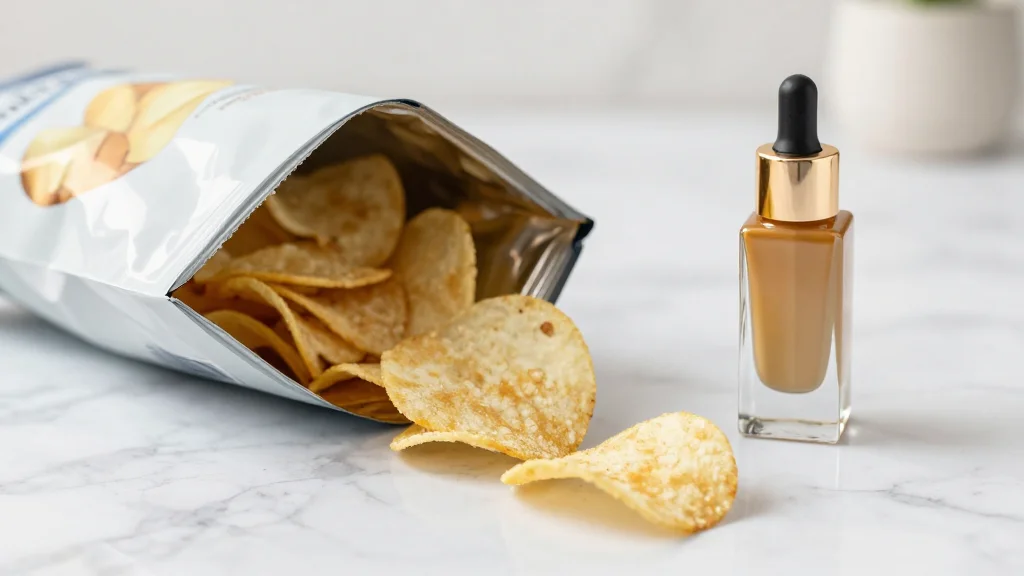
GLP‑1 Weight‑Loss Drugs Spark ‘Beauty Premium’ and Shrink Grocery Baskets
GLP‑1 receptor agonists such as semaglutide and tirzepatide are driving a measurable shift in U.S. consumer spending: shoppers are buying fewer high‑calorie bulk items while spending roughly 30% more on beauty products. The trend, highlighted in a new market‑impact analysis,...

GI Partners Launches Rose BioSolutions After Acquiring Charles River Labs' CDMO and Cell Solutions
GI Partners has completed the purchase of Charles River Laboratories' Contract Development and Manufacturing Organization (CDMO) and Cell Solutions businesses, creating the standalone company Rose BioSolutions. The new firm will offer integrated cell and gene therapy services across four U.S....
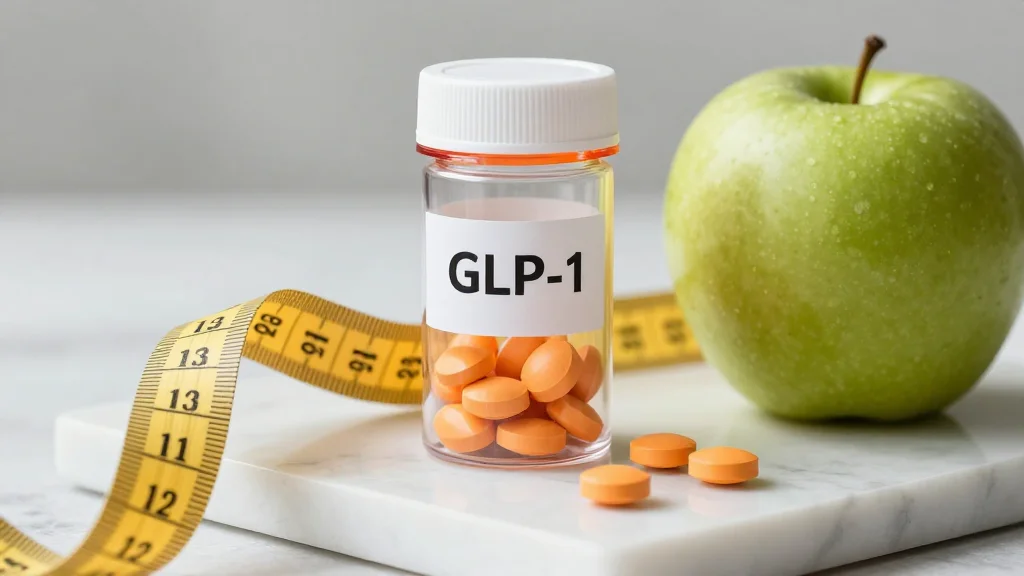
Novo's Oral Wegovy Snags 65% of New U.S. Prescriptions, Challenging Lilly's Foundayo
Novo Nordisk reported 1.3 million oral Wegovy prescriptions in Q1, giving it 65% of new U.S. weight‑loss drug orders. Eli Lilly’s oral GLP‑1, Foundayo, has treated just over 20,000 patients, underscoring a fierce rivalry in a market projected to near $100 bn by...

Nanoparticle Formulation Erases 60% of Alzheimer Plaques and Restores Memory in Mice
A collaborative team from Spain and China demonstrated that a specially engineered nanoparticle can eliminate nearly 60% of amyloid‑beta plaques and fully restore memory in Alzheimer’s‑model mice in under an hour. The breakthrough, published in Nature Nanotechnology, targets the blood‑brain...

Vir Biotechnology Chair Vicki Sato Sells 22,000 Shares for $221,000
Vir Biotechnology’s board chair Vicki L. Sato sold 22,000 shares of common stock for roughly $221,000, a transaction that represents about 2% of her holdings and was executed under a pre‑planned Rule 10b5‑1 trading plan. The sale leaves her with...

MoonLake Immunotherapeutics Announces Positive Outcome From Its Final Pre-BLA Meeting with the U.S. FDA and Reports First Quarter 2026 Financial...
MoonLake Immunotherapeutics reported a positive outcome from its final pre‑BLA meeting with the U.S. FDA, securing alignment on the submission plan and label strategy for sonelokimab (SLK) in hidradenitis suppurativa (HS). The FDA accepted MIRA trial data showing a ~43%...

Cytokinetics Stock Overpriced Amid Strong Aficamten Data
Aficamten’s clinical data is strong, but Cytokinetics’ stock price already reflects peak sales. With competition from Camzyos and launch risks ahead, the risk/reward looks skewed at current levels. Biotech

Underpowered Trial Misleads: Non‑significant Trend, Not Failure
One of my pet peeves is a headline saying "This trial showed drug X doesn't work in condition Y" when in actuality what was demonstrated was a non-significant trend to efficacy in a severely underpowered trial.

Reading Genetic Activity From Living Cells without Destroying Them
A team from Technical University of Munich and Helmholtz Munich unveiled Non‑destructive Transcriptomics via Vesicular Export (NTVE), a virus‑like particle system that extracts messenger RNA from living cells without lysing them. The extracted RNA can be sequenced, delivering transcriptome data...

MANE Secures Patent, Launches Trials to Address Minoxidil
Turns out I was dead wrong in this thread from some four years back. $MANE managed to get a patent (US 12,268,688 ) and is conducting full-scale trials to assuage the obvious safety concerns with the approved Minoxidil oral dose.
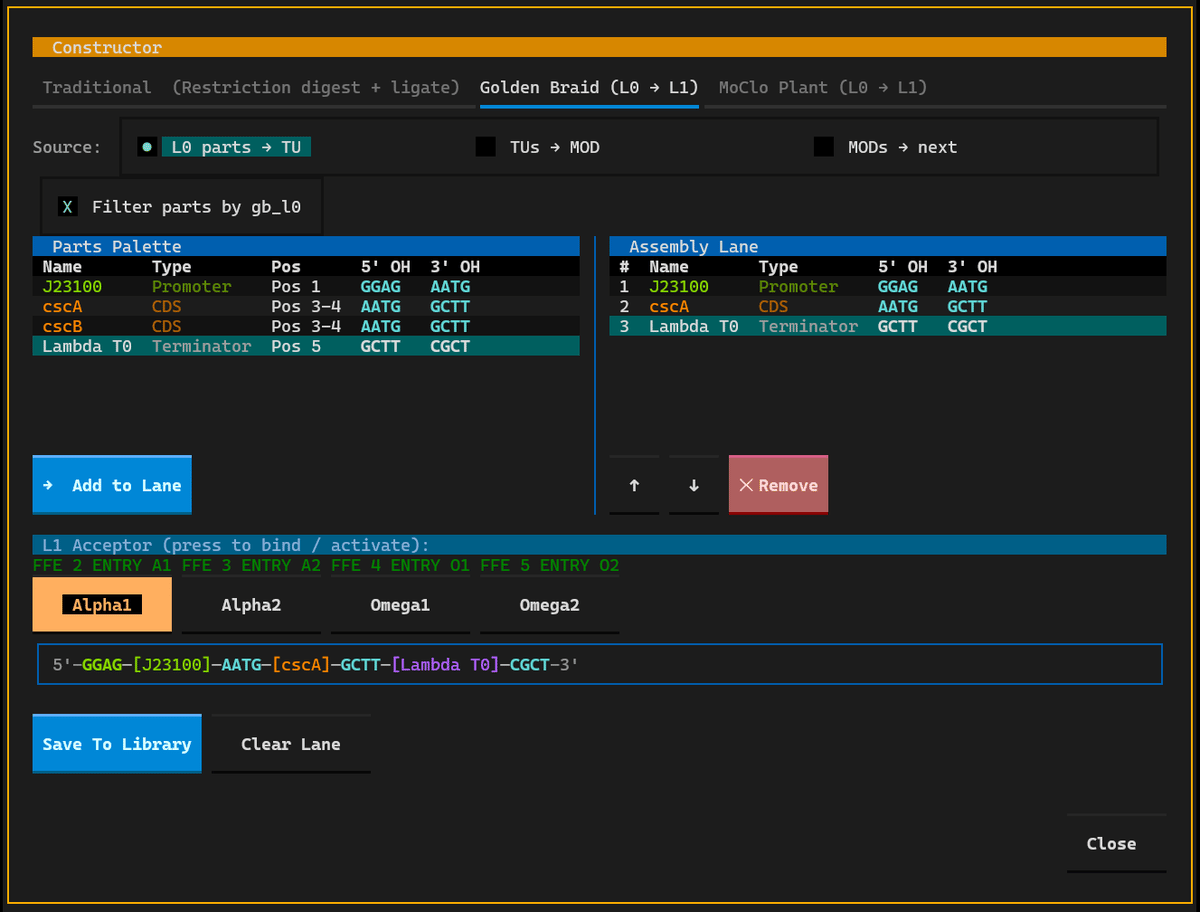
Finally, a Seamless Golden Braid Plasmid Editor
This is all I wanted from a plasmid editor: a way to quickly run Golden Braid cloning using parts from my library, with overhang sanity checks. I have not found a single tool that made it this easy. No visual...

Gene Editing Has the Science Figured Out and Now Needs an Entire Stack of New Business Models, Reimbursement Mechanics, and...
Gene editing has moved from scientific proof‑of‑concept to commercial reality, highlighted by Vertex's CASGEVY therapy earning $43 million in Q1 2026 and treating over 500 patients at a $2.2 million list price. While the science is solid, the therapy’s multi‑step delivery—spanning screening, cell...

Sample Swaps Silently Corrupt Bioinformatics Results
Sample swaps are the silent killer in bioinformatics. Your results look clean—but are you sure you're analyzing the right samples? https://t.co/w0H0hvYzHB

Swiss Real‑World Study Confirms Psychedelic Therapy Cuts Severe Depression
Researchers at Geneva University Hospitals analyzed compassionate‑use data and found that single‑session psychedelic‑assisted psychotherapy with LSD or psilocybin produced rapid, strong reductions in severe depression and anxiety among treatment‑resistant adults. The findings, published in Psychiatry Research, provide the first real‑world...

How a Pill Approved 25 Years Ago Transformed Cancer Treatment
Gleevec, the brand name for imatinib, emerged from Dr. Brian Druker's vision of a targeted cancer therapy that switches off the BCR‑ABL enzyme driving chronic myeloid leukemia. After early‑stage trials showed 100% response with mild side effects, Novartis accelerated the...

Youthful Gut Microbiome Reverses Liver Aging in Mice, Halts Cancer
Researchers at the University of Texas Medical Branch transplanted preserved youthful gut microbes back into aging mice, eliminating liver cancer and restoring youthful liver function. The experiment, unveiled at Digestive Disease Week, demonstrated zero tumors in treated mice versus two...

ACROBiosystems Overhauls HEK293 Licensing to Cut R&D Delays
ACROBiosystems announced a global upgrade to its HEK293 functional cell‑line licensing, moving from a multi‑step approval process to a purchase‑based model. Effective May 9, 2026, the change grants researchers immediate usage rights for internal research, drug discovery and assay development, cutting compliance...

Common Mistakes Avoided With Expert CMC Regulatory Consulting
Pharmaceutical and biotech firms increasingly turn to expert CMC regulatory consulting to avoid costly missteps that can stall product approvals. Common pitfalls include incomplete documentation, weak manufacturing controls, inadequate stability testing, delayed regulatory planning, and mismatched global requirements. Consultants bring...
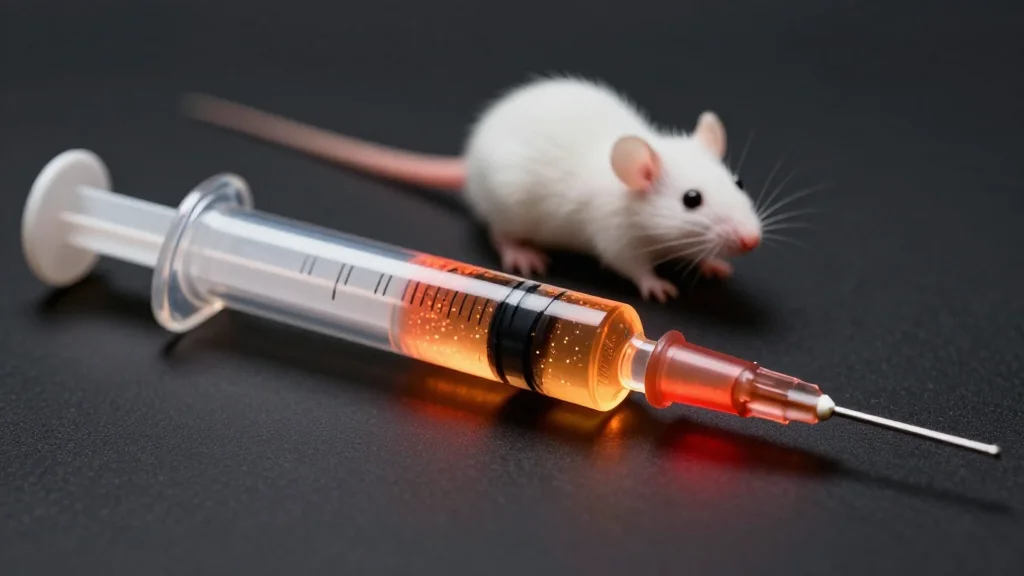
Sequential-Release Nanoparticles Eradicate Drug‑Resistant Tumors in Mice
A team led by Prof. Eijiro Miyako at Tohoku University, together with CNRS collaborators, reported on May 6, 2026 that porous amino‑acid nanoparticles delivering a P‑gp inhibitor followed by doxorubicin, plus near‑infrared photothermal heating, eliminated tumors and yielded 100% survival...

Zhejiang Wenda’s NHWD-870 Gains Breakthrough Therapy Designation in China for Rare NUT Carcinoma
Zhejiang Wenda Pharmaceutical’s oral BET inhibitor NHWD-870 has been granted Breakthrough Therapy Designation by China’s NMPA for advanced thoracic NUT carcinoma. The Phase II data showed a 45% objective response rate and median overall survival of 9.33 months, far exceeding the...

Is Novo Nordisk Turning the Page on CagriSema?
Novo Nordisk says its launch timeline for the dual‑agonist CagriSema remains unchanged despite scrapping a single‑chamber delivery device. The Phase 3 trial showed a 23% average weight loss over 84 weeks, impressive but still below Lilly’s tirzepatide at 25.5%. Meanwhile, Novo...
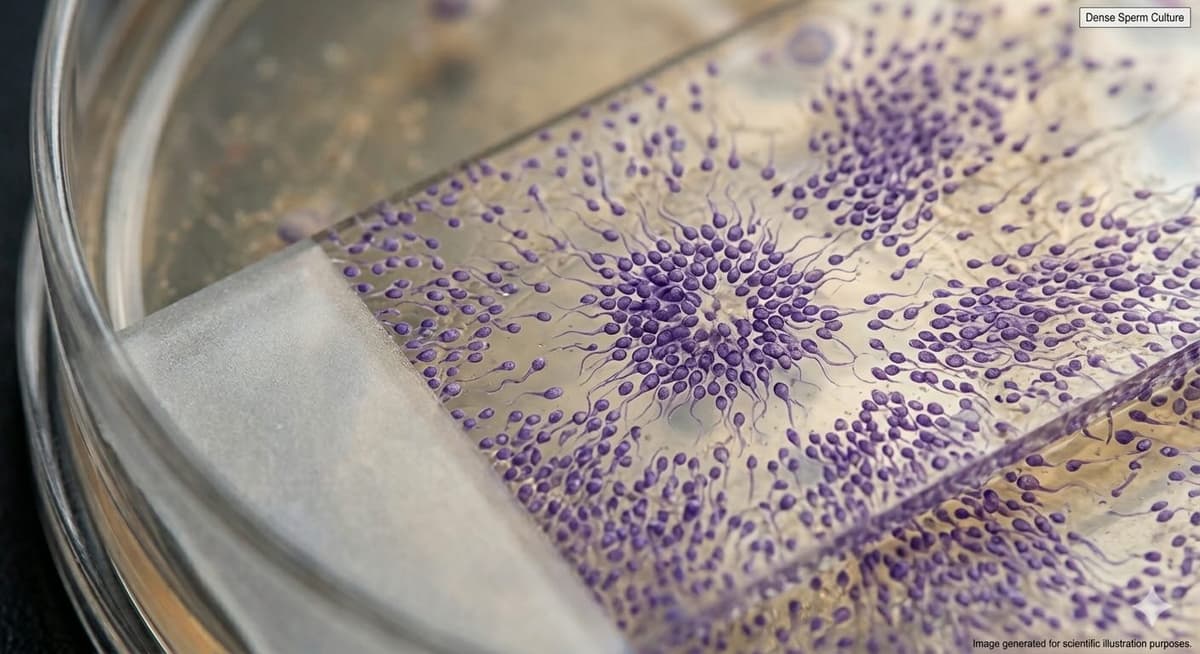
Weekly Reads: Lab-Grown Sperm, Stem Cell Pills, Intranasal EVs, EMF Cell Paper Doubts, Makary Toast?
A Wired report says Paterna Biosciences has produced human sperm in the lab using stem‑cell techniques, suggesting in vitro gametogenesis could soon enable fully lab‑derived embryos. At the same time, a South Korean study claiming magnetic control of genes is under...

Drug Development Funnel: What I Learnt Building One From Scratch
A new D3.js funnel visualizes drug‑development attrition, showing that the headline billions‑dollar cost reflects cumulative failures rather than a single success. The plot reveals that pre‑clinical spending (~$430 M per approved drug) rivals the cost of late‑stage trials, and that only...