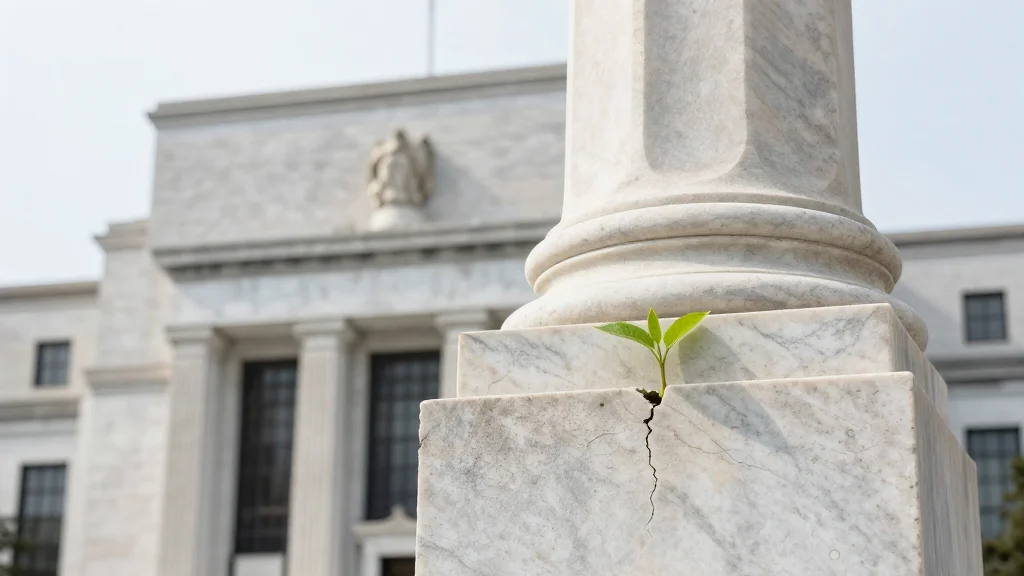
Powell’s Legacy as Fed Chair Is Fighting Inflation and Trump. He May Lose the Battle Against Both.
Jerome Powell’s tenure as Federal Reserve chair will be judged by two intertwined battles: taming the post‑pandemic inflation surge and defending the central bank’s independence from political pressure, especially from former President Donald Trump and his allies. After a series of aggressive rate hikes that pushed inflation from a peak of over 7% down to near the 2% target, Powell signaled that the Fed could soon begin cutting rates. However, ongoing legislative attempts to curtail Fed autonomy and a hostile political climate threaten to tarnish his legacy as he prepares to leave office in September 2026.

Japan Intervenes
Japan’s central bank launched a massive currency defense on April 30, buying roughly ¥5.48 trillion (about $35 billion) as the yen slipped past the 160 per dollar mark. A second, larger outflow of ¥4.51 trillion ($29 billion) was recorded on May 7, bringing total intervention to...

European Central Bank and Reserve Bank of India Sign Memorandum of Understanding on Cooperation
The European Central Bank and the Reserve Bank of India signed a new Memorandum of Understanding on May 10, 2026, updating their 2015 cooperation framework. The agreement, sealed on the sidelines of the BIS meeting in Basel, creates a structured channel for...
Looking Back at Jerome Powell's 8-Year Term as Federal Reserve Chair
Federal Reserve Chair Jerome Powell concludes his eight‑year tenure on May 15, 2026, but will stay on the Board as a governor. In an NPR interview, former Philadelphia Fed president Patrick Harker praised Powell’s steady, consensus‑building style and his forceful...
:max_bytes(150000):strip_icc():format(jpeg)/GettyImages-937764546-2c486bc8acdd4857a28ed256cf2f2895.jpg)
How Sterilization Affects Foreign Exchange and Currency Stability
Sterilization is a central‑bank tool that neutralizes the money‑supply effects of foreign‑exchange interventions by buying or selling domestic assets. By offsetting currency purchases, banks aim to stabilize exchange rates without expanding or contracting liquidity. The technique can backfire, sparking inflation...

Identifying Monetary Policy Shocks in Newspapers Using GPT
The CEPR paper introduces a newspaper‑based measure of Euro‑area monetary‑policy surprises that leverages GPT‑4‑style large language models. Researchers scraped articles from 11 major European newspapers after each ECB Governing Council meeting, filtered them, and used the LLM to label relevance...
:max_bytes(150000):strip_icc():format(jpeg)/contemporary-financial-skyscrapers-from-ground-view-against-sky-972700554-cfd8445375b043c2a42df6d9e24ab9c1.jpg)
How Capital Controls Safeguard Economies: Types & Effects
Capital controls are policy tools that limit foreign capital flows to curb currency volatility and protect domestic markets. They are widely used in developing economies and during crises, as illustrated by Greece’s 2015 restrictions that halted bank runs. The IMF...
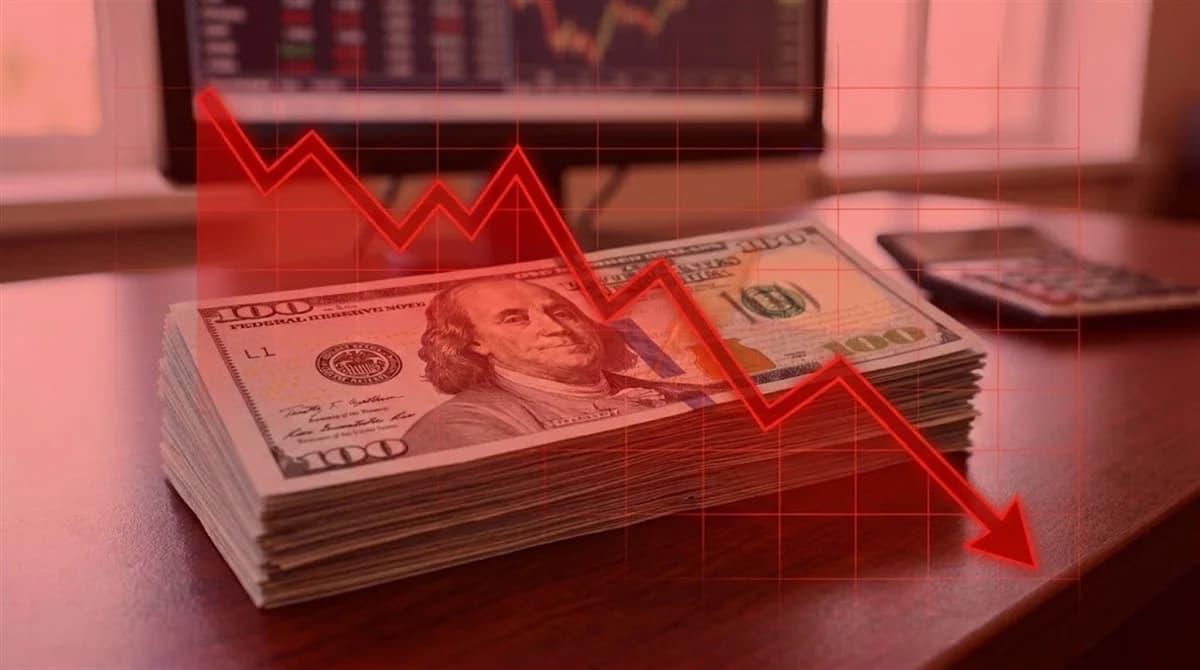
Dollar at a 3-Year Low: 3 Exporters Quietly Printing Money
The U.S. dollar index has slipped roughly 10% since its January 2025 peak, reaching levels not seen since 2022. A combination of the Trump administration’s trade‑restructuring agenda, a record $1.2 trillion goods‑trade deficit, Fed rate cuts and robust global growth is...

Japan Bets on Washington and BOJ for Extra Punch in Yen Battle
Japan is counting on a hawkish turn at the Bank of Japan and an overt endorsement from U.S. Treasury Secretary Scott Bessent to give its yen‑buying interventions more bite. Since Governor Kazuo Ueda’s April 28 remarks, the finance ministry has...

Investors Have Worries About Trump’s Pick for Fed Chair. Should They?
President Donald Trump nominated former Fed governor Kevin Warsh as his next Federal Reserve chair, prompting a wave of investor anxiety about possible political meddling. Warsh told the Senate he would not act as a "human sock puppet," but markets...

Swiss Bitcoin Reserve Campaign Set to Lapse After Failing to Gather Signatures
A Swiss citizens' initiative to amend the constitution and force the Swiss National Bank (SNB) to hold Bitcoin alongside gold and foreign‑currency assets failed, gathering only about half of the 100,000 signatures required for a referendum. The SNB has repeatedly...
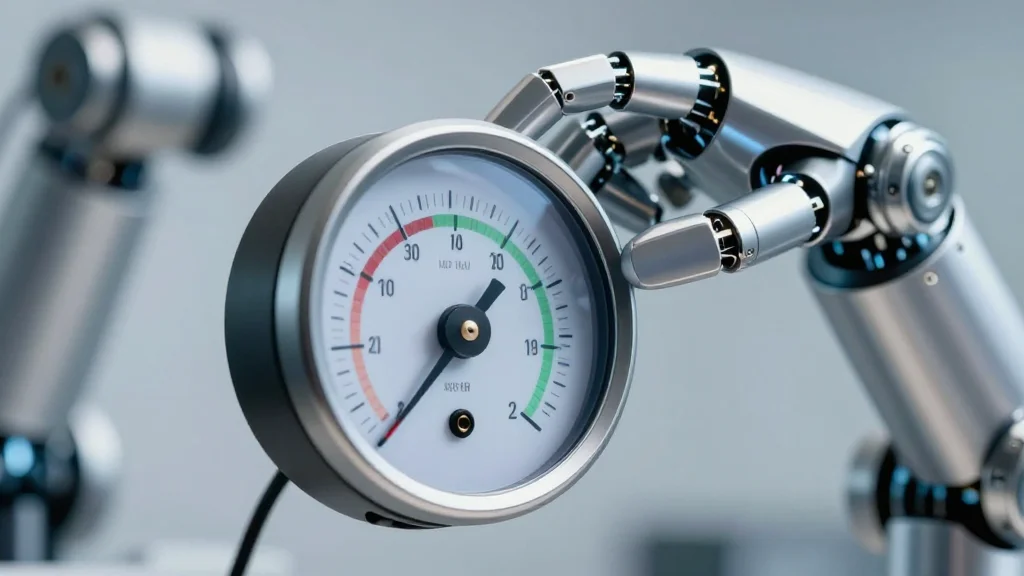
Kevin Warsh Is Right About Fed Reform — but His Inflation Solution Is a T...
Kevin Warsh, the Fed chair nominee, argues that a coming AI‑driven productivity boom will act as a disinflationary force and give the Federal Reserve room to cut rates. He couples this view with a broader reform agenda that includes balance‑sheet...

The Federal Reserve Is Quickly Running Out of Reasons to Cut Interest Rates
The Federal Reserve’s window for cutting rates is narrowing as recent data show a steadier labor market but persistent inflation. April’s payrolls rose by 115,000, a modest gain that eases pressure for easing, while the March CPI held at 3.3%,...

ECB's Nagel: ECB Will Do Whatever Necessary to Him He Energy Price Surge
ECB Deputy Governor Peter Nagel warned that the central bank is prepared to act decisively to curb a fresh surge in energy prices, which he said could reignite inflation risks across the eurozone. He emphasized that the ECB remains highly alert...

USDCAD Runs up to Key Resistance Target and Finds Willing Sellers
USDCAD rose to a session high of 1.3710 after a stronger‑than‑expected U.S. jobs report and a weaker Canadian jobs report, then reversed at a key resistance zone. The resistance cluster includes the 38.2% retracement, the 1.3709‑1.3715 swing area, and the...
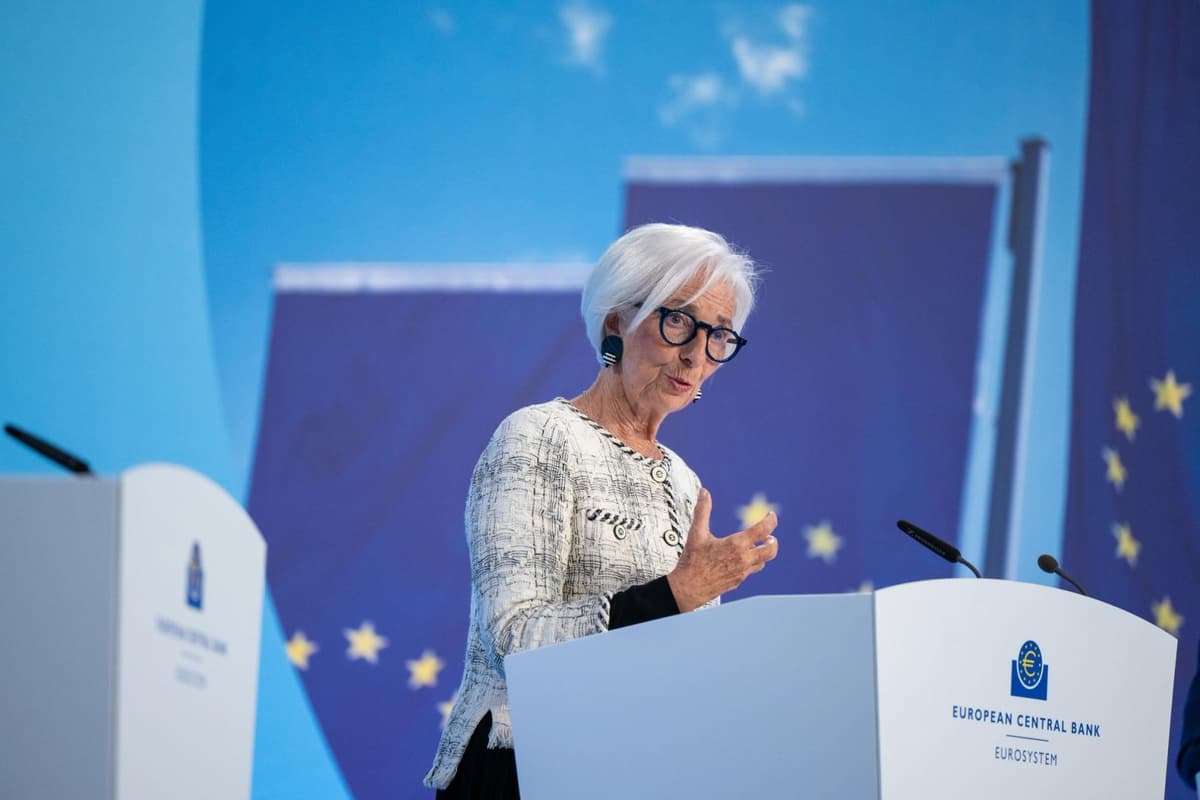
ECB's Lagarde’s Digital Euro Warning: Why Europe Shouldn’t Just Copy the U.S. Stablecoin Model
ECB President Christine Lagarde cautioned that the $310 billion stablecoin market, dominated by U.S. dollar‑pegged tokens, poses systemic risks that could spill over into asset markets during stress. She argued Europe should not replicate the private stablecoin model but instead develop...
Fed Data Suggest Japan Sold U.S. Debt Amid Intervention
The Federal Reserve reported a $8.7 billion drop in its custody of marketable U.S. Treasuries, bringing the total to $2.73 trillion for the week ending May 6. The decline coincides with Japan’s Ministry of Finance spending roughly $55 billion to support the yen, suggesting...
India Forex Reserves Drop $7.8 Bn; Rupee Weakens to 94.47 Against the Dollar
India’s foreign exchange reserves fell $7.8 billion in the week to May 1, bringing the total down to $690.7 billion, the second consecutive weekly decline. The drop was driven by a $5.0 billion reduction in gold holdings and a $2.8 billion fall in foreign currency...
McDowell Cited in Bloomberg Article on How Swap Lines Could Undermine Faith in the Dollar
The Bloomberg piece spotlights U.S. dollar swap lines, a network of credit arrangements that let foreign central banks tap emergency dollar liquidity. Daniel McDowell, an Atlantic Council expert, warns that the growing reliance on these lines could signal underlying dollar...

Christine Lagarde: Stablecoins and the Future of Money: Separating Functions From Instruments
Christine Lagarde warned that stablecoins, now over $300 billion in value, are reshaping both monetary demand and settlement infrastructure. While the EU’s MiCAR framework brings them under regulation, the speech highlighted that most stablecoins are US‑dollar pegged and dominated by Tether...
FX Daily: Back on the Rollercoaster
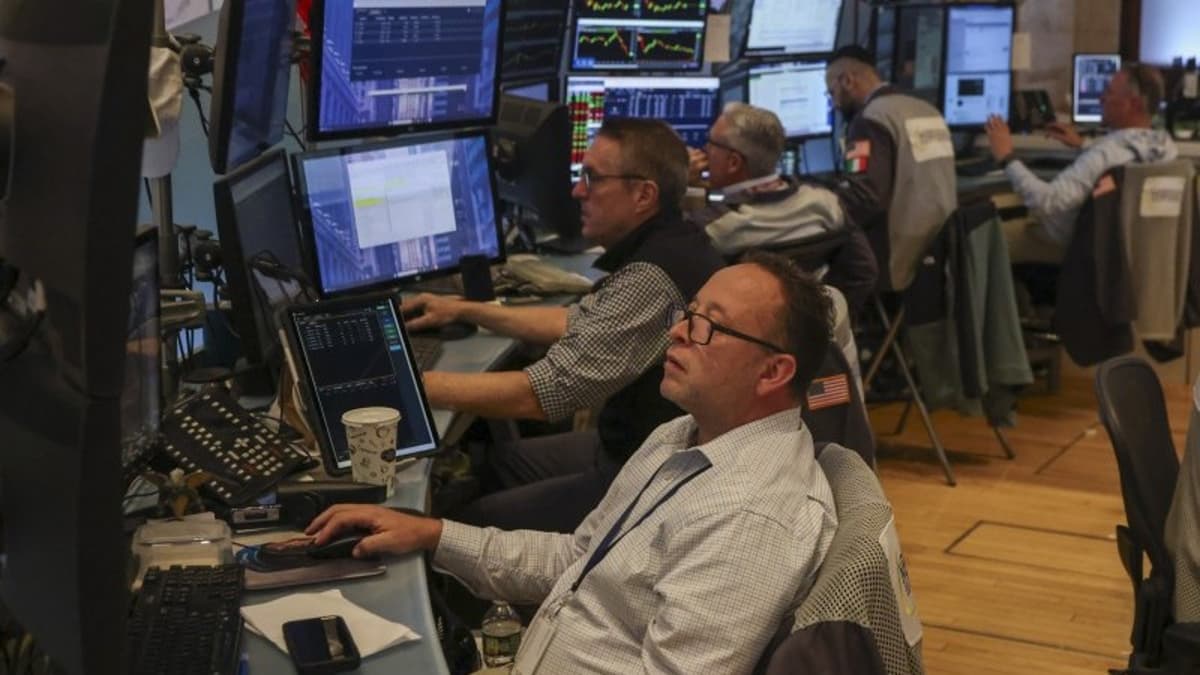
U.S. military actions in the Strait of Hormuz revived optimism for a dollar rally as hopes for a near‑term U.S.–Iran deal faded. The euro stayed resilient around 1.18 USD despite President Trump’s threat to impose tariffs on EU goods, while the...
Rupee Falls 45 Paise to 94.67 Against US Dollar in Early Trade
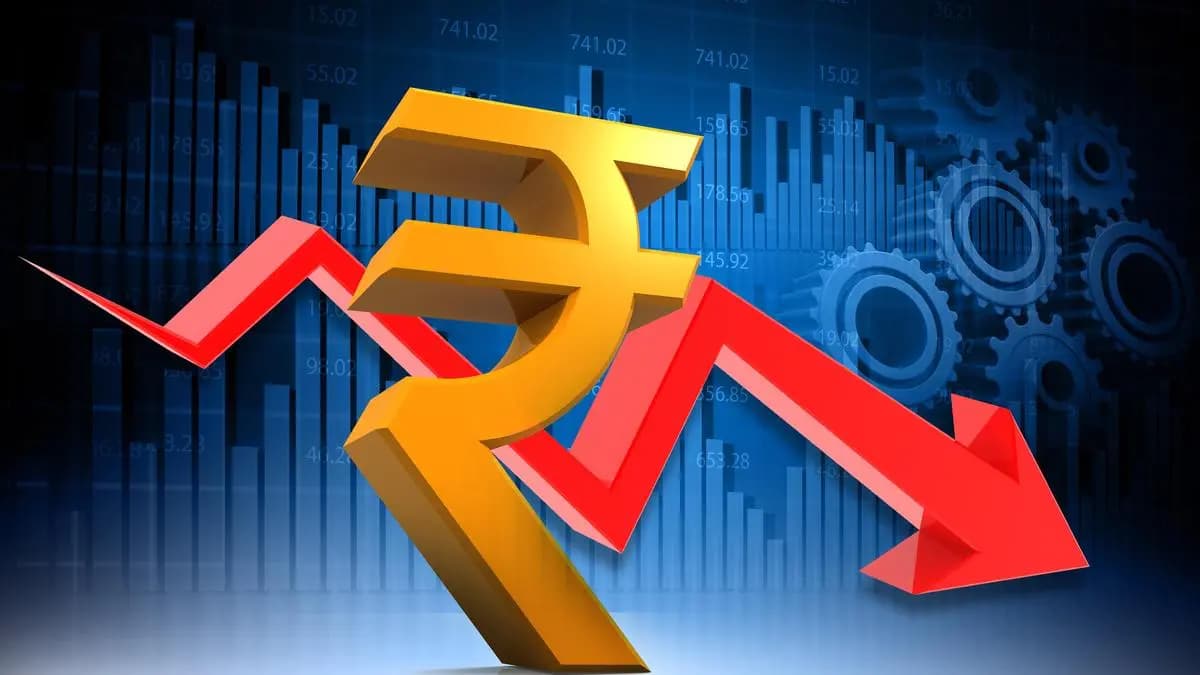
India's rupee weakened to 94.67 per U.S. dollar in early Friday trade, slipping 45 paise from the previous close. The decline coincided with Brent crude climbing back to $101 a barrel after U.S. and Iranian forces exchanged fire near the...

Japan’s Real Wages Rose in March, Boosting Odds of a June Hike
Japan’s real wages rose 2.7% year‑on‑year in March, marking the third straight month of growth, while regular salaries climbed 3.0% and bonuses fell 1.5%. Tokyo’s CPI increased only 1.5% YoY in April, a figure softened by temporary government price caps....
Rupee Gains 36 Paise to a Dollar as Oil Retreats
The Indian rupee rallied more than a rupee against the US dollar, climbing to 94.25 per dollar, up 36 paise from the previous close. The bounce followed four days of declines that saw the rupee hit a lifetime low of 95.28....

Citi Targets Hedge Funds, Private Equity in FX Growth Push
Citigroup is launching a focused push to win hedge‑fund and private‑equity business for its foreign‑exchange (FX) desk. The move comes as global FX trading volumes climb, offering fresh revenue streams beyond Citi’s traditional corporate and real‑money flows. Flavio Figueiredo, Citi’s...

Michele Bullock Has Made a Bold Move – and It’s Not the Rate Rise
Reserve Bank of Australia Governor Michele Bullock broke her usual reticence by providing clearer forward guidance on the nation’s interest‑rate trajectory. Instead of deflecting questions, she hinted that upcoming rate hikes may slow, offering markets a rare glimpse into policy...

Rates Spark: Euro Rates and the War
Brent crude has settled below the $100 per barrel mark as a tentative Middle East deal looms, but strategists see limited upside for further price declines even if the Strait of Hormuz reopens. Infrastructure damage and depleted strategic reserves mean...
Isabel Schnabel: The Quiet Erosion of Central Bank Independence
In a May 2026 Charles Goodhart lecture, ECB Executive Board member Isabel Schnabel warned that central‑bank independence is being eroded by two structural forces: rising sovereign debt that creates fiscal dominance and a push toward financial deregulation that breeds financial dominance....

CNB Review: Governor Signals Wait-and-See Mode but Tone Turns Dovish
The Czech National Bank unanimously kept its key rate at 3.50%, signalling a wait‑and‑see stance while leaving a hike option open for the next meeting. Governor Aleš Michl defended the hold with dovish arguments, noting a higher inflation outlook but weaker...

Dollarization Explained: Definition, Impacts, and Examples
Dollarization is the adoption of a foreign currency—most often the U.S. dollar—in place of a nation’s own money to restore confidence and curb hyperinflation. The practice can be formal, through legislation, or informal, as markets gravitate toward a more stable...

Gilt Rout Sparks Calls for Bank of England to Slow ‘Unusual’ Bond Sale Programme
The Bank of England’s aggressive quantitative‑tightening (QT) programme has driven UK gilt yields to their highest levels this century, with the 30‑year gilt hitting 5.76% after a sharp sell‑off. A new BoE paper estimates the taxpayer’s cost of unwinding QE...
Fed's Hammack: I See a Lot of Uncertainty in Economic Outlook
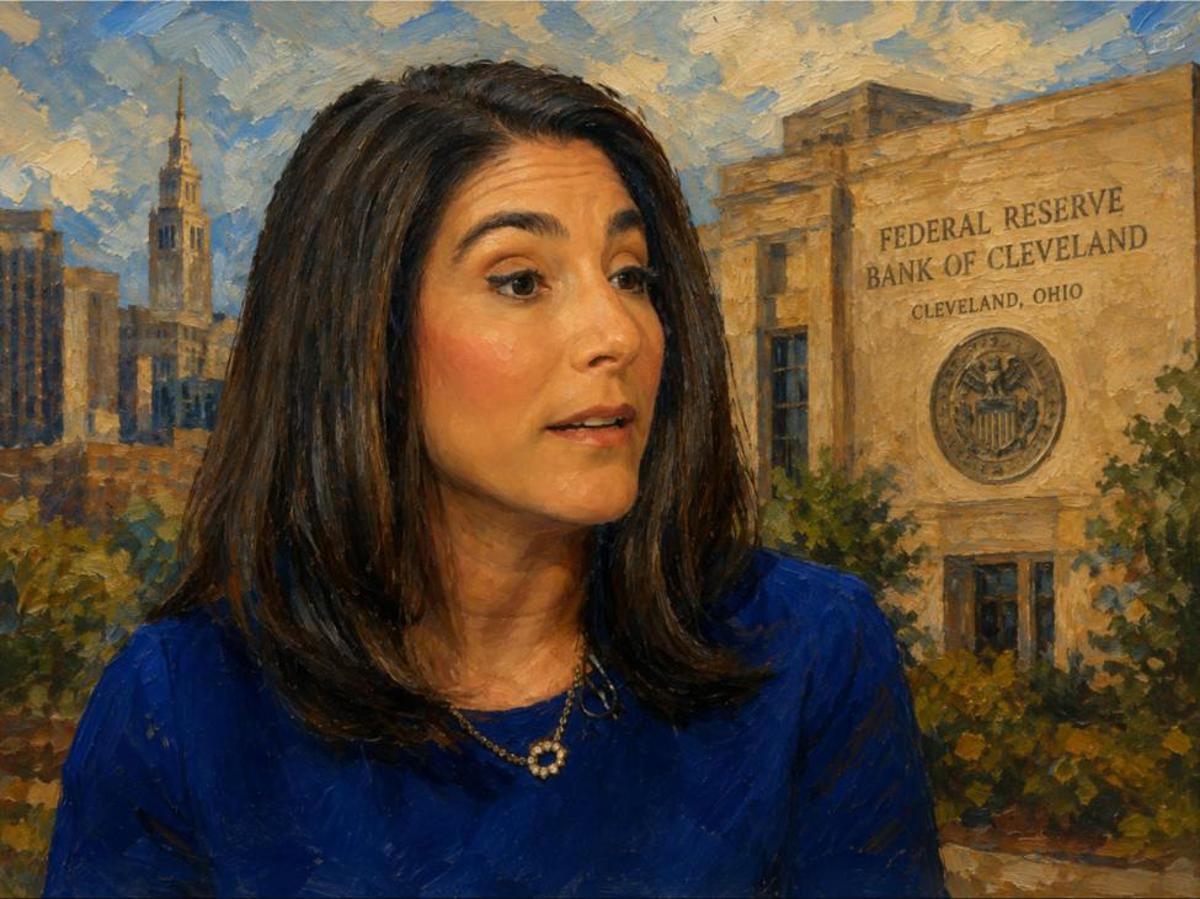
Cleveland Fed President Beth Hammack warned of heightened uncertainty in the economic outlook and urged the Federal Reserve to maintain a neutral stance. She signaled that interest rates are likely to stay on hold for an extended period, reinforcing the...
_10.jpg)
Iran Moves to Expand Yuan-Based Trade with China
Iran is accelerating the use of China’s yuan to settle imports, following a recent diplomatic visit by its foreign minister. The yuan now accounts for over 7% of global trade and could climb to 15% by 2030, driven by Beijing’s...
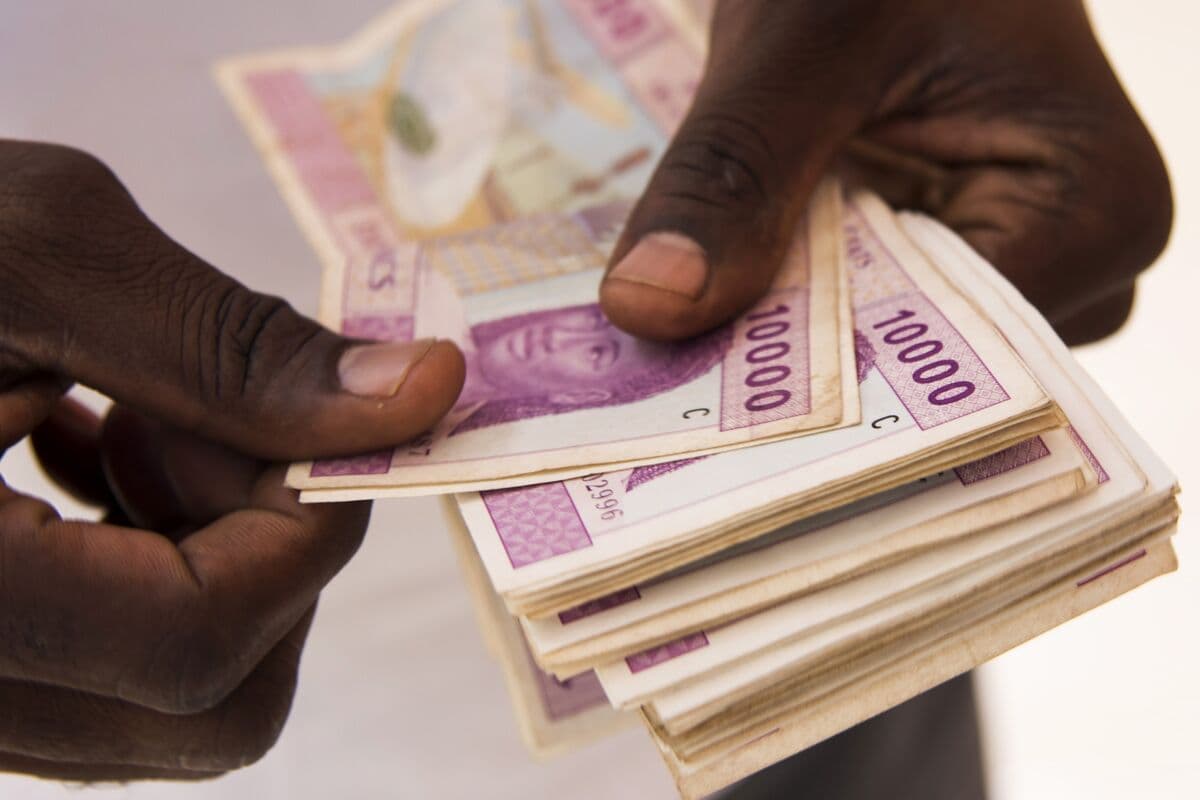
Citi Economist Urges CFA Franc Devaluation to Spur Growth in Central Africa
Citi’s chief Africa economist David Cowan recommends that the Economic and Monetary Community of Central Africa (CEMAC) devalue its CFA franc, which is currently pegged to the euro, to stimulate growth and stem a slide in foreign reserves. He argues...
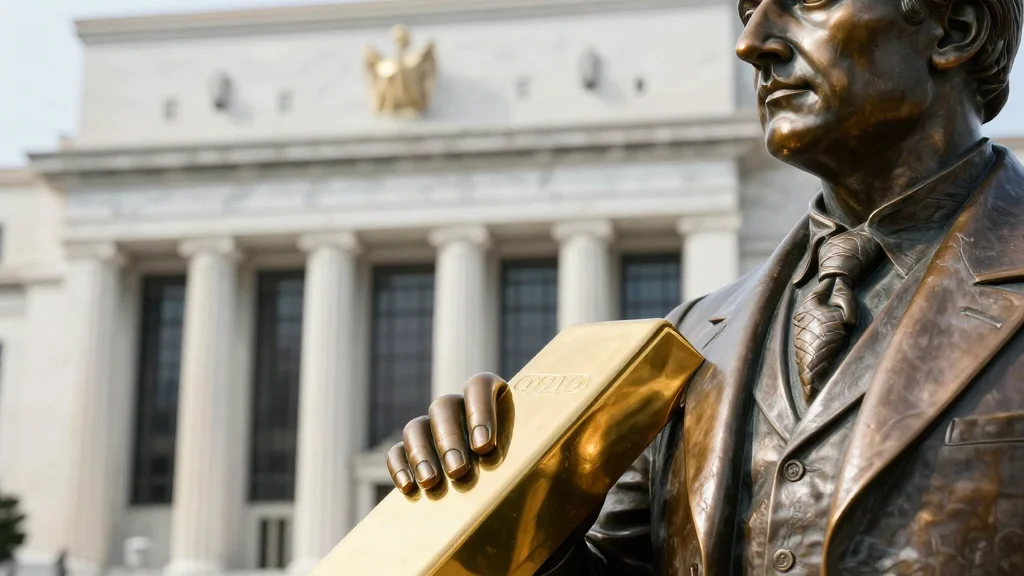
Kevin Warsh’s Undisclosed Wealth Leaves a $100 Million Mystery Atop the F...
Kevin Warsh, a former Fed governor and longtime adviser to Duquesne Family Office, has been nominated to become the 17th Federal Reserve chair. His 69‑page ethics disclosure reveals more than $100 million in undisclosed holdings in private partnerships linked to billionaire...

The Myth of the Petrodollar
The piece debunks the popular “petrodollar” myth, arguing that the U.S. dollar’s global dominance rests on a broader financial architecture rather than solely on oil pricing. It traces the dollar’s hegemony to post‑World War II institutions like Bretton Woods and the...
St. James’s Place CIO: Deep Recession Unlikely, but Portfolio Resilience Is Still Essential
At Spear’s 500 Live, St. James’s Place chief investment officer Justin Onuekwusi said a deep recession is unlikely, assigning only a 5 percent probability over the next 12‑18 months and projecting a soft‑landing base case. He noted the firm’s £220 bn (~$280 bn) asset...
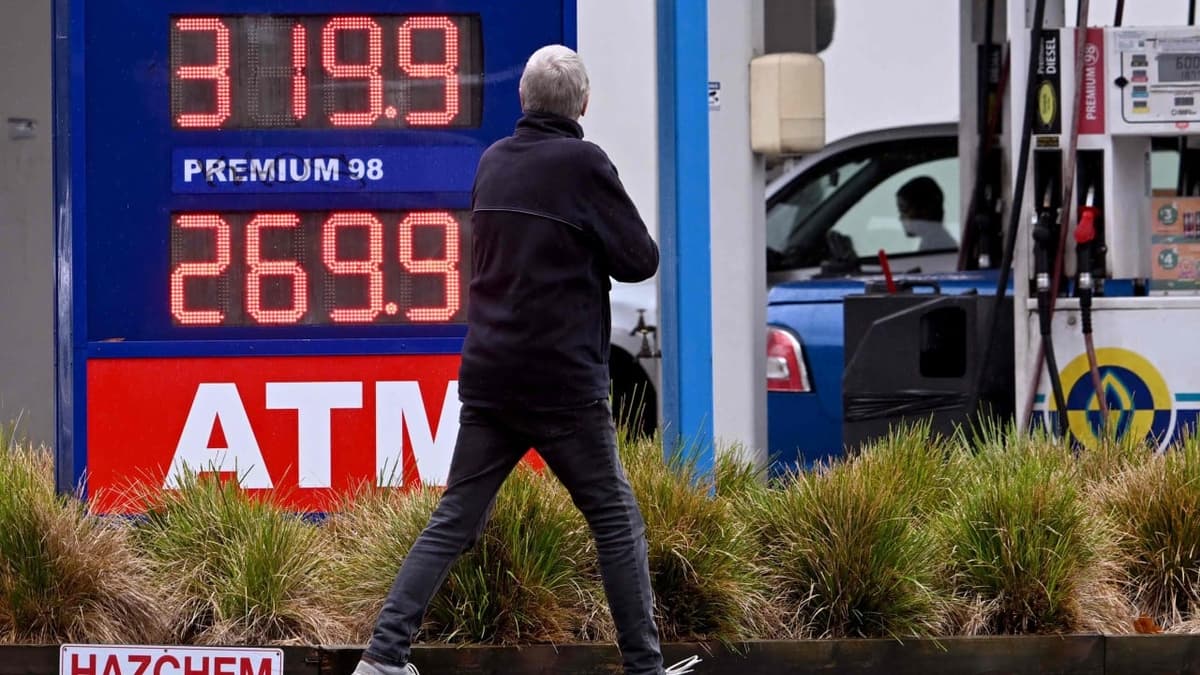
Australia’s Interest Rate Rise Signals Growing Hawkish Stance in Asia
On May 5 the Reserve Bank of Australia lifted its cash rate by 25 basis points to 4.35%, marking a third consecutive hike as it wrestles with an energy‑driven inflation surge. Headline inflation rose to 4.6% in March and the trimmed‑mean...

China’s Exporters Face Test as Yuan Hits 3-Year High Against US Dollar
The People’s Bank of China fixed the yuan’s midpoint at 6.8487 per U.S. dollar on Thursday, its strongest level since April 2023. Analysts expect the currency to continue appreciating, potentially reaching 6.65 per dollar by year‑end, which could strain China’s...

Did Japan Raise Yen Intervention Line to 157? Sharp Volatility Draws Speculation
The Japanese yen has been swinging sharply against the dollar even after the Ministry of Finance stepped in to buy yen, a move traditionally aimed at curbing a slide toward ¥160 per $1. Traders now suspect that authorities have not...

Why the Rupiah Is Weakening
The Indonesian rupiah has slipped to roughly 17,400 per U.S. dollar, its weakest level ever and below the rates seen during the 1997 Asian Financial Crisis. A modest $1.5 billion current‑account deficit in 2025, combined with expectations of a wider shortfall...
Dollar on Defensive as Markets Hope for Best on Middle East
The U.S. dollar slipped as optimism over a de‑escalation between Iran and the United States buoyed oil‑linked currencies. Brent crude edged up 0.8% after analysts warned the Strait of Hormuz could remain closed, while the euro firmed to $1.1757 and...

BSP Seen Weighing Off-Cycle Rate Hike
The Bangko Sentral ng Pilipinas is weighing an off‑cycle half‑point rate hike to 5% as early as May, after April inflation surged to 7.2% year‑over‑year, far above forecasts. Citi economists note the BSP historically reacts aggressively when inflation reaches 6‑7%,...
Three Bankers Lead Pack to Replace Lagarde at ECB
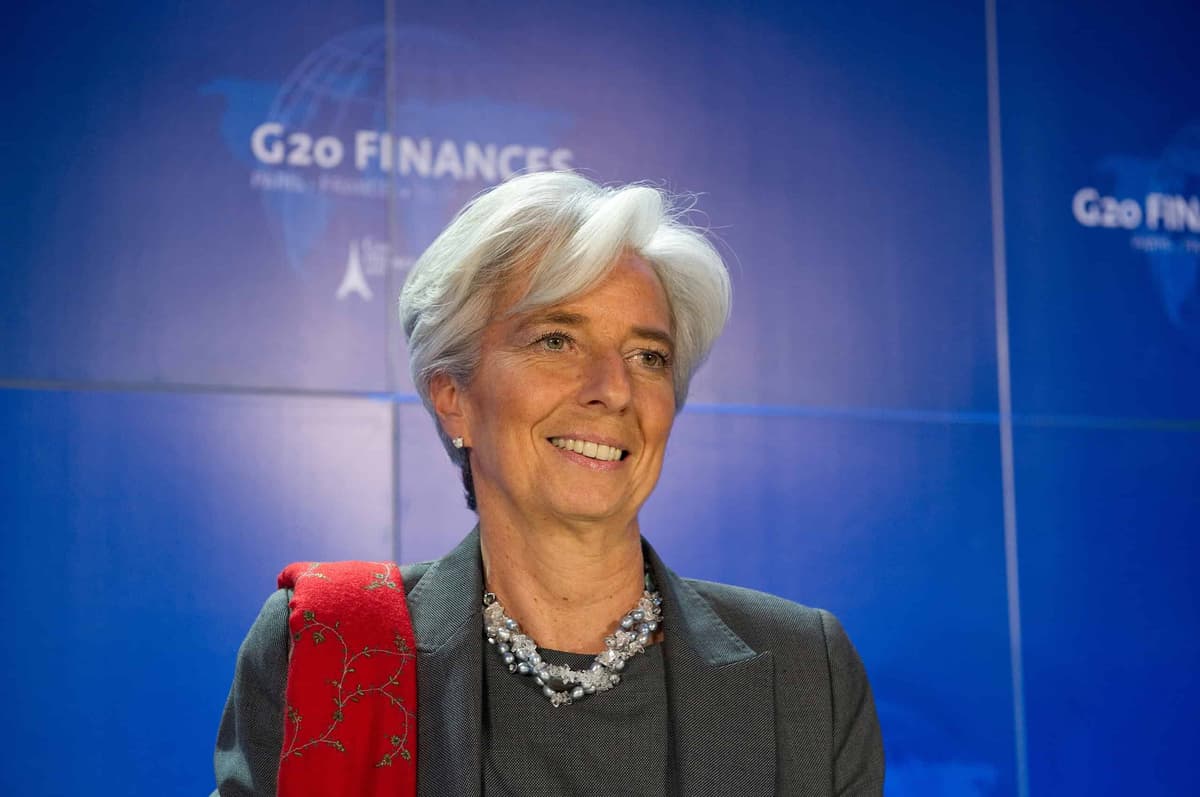
European Central Bank President Christine Lagarde may exit before her October 2027 mandate ends, though no decision has been confirmed. An early departure would give French President Emmanuel Macron significant sway over the successor selection. Three central‑bank veterans – Germany's...
How the Petrodollar Regime Came to Be, and What Losing It Would Mean for the U.S.
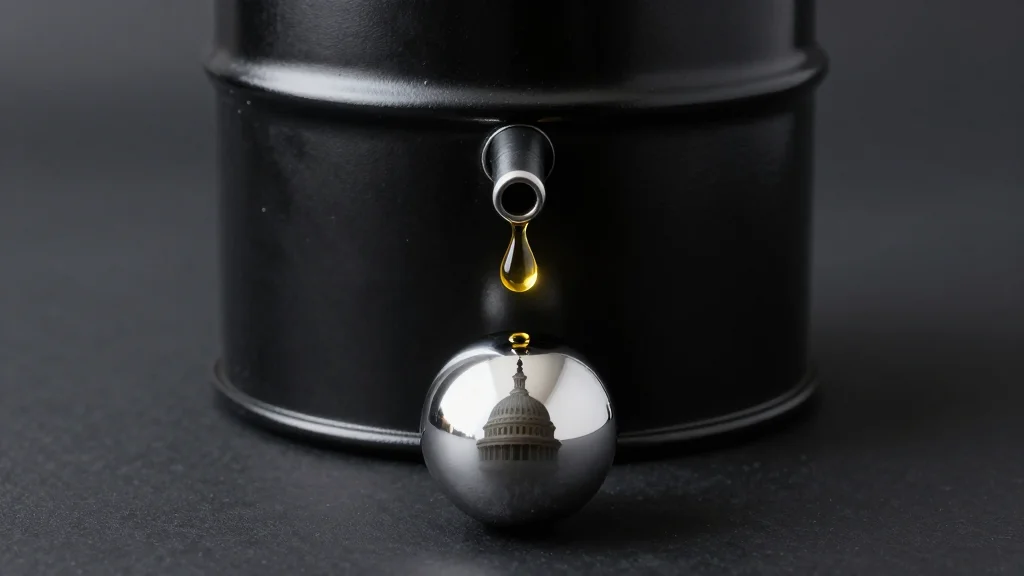
The petrodollar system began in 1974 when the United States struck a deal with Saudi Arabia to price oil exclusively in dollars in exchange for military and economic support. This arrangement funneled massive oil revenues into U.S. Treasury bonds, cementing...

Poonam Gupta: Inflation Targeting in India - the Past, the Present and the Future
At a NCAER event, Poonam Gupta outlined India’s inflation‑targeting framework, noting the government’s Gazette notification on March 25, 2026 that renews the 4 percent target with a ±2 percent tolerance band through March 2031. She reviewed a decade of monetary‑policy decisions under this regime, highlighting...

Forex vs CFDs: Which One Actually Fits Your Trading Style?
Forex and contracts for difference (CFDs) are the two most popular leveraged products for retail traders. Forex trades currency pairs with 24‑hour liquidity and tight spreads, while CFDs let investors speculate on a wide range of assets—from indices to commodities—without...

Research: UK Official Holdings of International Reserves: April 2026
Britain’s monthly statistical release shows that official international reserves reached £210 bn (approximately $260 bn) in April 2026, up from £207 bn the month before. Gold holdings climbed to 310 t, while foreign‑currency assets slipped 2 % as the euro weakened against the dollar. IMF‑related assets...
FX Daily: Remarkable Resilience of Risk Assets
Investors are rallying risk assets after reports of progress in US‑Iran talks, prompting a sell‑off in the dollar. Oil markets remain in focus, with the U.S. Energy Information Administration expected to report a 2.4 million‑barrel draw, a figure that could trigger...

USD/JPY Sees a Quick Knock Down Today, Another Intervention Hit?
The USD/JPY pair fell more than 90 pips, slipping below 157.00, amid another likely intervention by Japan’s Ministry of Finance. The move came during a Japanese market holiday and follows previous attempts that lost traction as the yen weakened toward...