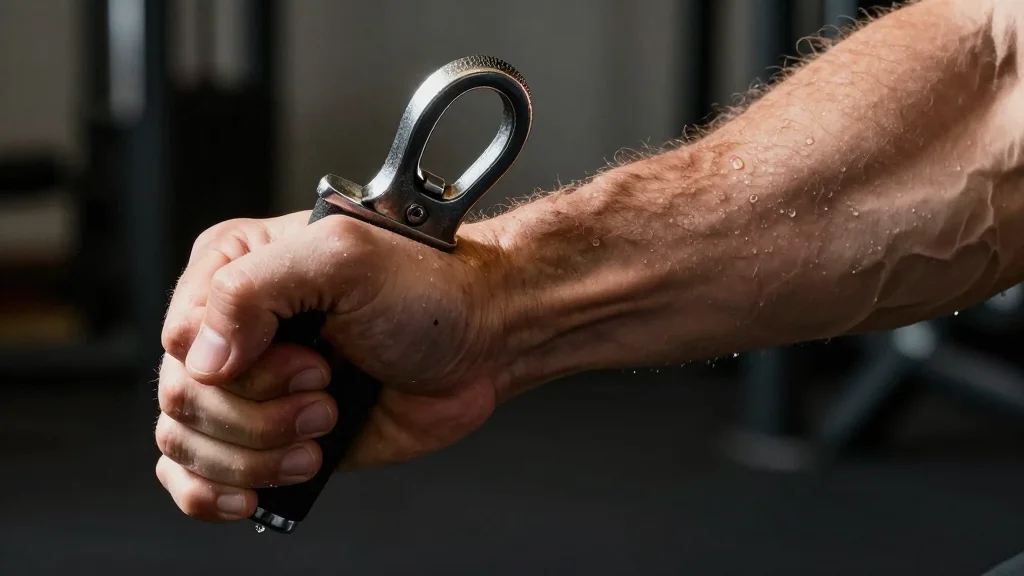
Clockin' A Grip
Flatsfarmer posted a three‑day split titled “Clockin' A Grip,” covering legs, arms, and back with high‑volume, unilateral and isolation work. Each day features 25‑rep starter sets, followed by heavier compound movements and short rest intervals to maximize metabolic stress. The routine also weaves forearm gripper work, calf raises, and shoulder rehab into the sessions. The author notes a disruptive radio playlist that affected intensity, highlighting the mental component of training consistency.
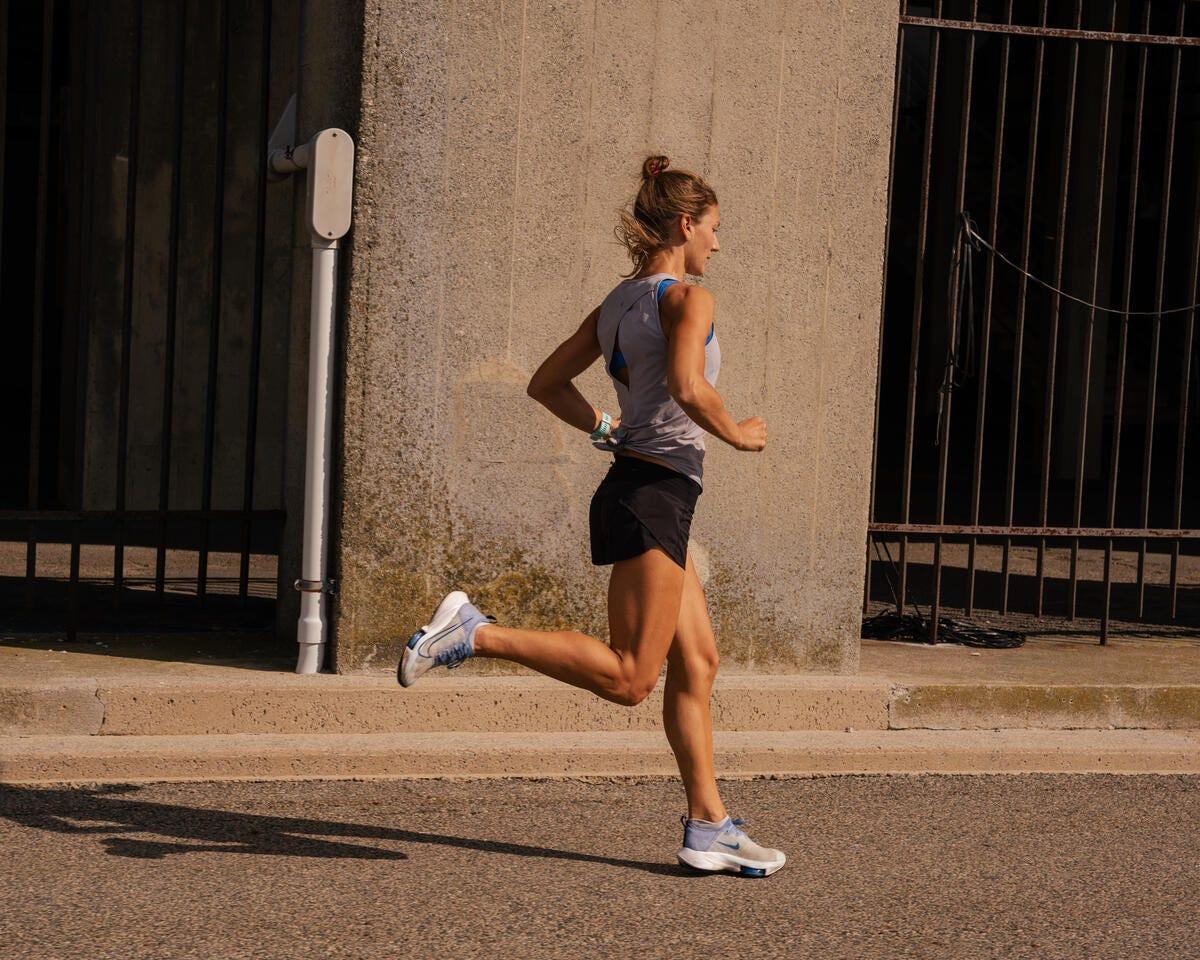
The Warmup Hack You Need to Actually Hit Your Threshold Pace
Runner’s World highlights a simple warm‑up tweak that helps athletes lock into their threshold pace before interval sessions. Coach and Olympian Marius Bakken recommends adding a 3‑5‑minute threshold effort after a standard 10‑20‑minute jog to gauge readiness. Based on heart‑rate...

Do Recovery Shoes Really Work? A Pedorthist Breaks Down the Truth About the Trend
Recovery shoes have exploded onto gym floors, marketed as high‑tech foam slides that promise faster post‑workout healing. A certified pedorthist acknowledges they can offload pressure from the heel and forefoot, but notes peer‑reviewed research on these specific products is limited....
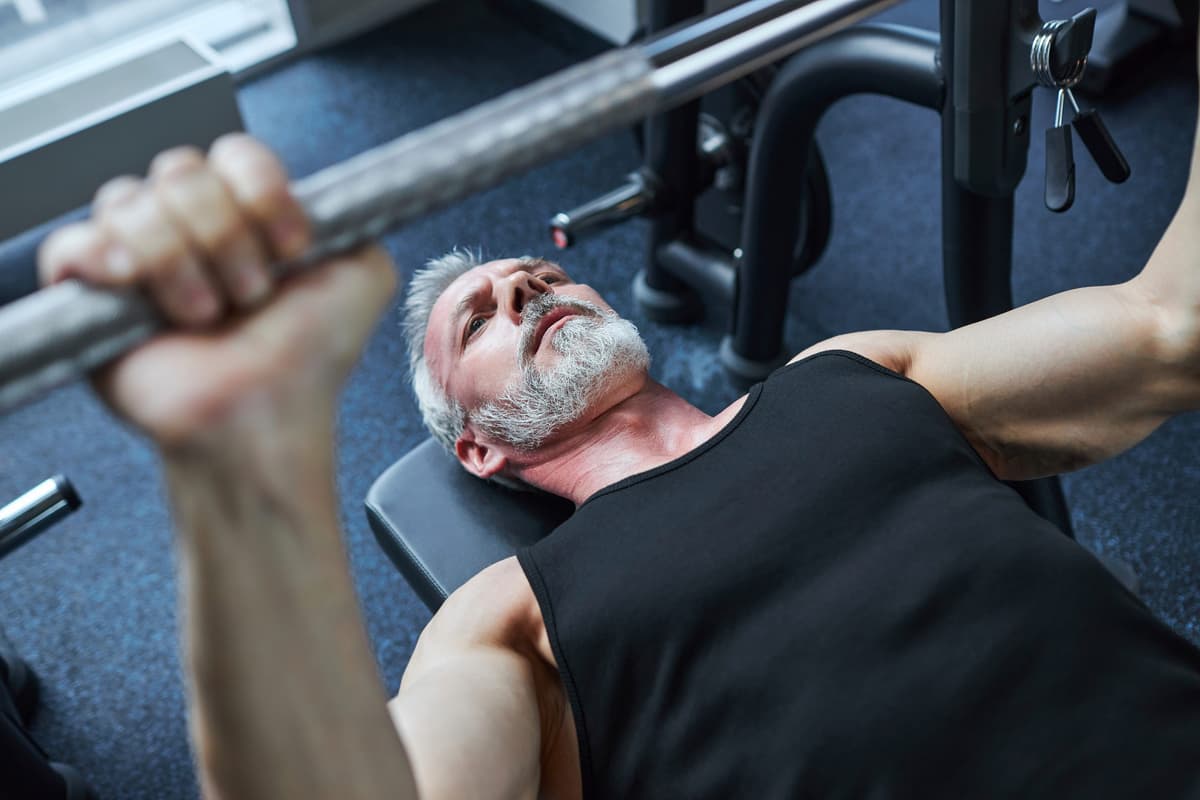
The Fitness Blind Spot That Catches Cyclists After 50
Older cyclists often mistake high mileage for complete fitness, overlooking the strength and bone‑density gaps that riding alone creates. After age 50, the body’s ability to retain muscle mass and skeletal load diminishes, making strength deficits more apparent in climbs,...

I Used to Dread Long Runs. Now I Swear by These 4 Tricks That Make the Time Fly.
Runner Michael McDonough shares four strategies he uses to make long runs more enjoyable: mental exercises, music making, spoken‑word audio, and socializing. Each method receives a personal grade, ranging from a C for pure mental focus to an A for...

This Is the Most Important Rule to Follow When Choosing a Marathon Training Plan
Choosing a marathon training plan hinges on matching the program to your current fitness, not on an ambitious target time. Coaches stress honest self‑assessment, recommending that long runs, weekly mileage, and workout frequency start at levels you’ve already managed. Recent...

Dorian Yates Delves Into His Favorite Set Protocol
Six‑time Mr. Olympia Dorian Yates explained on Instagram that he prefers straight, single‑set work taken close to failure over routine drop sets or supersets. He uses drop sets only occasionally, mainly for isolation movements like dumbbell lateral raises, and employs...
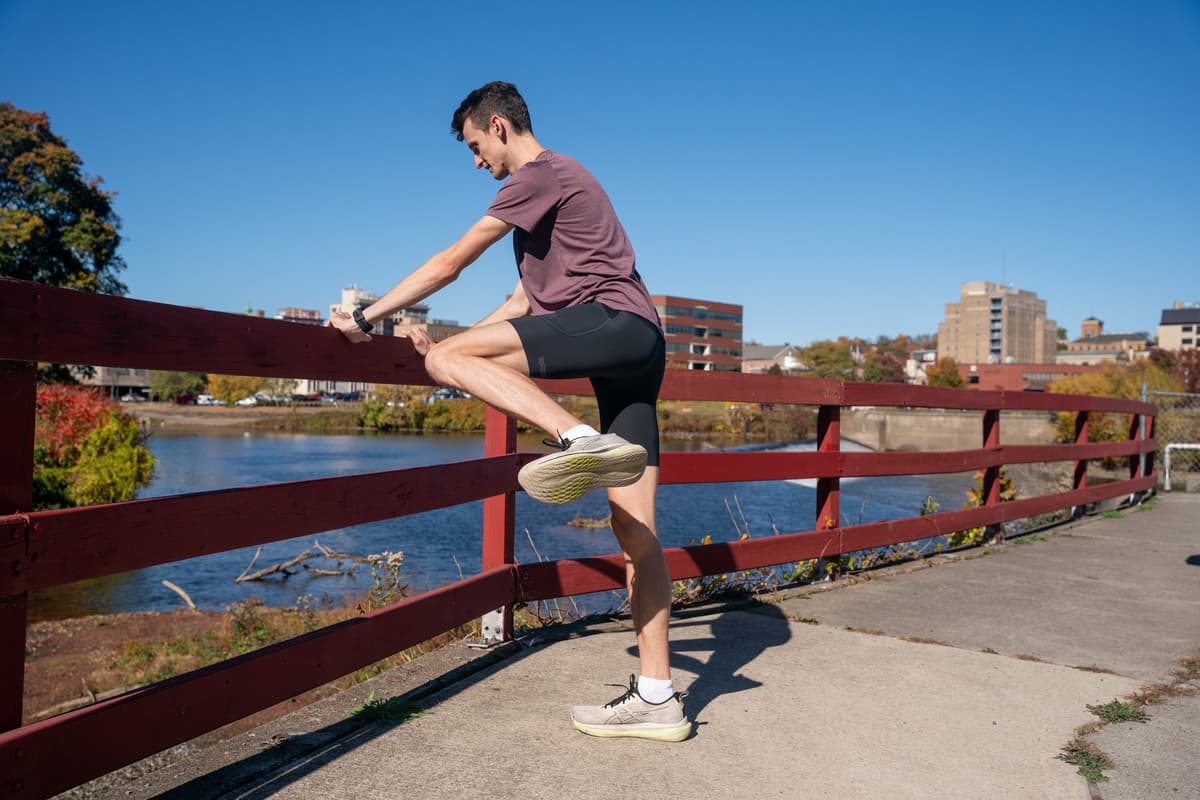
The 7 Stretches Physical Therapists Wish Runners Would Do
Physical therapists outline seven targeted stretches to improve runners' mobility and reduce injury risk. The movements focus on the thoracic spine, quads, hip flexors, calves, big toe, hips, and rib cage, addressing common tightness zones. Each stretch includes a brief...

How to Gradually Increase Your Cycling Distance as a New Rider
Cycling coaches stress that new riders should increase mileage and intensity by no more than 10‑15% each week to prevent overuse injuries and overtraining. Beginners start with 30‑minute rides three to four times weekly, then add minutes or harder intervals...

This Guide to Types of Bike Rides Helps You Choose the Best Discipline for You
The guide breaks down eight cycling disciplines—from pure‑speed time trials to extreme downhill mountain biking—highlighting each style’s appeal, challenges, and training tips. Pro riders Alexey Vermeulen, Ellen Noble and others share practical advice on positioning, pacing, gear selection, and race...
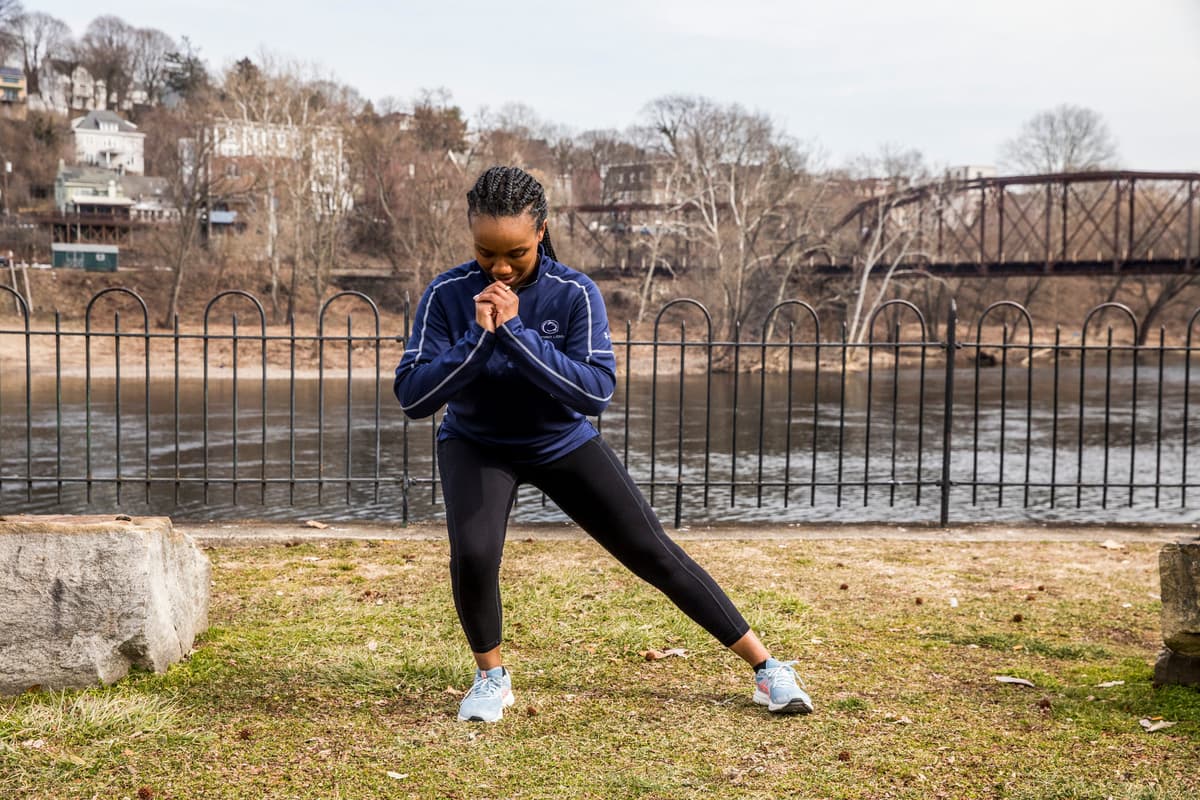
These 3 Glute Activation Exercises Made My Runs Feel Easier. I Wish I Started Doing Them Sooner.
Runner Heather Mayer Irvine added a three‑exercise glute activation routine prescribed by physical therapist Chloe Costigan. The eight‑minute circuit—donkey kicks, single‑leg glute bridges, and side‑plank hip lifts—was performed before runs for four weeks. She reports easier stride mechanics, improved pace...
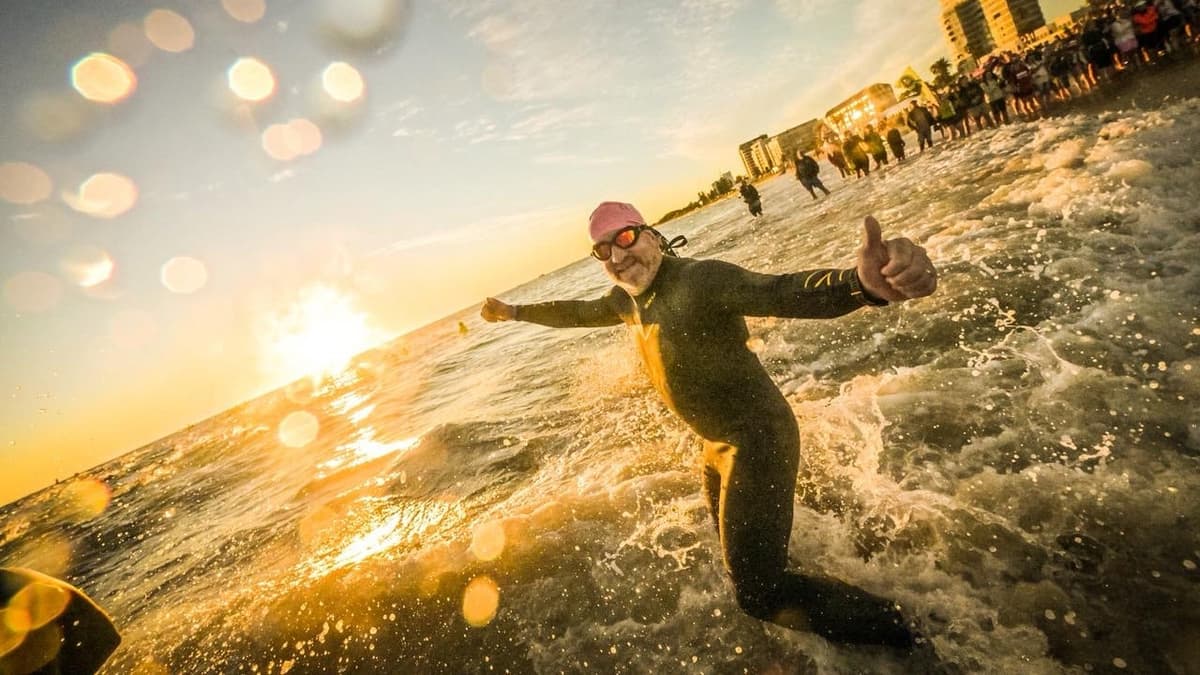
At What Age Do Long-Distance Triathletes Peak?
Analysis of a decade of Ironman and Ironman 70.3 results shows the sweet spot for peak performance lies in the early‑30s. Both men and women achieve their fastest overall times in the 30‑34 age bracket for full‑distance races, while 70.3...

I Thought Longer Workouts Were Better — Until I Tried the 10-20-30 Method
Ava Durgin recounts swapping long, monotonous runs for the 10‑20‑30 interval protocol and Swedish fartlek, both of which deliver cardio gains in minutes. The 10‑20‑30 method mixes 30 seconds easy, 20 seconds moderate, and 10 seconds sprint, while fartlek adds...

What Is Fartlek Training?
Fartlek, Swedish for “speed play,” is a flexible running workout that alternates faster bursts with easy jogs without preset intervals. Dr. Leonardo Oliveira explains the method lets runners adjust pace on the fly, using landmarks or perceived effort. The approach...

What the Latest Science Really Says About Creatine’s Benefits for Body and Mind
Recent meta‑analyses confirm that creatine monohydrate delivers measurable gains in muscular strength, power, and endurance for both athletes and recreational exercisers. Parallel research shows modest improvements in short‑term memory and executive function, especially under sleep‑deprived or cognitively demanding conditions. Safety...

Creatine Is Claimed to Benefit Body and Mind: The Potential Benefits and Limitations of the Popular Supplement
Creatine, a naturally occurring compound, is the most studied dietary supplement for enhancing high‑intensity performance and supporting cellular energy via phosphocreatine. Recent analyses highlight its ability to improve muscle power, sprint output, and, in certain groups, cognitive functions such as...

10 Reasons Napping Is The Ultimate Power Move For Your Brain, Heart & Mood (P)
A growing body of research shows that brief daytime naps are a physiological tool, not a luxury. Studies link 20‑minute naps to measurable gains in memory, attention, and mood, while regular napping can cut stroke risk by roughly half. The...

Is It Better to Work Out in the Morning or the Evening?
The article examines the long‑standing debate over whether to exercise in the morning or evening, drawing on circadian‑rhythm research and expert opinions. Morning workouts tap rising body temperature and cortisol to boost mood, focus, and habit formation, while evening sessions...
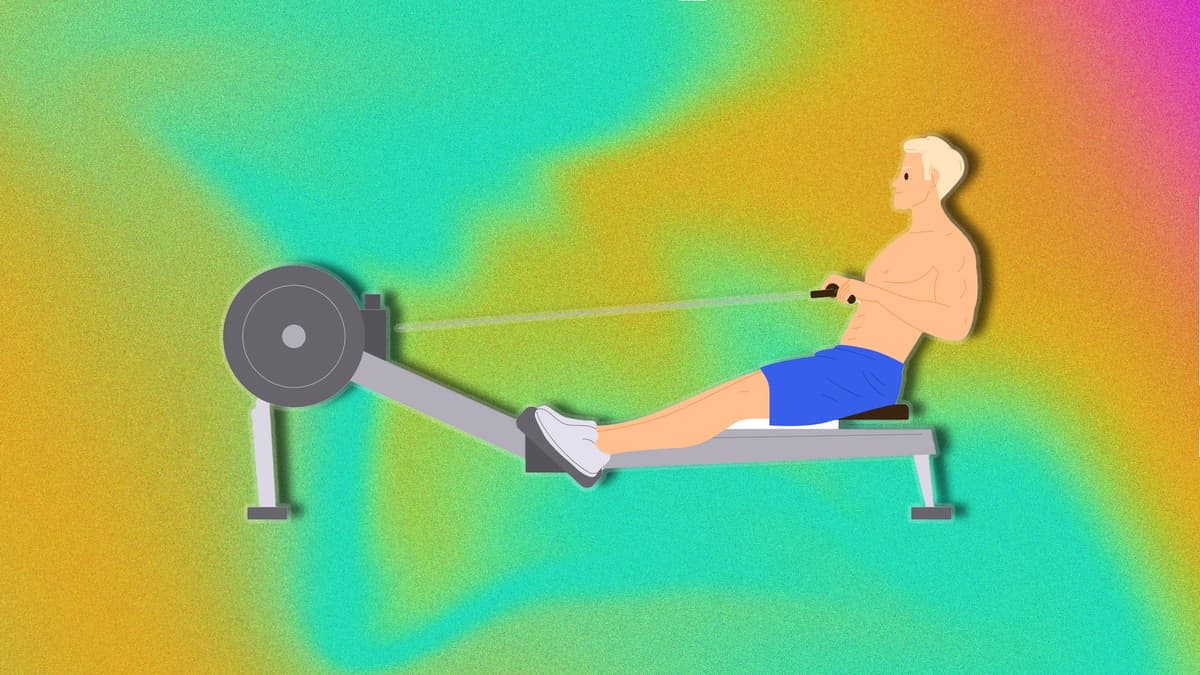
Why a Rowing Machine Session Benefits You More Than Other Common Forms of Cardio
Rowing machines are gaining popularity after featuring in events like HYROX, thanks to their ability to deliver high‑intensity, full‑body cardio. Studies show that eight weeks of regular rowing can raise VO₂ max by about 10% and engage 80‑85% of the...
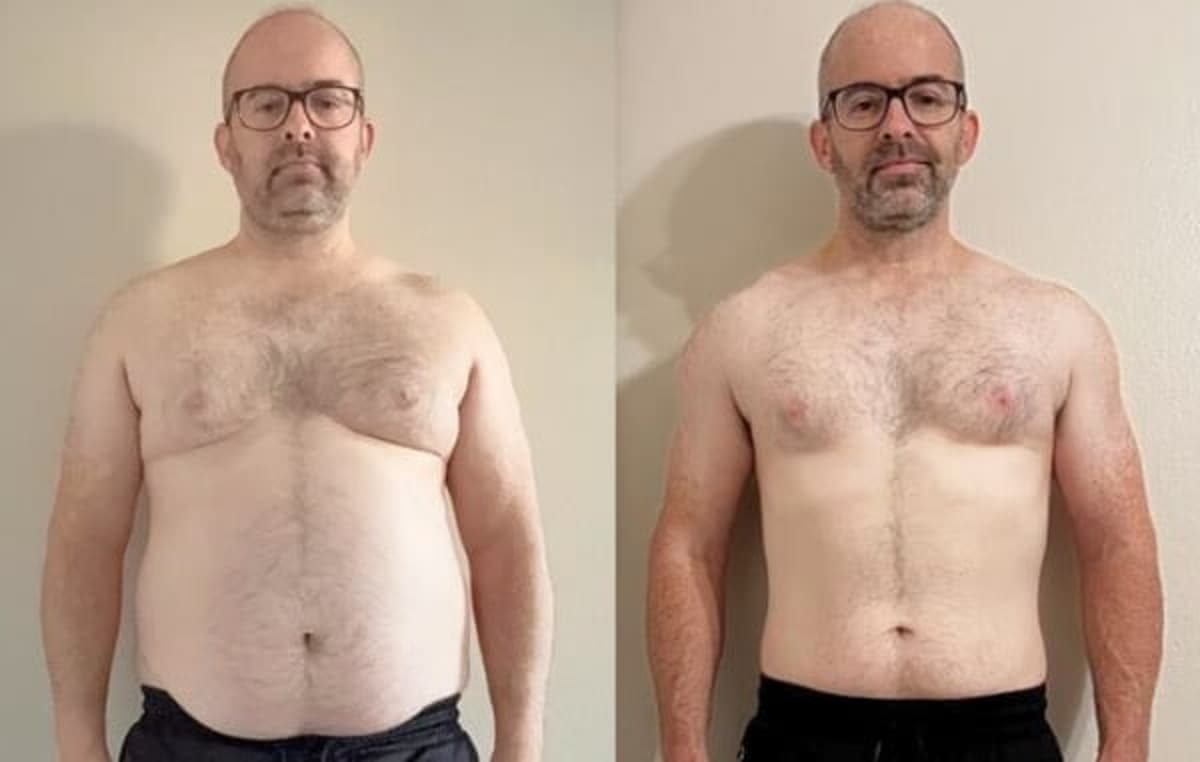
How Eric Lost 45 Pounds & Dropped 25% Body Fat in 9 Months
Eric enrolled in Legion Athletics' body transformation coaching and, over nine months, lost 45 pounds while cutting his body fat percentage from 45% to 20%. The program helped him shrink his waist from 38 inches to 31 inches and develop...

Not Sure of Your Threshold Pace? This Is the Best Way to Find It, According to Research and Coaches
Running at threshold pace—often called lactate threshold or LT2—delivers the most efficient endurance gains, but only when the pace is spot‑on. Experts Kaitlyn Baird (Hospital for Special Surgery) and Gab Reznik (ToneHouse) argue that a 30‑minute time trial is the...
Transition to Bodybuilding: Journey to Jacked
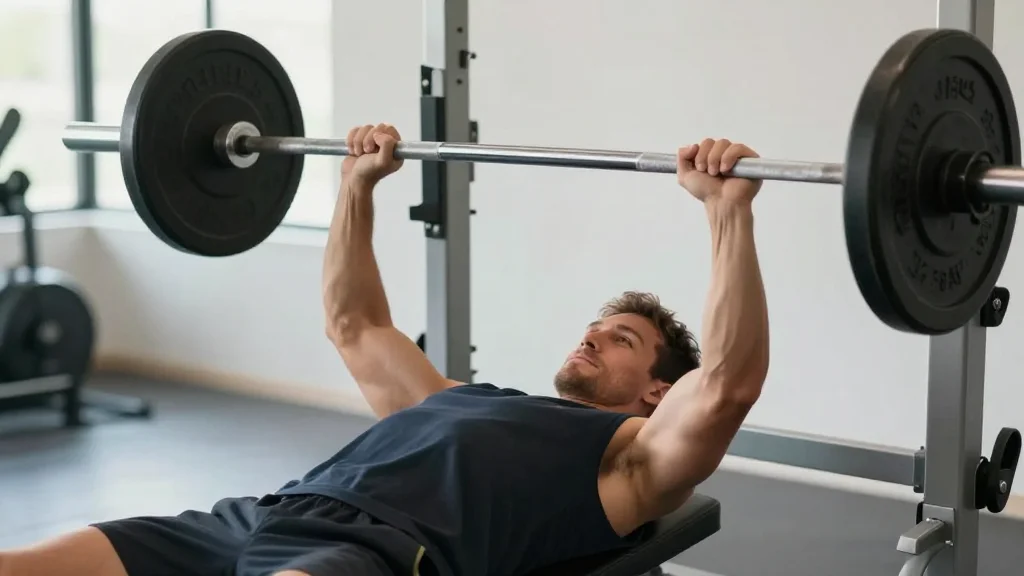
Bodybuilder wardog2k logged a high‑intensity chest and biceps session on April 30, hitting a personal record (PR) of 265 lb for six reps on the flat barbell bench and a 70‑lb weighted dip PR of 11 reps. Two days later, a leg...
Accessory Work for Bigger Compounds – What Actually Carries Over?
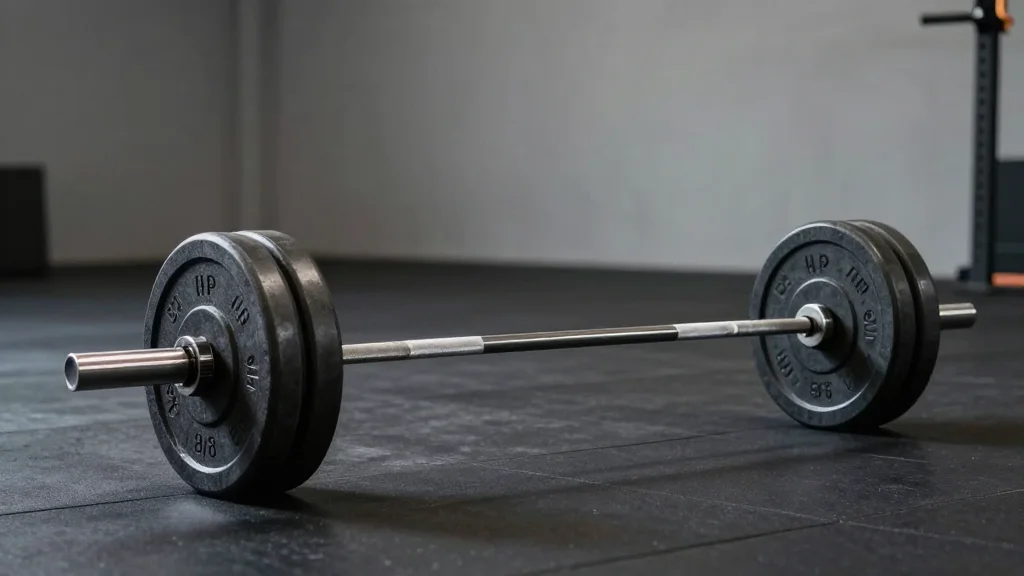
The post argues that beginners should concentrate on mastering the core lifts—squat, bench press, and deadlift—before adding extensive accessory work. Light, non‑maximal sets are recommended to cement technique, while occasional higher‑intensity accessory sets can build muscle mass and work capacity....
‘At 54, I Tried the Build & Burn Strength Training Kettlebell Program—Here’s My Honest Review’
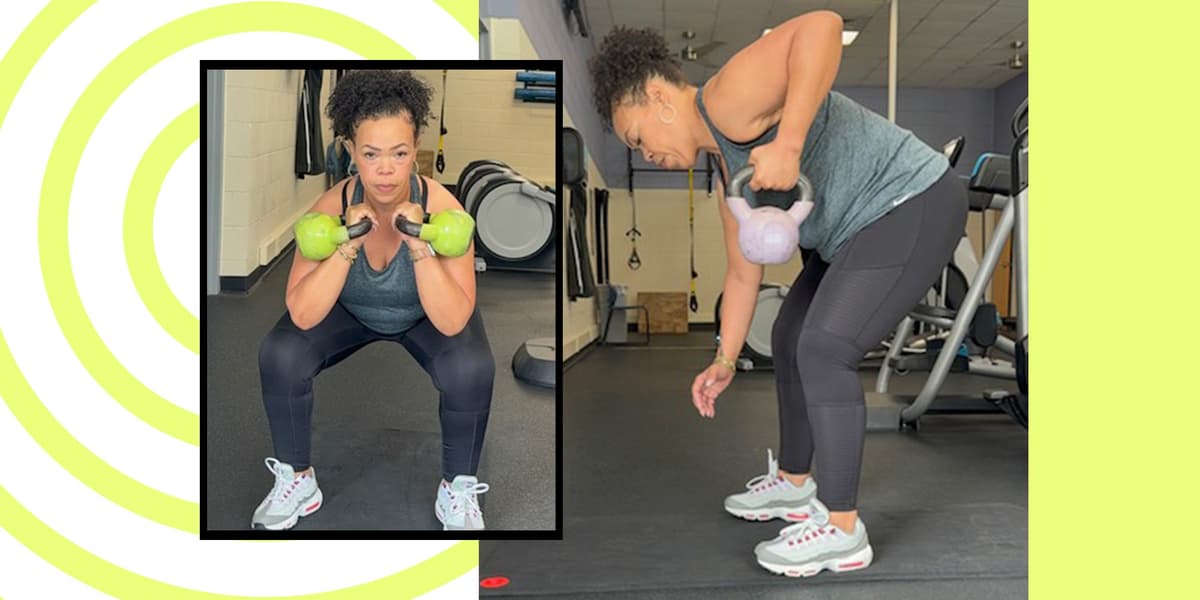
Women’s Health’s Build & Burn kettlebell program offers a four‑week, four‑day‑a‑week regimen that blends strength, power and cardio conditioning. The author, a 54‑year‑old novice, started with 10‑15 lb kettlebells and progressed to 20‑25 lb, noting gains in core stability, balance and overall confidence. Workouts...

New Study Shows Doing This During Your Walk Can Boost Strength & Stamina
A recent 12‑week study of roughly 100 frail and prefrail seniors found that increasing walking cadence by just 14 steps per minute – roughly a 10‑15% boost – markedly improved functional performance on the 6‑minute walk test. Participants who walked...
What Is a Tiger Push-Up? Benefits, Muscles Worked and Proper Form
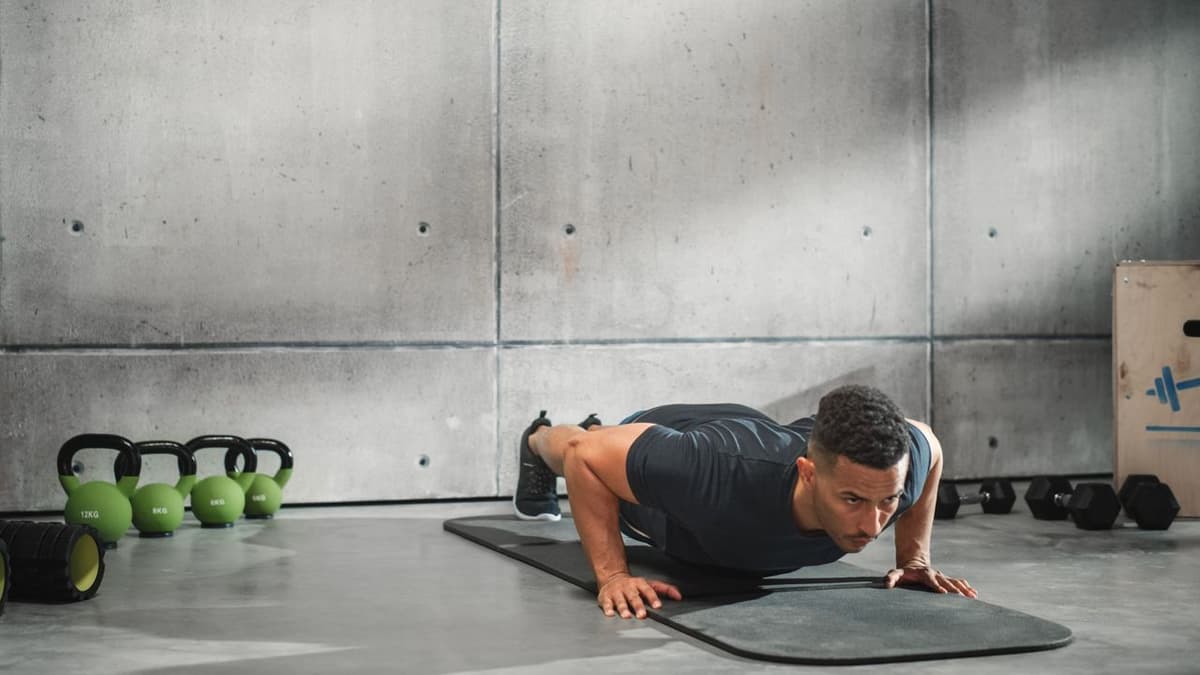
The tiger push‑up is an advanced bodyweight exercise that adds a forearm‑to‑hand transition to the classic push‑up. By lowering onto the forearms and pressing back up, it shifts emphasis to the triceps, shoulders, and core while demanding greater coordination. Fitness...
Tight Calves, Sore Quads? These Amazon Recovery Tools Help Runners Bounce Back
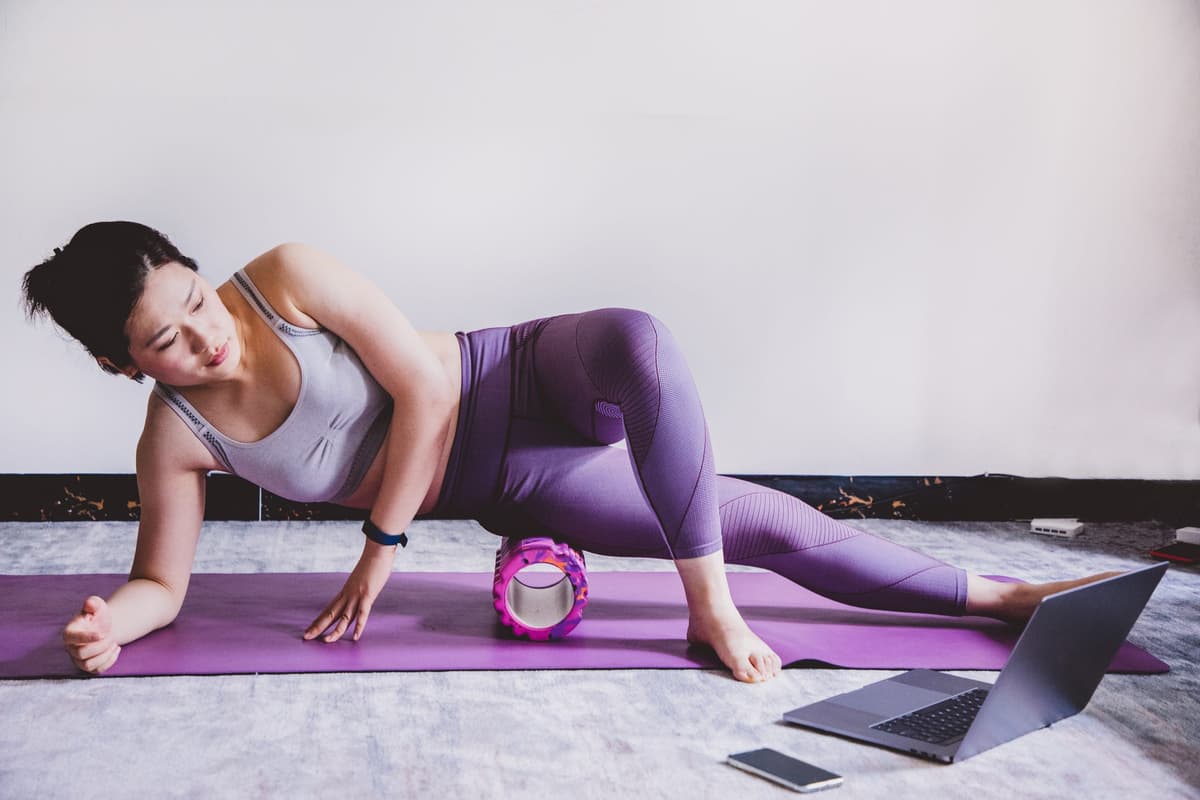
Popular Mechanics highlights a curated set of Amazon‑available recovery tools aimed at runners dealing with tight calves, sore quads, and post‑run fatigue. The lineup includes the TriggerPoint roller stick, Sunny Health stretch machine, foot massage ball, Trideer cork yoga blocks,...
Stronger Legs, Stronger Core, Stronger Ride: The Dumbbell Workout Every Cyclist Needs
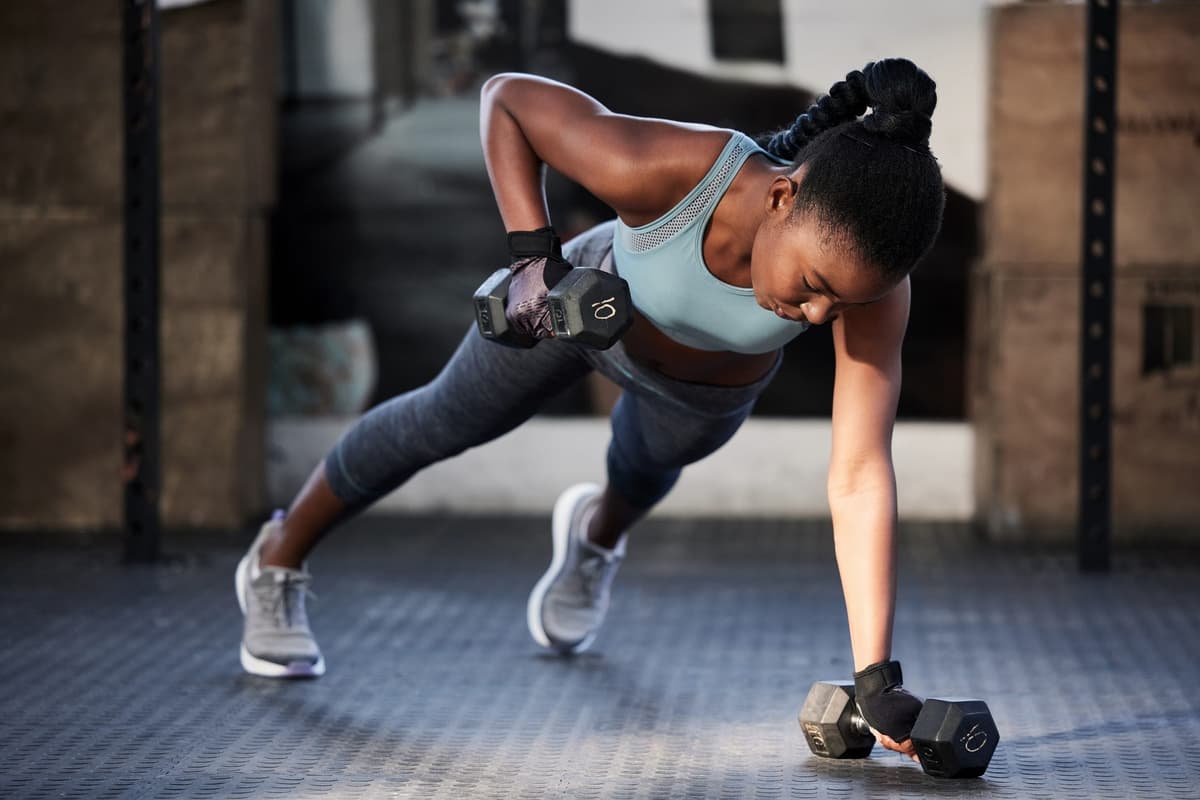
The article presents a targeted dumbbell workout designed for cyclists seeking more power, stability, and injury resistance. It outlines a full‑body routine that emphasizes core, glutes, upper back, chest, and shoulders, using only dumbbells and a bench. Each exercise is...
The 8-Box Framework That Explains Why Some Exercises Build Muscle and Others Don't
Dr. Pat Davidson’s 8‑box framework categorizes exercises by muscle length, velocity, and moment arm, showing that torque—not load—drives adaptation. The model identifies Box 6 (eccentric, slow, long moment arm) as the optimal zone for hypertrophy, while Box 2 (concentric, slow, long arm)...

High-Intensity Exercise After Breast Cancer Surgery May Help Speed Recovery
A recent study presented to the American Society of Breast Surgeons found that high‑intensity resistance training can accelerate recovery after breast‑cancer surgery. Nearly 200 women who had lumpectomies, mastectomies or lymph‑node removals completed a three‑month program, lifting up to 200 lb....

The Workout That’s Helping Hayden Panettiere Come Back From Injury
Actress Hayden Panettiere, 36, is chronicling her recovery from a mysterious lower‑body injury in a new memoir. She attributes her regained mobility and strength to a barre‑focused routine designed with trainer Marnie Alton. The program blends deep pliés, heel raises,...

Prioritizing Cycling Led to a New Way of Life and a 275-Pound Weight Loss
Ryan Grewell, a 37‑year‑old chief innovation officer from Ohio, shed roughly 275 lb over three years by making cycling his primary fitness regimen. Starting with short neighborhood loops, he progressed to riding at least five days a week, covering 25 mi per...

Does a Low-Carbohydrate Diet Impede Endurance Sports Performance?
The American Journal of Clinical Nutrition’s Great Debates series pits two leading experts against each other on whether low‑carbohydrate, high‑fat (ketogenic) diets hinder endurance performance. Louise Burke argues that carbs deliver more oxygen‑efficient energy, so strict carb restriction can slow...

7 Tips for Surviving and Loving Long Course Season
The article outlines how swimmers can successfully transition from short‑course to long‑course season by adjusting mindset, technique, and pacing. It stresses that long‑course races feel slower because there are fewer turns, so athletes should prioritize stroke efficiency and race feel...

Buffy the Exercise Slayer: Sarah Michelle Gellar’s EMS Workout Trend Explained
Actress Sarah Michelle Gellar has popularized whole‑body EMS (electromyostimulation) suits, joining a growing list of celebrities who wear the gear during pilates‑style workouts. EMS delivers electrical impulses to multiple muscle groups, promising a 20‑minute session can mimic hours of conventional training. Clinical...

Do You Really Need 1 Gram of Protein Per Pound of Body Weight Per Day?
The long‑standing bodybuilding rule of 1 gram of protein per pound of body weight is being re‑examined after several meta‑analyses suggested a lower threshold of about 0.7 g/lb. Critics point out that the 2018 study’s confidence interval was wide (0.47‑1.0 g/lb) and its...
The Bar That Does What Two Bars Used to Do
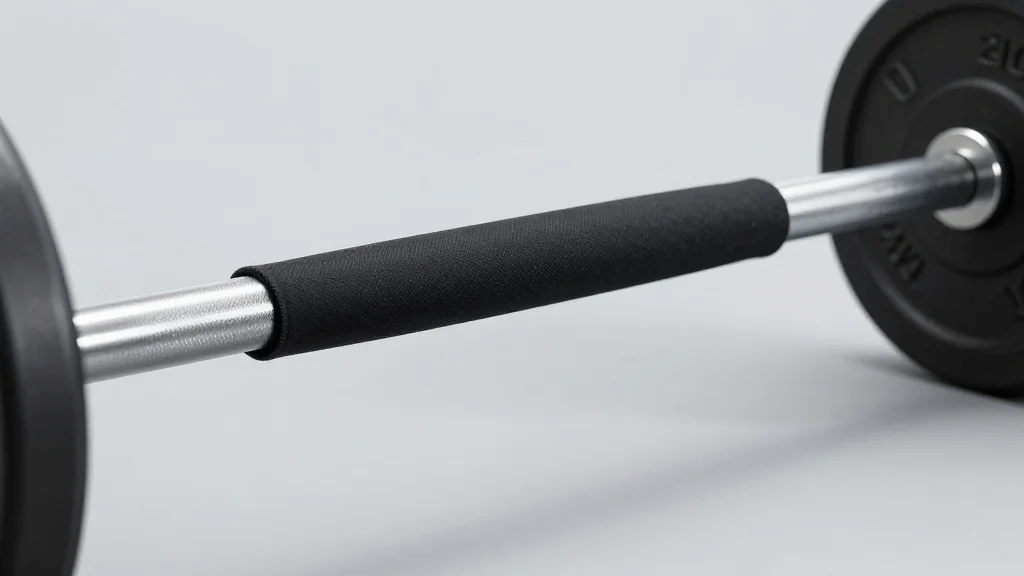
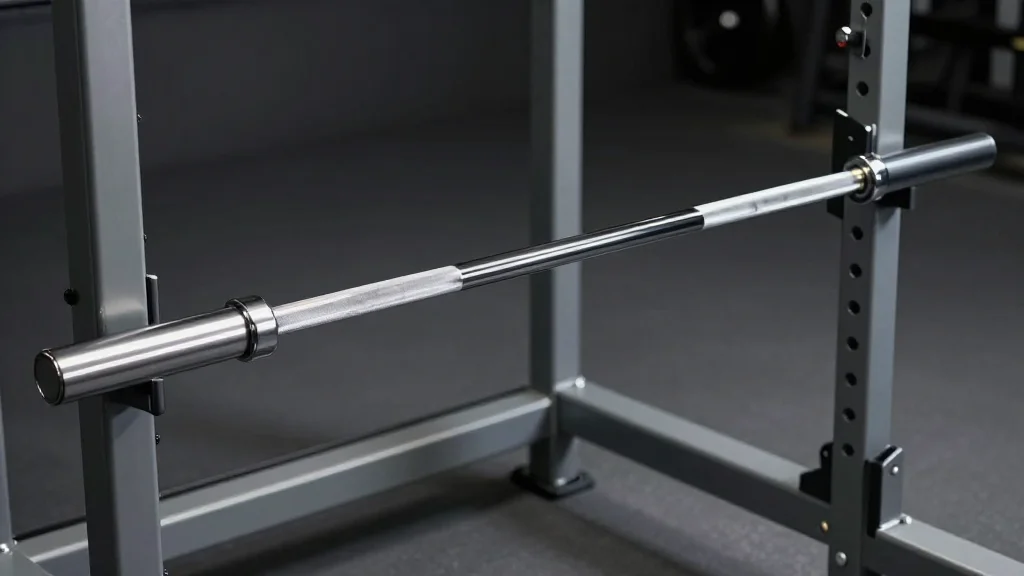
EliteFTS unveiled the Rackable Cambered Spider Bar, a hybrid specialty bar that fuses the Safety Squat Bar’s yoke handles with the cambered bar’s lower center of gravity. Weighing 80 lb and measuring 86 in, it fits standard power racks and keeps shoulders...

Research Says Do This 2 Weeks Before Surgery To Recover Faster
A recent meta‑analysis of 23 randomized trials involving 2,182 patients found that pre‑surgery conditioning—known as prehabilitation—significantly improves outcomes. Exercise‑ or nutrition‑based programs cut postoperative complications by roughly 48% and can shorten hospital stays by about one day. Programs ranging from...
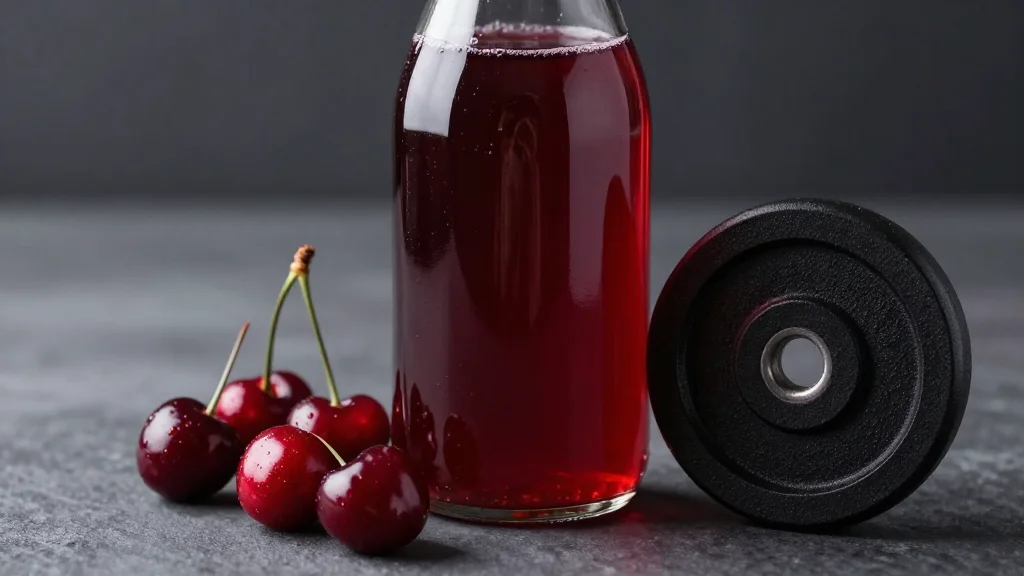
The Effect of Montmorency Tart Cherry Consumption on Athletic Performance and Post-Exercise Recovery in Healthy Adults: A Scoping Review
A scoping review of 28 randomized trials evaluated Montmorency tart cherry supplementation in healthy adults. Four of ten performance studies reported faster time‑trials or longer time‑to‑exhaustion, while seven of fourteen strength‑recovery trials showed accelerated muscle‑strength return. Only six of twenty‑two...

More Trouble Than I Am Worth: Chaos Is The Plan (T3hPwnisher Log)
t3hpwnisher posted a nutrition recap detailing a repeat breakfast of blue‑cheese crumbles and a dinner of seven burger patties with four packs of butter from Culver’s. A comment from simo74 praised the “chaotic genius” of using a high‑fat, low‑volume diet...
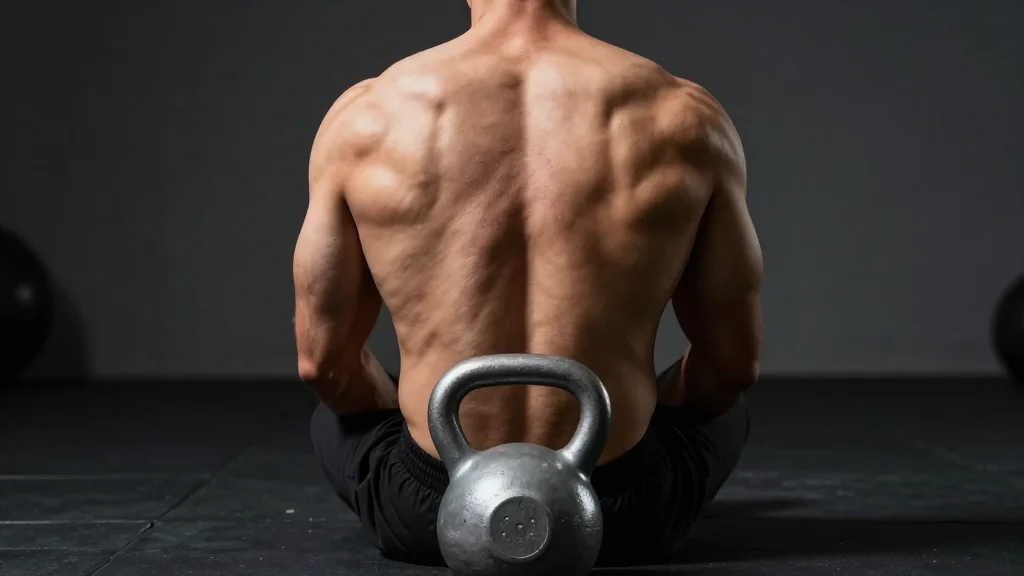
Doing Dumb Stuff as a College Kid
A college athlete logged a high‑volume back workout, hitting 15 wide‑grip pull‑ups and a max of 235 lb on Pendlay rows. Post‑session notes reveal a lat strain that prompted dropping Meadows rows before upcoming events. The post also highlights the writer’s...

Gold Medal Skier Lindsey Vonn Opens up About Her Devastating Crash and Recovery
Lindsey Vonn, the 40‑year‑old former Olympic champion who became the oldest World Cup winner, suffered a catastrophic crash at the 2024 Italy Olympics, breaking her ankle and sustaining complex leg fractures. After five surgeries, she is now on crutches and...

There Are Two GLP-1 Side Effects Your Doctor Doesn’t Know About, and They Can Affect Your Workouts
A new *Nature Health* study used AI to scan 400,000 Reddit posts, finding that roughly 70,000 users were taking GLP‑1 drugs such as Ozempic, Wegovy, or Zepbound. While nausea and fatigue remain the most common side effects, about 4% of...
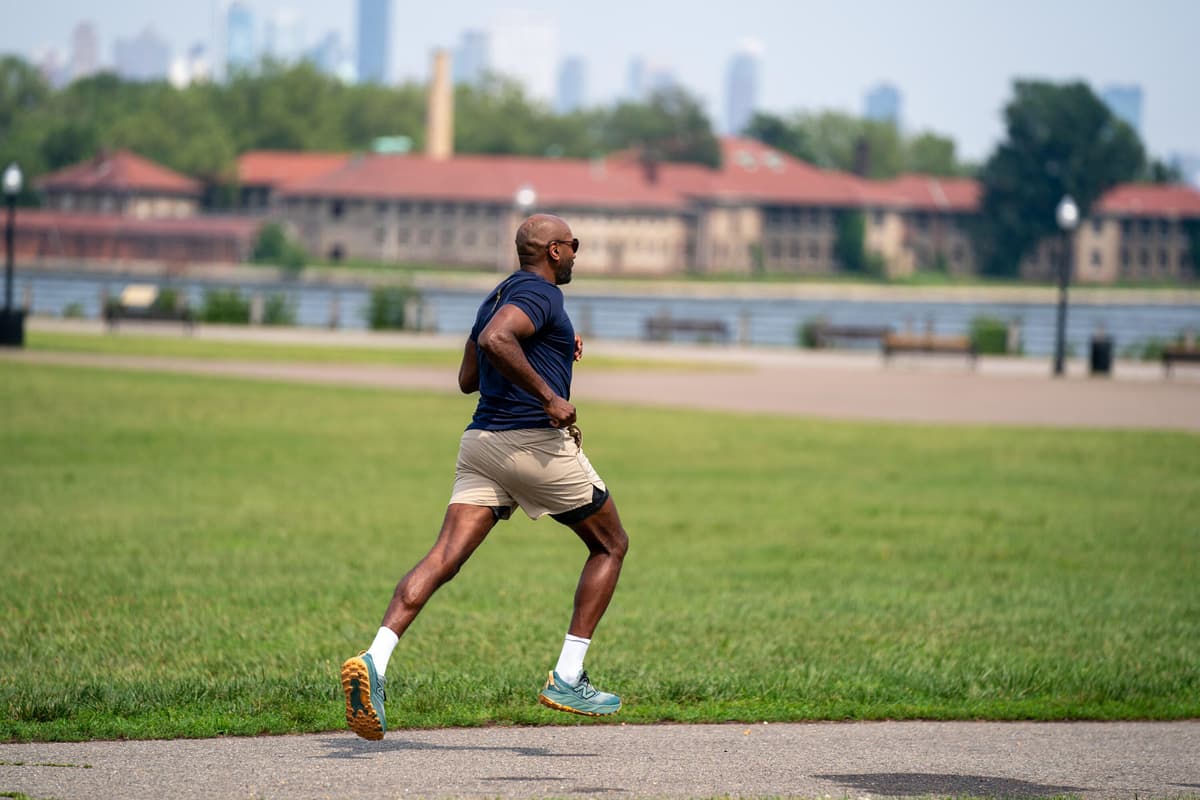
6 Signs of Weak Calves in Runners. Plus, the 3 Best Exercises to Strengthen Them.
Calf strength is crucial for runners, yet many suffer from weak gastrocnemius and soleus muscles, leading to injuries such as plantar fasciitis, Achilles tendinopathy, and knee pain. Physical therapists recommend using a single‑leg heel‑raise test—25 reps without wobble—as the benchmark...

I Finally Broke Through in the Marathon. These 3 Training Tweaks Made All the Difference.
Runner Ashley Tysiac achieved a new marathon personal record of 3:11 at the Jersey City Marathon, the fastest time since her 3:15 debut in 2023. She credits three specific training adjustments: focused lactate‑threshold workouts, truly easy recovery runs, and a...
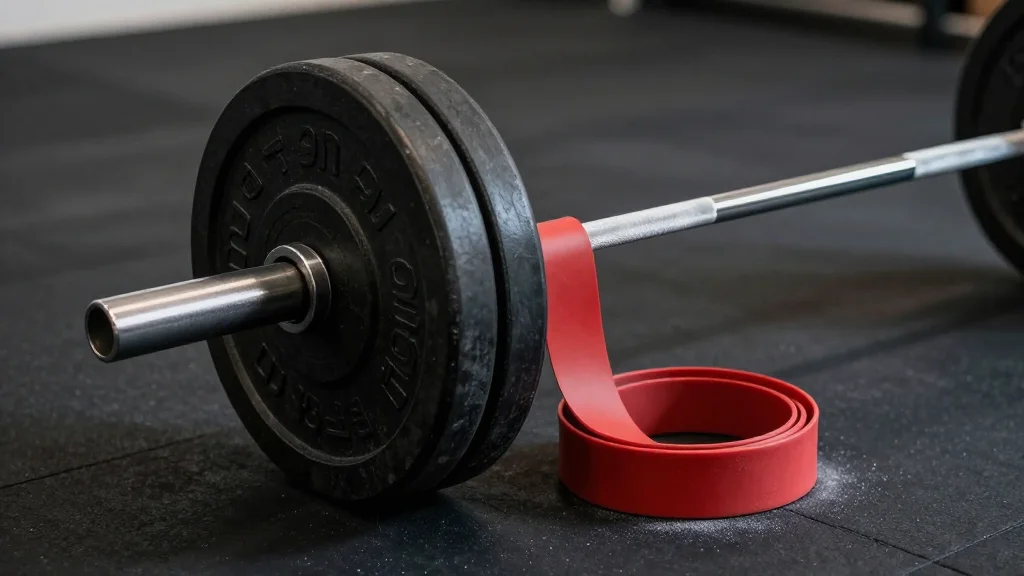
Eight Training Principles Most Lifters Will Never Apply
Dave Tate, veteran of Westside Barbell, shares eight training principles that prioritize subtraction over addition, seasonal periodization, and embracing discomfort to break strength plateaus. He argues that comfort traps lifters, peak intensity cannot be sustained year‑round, and mistakes are valuable...
Want to Ride Stronger for Longer? Start With Zone 4
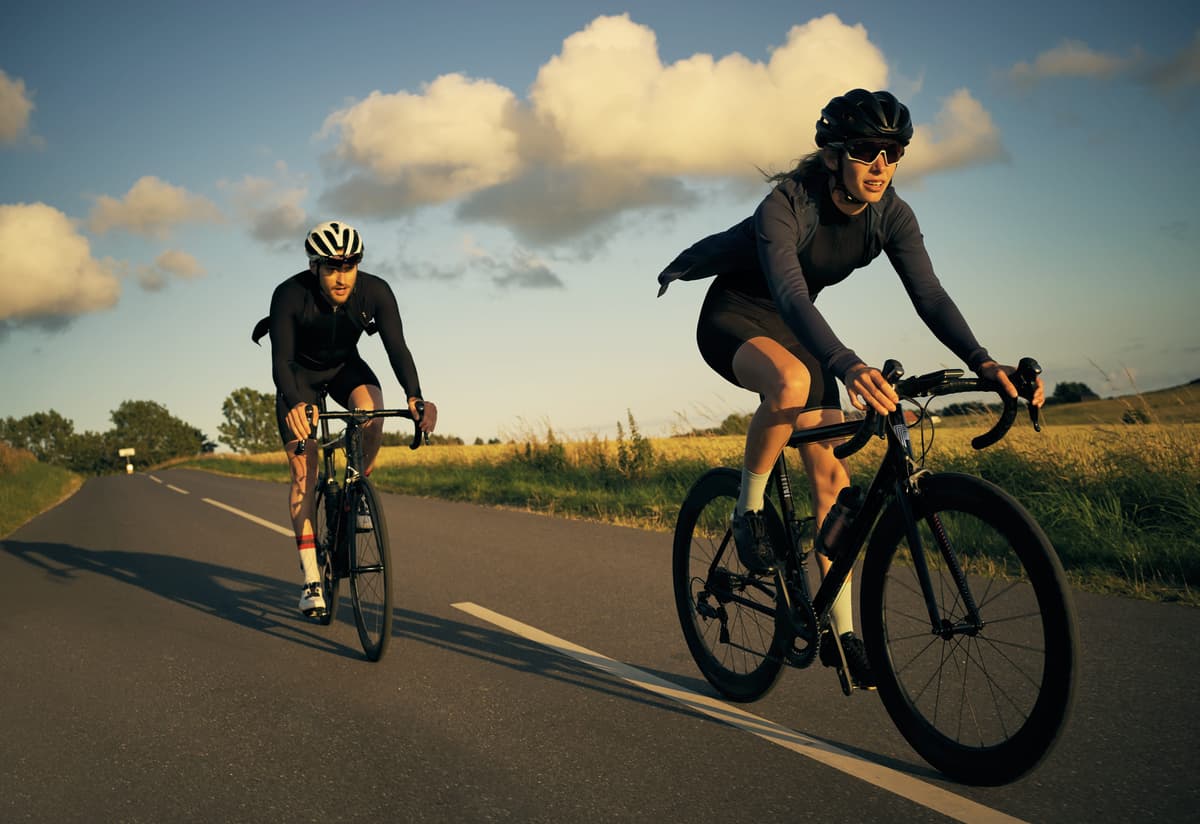
Zone 4, also known as threshold training, asks cyclists to ride at 91‑105% of FTP for sustained intervals, building the ability to maintain high power without fading. The article outlines a typical weekly structure—one 20‑60 minute Zone 4 session split into 10‑30 minute blocks...

The Over-50 Cycling Problem Nobody Wants to Admit: You’re Underfueling
The Bicycling editors highlight a pervasive issue among cyclists over 50: chronic underfueling. Dietitian and coach Namrita Brooke explains that many senior riders skimp on carbohydrates, protein, and electrolytes, leading to slower recovery and diminished performance. The article recommends at...

April Launch Pad: Personalized Wellness, Ingestible Beauty and Gut Health
April’s launch roundup highlights a surge in gut‑centric and beauty‑from‑within products. Trace Minerals introduced a creatine‑electrolyte powder that pairs 5 g of creatine with sugar‑free flavors for performance and hydration. Designs for Health debuted a single‑donor probiotic aimed at restoring keystone...

This 10 Minute Shoulder Mobility Routine Will Save Your Posture on the Bike
Cyclists face chronic shoulder tightness from prolonged forward‑leaning positions, which can impair breathing, performance, and everyday comfort. Trainer Natascha Grief proposes a ten‑minute, equipment‑free shoulder mobility routine that can be slotted into daily pockets of time, such as waiting for...