Today's Global Economy Pulse
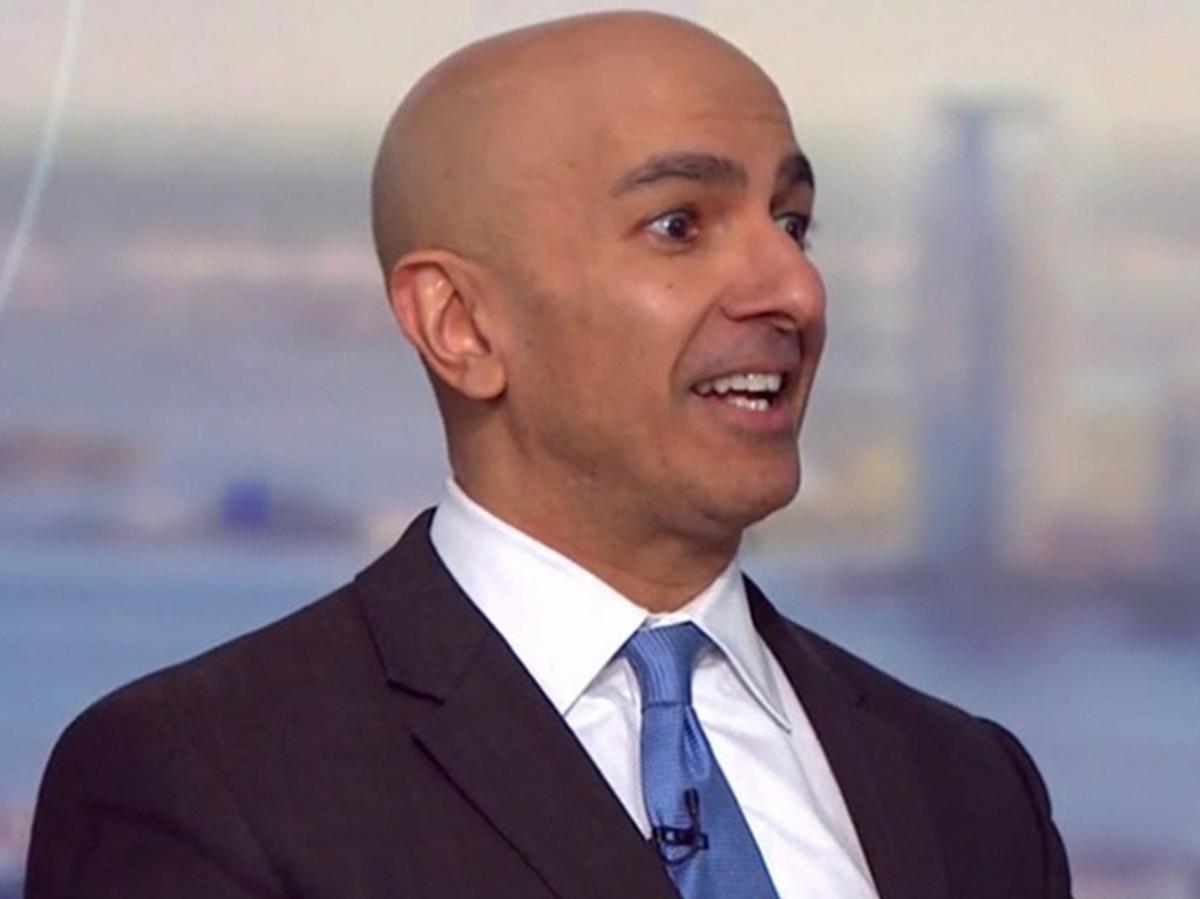
Fed's Kashkari warns inflation remains far too high
Minneapolis Fed President Neel Kashkari told CNBC that headline CPI was 3.8% in April and core CPI rose 2.8% year‑over‑year. He said the persistent price pressure could unanchor consumer expectations and may force the Federal Reserve to act more aggressively.

Middle East: Key Trends Shaping 2026
The US‑Israeli war with Iran has plunged the Middle East into its deepest crisis in decades, rattling Gulf economies, global oil markets and supply chains. Prior to the escalation, GCC growth was outpacing the world, with Qatar at 6.1% and the UAE at 5%, but Goldman Sachs now warns of a possible 2‑5% recession in 2026. The conflict is accelerating self‑reliance drives in food, water and defence, while exposing banking systems to unprecedented geopolitical risk. Meanwhile, Saudi Vision 2030 is being reshaped and Syrian reconstruction is attracting new Gulf capital.
Trump's Iran Threat Drives Treasury Volatility, Long Bonds Lag
Trump’s Iran ultimatum is basically the only story for bond traders today. USTs have seen a volatile morning, swinging back and forth in reaction to the news and moves in crude oil prices. They are now recovering from the early...

Container Vessel Reports Being Hit Off Iran
A fourth containership was struck about 25 nautical miles off Kish Island, near the northwestern entrance to the Strait of Hormuz, marking a rapid escalation of attacks in the Persian Gulf. The vessel sustained damage above the waterline but the...
Jeffrey Sherman on Oil, Deficits and the Private Credit Liquidity Trap | Bloomberg
Jeffrey Sherman, DoubleLine’s deputy CIO, warned that rising oil prices and energy‑sector infrastructure damage could sustain inflation longer than markets expect, pressuring global growth. He argued that higher energy costs function as a de‑facto monetary tightening, reducing the likelihood of...

Nasdaq Surges as 94% of Tech Stocks Break 5‑Day Averages Amid Ceasefire Hopes
The Nasdaq Composite rallied on April 5, with 94% of its information‑technology components trading above their 5‑day moving averages. The breakout, fueled by optimism over a possible U.S.–Iran cease‑fire, lifted the S&P 500 and Dow Jones to multi‑week highs.

US Household Goods Imports Flatten as Housing Weakness Weighs on Demand
U.S. household‑goods imports slipped 1.3% in 2025, reaching 5.3 million TEUs, as a faltering housing market curbed demand for furniture, appliances, and home furnishings. Builders reported fewer new‑home starts, while inflation and tighter credit squeezed consumer purchasing power. Retail earnings reveal...

The ECB and the Euro's Global Role
The European Central Bank has broadened its euro‑repo liquidity facility (EUREP) to offer funding to any central bank that provides high‑quality euro‑denominated collateral. This move underscores the ECB’s growing geopolitical role as the euro seeks to become a more prominent...
Indonesian Rupiah Drops to Rp17,105 per Dollar Amid US‑Iran Tension
The Indonesian rupiah weakened to Rp17,105 per U.S. dollar, a 0.41% slide driven by fears of a U.S. strike on Iran if Tehran does not reopen the Strait of Hormuz. Analysts say heightened geopolitical risk is tightening oil markets and...

ASEAN+3 Forecasts 4% Growth in 2026‑27 Amid Iran War and Energy Costs
The ASEAN+3 macroeconomic research office (AMRO) projects the bloc will grow 4% in both 2026 and 2027, even as the Iran war and soaring oil prices pressure the region. The outlook highlights strong inflation control, robust foreign direct investment and...
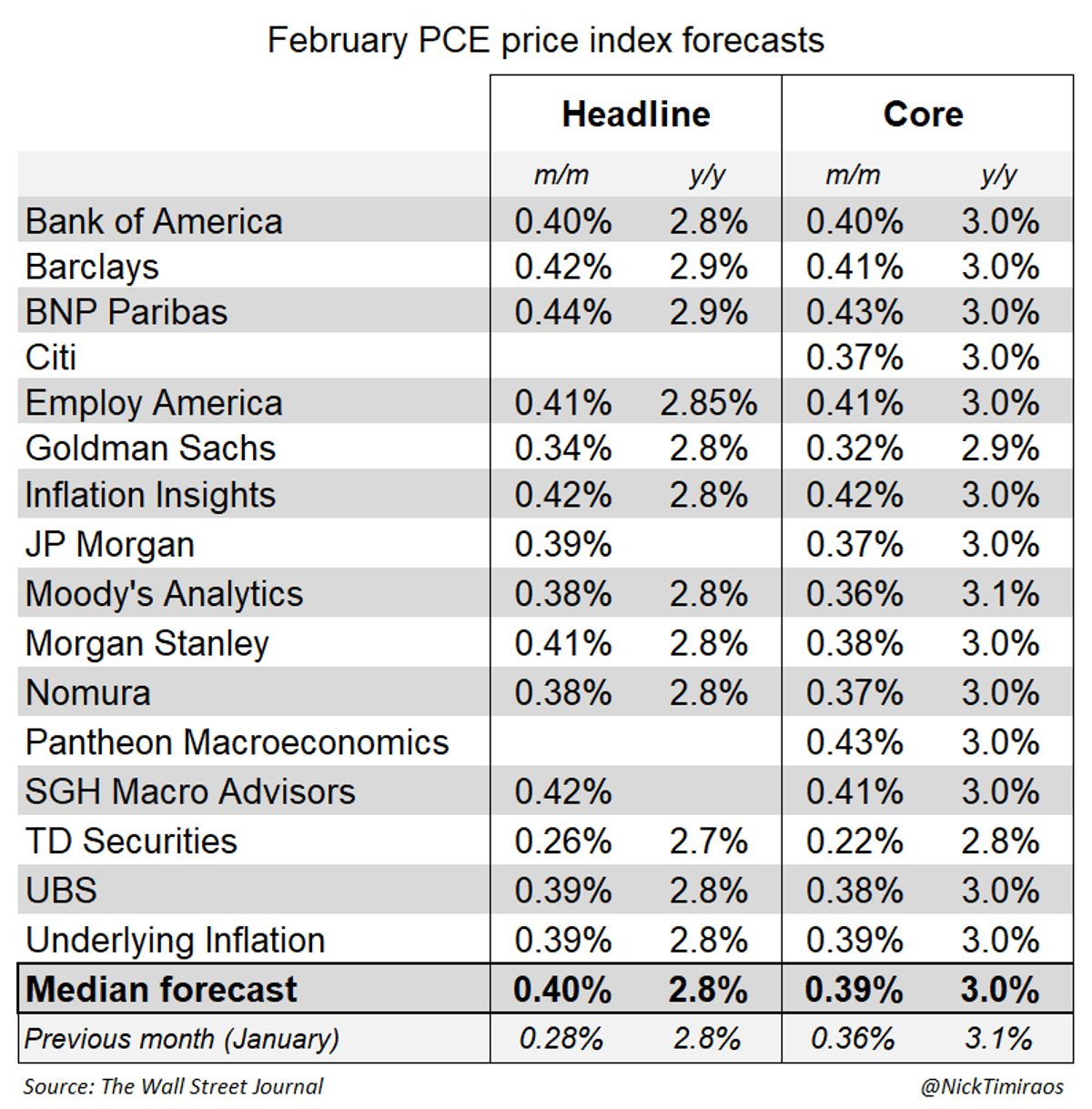
Core PCE Holds Steady at 3% Amid Iran Shock
Wall Street forecasters estimate the core PCE index (due Thursday) rose 0.39% in February, which would round to 0.4% for the third straight month. Because the Feb 2025 comparison is favorable (it was even higher a year ago), the 12-month rate...

Australia in Energy Security Deal With China, as War Rages in Iran
Australia has opened high‑level talks with China to secure refined fuel supplies as the US‑Israeli conflict in Iran pushes oil prices higher. Prime Minister Anthony Albanese and Premier Li Qiang agreed to boost regional energy security and seek an exemption...

6% Yield Trigger Could Force US Debt Restructuring
See my 10Y yield targets then read this quote by Jeff Gundlach: “Well, I think my base case is that the long-term interest rates on treasuries will move higher until such time as they get to a level that is difficult...
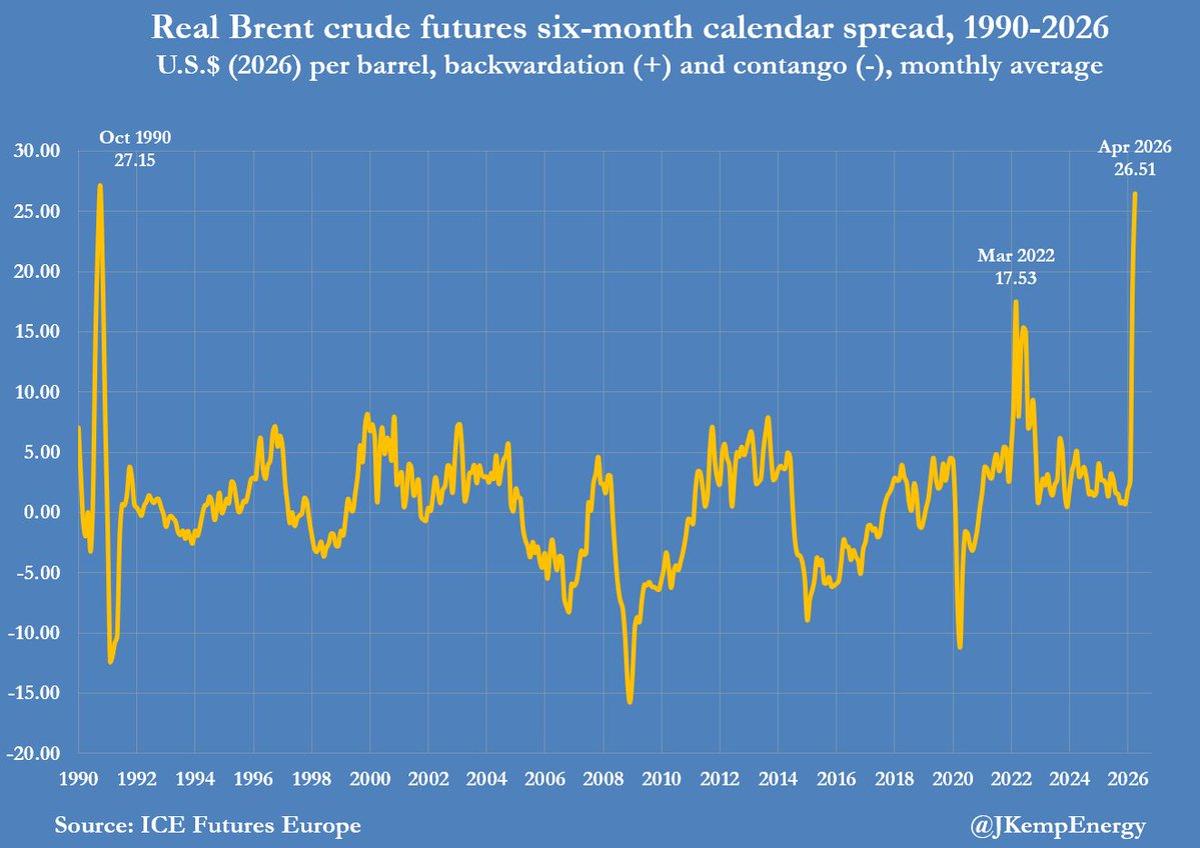
Brent Futures Hit Record Backwardation Amid US‑Iran Tensions
Brent (physical and futures) still pricing for a short war Brent prices have surged into a record backwardation as the United States and Iran threaten to escalate their conflict by attacking energy infrastructure on both sides of the Persian Gulf. In the...

Vape Makers Turn to 'Made in America' Credentials Amid Trump's Tariffs, Crackdown
U.S. vape makers are increasingly branding products as "Made in America" as the Trump administration tightens tariffs and cracks down on unlicensed Chinese devices. Reuters identified eight new brands that highlight American origins, though most lack FDA approval and many...

The Coming Inflation-Deflation Whipsaw
Dambisa Moyo warns that the global economy is entering a rare inflation‑deflation whipsaw. In the short term, geopolitical tensions and lingering supply‑chain shocks are pushing consumer prices higher. Over the longer horizon, rapid advances in artificial intelligence are expected to...
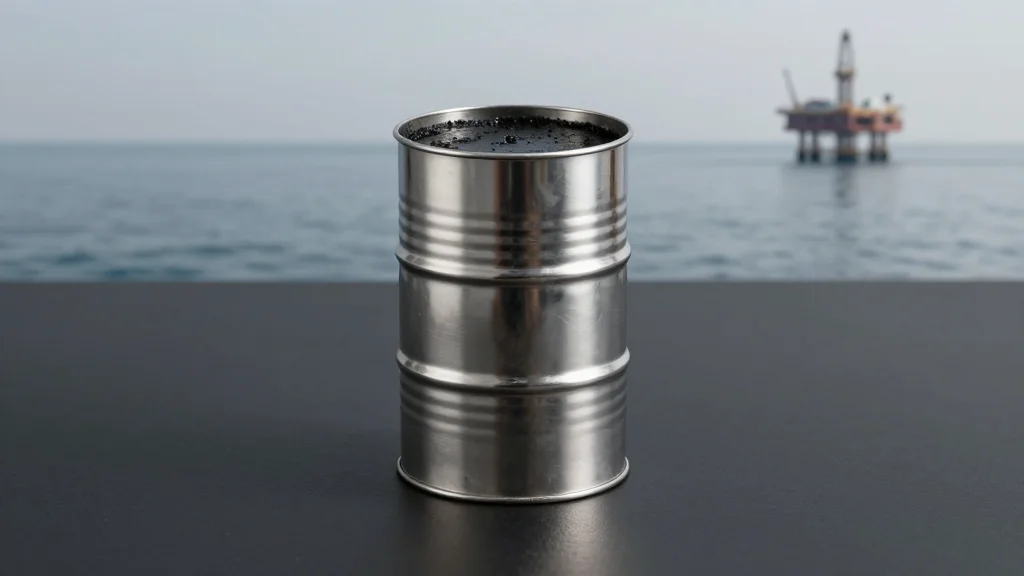
Crude Prices Soar as Iran War Looks to Escalate
Crude prices jumped 3.7% on April 7, with WTI May futures hitting a four‑week high as the Iran‑Israel‑U.S. conflict threatens to close the Strait of Hormuz. The New York Times reported Iran ended talks with Washington, while U.S. strikes on Kharg Island and...

Why Oil Markets Could Be Wildly Wrong on Strait of Hormuz
The article argues that oil markets may be overstating the impact of the Strait of Hormuz disruption, suggesting that while flows have been curtailed, they are not entirely halted. Analysts note that Iran is likely regulating traffic rather than enforcing...

Global Liquidity Watch: Weekly Update
Global liquidity has peaked and is now declining as base effects fade. Momentum is weakening despite support from the People’s Bank of China and the Federal Reserve. A stronger US dollar, heightened bond volatility, and reduced liquidity from the Bank...
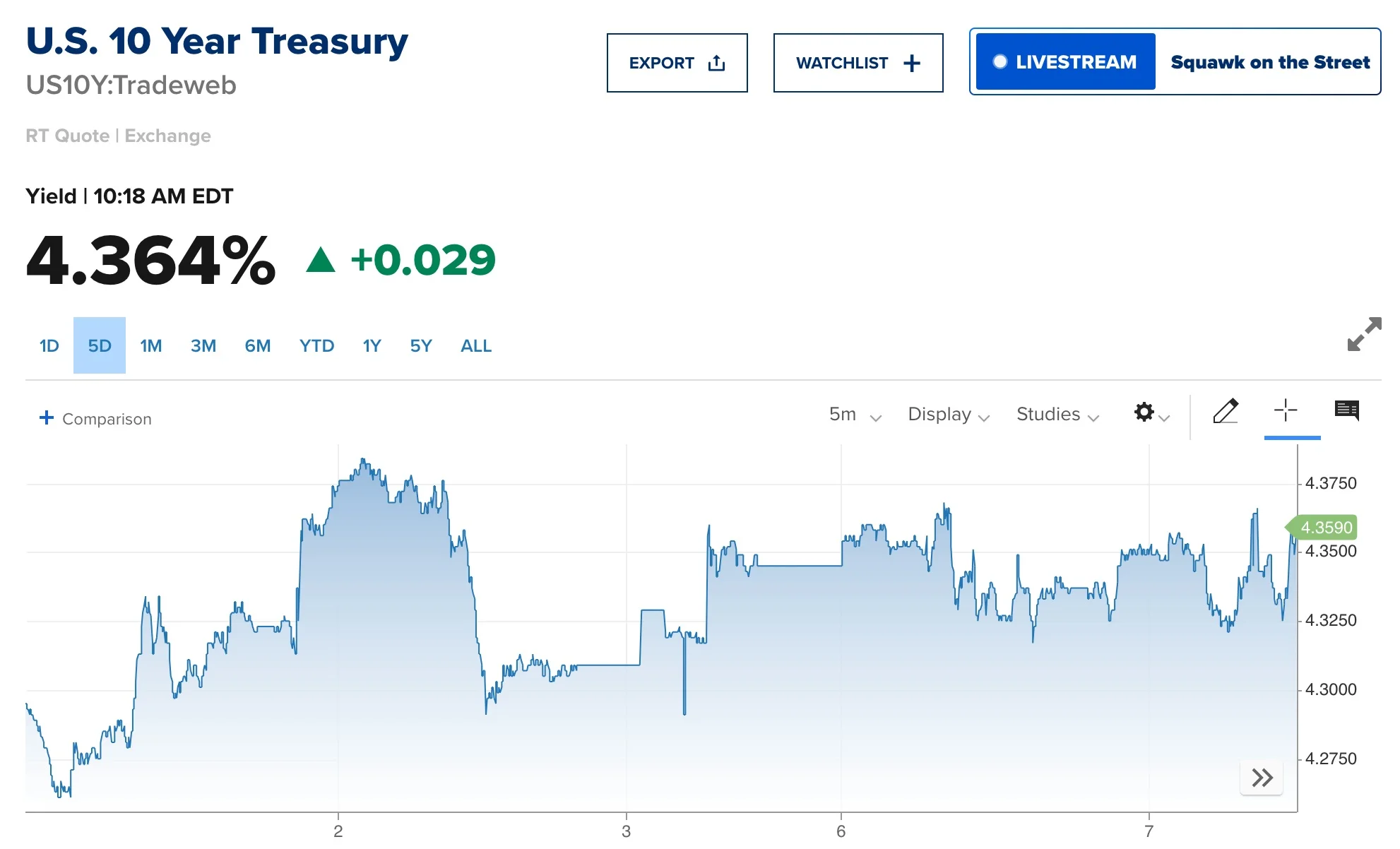
Flat Yields Signal Recession Concerns over Inflation
Should we be concerned that bond yields and mortgage rates are flat/down in the midst of current events? Especially on the back of a hot jobs report... You can call it "wait or see" or maybe things are a lot worse...
How the Iran War Has Sowed Panic Among Farmers
The ongoing Iran‑Israel conflict has driven up global fertilizer and fuel costs, sparking panic among farmers worldwide. Prices for nitrogen‑based fertilizers have surged by more than 60%, while diesel rates have risen sharply due to disrupted shipping lanes in the...

The Road to De-Escalation With Iran
The closure of the Strait of Hormuz is driving sharp increases in oil, liquefied natural gas, fertilizer and LPG prices worldwide. These spikes are inflating costs for cash‑strapped governments and jeopardizing food security in key agricultural regions. Analysts argue that...
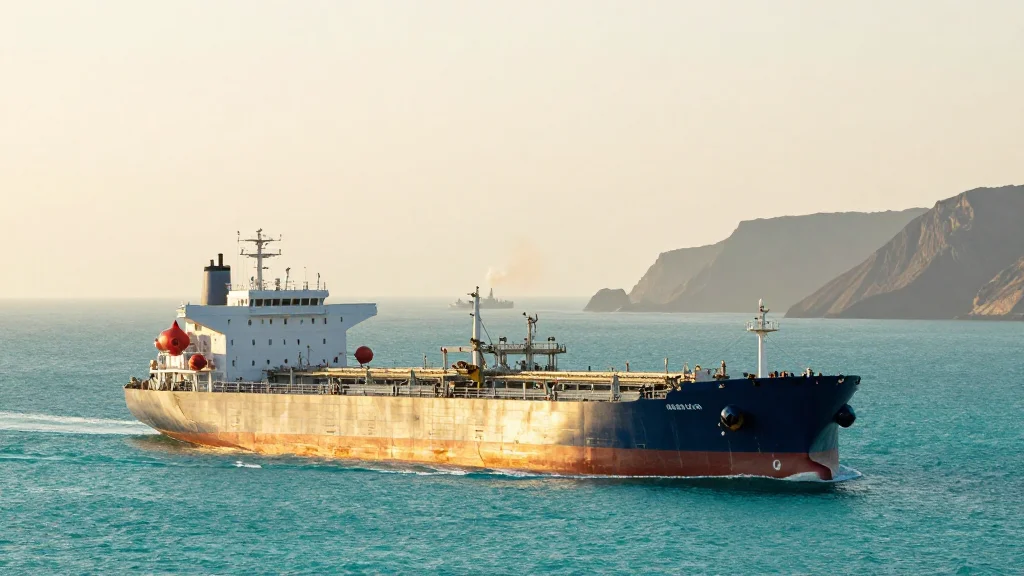
Houthis Threaten Bab El‑Mandeb Closure, Risk Oil Price Surge
The Houthis attempting to close the Bab el-Mandeb strait by again turning it into a shooting gallery would be a massive problem and would send oil prices into orbit. Saudis are moving their oil to Asia via the Red Sea...

Beyond Speed and Cost: The Push for Transparency in Cross-Border Payments
The cross‑border payments industry is shifting from a focus on speed and cost to a demand for total transparency, driven by the G20 roadmap and coordinated pressure from regulators, banks, fintechs, corporates, and consumers. Transparency comprises upfront fee and FX...

Bond Traders Risk Being Wrongfooted by 2022 Playbook, UBS Warns
UBS chief strategist Bhanu Baweja warns bond traders that markets are pricing a 2022‑style, coordinated central‑bank tightening in response to the Iran war, which may be unrealistic. He argues that the Federal Reserve, European Central Bank and Bank of England...

Sector Tariff Now More than a Threat – for some Rx Companies
Jiangsu and Shanghai Hengrui have patented selective Nav1.8 blockers that demonstrate potent pre‑clinical analgesic activity for chronic neuropathic pain. New research links chronic inflammatory signaling to early leukemic transformation in hematopoietic stem cells, suggesting anti‑inflammatory approaches could intervene before disease...

Oil Prices Reach Low Boil Ahead Of Strait Of Hormuz End Game
Crude oil prices climbed to $115.79 a barrel, the highest level since the Iran‑Israel conflict began, as the U.S. deadline for Tehran to relinquish control of the Strait of Hormuz approaches. The S&P 500 slipped 0.9% amid fears that a further...
The War to Break Iran’s Economy
An unprecedented economic campaign against Iran is intensifying, as the United States, European Union and regional allies expand sanctions targeting oil exports, banking links and advanced technology. The measures have slashed Iran’s oil revenues by roughly half and forced the...

Little Evidence of Increase in USD Hedge Ratios
European investors have not increased their dollar hedges despite early‑year dollar weakness. Danish insurers and pension funds cut their FX hedge ratio to 70.3% in February, the lowest level since before April 2023. Private‑sector foreign demand for U.S. Treasuries has...
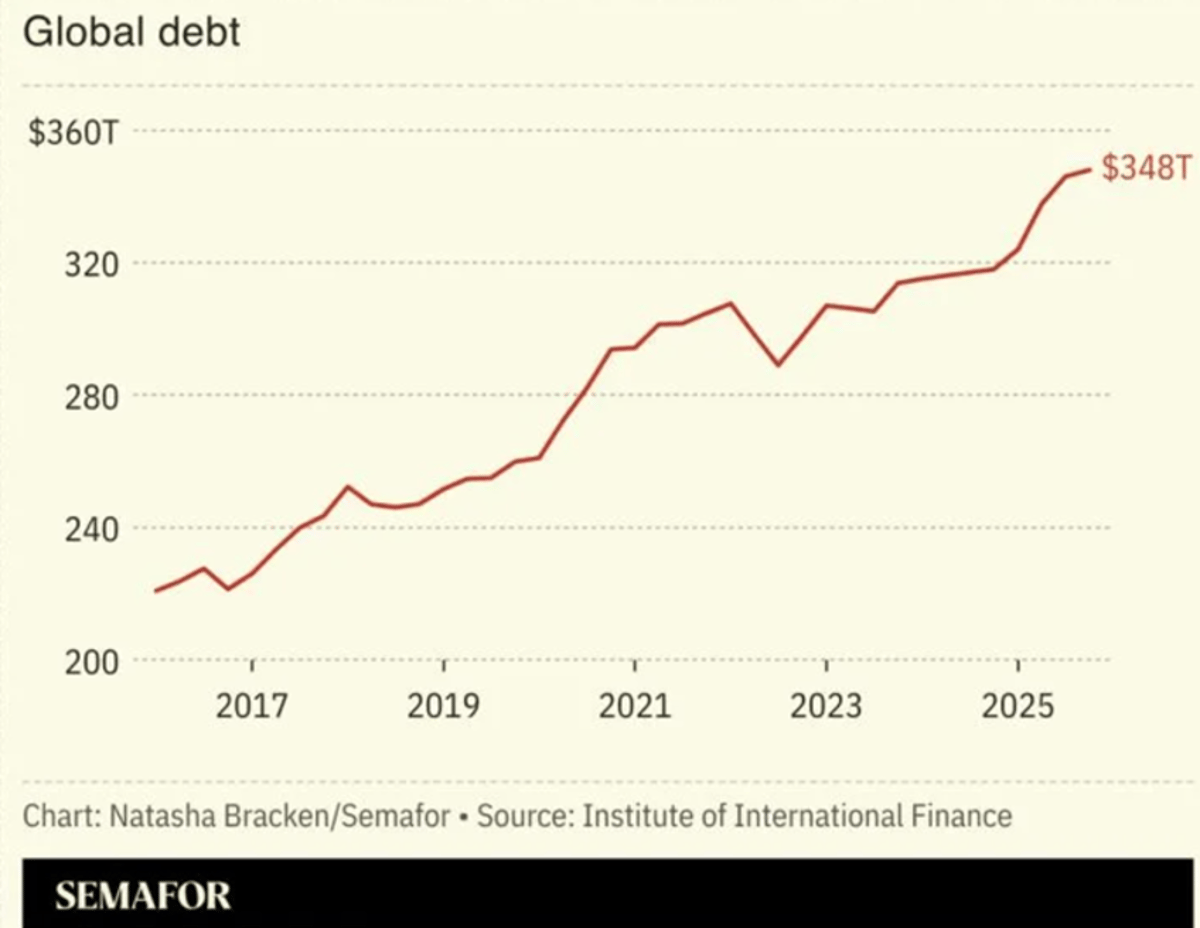
Rising Global Debt Threatens Growth, Sparks Inflation Risks
Jamie Dimon: "Global deficits are significantly elevated, particularly during what has been a relatively healthy global economy and, until recently, a time of peace—the deficit globally is at an extremely high 5%, while global sovereign debt is at all-time highs....

Iran War Sways Air Cargo Contract Negotiations
The Iran‑U.S. conflict is reshaping air‑cargo contract negotiations, prompting shippers to favor three‑month agreements over traditional annual deals. Spot rates surged to $2.86 per kilogram, a 14% year‑over‑year rise, while global cargo volumes slipped 3%. Jet fuel costs have nearly...

The Hormuz War Will End
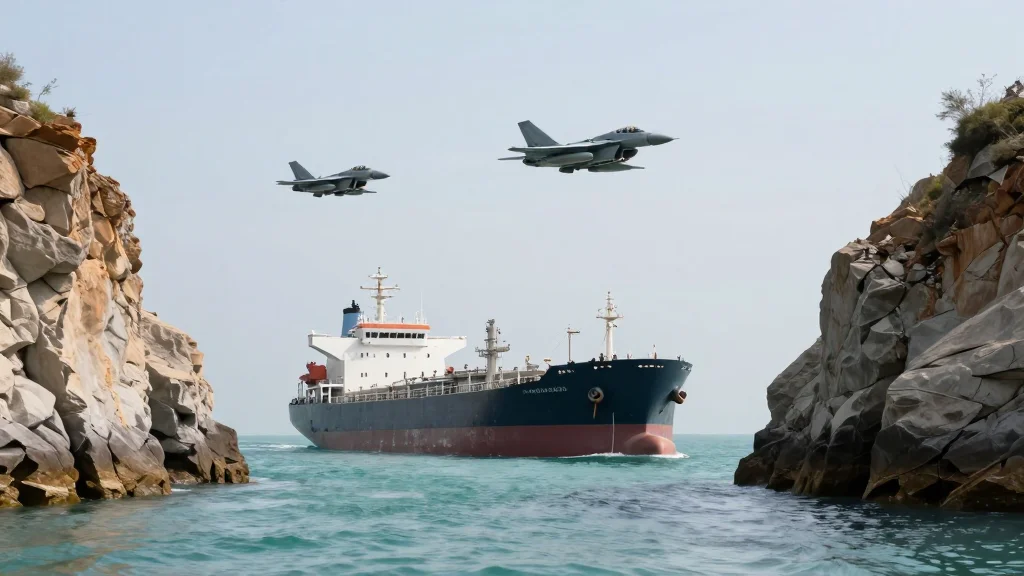
The near‑closure of the Strait of Hormuz has removed roughly 9‑10 million barrels of crude, 5 million barrels of refined products and 20% of global LNG from markets, creating the worst energy shock since the 1973 Arab oil embargo. Existing bypass pipelines...
Wells Fargo Predicts Swift Strait of Hormuz Reopening
They are drunk in fantasyland over at WFG: "The team at the Wells Fargo Investment Institute has a base case that sees a reopening of the Strait of Hormuz occur relatively soon, as well as limited damage to Middle Eastern...
Walmart Signals Recession, Yet Bullish Signals Remain
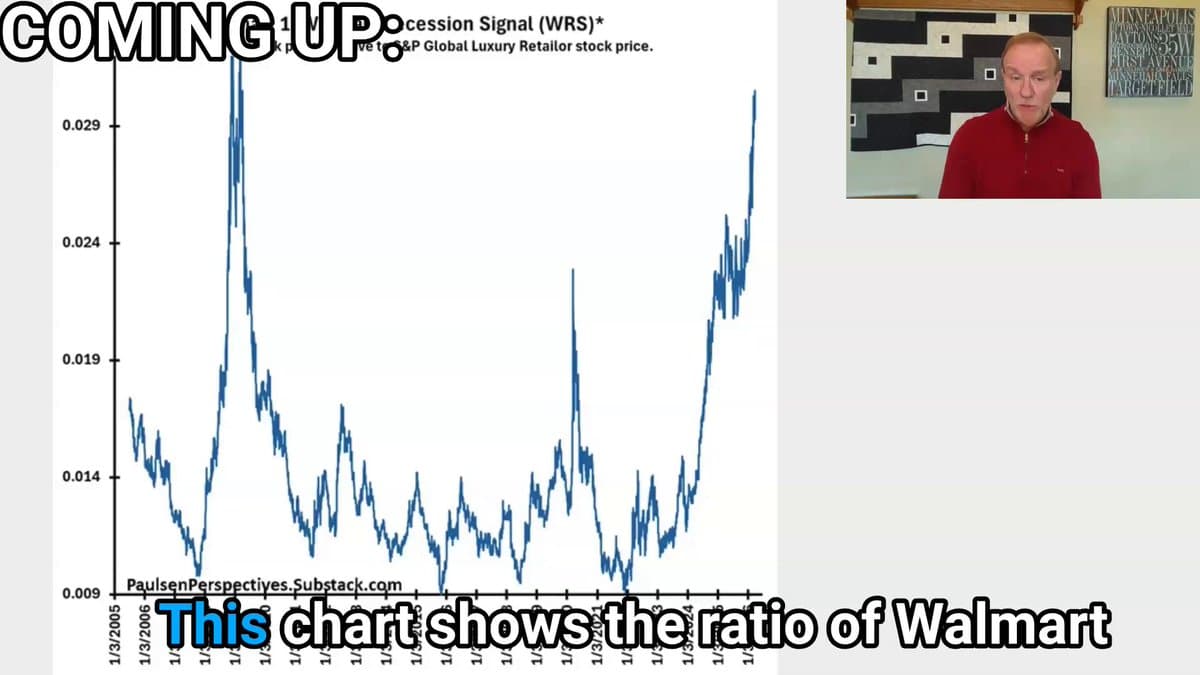
The Walmart indicator is flashing recession. But that’s not the full story. On the latest Jim Paulsen Show, we break down what it’s signaling, the implications of the oil shock, and the bullish indicators most investors are missing. 🎙️https://t.co/6nYM17bPMj 🍏https://t.co/JjLRDxh7gP 📺https://t.co/FzjaKKwQ5m
The War Will End With a Hormuz Toll Booth
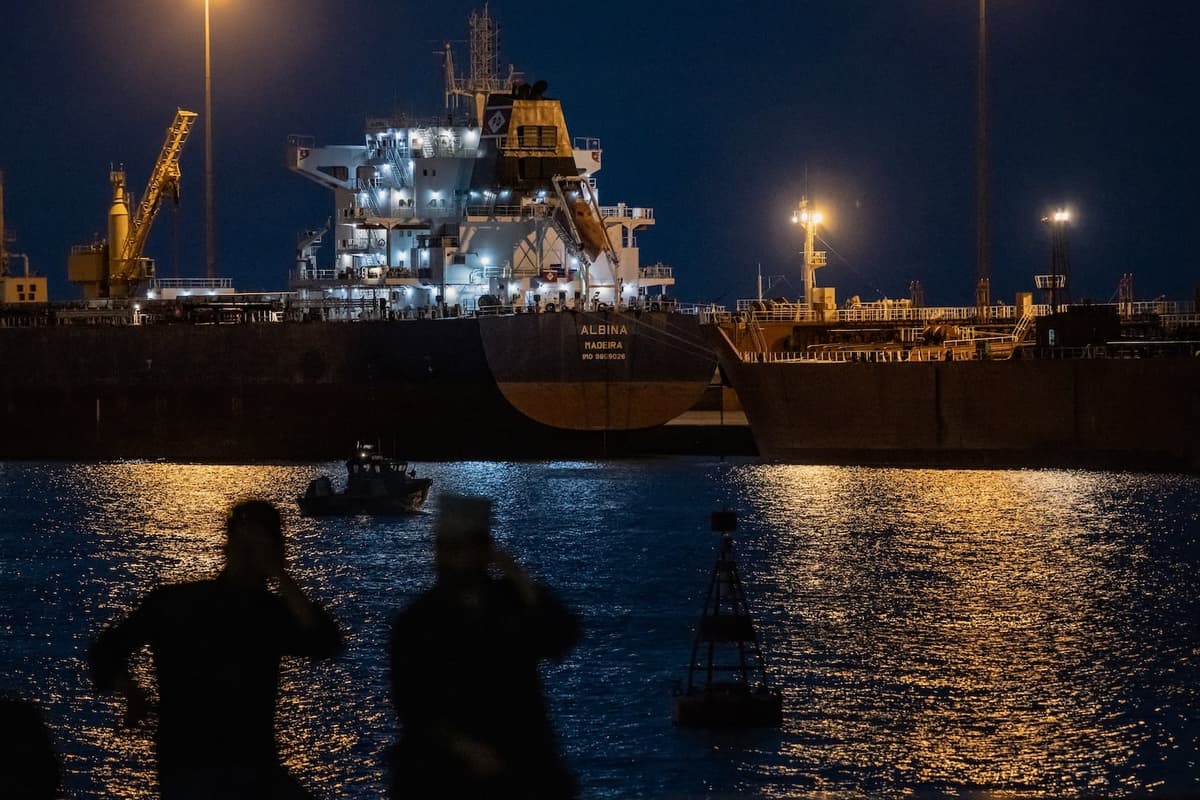
After months of conflict, Iran has begun operating a de‑facto toll booth in the Strait of Hormuz, collecting fees from vessels, some in yuan. Tehran is pushing a formal Iran‑Oman transit authority that would levy a modest $500,000 fee per...

Fed Likely to Cut Rates by Year-End, Says Analyst
In-depth interview with @MilkRoadMacro, covered lots of ground but my prediction for the Fed is different than most analysts: because of what the war and inflation may do to the economy, I think the lower rates by year end, not...

Rubio: Iran's Hormuz Attacks Threaten Global Commerce
Rubio this morning on the impact of the Iran war: "The whole world’s been impacted unfortunately because Iran is violating every law known by striking commercial vessels in the Straits of Hormuz, and it’s a big problem for the world."
Retailers Rely on This Tariff Mitigation Tactic. Congress Has Noticed.
Retailers are increasingly using the decades‑old First Sale customs rule to lower tariff liabilities, a tactic highlighted in Target’s 2025 SEC filing. The rule lets importers value goods at the earliest sale price in a multi‑tier supply chain, reducing duties...

IMF Should Fear Capital Flight From US Markets
FWIW - If America is blamed for higher prices and shortages around the world, the flight the IMF should be most concerned about is out of American capital markets headed back to domestic economies.

Dimon Warns Private Credit Market on Brink of Collapse
The dean of America’s banking system, Jamie Dimon, warns that the $1.8T private credit market rests on grounds that become more shaky with each passing day. Defaults are rising. Risky loans are piling up. PRIVATE CREDIT MAY BE THE NEXT DOMINO TO...
US Shale Drillers Expected to Lift Crude Output
U.S. shale drillers are gearing up to increase crude output after a 68% price surge triggered by the Iran‑Israel conflict and Hormuz closure. With West Texas Intermediate trading around $115 per barrel—well above the $62‑$70 profit threshold—companies like Continental Resources...

Energy Crisis Demands Global Cooperation, IMF & World Bank Meet
This energy crisis calls for all hands on deck & international cooperation I'll meet Monday with IMF Managing Director @KGeorgieva & World Bank President Ajay Banga on our institutions' work to support governments amid the economic impacts of the Iran war...
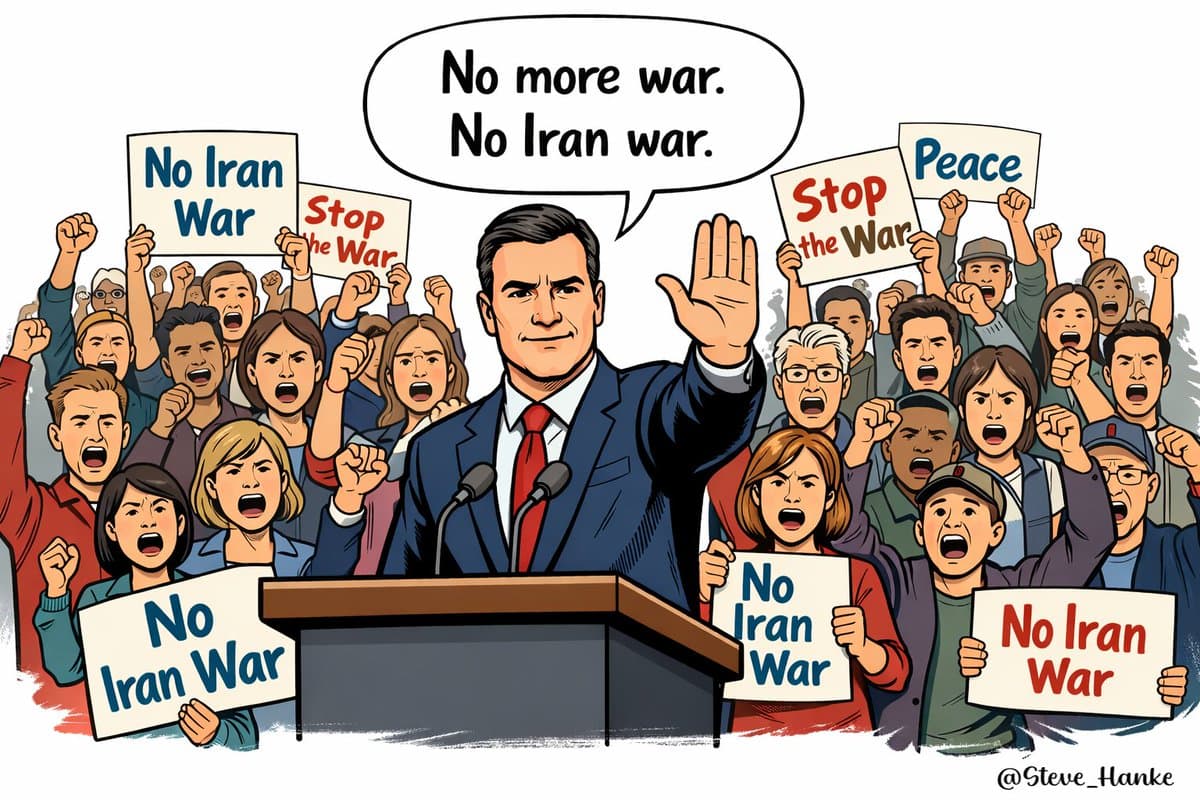
85% of Spaniards Oppose US‑Israeli War on Iran
The Spaniards fully support PM Pedro Sánchez playing hardball with Trump about the US-Israeli war on Iran. According to a CIS poll, 85% of Spaniards reject the U.S.-Israeli war on Iran. https://t.co/CTZI9tuH8Z
Pre-Markets Lower Ahead of Important Day in Iran
U.S. pre‑market futures slipped Tuesday, with the Dow down 0.47%, the S&P 500 down 0.56%, and the Nasdaq down 0.75% as investors brace for President Trump’s deadline on Iran. February durable‑goods orders fell 1.4%, the weakest reading since October 2025, though...
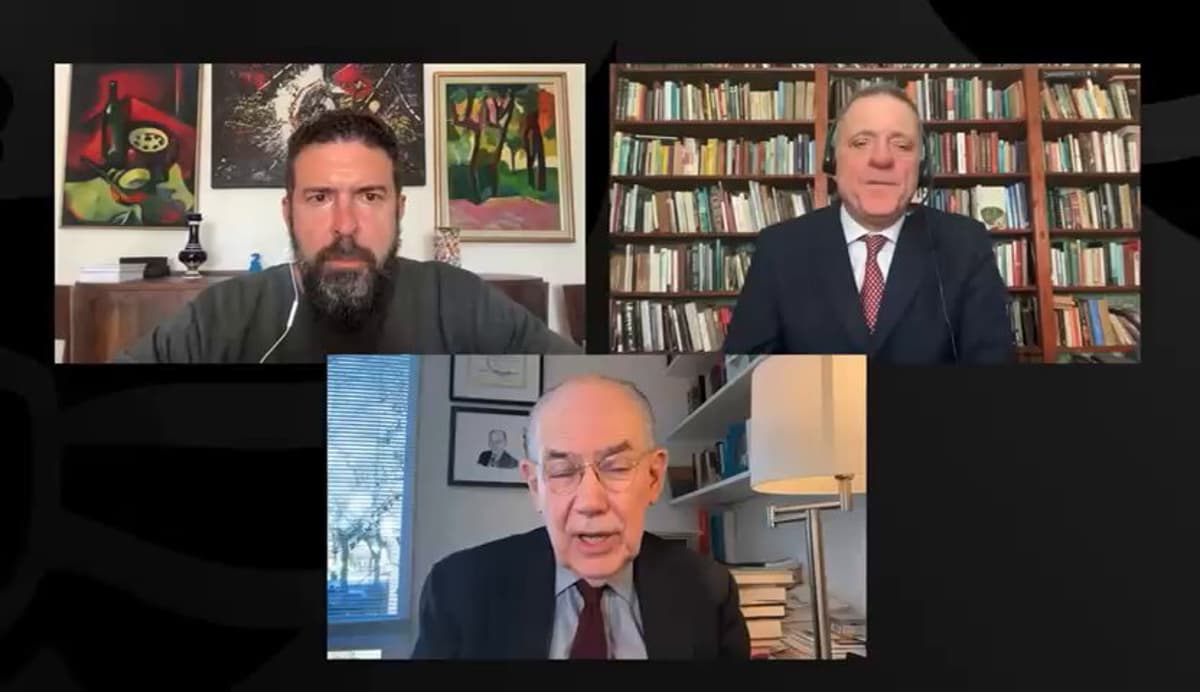
Mearsheimer: Trump's Air‑strike Regime‑change Fantasy Is Absurd
Distinguished UChicago Prof. John Mearsheimer on Trump's uninformed foolishness in his war on Iran: "The idea that you can bomb a country and cause regime change with air power alone is not a serious argument. Why Trump thought he could pull...

Iran War: FAO Food Commodity Price Index Rises in March
The UN’s FAO Food Price Index climbed to 128.5 points in March, a 2.4% month‑on‑month rise marking a second consecutive increase. All five commodity groups – cereals, vegetable oils, meat, dairy and sugar – posted higher prices, led by a...
New Forecasts Show Aussie Household Incomes Are Set to Plunge
The OECD’s latest data, updated to the September 2025 quarter, shows Australia’s real per‑capita household disposable income rose only 5.9% between 2015 and 2025. This is the weakest growth among major English‑speaking economies, trailing the United States (22.2%), Canada (9.5%) and...
IMF Warns of Emerging Markets’ Exposure to ‘Flighty’ Hedge Funds
The International Monetary Fund warned that emerging‑market economies are becoming increasingly exposed to sudden capital outflows from hedge funds that can shift positions quickly. Hedge funds have expanded their holdings of sovereign and corporate debt in these markets, often using...
Hedge Funds Make Record Bets Against European Stocks
Hedge funds have placed record‑size short bets on European equities, pushing total short exposure to roughly €12 billion, a 40% year‑on‑year increase. The surge follows tightening monetary policy, lingering inflation, and heightened geopolitical uncertainty across the region. Data from trade repositories...

Why East Asia Isn’t Surprised by the Rupture in the Global Order
Canadian Prime Minister Mark Carney’s Davos address framed the current geopolitical shift as a "rupture" and urged middle powers to act together. East Asian states have spent the past decade adapting to a waning U.S.-led order through deeper Washington engagement,...

The Fed, Congress, and the President: The Constitutional Authority to Make Money
Christine Desan argues that the Federal Reserve is not merely an independent regulator but the institutional embodiment of Congress’s constitutional prerogative to create money. The paper traces the historical shift of money‑making from monarchs to legislatures, showing how the U.S....