Today's Global Economy Pulse
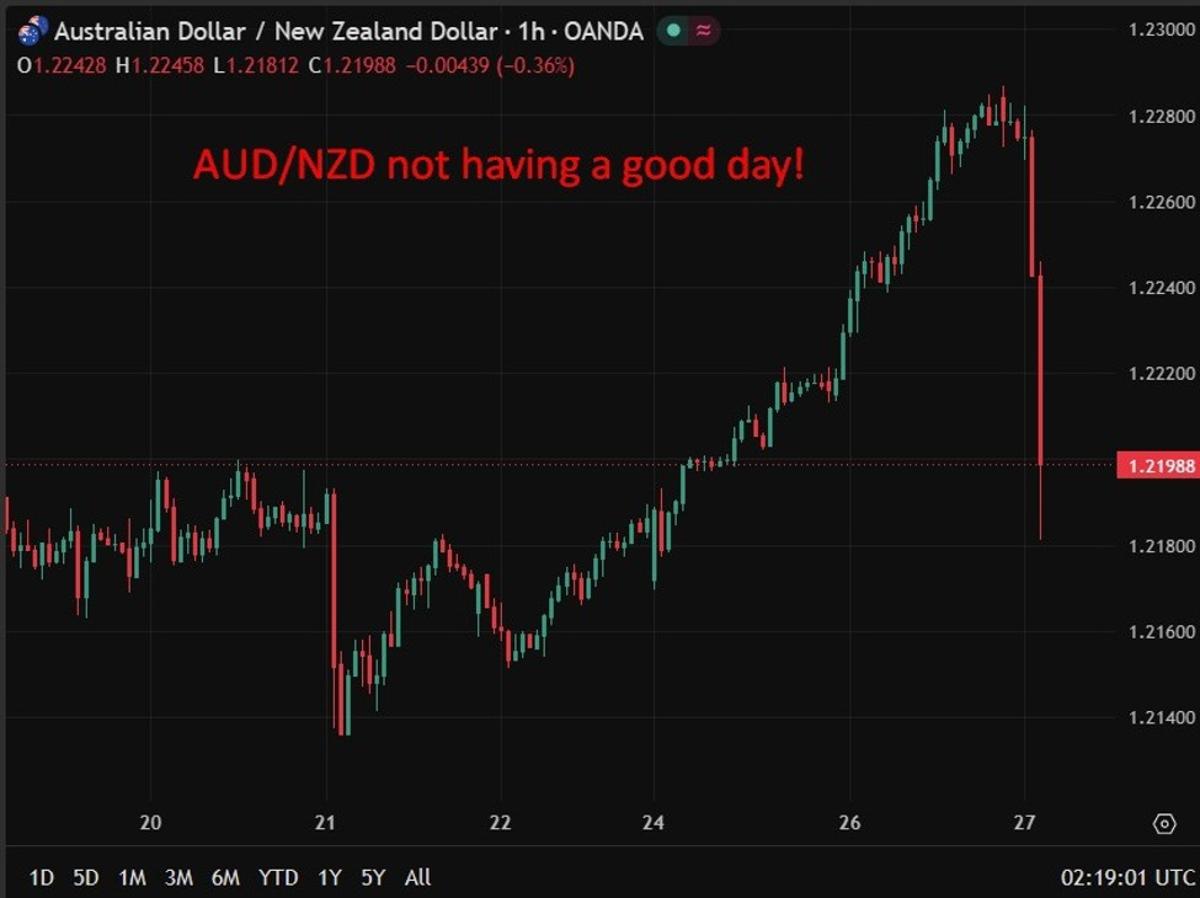
Australia's April CPI eases to 4.2% as core inflation hits 2024 high
Australia’s consumer price index slipped to a 4.2% annual rise in April, missing the 4.4% consensus as a temporary fuel excise cut trimmed transport costs. At the same time, the trimmed‑mean core inflation gauge rose to 3.4% year‑over‑year, the highest level since late‑2024, keeping pressure on the Reserve Bank of Australia’s inflation target.

Morningstar DBRS Confirms Republic of Ireland at AA, Stable Trend
Morningstar DBRS reaffirmed Ireland’s long‑term sovereign rating at AA with a stable outlook, and its short‑term rating at R‑1 (high). The agency highlighted a 4.9% rise in real modified domestic demand and a 12.3% surge in real GDP in 2025, driven largely by pharmaceutical exports. Fiscal projections show a 2.4% of GNI surplus and a decline in the public‑debt‑to‑GNI ratio to 62.3% in 2025. However, the rating remains vulnerable to U.S. policy shifts and the country’s heavy reliance on multinational tax revenues.

What Happens at $200 a Barrel?
Economists warn that a sustained $200 per barrel WTI price would trigger a systemic shock to the U.S. economy. At that level, gasoline could top $7 per gallon, eroding over $400 billion in discretionary consumer spending and deepening energy poverty. The...

Is a Transcontinental Highway the Key to Unlocking Trade in Latin America?
The Inter‑American Development Bank is backing the Bi‑Oceanic Corridor—a 2,300‑mile road and rail link from Brazil to Chile—with a $200 million loan for the critical Paraguay segment. The corridor, slated for completion in late 2026, promises to shave roughly two‑and‑a‑half weeks off...

Private Credit Vs Geopolitical Risk: The 2026 Showdown
In 2026, escalating Middle‑East conflict has reignited oil‑price volatility while the private‑credit market grapples with heightened redemption pressure. Economists warn that these seemingly separate shocks can compound, tightening liquidity across capital markets. War‑related fiscal outlays—about $365 billion annually—provide a short‑term economic...
Here’s a Rare Chance to Invest Before Big Stock-Index Funds and Wall Street Dive In
FTSE Russell plans to reclassify Vietnam from a frontier market to the secondary‑emerging category, a move that will trigger substantial index‑fund inflows. Analysts estimate up to $5 billion could be redirected into Vietnamese equities once the change is implemented in September. Retail...
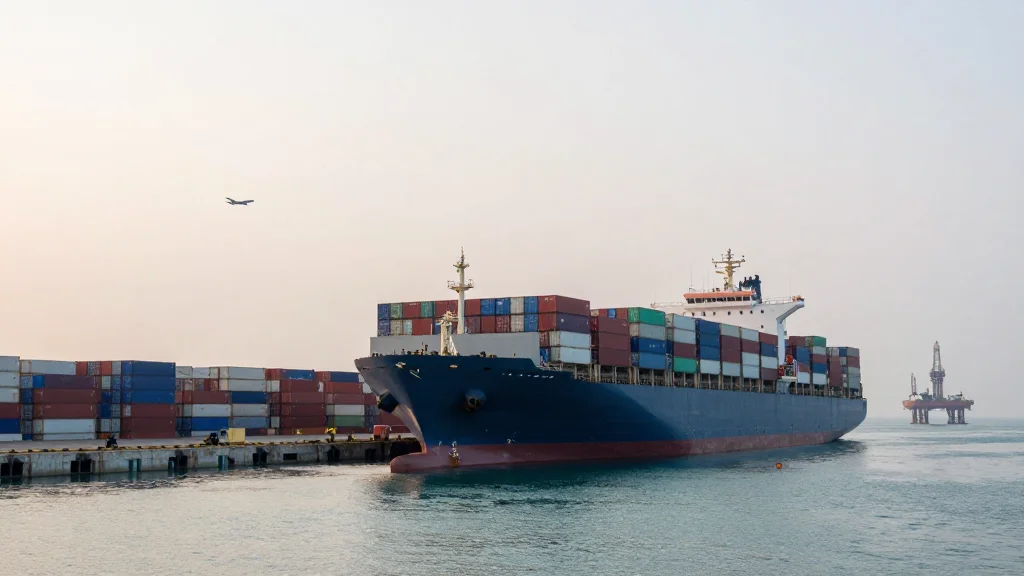
US Exports to Middle East in Limbo Amid War Zone Service Disruptions
US exporters are scrambling to locate containers shipped to the Middle East after ocean carriers halted almost all services due to the war with Iran. Mediterranean Shipping Company invoked an “end‑of‑voyage” clause for shipments bound for Dubai’s Jebel Ali, leaving cargo...

You Can't Stop the Computer
In this episode of Serious Trouble, hosts Josh Barrow and Ken White dissect the Trump administration's struggle to refund illegal IEPA tariffs due to a rigid customs computer system, and the courts' pushback against the administration's attempts to sidestep Senate...

Leaders in Ag and Manufacturing Stress Stability of USMCA
Leaders in agriculture and manufacturing emphasized the stability of the US‑Mexico‑Canada Agreement (USMCA) as essential to North‑American supply chains. Soybean exports to Mexico have quadrupled and to Canada doubled since the pact took effect, while Canadian pork and cross‑border equipment...

Markets End Another Week Down—Dropping Over 1%—As Oil Still Above $100 Amid Iran War
U.S. equity markets closed the week in the red, with all three major indexes falling at least 1.3% as the United States and Israel escalated their conflict with Iran. The Dow Jones Industrial Average led the declines, slipping nearly 2%...
The Looming Bottleneck for Global Tech
In this episode, Sean Kim explains how the Strait of Hormuz— a critical shipping lane for energy— could become a bottleneck for the global technology sector, especially advanced semiconductor manufacturing. He highlights that chip fabs, like those in Taiwan, consume...

For You Lovely Paid Subscribers. Join Me in Drinking What You Drink or Smoking What You Smoke.
The Pentagon has ordered the 31st Marine Expeditionary Unit, about 2,200 Marines, and the USS Tripoli to the Middle East to neutralize Iran’s missile and naval threats to global shipping. The deployment signals a shift from a rapid‑response posture to...
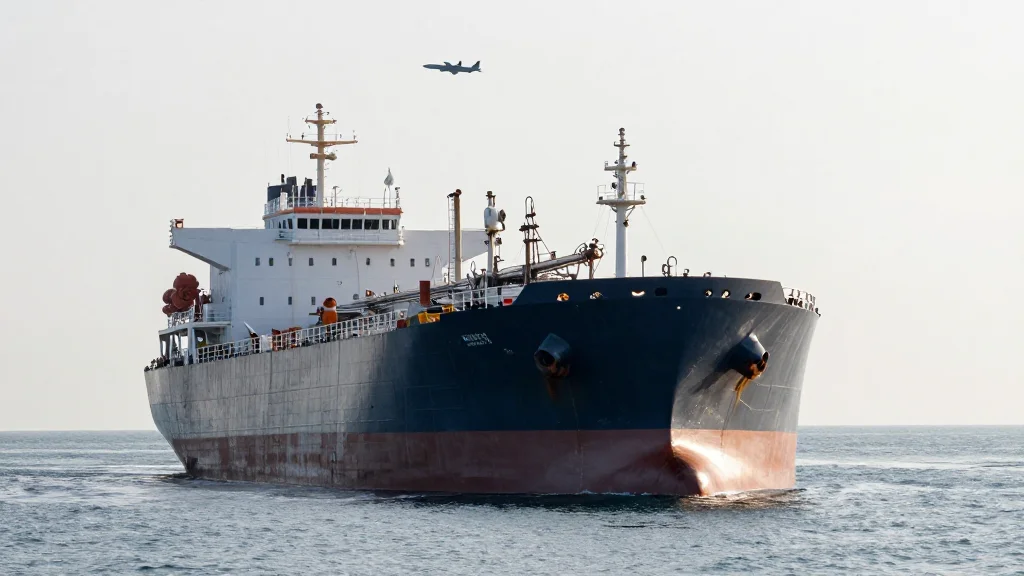
Sky-High Oil Prices Are About to Hit Puerto Rico’s Grid
The ongoing Iran‑Israel conflict has effectively closed the Strait of Hormuz, pushing global crude to around $100 a barrel. Puerto Rico, which generates roughly 60 % of its electricity from aging oil‑fired plants, will see its regulated power rates rise when...

How Iran Blocking the Strait of Hormuz Affects the U.S.
Iran’s recent closure of the Strait of Hormuz has disrupted one of the world’s most critical oil chokepoints, prompting a sharp rise in global crude prices. While the United States sources only a modest fraction of its oil from the...

EXCLUSIVE: Cyprus Acts as a “Third Force” In EU Sanctions Extension Vote
Cyprus, currently holding the EU presidency, has moved from a neutral position to actively opposing the removal of sanctions on Russian billionaire Alisher Usmanov, citing historic disputes with Turkey. The shift follows a letter from Turkish President Recep Erdoğan to Slovak...

U.S. Economy Has Lost Jobs Under Trump Tariffs, 'Gold Standard' Jobs Data Shows
The Quarterly Census of Employment and Wages (QCEW) – the “gold standard” of jobs data – shows U.S. employers added only 123,000 jobs in the 12 months through September 2025, far below the 636,000 reported by the Bureau of Labor Statistics...

Secure Strait of Hormuz to Ensure Stable Oil Prices
Energy, especially oil, is the backbone of every economy. As I said, a stable oil price, $55 to $70, keeps the global economy running smoothly. But it’s about more than price, it’s about keeping the two-mile stretch of the Strait...

US‑Iran Conflict and Monetary Policy Dominate Next Week’s Market Outlook
It looks like we will be focused on two things next week: 1. The economic impact of the US-Iran conflict 2. Monetary Policy Look at the laundry list of central bank decisions on tap... All of them are expected to hold, but we...

EU Economies Can’t Catch a Break
The EU’s economy barely grew in Q4 2025, posting a 0.2 percent quarterly increase. Although inflation has eased and central banks trimmed rates, growth momentum stalled. A sharp 40 percent rise in Brent crude and record‑high gas prices, driven by the ongoing...

US Picks 60 Trade Partners for Tariff Action
The U.S. Trade Representative announced investigations into 59 countries and the EU, selecting a total of 60 major trading partners for new import taxes under Section 301. The tariffs aim to block goods made with forced labor, replacing the 15%+ emergency...

Iran Conflict Raises Specter Of Inflation, But CRE Could Be Spared
The U.S. war with Iran has disrupted oil flows through the Strait of Hormuz, pushing crude prices above $100 and reviving inflation concerns. Analysts warn that a prolonged conflict could lift interest rates, jeopardizing the refinancing momentum that commercial‑real‑estate (CRE)...

Iran's Real Power: Controlling the Strait of Hormuz
My take on Iran's biggest advantage in the war: "The US & Israel are making mincemeat out of Iran, but Iranians still hold their key card: the Strait of Hormuz, which remains shut down. A great friend in Dubai said he...

Uncertainty Regarding Trade Policy Remains High
Analysts warn that a prolonged closure of the Strait of Hormuz could drive crude oil prices well above $150 per barrel, far exceeding historical peaks. Historical data from 2011‑2014 shows oil consumption grew despite high prices, underscoring demand resilience. Economists...

Private Credit Risks Echo 2008 as Oil Spikes
Multiple headlines today about the parallels between now and the run-up to the GFC. From Bloomberg: "BofA’s Hartnett Warns Markets Starting to Look Like 2008." From the FT: "Should investors worry about a 2008-style shock?" The key concern: oil prices...

Canadian Unemployment Hits Recession Levels, Private Sector Stalls
Statistics Canada reported a 0.4% drop in employment in February, wiping out 84,000 jobs—all full‑time—bringing the labour force back to September 2025 levels. Private‑sector employment fell 0.5% and has shown no growth over the past year, while all net gains...
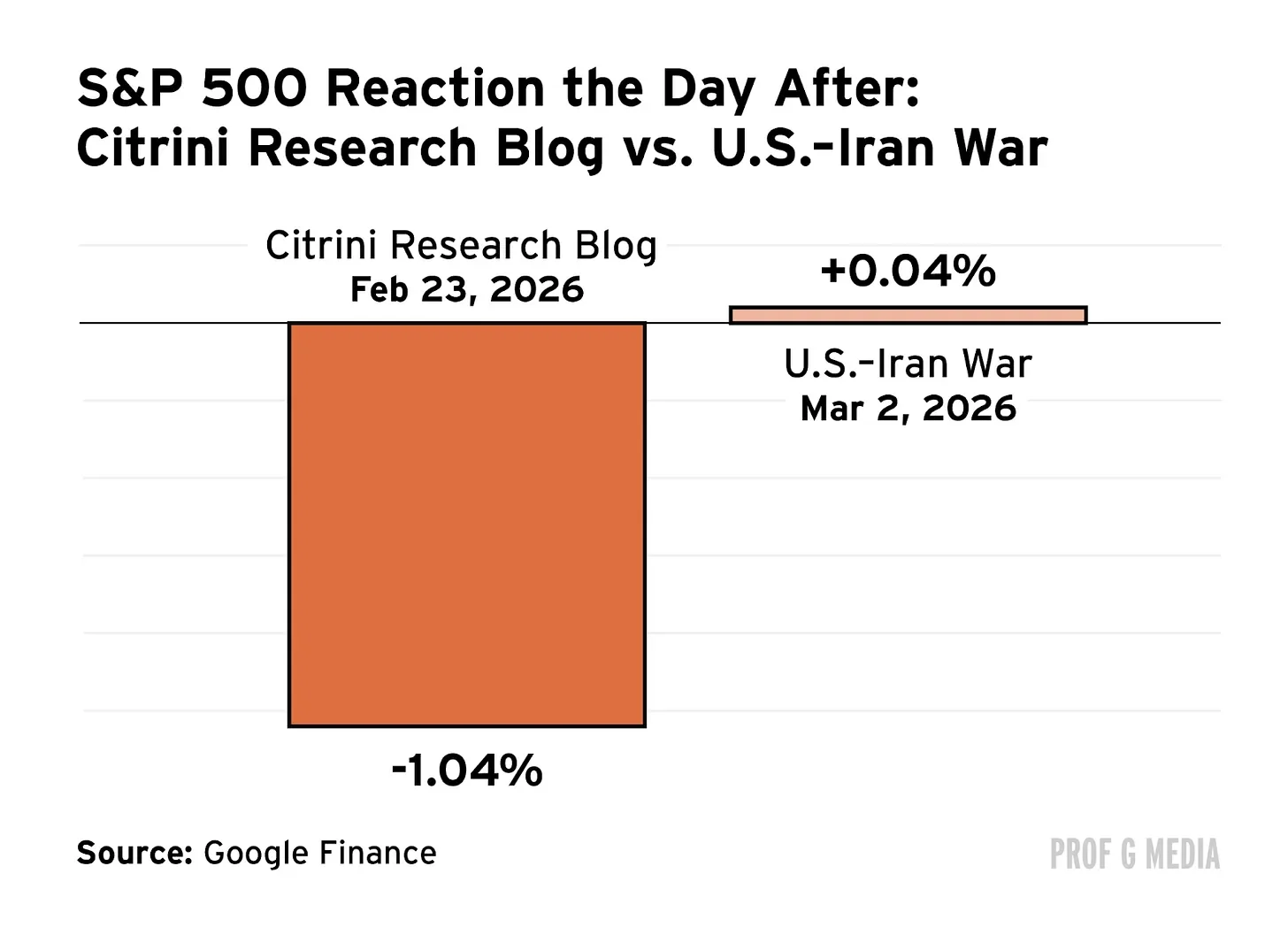
Markets Ignore Iran Risks, Focus on AI Buzz
It's clear: the market is genuinely uninterested in entertaining what could go wrong in Iran. They were very happy to ask that question about AI, but for whatever reason, not about this. More on the market's reaction to Iran in...

More Questions Than Answers: Thinking Through Recession Risks
The ongoing Middle East conflict is driving oil prices up, reviving concerns about a U.S. recession. Economists note that higher energy costs could reignite inflation, forcing the Federal Reserve to balance rate cuts against potential hikes. Multiple geopolitical flashpoints—from Iran...

Britain’s Economy Is Flatlining - but We Have the Defibrillator. It’s Time to Use It.
The Office for National Statistics reported that UK GDP growth has essentially flatlined, signalling a stagnant economy. An analysis by Frontier Economics suggests that fully implementing the UK‑EU summit commitments could add roughly 2 percent to annual growth, a figure the...
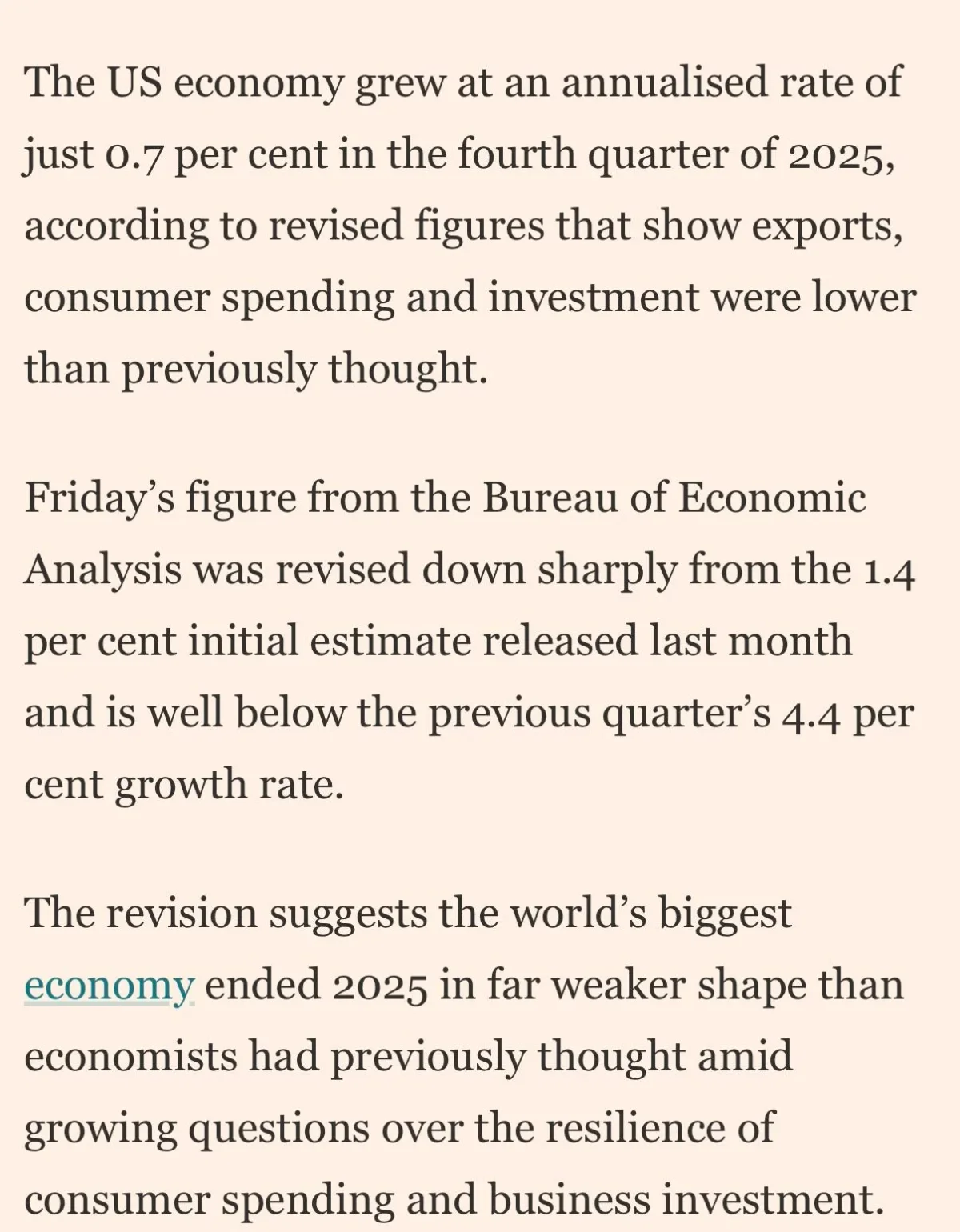
Revised Q4 GDP Signals Slowing US Economy Amid Stagflation Risks
Here’s the Financial Times on today's revised data on US fourth-quarter GDP. Similar to the consumer spending figures also released today (please see previous post), Q4 GDP growth now suggests a less dynamic American economy in the run-up to the...
Dire Strait
The Financial Times has unveiled the Monetary Policy Radar editorial team, a dedicated unit focused on tracking central‑bank actions and their market impact. The team is led by Chris Giles, FT’s economics commentator, and includes Andrew Whiffin, award‑winning UK CFA Journalist...

BEA's Data Switch Trims Core PCE by 8bps
The BEA’s decision to change legal services source data in the PCE from CPI (around 11.3% in Jan) to PPI (1.8% in Jan) cut the core PCE MoM chg by 8bps (would have been 0.44% vs 0.36%). Could defend...
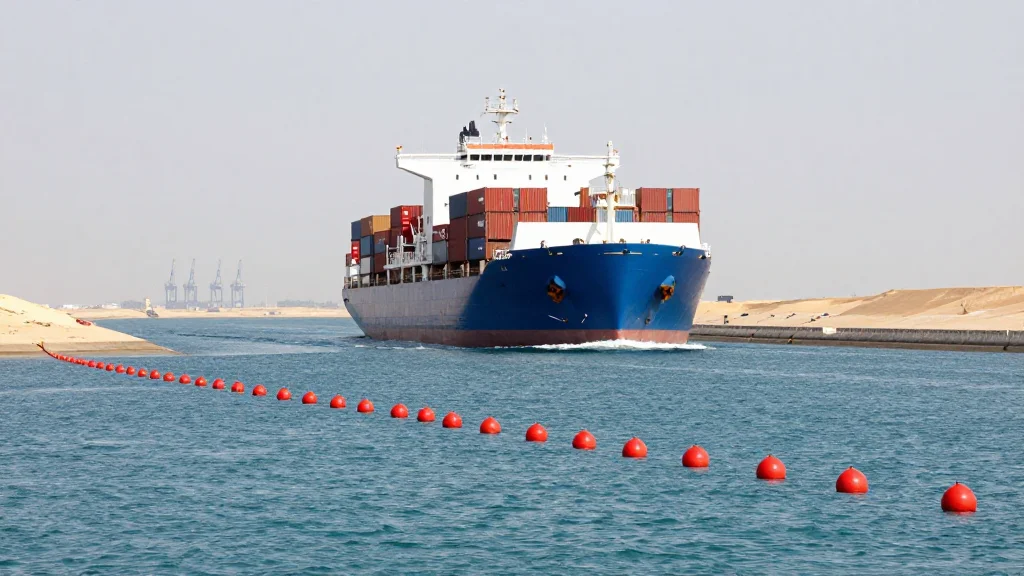
New Maritime Routes May Persist Post‑War as Backup Services
Ocean carriers and new ways to serve the Middle East with the Strait closed. How much of the new approaches will be maintained at war’s end? At the minimum as viable secondary services to keep them functioning.
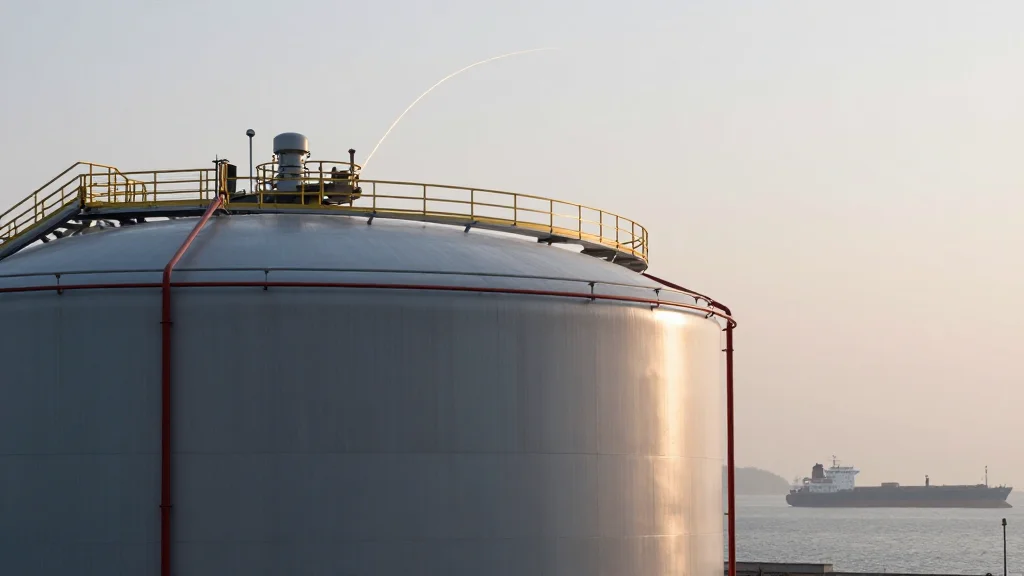
Middle East Conflict Sends Ammonia Prices Higher
Ammonia fertilizer prices have jumped as the Middle East conflict disrupts shipments from key producers, lifting European spot rates by roughly $50 per tonne. The region, responsible for 23% of global ammonia trade, saw vessels stranded and diverted, tightening supply....

Q4 Domestic Inflation Rises to 3.8%, Worst Since 2022
BEA also released its revised GDP data for Q4, including the Price Index Gross Domestic Purchases, broadest inflation index for domestic inflation, which excludes import prices. It was revised up today to 3.8% for Q4, worst since Q4 2022 https://t.co/ATVMhOch9V...

Wolf Outlines Three Possible Paths for Global Economy
Martin Wolf on three scenarios for the world economy. This and other topics in the Chartbook Top Links today. https://t.co/tE1z5pmzN6

India, UK Trade Pact May Come Into Effect in One Month From Now: Piyush Goyal
India and the United Kingdom are set to bring their Comprehensive Economic and Trade Agreement (CETA) into force by mid‑April, just a month after the announcement. The deal grants duty‑free access for 99% of Indian exports to the UK market...

Sachs Warns Israel‑US Conflict Triggers Global Economic Crisis
Distinguished Columbia Univ. Prof. Jeff Sachs on the war in Iran: "Like it or not, the world is going into a profound economic crisis. Israel set this off together with the US, and the world will pay a fearsome price for...

SPX Down 5%; Watch for 10% Trigger
SPX has already dropped 5%. If it continues to drop to 10%+, we run the risk of entering into the negative feedback loop I have mentioned. As of right now, the negative feedback loop has not happened, as layoffs/initial claims remain...
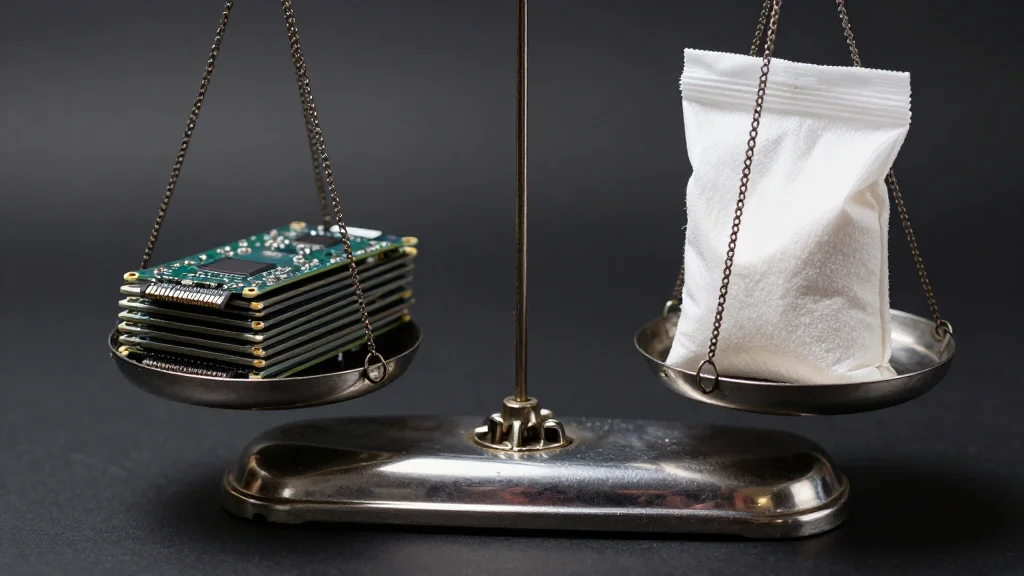
India’s Imports From China Slowed Overtime, Exports Grow Faster: Govt Tells Parliament
India’s imports from China have decelerated sharply, rising only 87.8% in FY2015‑25 versus a 618% surge in FY2005‑14, while exports to China accelerated to a 38.3% year‑on‑year gain in April‑January FY2024‑25 compared with a 13.8% import rise. The slowdown is...

ECB's Villeroy Says Rate Hike Not Timely Next Week
ECB’s Villeroy says it isn’t the right moment to raise rates next week https://t.co/fTpHRzxngU via @WHorobin https://t.co/zJ4KHlvUAN

Core PCE Inflation Peaks at 3.1%, Surpassing CPI
Core PCE Inflation Hits 3.1%, Worst in 2 Years, in Unique Twist Blows way past CPI Inflation. Driven by Core Services. Energy spike is still to come. The Fed needs to pay attention https://t.co/ATVMhOch9V https://t.co/fBae4ie2QQ

Geopolitical Instability Acts as Economic Parasite, Raising Costs
Dr. Navarro is right: nations' "destabilizing behavior" boosts trade uncertainty and is a "a parasite on the global economy—quietly draining growth through slightly higher [] prices, transportation costs and production expenses year after year."

ECB's Panetta: Private Sector Drives Cross‑border Payments
ECB’s Panetta says the private sector is key in cross-border payments https://t.co/dYdaPPXjLl via @Alemrome https://t.co/dkpP47DCou

EU to Suspend Duty‑free Sugar Imports for a Year
EU is set to suspend some duty-free sugar imports for a year https://t.co/Air1ME1Muc via @LyubovEUWorld https://t.co/tBY6hUyKNr
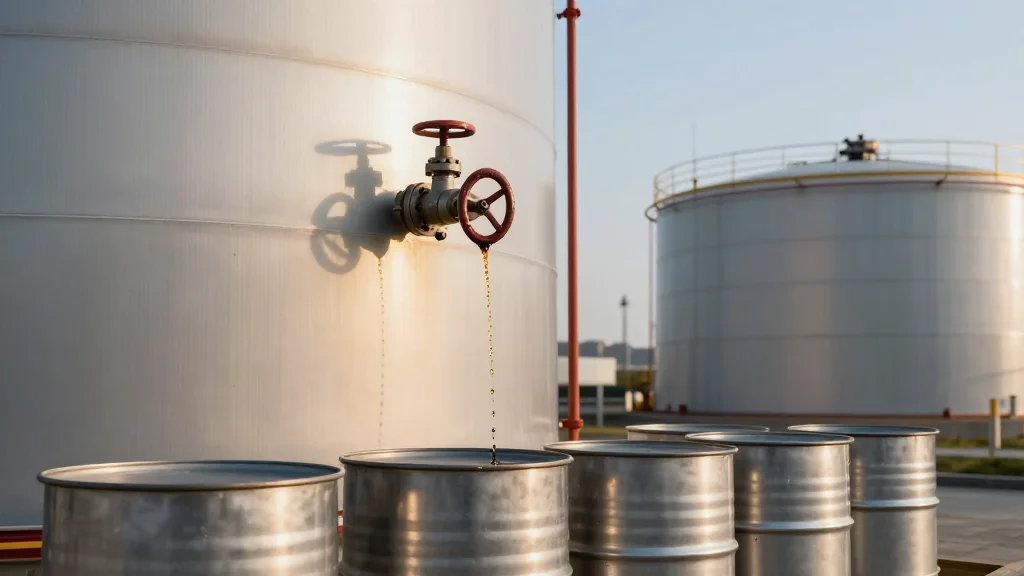
Chemical Shortage Hits Asia as Naphtha Supply Dries Up
More than “Five Asian petrochemical plants have declared force majeure in the past ten days because their naphtha supply was cut off at the Strait of Hormuz. The emergency reserves are crude oil. The shortage is chemicals.”
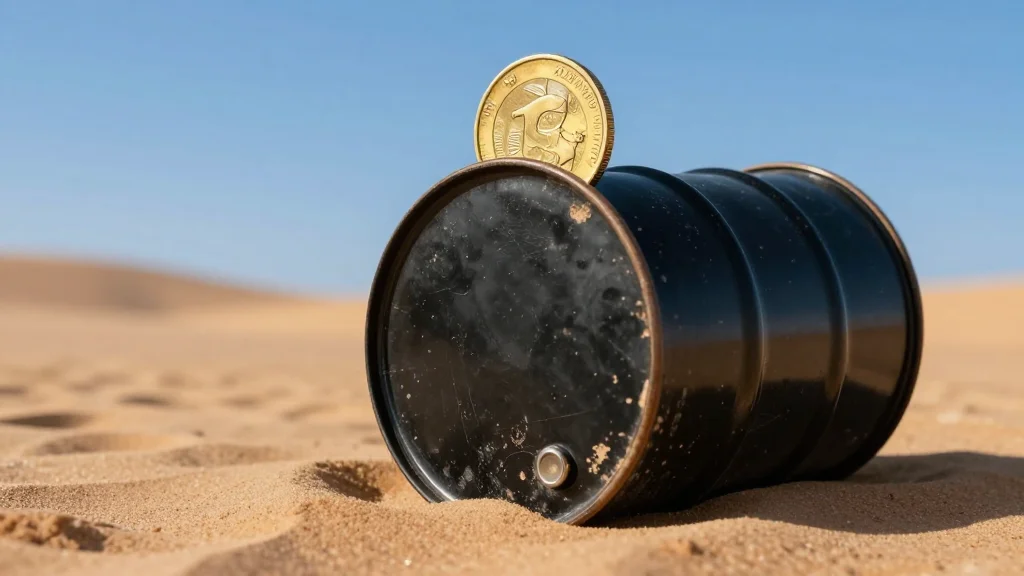
Iran May Extort Oil Deals After $120 Price Surge
Why wouldn’t Iran wait until oil hits $120/barrel and then put out the word that if you’re friendly to them and pay them you can get your oil, mafia-style?

Fragmented Alliances Will Boost Global Security Risk Premium
"The ongoing rewriting of the rules of world order and the resulting fragmentation of global alliances in defense, trade and finance will raise the security risk premium across asset classes and geographies." @ctorresreporter writes in https://t.co/48SyYtQz8S

Pentagon's $11B Iran War Figure Grossly Understates True Cost
In the last week alone, the Pentagon estimates that the US spent $11 BILLION on the Iran war. WARNING: Pentagon estimates are always fiction and way below the real cost. WAR = COSTS AMERICANS AN ARM AND A LEG. https://t.co/49t33aGlwH

UAE Rail Shifts 459k Tons in Nine Days
With the Strait of Hormuz closed, the UAE has turned to its rail network. Etihad Rail Freight has transported 459,000 tons of cargo and 7,900 containers in only 9 days. UAE’S INFRASTRUCTURE MITIGATES THE WAR’S COLLATERAL DAMAGE. https://t.co/cRyWRv4gvD

USD Reserve Status Threatened If Commodity Contracts Fail
Good point & good question - what happens to the USD's reserve status if USD commodity contracts are broken on a widespread basis? What's the point of holding USDs if they are declared worthless for commodities when inconvenient? See 2022 seizure of...

War-Driven Rate Hike Adds $130/Month on $600k Mortgage
For a $600,000 home, a borrower will now have to pay $130 more per month than what they would have paid the day before the war started when rates were 5.99%